Sound Art Style
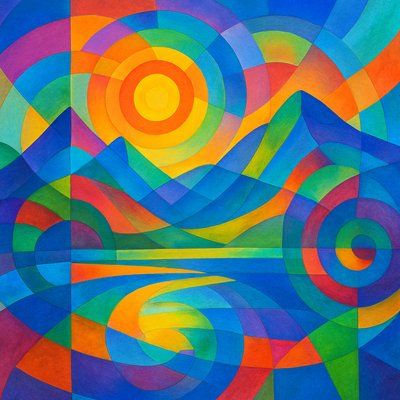
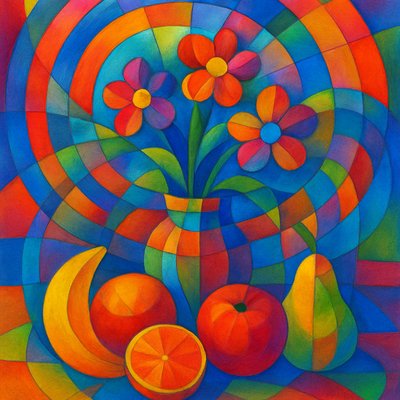
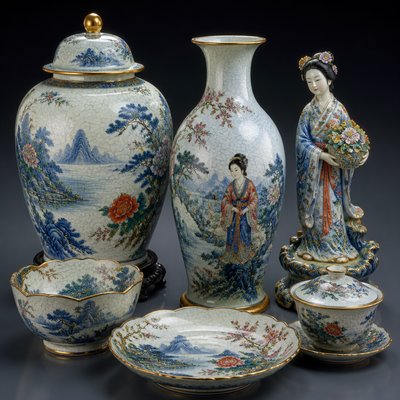
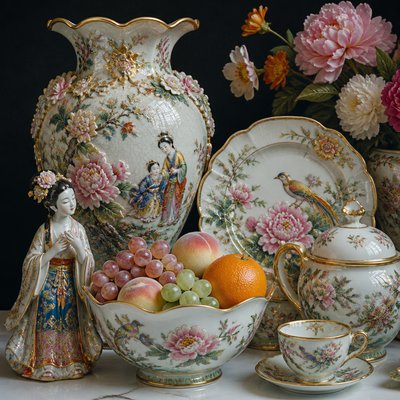
Explore Sound Art Style: hushed galleries, visible vibrations, waveforms, cables, and sculptural acoustics rendered as poetic visual experience.
Instantly rendered in Sound — or transform a photo
Sound Gallery
Tap any artwork to explore it
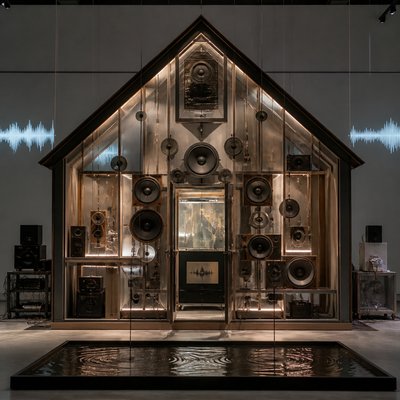
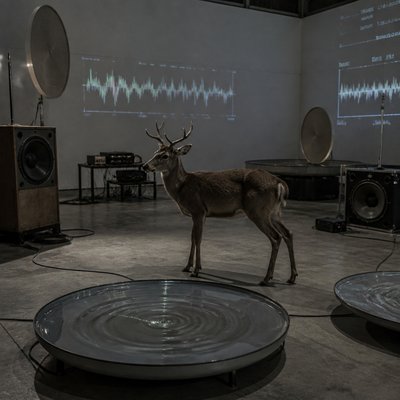
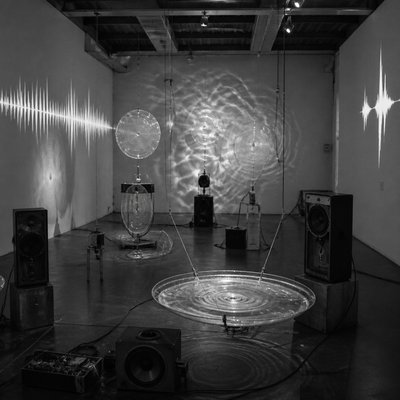
What is Sound Art Style?
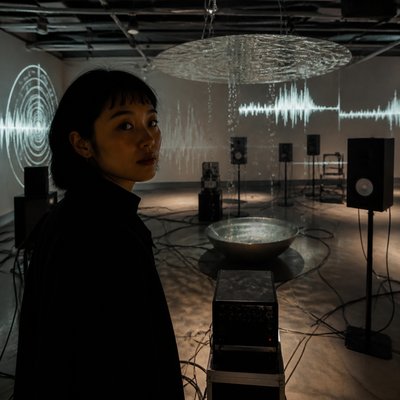
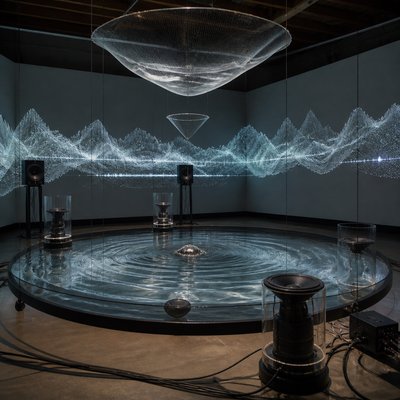
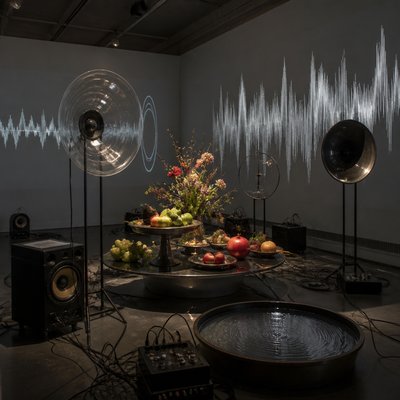
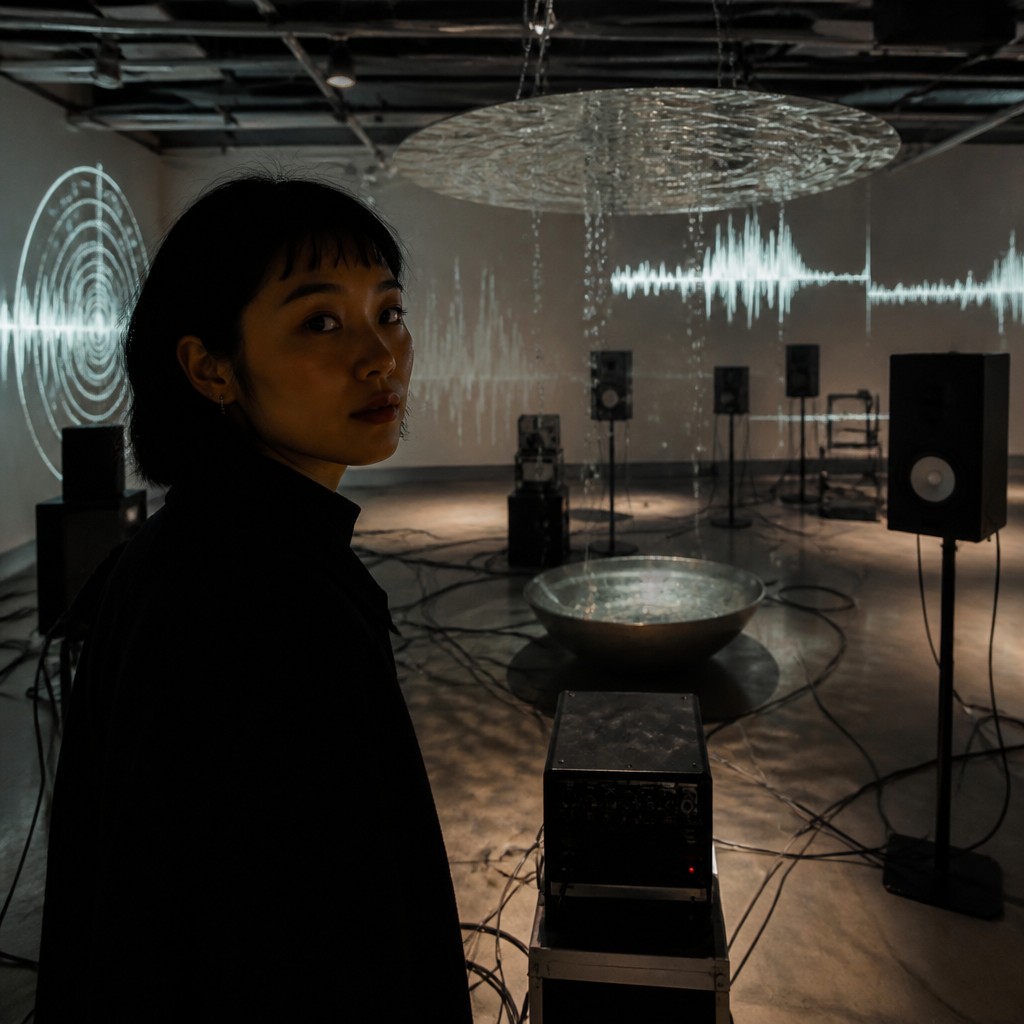
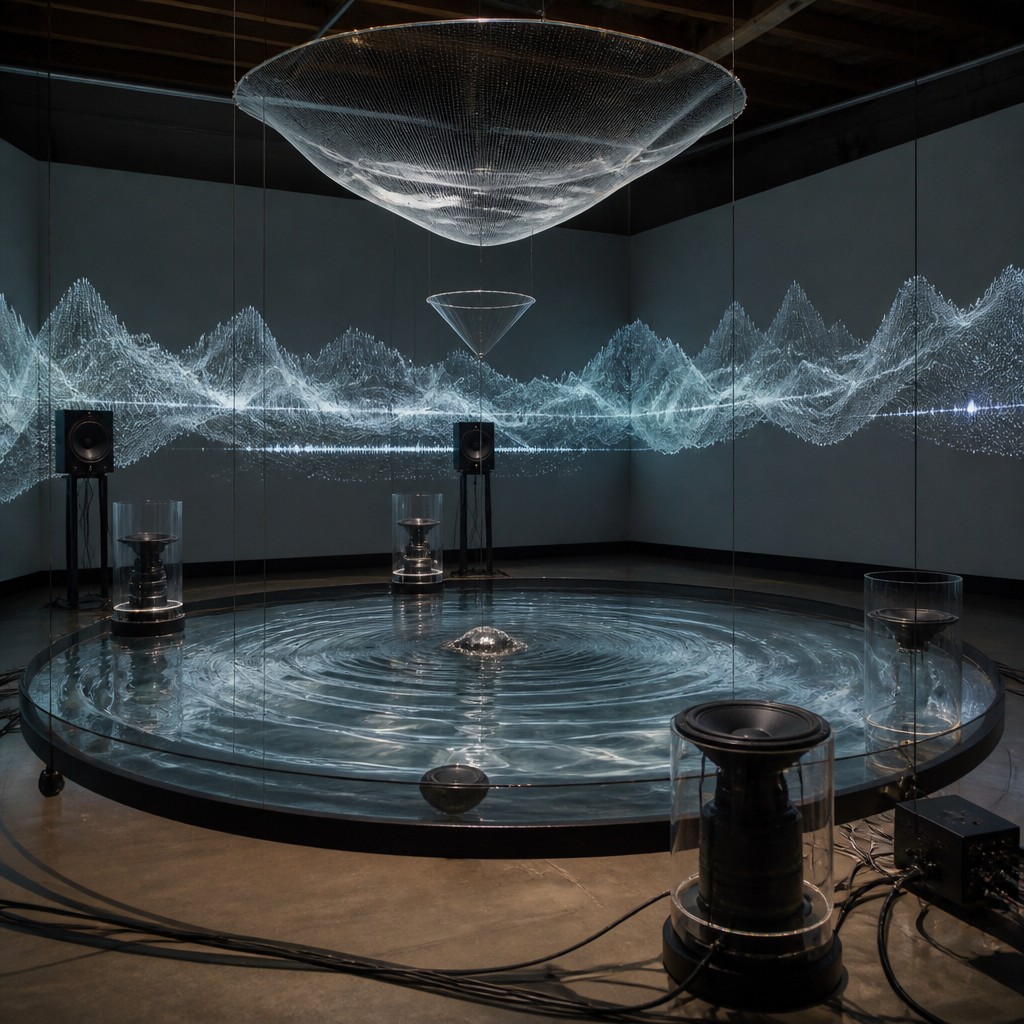
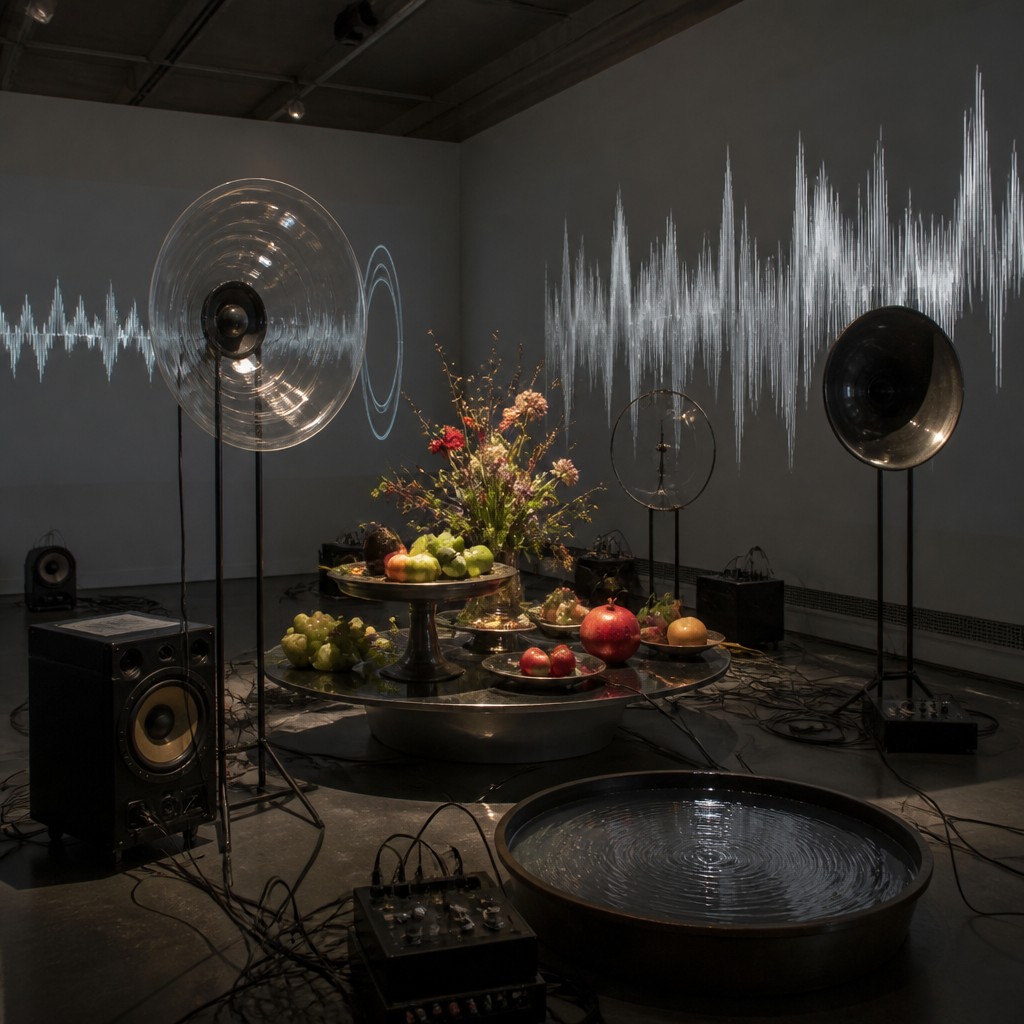
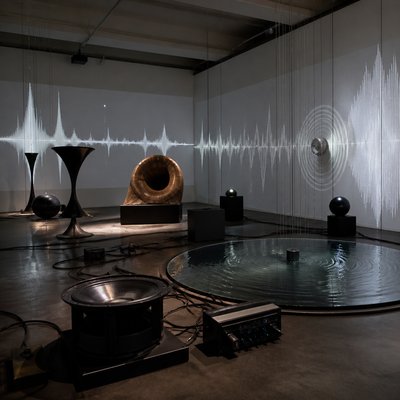
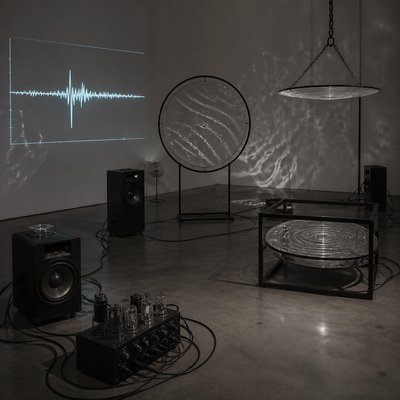
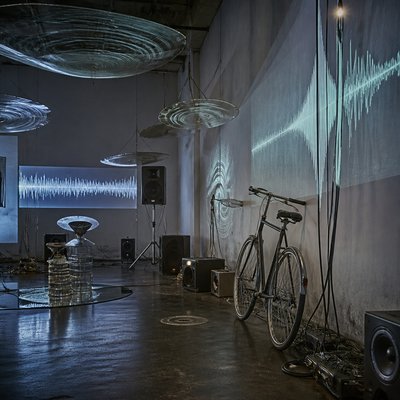
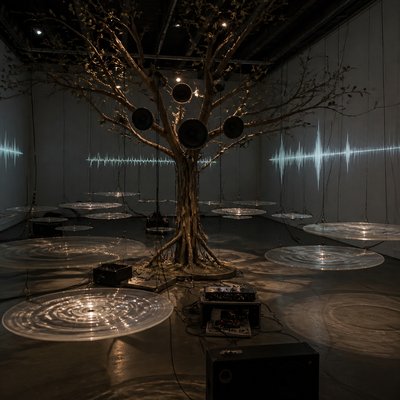
Sound Art Style makes the invisible structures of listening visible. It depicts speakers, resonant chambers, vibrating membranes, water surfaces, cables, amplifiers, and projected waveforms as elements of a quiet installation or documentary scene. The result is an image that suggests sound through physical evidence rather than through conventional musical notation or literal illustration.
Its visual identity depends on restraint and implication: subdued gallery light, spacious compositions, exposed technical equipment, and delicate ripples communicate a tension between silence and sonic energy. Oscilloscope-like lines, interference patterns, concentric waves, and blurred motion translate frequency, resonance, echo, and duration into visual form. The style can appear photographic, sculptural, diagrammatic, or digitally synthesized while maintaining an atmosphere of attentive stillness.
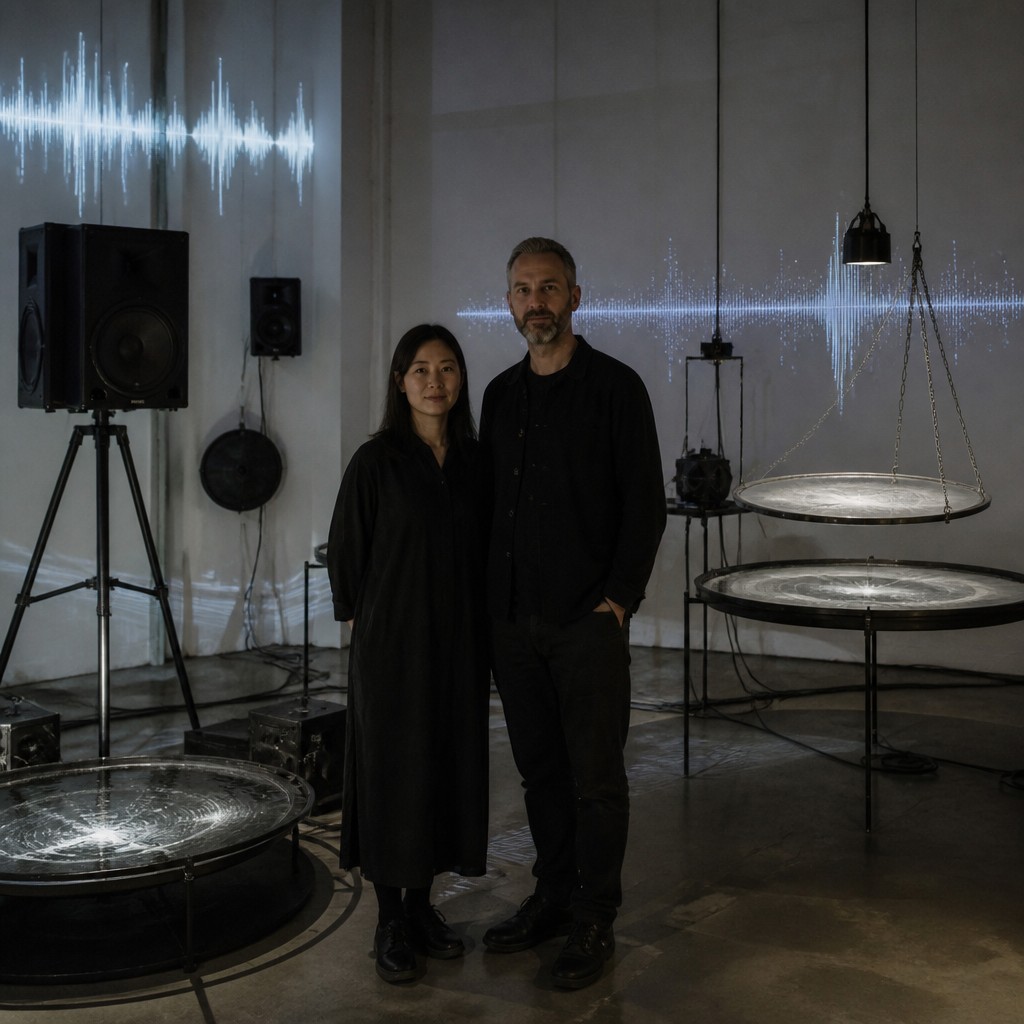
Try It On Your Photos
Upload any photo and convert it into Sound Art Style — drag the sliders to compare before and after.
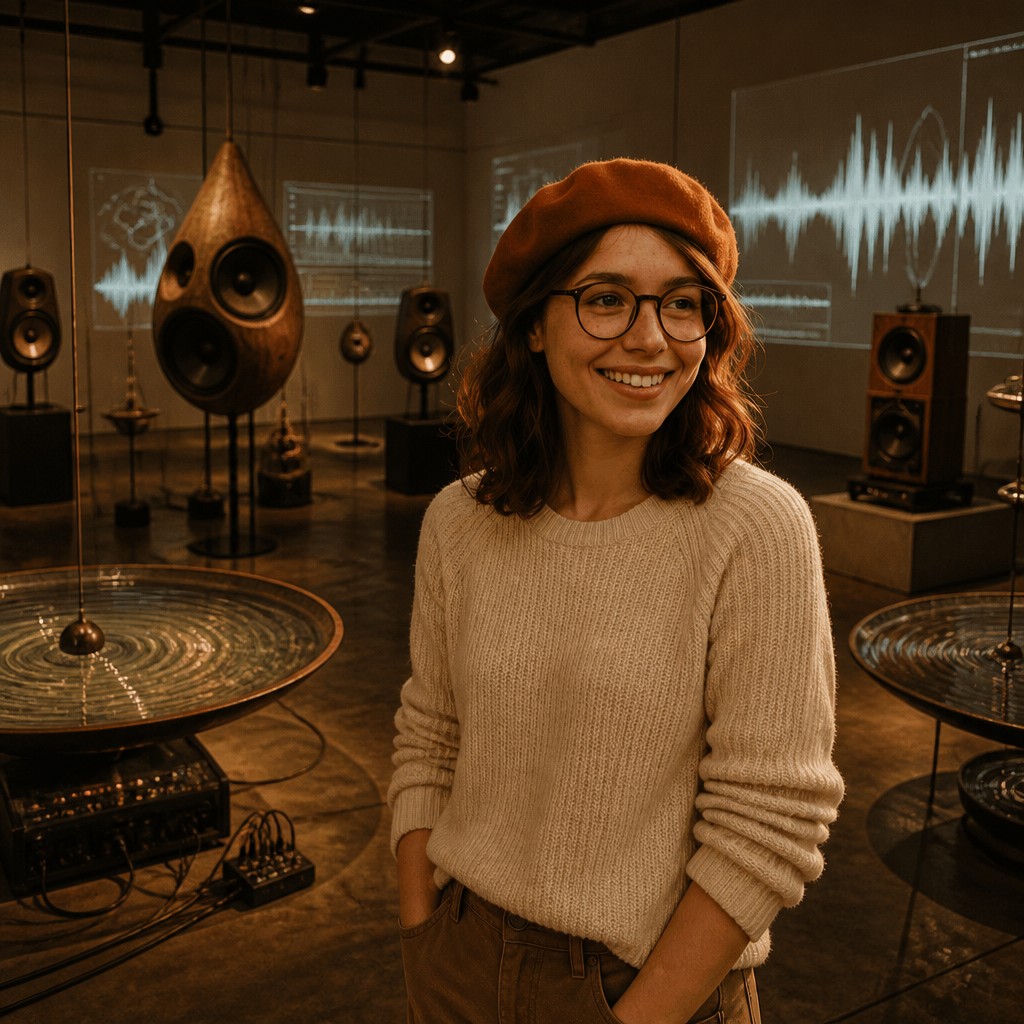

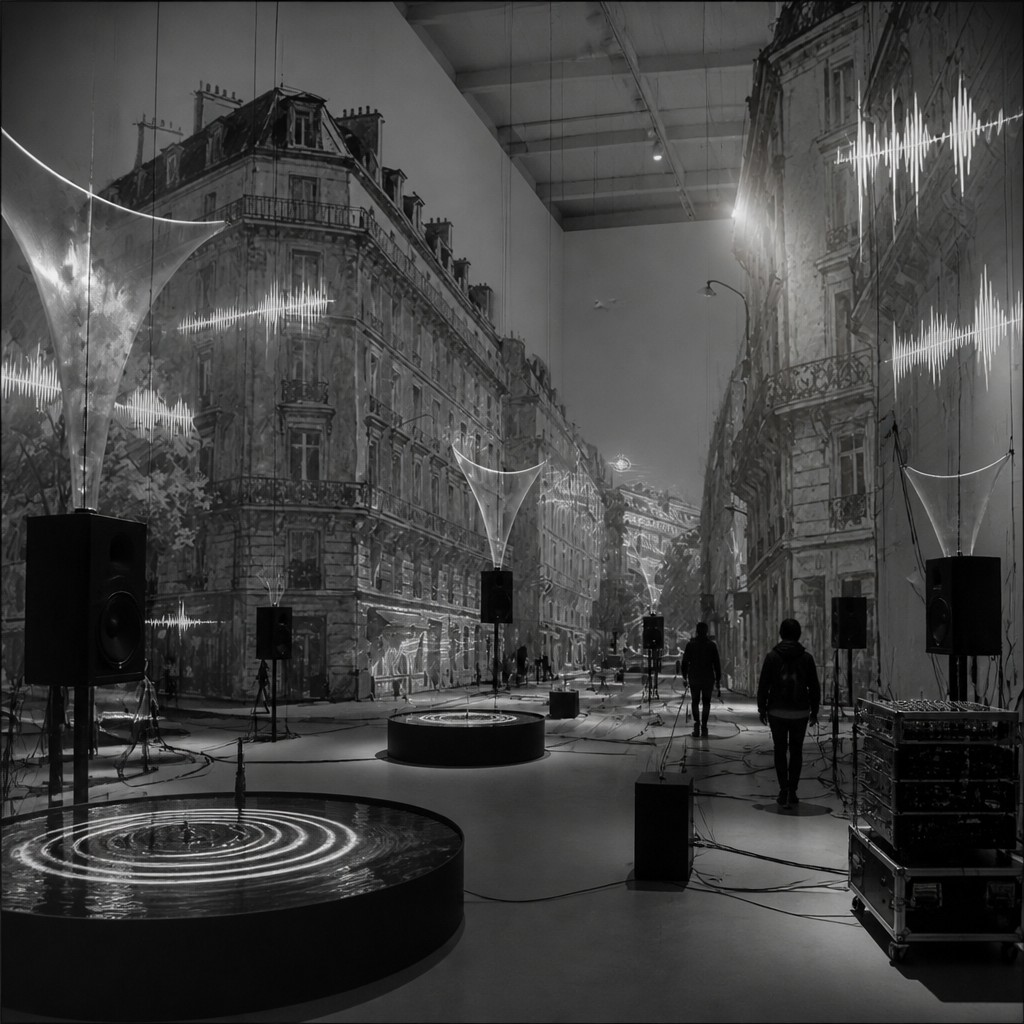

What Defines Sound Art Style
The signature details, up close
Visible vibration
Ripples across water, trembling fabric, vibrating strings, dust patterns, and concentric distortions imply a sound source outside the frame. Motion is often frozen at a precise, almost scientific instant.
Waveform projections
Oscilloscope-like lines, frequency bands, spectrogram textures, and luminous pulses appear on walls, floors, membranes, or atmospheric surfaces. These marks function as both technical diagrams and abstract compositions.
Hushed gallery spaces
Sparse exhibition rooms, dark studios, acoustic chambers, and empty architectural interiors provide a contemplative setting. Large areas of negative space make small signs of movement feel significant.
Audio equipment as sculpture
Speakers, microphones, amplifiers, mixers, cables, stands, and enclosures remain visibly exposed instead of being hidden. Their geometry and accumulated wiring become part of the composition.
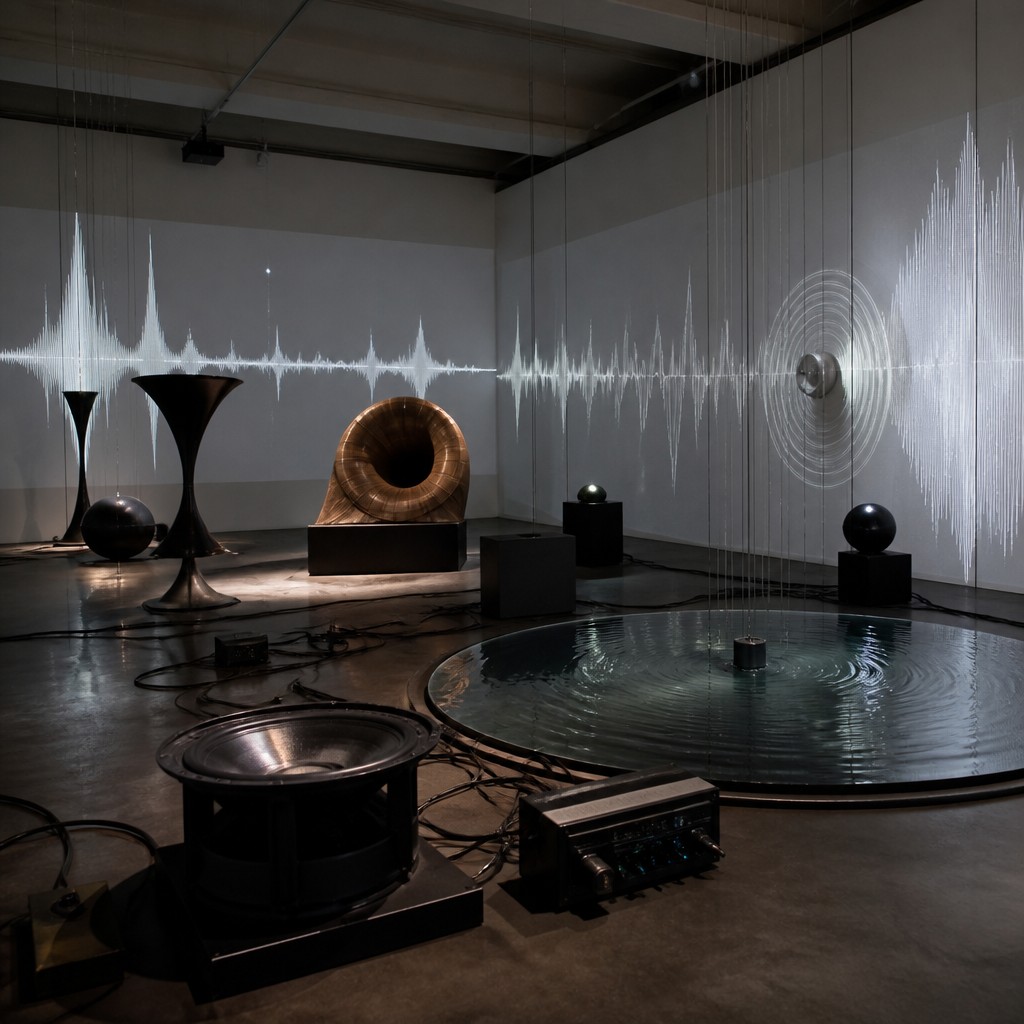
Material resonance
Metal, glass, water, stretched fabric, wood, paper, and rubber are shown as surfaces capable of carrying or revealing sound. Close attention to texture gives the image a tactile sense of acoustics.
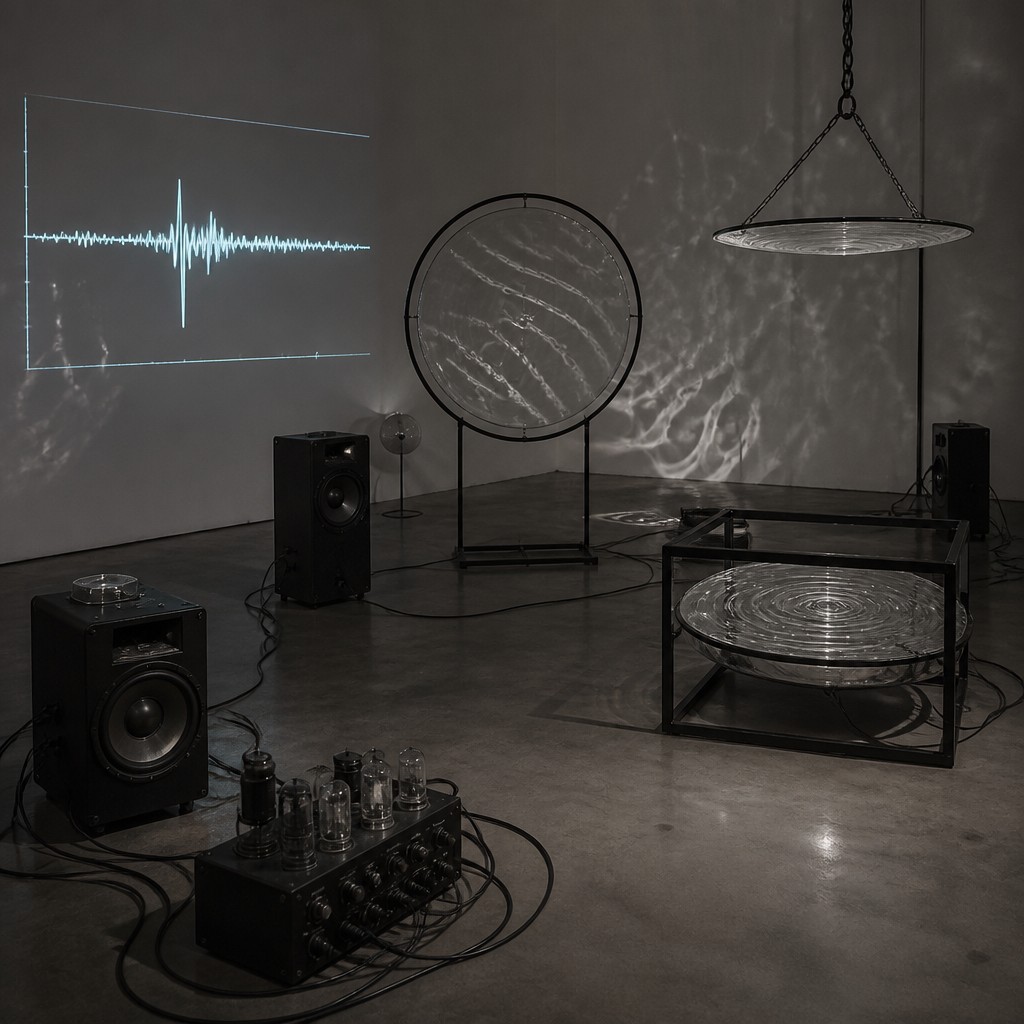
Documentary realism with abstraction
The scene may be lit and framed like a gallery or laboratory photograph, while impossible wave patterns or spatial echoes introduce conceptual abstraction. This balance keeps the work grounded yet visually speculative.
Sound Prompt Ideas
Start from an idea — each one opens the generator with the style ready to go. See all 40 Sound prompts →
How to Create Sound Art
Master the craft step by step — or skip straight to creating. Read the full guide →
- 1
Build a quiet installation
Arrange speakers, resonant objects, cables, membranes, and reflective surfaces in a sparse room. Use one clear focal point and preserve empty space so the implied sound has visual room to expand.
- 2
Record physical resonance
Photograph ripples in water, vibrating sand, moving fabric, bowed strings, or speaker-driven surfaces with a fast shutter speed. Side lighting and shallow depth of field can reveal subtle displacement without making the scene visually busy.
- 3
Use controlled gallery lighting
Favor low-key illumination, cool neutral tones, and carefully placed pools of light. A faint glow from equipment or projected lines can supply contrast while preserving the atmosphere of silence.
- 4
Layer visual data digitally
Combine a photograph or 3D render with waveform traces, interference patterns, translucent projections, and restrained motion blur. Keep overlays aligned with physical surfaces so the image feels acoustically coherent.
- 5
Compose a precise generation prompt
Specify the subject, gallery setting, sound-revealing material, waveform treatment, lighting, camera viewpoint, and documentary mood. Useful terms include suspended membrane, water ripples, exposed cables, projected oscilloscope lines, long quiet room, and restrained monochrome palette.
The Story
History & Origins of Sound
Sound Art Style is an interpretive, contemporary visual category rather than a formally codified historical movement. Its aesthetic lineage comes from sound art and experimental music installations that developed through twentieth-century avant-garde, electronic, and interdisciplinary practices, particularly those treating sound as spatial, physical, and environmental rather than solely musical.
It also draws on documentary photography of galleries and laboratories, minimalist installation art, kinetic sculpture, concrete and experimental photography, and scientific visualizations of vibration. Digital imaging has expanded this lineage by allowing waveforms, spectrogram-like textures, resonance fields, and imaginary acoustic architectures to be combined in a single still image.
Influences: The style is closely related to sound art, experimental music installation, electronic and electroacoustic visualization, kinetic sculpture, minimalist installation, concrete art, documentary exhibition photography, and scientific imaging of waves and frequencies. It also borrows from architectural acoustics, laboratory documentation, monochrome abstraction, projection art, and the visual language of oscilloscopes and spectrograms. These influences explain its combination of technical apparatus, measured geometry, material evidence, and contemplative silence.
Frequently Asked Questions
What defines Sound Art Style?
It visualizes sound through evidence of vibration, resonance, echo, and frequency. Typical images combine audio equipment or resonant materials with projected waveforms, sparse spaces, and a quiet documentary mood.
Is Sound Art Style a historical art movement?
No. The term describes a contemporary visual approach rather than a standardized historical movement. It draws on the established field of sound art and on related traditions in installation, photography, experimental music, sculpture, and digital visualization.
How is it different from abstract art?
Abstract art may use form and color without a recognizable subject or physical explanation. Sound Art Style usually anchors abstraction in a sonic event, such as a vibrating membrane, speaker, resonator, waveform projection, or acoustic environment.
Can Sound Art Style be made with photography?
Yes. A photographer can capture water patterns, vibrating surfaces, equipment, gallery installations, or the traces left by sound on physical materials. Careful lighting, high shutter speeds, and a restrained composition help preserve the style's observational character.
What colors work best for this style?
Muted whites, charcoal, graphite, steel, concrete gray, and deep black are common because they support a contemplative atmosphere. Small accents of electric blue, amber, green, or violet can represent projected data or electronic activity without overwhelming the silence.
Where is this visual style used?
It suits editorial images about experimental music, album and exhibition artwork, installation documentation, audiovisual identity systems, educational material about acoustics, and conceptual editorial photography. It is also effective for scenes that need to suggest listening, resonance, technology, or invisible energy.
Create your first Sound artwork
Describe anything — or upload a photo — and see it in Sound Art Style in seconds.
Related Styles
Discover similar art styles