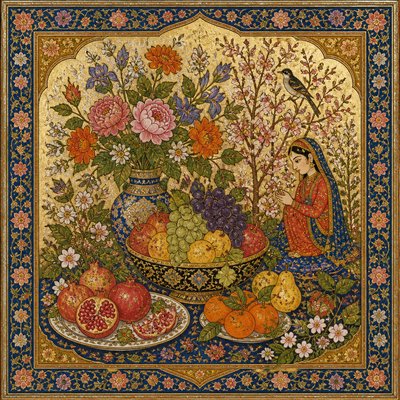
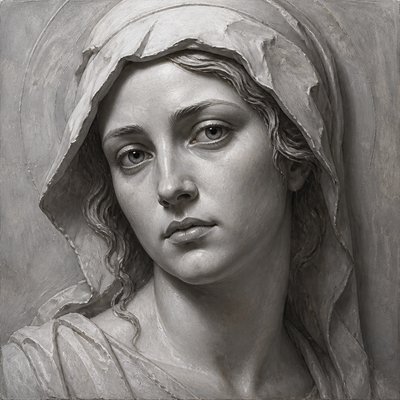
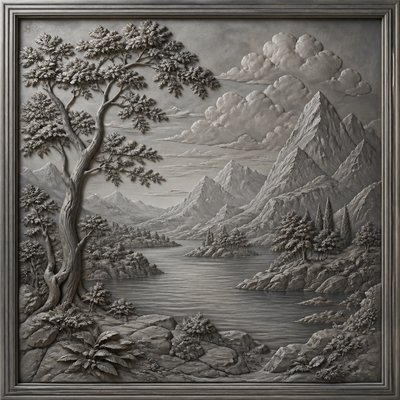
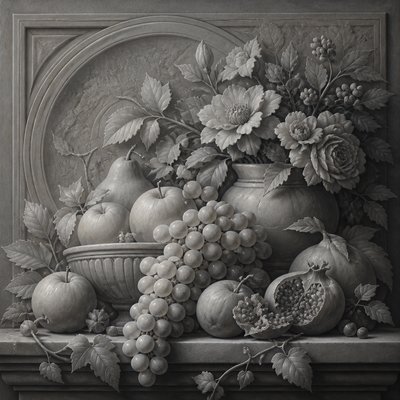
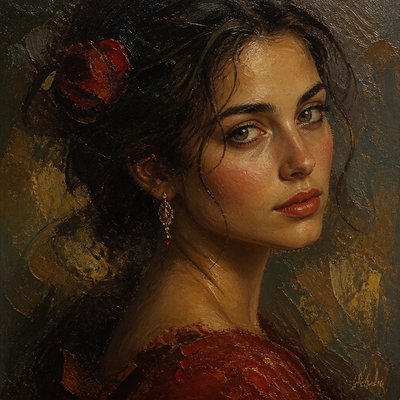
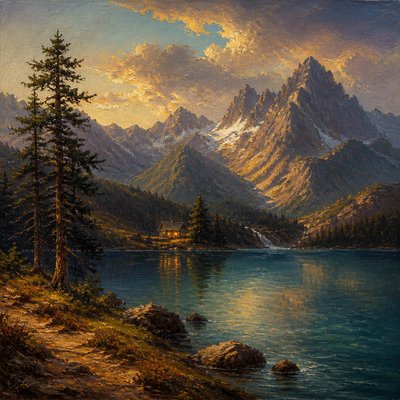
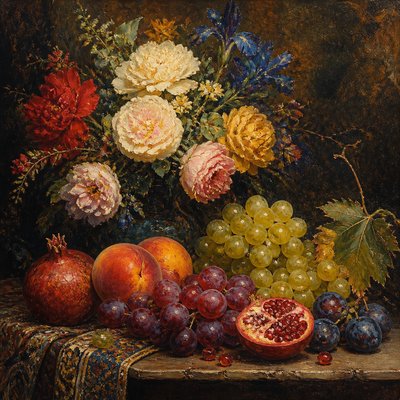
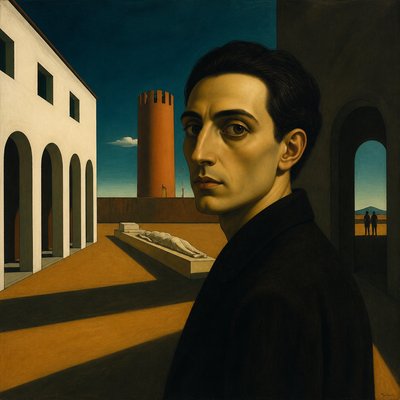
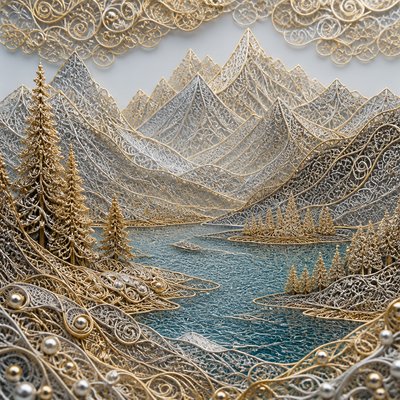
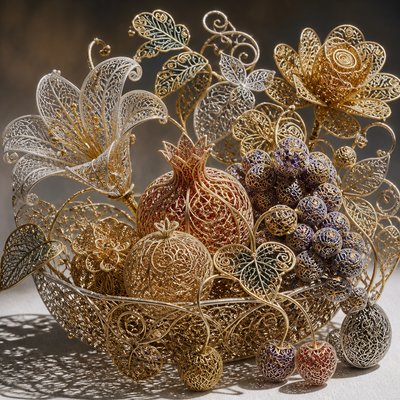
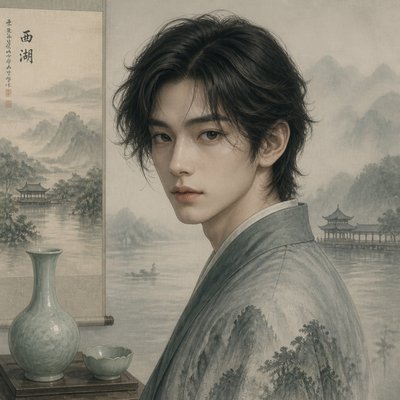
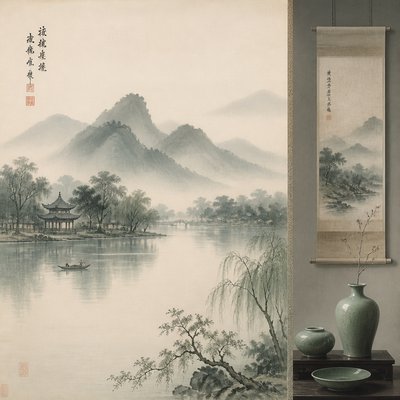
Scroll Painting Style
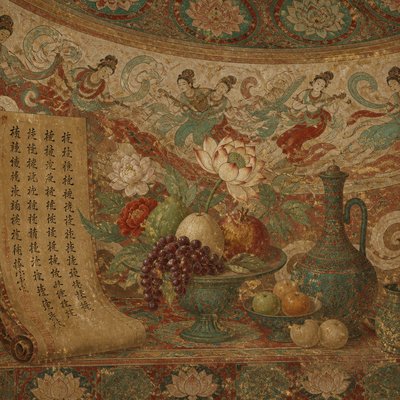
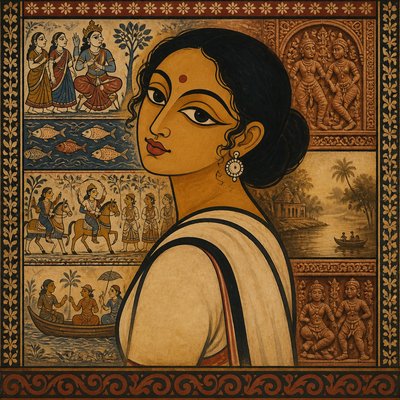
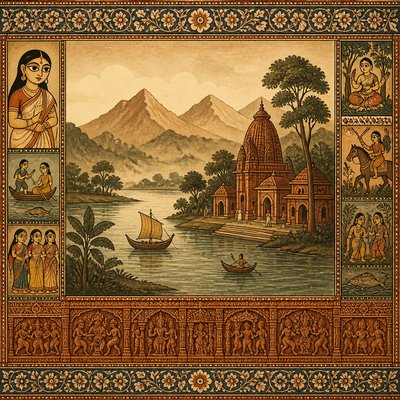
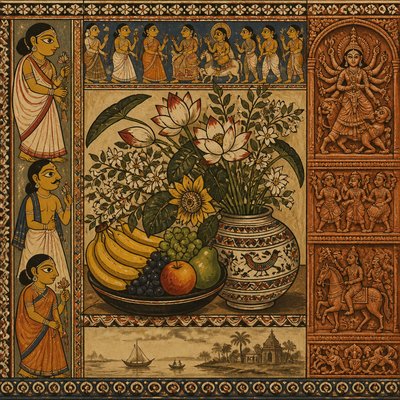
Explore scroll painting style: misty ink-wash mountains, rivers, calligraphy, silk textures, brocade borders, and seal-stamp details.
Instantly rendered in Scroll Painting — or transform a photo
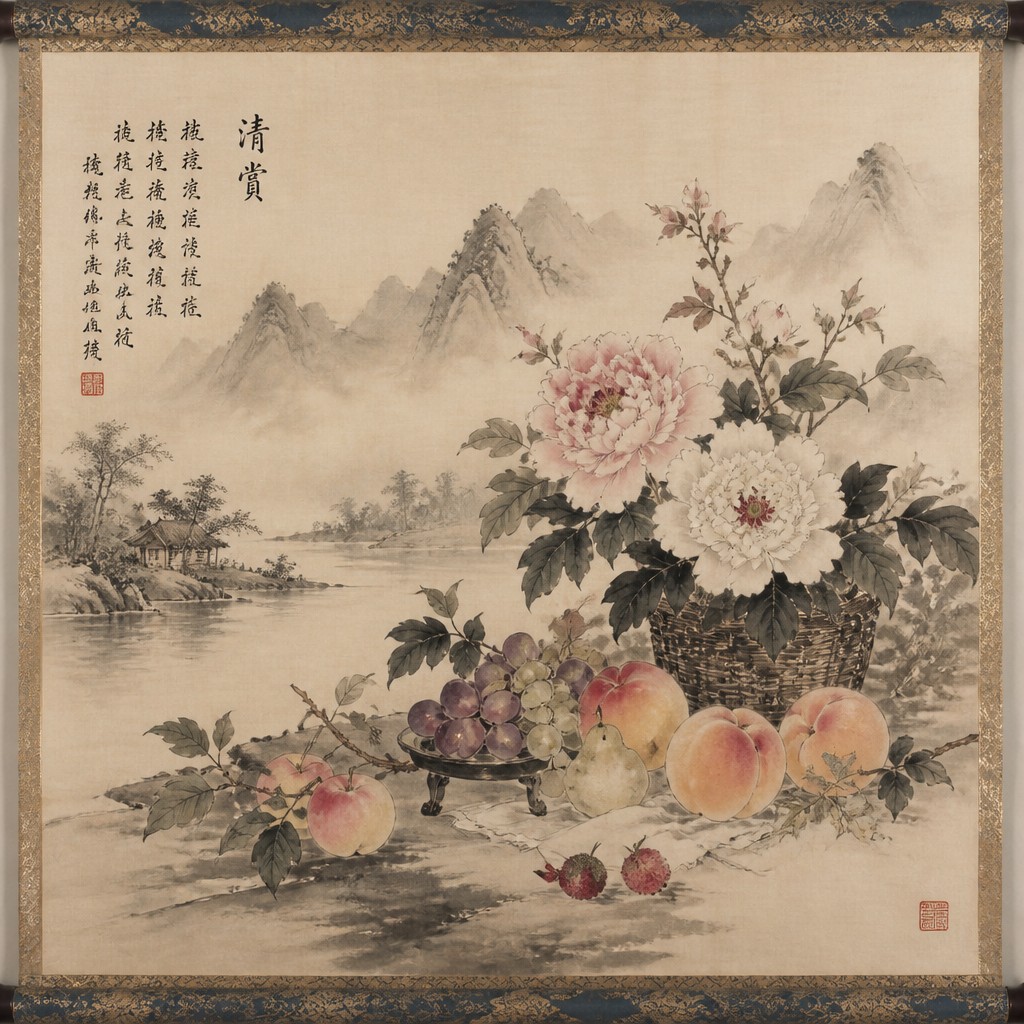
Scroll Painting Gallery
Tap any artwork to explore it
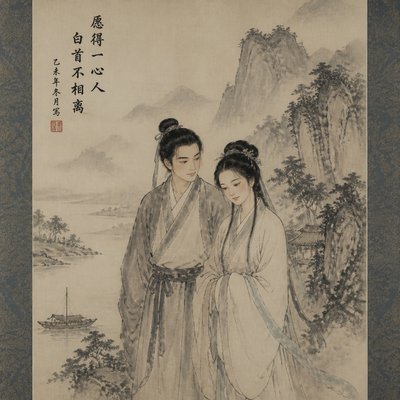
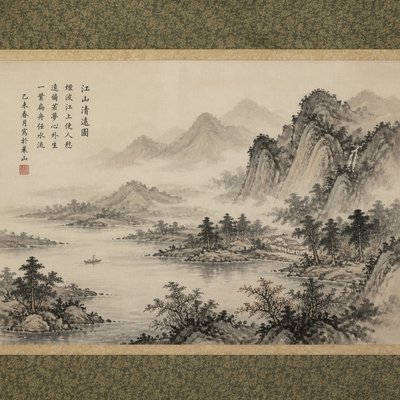
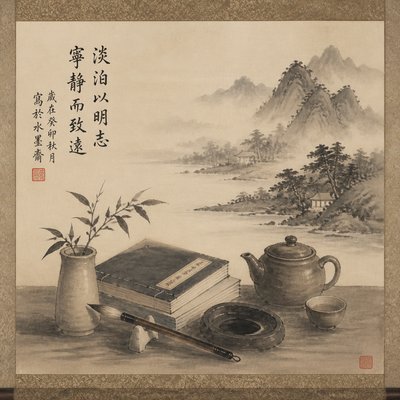
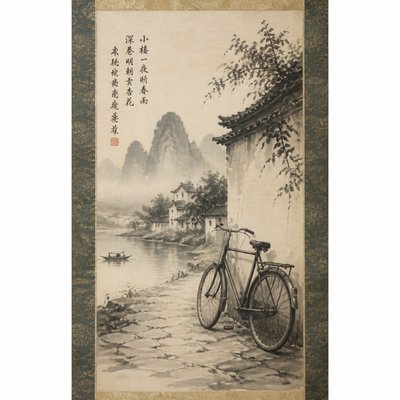
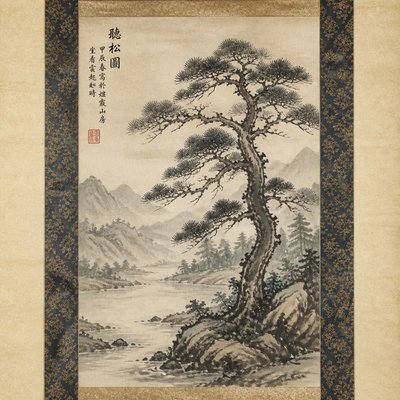
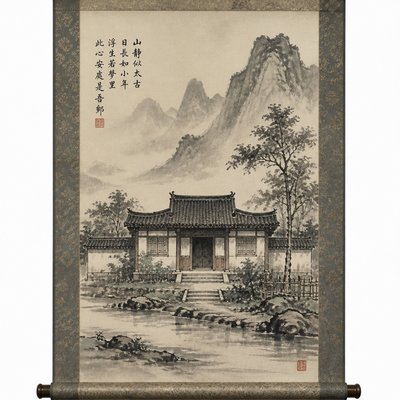
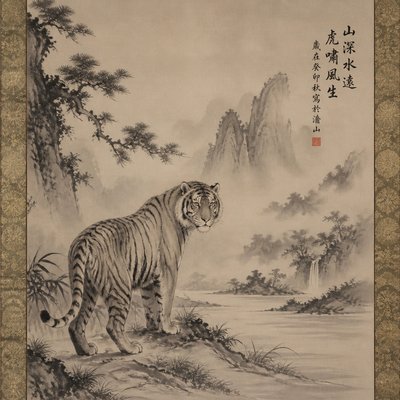
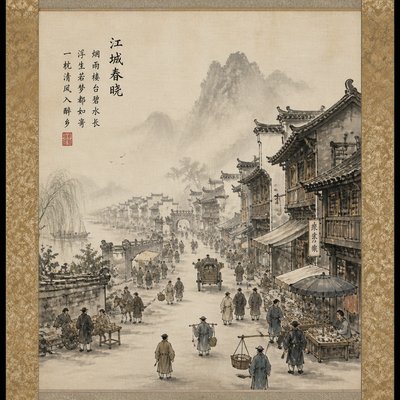
What is Scroll Painting Style?
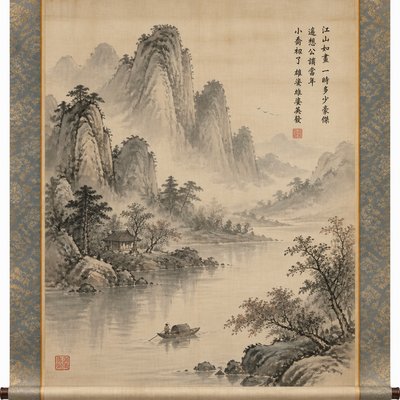
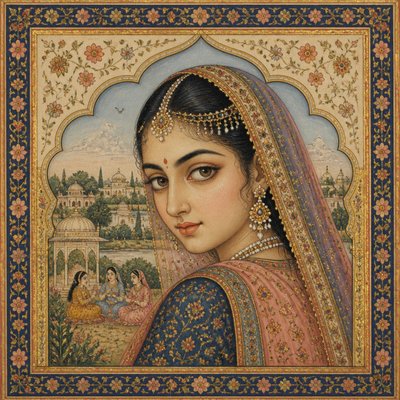
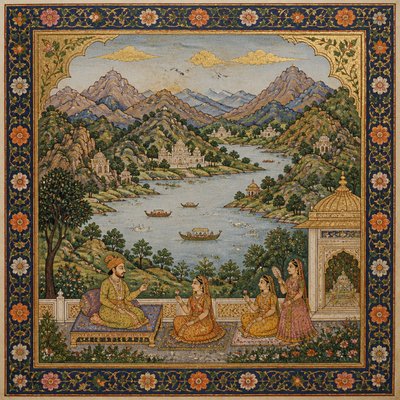
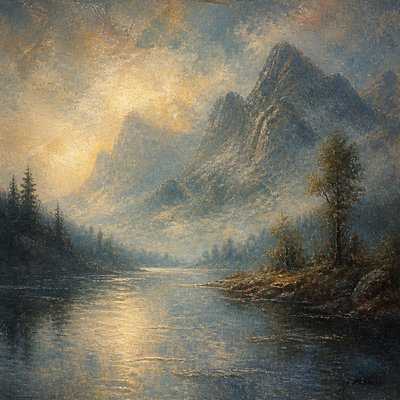
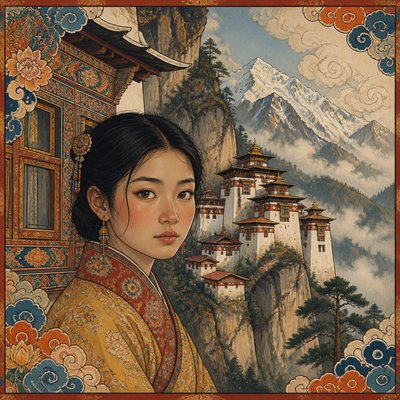
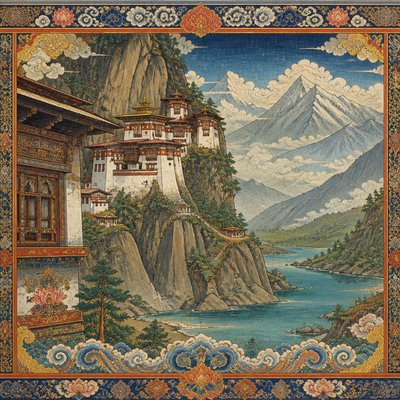
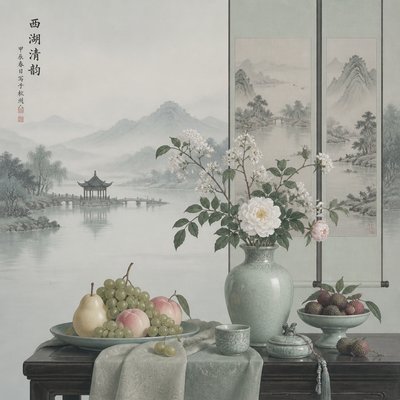
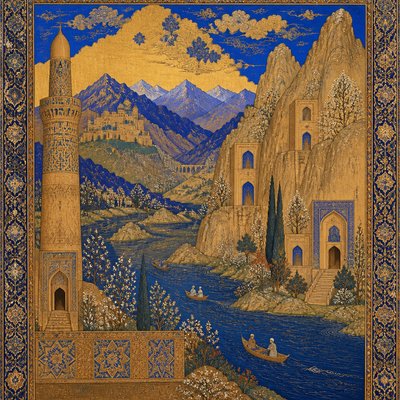
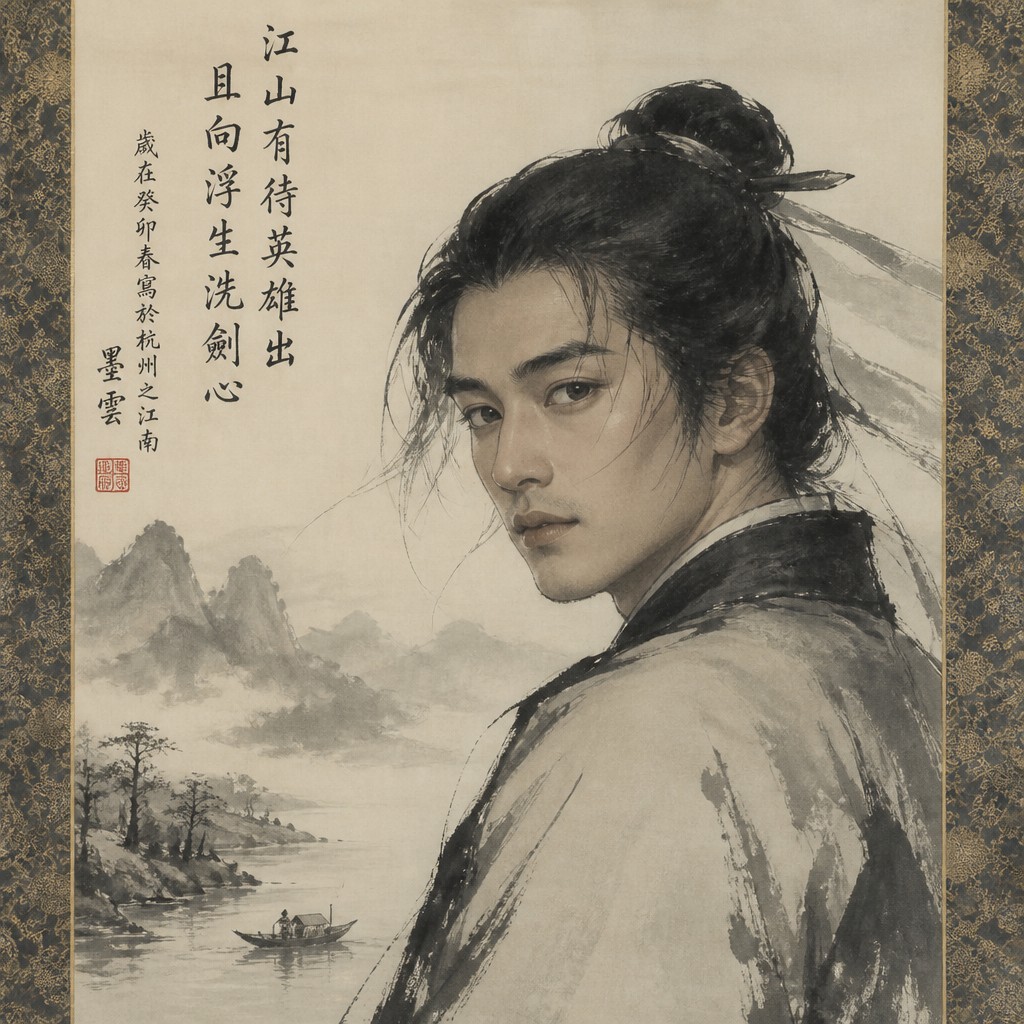
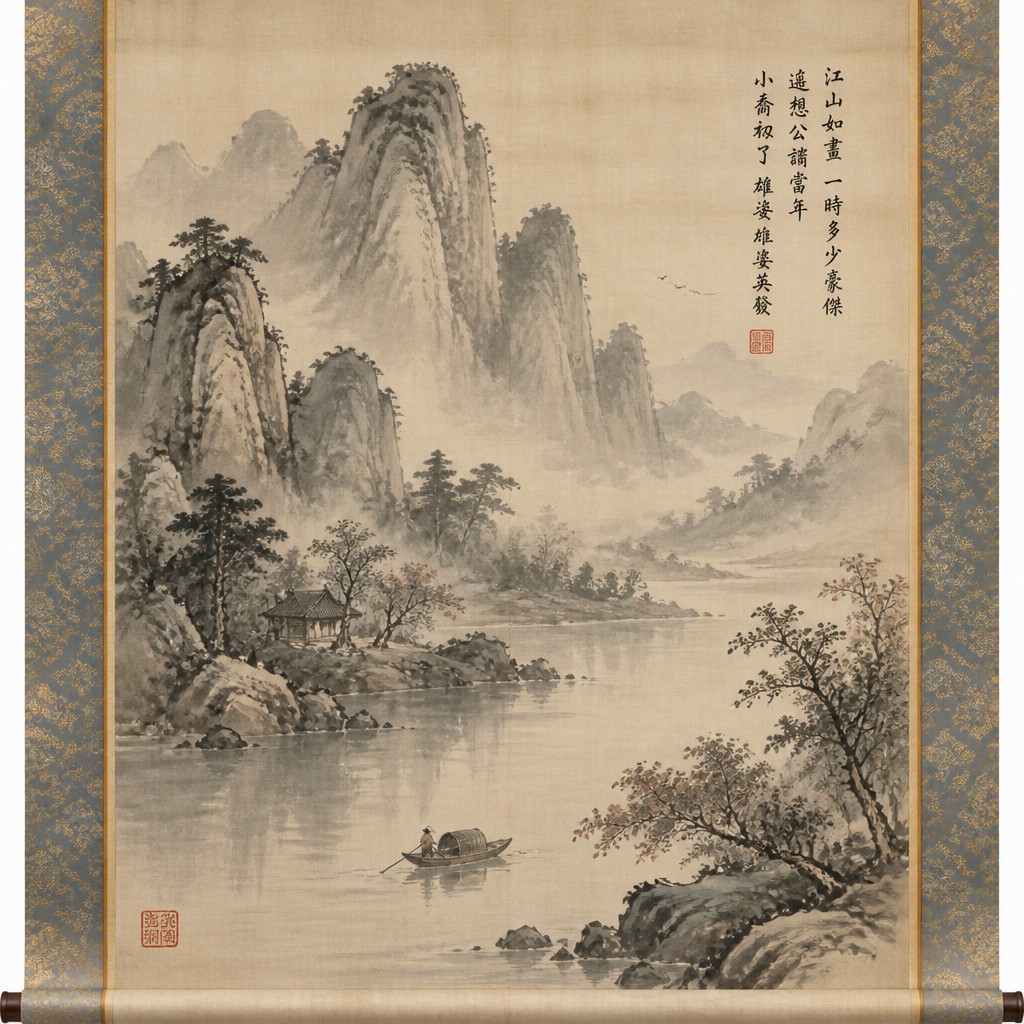
Scroll Painting Style evokes the contemplative landscapes of East Asian ink painting, presenting mountains, rivers, forests, architecture, and atmospheric distance across a long vertical or horizontal composition. Its visual identity depends on restrained sumi ink, pale mineral or vegetal color washes, absorbent silk or paper, and deliberate areas of unpainted space that suggest mist, water, and silence.
The format is as important as the subject. A scroll implies a gradual visual journey rather than a single fixed viewpoint: peaks may recede in layers, a river can guide the eye through the image, and small figures or buildings establish scale. Brush calligraphy, inscriptions, brocade mounting, and a red seal stamp may appear as integrated elements, giving the work the character of a cultivated object as well as a landscape image.
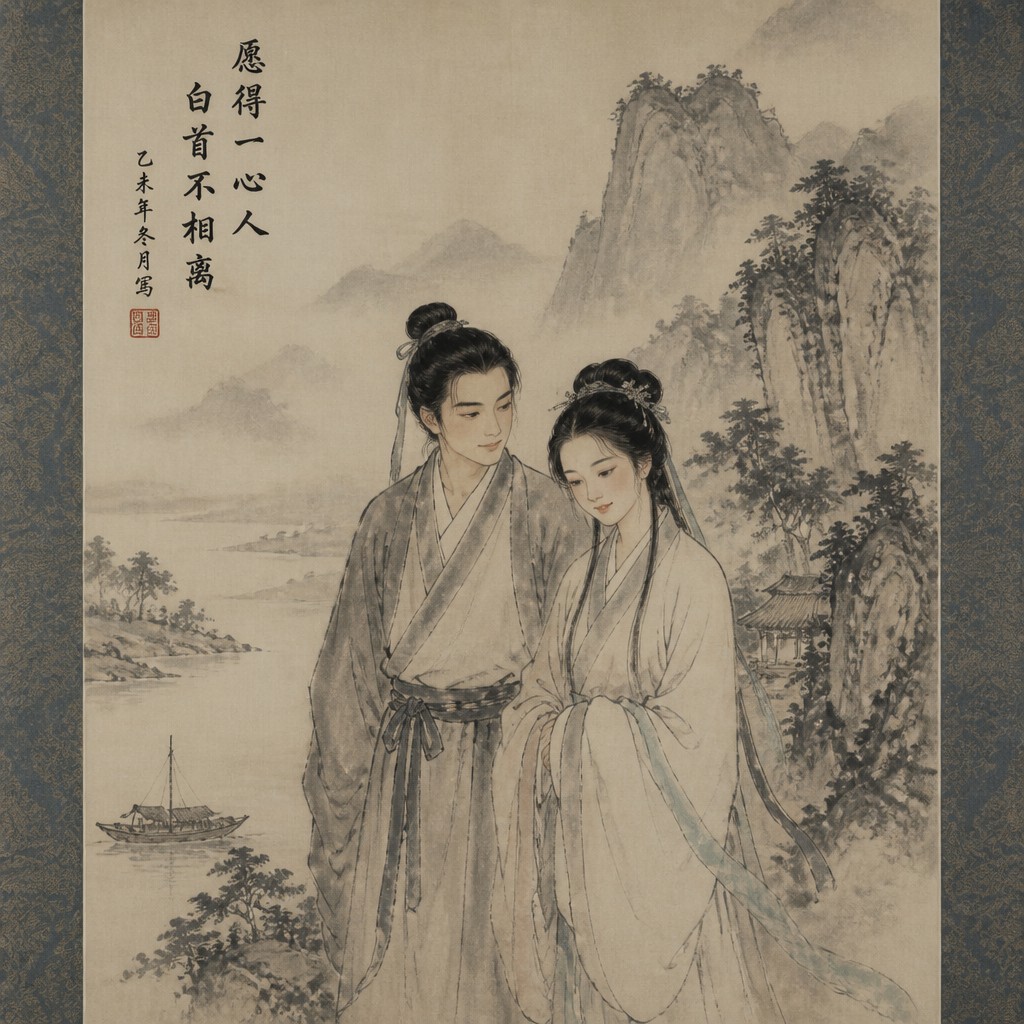
Try It On Your Photos
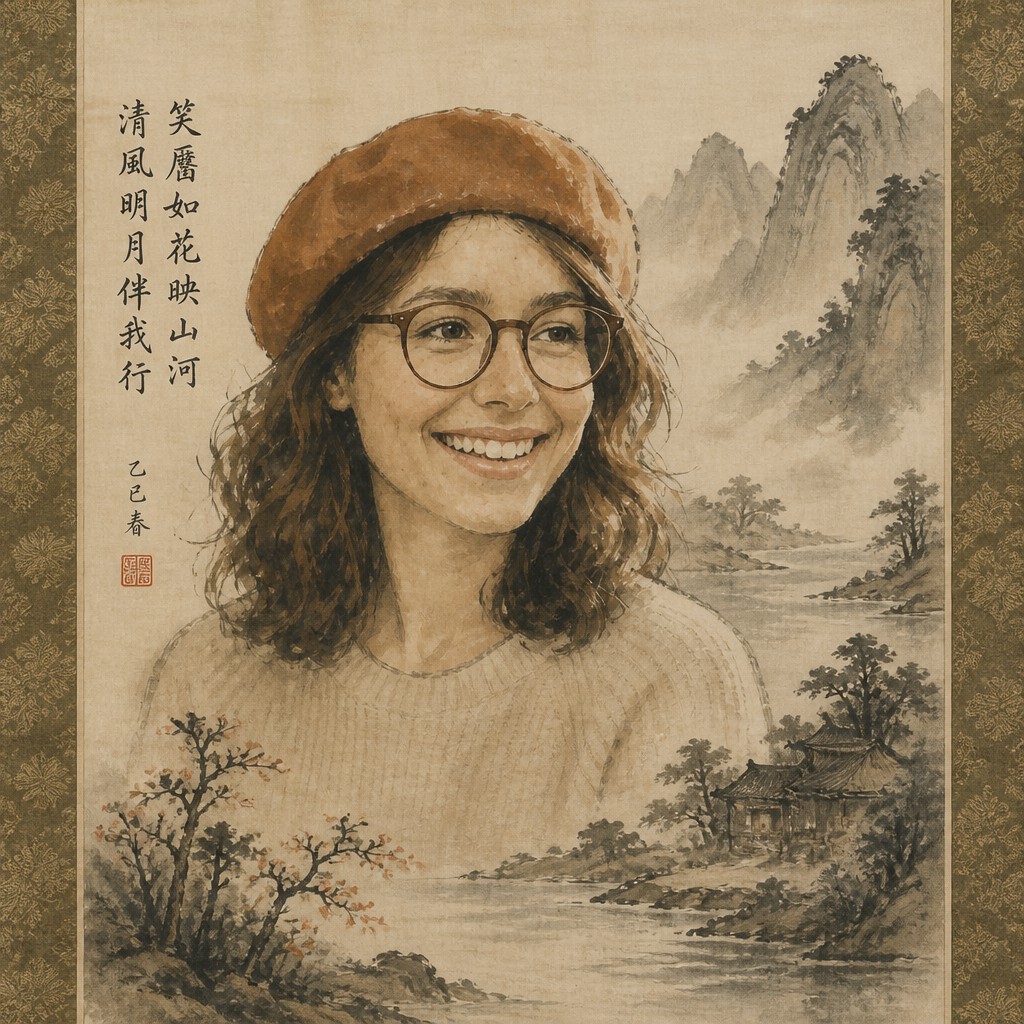
Upload any photo and convert it into Scroll Painting Style — drag the sliders to compare before and after.

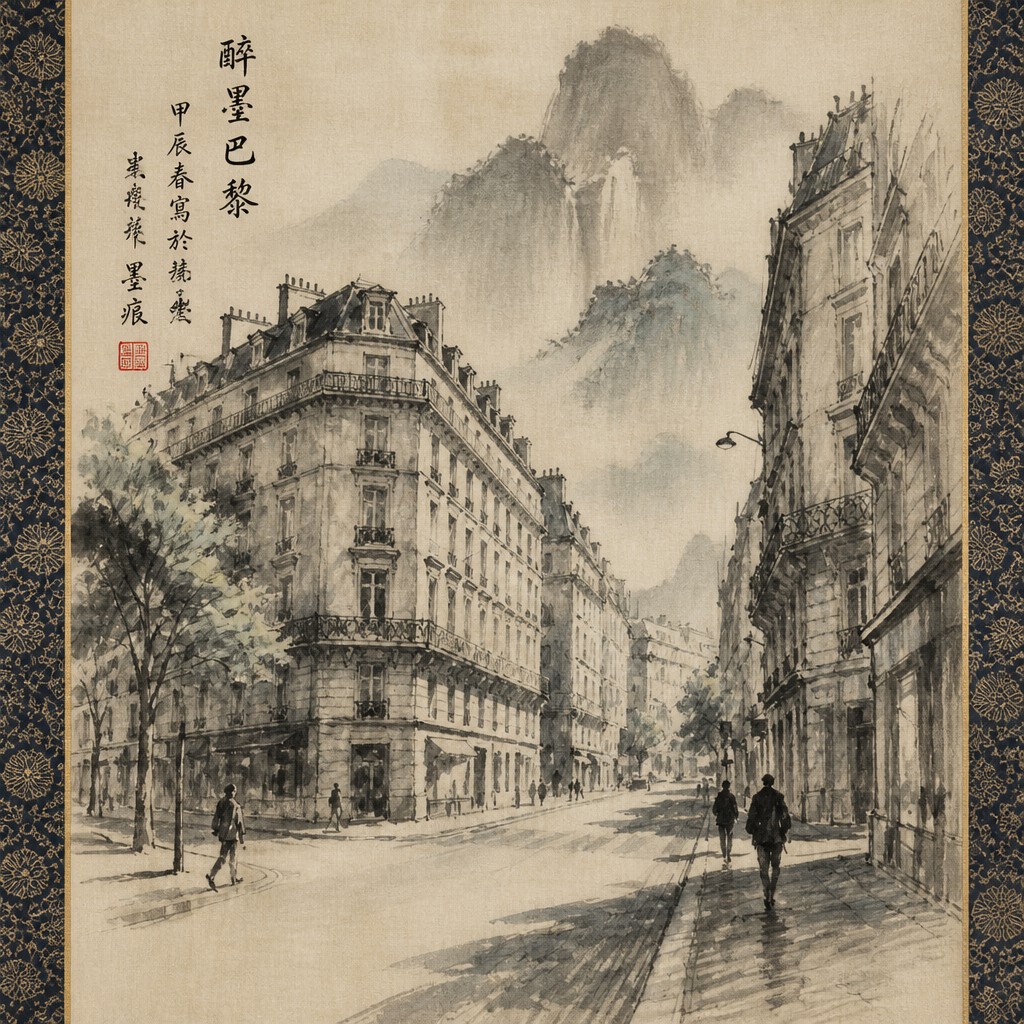

What Defines Scroll Painting Style
The signature details, up close
Layered mountain-and-water composition
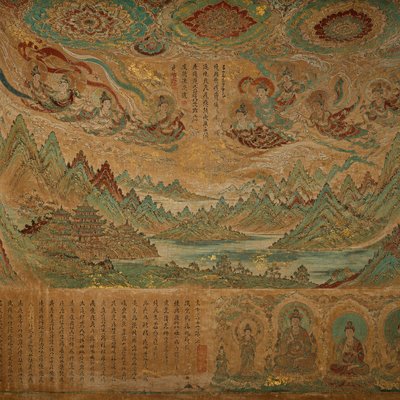
Peaks, cliffs, rivers, waterfalls, and distant shorelines are arranged in overlapping planes to create depth without relying on Western linear perspective. Atmospheric recession is often conveyed through lighter ink and softened contours.
Sumi ink tonal range
The image uses diluted ink from translucent gray veils to concentrated black accents. Dry-brush marks, wet washes, pooling, and varied pressure preserve the physical evidence of the brush.
Expressive empty space
Unpainted or lightly washed areas function as fog, clouds, water, and open air rather than unused background. These pauses give the composition its calm rhythm and sense of spaciousness.
Long scroll format
The composition may unfold horizontally like a handscroll or rise vertically like a hanging scroll. Its elongated proportions encourage a measured eye movement through changing distances and viewpoints.
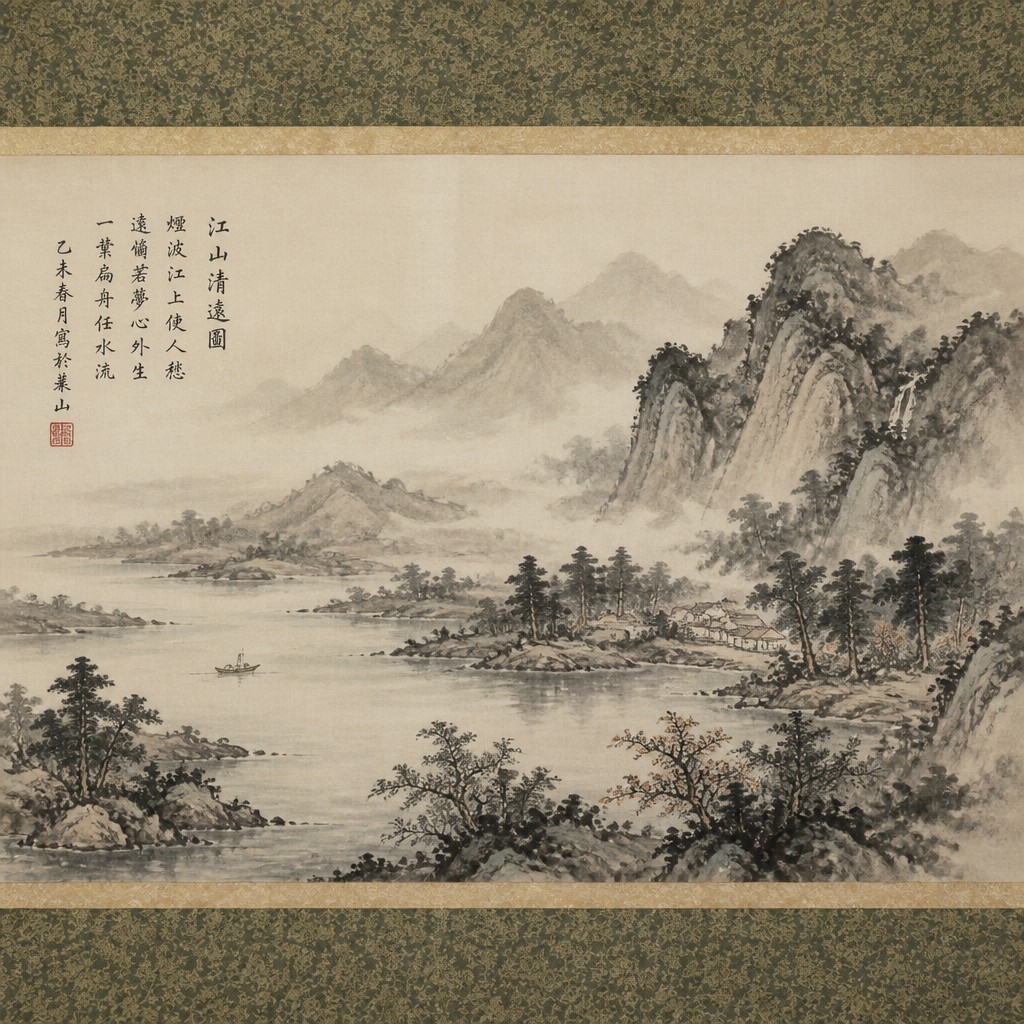
Calligraphy and seals
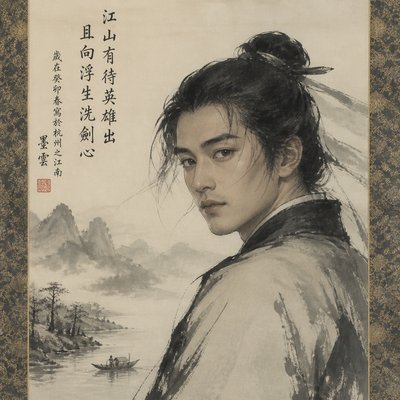
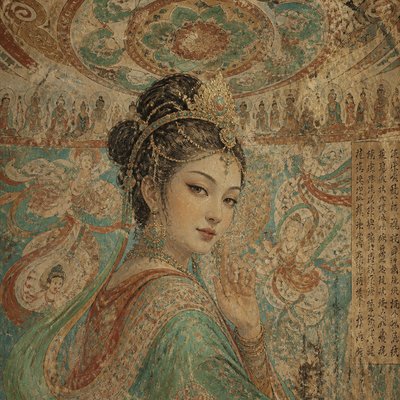
Delicate brush calligraphy, inscriptions, and small vermilion seal marks can balance the landscape and add a literary or archival quality. They should feel integrated with the composition rather than like unrelated decoration.
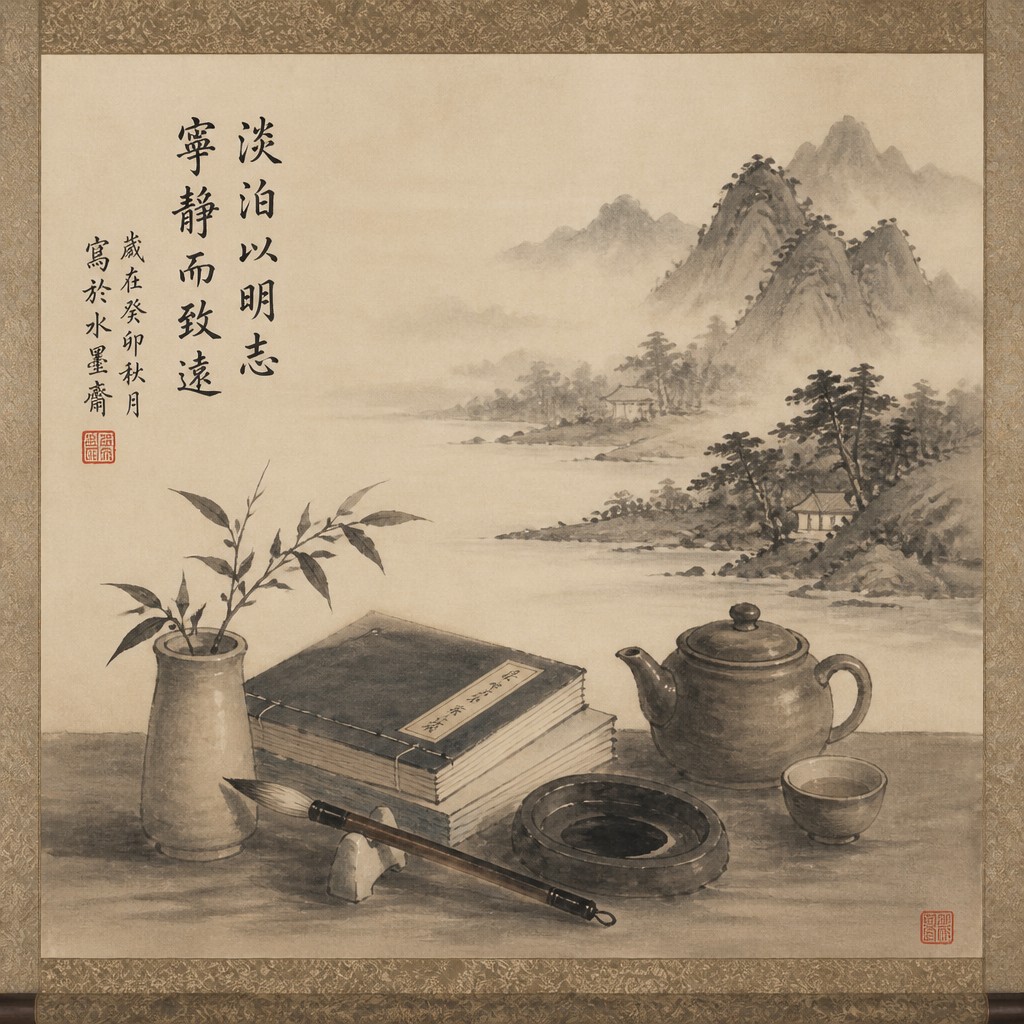
Silk, paper, and brocade texture
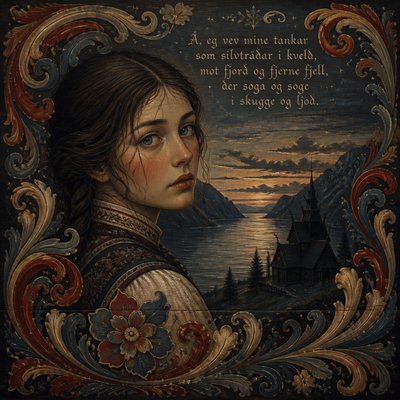
Visible fibers, absorbent surfaces, mounting fabric, and patterned brocade edges suggest the physical construction of a traditional scroll. Texture is subtle and should not overpower the ink work.
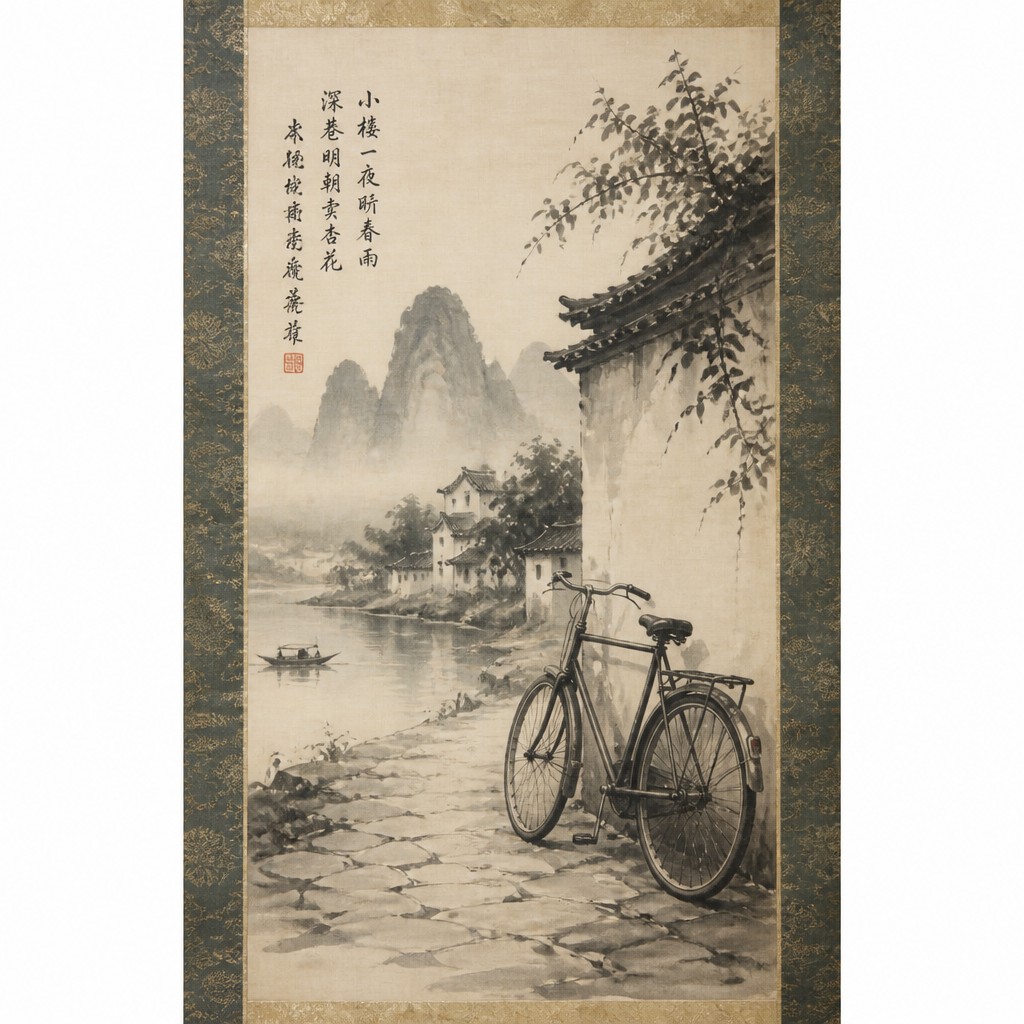
Restrained color
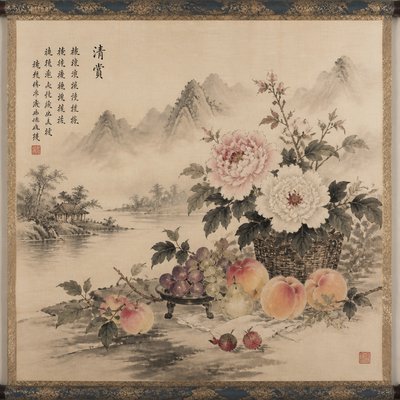
Pale blue, muted green, warm ocher, and diluted red may supplement the ink without replacing it. Color generally supports atmosphere, season, or focal details instead of creating saturated spectacle.
Scroll Painting Prompt Ideas
Start from an idea — each one opens the generator with the style ready to go. See all 40 Scroll Painting prompts →
How to Create Scroll Painting Art
Master the craft step by step — or skip straight to creating. Read the full guide →
- 1
Plan the scroll’s viewing direction
Choose a horizontal sequence for a journey through changing scenes or a vertical format for a concentrated mountain ascent. Establish a few large spatial layers before adding trees, buildings, bridges, or figures.
- 2
Build depth with ink dilution
Use pale, wet washes for distant forms and stronger, drier strokes for foreground rocks and vegetation. Vary brush pressure and moisture so contours remain organic rather than uniformly outlined.
- 3
Reserve meaningful blank space
Leave open passages for mist, water, sky, and atmospheric distance. Avoid filling every area with detail; the tension between painted and unpainted space is fundamental to the effect.
- 4
Add material and mounting details
On paper or silk, let the surface absorb and feather the ink naturally, then introduce restrained color washes. For digital work, combine paper fibers, low-opacity wash layers, subtle edge wear, brocade borders, calligraphy, and a small red seal.
- 5
Use a precise generation prompt
Specify the subject, scroll orientation, sumi ink wash, misty layered terrain, visible brush texture, pale colors, silk or paper, calligraphy, and mounting details. Request restrained contrast and avoid generic photorealism, glossy surfaces, or dense detail everywhere.
The Story
History & Origins of Scroll Painting
This style draws primarily from the long traditions of Chinese shan shui, or landscape painting, which developed through the medieval period and became especially influential in the Song era and later literati painting. Chinese handscrolls were viewed section by section and often combined landscape imagery with poetry, calligraphy, seals, and colophons; hanging scrolls offered a more vertically concentrated format. Ink technique, controlled brushwork, tonal gradation, and the philosophical use of empty space were central to these traditions.
Related Japanese traditions, including suiboku-ga and the decorated handscroll cultures associated with narrative emakimono, adapted continental methods to local materials, subjects, and visual conventions. The contemporary style represented here is a synthesized, atmospheric interpretation rather than a single historical school, combining scroll formats, ink-wash landscape vocabulary, silk or paper texture, mounting details, and selectively applied color.
Influences: The style is related to Chinese shan shui landscape, literati painting, handscroll and hanging-scroll formats, and Japanese suiboku-ga ink painting. It also draws on East Asian calligraphic brushwork, seal culture, poetry-and-image traditions, mineral-color landscape methods, and the material conventions of silk, xuan paper, and brocade mounting. Its atmospheric minimalism may overlap with modern minimalist illustration, but its emphasis on brush rhythm, literary inscription, and cultivated emptiness distinguishes it from purely decorative minimalism.
Frequently Asked Questions
What defines Scroll Painting Style?
It is defined by elongated scroll composition, ink-wash landscapes, misty spatial layers, visible brush texture, and restrained color. Calligraphy, seal stamps, silk or paper texture, and brocade mounting often reinforce its traditional visual language.
Is Scroll Painting Style the same as Chinese shan shui?
Not exactly. Shan shui is a historical Chinese landscape tradition with specific philosophical, technical, and regional developments, while Scroll Painting Style is a broader contemporary synthesis that borrows from shan shui and related East Asian scroll practices.
What materials are traditionally used?
Traditional works commonly use ink, brushes, water, absorbent paper, or silk, with mineral or vegetal pigments for selected colors. Mounting may include fabric, wood, rollers, brocade, inscriptions, and stamped seals.
How can beginners make an image in this style?
Start with three or four large tonal layers: distant mountains, middle-distance terrain, foreground forms, and open mist. Use diluted ink, vary brush pressure, preserve blank space, and add only a few small details to establish scale.
How does it differ from Japanese sumi-e?
Both use expressive monochrome brushwork and tonal ink dilution, and their histories overlap. Scroll Painting Style usually emphasizes expansive, layered landscapes and scroll presentation, whereas sumi-e can refer more broadly to a Japanese ink-painting approach that includes animals, plants, and concise subjects.
Where is this visual style used today?
It appears in fine-art prints, book and editorial illustration, cultural exhibitions, stationery, decorative wall art, game environments, and digital landscape studies. Contemporary adaptations may preserve the scroll format while using modern subjects or digitally simulated materials.
Create your first Scroll Painting artwork
Describe anything — or upload a photo — and see it in Scroll Painting Style in seconds.
Related Styles
Discover similar art styles