Portrait Miniature Art Style
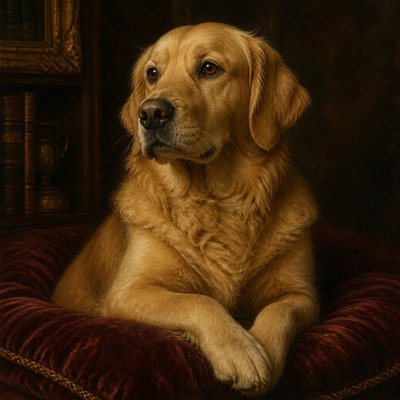
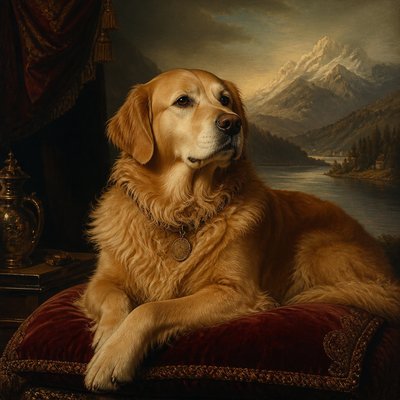
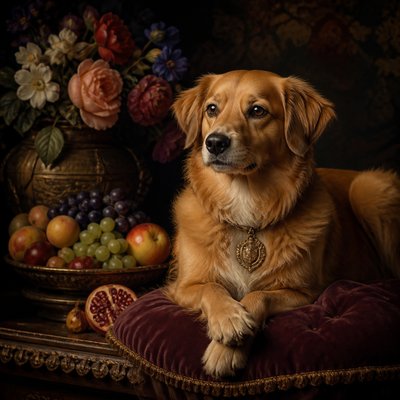
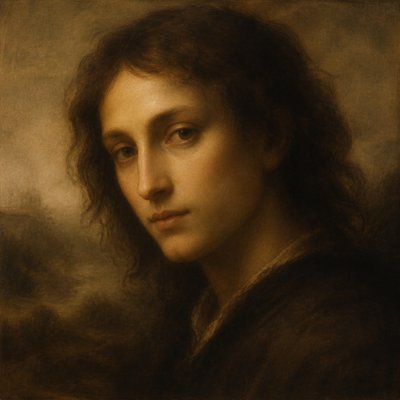
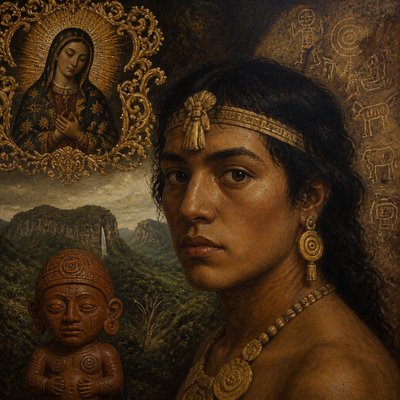
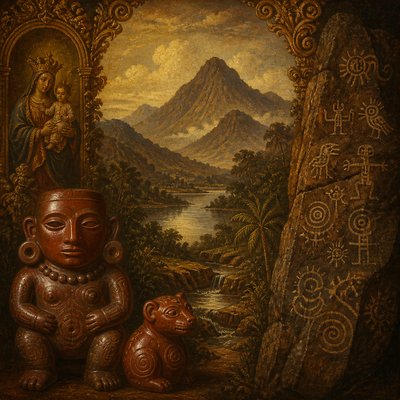
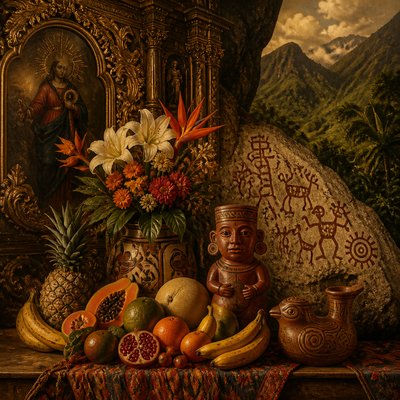
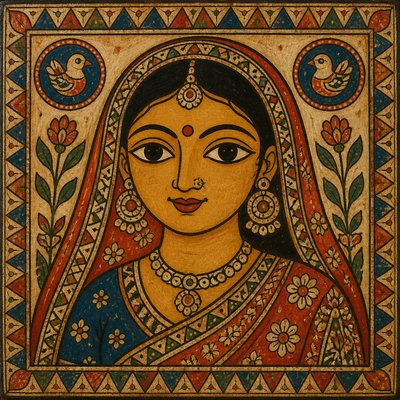
Explore portrait miniature art: jewel-small oval portraits with delicate faces, powdery color, stippled shading, and ornate gold locket frames.
Instantly rendered in Portrait Miniature — or transform a photo
Portrait Miniature Gallery
Tap any artwork to explore it
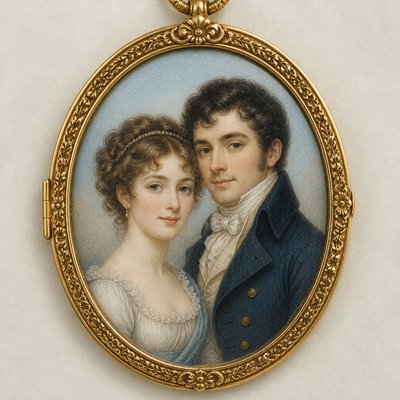
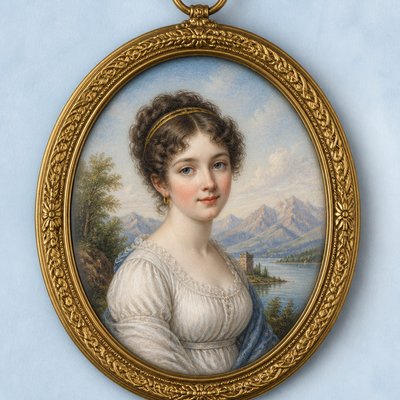
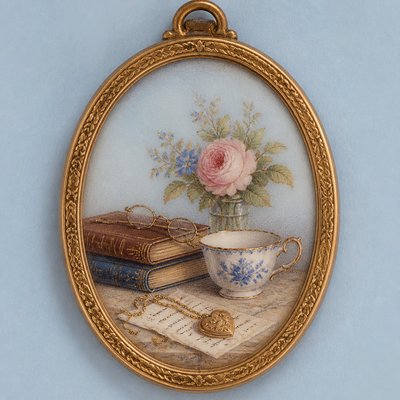
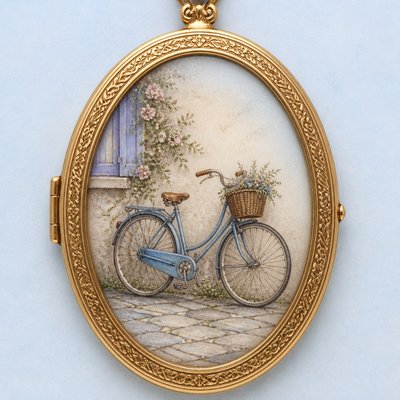
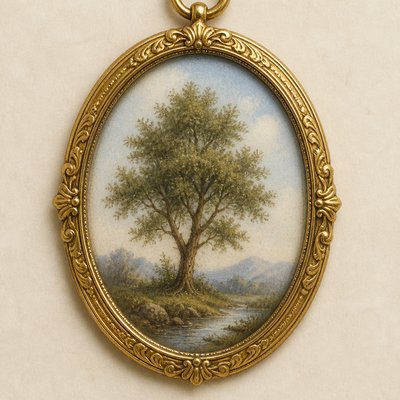
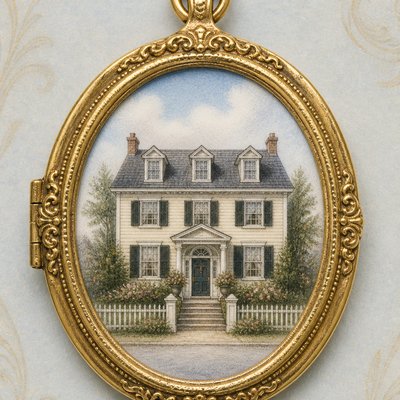
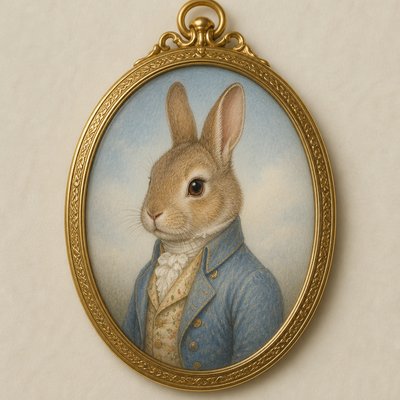
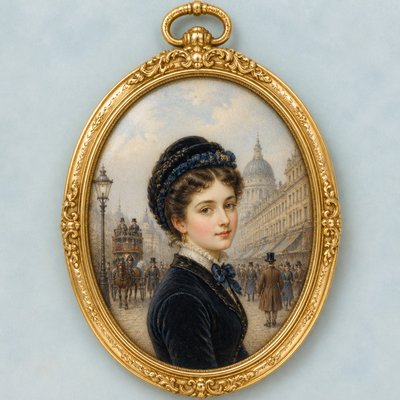
What is Portrait Miniature Art Style?
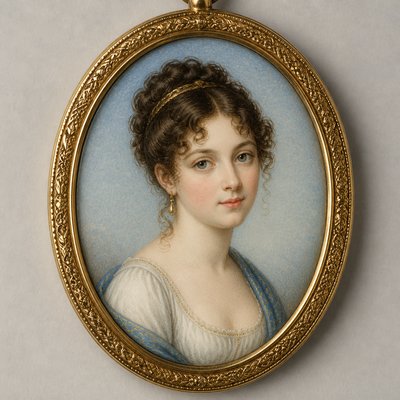
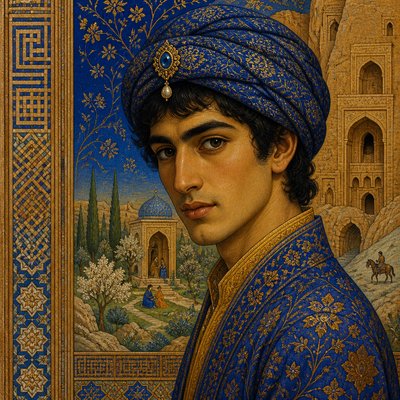
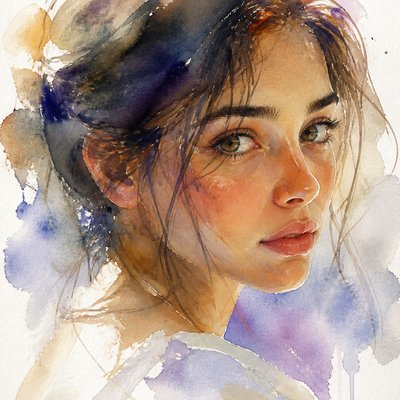
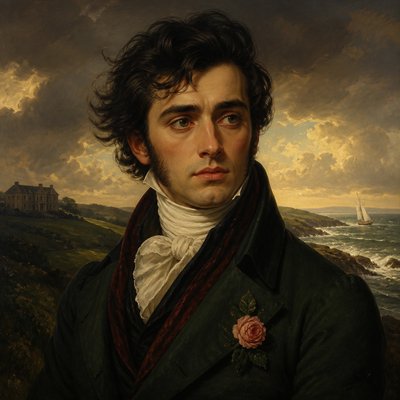
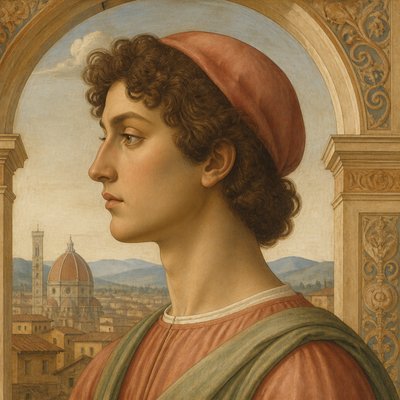
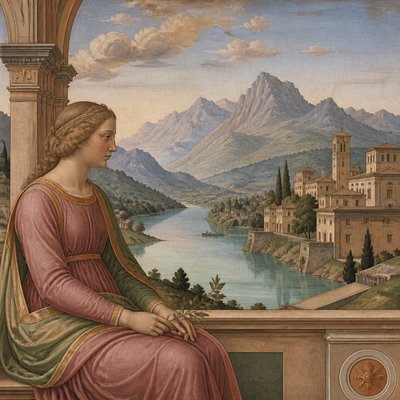
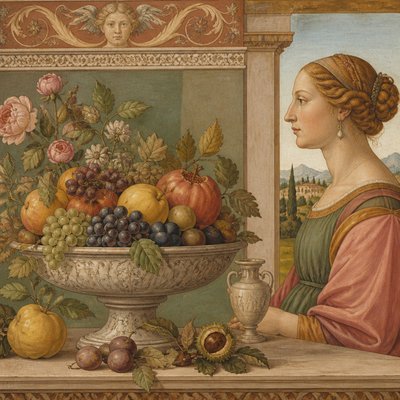
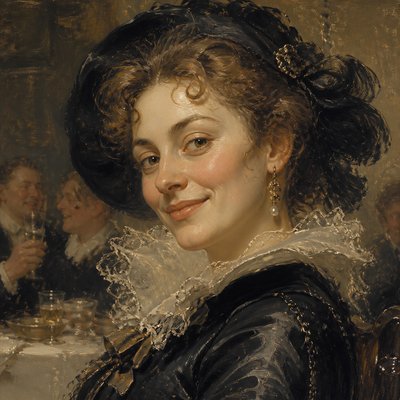
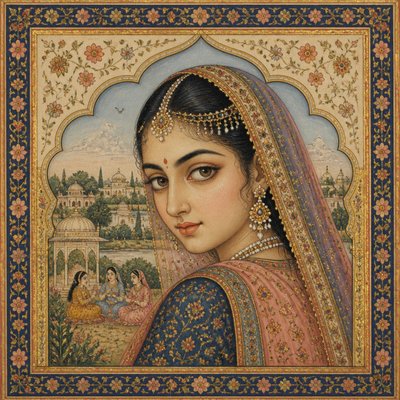
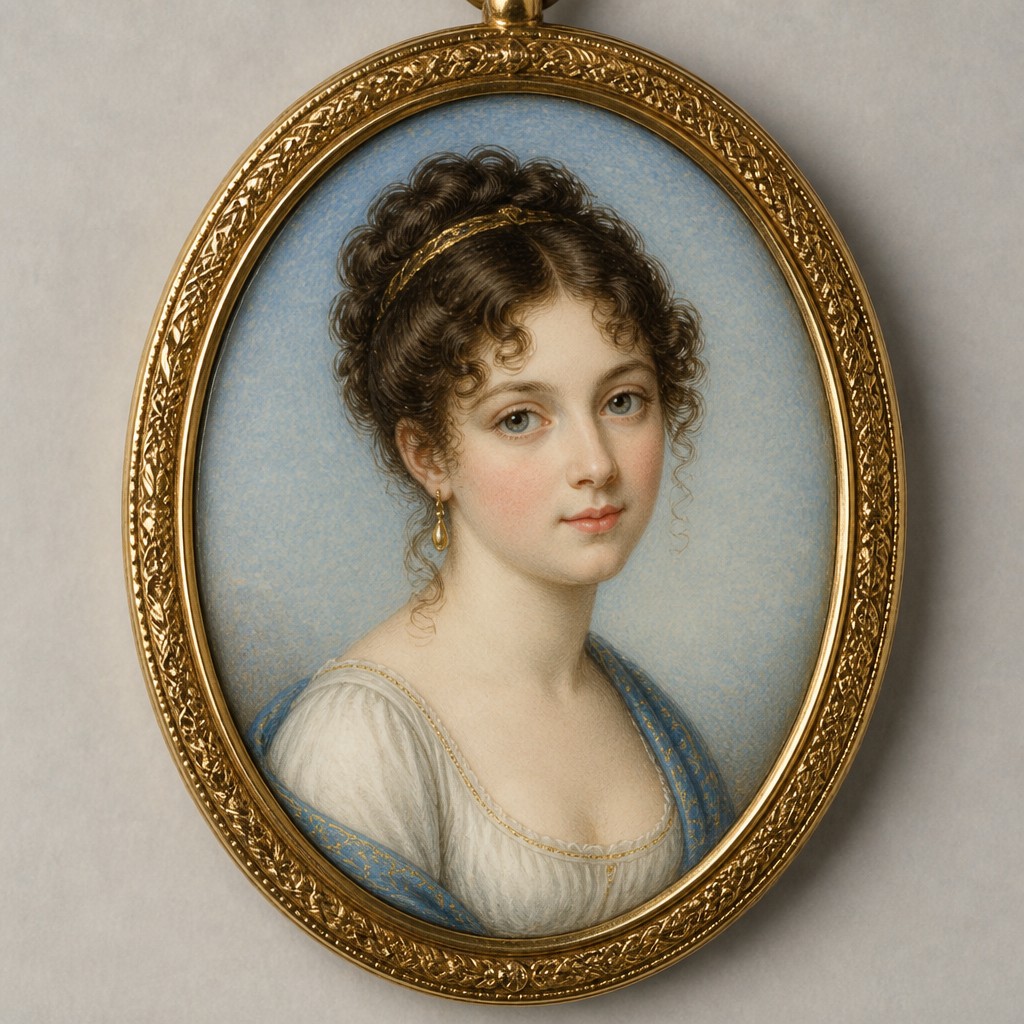
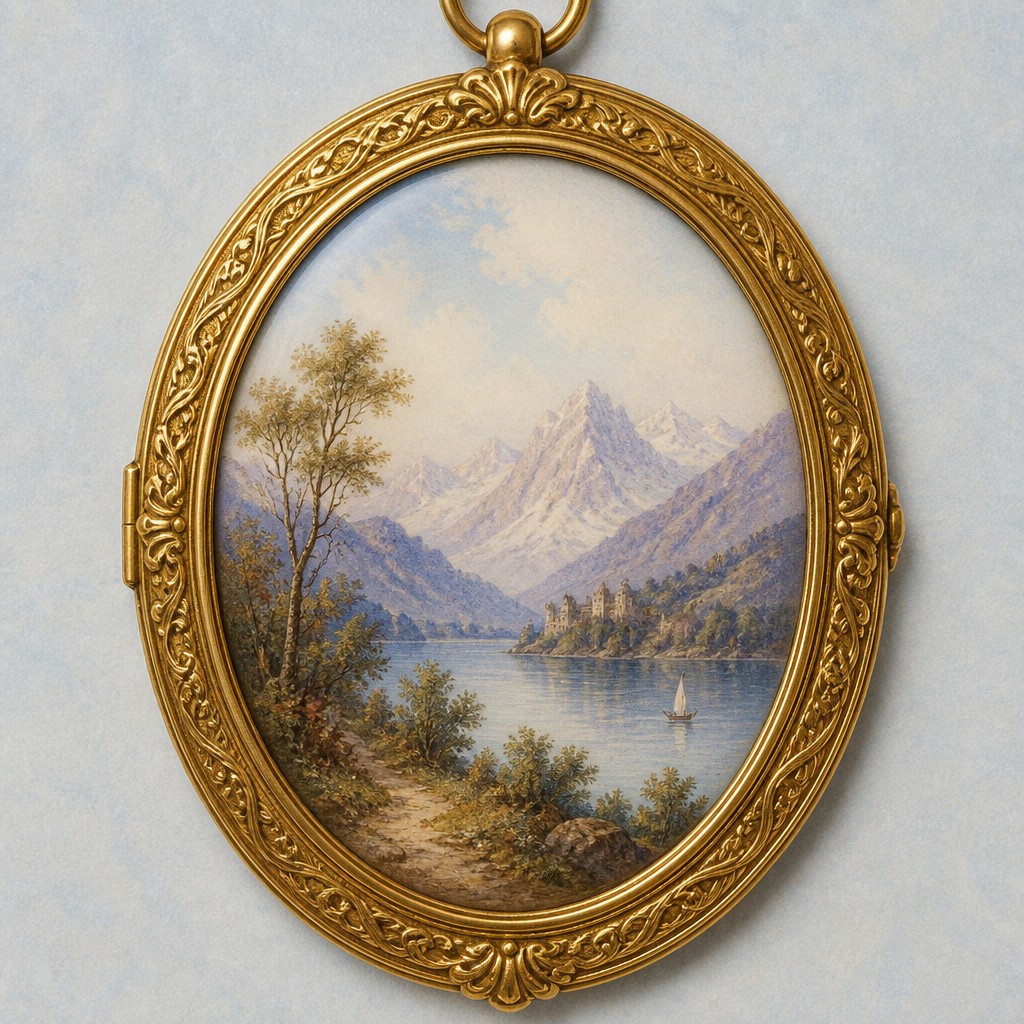
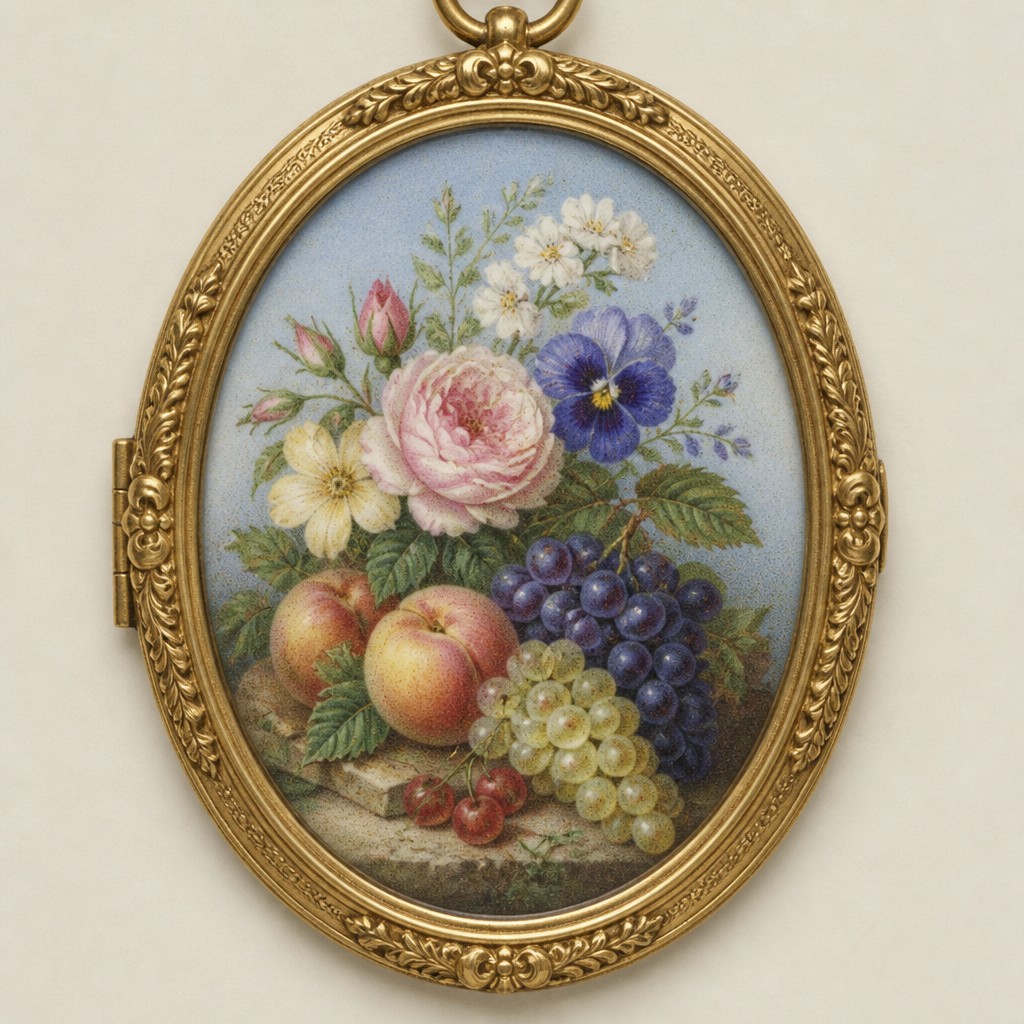
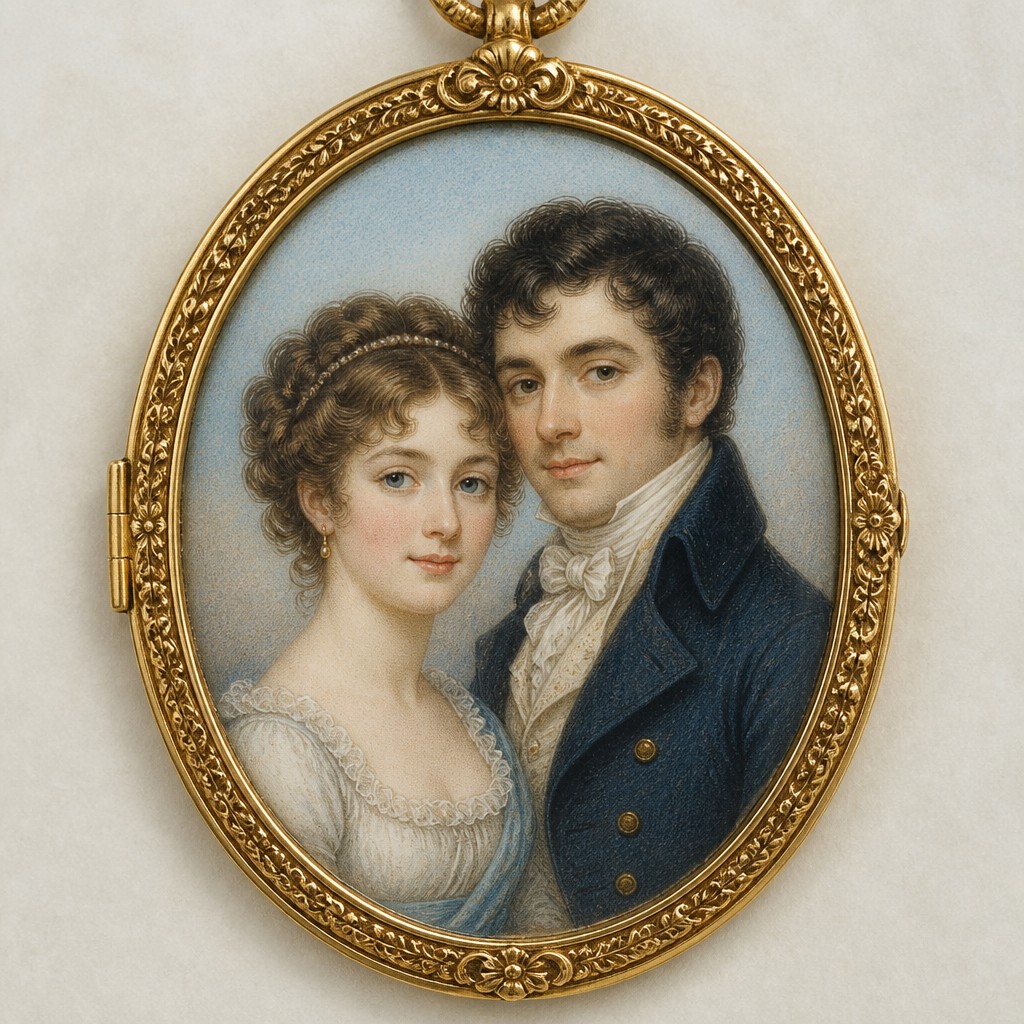
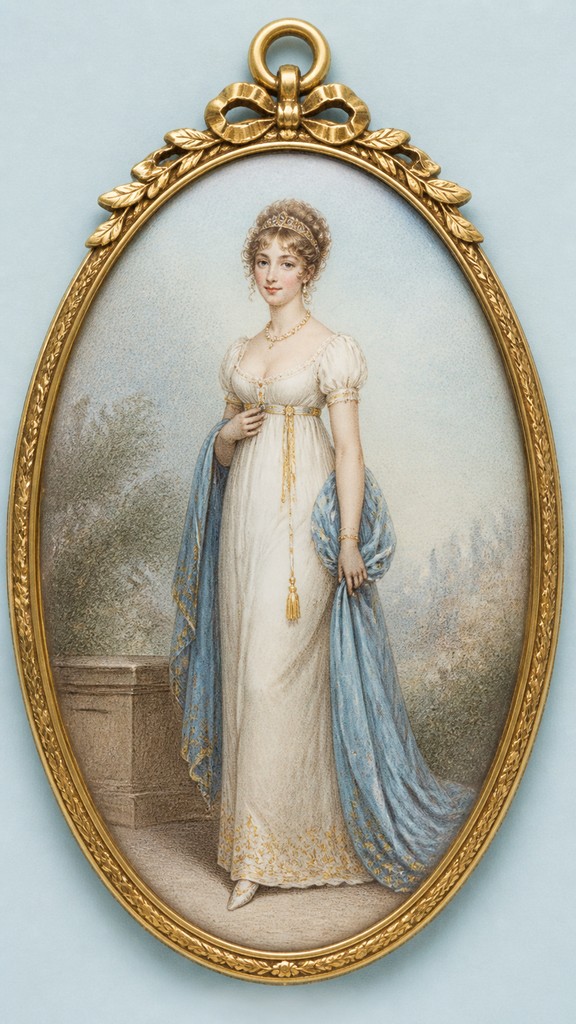
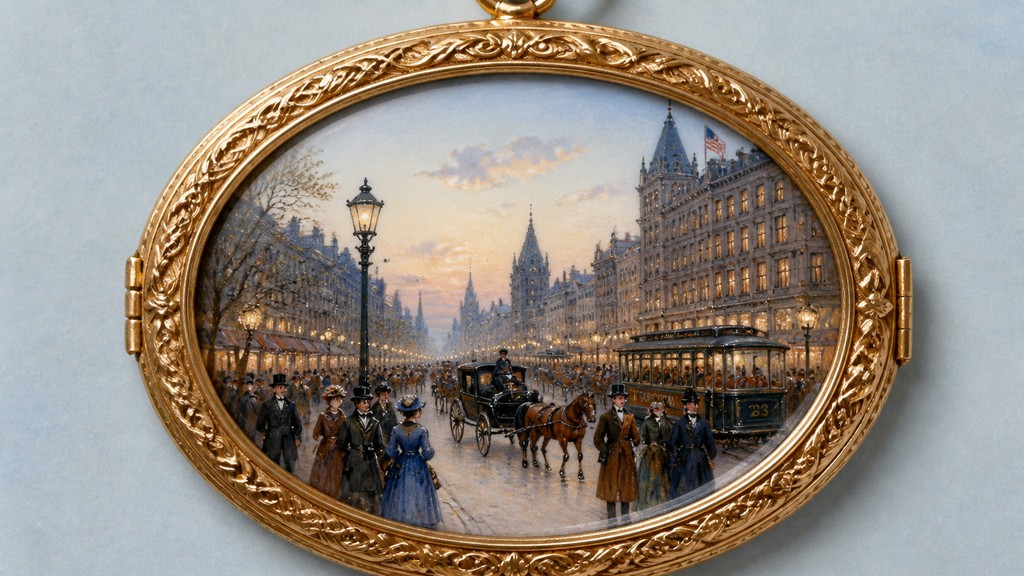
Portrait Miniature Art is a small-scale portrait tradition centered on an intimate bust-length or head-and-shoulders likeness. Its visual identity comes from compressed detail: carefully modeled facial features, translucent skin, fine hair, restrained expression, and a composition designed to be viewed at close range. The portrait is often enclosed in an oval format, sometimes with an ornate gold locket border or jewel-like frame.
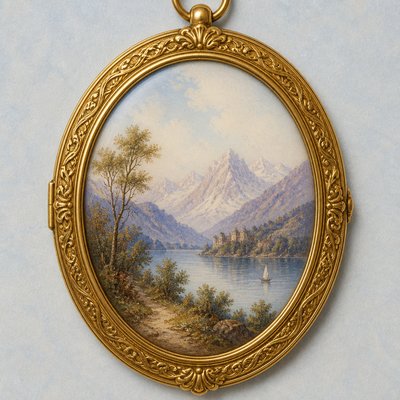
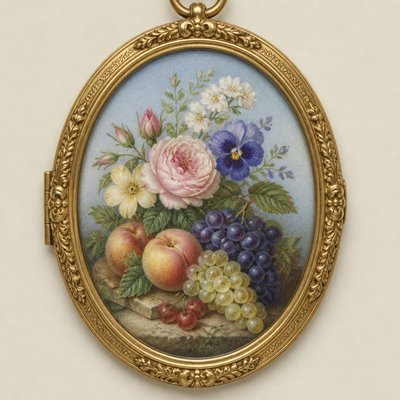
The style combines the tactile delicacy of historical miniature painting with a soft, refined decorative finish. Porcelain-smooth rendering, powdery pastel color, stippled shadows, and pale blue or parchment grounds create an atmosphere of keepsake intimacy. In contemporary interpretations, the locket format may be literal, while the small scale and precious, highly finished appearance remain the essential visual ideas.
Try It On Your Photos
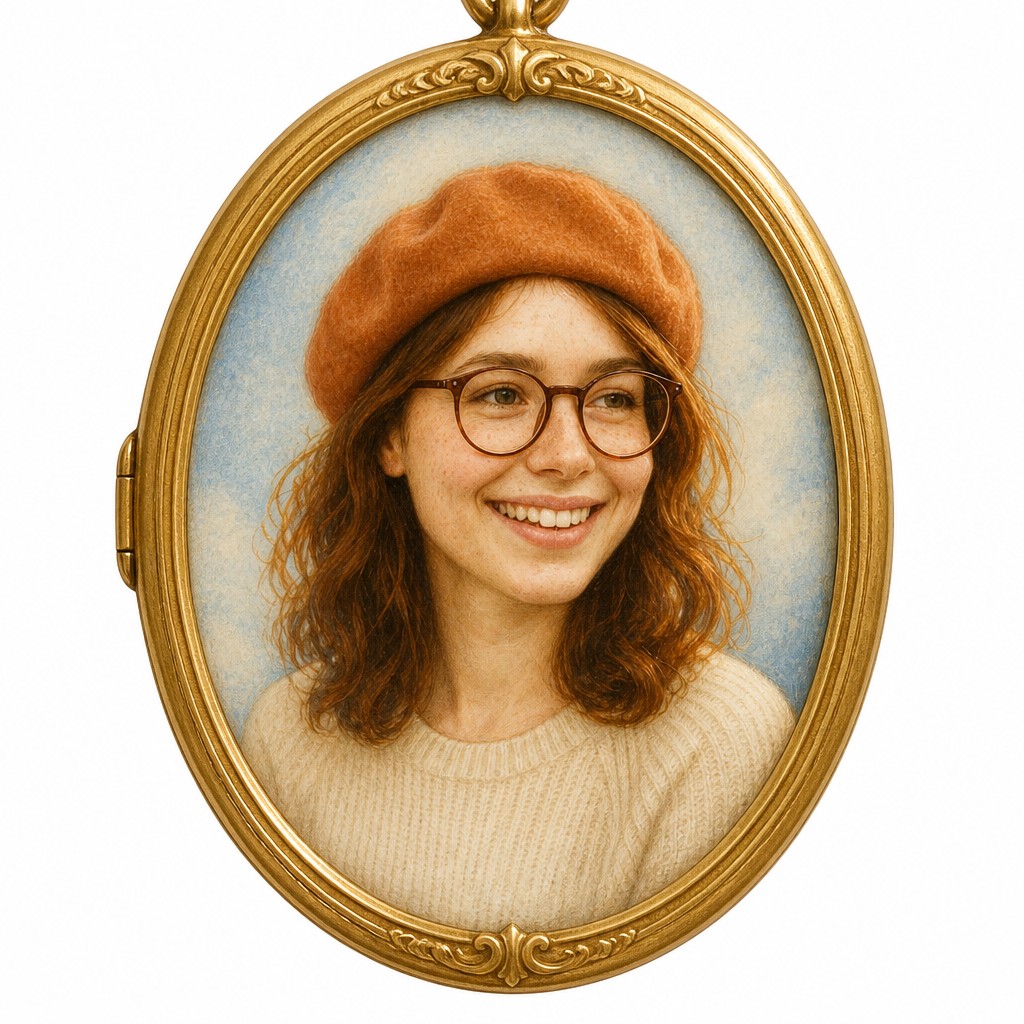
Upload any photo and convert it into Portrait Miniature Art Style — drag the sliders to compare before and after.


What Defines Portrait Miniature Art Style
The signature details, up close
Small oval composition
The subject is usually presented as a compact head-and-shoulders or bust portrait inside an oval boundary. The restricted format directs attention toward the face and reinforces the object-like quality of a keepsake.
Delicate facial modeling
Features are rendered with controlled transitions rather than heavy outlines or dramatic contrast. Subtle changes around the eyes, nose, lips, cheeks, and jaw create a precise but gentle likeness.
Porcelain-smooth surfaces
Skin is typically even, luminous, and finely blended, with only restrained texture. This polished appearance suggests painted enamel, finely layered watercolor, or a precious object handled with care.
Powdery, muted color
Soft rose, cream, pale blue, warm gray, parchment, and faded gold are common. Saturation is usually controlled so that the portrait feels aged, intimate, and jewel-like rather than vividly contemporary.
Fine stippled shading
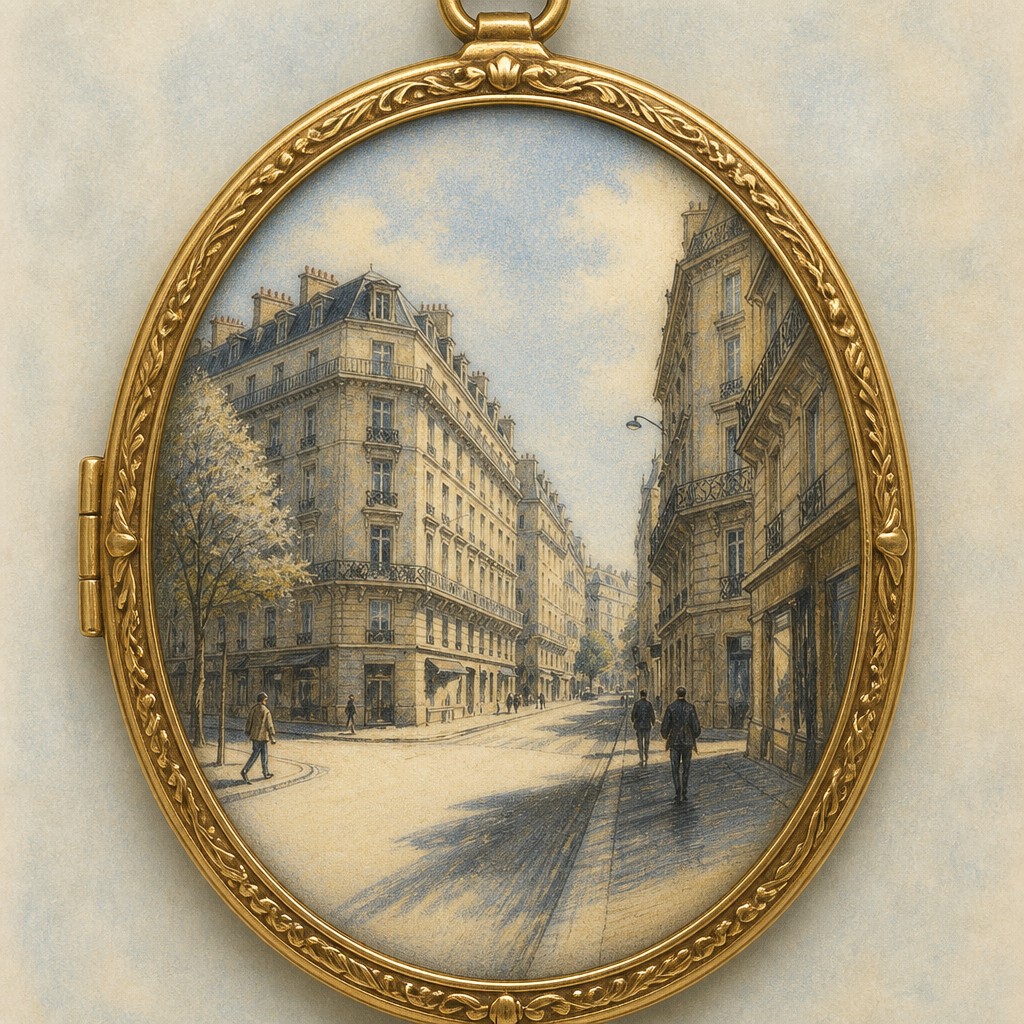
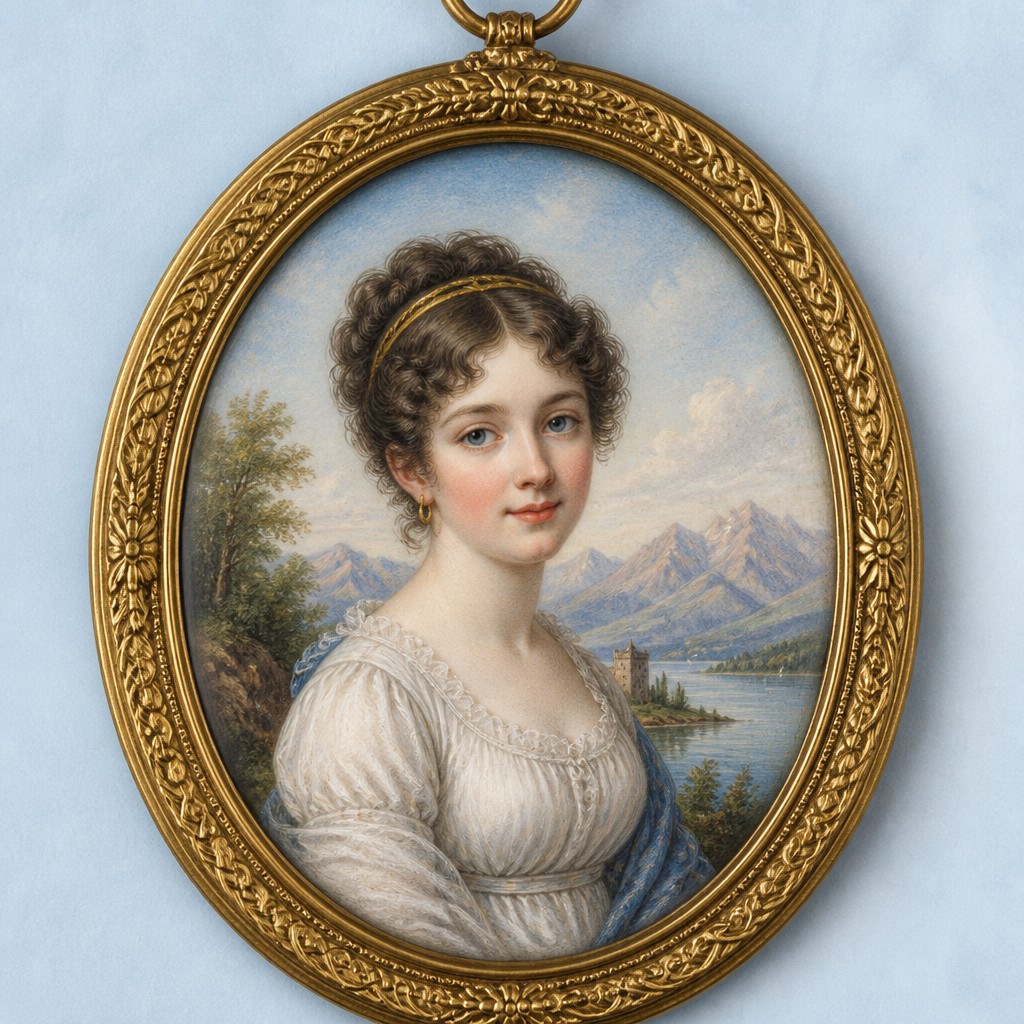
Tiny dots, short marks, and closely controlled hatching can build shadows in the cheeks, hair, clothing, and background. The texture adds visual richness while preserving the miniature's delicacy.
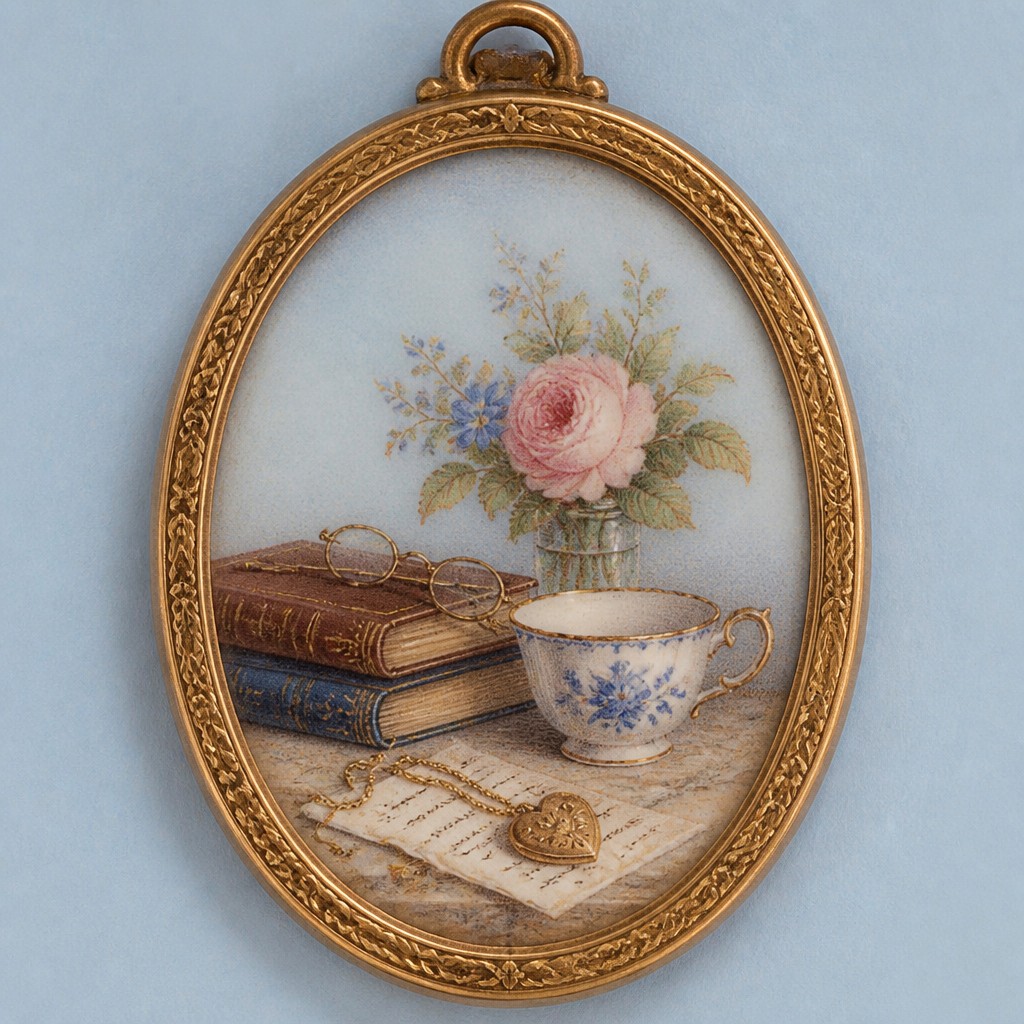
Pale atmospheric ground
A parchment, ivory, or pale sky-blue background isolates the face and provides a quiet field for the small composition. It may remain nearly flat or include understated tonal variation.
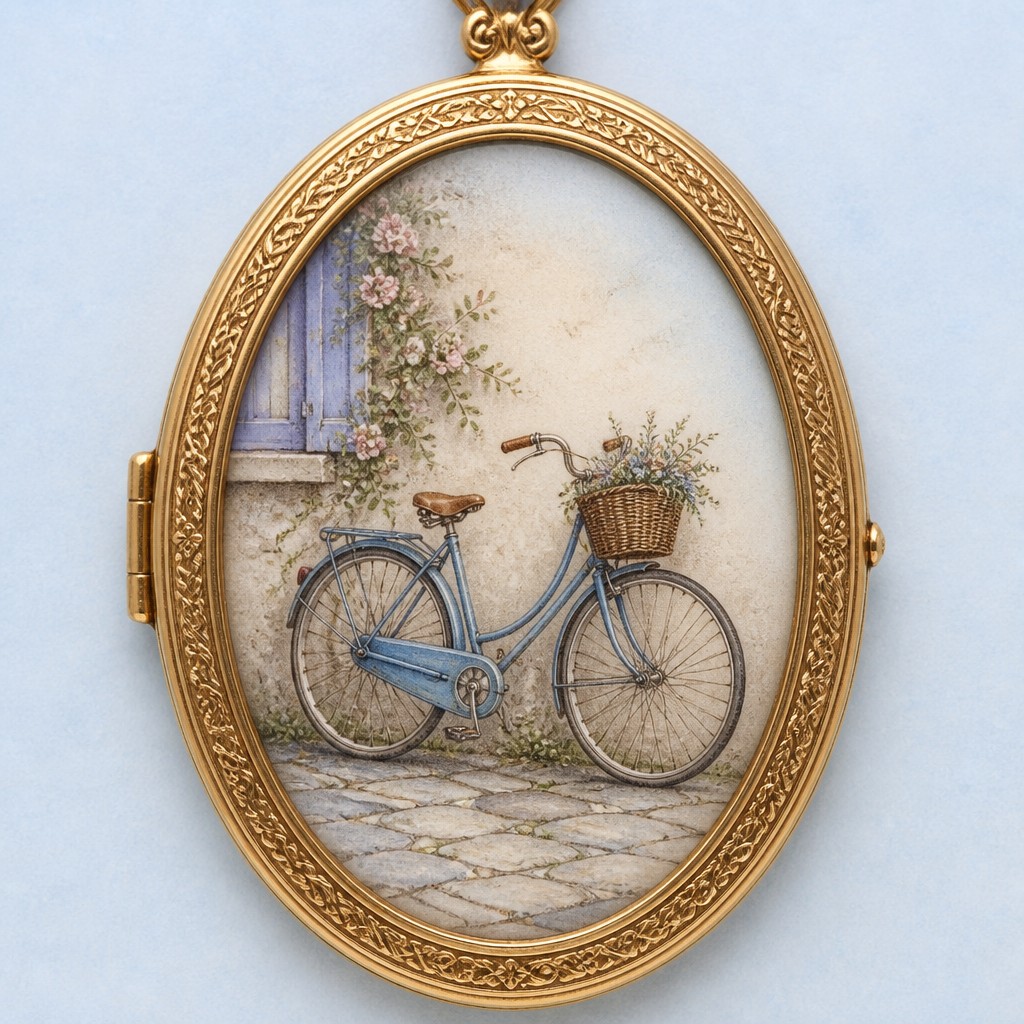
Ornate gilded framing
Gold borders, hinged locket forms, beaded edges, filigree, and jewel-like ornament frame the painted image. The border is decorative but should not overpower the likeness.
Try It
Create Videos in Portrait Miniature Art Style
Styles aren't just for stills — describe a scene or animate an image and get a short video rendered in Portrait Miniature. Press play to see this pond come to life.
Make a VideoPortrait Miniature Prompt Ideas
Start from an idea — each one opens the generator with the style ready to go. See all 40 Portrait Miniature prompts →
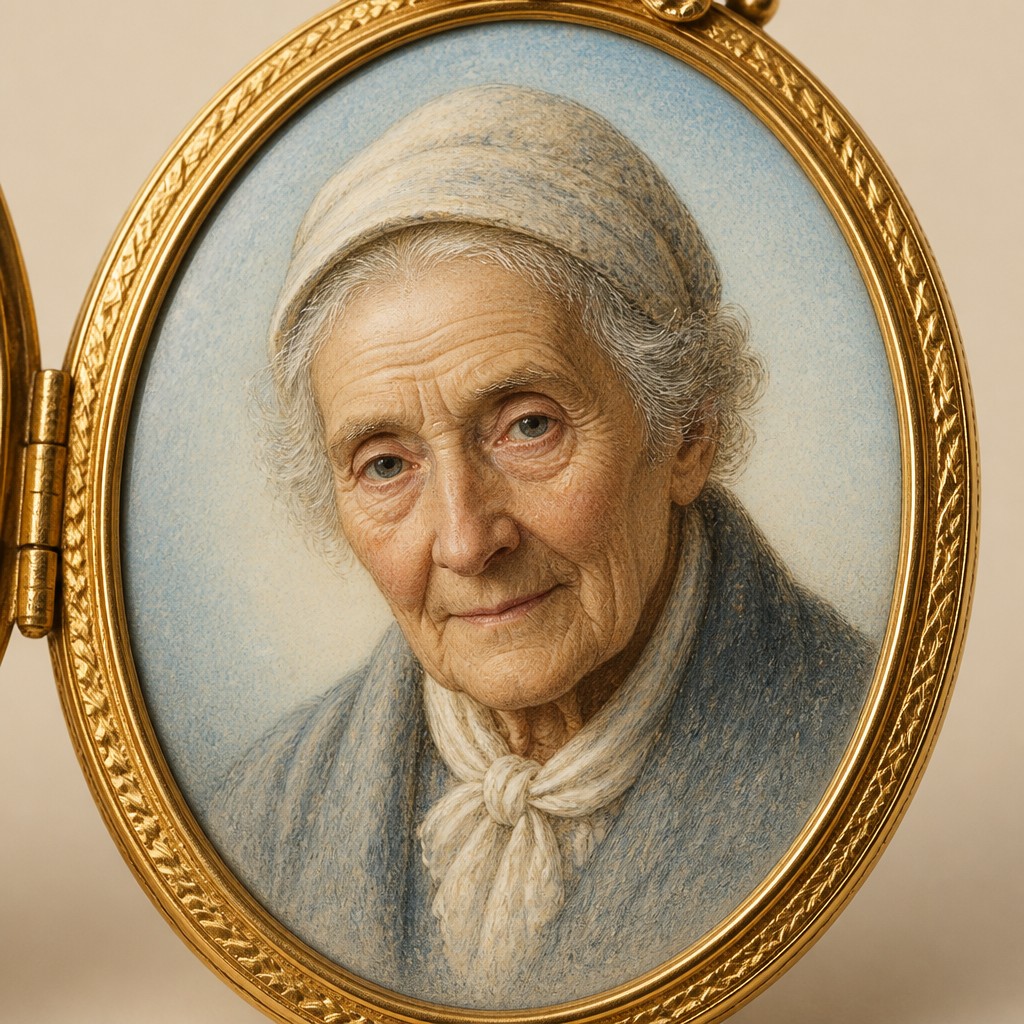
“close-up portrait of an elderly person with expressive weathered features”
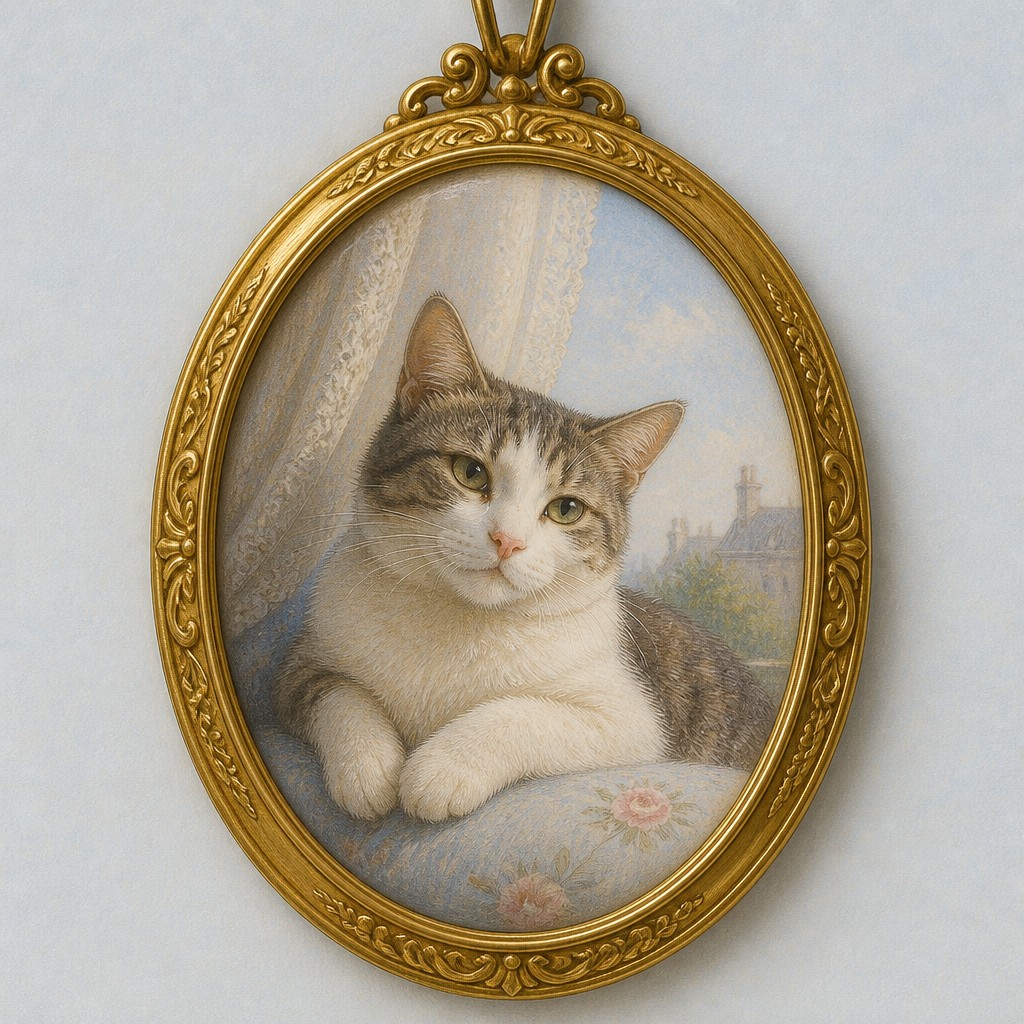
“a cat lounging in a sunlit window”
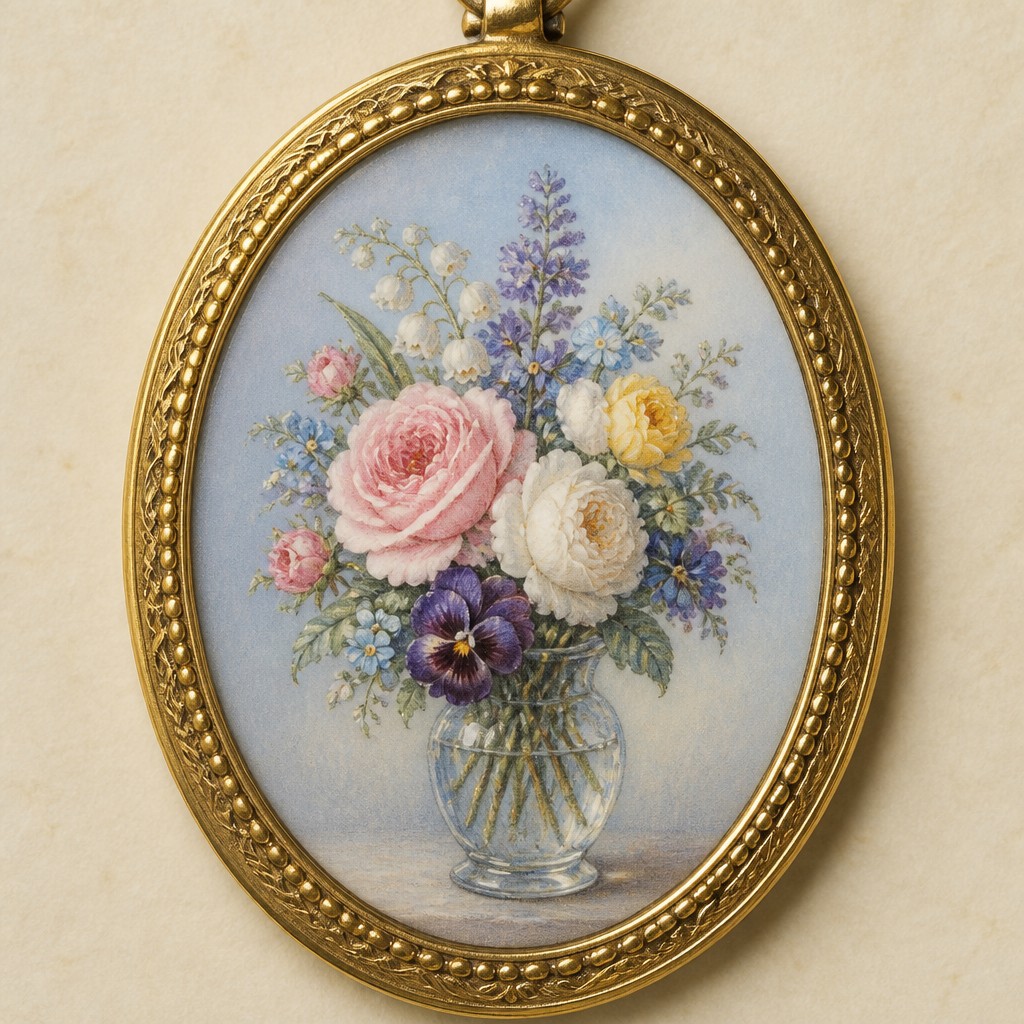
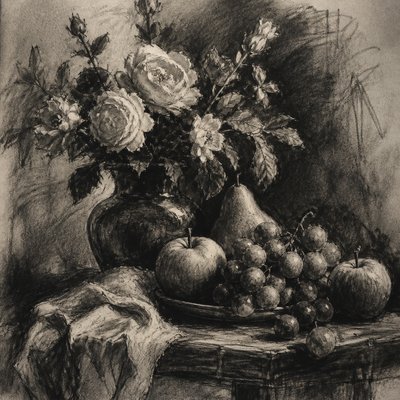
“bouquet of flowers in a glass vase”
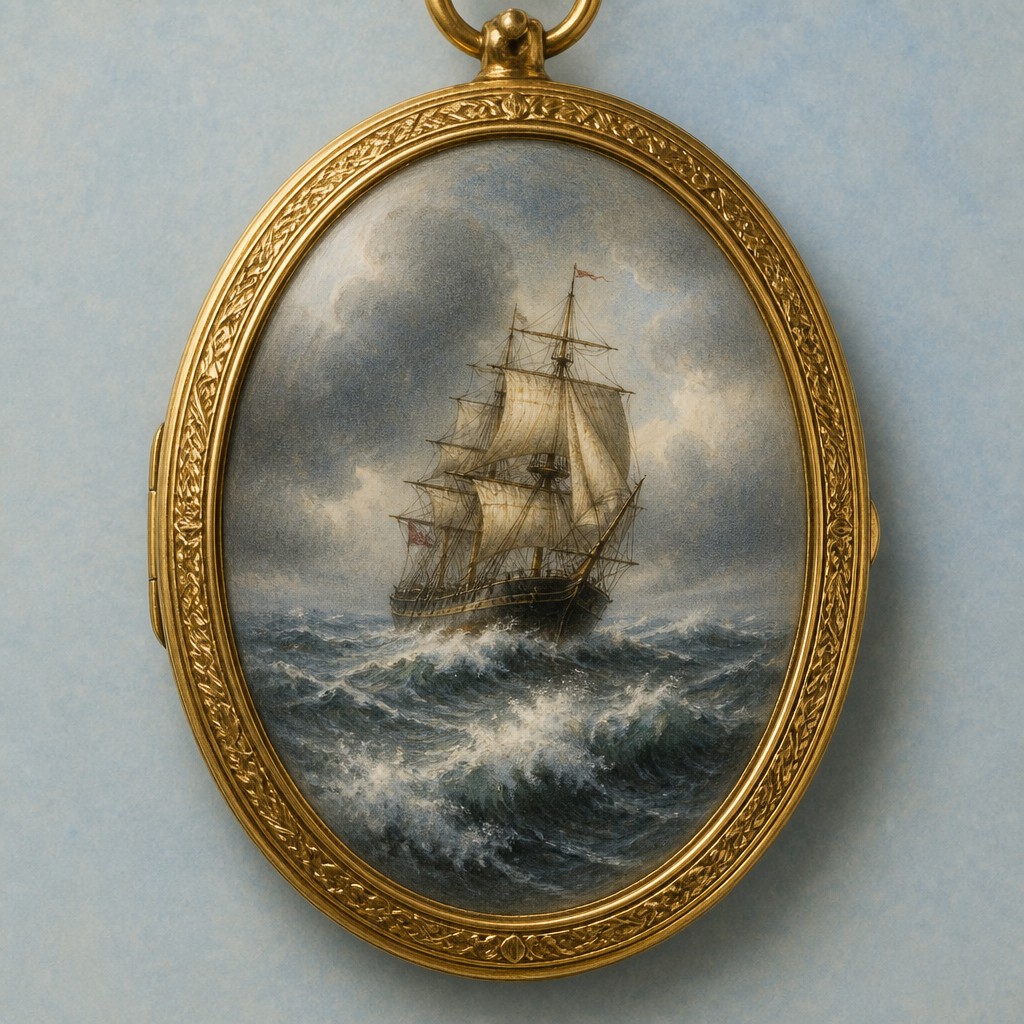
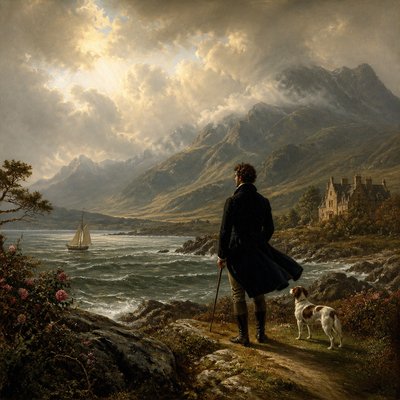
“sailing ship on a stormy sea”
How to Create Portrait Miniature Art
Master the craft step by step — or skip straight to creating. Read the full guide →
- 1
Build a compact portrait
Use a centered head-and-shoulders pose, a calm expression, and a tight crop. An oval layout works especially well because it echoes historical lockets and keeps the face as the primary focal point.
- 2
Layer transparent color
For traditional work, apply thin watercolor or gouache layers over a smooth surface, allowing each layer to dry before refining the next. In digital painting, use low-opacity brushes and gradual blending rather than broad opaque strokes.
- 3
Refine with tiny marks
Use stippling, minute hatching, and controlled pointillist texture to model shadows and fabrics. Keep marks smallest around the eyes and mouth, where excessive texture can reduce the impression of polished skin.
- 4
Control the palette and background
Choose a restrained palette of ivory, blush, dusty blue, muted brown, and antique gold. Keep the background pale and quiet so the portrait reads as an intimate object rather than a full scene.
- 5
Add the object context
Frame the portrait with an oval gold locket, delicate filigree, a hinged case, or a narrow gilded border. Use highlights sparingly to suggest metal without turning the image into a heavily ornate fantasy design.
- 6
Write precise generation directions
For prompt-based creation, specify the subject, bust crop, oval format, porcelain-smooth rendering, powdery palette, fine stippling, pale background, and gold locket frame. Negative directions such as 'no full body, no dramatic landscape, no thick comic outlines' can help preserve the miniature scale.
The Story
History & Origins of Portrait Miniature
Portrait miniatures developed in European court and aristocratic cultures during the Renaissance and became especially important from the sixteenth through the nineteenth centuries. They served as portable likenesses exchanged among families, spouses, friends, and political allies, and were commonly worn as jewelry, placed in lockets, or kept in small cases. Traditional examples were painted with watercolor or gouache on vellum, parchment, ivory, or other finely prepared surfaces; later examples also used enamel and paper.
The contemporary version described here is best understood as an aesthetic synthesis rather than a distinct historical movement. It draws on European portrait miniature traditions, locket jewelry, devotional objects, pastel portraiture, and the visual language of heirlooms. Digital rendering often intensifies the smooth surfaces, tiny stippled marks, pale backgrounds, and gilded framing associated with these sources.
Influences: The style is related to Renaissance and Georgian portrait miniatures, nineteenth-century keepsake and mourning jewelry, watercolor and gouache miniature painting, enamel portrait plaques, pastel portraiture, and the decorative language of antique lockets. It also shares the controlled symmetry and precious-object sensibility of illuminated manuscripts and small devotional images, while its soft digital finish may overlap with vintage romantic illustration and refined fantasy portraiture.
Frequently Asked Questions
What defines Portrait Miniature Art?
It is defined by intimate scale, concentrated facial detail, and a highly finished surface. Oval framing, restrained color, soft modeling, stippled texture, and a locket-like presentation are especially characteristic of the contemporary version.
Is portrait miniature a historical art form or a modern style?
Portrait miniature is a genuine historical art form with roots in Renaissance Europe and a long development through the nineteenth century. The specific combination of porcelain-smooth digital rendering, pastel softness, and ornate locket framing is a modern interpretation of that tradition.
What materials are traditionally used for portrait miniatures?
Historical artists used watercolor or gouache on vellum, parchment, ivory, paper, and other finely prepared surfaces. Enamel was also used for durable miniature portraits. Contemporary artists commonly work with watercolor, colored pencil, gouache, or digital painting; modern practice generally avoids new ivory for ethical and legal reasons.
How does this style differ from a standard portrait painting?
A standard portrait can use any scale, composition, or degree of expression, while a portrait miniature emphasizes compactness, close viewing, and meticulous surface control. The locket format and precious-object framing further distinguish it from a conventional canvas portrait.
How can I make a portrait look convincingly miniature?
Use a tight bust crop, simplified background, carefully controlled edges, and very small marks for facial modeling. A limited pastel palette, oval framing, and subtle gold ornament help communicate the scale and heirloom character.
Where is Portrait Miniature Art commonly used?
It is suited to commemorative portraits, family keepsakes, wedding and memorial imagery, historical or period-inspired illustration, jewelry concepts, character portraits, and decorative stationery. The intimate format also works well for avatars and collectible portrait designs.
Create your first Portrait Miniature artwork
Describe anything — or upload a photo — and see it in Portrait Miniature Art Style in seconds.
Related Styles
Discover similar art styles