One-Point Perspective Art Style
Explore one-point perspective art: a precise visual system of converging lines, deep space, symmetry, and dramatic architectural recession.
Instantly rendered in One-Point Perspective — or transform a photo
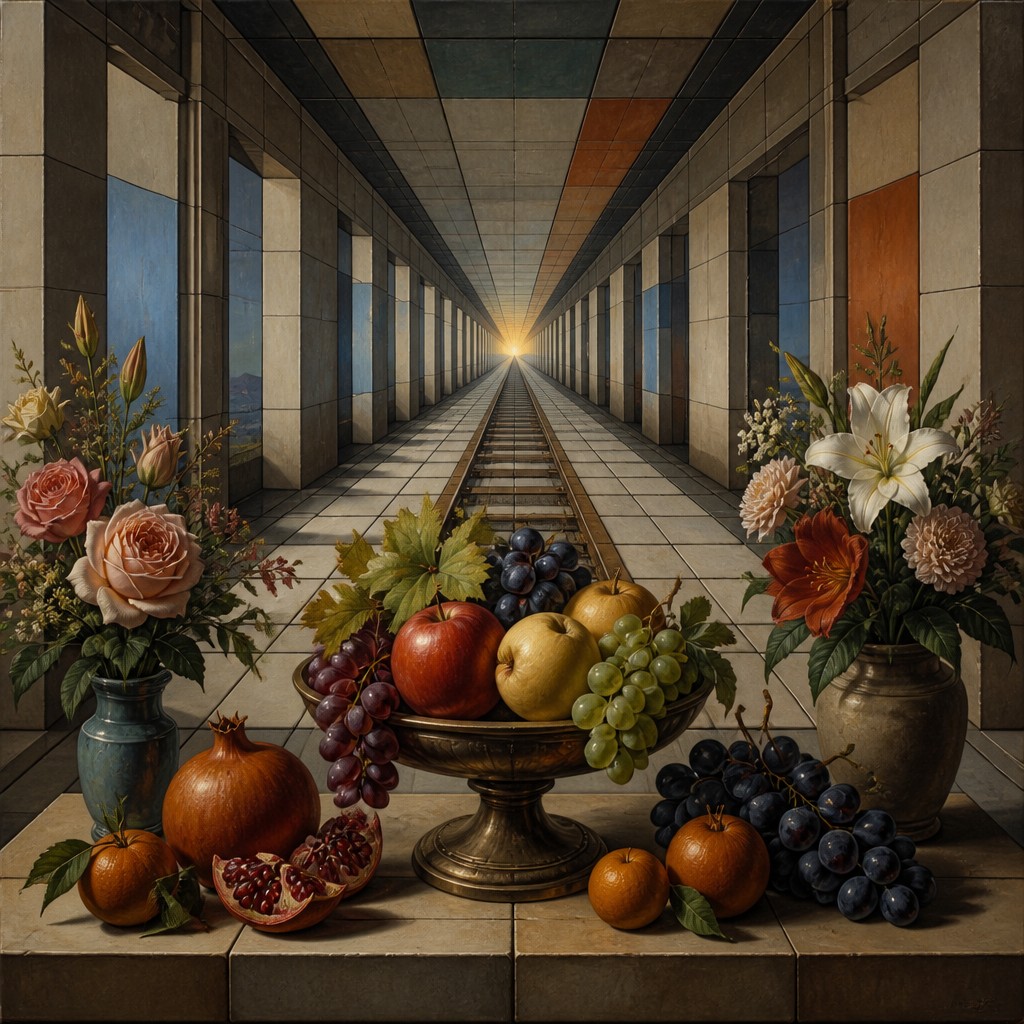
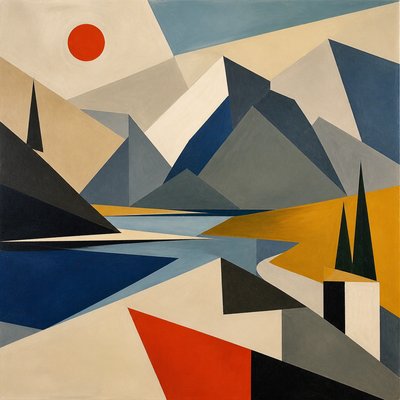
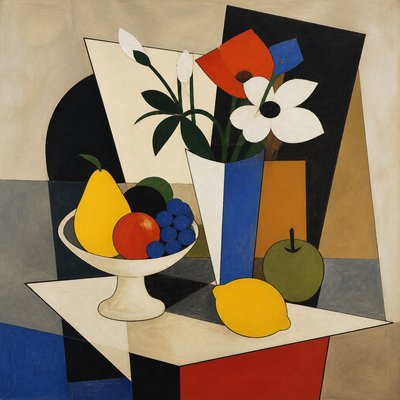
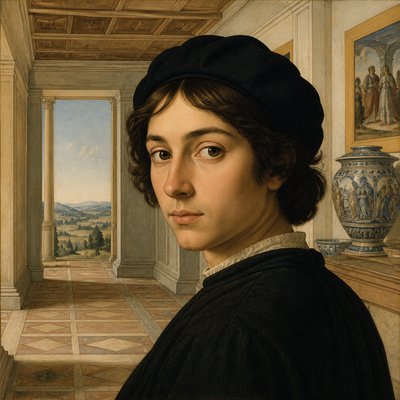
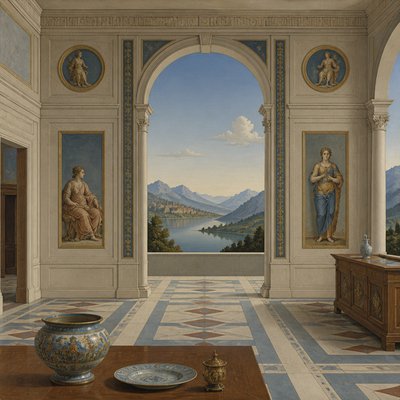
One-Point Perspective Gallery
Tap any artwork to explore it
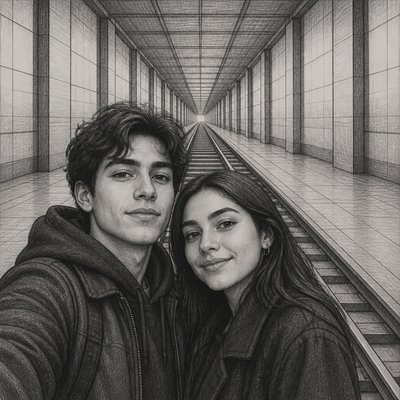
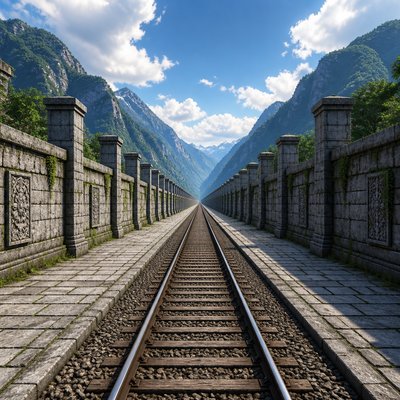
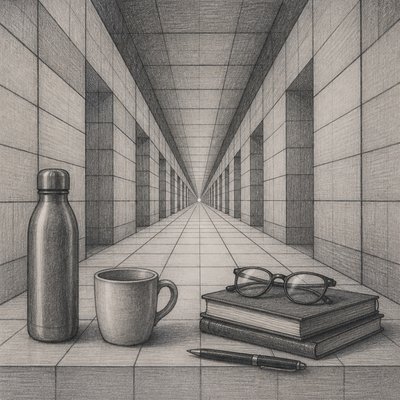
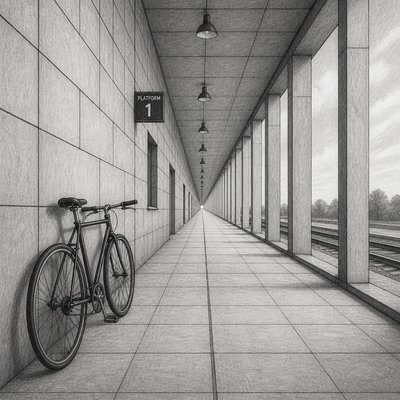
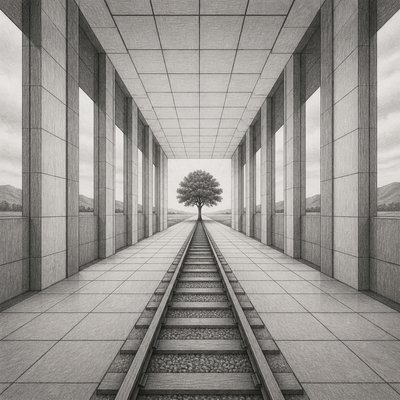
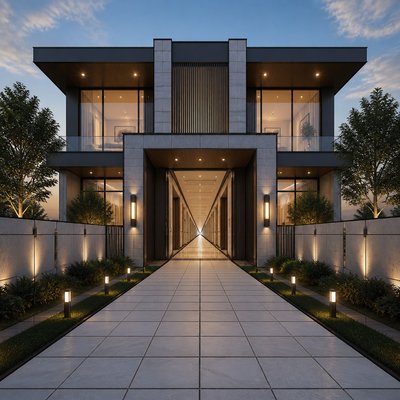
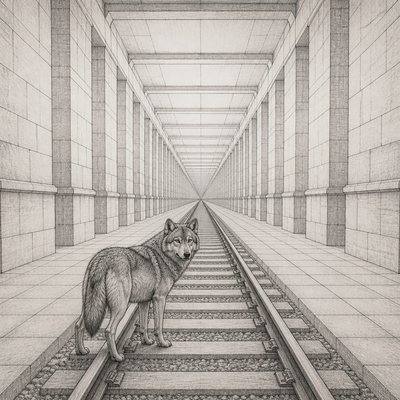
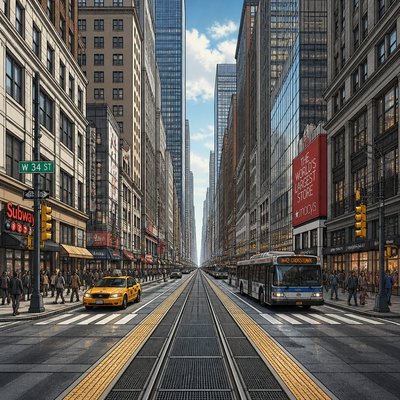
What is One-Point Perspective Art Style?
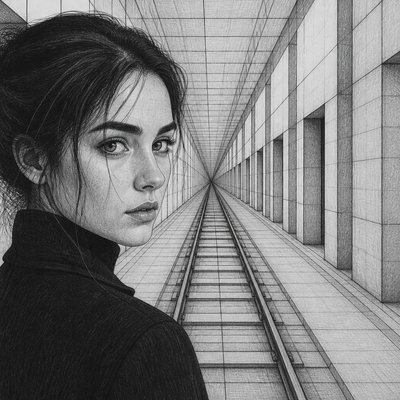
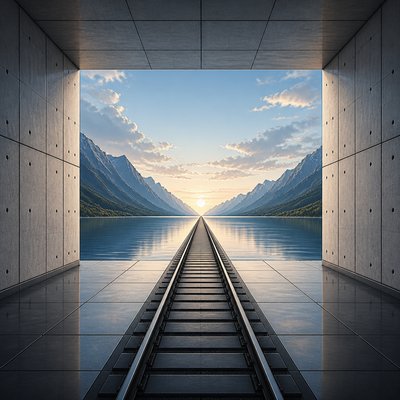
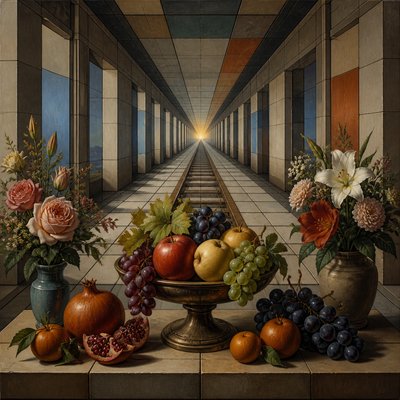
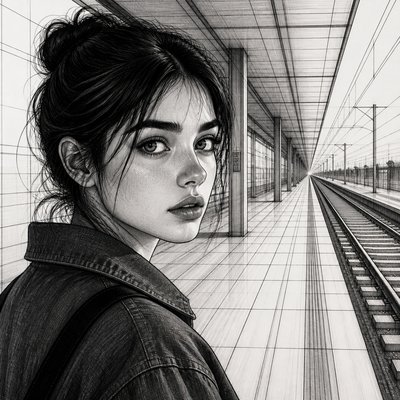
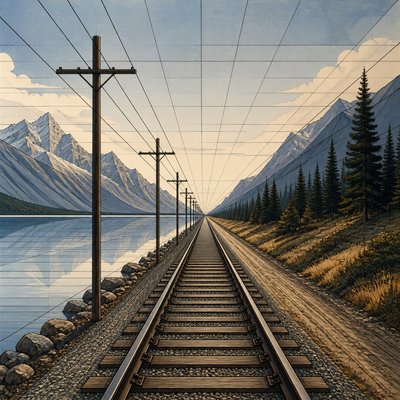
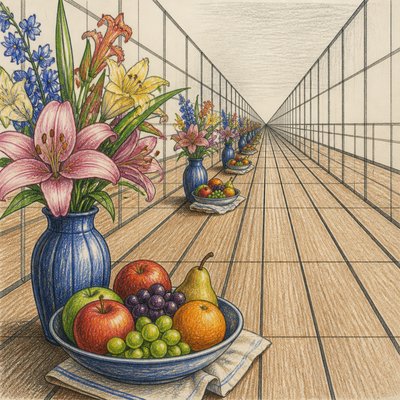
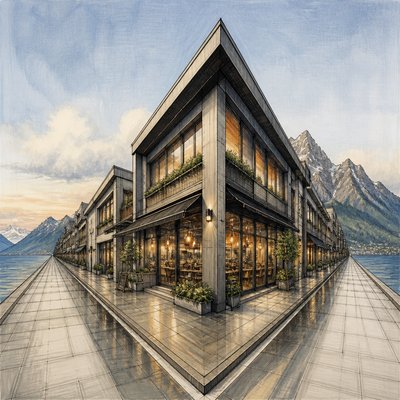
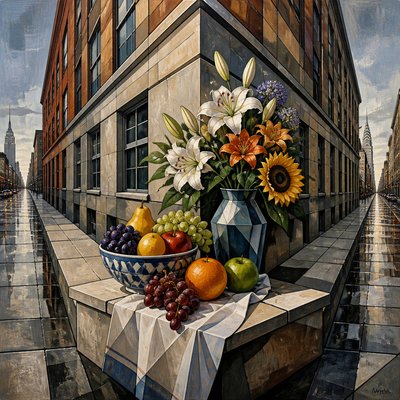
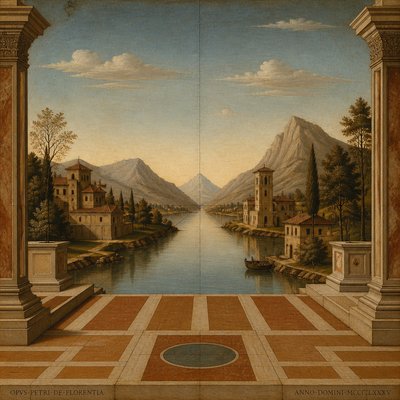
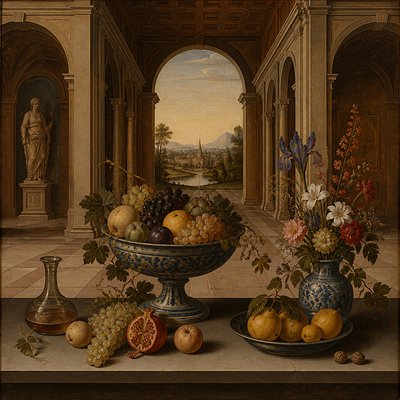
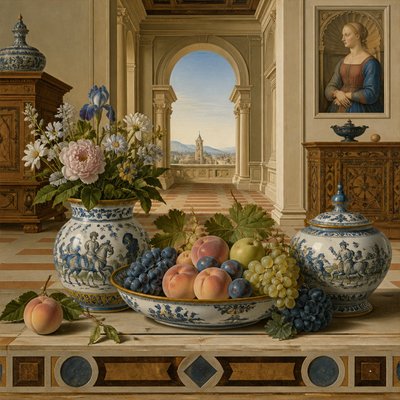
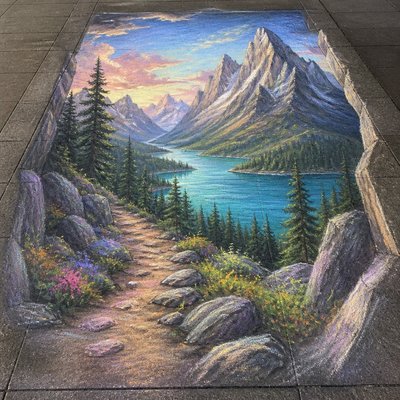
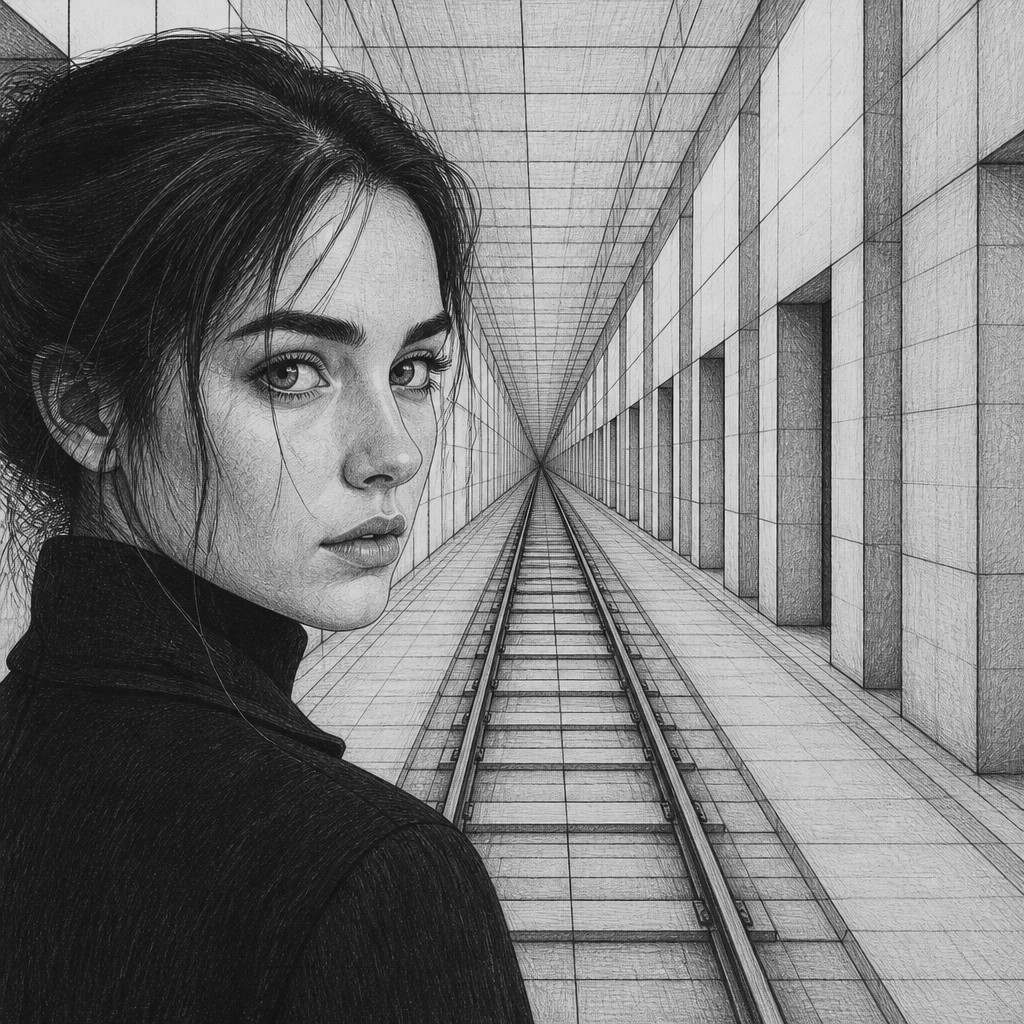
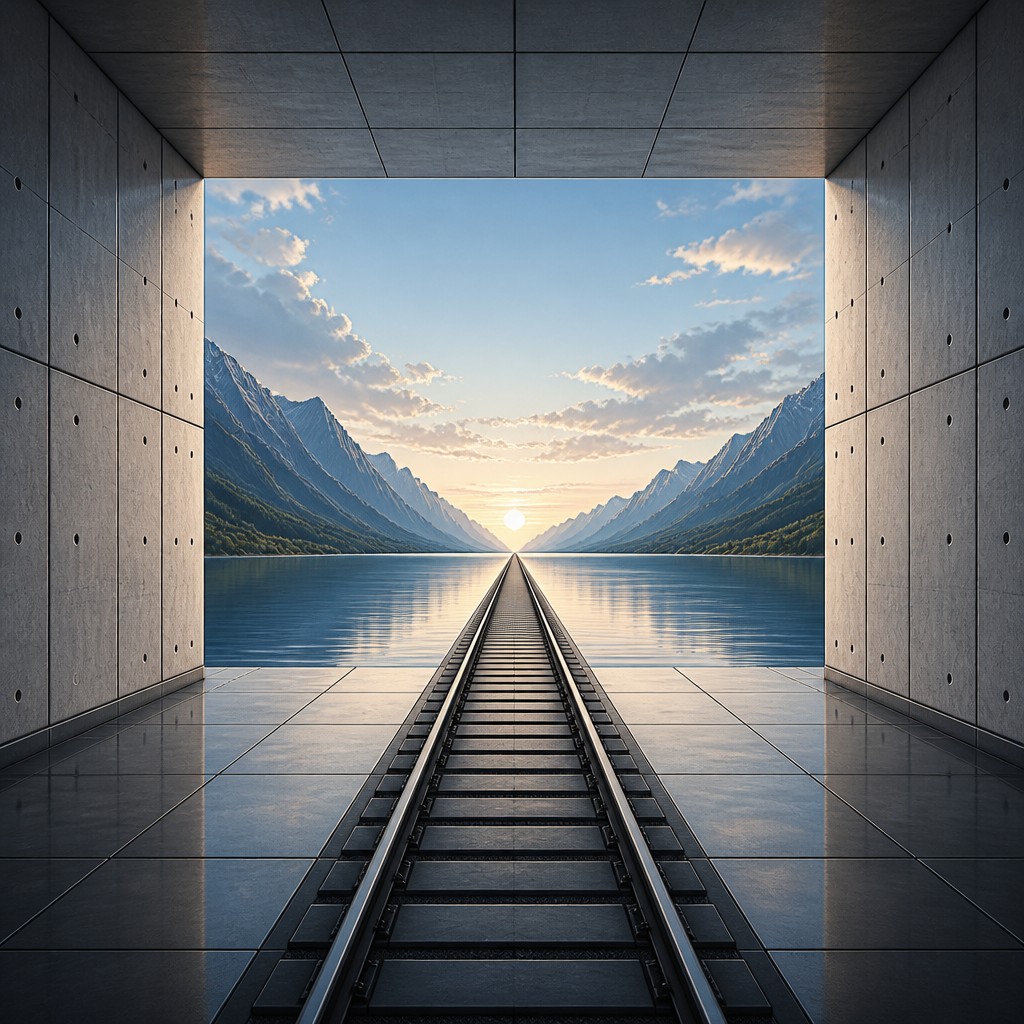
One-point perspective art organizes a scene around a single vanishing point on the horizon. Lines that recede directly away from the viewer converge toward this point, creating the illusion of measurable depth. Walls, floors, ceilings, roads, corridors, railway tracks, and rows of objects become part of a unified geometric structure that draws the eye inward.
The style is recognized by its frontal viewpoint, strong symmetry, sharply defined edges, and emphatic sense of distance. It can be used with architectural precision or expressive exaggeration: a quiet hallway may feel orderly and calm, while an endless tunnel or road can suggest isolation, suspense, or infinite movement. Color, lighting, scale, and texture may vary, but the single-point spatial system remains the central organizing principle.
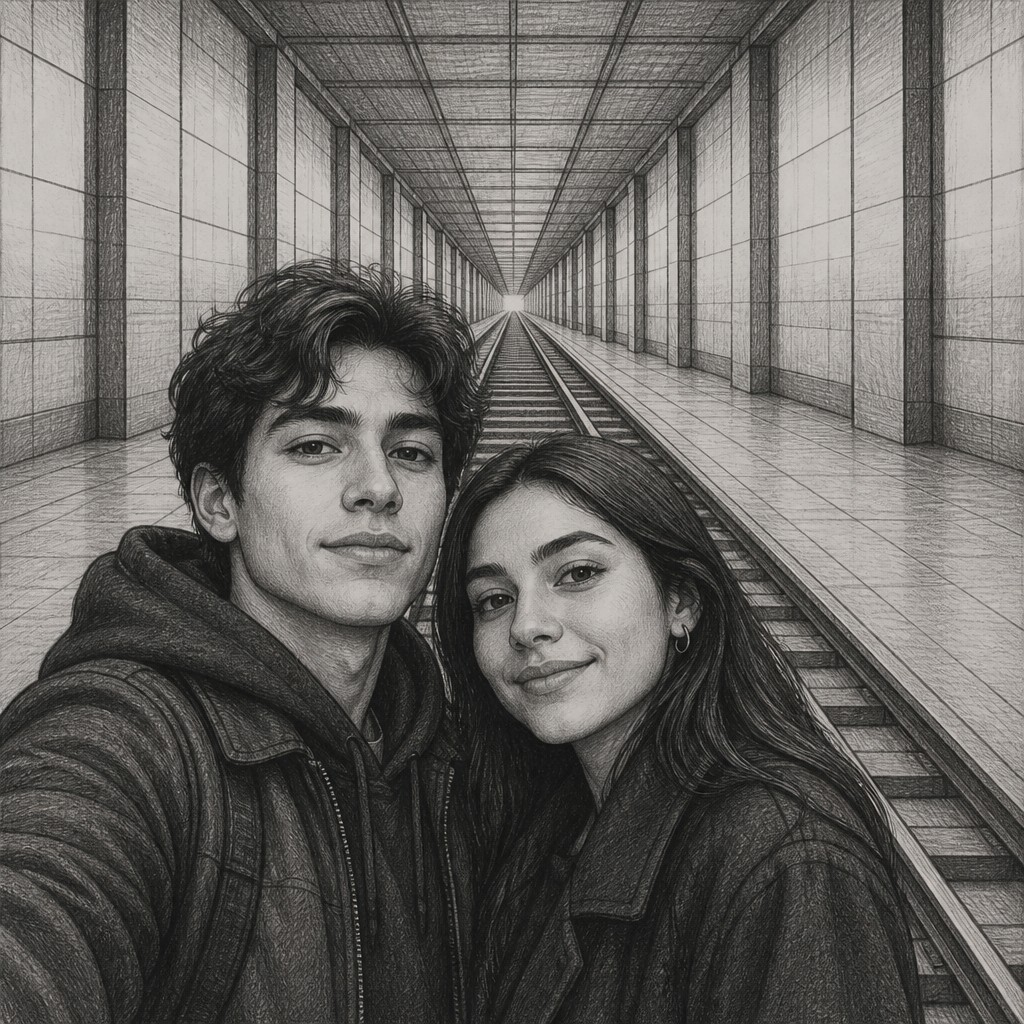
Try It On Your Photos
Upload any photo and convert it into One-Point Perspective Art Style — drag the sliders to compare before and after.
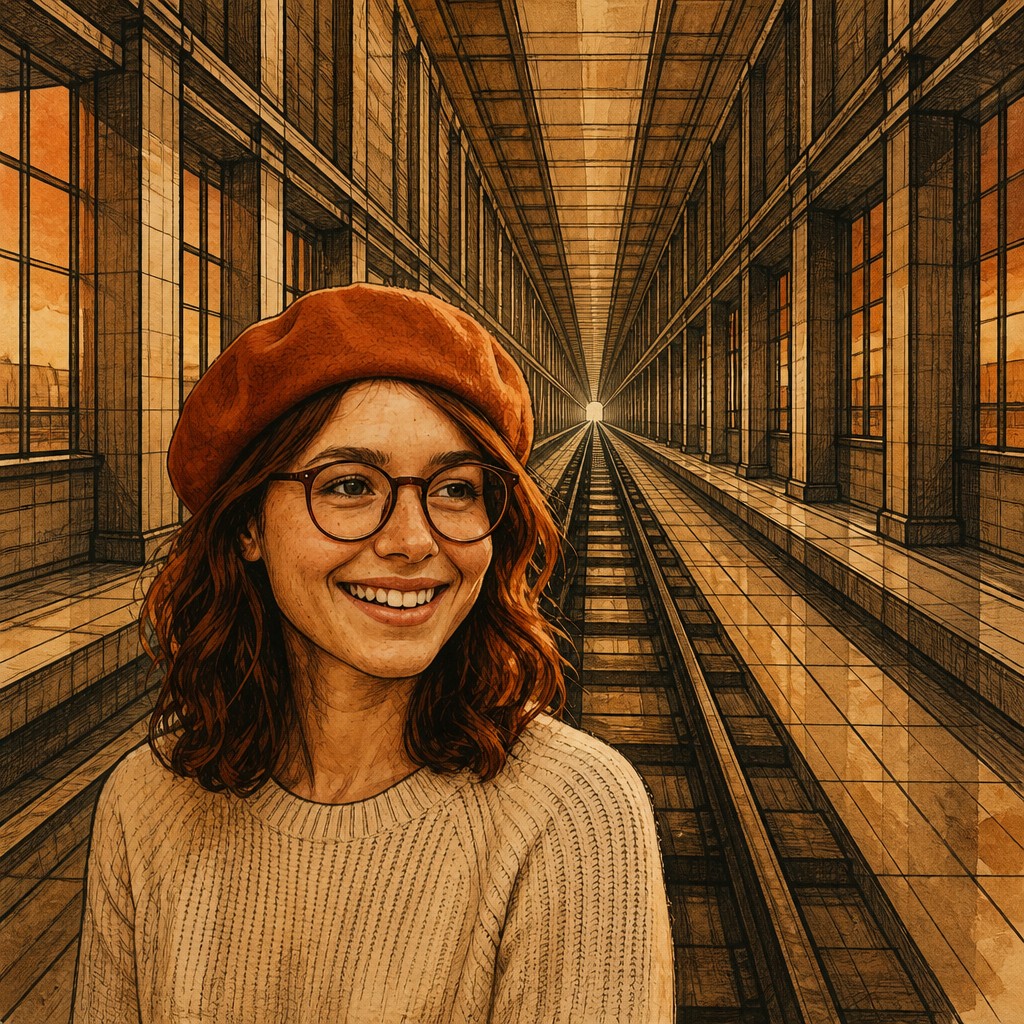

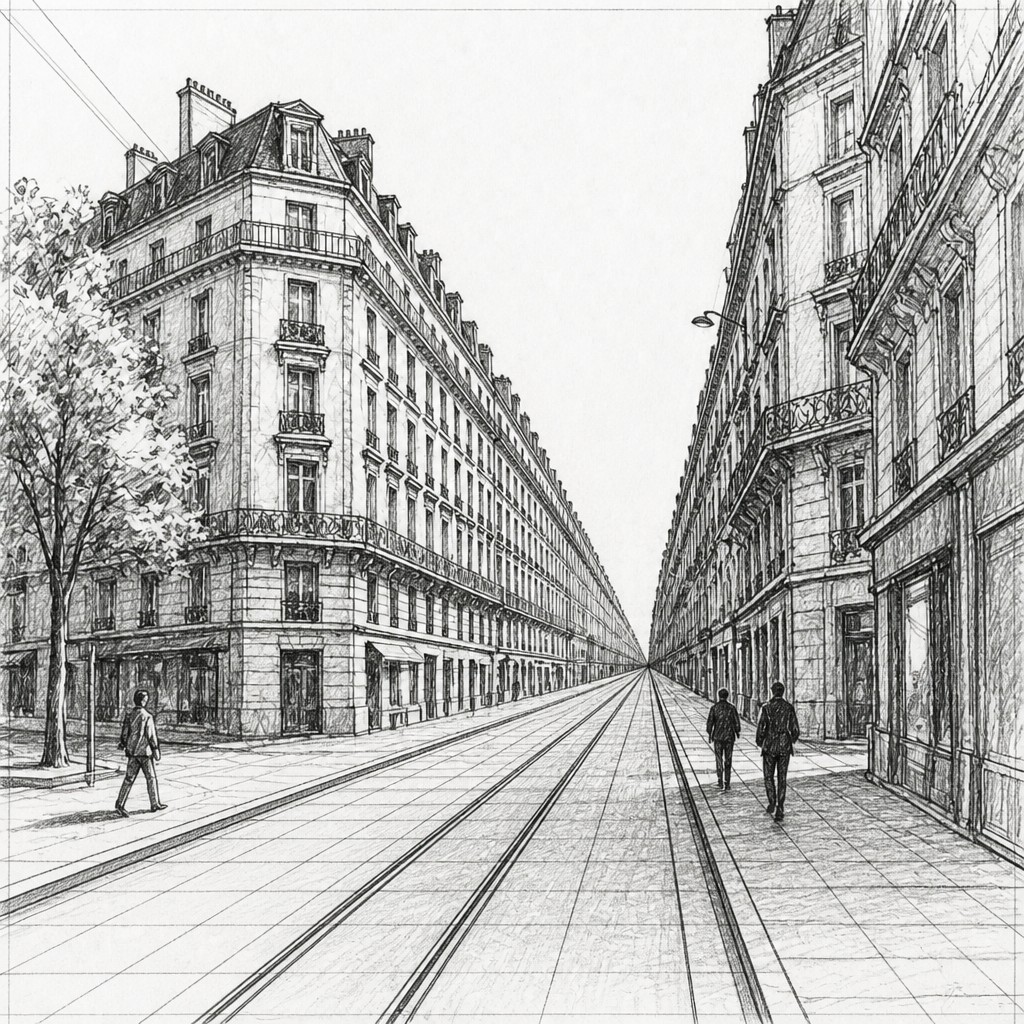

What Defines One-Point Perspective Art Style
The signature details, up close
Single vanishing point
Receding lines lead toward one point on the horizon or eye-level line. This produces a direct, frontal spatial axis and makes depth easy to read.
Strong symmetry
The vanishing point often sits near the center of the composition, dividing walls, floors, tracks, or architectural elements into balanced halves.
Orthogonal construction lines
Edges that move away from the viewer angle toward the vanishing point, while verticals and horizontals generally remain parallel to the picture plane.
Deep linear space
Long corridors, roads, tunnels, bridges, and railway tracks create an extended visual path that pulls attention from the foreground into the distance.
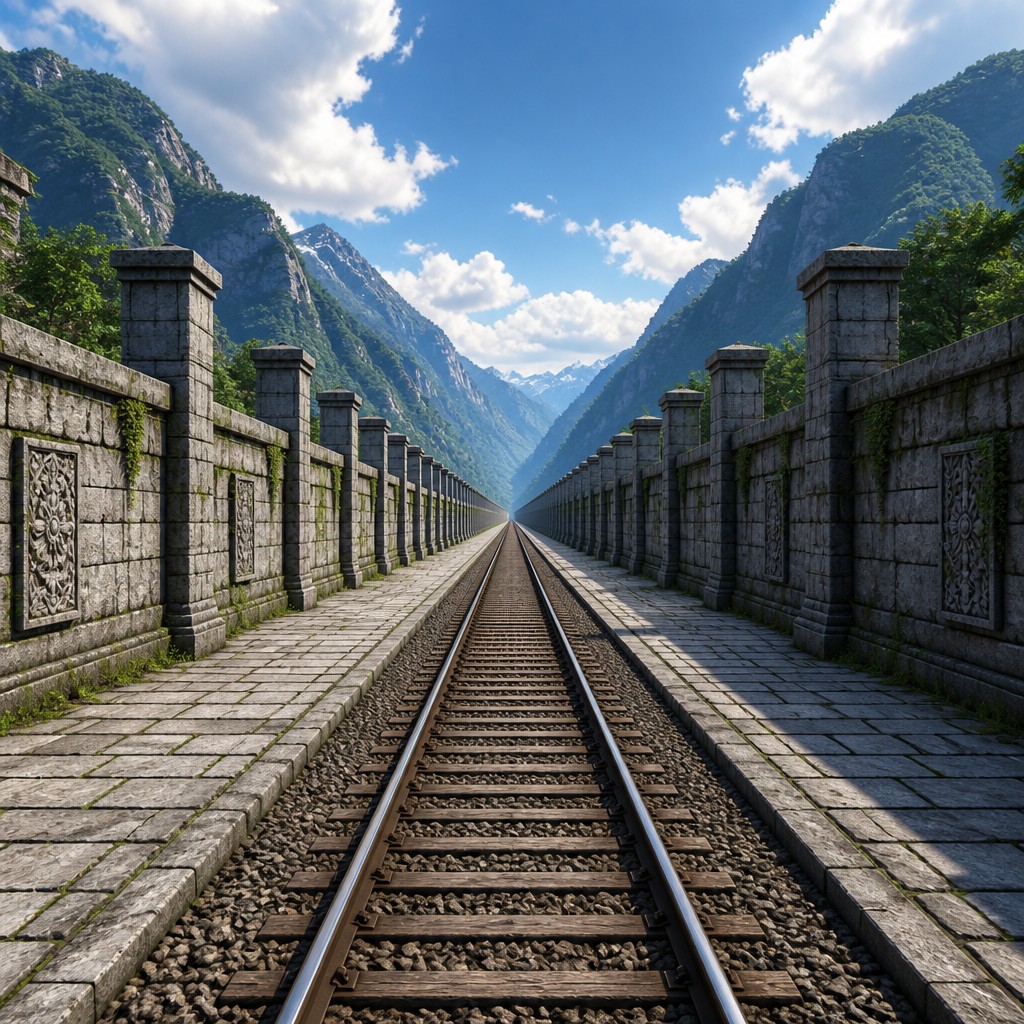
Architectural precision
Clean planes, measured proportions, sharp corners, and repeated structural elements emphasize the underlying geometry of the scene.
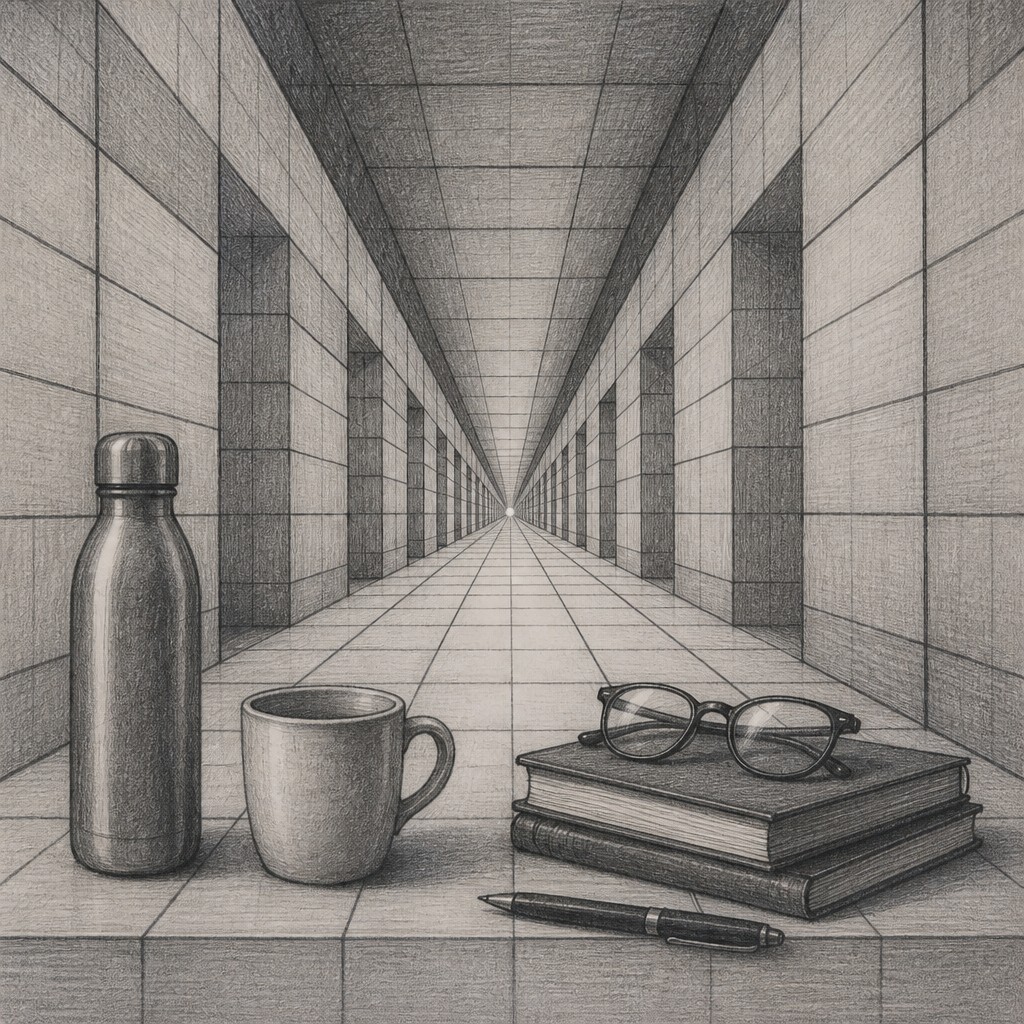
Scale and repetition
Objects become progressively smaller as they approach the vanishing point. Repeated windows, columns, lights, or sleepers reinforce the impression of recession.
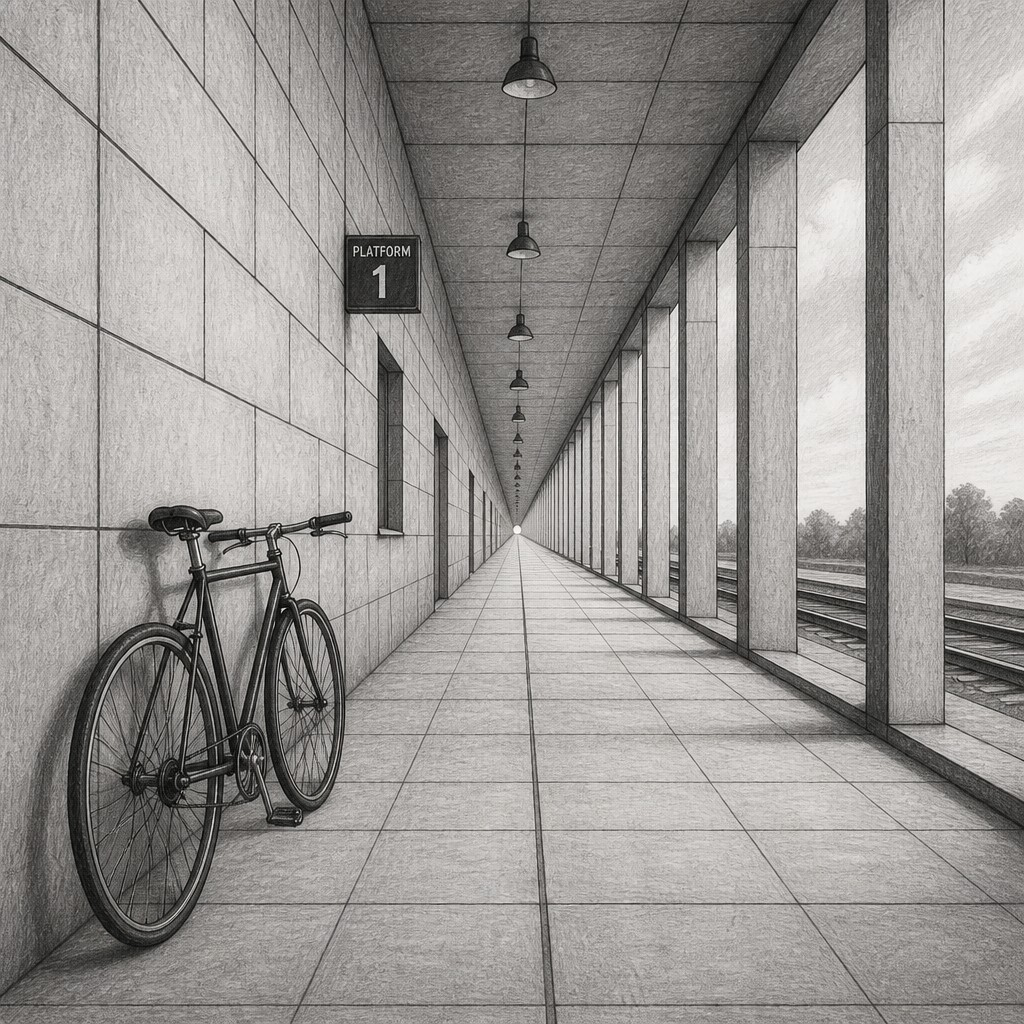
Controlled focal emphasis
Because many lines point to the same location, the composition naturally directs the viewer toward a central subject, distant figure, doorway, light source, or landmark.
One-Point Perspective Prompt Ideas
Start from an idea — each one opens the generator with the style ready to go. See all 40 One-Point Perspective prompts →
How to Create One-Point Perspective Art
Master the craft step by step — or skip straight to creating. Read the full guide →
- 1
Establish the horizon and vanishing point
Draw the horizon at the intended eye level, then place a single vanishing point on it. Use a light construction line before adding details.
- 2
Build the major planes
Connect the corners of the image or foreground objects to the vanishing point to construct floors, ceilings, walls, streets, or tracks. Keep vertical and horizontal edges appropriately parallel.
- 3
Use measured repetition
Space doors, tiles, posts, lights, and other repeated elements along receding guide lines, reducing their apparent size and intervals as they approach the distance.
- 4
Control light, contrast, and detail
Reserve the strongest contrast or sharpest detail for the intended focal area, and use atmospheric softness, reduced texture, or lower saturation farther away.
- 5
Work digitally or photographically
Perspective guides, vanishing-point tools, 3D blockouts, and architectural camera grids can support digital drawing and compositing. When photographing, stand squarely opposite a corridor or facade and keep the camera level to preserve the frontal geometry.
- 6
Describe the geometry in prompts
For prompt-based generation, specify a centered frontal viewpoint, one vanishing point on the horizon, converging floor and ceiling lines, symmetrical architecture, and a clearly stated subject at the point of focus.
The Story
History & Origins of One-Point Perspective
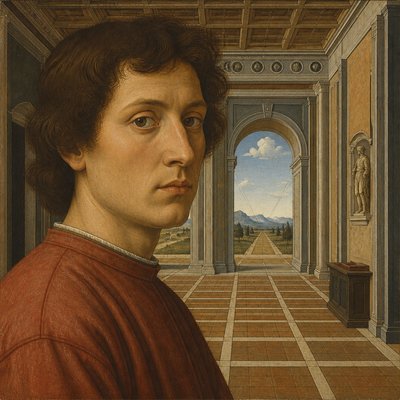
One-point perspective developed from the systematic study of linear perspective in Renaissance Italy during the fifteenth century. Artists and architects established methods for projecting three-dimensional space onto a flat surface using a horizon line, a vanishing point, and orthogonal lines. The system drew on earlier optical and geometric knowledge but became a central tool of European representation during the Renaissance.
It later spread through academic drawing, architectural visualization, stage design, painting, illustration, photography, film, comics, and digital modeling. Although one-point perspective is primarily a spatial technique rather than a formal historical movement, its repeated use in corridor compositions, roads, interiors, and symmetrical urban views has given it a recognizable visual identity in contemporary image-making.
Influences: The style is closely related to Renaissance linear perspective, architectural drafting, academic drawing, stage-set design, and the frontal compositions of interior photography and cinema. It also connects with geometric abstraction, modernist architecture, minimalist design, comic-book backgrounds, surreal scenes of impossible distance, and digital 3D environments. These traditions share an interest in structure, spatial clarity, and the psychological effect of directing vision along a controlled axis.
Frequently Asked Questions
What defines one-point perspective art?
Its defining feature is that receding lines converge toward one vanishing point on the horizon. The composition usually presents a frontal view with a clear central axis, although the subject, medium, color palette, and degree of realism can vary.
How is one-point perspective different from two-point perspective?
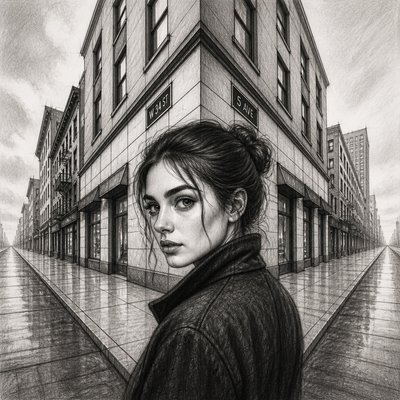
One-point perspective is used when the main face of an object or scene is viewed straight on, so depth recedes toward one point. Two-point perspective is used when the viewer sees a corner, causing horizontal edges to recede toward two separate vanishing points.
Does every line in the image converge?
No. Only lines that recede directly into depth converge toward the vanishing point. Vertical lines and lines running parallel to the picture plane typically remain vertical or horizontal, unless the composition intentionally distorts the rules.
What subjects work best with this approach?
Corridors, roads, railway tracks, tunnels, bridges, hallways, galleries, streets, and symmetrical interiors are especially effective. A central figure, doorway, light source, or landmark can use the converging lines as a strong visual destination.
Can one-point perspective be expressive rather than strictly realistic?
Yes. The system can be accurate and architectural, or deliberately stretched to create vertigo, suspense, grandeur, isolation, or dreamlike infinity. Exaggerated scale, unusual lighting, and distorted proportions can preserve the central perspective while changing its emotional effect.
How can I create this look in a digital image?
Begin with a centered camera or composition, identify the horizon and vanishing point, and construct major surfaces with perspective guides or a 3D blockout. In a text prompt, explicitly request a single vanishing point, symmetrical receding lines, a frontal viewpoint, and a central focal subject.
Create your first One-Point Perspective artwork
Describe anything — or upload a photo — and see it in One-Point Perspective Art Style in seconds.
Related Styles
Discover similar art styles