Irish Art Style
Explore Irish art style: Celtic interlace, illuminated-manuscript gold, emerald greens, vellum tones, and misty Atlantic atmosphere.
Instantly rendered in Irish — or transform a photo
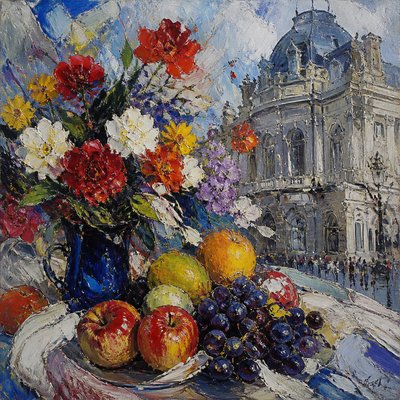
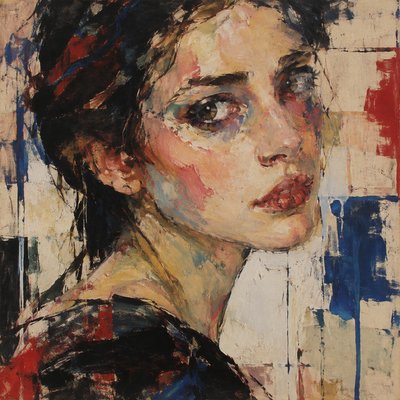
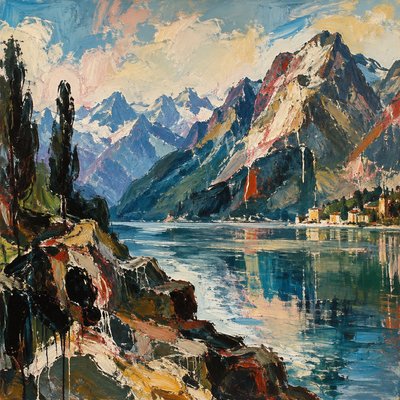
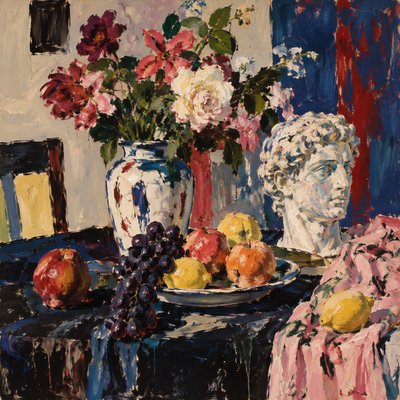
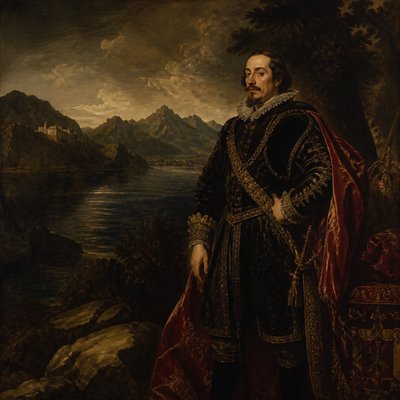
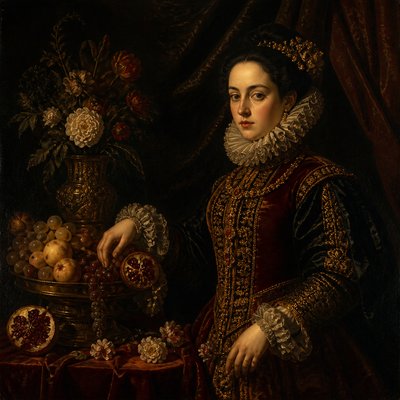
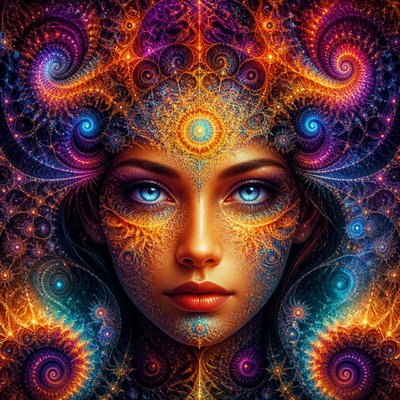
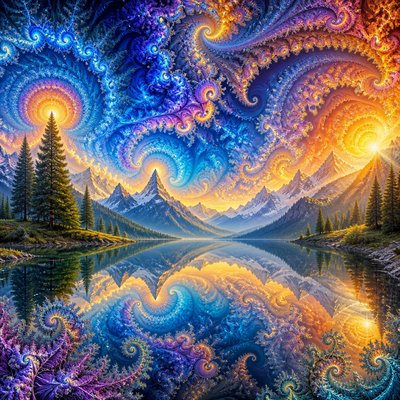
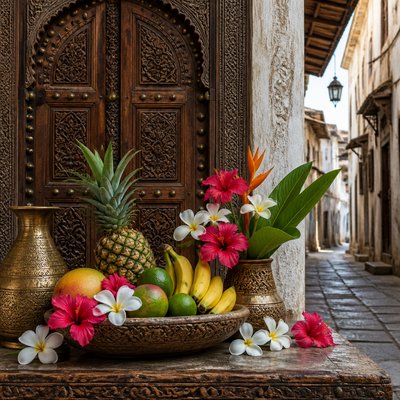
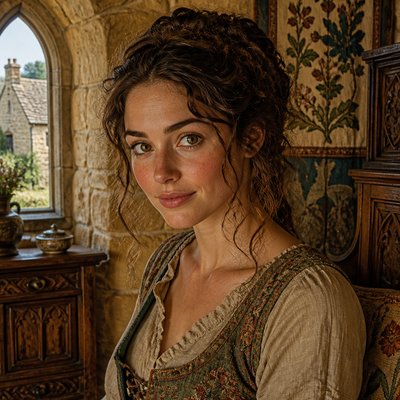
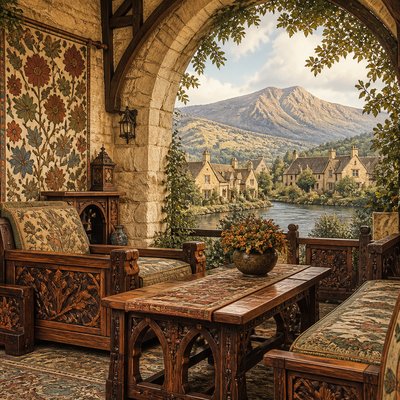
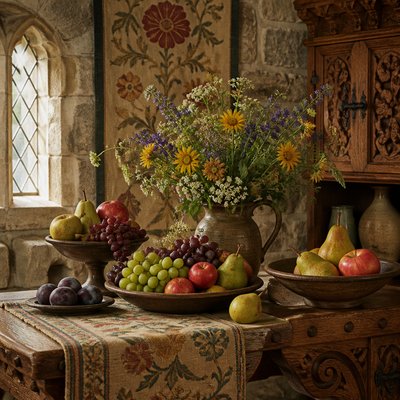
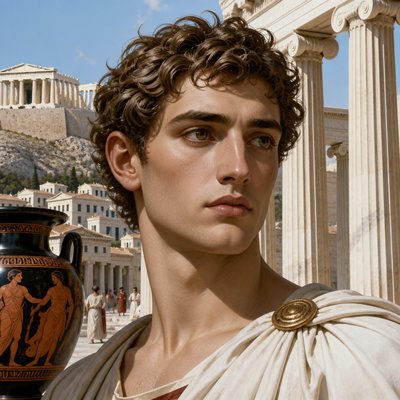
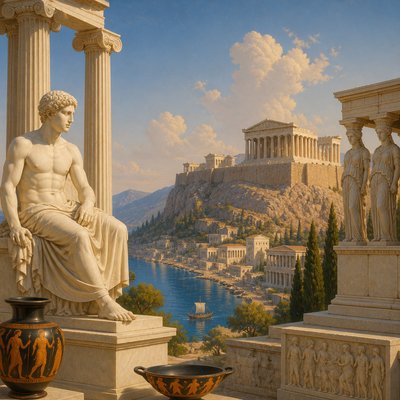
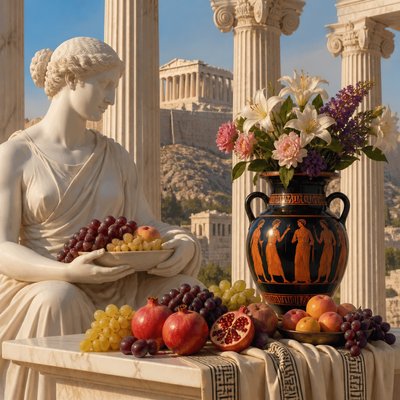
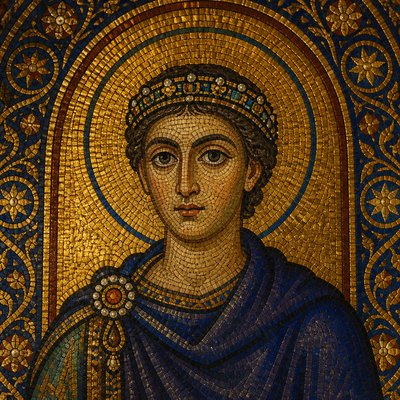
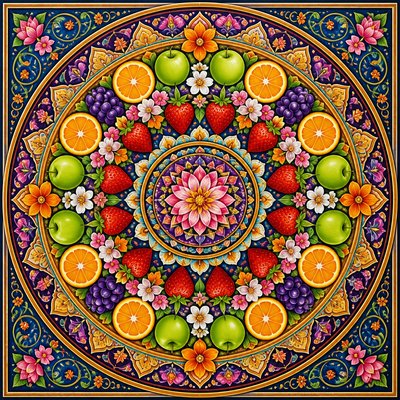
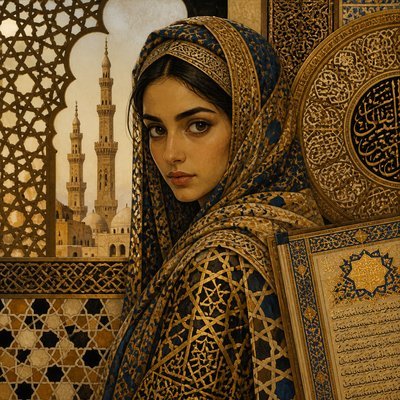
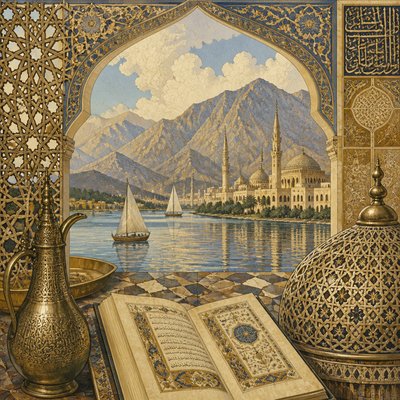
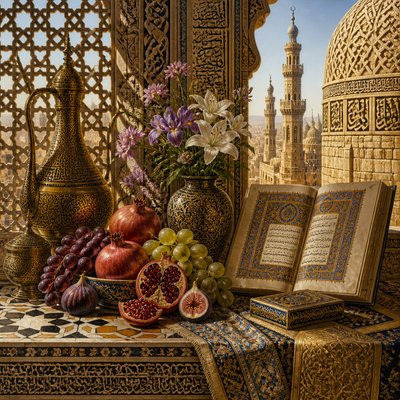
Irish Gallery
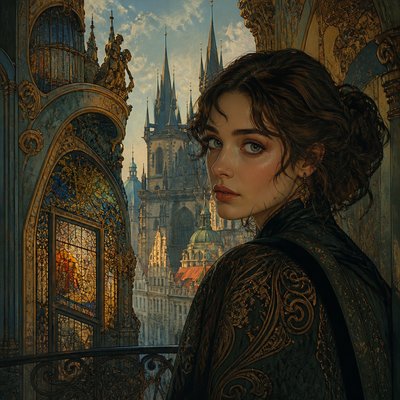
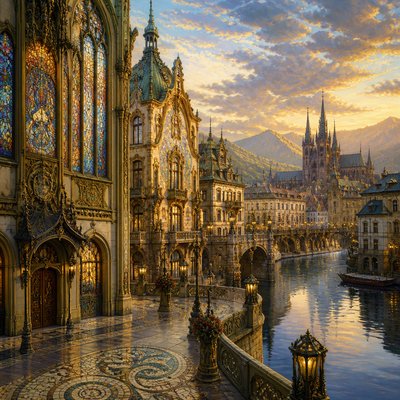
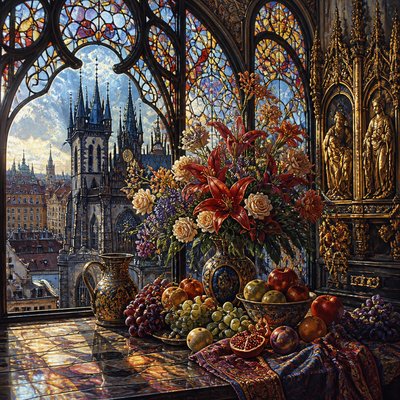
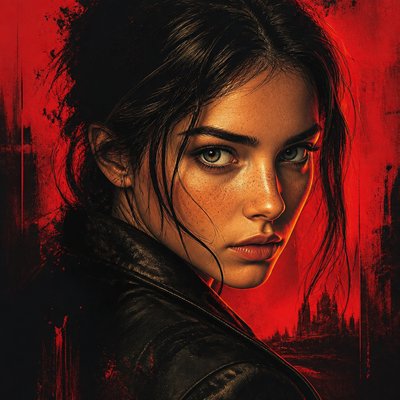
Tap any artwork to explore it
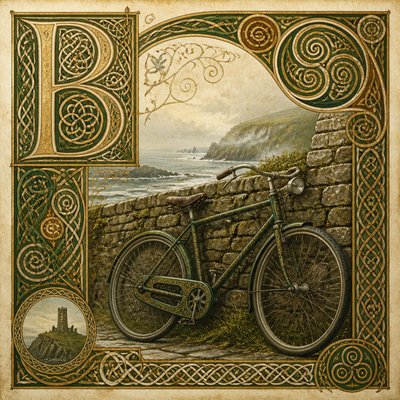
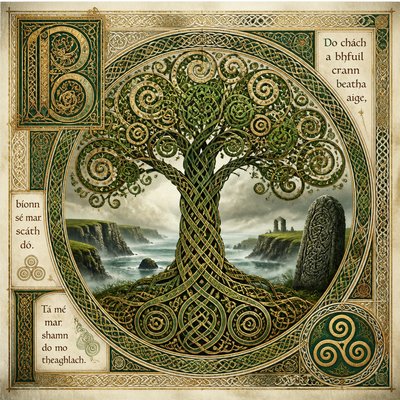
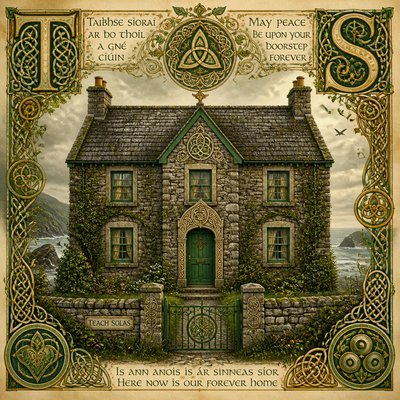
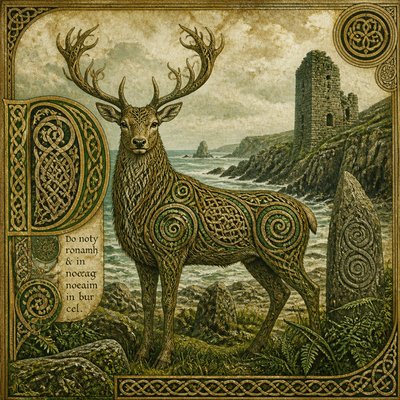
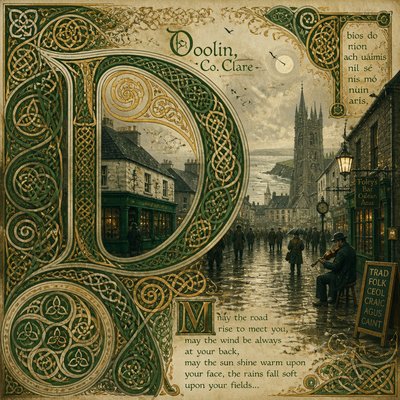
What is Irish Art Style?
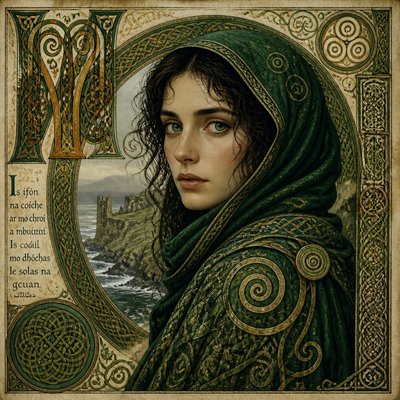
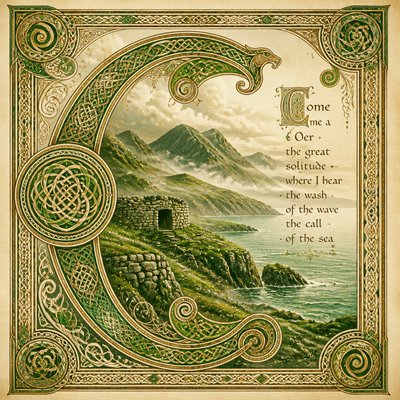
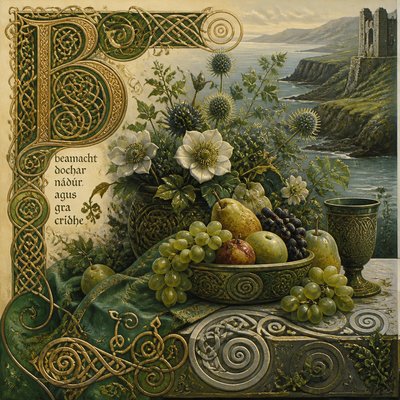
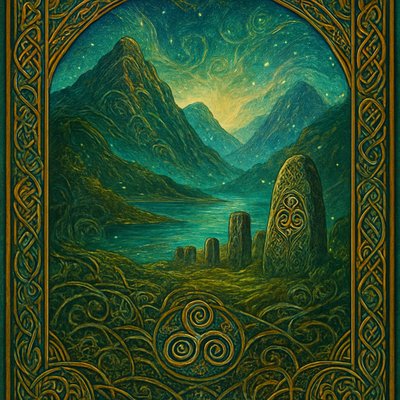
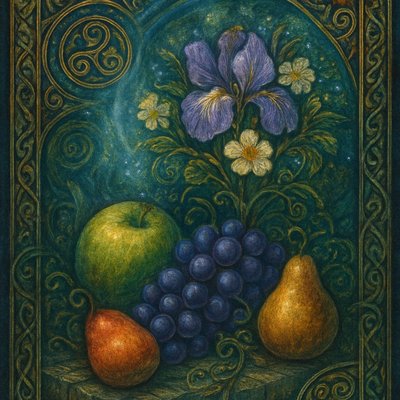
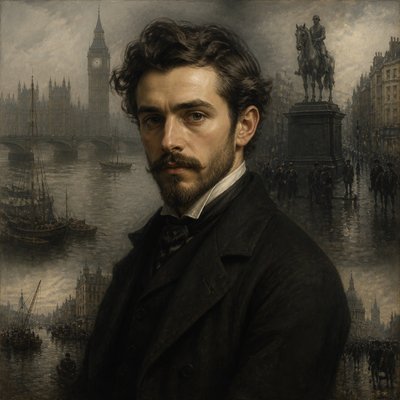
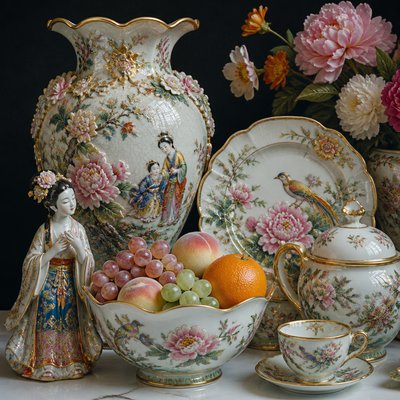
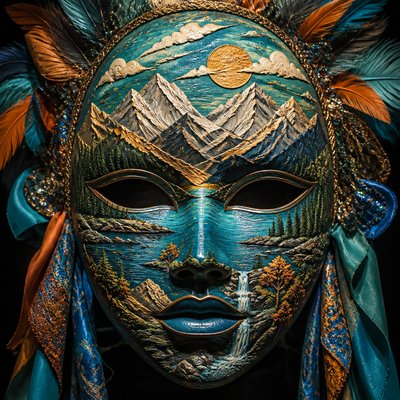
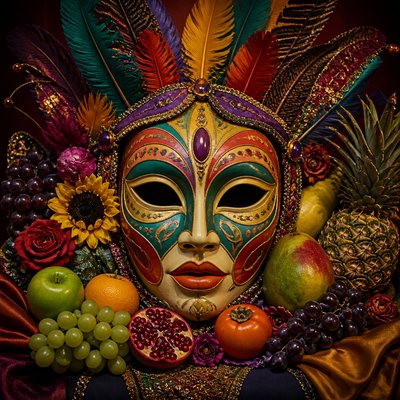
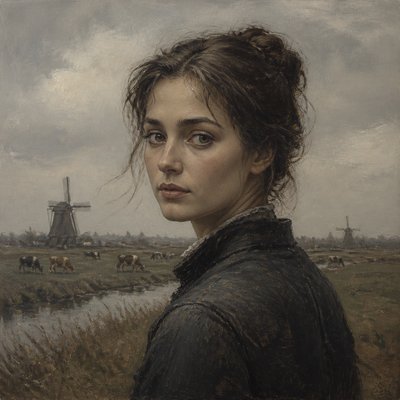
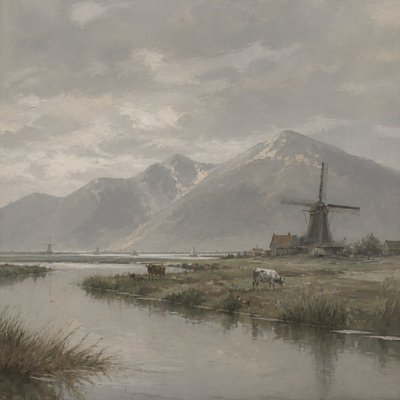
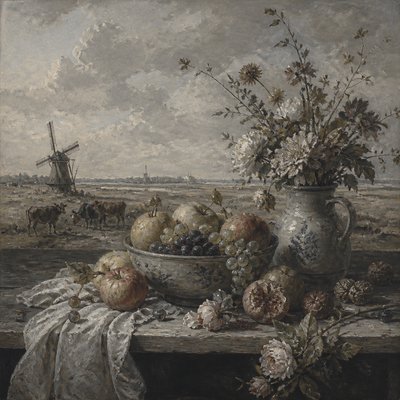
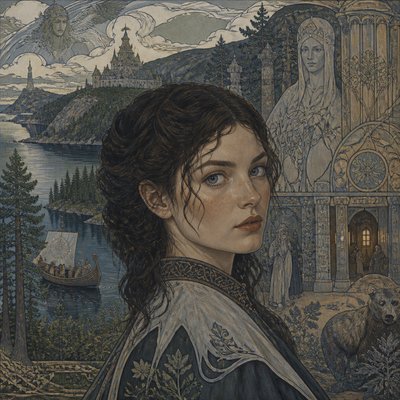
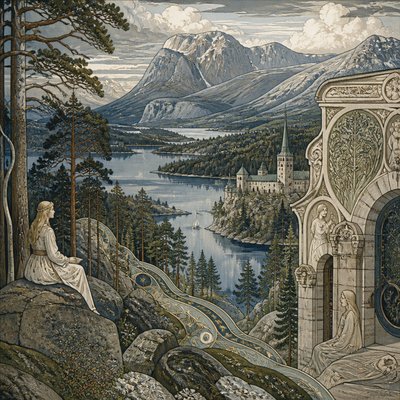
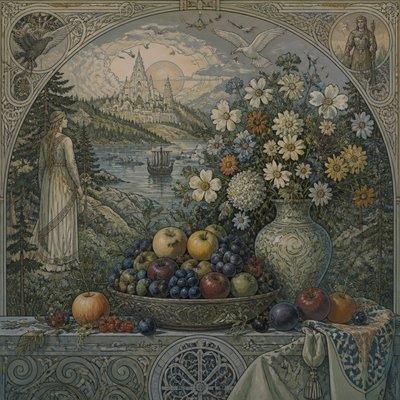
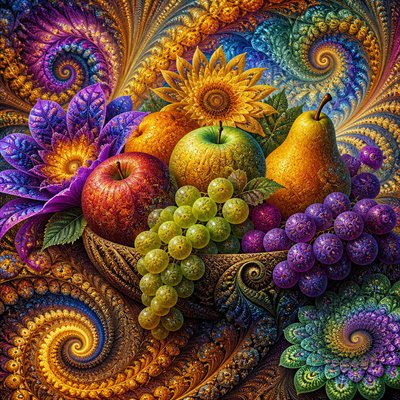
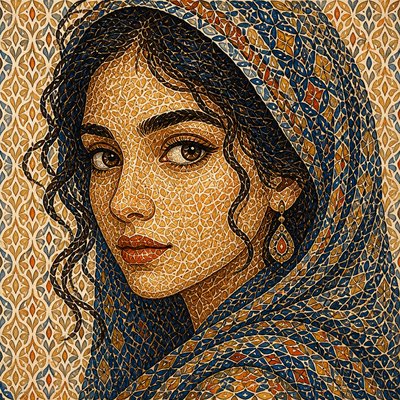
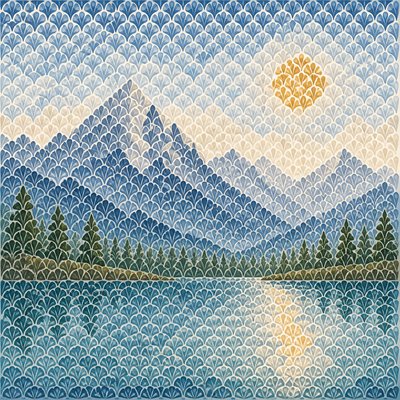
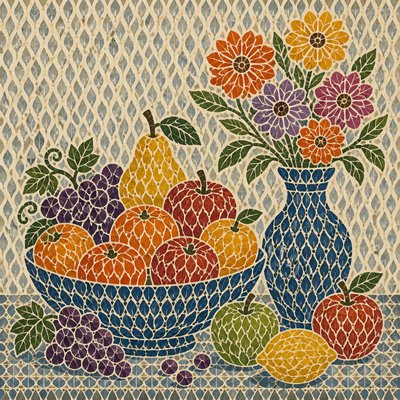
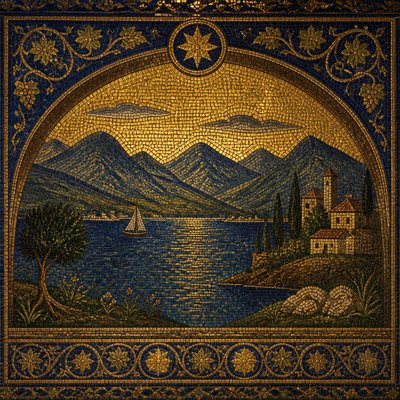
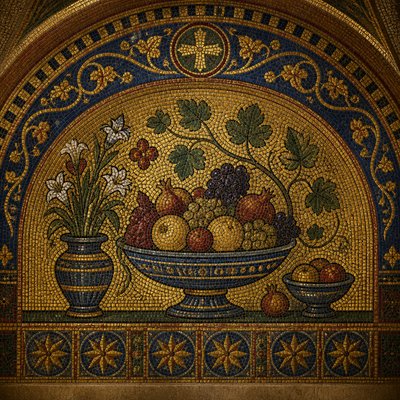
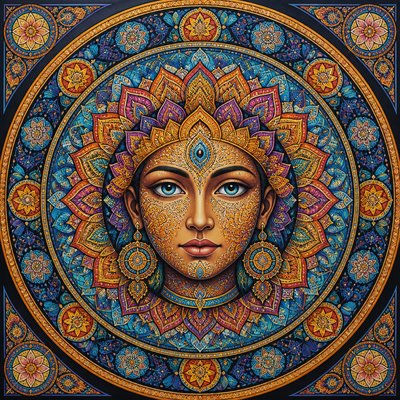
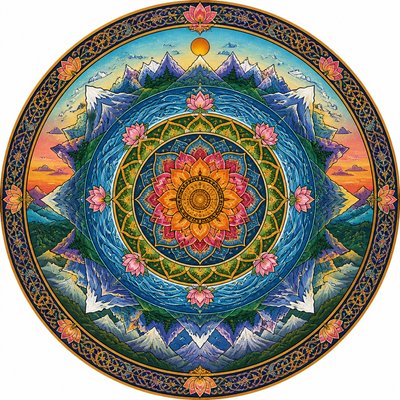
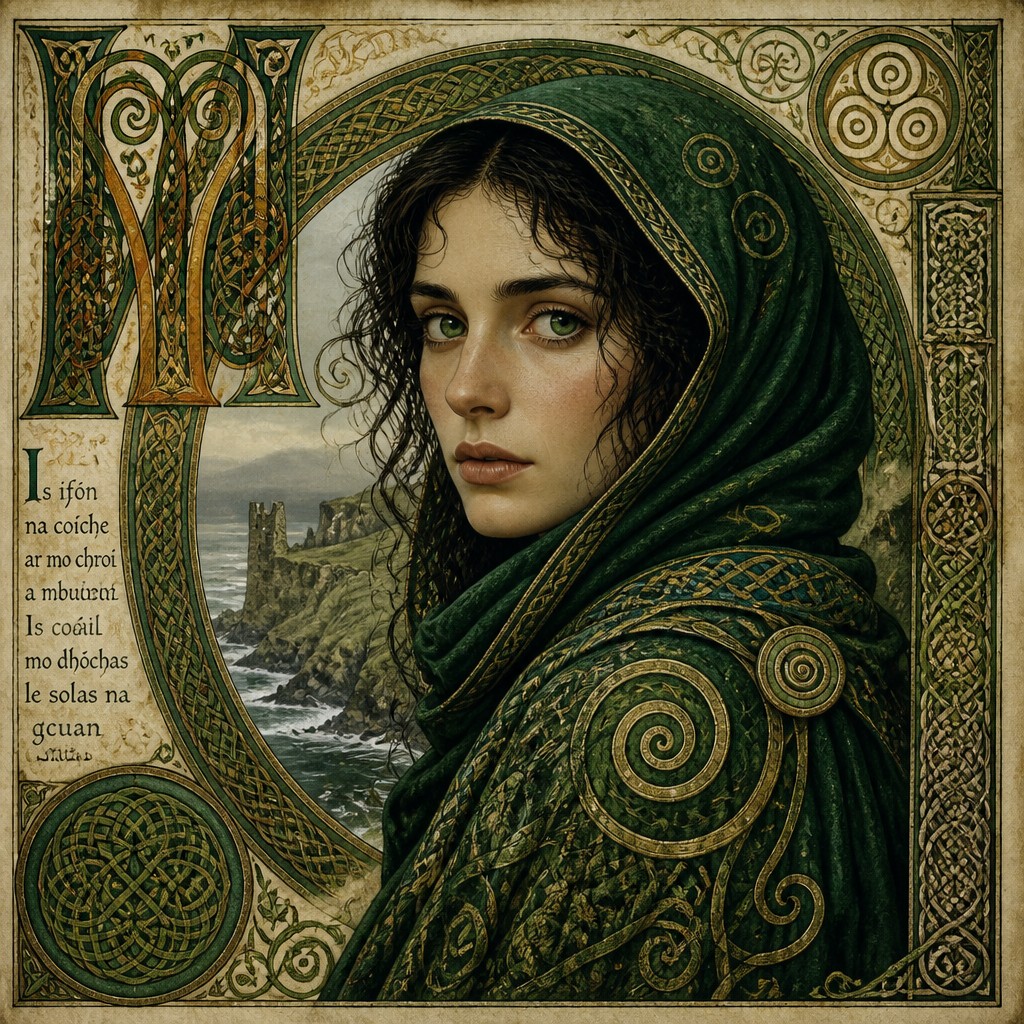
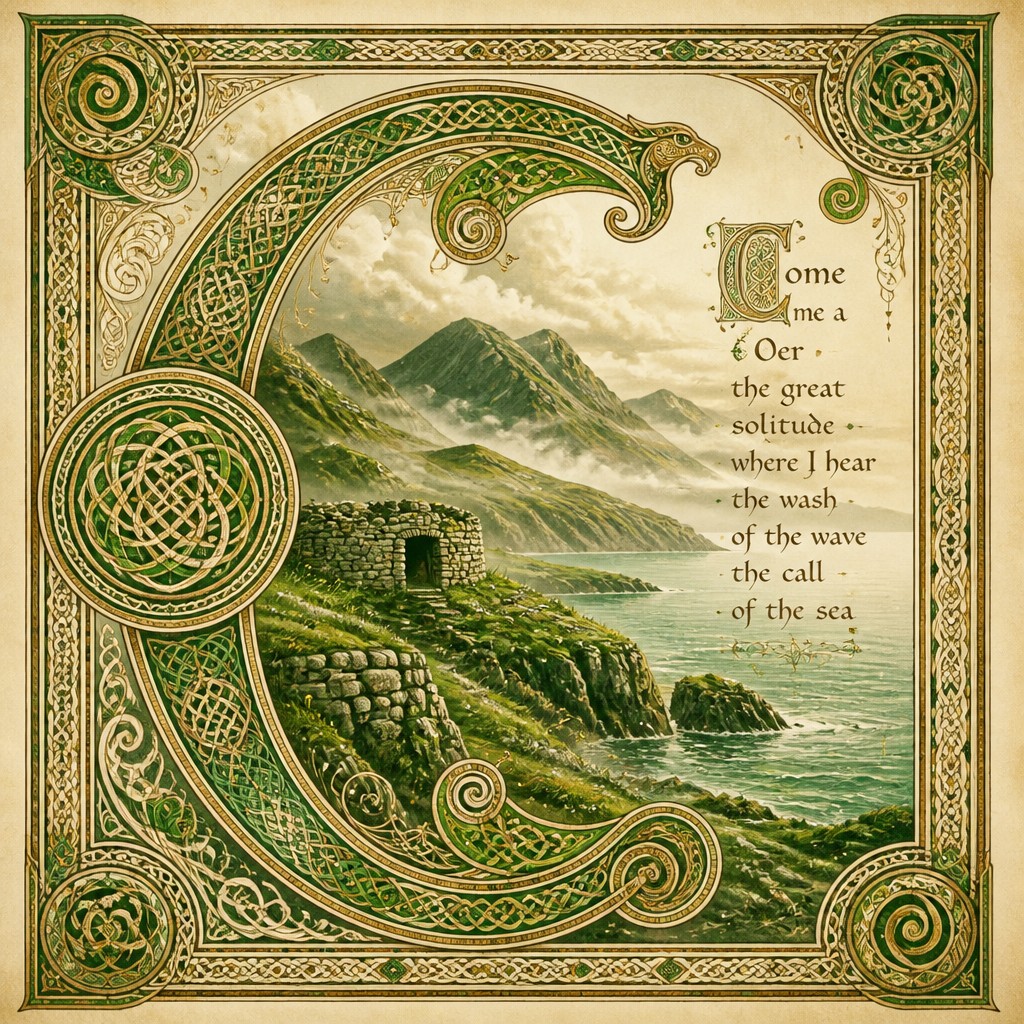
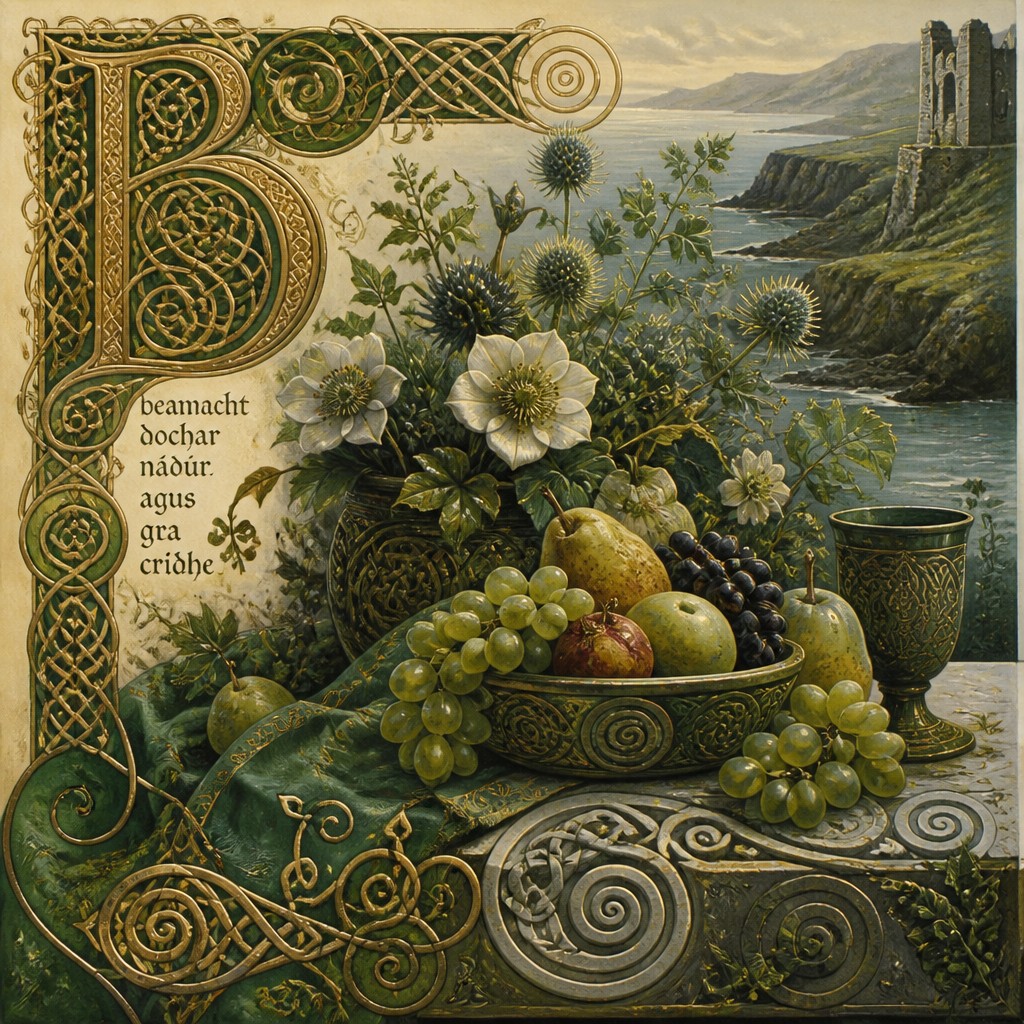
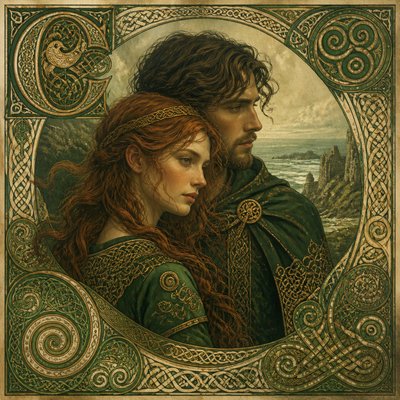
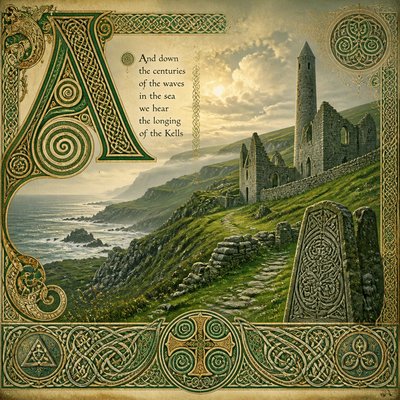
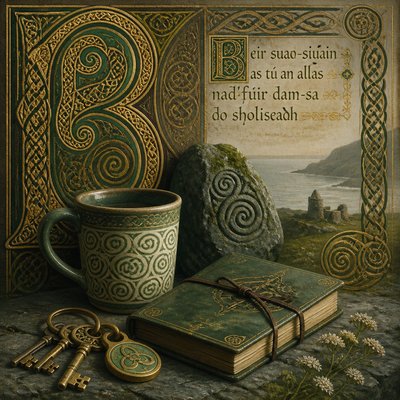
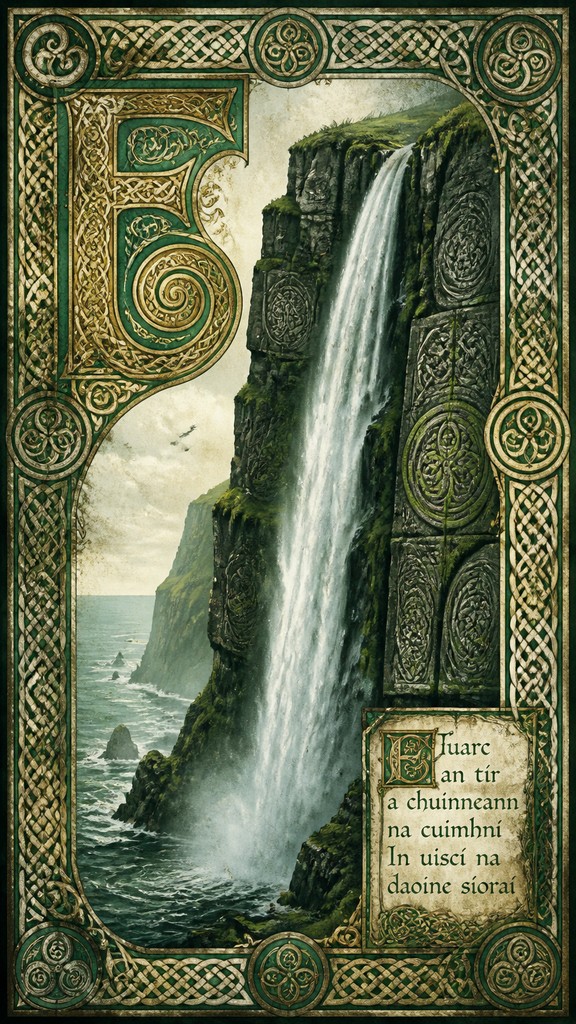
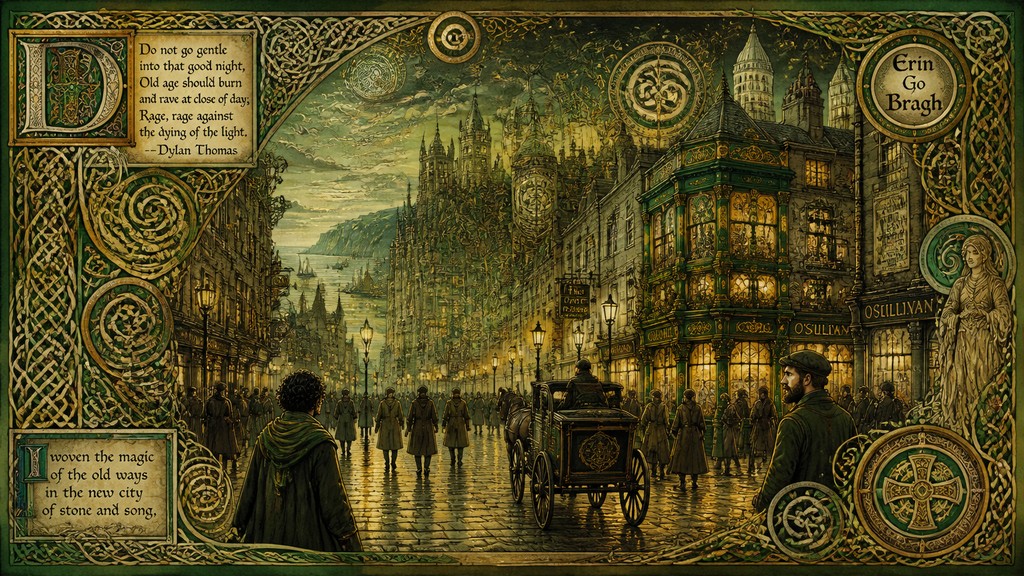
Irish art style is a contemporary descriptive label for imagery rooted in Ireland’s Celtic and Insular visual traditions. Its most recognizable elements are intricate Celtic knotwork, spirals, braided borders, ornamental initials, vellum-colored grounds, mineral greens, and selective areas of burnished gold. Images often combine precise linear decoration with weathered stone, coastal mist, and a restrained sense of melancholy.
The style looks densely patterned because its visual language developed through manuscripts, metalwork, carved stone, and ecclesiastical ornament, where decoration structured both the surface and the surrounding narrative. Repeating interlace suggests continuity and eternity, while uneven textures, softened pigments, and atmospheric light connect the ornamental geometry to Ireland’s landscape and material history.
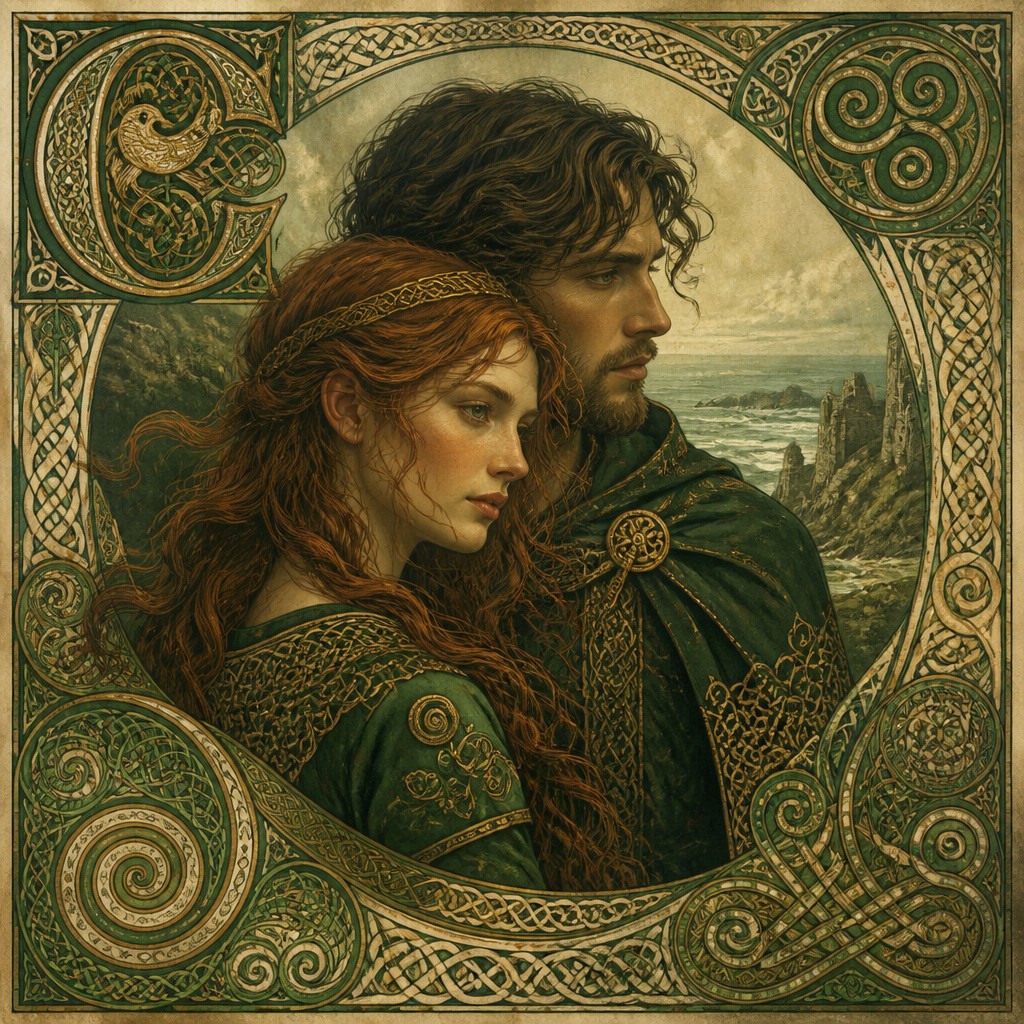
Try It On Your Photos
Upload any photo and convert it into Irish Art Style — drag the sliders to compare before and after.
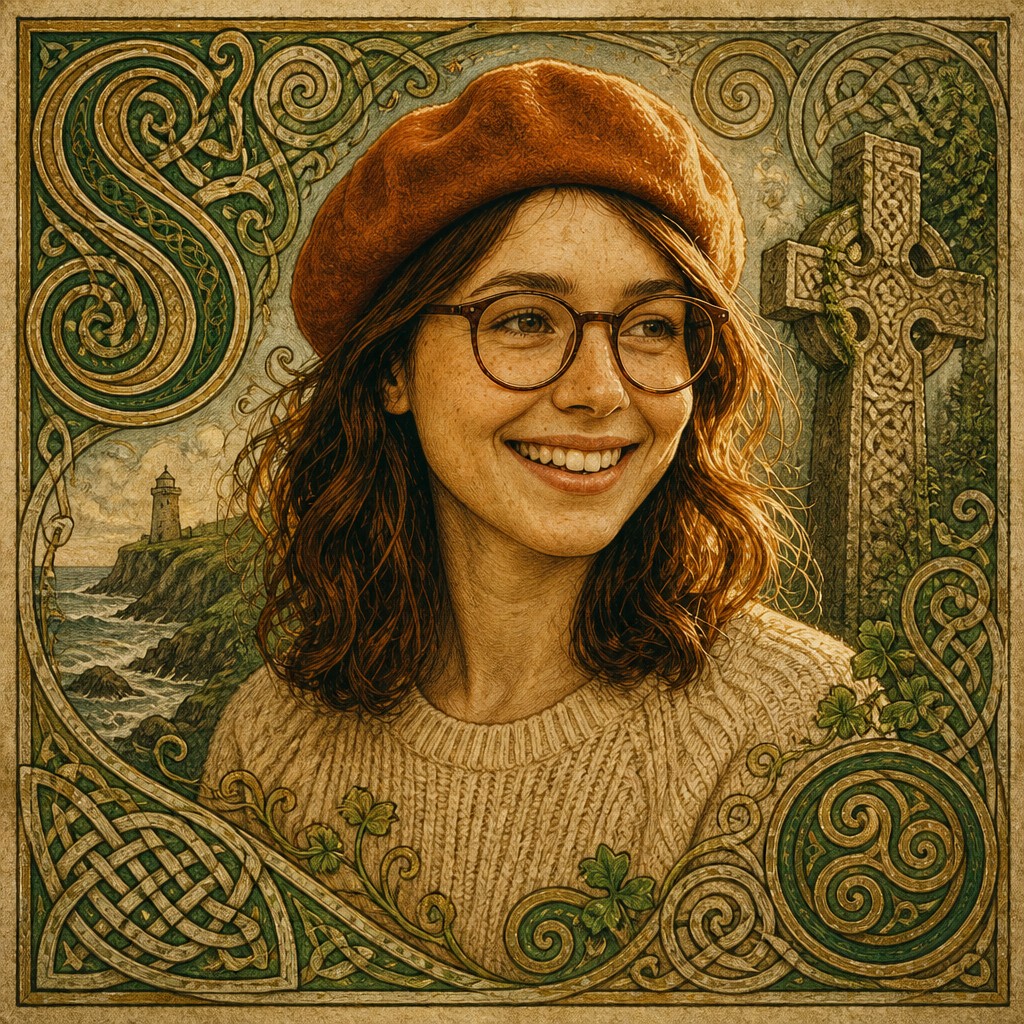

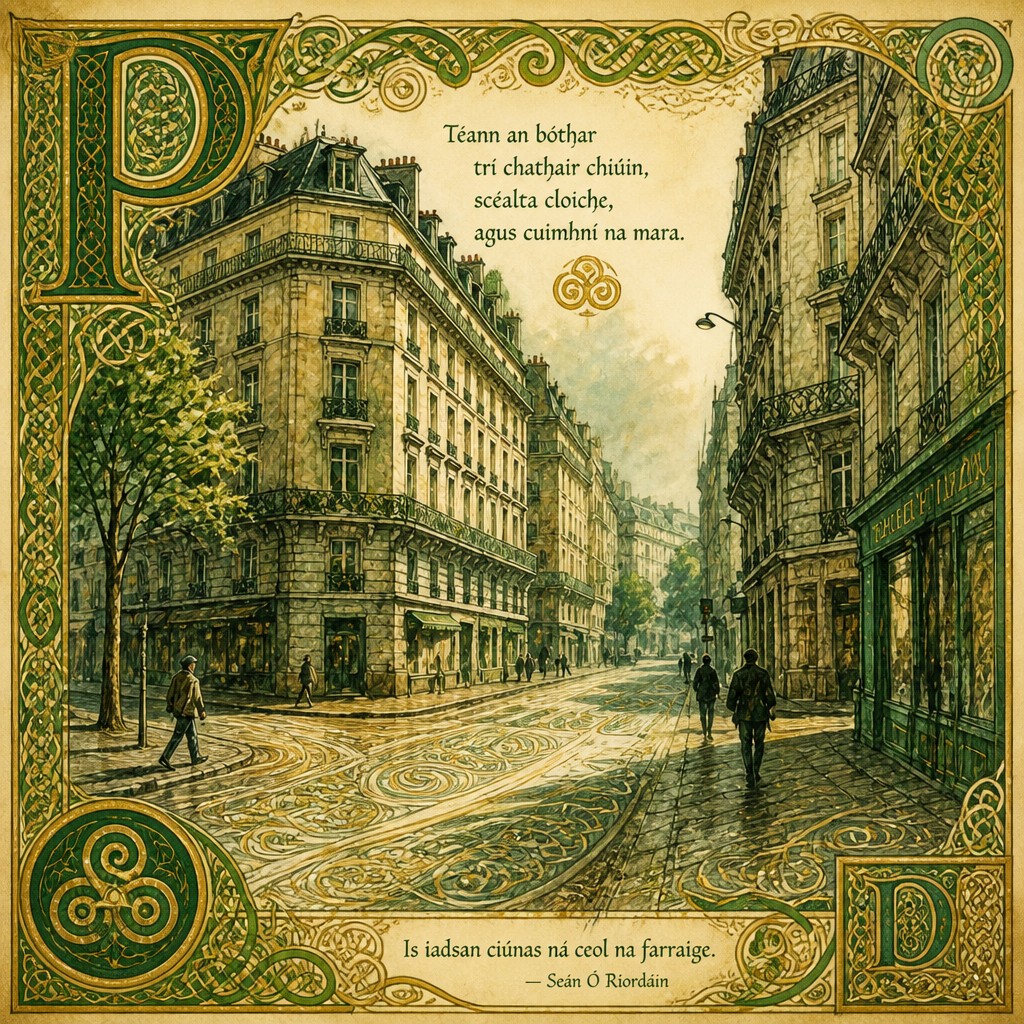

What Defines Irish Art Style
The signature details, up close
Celtic interlace
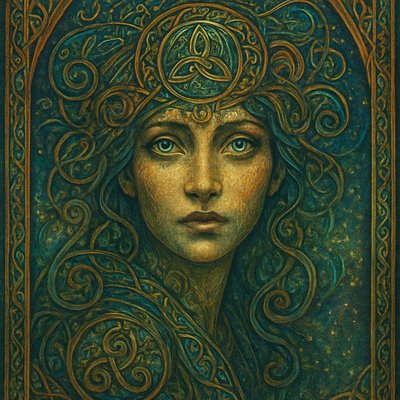
Continuous bands weave over and under one another to form knots, borders, medallions, and framing devices. The lines should feel carefully constructed, with balanced rhythm and few accidental gaps.
Spirals and zoomorphic ornament
Tightly wound spirals, triskeles, stylized birds, serpents, hounds, and other interlaced creatures provide movement within the geometry. These forms are ornamental rather than naturalistic, with elongated bodies and emphatic contours.
Illuminated-manuscript structure
Large decorated initials, marginal panels, compartmentalized compositions, and flat symbolic figures recall the organization of medieval manuscript pages. Text-like marks may be used as visual texture, but they should not obscure the main subject.
Emerald and vellum palette
Moss, fern, lichen, and emerald greens are balanced by vellum cream, muted blue, earthy brown, charcoal, and restrained red. Burnished gold works best as a concentrated accent rather than an all-over metallic effect.
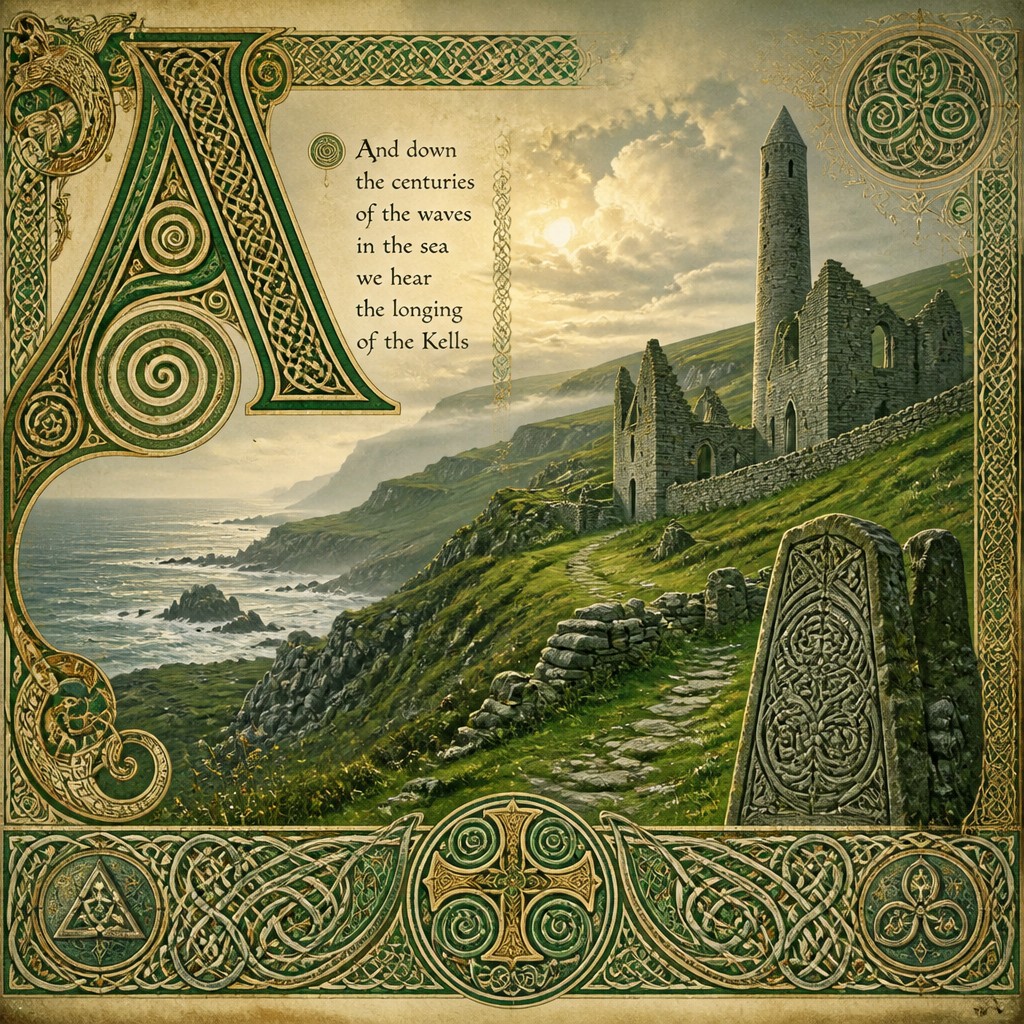
Weathered material surfaces
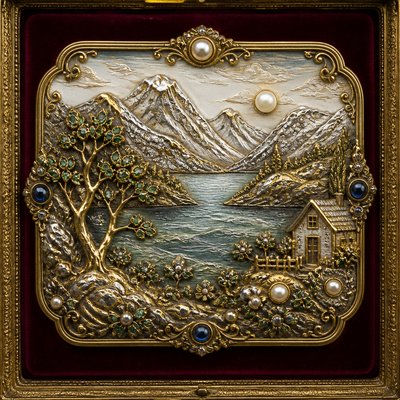
Parchment grain, oxidized metal, chipped pigment, carved stone, and softened ink give the image an archaeological and tactile quality. Subtle irregularity prevents the ornament from appearing mechanically perfect.
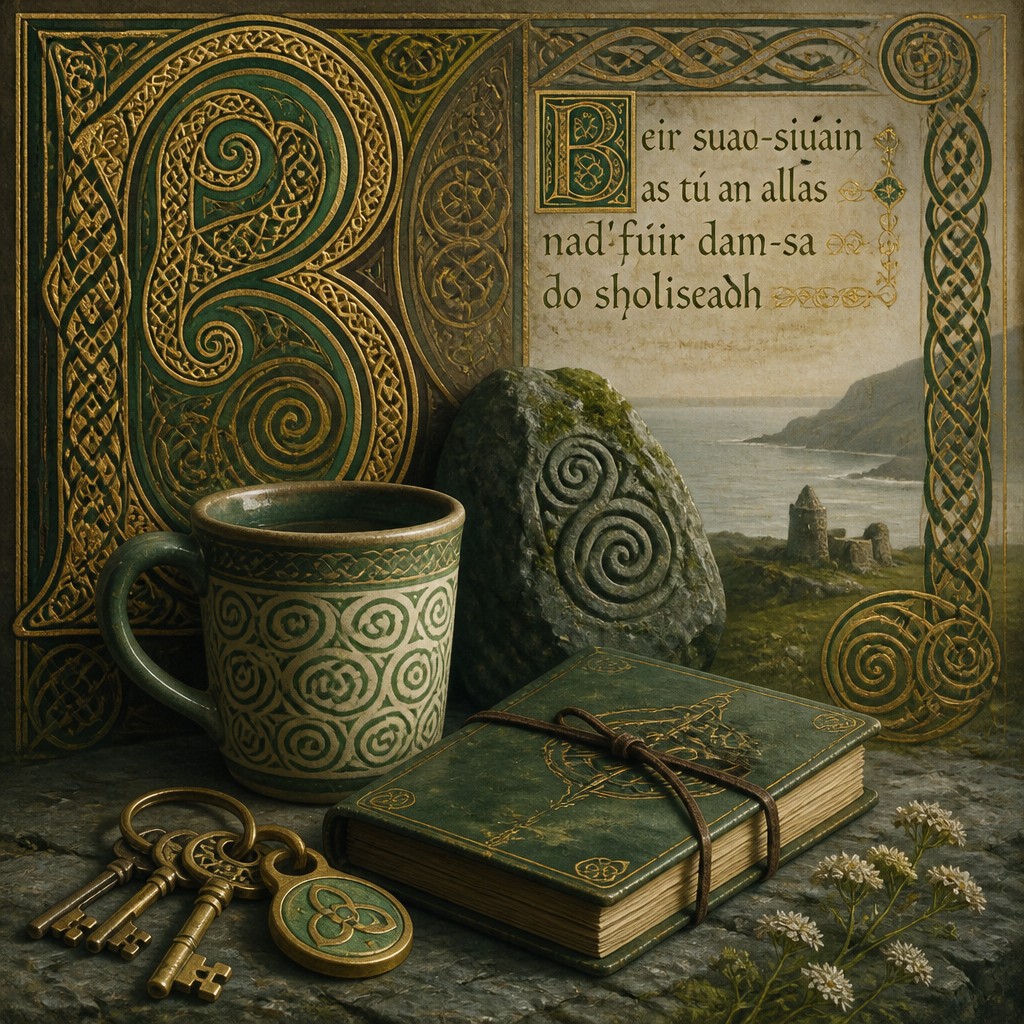
Atlantic atmosphere
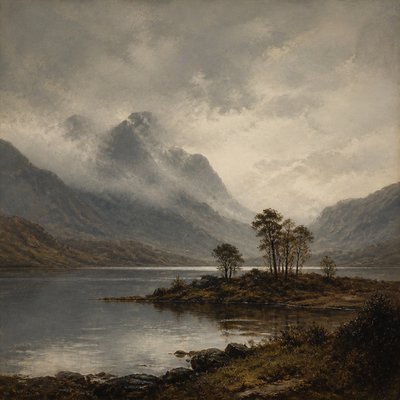
Cool mist, diffuse overcast light, sea haze, and subdued contrast evoke Ireland’s western coastal environment. Atmospheric depth can soften the background while leaving the foreground ornament sharply defined.
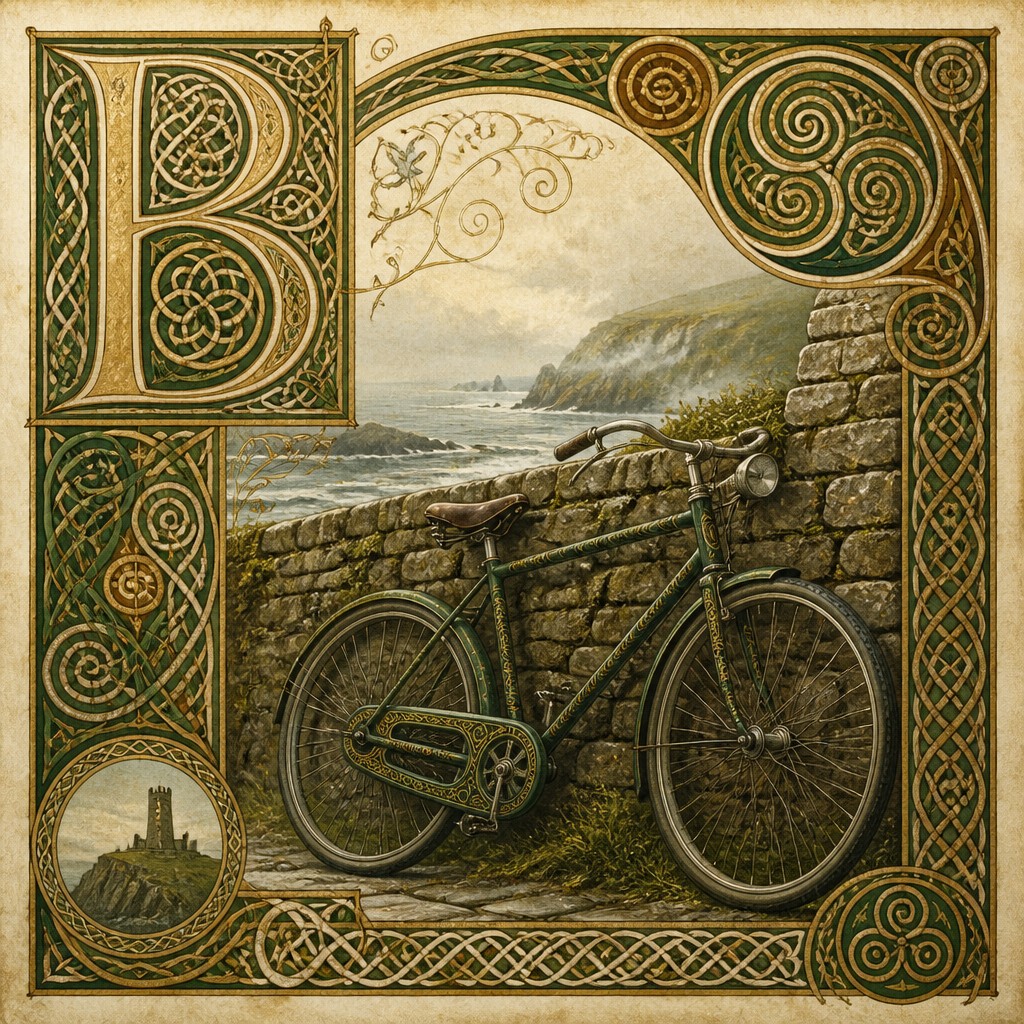
Lyrical melancholy
The mood is contemplative rather than exuberant, often combining beauty with age, solitude, memory, or spiritual stillness. Quiet negative space and restrained facial expressions help preserve this emotional register.
Try It
Create Videos in Irish Art Style
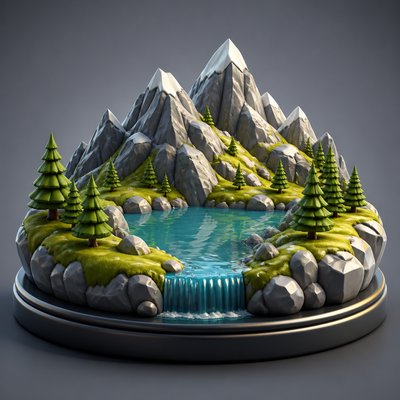
Styles aren't just for stills — describe a scene or animate an image and get a short video rendered in Irish. Press play to see this pond come to life.
Make a VideoIrish Prompt Ideas
Start from an idea — each one opens the generator with the style ready to go. See all 40 Irish prompts →
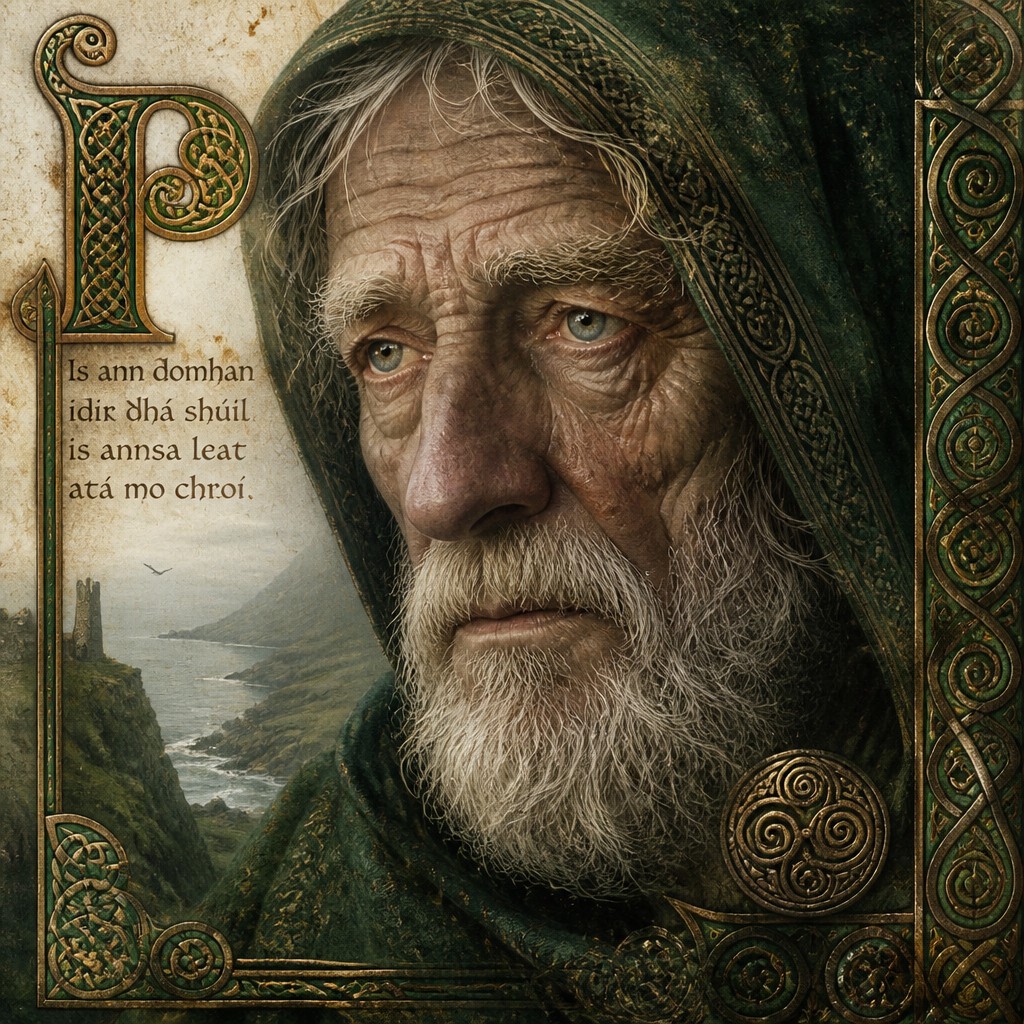
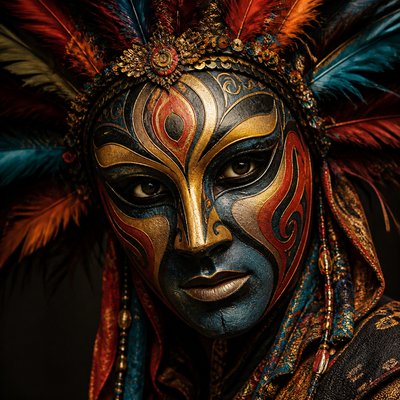
“close-up portrait of an elderly person with expressive weathered features”
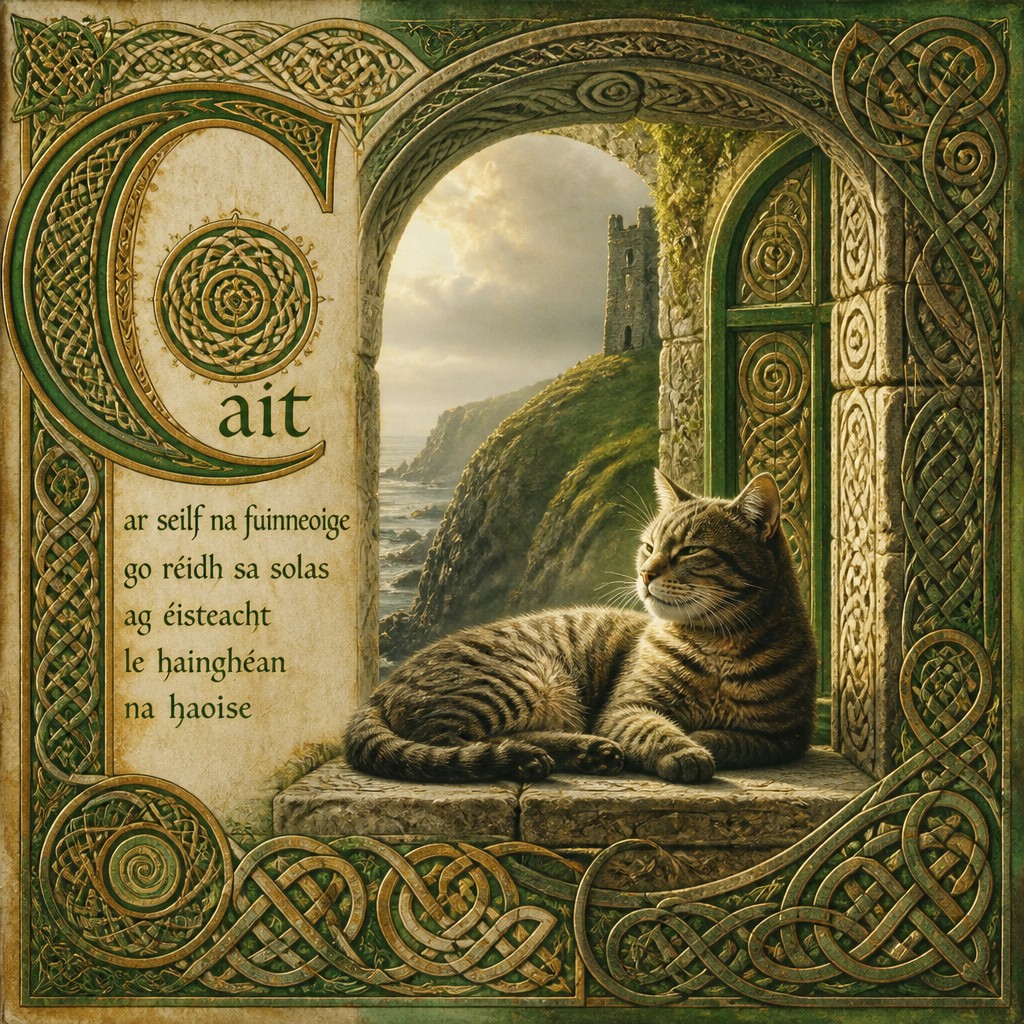
“a cat lounging in a sunlit window”
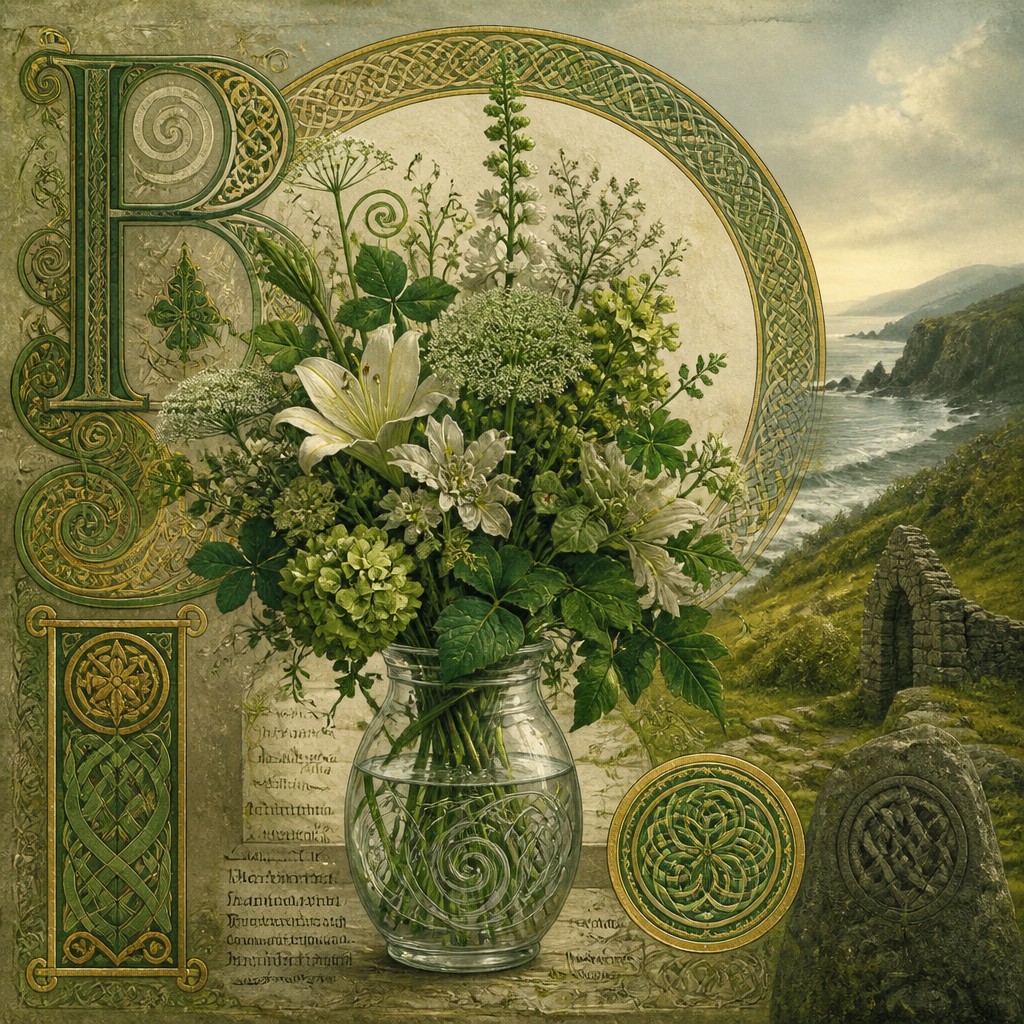
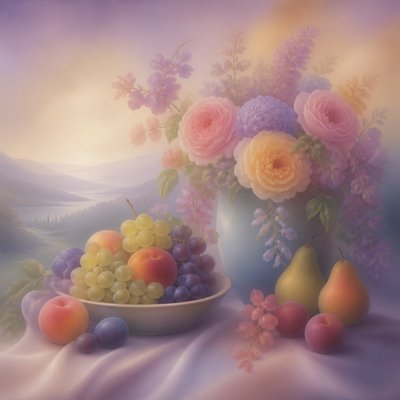
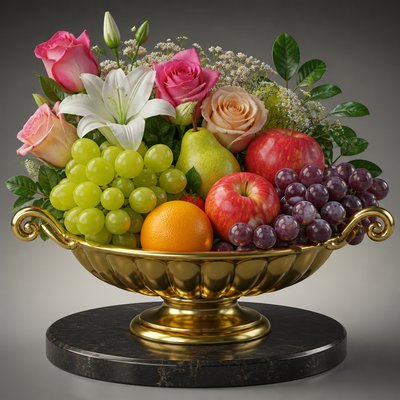
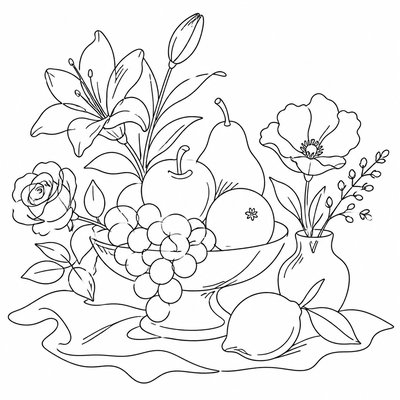
“bouquet of flowers in a glass vase”
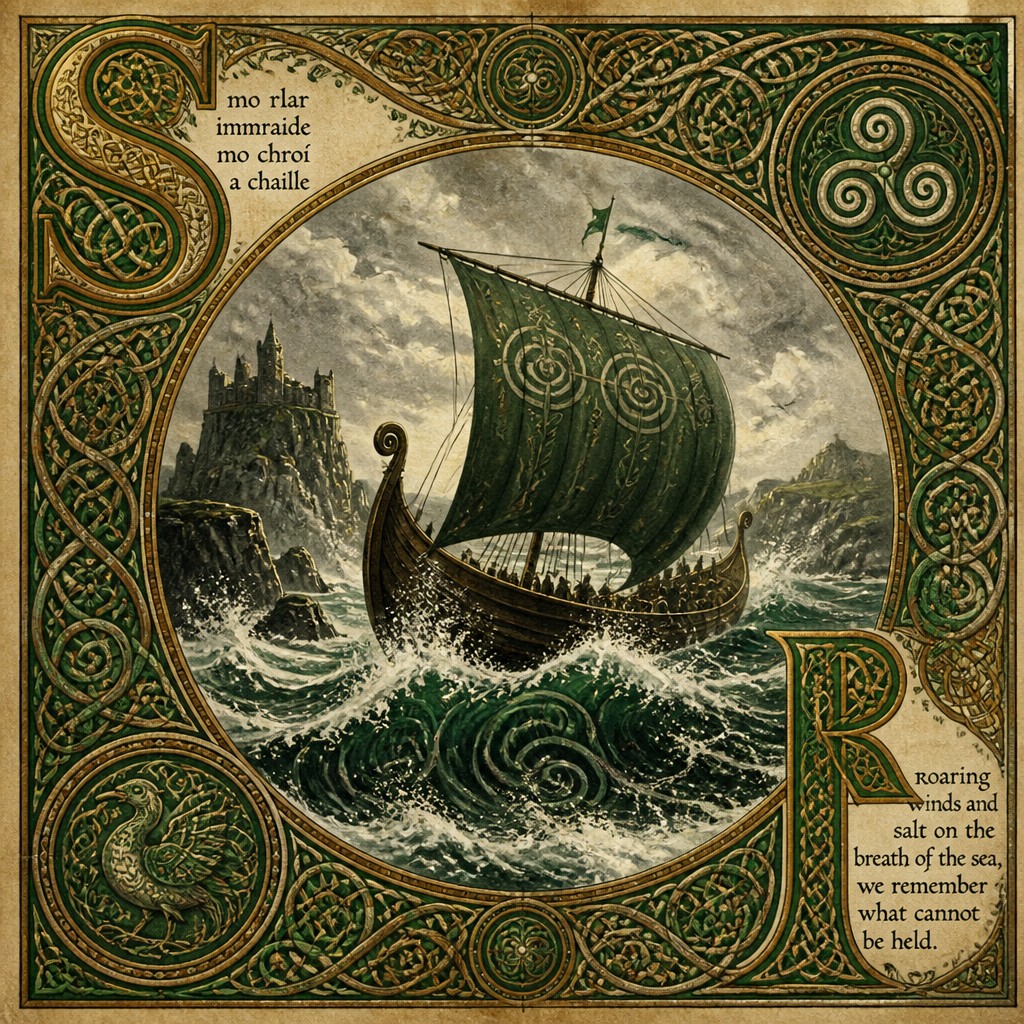
“sailing ship on a stormy sea”
How to Create Irish Art
Master the craft step by step — or skip straight to creating. Read the full guide →
- 1
Build the composition around a border
Start with a clear central subject and surround it with a rectangular, circular, or manuscript-like frame. Sketch the interlace as a continuous path before adding crossings, terminals, spirals, or animal details.
- 2
Use historically informed materials
For traditional work, try ink, gouache, watercolor, metal leaf, or colored pencil on toned paper or vellum-like surfaces. Vary line weight and leave small imperfections so the result suggests hand illumination rather than sterile vector art.
- 3
Limit and layer the palette
Choose two or three green values, a warm cream ground, one dark outlining color, and small gold accents. Apply translucent washes beneath sharper ornamental lines to create the depth of layered pigment and aged parchment.
- 4
Balance ornament with readability
Keep the main silhouette, face, animal, or architectural form legible beneath the decoration. Dense knotwork is most effective when contrasted with calm fields of vellum, mist, sky, or unpatterned stone.
- 5
Guide digital or AI-based creation precisely
Specify Celtic interlace, illuminated-manuscript initials, vellum cream, emerald and moss greens, burnished gold, carved stone texture, and misty Atlantic light. Add composition instructions such as ornamental border, central portrait, flat medieval geometry, restrained detail, and no modern typography.
- 6
Refine generated results manually
Correct broken knot crossings, unreadable pseudo-text, asymmetrical borders, and excessive metallic shine in an image editor or drawing program. Masking, vector tracing, texture overlays, and selective repainting can restore coherent interlace and material depth.
The Story
History & Origins of Irish
Irish art style is not a single historical movement with a fixed period or manifesto. It draws primarily from Insular art produced in Ireland and Britain from roughly the seventh to the ninth centuries, particularly illuminated manuscripts, reliquaries, carved stone monuments, and decorated metalwork. These works combined Christian imagery with inherited Celtic patterns, producing dense pages of interlace, spirals, animal forms, geometric borders, and enlarged ornamental initials.
Later revivals, including nineteenth- and twentieth-century Celtic revival design, reintroduced these motifs into illustration, typography, jewelry, architecture, textiles, and popular fantasy imagery. The contemporary version also incorporates landscape painting, atmospheric photography, digital ornament, and fantasy world-building, often emphasizing emerald light, ancient surfaces, and manuscript-like framing rather than reconstructing any one historical artifact.
Influences: The style is connected to Insular manuscript illumination, Celtic metalwork, carved high crosses, medieval ecclesiastical ornament, Celtic revival design, Arts and Crafts approaches to hand decoration, landscape painting, fantasy illustration, and contemporary digital pattern-making. It also shares with medieval European art an interest in symbolic composition and precious materials, while its atmospheric landscapes borrow from Romantic and modern depictions of the Atlantic north.
Frequently Asked Questions
What defines Irish art style?
Its core vocabulary combines Celtic interlace, spirals, zoomorphic ornament, illuminated-manuscript composition, vellum-like grounds, green-dominant colors, and gold accents. Misty coastal atmosphere and weathered stone or parchment textures often add a specifically Irish sense of place.
Is Irish art style a single historical art movement?
No. The phrase is a broad contemporary category rather than the official name of one unified movement. It describes a modern synthesis of Insular art, Celtic revival design, Irish landscape imagery, manuscript illumination, and related decorative traditions.
How is it different from generic Celtic art?
Celtic art is a much wider term that can include ancient continental traditions, archaeological motifs, modern revival graphics, and designs from many regions. Irish art style usually places greater emphasis on Insular manuscripts, Irish stone carving, Atlantic atmosphere, illuminated initials, and a green-and-vellum palette.
Can Irish art style be used for portraits?
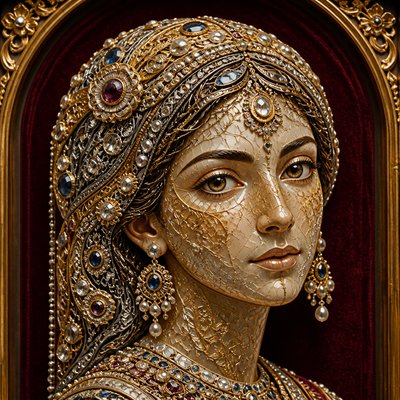
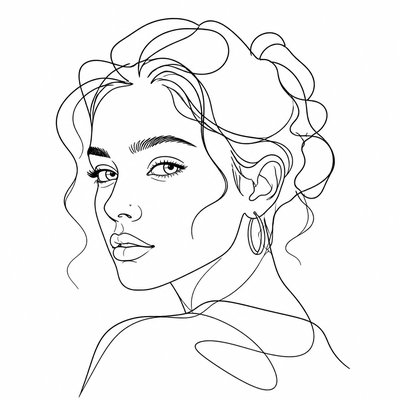
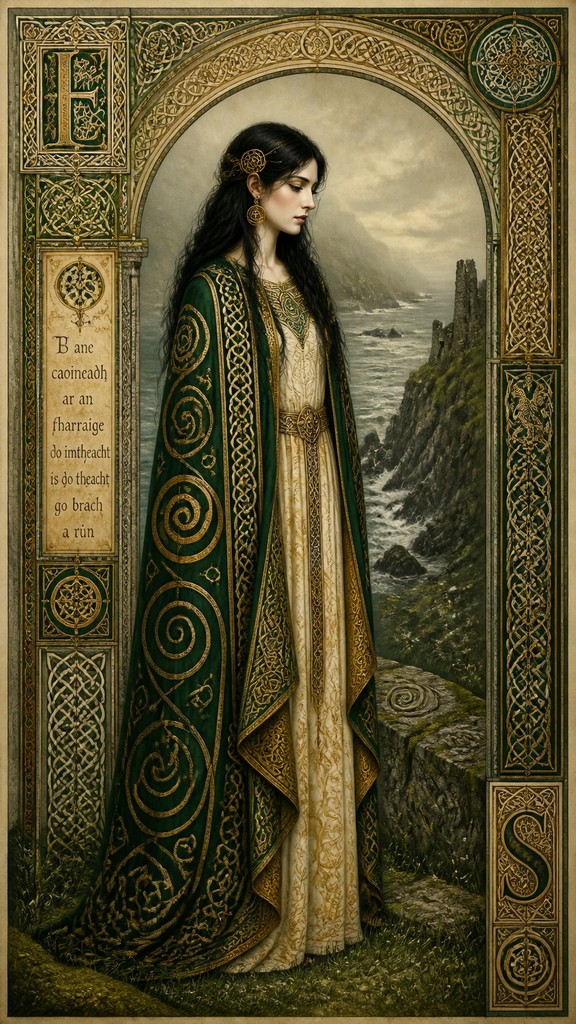
Yes, but the portrait is commonly integrated into a decorative page or framed by interlace rather than treated as purely realistic modern portraiture. Simplified features, symbolic clothing, ornamental halos, and controlled gold highlights help maintain the manuscript-derived character.
What materials work best for making it traditionally?
Ink and gouache on cream or vellum-like paper are especially suitable, with watercolor washes for atmosphere and metal leaf or metallic pigment for restrained highlights. Fine pens, colored pencils, and relief-carving methods can also reproduce the precise linear and tactile qualities of the style.
Where is this style commonly used?
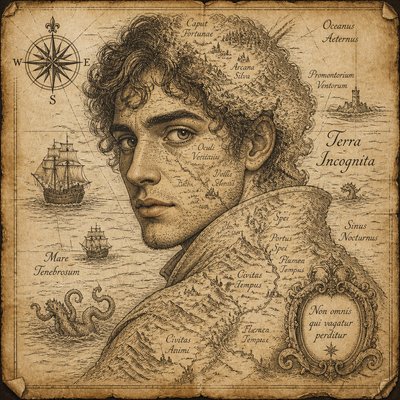
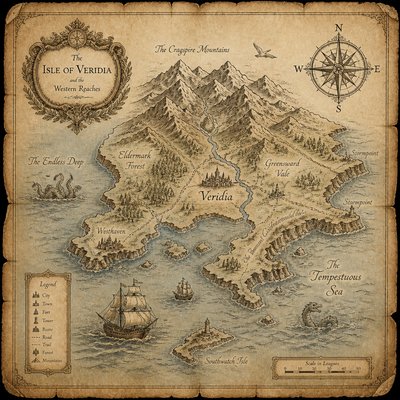
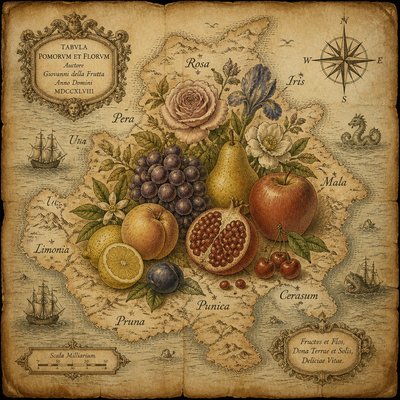
It appears in book illustration, posters, album and editorial art, jewelry, tattoo design, textiles, signage, fantasy illustration, heritage interpretation, and decorative typography. It is also effective for ornamental portraits, maps, fictional lore, and atmospheric landscapes.
Create your first Irish artwork
Describe anything — or upload a photo — and see it in Irish Art Style in seconds.
Related Styles
Discover similar art styles