Equestrian Portrait Art Style
Discover Equestrian Portrait Art: commanding riders, rearing horses, baroque drama, glossy musculature, and heroic landscapes.
Instantly rendered in Equestrian Portrait — or transform a photo
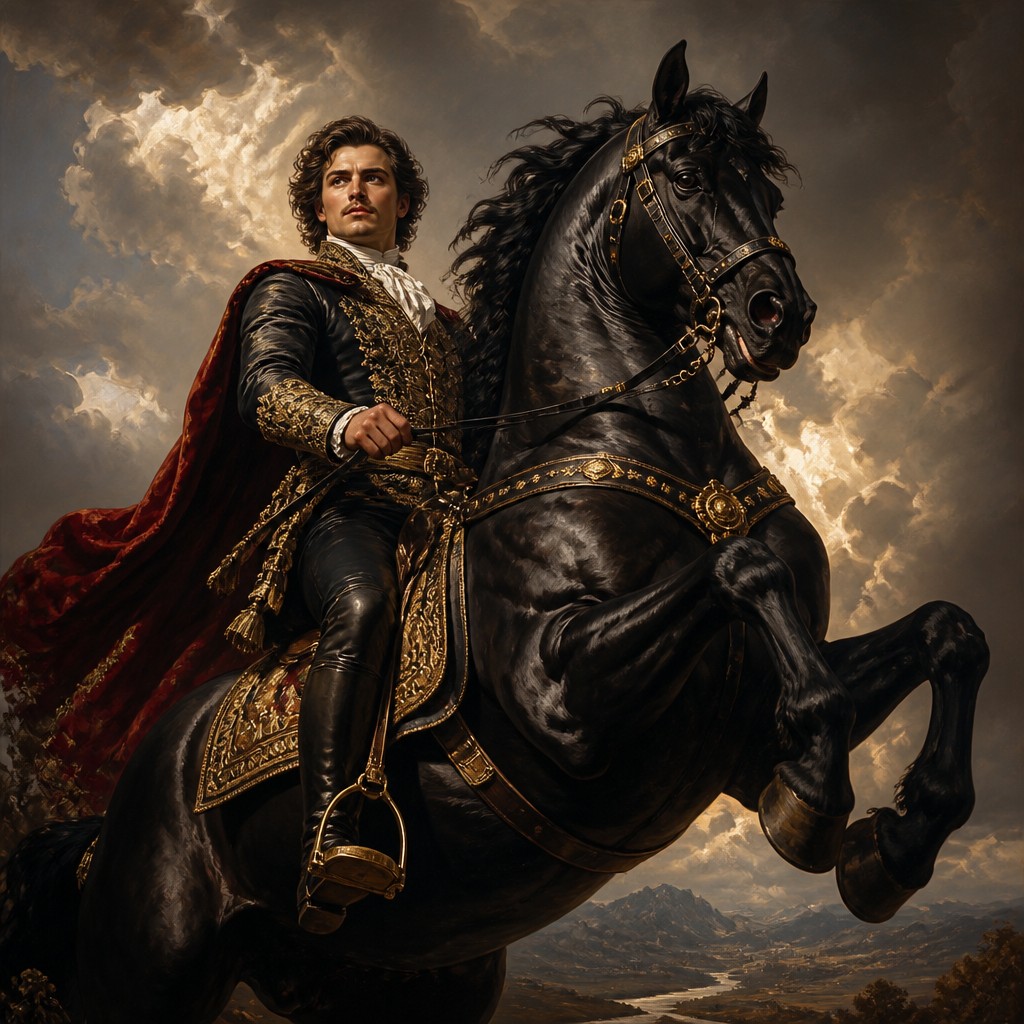
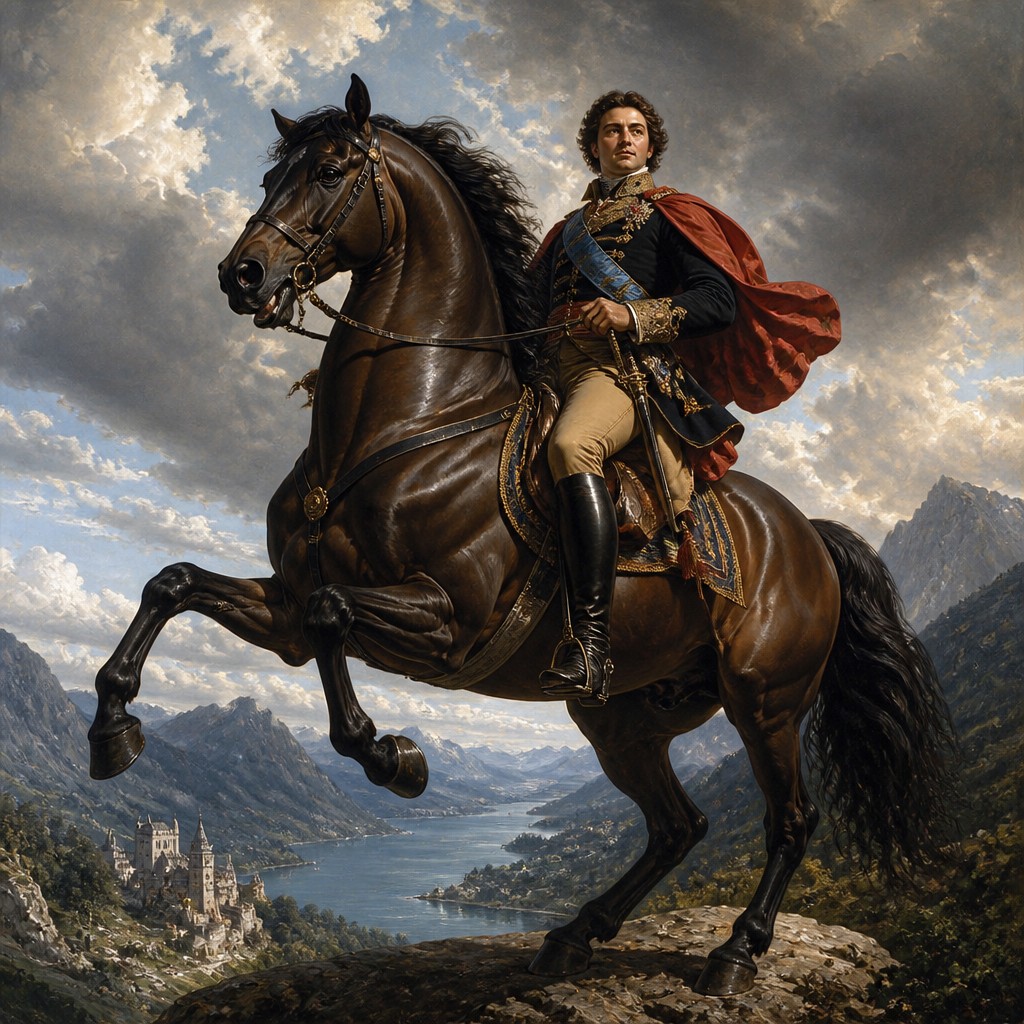
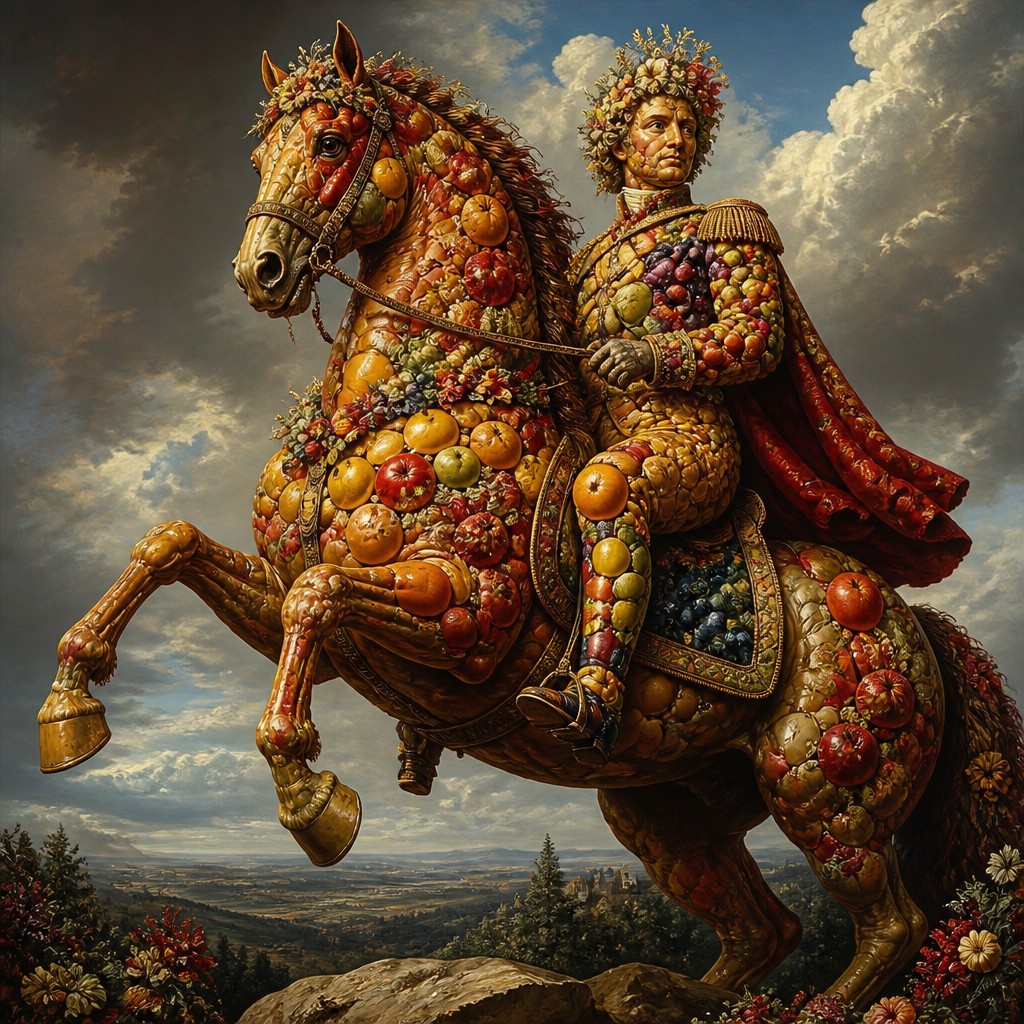
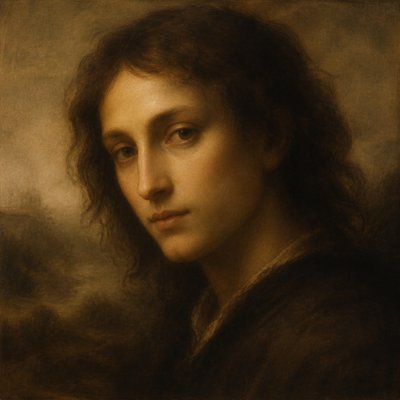
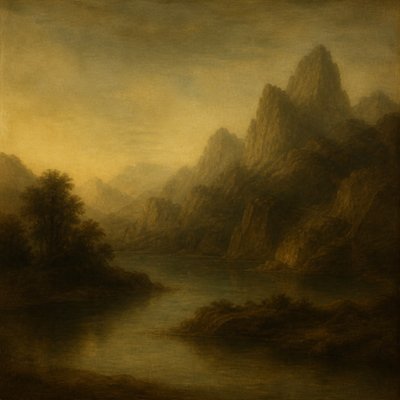
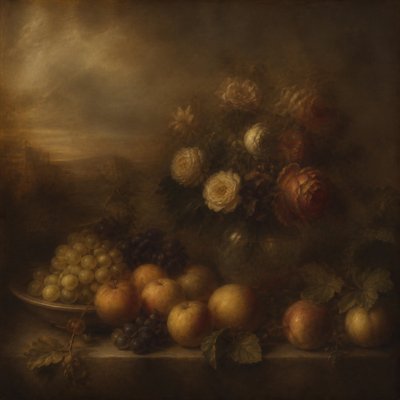
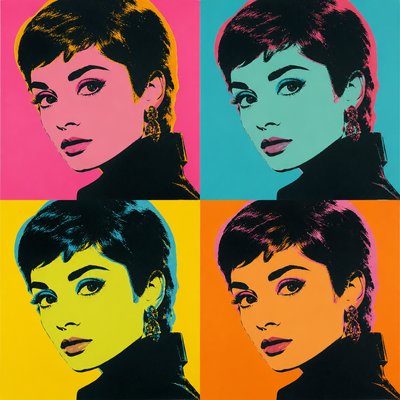
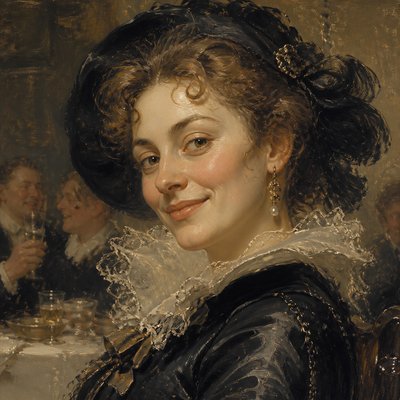
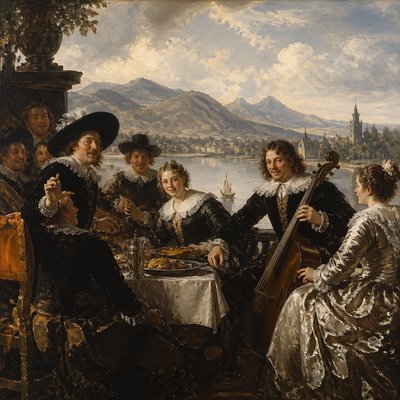
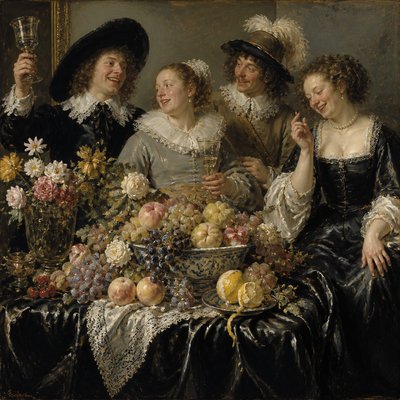
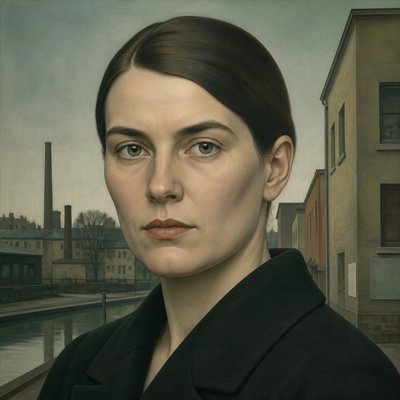
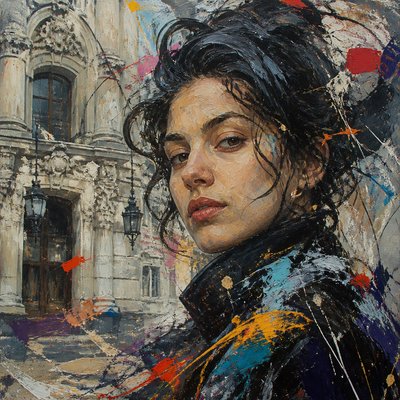
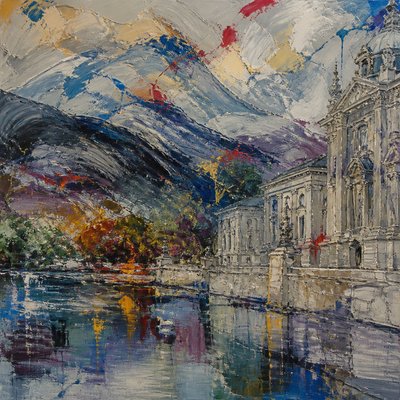
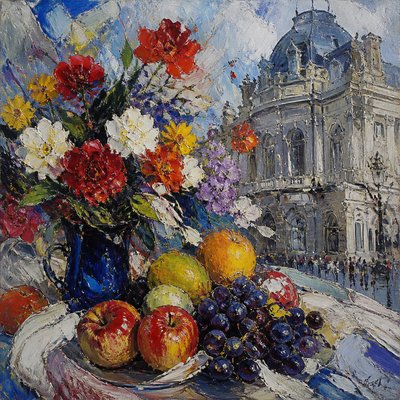
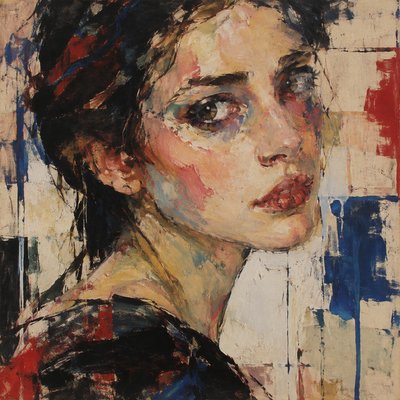
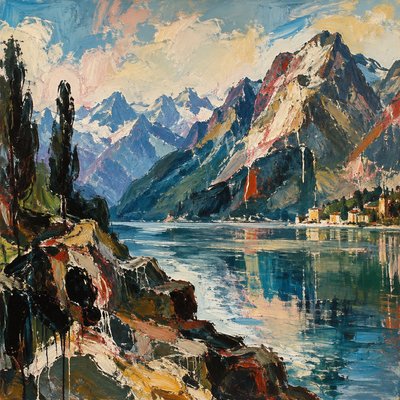
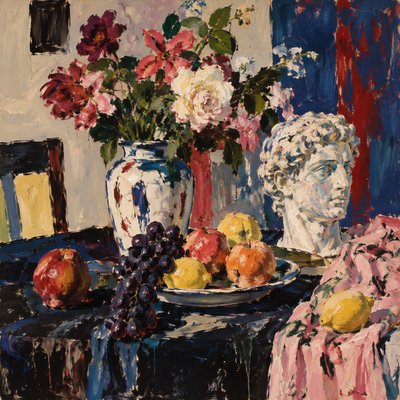
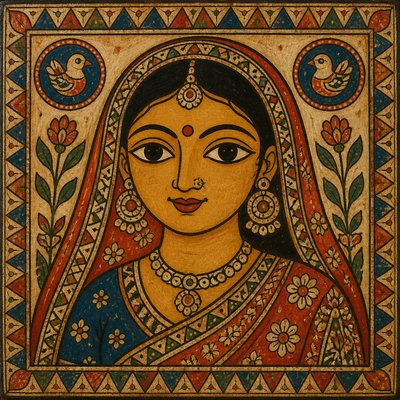
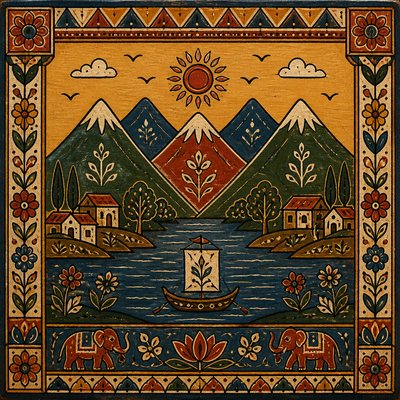
Equestrian Portrait Gallery
Tap any artwork to explore it
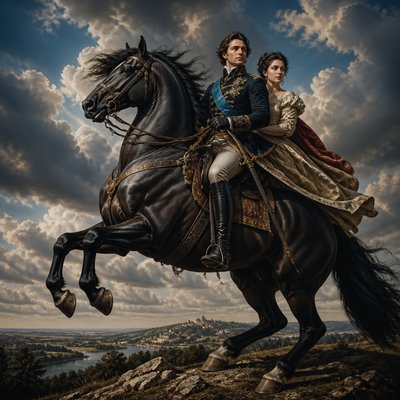
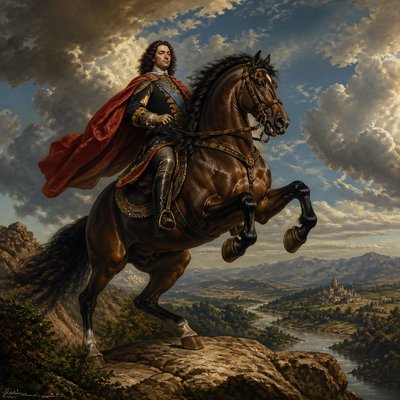
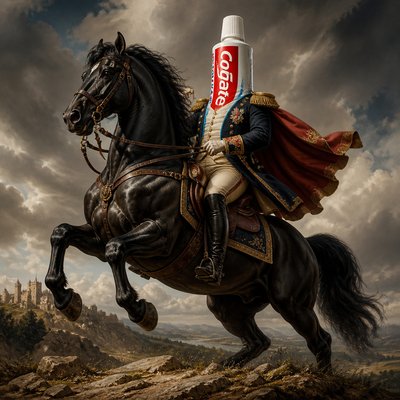
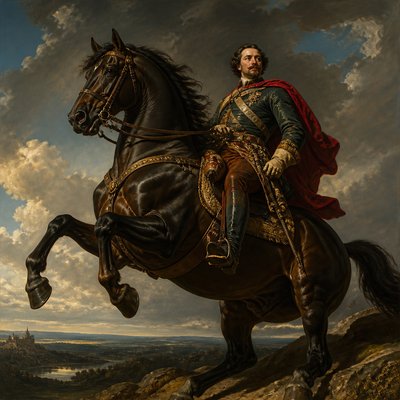
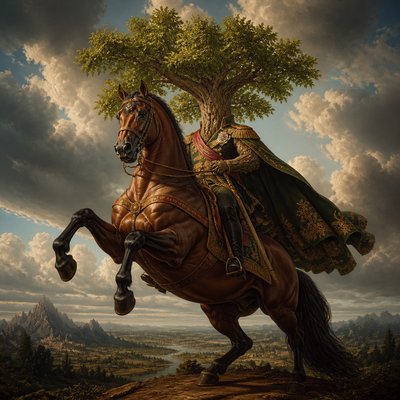
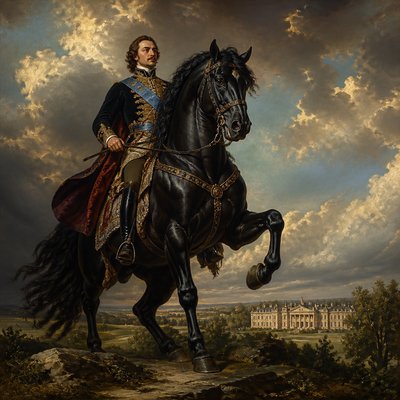
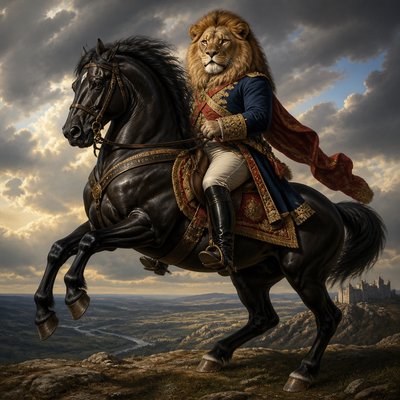
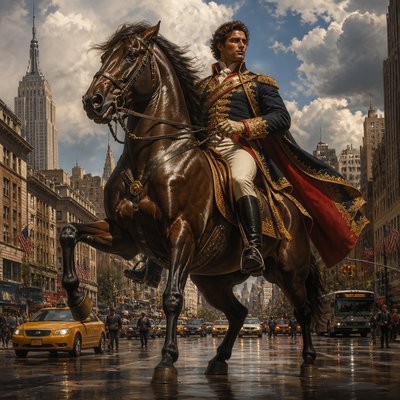
What is Equestrian Portrait Art Style?
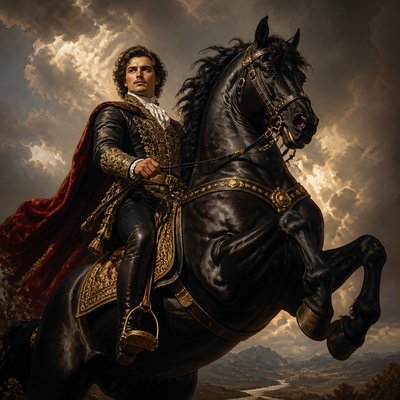
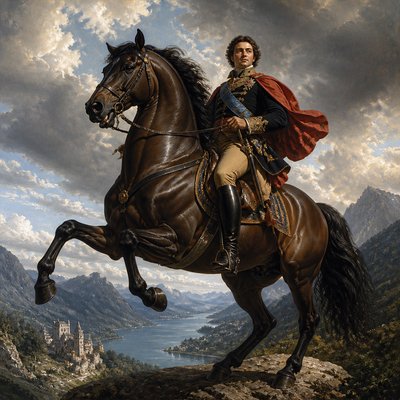
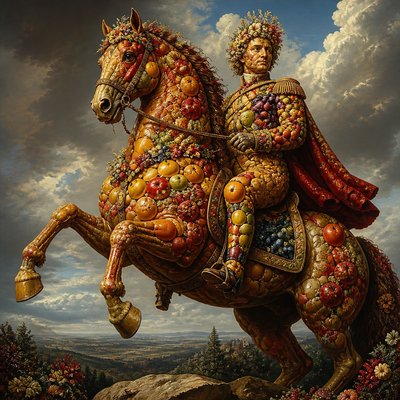
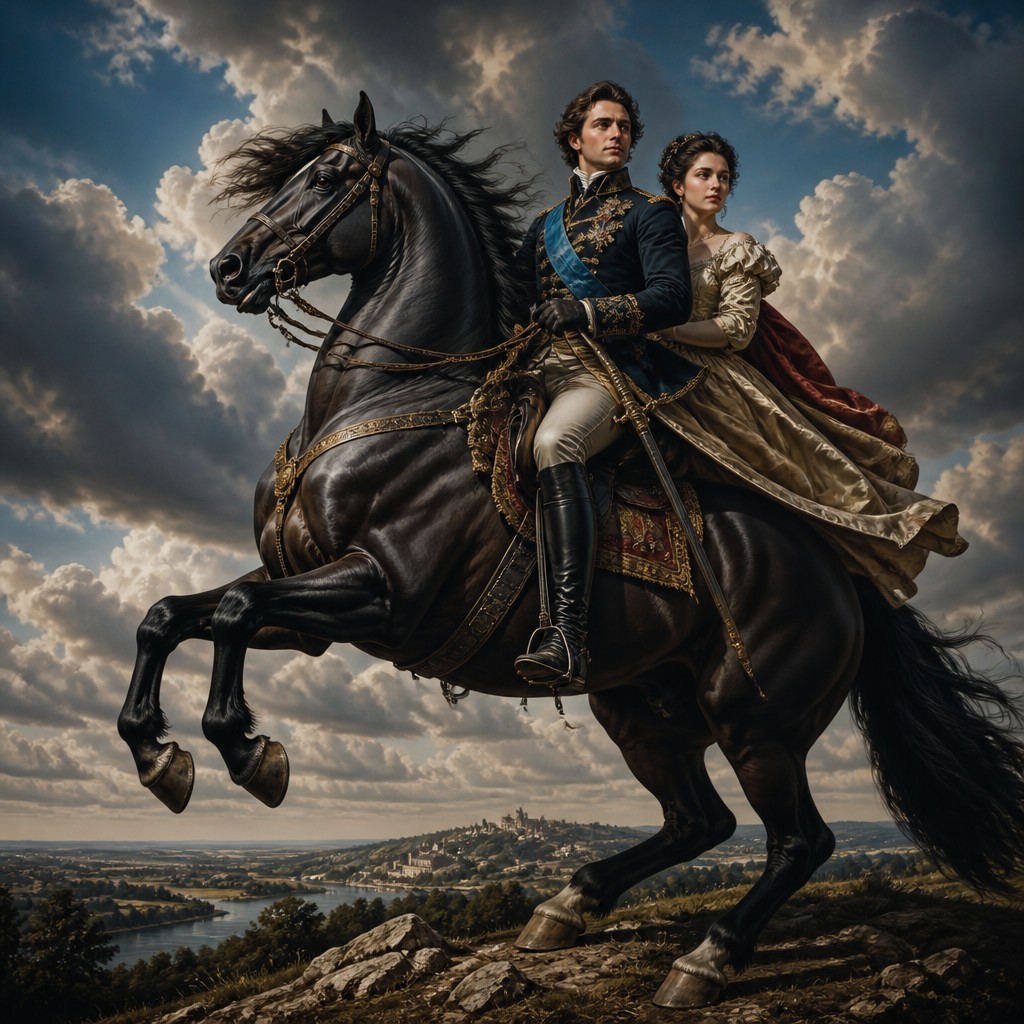
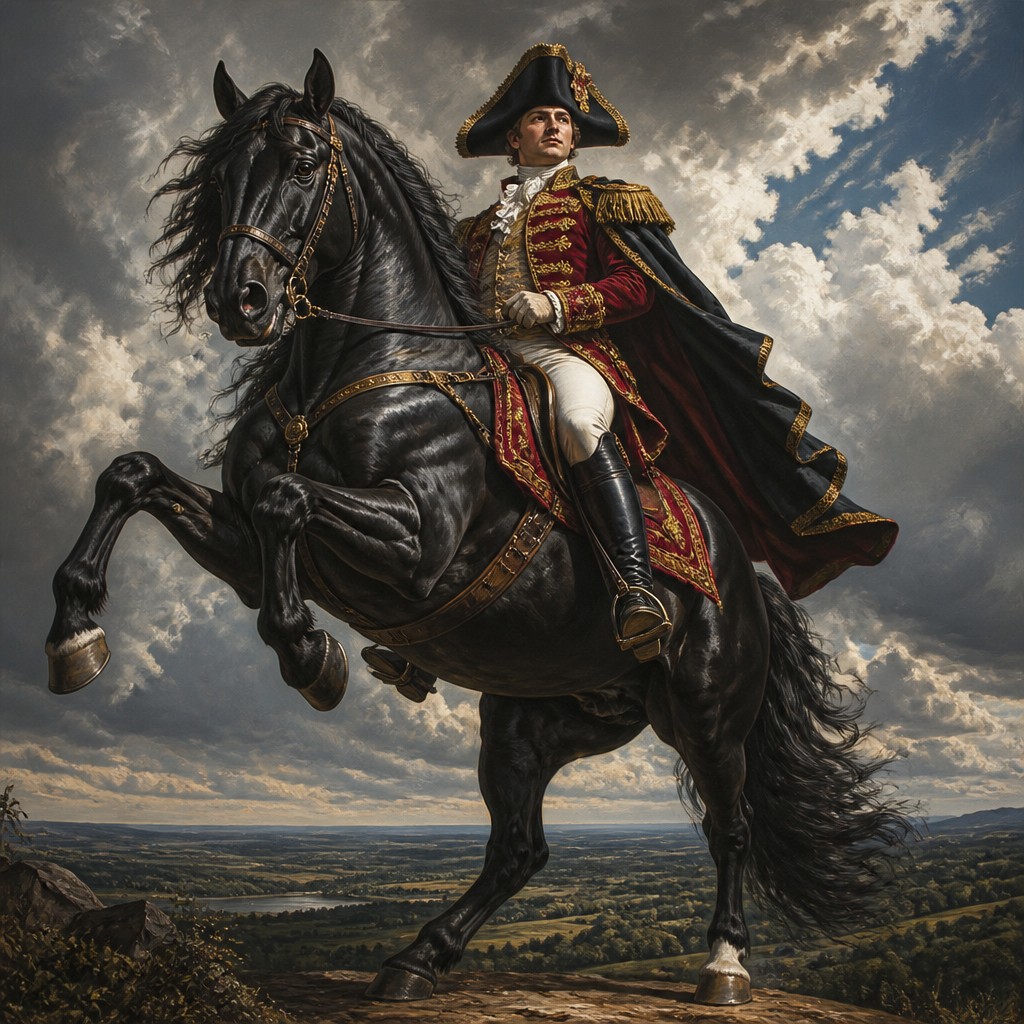
Equestrian Portrait Art Style presents a mounted rider as a figure of authority, courage, and ceremonial power. Its central image is typically a noble horse rearing or striding forward beneath a dramatic sky, with the rider positioned prominently in the saddle and viewed from a low, heroic angle. Rich riding costume, polished tack, expressive posture, and a sweeping landscape reinforce the sense of command.
The style is defined by theatrical composition rather than strict documentary realism. Strong diagonals from the horse’s neck, raised forelegs, weapons, reins, or cloak create movement, while controlled light emphasizes the horse’s glossy musculature and the rider’s face, hands, and costume. Dark clouds, warm highlights, distant terrain, and a baroque sense of grandeur give the image its ceremonial and emotionally charged appearance.
Try It On Your Photos
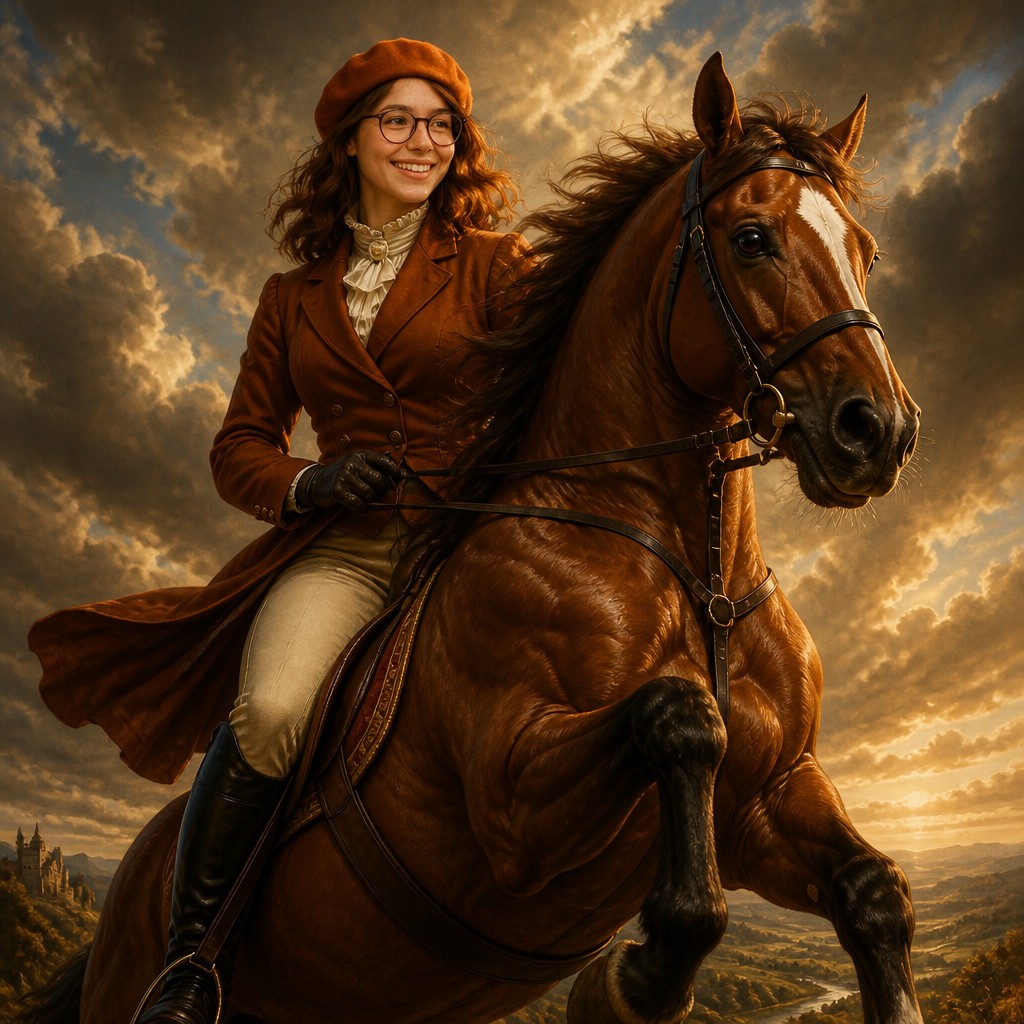
Upload any photo and convert it into Equestrian Portrait Art Style — drag the sliders to compare before and after.


What Defines Equestrian Portrait Art Style
The signature details, up close
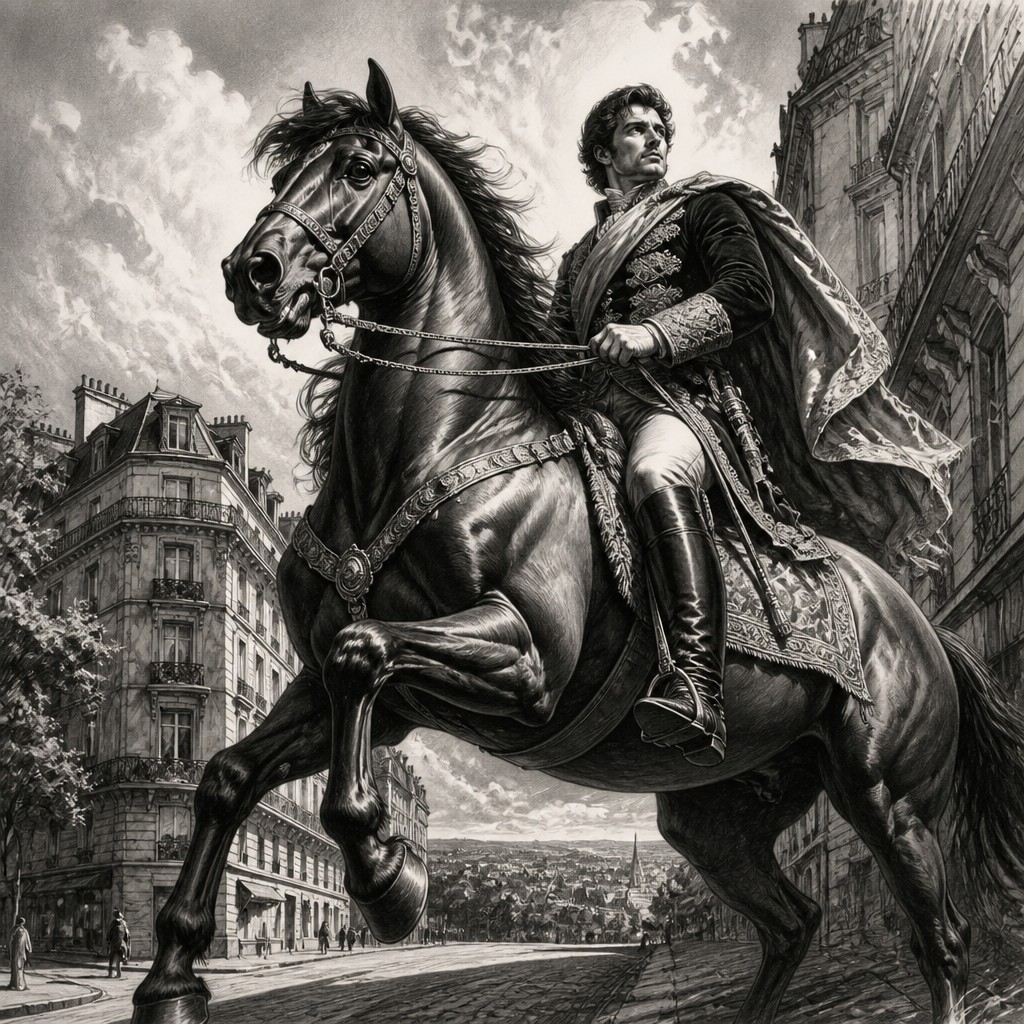
Heroic low viewpoint
The subject is often seen from below, making both horse and rider appear monumental. This perspective amplifies stature, motion, and political or symbolic authority.
Rearing or striding horse
The horse provides the composition’s primary energy through a raised foreleg, arched neck, flowing mane, or powerful forward stride. Its anatomy is idealized but carefully described through layered highlights and shadows.
Commanding rider
The mounted figure is posed with controlled confidence, often holding the reins, a sword, a standard, or another emblem of office. Upright posture and direct orientation make the rider the narrative and emotional focus.
Baroque lighting
Directional light cuts through a dark or stormy atmosphere, illuminating the horse’s shoulders, the rider’s face, and metallic or embroidered details. Strong value contrast creates depth and theatrical intensity.
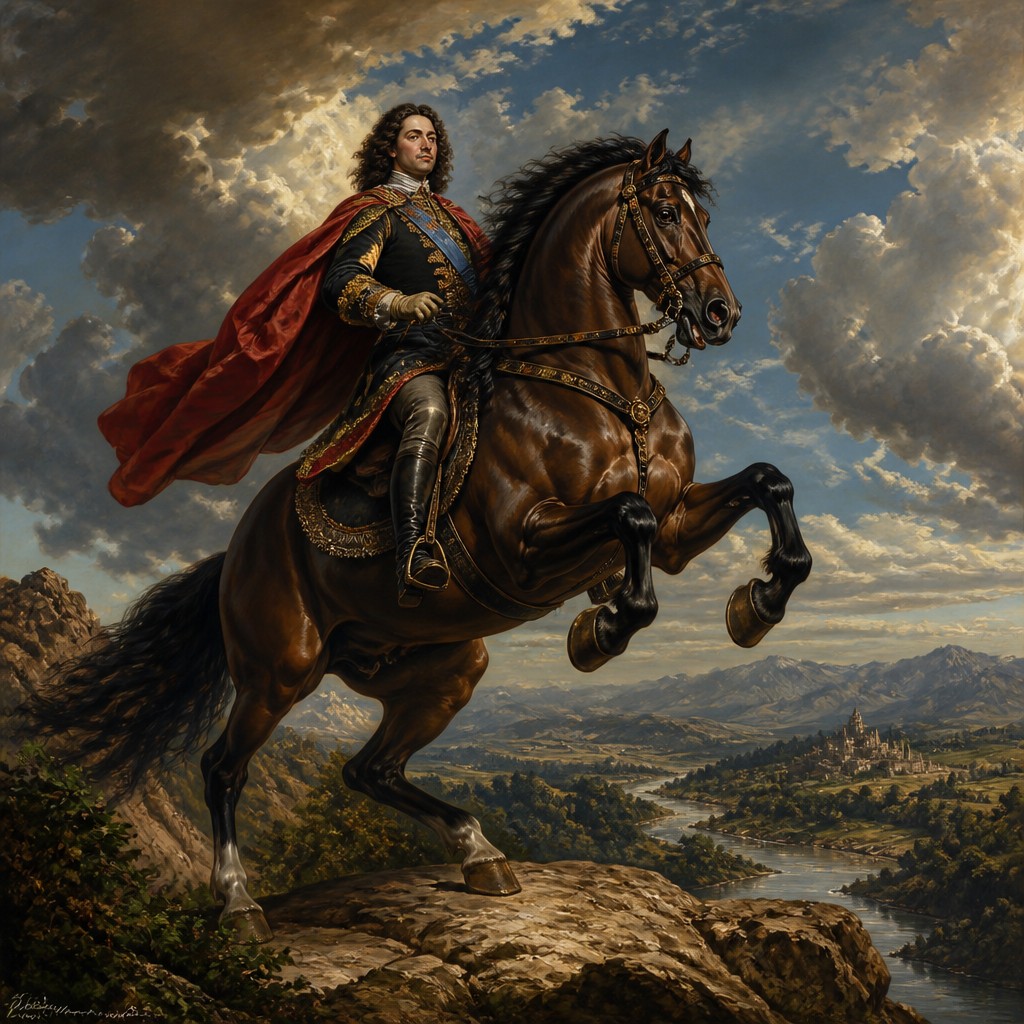
Luxurious costume and tack
Velvet, leather, brocade, polished metal, plumes, decorative saddles, and braided reins supply tactile richness. These details distinguish social status while adding color and rhythm to the silhouette.
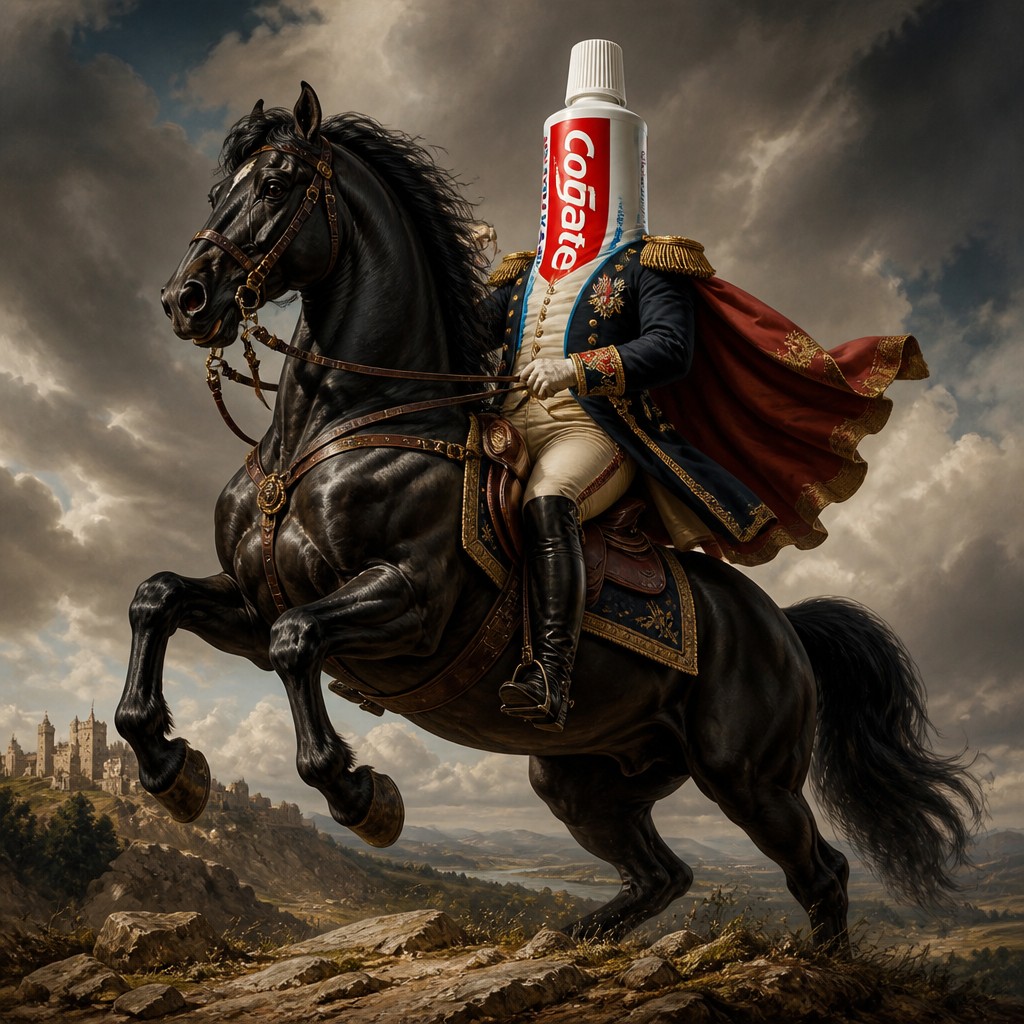
Sweeping landscape
Open terrain, distant mountains, clouds, or architectural settings place the portrait within a broad narrative world. The background usually supports the figure’s grandeur rather than competing with it.
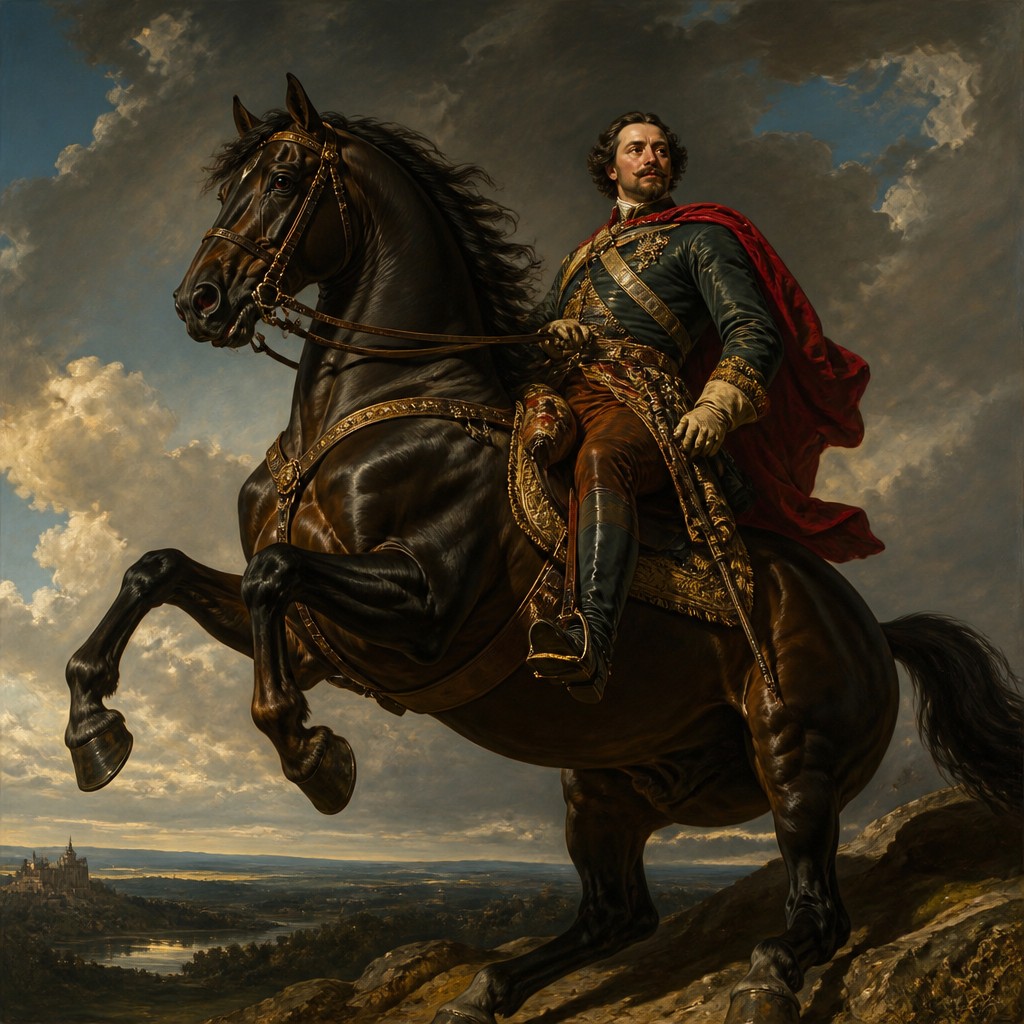
Ceremonial symbolism
Banners, heraldic motifs, armor, weapons, or carefully chosen gestures can suggest leadership, victory, nobility, exploration, or national identity. Even without explicit symbols, the pose communicates status and control.
Try It
Create Videos in Equestrian Portrait Art Style
Styles aren't just for stills — describe a scene or animate an image and get a short video rendered in Equestrian Portrait. Press play to see this pond come to life.
Make a VideoEquestrian Portrait Prompt Ideas
Start from an idea — each one opens the generator with the style ready to go. See all 40 Equestrian Portrait prompts →
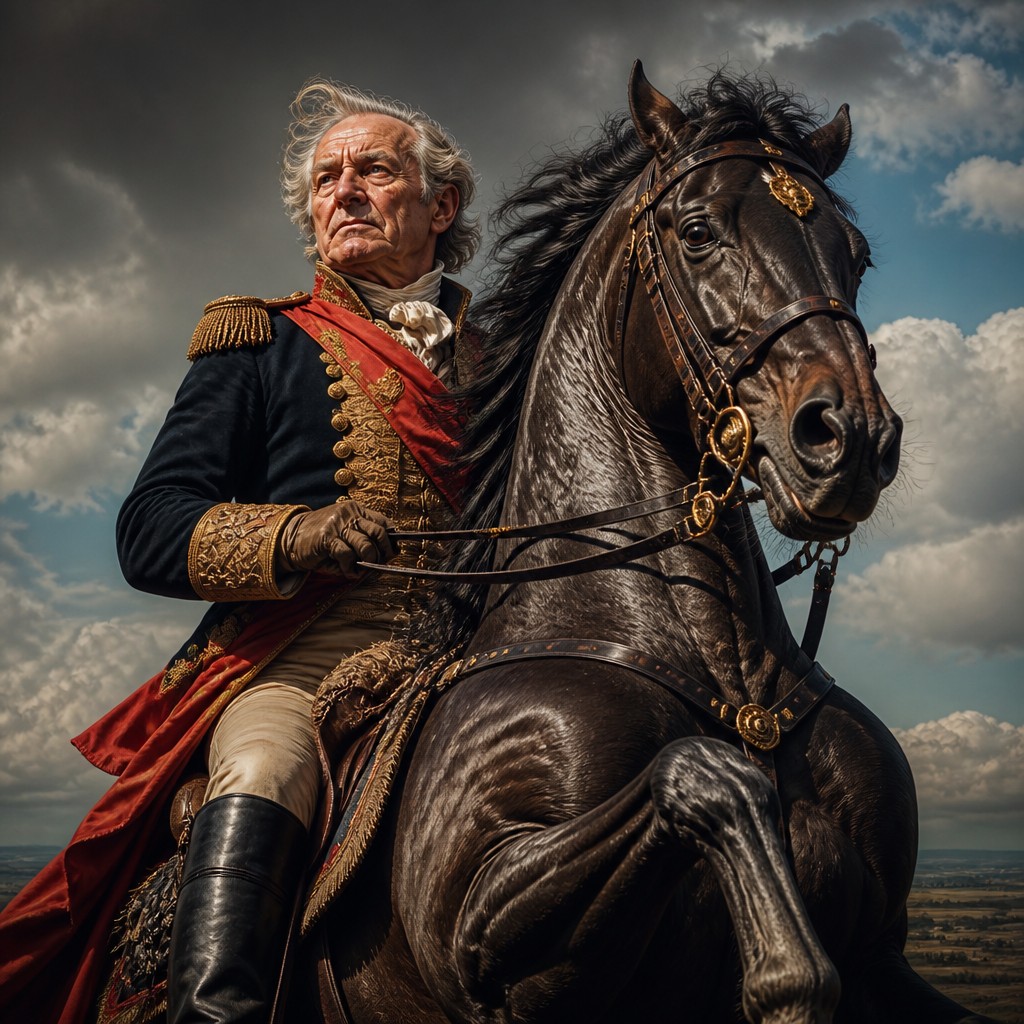
“close-up portrait of an elderly person with expressive weathered features”
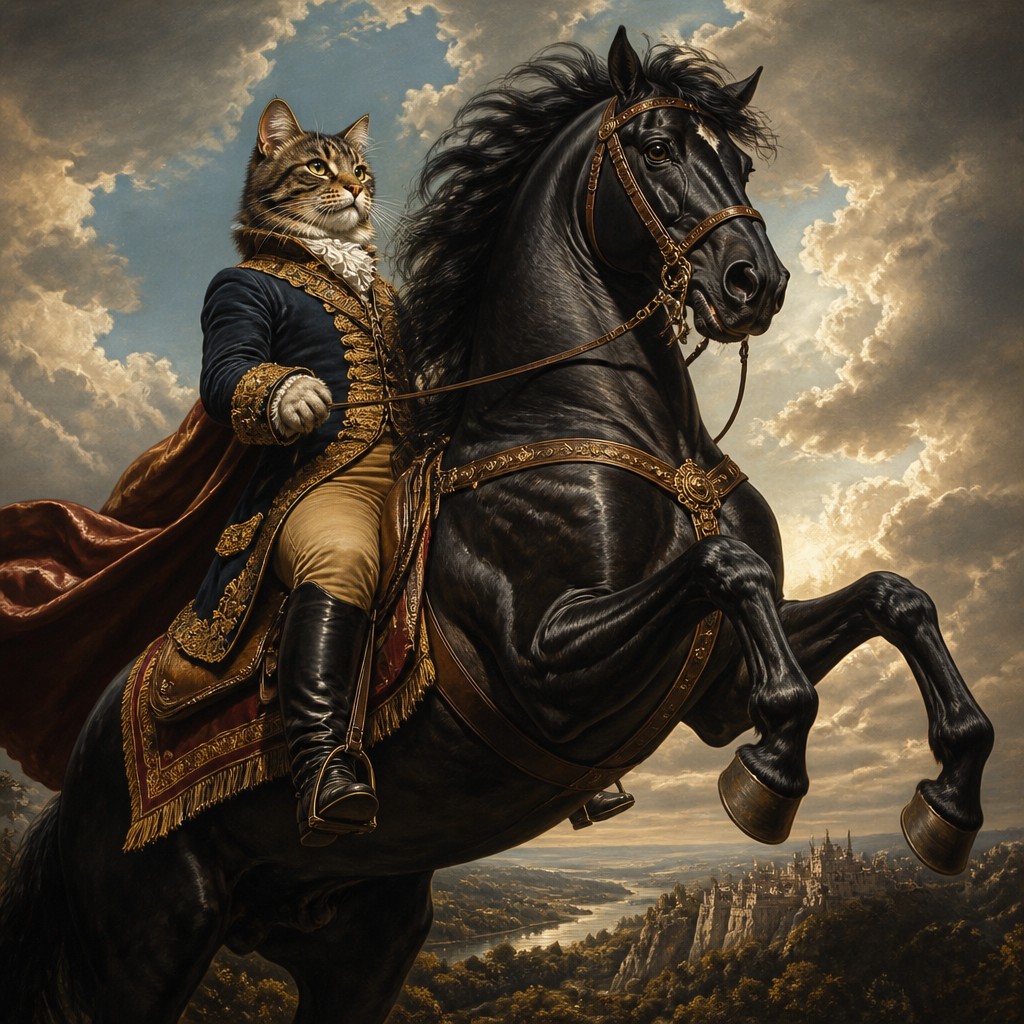
“a cat lounging in a sunlit window”
“bouquet of flowers in a glass vase”
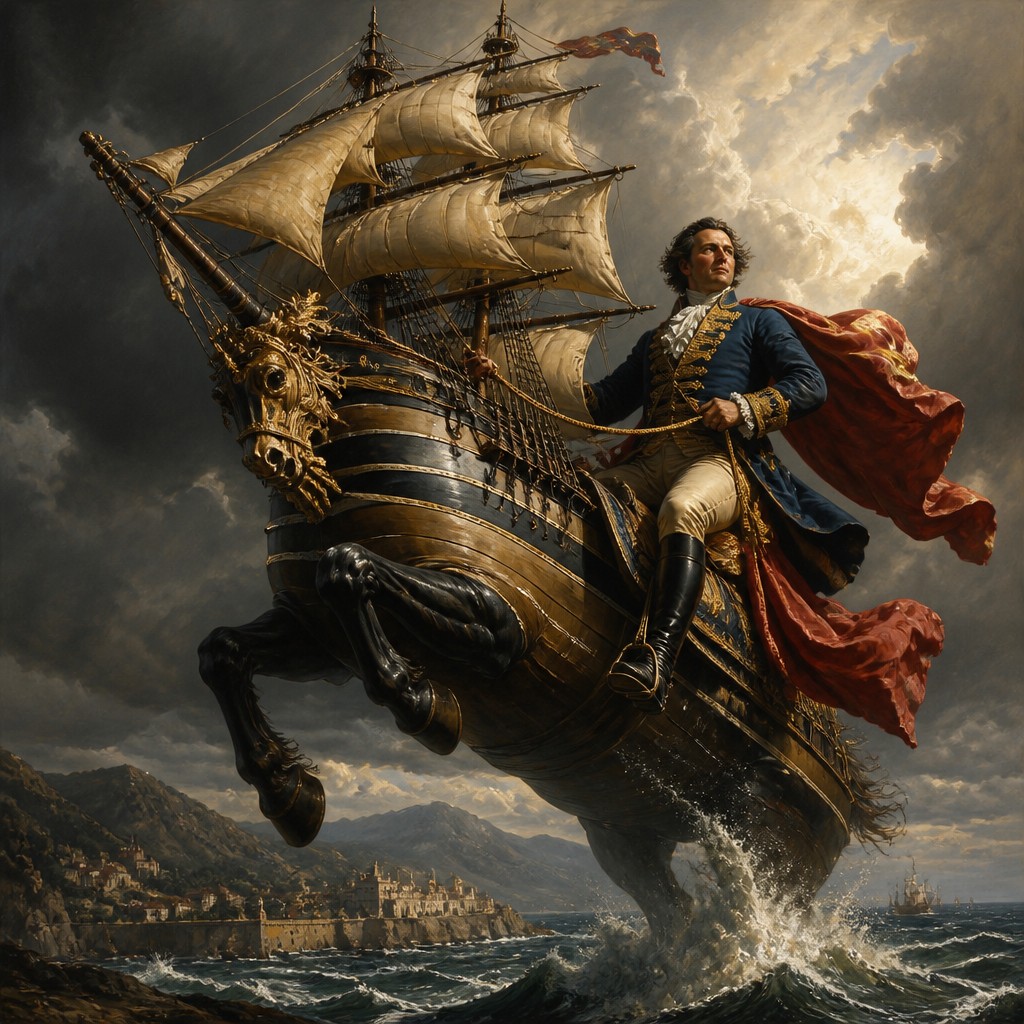
“sailing ship on a stormy sea”
How to Create Equestrian Portrait Art
Master the craft step by step — or skip straight to creating. Read the full guide →
- 1
Establish the silhouette first
Begin with a clear thumbnail showing the horse’s overall gesture, the rider’s vertical alignment, and the direction of movement. Make sure the raised limbs, reins, cloak, and head create an readable contour before adding detail.
- 2
Build believable anatomy
Use references for equine proportions, joint structure, hooves, tack, and riding posture, then selectively idealize the forms for grandeur. Pay particular attention to the relationship between the rider’s weight, the saddle, and the horse’s balance.
- 3
Use a dramatic value structure
Reserve the strongest highlights for the face, horse’s shoulders and neck, hands, and important costume details. A dark atmospheric mass behind the subject can create the Baroque contrast associated with the style.
- 4
Layer material textures
In traditional media, build thin transparent shadows and opaque highlights to separate hair, leather, metal, fabric, and skin. Digitally, use distinct texture and lighting passes so glossy musculature does not make every surface look metallic.
- 5
Compose the environment around the rider
Place the horizon low or partially obscure it with terrain to preserve the heroic viewpoint. Use clouds, dust, distant architecture, or muted mountains to frame the figure and guide the eye back toward the portrait.
- 6
Write focused generation prompts
Specify the rider’s identity, horse action, viewpoint, costume, lighting, environment, and emotional tone in that order. For image transformation, preserve the subject’s recognizable pose while requesting richer tack, directional light, painterly texture, and a grand equestrian composition.
The Story
History & Origins of Equestrian Portrait
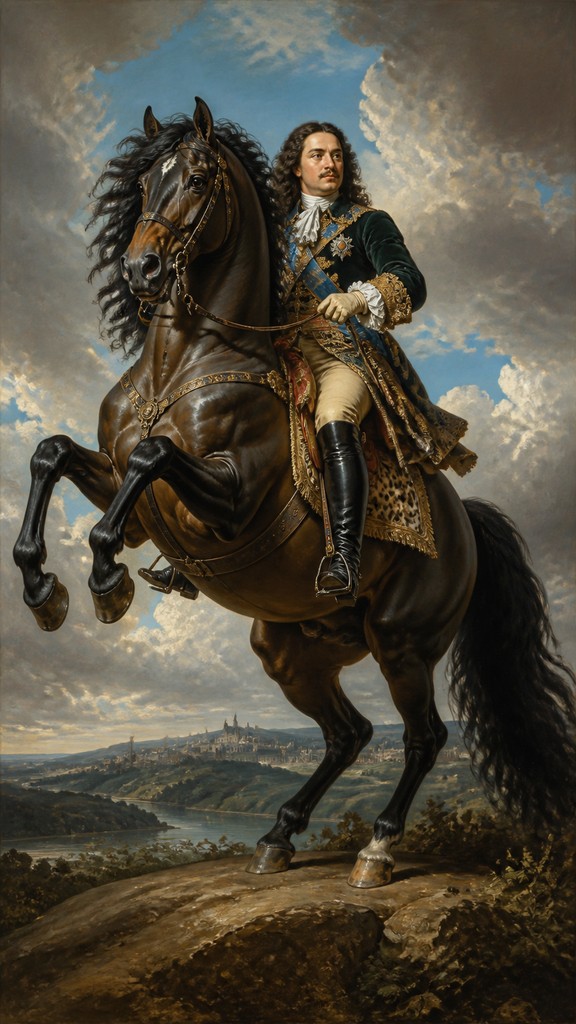
This is a contemporary descriptive style rather than a formally established historical movement. Its aesthetic lineage comes from European equestrian portraiture, especially court and military images developed between the Renaissance and the nineteenth century, where rulers, commanders, and aristocrats were shown on horseback to communicate rank, discipline, and authority.
Its dramatic visual language also draws on Baroque composition, Romantic landscape painting, academic history painting, and traditions of military illustration. Modern versions may combine these precedents with cinematic lighting, fantasy costume design, polished digital rendering, and photographic references to create an idealized rather than historically exact portrait.
Influences: The style is related to European court portraiture, Renaissance and Baroque equestrian painting, military and imperial portrait traditions, Romantic landscape painting, academic history painting, and nineteenth-century illustration. It also shares visual strategies with heraldic imagery, ceremonial photography, fantasy concept art, and cinematic costume design, especially in its use of status symbols, dramatic weather, diagonal movement, and idealized anatomy.

Frequently Asked Questions
What defines Equestrian Portrait Art Style?
It combines a mounted portrait with a heroic, theatrical composition centered on a powerful horse and a commanding rider. Low perspective, dramatic skies, rich costume, glossy musculature, and a broad landscape are more important than strict historical accuracy.
Is this a historical art movement?
No. The term is best understood as a contemporary style label describing a hybrid visual language. It draws from established traditions of equestrian portraiture, Baroque painting, Romanticism, military art, and modern digital concept art.
How does it differ from ordinary horse portraiture?
Ordinary horse portraiture may emphasize breed, anatomy, or likeness in a relatively neutral setting. This style adds a mounted protagonist, symbolic status, theatrical lighting, and an expansive environment designed to communicate power and narrative.
Can the style depict modern riders or fictional characters?
Yes. The visual structure works with contemporary equestrians, historical figures, fantasy heroes, explorers, and entirely invented characters. Costume, tack, setting, and props can shift the image from documentary portrait to ceremonial, military, or speculative storytelling.
How can I make the horse look convincing?
Use references for the horse’s skeleton, hoof placement, musculature, and balance in rearing or galloping poses. Keep the rider’s weight connected to the saddle and reins, and use highlights selectively so the anatomy remains readable rather than becoming a generic glossy surface.
Where is this style commonly used?
It suits commemorative portraits, historical scenes, fantasy character art, book covers, game and film concept art, editorial illustrations, equestrian branding, and dramatic personal portraits. It is especially effective when the image needs to suggest leadership, heritage, adventure, or ceremony.
Create your first Equestrian Portrait artwork
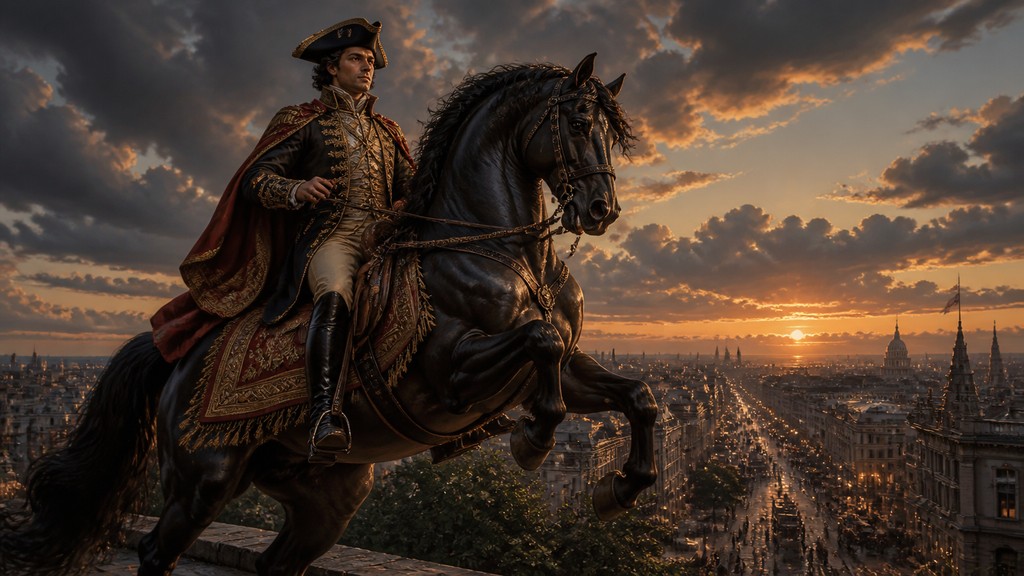
Describe anything — or upload a photo — and see it in Equestrian Portrait Art Style in seconds.
Related Styles
Discover similar art styles