Enamel Art Style
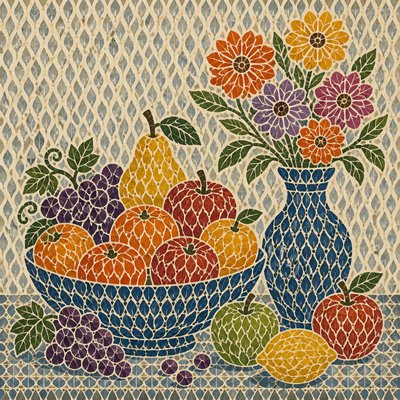
Explore enamel art: jewel-bright glass fused to metal, defined by cloisonné lines, glossy surfaces, crackle textures, and vivid color.
Instantly rendered in Enamel — or transform a photo
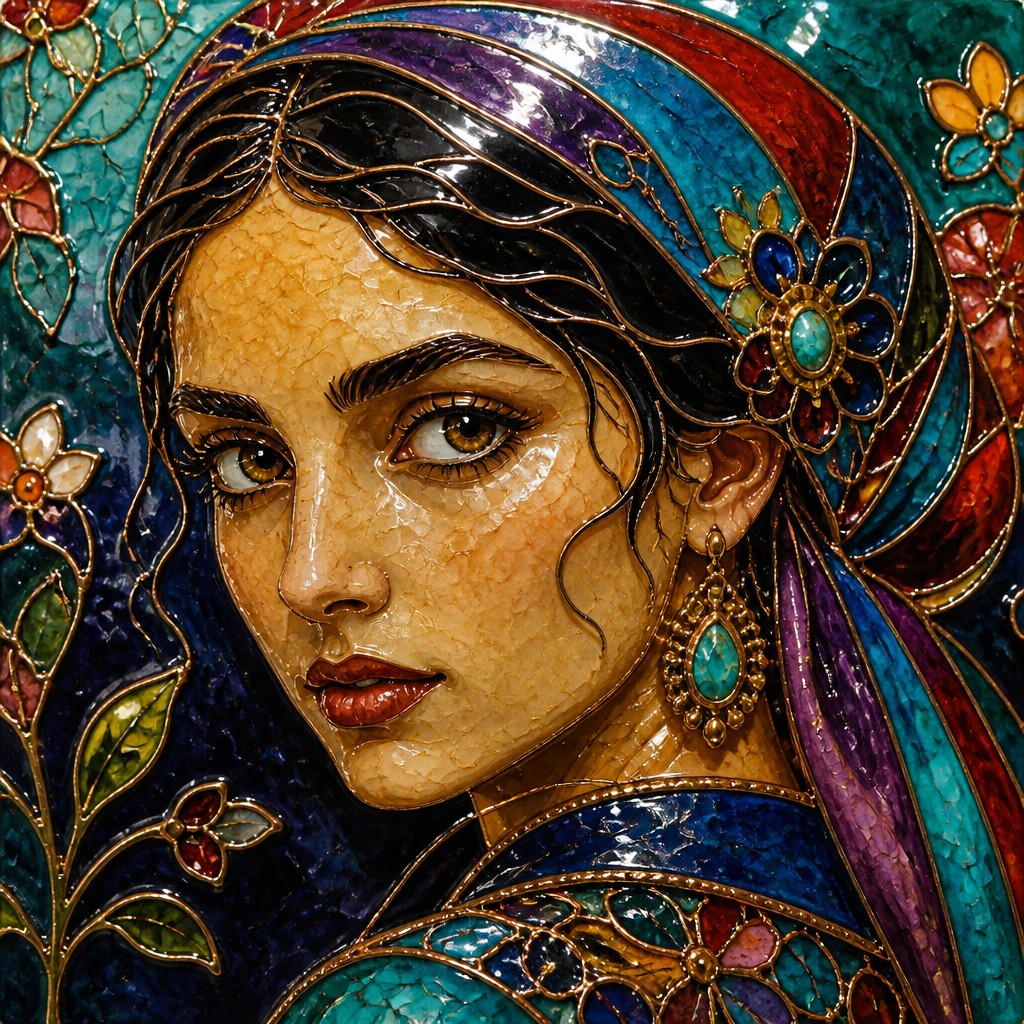
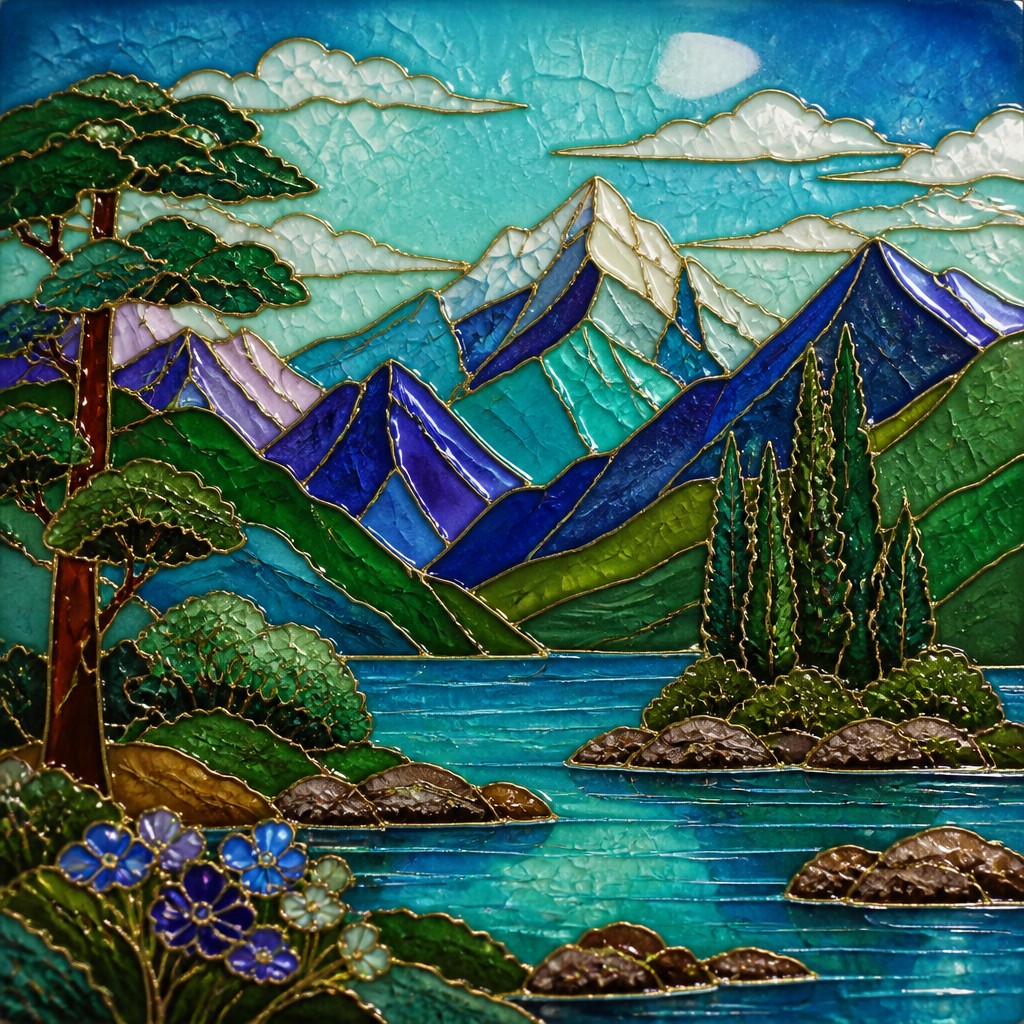
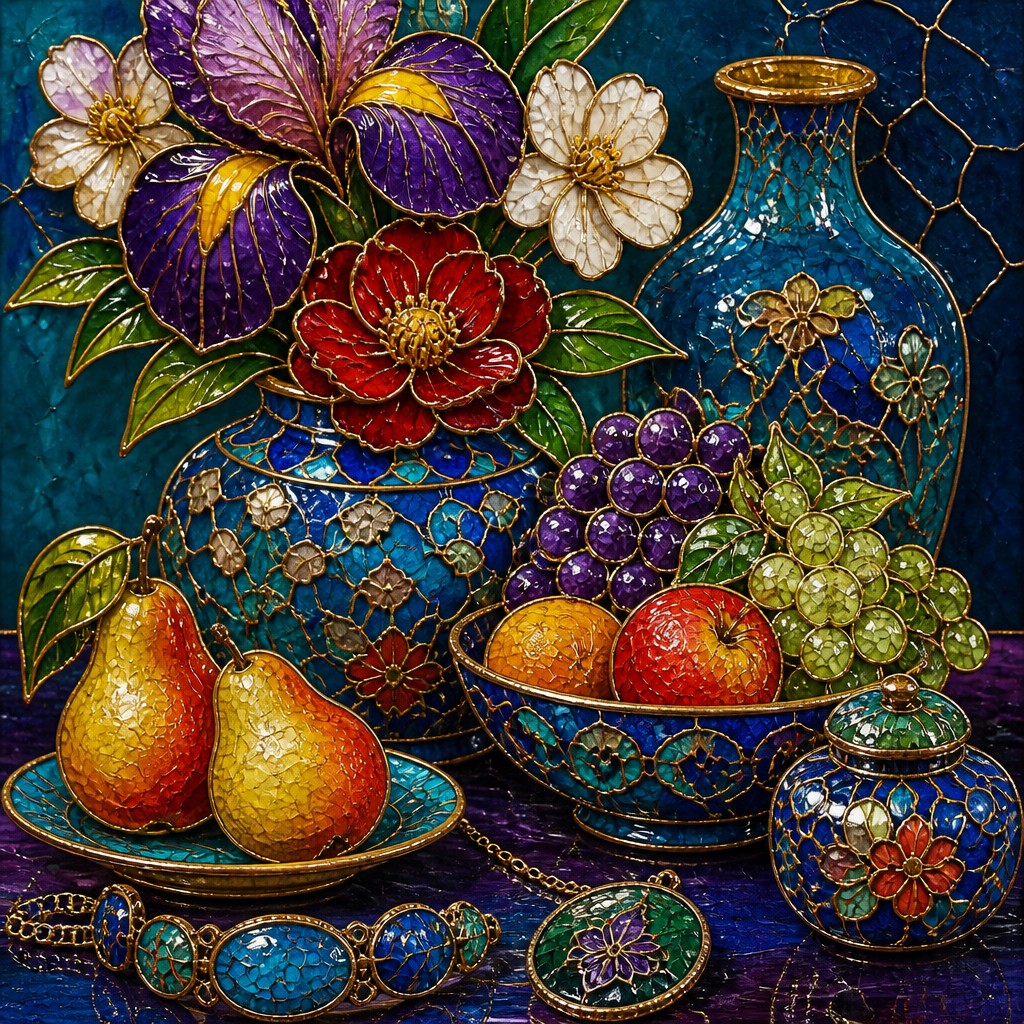
Enamel Gallery
Tap any artwork to explore it
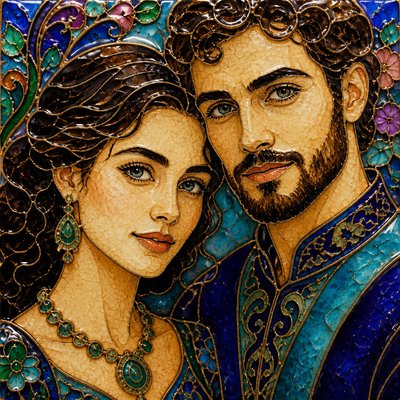
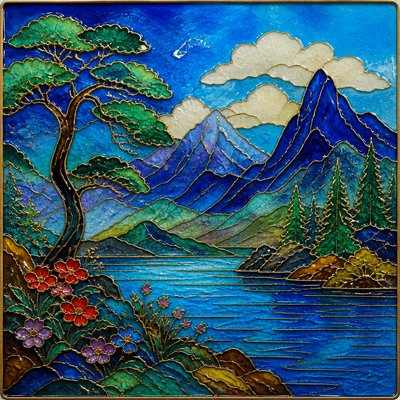
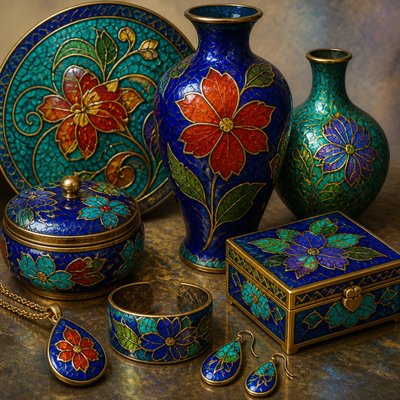
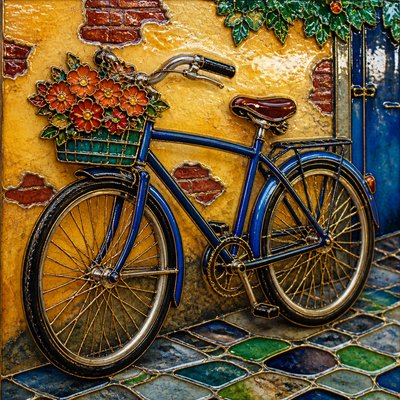
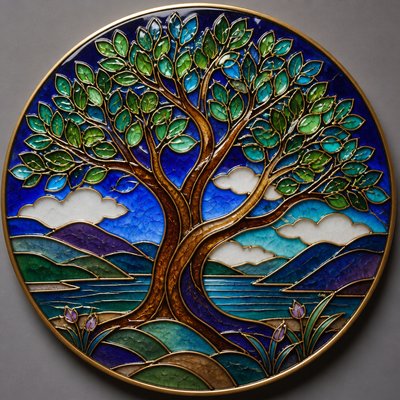
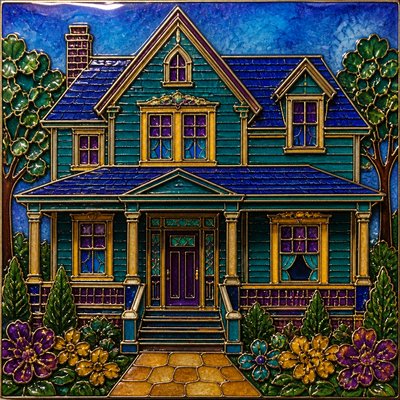
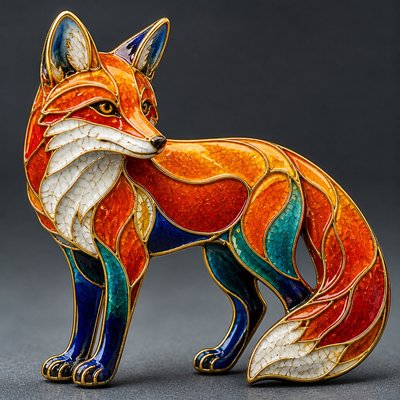
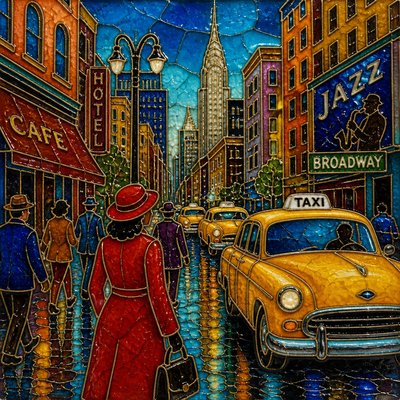
What is Enamel Art Style?
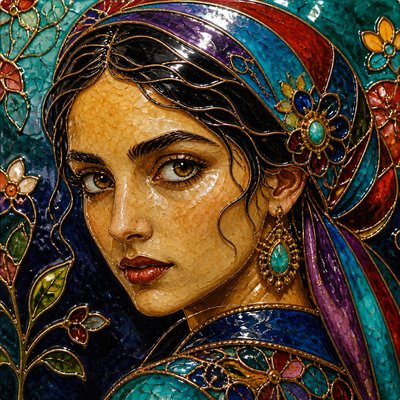
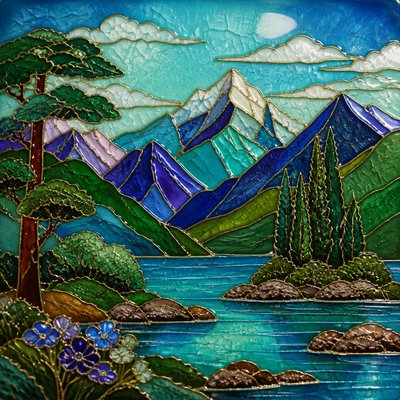
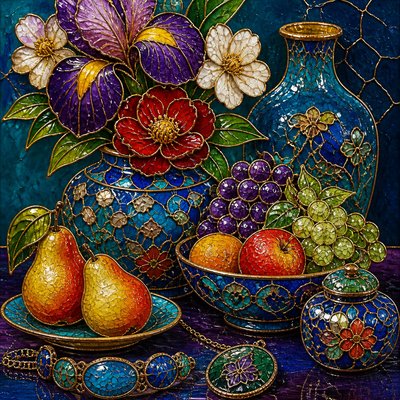
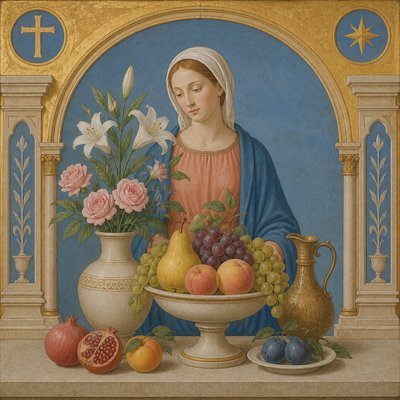
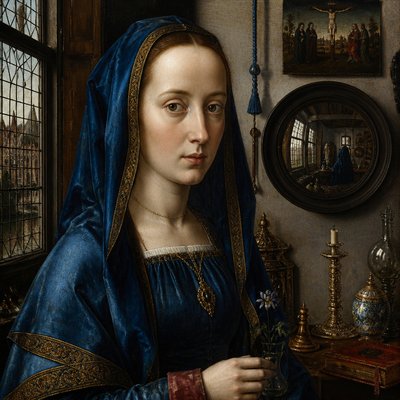
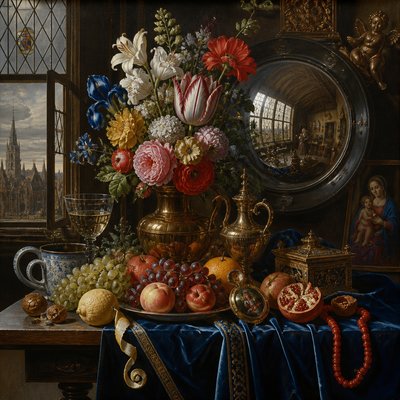
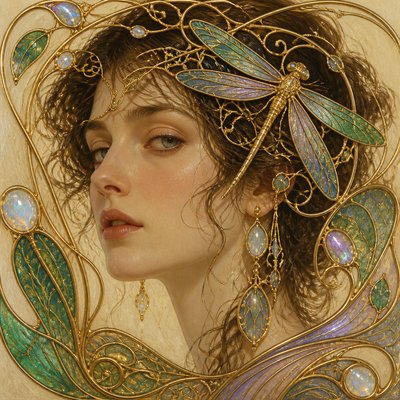
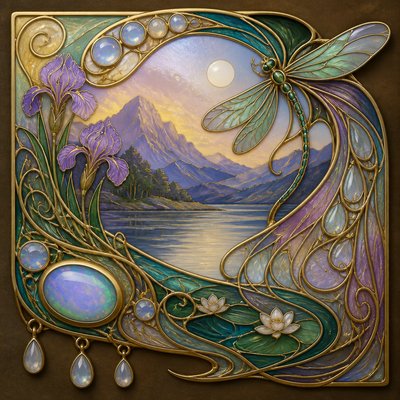
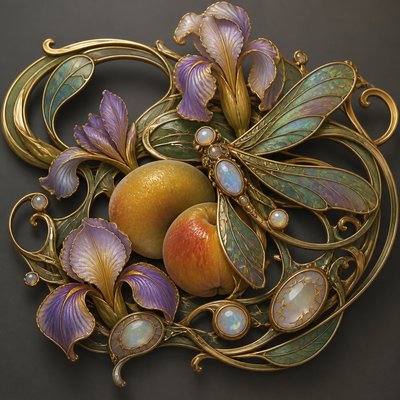
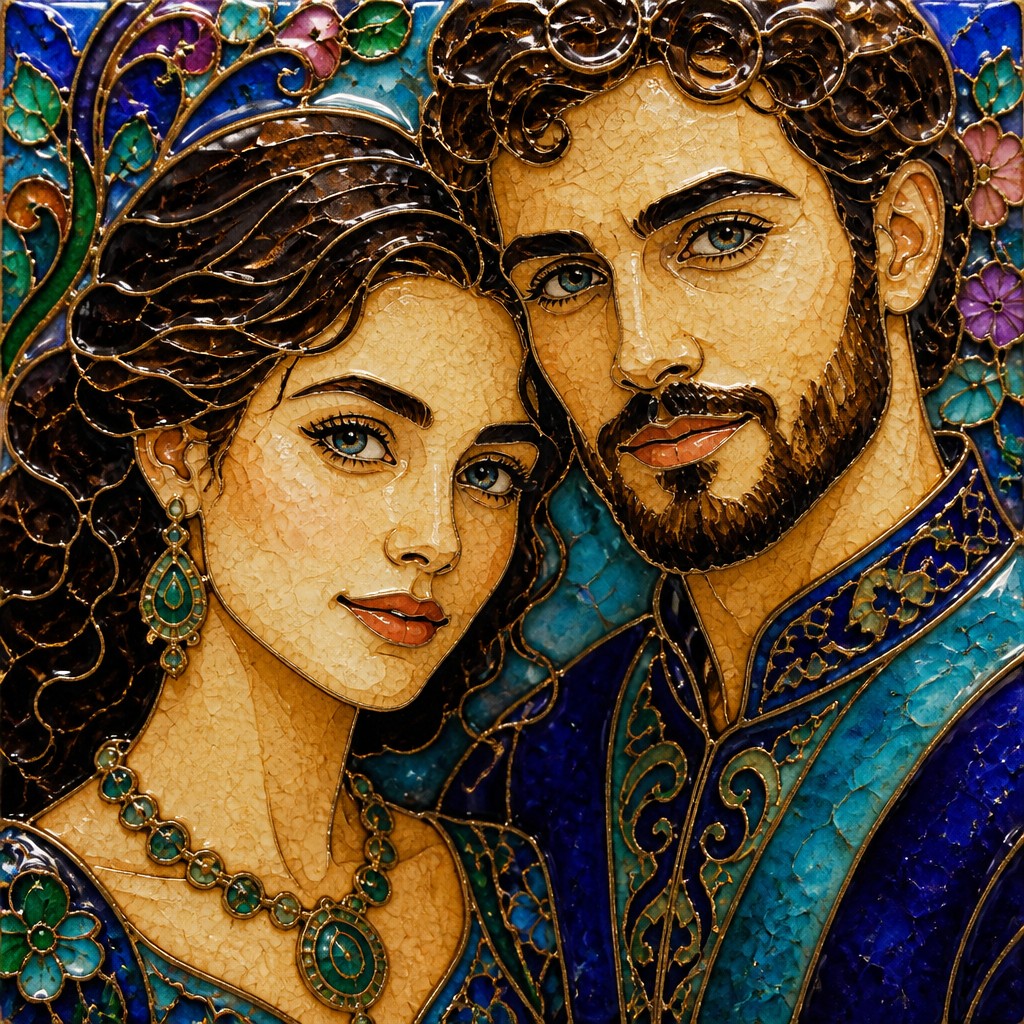
Enamel art is a decorative art and surface-finishing tradition in which powdered or ground glass is fused to metal through controlled firing. The resulting coating has a hard, luminous surface and can appear opaque, translucent, glossy, or subtly textured. In a contemporary visual-style context, enamel art is recognized by jewel-bright color fields, dark or metallic boundaries, and the reflective character of fired glass.
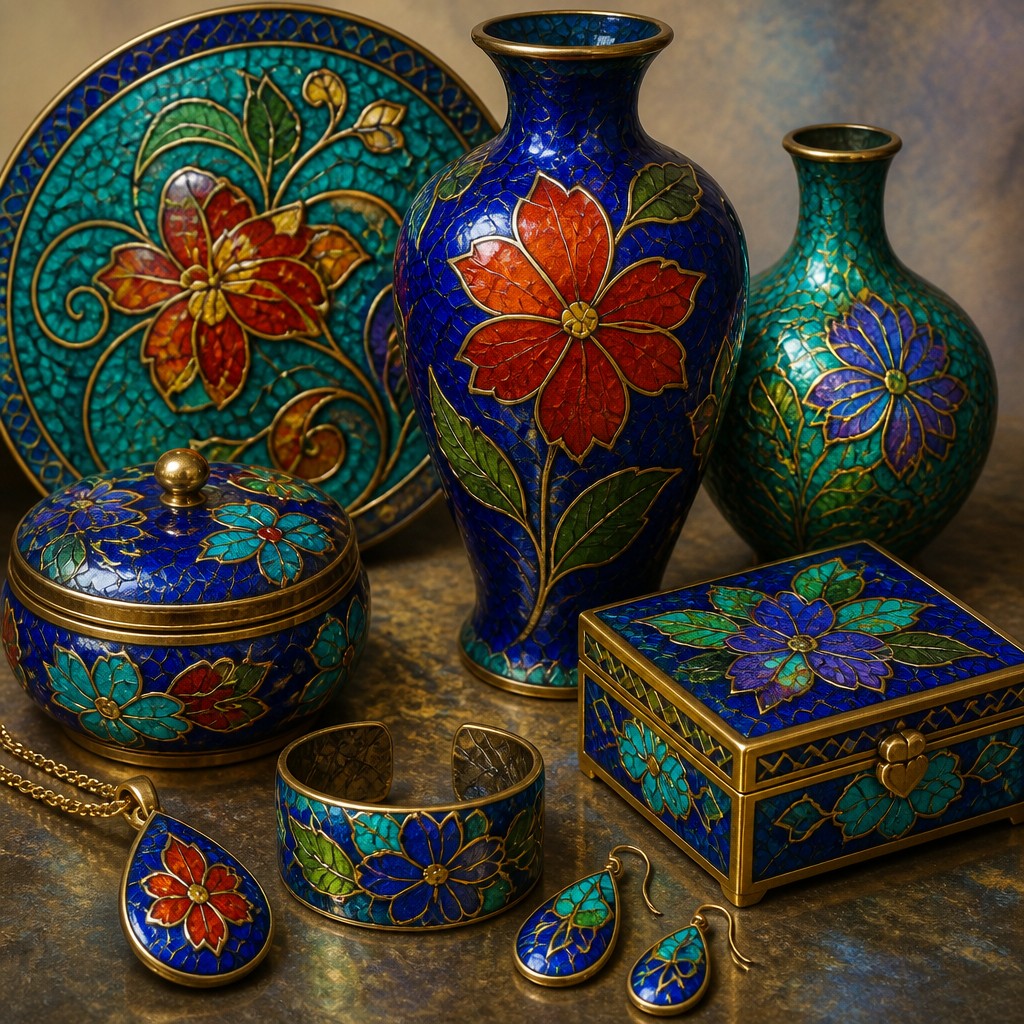
Its visual identity comes from the interaction of heat, glass, and metal. Cloisonné-style wire partitions divide the composition into compact areas of saturated color, while kiln firing softens edges and produces a unified, polished surface. Fine crackle, slight irregularities, and intense highlights suggest a handmade plaque, vessel, ornament, or piece of jewelry rather than a flat painted image.
Try It On Your Photos
Upload any photo and convert it into Enamel Art Style — drag the sliders to compare before and after.


What Defines Enamel Art Style
The signature details, up close
Jewel-toned color
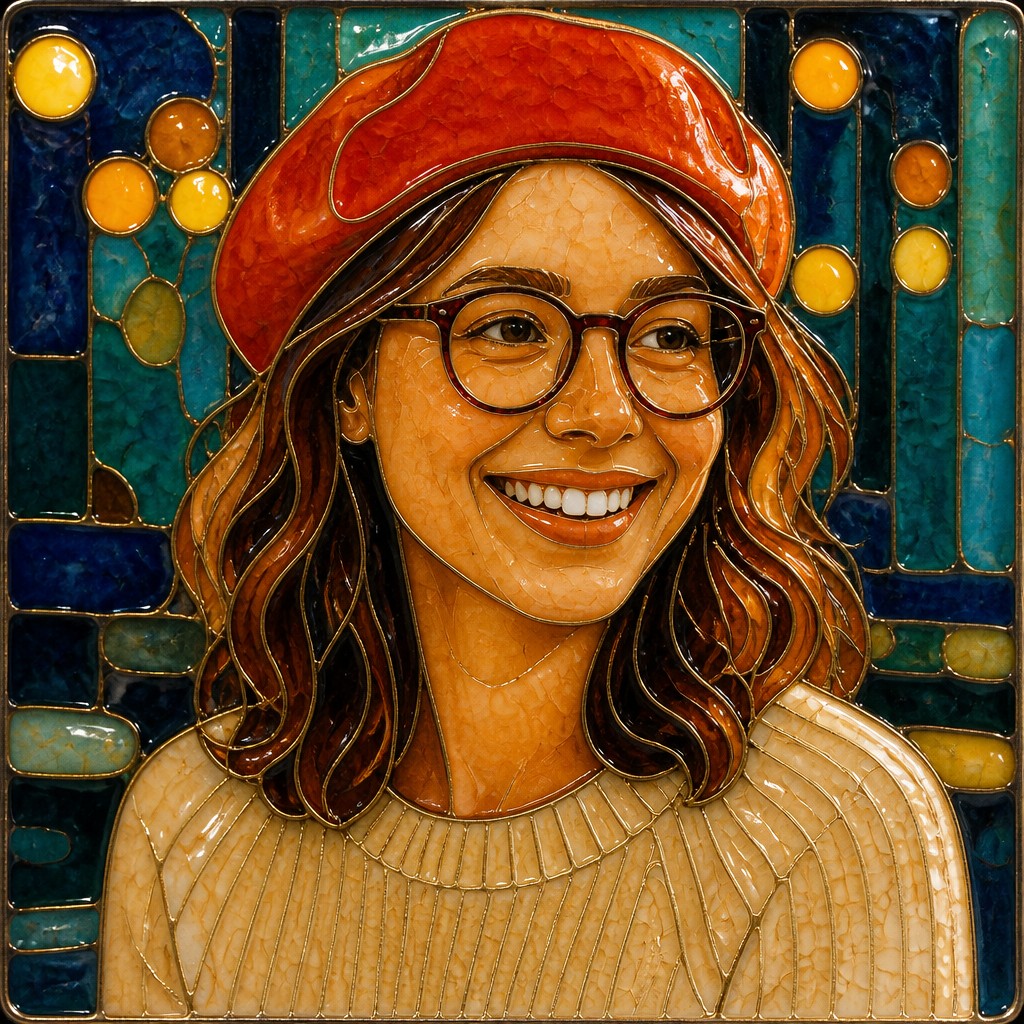
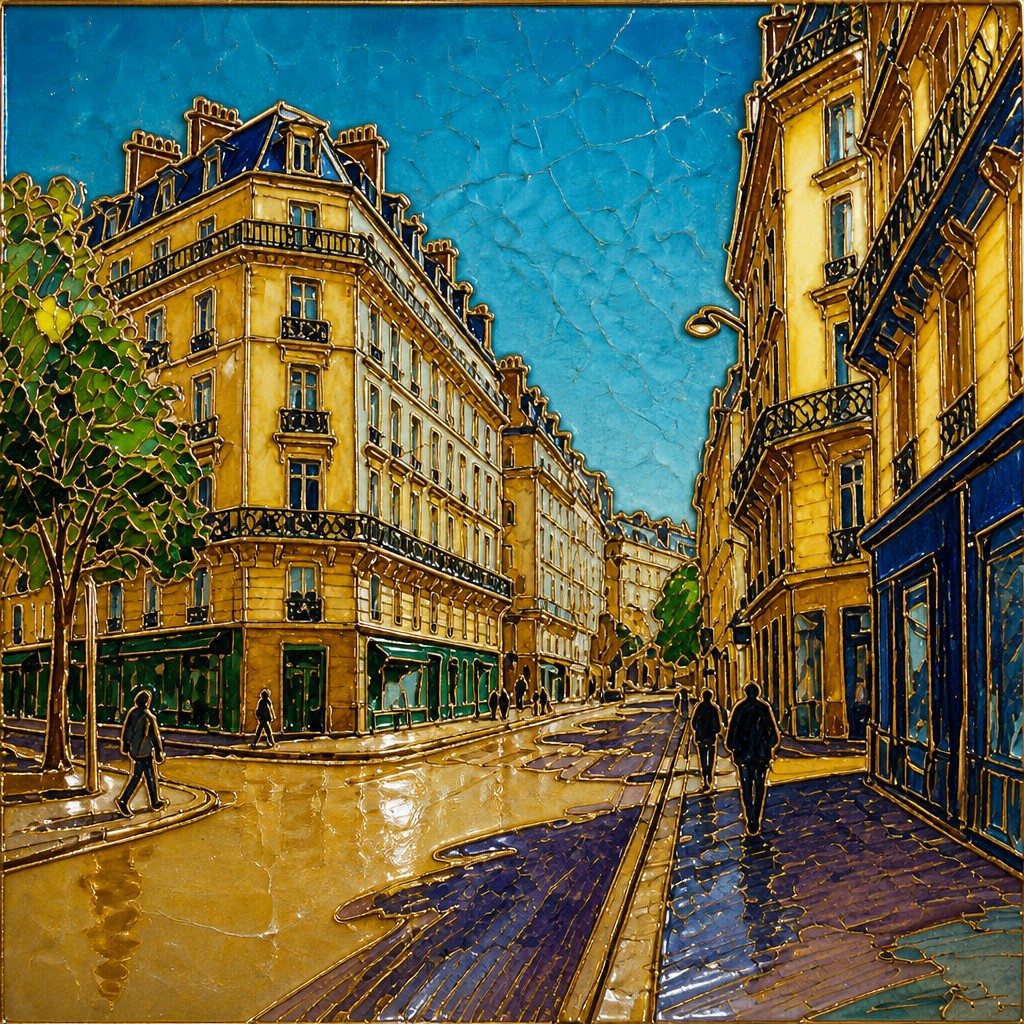
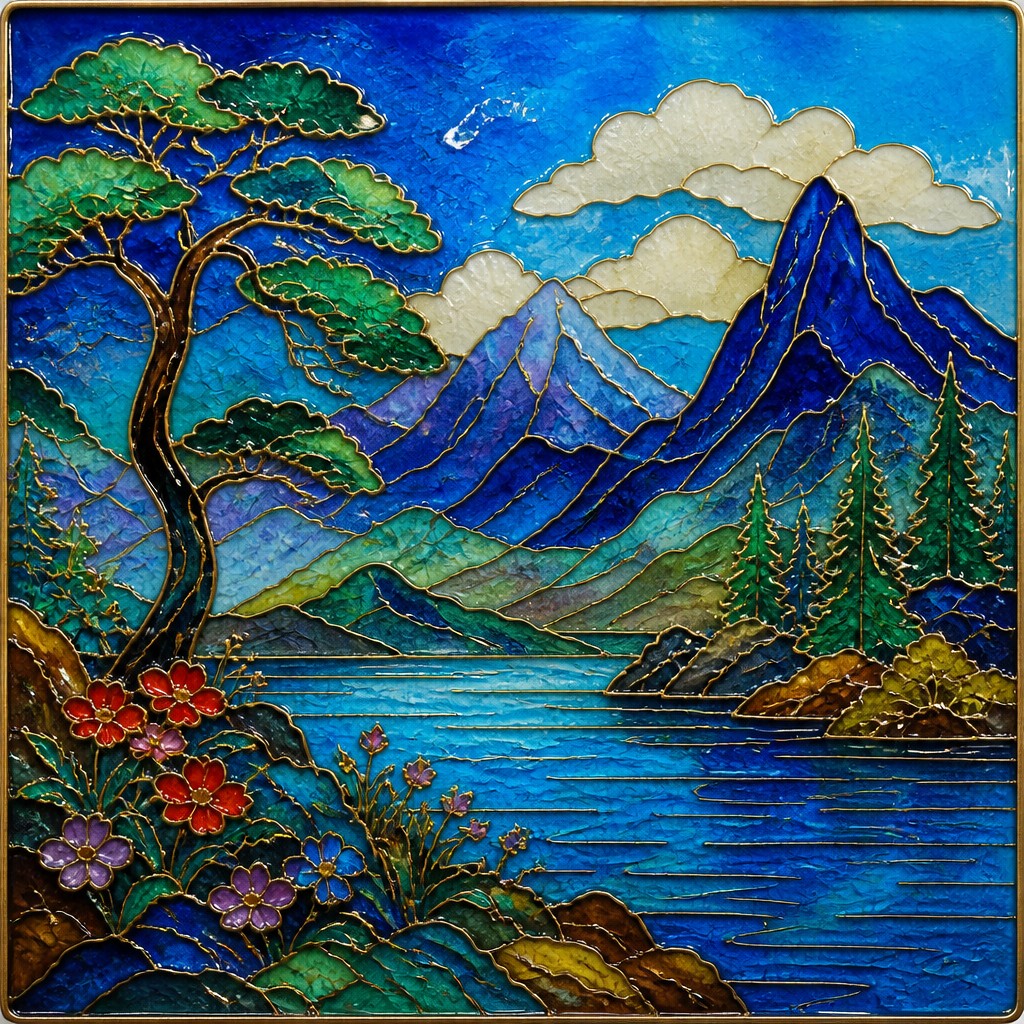
The palette favors saturated ruby, sapphire, emerald, turquoise, amethyst, cobalt, and warm gold or copper accents. Colors read as dense glass rather than absorbent pigment.
Cloisonné divisions
Thin dark, silver, or gold wire outlines separate adjacent color fields. These partitions create crisp compartments and give the composition a graphic, ornamental structure.
Glossy fired surface
Highlights glide across the coating as they would across polished glass. Reflections are concentrated and clean, with occasional soft glare along raised edges or curved vessels.
Metallic foundation
Copper, silver, gold, or darkened metal remains visible at borders, rims, settings, and ornamental details. The metal provides a structural contrast to the colored glass.
Kiln-fired irregularity
Subtle bubbles, pinholes, pooling, uneven thickness, and fine crackle suggest repeated firing and handcrafted material processes. These marks add physical credibility without making the surface appear damaged.
Decorative flattening
Forms are often simplified into bold silhouettes and contained patterns rather than modeled with soft painterly transitions. Even when the subject is realistic, the composition tends toward plaque-like clarity.
Enamel Prompt Ideas
Start from an idea — each one opens the generator with the style ready to go. See all 40 Enamel prompts →
How to Create Enamel Art
Master the craft step by step — or skip straight to creating. Read the full guide →
- 1
Build the metal structure
For physical work, begin with a clean copper, silver, or gold surface and plan the design as compartments, recessed areas, or painted enamel layers. Prepare the metal carefully because dust, grease, and oxidation can affect adhesion and firing.
- 2
Layer and fire the glass
Apply finely ground enamel in thin layers, allowing each coat to dry before firing it at the appropriate temperature. Multiple firings can deepen color and create a smooth surface, but excessive heat may blur boundaries or alter delicate hues.
- 3
Control line and color hierarchy
Use strong wire or metallic outlines to contain the brightest color fields, then reserve translucent enamel for depth, highlights, or atmospheric passages. Keep the palette limited enough for the metal divisions to remain visually legible.
- 4
Simulate material digitally
In digital painting or 3D rendering, combine hard-edged masks with glossy reflections, metallic rims, subtle glass transparency, and restrained crackle or kiln texture. Add small irregularities so the result resembles fired material rather than smooth plastic.
- 5
Write precise generation prompts
Specify the subject, metal base, cloisonné partitions, jewel-toned palette, fired-glass sheen, crackle texture, and studio lighting. For image-to-image work, preserve the source silhouette while asking for simplified color cells and a polished enamel surface.
The Story
History & Origins of Enamel
Enameling has ancient roots in the Mediterranean, the Middle East, and East Asia, where craftsmen fused colored glass to metal for ornaments, vessels, weapons, and ceremonial objects. Distinctive techniques developed across regions, including cloisonné, in which wire cells contain the enamel, and champlevé, in which recessed areas are cut into the metal before being filled. Byzantine workshops, medieval European centers such as Limoges, and long-standing Chinese and Japanese traditions each contributed important forms and methods.
The style described here is not a single historical movement but a synthesis of these material traditions. It draws especially on the geometric clarity of cloisonné, the painted imagery of overglaze and basse-taille enameling, the saturated ornament of Art Nouveau, and the polished presentation of modern studio jewelry and decorative objects. Digital interpretations exaggerate the glass sheen, color intensity, wire divisions, and kiln-fired imperfections that physical enamel produces.
Influences: Enamel art draws from ancient Mediterranean glasswork, Byzantine and medieval European metal arts, Chinese and Japanese cloisonné, champlevé and basse-taille techniques, Islamic geometric ornament, Art Nouveau linework, and modern studio jewelry. It also relates to stained glass, mosaic, illuminated manuscripts, decorative metalwork, and contemporary product rendering, particularly where luminous color is organized into outlined compartments.
Frequently Asked Questions
What defines the enamel art style?
It is defined by colored glass fused to or visually represented on a metal surface. The most recognizable cues are jewel-bright color, cloisonné-like outlines, glossy highlights, metallic borders, and subtle signs of firing such as crackle or tiny surface irregularities.
Is enamel art a historical movement or a material technique?
Enamel is primarily a material technique and a family of craft processes rather than one unified historical movement. The contemporary style label combines visual features from several regional and historical enameling traditions.
How does enamel art differ from stained glass?
Stained glass uses separate pieces of glass joined by lead, copper foil, or similar frameworks, while enamel is a glass coating fused onto a metal object. Both can use strong color divisions and translucency, but enamel usually has a more compact, polished, jewelry-like surface.
What is the difference between cloisonné and enamel art?
Cloisonné is one specific enameling method that uses wires or raised partitions to contain the glass. Enamel art is broader and may also include champlevé, painted enamel, translucent basse-taille, or imagery without visible compartments.
Can enamel art be made without a kiln?
True vitreous enamel requires firing so the glass bonds to the metal. Cold enamel, resin-based products, glass paint, and digital techniques can imitate the appearance, but they do not produce the same fired-glass material or durability.
Where is enamel art commonly used?
It appears in jewelry, decorative plaques, vessels, icons, small boxes, medals, architectural details, and collectible objects. Its resistance to color fading and its polished surface also make it suitable for durable ornamental work.
Create your first Enamel artwork
Describe anything — or upload a photo — and see it in Enamel Art Style in seconds.
Related Styles
Discover similar art styles