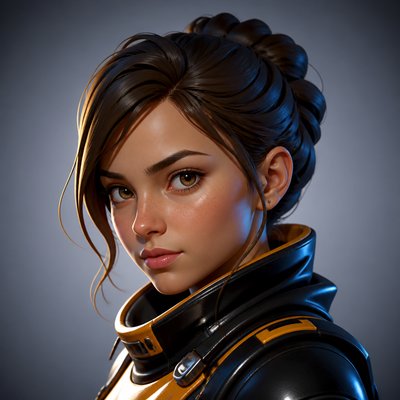
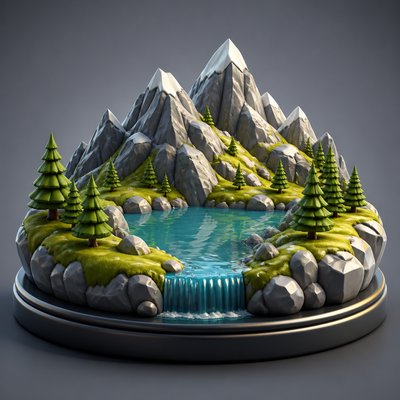
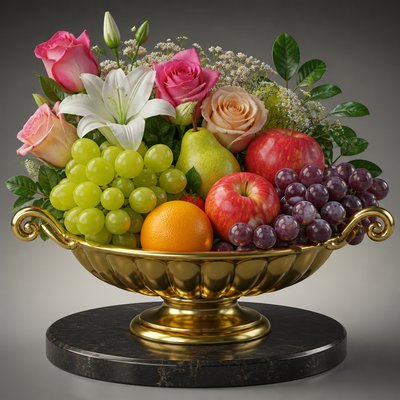
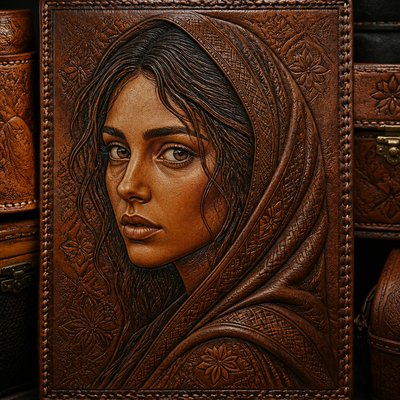
Chiaroscuro Art Style
Explore chiaroscuro art: dramatic single-source lighting, deep shadow, and luminous highlights that carve powerful form and atmosphere.
Instantly rendered in Chiaroscuro — or transform a photo
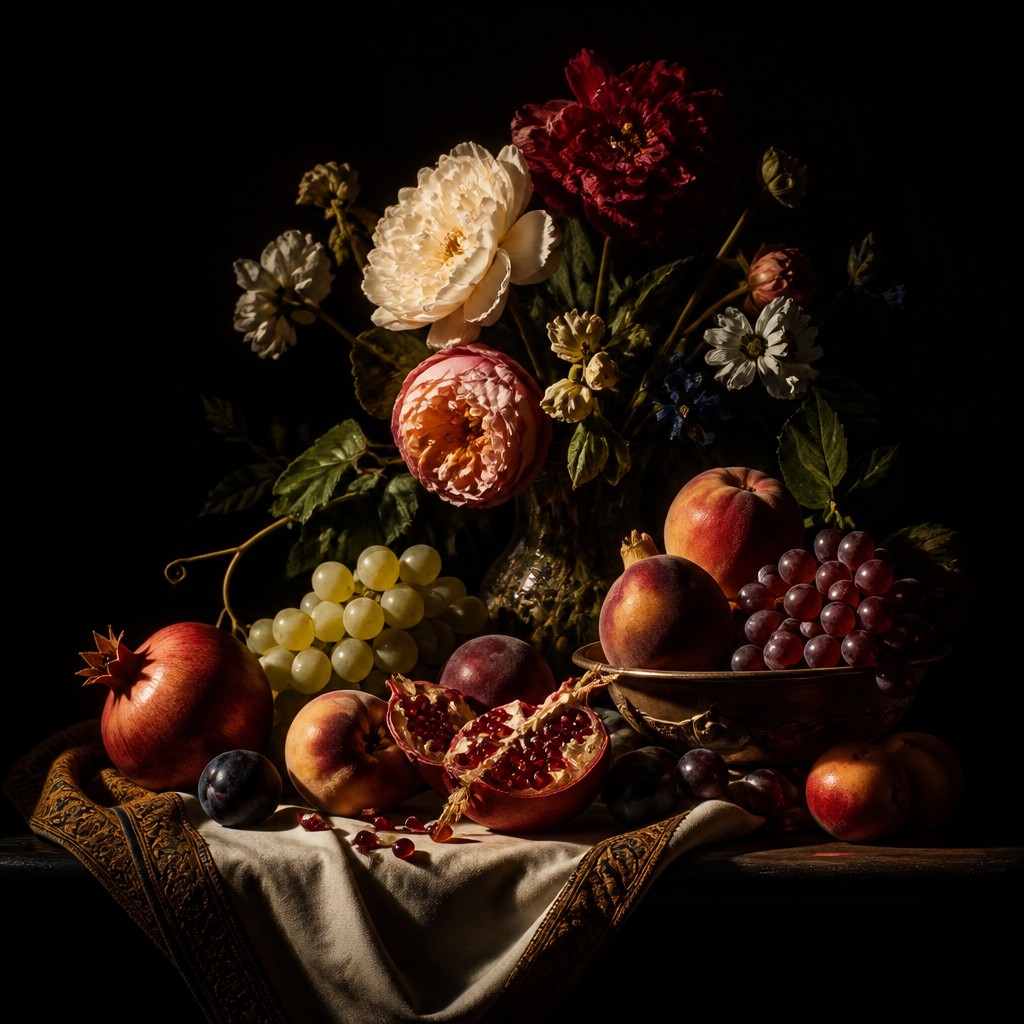
Chiaroscuro Gallery
Tap any artwork to explore it
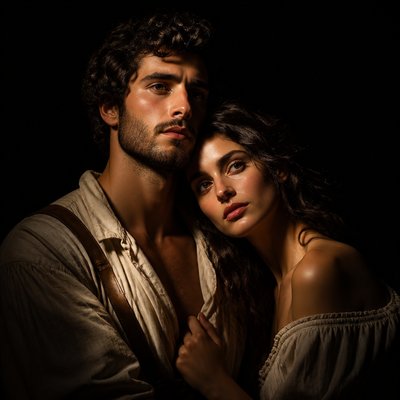
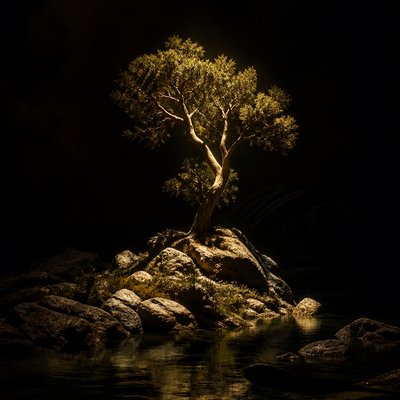
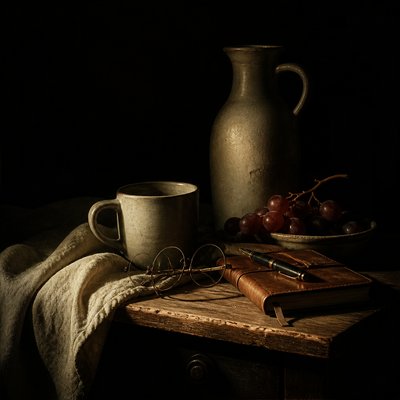
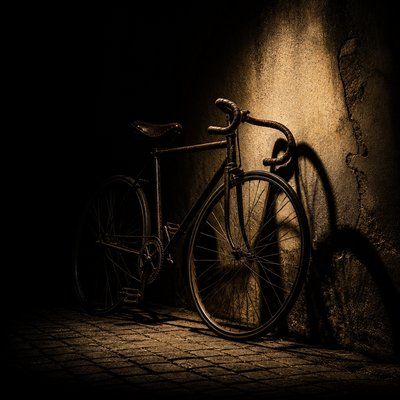
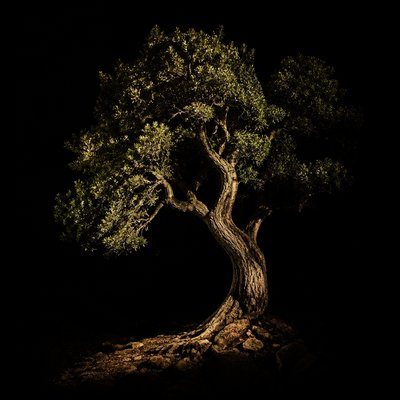
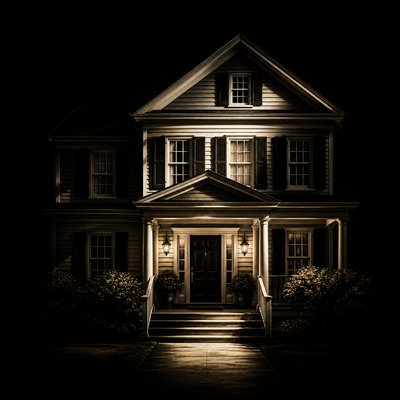
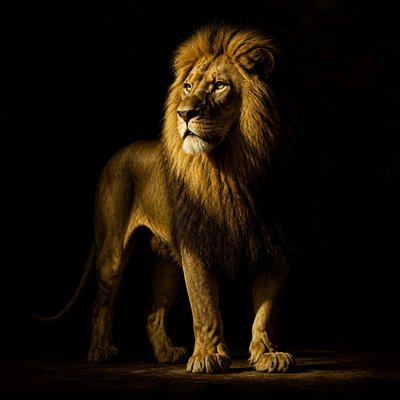
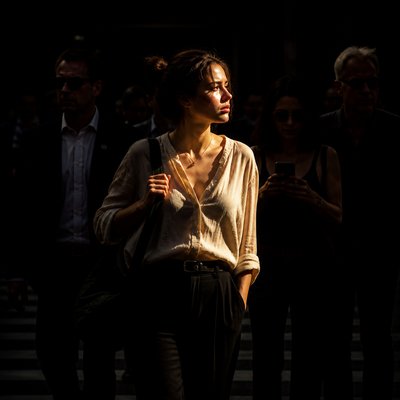
What is Chiaroscuro Art Style?
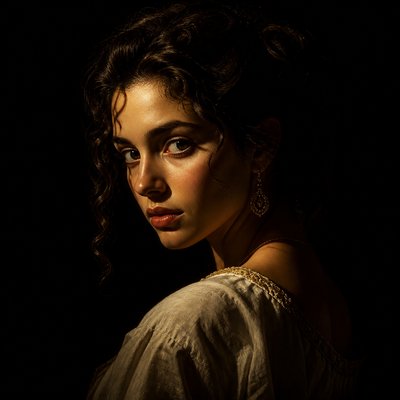
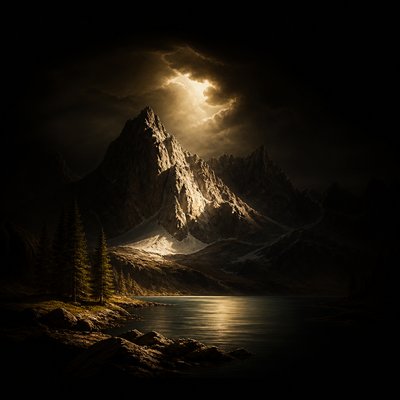
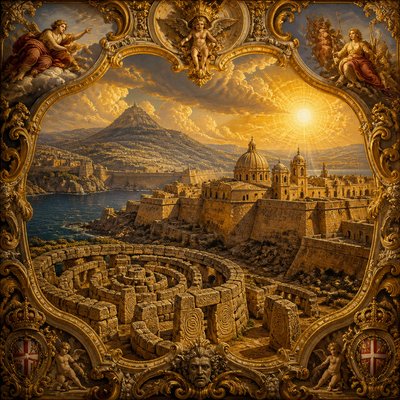
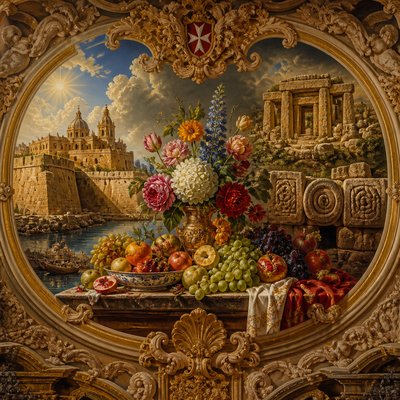
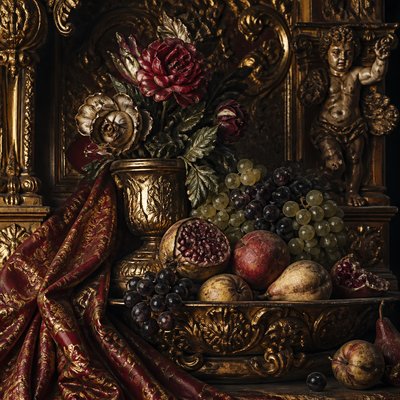
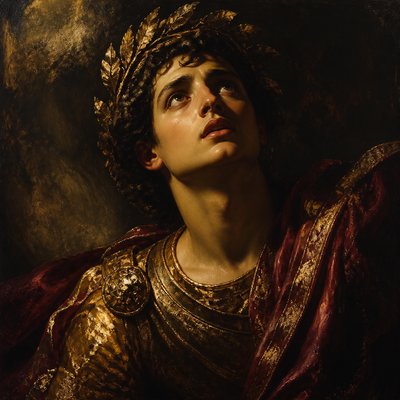
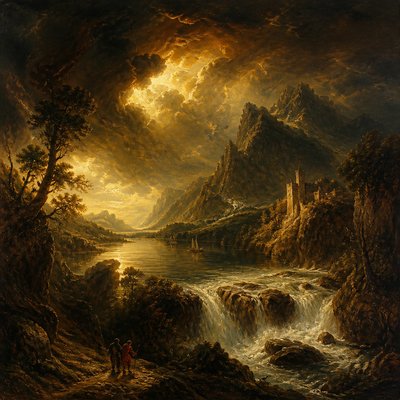
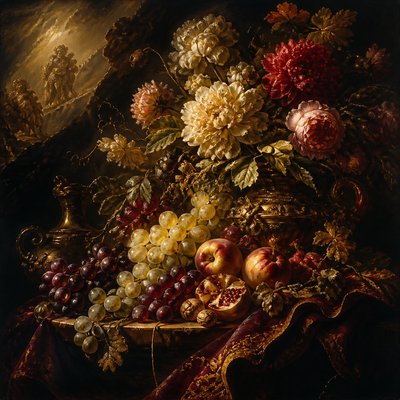
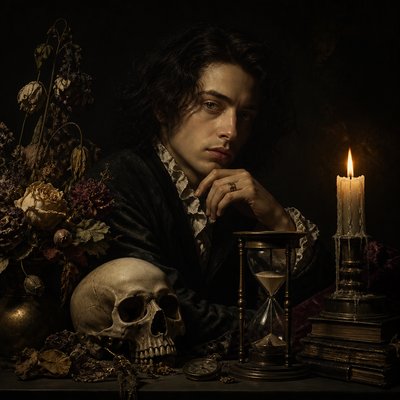
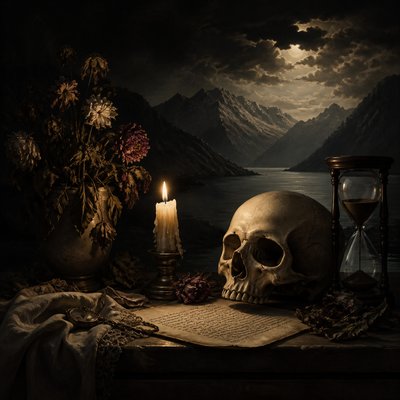
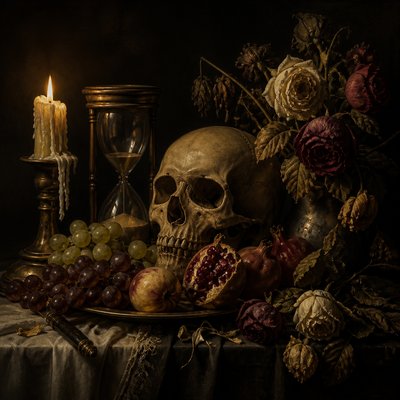
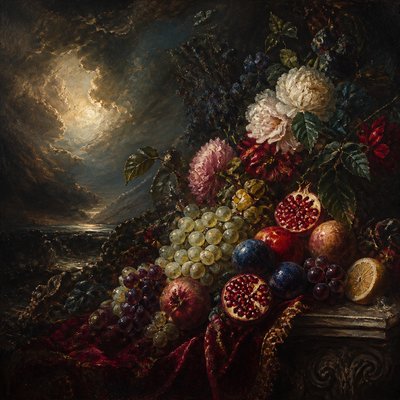
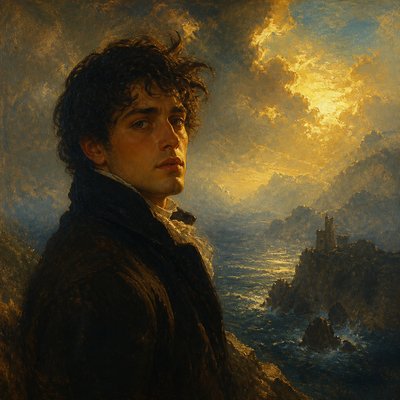
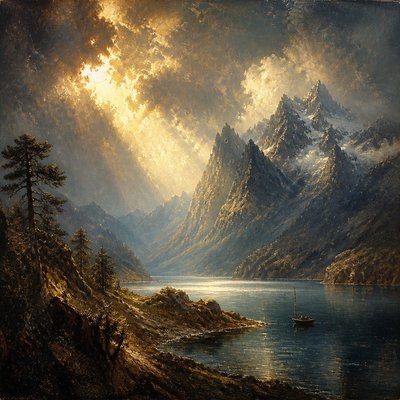
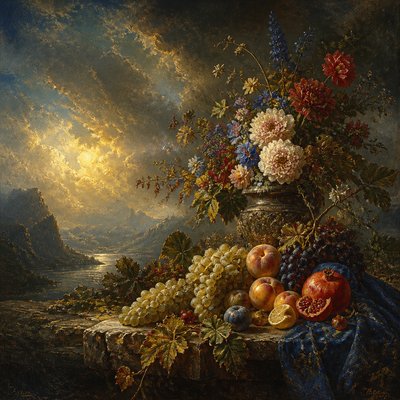
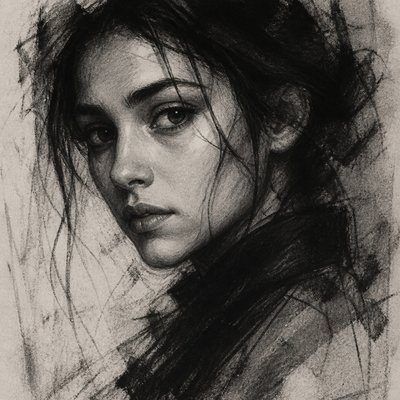
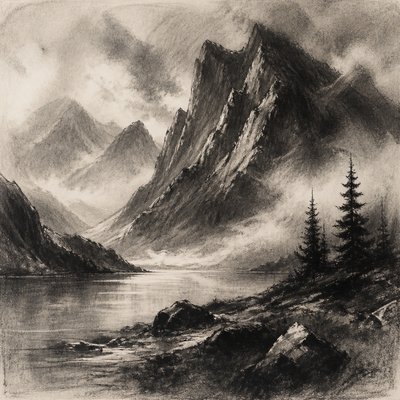
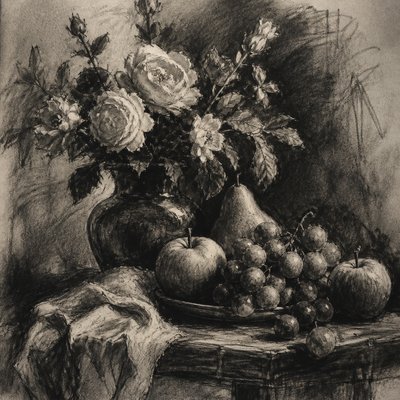
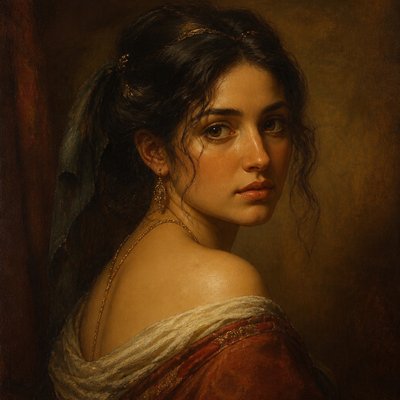
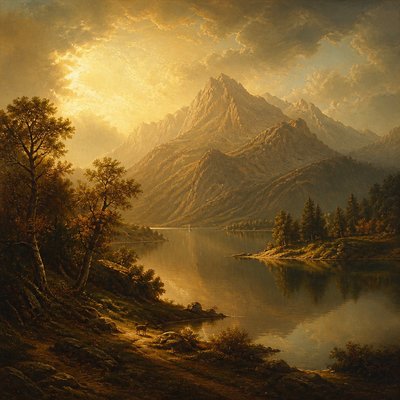
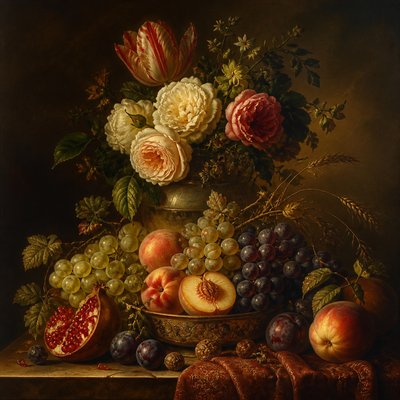
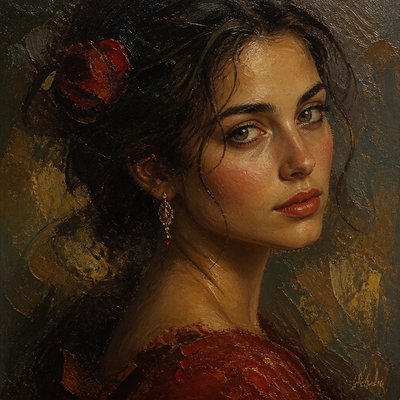
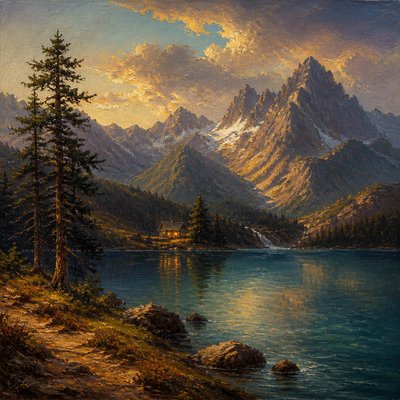
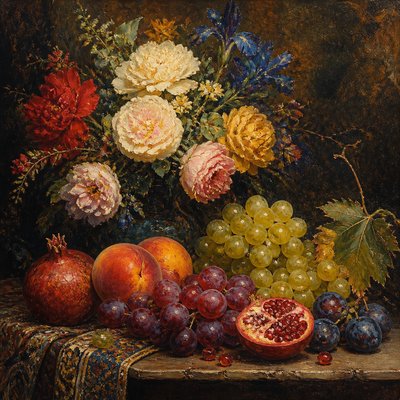
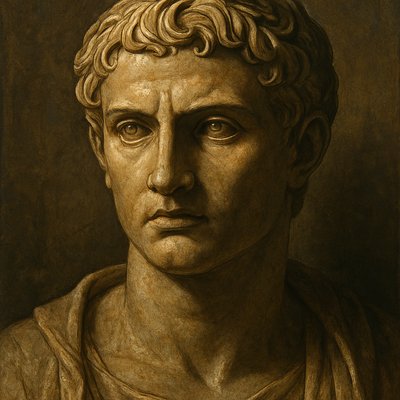
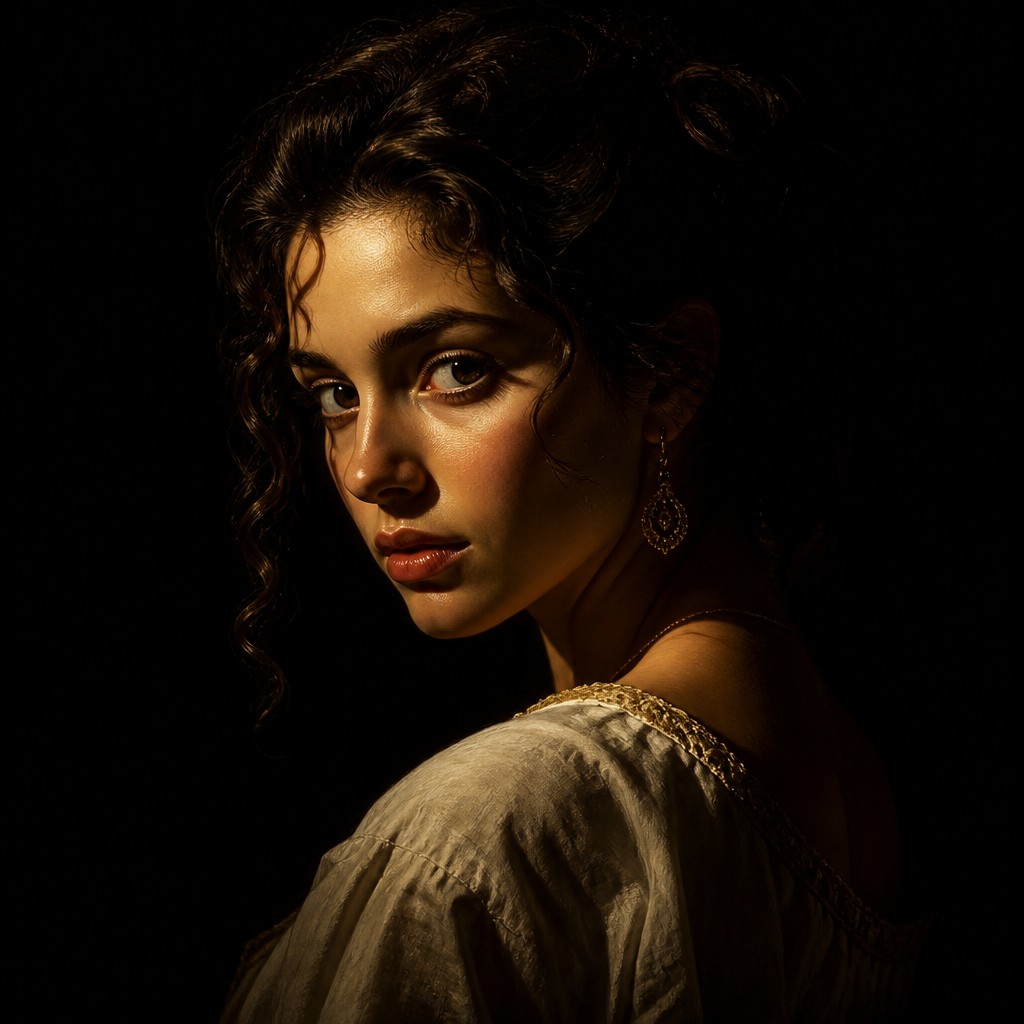
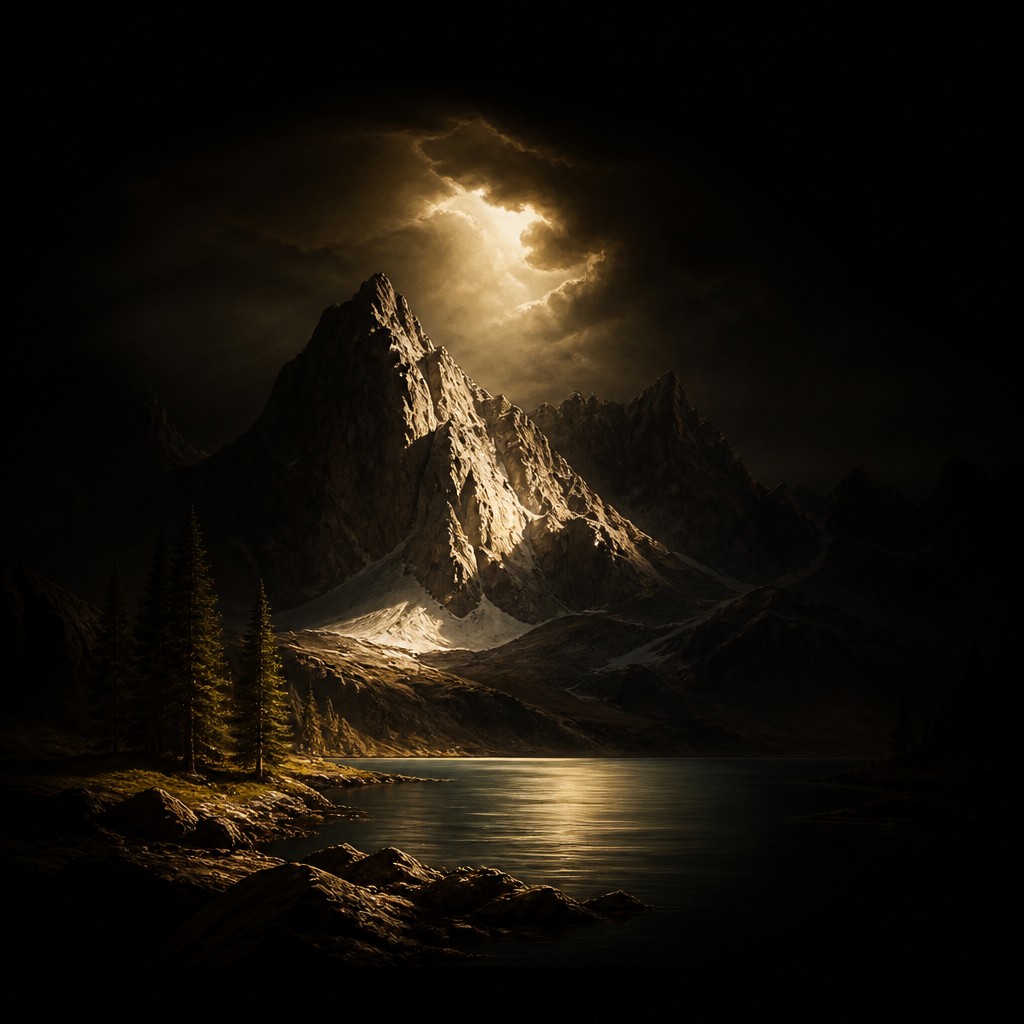
Chiaroscuro is an art style and lighting method defined by the forceful contrast between illumination and darkness. A concentrated light source reveals selected areas of a subject while surrounding shadows recede into deep, often nearly black space. The result is a composition in which light appears to carve volume, directing attention toward a luminous focal point.
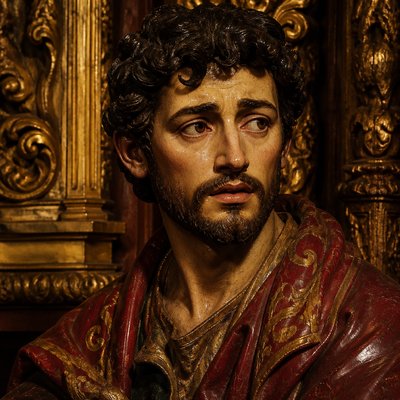
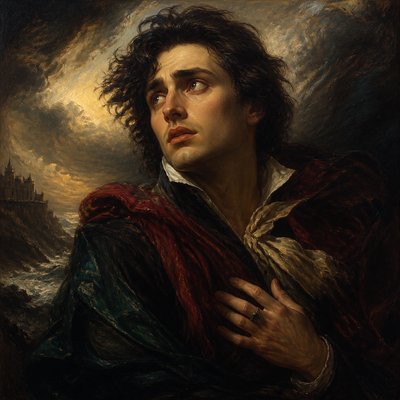
The style is valued for its psychological intensity as much as its modeling of form. Faces, hands, fabric, and objects emerge through carefully controlled highlights, while concealed areas create mystery, solemnity, or theatrical tension. Although strongly associated with painting, chiaroscuro also informs drawing, printmaking, photography, cinema, stage lighting, and digital image-making.
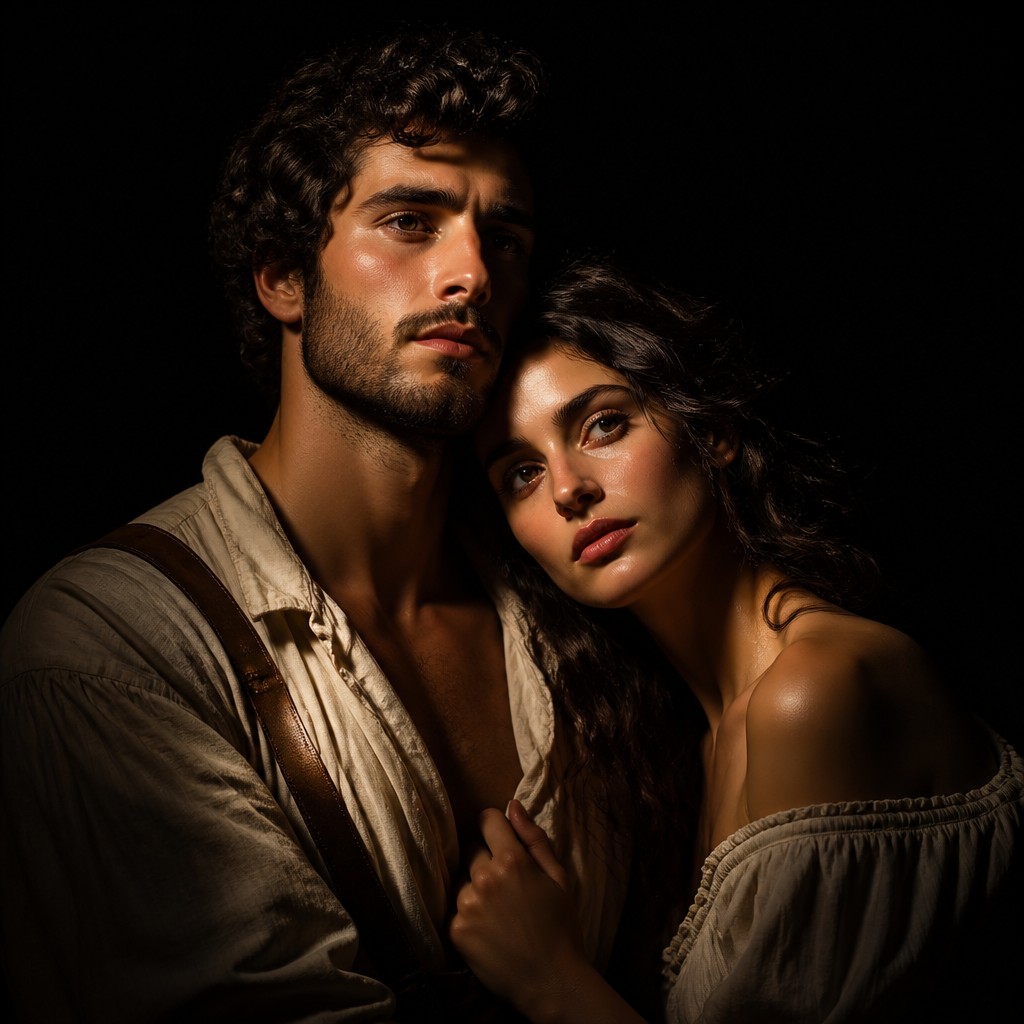
Try It On Your Photos
Upload any photo and convert it into Chiaroscuro Art Style — drag the sliders to compare before and after.
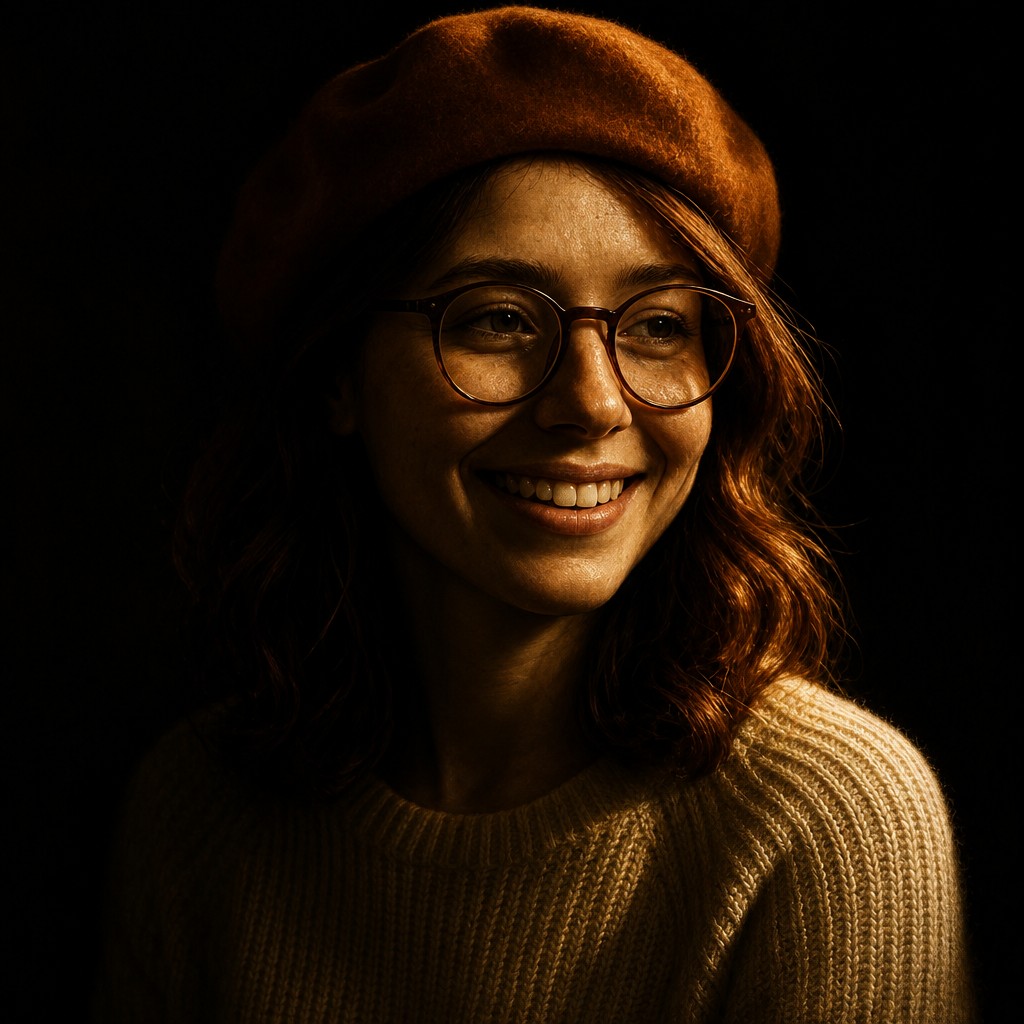

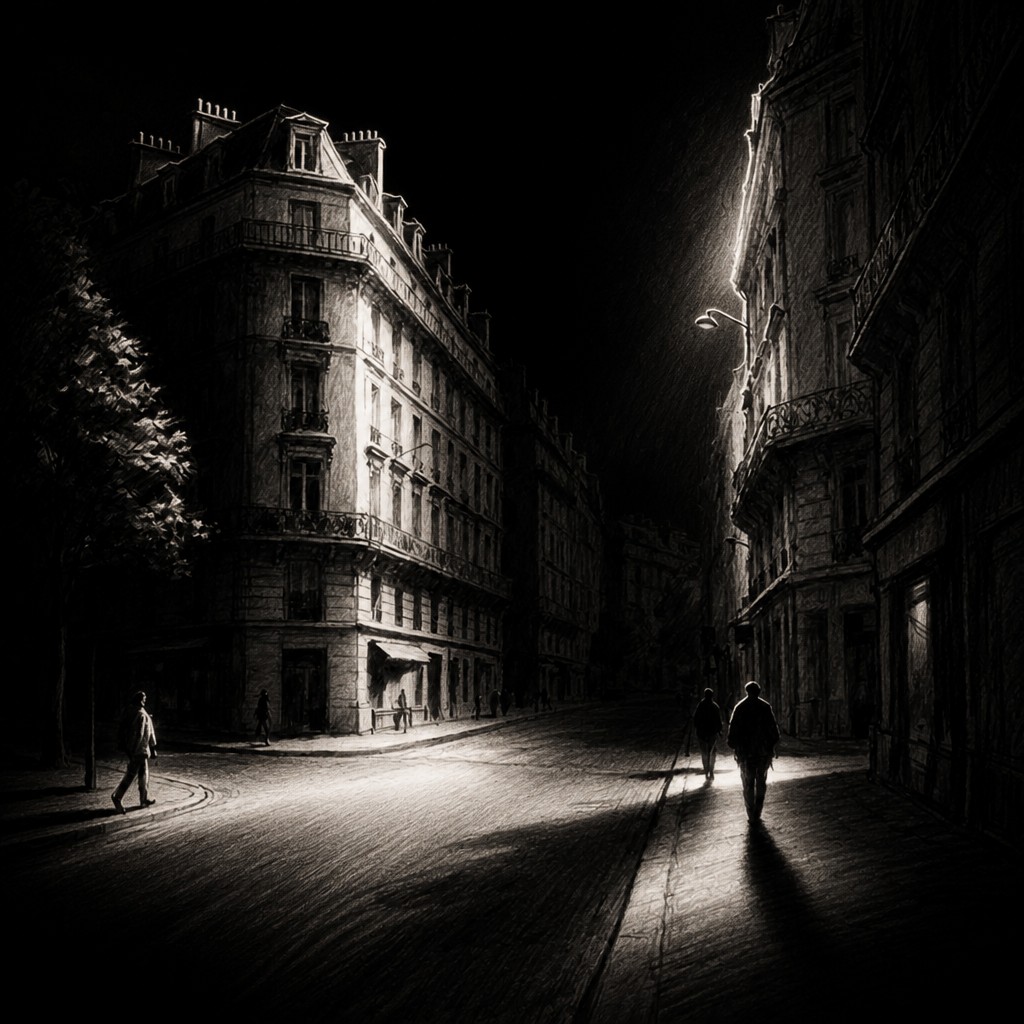

What Defines Chiaroscuro Art Style
The signature details, up close
Single directional light
A dominant light source enters from one side, above, or at an oblique angle. Its direction establishes the visual hierarchy and determines which planes of the subject become visible.
Deep enveloping shadow
Large areas of the image remain dark rather than being evenly filled with detail. These shadows may conceal the setting and create a concentrated, intimate atmosphere.
Strong tonal contrast
Bright highlights sit beside middle tones and very dark passages, producing a broad value range. The contrast gives the composition weight, clarity, and emotional force.
Sculptural modeling
Light describes the turning of faces, limbs, folds, and solid objects across curved surfaces. Form is communicated through value changes rather than through outlines alone.
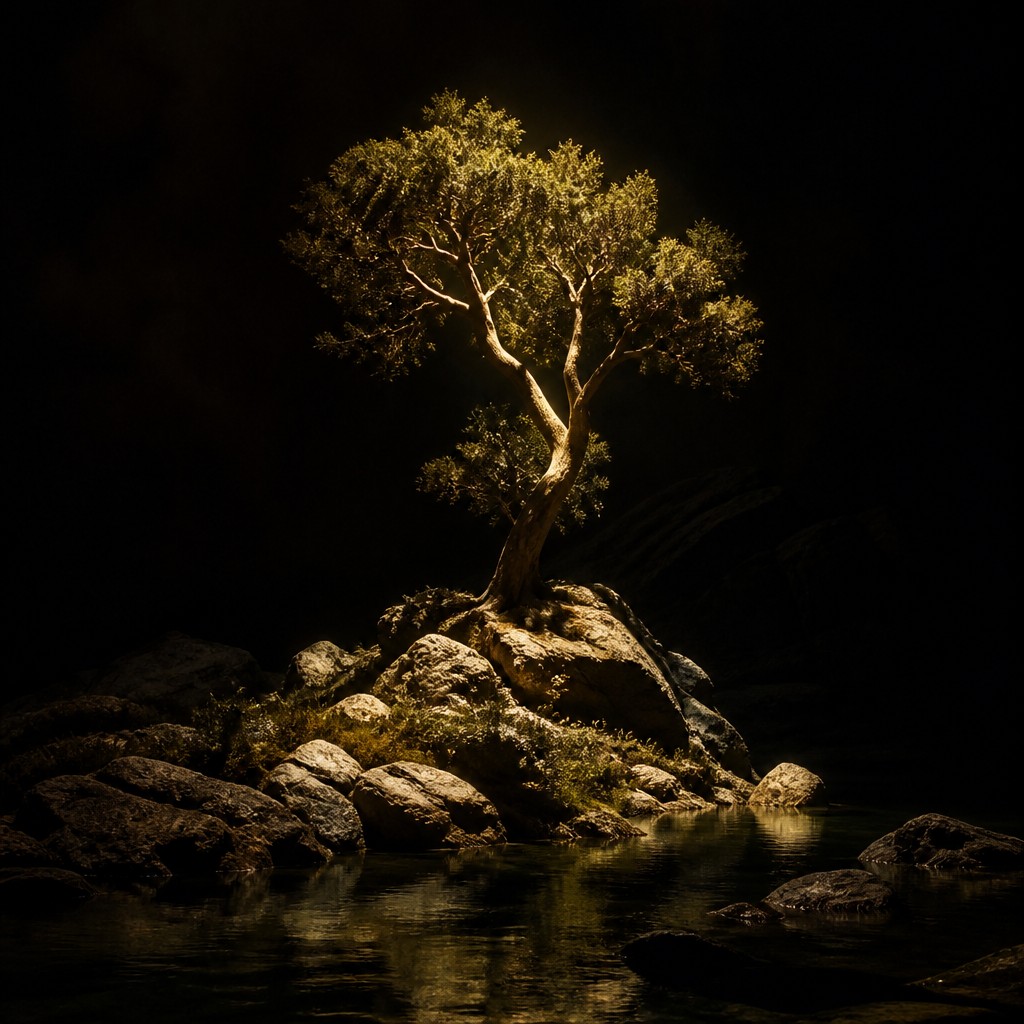
Luminous focal point
The brightest region usually contains the narrative or emotional center of the image. Highlight placement guides the viewer through an otherwise restricted field of information.
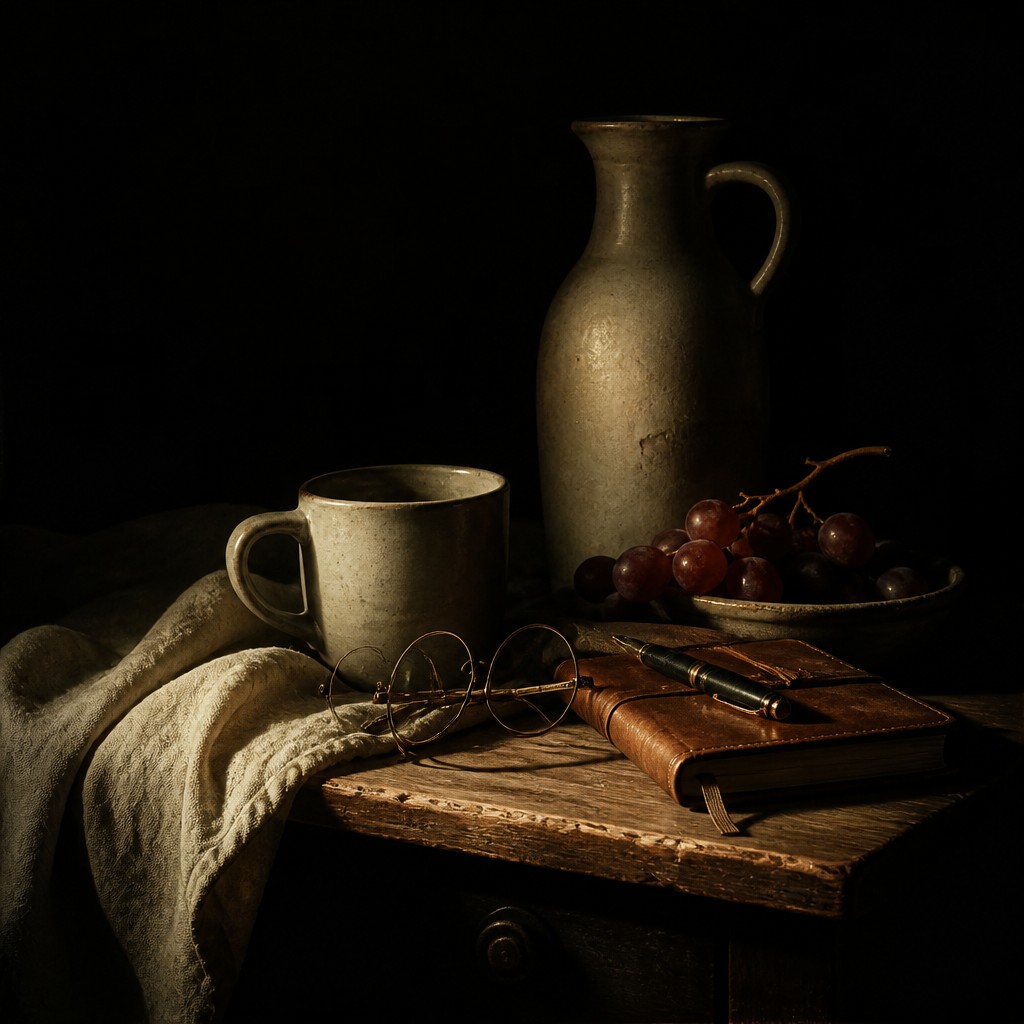
Theatrical composition
Subjects are often arranged like actors on a dark stage, with gestures and partial illumination carrying the story. Cropped figures, close framing, and visual suspense are common.
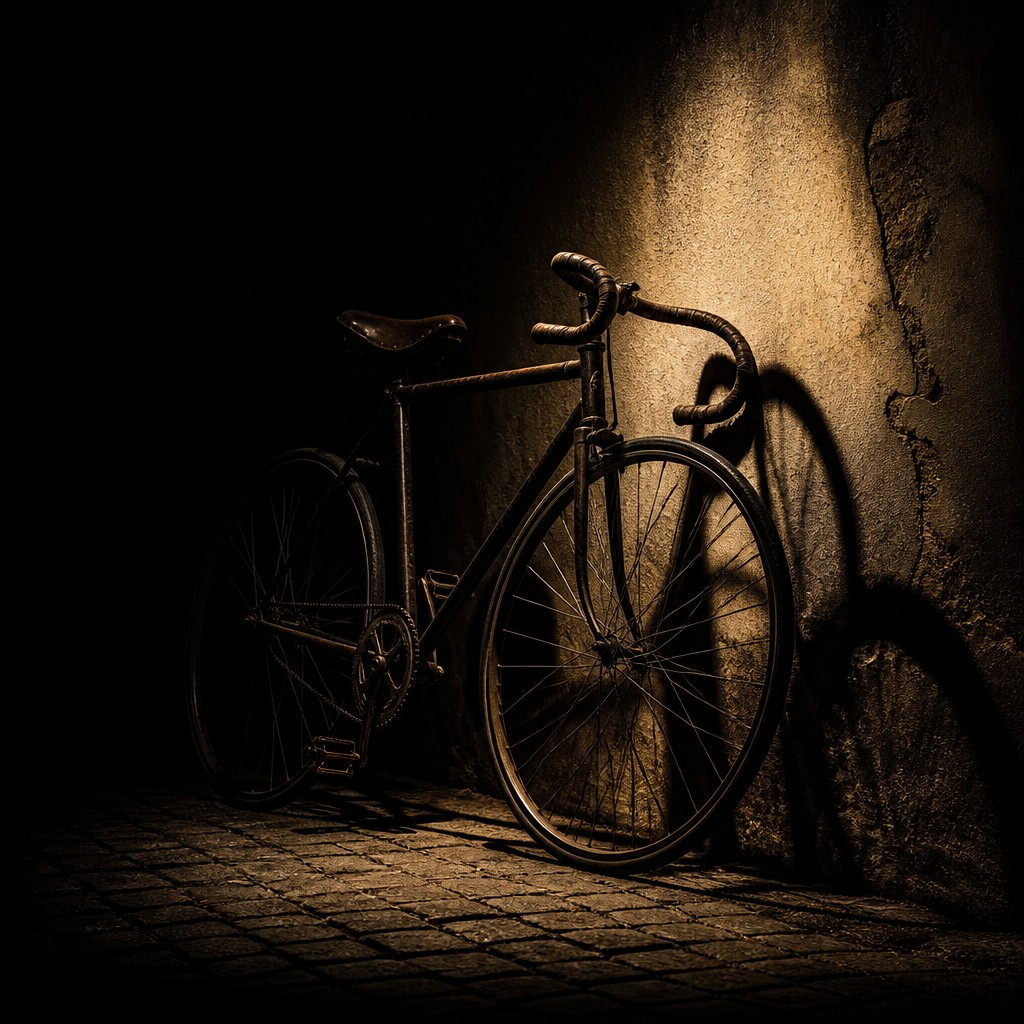
Restrained color
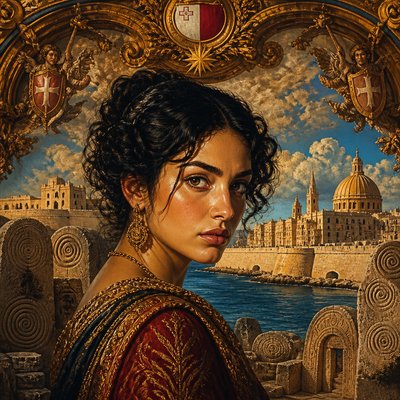
Color is typically subordinate to value, with earthy, muted, or warm-dark palettes supporting the light-dark structure. Saturated color may appear selectively in illuminated details.
Chiaroscuro Prompt Ideas
Start from an idea — each one opens the generator with the style ready to go. See all 40 Chiaroscuro prompts →
How to Create Chiaroscuro Art
Master the craft step by step — or skip straight to creating. Read the full guide →
- 1
Plan the value structure
Begin with a small grayscale study and decide where the brightest light, middle tones, and deepest darks will sit. Keep the major shadow masses simple so the image does not lose its dramatic focus.
- 2
Use one controllable light
For painting, drawing, or photography, place a lamp or window to one side of the subject and use minimal fill light. Adjust the height and angle until the planes of the form read clearly.
- 3
Build shadows gradually
Traditional painters can establish a dark ground and layer transparent glazes or opaque passages over it; draftspeople can use compressed charcoal, ink, or crosshatching. Preserve a few clean highlights rather than lightening every shadow.
- 4
Control the background
Use a plain, dark, or minimally described setting so competing details do not weaken the focal point. Allow selected edges to disappear into shadow, while reserving sharper contours for important forms.
- 5
Refine digitally
In digital software, separate the subject, light, and shadow into value-controlled layers, then use masks and curves to protect the highlight area. Avoid simply increasing contrast globally, which can flatten subtle modeling.
- 6
Write focused generation prompts
Specify the subject, camera or viewing angle, single light direction, deep background shadow, restrained palette, and desired mood. For image transformation, describe how existing forms should retain their identity while their lighting and tonal structure are redesigned.
The Story
History & Origins of Chiaroscuro
The term derives from the Italian words for light and dark and became established in Renaissance art, particularly during the fifteenth and sixteenth centuries. Painters used gradual tonal modeling to make figures appear three-dimensional, often building transitions between illuminated and shaded passages with layers of transparent and opaque paint. Chiaroscuro also became important in woodcuts and other printmaking processes that depended on carefully organized light-dark patterns.
During the seventeenth century, the method developed into more theatrical forms associated with Baroque art. Strong directional illumination, compressed compositions, and large areas of unbroken shadow heightened drama and emotional engagement. Later academic painting, Romanticism, film noir, portrait photography, and contemporary digital art continued to adapt the vocabulary, sometimes using near-black backgrounds and abrupt contrasts more aggressively than Renaissance modeling.
Influences: Chiaroscuro is closely related to Renaissance tonal modeling, Baroque theatrical composition, and the more extreme dark-ground approach known as tenebrism. It also connects with monochromatic drawing, woodcut and engraving traditions, Dutch Golden Age interior scenes, Romantic mood painting, film noir, studio portrait photography, and contemporary cinematic lighting. Across these traditions, the shared principle is that selective illumination can describe form, organize attention, and communicate emotion.
Frequently Asked Questions
What defines chiaroscuro art?
Chiaroscuro is defined by a deliberate relationship between light and dark, especially strong modeling of three-dimensional form through directional illumination. Deep shadows are not merely background absence; they are an active compositional element that controls mood and attention.
Is chiaroscuro a movement or a technique?
It is primarily a technique and visual principle rather than a single historical movement. The approach became especially influential in Renaissance and Baroque art, but it has since been used across painting, drawing, photography, film, and digital media.
How is chiaroscuro different from tenebrism?
The terms overlap, but chiaroscuro can include gradual modeling from light into shadow across a form. Tenebrism generally describes a more extreme treatment in which figures or objects emerge abruptly from very large areas of darkness.
Can chiaroscuro use color?
Yes. Chiaroscuro is organized primarily by value rather than by a requirement for black-and-white imagery. Warm browns, muted reds, ochres, cool blues, and selective saturated accents can all work if the light-dark structure remains clear.
How can beginners practice this style?
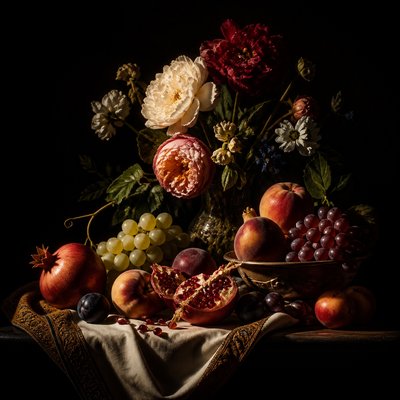
Start with a simple object, such as a sphere, folded cloth, or fruit, and illuminate it with one lamp against a dark background. Make a thumbnail study using only three to five values, then add smaller transitions and reflected light without weakening the main shadow.
Where is chiaroscuro used today?
It appears in portrait photography, editorial and fashion imagery, cinematography, theatrical staging, graphic novels, game art, concept art, and digital illustration. It is particularly useful wherever an artist wants a focused subject, strong atmosphere, or psychologically charged lighting.
Create your first Chiaroscuro artwork
Describe anything — or upload a photo — and see it in Chiaroscuro Art Style in seconds.
Related Styles
Discover similar art styles