Sri Lankan Art Style
Explore Sri Lankan art style: Sigiriya-inspired fresco maidens, lotus moonstones, dagobas, jungle color, and ancient island symbolism.
Instantly rendered in Sri Lankan — or transform a photo
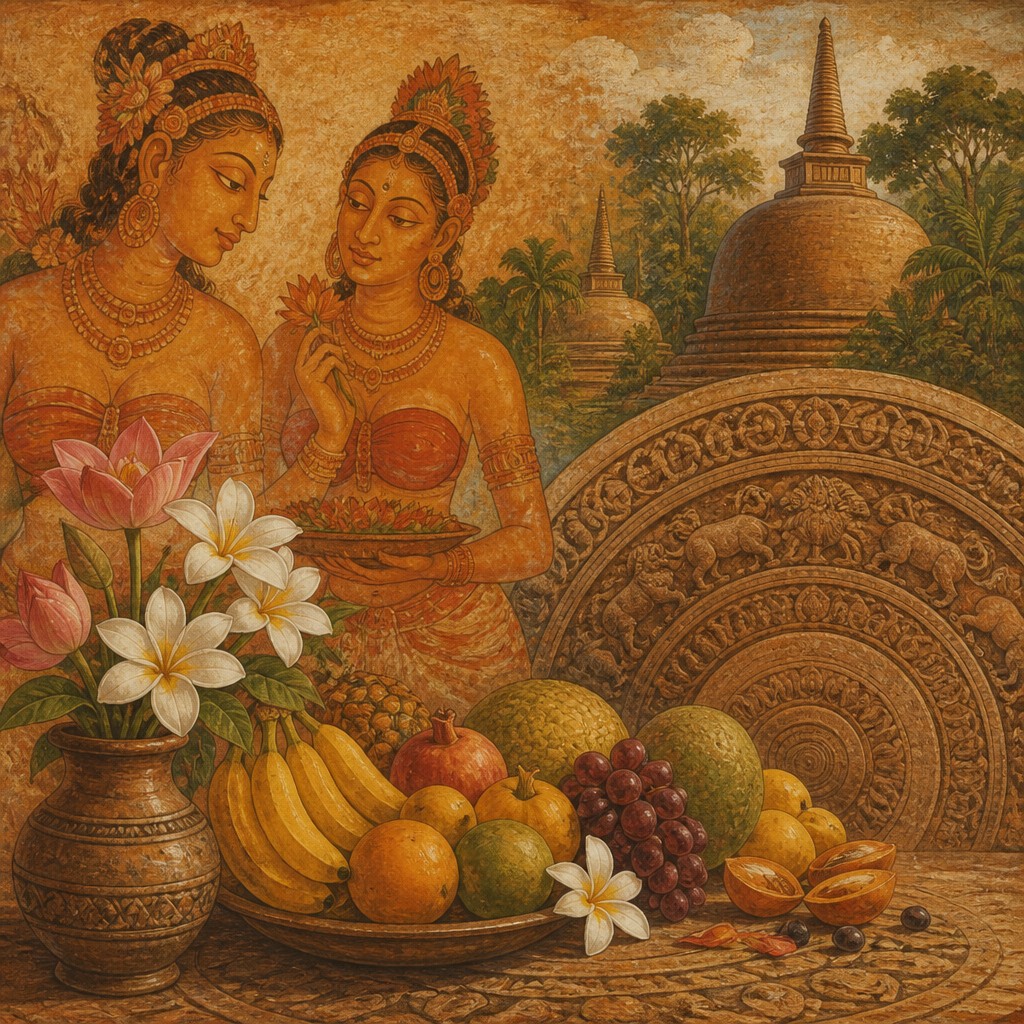
Sri Lankan Gallery
Tap any artwork to explore it
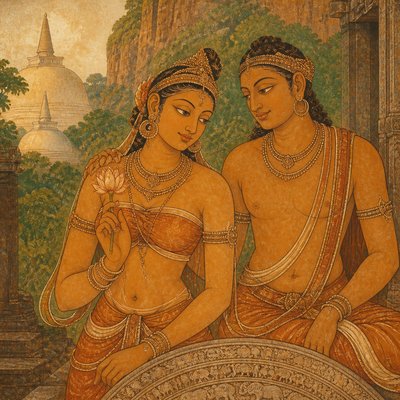
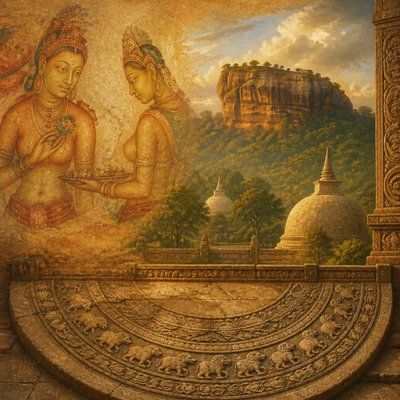
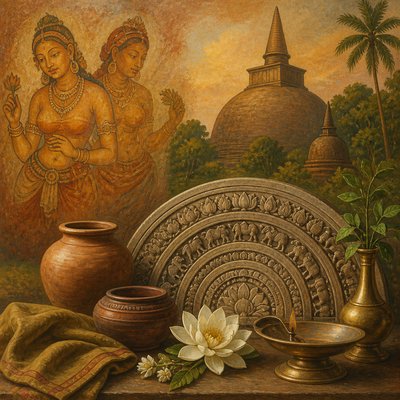
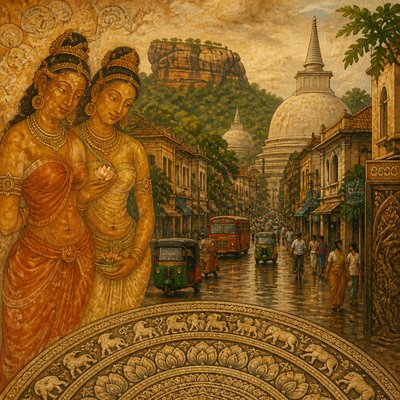
What is Sri Lankan Art Style?
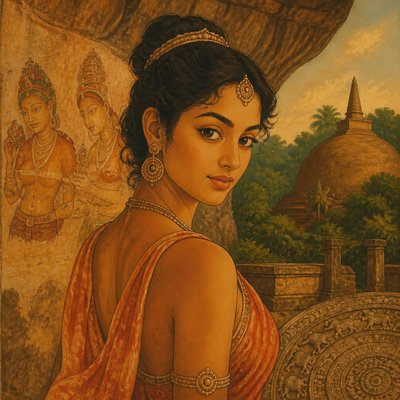
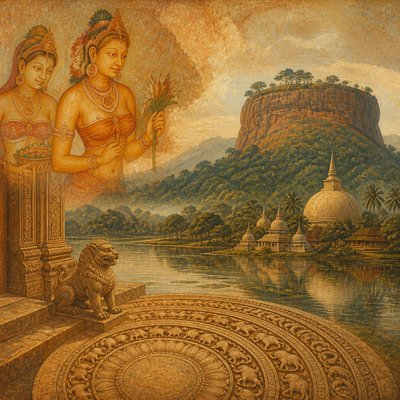
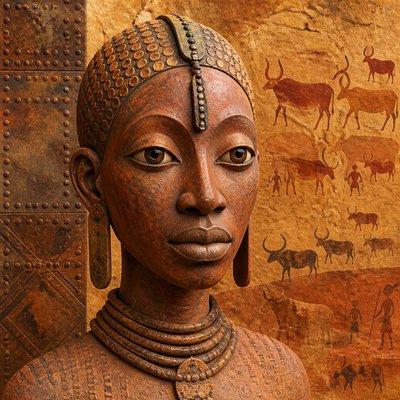
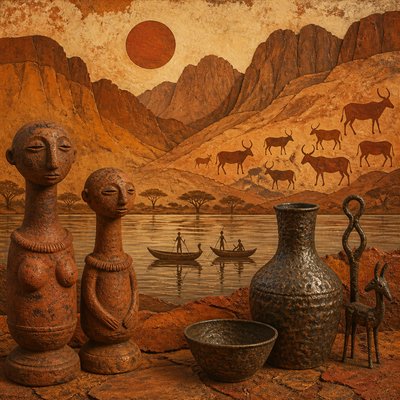
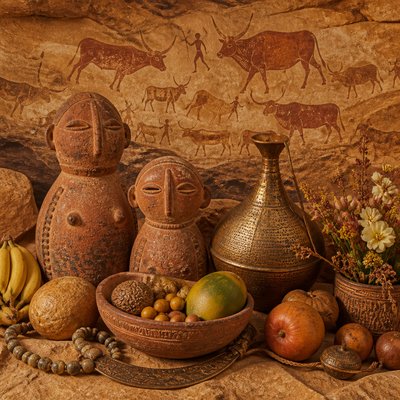
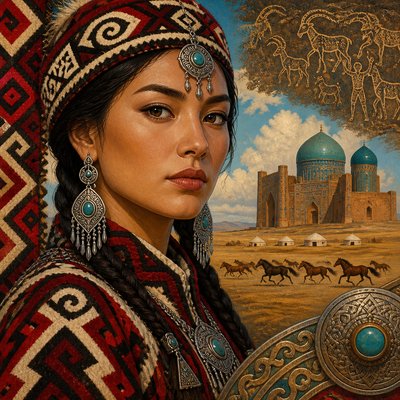
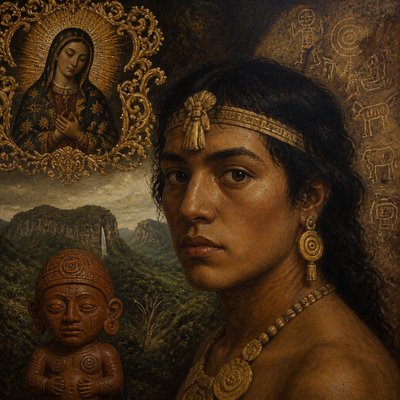
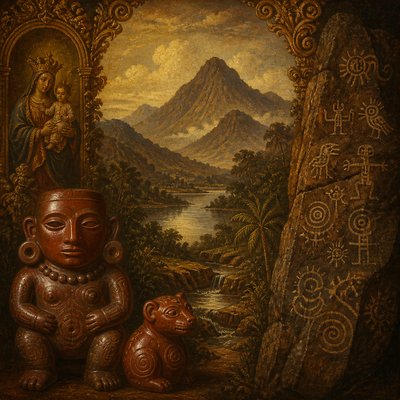
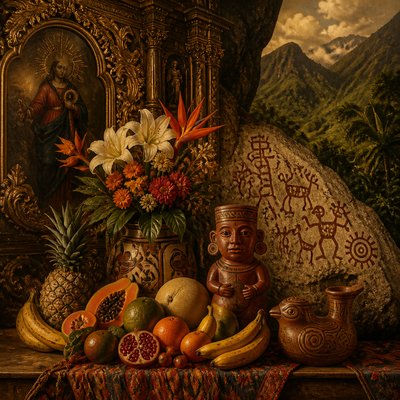
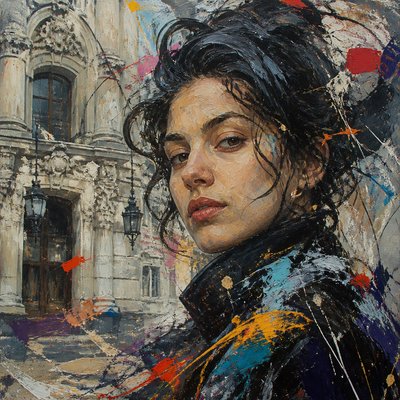
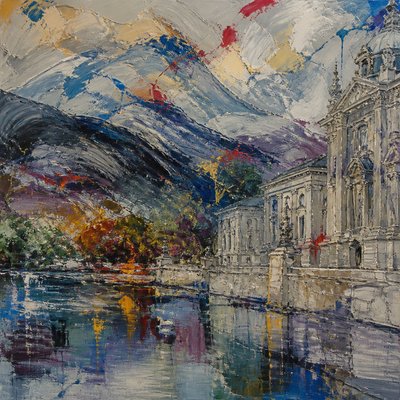
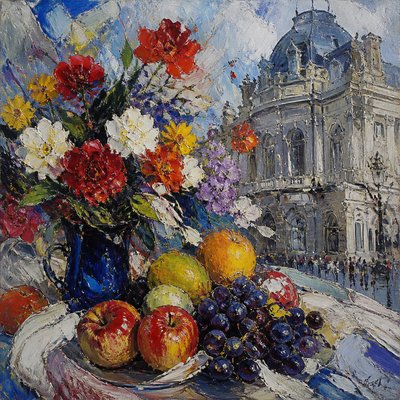
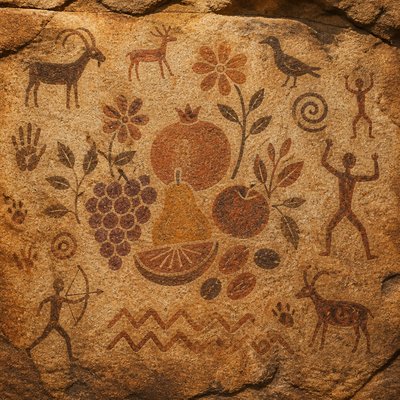
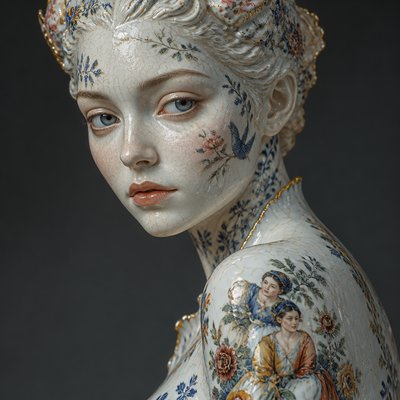
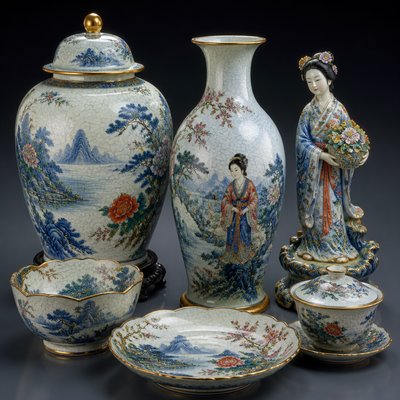
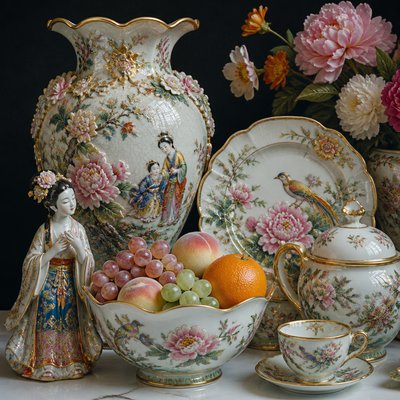
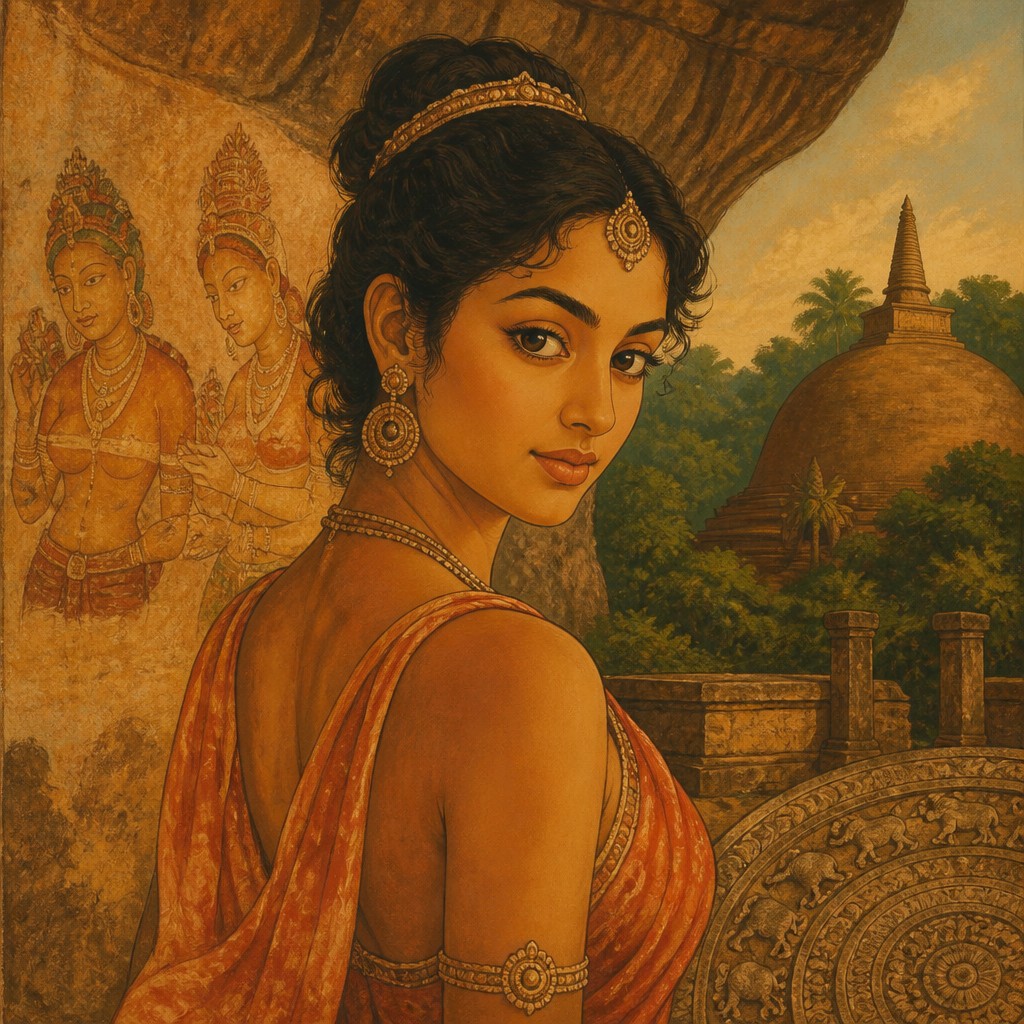
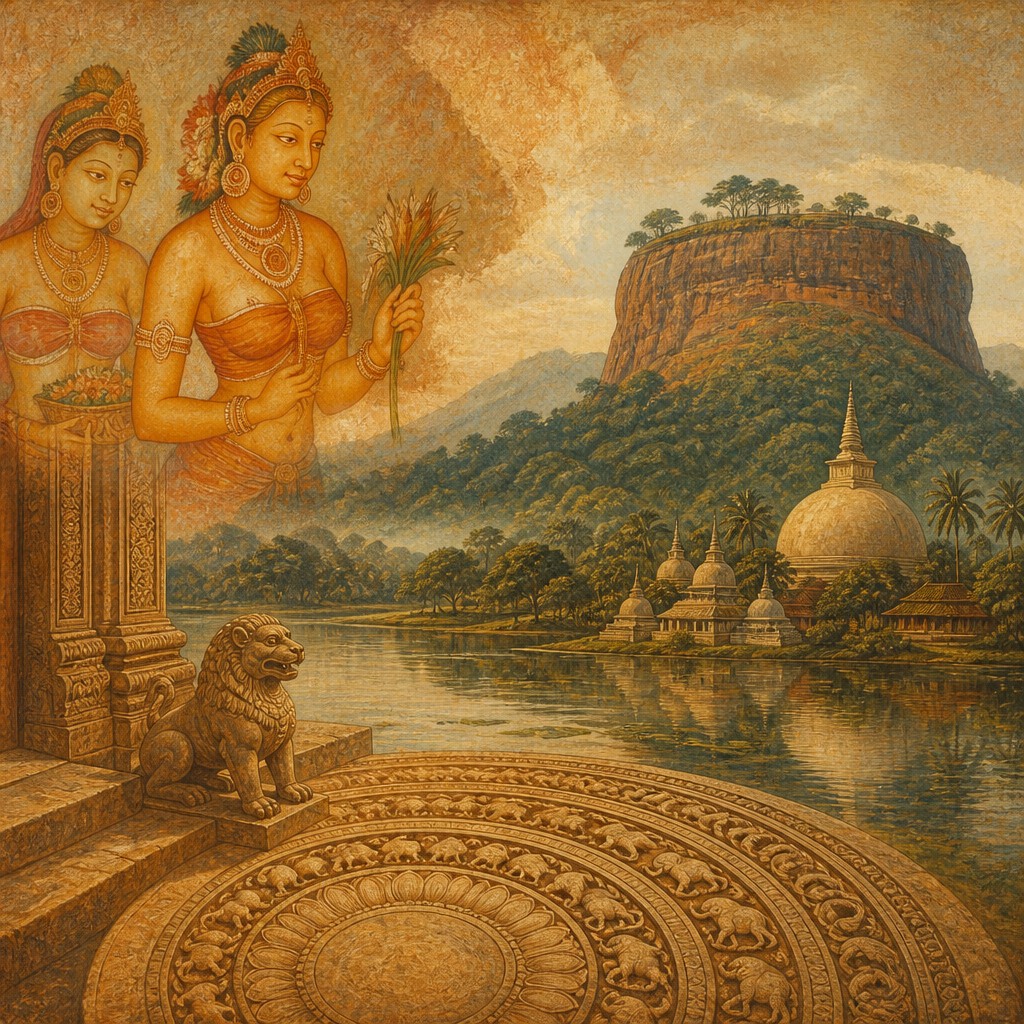
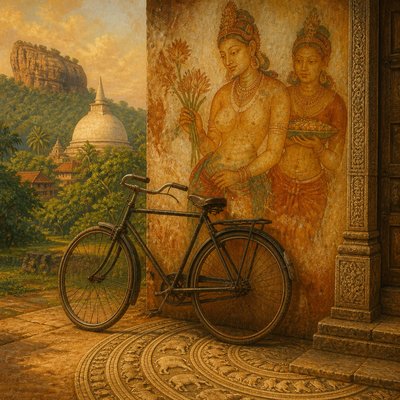
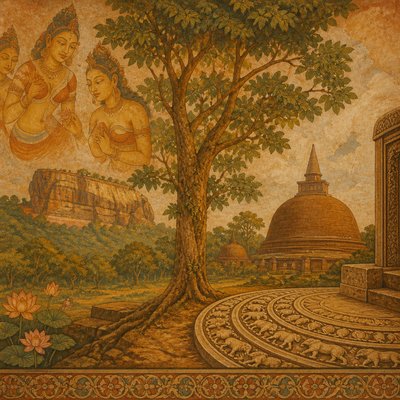
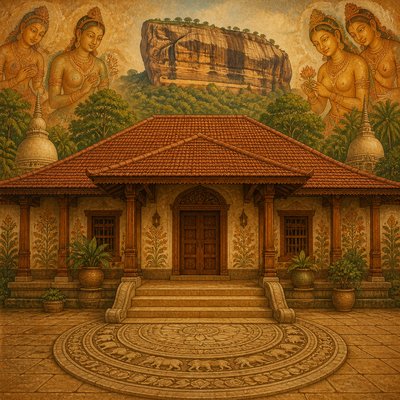
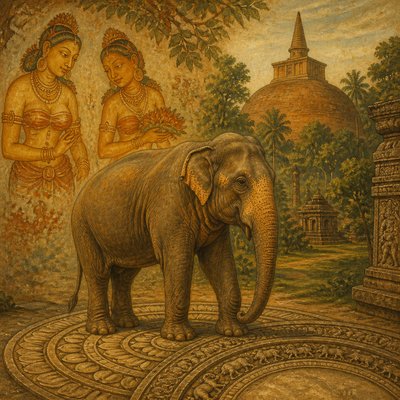
Sri Lankan Art Style is a contemporary descriptive label for imagery drawing on the island’s ancient Buddhist murals, architectural ornament, and ceremonial decorative arts. Its visual vocabulary combines the graceful, frontal or three-quarter figures associated with the Sigiriya cliff frescoes, the rounded silhouettes of dagoba stupas, dense tropical vegetation, and the concentric lotus and animal bands of carved moonstone thresholds.
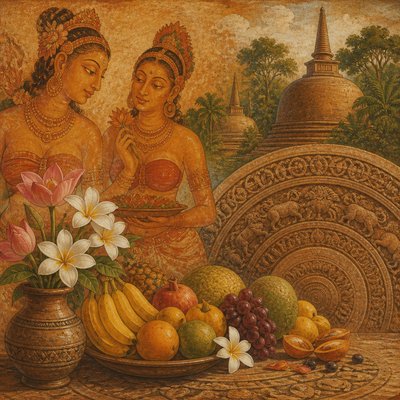
The style is defined by warm ochres, terracotta, mineral reds, muted greens, cream, and weathered stone tones. Figures tend to appear serene and stylized rather than anatomically dramatic, while ornament, repeated borders, and symbolic natural forms create a rhythm resembling painted and carved surfaces. Soft monsoon light, aged pigment, and a sense of sacred landscape help unify the imagery.
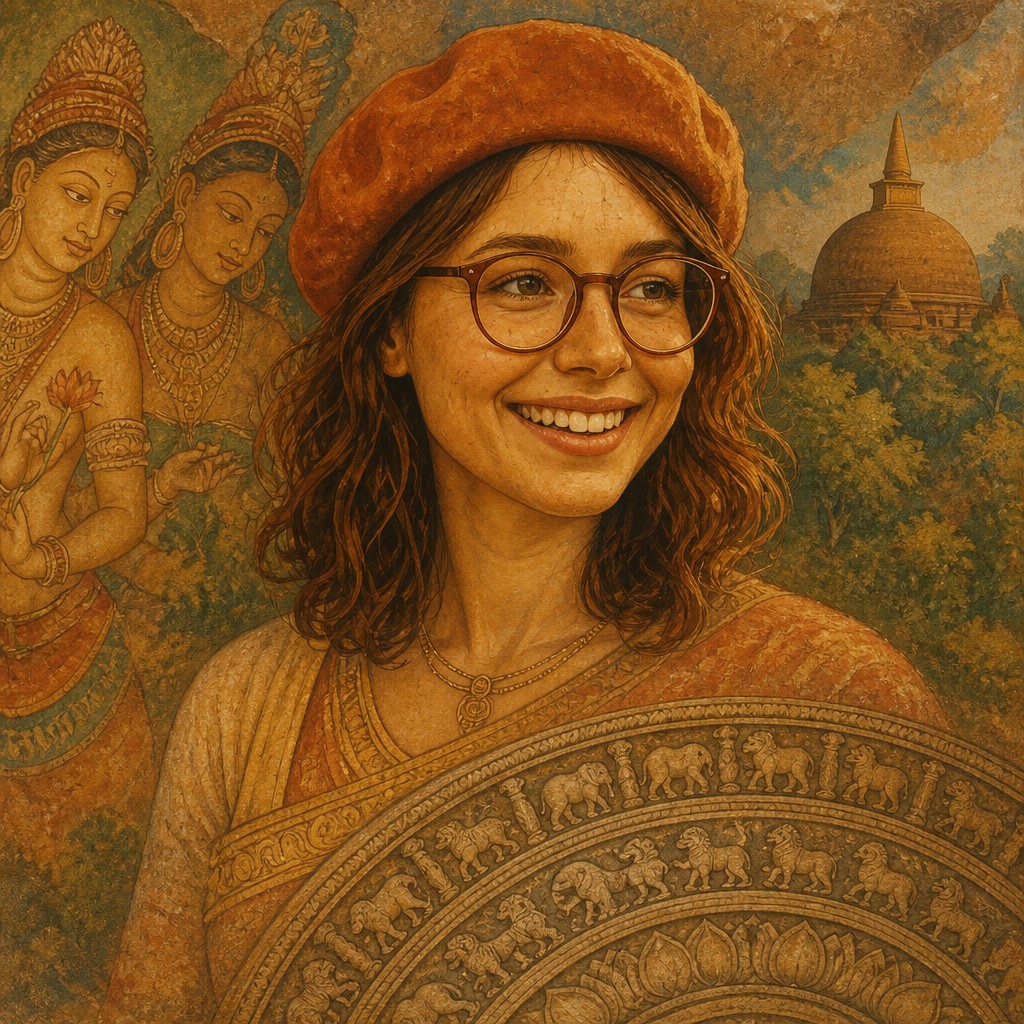
Try It On Your Photos
Upload any photo and convert it into Sri Lankan Art Style — drag the sliders to compare before and after.

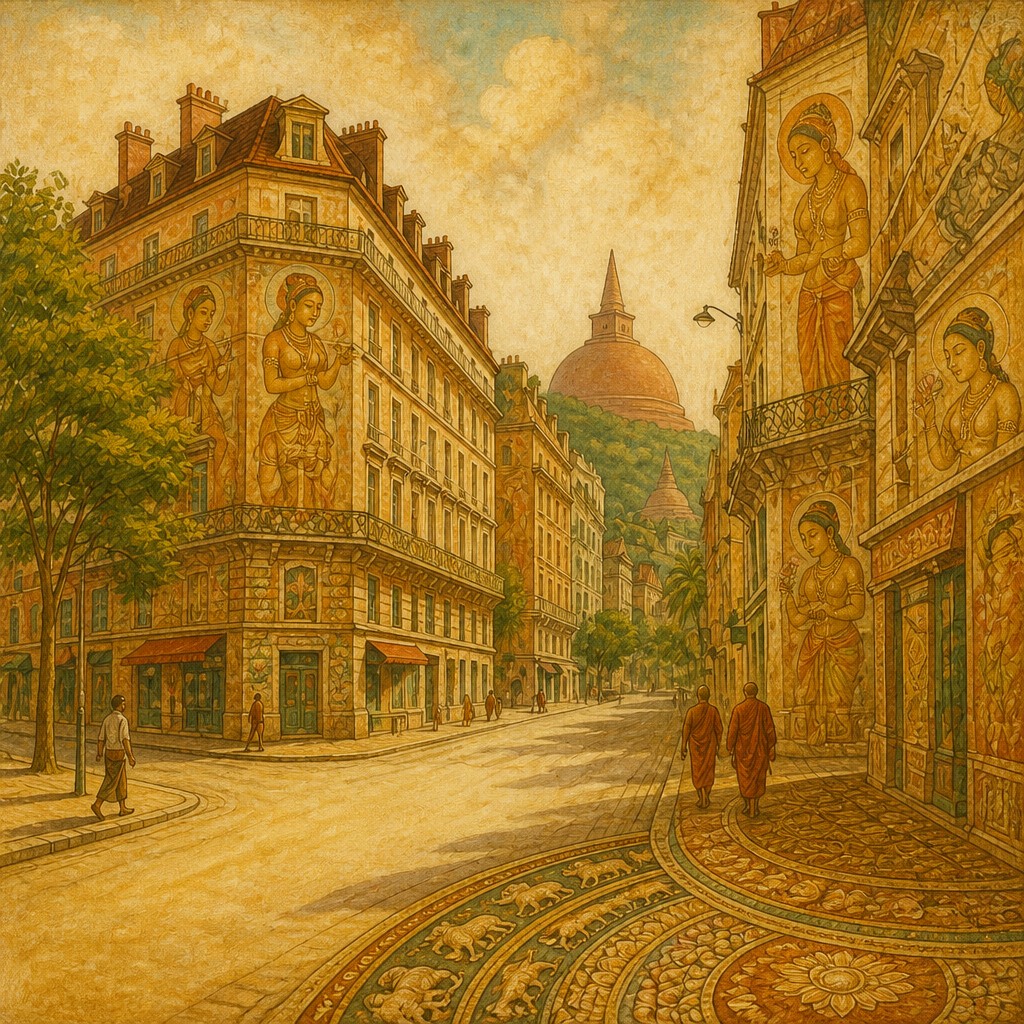

What Defines Sri Lankan Art Style
The signature details, up close
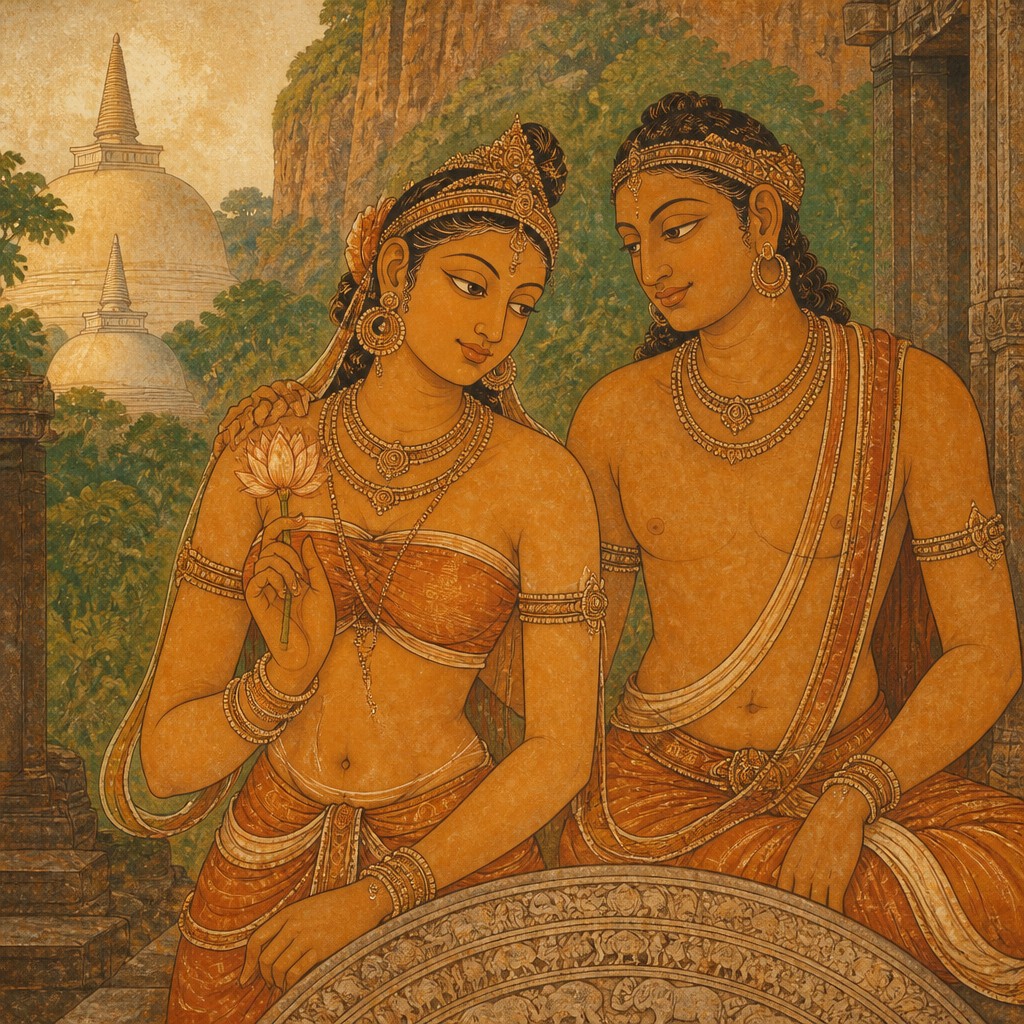
Sigiriya-inspired figures
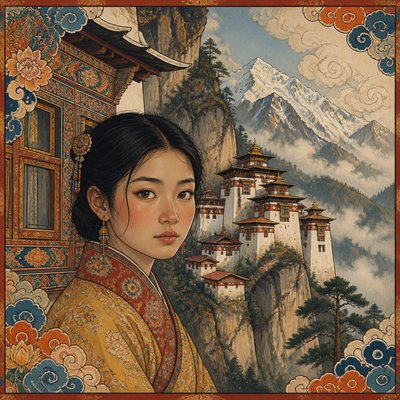
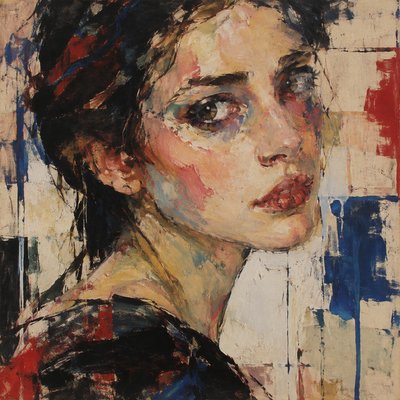
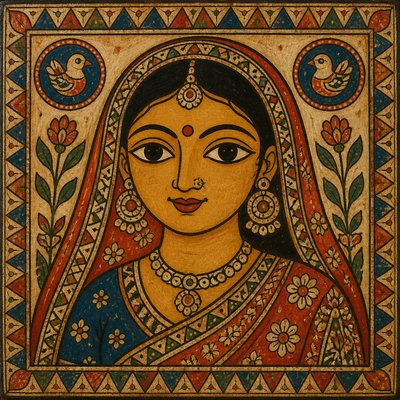
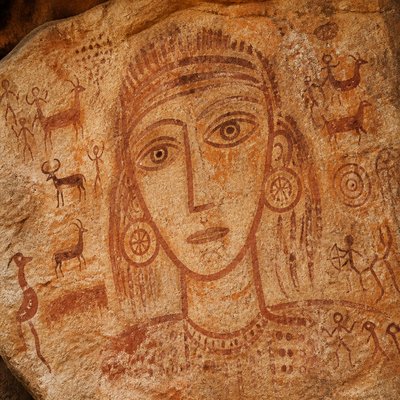
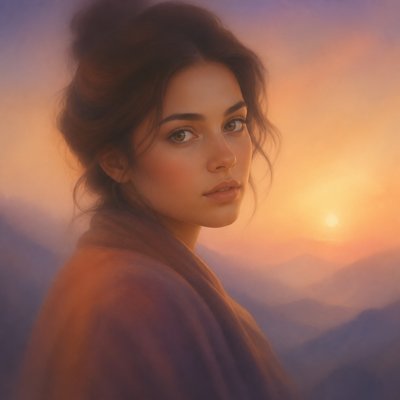
Elegant female figures with rounded faces, carefully arranged hair, elaborate jewelry, and flowing ochre or terracotta garments recall the surviving cliff murals. Their calm poses and simplified contours emphasize grace and ceremony.
Warm mineral palette
Ochre, iron red, terracotta, cream, charcoal, and subdued jungle green create a sun-warmed, weathered appearance. Controlled color contrast is usually preferred over highly saturated modern hues.
Dagoba silhouettes
Bell-shaped Buddhist stupas provide strong, quiet architectural forms, often appearing beyond foliage or beneath a broad tropical sky. Their rounded geometry balances the organic movement of vines, clouds, and figures.
Moonstone ornament
Concentric threshold bands inspired by Sri Lankan moonstones introduce lotus petals, vines, birds, elephants, lions, horses, and other animal processions. These motifs work as both decorative borders and symbolic transitions into sacred space.
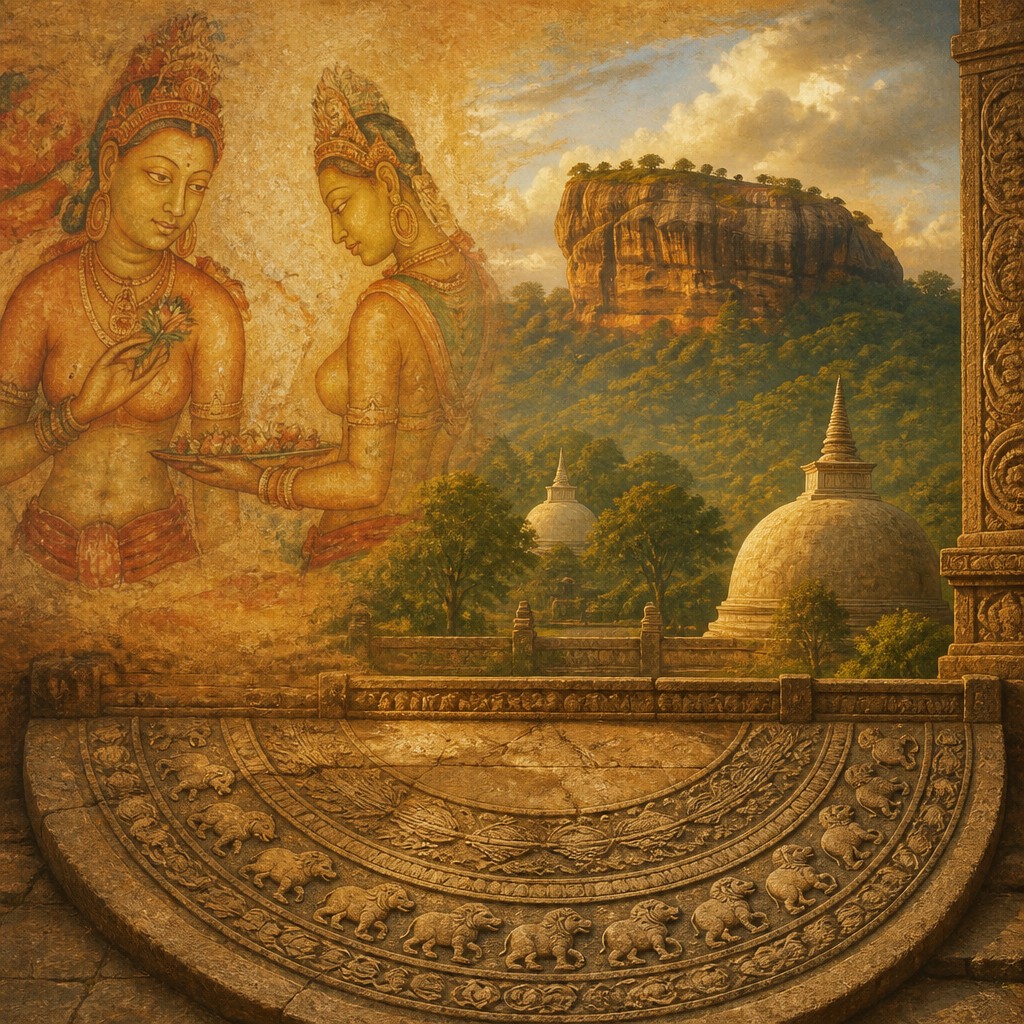
Fresco and carved-surface texture
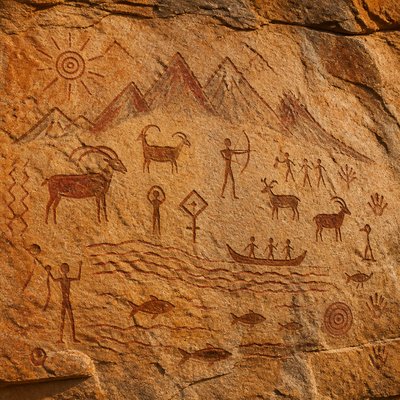
The imagery often resembles mineral pigment on plaster, aged wall painting, or shallow stone relief. Slight abrasion, uneven pigment, and softly irregular edges can suggest archaeological time without turning the image into generic grunge.
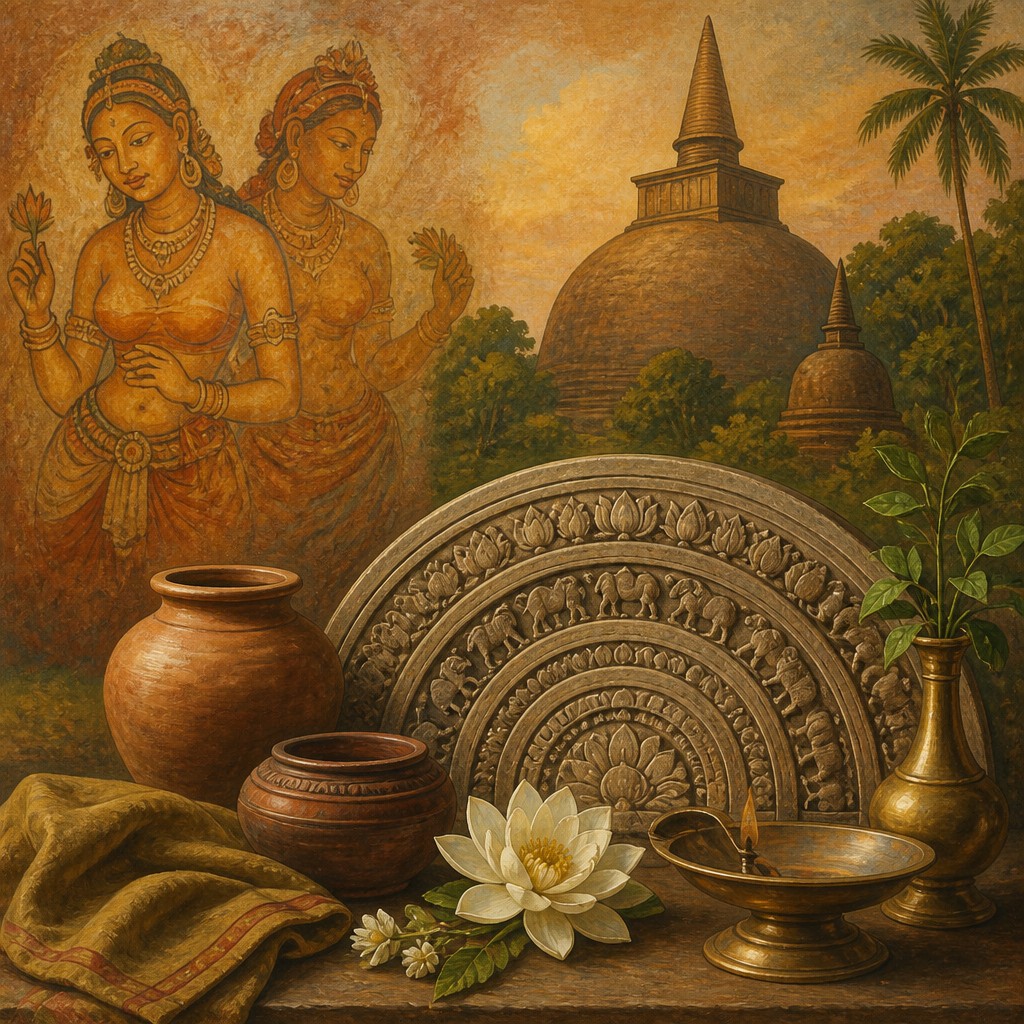
Tropical sacred landscape
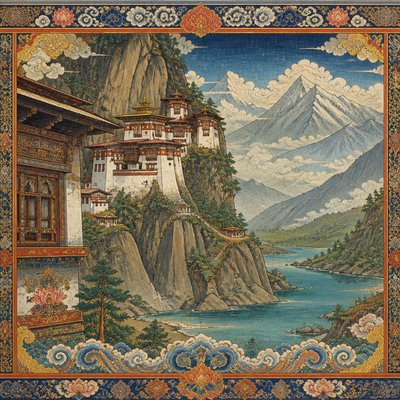
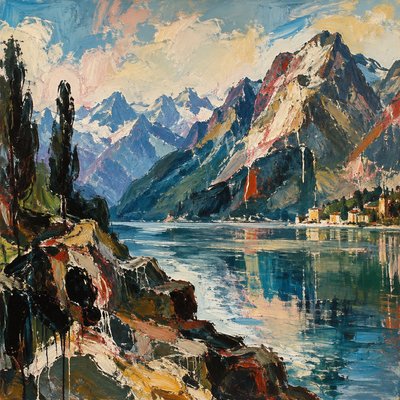
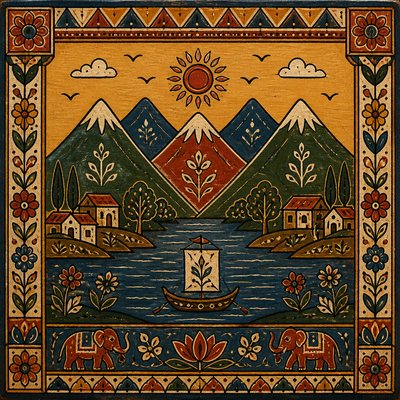
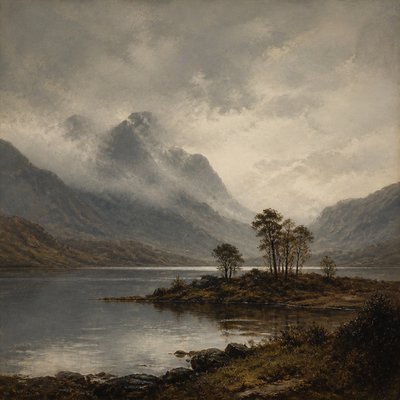
Jungle greenery, reservoirs, rocky outcrops, flowering plants, and humid atmospheric light place the subject within an island environment. Nature is composed as a calm, ordered setting rather than a chaotic wilderness.
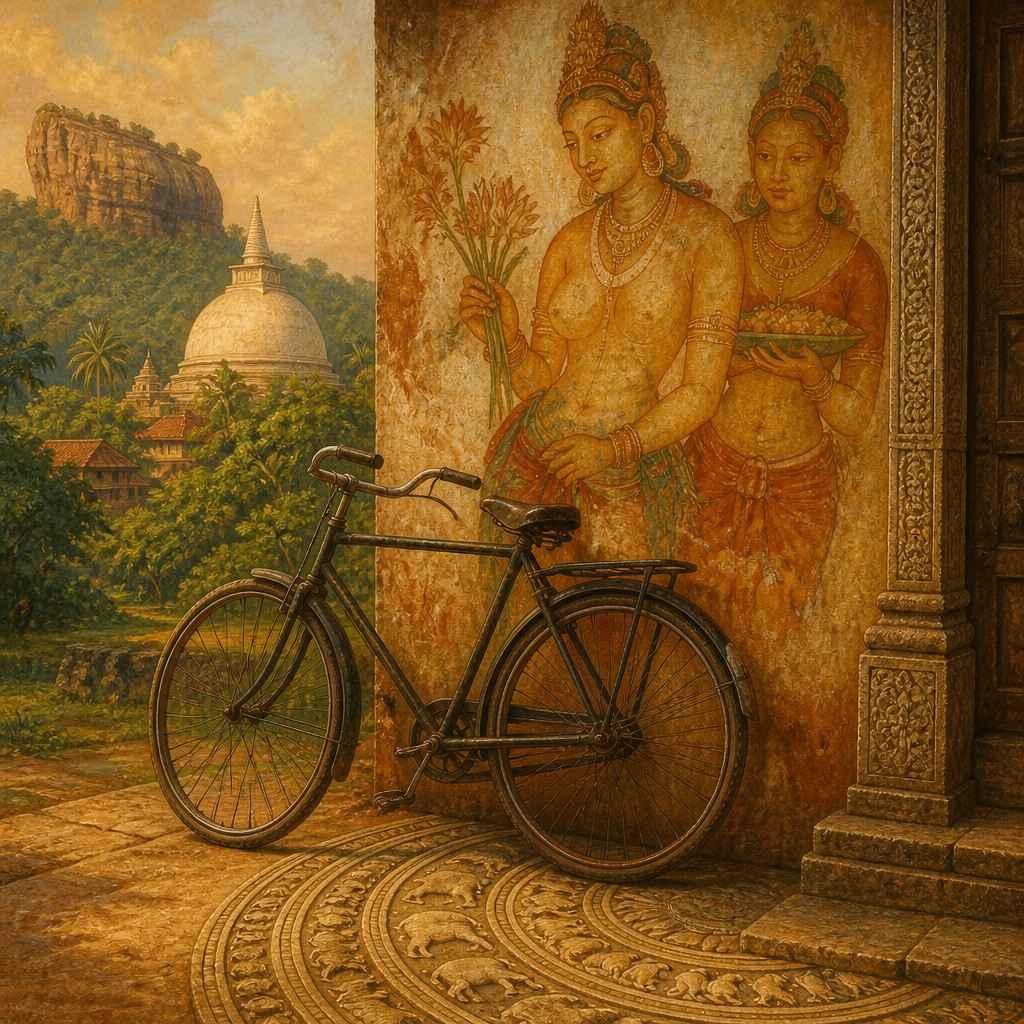
Decorative rhythm and symmetry
Repeated borders, halos, lotus geometry, balanced architectural forms, and frontal compositions give the style a ceremonial quality. Even when the subject is narrative, pattern and surface harmony remain prominent.
Sri Lankan Prompt Ideas
Start from an idea — each one opens the generator with the style ready to go. See all 40 Sri Lankan prompts →
How to Create Sri Lankan Art
Master the craft step by step — or skip straight to creating. Read the full guide →
- 1
Build a mineral color scheme
Begin with a limited palette of ochre, terracotta, muted vermilion, cream, charcoal, and deep leaf green. For digital work, reduce saturation and add subtle tonal variation so the image feels connected to mineral pigment or aged plaster.
- 2
Design the composition like a mural
Use a stable horizontal format, a clear central figure or architectural anchor, and repeated ornamental bands around the scene. Avoid excessive perspective and allow the image to read as a composed wall painting or relief.
- 3
Use symbolic motifs carefully
Add lotus petals, moonstone rings, animal friezes, stupas, lamps, vines, or water gardens as structural elements rather than random decoration. When depicting religious architecture, preserve a respectful, non-sensational atmosphere.
- 4
Simulate fresco or stone
Traditional approaches can use earth pigments, lime-based grounds, layered washes, and fine contour drawing, while digital artists can apply matte texture, restrained speckling, softened edges, and selective erosion. Keep texture subordinate to the figures and ornament.
- 5
Prompt for identifiable visual anchors
A useful prompt should specify the subject, a Sigiriya-inspired mural treatment, warm mineral pigments, tropical setting, moonstone ornament, and gentle monsoon light. Add composition and material instructions such as symmetrical border, aged plaster, shallow relief, or hand-painted contours.
- 6
Adapt photographs with restraint
For image-to-image work, preserve the subject’s silhouette while translating clothing, background, and surface into simplified mural shapes. Lower photorealistic detail, introduce decorative borders, and avoid forcing every source feature into an ornate pattern.
The Story
History & Origins of Sri Lankan
This is not the name of a single historical movement; it is an interpretive synthesis of Sri Lanka’s visual traditions. Its principal references include the mural culture of the ancient and medieval kingdoms, especially the fifth-century frescoes at Sigiriya, Buddhist architectural forms developed at sites associated with Anuradhapura and Polonnaruwa, and later decorative traditions connected with Kandyan religious art. The painted figures, stupas, lotus motifs, guardian imagery, and processional ornament developed across different periods and functions rather than as one unified school.
The contemporary style label brings these sources together for illustration, decorative design, and digital image-making. It should therefore be understood as an aesthetic lineage, not as a claim that ancient Sri Lankan artists used the modern category or that all Sri Lankan art shares the same appearance.
Influences: The style draws from Sri Lankan Buddhist mural painting, ancient and medieval stupa architecture, carved moonstone thresholds, lotus-based ornament, and later Kandyan decorative traditions. It also relates to South Asian temple art, narrative fresco, archaeological illustration, relief sculpture, and Arts and Crafts approaches to pattern and handcrafted surface. Its closest visual relatives are not generic tropical fantasy images but mural and architectural traditions in which spiritual symbolism, repeated ornament, and local landscape are integrated.
Frequently Asked Questions
What defines the Sri Lankan Art Style?
It is defined by Sigiriya-inspired mural figures, warm mineral pigments, dagoba silhouettes, tropical sacred landscapes, and moonstone-like ornamental borders. The style favors calm gestures, flattened or shallow spatial depth, patterned surfaces, and a weathered fresco or carved-stone finish.
Is Sri Lankan Art Style a historical art movement?
No. The phrase is best treated as a contemporary umbrella label or aesthetic synthesis, not the name of a single historical school. It combines references from several Sri Lankan periods and media, including ancient murals, Buddhist architecture, stone carving, and later decorative traditions.
What are Sigiriya frescoes?
The Sigiriya frescoes are surviving ancient wall paintings at the rock fortress site, generally dated to the fifth century. They are especially known for graceful, richly adorned female figures rendered with flowing contours and strong warm color, although the surviving paintings represent only part of the original decorative program.
What is a Sri Lankan moonstone?
A moonstone, or sandakada pahana, is a semicircular carved stone traditionally placed at the base of entrances, particularly in Buddhist architectural settings. Its layered bands commonly include lotus forms and symbolic animal processions, making it an important source for the style’s borders and threshold imagery.
How can I make an image in this style without making it look generic?
Specify concrete anchors such as fresco maidens, a dagoba, a carved moonstone, mineral pigments, and Sri Lankan tropical landscape rather than asking only for an exotic or ancient appearance. Use a limited palette, mural-like composition, restrained texture, and carefully chosen ornamental bands.
Where is this style commonly used?
It is suitable for editorial illustration, cultural education, book covers, travel imagery, decorative prints, heritage interpretation, textiles, and atmospheric landscape scenes. Religious symbols and architectural sites should be depicted with contextual accuracy and respect rather than used as interchangeable fantasy props.
Create your first Sri Lankan artwork
Describe anything — or upload a photo — and see it in Sri Lankan Art Style in seconds.
Related Styles
Discover similar art styles