South Sudanese Art Style
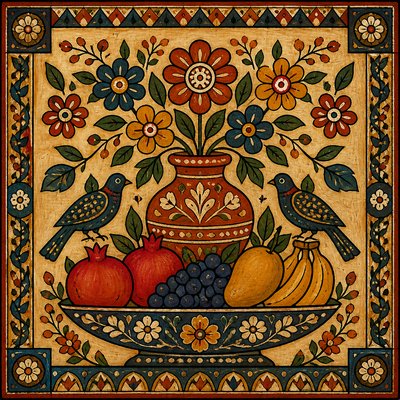
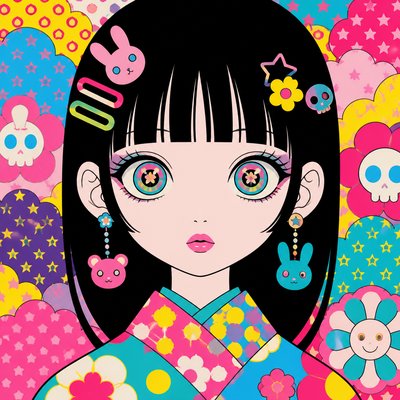
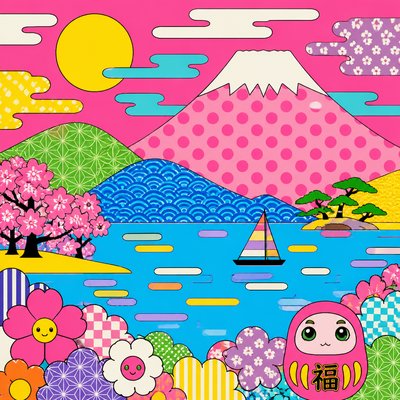
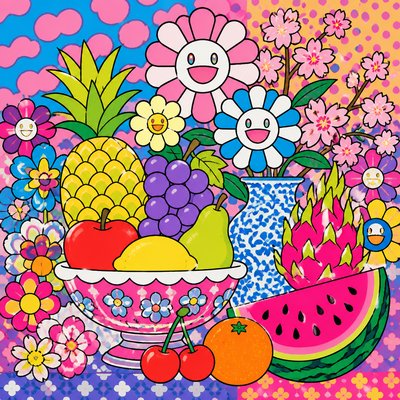
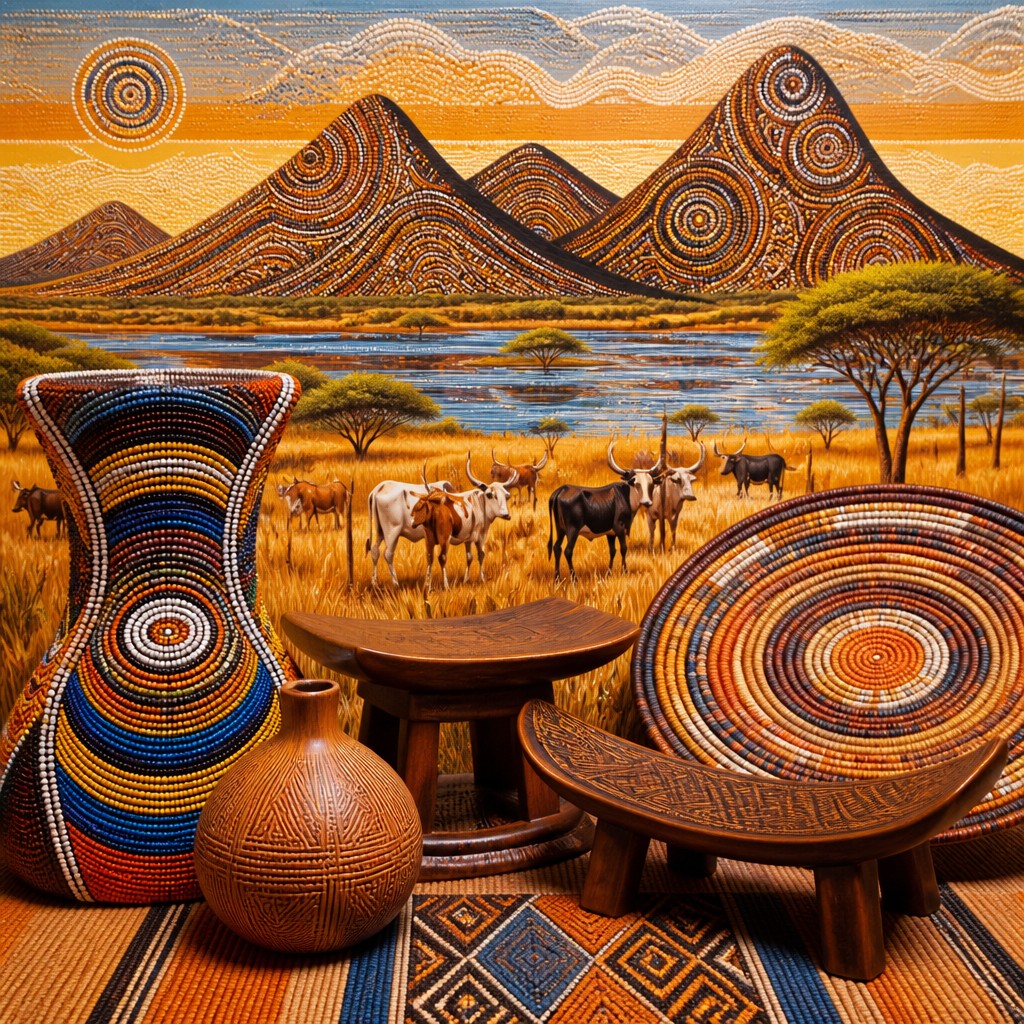
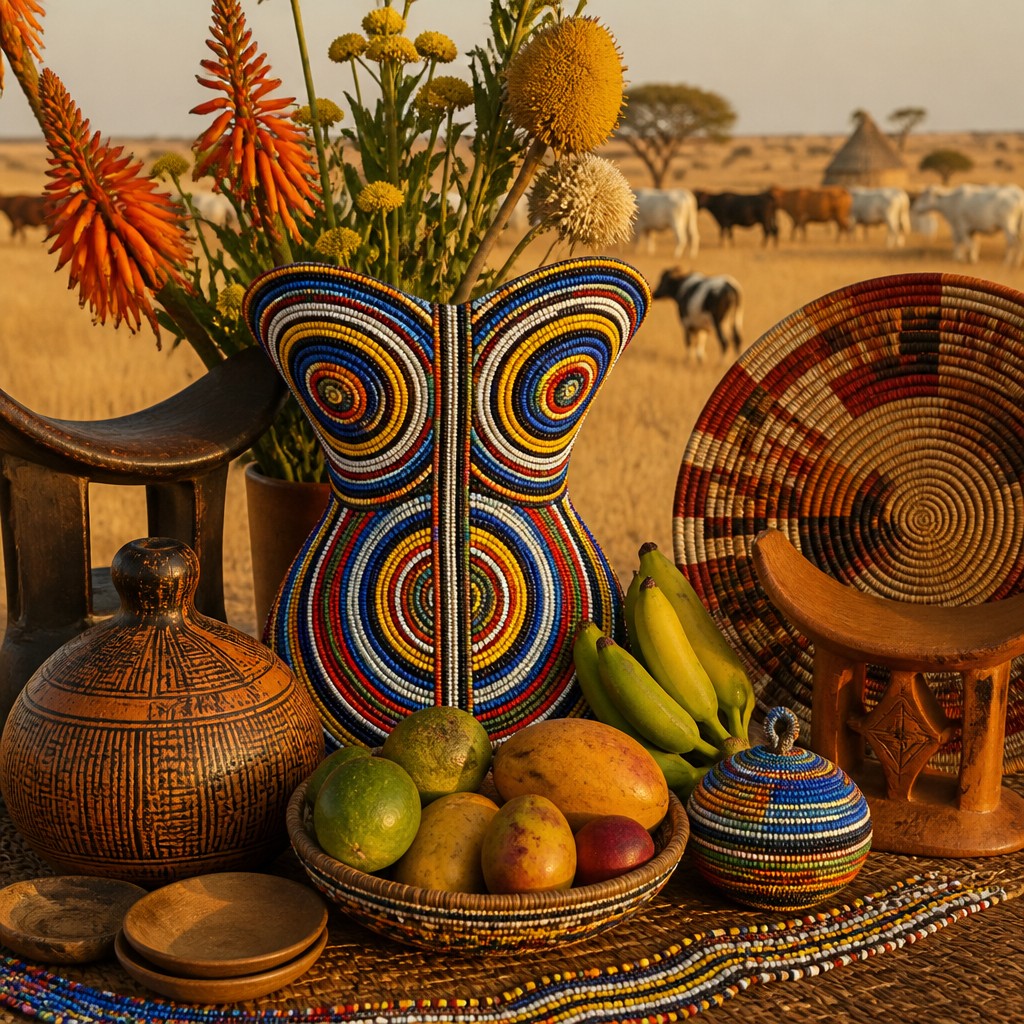
Explore South Sudanese art style: Nilotic beadwork, carved stools, coiled baskets, etched gourds, and warm savanna color.
Instantly rendered in South Sudanese — or transform a photo
South Sudanese Gallery
Tap any artwork to explore it
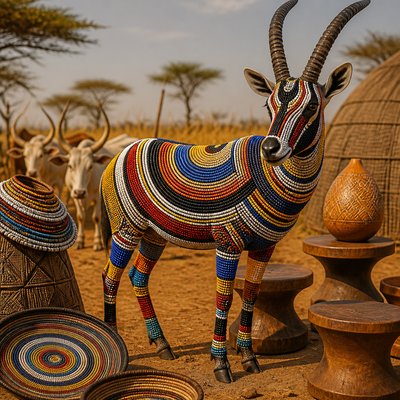
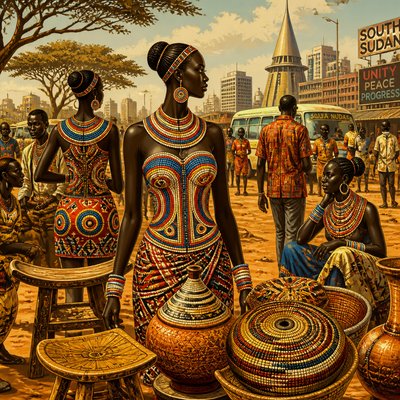
What is South Sudanese Art Style?
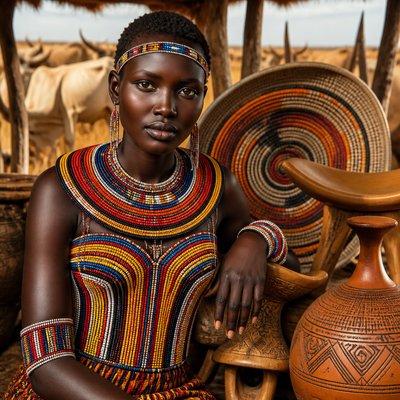
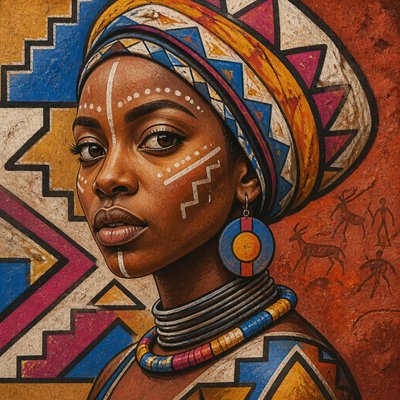
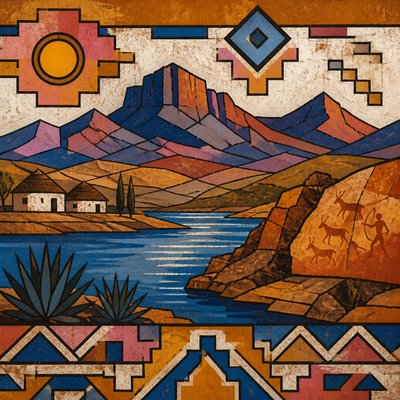
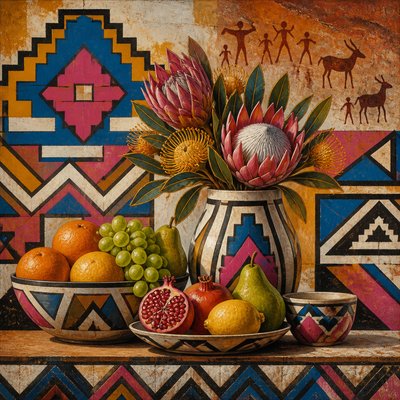
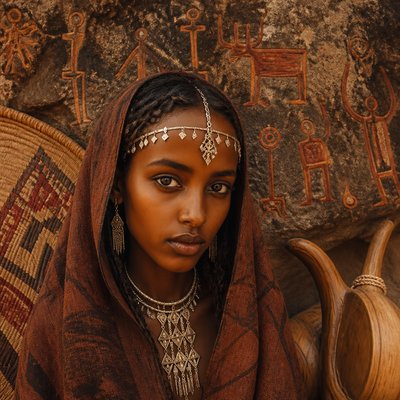
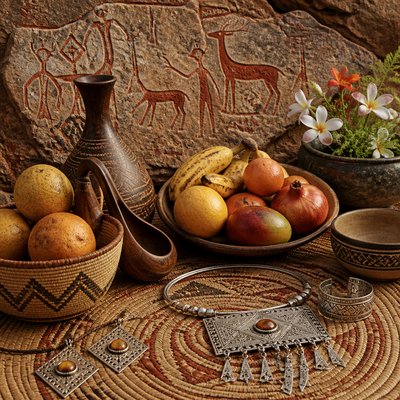
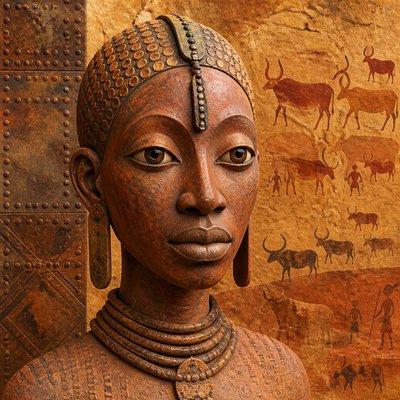
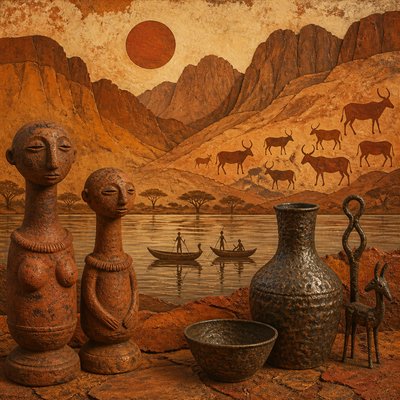
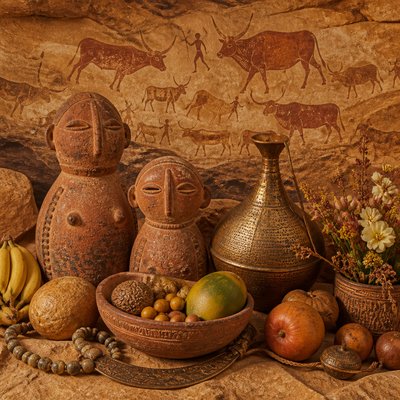
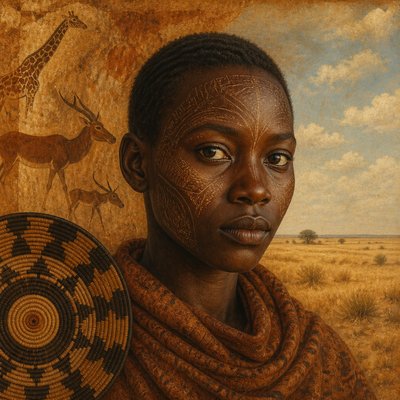
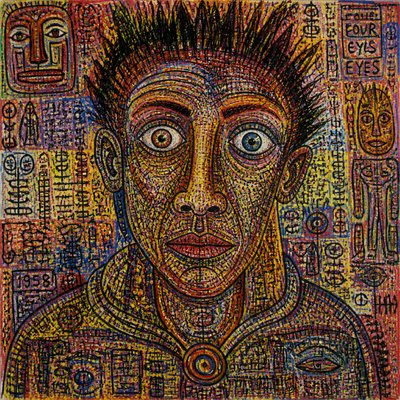
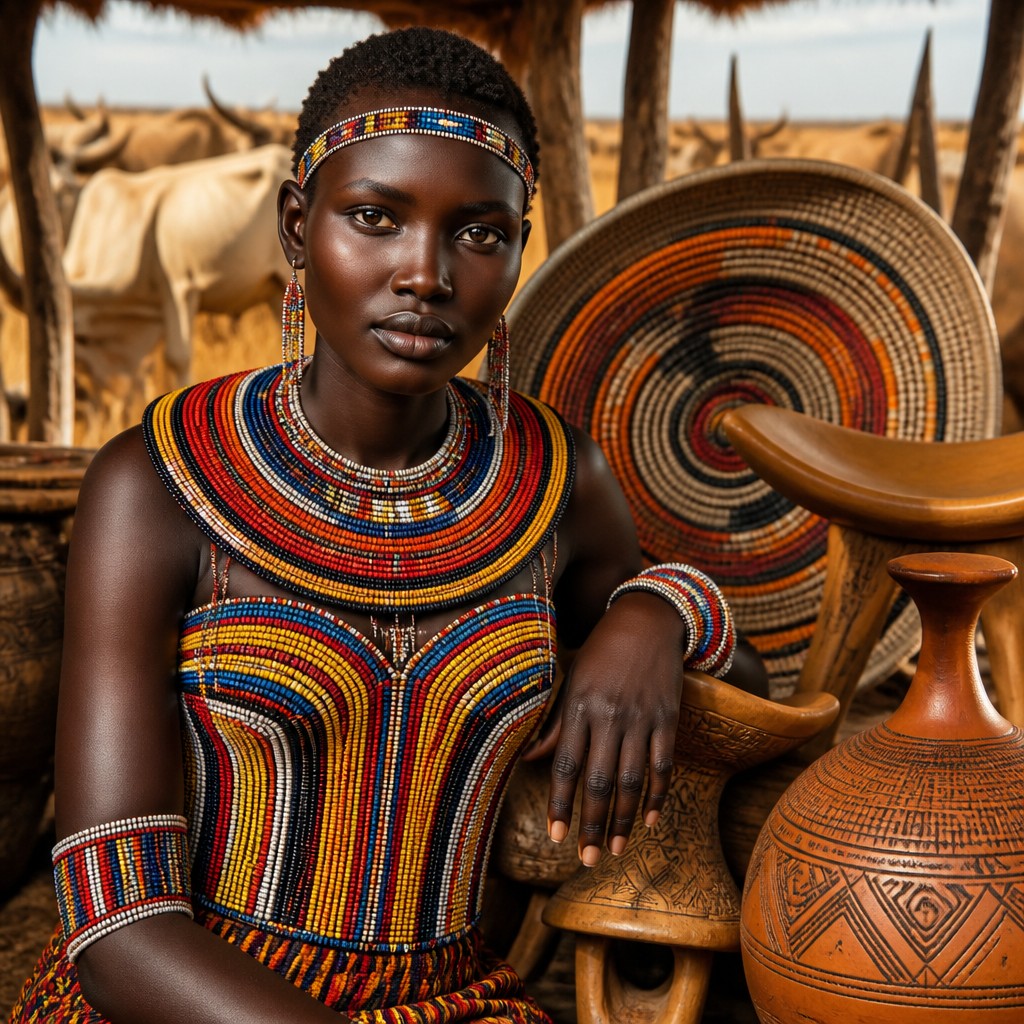
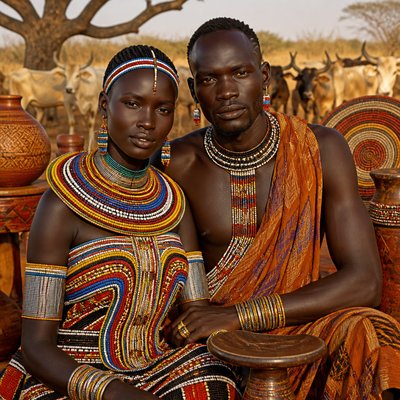
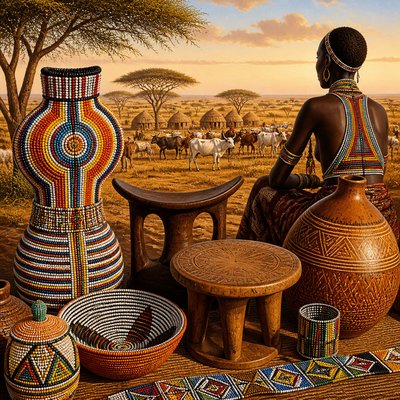
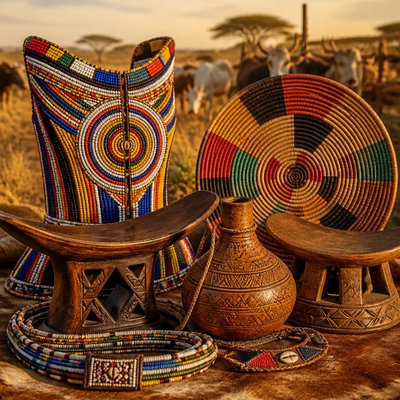
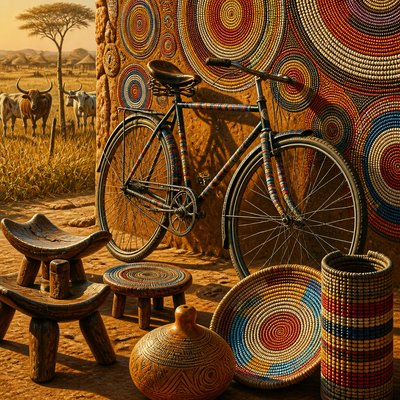
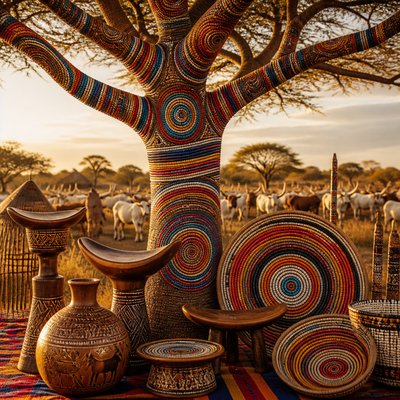
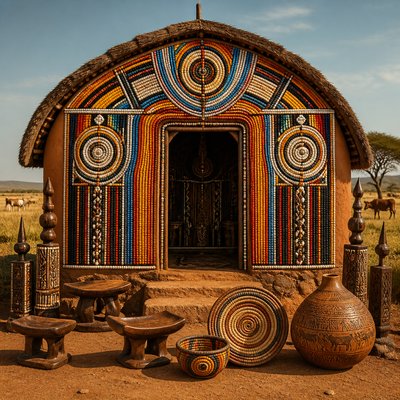
South Sudanese art style is a contemporary descriptive synthesis inspired by the material culture of South Sudan and its diverse Nilotic communities. Its visual vocabulary centers on densely patterned beadwork, carved wooden headrests and low stools, coiled basketry, decorated gourds, cattle-camp settings, and a palette of ochre, red, black, cream, blue, and other saturated bead colors. It is best understood as an interpretive style rather than a single historical school shared uniformly across the country.
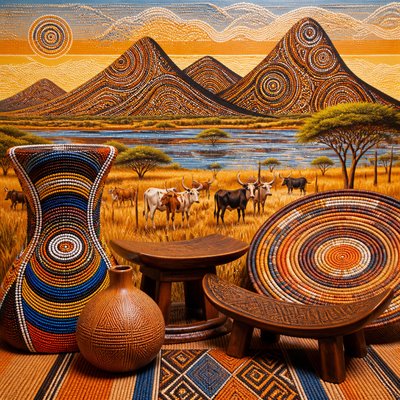
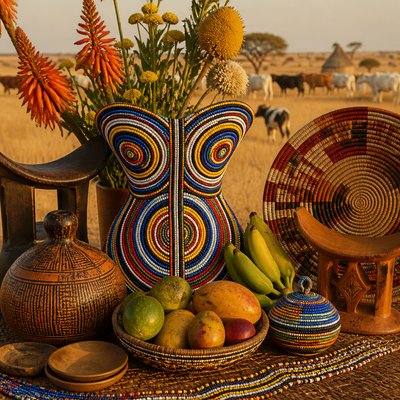
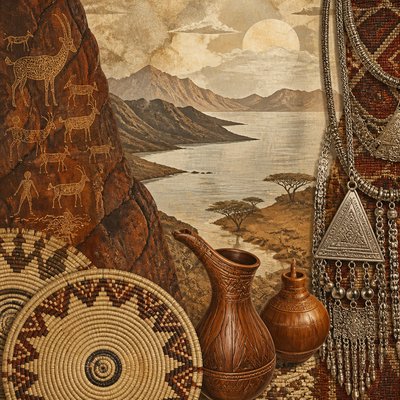
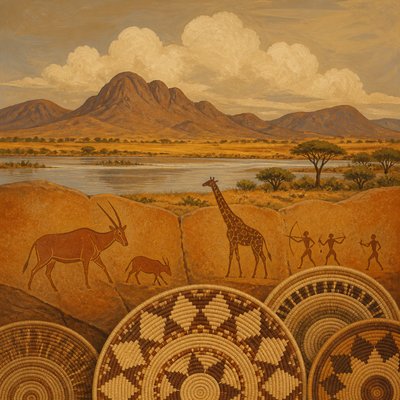
The style looks tactile, rhythmic, and materially grounded. Repeated beads form concentric bands, chevrons, stepped motifs, and tightly ordered color fields, while carved wood introduces smooth organic contours and visible grain. Spiral basket construction and etched gourd surfaces add linear patterning; warm sunlight, dry grasses, cattle enclosures, and earth-toned surroundings connect the decorative objects to South Sudan's savanna environments and pastoral lifeways.
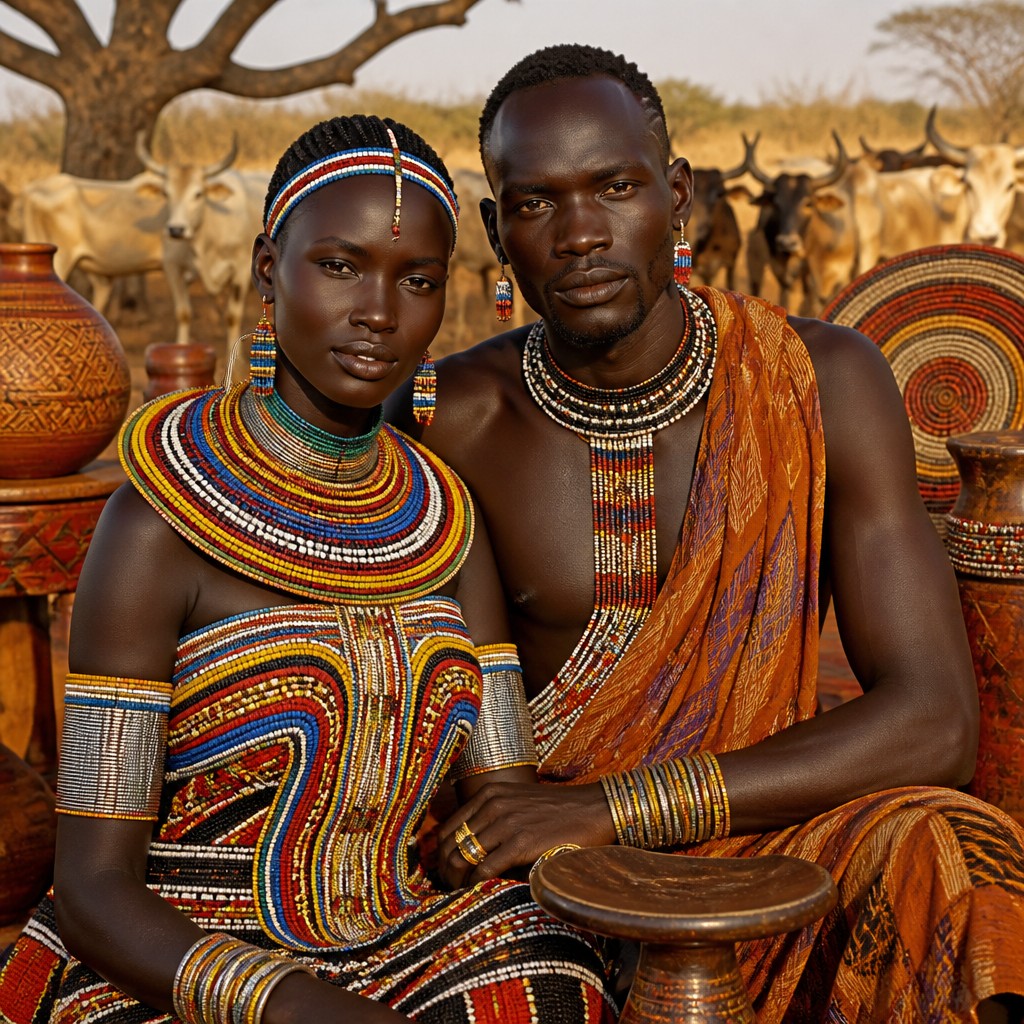
Try It On Your Photos
Upload any photo and convert it into South Sudanese Art Style — drag the sliders to compare before and after.


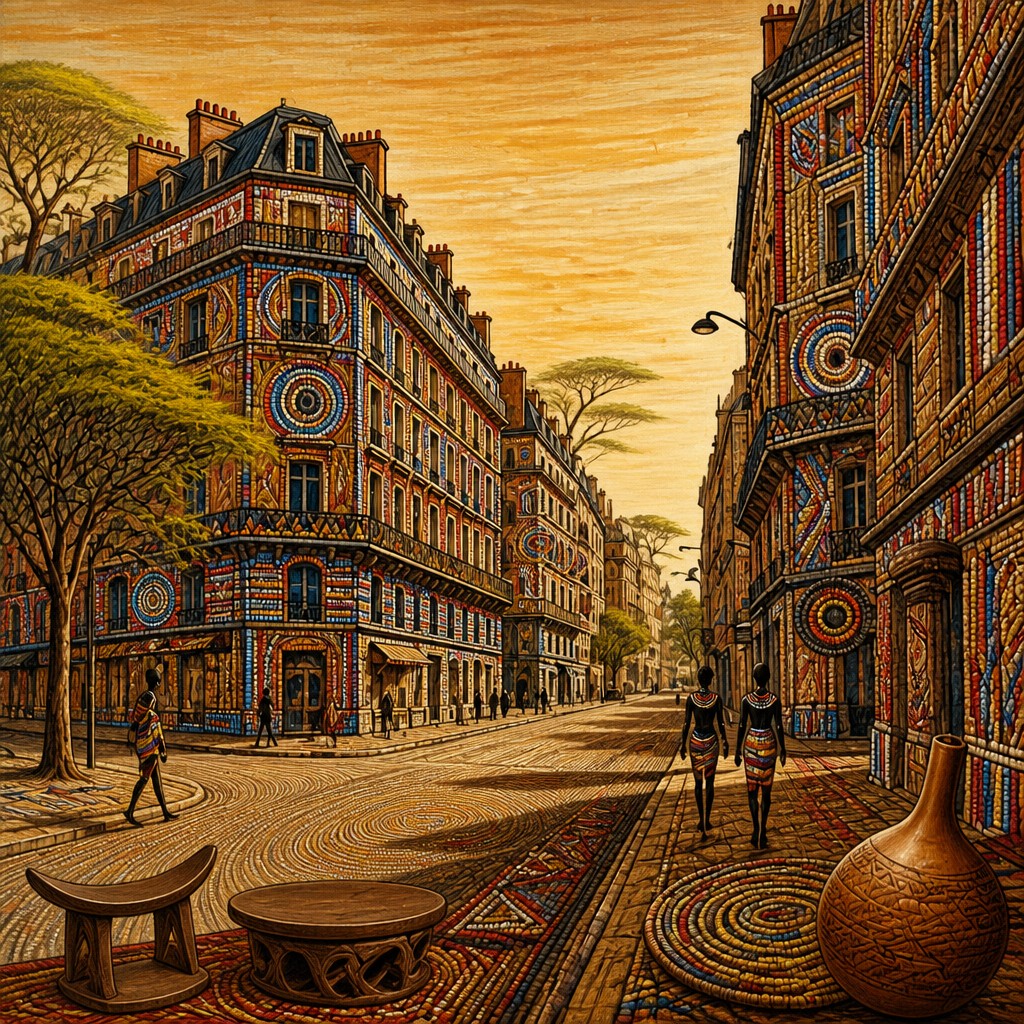

What Defines South Sudanese Art Style
The signature details, up close
Dense beadwork
Closely packed beads create corset-like garments, collars, belts, bands, and panels with strong geometric order. Color is often arranged in concentric rings, chevrons, stripes, or stepped blocks.
Carved wooden objects
Smoothly shaped headrests, low stools, bowls, and supports provide a restrained sculptural counterpoint to the vivid beadwork. Rounded edges, shallow carving, and visible wood grain are important surface cues.
Coiled basketry
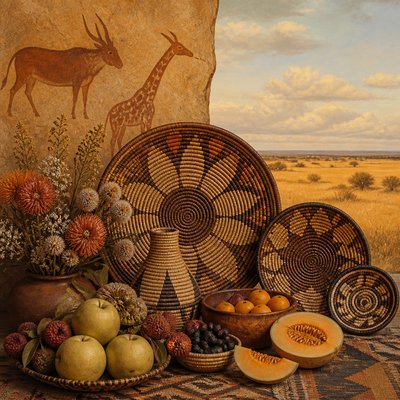
Tightly wound fibers are represented through radiating spirals, concentric construction lines, and alternating bands of natural and dyed material. The pattern should follow the object's volume rather than appear as a flat graphic overlay.
Etched gourds and calabashes
Gourd vessels feature incised lines, repeated geometric marks, crosshatching, and carefully spaced bands. Their irregular natural silhouettes keep the pattern connected to an organic object.
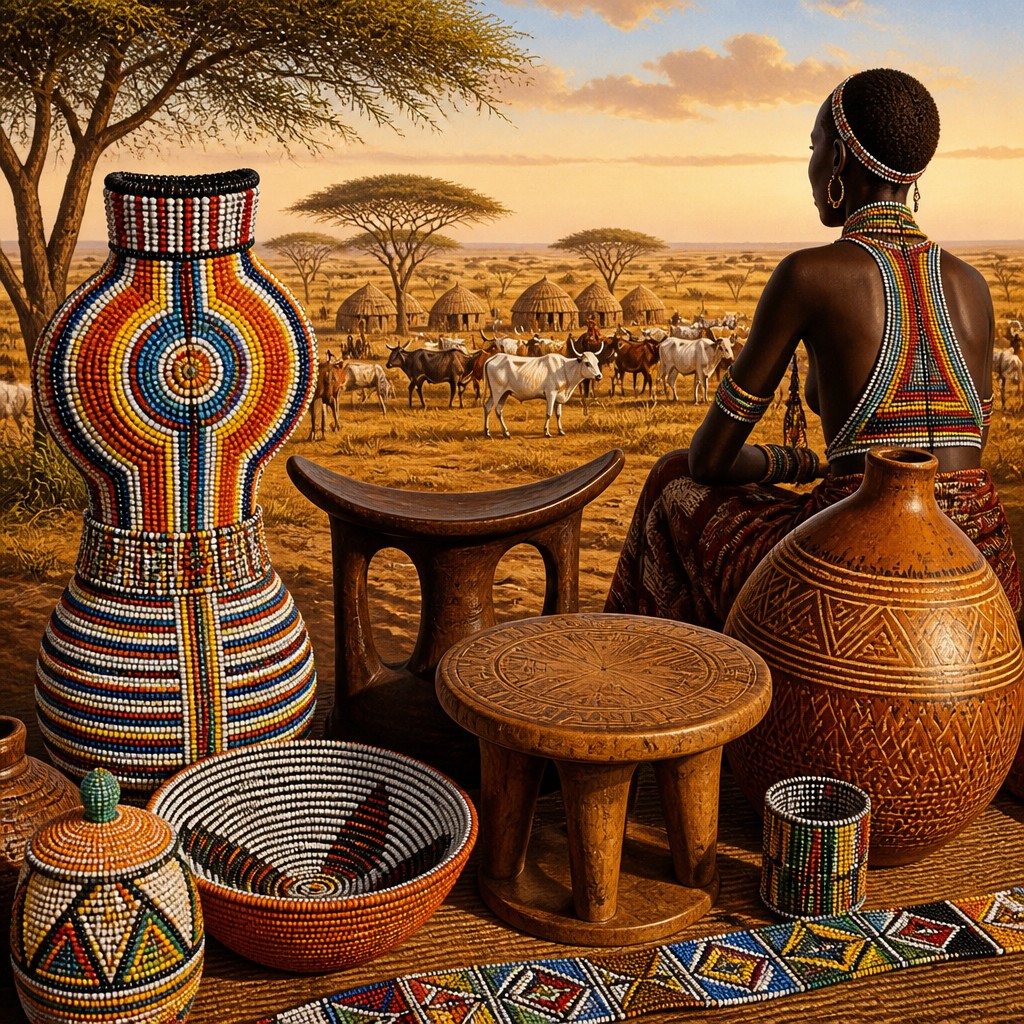
Warm savanna atmosphere
Sunlit grasslands, dusty ground, cattle-camp enclosures, and ochre air establish a warm environmental setting. Lighting is generally direct and golden, with soft shadows and a dry-season sense of space.
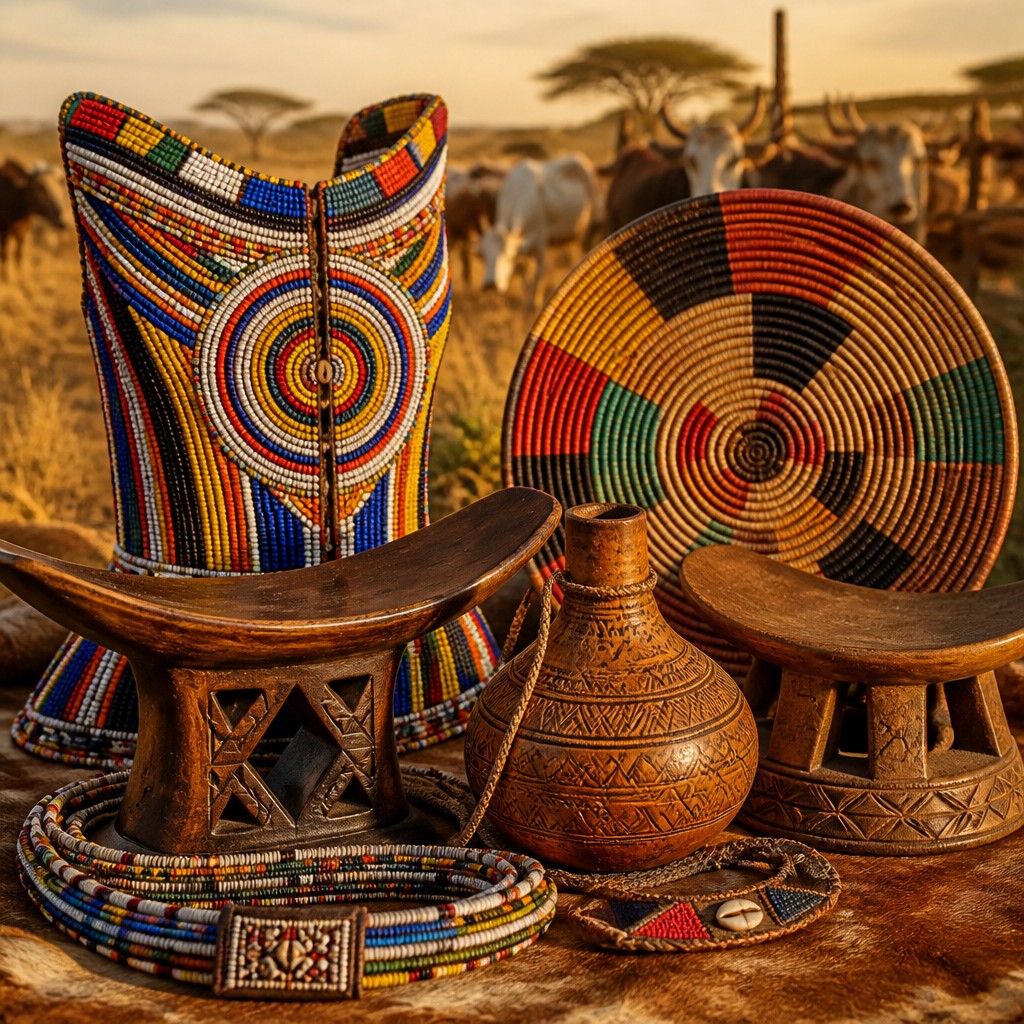
Rhythmic geometric composition
Repetition, symmetry, concentric structure, and bands of color organize the image. Decorative detail is concentrated on garments and objects while surrounding forms remain comparatively simple.
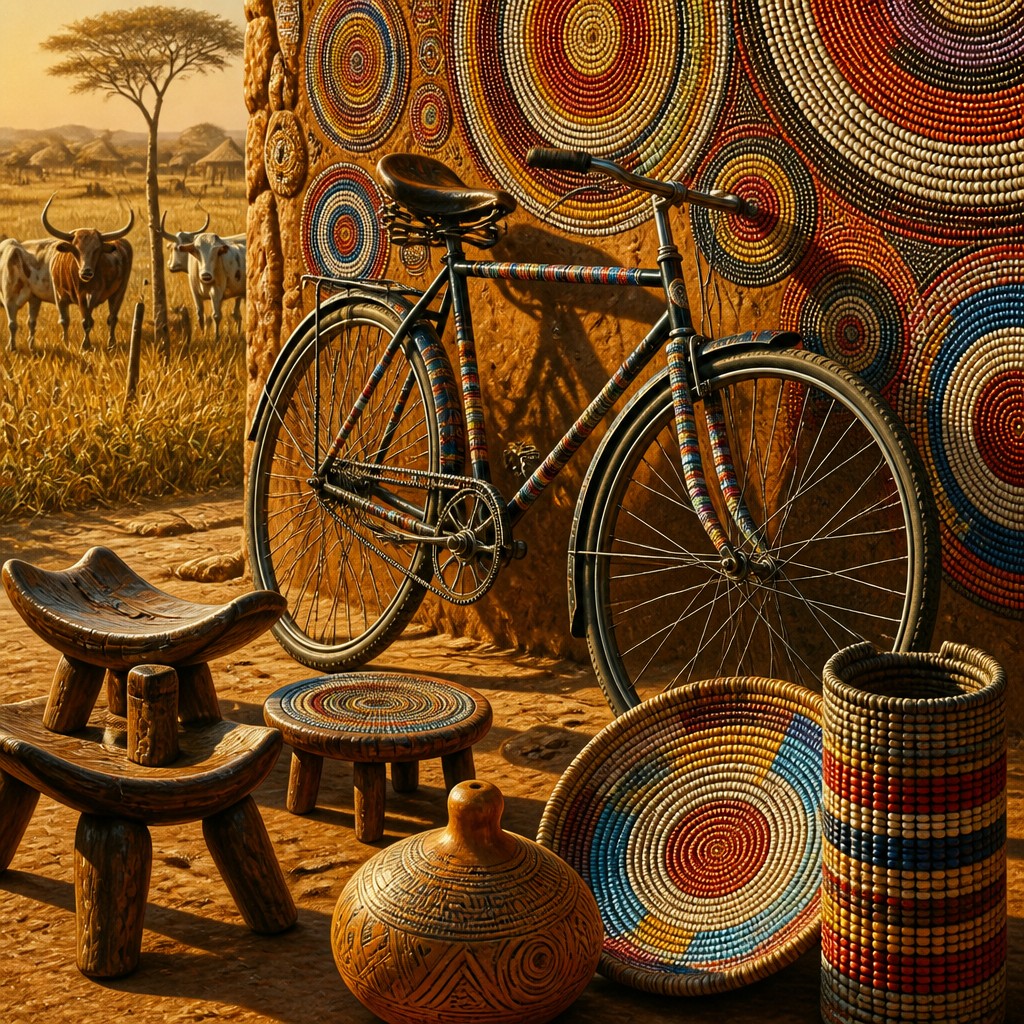
Material contrast
Glossy or matte beads, fibrous baskets, porous gourds, and polished wood should remain visibly distinct. Convincing texture depends on showing how each material reflects light and carries pattern.
South Sudanese Prompt Ideas
Start from an idea — each one opens the generator with the style ready to go. See all 40 South Sudanese prompts →
How to Create South Sudanese Art
Master the craft step by step — or skip straight to creating. Read the full guide →
- 1
Build patterns as constructed surfaces
For traditional or hand-rendered work, draw individual bead rows, woven coils, incised marks, and wood grain rather than applying a generic texture. Follow the curvature of the body, vessel, or stool so the pattern describes form.
- 2
Use a controlled color system
Begin with ochre, rust, dark brown, cream, charcoal, and grass green, then introduce vivid bead accents such as red, cobalt, turquoise, yellow, or white. Keep the surrounding landscape quieter so the crafted objects carry the strongest chromatic emphasis.
- 3
Separate the materials
Render beads with small highlights and crisp edges, baskets with broken fibrous lines, gourds with dry matte surfaces, and wood with broad polished planes. This contrast prevents the image from becoming a single undifferentiated pattern.
- 4
Compose around repetition
Arrange the main subject against broad bands of grassland, earth, or sky, then use concentric bead motifs, radial basket structures, and repeated carved marks to create visual rhythm. Avoid filling every area with equal detail.
- 5
Use respectful cultural specificity
If depicting clothing or ceremony, identify a particular community or region through research rather than combining unrelated regalia. For a general fantasy or editorial image, describe the materials and visual principles without presenting an invented costume as an authentic one.
- 6
Write precise generation prompts
Specify the subject, material, pattern geometry, lighting, setting, and camera or illustration treatment: for example, 'carved wooden headrest, concentric bead bands, etched gourd vessel, warm dry-season light, tactile handcrafted surfaces.' Add exclusions such as plastic texture, random unreadable markings, or excessive background detail when needed.
The Story
History & Origins of South Sudanese
This is not a named historical movement with a fixed period or formal membership. Its lineage draws from long-standing craft traditions in South Sudan, including bead adornment, leather and textile accessories, basketry, calabash decoration, wood carving, and objects associated with domestic, ceremonial, and pastoral life. Techniques and motifs vary substantially among communities and regions, so no single design should be treated as representative of all South Sudanese culture.
The contemporary style combines these material references into a cohesive visual language for illustration, fashion imagery, product design, and digital art. It preserves the emphasis on hand-built surfaces and repeated pattern while allowing imaginative subjects, stylized compositions, and modern color arrangements that do not claim to reproduce a specific ethnographic artifact.
Influences: The style relates to Nilotic beadwork and adornment traditions, East African basketry and calabash decoration, African vernacular wood carving, pastoral material culture, and contemporary textile and jewelry design. It also borrows compositional ideas from geometric abstraction, ethnographic still life, editorial fashion photography, and tactile digital illustration, while remaining distinct from any one historical art movement or single community tradition.
Frequently Asked Questions
What defines the South Sudanese art style?
It is defined by the combination of dense geometric beadwork, carved wooden objects, coiled basketry, etched gourds, warm savanna light, and an ochre-based palette with vivid bead colors. Repetition, concentric pattern, tactile materials, and pastoral context are central visual principles.
Is South Sudanese art style a formal historical movement?
No. This label describes a contemporary visual synthesis rather than a documented movement with a fixed founding date or membership. South Sudan contains many communities and craft traditions, so the style should not be presented as a uniform national art form.
How does it differ from generic African-inspired art?
It focuses on specific material cues associated with South Sudanese and broader Nilotic craft contexts: bead-constructed adornment, headrests, low stools, coiled baskets, gourds, cattle-camp environments, and warm grassland light. Specificity in objects and technique is more useful than relying on vague tribal motifs or generalized masks and patterns.
Can I create this style with a photograph?
Yes, a photograph can be transformed by emphasizing beadwork, carved wood, basket fibers, gourd etching, warm directional light, and a restrained savanna background. Preserve the subject's anatomy and composition if desired, and describe the materials separately so the result does not flatten everything into one texture.
What subjects work well in this style?
Portraits, adornment studies, handcrafted still lifes, cattle and pastoral scenes, baskets, stools, headrests, gourds, and editorial fashion compositions work particularly well. Subjects with clear contours and surfaces allow the repeated bead and carving patterns to remain legible.
How can this style be used respectfully?
Research the community, region, object, or technique being referenced, especially when depicting ceremonial dress or social identity. Avoid claiming that a fictional composite costume is historically authentic, and distinguish contemporary artistic interpretation from documentation of a real tradition.
Create your first South Sudanese artwork
Describe anything — or upload a photo — and see it in South Sudanese Art Style in seconds.
Related Styles
Discover similar art styles