Saint Kitts Art Style
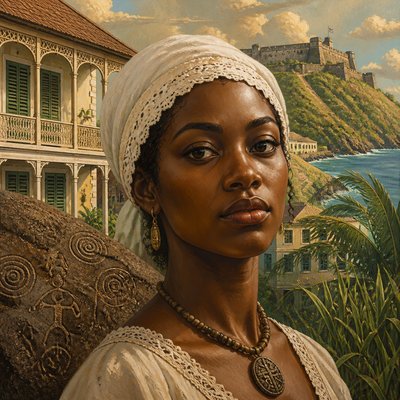
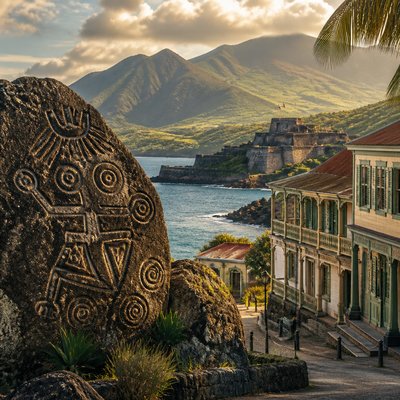
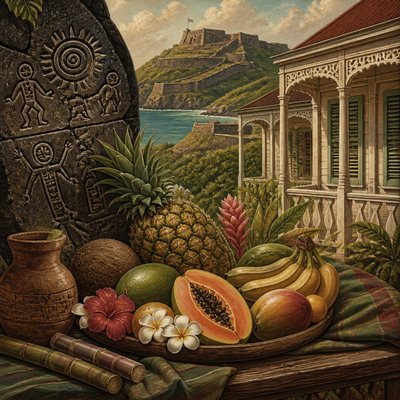
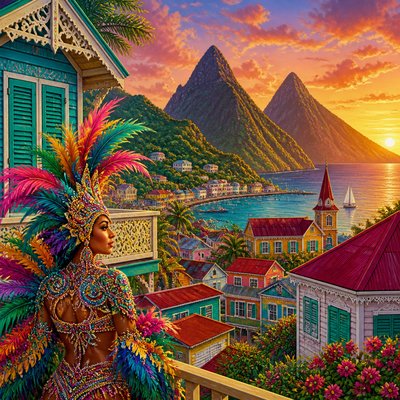
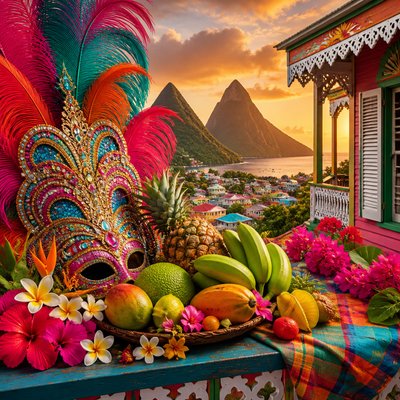
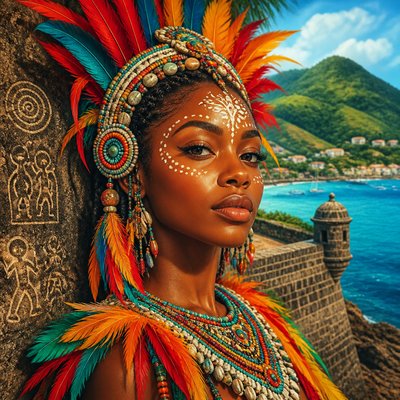
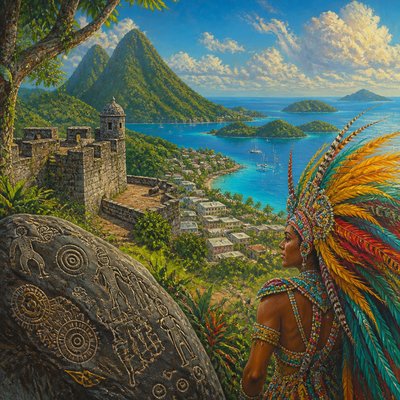
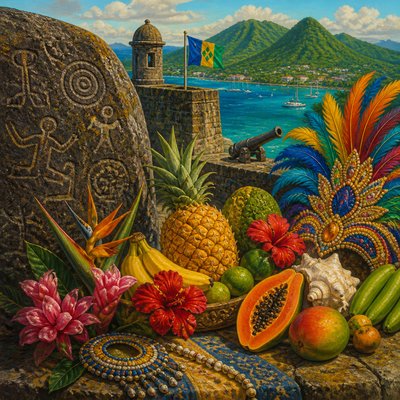
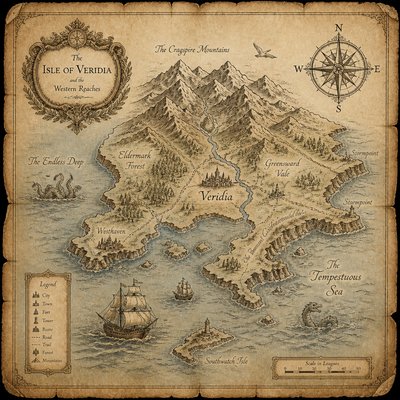
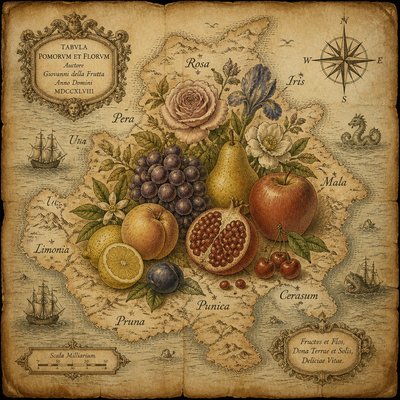
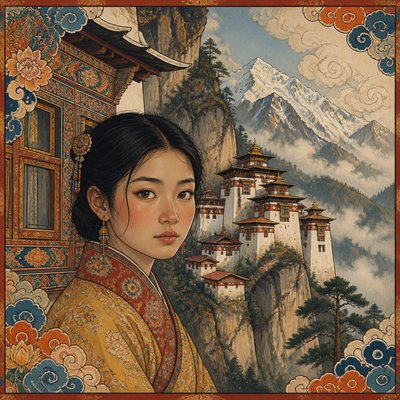
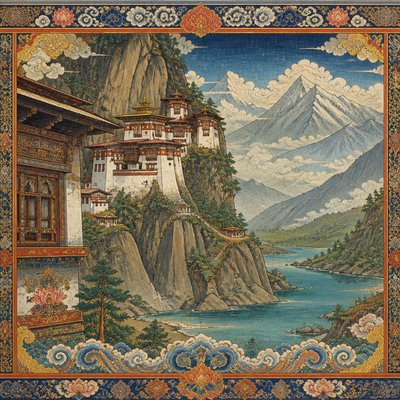
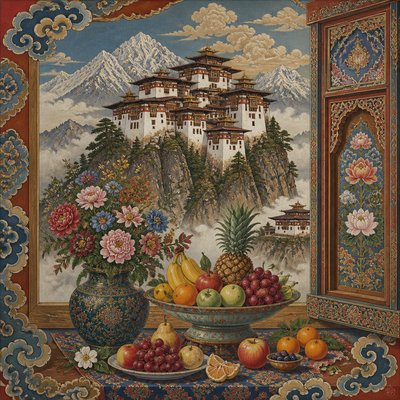
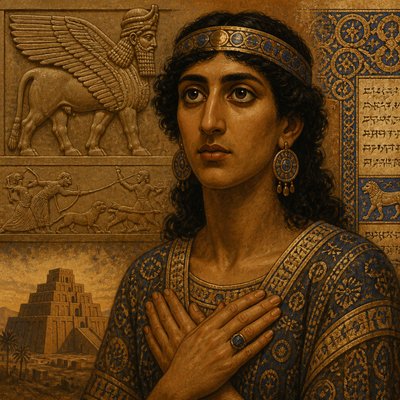
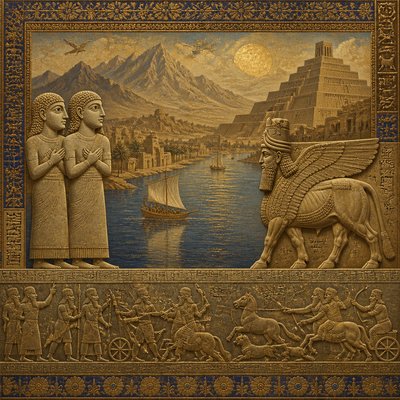
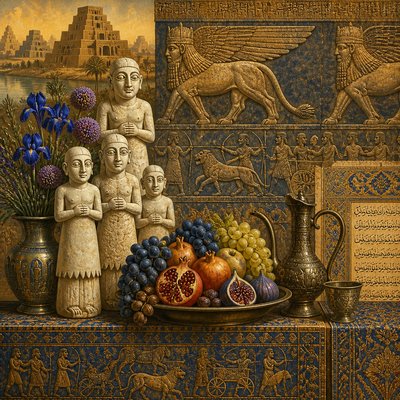
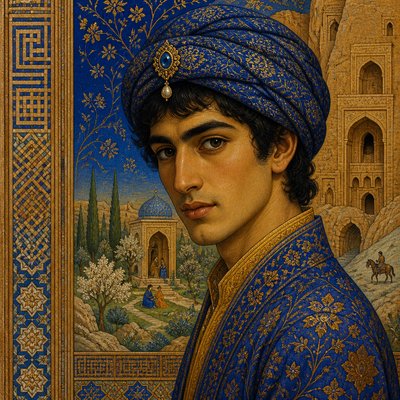
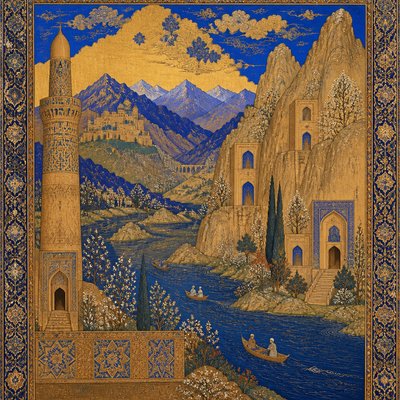
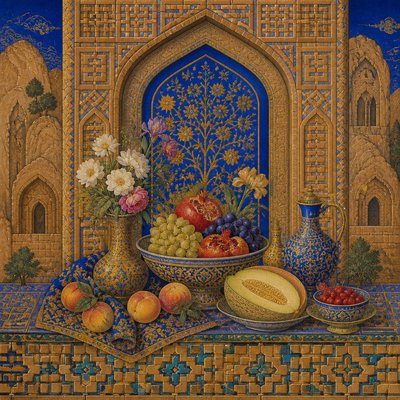
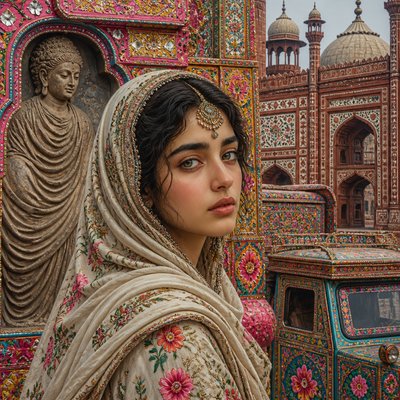
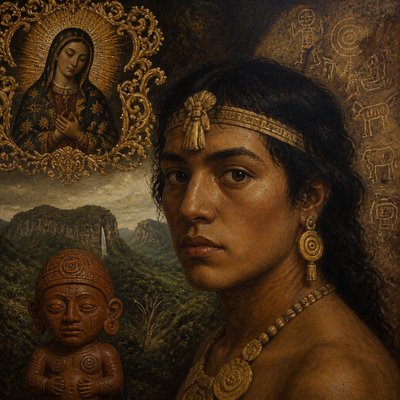
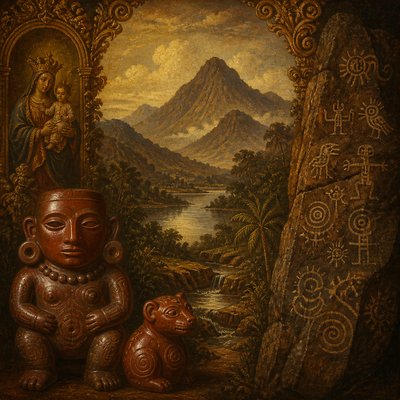
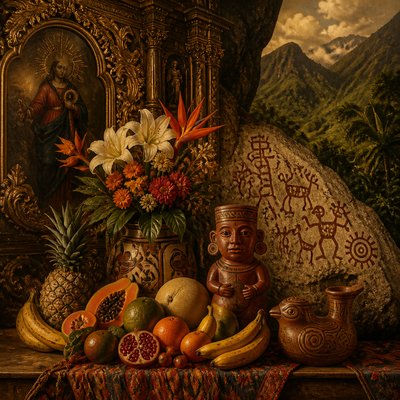
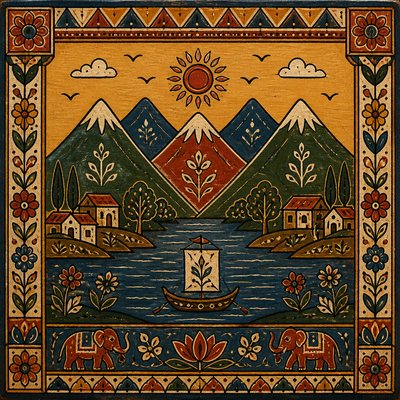
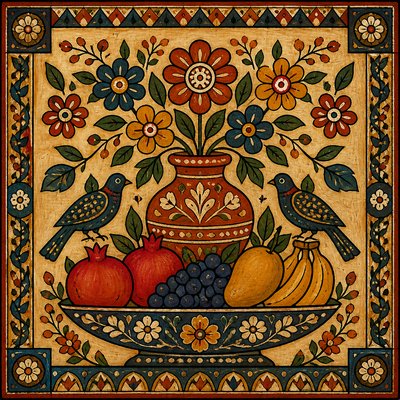
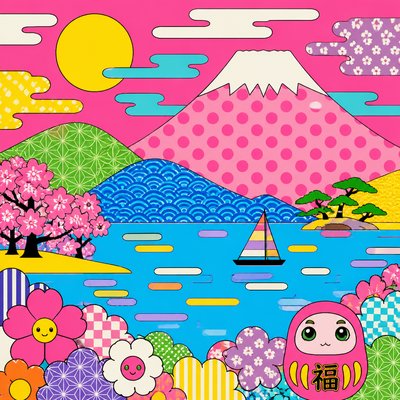
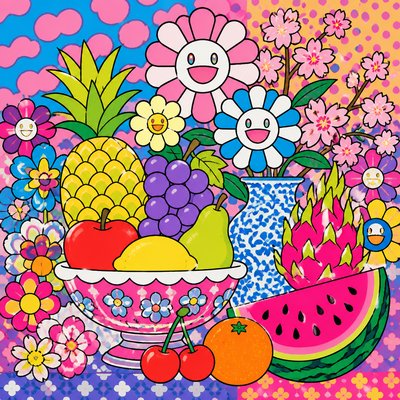
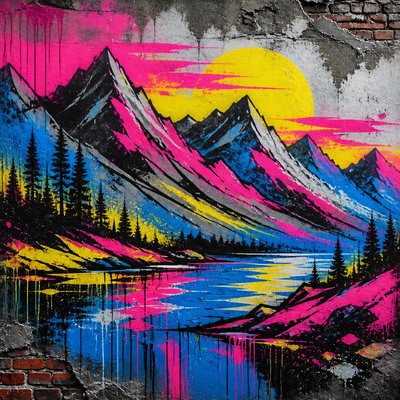
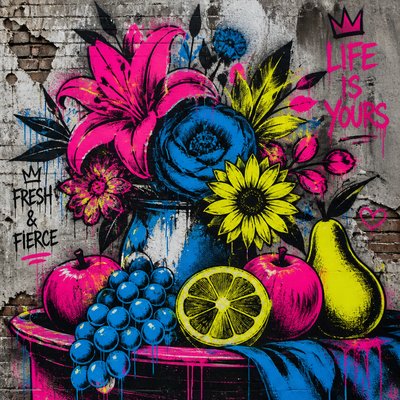
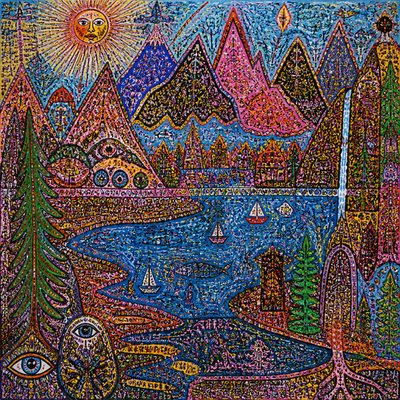
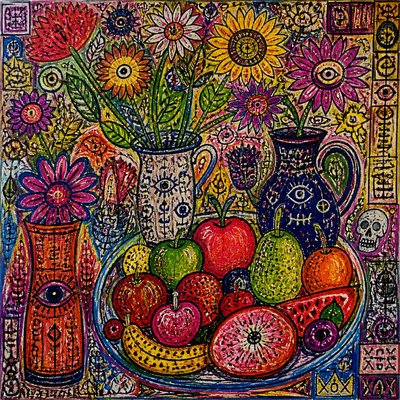
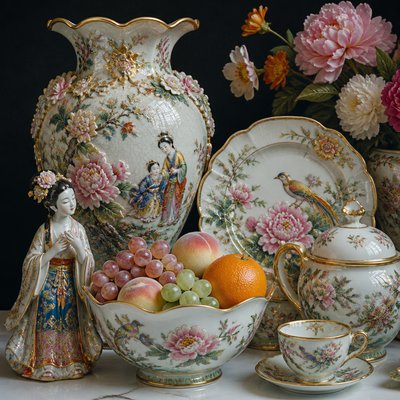
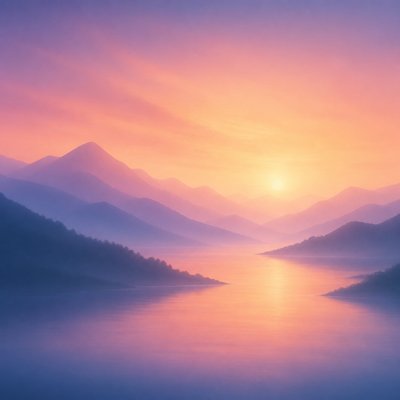
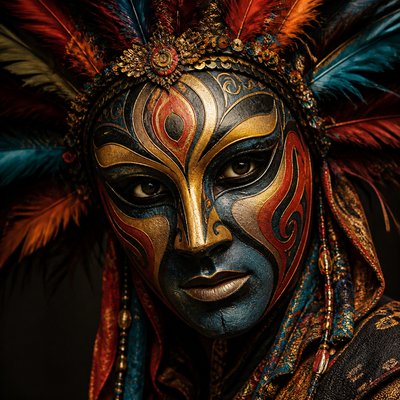
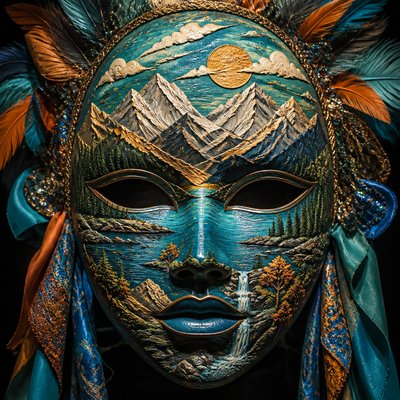
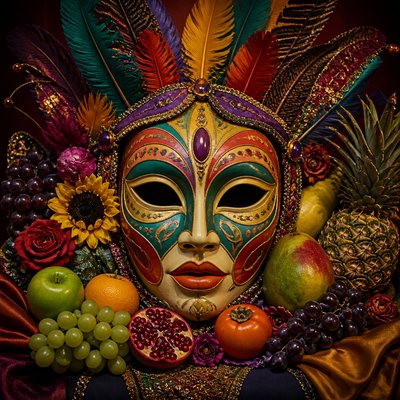
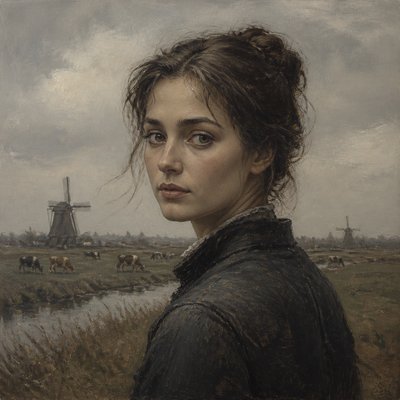
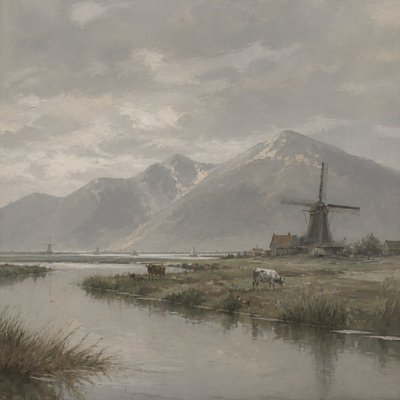
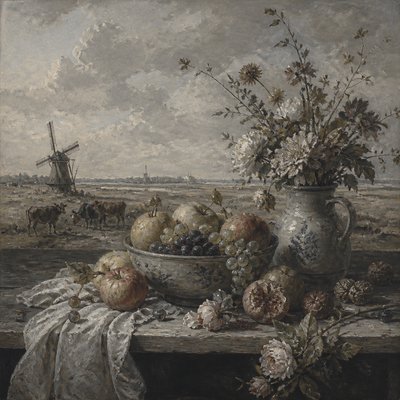
Explore Saint Kitts art style: Kalinago stone textures, Georgian verandas, Brimstone Hill fortifications, sugar hills and Caribbean light.
Instantly rendered in Saint Kitts — or transform a photo
Saint Kitts Gallery
Tap any artwork to explore it
What is Saint Kitts Art Style?
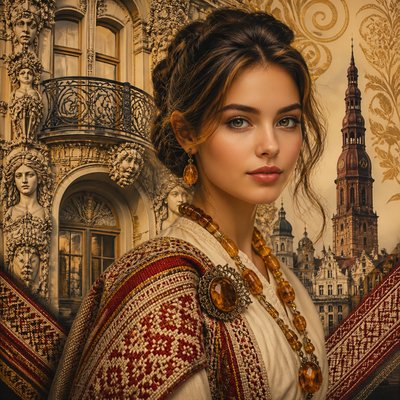
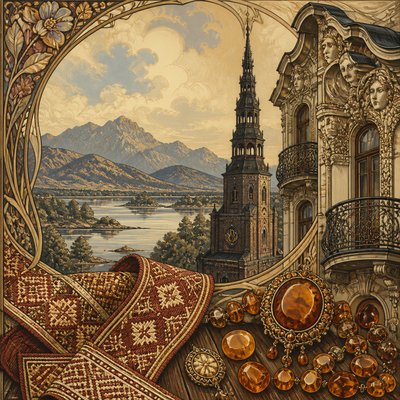
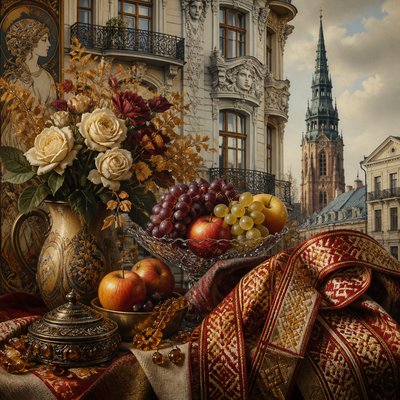
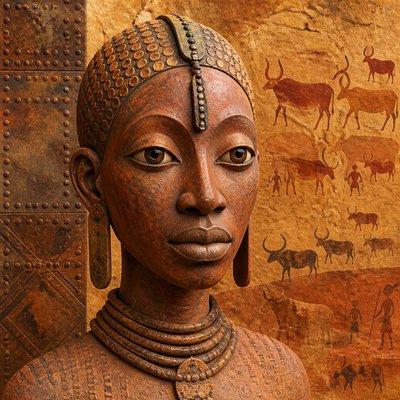
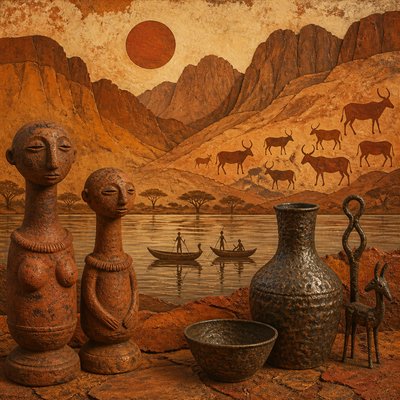
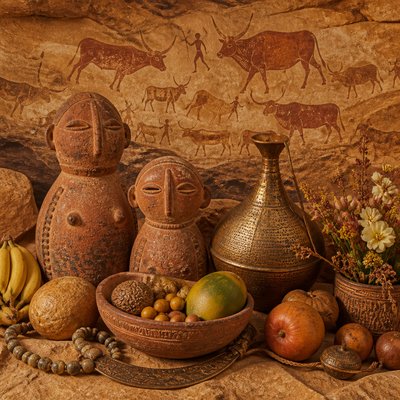
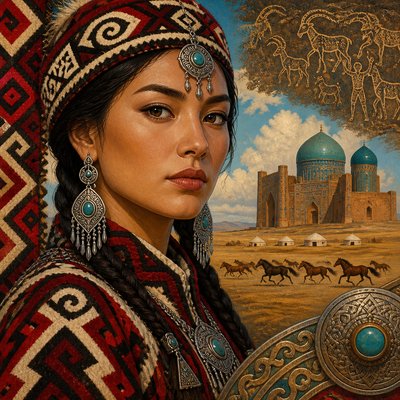
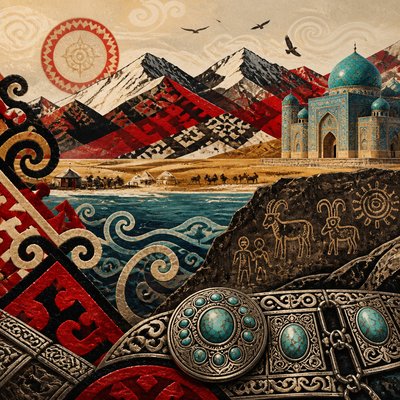
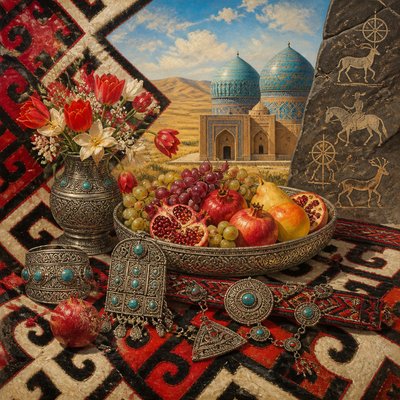
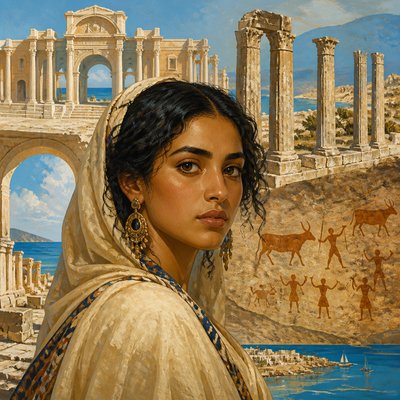
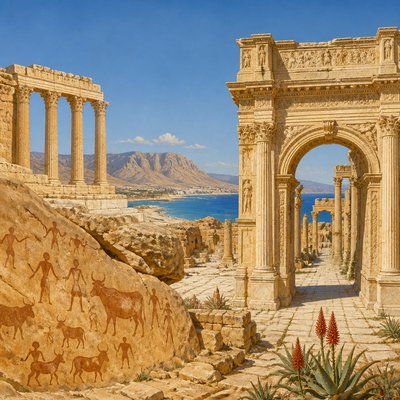
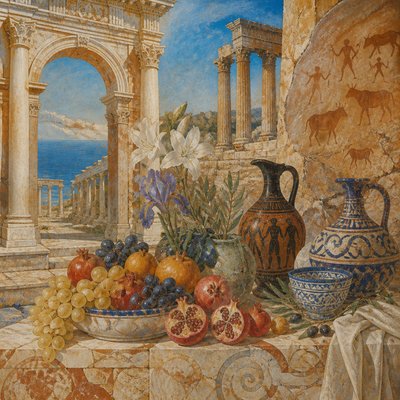
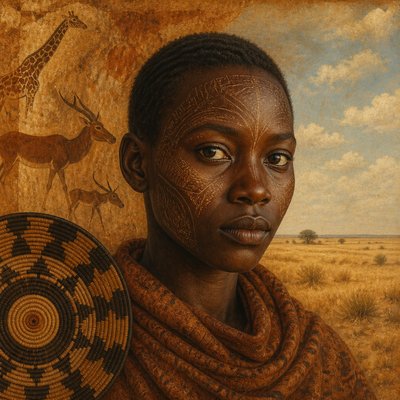
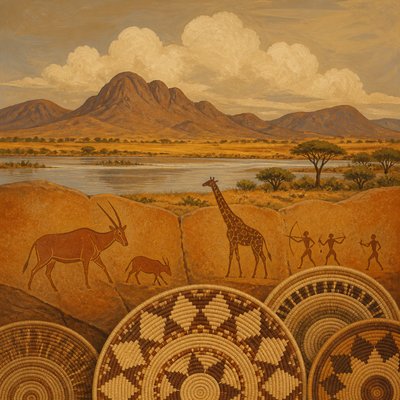
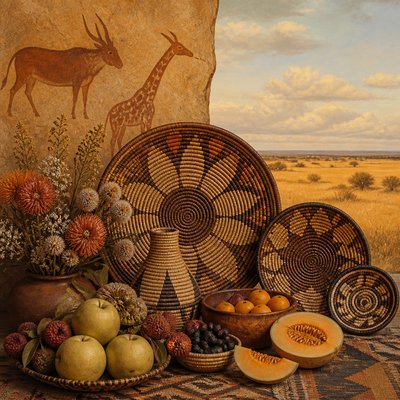
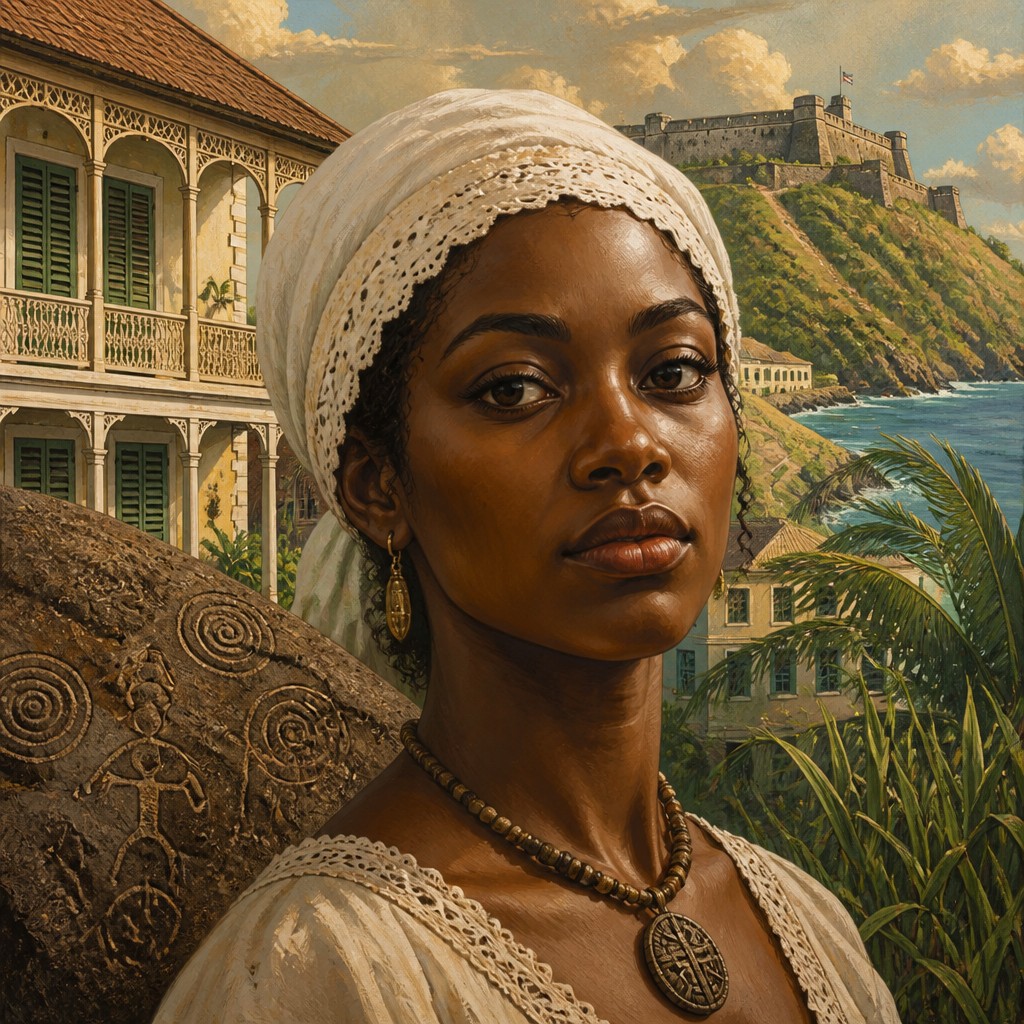
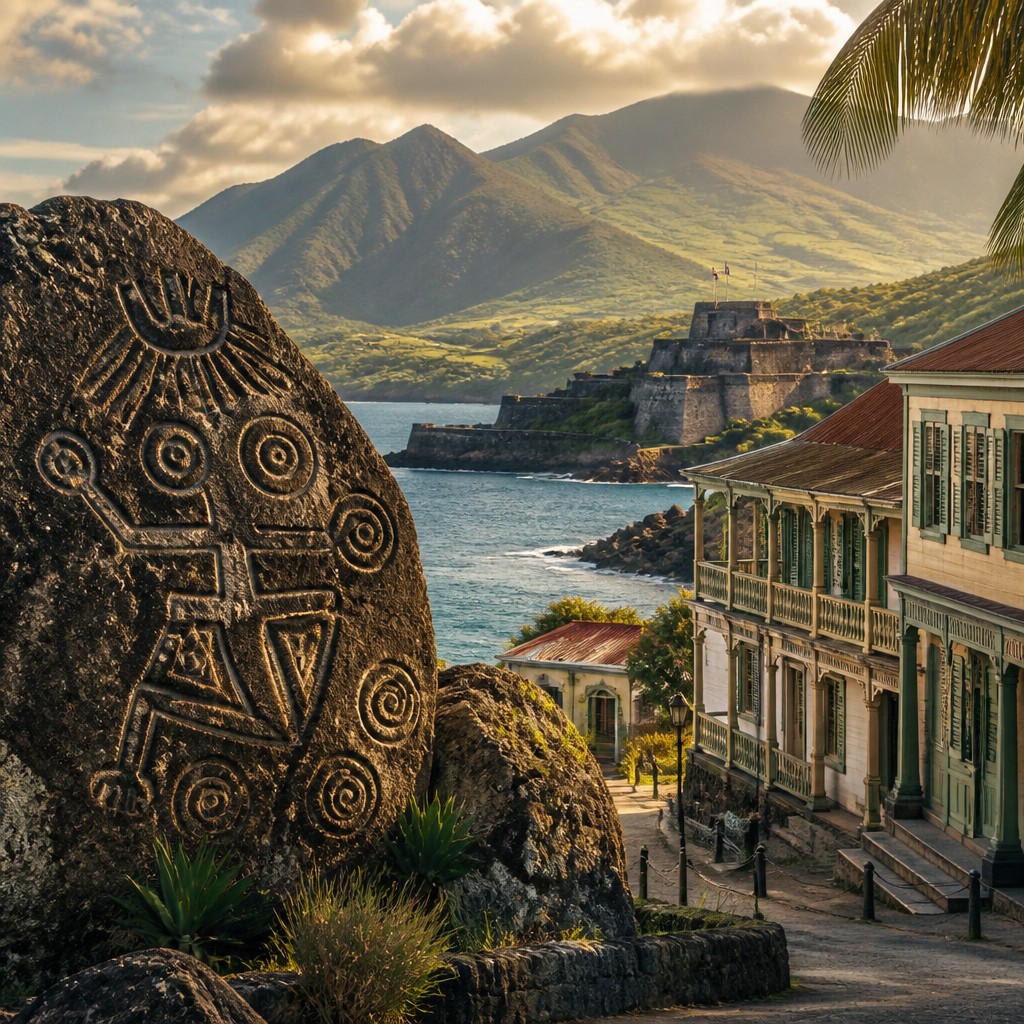
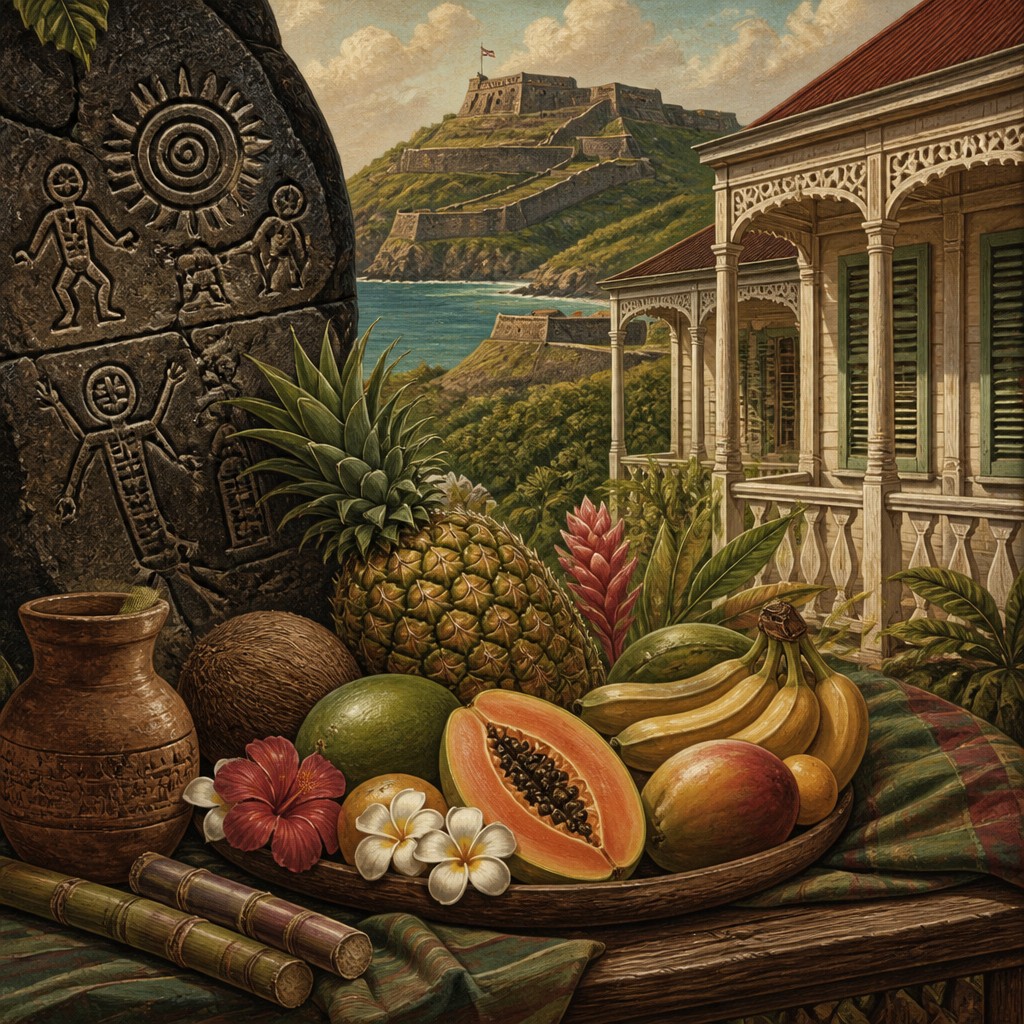
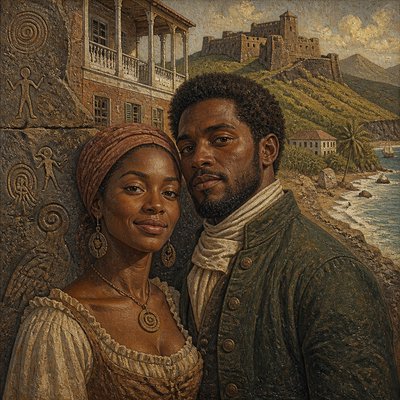
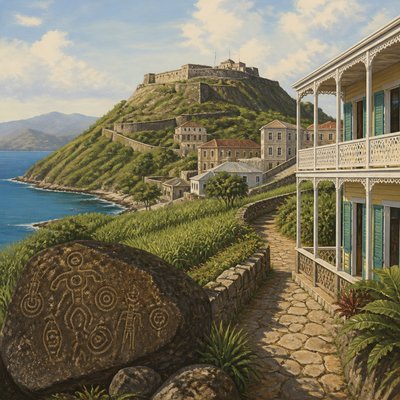
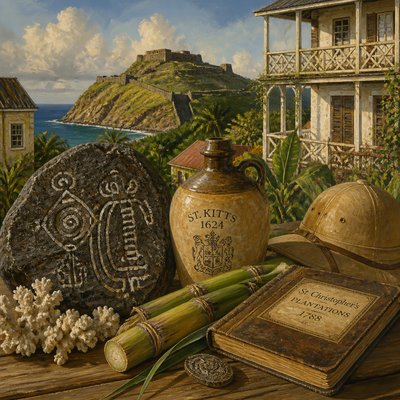
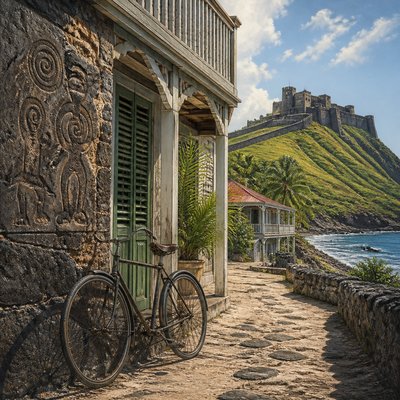
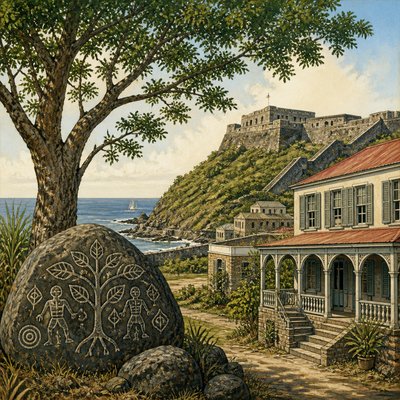
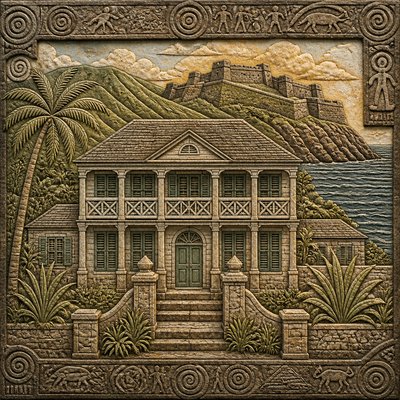
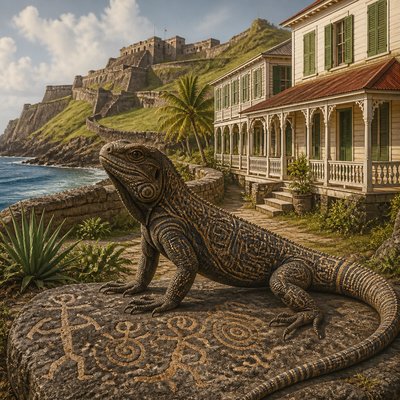
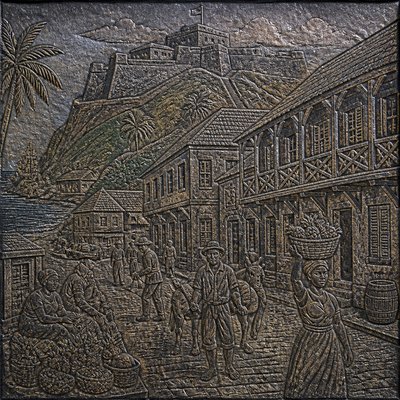
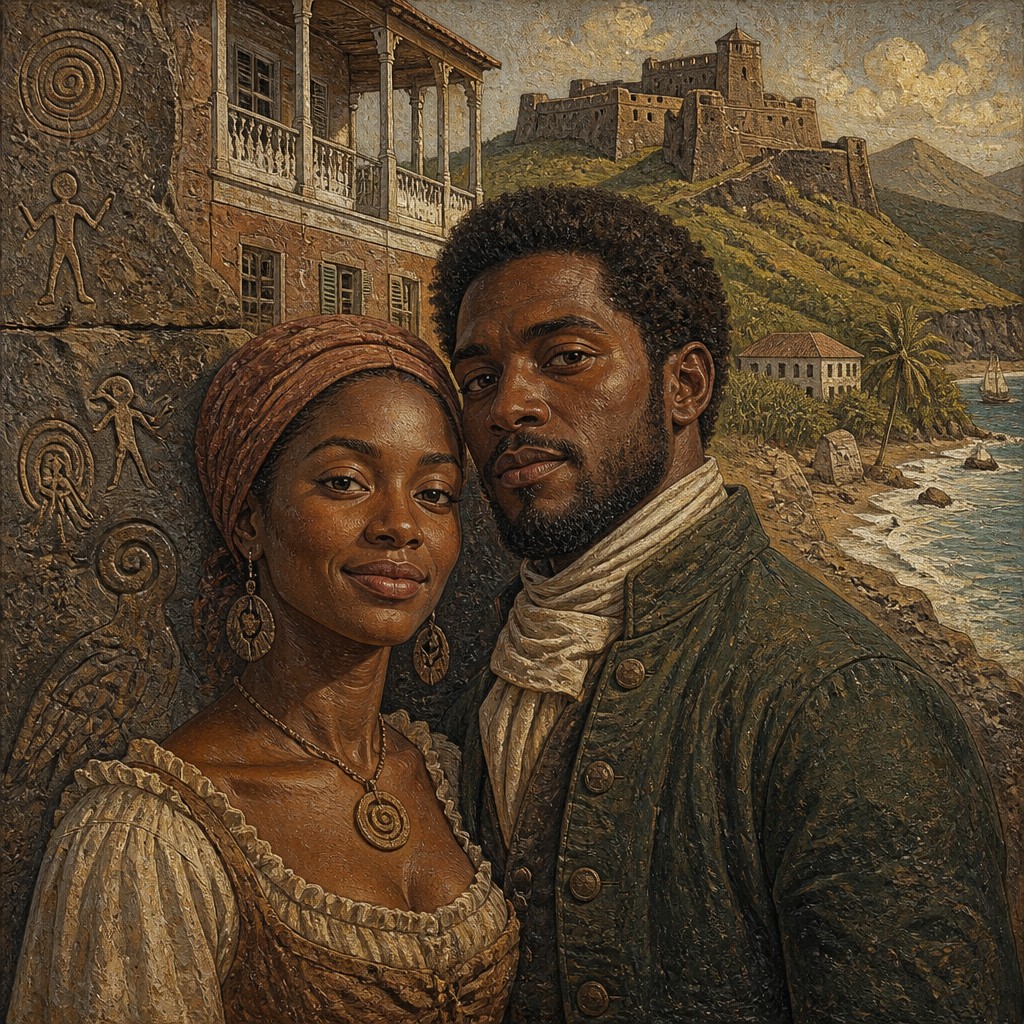
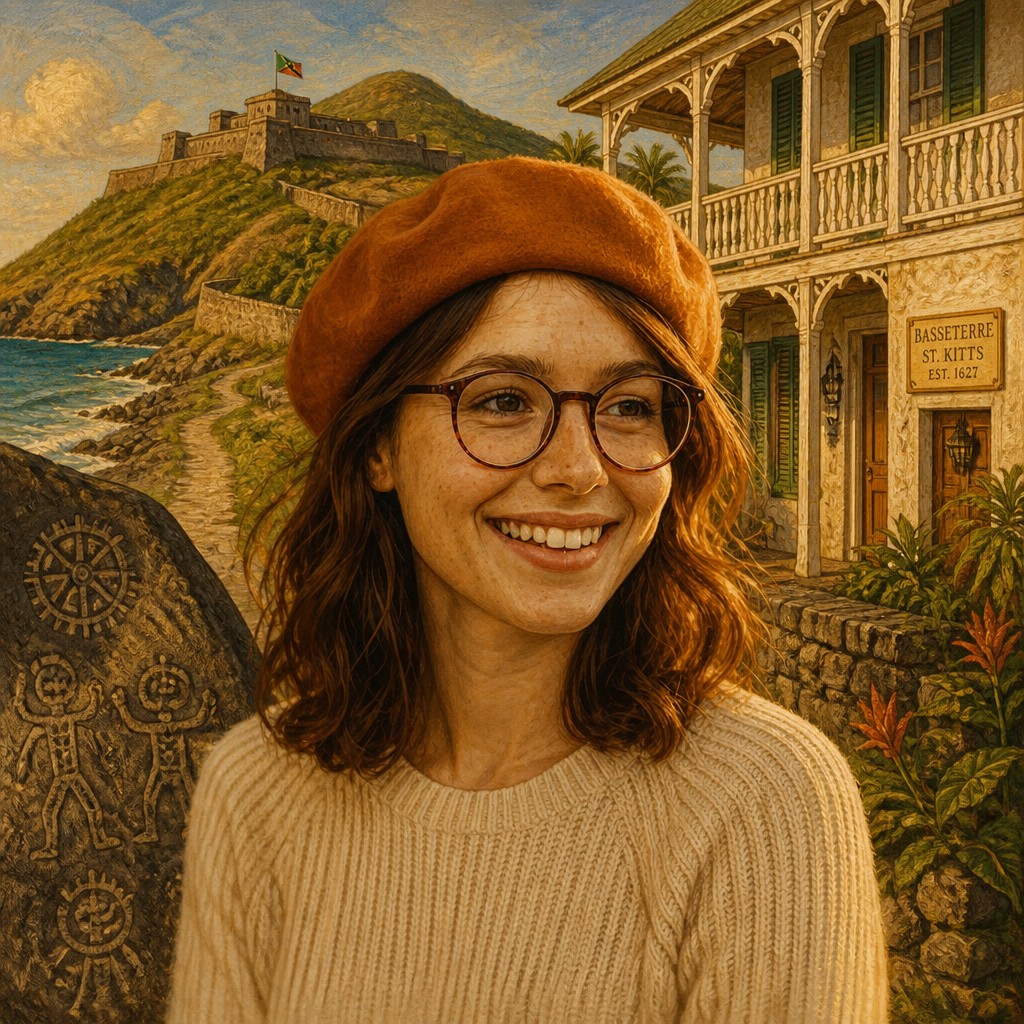
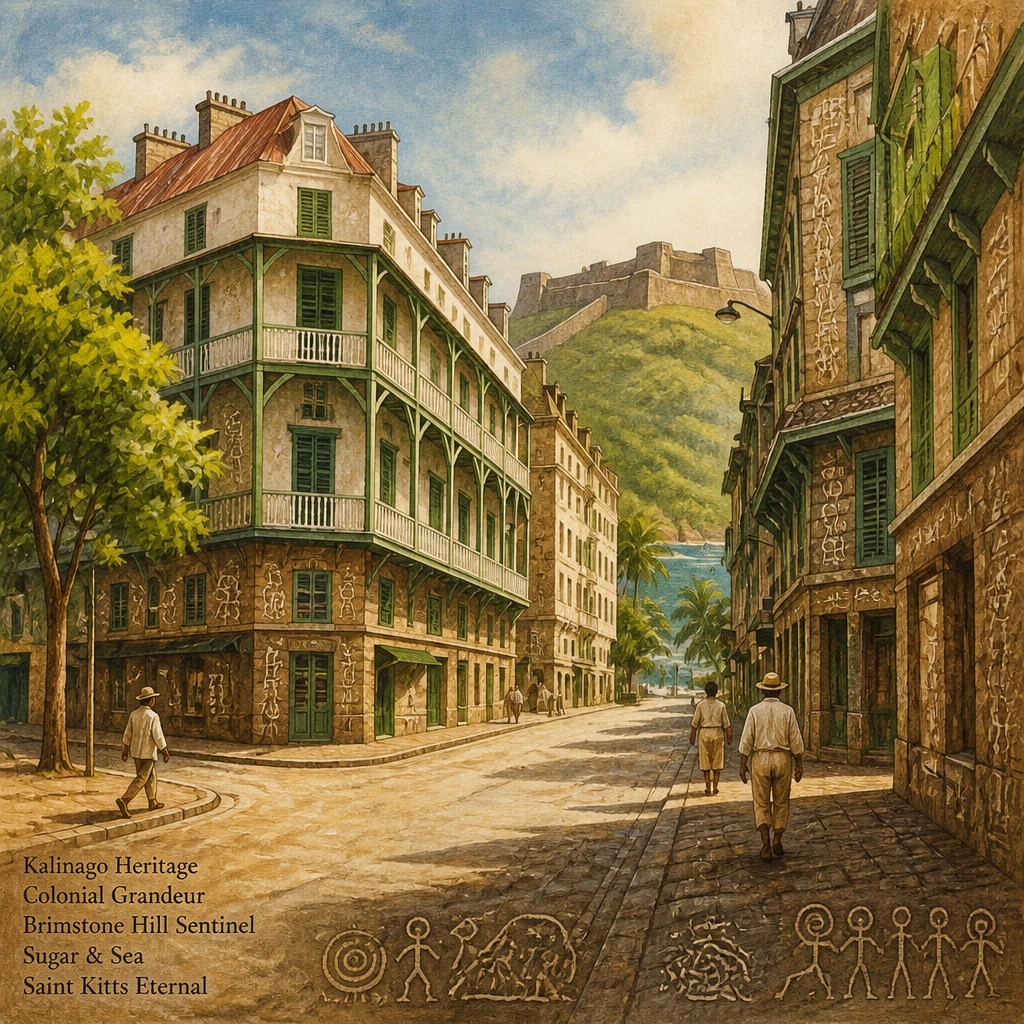
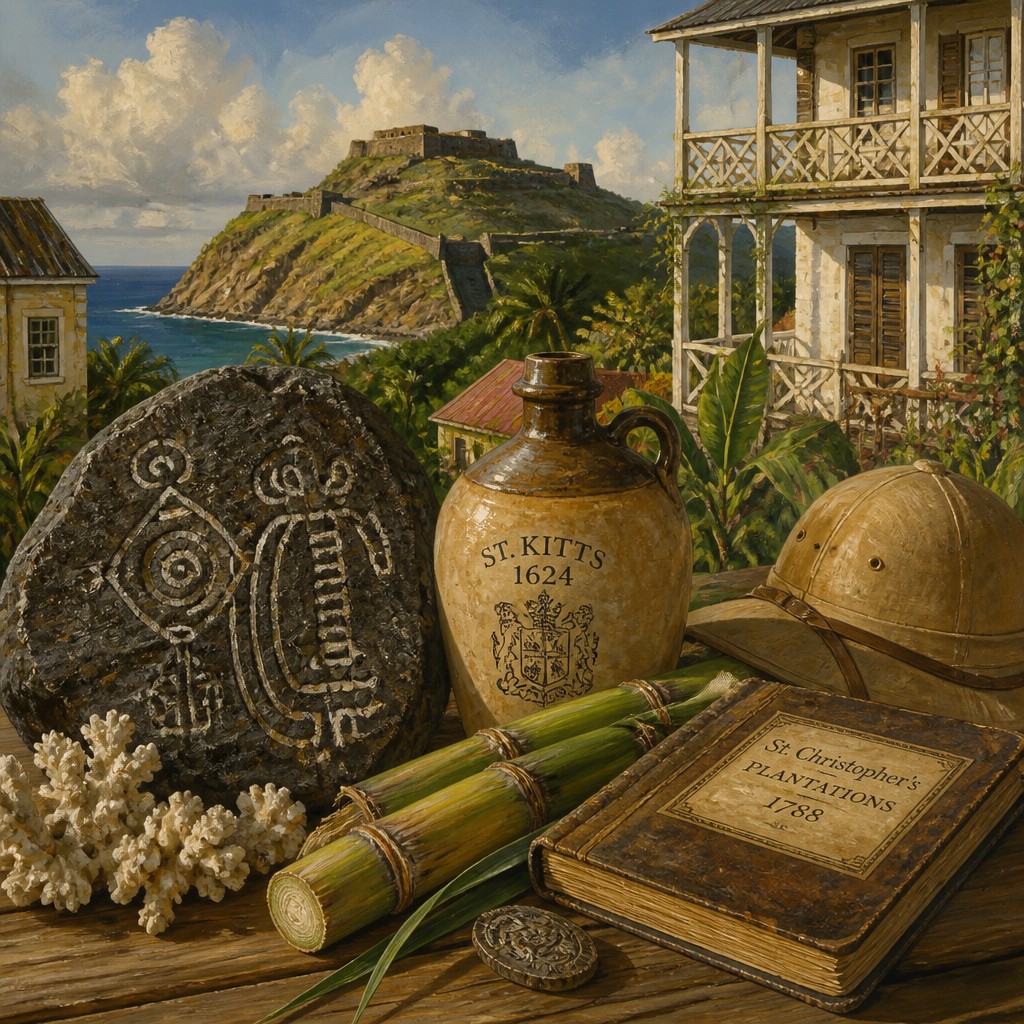
Saint Kitts art style is a place-based visual language built from the island’s volcanic geology, Indigenous heritage, colonial architecture and coastal geography. It combines weathered Kalinago-inspired petroglyph forms, dark stone surfaces, timber verandas, louvered shutters and the massive masonry of Brimstone Hill with green sugar-cane slopes and bright Caribbean water.
Try It On Your Photos
Upload any photo and convert it into Saint Kitts Art Style — drag the sliders to compare before and after.


What Defines Saint Kitts Art Style
The signature details, up close
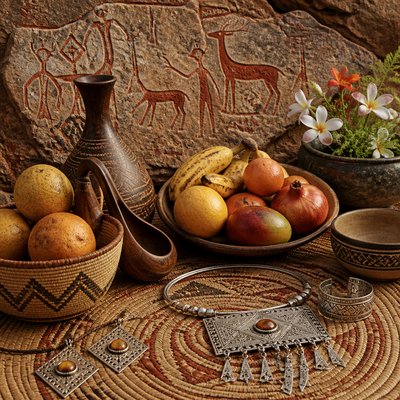
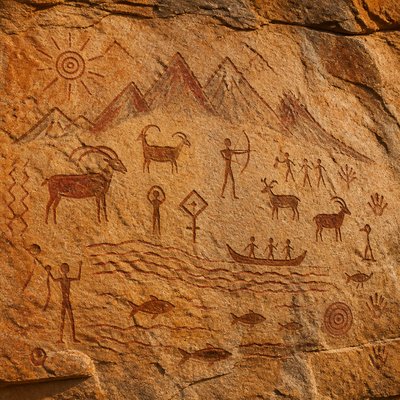
Volcanic stone and petroglyph texture
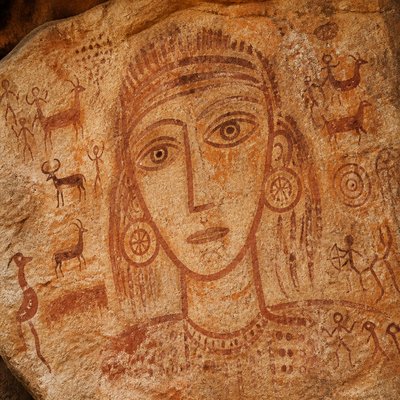
Surfaces appear porous, dark and weathered, with restrained geometric or figurative marks inspired by Caribbean Indigenous rock-carving traditions. Relief, erosion and mineral variation are more important than polished ornament.
Georgian Caribbean architecture
Symmetrical façades, timber galleries, verandas, columns, louvered shutters and pitched roofs evoke colonial-era island buildings. These details are softened by tropical wear, faded paint and dense vegetation.
Brimstone Hill fortification
Layered ramparts, bastions, stairs and masonry walls provide a strong architectural focal point. The fortress is often shown rising dramatically above the sea or embedded in green volcanic terrain.
Island landscape structure
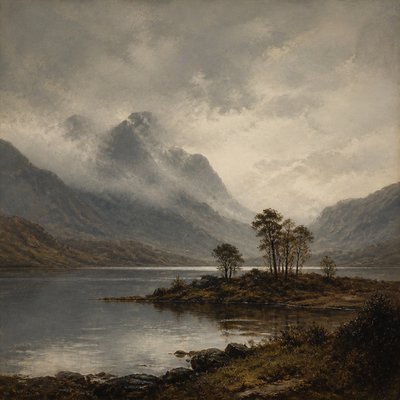
Compositions commonly contrast steep sugar-cane hillsides with sun-bleached coral beaches and open Caribbean horizons. Slopes, terraces and sea lines create depth while retaining a clear, readable silhouette.
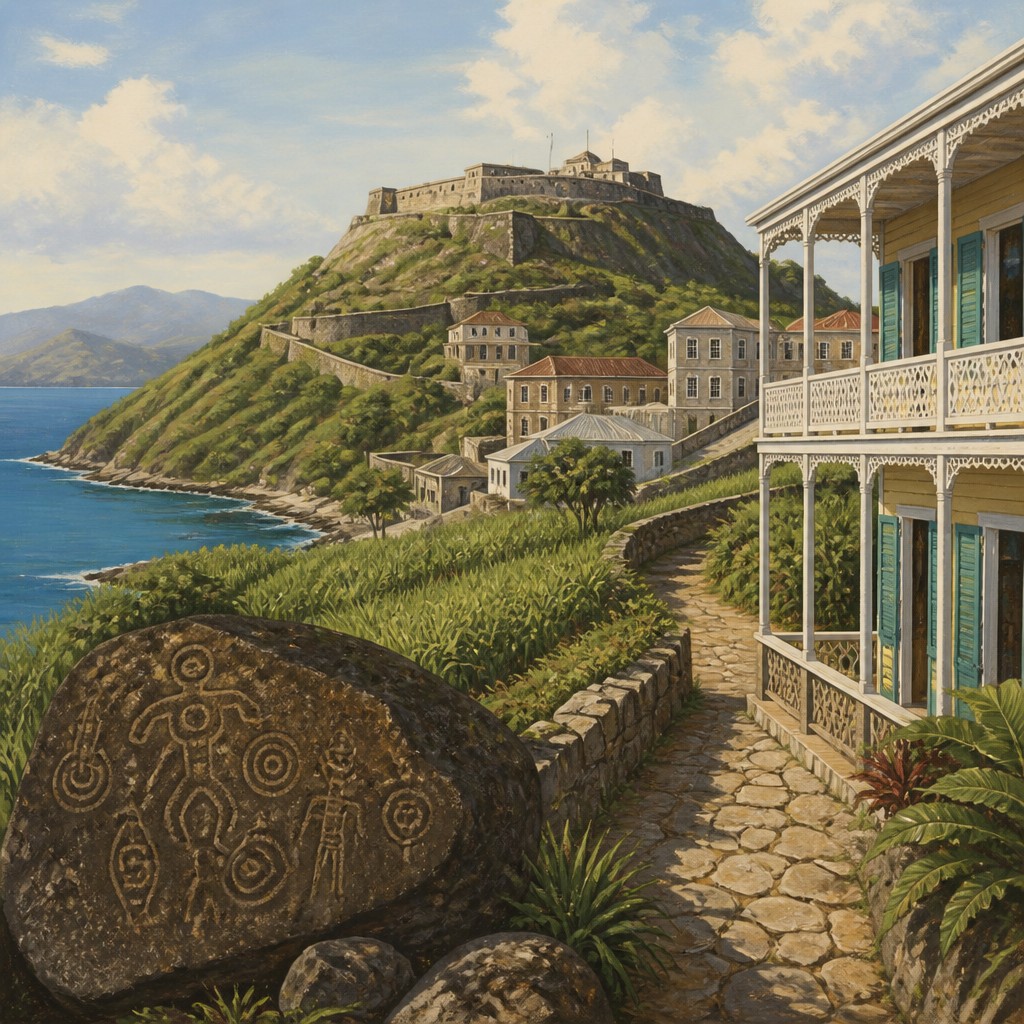
Warm colonial light
Golden, humid daylight produces amber stone, cream walls, deep veranda shadows and luminous turquoise water. Highlights are bright but not neon, with atmospheric haze suggesting heat and salt air.
Quiet historic grandeur
The mood is contemplative rather than theatrical: monumental ruins, empty courtyards and wind-shaped vegetation suggest layered history. Human figures, when present, are usually small and secondary to the setting.
Saint Kitts Prompt Ideas
Start from an idea — each one opens the generator with the style ready to go. See all 40 Saint Kitts prompts →
How to Create Saint Kitts Art
Master the craft step by step — or skip straight to creating. Read the full guide →
- 1
Build a material palette
Start with basalt charcoal, weathered umber, coral cream, sugar-cane green, sea turquoise and muted ochre. Add irregular stone grain, limewash, peeling paint and salt staining instead of relying on flat digital fills.
- 2
Organize the composition around a landmark
Place a fortress wall, veranda or stone outcrop as the main anchor, then balance it with a distant sea horizon or hillside. Use receding masonry, stairways and terrace lines to create scale.
- 3
Control tropical light
Use a high, warm sun with strong but soft-edged shadows under galleries and battlements. Preserve atmospheric haze in the distance while keeping foreground stone and timber sharply tactile.
- 4
Use motifs with cultural care
Treat petroglyph-inspired marks as sparse, weathered surface references rather than decorative patterns covering every object. Avoid inventing ceremonial meanings or presenting unrelated Indigenous symbols as interchangeable.
- 5
Translate the look digitally
In painting or 3D software, combine textured brushes, displacement maps and layered opacity for volcanic masonry, timber and louvered shutters. For text-to-image or image-to-image work, specify the landmark, materials, lighting, coastline and mood separately, and use reference images to preserve architectural structure.
The Story
History & Origins of Saint Kitts
This is an invented contemporary style rather than a documented historical art movement. Its aesthetic lineage draws on Caribbean Indigenous rock imagery, the material culture of volcanic islands, British colonial and Georgian architectural vocabulary, and the historical landscape of Saint Kitts, including Brimstone Hill Fortress National Park and former sugar estates.
The style develops these references into a unified image-making approach: monumental but quiet, historical without being antiquarian, and strongly dependent on sunlight, humidity, salt weathering and the contrast between dark volcanic stone and pale coral shores. Its visual identity also requires cultural care, distinguishing Kalinago-derived motifs from later colonial structures rather than treating them as interchangeable decoration.
Influences: The style relates to Caribbean landscape painting, colonial architectural documentation, heritage and archaeological illustration, Indigenous petroglyph traditions, tropical plein-air observation, and ruin imagery associated with Romantic landscape art. It also shares techniques with architectural visualization and textured digital matte painting, especially their use of atmospheric perspective, material detail and landmark-centered composition.
Frequently Asked Questions
What defines the Saint Kitts art style?
It is defined by the combination of volcanic stone, Kalinago-inspired rock markings, Georgian Caribbean architecture, Brimstone Hill fortifications, sugar-cane hills and bright coastal light. The overall mood is restrained, historical and contemplative rather than exuberantly tropical.
Is Saint Kitts art style a historical art movement?
No. It is a contemporary, place-based style label rather than a documented movement with a fixed period or school. Its visual lineage comes from Saint Kitts landscapes and heritage, Caribbean Indigenous traditions, colonial architecture and modern digital image-making.
How does it differ from generic Caribbean art?
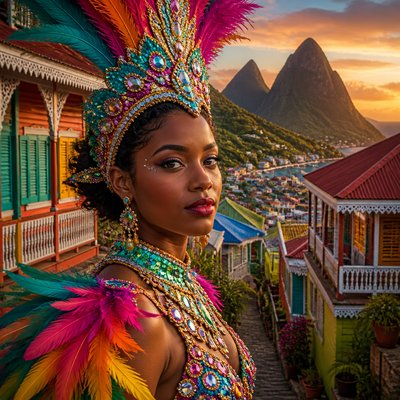
Generic Caribbean art may emphasize beaches, saturated color, carnival, maritime life or broad regional symbolism. Saint Kitts art style is more specific: it centers volcanic geology, fortified architecture, Georgian verandas, sugar landscapes and the tension between Indigenous heritage and colonial history.
What colors work best for this style?
Use charcoal basalt, warm gray, weathered brown, coral cream, faded colonial white, sugar-cane green, muted ochre and turquoise blue. Strong sunlight can brighten the palette, but worn surfaces and atmospheric haze keep it from becoming overly glossy or neon.
Can photographs be transformed into this style?
Yes. Architectural or landscape photographs with clear stone, timber, hills or coastline work especially well. Preserve the original perspective and major silhouettes, then add volcanic texture, warm Caribbean light, restrained weathering and a fortress-or-veranda visual anchor.
Where is this style commonly used?
It suits heritage posters, travel illustration, editorial maps, architectural studies, cultural storytelling, book covers, environment design and atmospheric landscape images. It is most effective when the location and materials remain recognizable rather than being buried under ornamental effects.
Create your first Saint Kitts artwork
Describe anything — or upload a photo — and see it in Saint Kitts Art Style in seconds.
Related Styles
Discover similar art styles