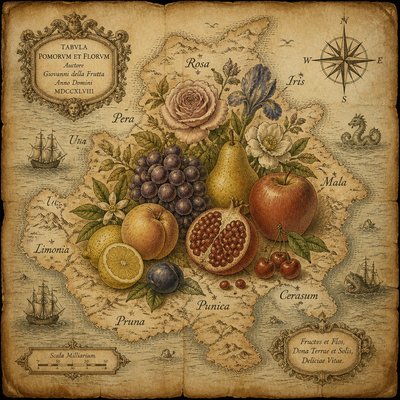
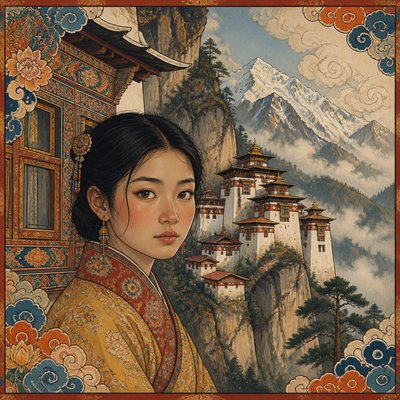
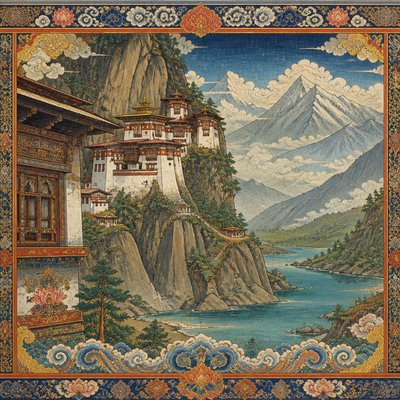
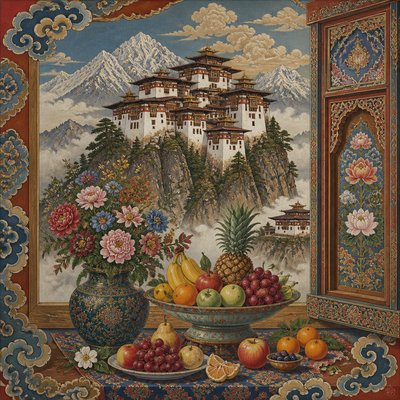
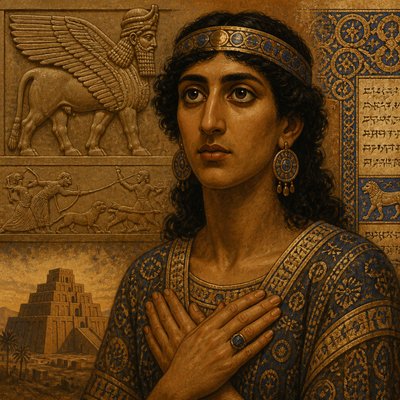
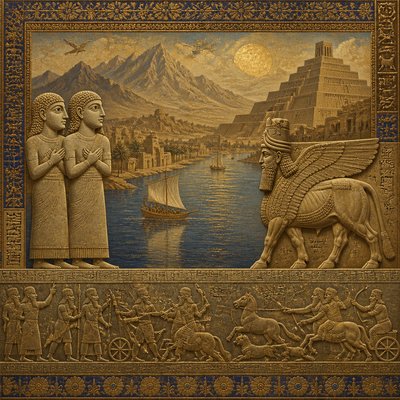
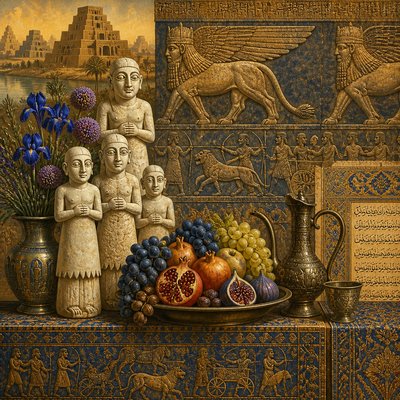
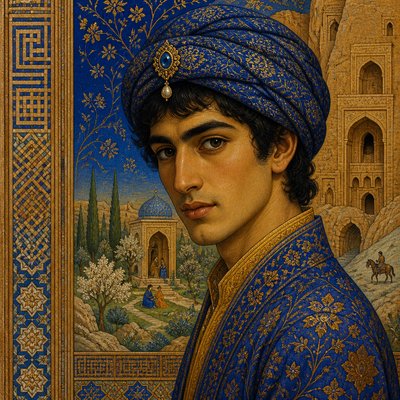
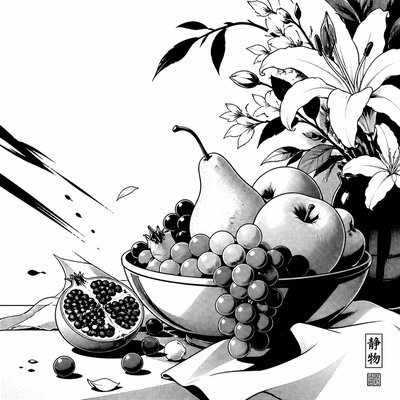
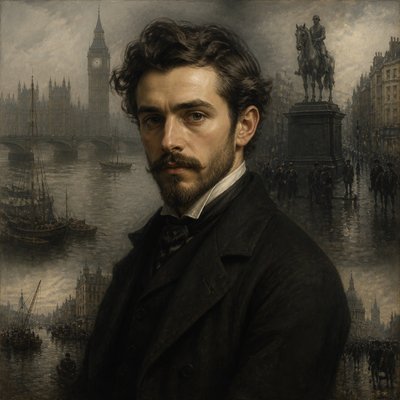
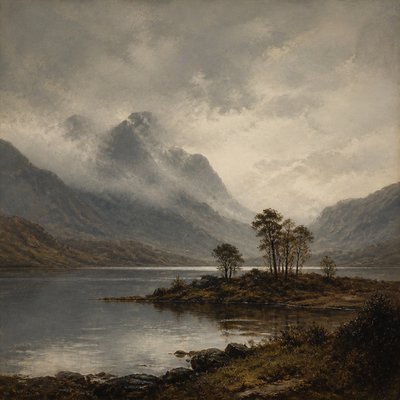
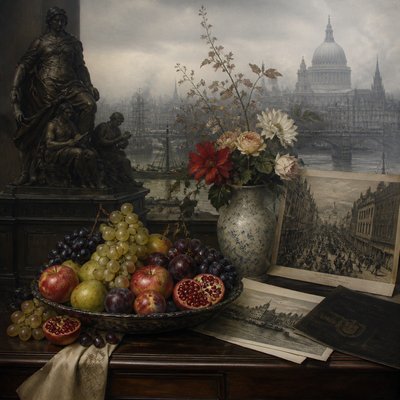
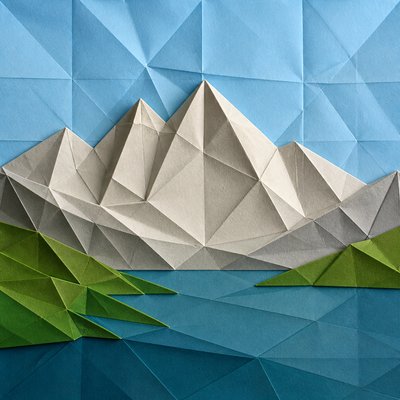
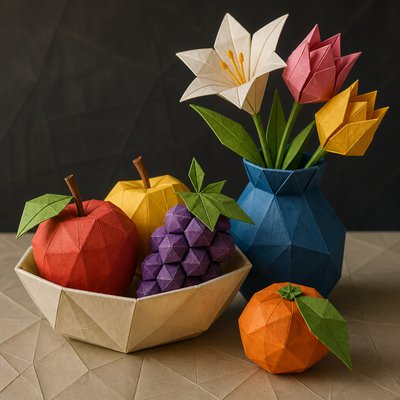
Rule of Thirds Art Style
Explore Rule of Thirds art: balanced asymmetry, strategic focal points, and negative space shaped by a nine-zone composition grid.
Instantly rendered in Rule of Thirds — or transform a photo

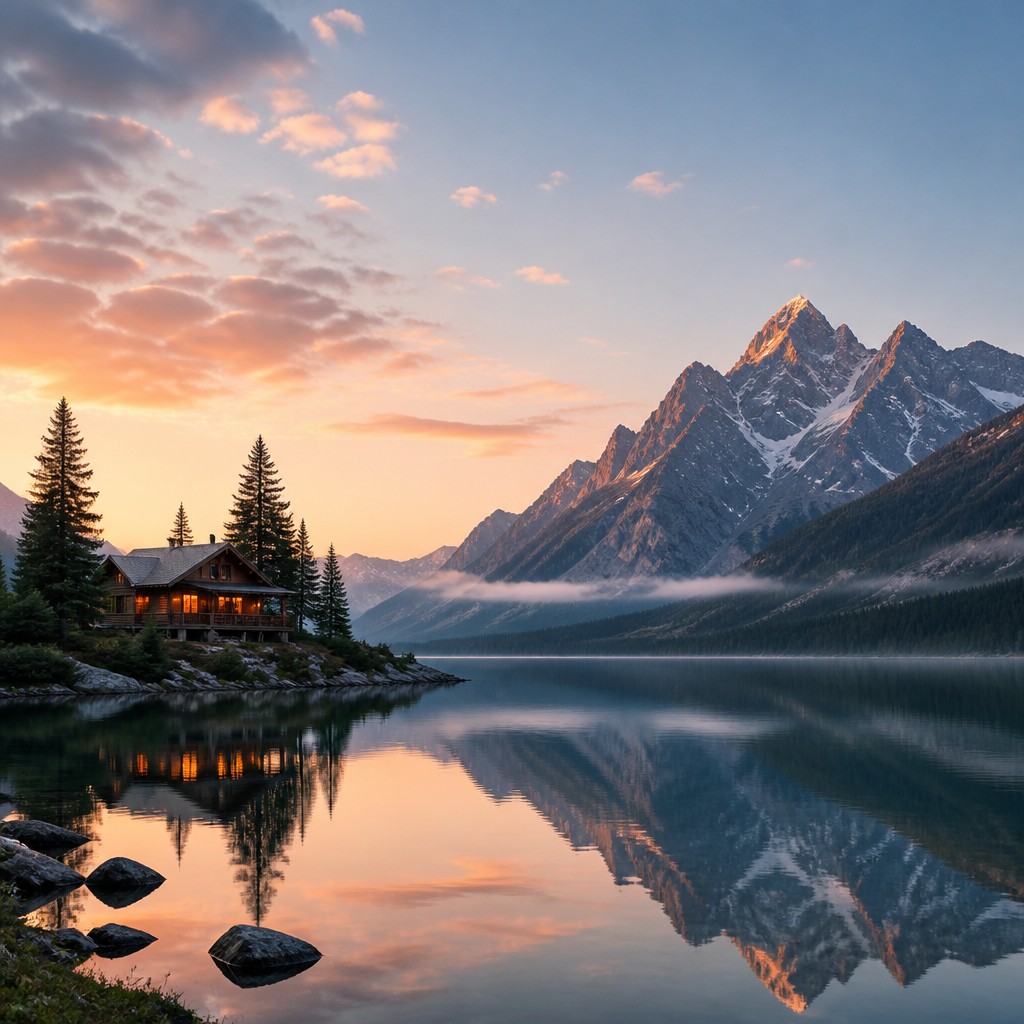
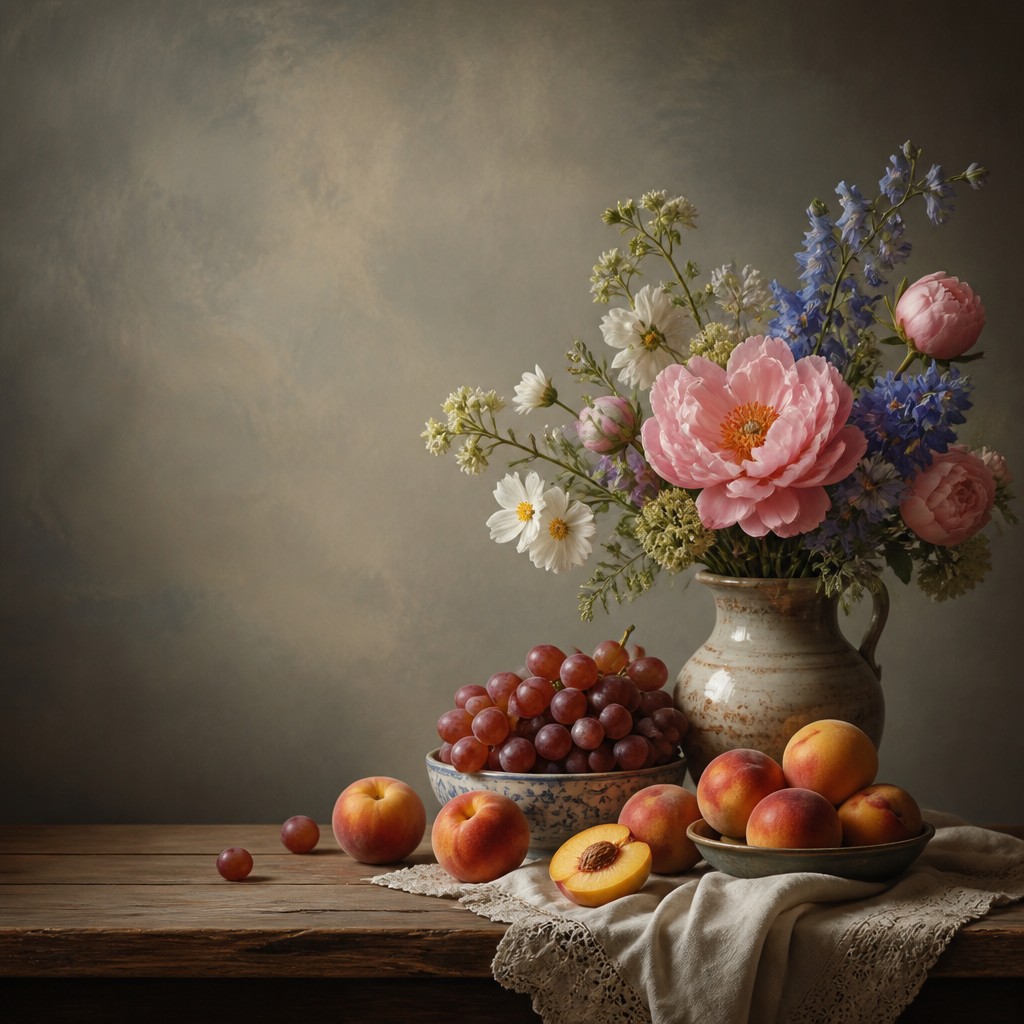
Rule of Thirds Gallery
Tap any artwork to explore it

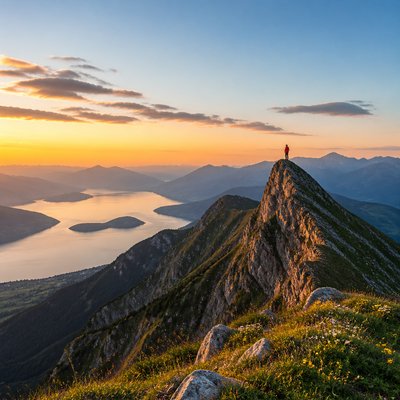
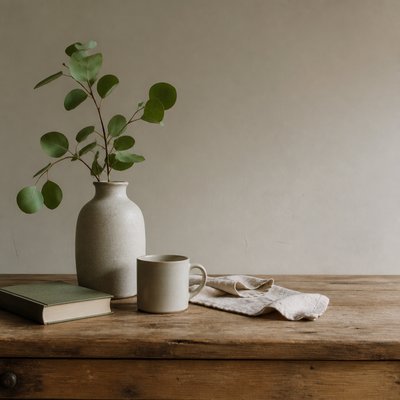
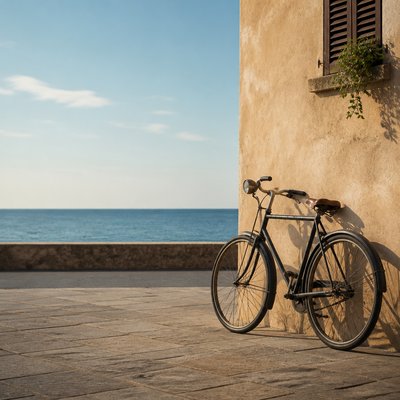
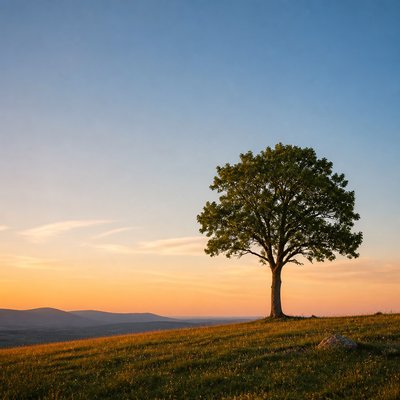
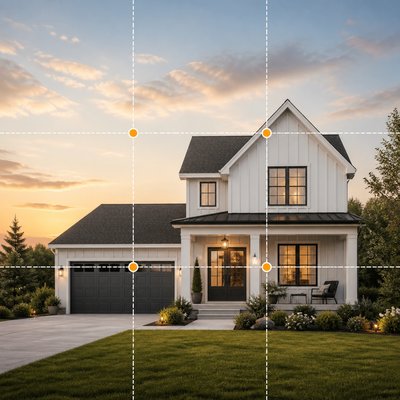
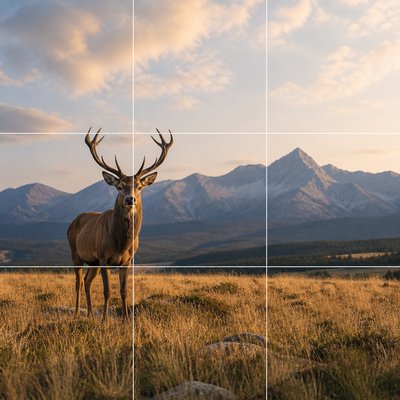
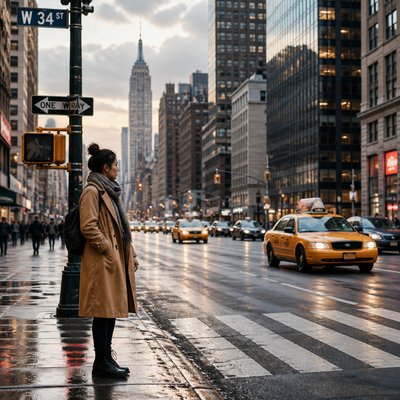
What is Rule of Thirds Art Style?
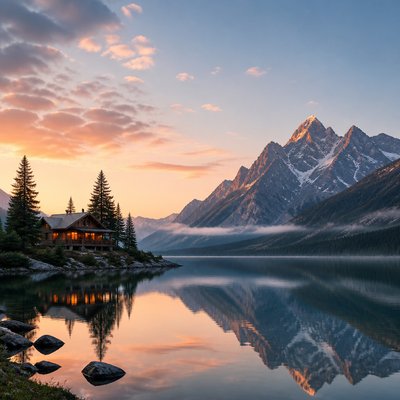
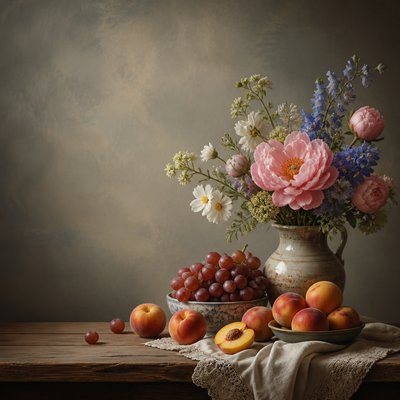
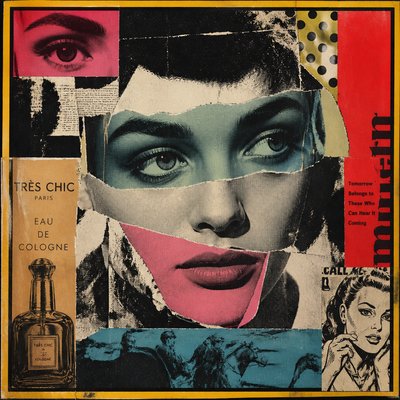
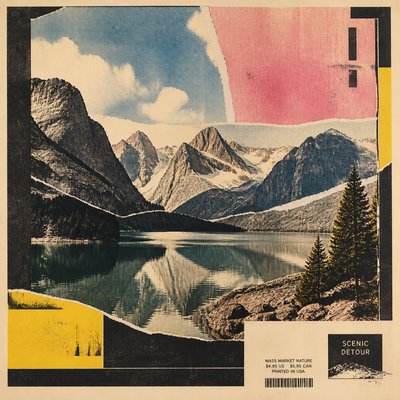
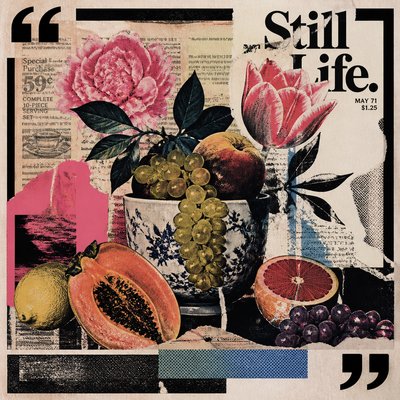
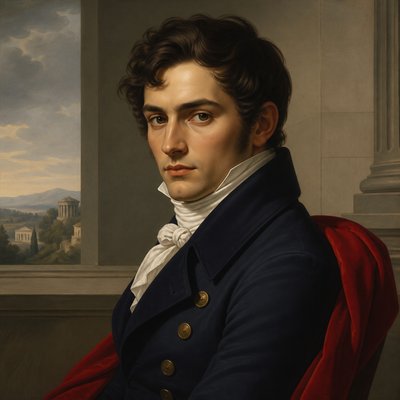
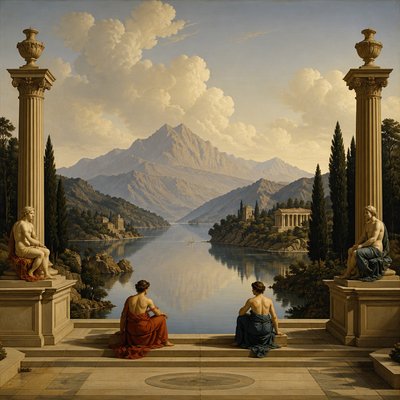
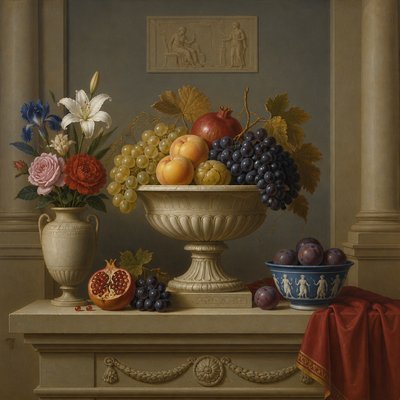
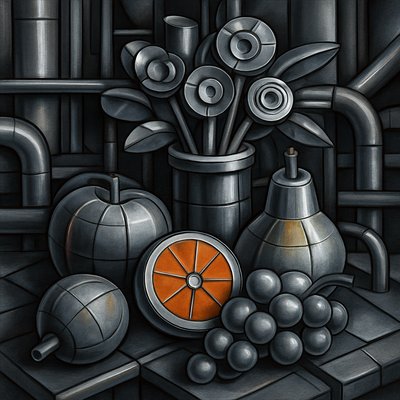
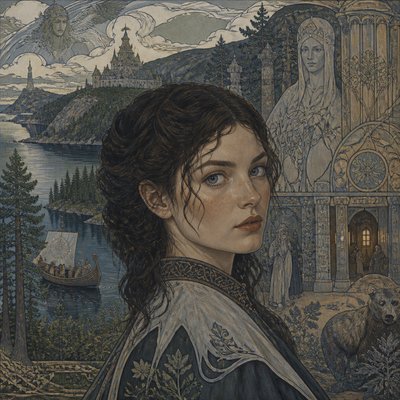
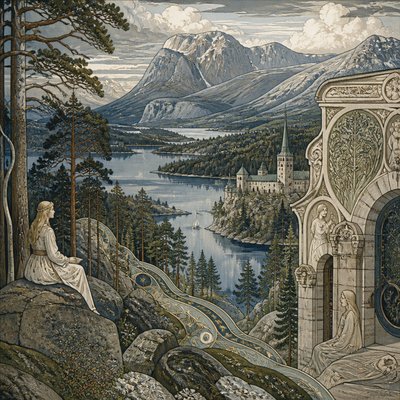
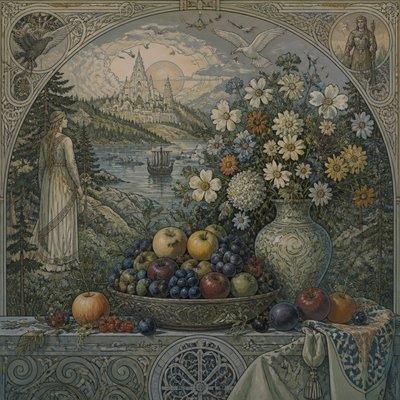
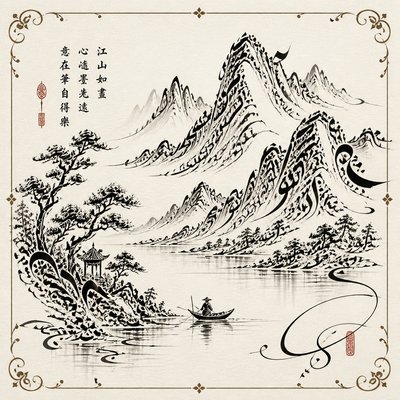
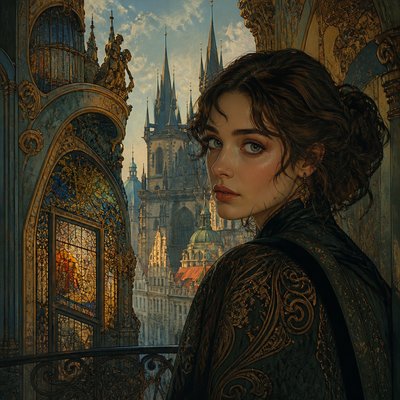
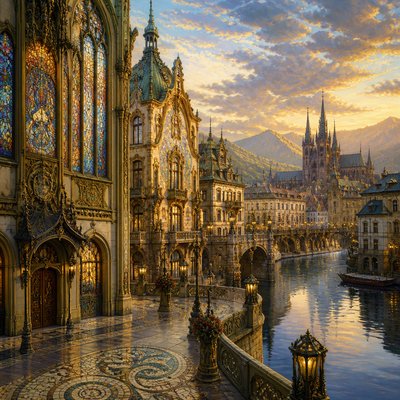
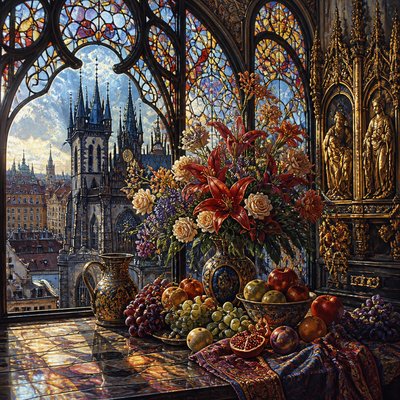
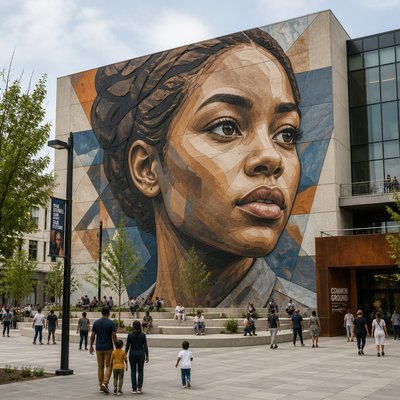
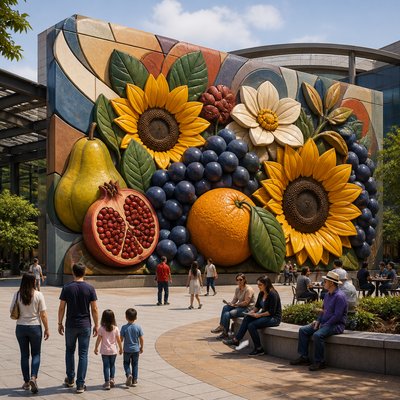
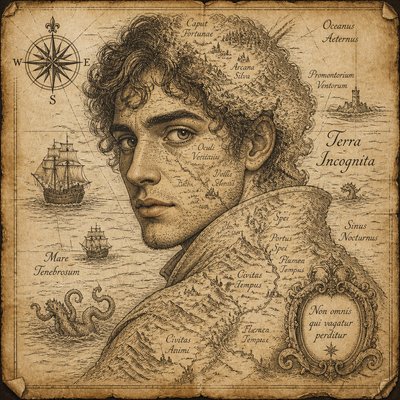
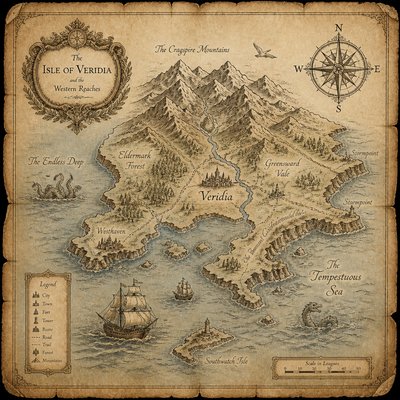
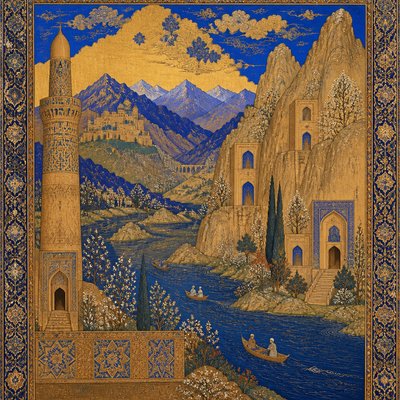
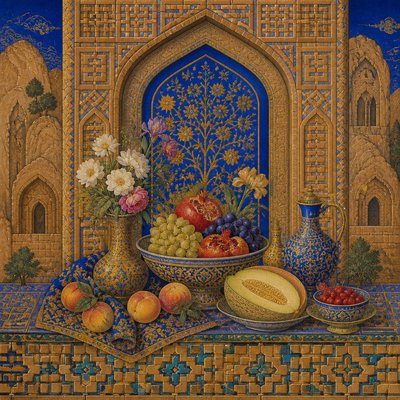
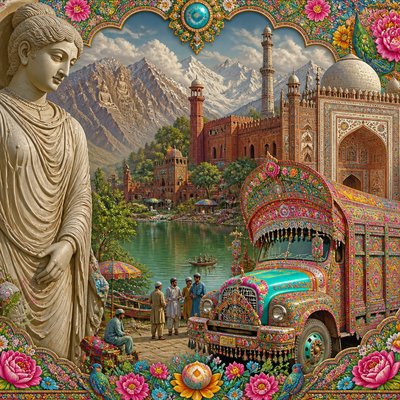
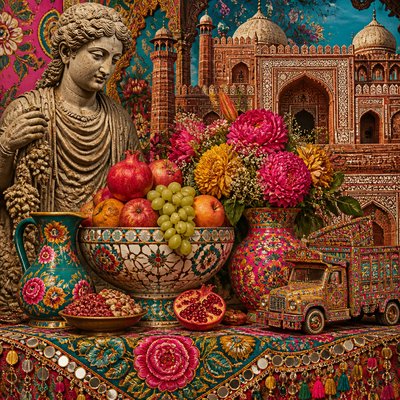
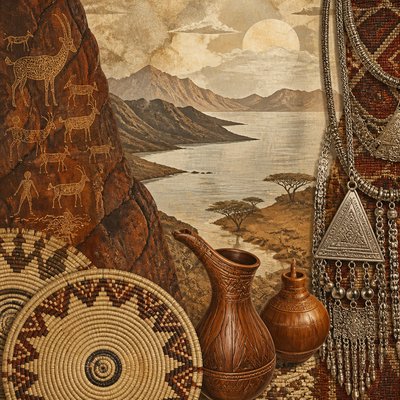
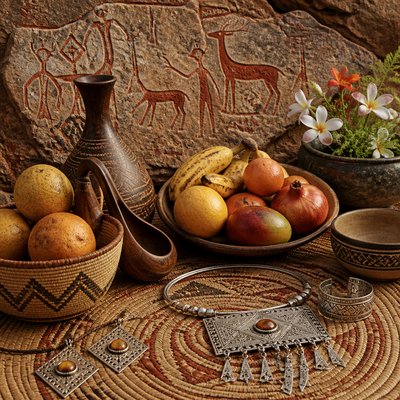
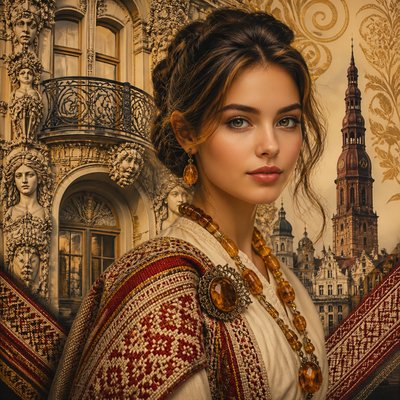
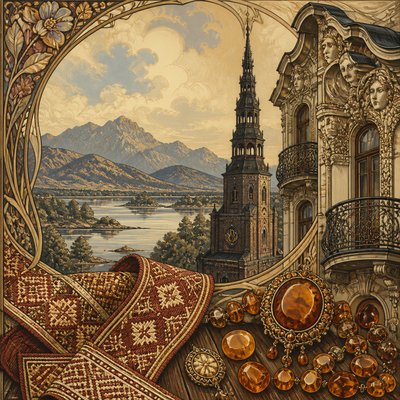
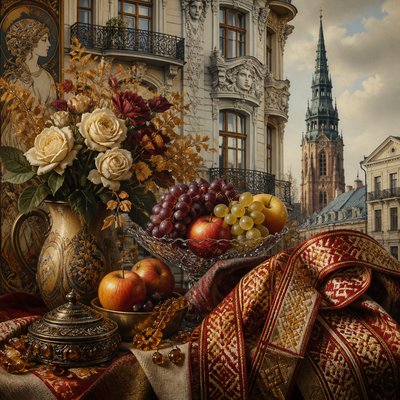
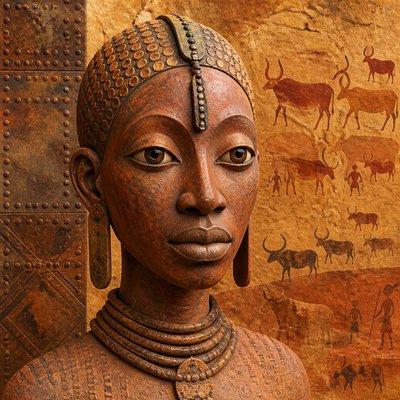
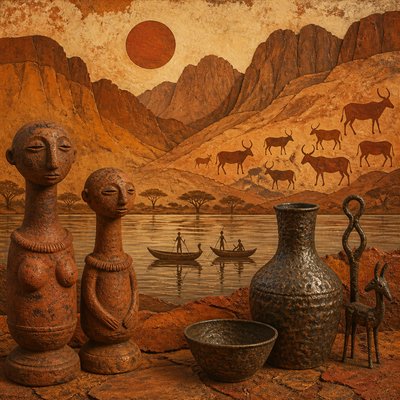
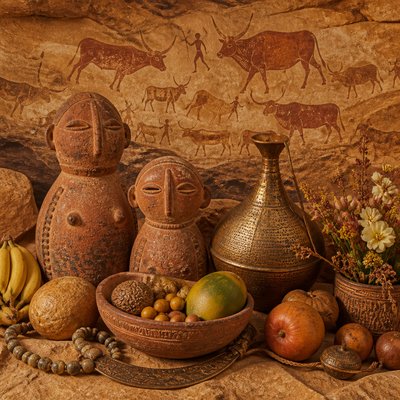
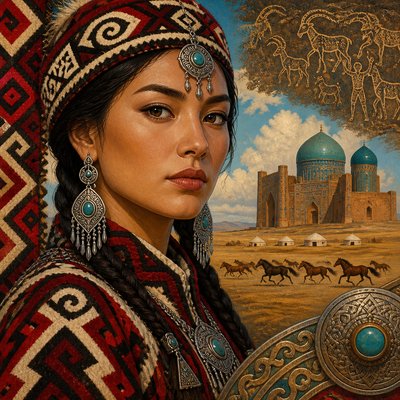
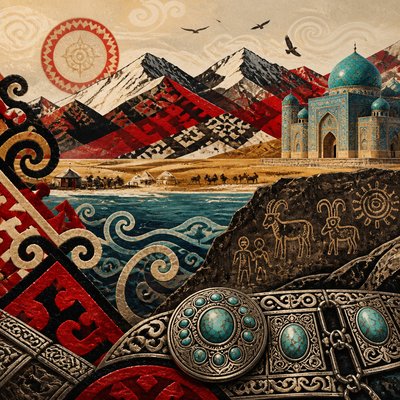
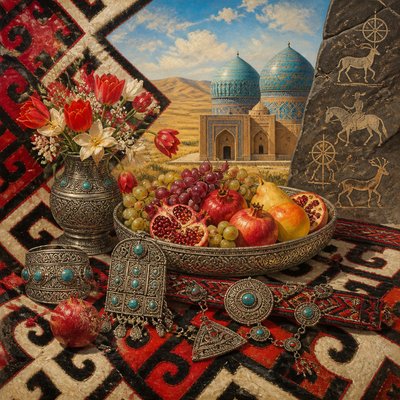
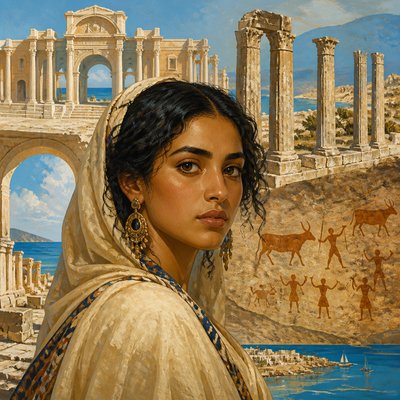
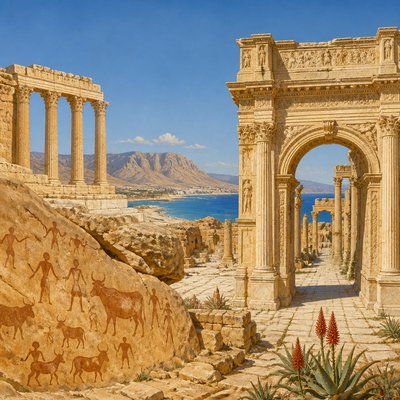
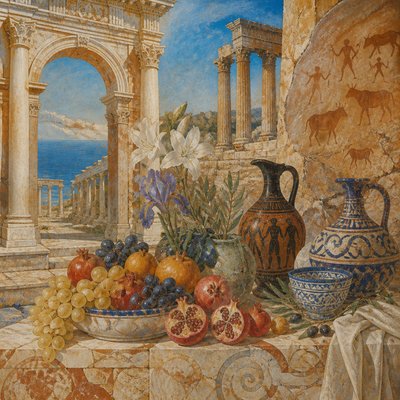
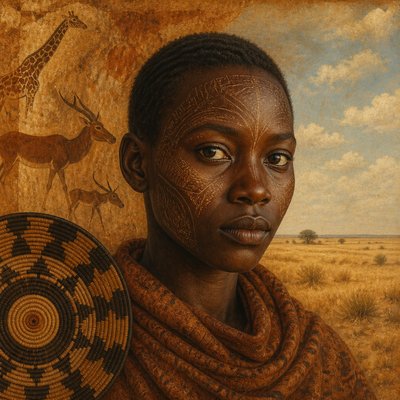
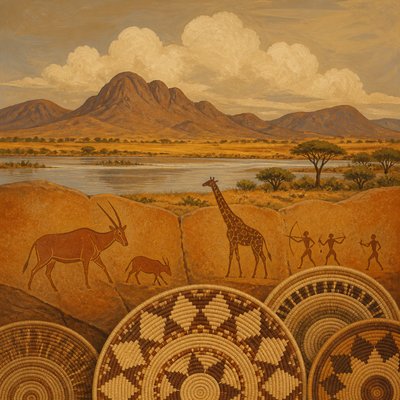
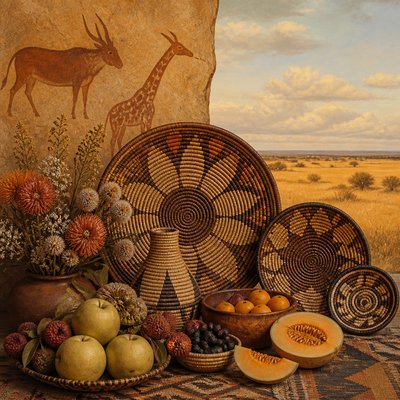
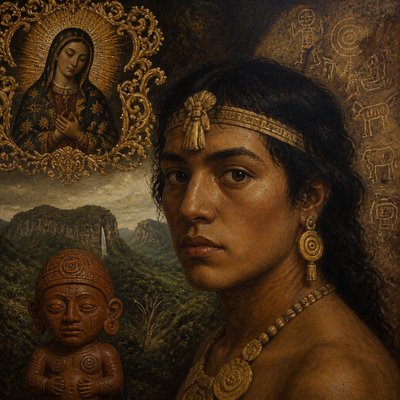
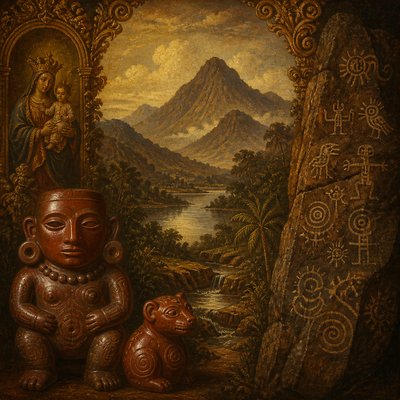
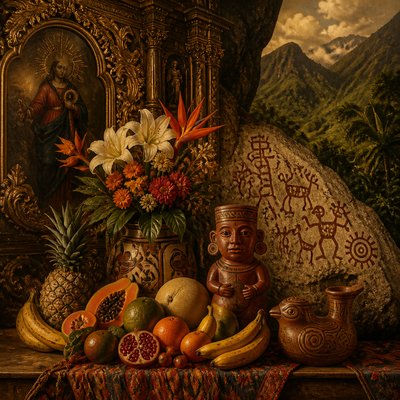
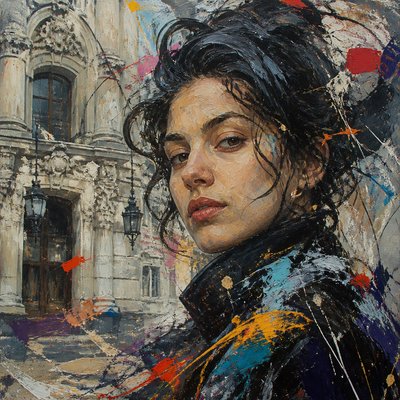
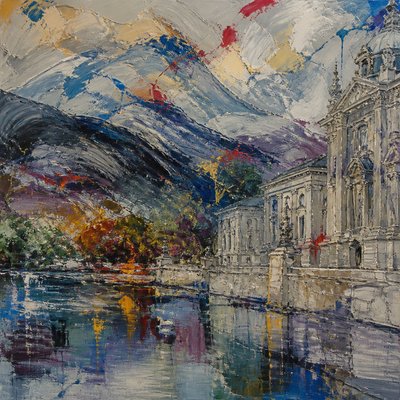
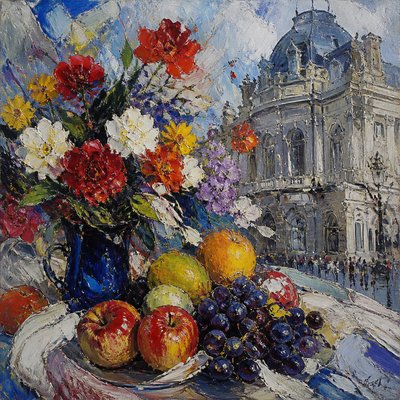
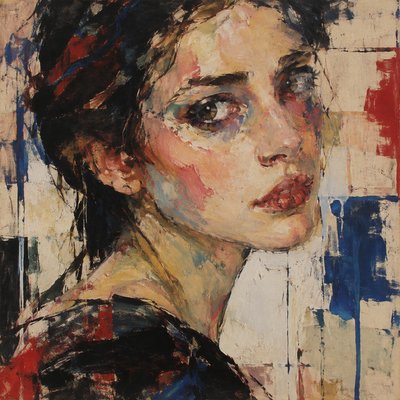
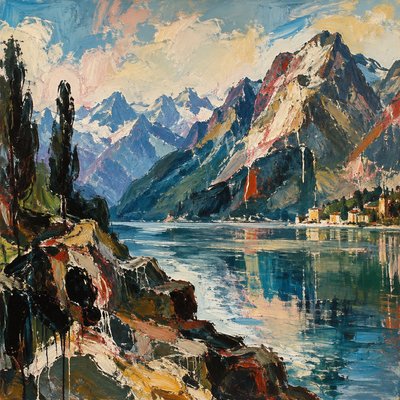
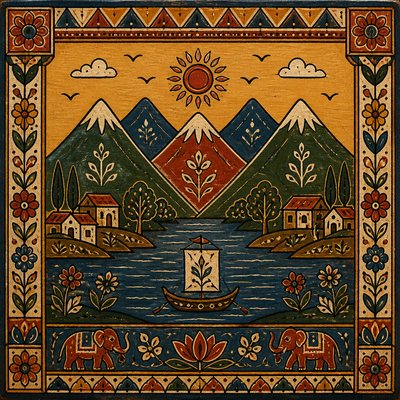
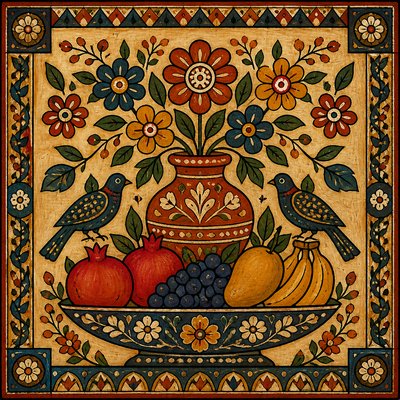
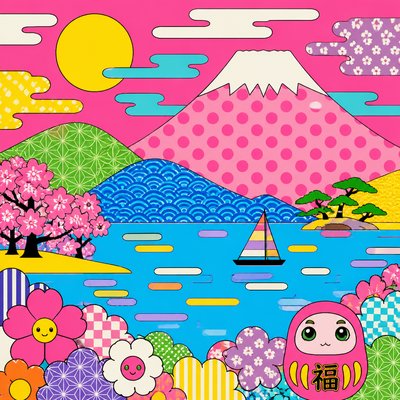
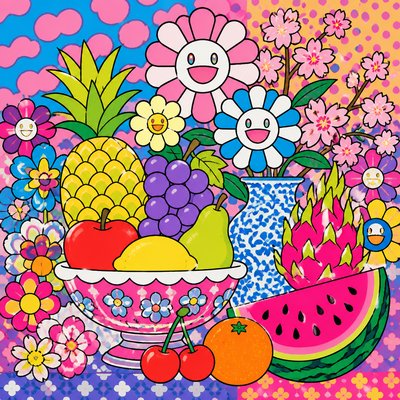
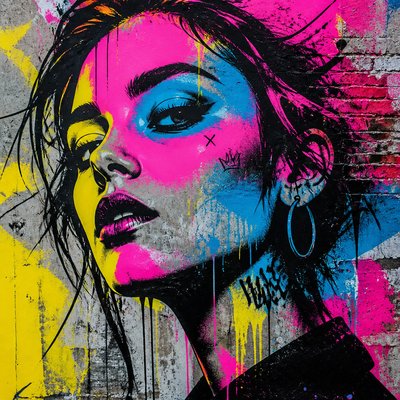
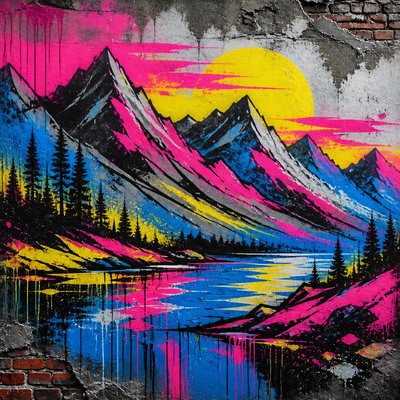
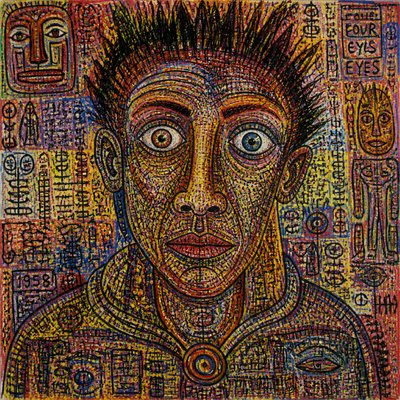
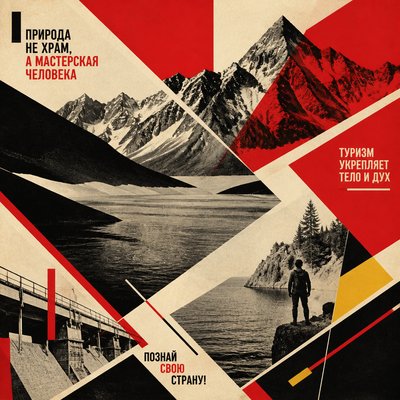
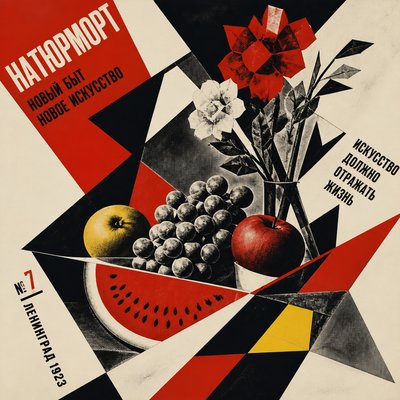
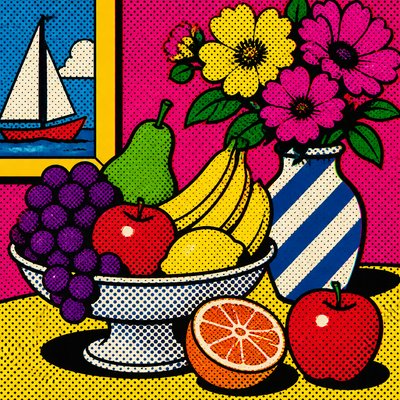
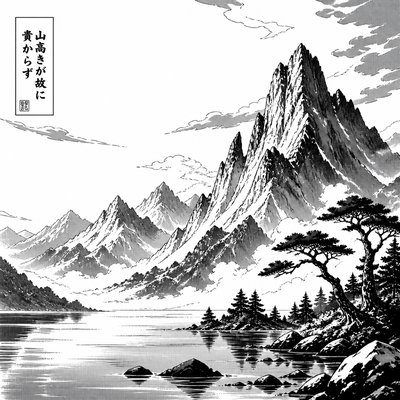
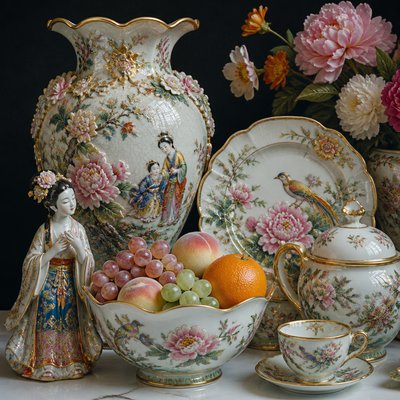
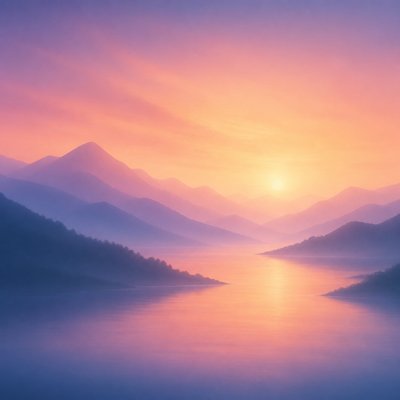
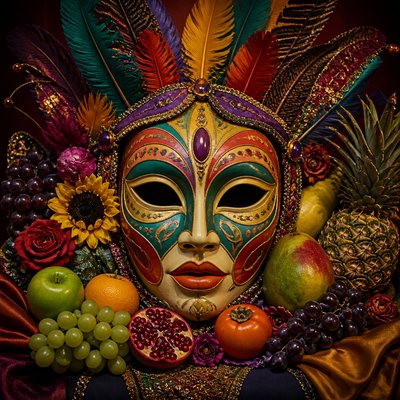
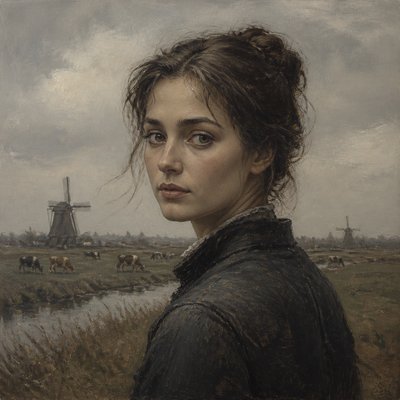
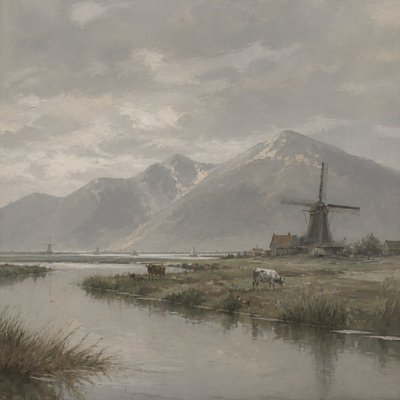
Rule of Thirds Art Style is a composition-led visual approach rather than a historical art movement. The image is mentally divided into nine equal zones by two horizontal and two vertical lines, with the primary subject placed near one of the four intersections. Horizons, architectural edges, or major bands commonly align with the upper or lower horizontal third.
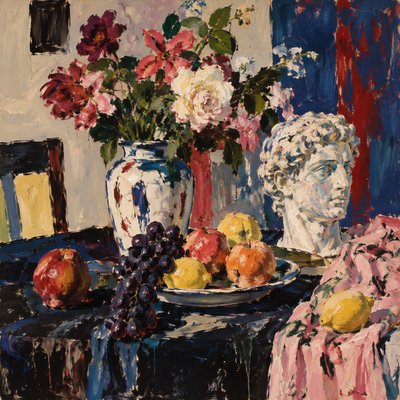
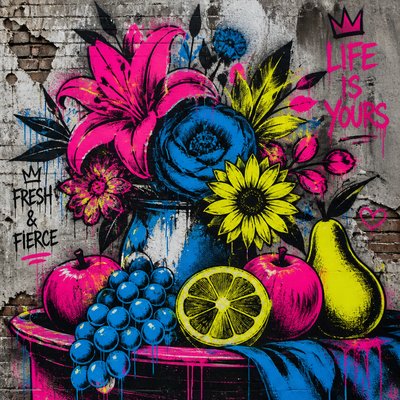
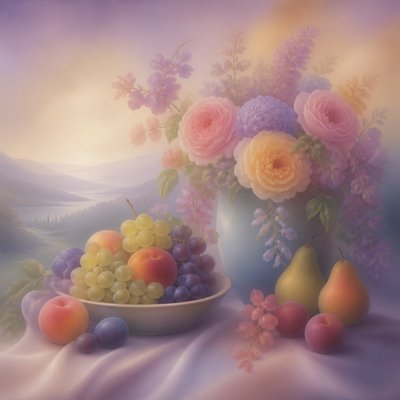
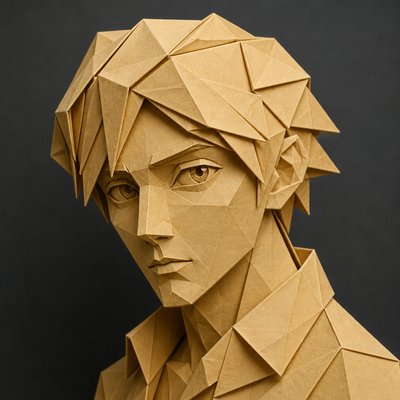
Its visual identity comes from controlled imbalance: the subject is offset from the center while surrounding negative space gives it room to register. This arrangement creates a clear path for the eye, preserves environmental context, and often produces a calm but dynamic image. The method can support realism, illustration, painting, digital art, still life, landscape, portraiture, and cinematic scenes.

Try It On Your Photos
Upload any photo and convert it into Rule of Thirds Art Style — drag the sliders to compare before and after.
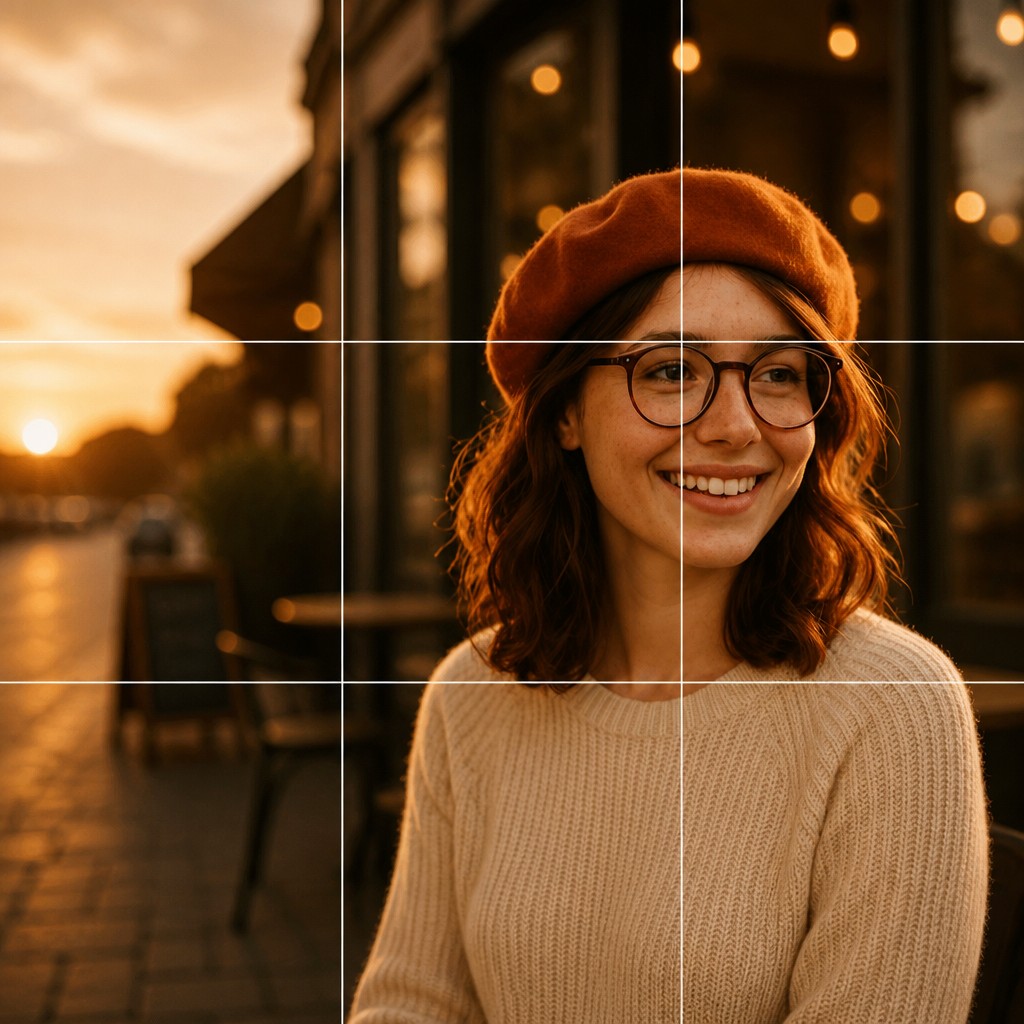

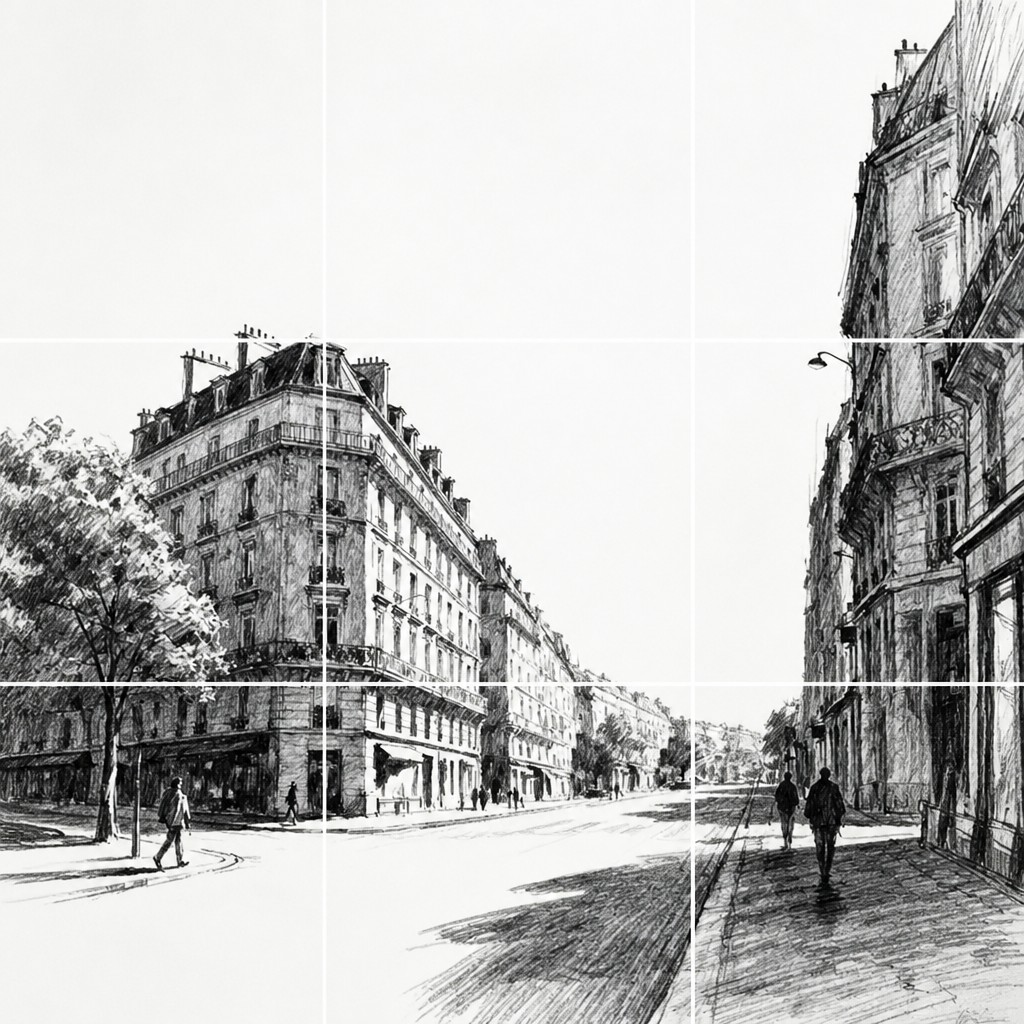

What Defines Rule of Thirds Art Style
The signature details, up close
Grid-based placement
The composition is organized around nine equal zones, with important subjects or details positioned near a grid intersection rather than automatically centered.
Offset focal point
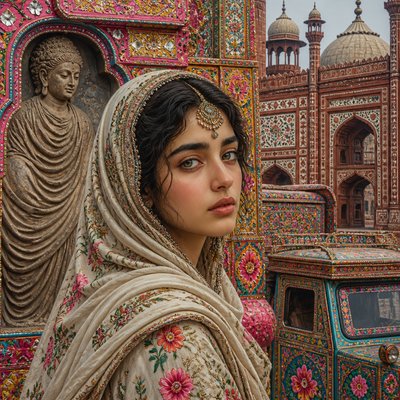
The main subject usually occupies the left or right third, creating directional energy and allowing the viewer to see the space around it.
Strategic horizon line
A horizon or major horizontal boundary sits near the upper or lower third according to whether the sky or ground deserves greater visual emphasis.
Balanced asymmetry
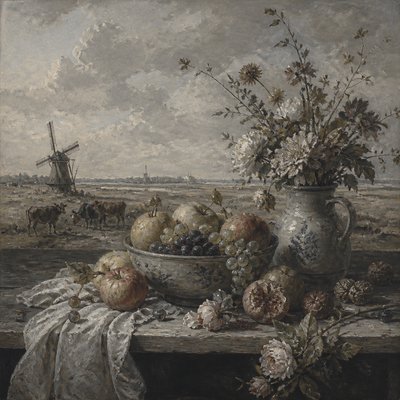
Visual weight is distributed unevenly but intentionally, often pairing a strong subject with a quieter area, secondary form, or contrasting color field.
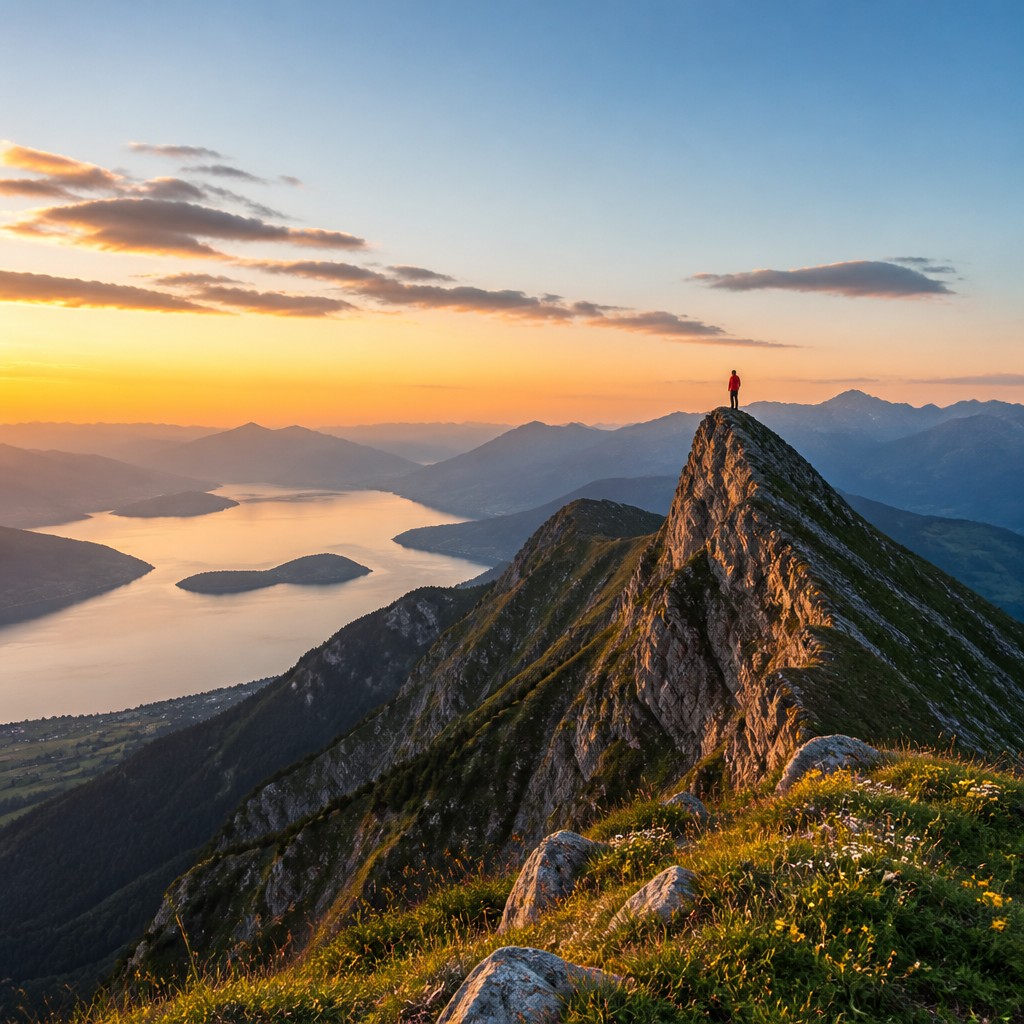
Purposeful negative space
Open space frames the focal point and can suggest scale, solitude, movement, atmosphere, or the direction in which a subject is looking or traveling.
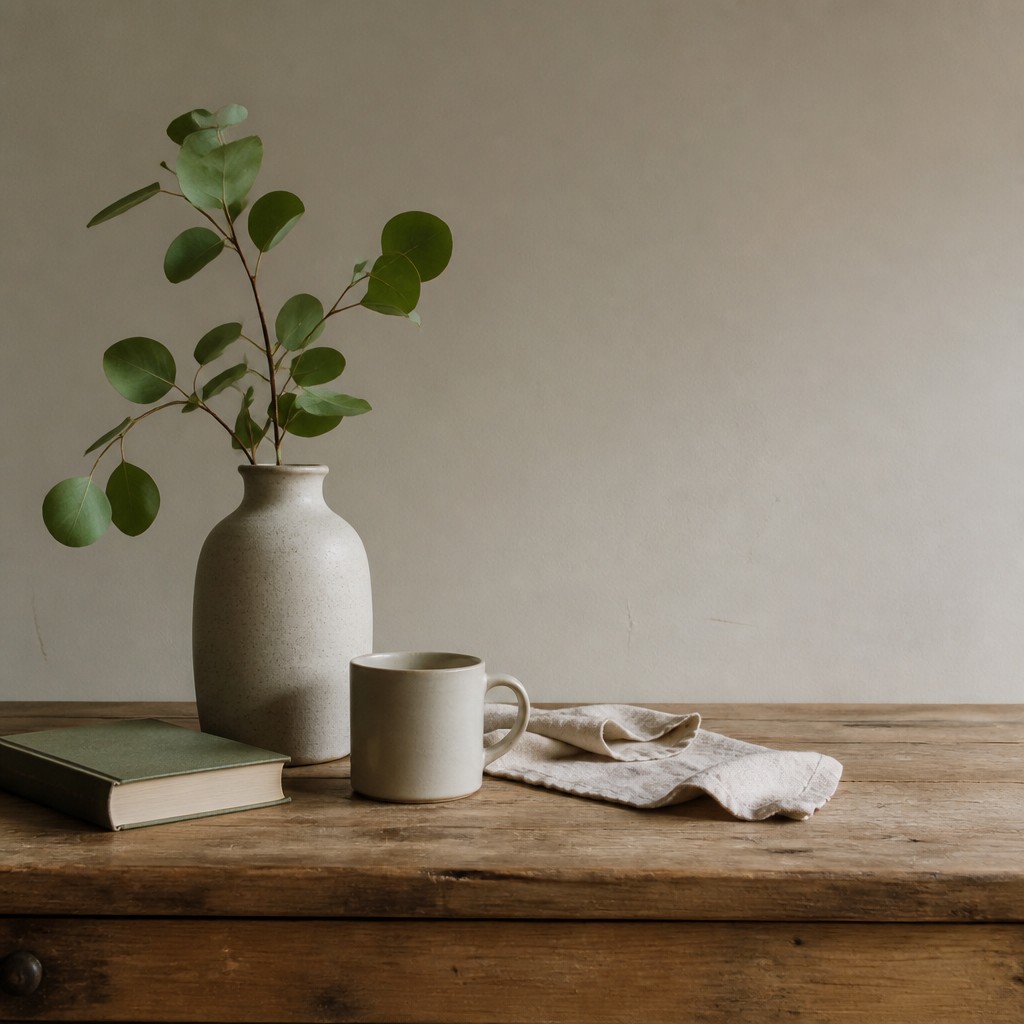
Clear visual hierarchy
Contrast, sharpness, color, scale, and detail reinforce the grid-based focal point so the eye encounters the subject before less important elements.
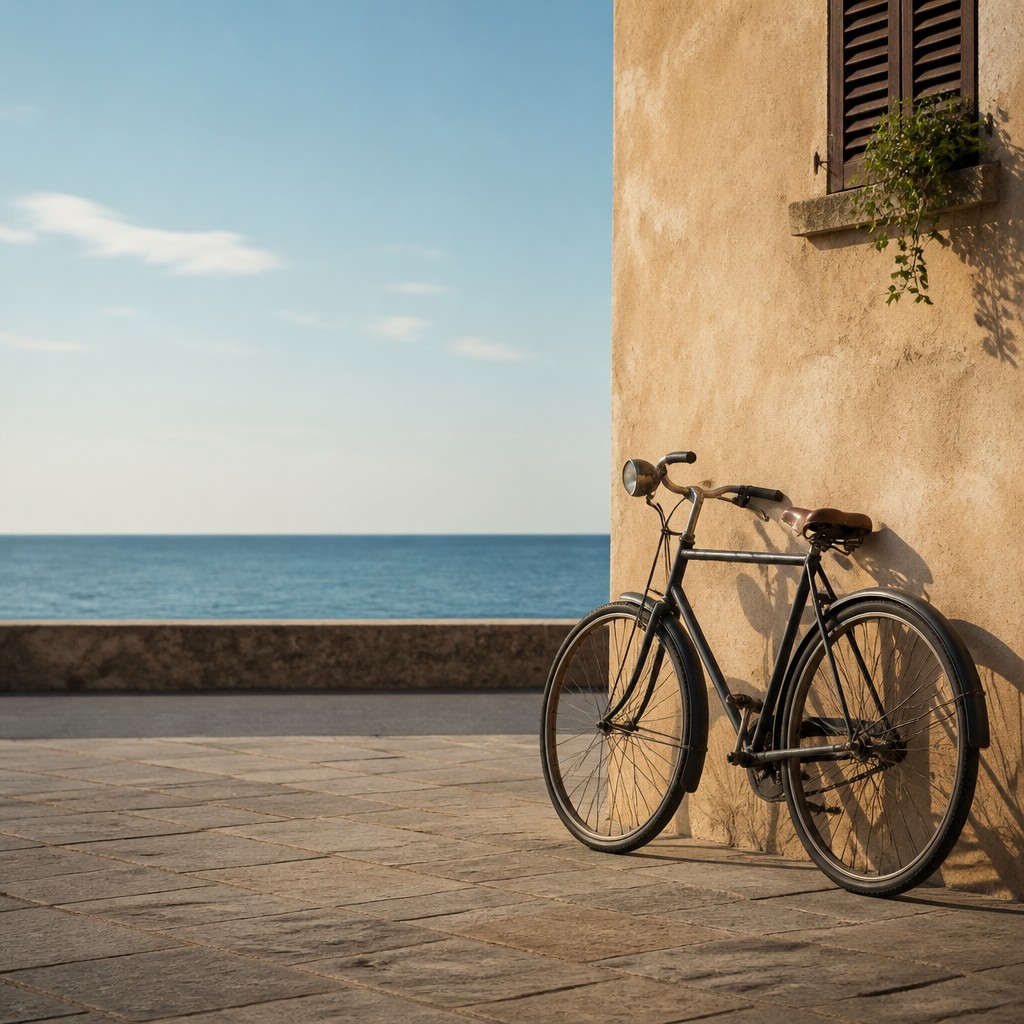
Environmental context
The subject remains connected to its surroundings, making the approach effective for landscapes, editorial scenes, architecture, travel imagery, and narrative compositions.
Rule of Thirds Prompt Ideas
Start from an idea — each one opens the generator with the style ready to go. See all 40 Rule of Thirds prompts →
How to Create Rule of Thirds Art
Master the craft step by step — or skip straight to creating. Read the full guide →
- 1
Place the subject on an intersection
Sketch a nine-zone grid or activate a grid overlay, then position the face, object, or key action near one of the four intersections. Adjust slightly when a strict placement makes the image feel mechanical.
- 2
Choose the dominant third
Decide whether the scene needs more sky, ground, architecture, or background atmosphere. Set the horizon along the upper third to emphasize land or along the lower third to emphasize sky.
- 3
Build negative space deliberately
Leave uncluttered space beside the subject, especially in the direction of a gaze, gesture, vehicle, or moving figure. Use tonal simplicity and restrained detail to keep that space supportive rather than empty.
- 4
Balance opposing weight
Counter an offset focal point with a smaller object, shadow, color accent, or architectural shape elsewhere in the frame. Keep the secondary element subordinate so it does not compete with the main subject.
- 5
Refine with traditional or digital tools
Use thumbnail sketches, viewfinder overlays, crop guides, or transformation tools to test several placements. Painting and drawing can establish the grid lightly at the beginning and remove it during final rendering.
- 6
Specify composition in a prompt
Name the subject, its position on a left or right grid intersection, the horizon's upper or lower third, the direction of negative space, and the desired balance between foreground and background.
The Story
History & Origins of Rule of Thirds
The rule of thirds has no independent historical movement, manifesto, or fixed period. It belongs to a broader lineage of compositional systems used in landscape painting, printmaking, photography, film, cartography, and graphic design. Its underlying idea—that unequal divisions can create balance and visual movement—extends older practices of organizing foreground, middle ground, horizon, and focal emphasis.
The term became especially common through modern photography education and camera viewfinders, where a nine-part grid offered a practical alternative to placing every subject at the center. Digital cameras, editing software, cinema interfaces, and mobile image tools later made the grid nearly universal, turning the principle into a flexible visual language used across contemporary image-making.
Influences: This approach draws from landscape painting, photographic composition, cinematic framing, editorial design, Japanese print composition, poster design, and minimalist image-making. It also relates to leading traditions of asymmetrical balance, where empty space and unequal visual masses create rhythm instead of relying on central symmetry. Golden-ratio studies, diagonal composition, leading lines, and visual hierarchy are related systems, though none is identical to the rule of thirds.
Frequently Asked Questions
What defines the Rule of Thirds Art Style?
Its defining feature is the deliberate placement of a subject or key detail near a grid intersection formed by dividing the image into nine zones. A horizon commonly aligns with the upper or lower third, while negative space and secondary elements balance the offset focal point.
Is the rule of thirds an art movement?
No. It is a compositional principle and visual framework rather than a movement with a specific origin, membership, or period. It can be applied to many styles, including photography, painting, illustration, film, graphic design, and digital art.
How does it differ from a centered composition?
A centered composition emphasizes symmetry, directness, or icon-like stability. Rule-of-thirds composition shifts the subject away from the center, creating more environmental context, directional movement, and room for visual breathing space.
Does every image need to follow the grid exactly?
No. The grid is a guide, not a rigid law. Deliberate departures can create tension, intimacy, symmetry, or surprise, but understanding the grid first helps the creator control the effect of breaking it.
Where is this approach commonly used?
It is common in landscape and travel photography, portraiture, cinema, editorial illustration, advertising, interface imagery, posters, and concept art. It is especially useful when the subject needs to remain legible while its surroundings provide narrative information.
How can I describe it in an image prompt?
Specify the subject's position, such as 'on the lower-left intersection,' then describe the horizon placement, direction of gaze or movement, and the amount of open space. Also identify the mood, lighting, medium, and visual hierarchy so the composition supports the subject rather than producing an arbitrary grid.
Create your first Rule of Thirds artwork
Describe anything — or upload a photo — and see it in Rule of Thirds Art Style in seconds.
Related Styles
Discover similar art styles