Pre-Columbian Art Style
Explore Pre-Columbian art: bold profile figures, stepped geometry, glyphs, jade, terracotta and monumental forms from the ancient Americas.
Instantly rendered in Pre-Columbian — or transform a photo
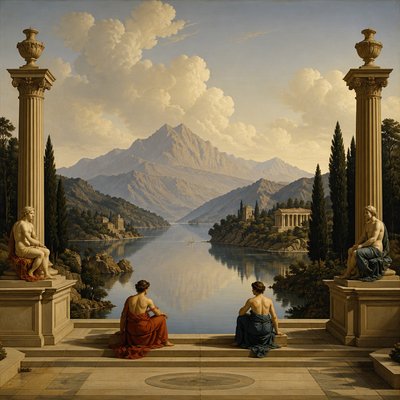
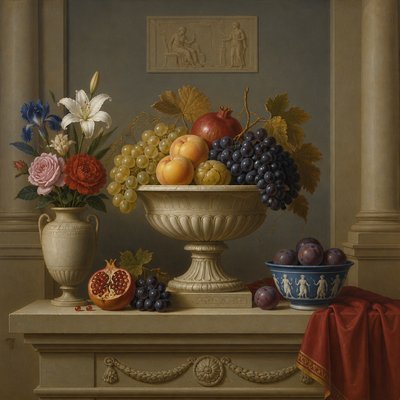
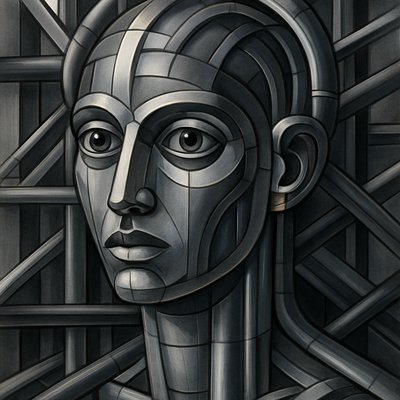
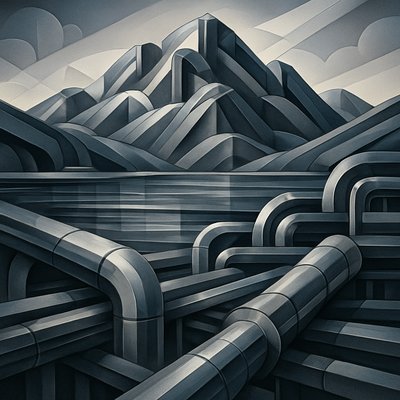
Pre-Columbian Gallery
Tap any artwork to explore it
What is Pre-Columbian Art Style?
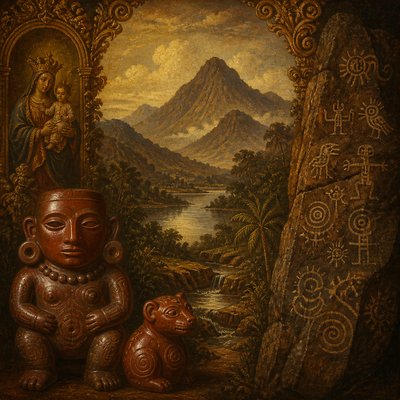
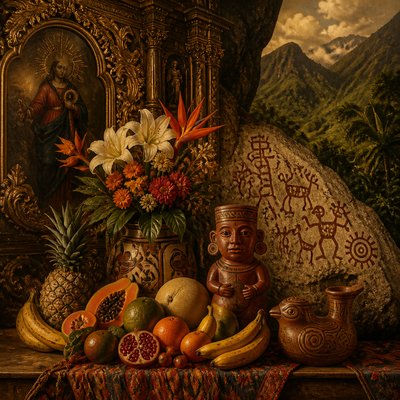
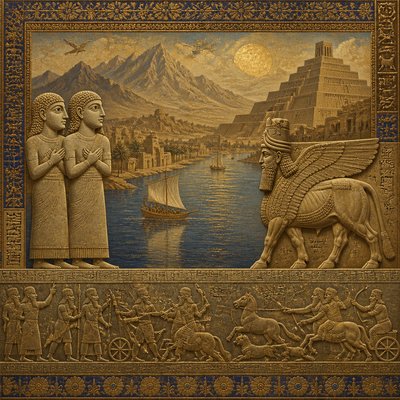
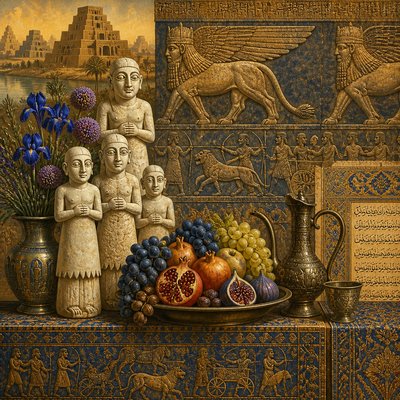
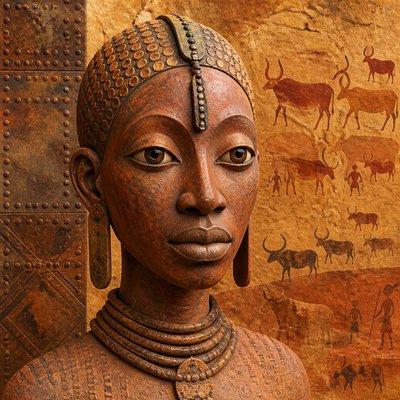
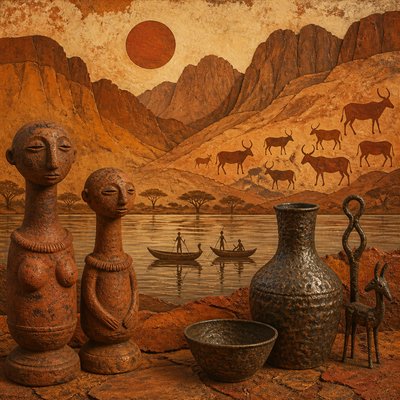
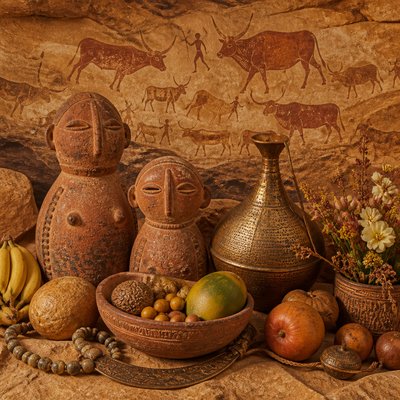
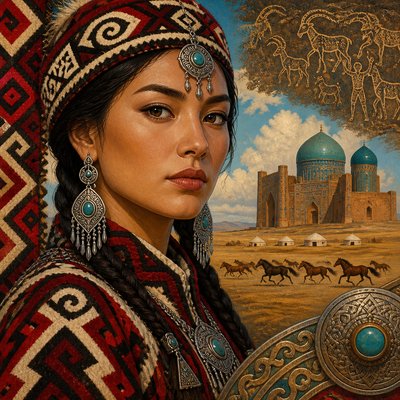
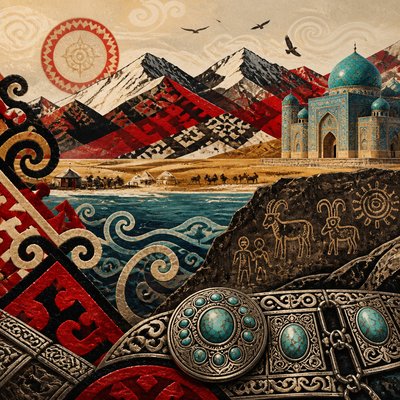
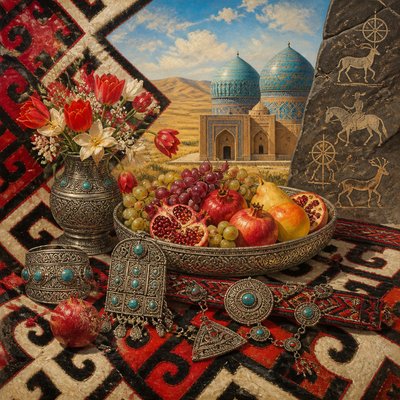
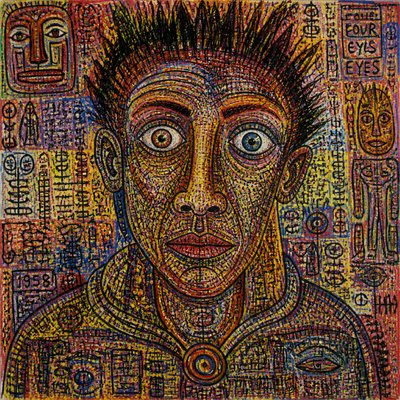
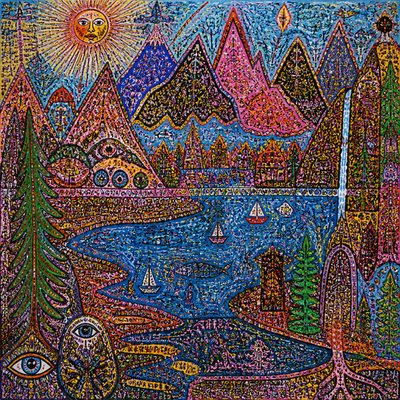
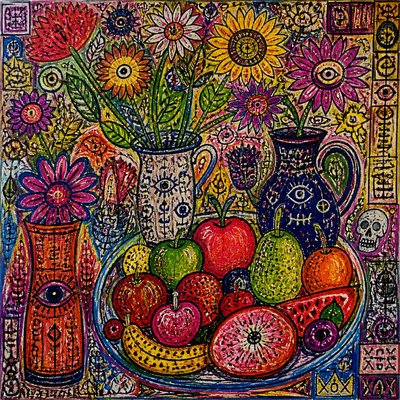
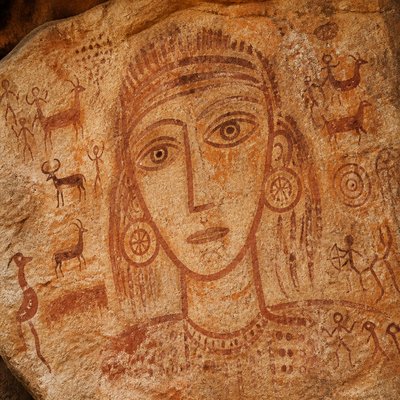
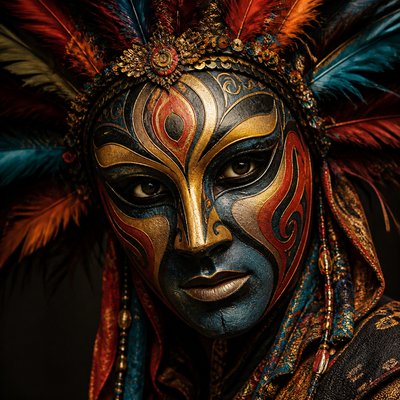
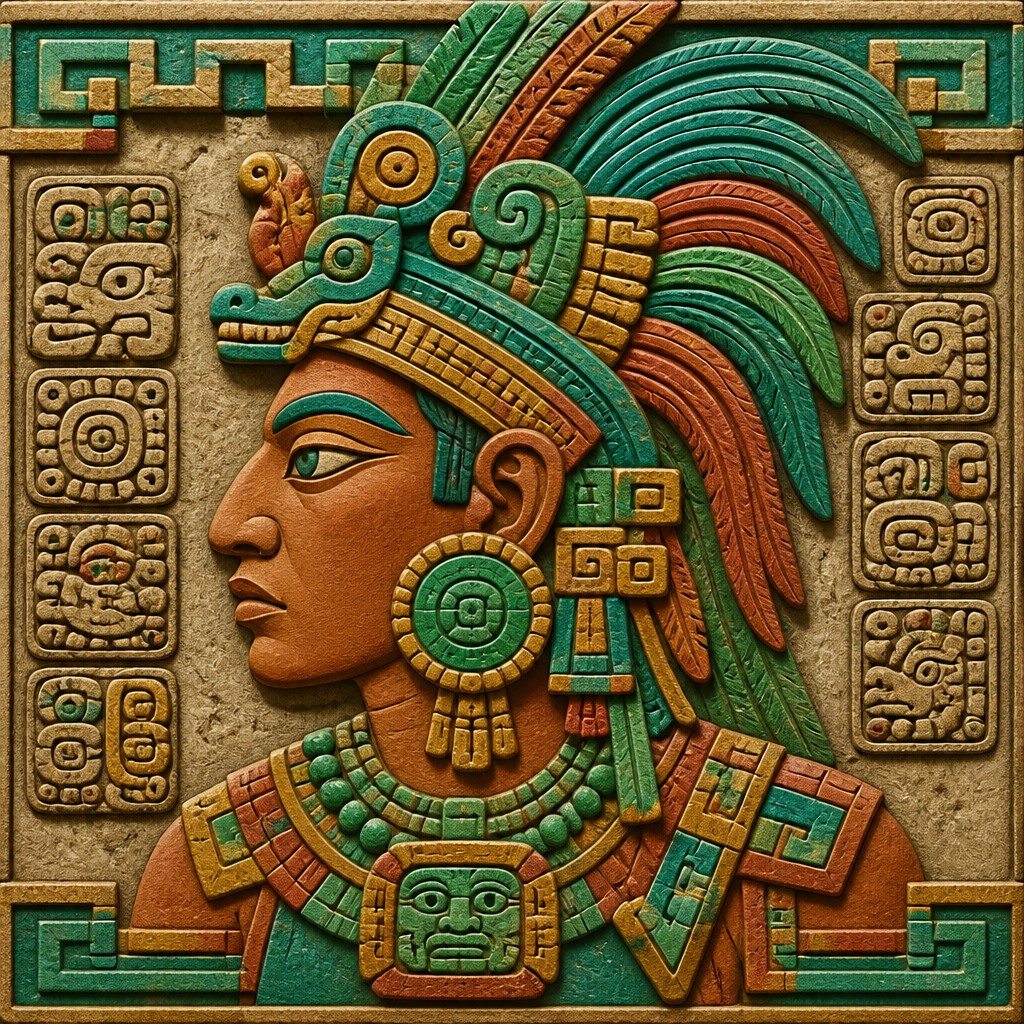
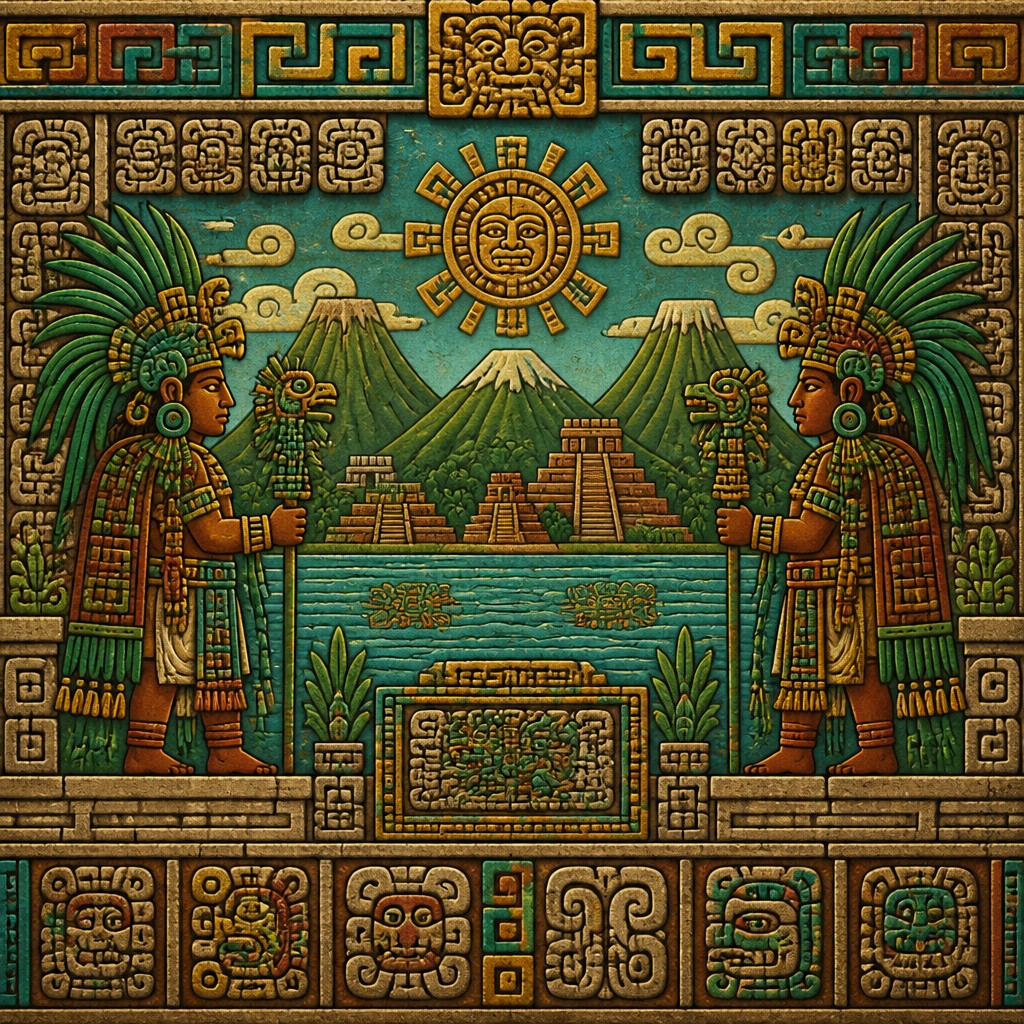
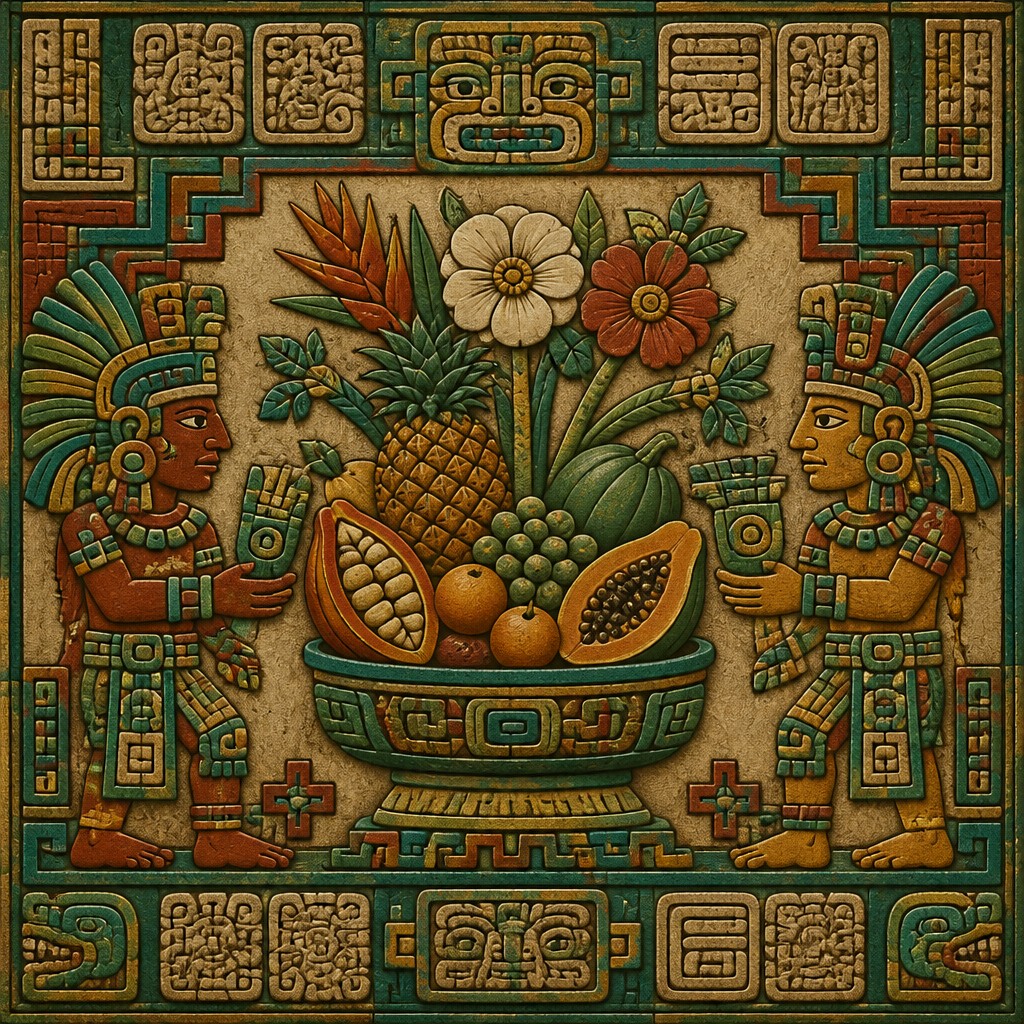
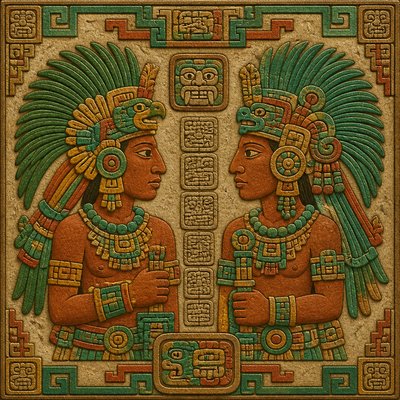
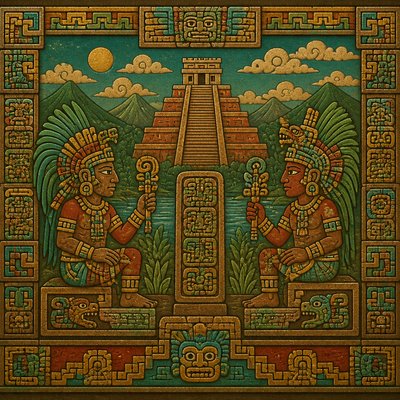
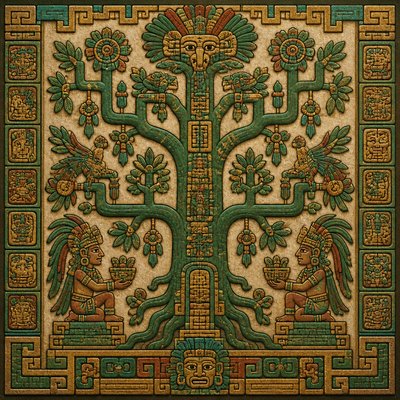
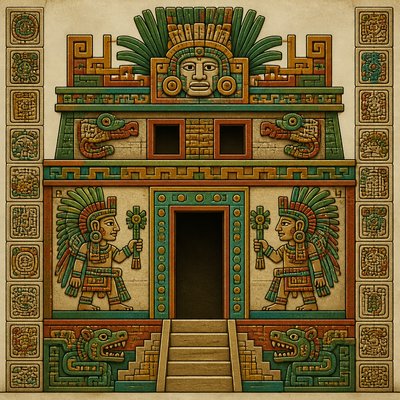
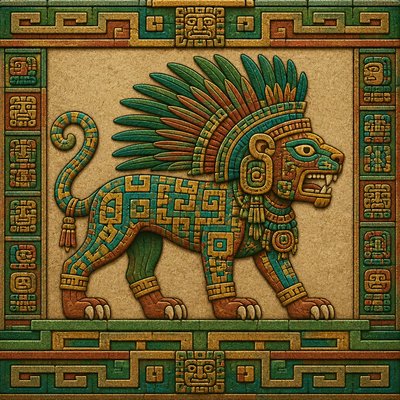
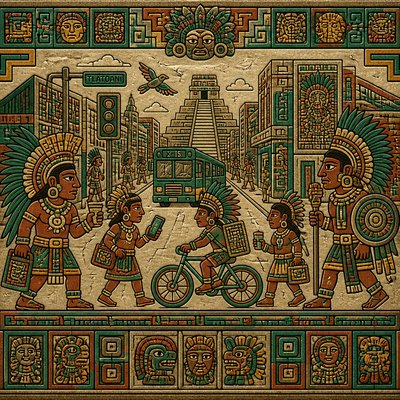
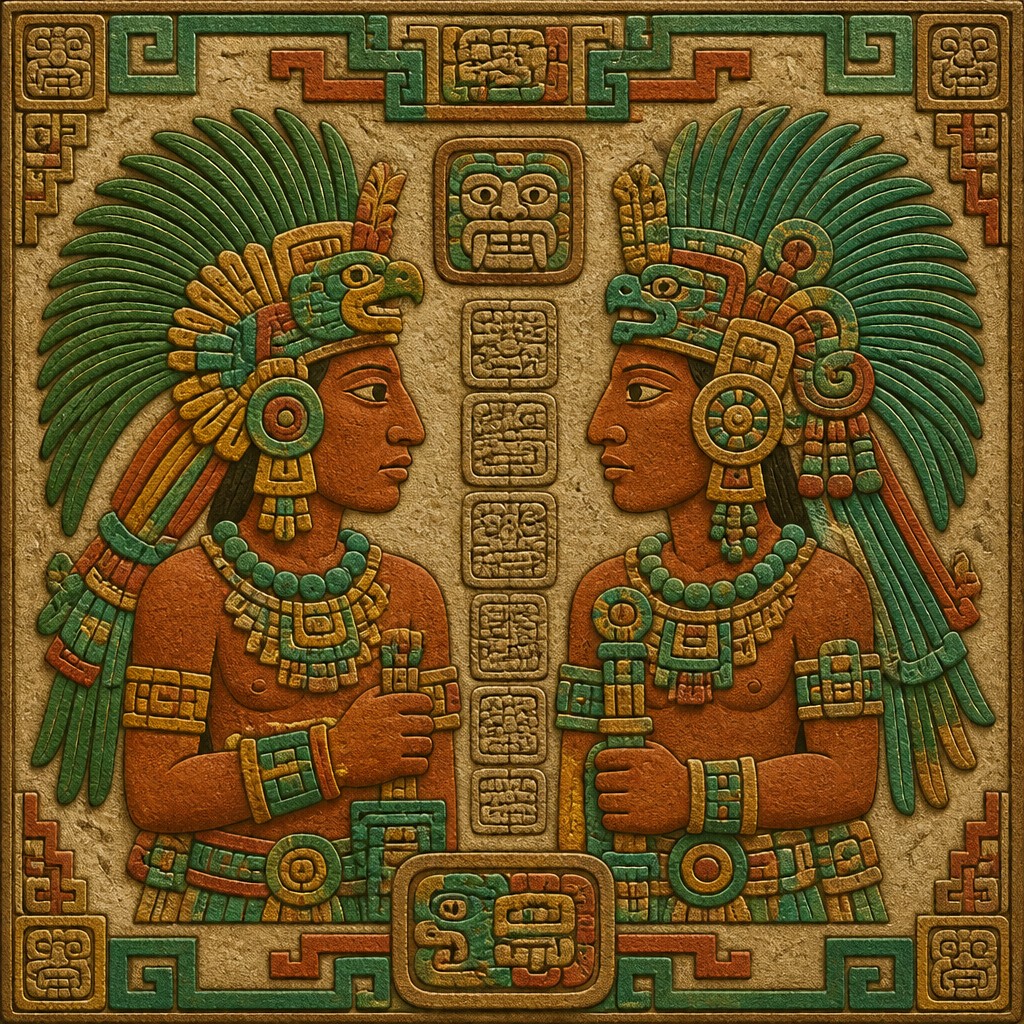
The visual language associated with this label often emphasizes clear contours, frontal or strict-profile figures, repeated geometric structures, symbolic attributes and carefully organized surfaces. Stepped forms, interlocking frets, glyph-like panels, feathered headdresses, jade green, turquoise, terracotta and mineral-like colors create a monumental appearance. These features reflect the importance of ritual symbolism, calendrical systems, social rank, material value and durable public architecture, although their meanings and uses differed significantly between cultures.
Try It On Your Photos
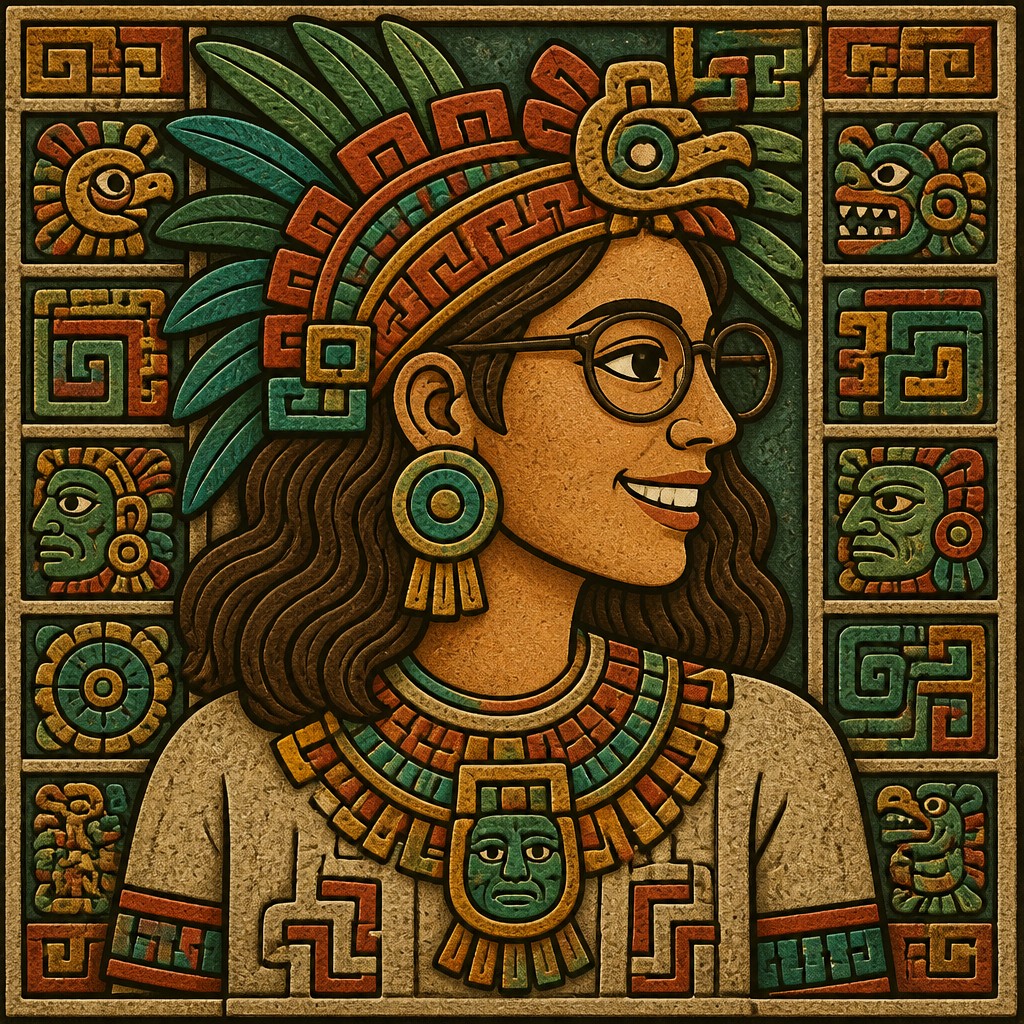
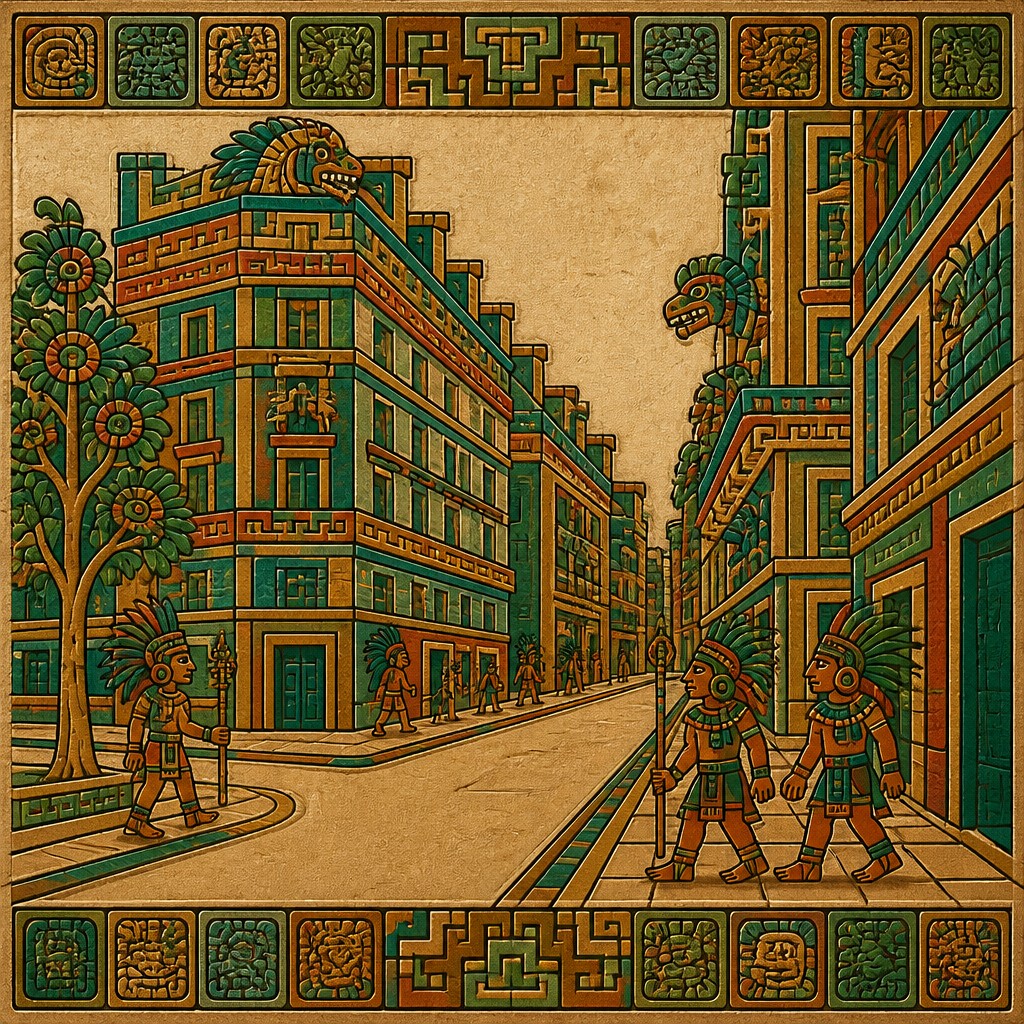
Upload any photo and convert it into Pre-Columbian Art Style — drag the sliders to compare before and after.


What Defines Pre-Columbian Art Style
The signature details, up close
Profile figures and codex clarity
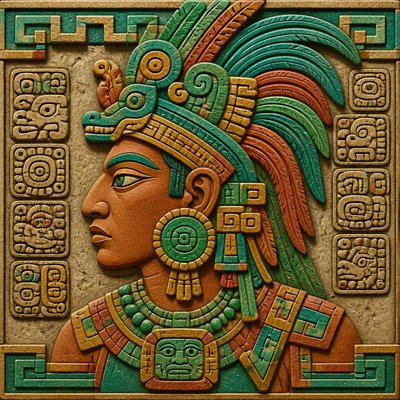
Figures are often shown in strict profile or highly controlled frontal poses, with sharply defined contours and recognizable attributes. Painted manuscript traditions use compact forms, flattened space and visual signs that communicate identity, action and status.
Stepped geometry and interlocking motifs
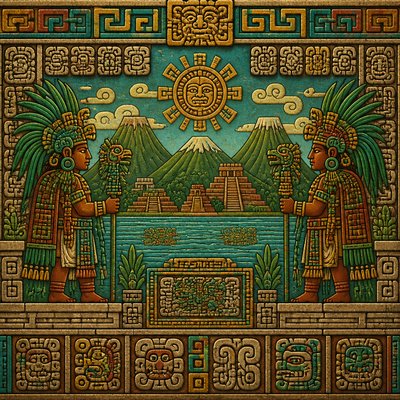
Stepped pyramidal forms, fret patterns, zigzags, diamonds and key-like elements create a strong architectural rhythm. These motifs should be treated as culturally specific design vocabularies rather than interchangeable decoration.
Glyphs and symbolic panels
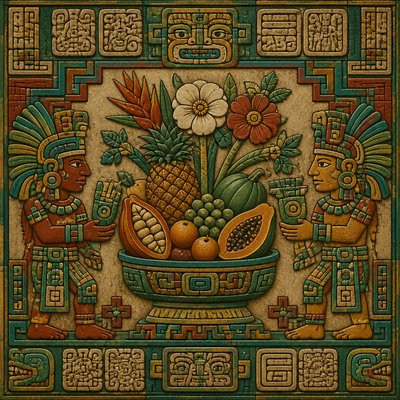
Inscribed signs, calendrical elements and emblematic objects may be arranged in bands, cartouches or carved panels. A convincing interpretation uses symbolic structure and visual hierarchy instead of adding random pseudo-writing.
Jade, stone and mineral color
Jade green, turquoise, deep blue, black, cream, terracotta red and muted gold suggest valued materials and mineral pigments. Saturated color is often balanced by dark outlines, earthen neutrals and the weathered surface of stone or plaster.
Feathered headdresses and status markers
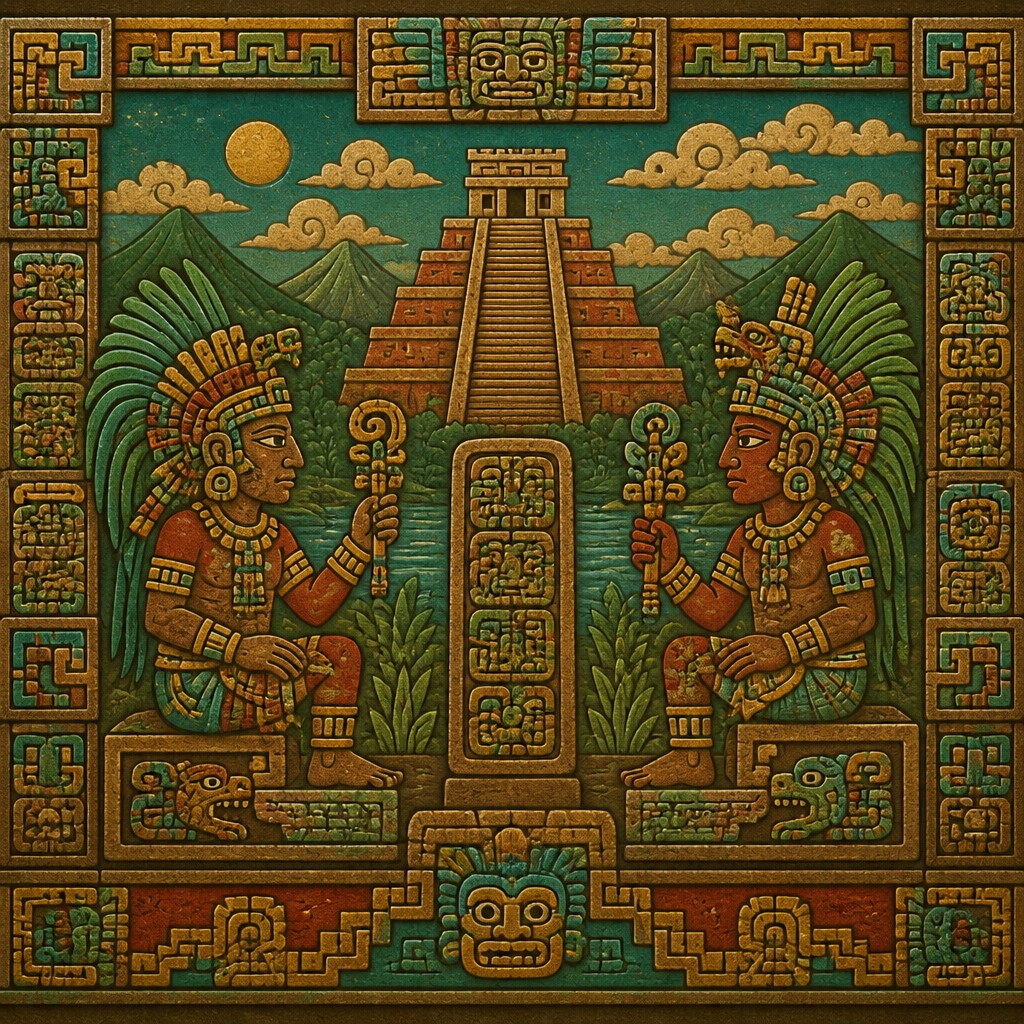
Headdresses, ear ornaments, necklaces, patterned garments and ceremonial objects distinguish rank, deity, warrior identity or ritual role. Their arrangement is typically deliberate and symmetrical, with repeated shapes reinforcing social and sacred order.
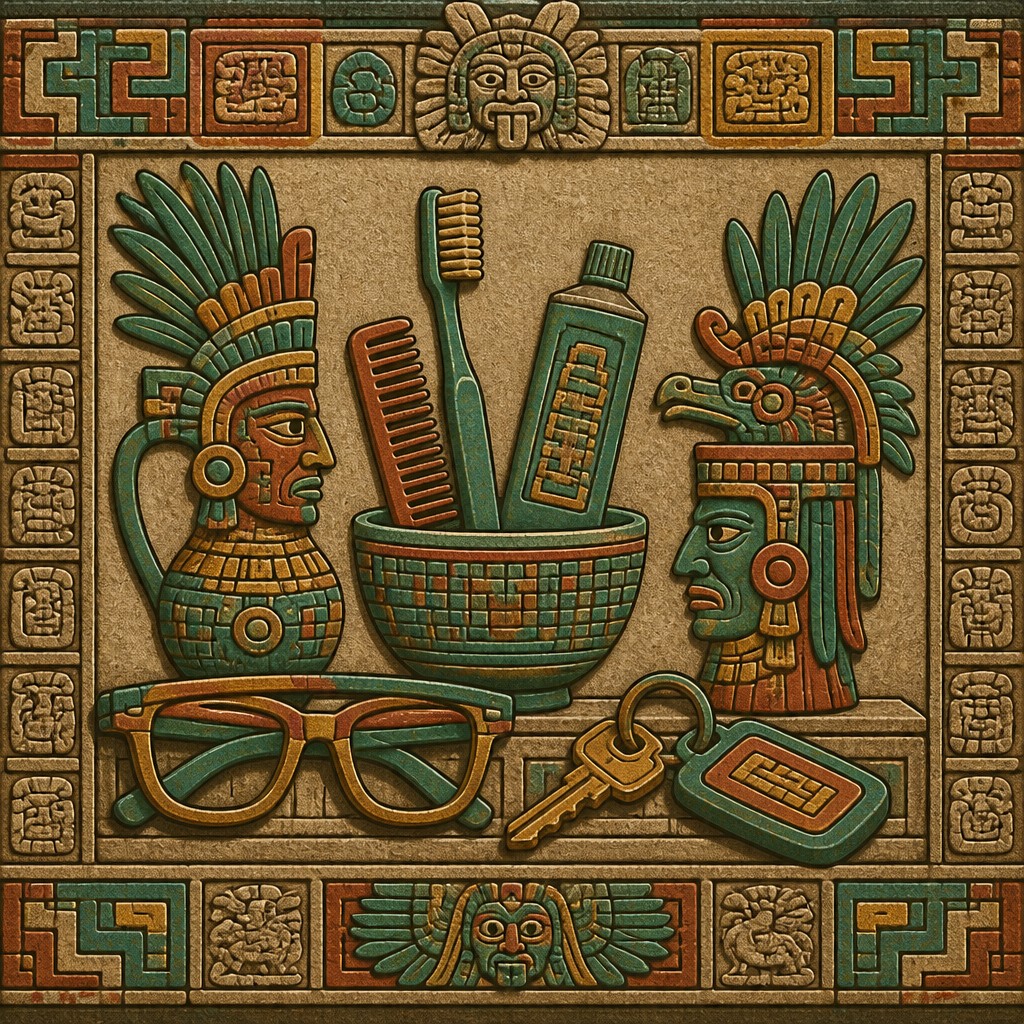
Monumental, flattened composition
Scenes favor stacked registers, frontal presentation, balanced symmetry and limited illusionistic depth. Figures and objects may appear larger than their surroundings when symbolic importance matters more than naturalistic scale.
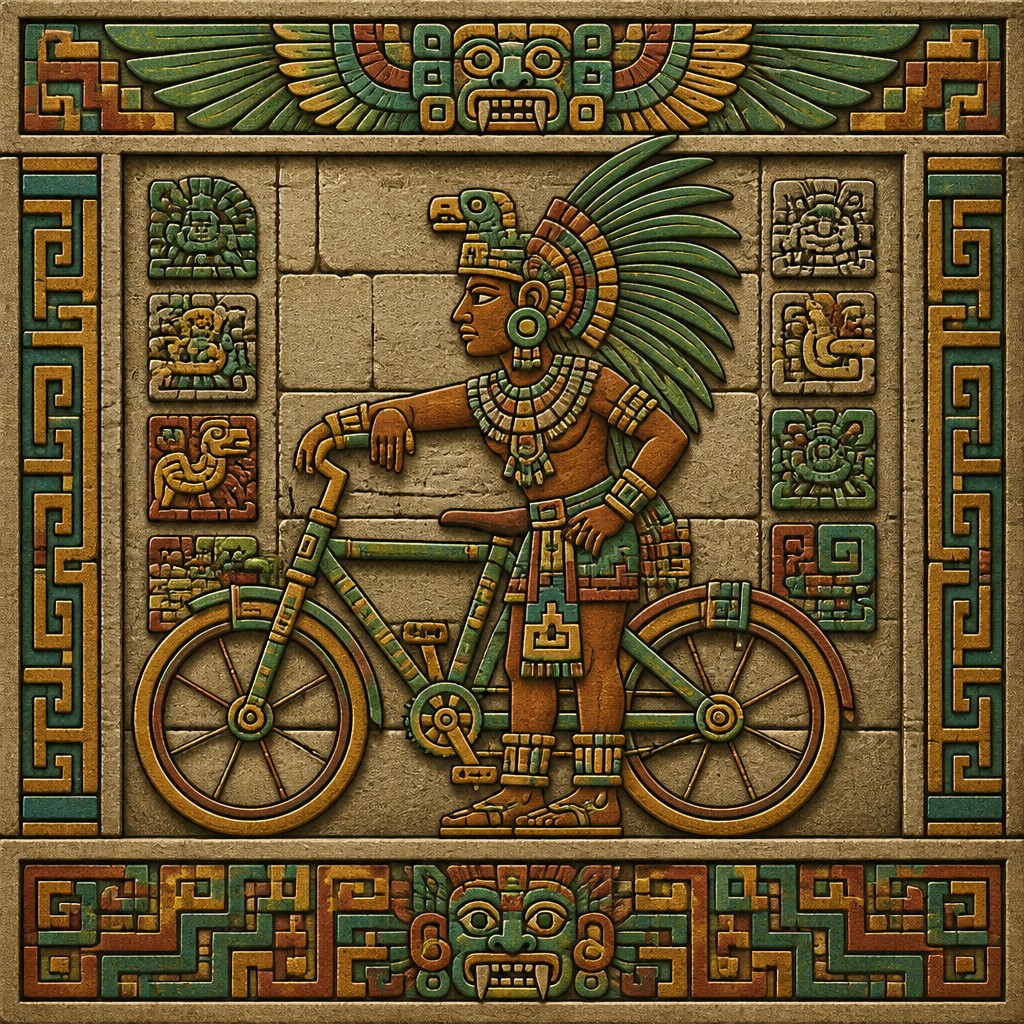
Carved and hand-worked surfaces
Relief texture, incised lines, worn edges, fired clay, woven patterns and chipped stone evoke the physical processes of ancient making. Surface variation should support the material rather than turn every image into generic artificial distress.
Try It
Create Videos in Pre-Columbian Art Style
Styles aren't just for stills — describe a scene or animate an image and get a short video rendered in Pre-Columbian. Press play to see this pond come to life.
Make a VideoPre-Columbian Prompt Ideas
Start from an idea — each one opens the generator with the style ready to go. See all 40 Pre-Columbian prompts →
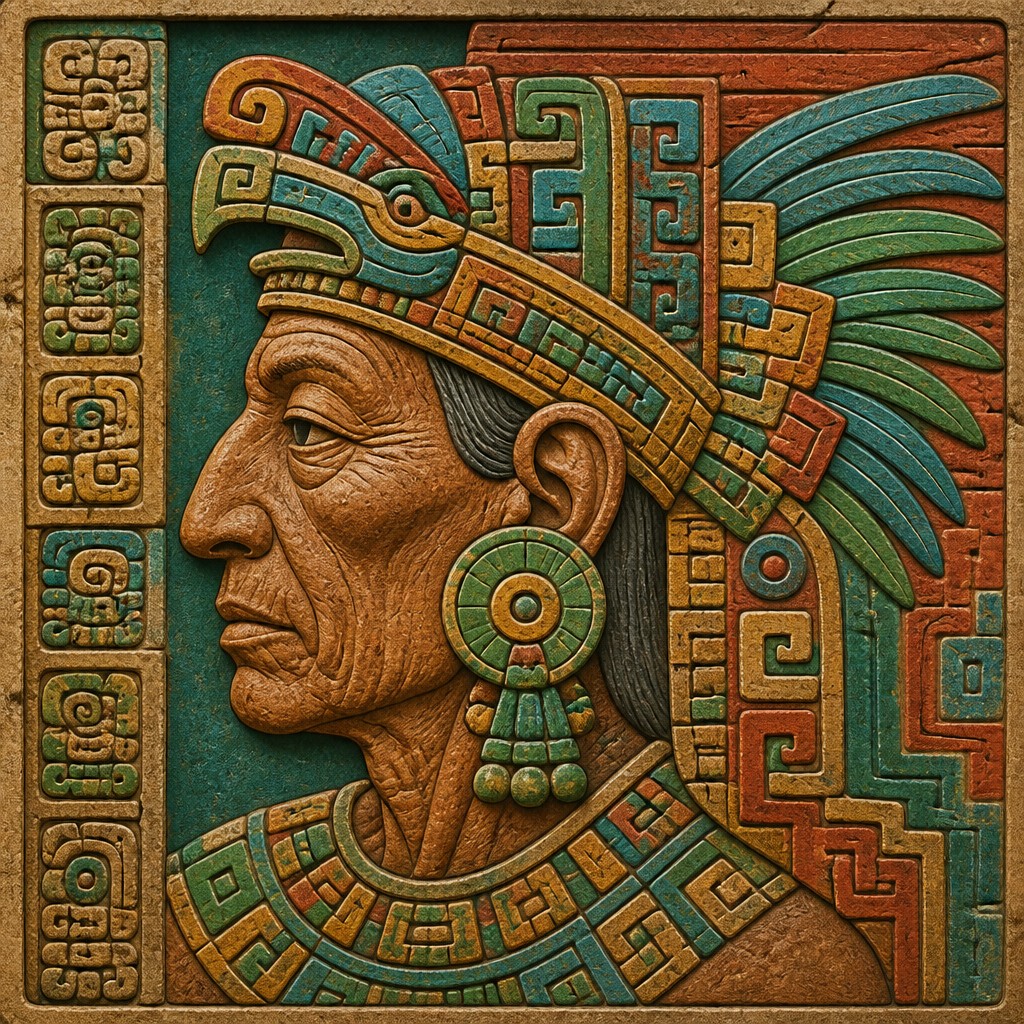
“close-up portrait of an elderly person with expressive weathered features”
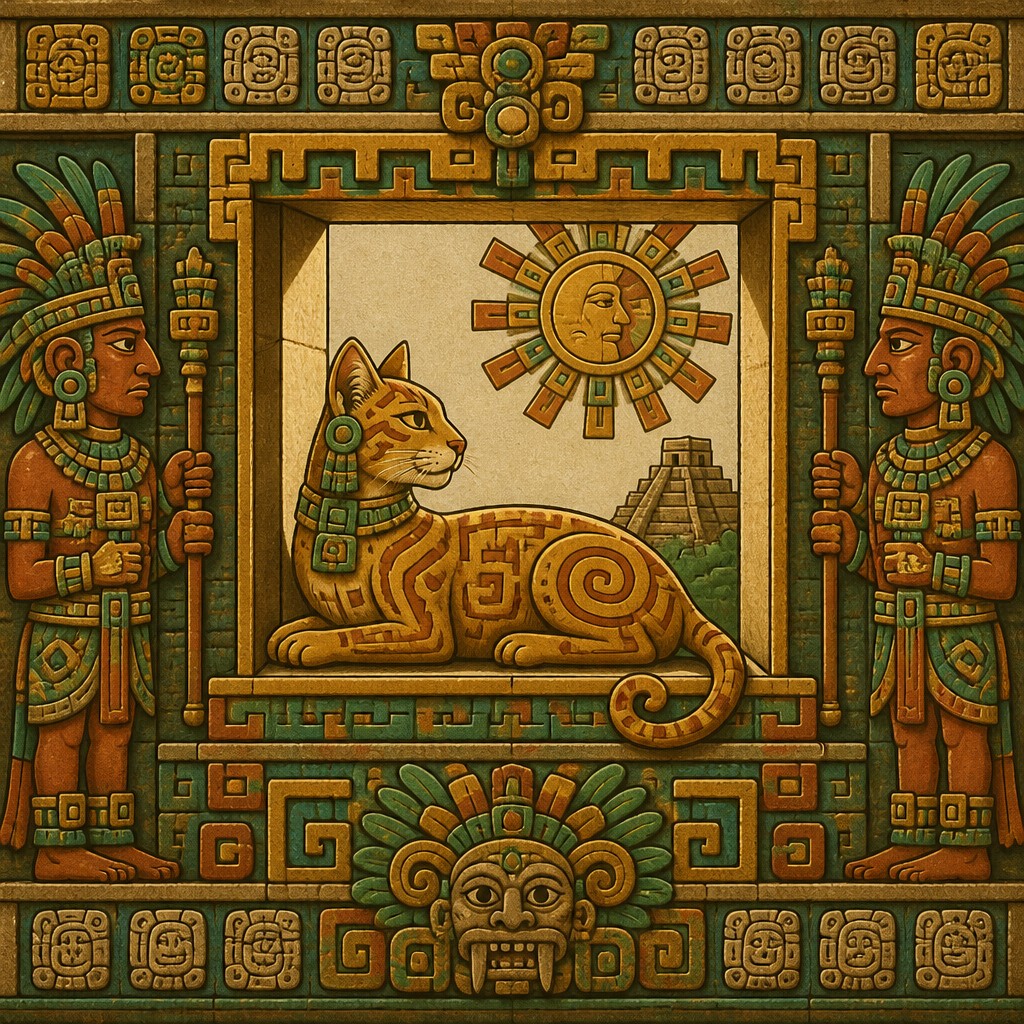
“a cat lounging in a sunlit window”
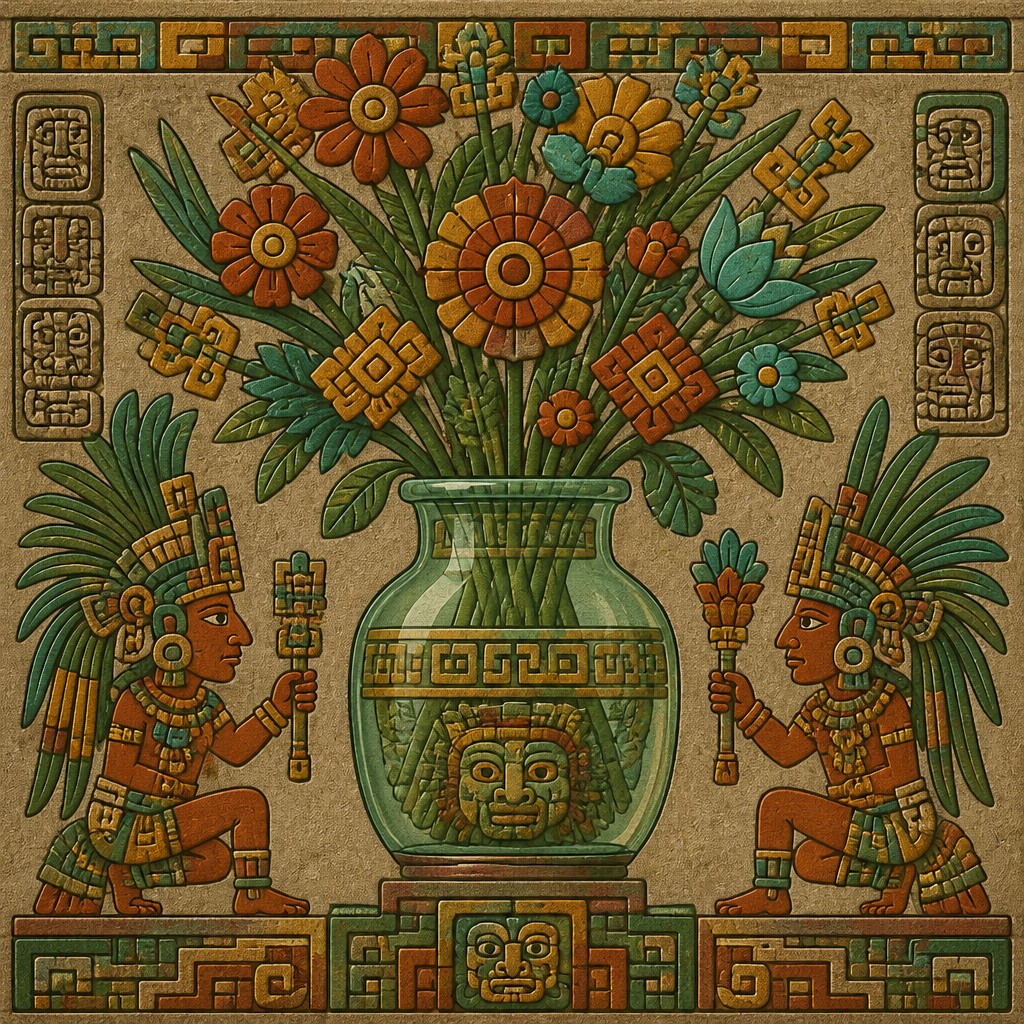
“bouquet of flowers in a glass vase”
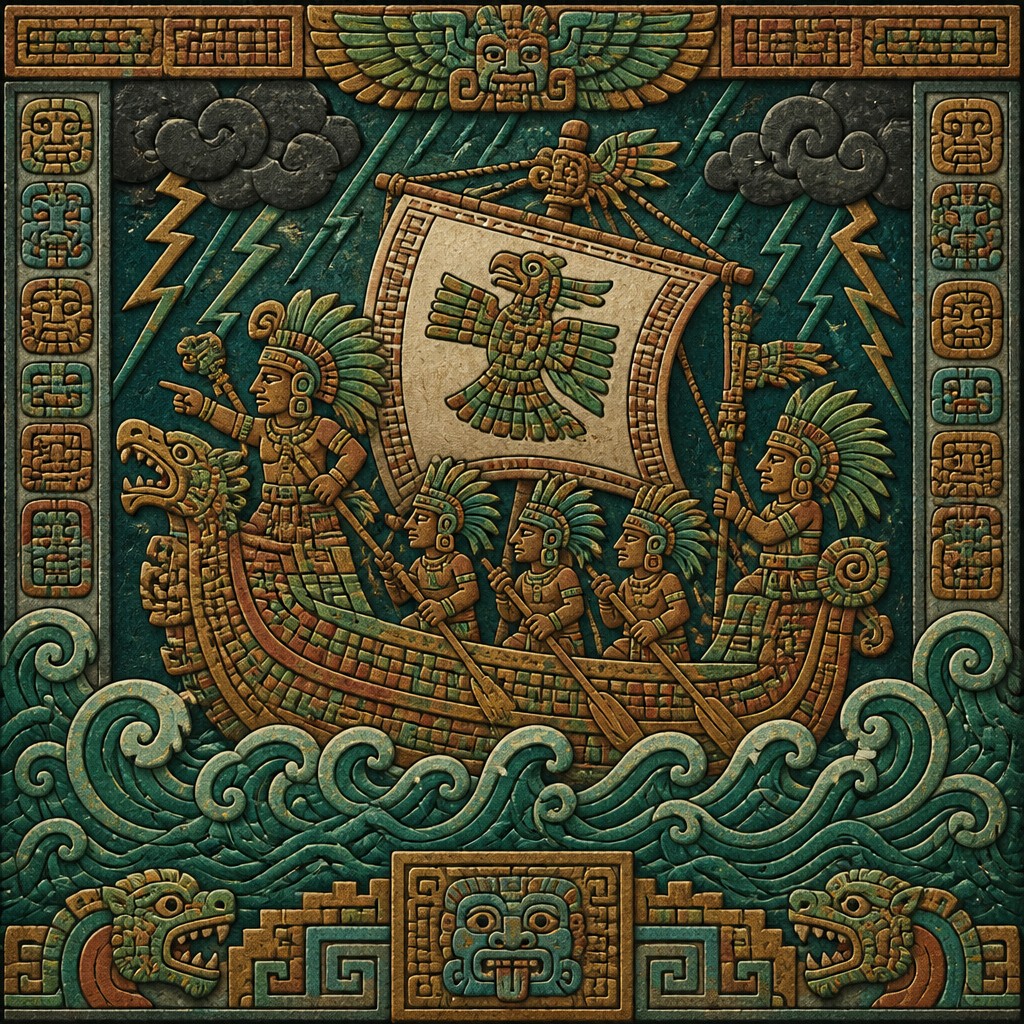
“sailing ship on a stormy sea”
How to Create Pre-Columbian Art
Master the craft step by step — or skip straight to creating. Read the full guide →
- 1
Choose a specific cultural reference
Decide whether the image draws primarily from Mesoamerican codices, monumental stone reliefs, Andean textiles, ceramic traditions or another source. Avoid combining unrelated symbols without a clear visual rationale.
- 2
Build the composition in registers
Start with a strong silhouette, central axis and stepped or framed structure, then arrange figures and signs in horizontal bands or balanced panels. Keep perspective shallow and let symbolic scale guide proportions.
- 3
Use material-conscious color
Limit the palette to mineral and earth colors such as turquoise, jade green, terracotta, ochre, charcoal and cream, with restrained metallic accents. In traditional work, consider clay slip, natural pigment, tempera, relief carving, textile patterning or ceramic incising.
- 4
Make symbols legible and respectful
Use researched motifs, recognizable objects and coherent sign-like structures instead of decorative gibberish presented as authentic writing. For historical subjects, identify the relevant culture and period in the accompanying context.
- 5
Create the surface deliberately
In digital work, combine crisp vector-like contours with controlled stone relief, painted plaster, fired clay or woven-fiber texture. Keep texture subordinate to the graphic design so the image remains readable at both small and large sizes.
- 6
Write precise generation instructions
Specify the subject, cultural region, profile or frontal pose, stepped geometry, palette, material and composition. Request flat symbolic forms and a researched reference tradition rather than using the broad label alone, then refine proportions, glyph density and ornament through successive variations.

The Story
History & Origins of Pre-Columbian
There was no single linear development or shared canon across the hemisphere. Forms, materials and iconographies circulated through trade, migration, conquest and religious exchange, while local traditions remained distinct. European colonization disrupted many institutions and objects, but Indigenous artistic knowledge persisted and continues in contemporary weaving, ceramics, carving, painting, beadwork and community-based visual culture.
Influences: The style draws on Mesoamerican manuscript painting, monumental architecture and relief carving; Andean textile geometry, ceramics and stonework; Indigenous North American and Caribbean material traditions; and the broader visual principles of ritual art, symbolic scale and pattern-based composition. Modern interpretations may also overlap with art deco geometry, modernist primitivism, archaeological illustration, graphic design and fantasy worldbuilding, but these later influences should not be mistaken for historical Pre-Columbian practice.
Frequently Asked Questions
What defines the Pre-Columbian art style?
It is commonly recognized through flattened symbolic figures, profile views, stepped geometry, patterned surfaces, glyph-like organization and strong mineral or earth colors. However, Pre-Columbian art is an umbrella term covering many distinct cultures, periods and regional styles rather than a single standardized aesthetic.
Is Pre-Columbian art the same as Maya, Aztec or Inca art?
No. Maya, Mexica or Aztec, and Inca art are specific cultural and historical traditions within a much larger field. They differ in materials, architecture, writing systems, iconography, chronology and regional context, so a precise reference is preferable when accuracy matters.
Why do many examples use profile figures and flat compositions?
Profile and frontal conventions make identity markers, costumes, gestures and symbolic attributes easy to read. Flat or stacked compositions also suit painted manuscripts, reliefs, textiles and architectural surfaces, where ordered communication often mattered more than naturalistic depth.
How can I make artwork in this style without making it look generic?
Select a particular cultural or material reference, research its motifs and limit the palette and composition accordingly. Use coherent registers, researched objects and purposeful symbols rather than mixing a Maya glyph, an Andean textile pattern and a Caribbean artifact as if they belonged to one system.
What materials are associated with Pre-Columbian art?
Important materials include stone, clay, shell, jade and other greenstones, feathers, cotton and other fibers, wood, bone, pigments and precious metals. Their availability and cultural significance varied widely, so material choices should be connected to a specific region and period.
Where is this visual language used today?
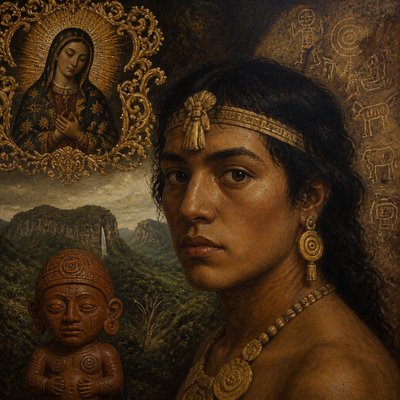
It appears in museum reconstruction, historical illustration, education, contemporary Indigenous art, textile design, murals, jewelry, games and speculative imagery. Contemporary makers may adapt ancestral forms, but their work should not automatically be labeled ancient or treated as a direct replica of archaeological art.

Create your first Pre-Columbian artwork
Describe anything — or upload a photo — and see it in Pre-Columbian Art Style in seconds.
Related Styles
Discover similar art styles