Mughal Miniature Art Style
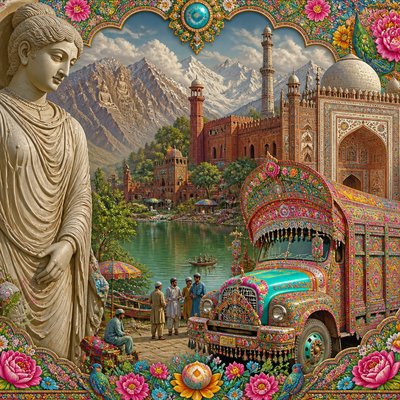
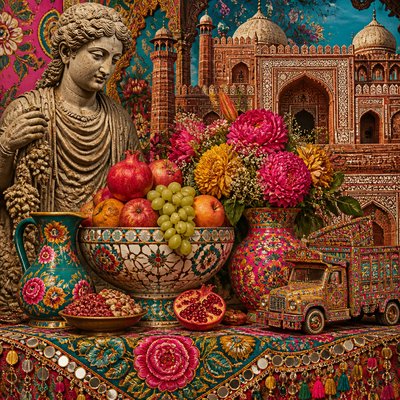
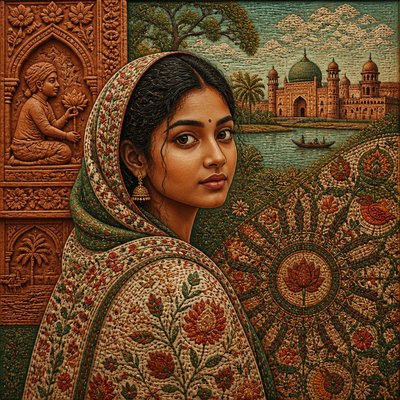
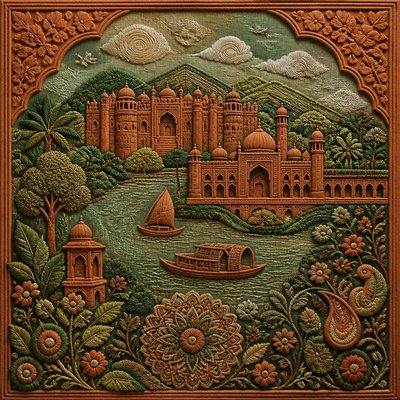
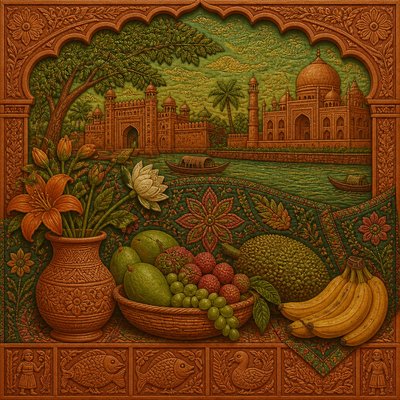
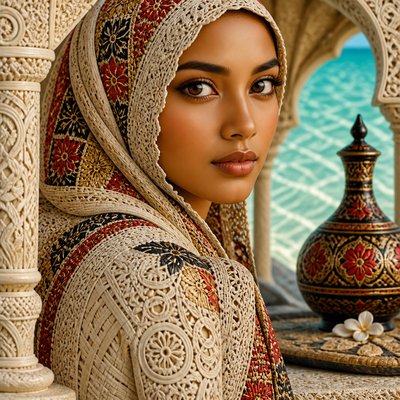
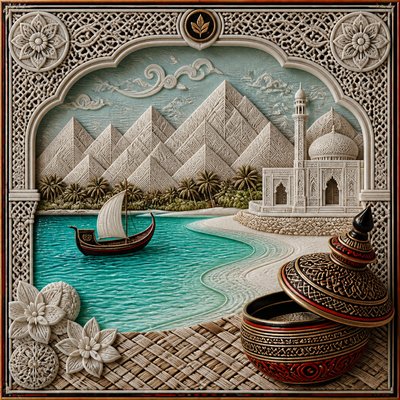
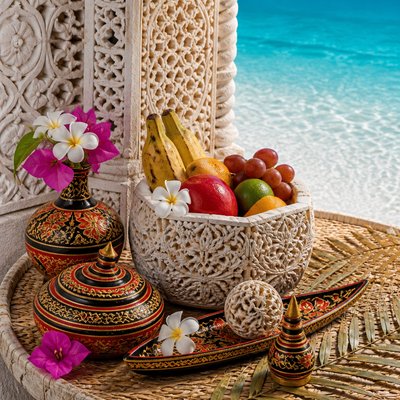
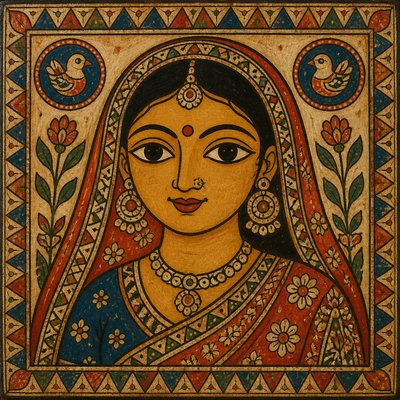
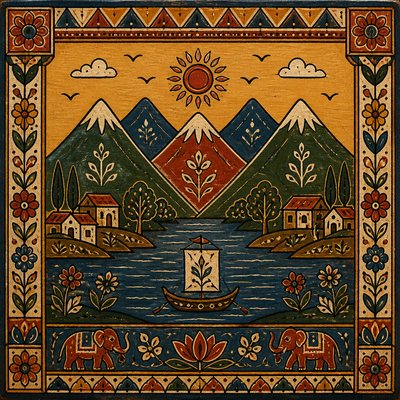
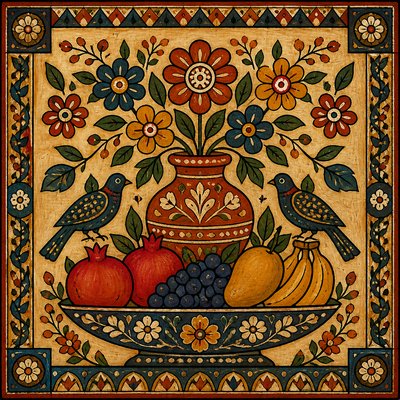
Explore Mughal miniature art: jewel-toned court scenes, fine manuscript detail, profile portraits, gardens, marble architecture, and gilded borders.
Instantly rendered in Mughal Miniature — or transform a photo
Mughal Miniature Gallery
Tap any artwork to explore it
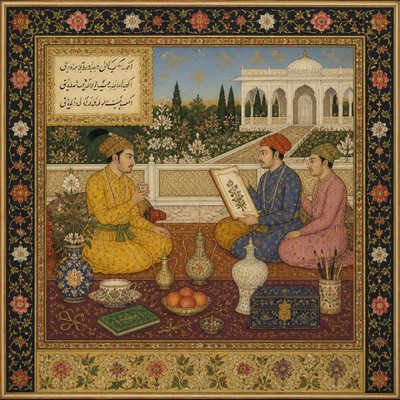
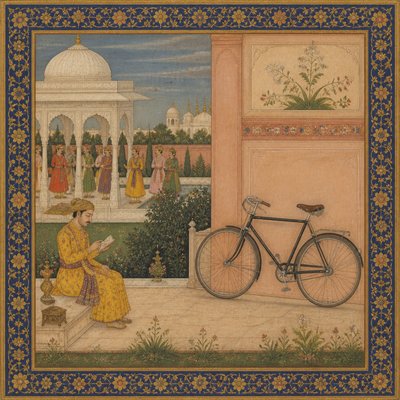
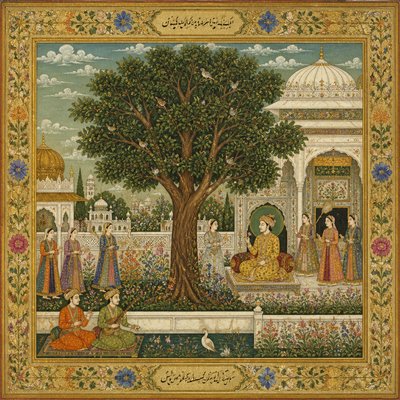
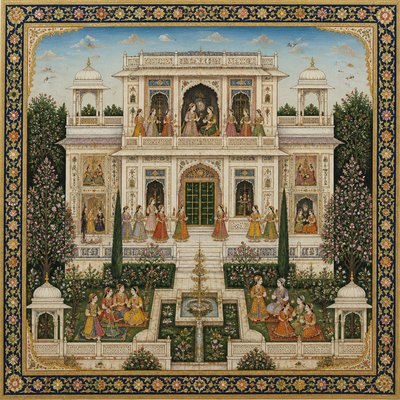
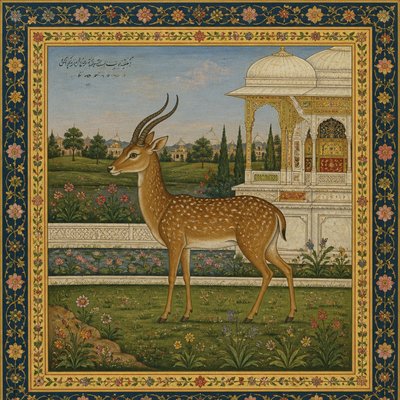
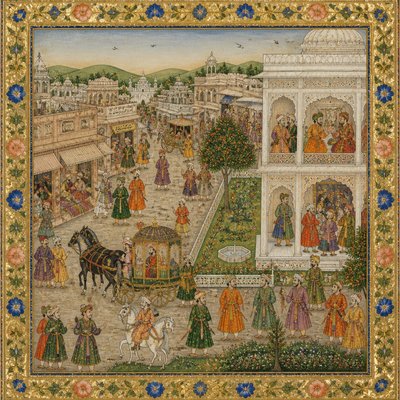
What is Mughal Miniature Art Style?
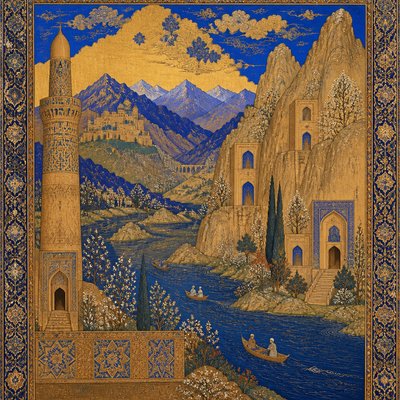
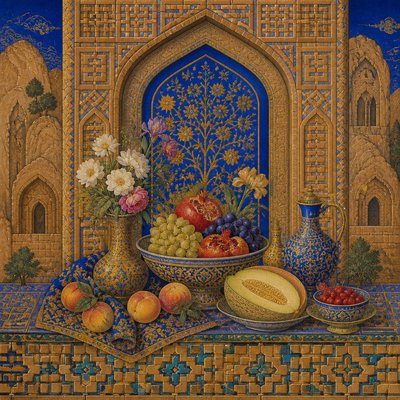
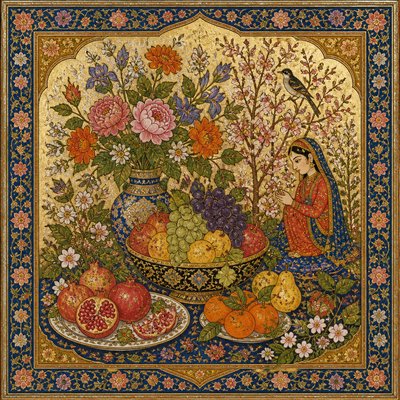
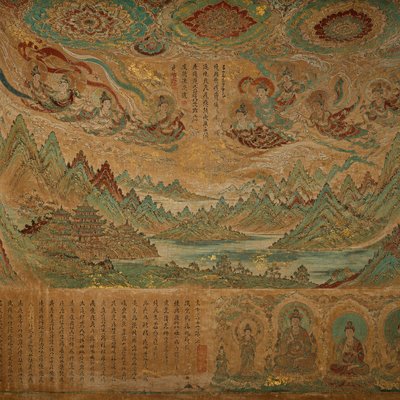
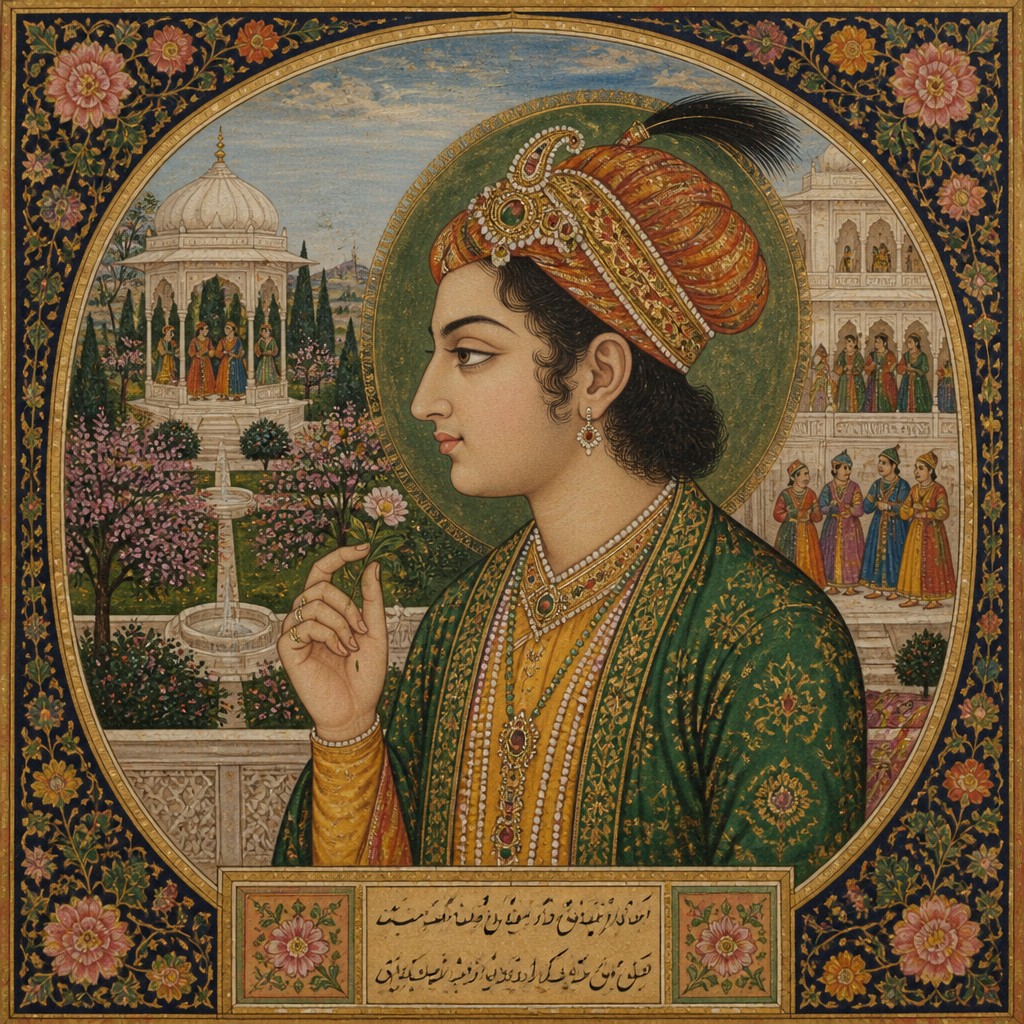
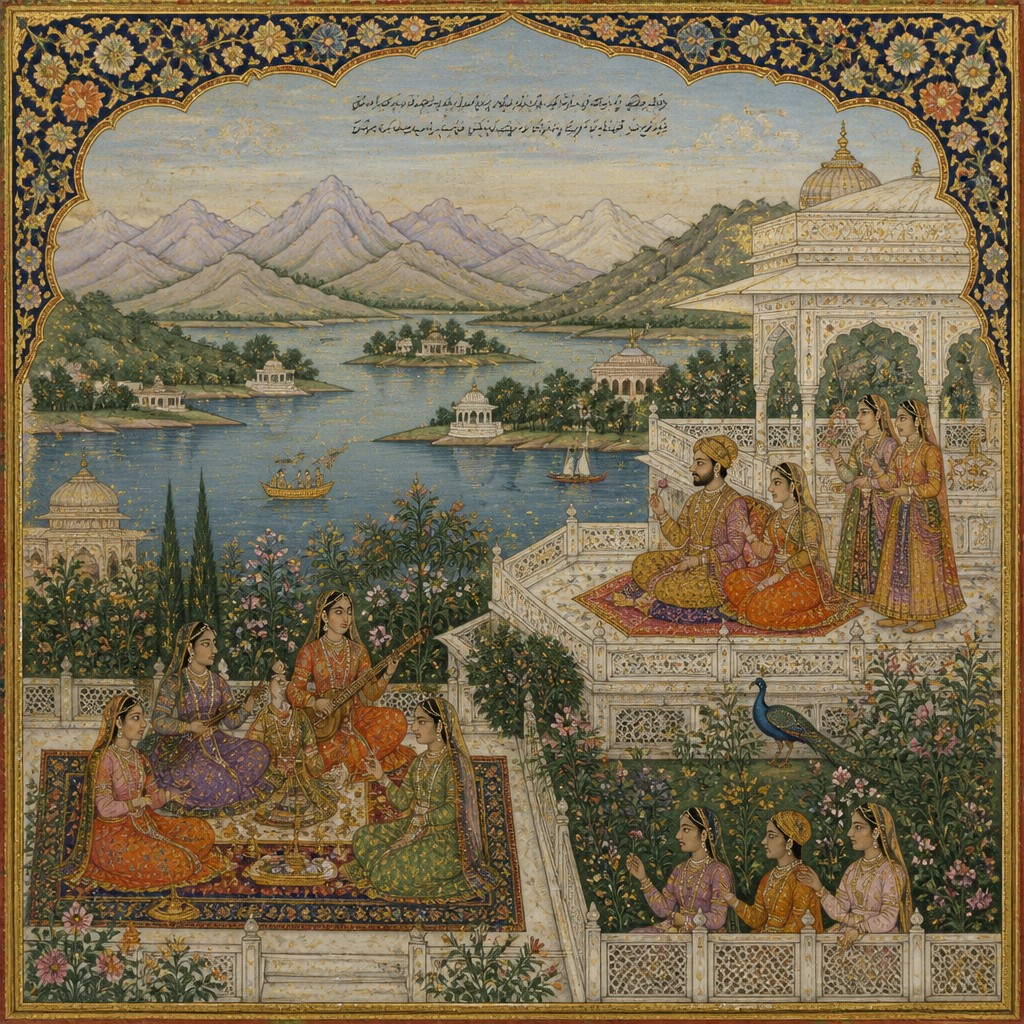
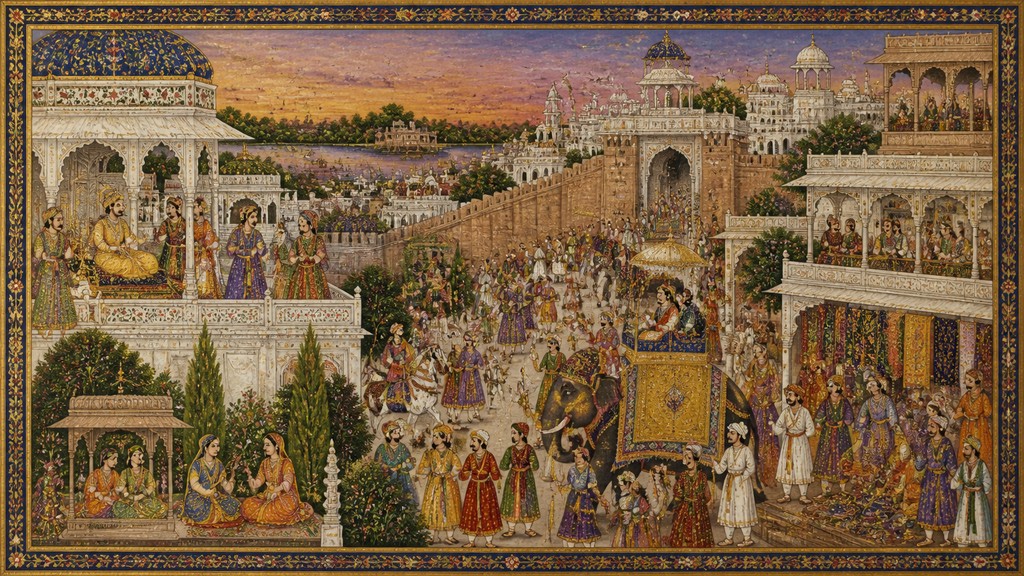
Mughal miniature art is a manuscript-based painting tradition that flourished in the Mughal courts of South Asia from the sixteenth through the nineteenth centuries. It is recognized for meticulous brushwork, jewel-like color, carefully observed figures and animals, elegant architecture, patterned textiles, and compositions arranged across a shallow or elevated picture space. Court ceremonies, battles, hunting expeditions, gardens, royal portraits, literary narratives, and scenes from daily life were among its frequent subjects.
The word “miniature” refers primarily to the intimate scale and refined manuscript function of the works, not to a single fixed subject or technique. Images were commonly painted with opaque watercolor and mineral or organic pigments on layered paper, with gold and sometimes silver used for ornament. Their visual richness comes from the combination of precise contour, controlled pattern, selective naturalism, decorative surface, and the cultural exchange between Persianate manuscript painting and established Indian artistic traditions.
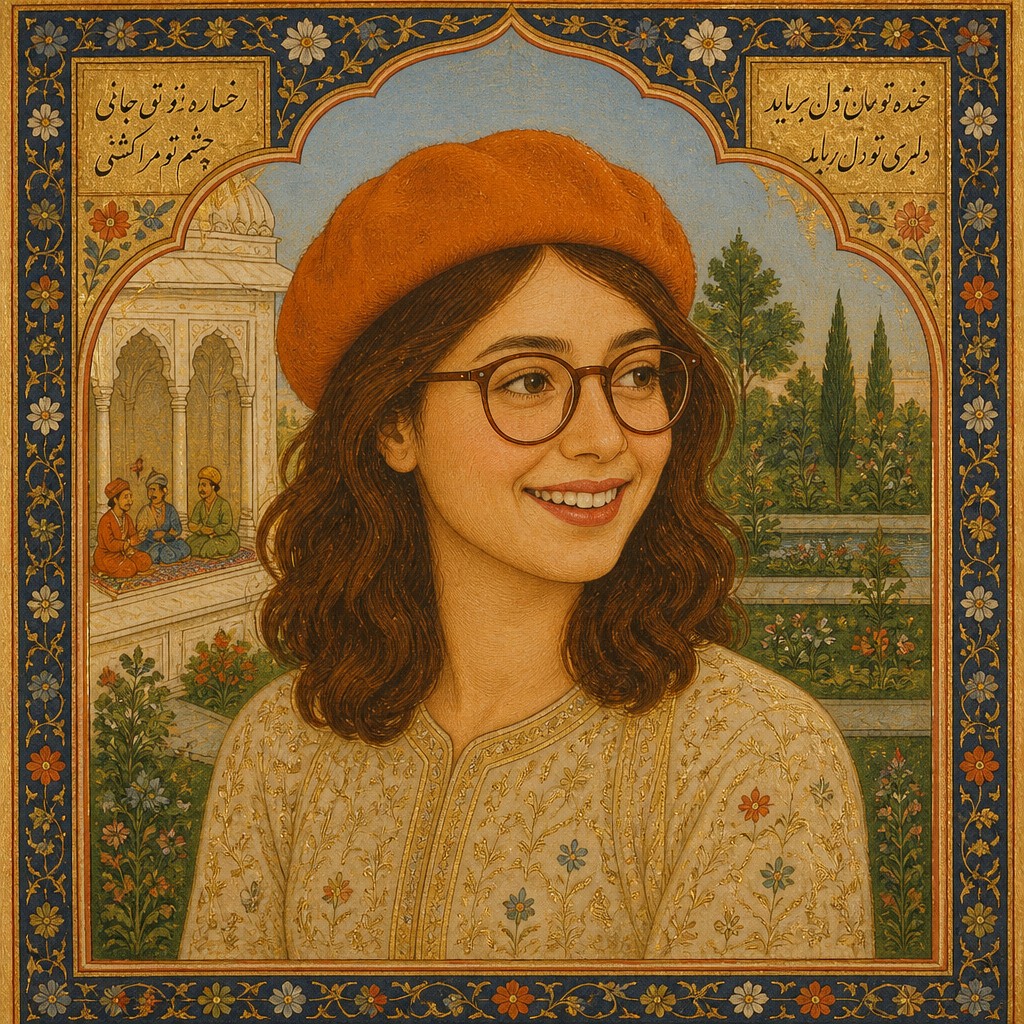
Try It On Your Photos
Upload any photo and convert it into Mughal Miniature Art Style — drag the sliders to compare before and after.

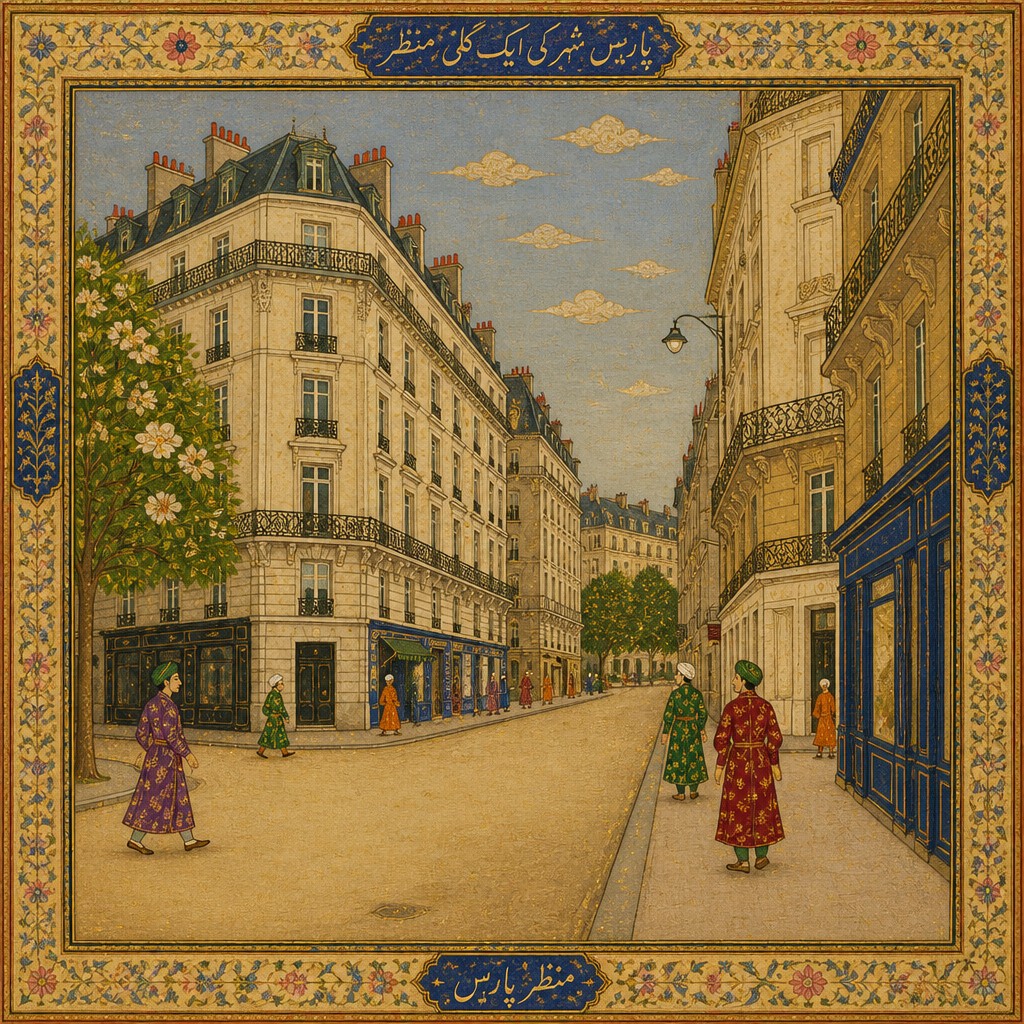

What Defines Mughal Miniature Art Style
The signature details, up close
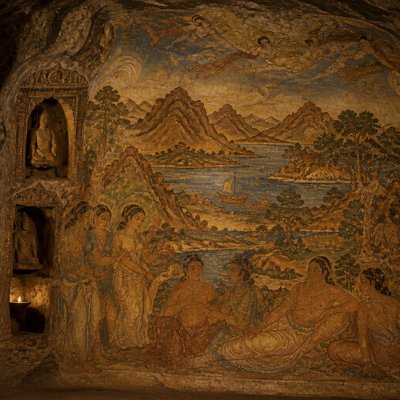
Flattened, elevated composition
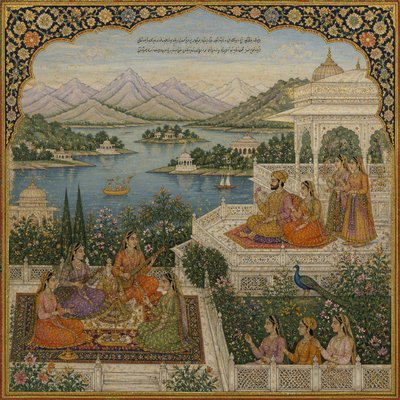
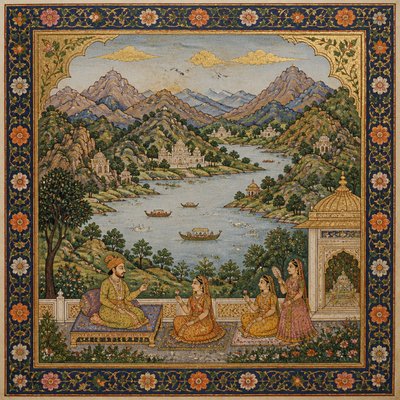
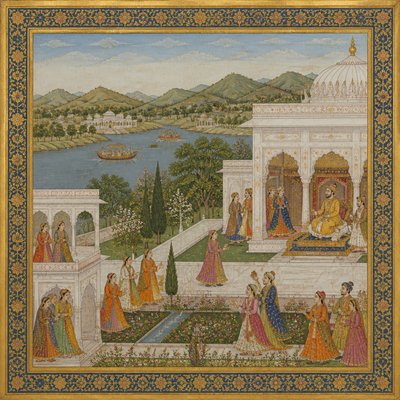
Scenes frequently use a shallow picture space with stacked ground planes, high horizons, and an elevated viewpoint. This arrangement allows gardens, buildings, crowds, and narrative action to remain legible at once.
Jewel-toned color
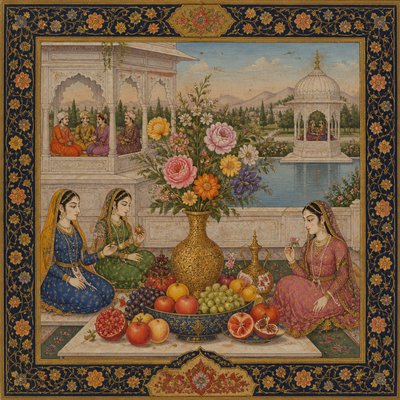
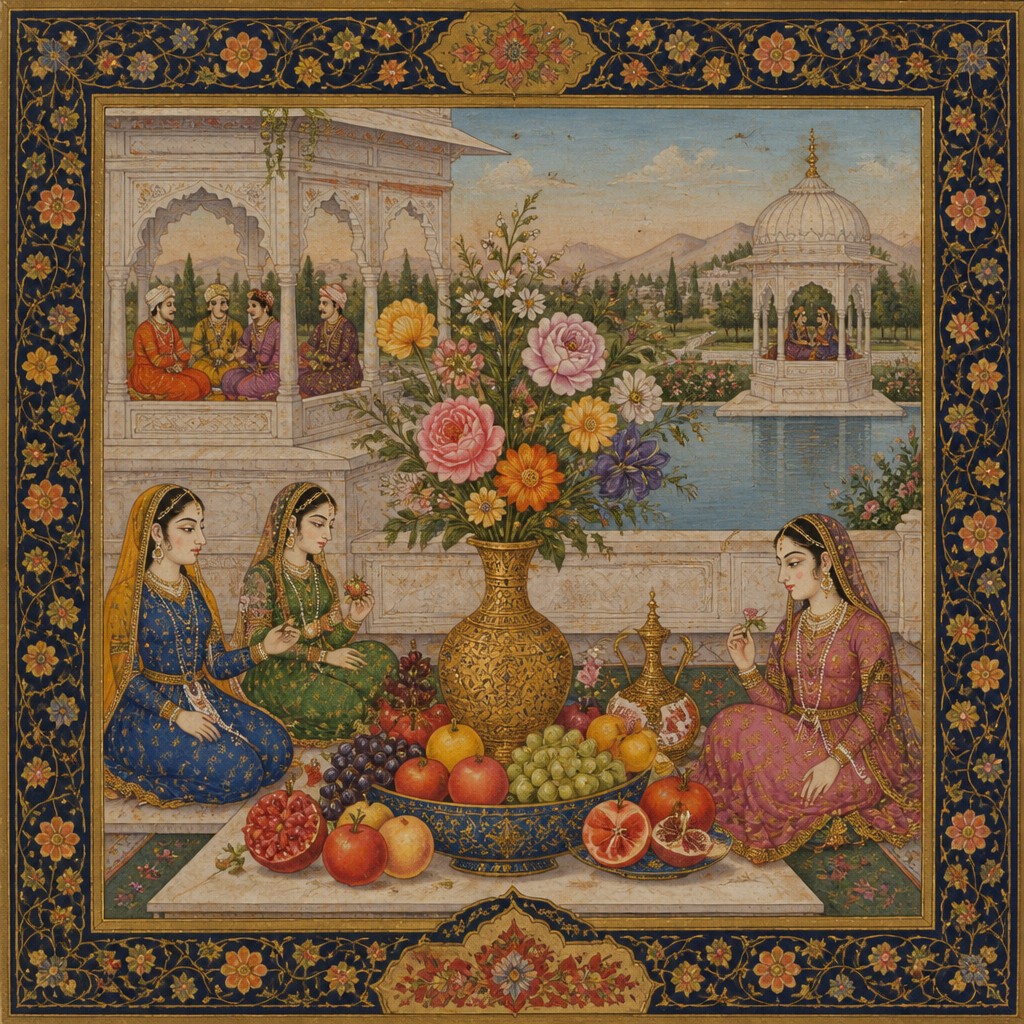
Saturated reds, lapis-like blues, emerald greens, warm ochres, and carefully balanced neutrals create a precious, enamel-like surface. Color is often applied in opaque layers and reinforced with fine outlining.
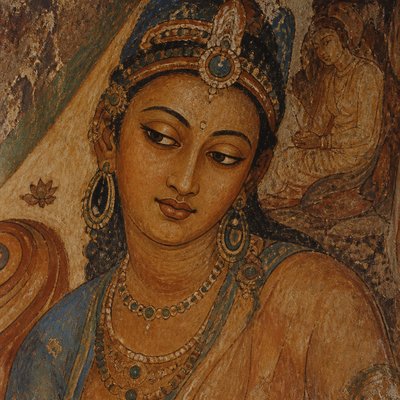
Refined profile portraiture
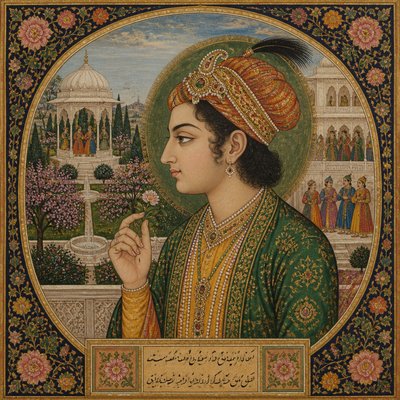
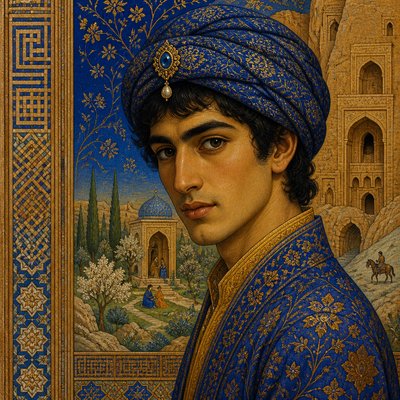
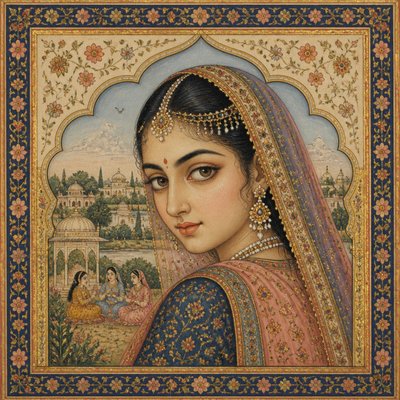
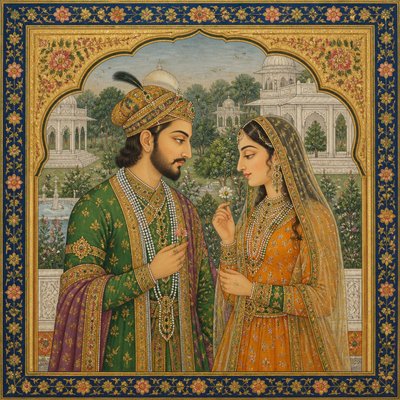
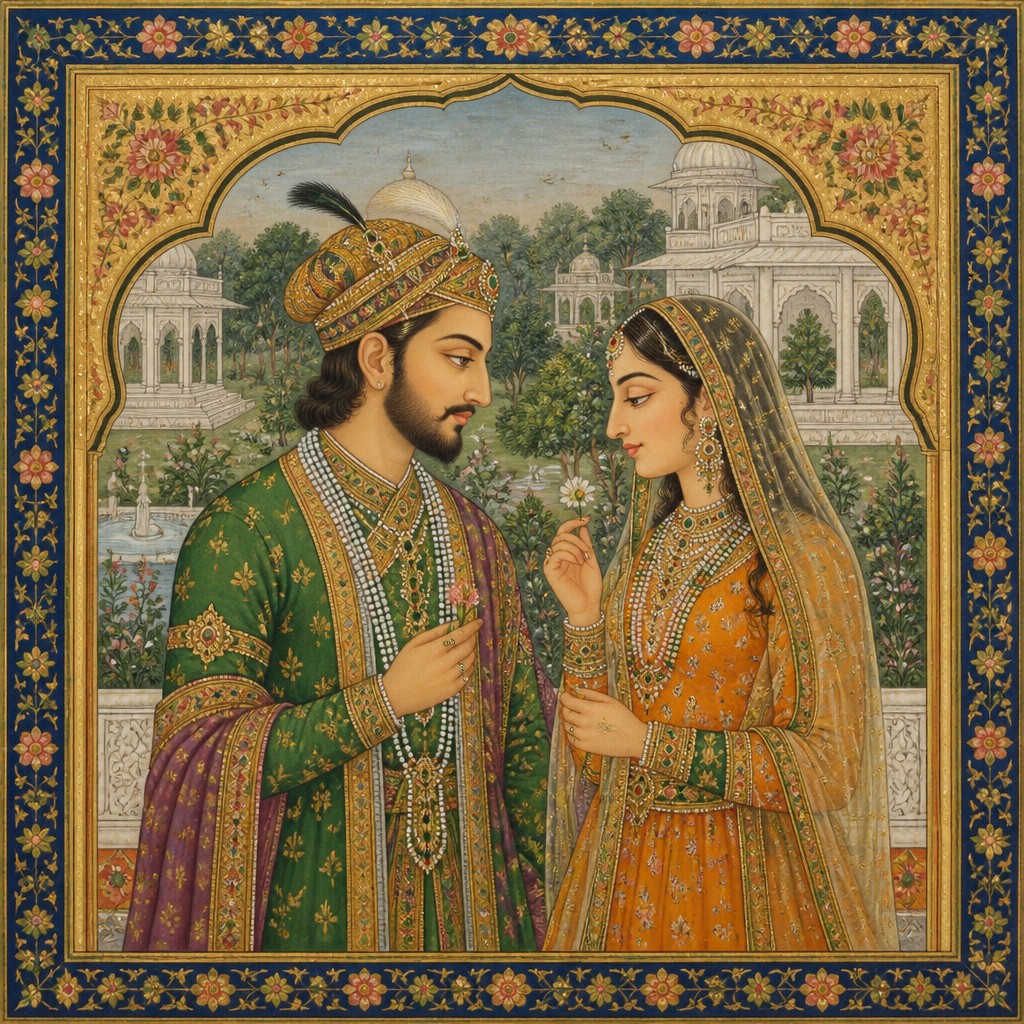
Important figures are commonly shown in profile or three-quarter view with softly modeled faces, precise facial features, elaborate turbans, and richly patterned garments. Rank may be communicated through scale, placement, costume, and accessories.
Manuscript precision
Tiny, controlled marks describe hair, textile pattern, jewelry, foliage, feathers, masonry, and architectural detail. The style rewards close viewing, since decorative information is distributed throughout the image.
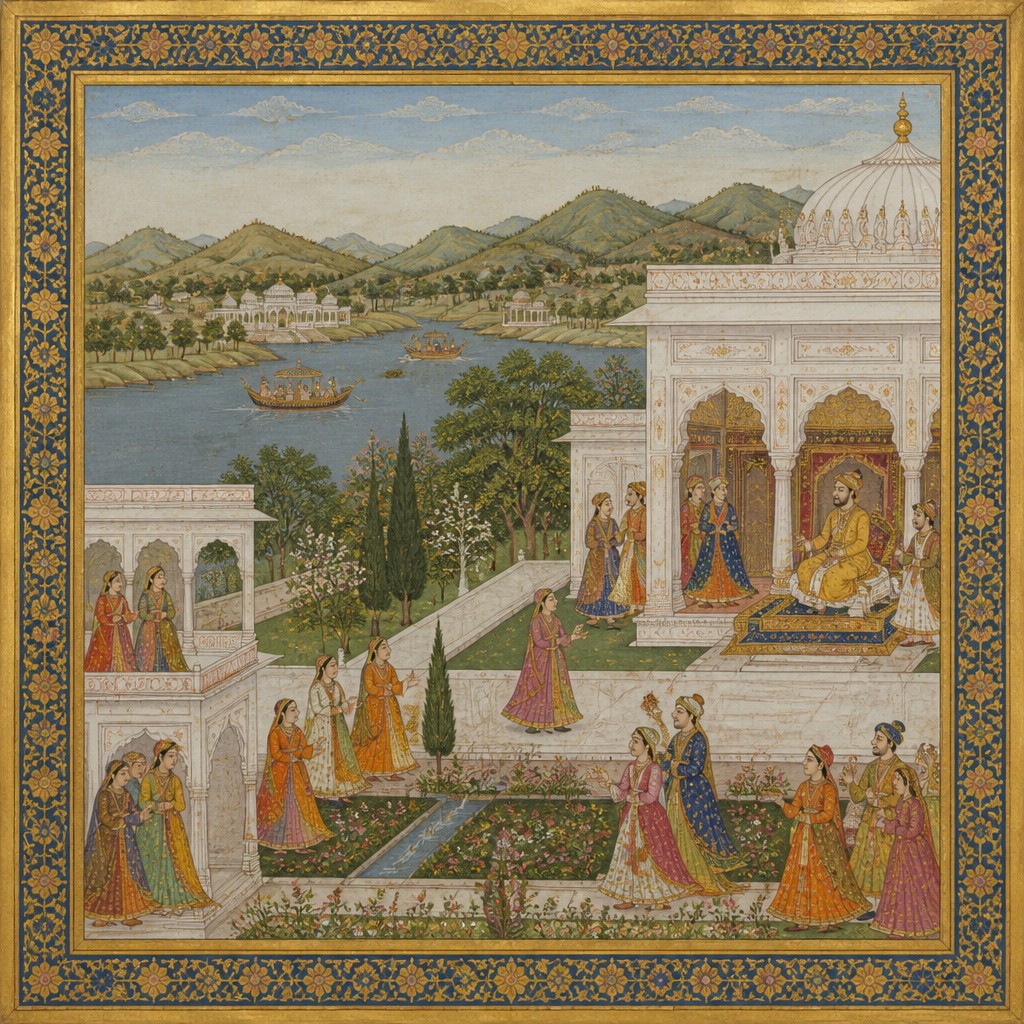
Gardens and architectural settings
Formal charbagh gardens, marble pavilions, terraces, courtyards, fountains, carpets, and screens provide ordered settings for courtly activity. Architecture often functions as both a recognizable environment and a compositional framework.
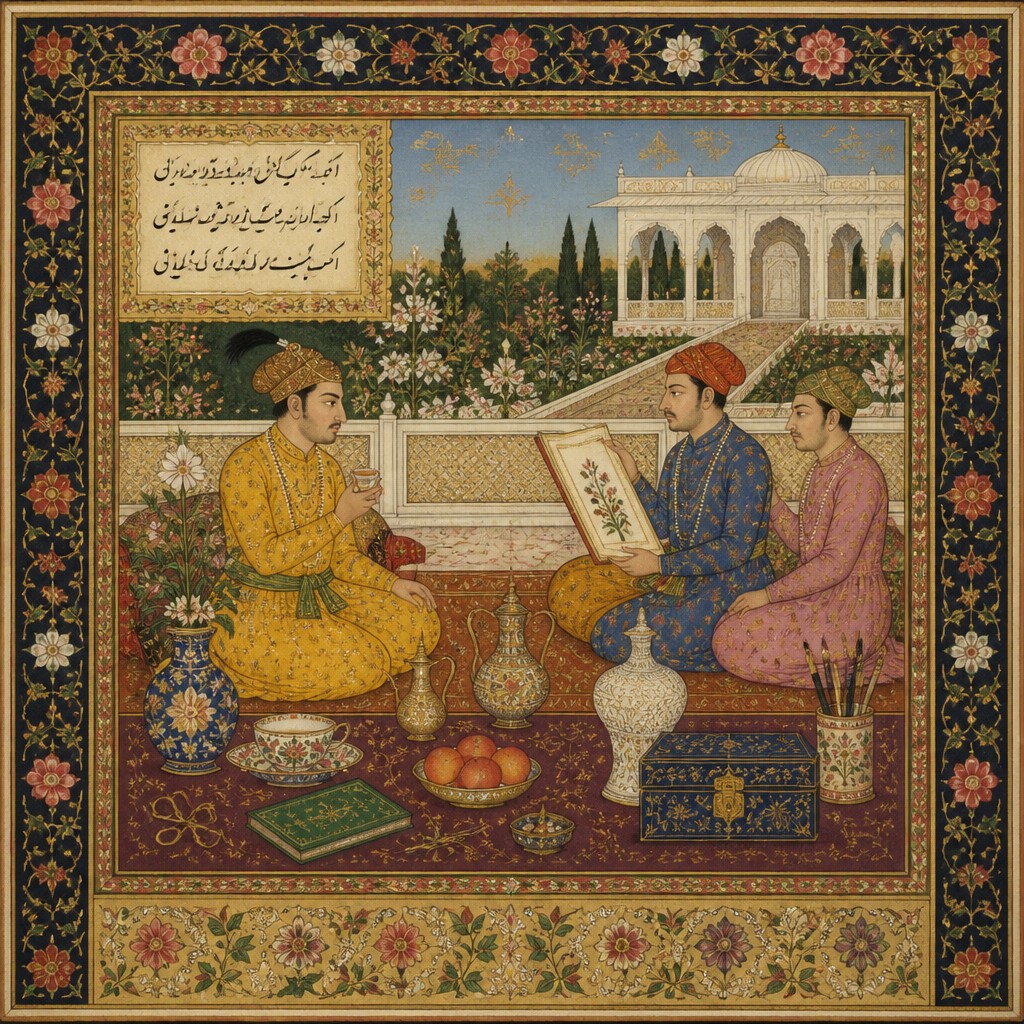
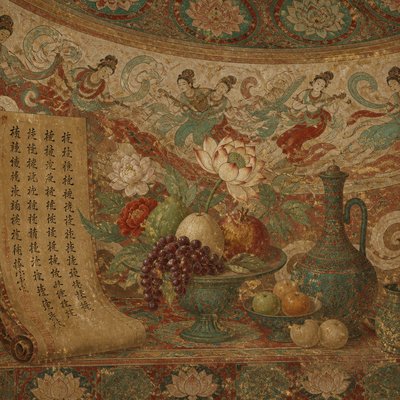
Gilded ornament and borders
Gold highlights, illuminated margins, floral arabesques, cloud bands, calligraphic panels, and decorative frames connect the image to the luxury of the manuscript object. Borders may be as carefully designed as the central scene.
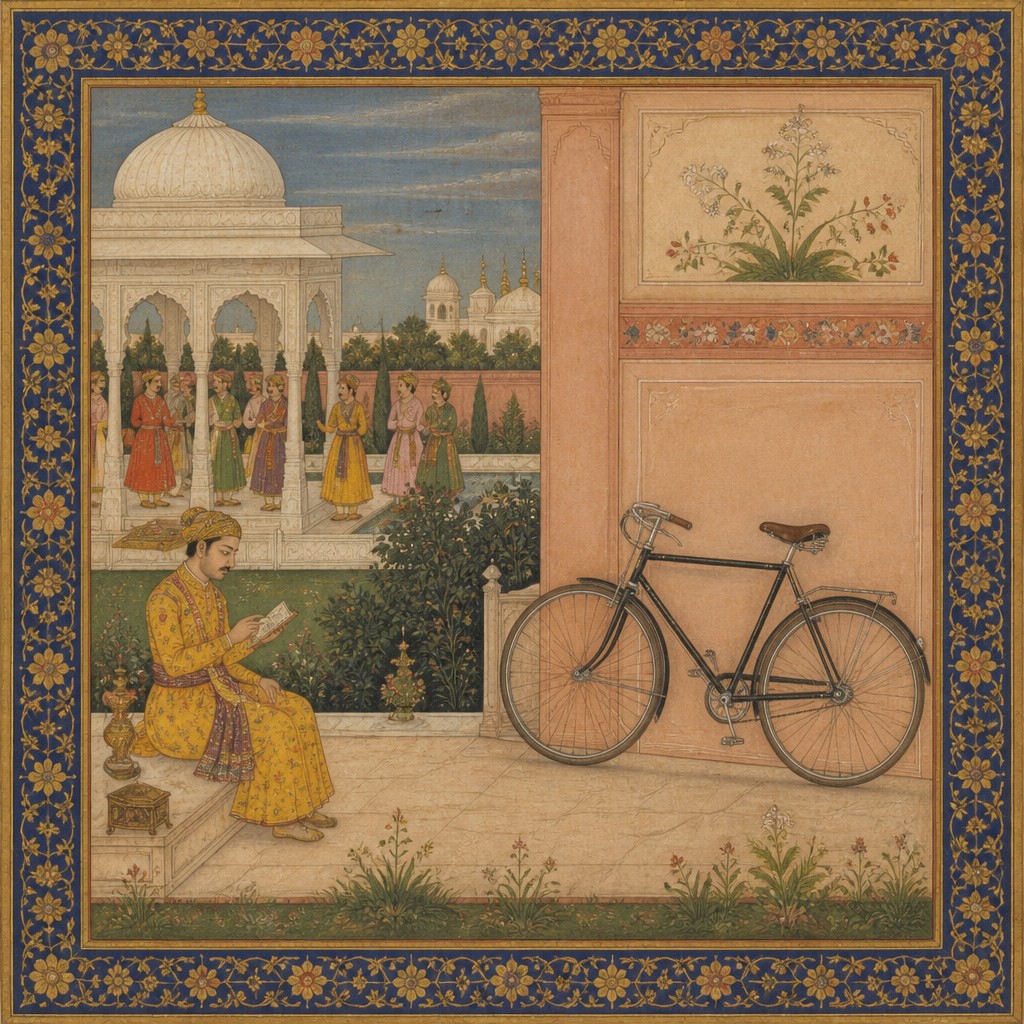
Selective naturalism
Although space and scale are often stylized, animals, plants, faces, weapons, and objects can be observed with remarkable specificity. Naturalistic detail works alongside symbolic composition rather than replacing it.
Try It
Create Videos in Mughal Miniature Art Style
Styles aren't just for stills — describe a scene or animate an image and get a short video rendered in Mughal Miniature. Press play to see this pond come to life.
Make a VideoMughal Miniature Prompt Ideas
Start from an idea — each one opens the generator with the style ready to go. See all 40 Mughal Miniature prompts →
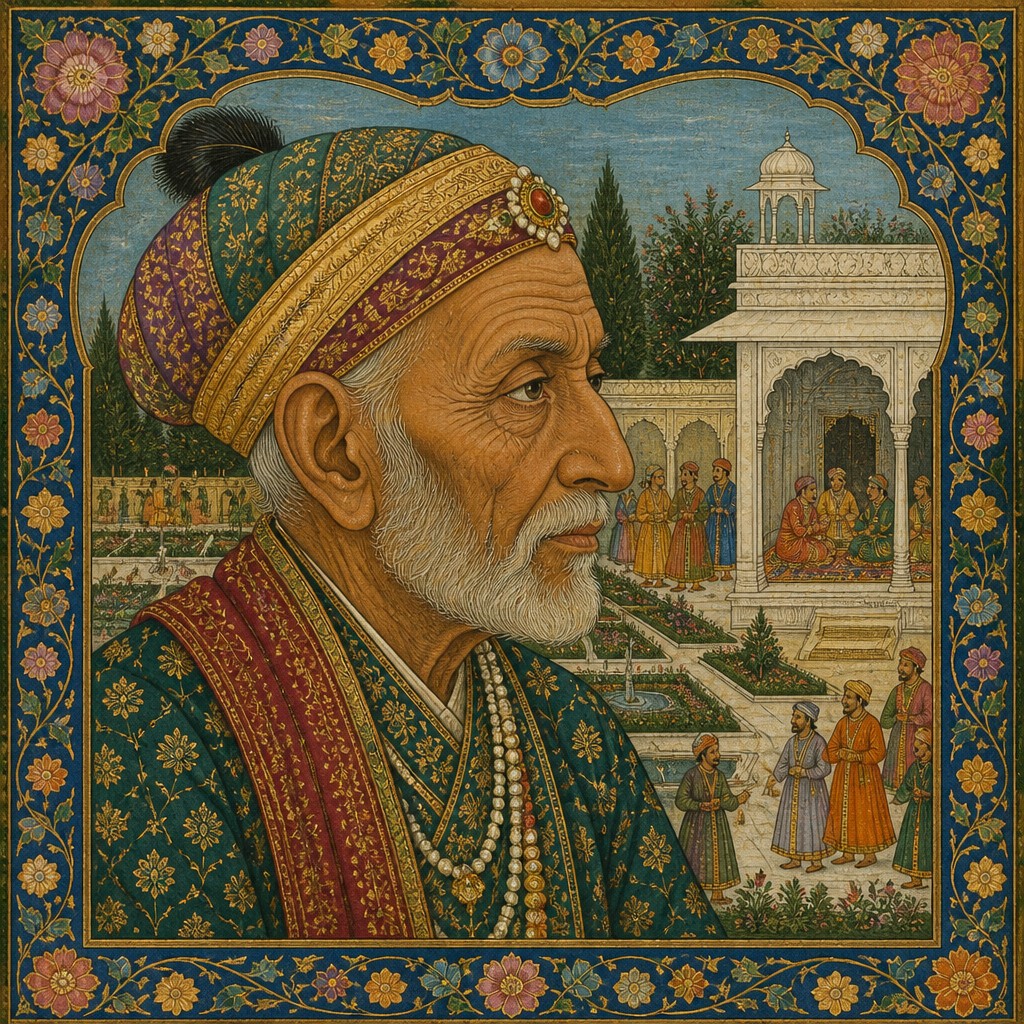
“close-up portrait of an elderly person with expressive weathered features”
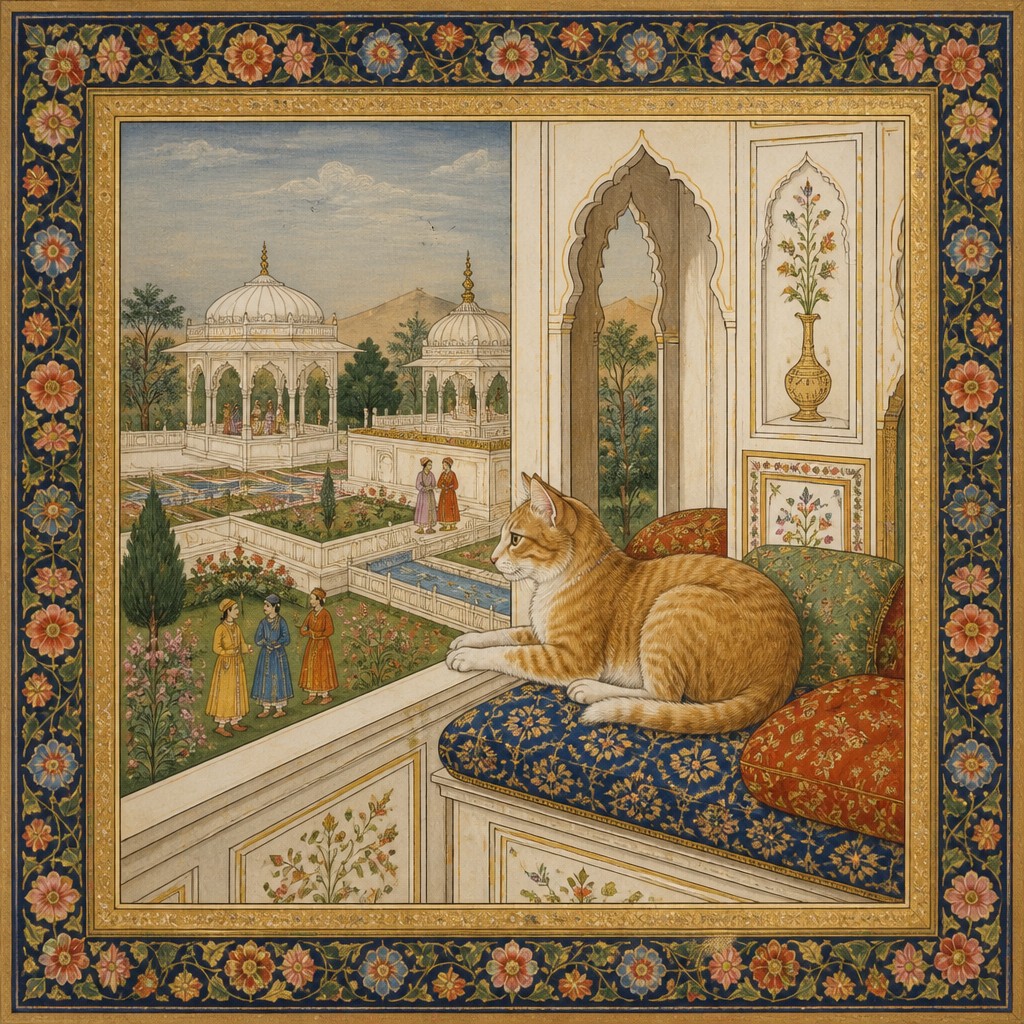
“a cat lounging in a sunlit window”
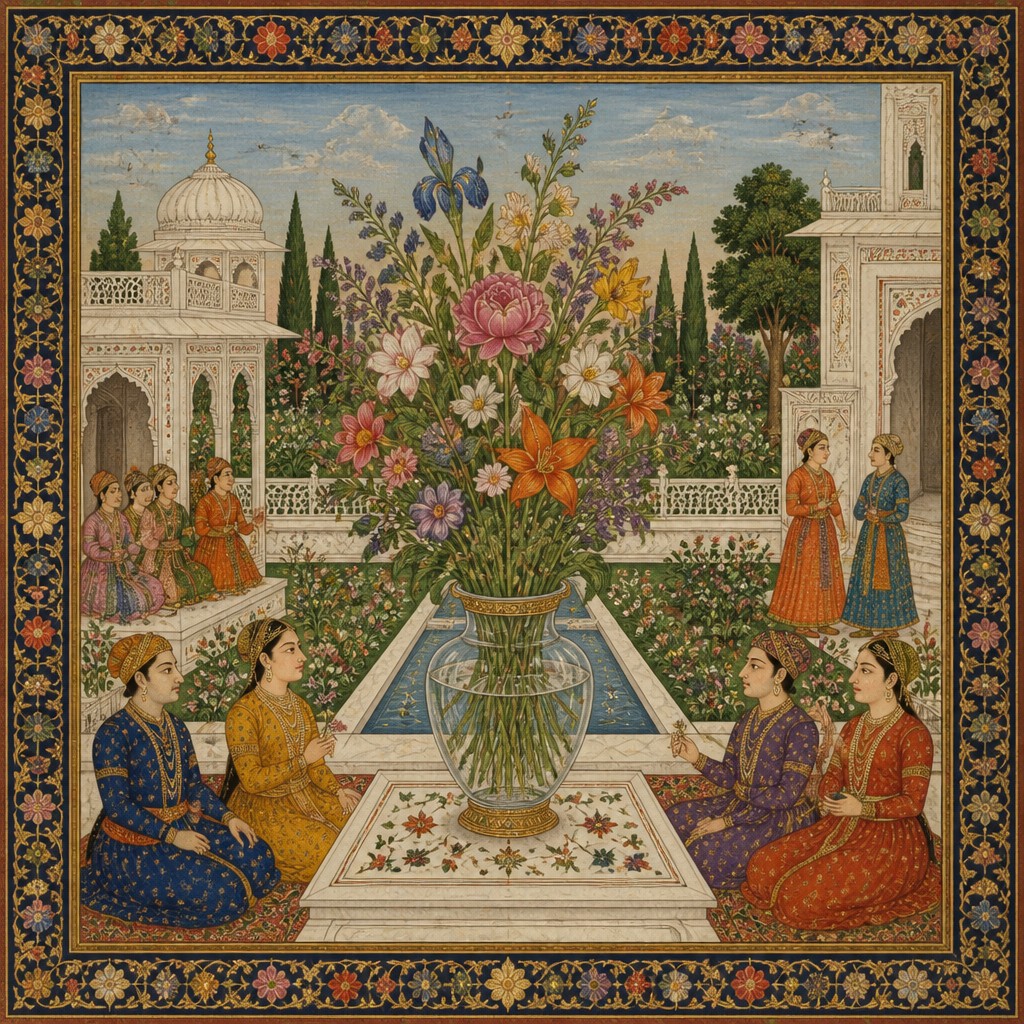
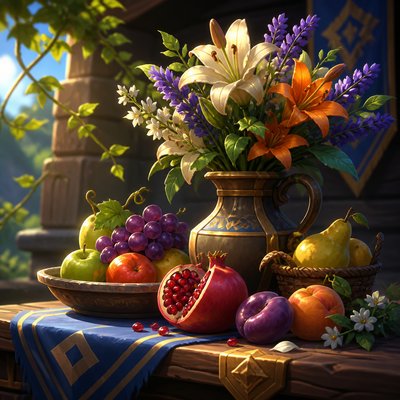
“bouquet of flowers in a glass vase”
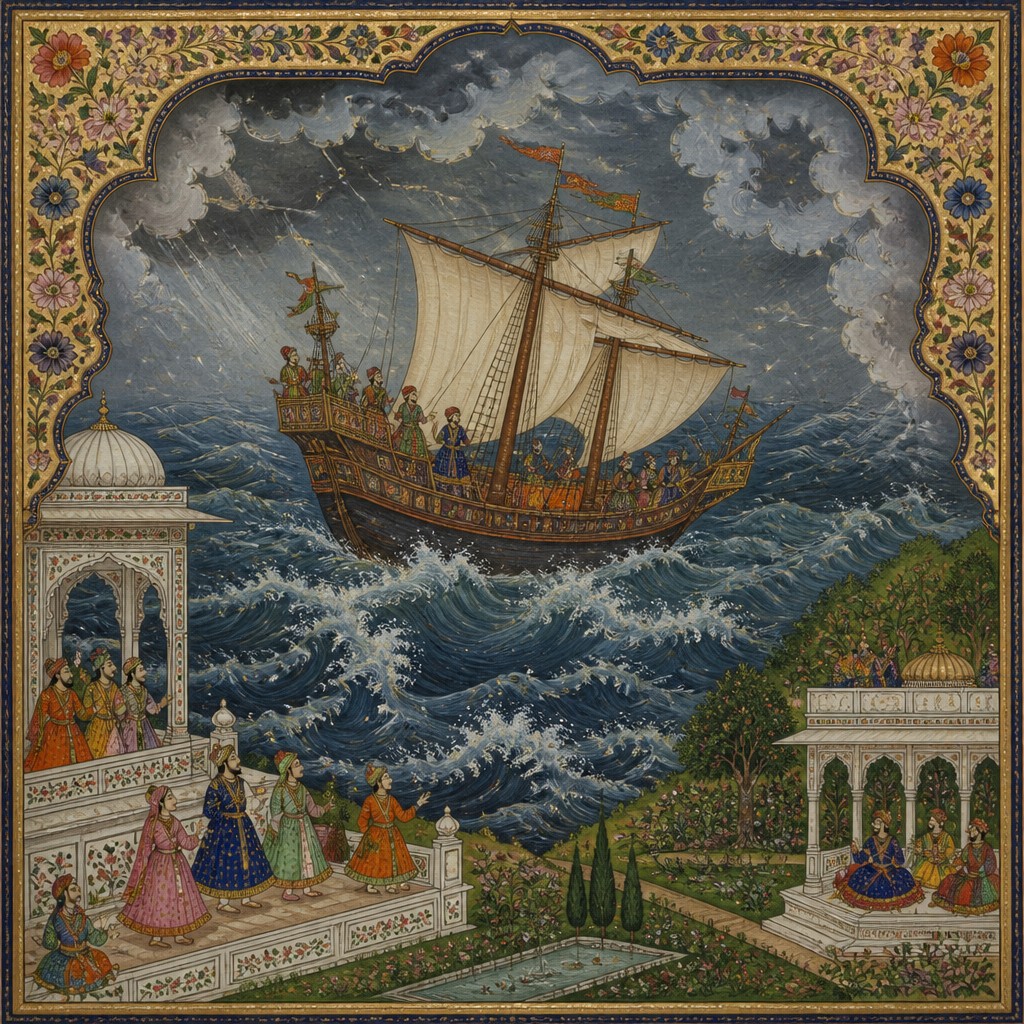
“sailing ship on a stormy sea”
How to Create Mughal Miniature Art
Master the craft step by step — or skip straight to creating. Read the full guide →
- 1
Build on prepared paper
For a traditional approach, use smooth, layered paper and establish a light underdrawing before applying opaque watercolor or gouache. Burnish the surface between stages to achieve the compact, polished finish associated with manuscript painting.
- 2
Use a disciplined contour
Draw figures, architecture, foliage, and animals with a fine, confident line before adding flat color. Reserve darker accents for contours and structural details rather than relying on broad painterly shadows.
- 3
Layer color and gold
Apply jewel-toned passages in controlled opaque layers, then add textile patterns, facial modeling, vegetation, and small highlights. Metallic paint or digital gold effects should be concentrated in borders, jewelry, architecture, and ceremonial details.
- 4
Design the whole page
Plan a central narrative scene together with margins, floral frames, calligraphic areas, or patterned borders. Keep the composition legible at a distance while distributing intricate discoveries across the surface.
- 5
Use a structured digital workflow
In digital painting, work from line art to flat color, pattern, modeling, ornament, and border on separate layers. Texture overlays, carefully masked metallic gradients, and a limited palette can suggest handmade paper and mineral pigments without obscuring the drawing.
- 6
Write prompts with historical cues
For prompt-based creation, specify the subject, profile figures, shallow elevated perspective, jewel-toned garments, manuscript-scale detail, formal garden or marble setting, and floral gilded border. Add exclusions such as photorealistic depth, modern clothing, loose painterly brushwork, or empty backgrounds when necessary.

The Story
History & Origins of Mughal Miniature
Mughal miniature painting emerged in the sixteenth century through the development of imperial manuscript workshops in northern South Asia. Its early court tradition drew strongly on Persianate and Central Asian book-painting practices while incorporating Indian approaches to landscape, fauna, narrative detail, color, and ornament. Large collaborative manuscripts often involved specialists in drawing, coloring, portraiture, lettering, and illumination.
The style changed across successive court periods. Early works tend toward densely populated narrative scenes and vivid pattern, while later painting often gives greater emphasis to individualized portraiture, botanical and zoological observation, atmospheric landscape, and diplomatic or ceremonial imagery. From the eighteenth century onward, related courtly traditions continued in regional ateliers, including Rajput and Pahari painting, while colonial-era collecting and museums helped define the modern category of “Mughal miniature.”
Influences: Mughal miniature art is closely related to Persian and Timurid manuscript painting, Central Asian court culture, and the indigenous painting traditions of South Asia. It also connects to Rajput and Pahari miniature painting, Islamic illumination, calligraphy, textile design, architectural ornament, and the visual culture of imperial workshops. Later regional and contemporary interpretations may combine its manuscript precision with natural history illustration, modern painting, photography, or digital image-making.

Frequently Asked Questions
What defines Mughal miniature art?
Its defining features include meticulous manuscript-scale detail, jewel-toned opaque color, fine contour, courtly or literary subjects, profile portraiture, formal gardens and architecture, and ornamental borders. The style balances selective naturalistic observation with flattened, highly organized composition.
Why is it called miniature painting?
“Miniature” describes the intimate scale and detailed execution of paintings made for manuscripts and albums. It does not mean the images are necessarily tiny, nor does it imply that all works share one subject or composition.
How is Mughal painting different from Persian miniature painting?
Mughal painting developed from Persianate manuscript traditions but evolved in South Asia through interaction with Indian materials, artists, subjects, landscapes, and visual conventions. Compared with many Persianate examples, some Mughal works place especially strong emphasis on individualized portraiture, observed animals, imperial ceremony, and naturalistic detail.
What materials were traditionally used?
Artists commonly worked on smooth, layered paper with opaque watercolor made from mineral, vegetal, and other pigments. Fine brushes, burnishing tools, ink, and gold or silver were used for contour, surface polish, illumination, and ornament.
Can contemporary artists make work in this style?
Yes, artists can study its composition, materials, borders, linework, and palette while creating new subjects. Responsible contemporary practice should distinguish historical references from original court commissions and avoid presenting modern reinterpretations as authentic historical artifacts.
What subjects work well for this visual style?
Court ceremonies, portraits, processions, gardens, animals, literary scenes, architectural interiors, and carefully staged everyday activities are particularly compatible. Modern subjects can also work when organized with shallow space, patterned surfaces, fine contour, and manuscript-like framing.
Create your first Mughal Miniature artwork
Describe anything — or upload a photo — and see it in Mughal Miniature Art Style in seconds.
Related Styles
Discover similar art styles