Mexico City Art Style
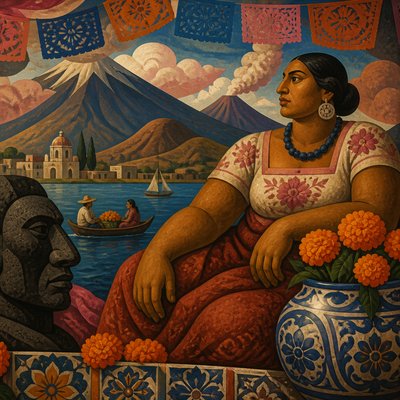
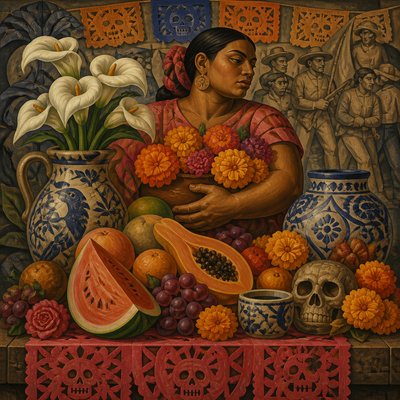
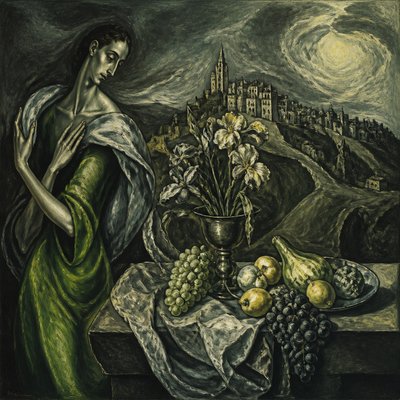
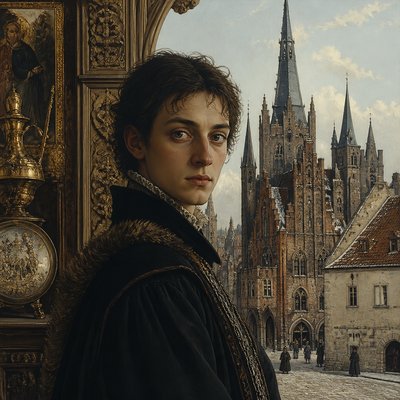
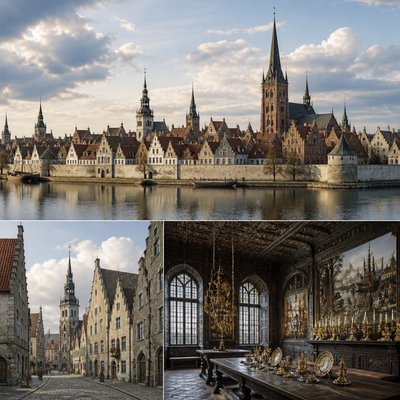
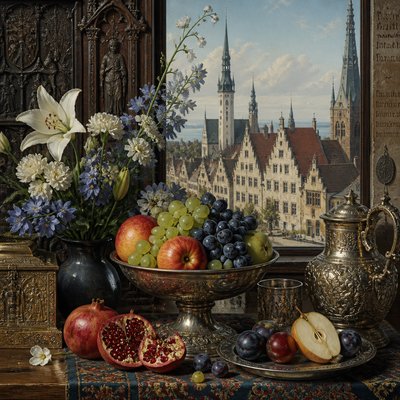
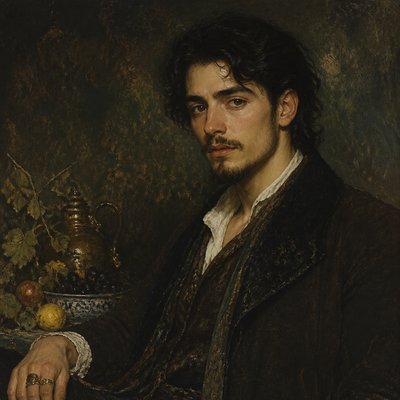
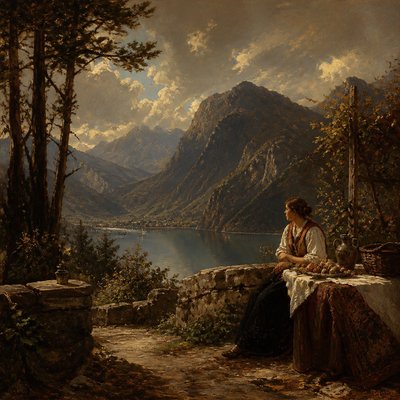
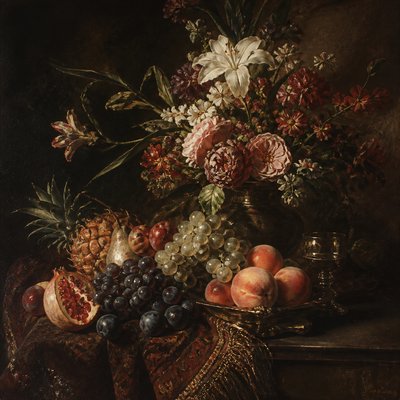
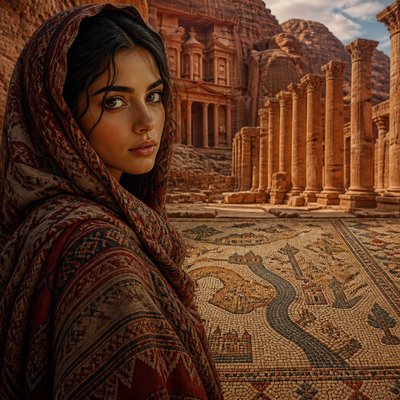
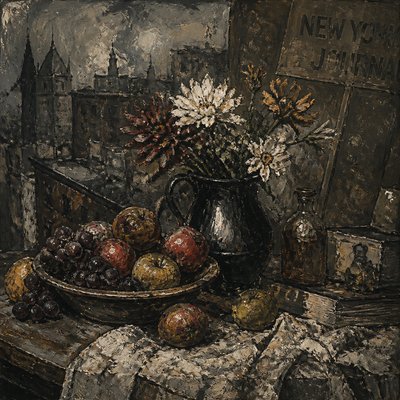
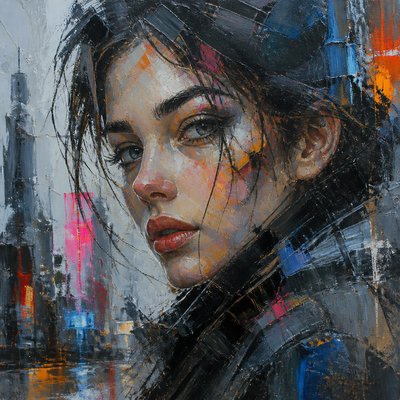
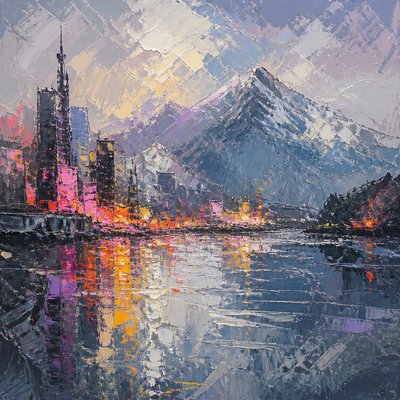
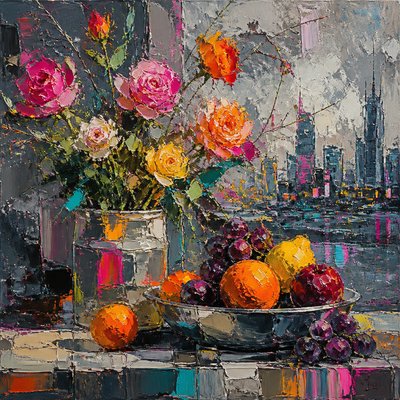
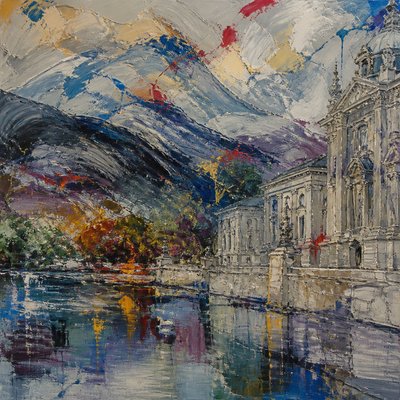
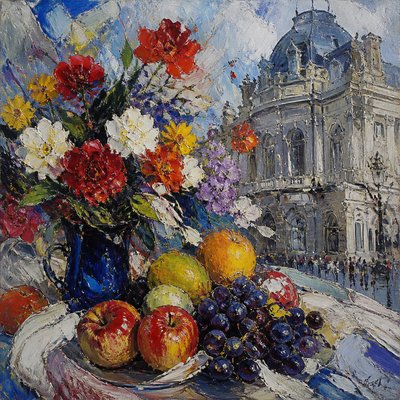
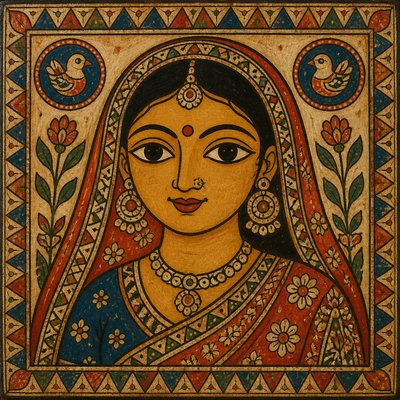
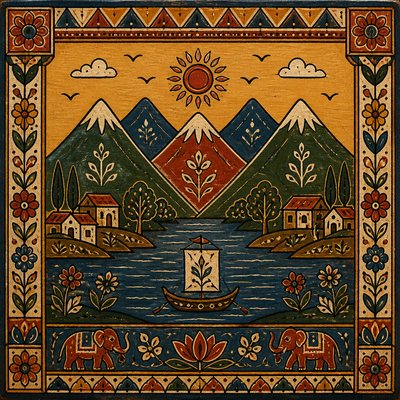
Explore Mexico City Art Style: monumental social murals, baroque cathedral ornament, carved stone architecture, and an earth-red colonial palette.
Instantly rendered in Mexico City — or transform a photo
Mexico City Gallery
Tap any artwork to explore it
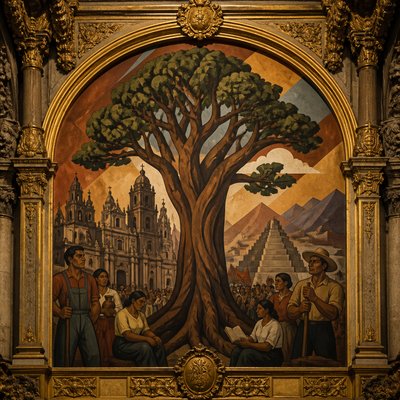
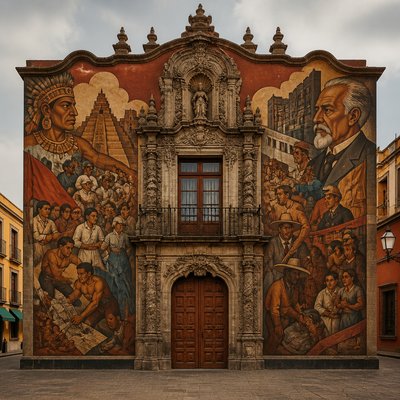
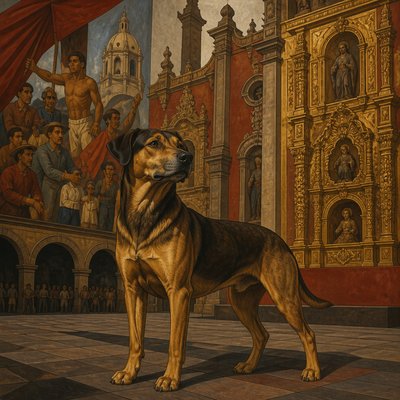
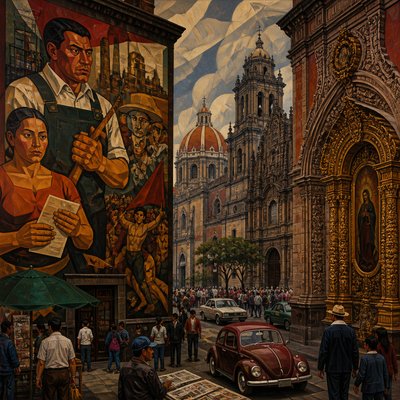
What is Mexico City Art Style?
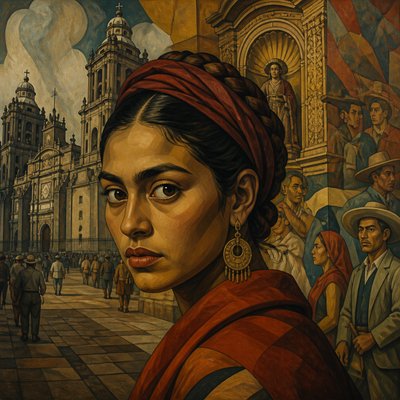
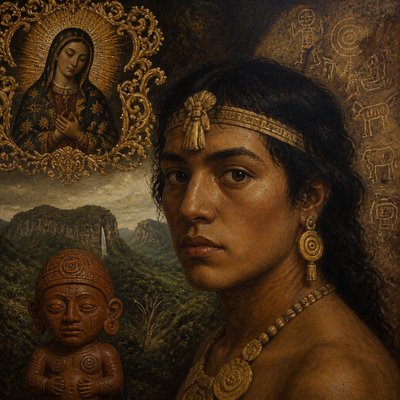
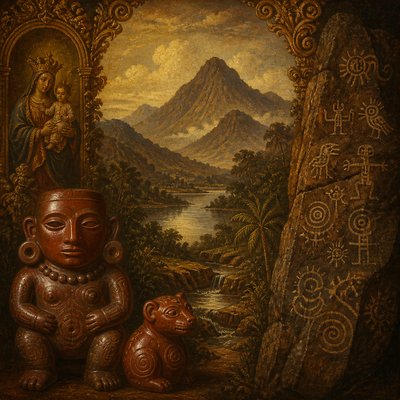
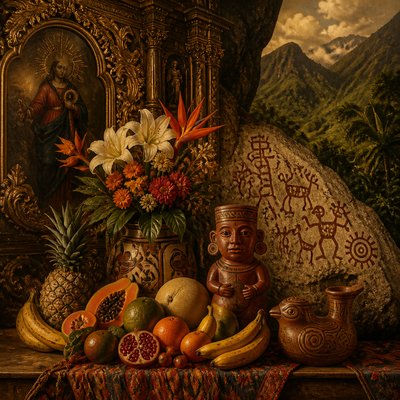
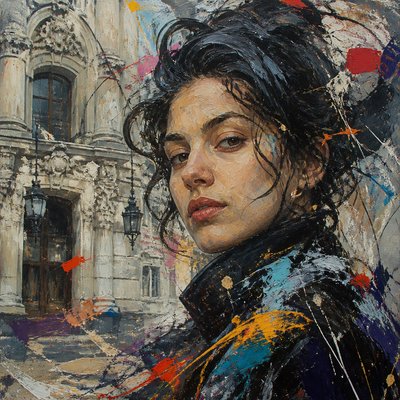
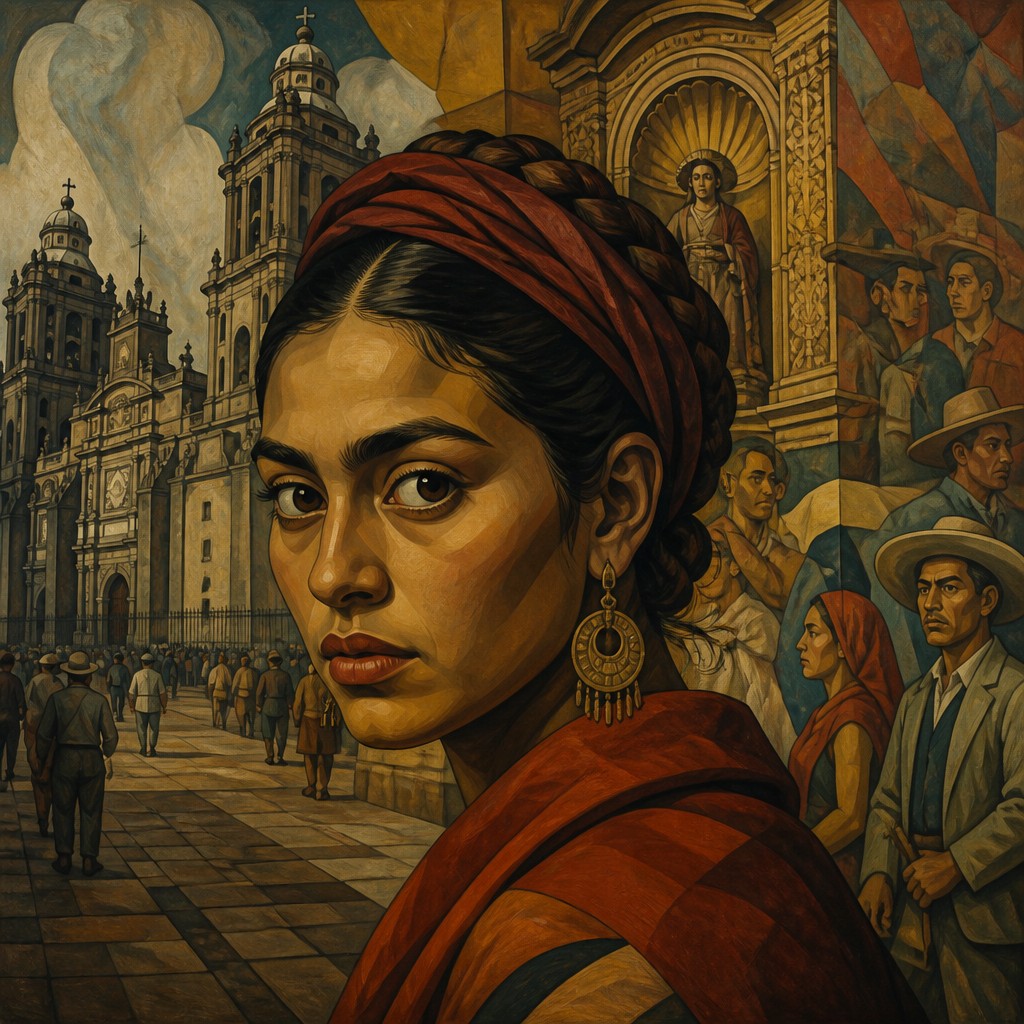
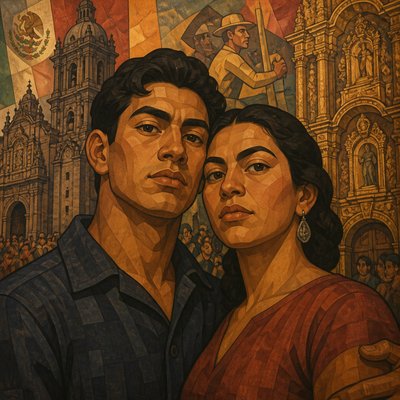
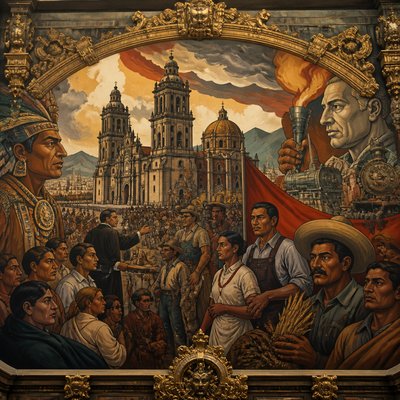
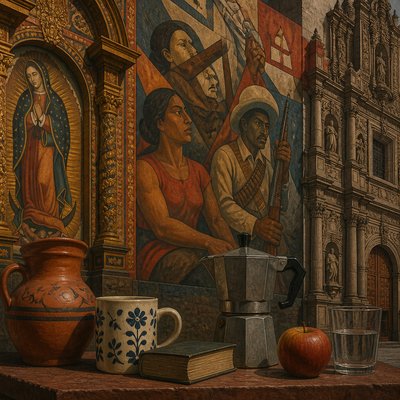
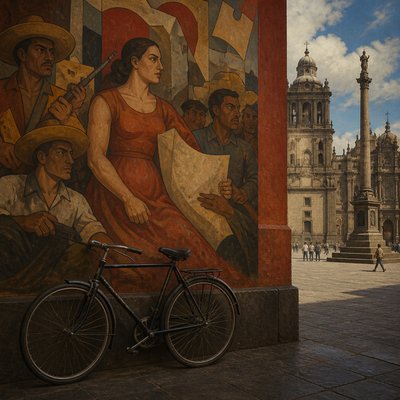
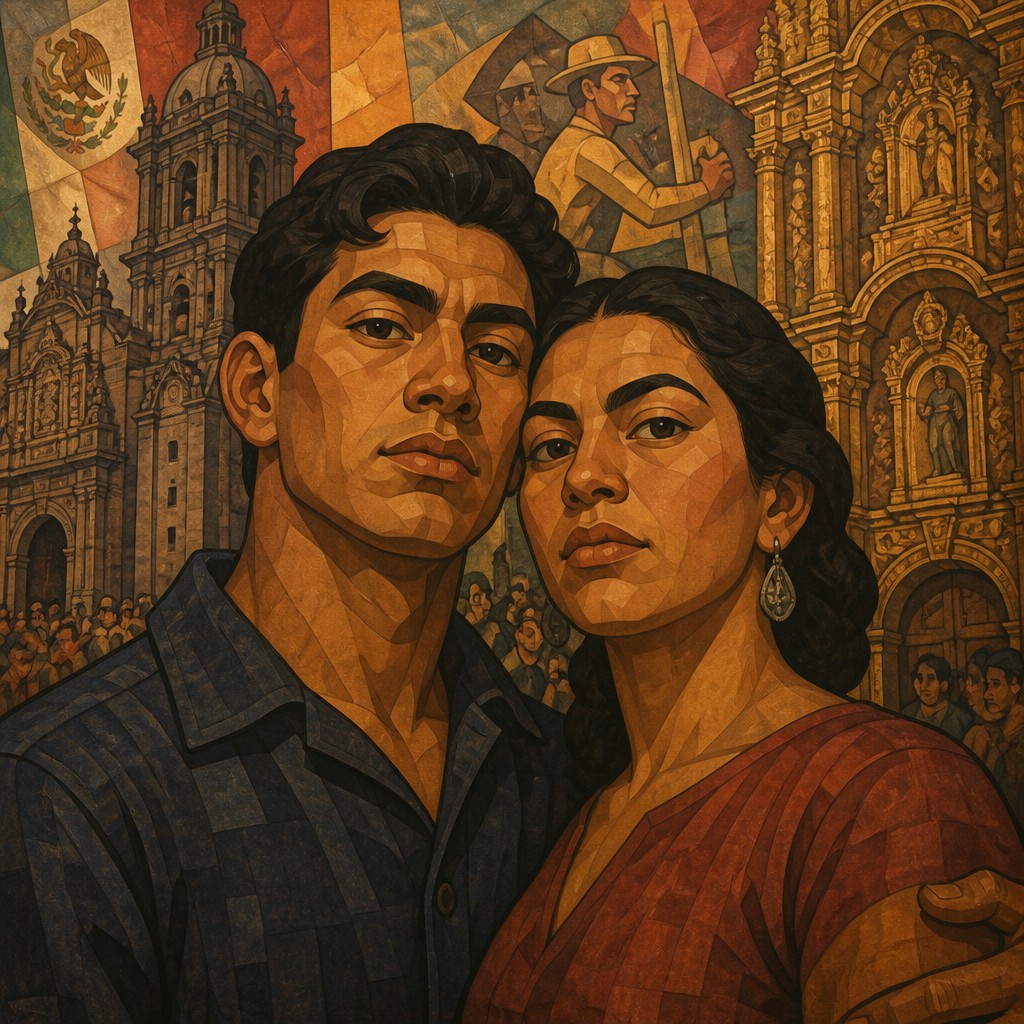
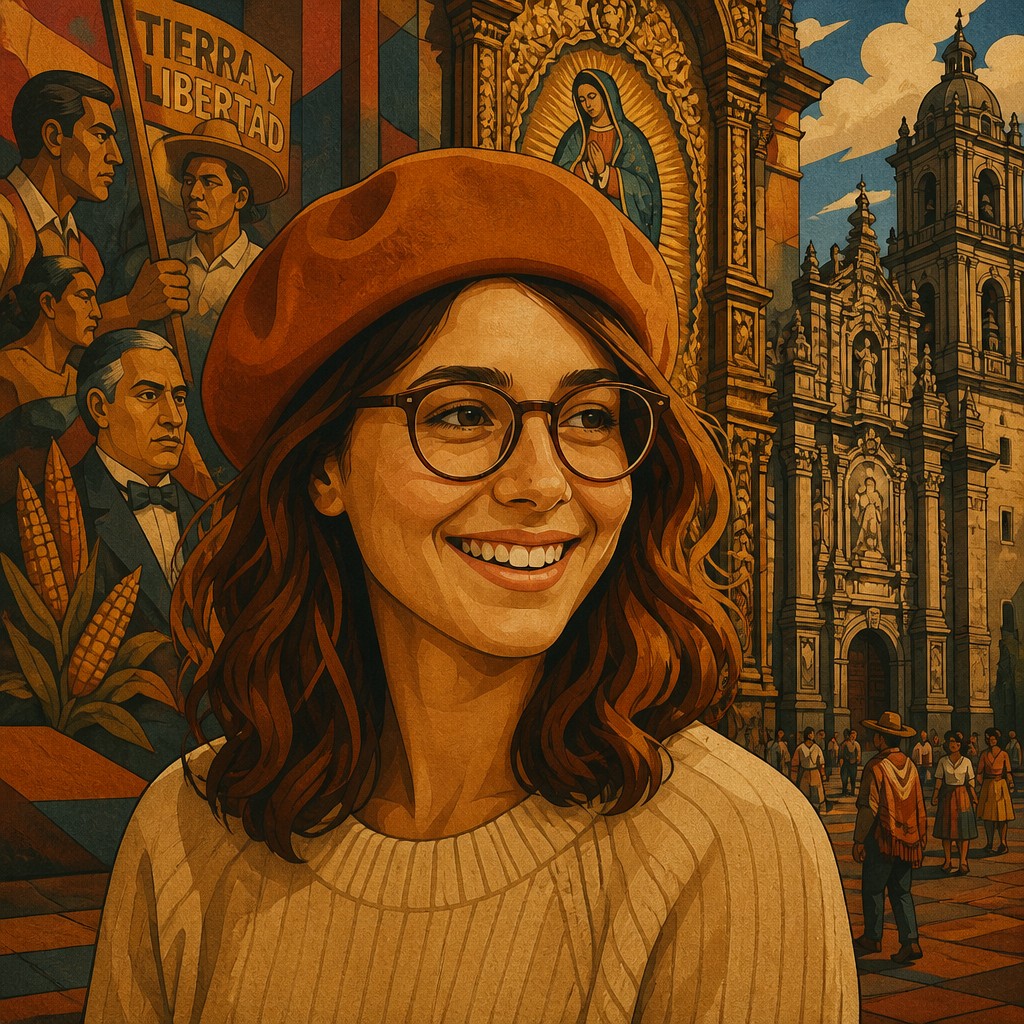
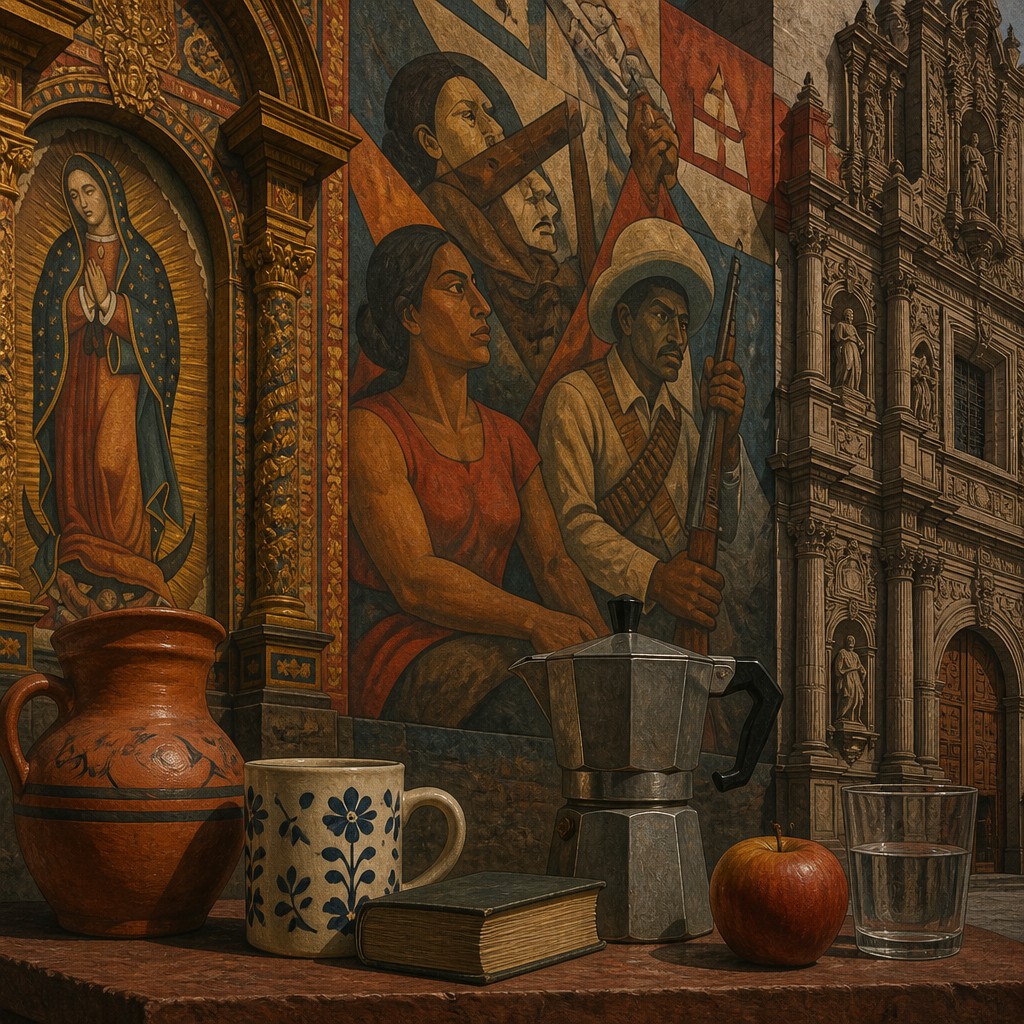
Mexico City Art Style is a contemporary visual synthesis rather than a formally documented historical movement. It combines the public scale and social storytelling of Mexican muralism with the theatrical ornament of colonial Baroque churches, carved stone facades, and ceremonial plaza architecture. Its compositions often place monumental figures, historical episodes, workers, families, or civic gatherings against layered urban perspectives.
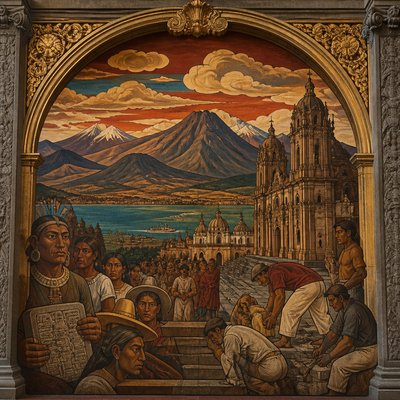
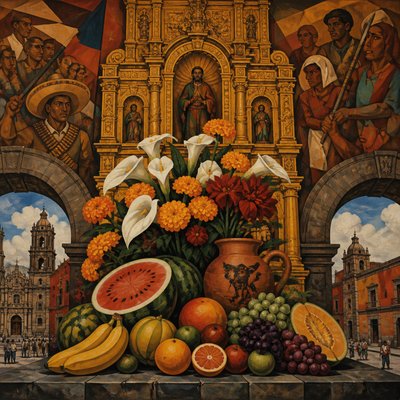
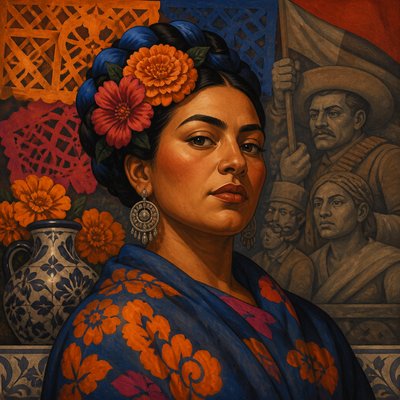
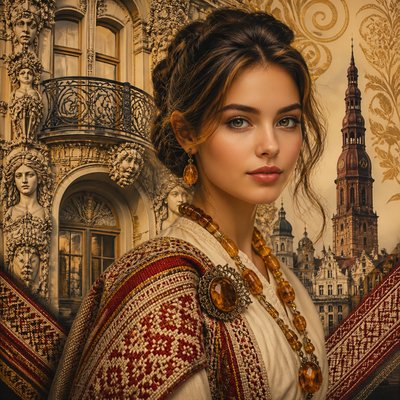
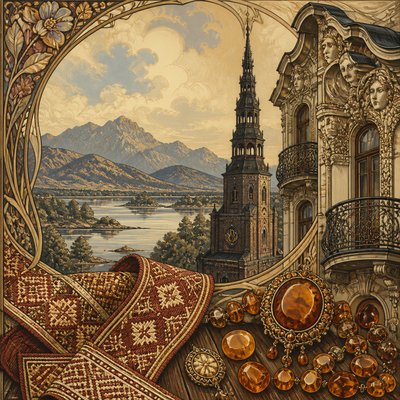
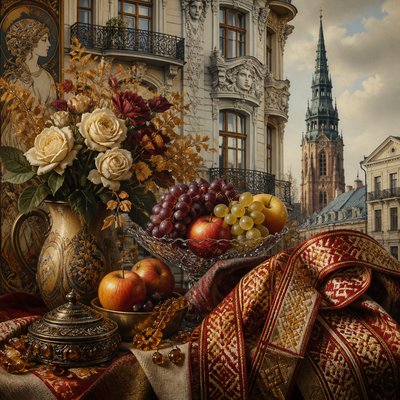
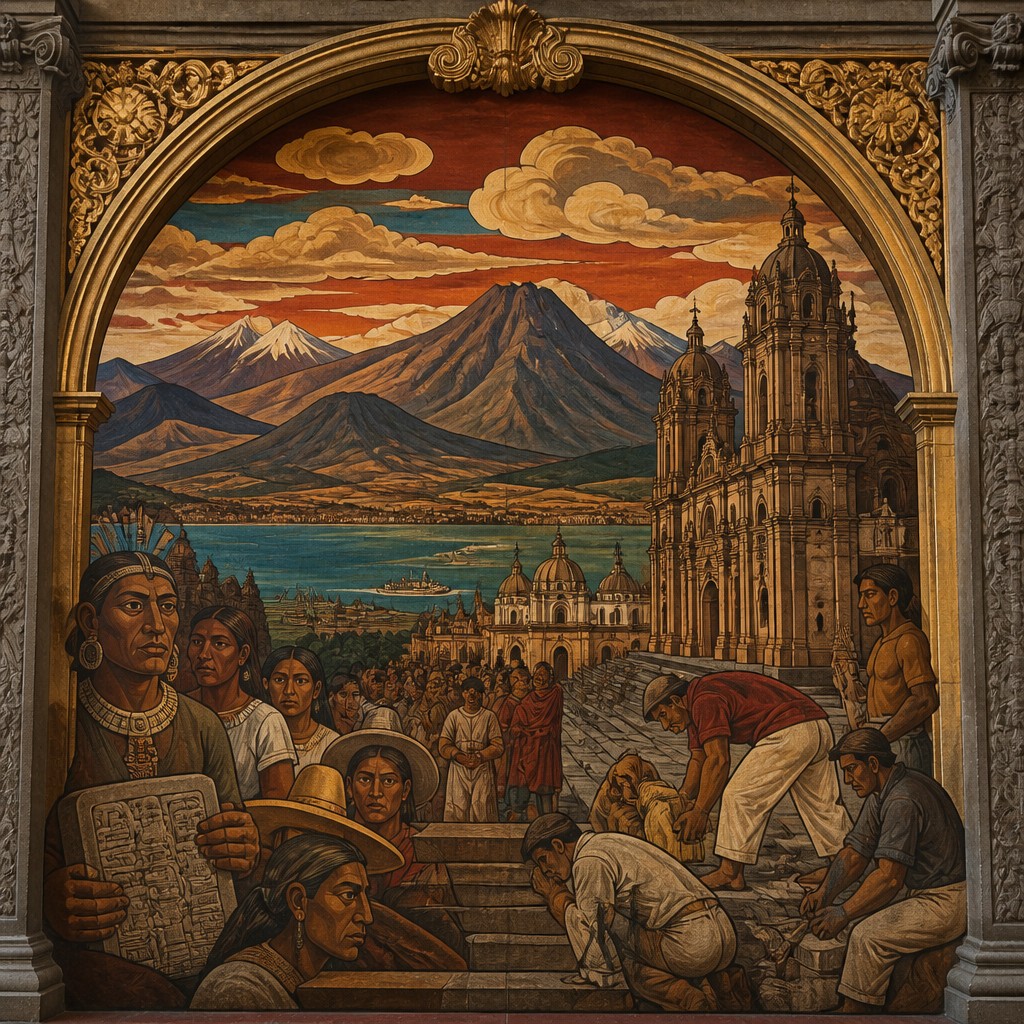
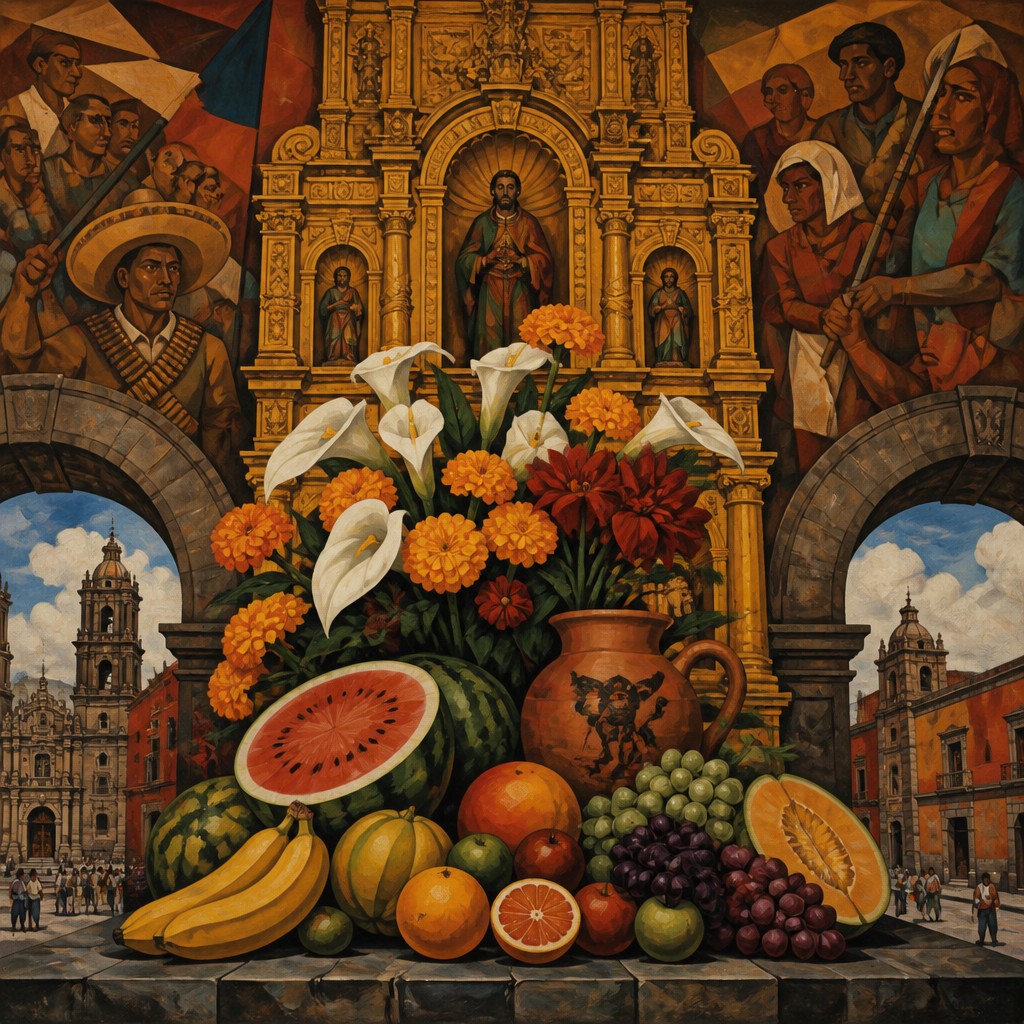
The style is recognized by bold, simplified color areas, strong silhouettes, deep earth reds, ochres, umbers, and mineral blues, and an emphasis on architectural framing. Gilded altarpiece motifs, carved columns, niche-like borders, arches, and dramatic foreshortening give scenes a devotional and civic gravity, while mural-scale figures and public settings connect the imagery to collective memory and social life.
Try It On Your Photos
Upload any photo and convert it into Mexico City Art Style — drag the sliders to compare before and after.


What Defines Mexico City Art Style
The signature details, up close
Monumental figurative storytelling
Large, clearly readable figures dominate the composition and often represent historical memory, civic labor, family, ritual, or social conflict. Gestures and group arrangements are designed to communicate across a public space.
Bold flat color blocks
Forms are built from broad areas of color rather than delicate modeling or naturalistic tonal transitions. Dark outlines, simplified anatomy, and sharply separated planes create the visual authority of a mural or poster.
Baroque gilded framing
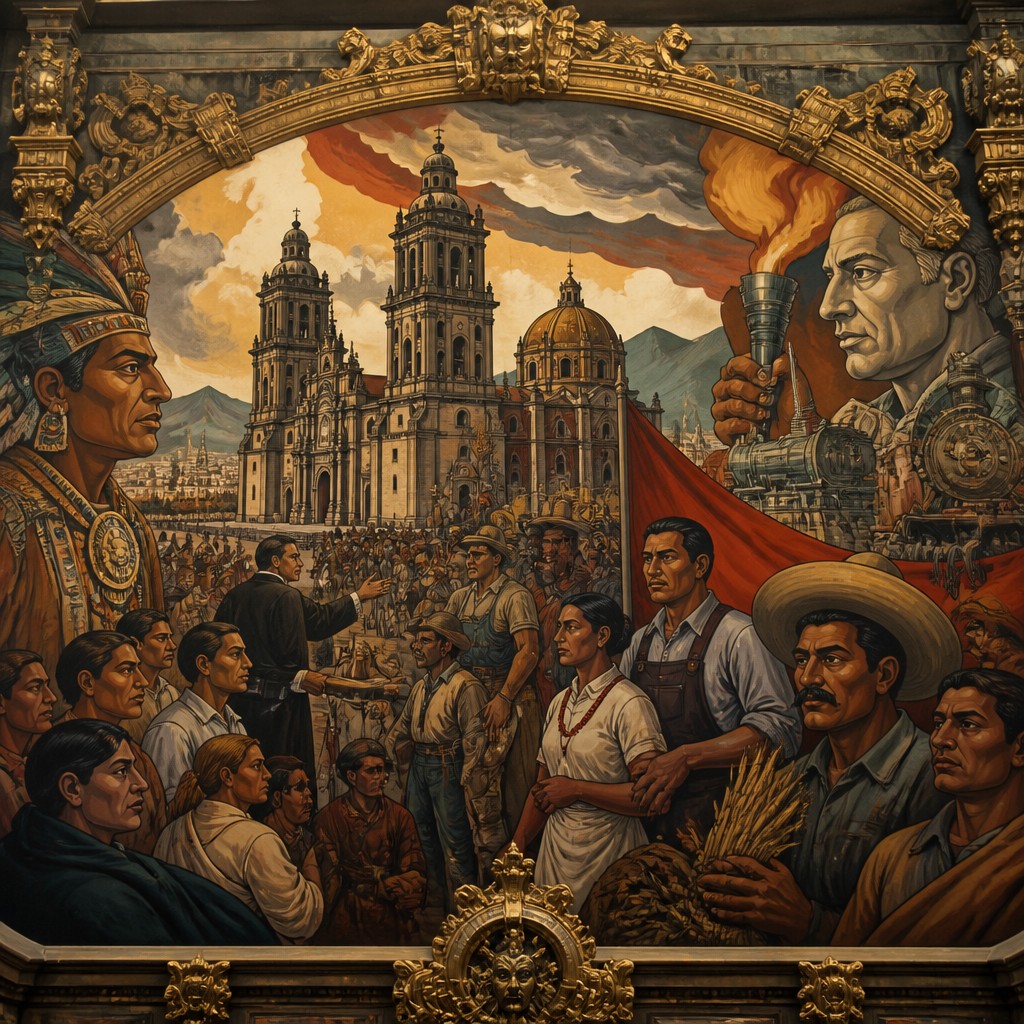
Gold-leaf effects, carved scrolls, columns, scalloped borders, niches, and altar-like structures frame the central scene. Ornament is theatrical and dense, functioning as both decoration and visual architecture.
Carved colonial architecture
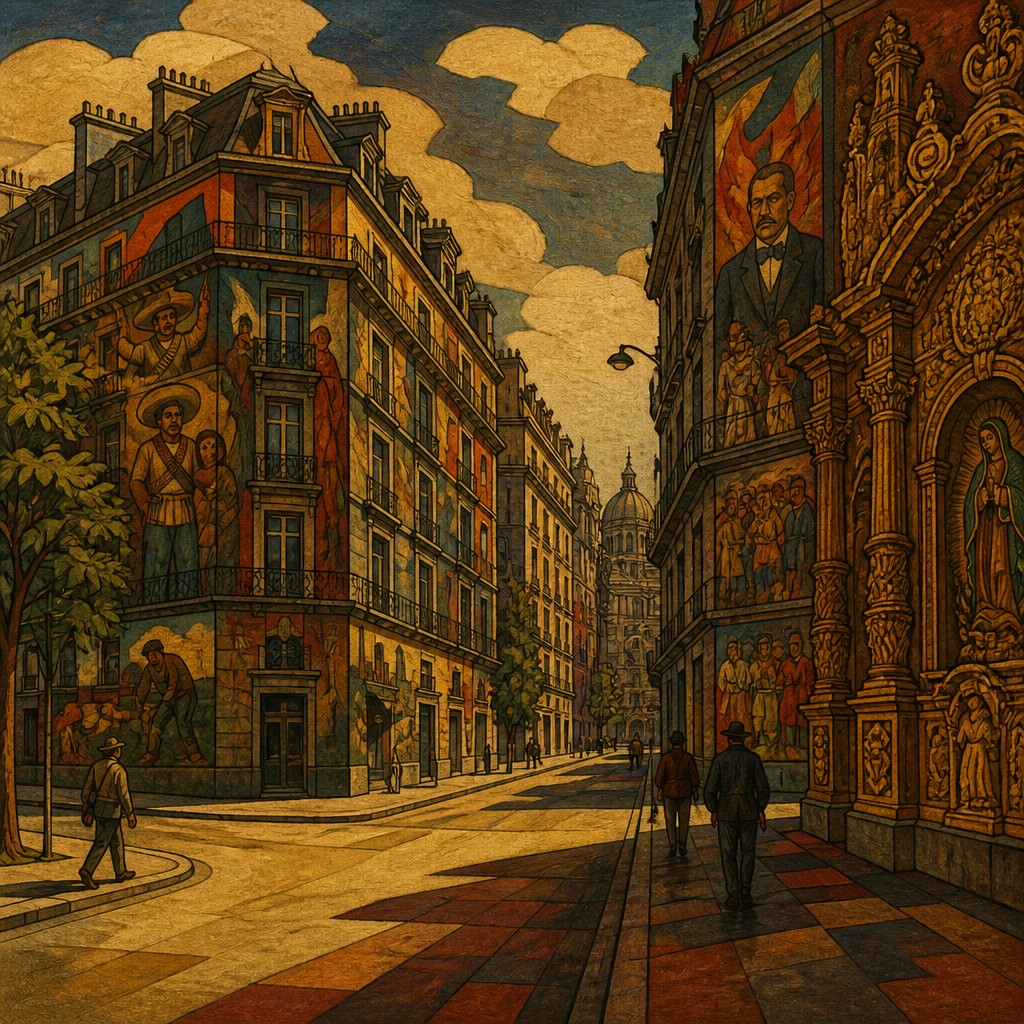
Stone facades, bell towers, arcades, balconies, domes, and cathedral portals provide a strong urban setting. Relief carving and weathered masonry add tactile detail without displacing the central narrative.
Earth-red and ochre palette
Deep terracotta, burnt sienna, ochre, umber, muted cream, and aged gold form the core palette. Mineral blue, green, or black can be used sparingly for contrast and atmospheric depth.
Dramatic architectural perspective
Long plaza axes, low viewpoints, compressed streets, and exaggerated arches create monumentality. Perspective often directs the eye toward a central figure, civic event, or sacred architectural focal point.
Mexico City Prompt Ideas
Start from an idea — each one opens the generator with the style ready to go. See all 40 Mexico City prompts →
How to Create Mexico City Art
Master the craft step by step — or skip straight to creating. Read the full guide →
- 1
Plan the mural-scale composition
Begin with a thumbnail organized around a dominant central group and several secondary narrative zones. Use broad silhouettes and strong diagonals so the image remains legible from a distance.
- 2
Build the architecture first
Establish the plaza, facade, arcade, or cathedral interior with a clear vanishing point before adding ornament. Layer carved stone, arches, niches, and balconies in progressively smaller detail.
- 3
Use opaque, mineral-like color
In paint, favor matte acrylic, tempera, or casein-like surfaces with opaque earth pigments and restrained glazing. Digitally, use hard-edged brushes, limited palettes, subtle grain, and selective highlights rather than smooth airbrushing.
- 4
Balance social narrative and ornament
Give the figures a specific action or relationship instead of treating them as decorative symbols. Keep gilded framing and Baroque detail concentrated around the edges or focal points so the story remains readable.
- 5
Write a precise generation prompt
Specify the subject, public setting, historical or social action, mural-scale composition, flat color blocks, carved Baroque architecture, gilded framing, earth-red palette, and dramatic perspective. For image-to-image work, preserve the source image's main silhouettes while applying the palette, architectural ornament, and graphic surface treatment.
The Story
History & Origins of Mexico City
This is an invented contemporary style label, not the name of a single historical school. Its visual lineage draws on the colonial architecture and religious art of Mexico City, especially the 16th- through 18th-century traditions of New Spanish Baroque: carved volcanic stone, gilded retables, ornamental relief, dramatic spatial framing, and theatrical contrasts of light and shadow.
It also draws from 20th-century Mexican muralism, which developed large-scale public painting as a vehicle for history, identity, education, and social commentary. The style recombines those traditions with graphic illustration, architectural visualization, and digital image-making rather than reproducing any one period exactly.
Influences: The style relates most closely to Mexican muralism, New Spanish and Mexican Baroque architecture, Catholic retable and fresco traditions, public monument painting, and Latin American social realism. It also incorporates the graphic clarity of poster design, the compressed perspective of architectural illustration, and the tactile weathering associated with urban walls and carved volcanic stone.
Frequently Asked Questions
Is Mexico City Art Style a historical art movement?
No. The term describes a contemporary hybrid aesthetic rather than a formally established historical movement. It draws on genuine traditions, including colonial Mexican Baroque and Mexican muralism, but combines them into a new stylistic formula.
What defines the look of Mexico City Art Style?
Its defining features are monumental figurative scenes, bold flat color blocks, carved colonial architecture, gilded Baroque framing, dramatic perspective, and an earth-red and ochre palette. Public plazas and civic or historical subjects are especially characteristic.
How is it different from Mexican muralism?
Mexican muralism is a historically specific 20th-century movement centered on public-scale painting, social history, education, and political identity. Mexico City Art Style borrows its monumentality and narrative purpose but adds conspicuous colonial Baroque ornament, cathedral gold, and architectural theatricality.
How can I make a painting in this style by hand?
Start with a strong mural composition, block in opaque earth colors, and construct the architecture with clear perspective. Add figures with simplified silhouettes, then reserve fine detail for carved stone, gilded ornament, banners, and focal expressions.
Can this style be applied to a photograph?
Yes. It works well when the source photograph has recognizable figures, a plaza, a facade, or another strong architectural structure. Preserve the main composition while introducing flattened color planes, mineral pigments, carved ornament, and a mural-like surface.
Where is this aesthetic most appropriate?
It suits public-square scenes, civic history, cultural festivals, architecture studies, social narratives, travel imagery, posters, editorial illustration, and decorative wall art. It is less suited to understated minimalism or purely photorealistic subjects without a strong sense of place.
Create your first Mexico City artwork
Describe anything — or upload a photo — and see it in Mexico City Art Style in seconds.
Related Styles
Discover similar art styles