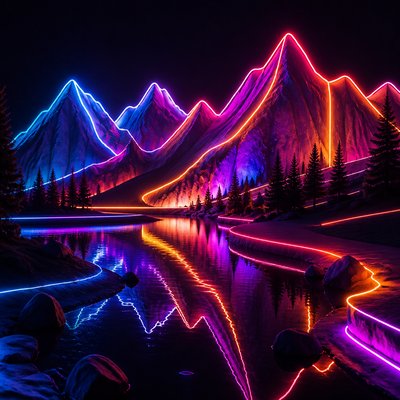
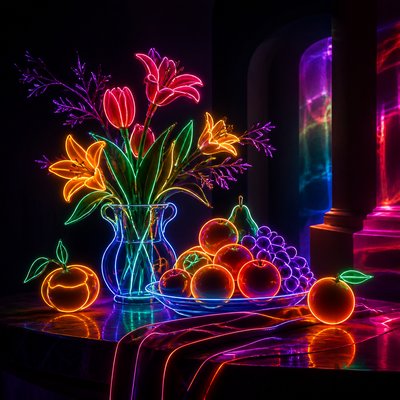
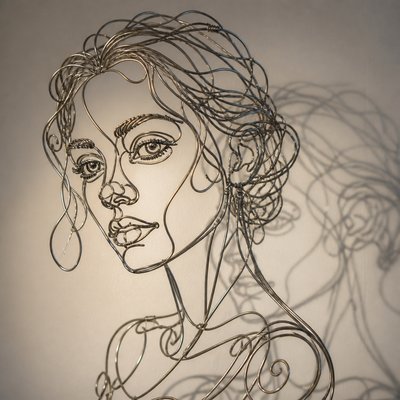
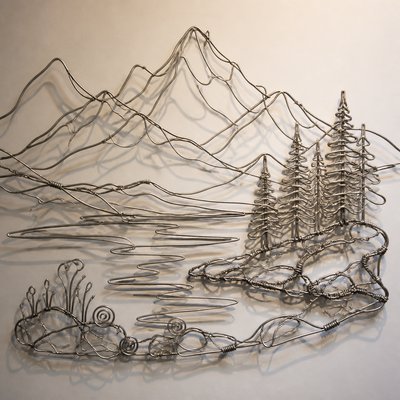
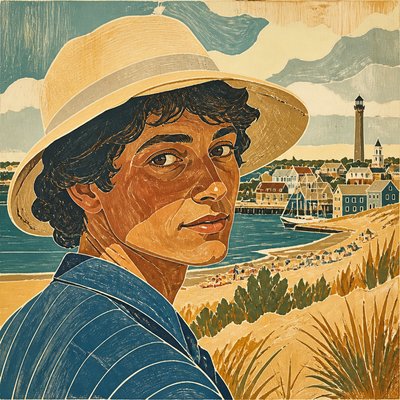
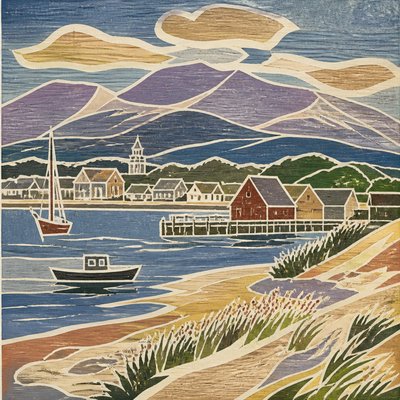
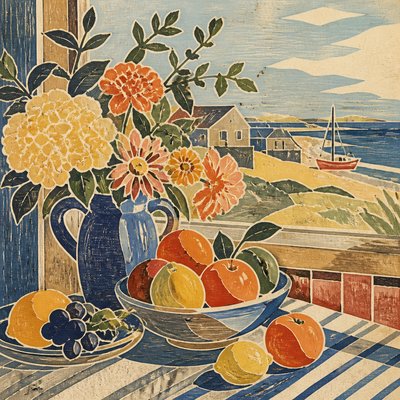
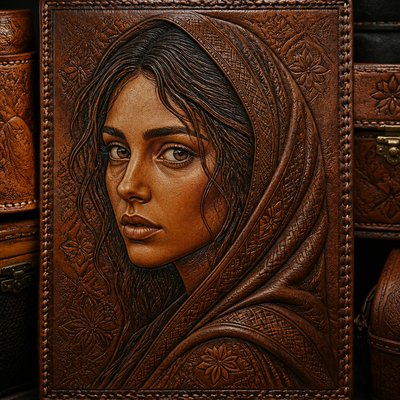
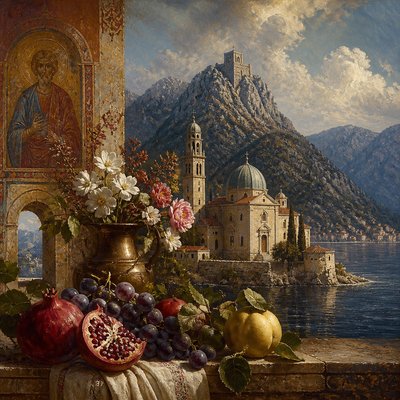
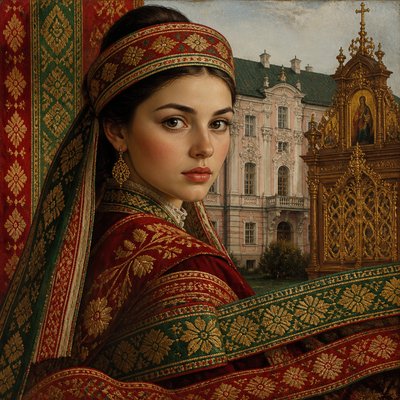
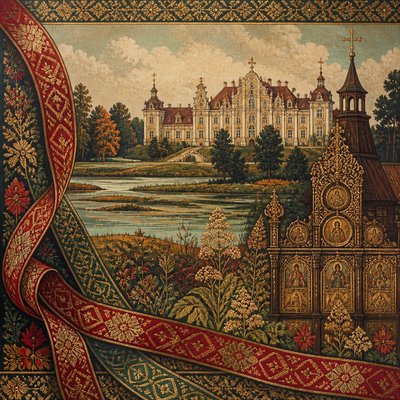
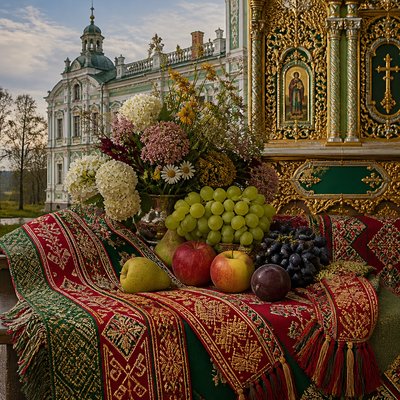
Light and Shadow Art Style
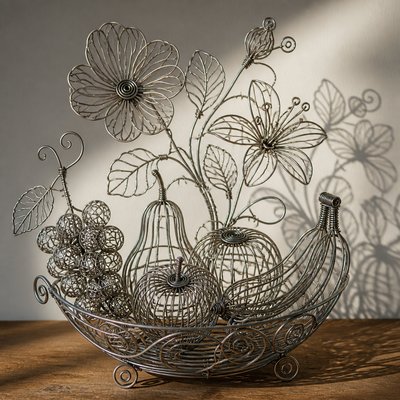
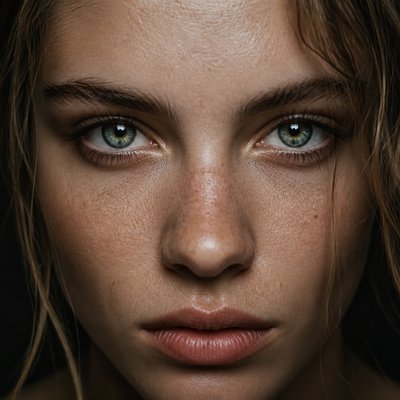
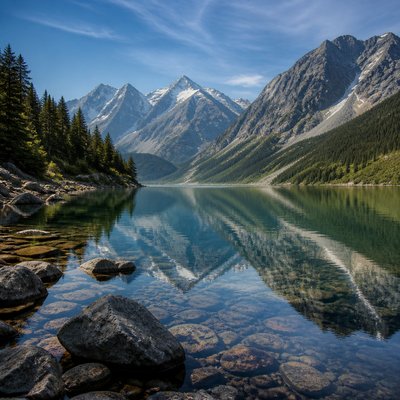
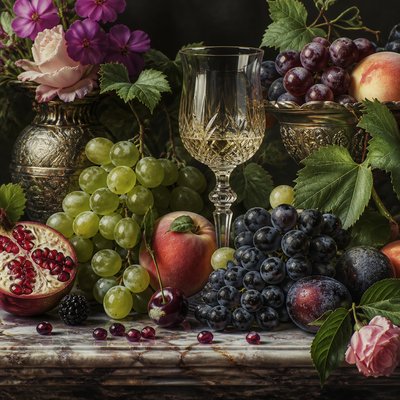
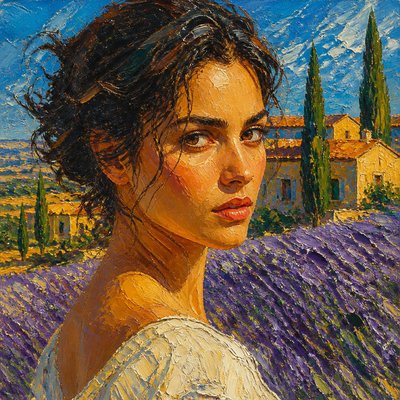
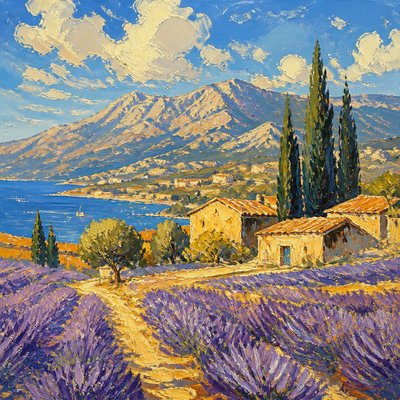
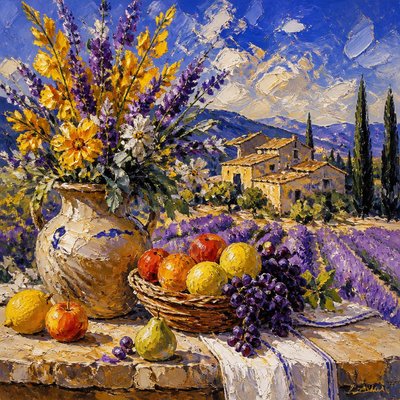
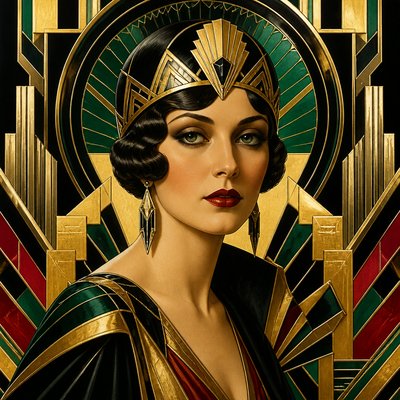
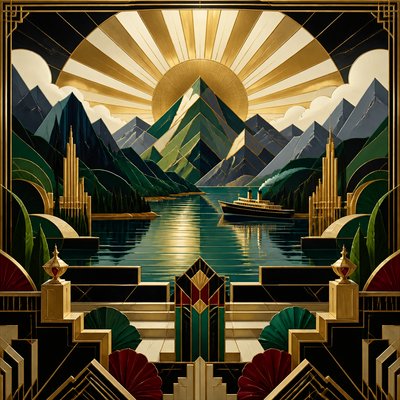
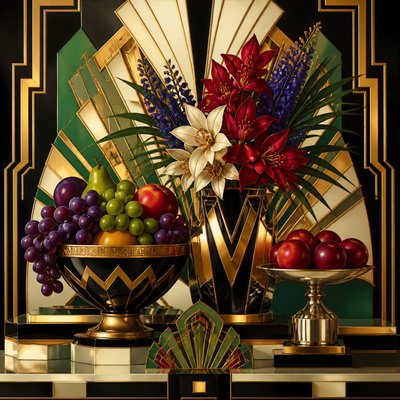
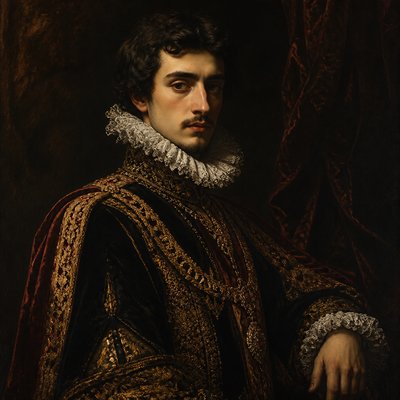
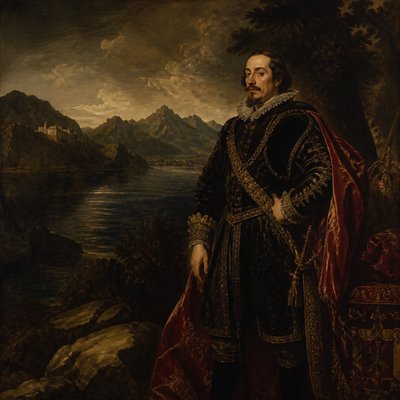
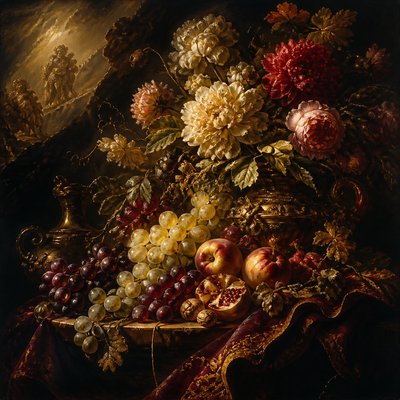
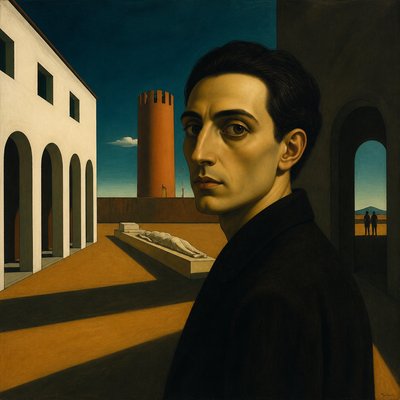
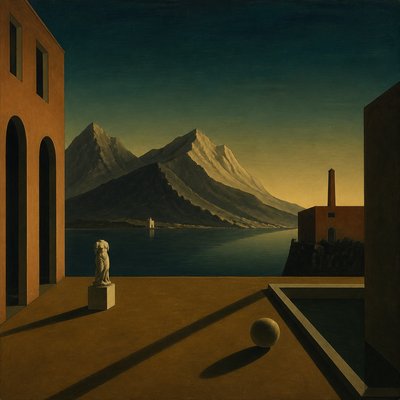
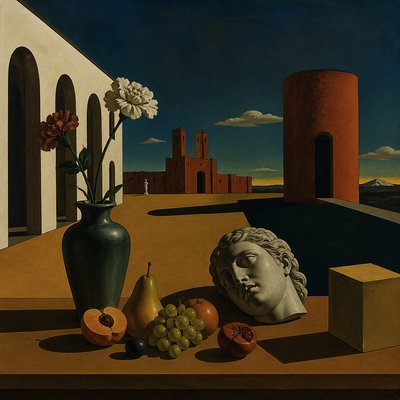
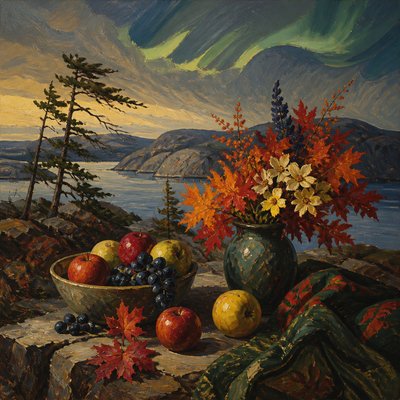
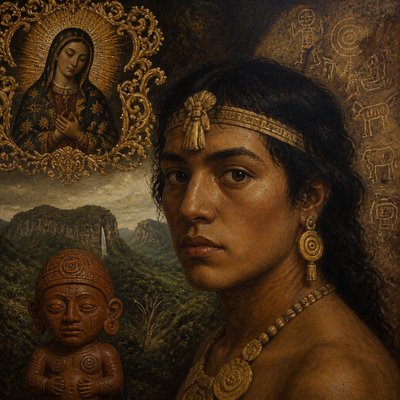
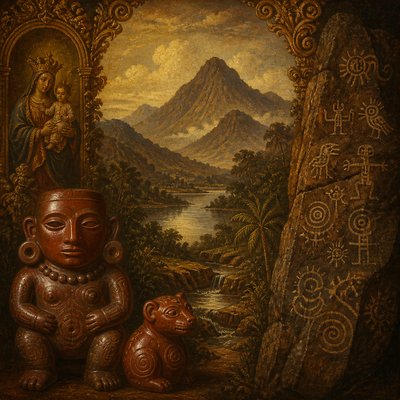
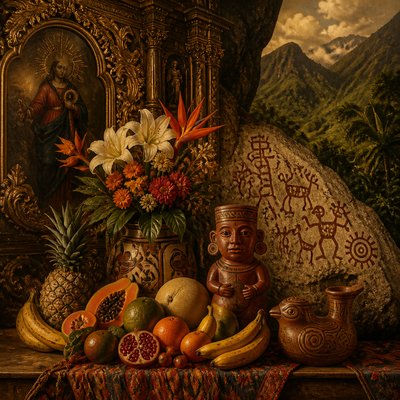
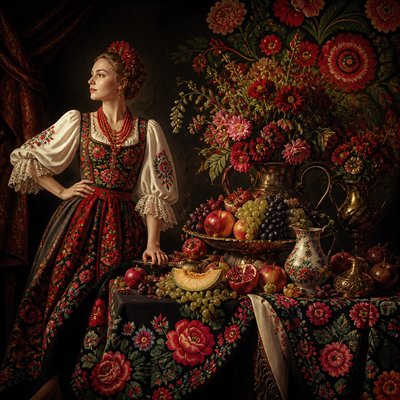
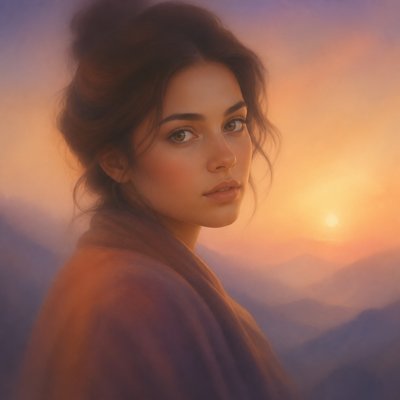
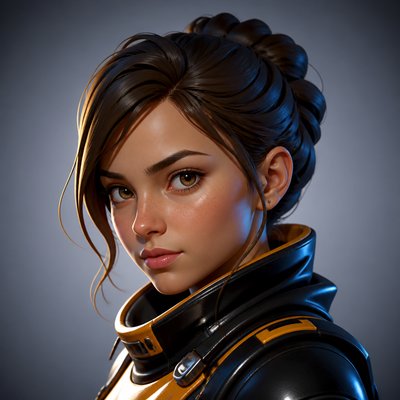
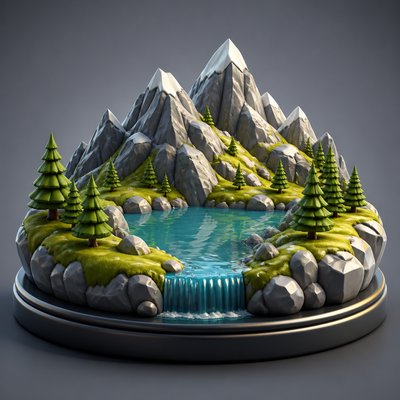
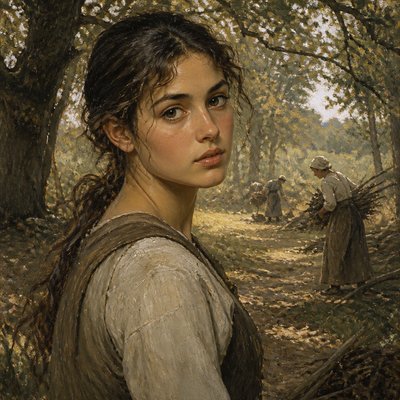
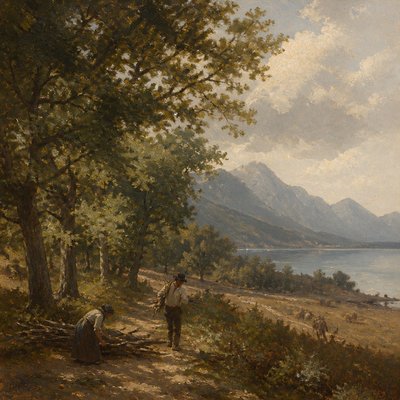
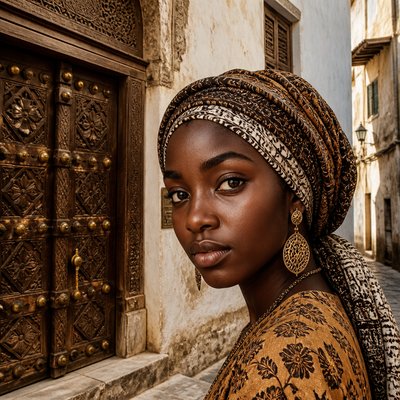
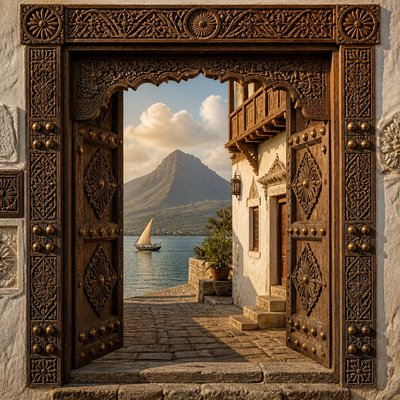
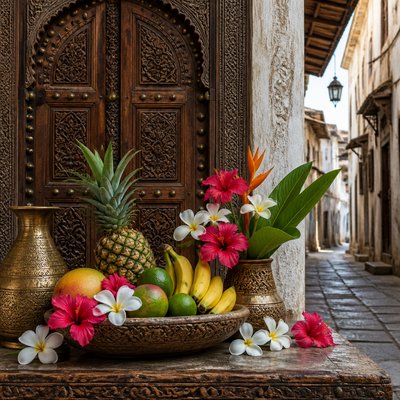
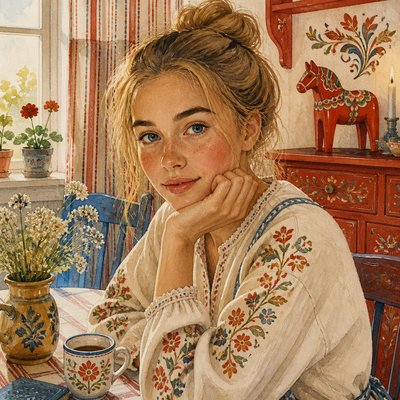
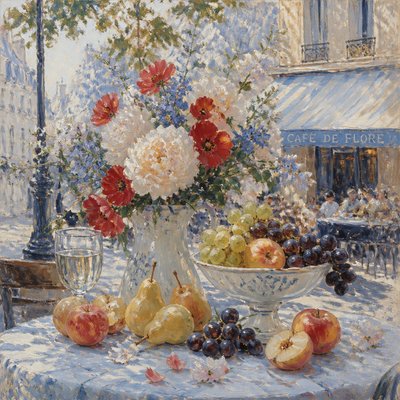
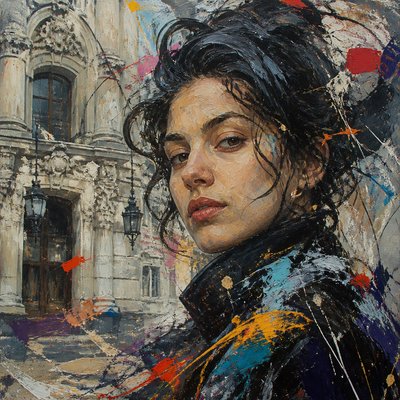
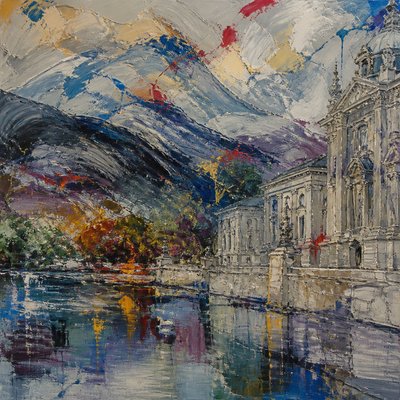
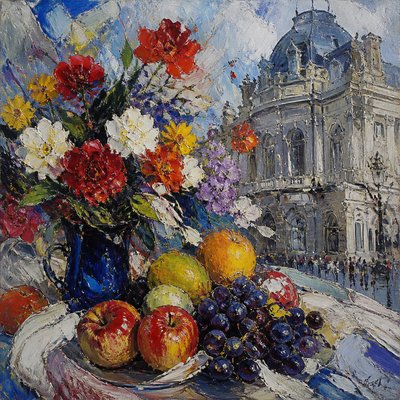
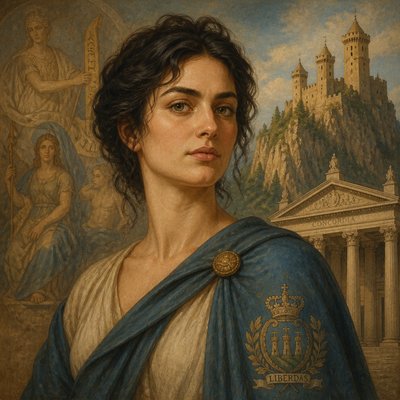
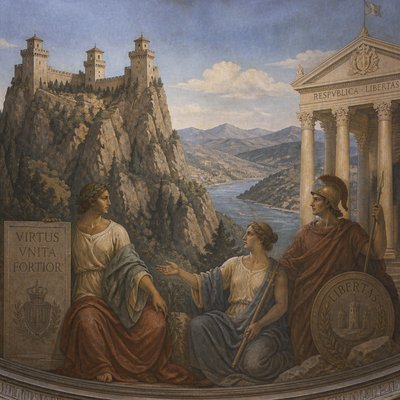
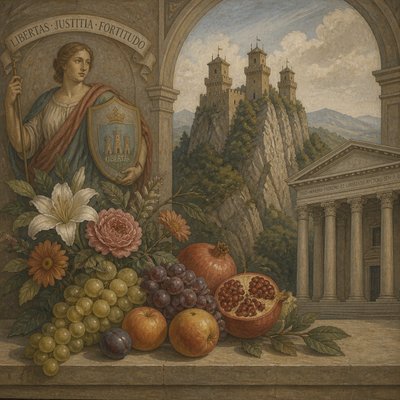
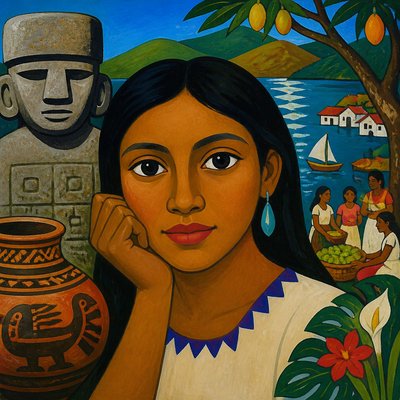
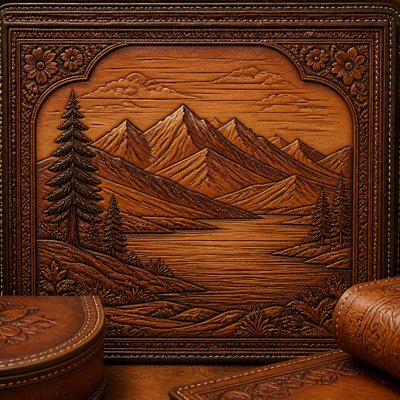
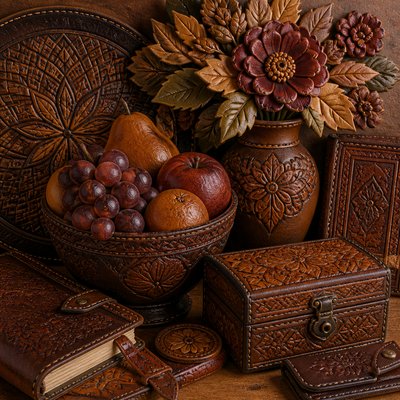
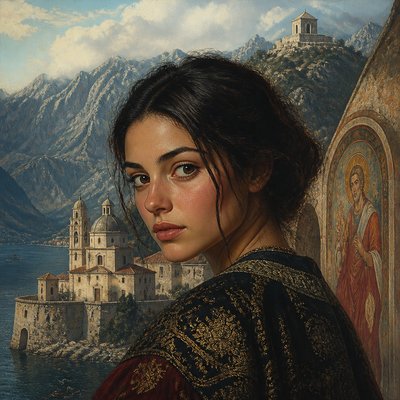
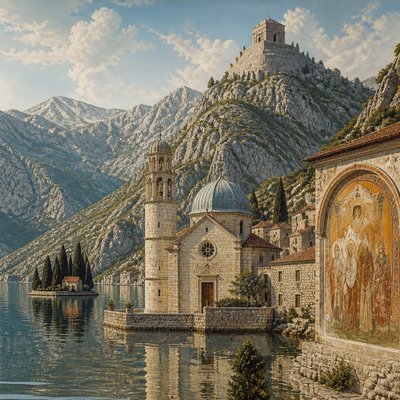
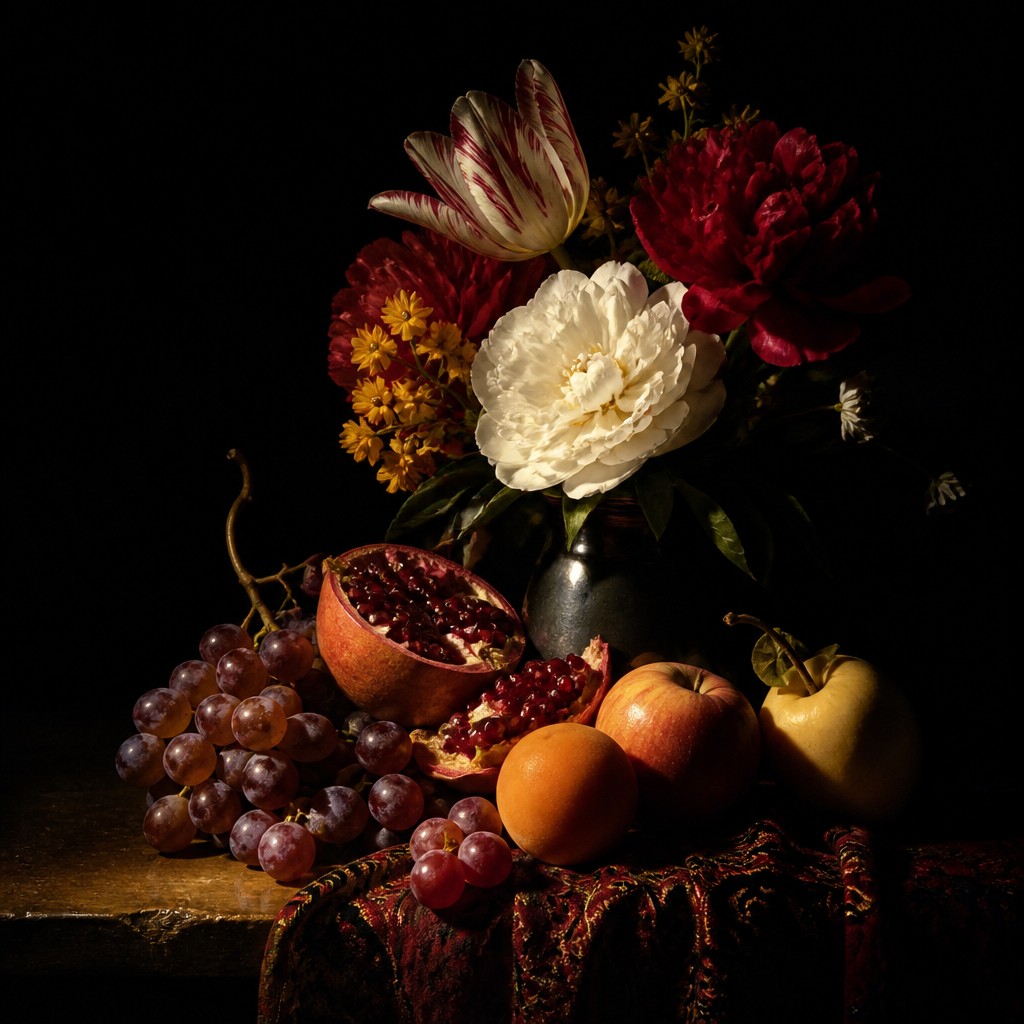
Explore Light and Shadow art: dramatic chiaroscuro, deep tenebrist darkness, and focused illumination that turns subjects into sculptural forms.
Instantly rendered in Light and Shadow — or transform a photo
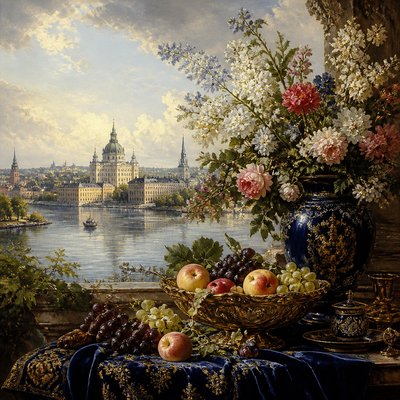
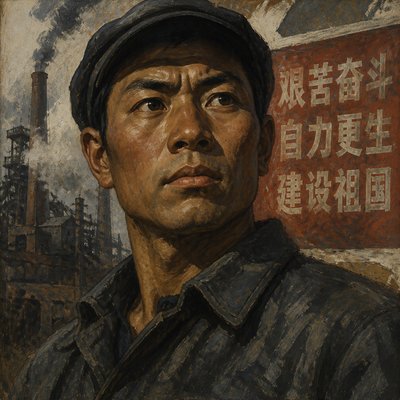
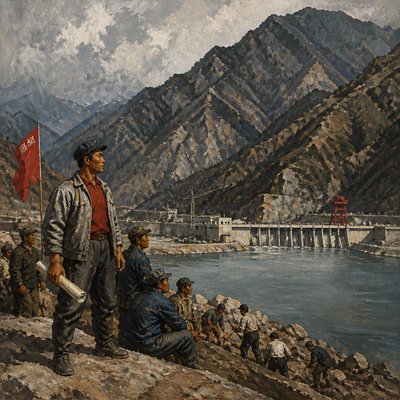
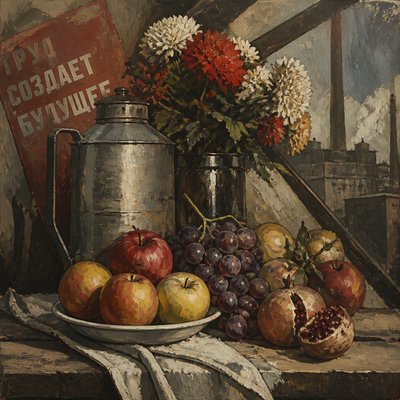
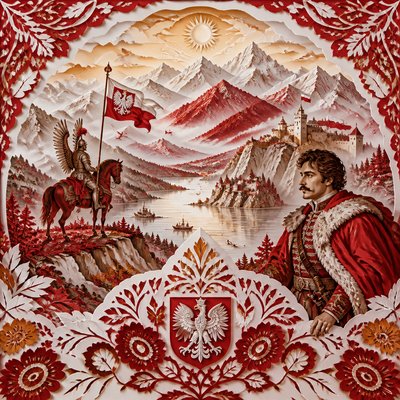
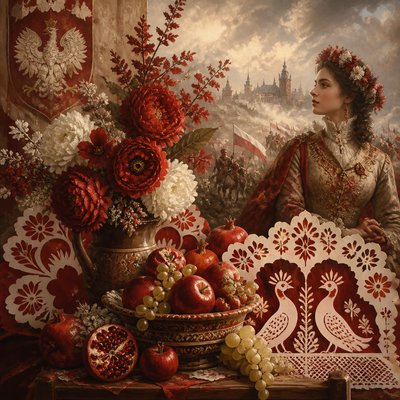
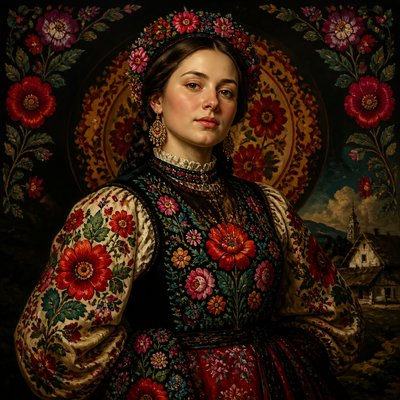
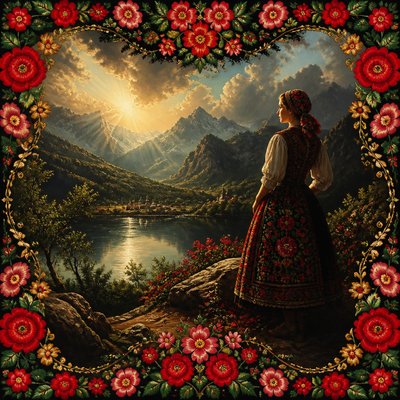
Light and Shadow Gallery
Tap any artwork to explore it
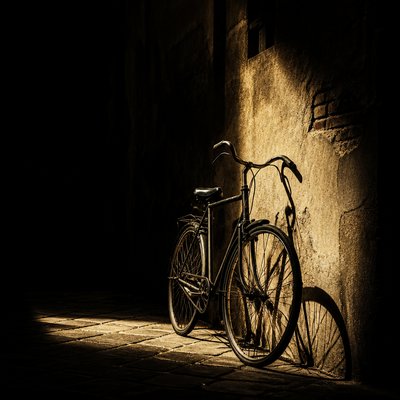
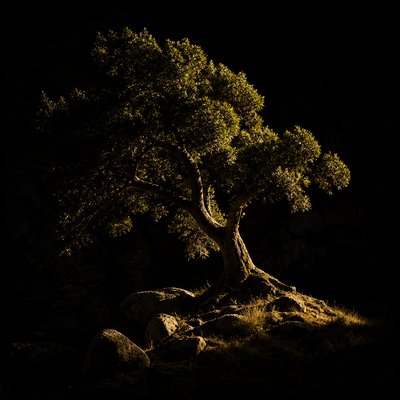
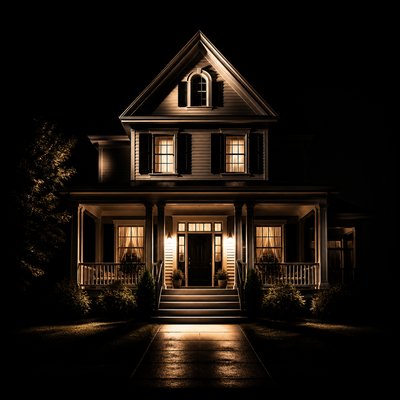
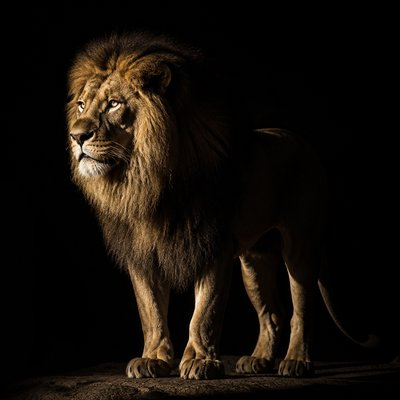
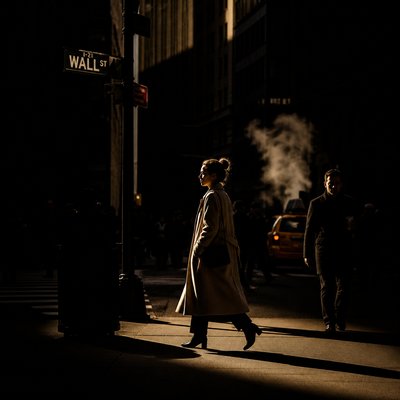
What is Light and Shadow Art Style?
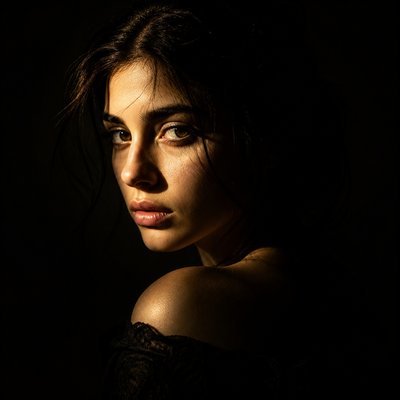
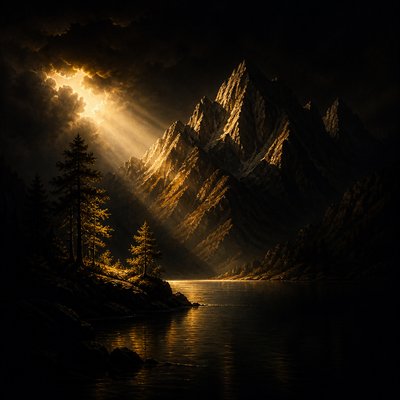
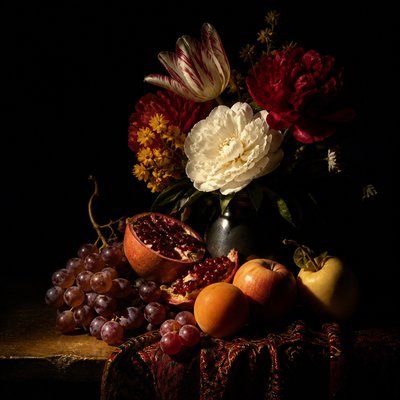
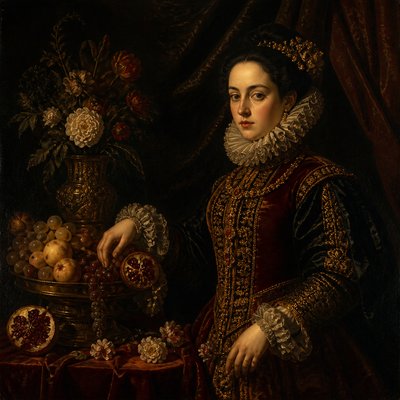
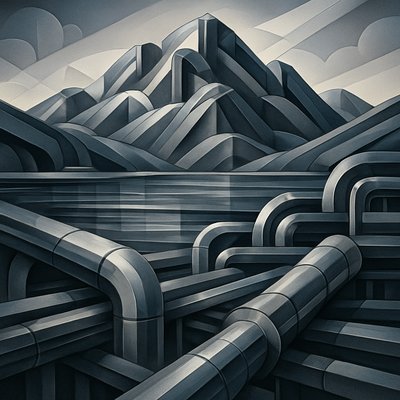
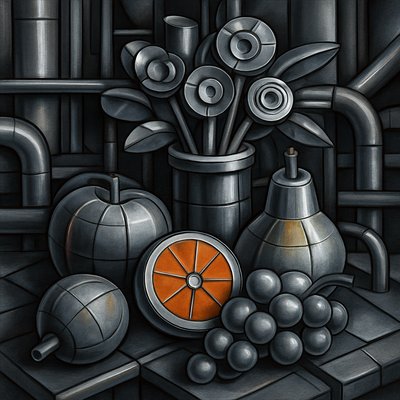
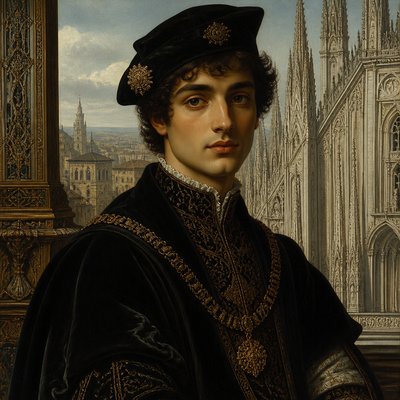
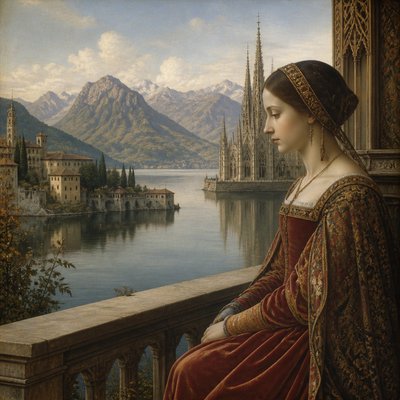
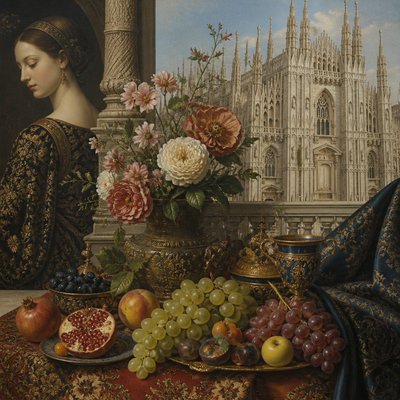
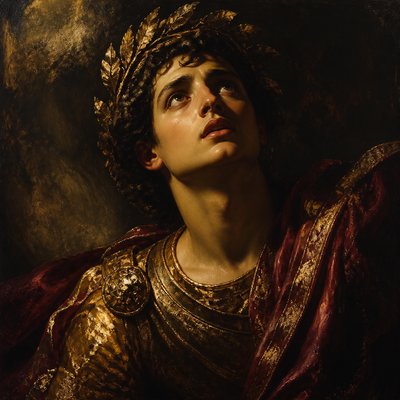
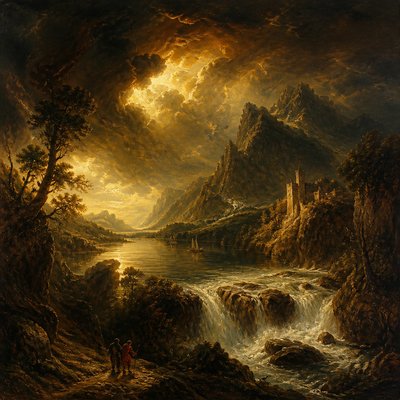
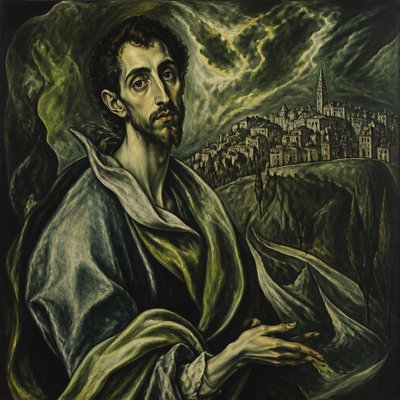
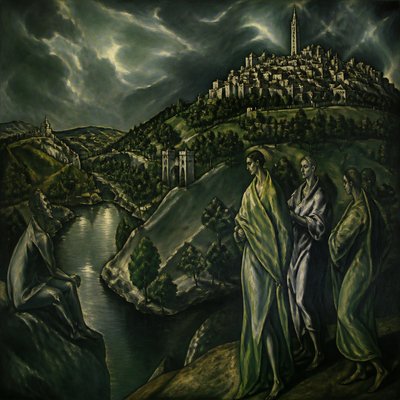
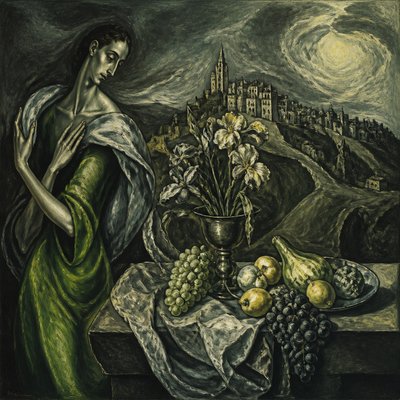
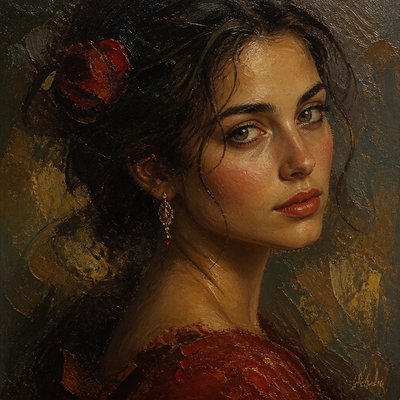
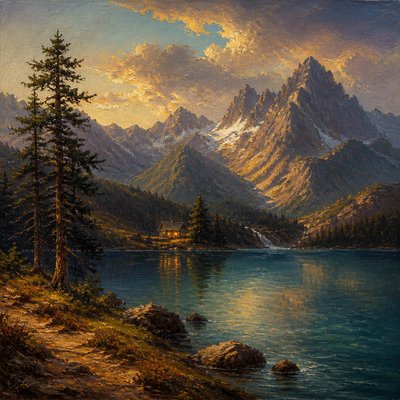
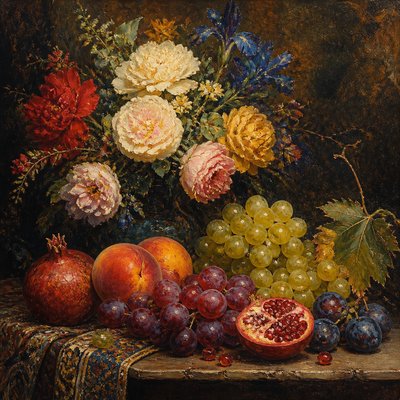
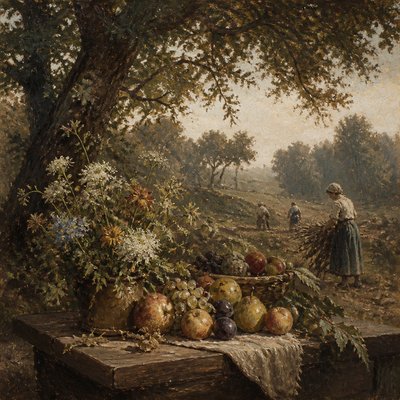
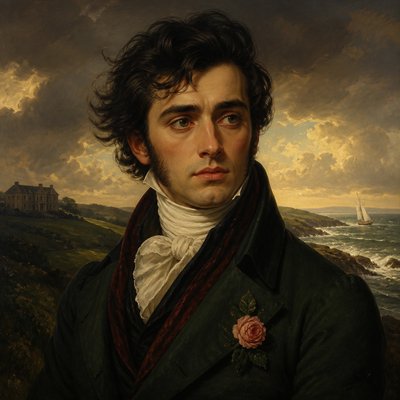
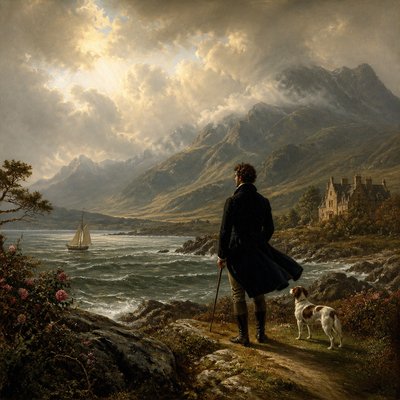
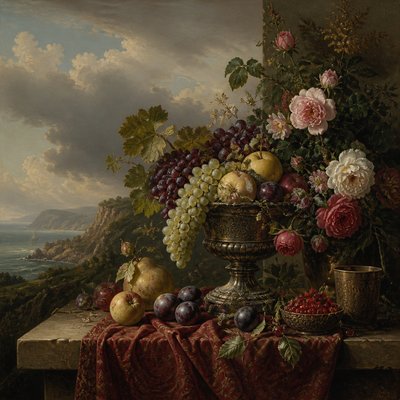
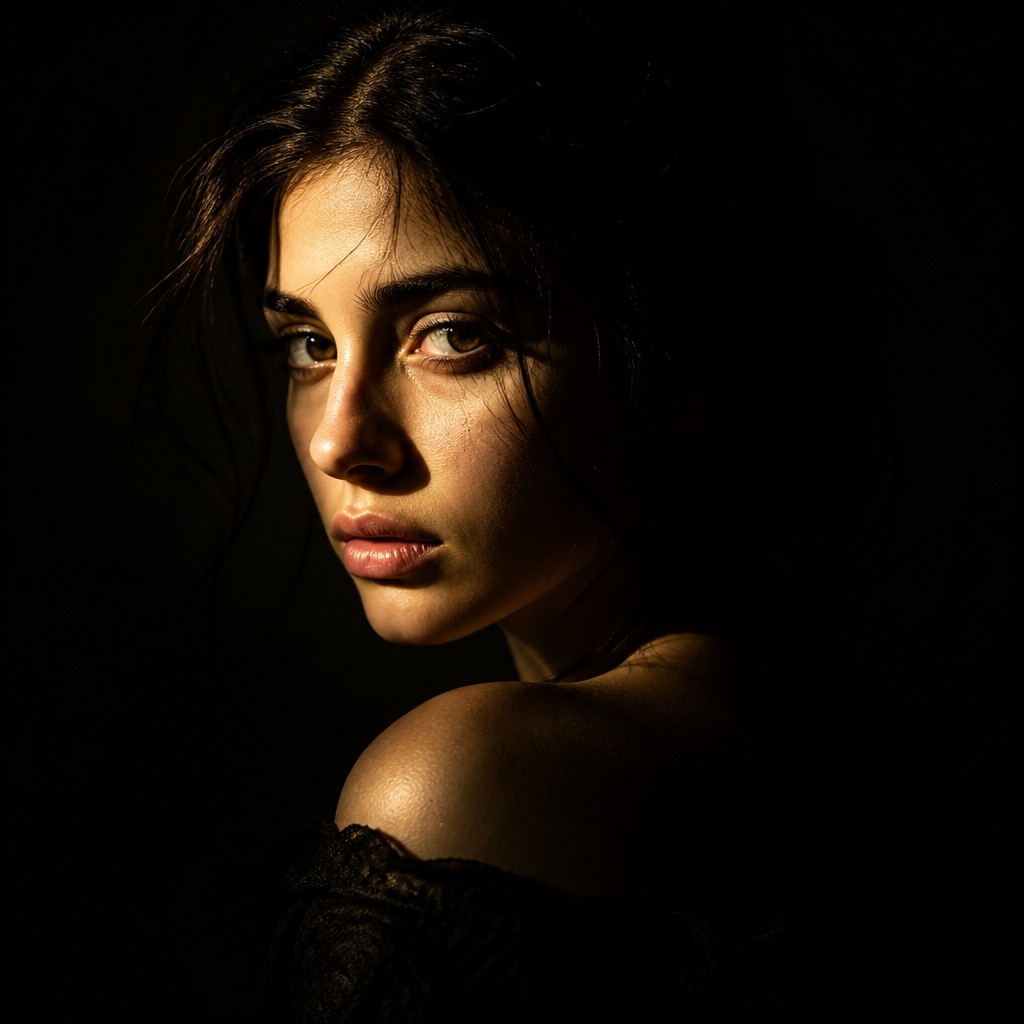
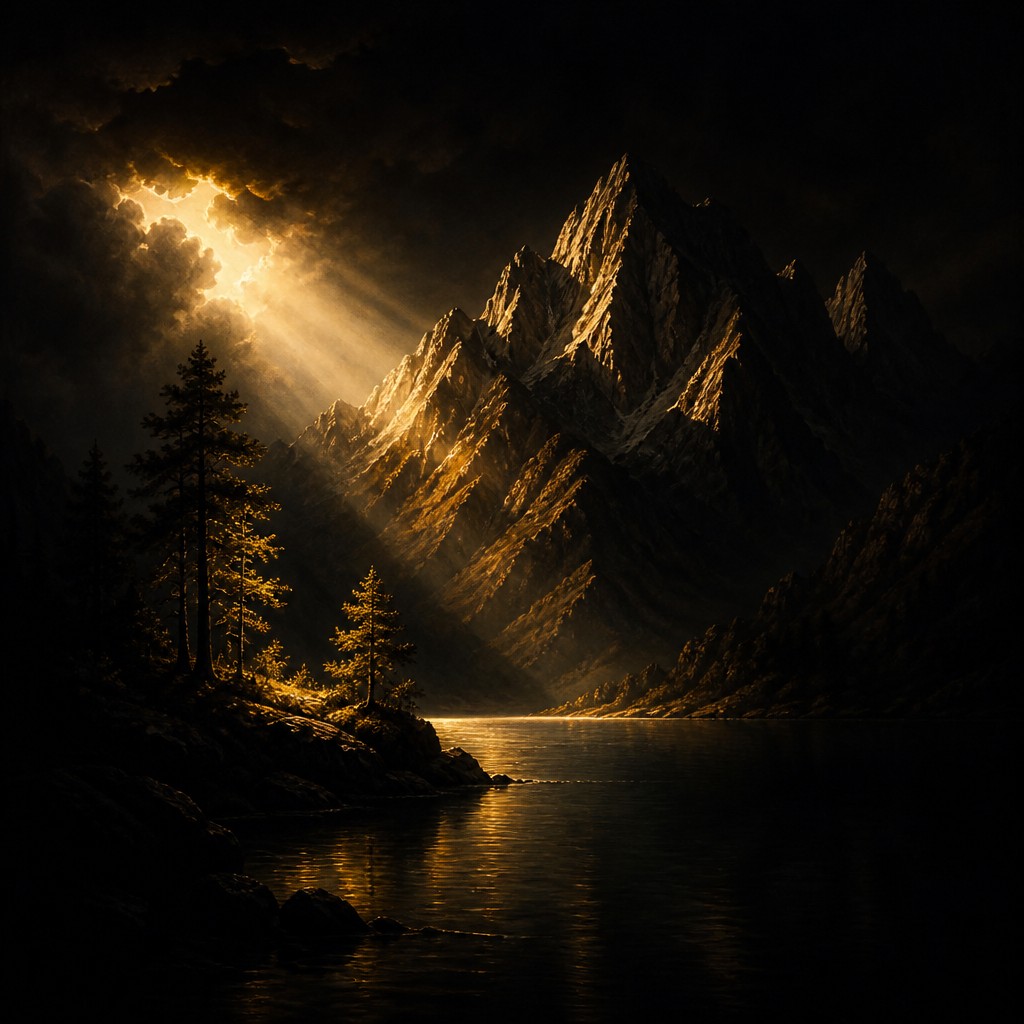
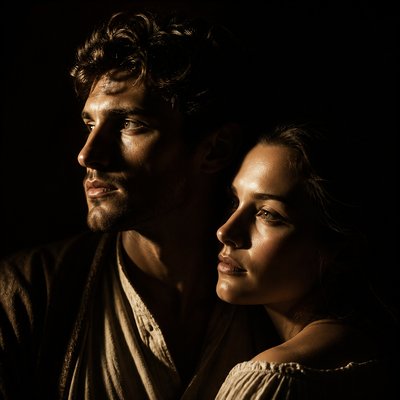
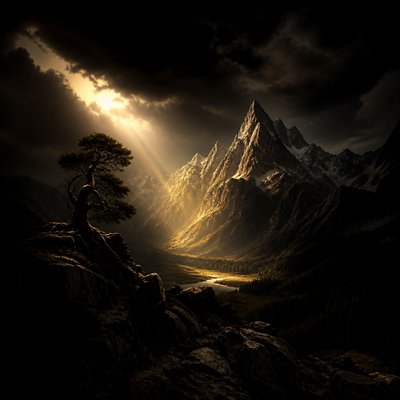
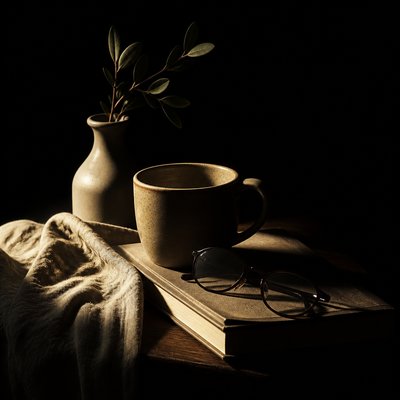
Light and Shadow Art is a contrast-driven visual style in which illumination and darkness do most of the descriptive work. A narrow, directional light source isolates a subject or focal area while surrounding space recedes into dense shadow, producing a dramatic image built from luminous highlights, compressed midtones, and near-black passages.
The style emphasizes volume, atmosphere, and emotional concentration rather than evenly describing every surface. Faces, objects, architecture, and figures appear sculpted by light, with deep shadow functioning as both a compositional frame and an active form of negative space. Its visual impact comes from the tension between what is revealed and what remains concealed.
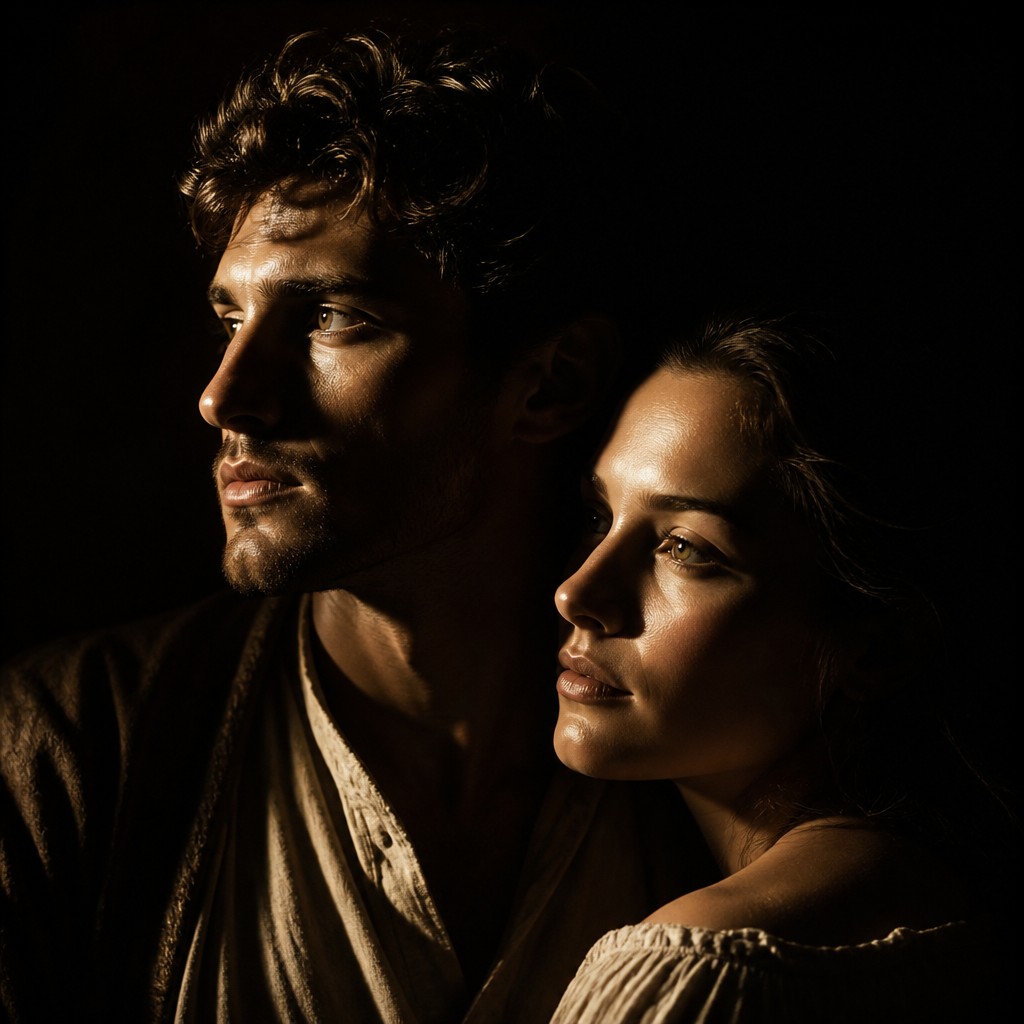
Try It On Your Photos
Upload any photo and convert it into Light and Shadow Art Style — drag the sliders to compare before and after.
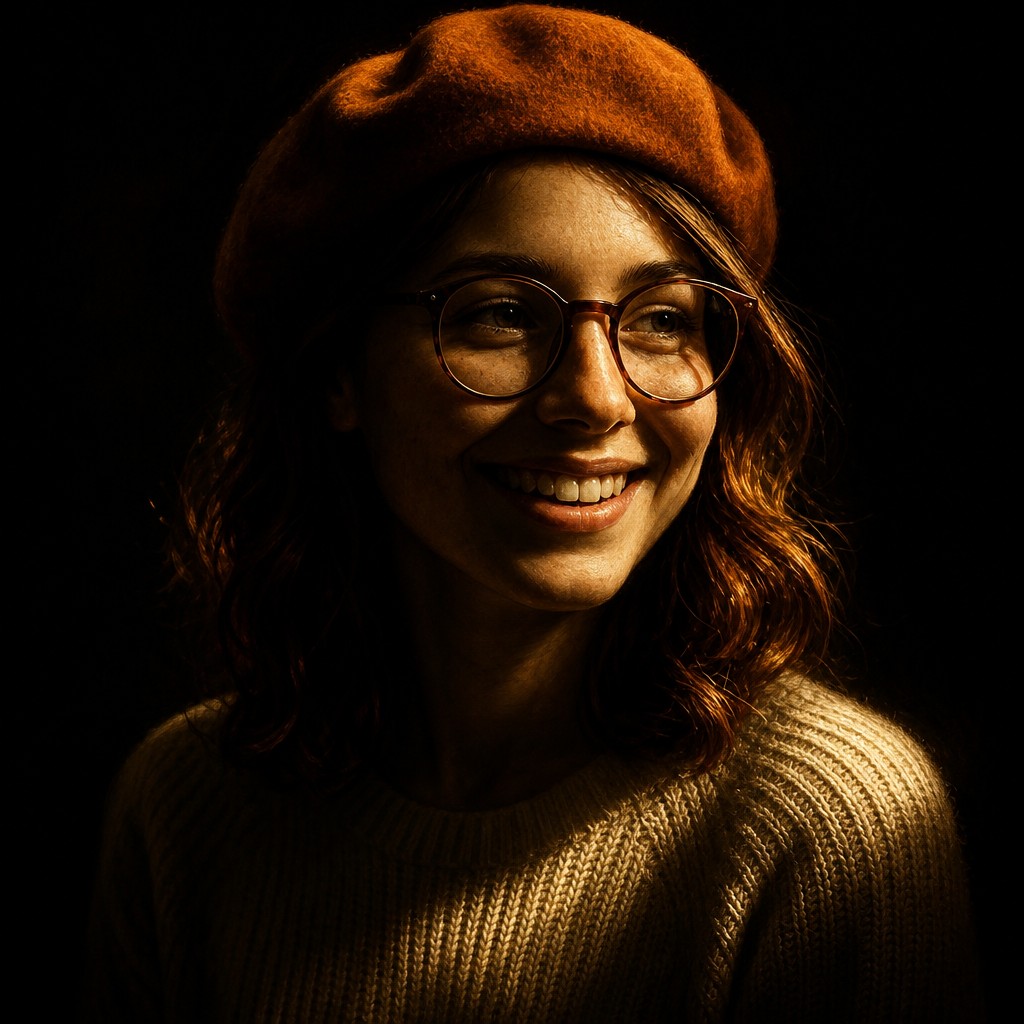

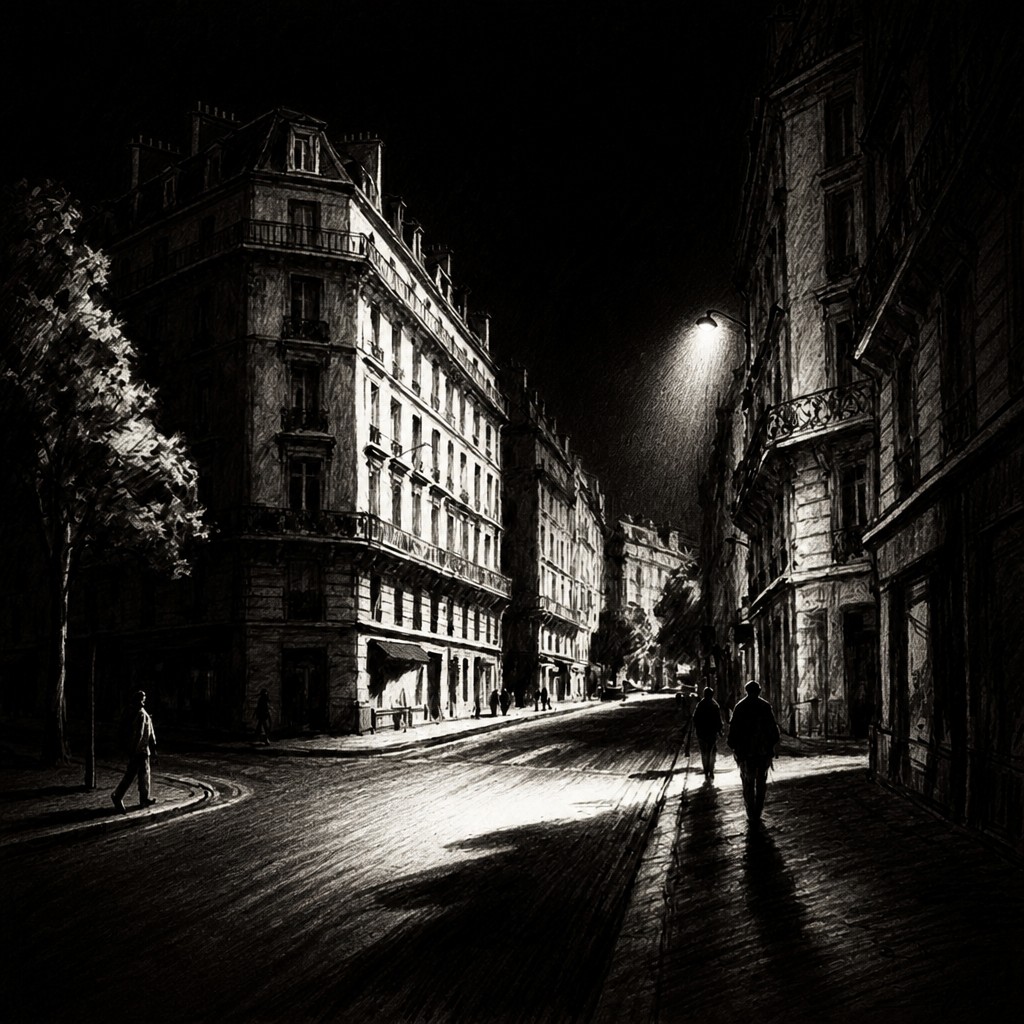

What Defines Light and Shadow Art Style
The signature details, up close
Single directional illumination
A concentrated light source, often positioned from the side, above, or behind the subject, creates a clear hierarchy of attention. The direction of the light should be legible from the shape and placement of the shadows.
Extreme tonal contrast
Bright highlights are set against very dark shadows, with limited reliance on evenly distributed midtones. This tonal compression gives the image its forceful, sculptural appearance.
Tenebrist negative space
Large areas of darkness surround or partially conceal the subject. Shadow is not merely an absence of information; it establishes mood, depth, and visual silence.
Sculptural modeling
Form is described through the gradual turn from light into shadow across planes, folds, skin, stone, metal, or other surfaces. Convincing volume depends on consistent light logic rather than outlines alone.
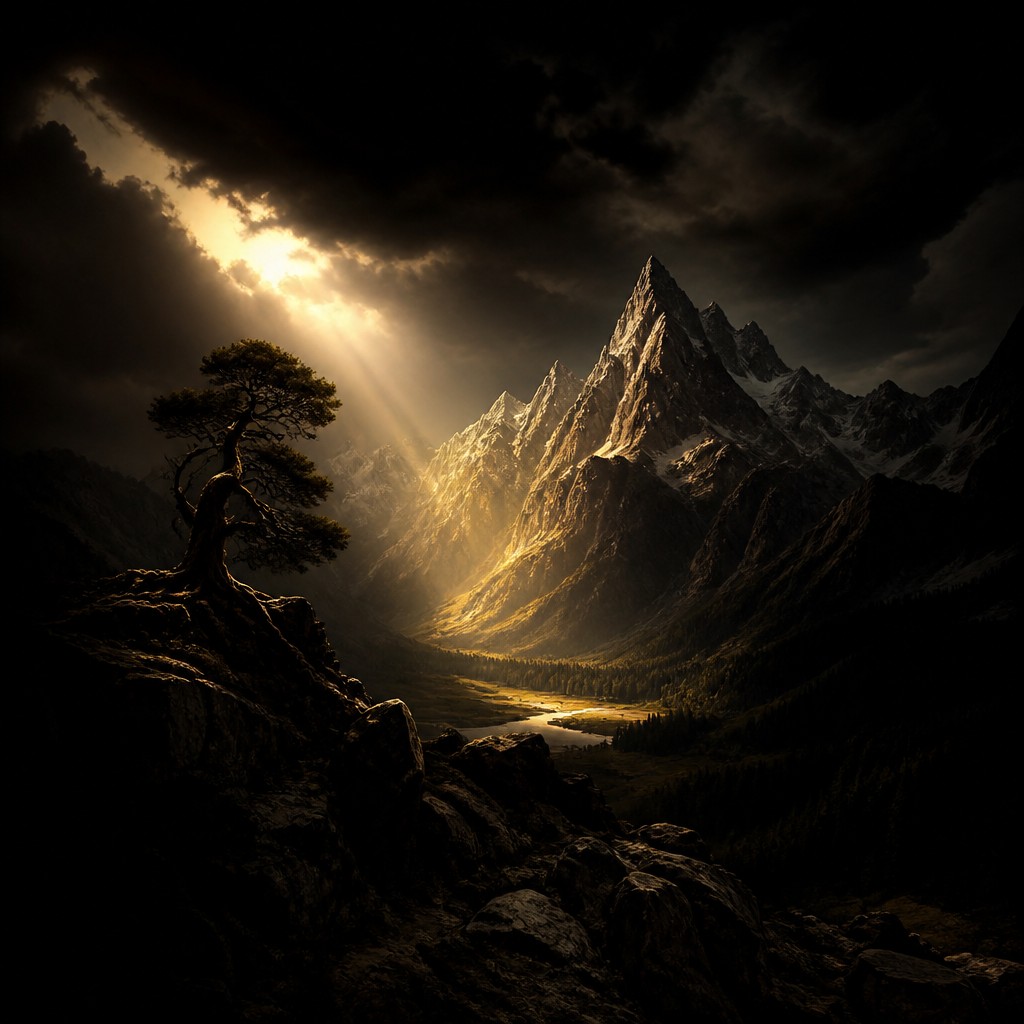
Focused visual hierarchy
The brightest or sharpest area usually identifies the primary focal point, such as a face, hand, object, doorway, or architectural feature. Secondary details remain subdued so they do not compete with it.
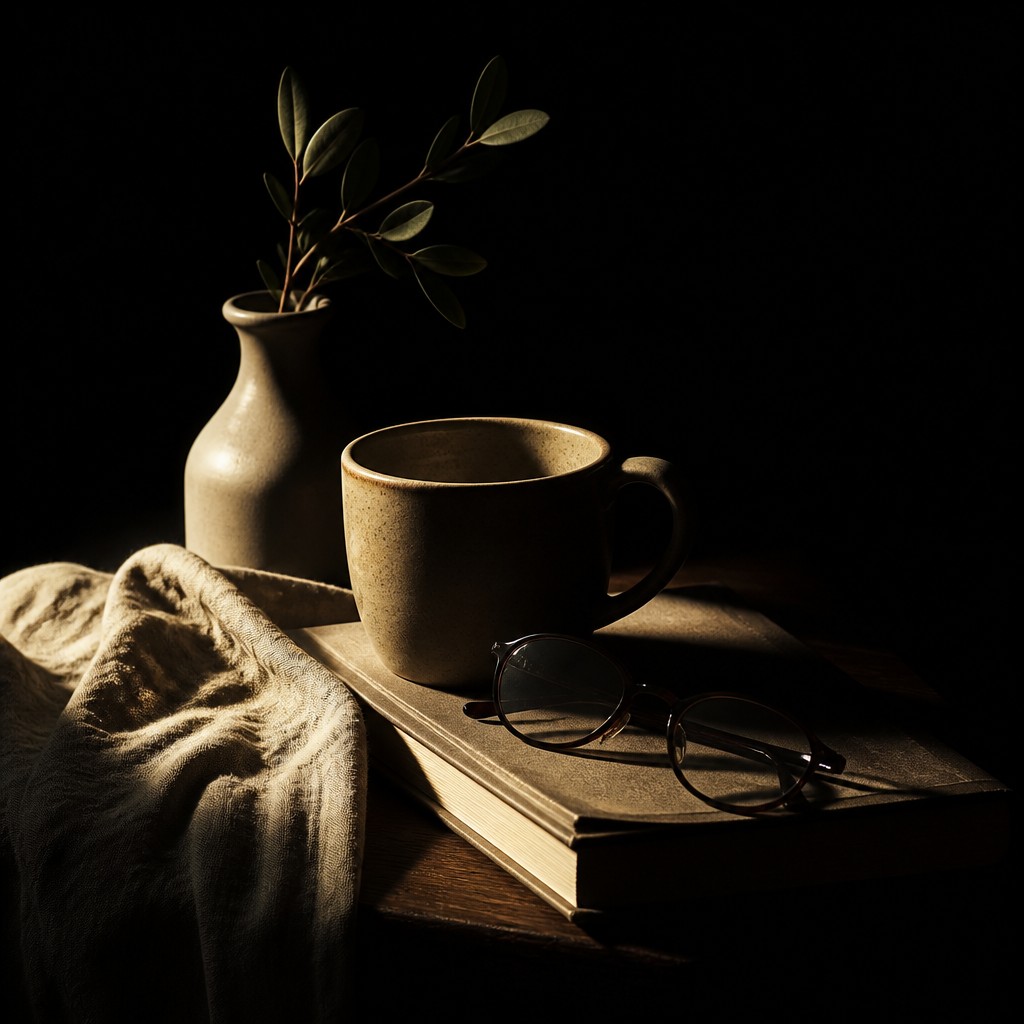
Atmospheric darkness
Deep shadow may contain subtle texture, haze, or color rather than being completely flat black. Controlled darkness helps preserve depth while maintaining the style's sense of mystery.
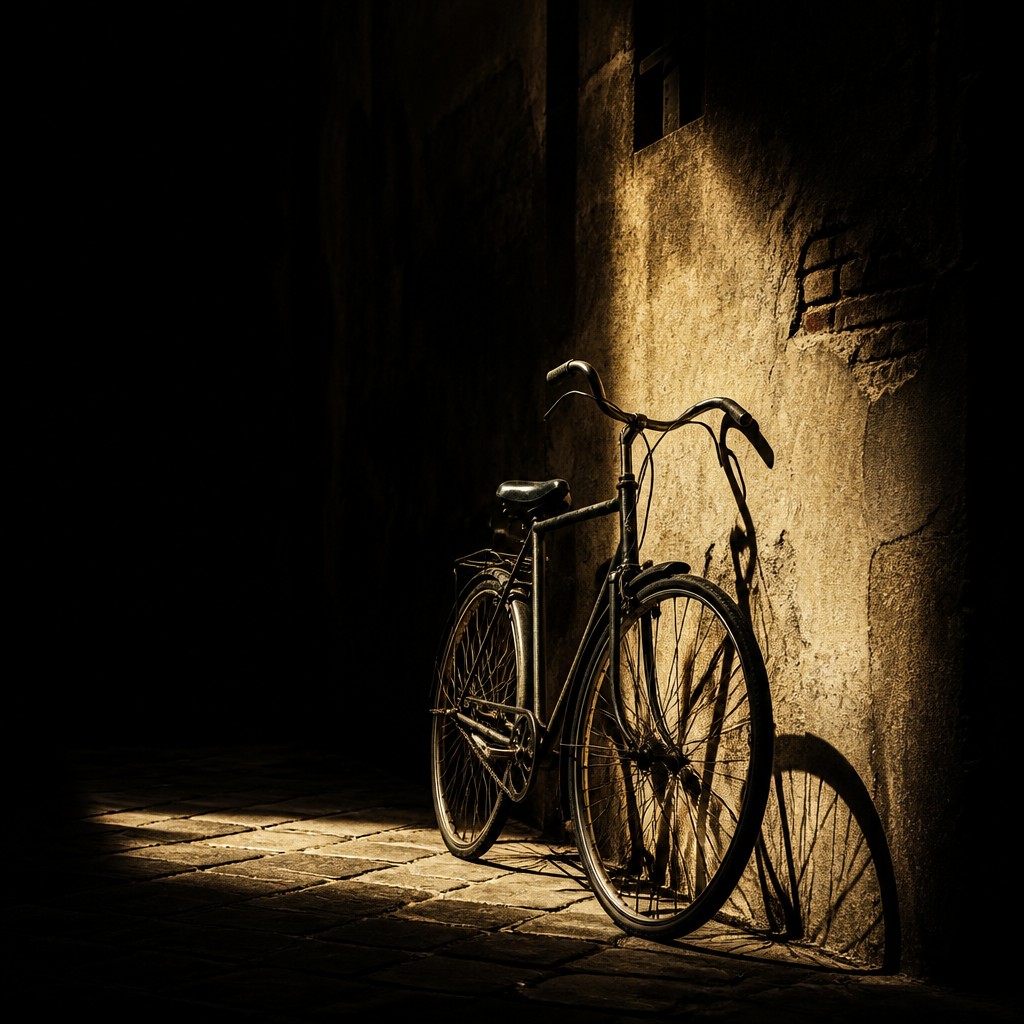
Restrained color and surface detail
Many examples use a limited palette, muted surroundings, and selective saturation in the illuminated areas. Texture is revealed strategically, with detail disappearing as surfaces move into shadow.
Light and Shadow Prompt Ideas
Start from an idea — each one opens the generator with the style ready to go. See all 40 Light and Shadow prompts →
How to Create Light and Shadow Art
Master the craft step by step — or skip straight to creating. Read the full guide →
- 1
Plan the light before the subject
Choose one dominant light direction and decide what it must reveal or hide. In traditional work, establish the major light and dark masses first; digitally, use a key light with restrained fill and carefully shaped shadows.
- 2
Build tonal structure in stages
Begin with broad shadow shapes, then model the form through reflected light, halftones, and highlights. Avoid adding bright accents before the overall value pattern is convincing.
- 3
Control the background
Use a dark, quiet environment to make the focal subject emerge without visual clutter. A subtle gradient, atmospheric haze, or faint reflected color can keep the darkness dimensional.
- 4
Use materials to catch light selectively
Reserve crisp highlights for polished, wet, metallic, or sharply edged surfaces, while matte materials should transition more softly. Small differences in edge softness help distinguish form and texture.
- 5
Shape the composition around the lit area
Place the brightest region where the viewer should look first, and let shadow crop or conceal less important information. Strong diagonals, doorways, windows, and beams can guide the eye toward the focal point.
- 6
Write precise digital or AI instructions
Specify the subject, light direction, focal point, contrast level, shadow behavior, and background separately. Useful terms include directional key light, near-black negative space, sculptural modeling, controlled rim light, and limited color palette.
The Story
History & Origins of Light and Shadow
Light and Shadow Art is best understood as a contemporary descriptive style rather than a single historical movement. Its aesthetic lineage draws strongly from chiaroscuro in European painting, the intensified darkness of tenebrism in the Baroque period, theatrical stage lighting, studio portrait photography, and cinematic low-key lighting.
Digital compositing, photography, and image-generation tools have expanded the approach by making precise control over light direction, shadow density, color temperature, and atmospheric contrast widely accessible. Contemporary practitioners apply the language to portraits, still lifes, interiors, landscapes, fantasy scenes, and conceptual imagery without being limited to one medium or period.
Influences: The style connects to chiaroscuro traditions in Renaissance and Baroque painting, the concentrated darkness of Baroque tenebrism, candlelit still life, theatrical spotlighting, low-key studio photography, film noir, and contemporary cinematic lighting. It also shares methods with tonal drawing, black-background portraiture, atmospheric landscape painting, and digital matte compositing, adapting their principles to a broad range of subjects.
Frequently Asked Questions
What defines Light and Shadow Art?
It is defined by a strong directional light source, extreme contrast, deep surrounding darkness, and form modeled through tonal transitions rather than uniform illumination. The image usually has one dominant focal point and treats shadow as a major compositional element.
Is Light and Shadow Art the same as chiaroscuro?
They are closely related but not identical. Chiaroscuro broadly describes the modeling of volume through light and dark, while Light and Shadow Art emphasizes an especially dramatic, contemporary combination of focused illumination, near-black negative space, and tenebrist atmosphere.
How can I make a photograph look like this style?
Use one hard or moderately hard key light, place it at a pronounced angle, and reduce ambient fill. Expose for the illuminated subject, keep the background dark, and shape shadows with flags or black cards so stray light does not flatten the contrast.
Does this style require a black-and-white palette?
No. Monochrome and nearly monochrome palettes are common because they emphasize value structure, but restrained color can add atmosphere and direct attention. Warm highlights against cool shadows, or a single saturated accent, work particularly well.
What subjects work best with this approach?
Portraits, expressive figures, still lifes, animals, interiors, architecture, and nocturnal landscapes all benefit from concentrated lighting. Subjects with recognizable volume or tactile surfaces give the contrast more physical information to describe.
How should I describe this look in a text prompt?
Name the subject first, then specify the light direction, focal area, contrast, shadow density, and background. Phrases such as narrow directional beam, deep tenebrist shadows, sculptural tonal modeling, selective highlights, and near-black negative space provide useful control.
Create your first Light and Shadow artwork
Describe anything — or upload a photo — and see it in Light and Shadow Art Style in seconds.
Related Styles
Discover similar art styles