Illuminated Manuscript Art Style
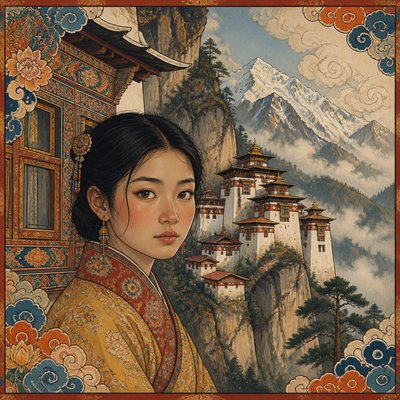
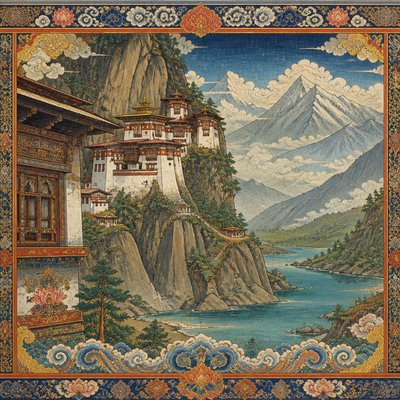
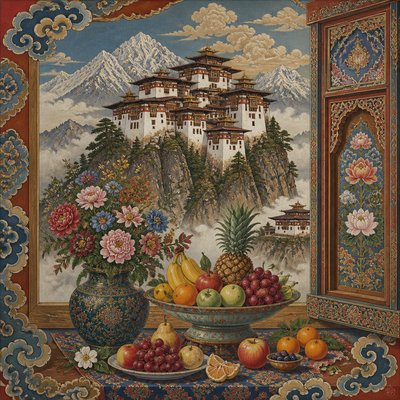
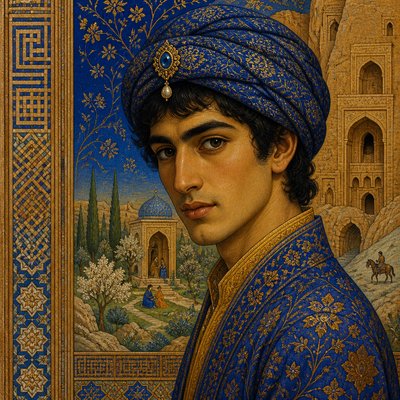
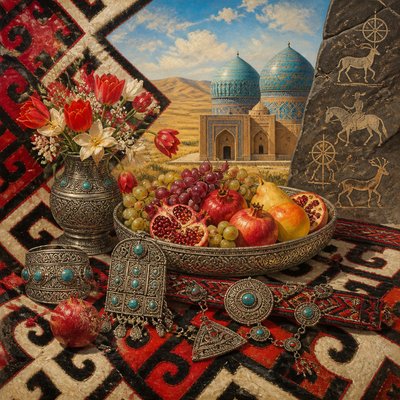
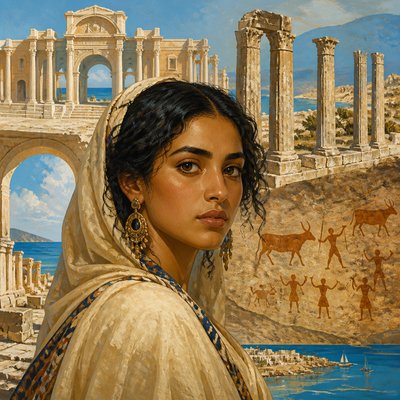
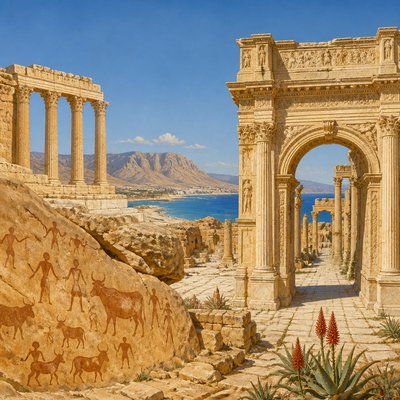
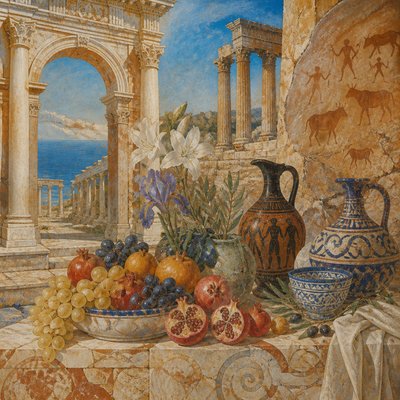
Explore illuminated manuscript art: gold initials, jewel-toned miniatures, vellum texture, intricate borders, and medieval scriptorium detail.
Instantly rendered in Illuminated Manuscript — or transform a photo
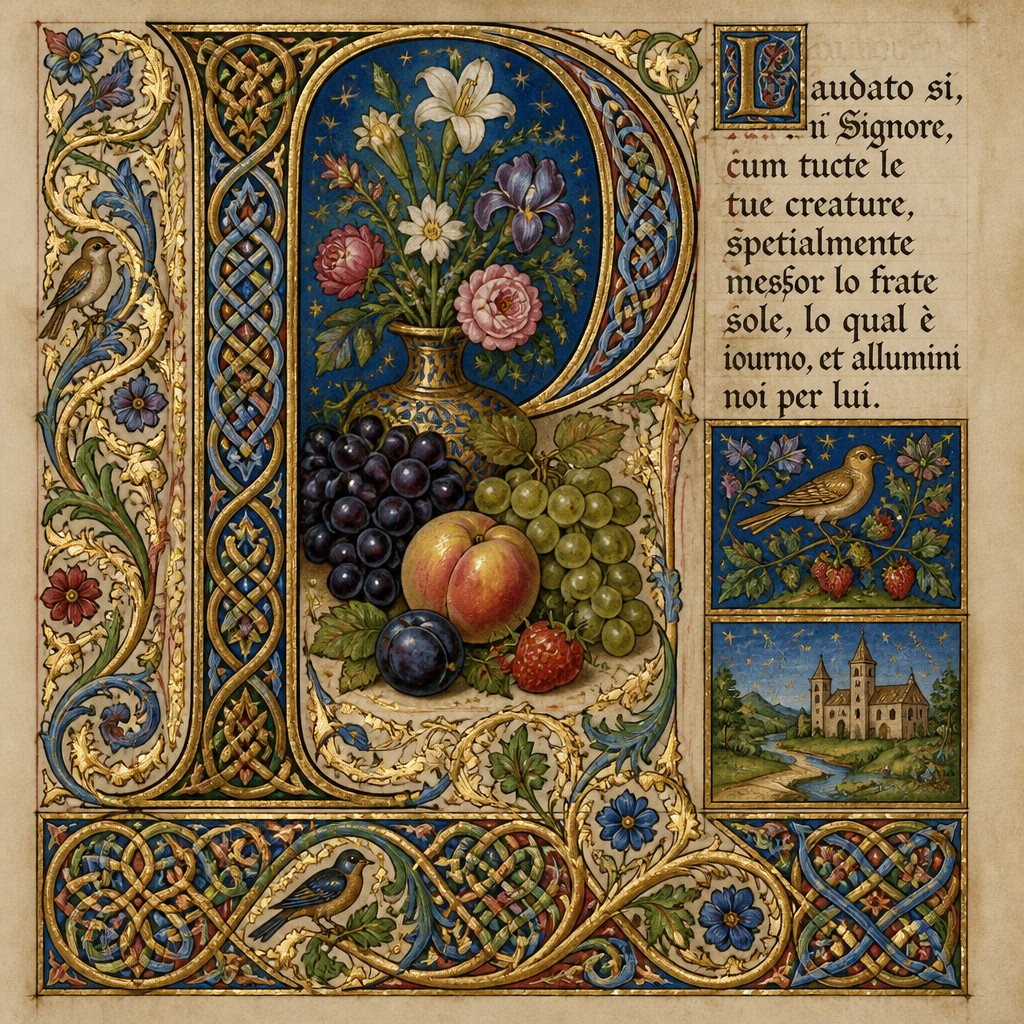
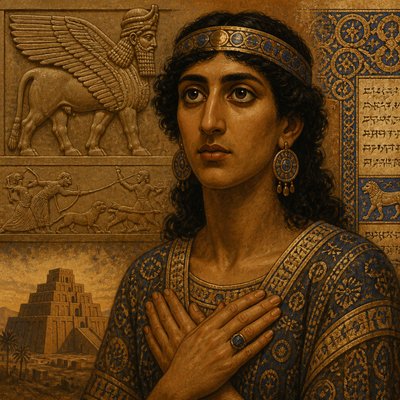
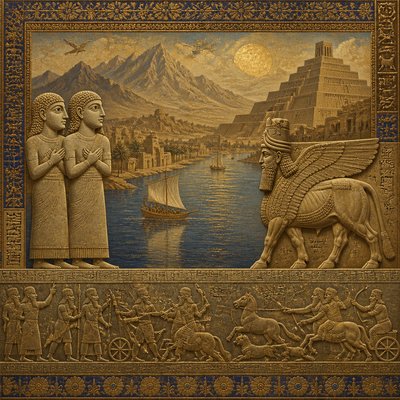
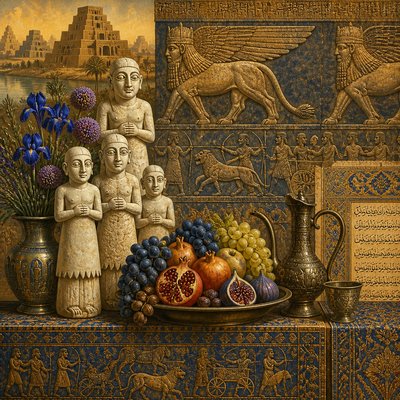
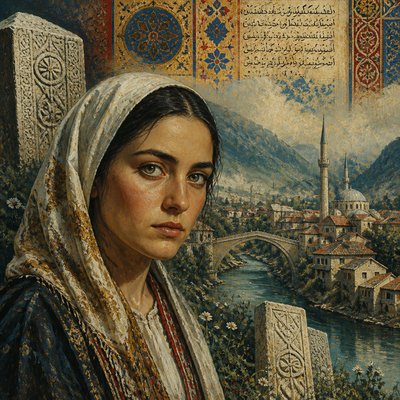
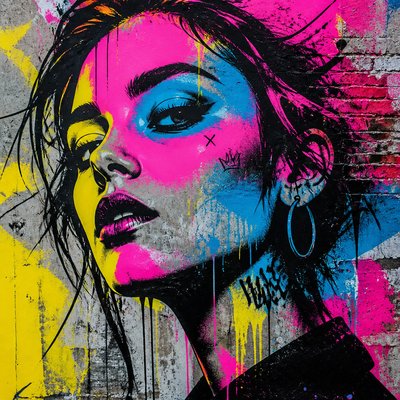
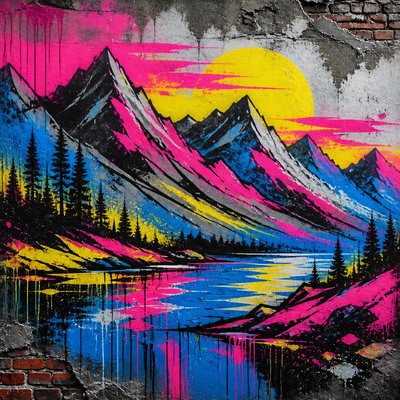
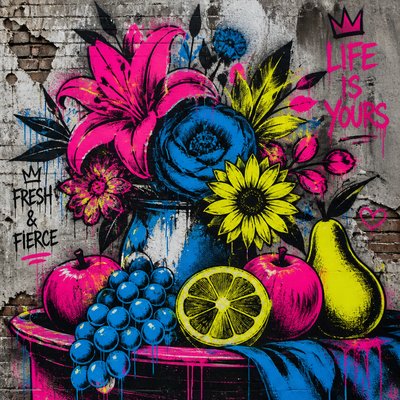
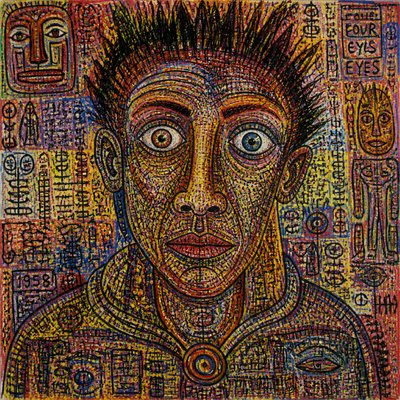
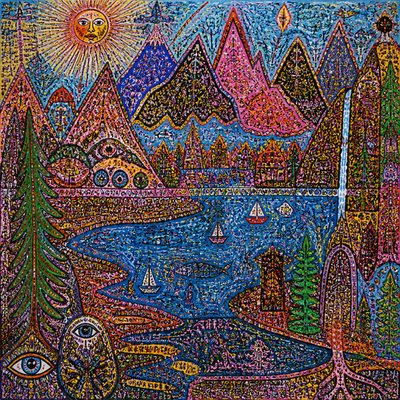
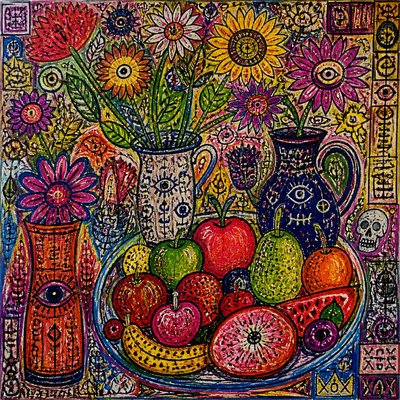
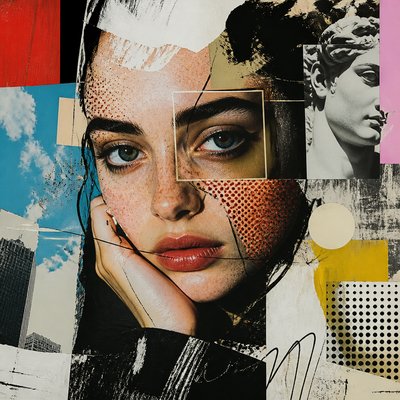
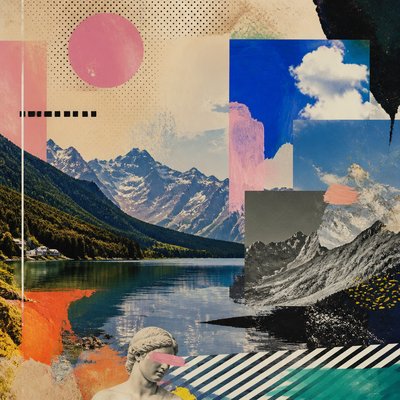
Illuminated Manuscript Gallery
Tap any artwork to explore it
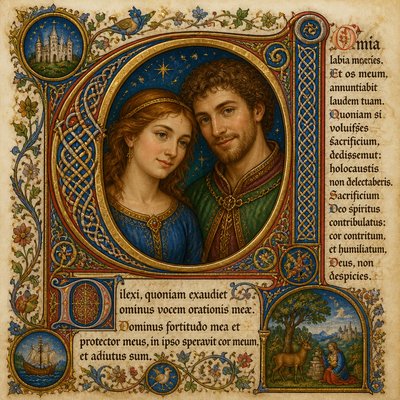
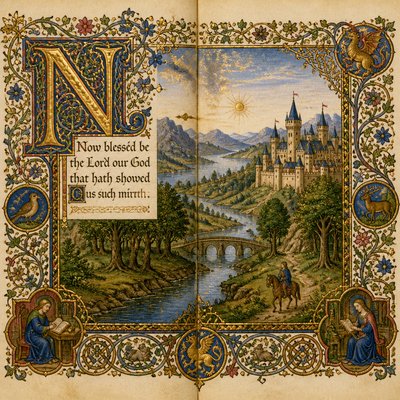
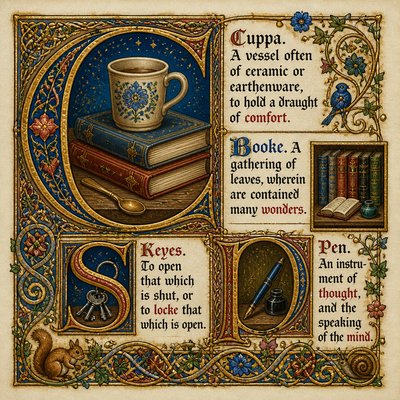
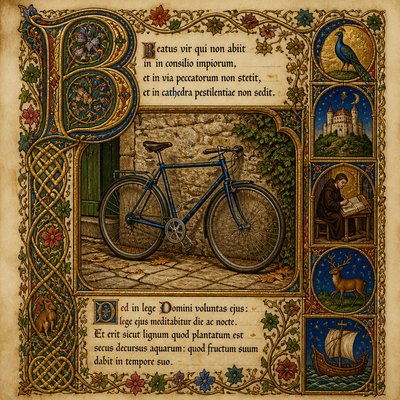
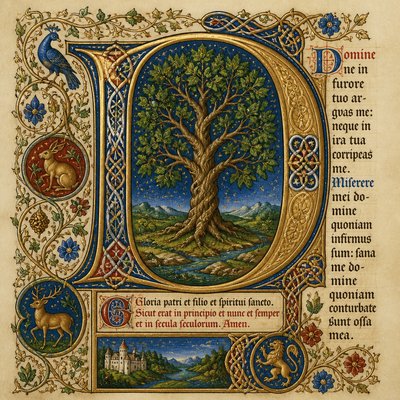
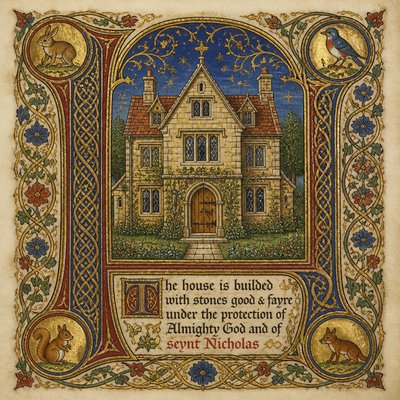
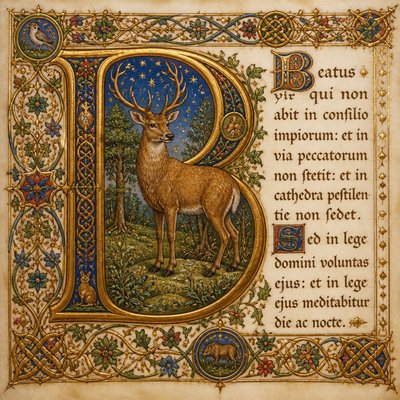
What is Illuminated Manuscript Art Style?
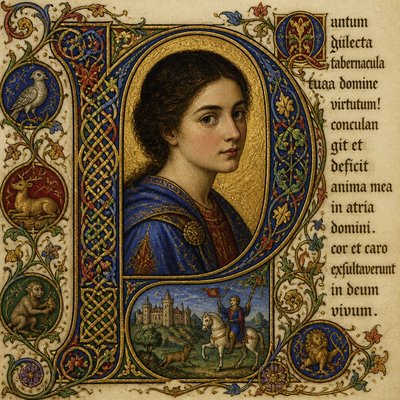
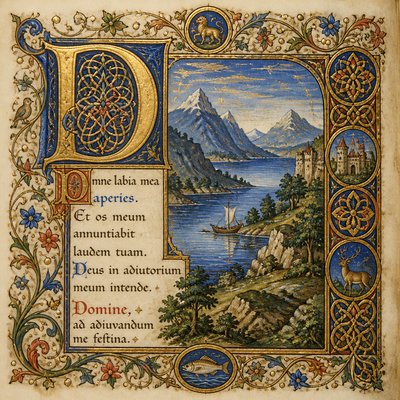
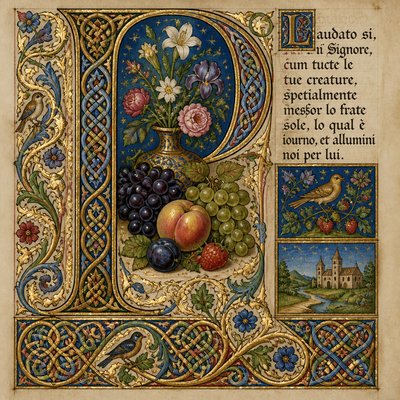
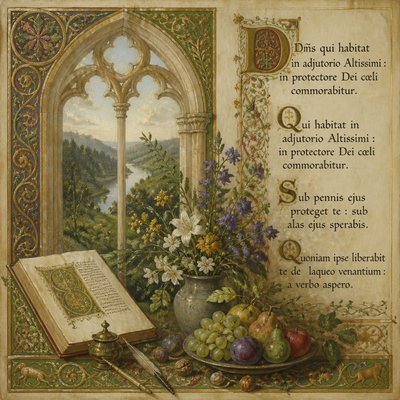
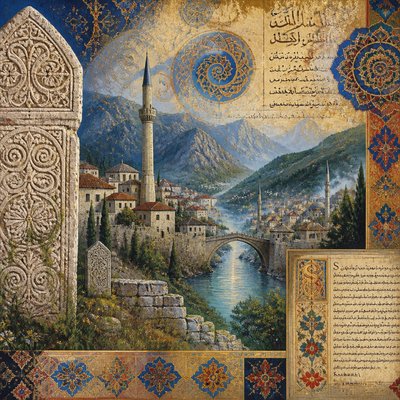
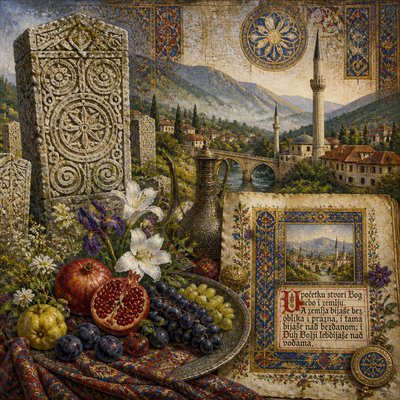
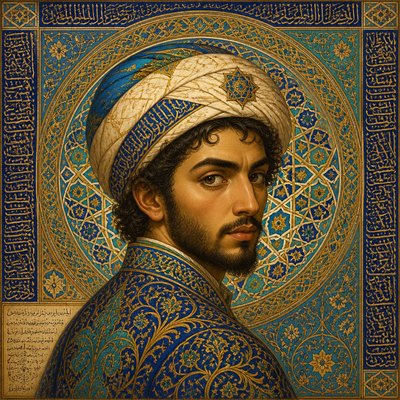
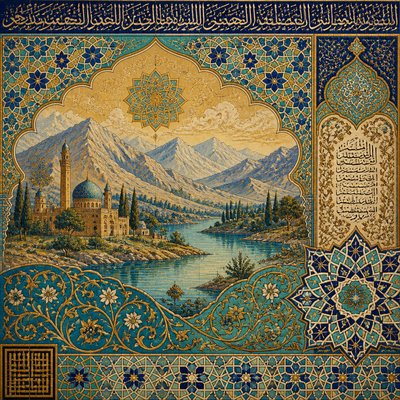
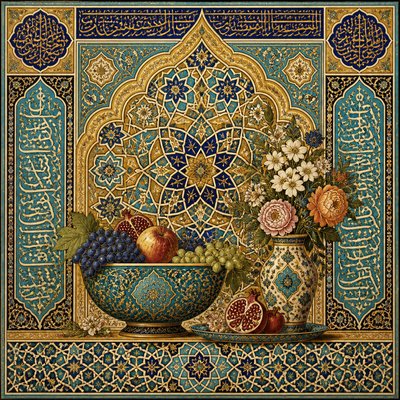
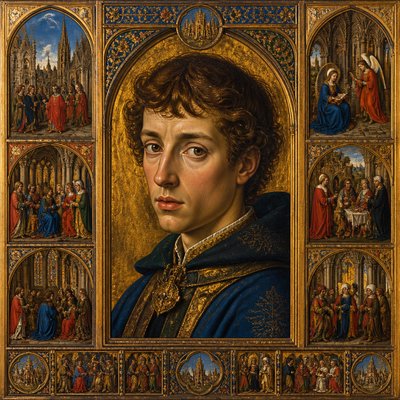
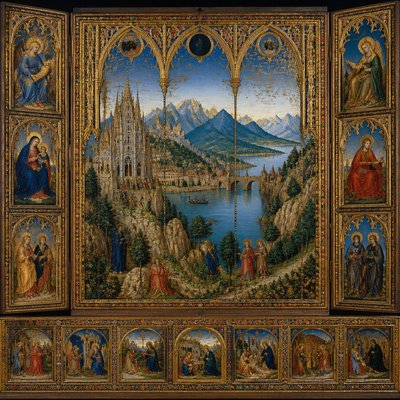
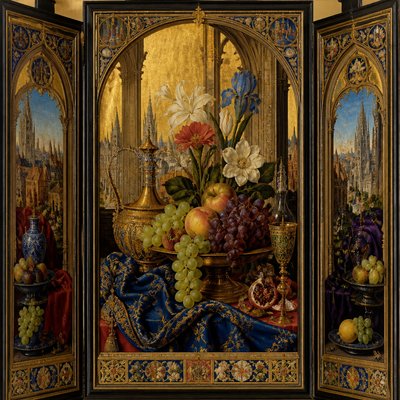
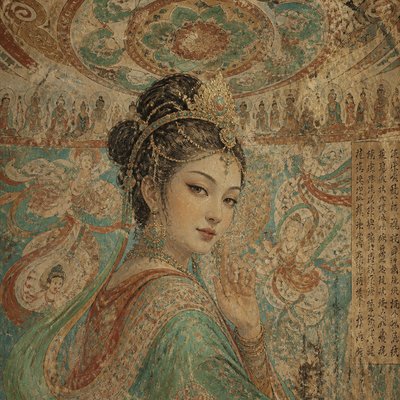
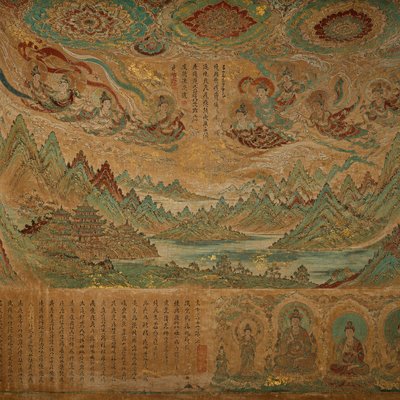
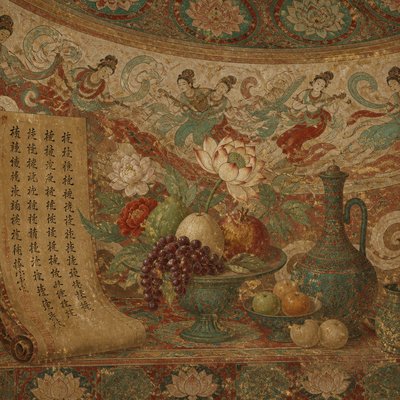
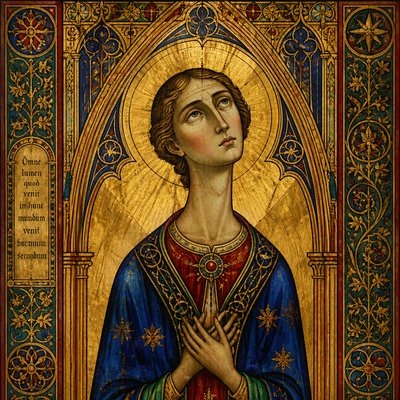
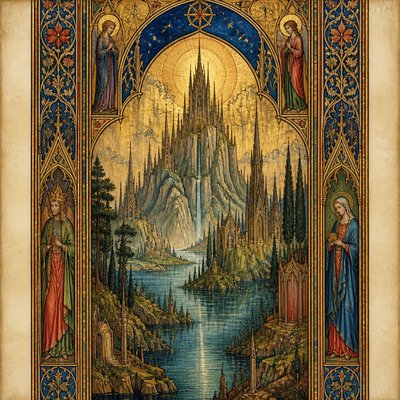
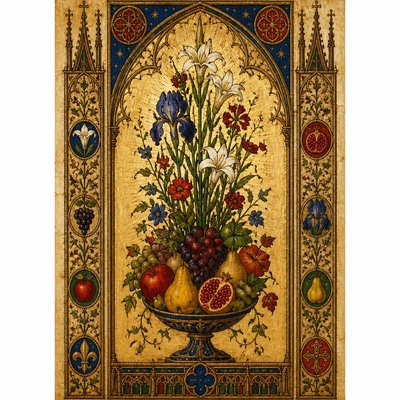
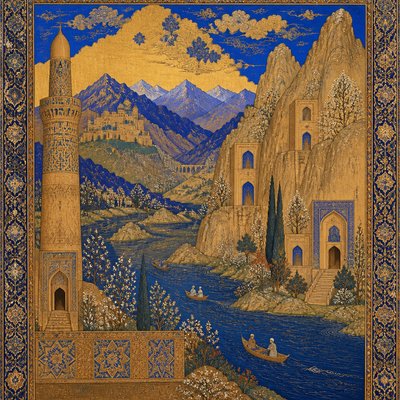
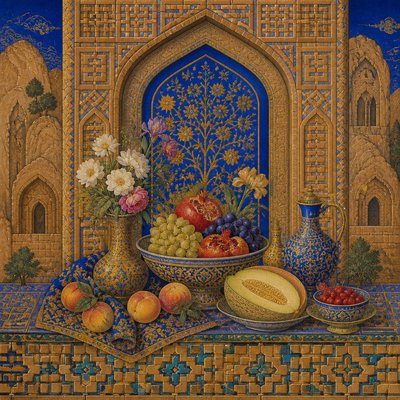
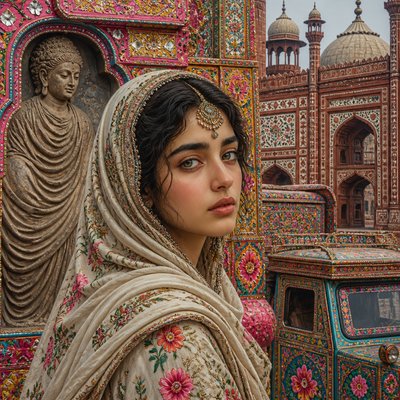
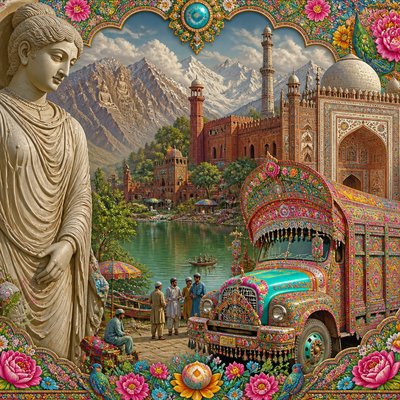
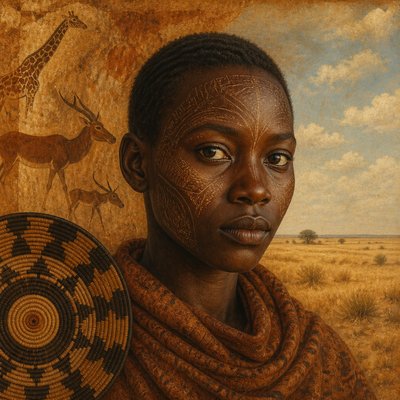
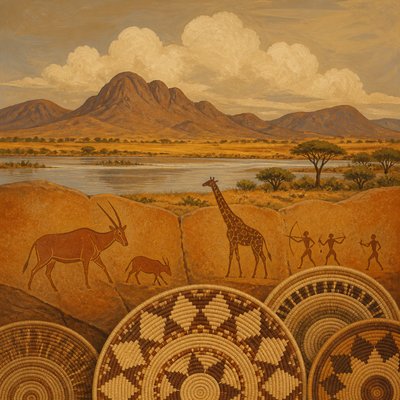
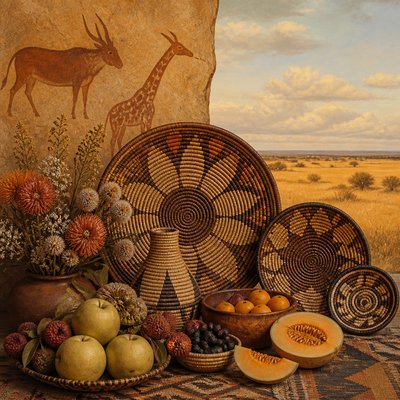
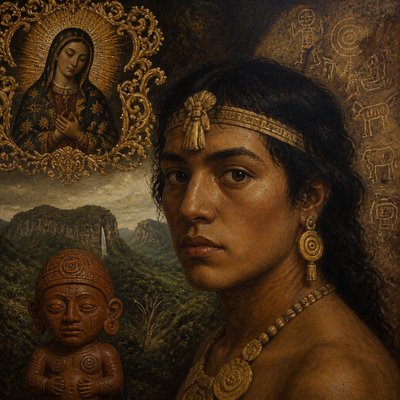
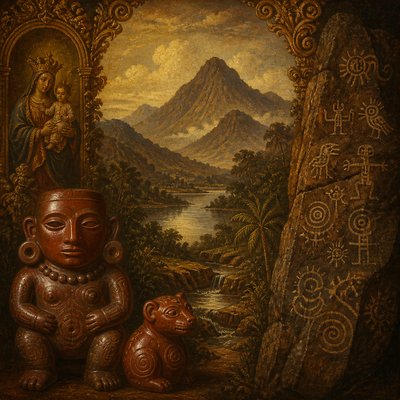
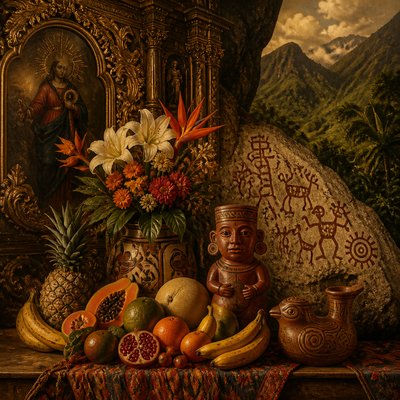
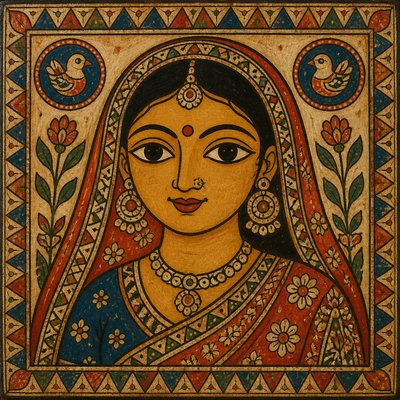
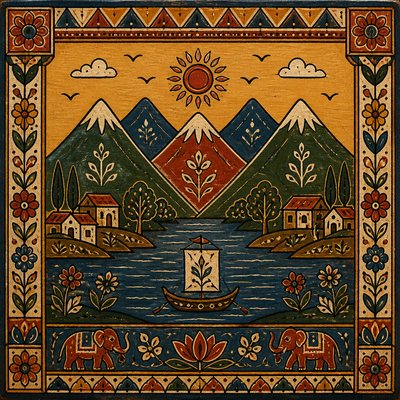
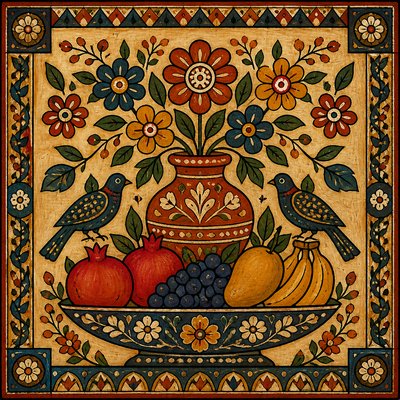
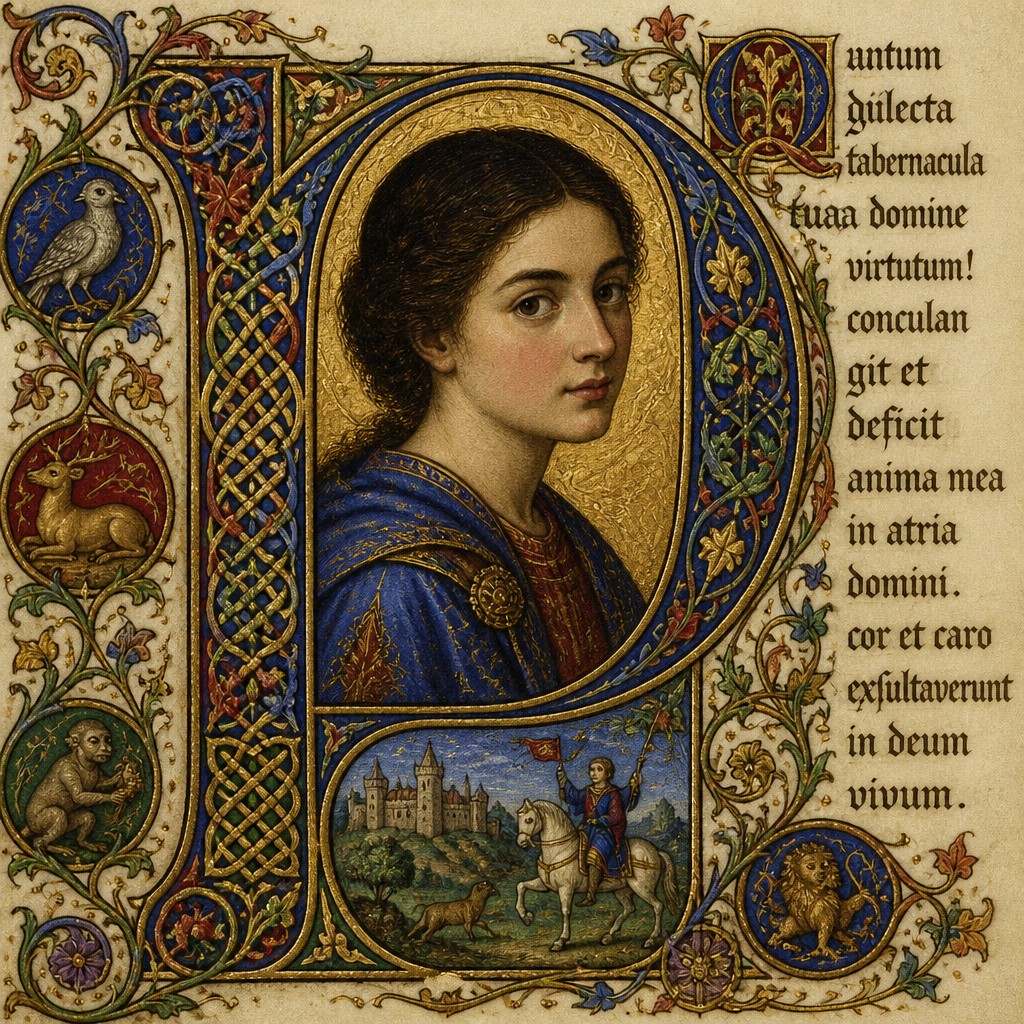
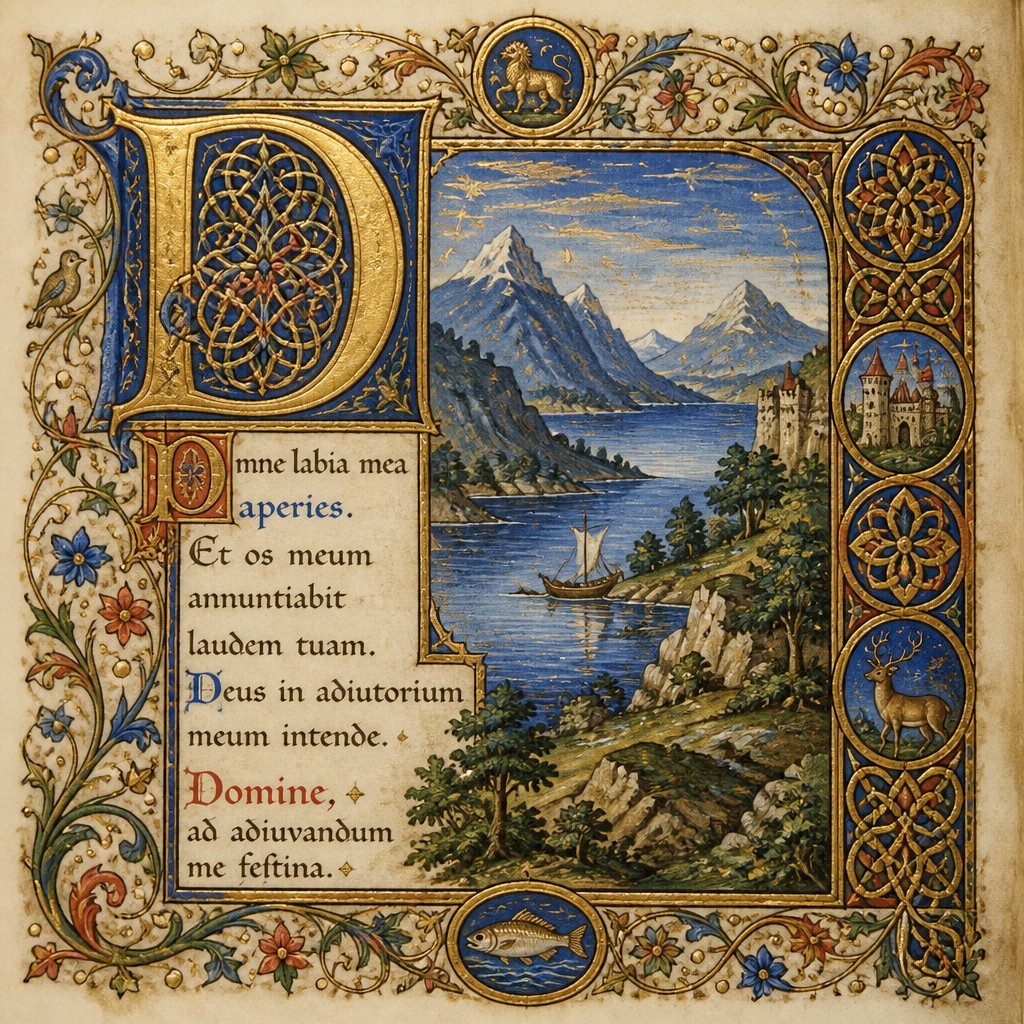
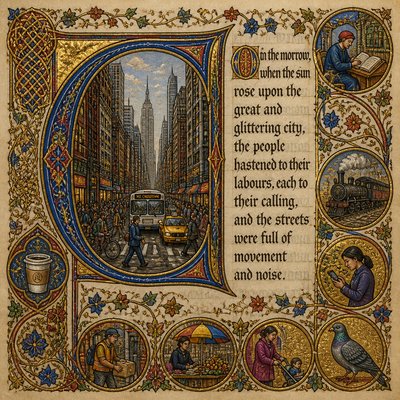
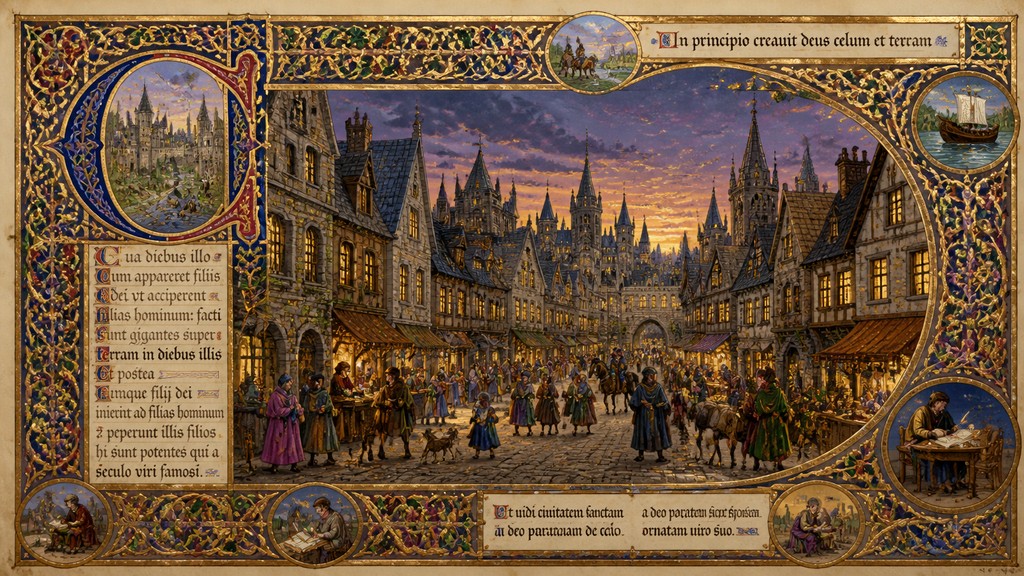
Illuminated manuscript art is the decorated visual language of hand-produced books, especially the religious, literary, and scholarly manuscripts of late antiquity and the Middle Ages. Its defining features include painted scenes, embellished initials, patterned borders, marginal figures, ornamental lettering, and reflective gold or silver applied to parchment or vellum.
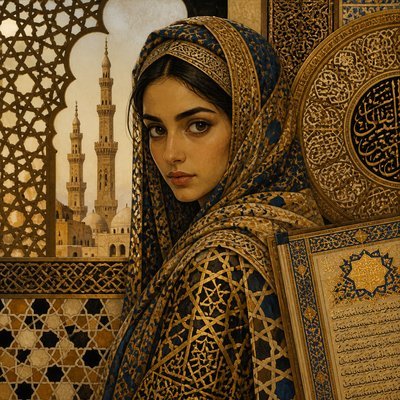
The style looks both intimate and elaborate because manuscript pages were designed as complete visual worlds. Flat jewel-toned color, precise contour, symbolic scale, repeated patterns, and densely occupied margins create an image system in which text, ornament, narrative, and devotional meaning operate together. Contemporary uses often emphasize burnished gold, interlaced vines and knotwork, tiny narrative vignettes, and the tactile grain of vellum.
Try It On Your Photos
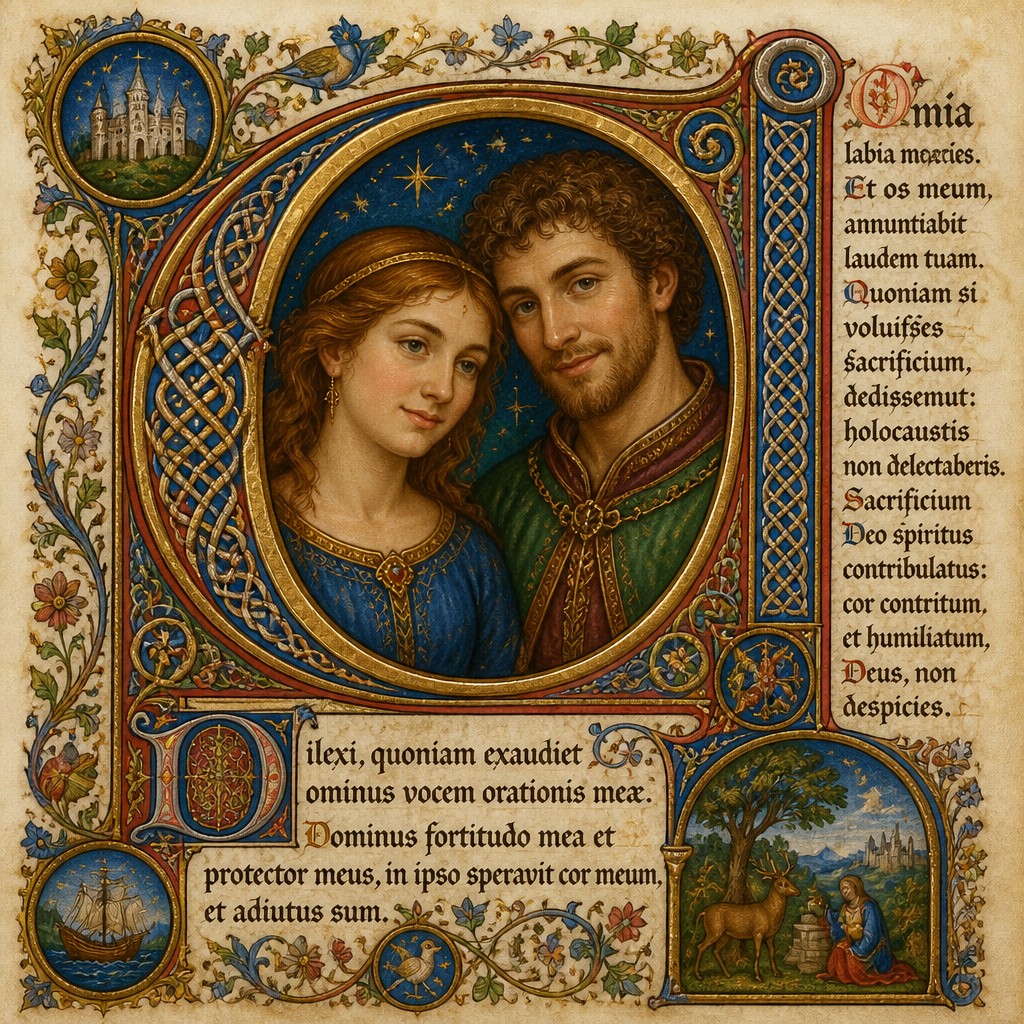
Upload any photo and convert it into Illuminated Manuscript Art Style — drag the sliders to compare before and after.


What Defines Illuminated Manuscript Art Style
The signature details, up close
Burnished gold and metallic accents
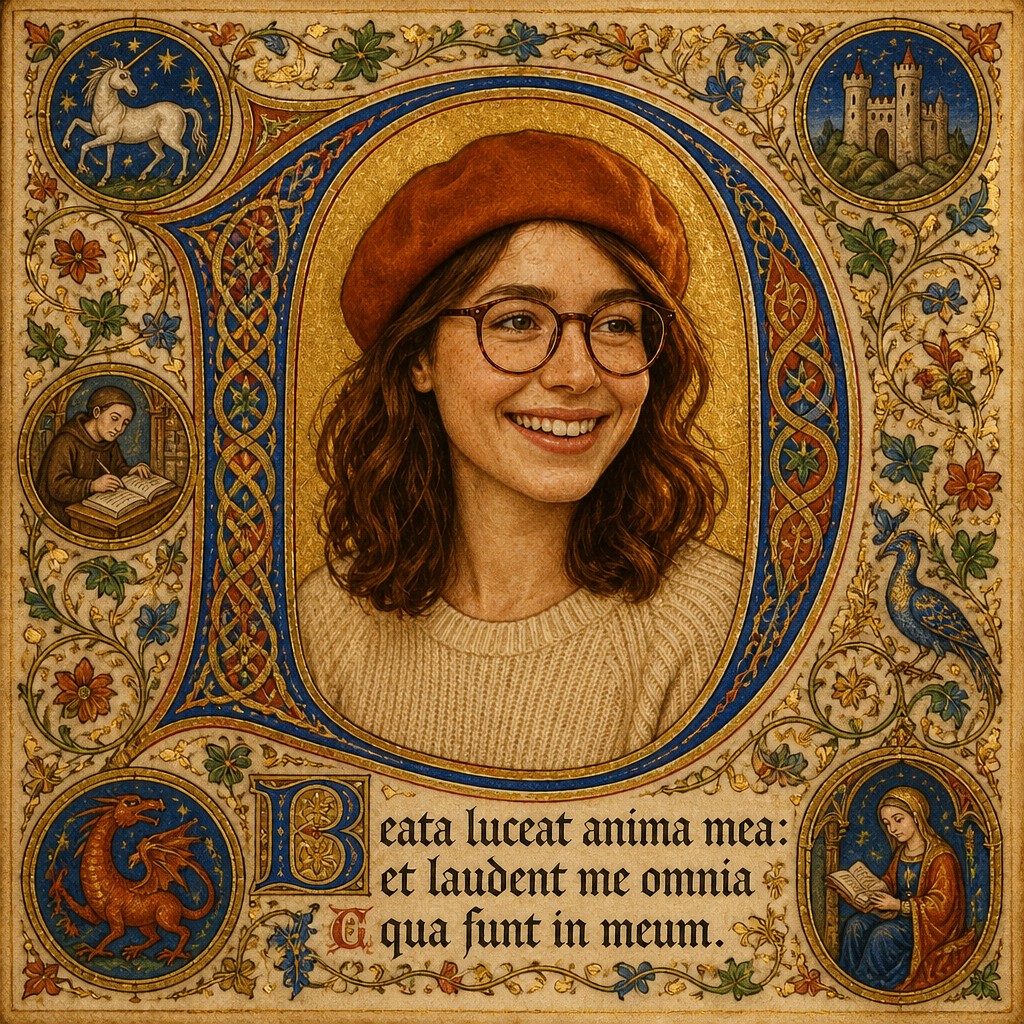
Gold leaf or powdered gold catches light on initials, halos, borders, and selected details. Historically, gilding could be raised, polished, or applied over prepared grounds to produce a reflective surface.
Decorated initials
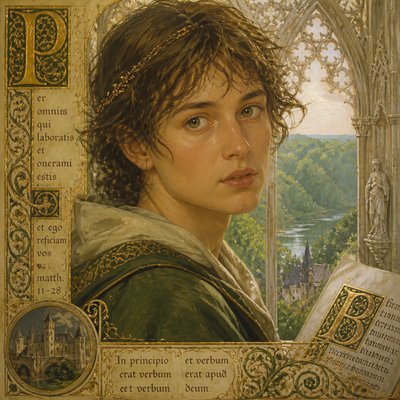
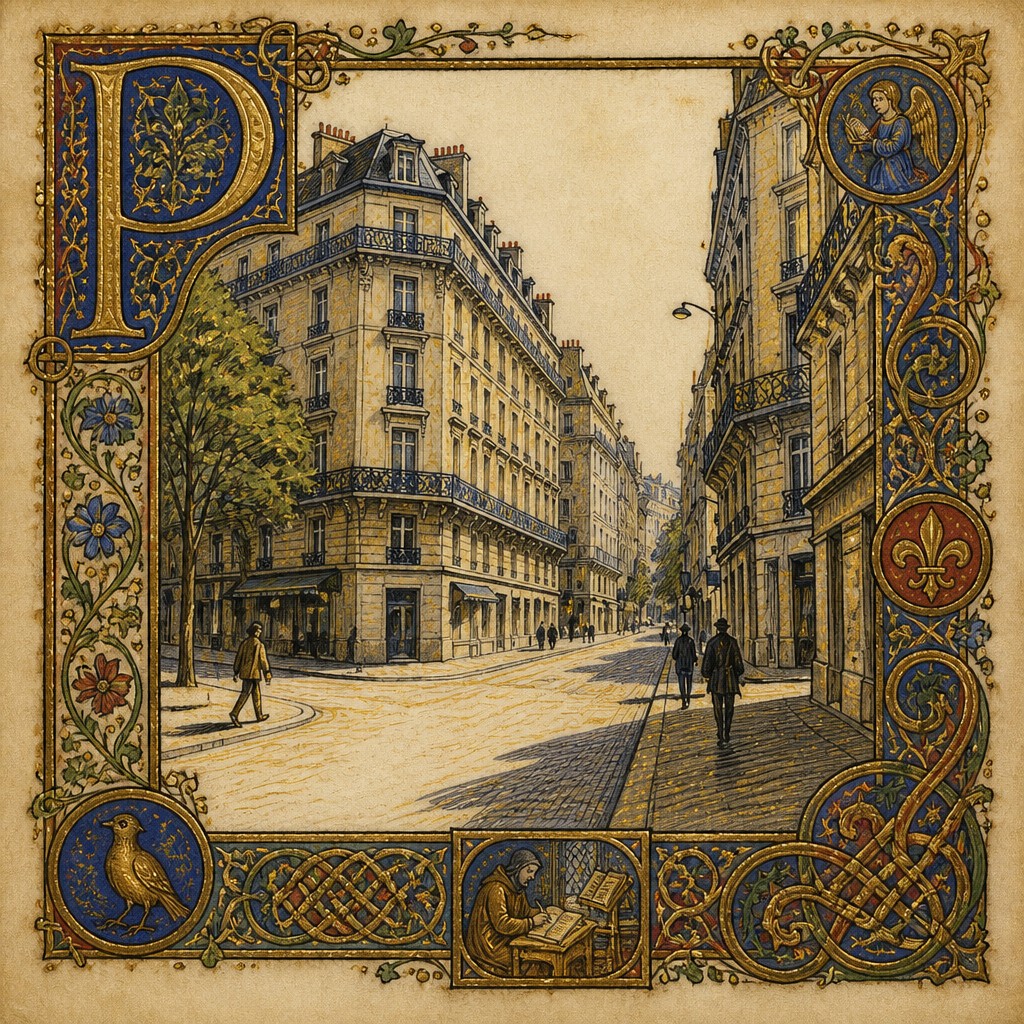
Large opening letters function as both typography and imagery, enclosing foliage, animals, figures, or miniature narratives. Their scale establishes hierarchy and draws the eye into the page.
Interlaced borders and marginalia
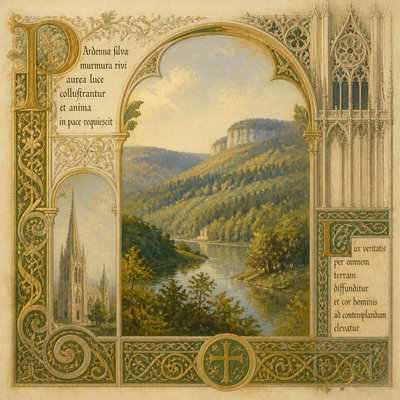
Vines, knotwork, geometric bands, flowers, beasts, and tiny figures fill margins and frame the text. These ornaments may be symmetrical and devotional or playful, hybrid, and visually surprising.
Jewel-toned color
Saturated reds, ultramarine blues, greens, ochres, and violet create a luminous, carefully compartmentalized palette. Color often carries symbolic, narrative, or hierarchical meaning rather than aiming at naturalistic atmosphere.
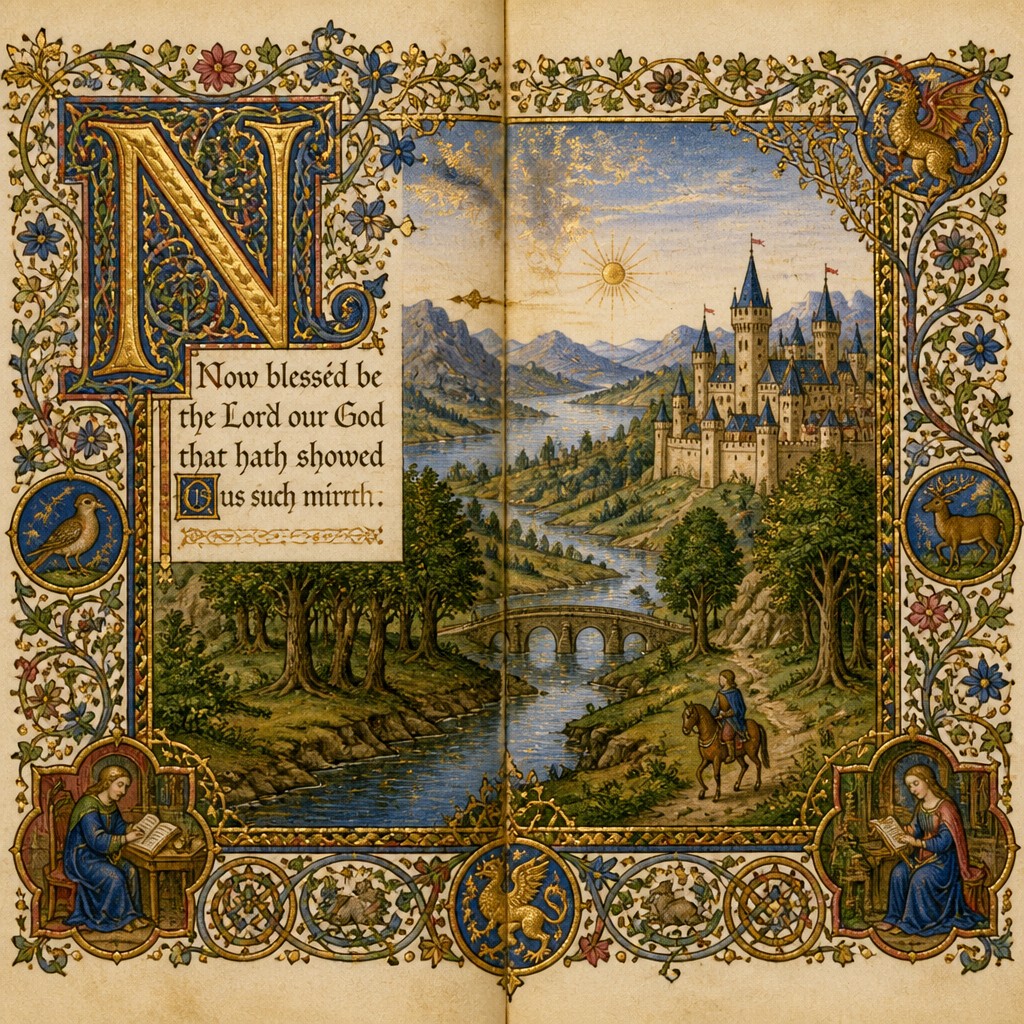
Miniature narrative scenes
Small figures and events are arranged in compact compartments with clear gestures and readable silhouettes. Space is commonly flattened, with overlapping forms and symbolic scale taking priority over realistic perspective.
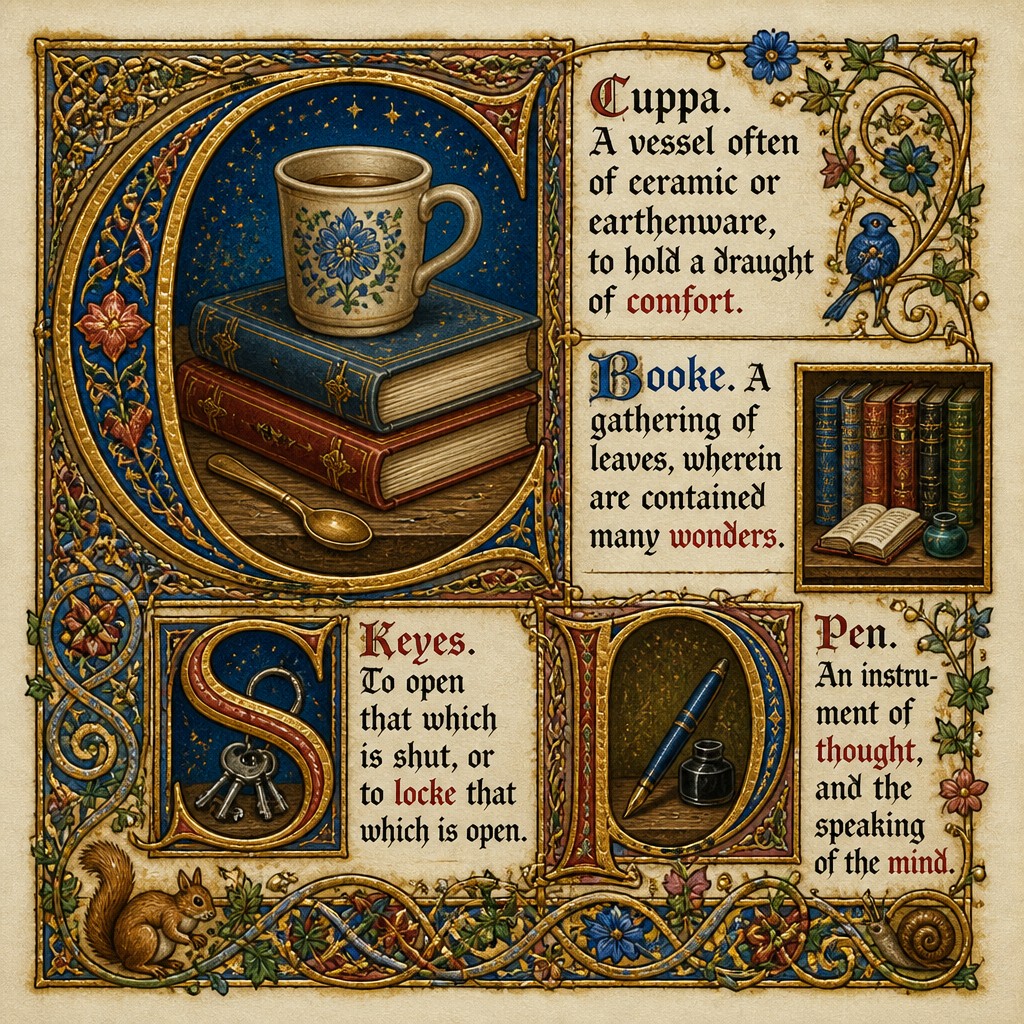
Vellum and scriptorium texture
The visual impression of parchment, fine ink lines, brush marks, ruling, and hand-lettered text gives the work a tactile manuscript character. Subtle irregularity helps distinguish it from mechanically printed decoration.
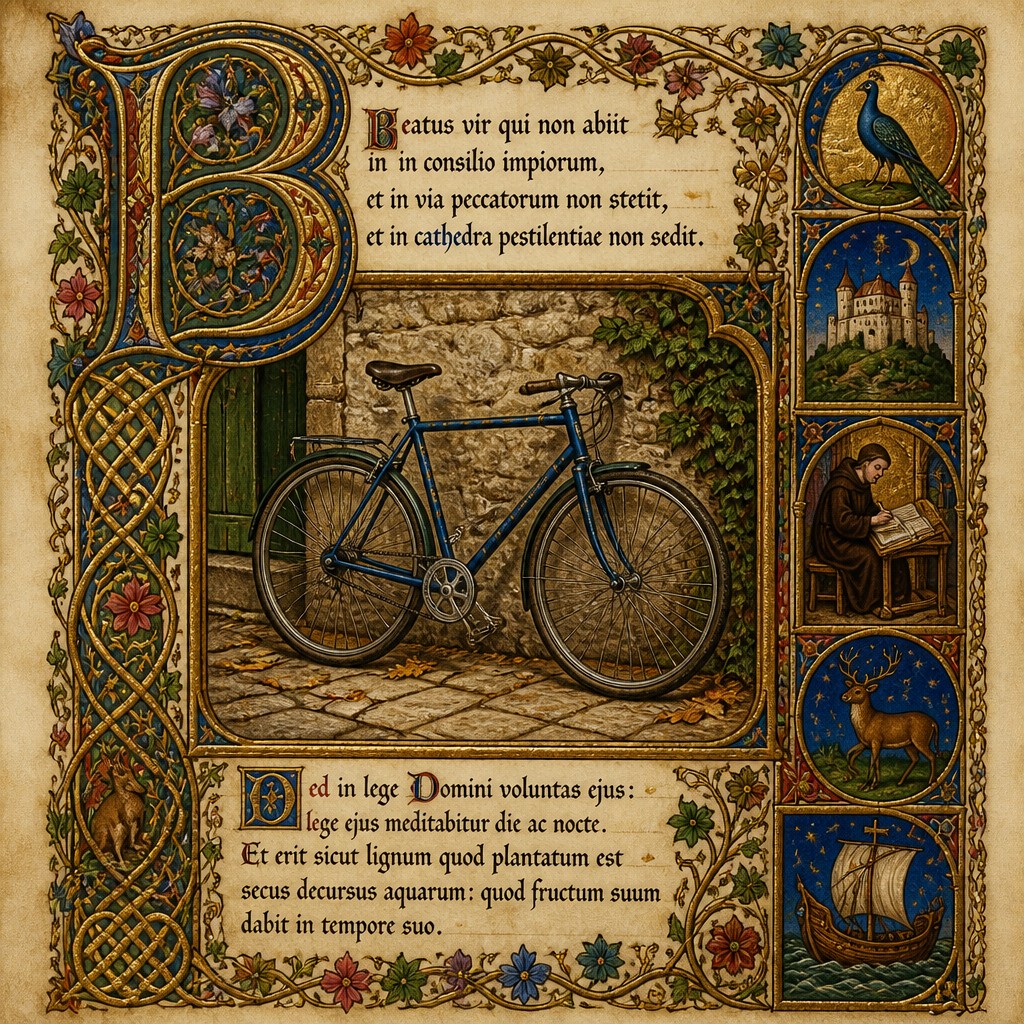
Ornamental integration of text and image
Letterforms, illustrations, borders, and empty spaces are composed as one page architecture. The result is dense but ordered, with visual rhythm guiding reading as well as looking.
Try It
Create Videos in Illuminated Manuscript Art Style
Styles aren't just for stills — describe a scene or animate an image and get a short video rendered in Illuminated Manuscript. Press play to see this pond come to life.
Make a VideoIlluminated Manuscript Prompt Ideas
Start from an idea — each one opens the generator with the style ready to go. See all 40 Illuminated Manuscript prompts →
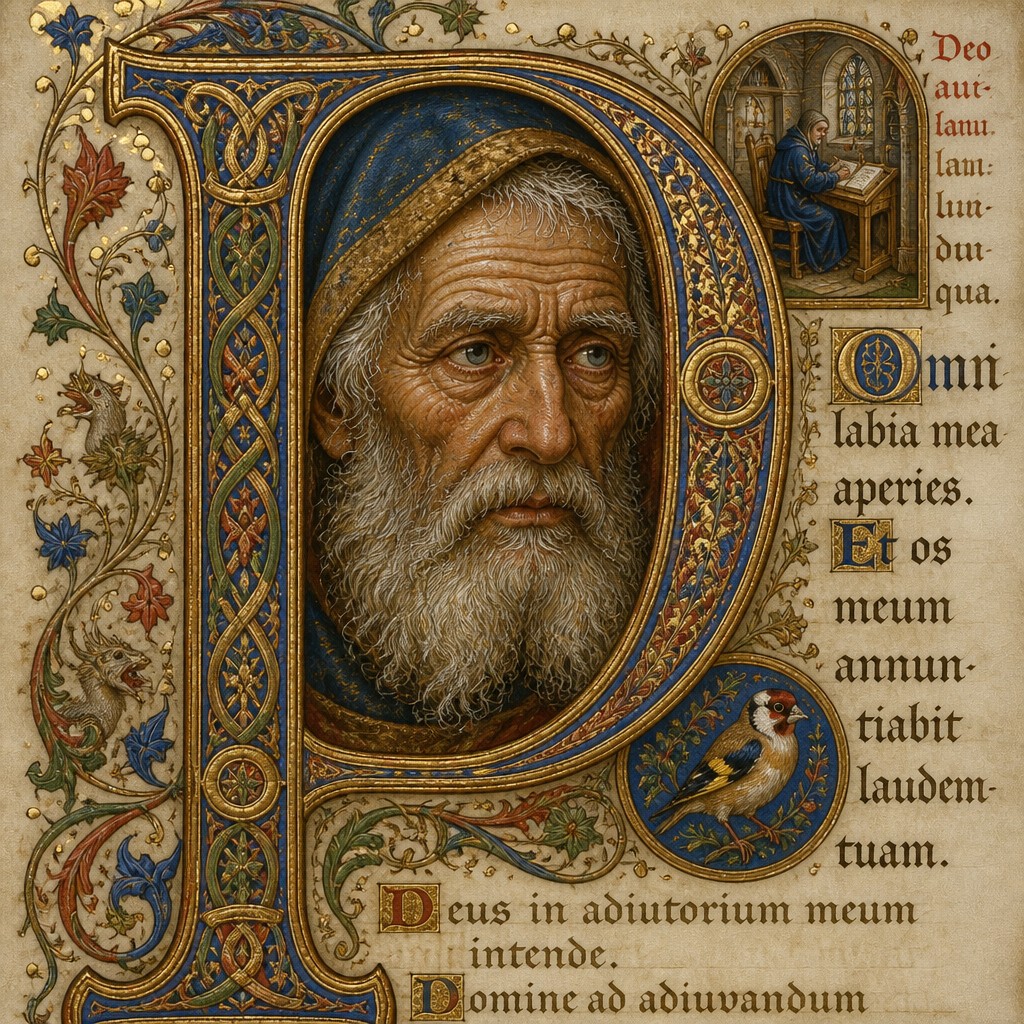
“close-up portrait of an elderly person with expressive weathered features”
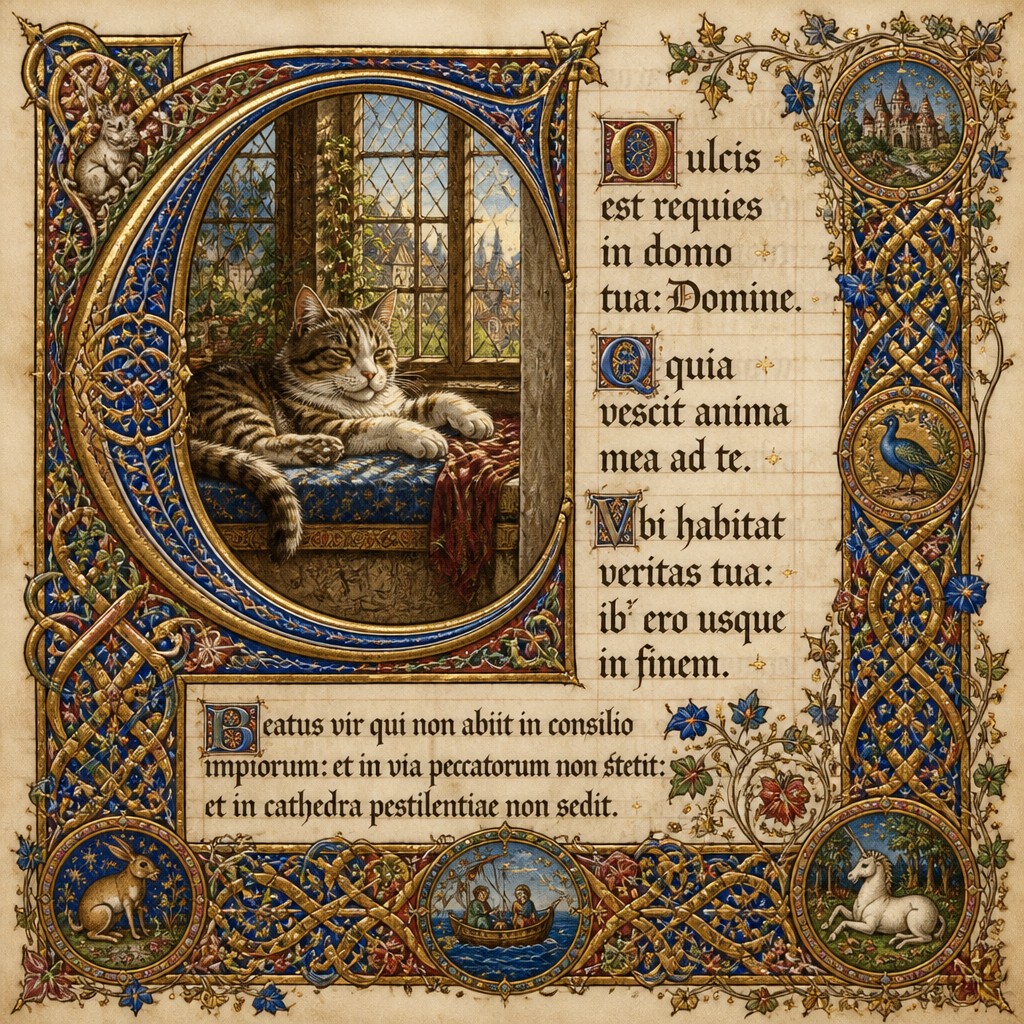
“a cat lounging in a sunlit window”
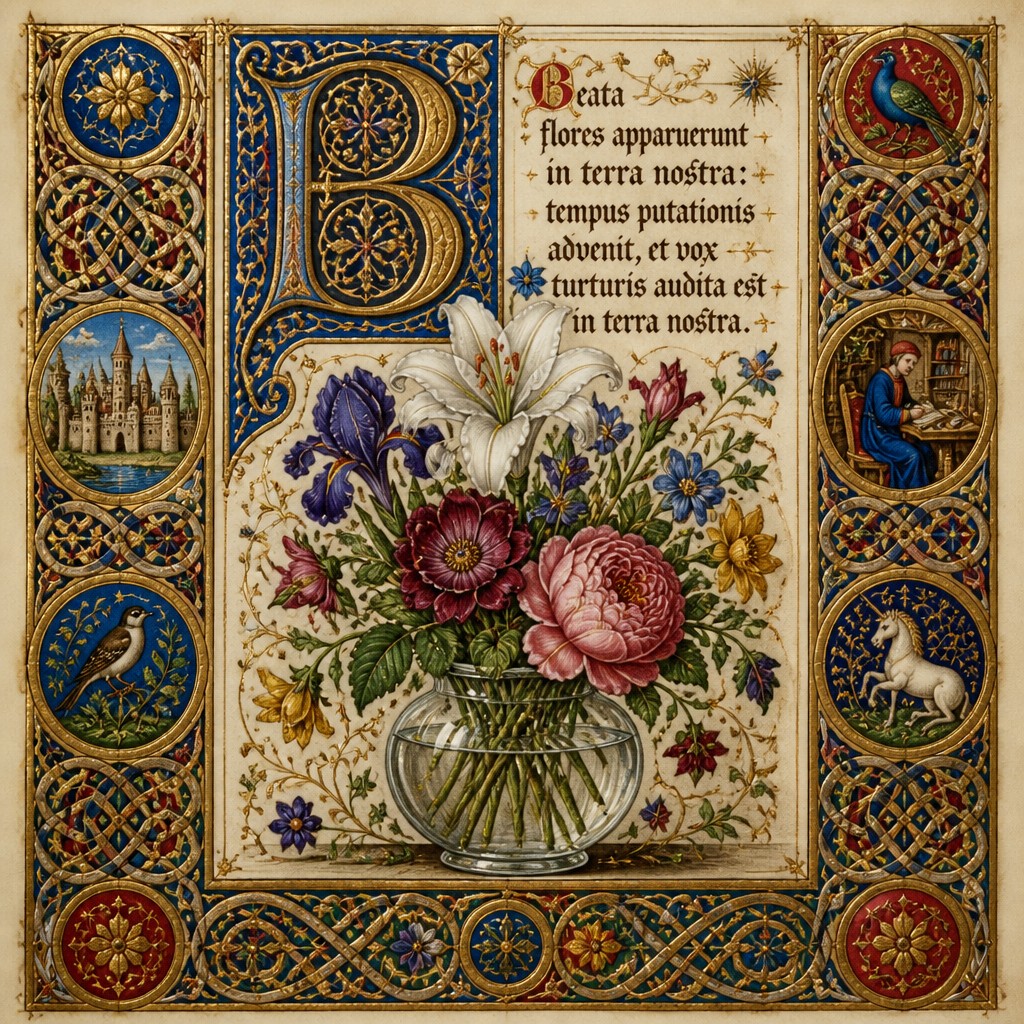
“bouquet of flowers in a glass vase”
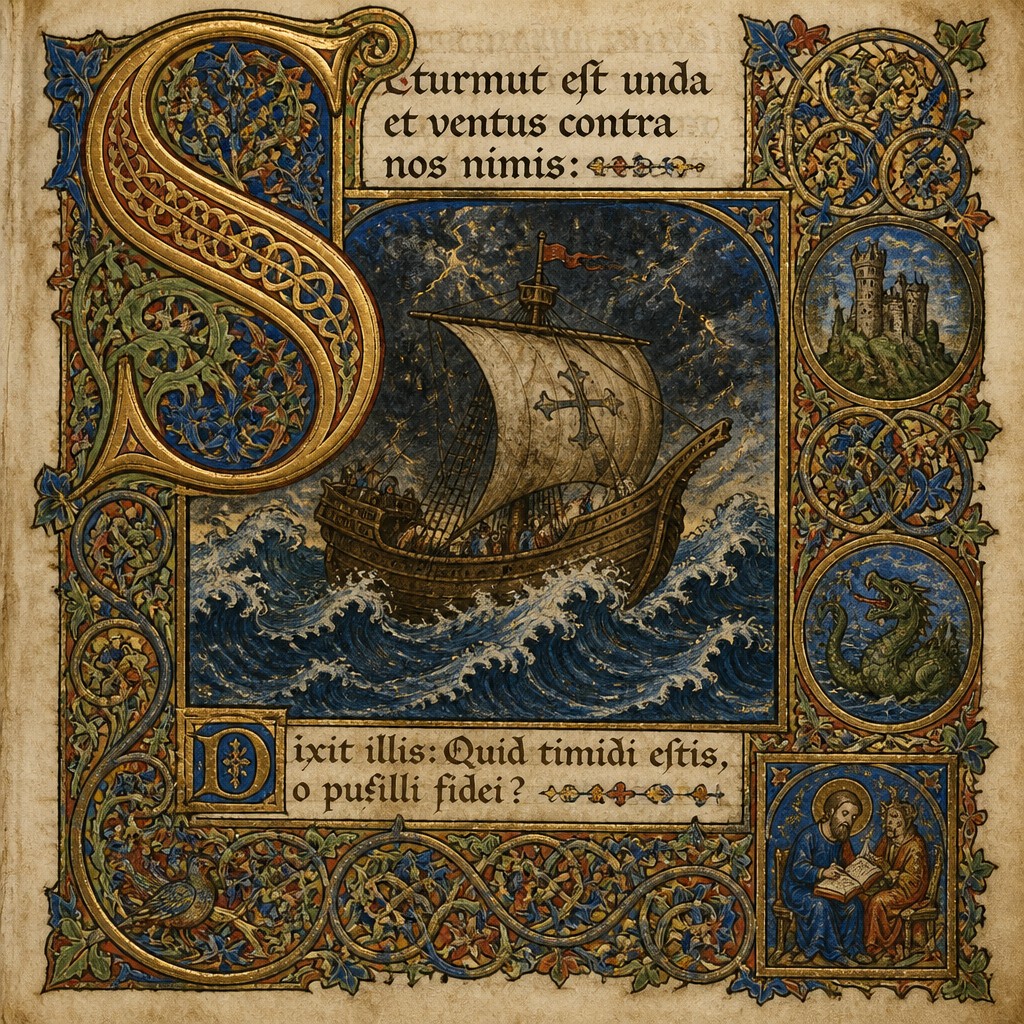
“sailing ship on a stormy sea”
How to Create Illuminated Manuscript Art
Master the craft step by step — or skip straight to creating. Read the full guide →
- 1
Prepare a page structure
Begin with a clear text block, large initial, outer border, and one or more miniature scenes. Use symmetry or repeated motifs to keep dense decoration legible rather than allowing every area to compete equally.
- 2
Build traditional materials in layers
On paper or vellum, sketch with a fine stylus or graphite, ink the contours, lay in flat pigment, add highlights, and apply gold near the end. A smooth surface, controlled brushes, and burnishing tools help create the crisp finish associated with historical illumination.
- 3
Use symbolic composition
Favor frontal or profile figures, clear gestures, compact architecture, patterned grounds, and meaningful scale. Flattened space and deliberate repetition usually communicate the source tradition more effectively than modern perspective.
- 4
Control the palette and line
Choose a limited set of saturated colors with dark outlining and small areas of pale highlight. Vary border motifs—such as foliage, knotwork, stars, animals, or flowers—while repeating a few shapes to establish unity.
- 5
Translate the page digitally
Use layered painting, scanned paper grain, vector ornament, and separate metallic highlight layers to preserve crisp initials and intricate margins. Keep gold visually reflective but avoid making every surface equally glossy.
- 6
Write a precise generation prompt
Describe the subject first, then specify a decorated initial, vellum surface, interlaced border, miniature narrative compartments, jewel-toned pigments, fine ink contours, and restrained burnished gold. Request a coherent page layout and readable ornament, and exclude modern photographic lighting or excessive realism when they conflict with the design.

The Story
History & Origins of Illuminated Manuscript
The tradition developed from the decorated books of late antiquity and Byzantine culture, then expanded across medieval Europe through monastic and courtly scriptoria. Between roughly the sixth and fifteenth centuries, regional approaches included Insular interlace, Romanesque ornament, Gothic naturalism, and highly detailed devotional and secular picture books. Gold leaf, powdered gold, mineral and plant pigments, ink, and egg-based painting media were applied in carefully sequenced stages to prepared parchment or vellum.
Illumination continued into the Renaissance, although printed books gradually reduced the role of hand-copied manuscripts. The style remains influential in book arts, heraldry, fantasy illustration, calligraphy, editorial design, and digital imagery. Modern interpretations are an aesthetic lineage rather than a single historical movement, combining medieval manuscript conventions with contemporary subjects and tools.
Influences: Illuminated manuscript art draws on late antique book decoration, Byzantine iconographic traditions, Insular interlace, Romanesque and Gothic sacred art, medieval calligraphy, heraldic design, and the craft traditions of goldsmithing and textile pattern. Its contemporary visual descendants include artist books, fantasy illustration, historical graphic design, ornamental lettering, tarot imagery, and digital compositions that combine flat symbolic space with dense borders and metallic accents.
Frequently Asked Questions
What defines illuminated manuscript art?
It is defined by the integration of hand-lettered text, painted imagery, ornamental initials, borders, marginal decoration, and gold or silver. The page is treated as a unified visual composition rather than as text with a separate illustration.
Why is it called illuminated?
The term refers to the visual radiance created by gold and silver, as well as the broader act of enriching a manuscript with color and ornament. It does not mean that every illuminated page contains metallic leaf.
Is illuminated manuscript art only religious?
No. Many important manuscripts were religious, but illumination also appeared in histories, romances, scientific and medical works, calendars, law books, and aristocratic literature. Modern adaptations can depict any subject while retaining the page-based visual language.
How is it different from medieval painting?
Illumination is specifically connected to the decoration of manuscripts and their page architecture. It often uses compact scenes, flattened space, ornamental lettering, and borders designed around text, whereas medieval panel or wall painting generally operates at a larger architectural scale.
What materials were traditionally used?
Artists worked primarily on prepared parchment or vellum with ink, mineral and plant-based pigments, chalk or gesso grounds, and gold or silver. Fine brushes and pens enabled minute details, while burnishing polished selected metallic areas.
How can I make a convincing digital version?
Start with a deliberate page layout, use crisp contour drawing and flat color, add a restrained parchment texture, and place metallic highlights on selected initials and ornaments. Prompts should specify borders, miniature scenes, vellum, symbolic composition, and hand-painted detail rather than relying only on the word medieval.
Create your first Illuminated Manuscript artwork
Describe anything — or upload a photo — and see it in Illuminated Manuscript Art Style in seconds.
Related Styles
Discover similar art styles