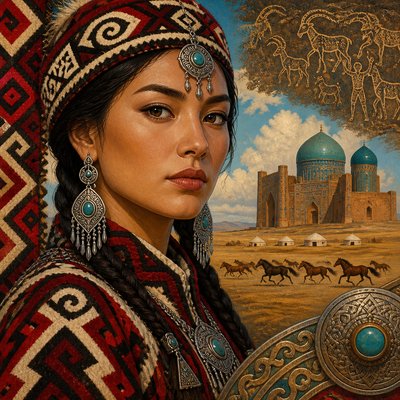
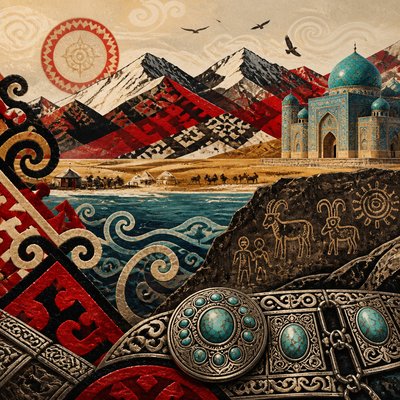
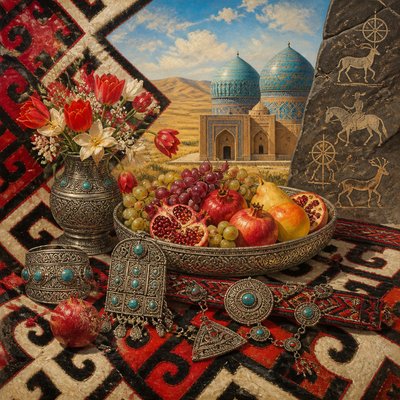
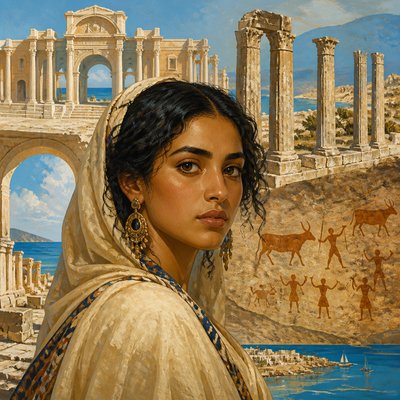
Costa Rican Art Style
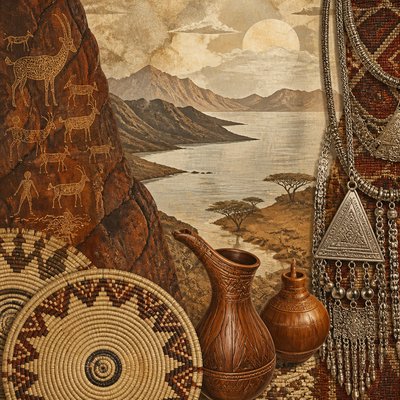
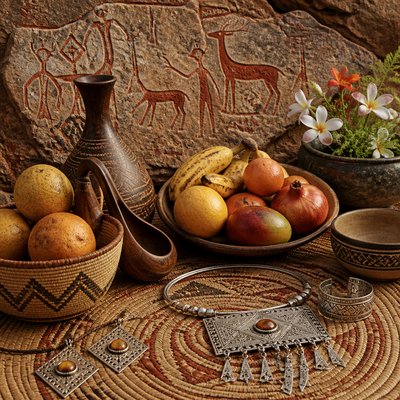
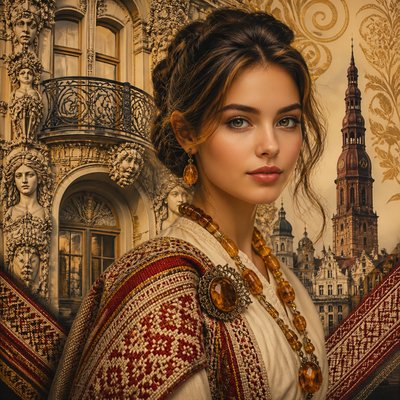
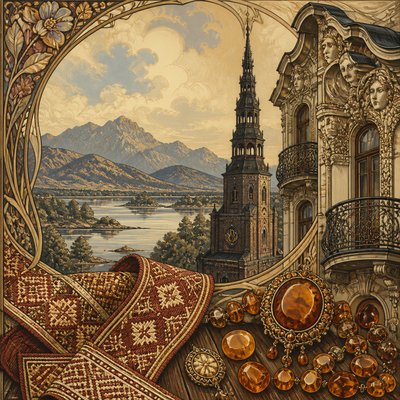
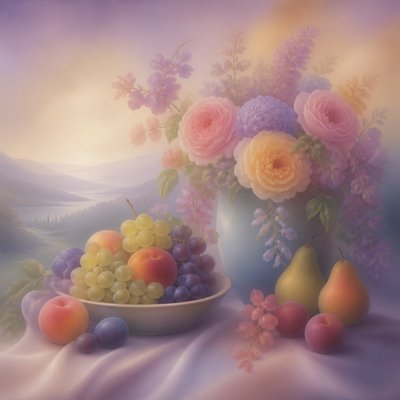
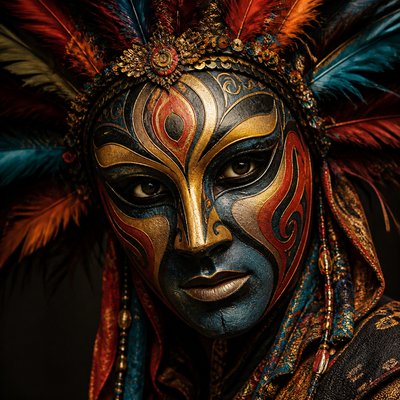
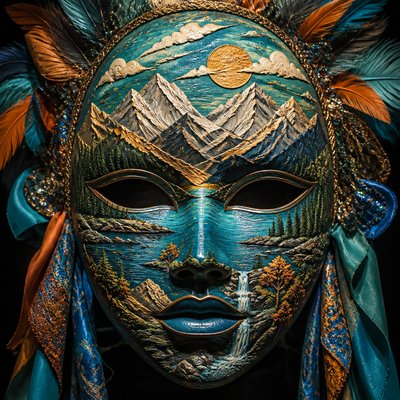
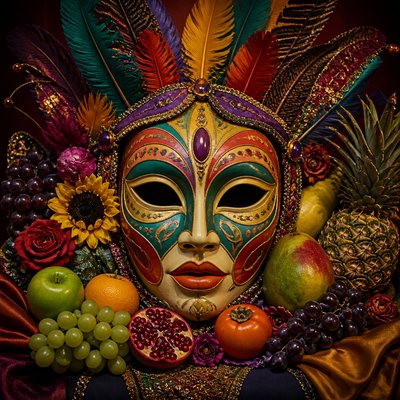
Explore a Costa Rican-inspired style combining Sarchí oxcart patterns, pre-Columbian gold and jade, volcanic stone, and cloud-forest color.
Instantly rendered in Costa Rican — or transform a photo
Costa Rican Gallery
Tap any artwork to explore it
What is Costa Rican Art Style?
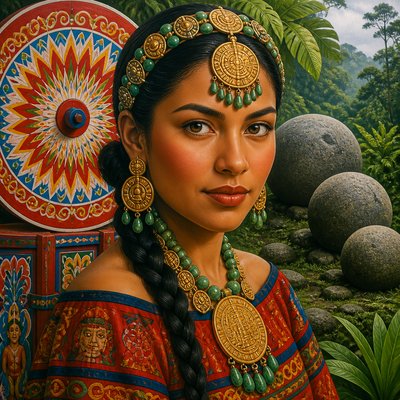
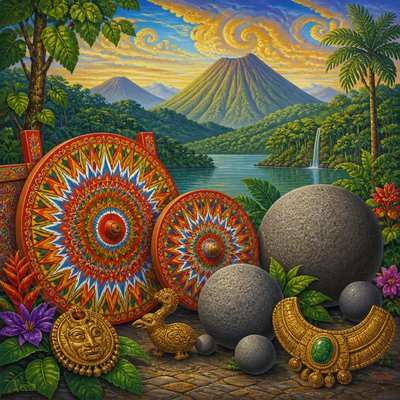
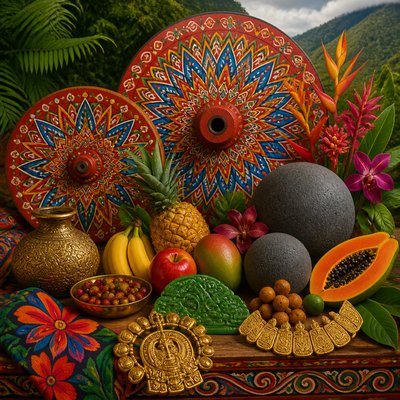
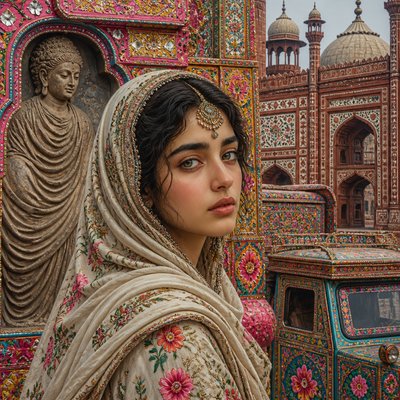
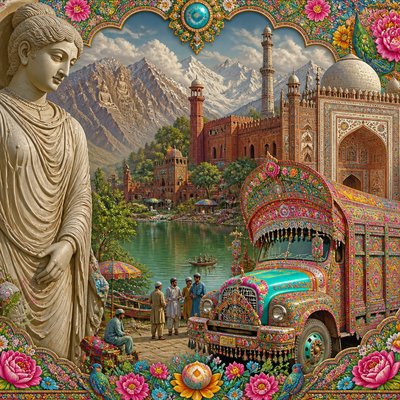
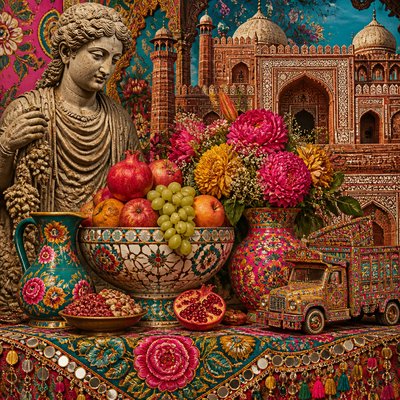
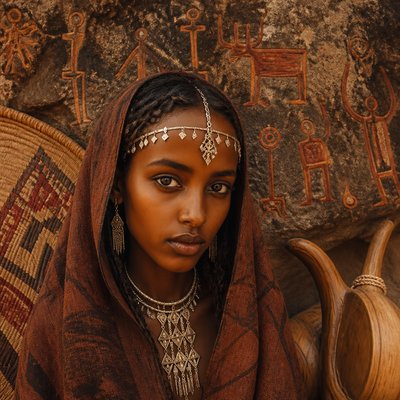
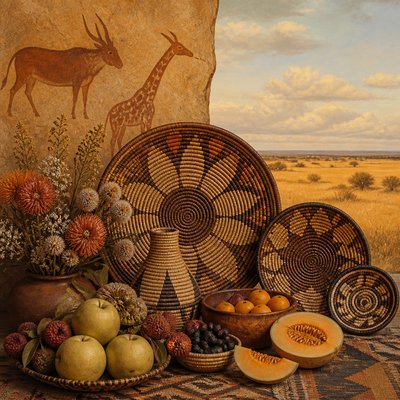
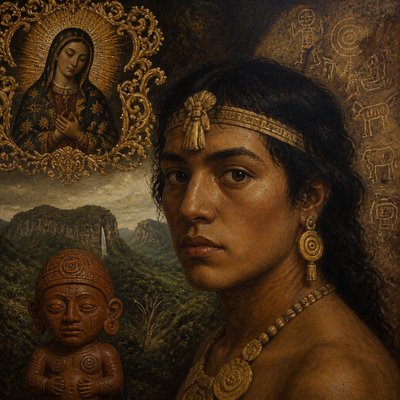
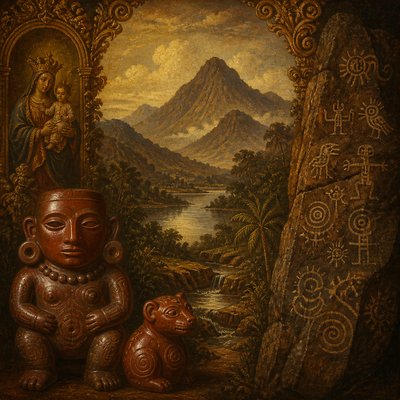
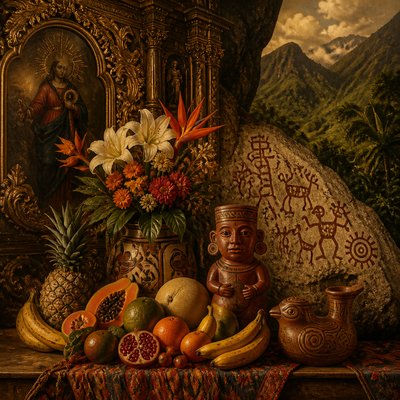
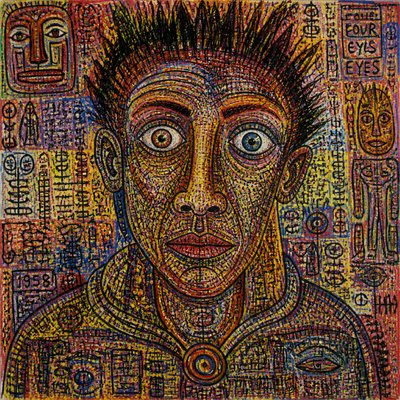
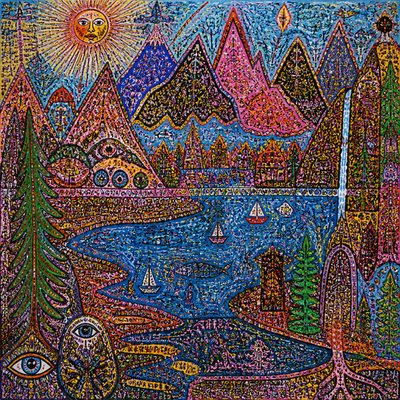
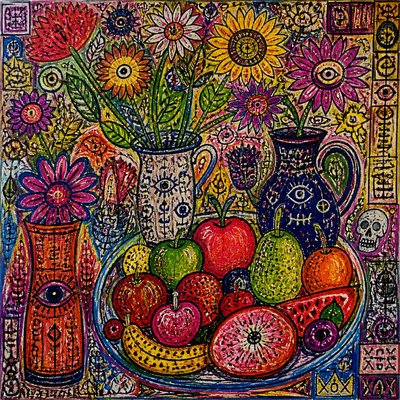
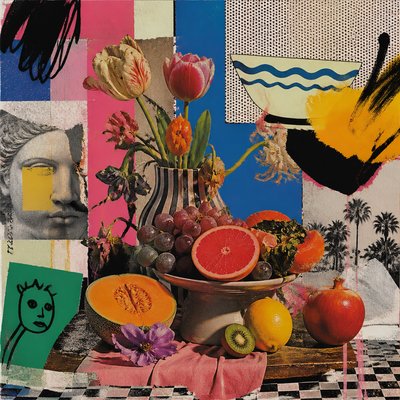
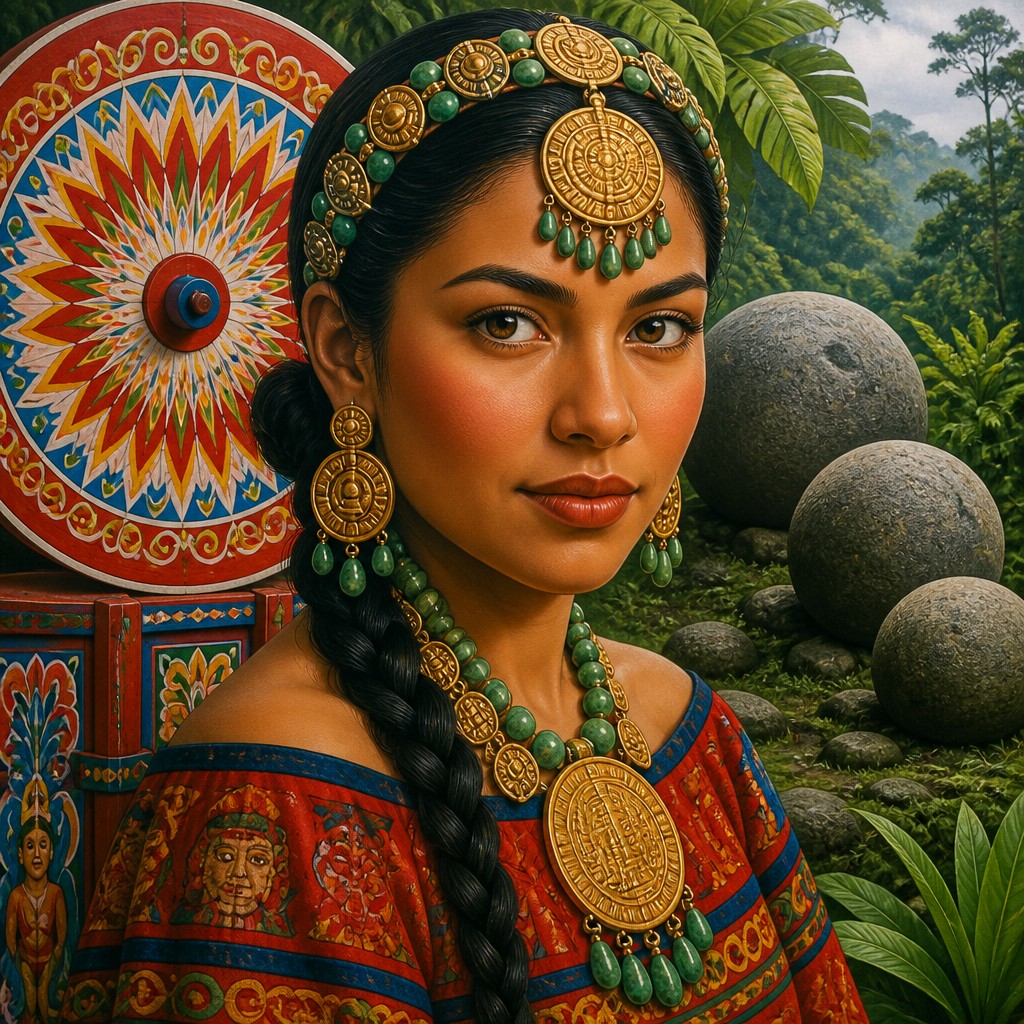
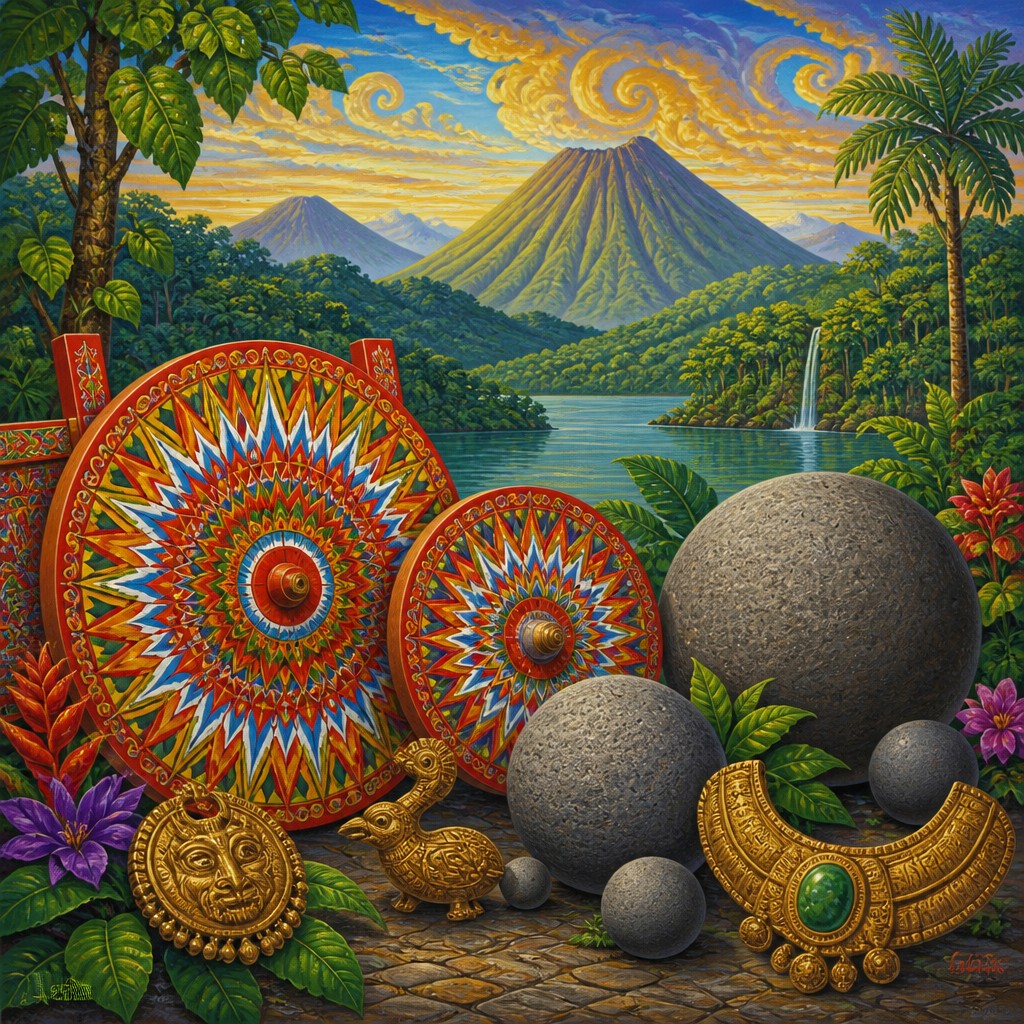
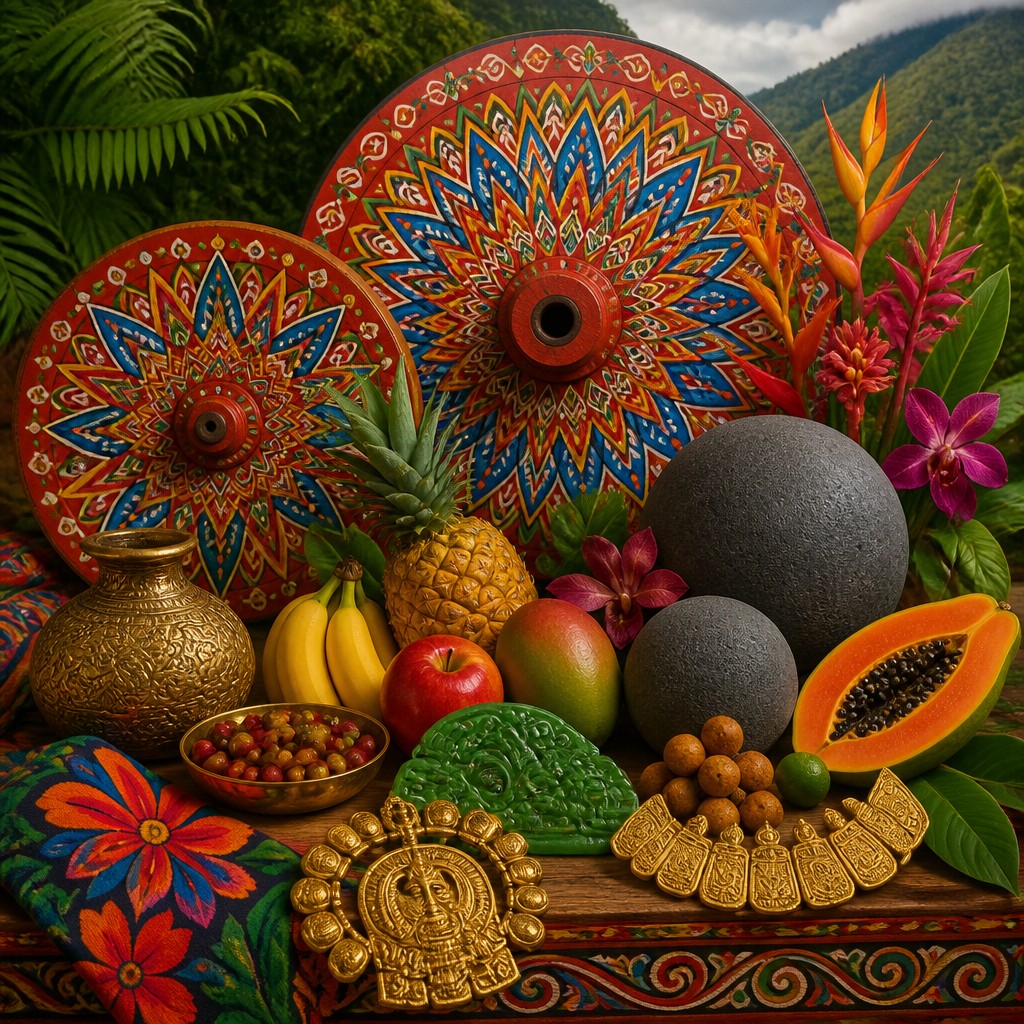
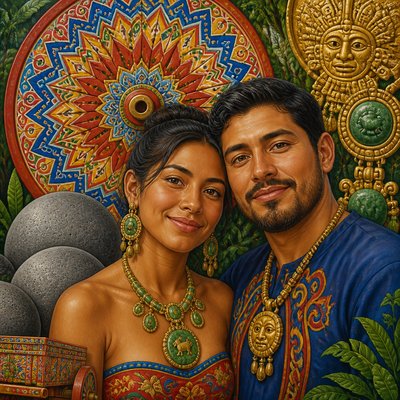
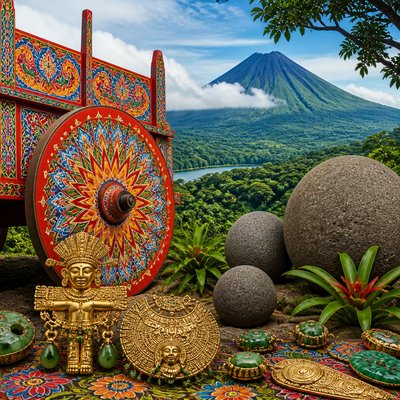
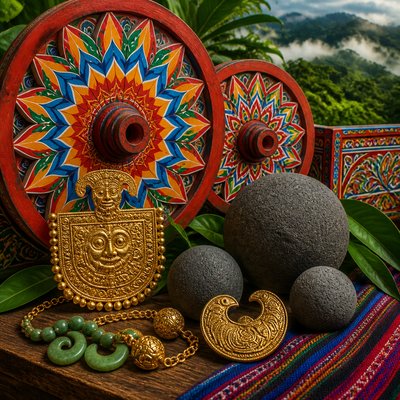
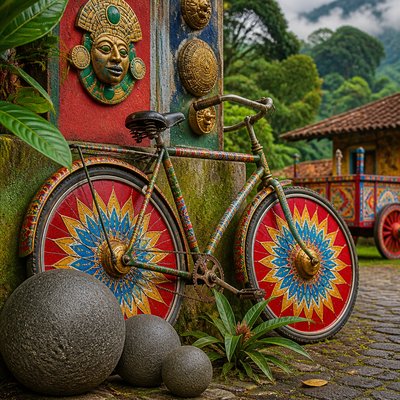
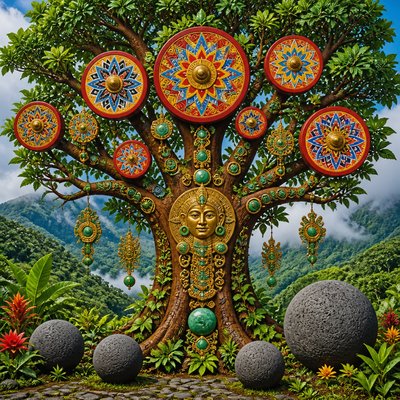
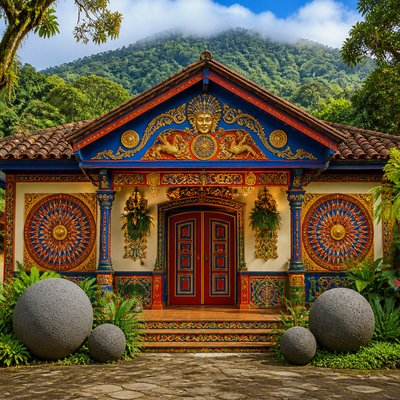
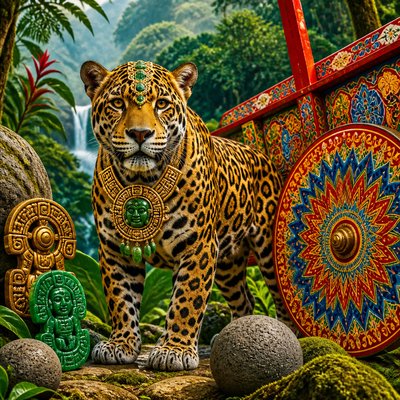
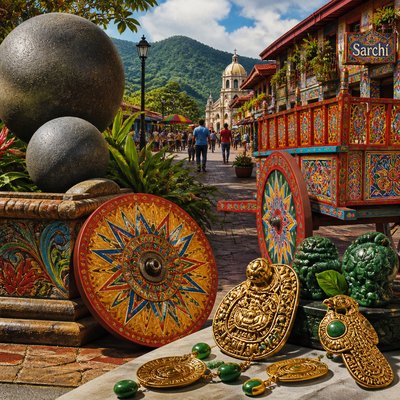
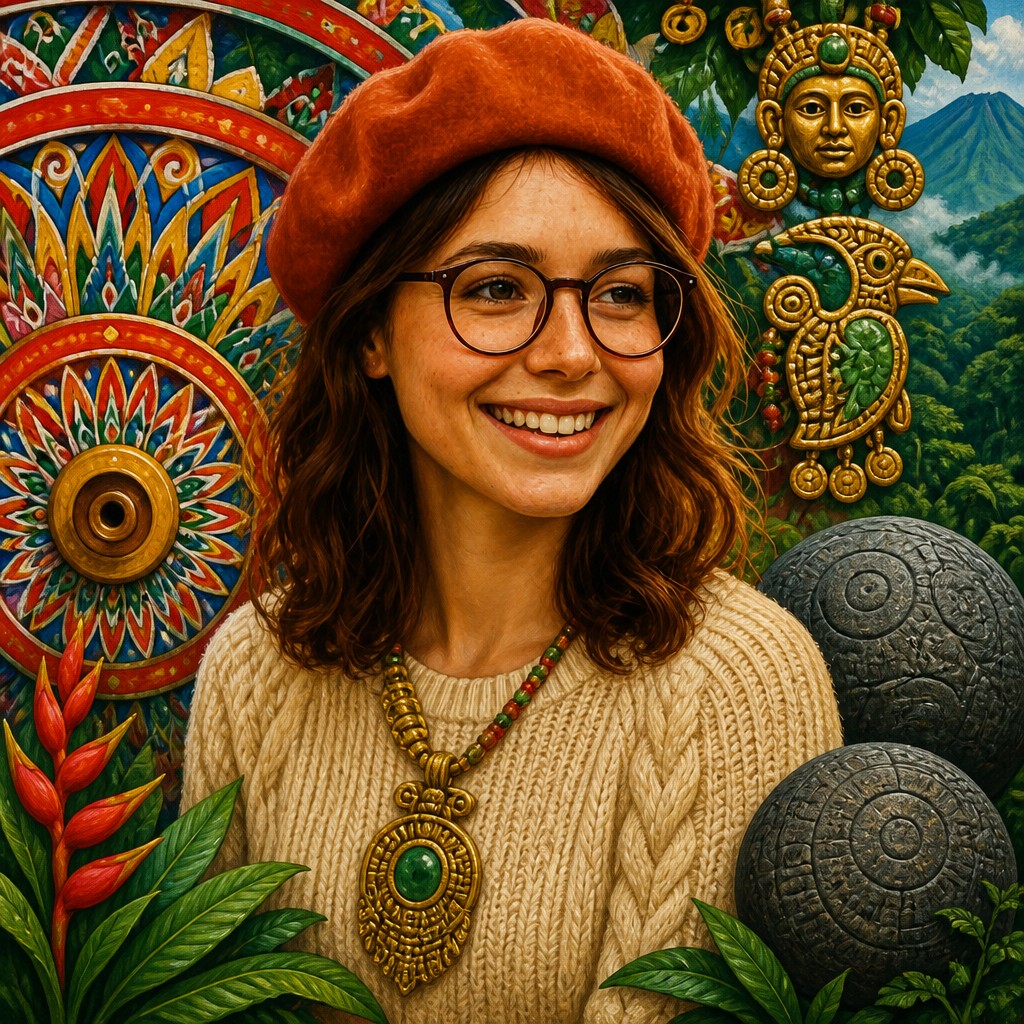
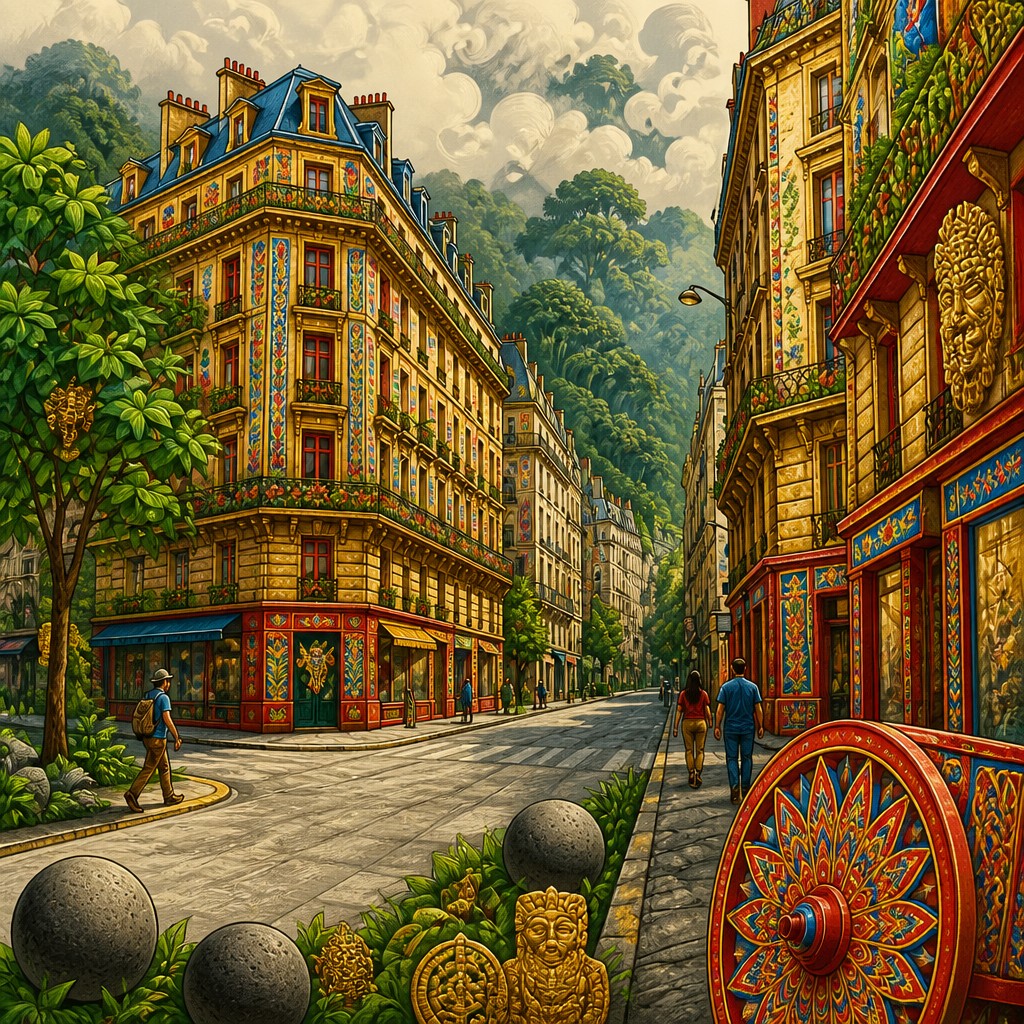
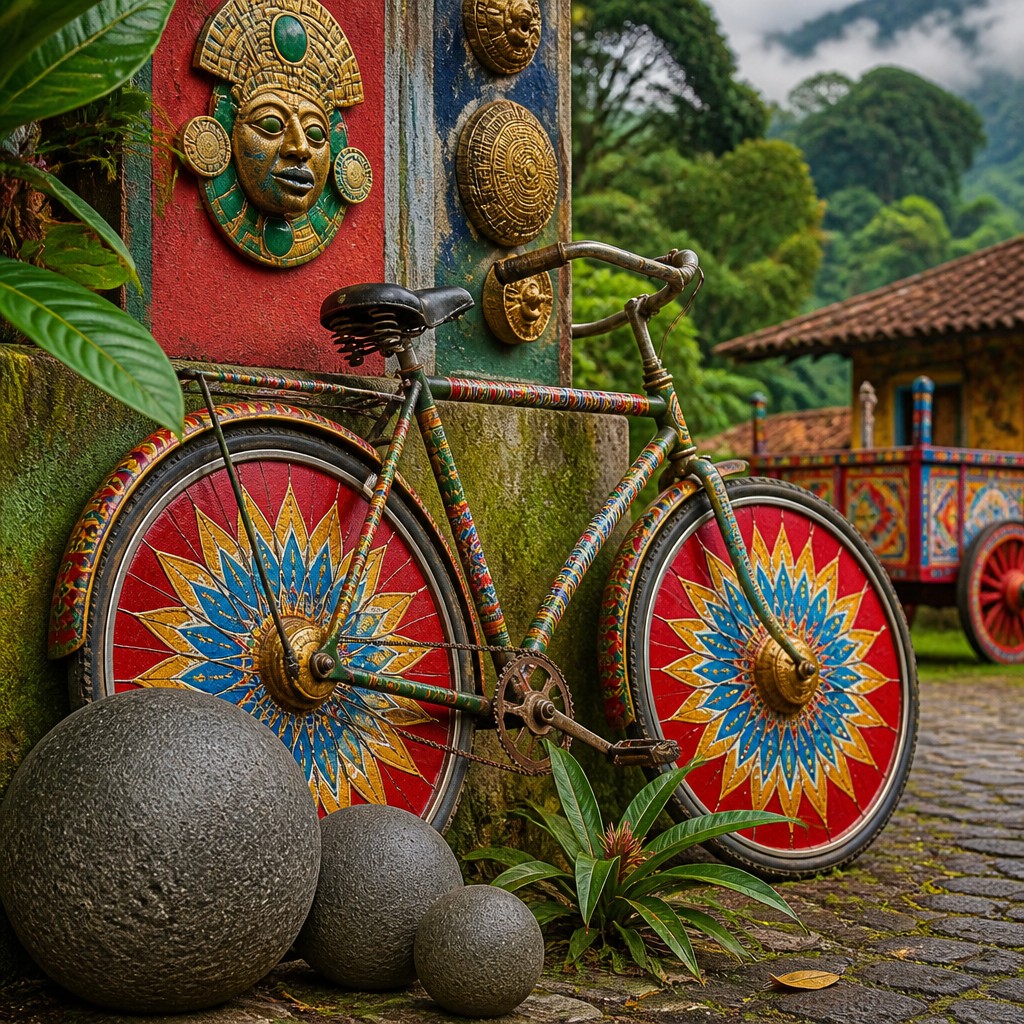
Costa Rican Art Style is a contemporary visual synthesis inspired by the painted oxcarts of Sarchí, pre-Columbian gold and jade ornaments, monumental volcanic stone spheres, and the saturated greens of Costa Rica’s cloud forests. Its signature image language combines radial geometry, polished surfaces, ornamental detail, and a luminous tropical palette of crimson, gold, cobalt, jade, volcanic grey, and forest green.
The style looks both festive and ceremonial because it brings together folk craft, archaeological form, and landscape atmosphere. Sarchí wheel patterns provide mandala-like symmetry; repoussé-inspired gold suggests finely worked metal; smooth stone spheres introduce weight and mystery; and diffuse volcanic light unifies the scene with a warm, humid glow. It is best understood as an invented contemporary aesthetic lineage rather than a single traditional Costa Rican art movement.
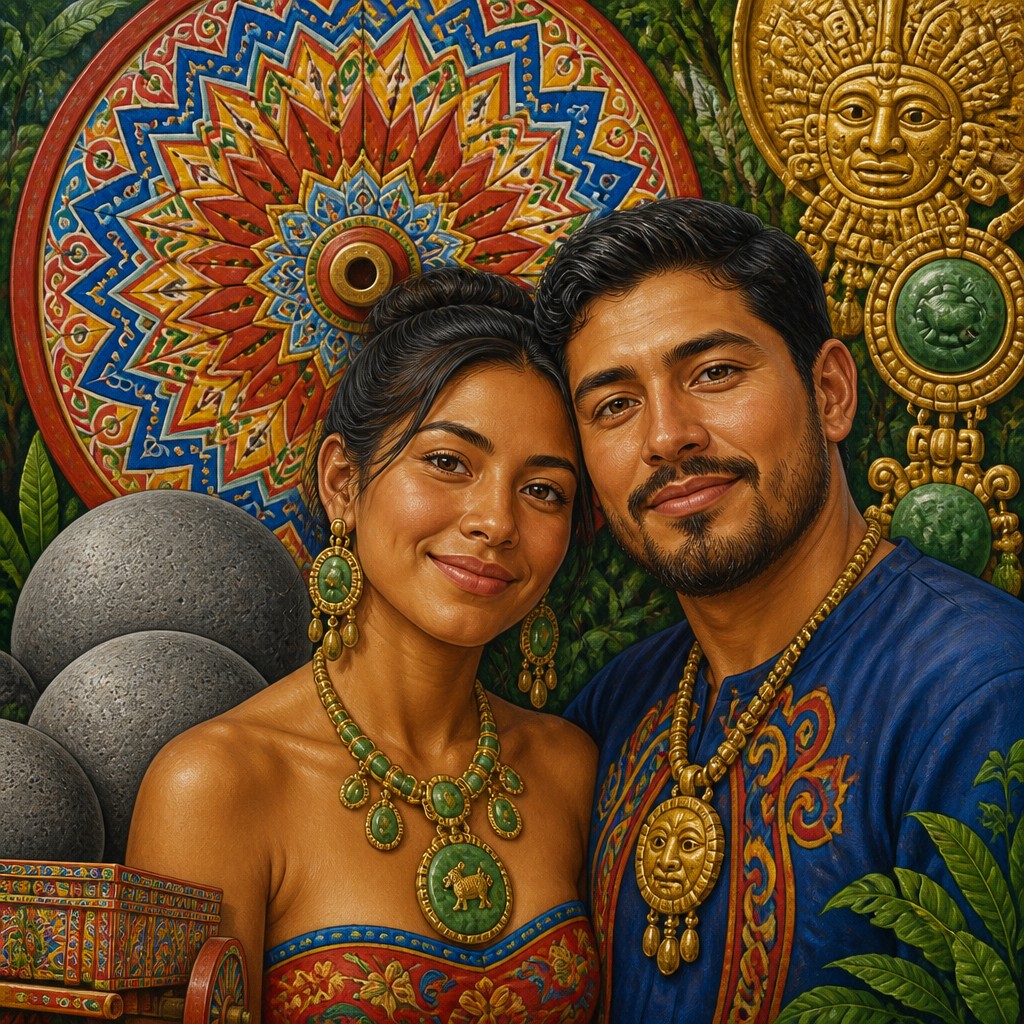
Try It On Your Photos
Upload any photo and convert it into Costa Rican Art Style — drag the sliders to compare before and after.


What Defines Costa Rican Art Style
The signature details, up close
Radial oxcart geometry
Wheel-like mandalas, spokes, concentric rings, and repeating floral or geometric motifs create a strong central rhythm. Designs often feel hand-painted, with slight variation that preserves the warmth of folk craft.
Crimson, gold, and cobalt palette
Highly saturated red, yellow-gold, and deep blue provide the visual foundation. Jade green, turquoise, charcoal, and cloud-forest tones balance the brightness without making the image feel purely decorative.
Pre-Columbian-inspired ornament
Small pendants, animal forms, disks, masks, and geometric plaques can resemble gold or jade objects from Costa Rican archaeological traditions. Fine surface patterning and repoussé-like relief suggest crafted metal rather than generic fantasy jewelry.
Volcanic stone forms
Smooth monumental spheres and carved grey stone introduce mass, permanence, and archaeological mystery. Their restrained texture contrasts with the intricate painted patterns and reflective ornament.
Cloud-forest atmosphere
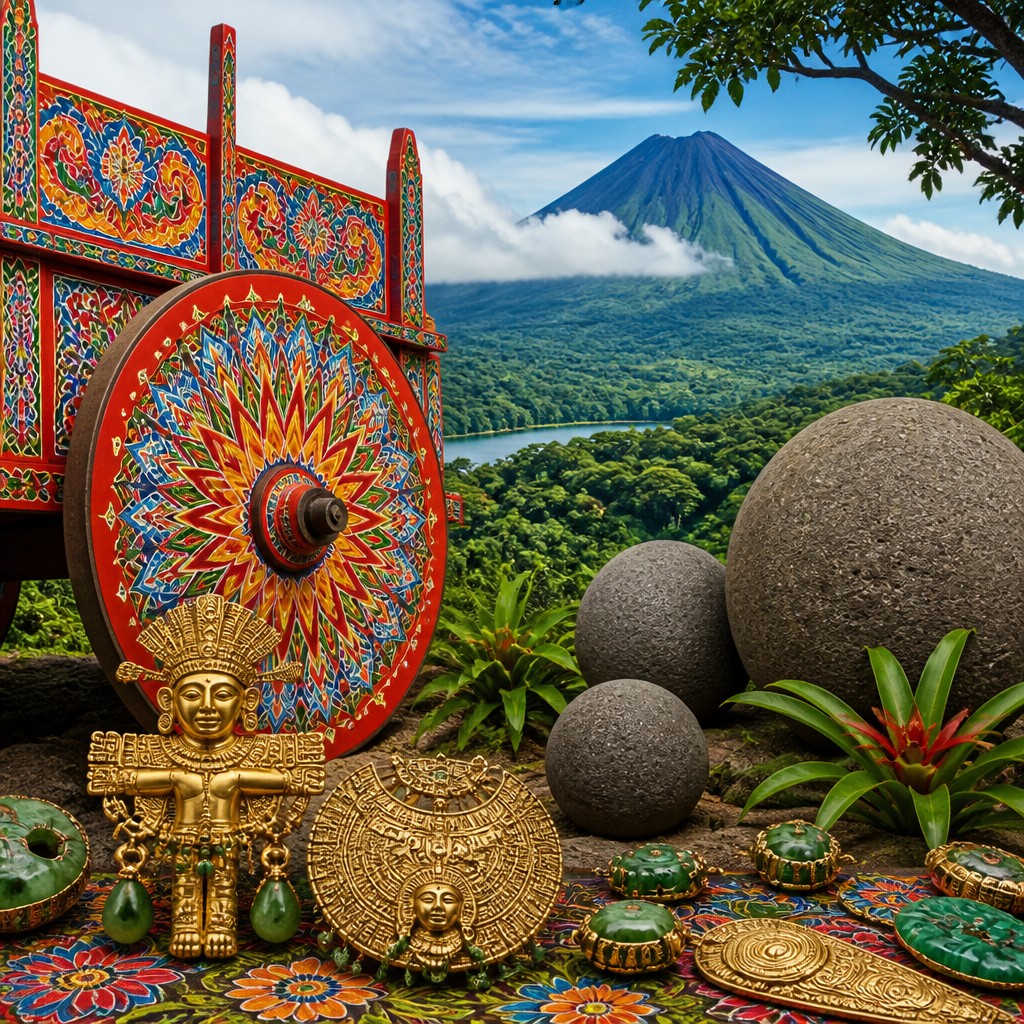
Lush foliage, moss, mist, bromeliads, and layered green vegetation create a humid tropical setting. Soft haze and filtered illumination evoke highland forests rather than a dry or sharply lit tropical scene.
Decorative symmetry
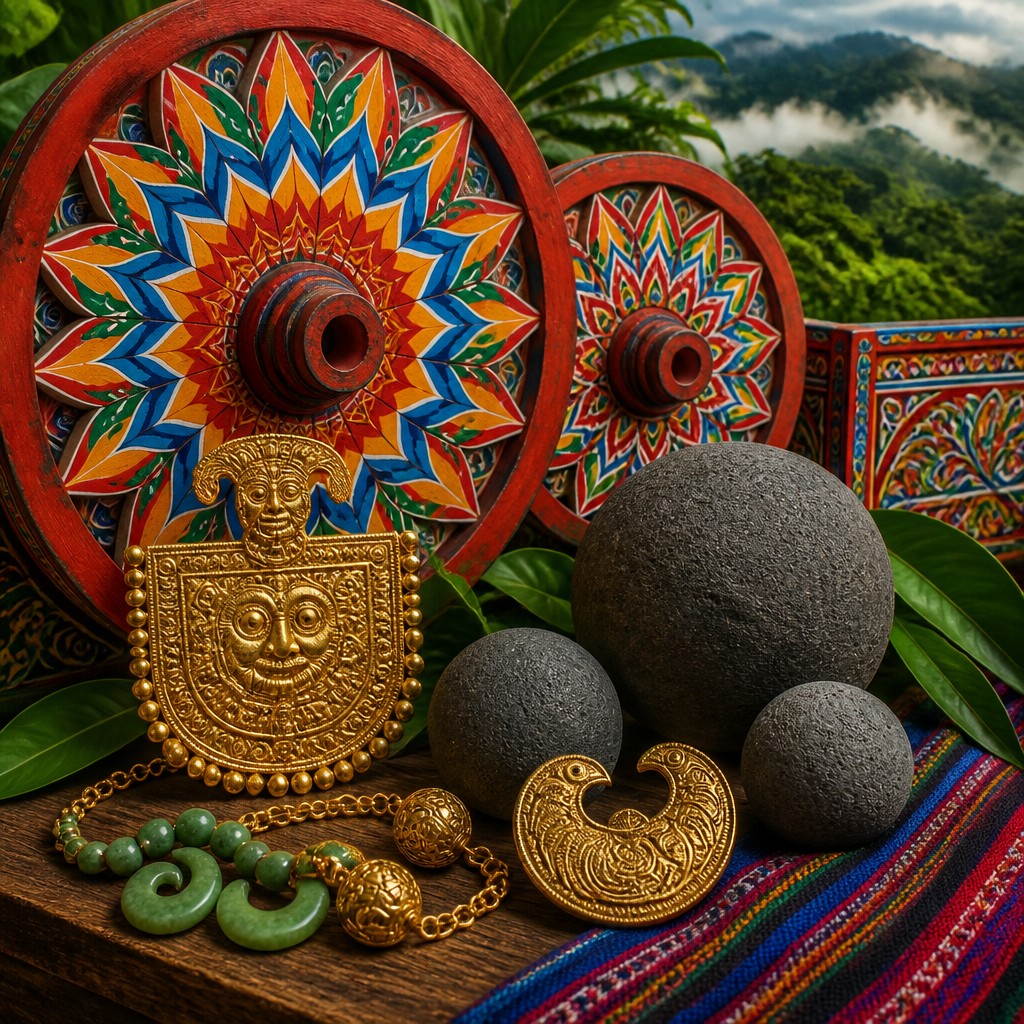
Balanced frontal compositions, circular framing, and repeated motifs are common. Even narrative scenes benefit from an organized structure that lets the ornament remain legible.
Handcrafted surface contrast
Painted wood, burnished metal, polished stone, leaf texture, and softly weathered pigment should remain visibly distinct. The style works best when precision and material irregularity coexist.
Costa Rican Prompt Ideas
Start from an idea — each one opens the generator with the style ready to go. See all 40 Costa Rican prompts →
How to Create Costa Rican Art
Master the craft step by step — or skip straight to creating. Read the full guide →
- 1
Build a radial design first
Start with a wheel, medallion, or circular grid and divide it into repeating sections before adding flowers, leaves, birds, or geometric symbols. Keep the major shapes bold enough to remain readable at a distance.
- 2
Separate material languages
Use opaque, slightly uneven painted marks for oxcart wood; raised highlights and tiny incisions for gold; cool smooth gradients for stone; and layered translucent greens for foliage. Distinct textures prevent the palette from becoming visually flat.
- 3
Control the color hierarchy
Reserve the most intense crimson, cobalt, and gold for focal motifs, then use forest greens and volcanic greys to establish depth. A warm mist or amber light can connect the contrasting materials.
- 4
Compose with cultural care
Treat archaeological motifs as references to specific Indigenous material traditions rather than mixing them into a fictional claim of historical authenticity. Avoid copying museum objects exactly when creating new work; transform their geometry into an original composition.
- 5
Use layered digital construction
In digital painting, place the environment and stone masses on separate layers from the wheel patterns, ornaments, and atmospheric haze. Masking, radial guides, texture brushes, and restrained bloom are useful for combining precision with a handmade finish.
- 6
Write concrete generation prompts
Specify the subject, circular or frontal composition, Sarchí-inspired painted wheel geometry, gold or jade ornament, volcanic stone, cloud-forest setting, and filtered volcanic light. Add material adjectives such as hand-painted, repoussé-like, polished, mossy, and finely patterned instead of relying on a style label alone.
The Story
History & Origins of Costa Rican
This style draws on several distinct Costa Rican traditions rather than representing a historical school. Sarchí became a major center of painted oxcart production and woodcraft, with decorated carts developing colorful geometric, floral, and radial motifs during Costa Rica’s agricultural and transportation history. The tradition of painted oxcarts was recognized internationally as an element of intangible cultural heritage in the early twenty-first century.
Its archaeological references come from Indigenous traditions of Costa Rica, including finely worked gold and jade ornaments and the large stone spheres associated especially with the Diquís region. These traditions belong to different periods and cultural contexts, so the style combines them selectively and imaginatively with cloud-forest ecology and volcanic landscapes rather than presenting them as one unified ancient system.
Influences: The aesthetic is related to Sarchí folk craft and painted oxcart decoration, Indigenous Costa Rican goldworking and jade traditions, Diquís stone-sphere imagery, Central American pattern design, tropical botanical illustration, and contemporary decorative illustration. It also shares compositional ideas with mandala art, ceremonial object design, magical realism, and polished digital fantasy art, while remaining distinct from any one of those categories.
Frequently Asked Questions
What defines the Costa Rican Art Style?
It is defined by a synthesis of Sarchí-inspired radial oxcart patterns, pre-Columbian Costa Rican gold and jade references, smooth volcanic stone, cloud-forest vegetation, and vivid crimson, gold, cobalt, and green color. Symmetry, ornament, and contrasting handcrafted materials are central.
Is this a historical Costa Rican art movement?
No. The name describes a contemporary, invented synthesis rather than a formally recognized historical movement. It draws from several real Costa Rican traditions that developed in different periods and cultural contexts.
How is it different from generic Central American folk art?
The style focuses specifically on Sarchí-like wheel geometry and Costa Rican archaeological references, especially gold, jade, and monumental stone forms. Its cloud-forest and volcanic imagery also gives it a more focused environmental identity.
Can I create this style with traditional materials?
Yes. Gouache, acrylic, colored pencil, wood painting, relief work, and mixed media are well suited to its bold patterning and material contrasts. Use a compass or radial guide for the wheel designs, then add irregular brushwork and layered texture by hand.
What subjects work well with this aesthetic?
Oxcarts, birds, volcanoes, stone spheres, ceremonial objects, botanical scenes, portraits, and archaeological still lifes are especially effective. Subjects with a strong central silhouette or circular frame allow the decorative geometry to remain prominent.
How can I request the look in a text prompt?
Describe the subject first, then specify Sarchí-inspired radial wheel patterns, crimson-gold-cobalt decoration, finely worked gold and jade, smooth volcanic stone, lush cloud forest, and filtered volcanic light. Mention the intended composition and materials to make the result more coherent.
Create your first Costa Rican artwork
Describe anything — or upload a photo — and see it in Costa Rican Art Style in seconds.
Related Styles
Discover similar art styles