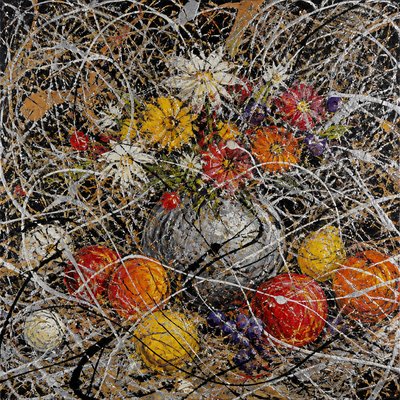
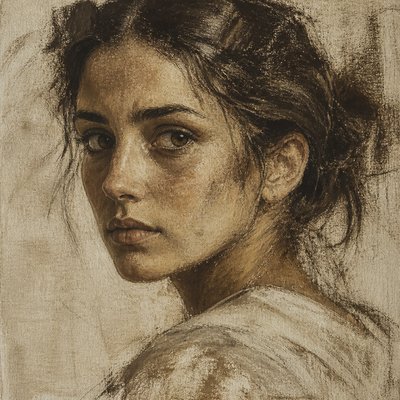
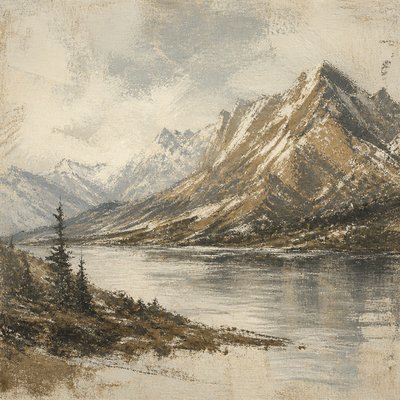
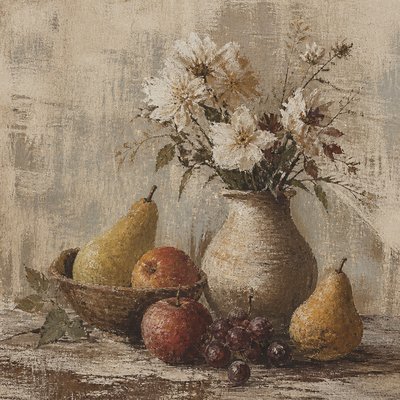
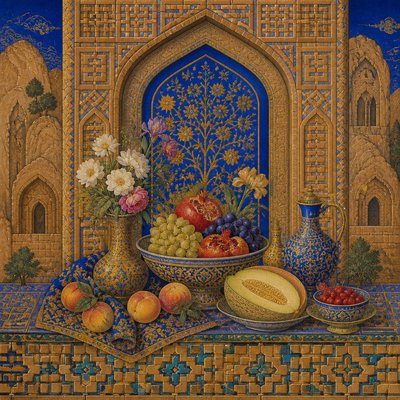
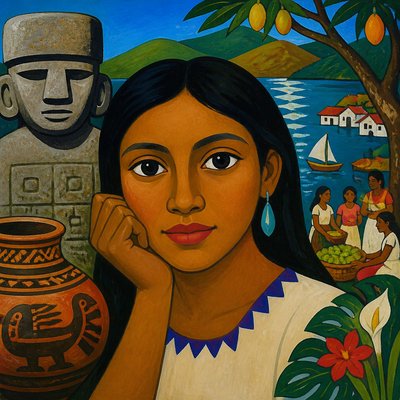
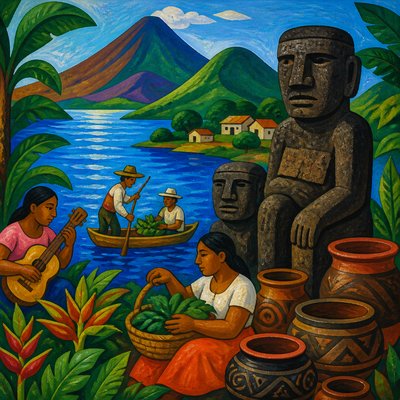
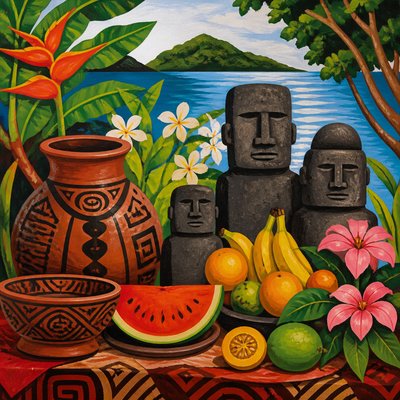
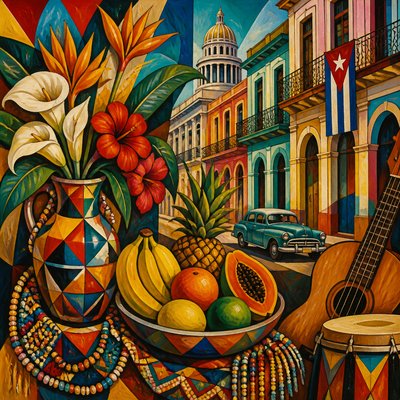
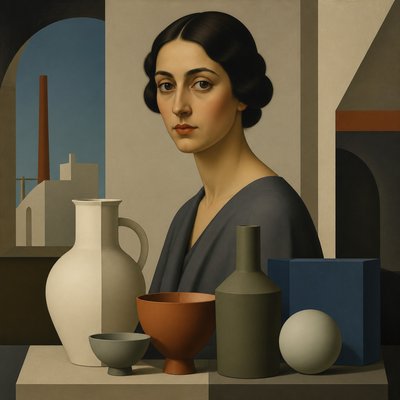
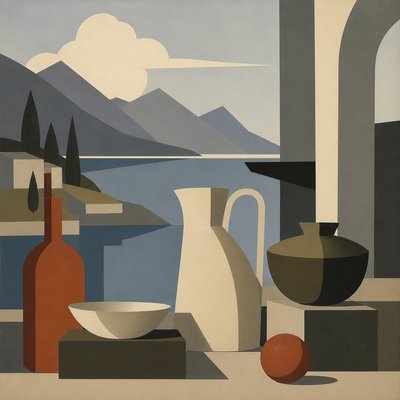
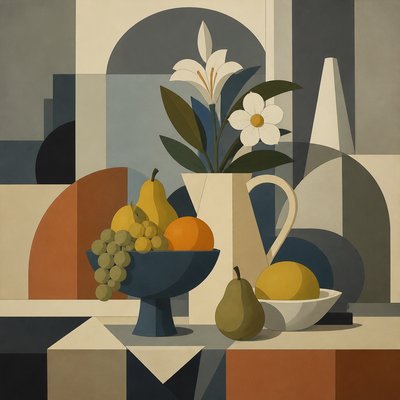
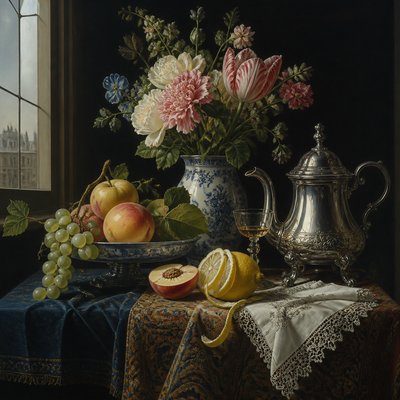
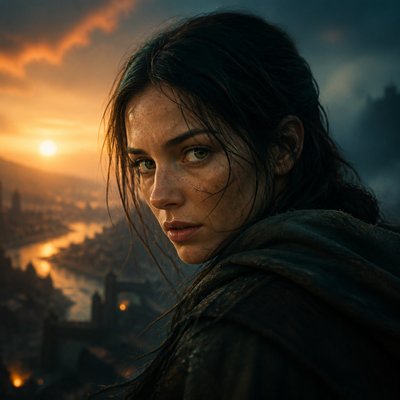
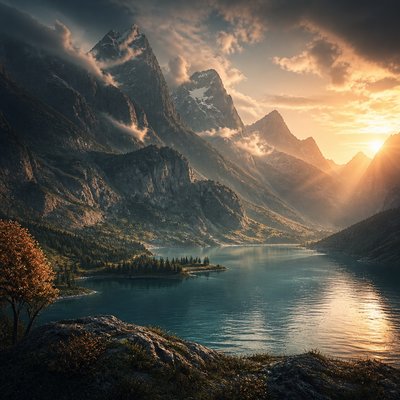
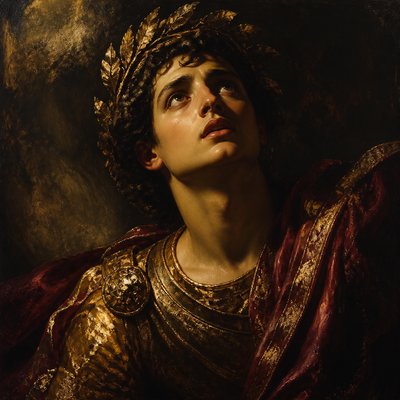
Cityscape Painting Style
Explore Cityscape Painting Style: atmospheric boulevards, canals, rooftops and spires rendered with lively figures and luminous urban light.
Instantly rendered in Cityscape Painting — or transform a photo
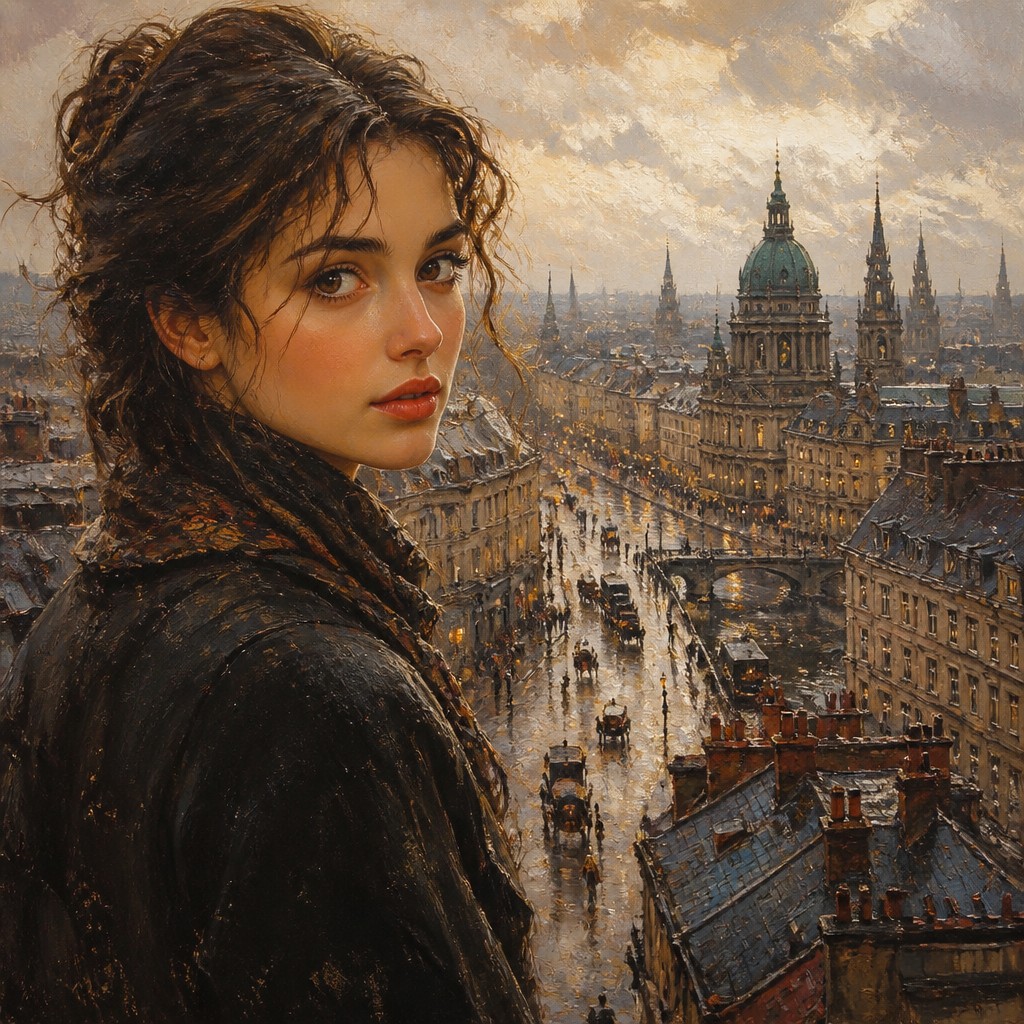
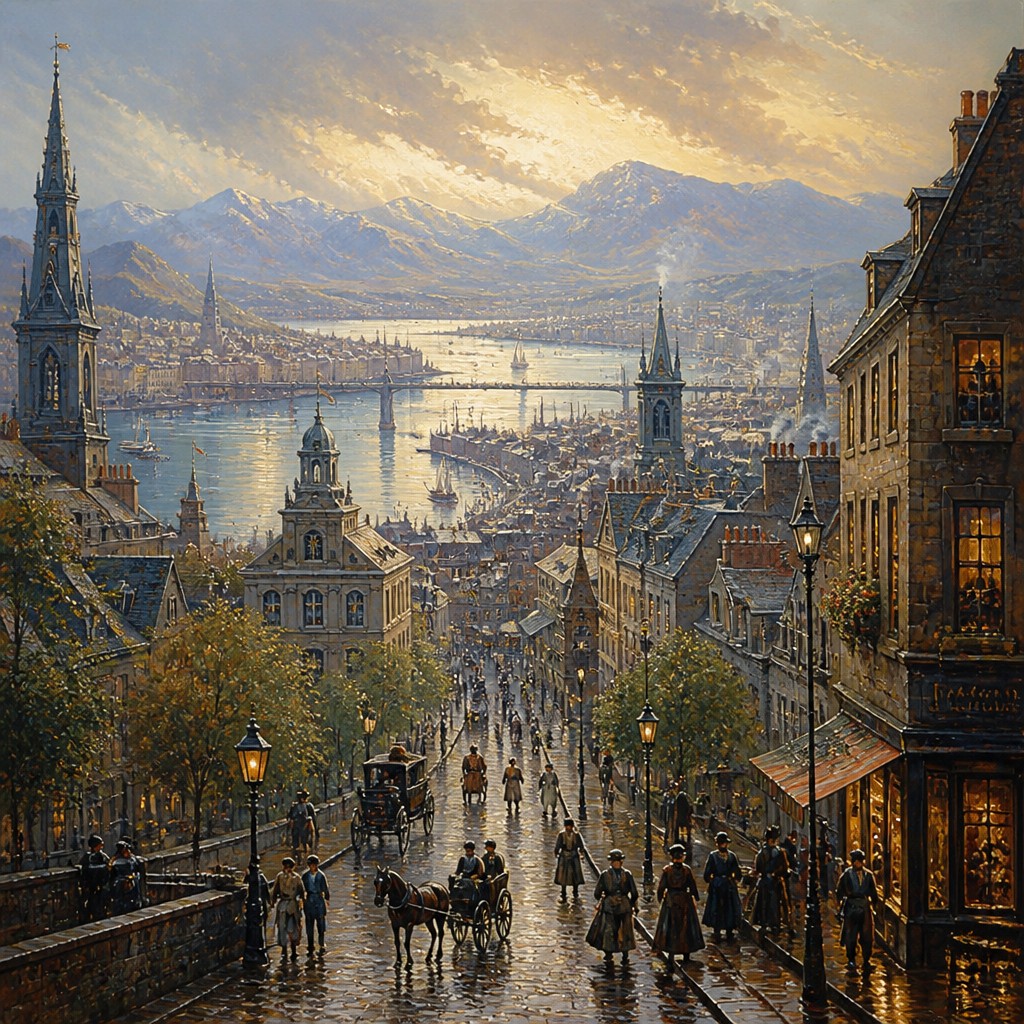
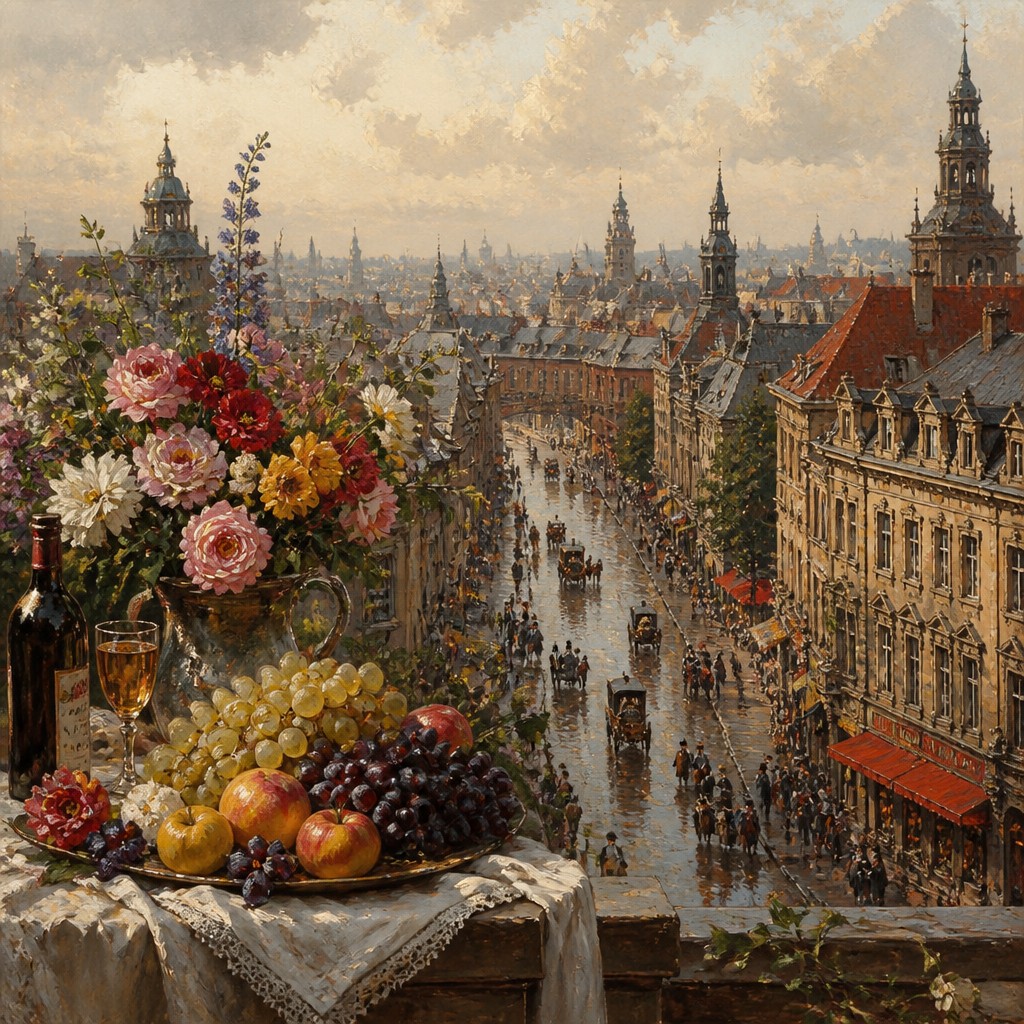
Cityscape Painting Gallery
Tap any artwork to explore it
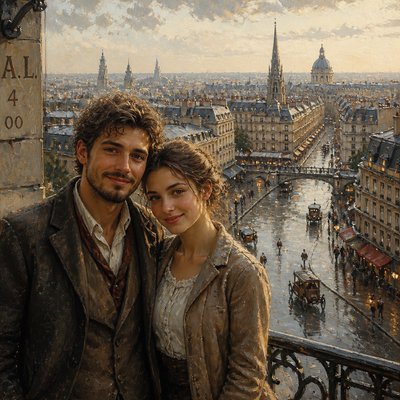
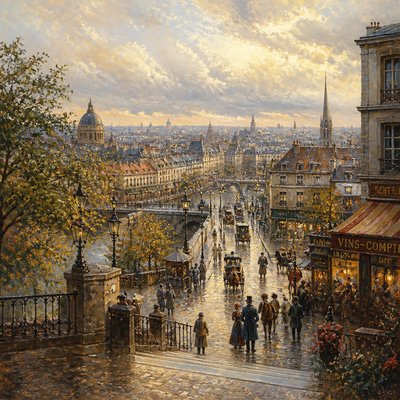
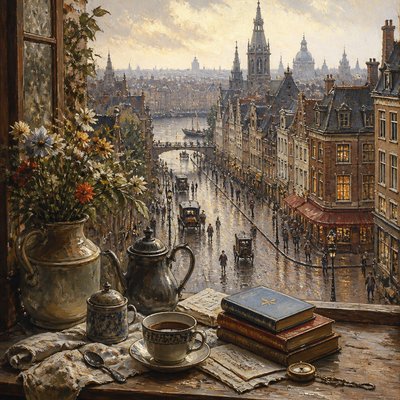
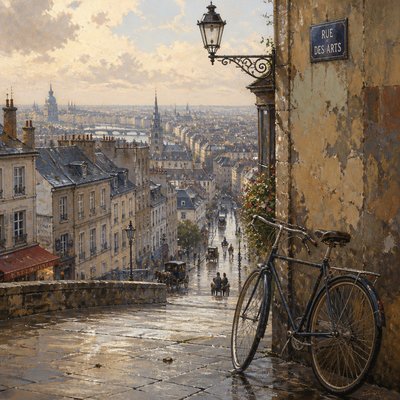
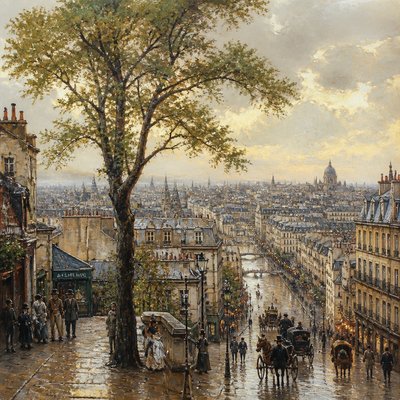
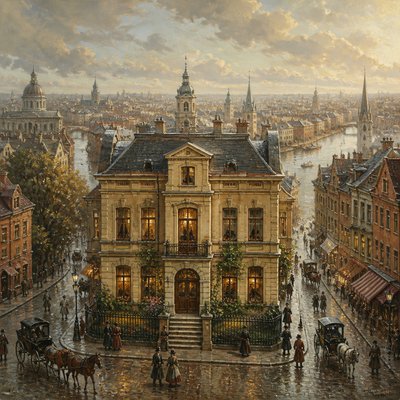
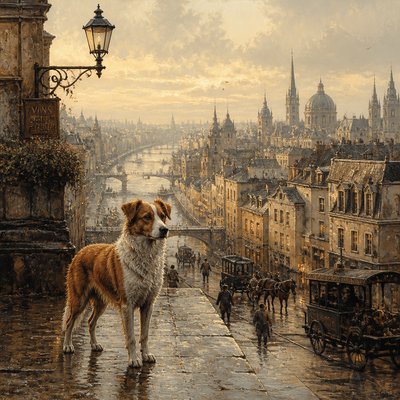
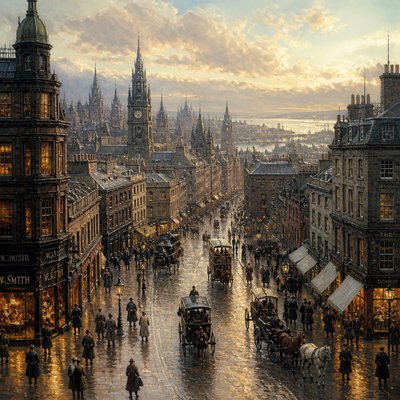
What is Cityscape Painting Style?
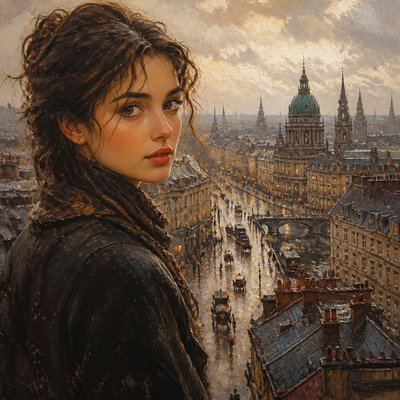
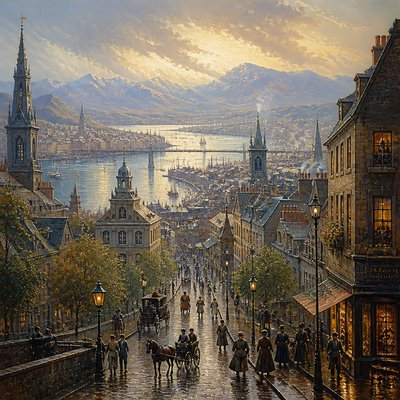
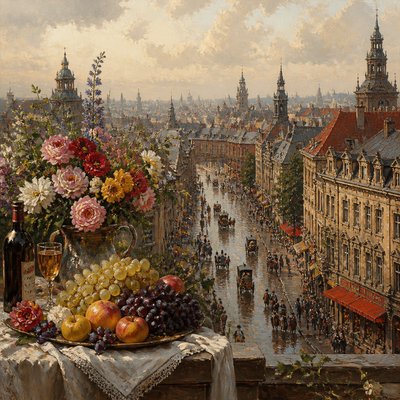
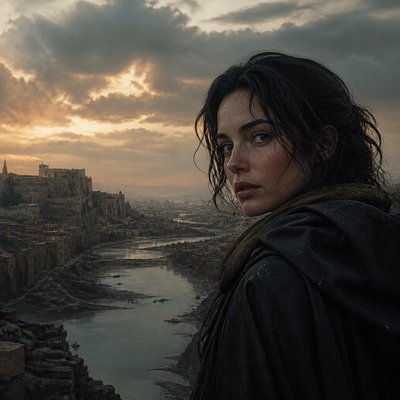
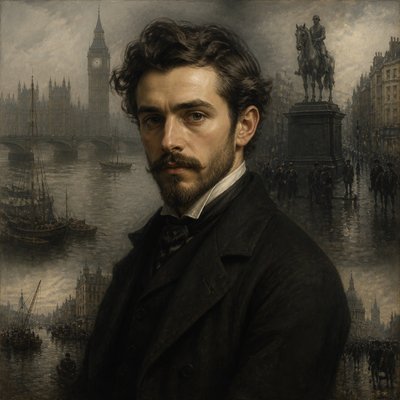
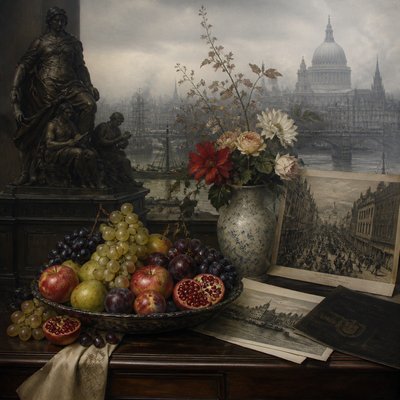
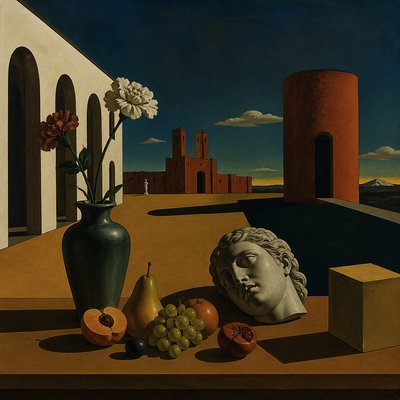
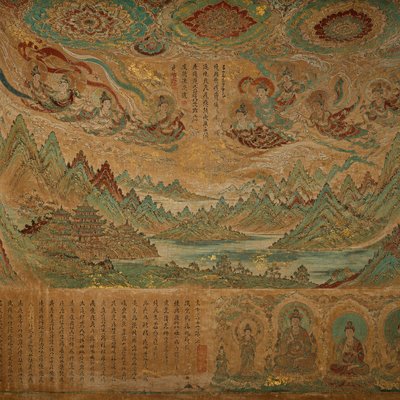
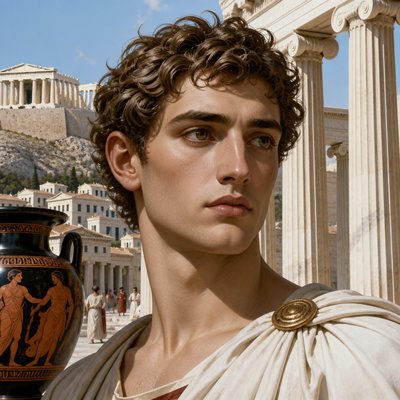
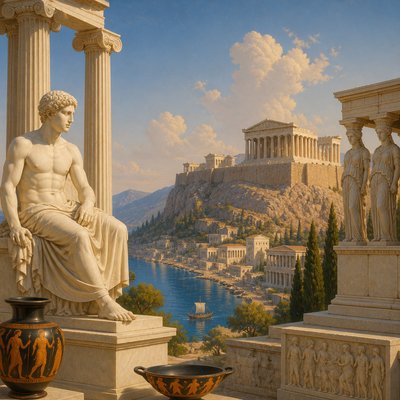
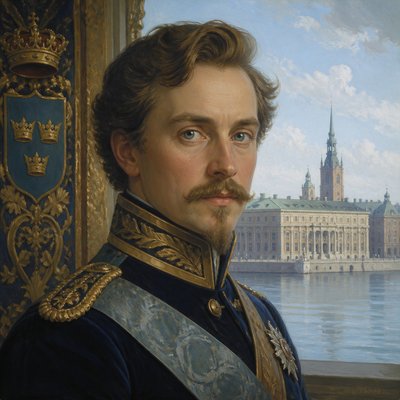
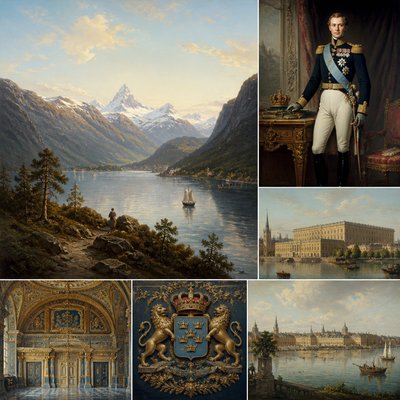
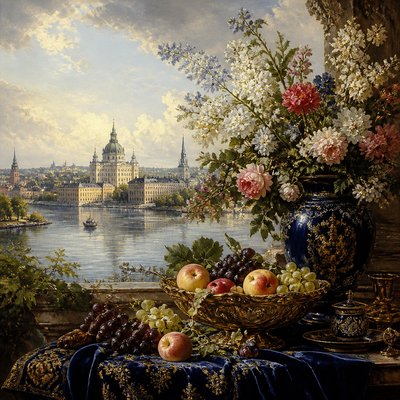
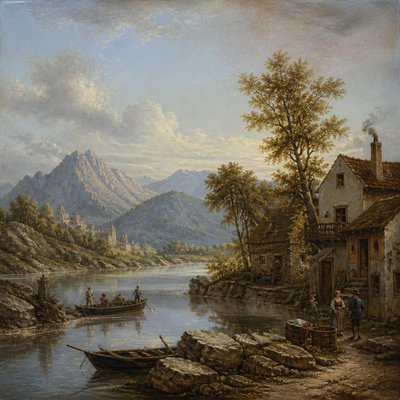
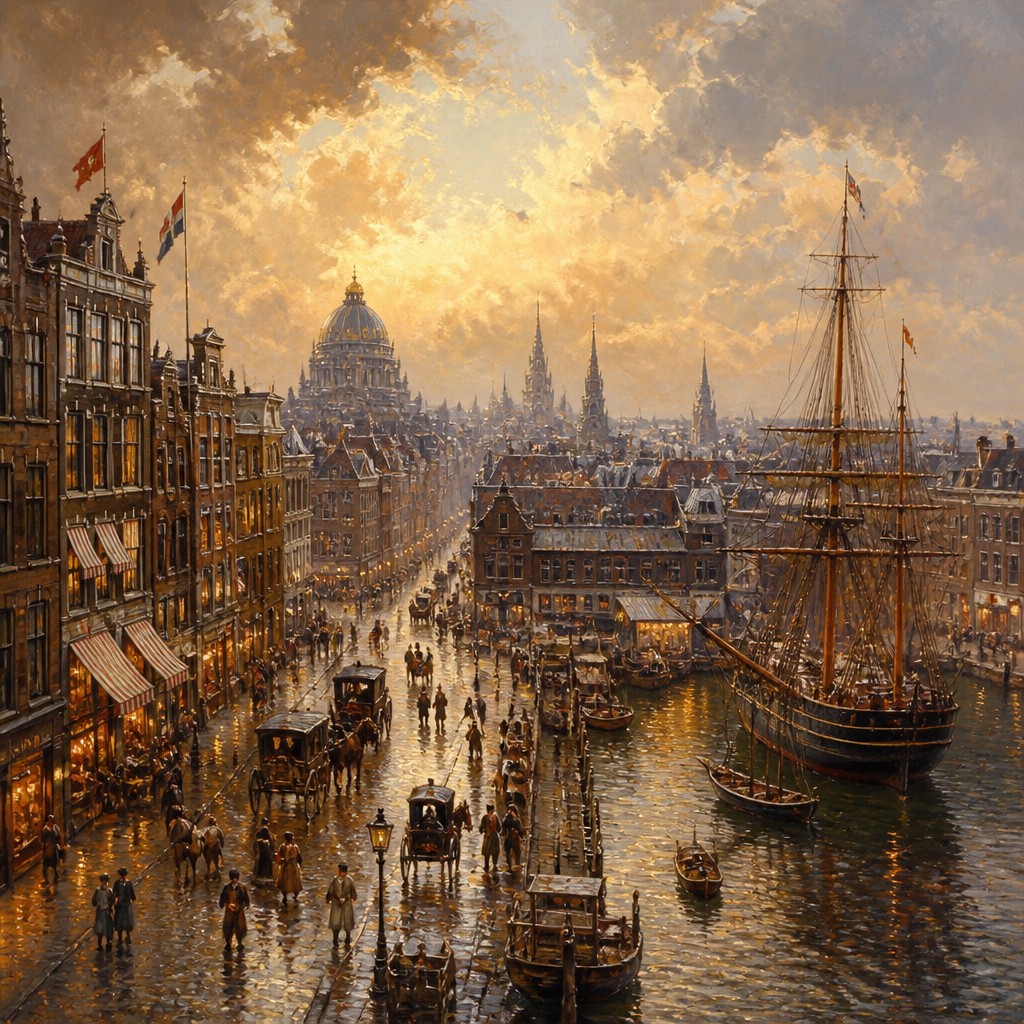
Cityscape Painting Style treats the built environment as a portrait subject. Streets, bridges, canals, rooftops, towers and public squares become the central drama, arranged through receding perspective and animated by small figures, carriages, pedestrians or traffic. Its characteristic mood comes from painted light: warm afternoon illumination, silvery rain, hazy distance and reflections that soften architectural detail without erasing it.
The style balances recognizable urban structure with atmospheric interpretation. Buildings are often carefully suggested rather than mechanically described, while broad brushwork, tonal transitions and selective detail create depth across streets and rooflines. The result is neither a strict architectural elevation nor a purely impressionistic abstraction, but a narrative view of a living city shaped by weather, movement and time of day.
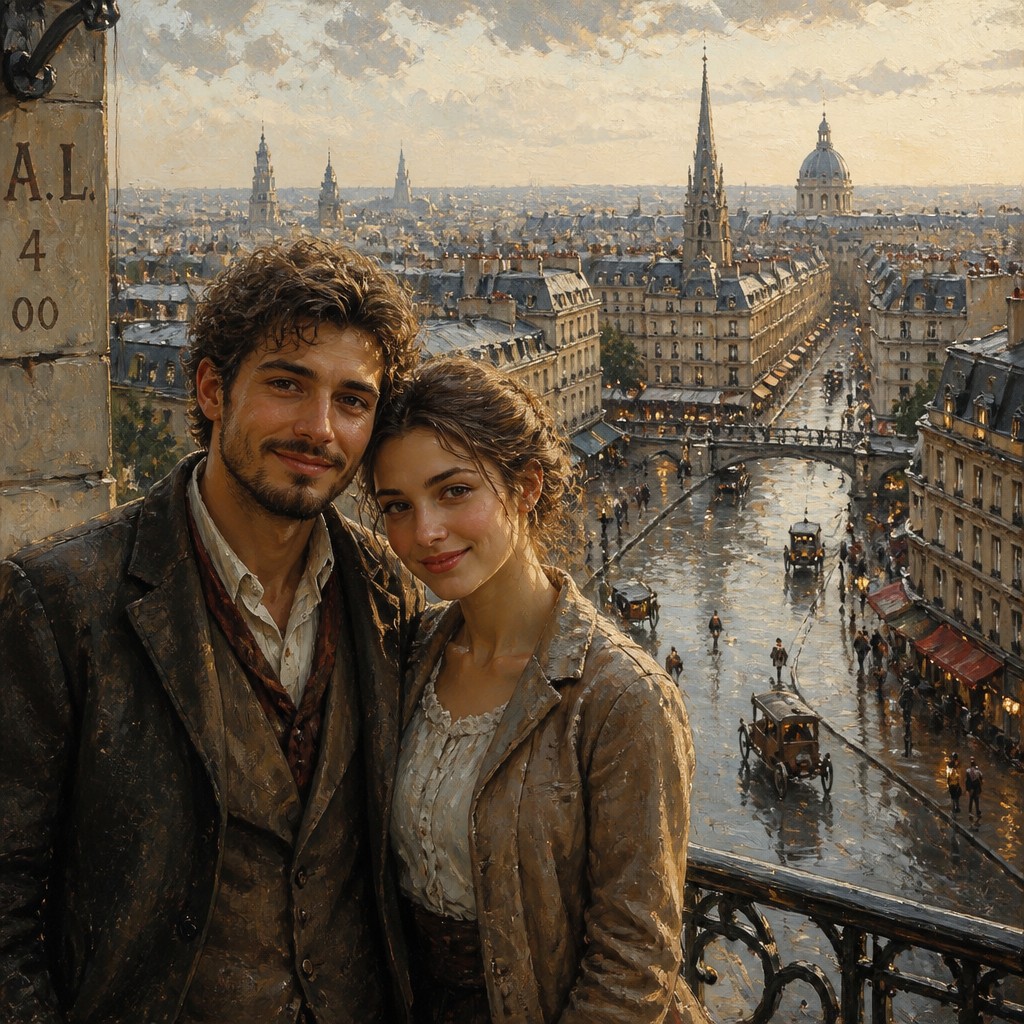
Try It On Your Photos
Upload any photo and convert it into Cityscape Painting Style — drag the sliders to compare before and after.
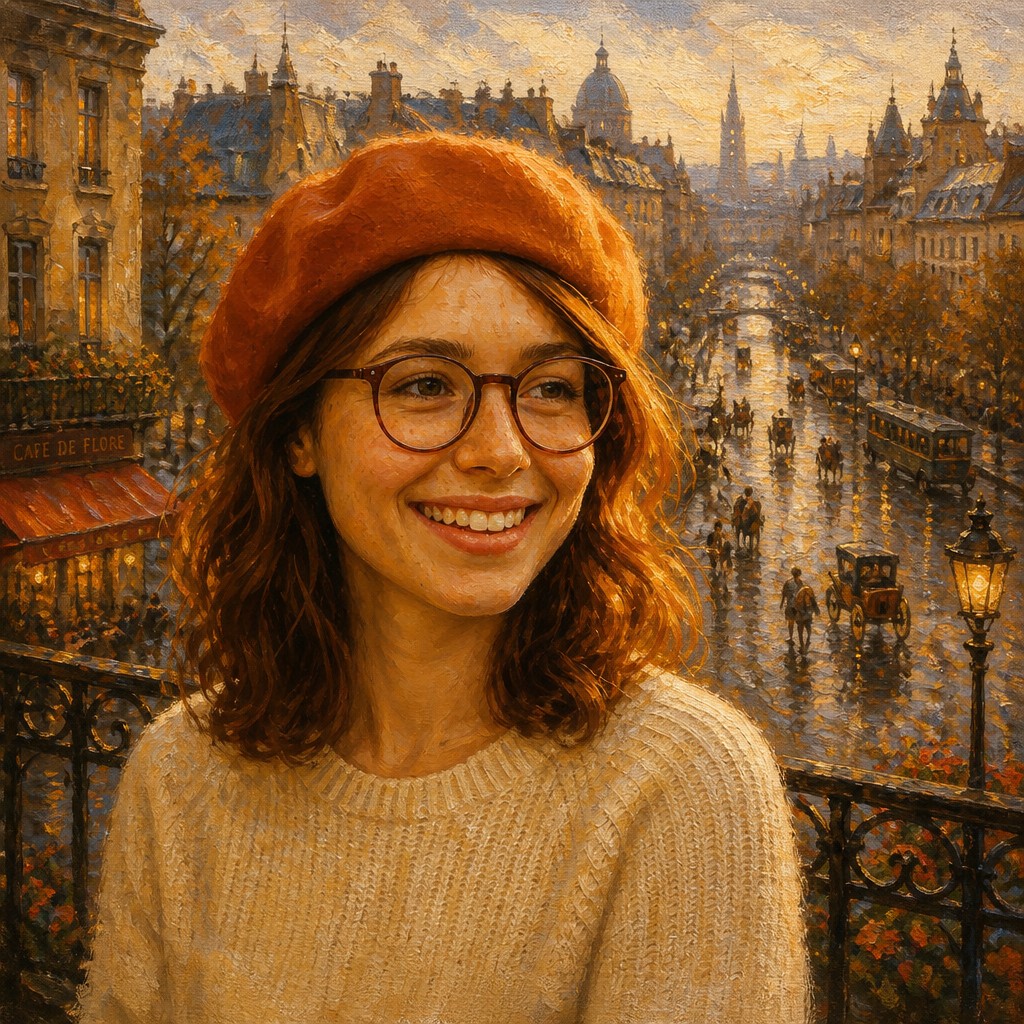

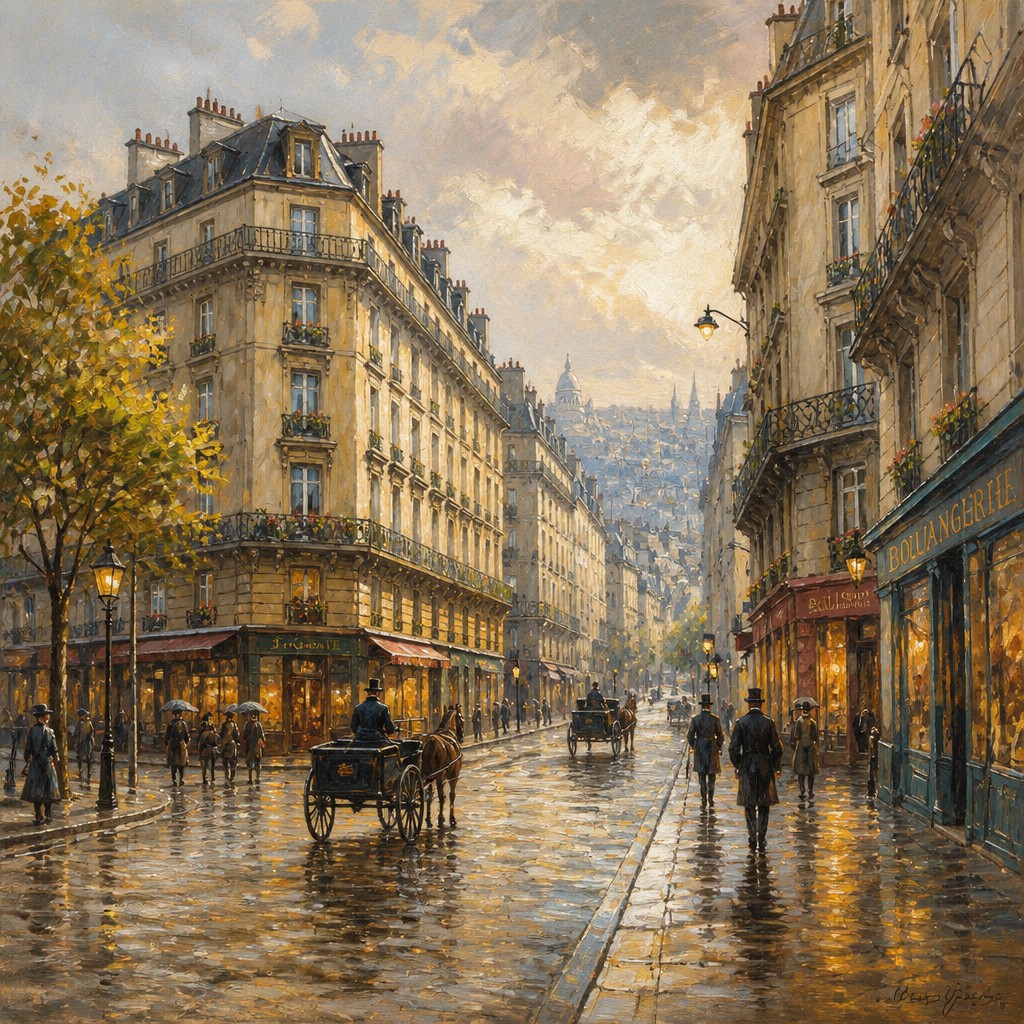

What Defines Cityscape Painting Style
The signature details, up close
Receding urban perspective
Streets, canals, bridges and avenues lead the eye toward a distant square, skyline or vanishing point. Layered façades and converging lines provide structure while leaving room for painterly interpretation.
Atmospheric depth
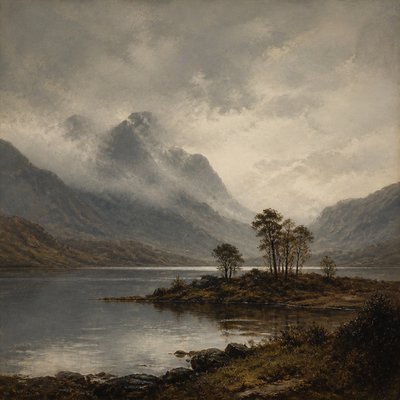
Distant rooftops and spires become paler, cooler and less distinct than foreground forms. Haze, mist, rain or airborne light creates spatial depth across the city.
Luminous weather and time
Warm afternoon sun, overcast silver light, sunset glow and rain-washed reflections are central expressive tools. Illumination often unifies different buildings into one coherent mood.
Architectural specificity
The scene may feature recognizable civic buildings, masonry façades, towers, bridges, arcades or clustered roofs. Details are selected for character and rhythm rather than presented as a technical blueprint.
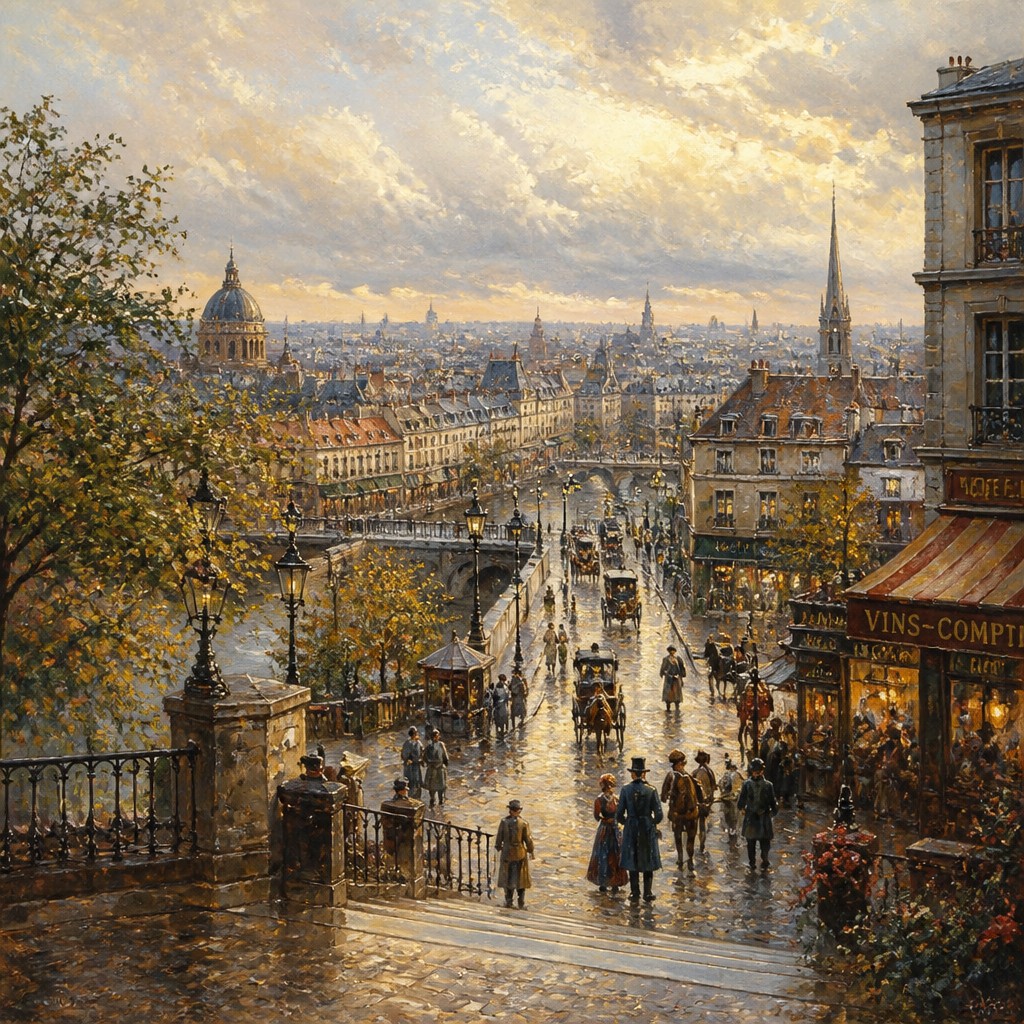
Small-scale urban life
Pedestrians, market stalls, carriages, bicycles, boats and vehicles populate the composition. These figures establish scale and give the city a social, lived-in quality.
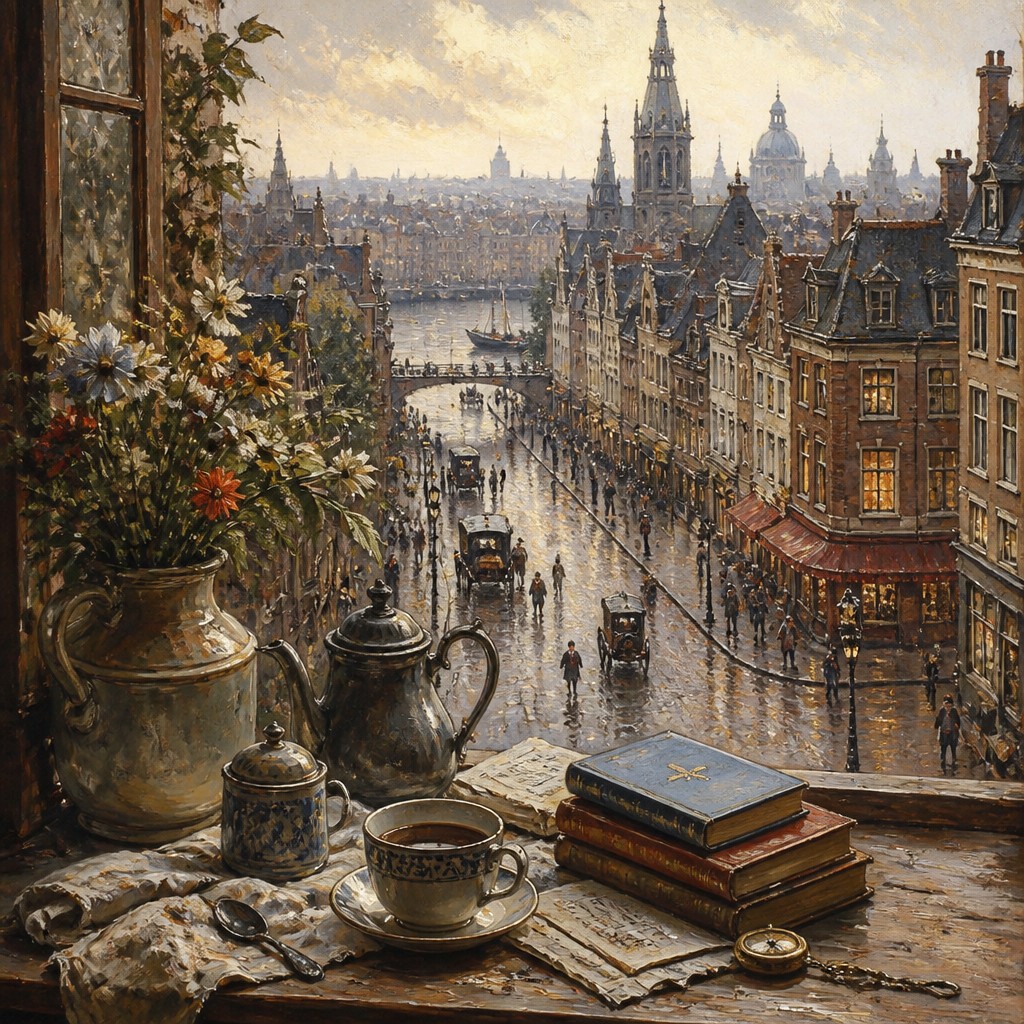
Painterly surface
Visible brushwork, softened edges, broken color and tonal variation keep the image from feeling sterile or diagrammatic. Reflections and sky effects may be handled with broader, looser marks than foreground architecture.
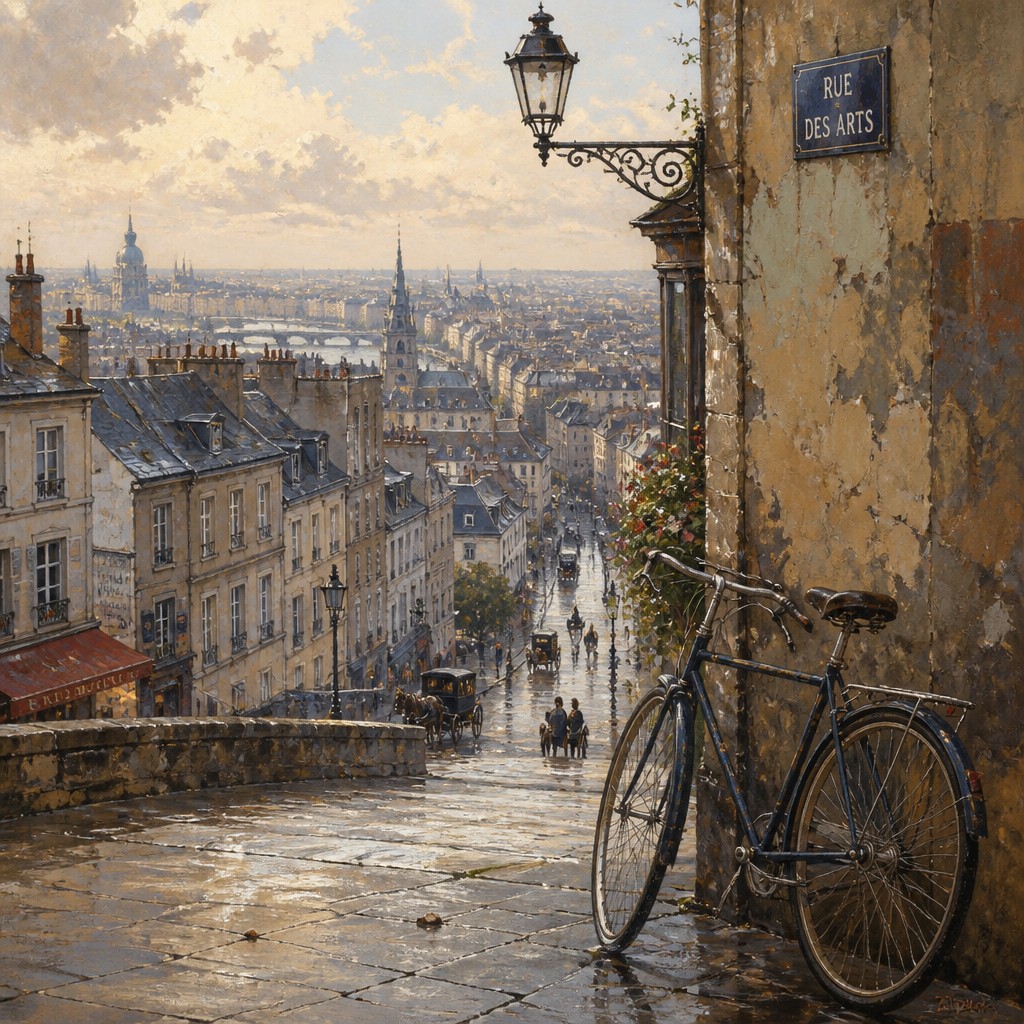
Narrative viewpoint
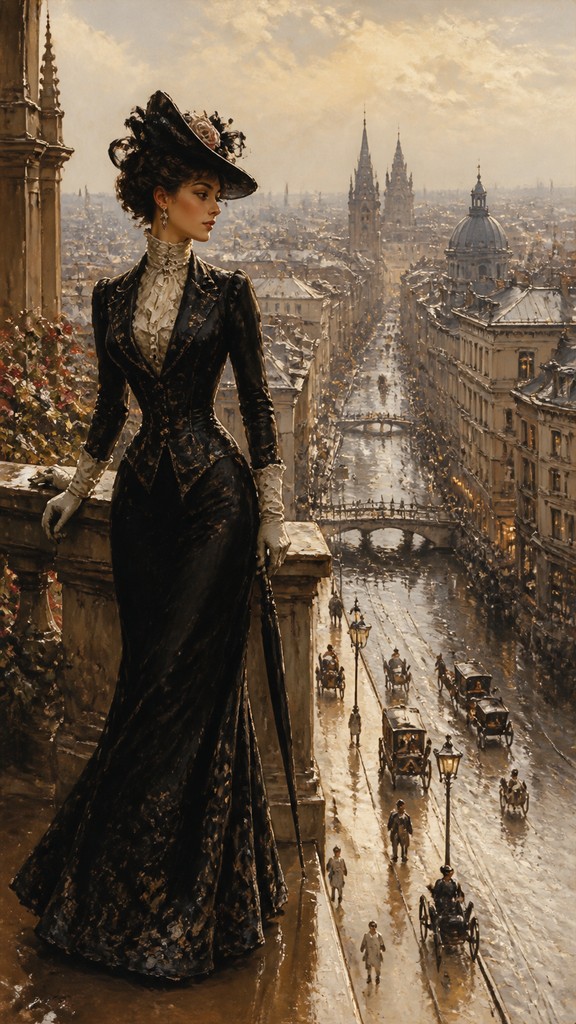
The chosen vantage point implies a moment of observation: a bridge after rain, a busy boulevard at dusk or a rooftop view over a historic district. Composition turns an ordinary urban scene into a visual story.
Try It
Create Videos in Cityscape Painting Style
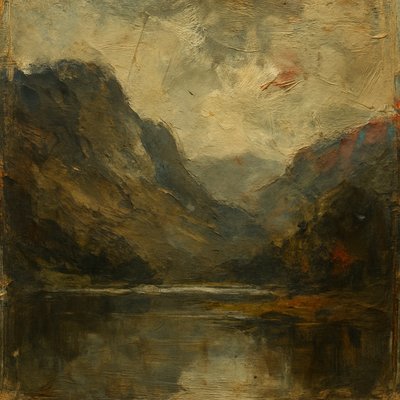
Styles aren't just for stills — describe a scene or animate an image and get a short video rendered in Cityscape Painting. Press play to see this pond come to life.
Make a VideoCityscape Painting Prompt Ideas
Start from an idea — each one opens the generator with the style ready to go. See all 40 Cityscape Painting prompts →
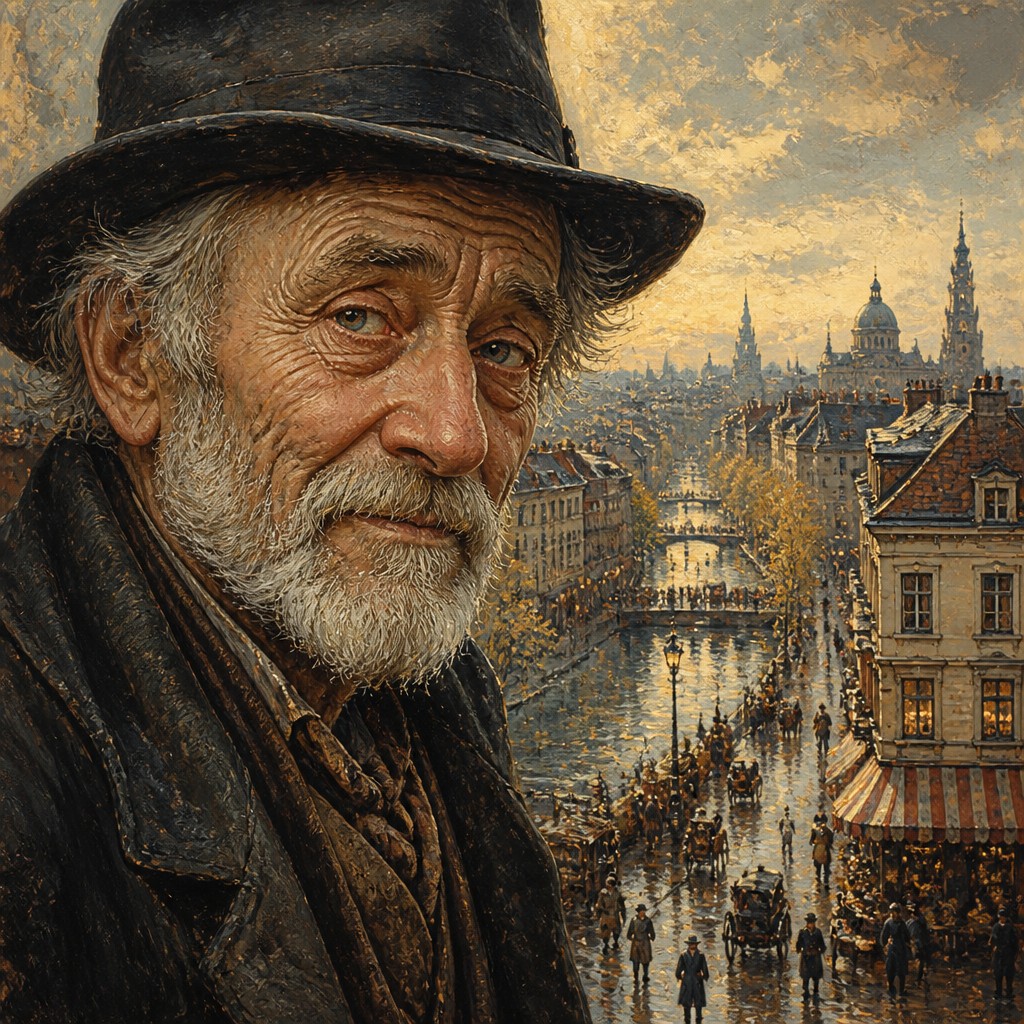
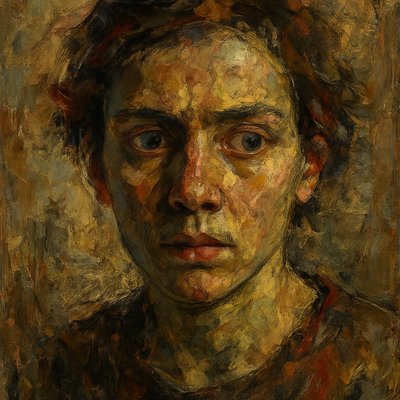
“close-up portrait of an elderly person with expressive weathered features”
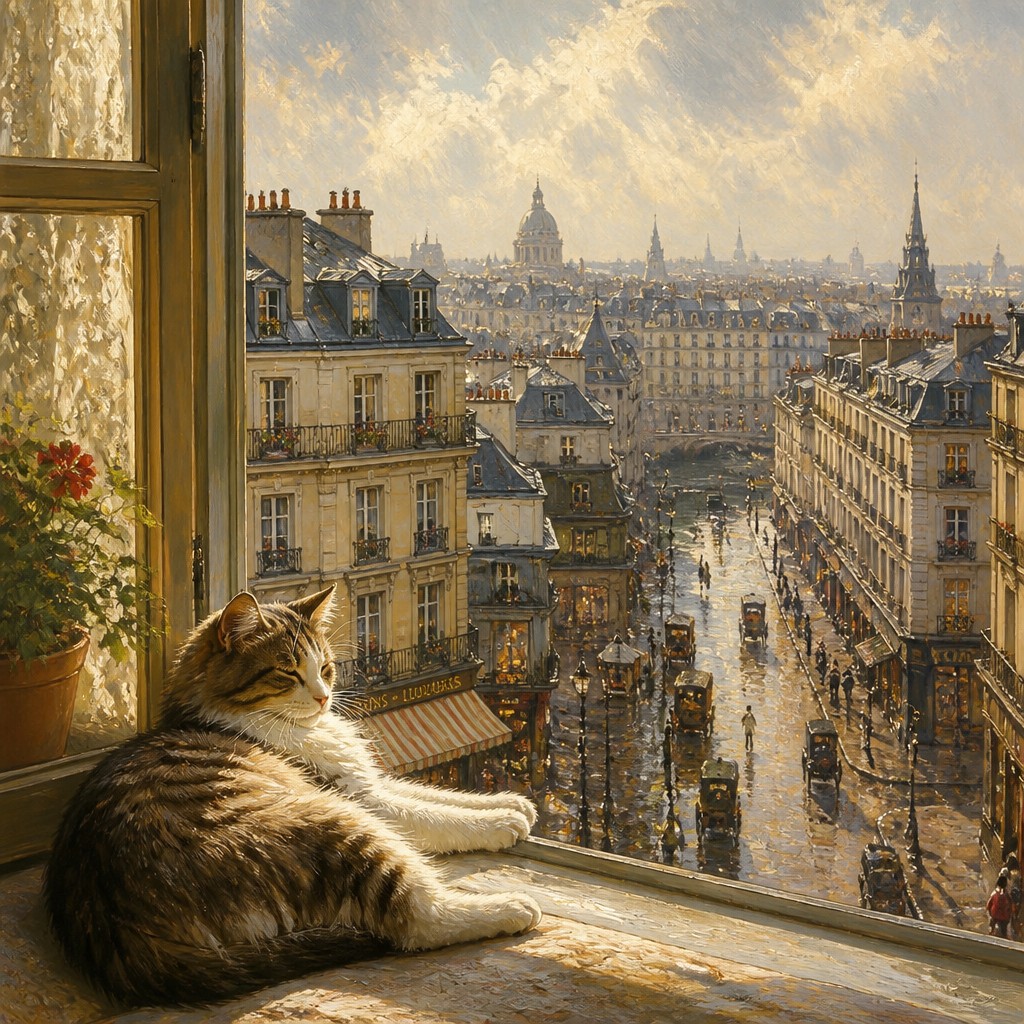
“a cat lounging in a sunlit window”
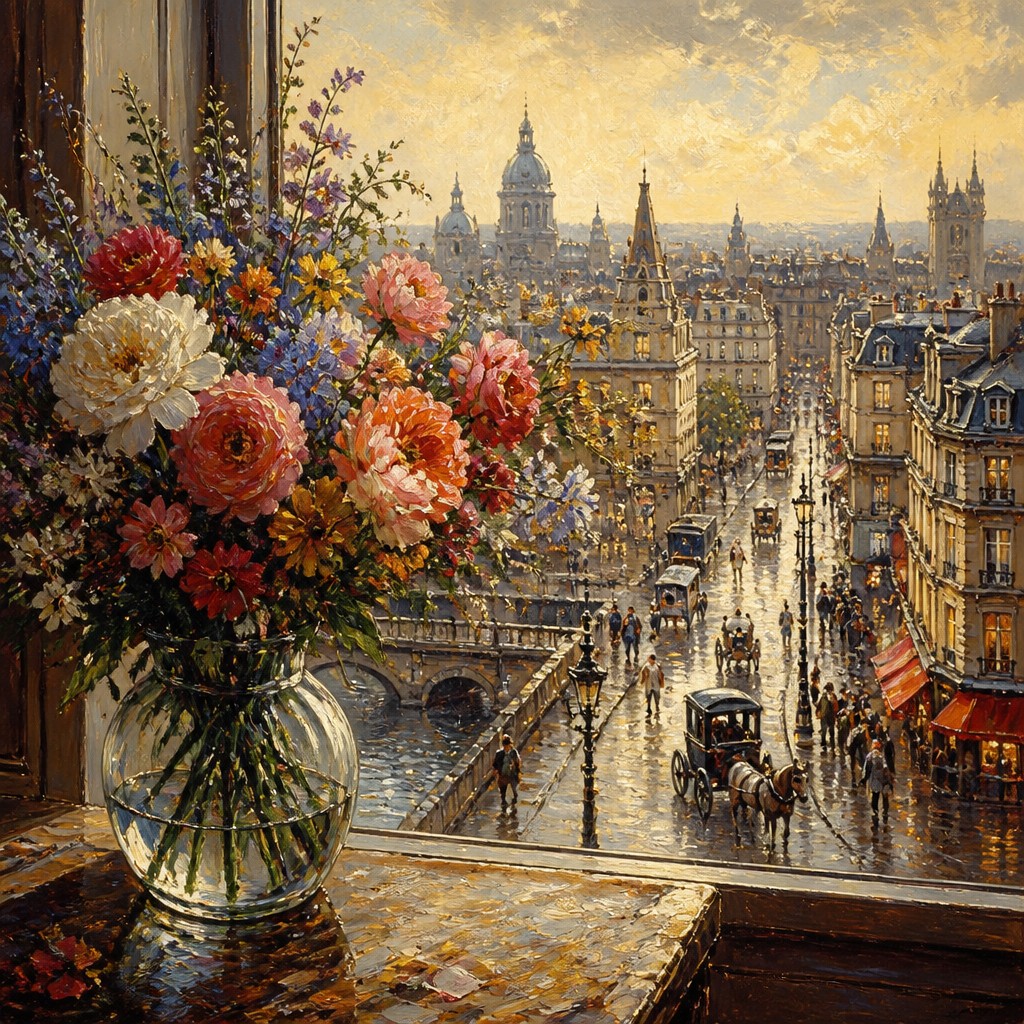
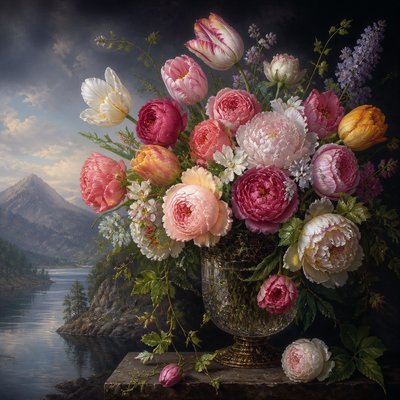
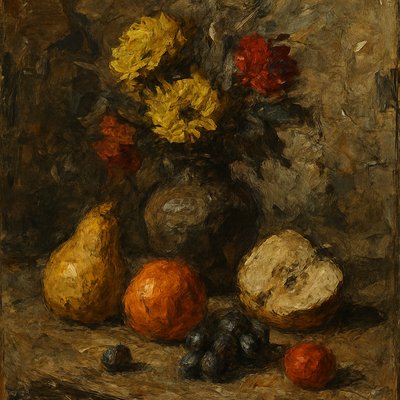
“bouquet of flowers in a glass vase”
“sailing ship on a stormy sea”
How to Create Cityscape Painting Art
Master the craft step by step — or skip straight to creating. Read the full guide →
- 1
Establish the viewpoint
Choose a clear eye level, elevated overlook or canal-side position, then define the horizon and principal vanishing point. Use major roads, water edges and rooflines to organize the composition before adding detail.
- 2
Build large tonal masses
Block in sky, distant city, middle-ground façades and foreground pavement or water with broad shapes first. Reserve the strongest contrast and sharpest edges for the areas that should attract attention.
- 3
Use light to unify the scene
Select one dominant condition such as golden afternoon, blue rain light or hazy sunrise. Repeat its color family in windows, walls, reflections and atmospheric shadows so the architecture feels part of one environment.
- 4
Suggest architecture selectively
Paint major silhouettes, windows and structural divisions accurately enough to establish place, but vary edge sharpness and detail density. A few distinctive towers, signs or façades can communicate more than exhaustive rendering.
- 5
Add human scale and movement
Place small figures, vehicles, boats or market activity along compositional pathways. Vary their size and spacing to reinforce perspective, and avoid making every person equally prominent.
- 6
Guide a digital or prompt-based workflow
Describe the city type, viewpoint, weather, time of day, architectural features, perspective and level of brushwork in that order. For image-to-image work, preserve the source composition while specifying atmospheric paint, softened edges, reflected light and lively but subordinate street activity.
The Story
History & Origins of Cityscape Painting
Cityscape Painting Style is a contemporary descriptive and image-making category rather than a single historical movement with a fixed origin. Its aesthetic lineage combines European veduta and urban landscape painting, the canal and harbor views of early modern art, nineteenth-century plein-air painting, and modern atmospheric approaches to architecture and public space.
It also draws on the visual language of travel illustration, urban reportage and cinematic establishing shots. Digital painting and image-generation workflows have expanded the style by allowing artists to combine precise perspective, historical or imagined architecture, atmospheric effects and carefully distributed human activity in a single scene.
Influences: The style is related to veduta, European urban landscape painting, canal and harbor scenes, plein-air painting, Impressionism, Tonalism, travel illustration and modern cinematic establishing imagery. It borrows veduta's interest in recognizable architecture, Impressionism's attention to changing light, Tonalism's atmospheric unity and illustration's ability to communicate a place through selective detail. Its emphasis on perspective and built form also connects it to architectural drawing and the broader tradition of depicting cities as records of civic life.

Frequently Asked Questions
What defines Cityscape Painting Style?
It is defined by a city-centered composition, receding streets or waterways, atmospheric perspective and expressive painted light. Architecture remains legible, but weather, reflections, brushwork and everyday activity are equally important.
Is this a historical art movement?
No. The term is best understood as a contemporary descriptive style rather than a formal movement with a fixed period or manifesto. It synthesizes established traditions including veduta, urban landscape painting, plein-air practice and atmospheric modern painting.
How does it differ from architectural visualization?
Architectural visualization usually prioritizes accurate construction, materials and presentation of a proposed or existing building. Cityscape Painting Style prioritizes mood, viewpoint, weather and the relationship between buildings, public space and human activity.
Does the style have to depict a real city?
No. It can represent a documented location, a composite of architectural traditions or an entirely imagined city. Consistent perspective, plausible urban structure and a convincing atmosphere are more important than geographic accuracy.
What media work well for this style?
Oil, gouache, watercolor, acrylic and digital painting can all support the style. Broad masses and atmospheric glazes establish distance, while smaller controlled marks define windows, figures, vehicles and distinctive architectural features.
How can I create an effective image in this style?
Start with a strong viewpoint and a simple perspective plan, then specify the weather, time of day, architecture and street activity. Whether painting manually or using a digital image workflow, keep distant forms softer and less detailed than the foreground, and let one coherent light condition unify the scene.
Create your first Cityscape Painting artwork
Describe anything — or upload a photo — and see it in Cityscape Painting Style in seconds.
Related Styles
Discover similar art styles