Cape Verdean Art Style
Explore Cape Verdean art style: panu di terra stripes, Cidade Velha stone, volcanic landscapes, and warm Creole island color.
Instantly rendered in Cape Verdean — or transform a photo
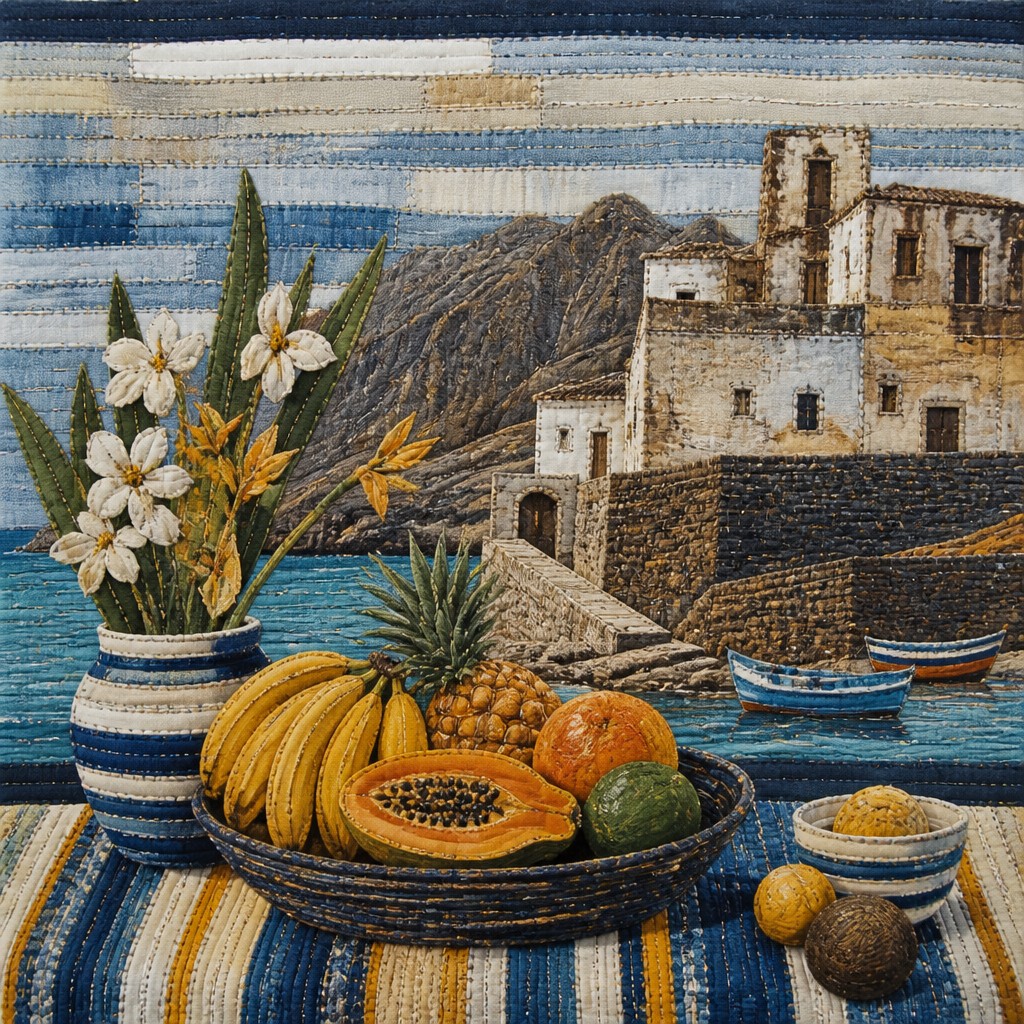
Cape Verdean Gallery
Tap any artwork to explore it
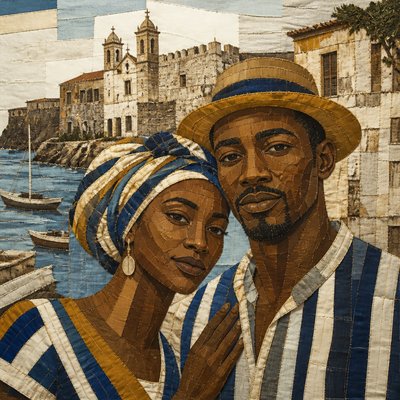
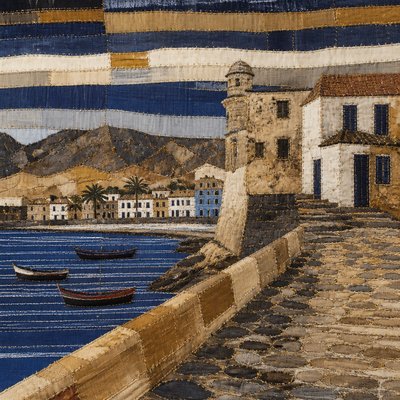
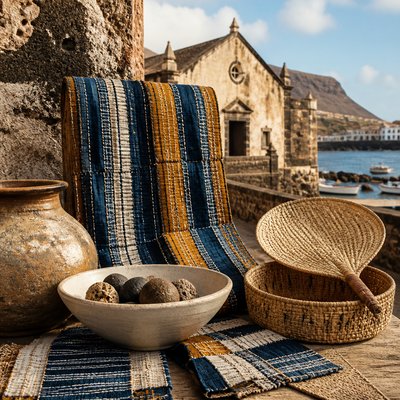
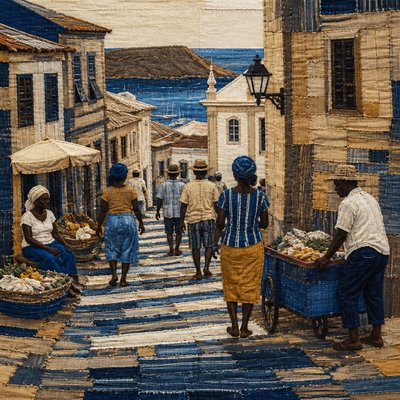
What is Cape Verdean Art Style?
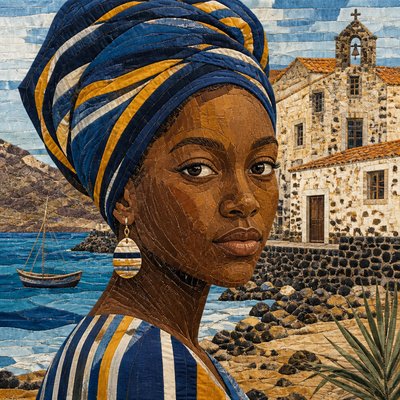
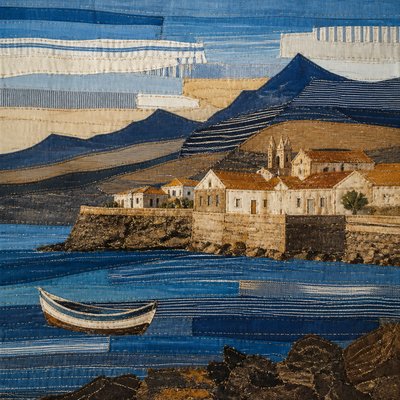
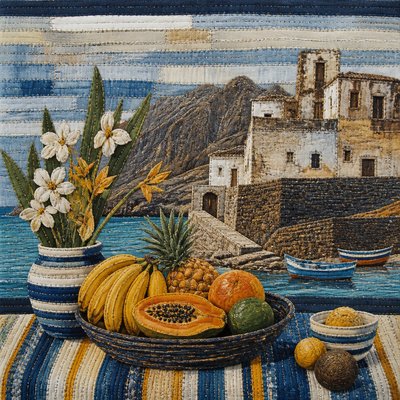
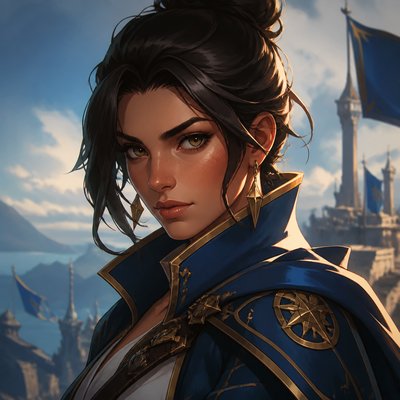
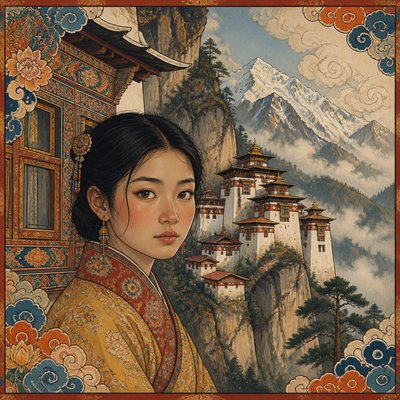
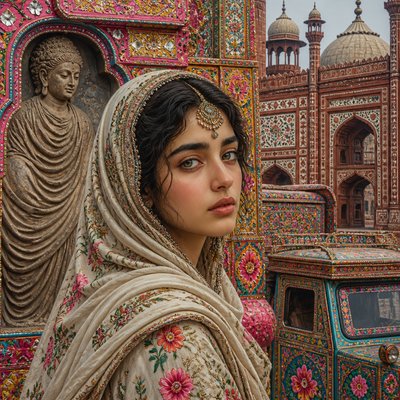
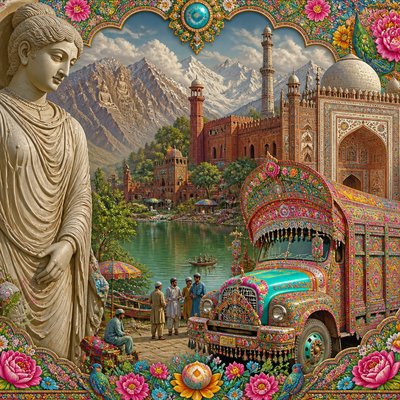
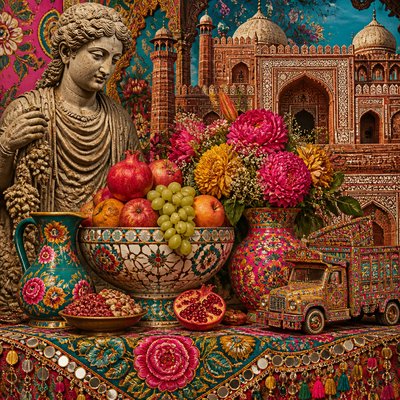
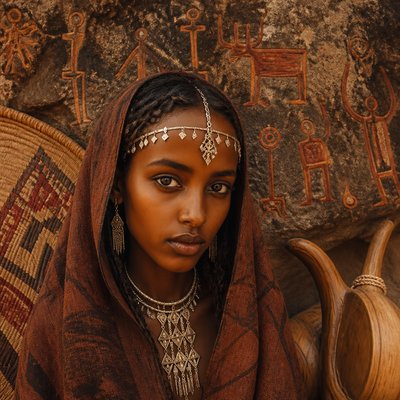
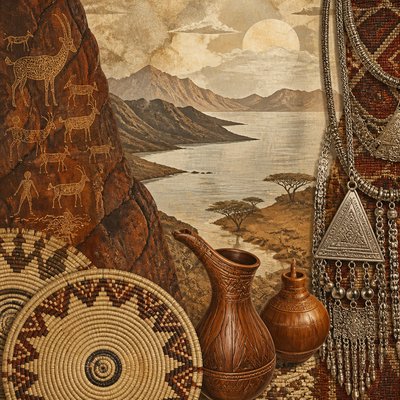
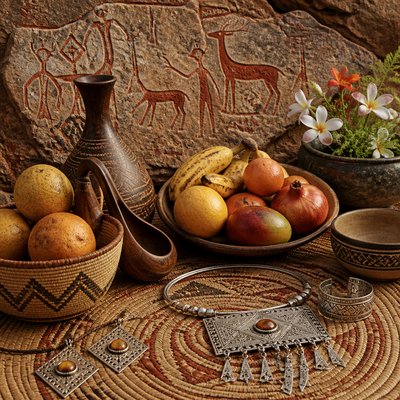
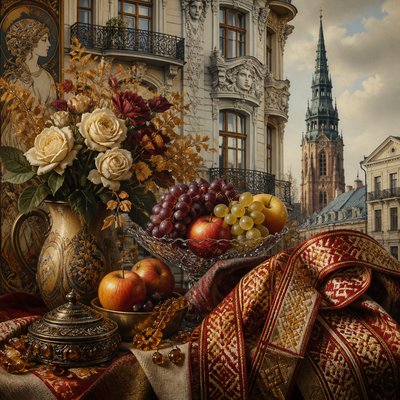
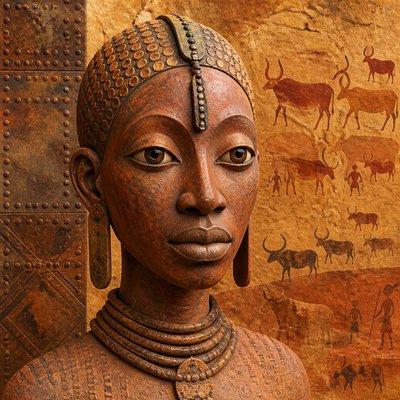
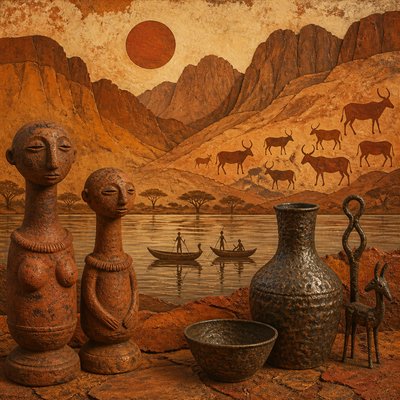
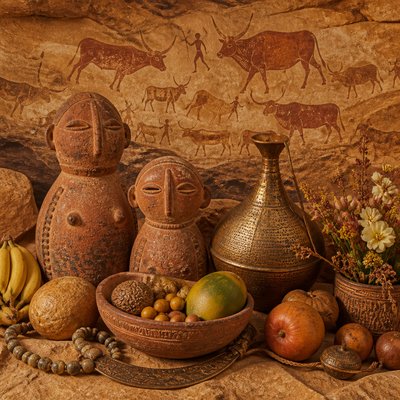
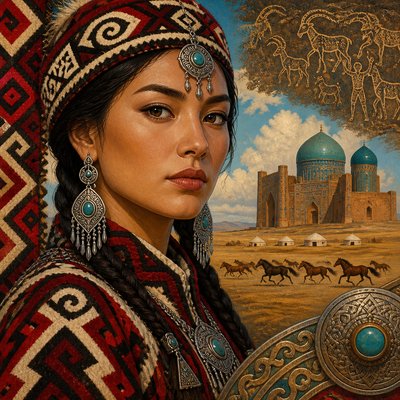
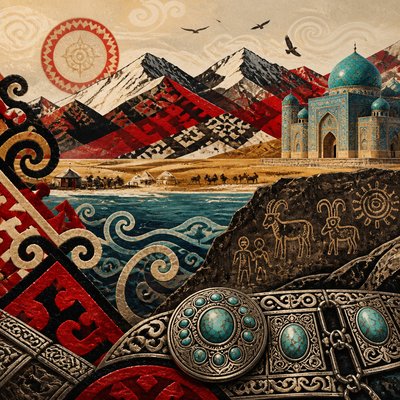
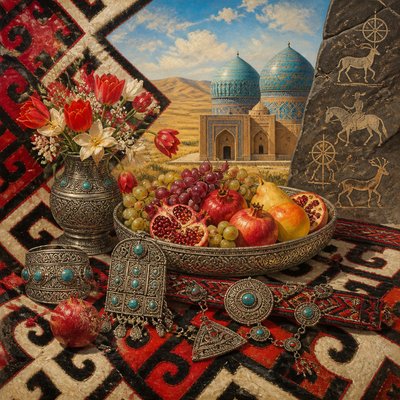
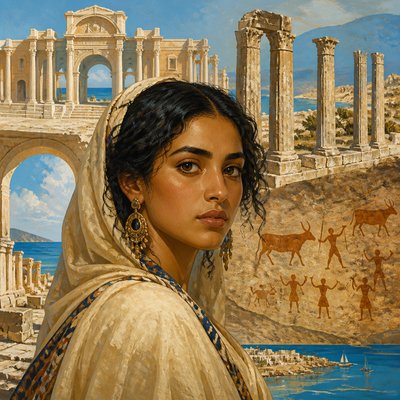
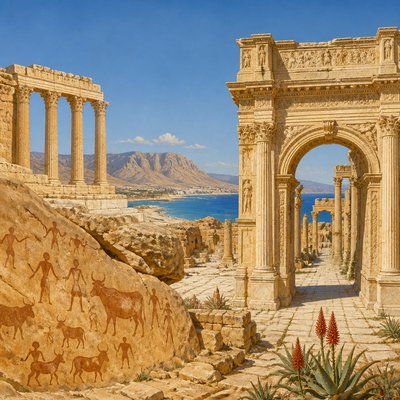
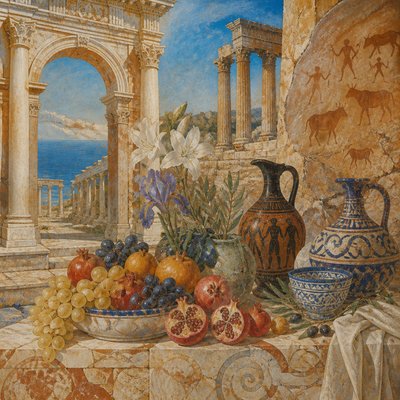
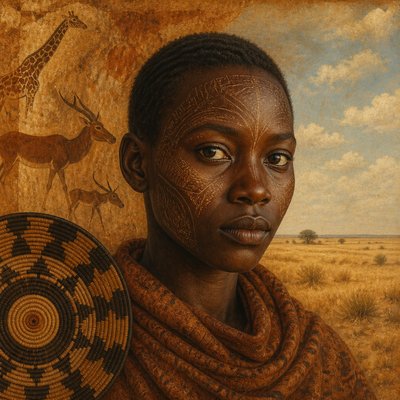
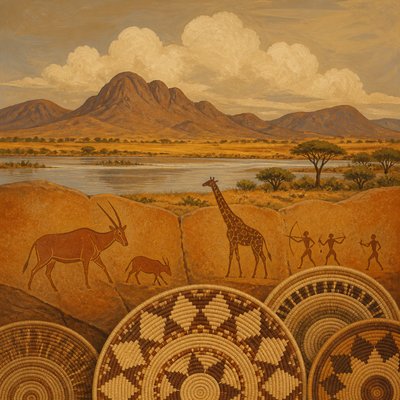
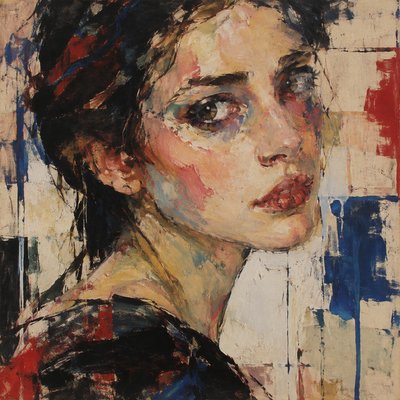
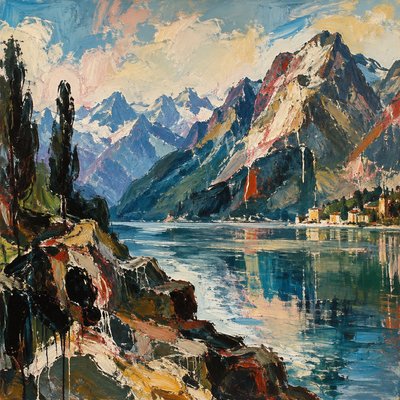
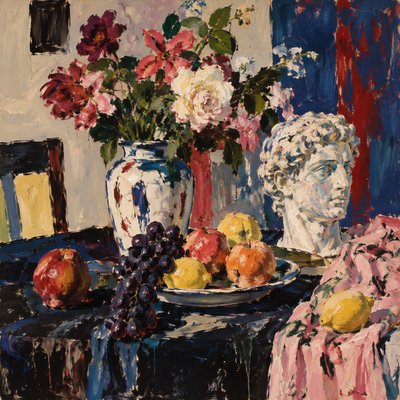
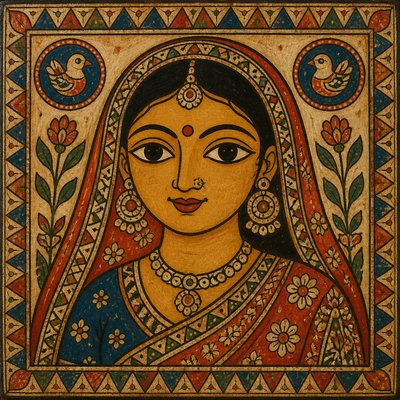
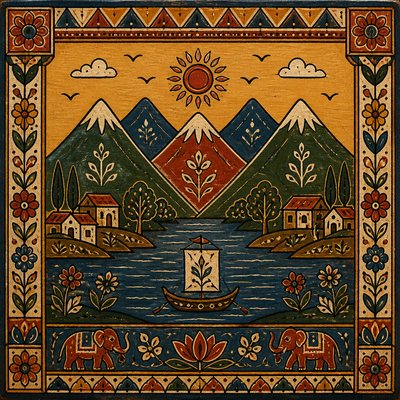
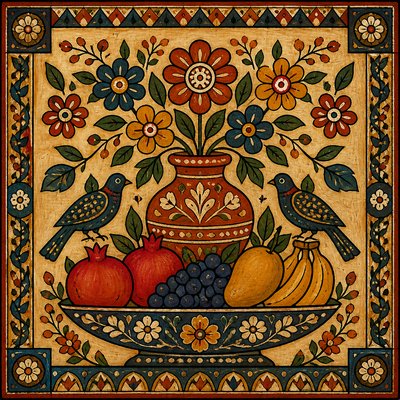
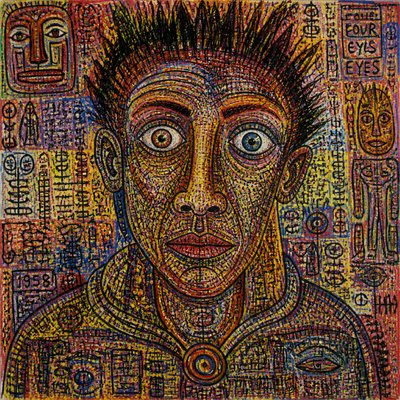
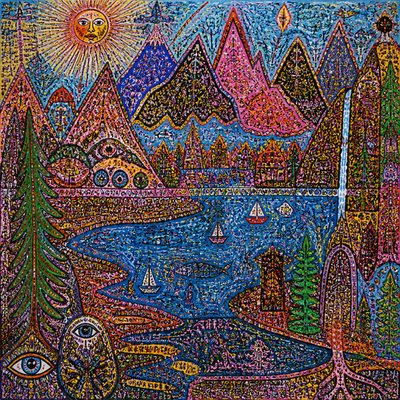
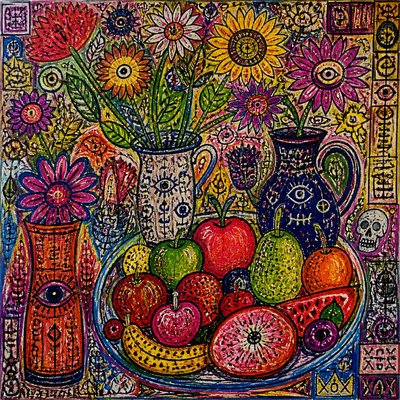
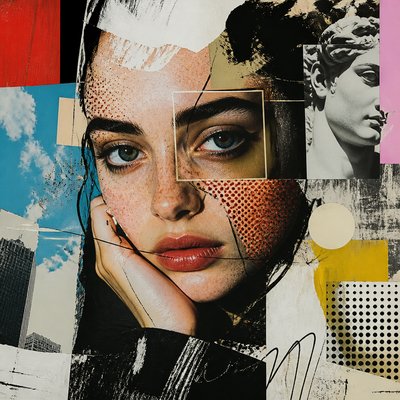
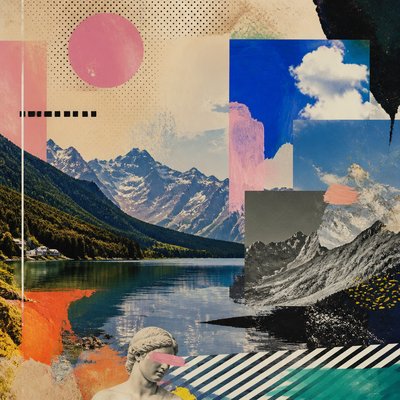
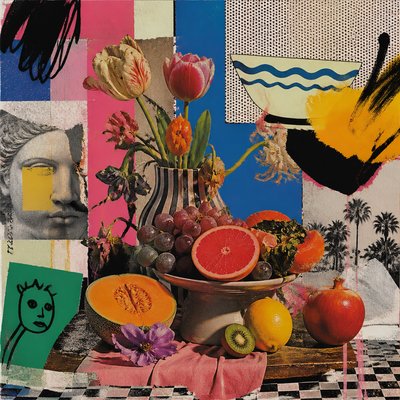
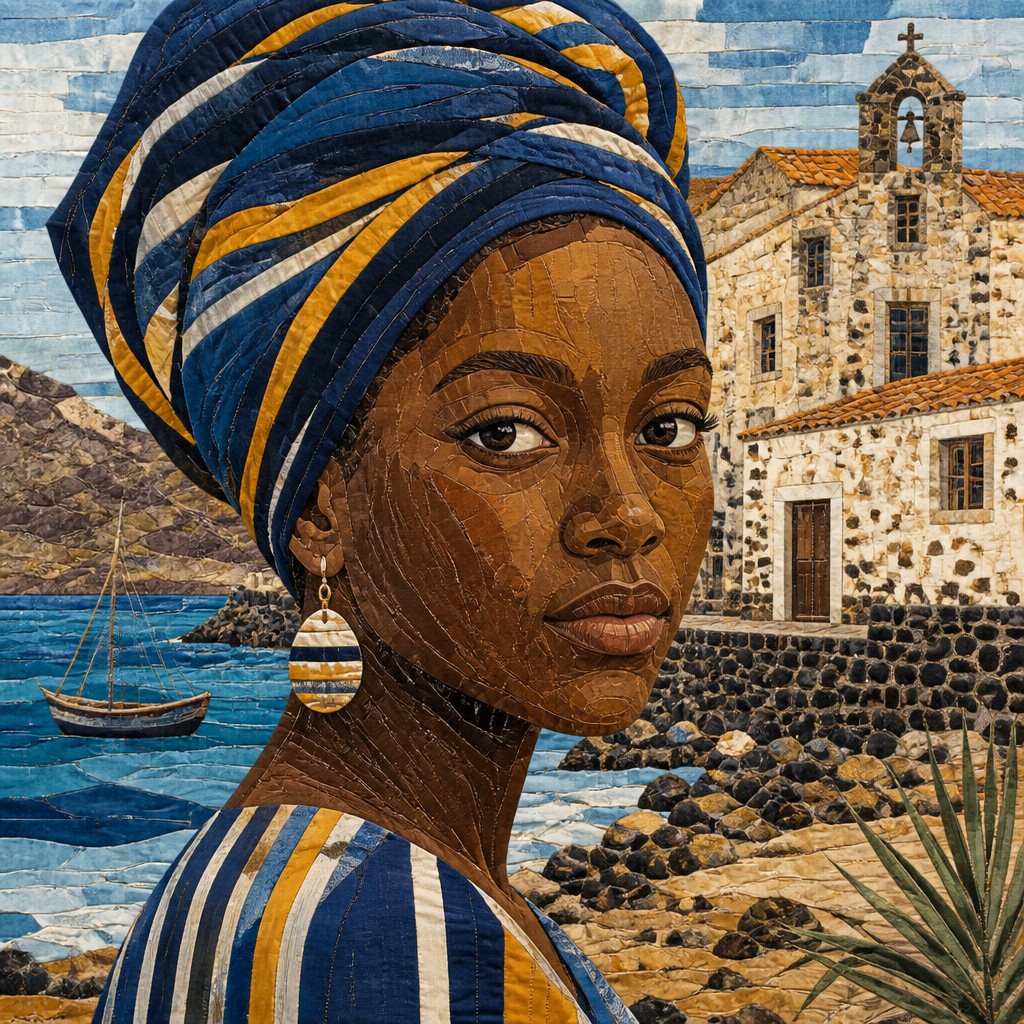
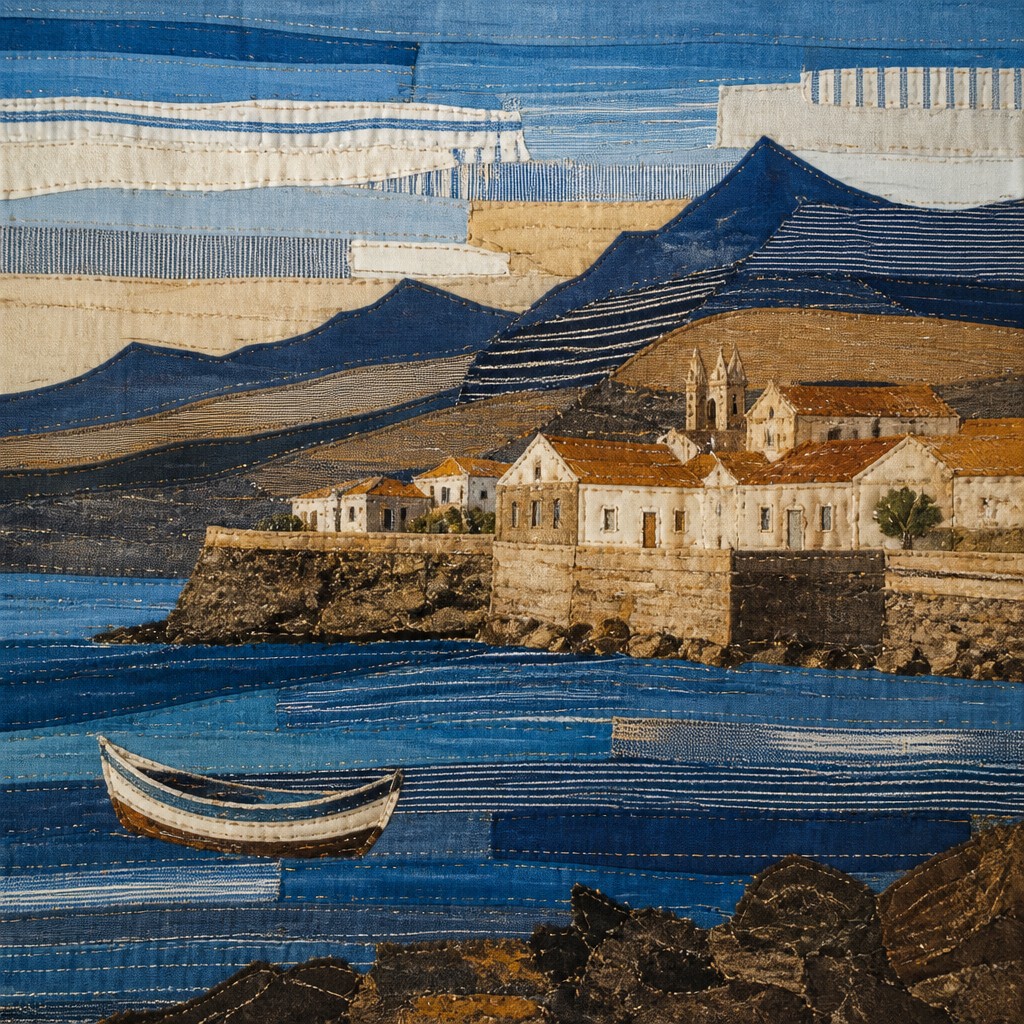
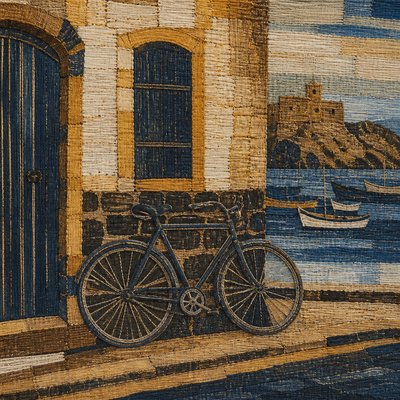
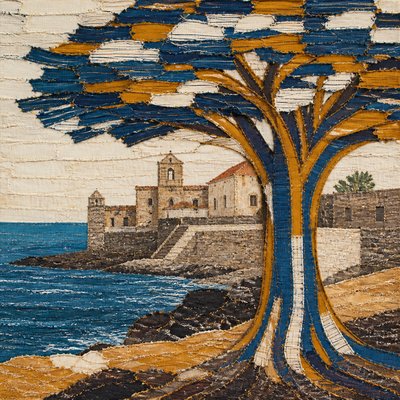
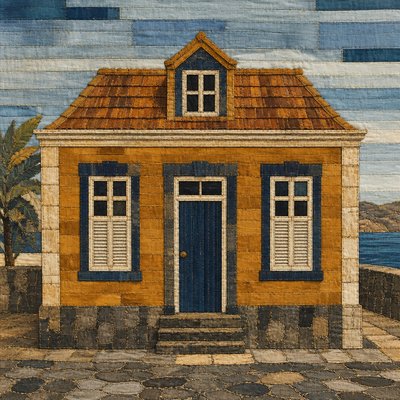
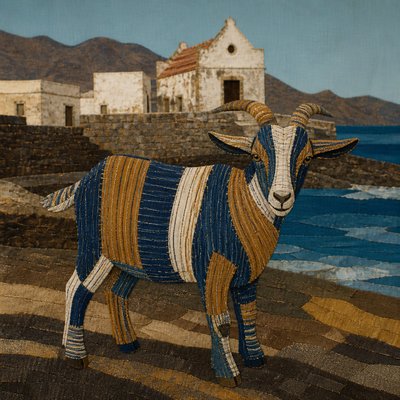
Cape Verdean art style is a contemporary descriptive aesthetic built around the material culture, architecture, and landscapes of the Cape Verdean islands. Its visual signature combines narrow hand-woven panu di terra textile strips in indigo, ochre, rust, charcoal, and white with the weathered stone, lime surfaces, and harbor views associated with Cidade Velha and other historic settlements.
The style favors tactile simplicity over polished ornament. Sun-bleached volcanic rock, salt-air haze, strong Atlantic light, dry terrain, and brightly colored cloth create a palette that feels both austere and lively. Images often balance geometric textile rhythms with irregular masonry, expressing the relationship between island craft, coastal trade, Creole identity, and an environment shaped by wind, drought, and the sea.
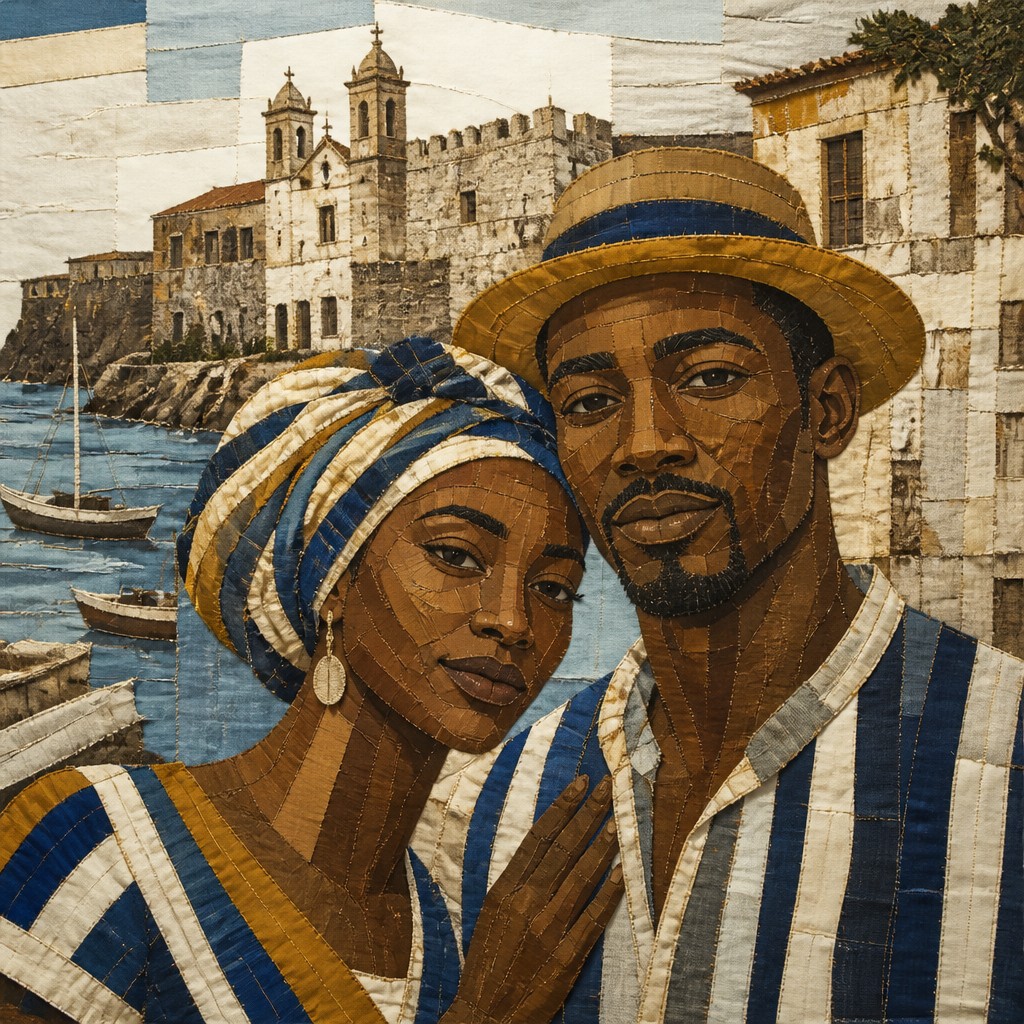
Try It On Your Photos
Upload any photo and convert it into Cape Verdean Art Style — drag the sliders to compare before and after.
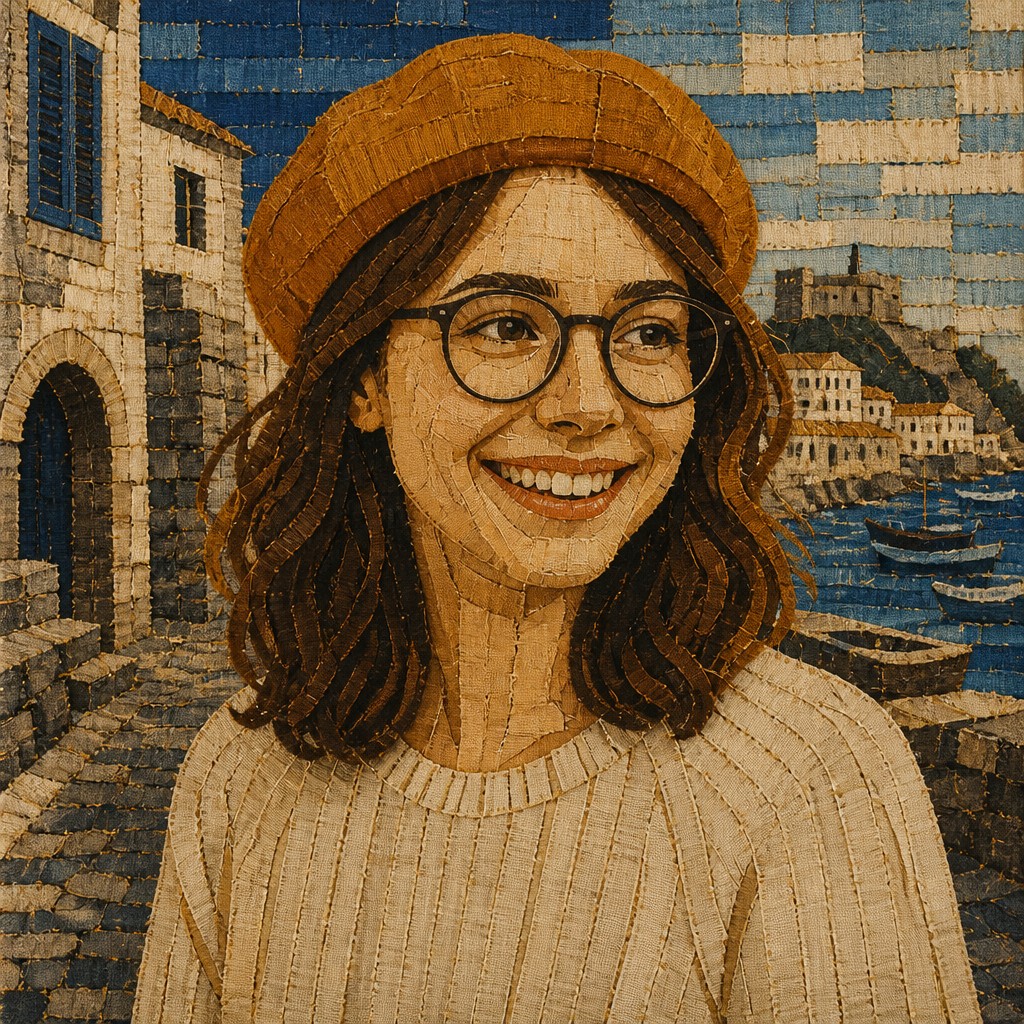

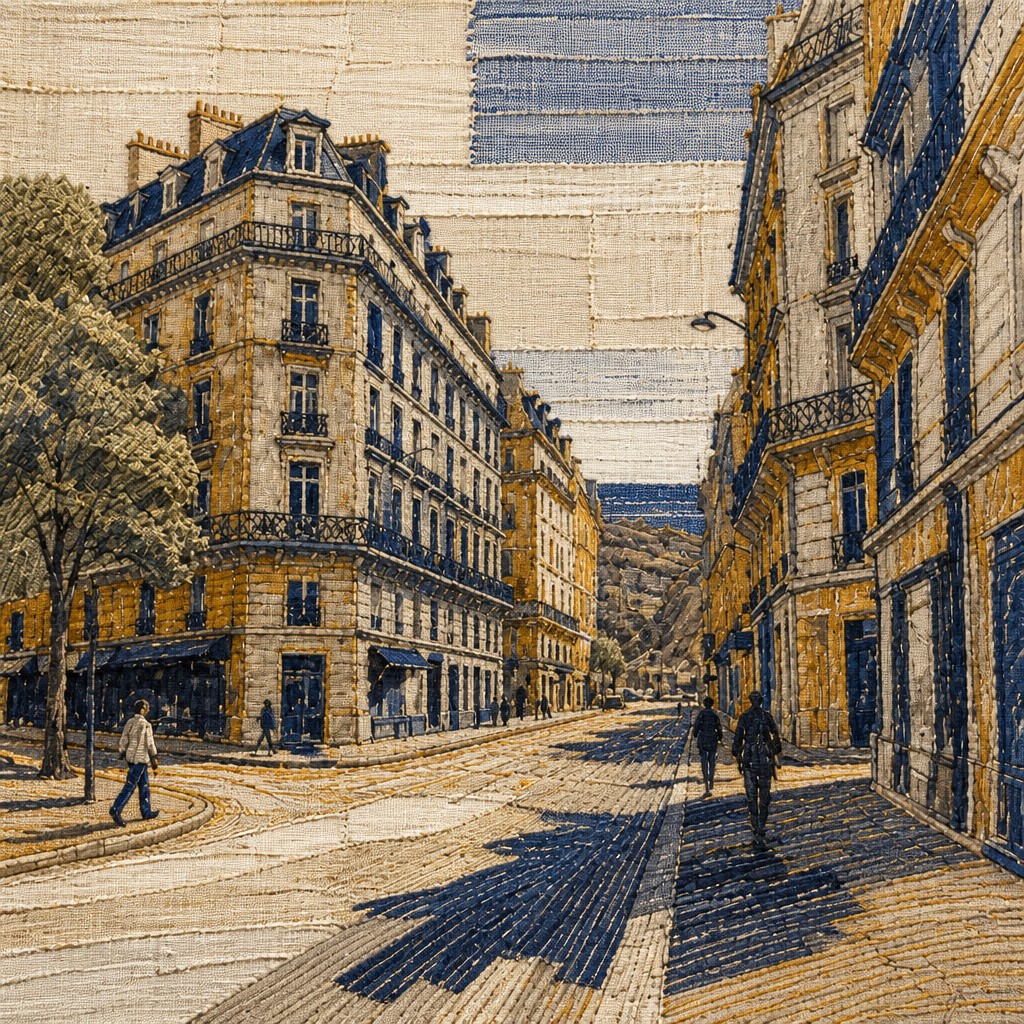

What Defines Cape Verdean Art Style
The signature details, up close
Panu di terra strip weaving
Narrow bands of handwoven cloth appear as parallel stripes, stitched panels, borders, wraps, baskets, or abstract textile fields. The rhythm is usually linear and tactile rather than intricately figurative.
Indigo, ochre, and white palette
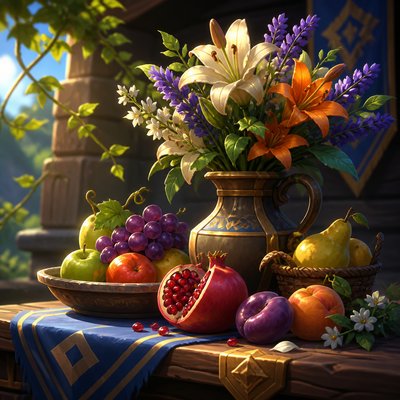
Deep indigo, sunlit ochre, chalk white, clay red, charcoal, and faded blue create a restrained island palette. Uneven dye absorption and slight color variation help the work feel handmade.
Weathered volcanic masonry
Rough dark stone, eroded walls, limewashed facades, worn steps, and simple colonial forms evoke historic Cape Verdean settlements. Surface texture is as important as architectural accuracy.
Atlantic light and salt haze
Hard sunlight, pale atmospheric distance, and a thin veil of sea mist define the illumination. Shadows are clear but softened by glare, dust, or humid coastal air.
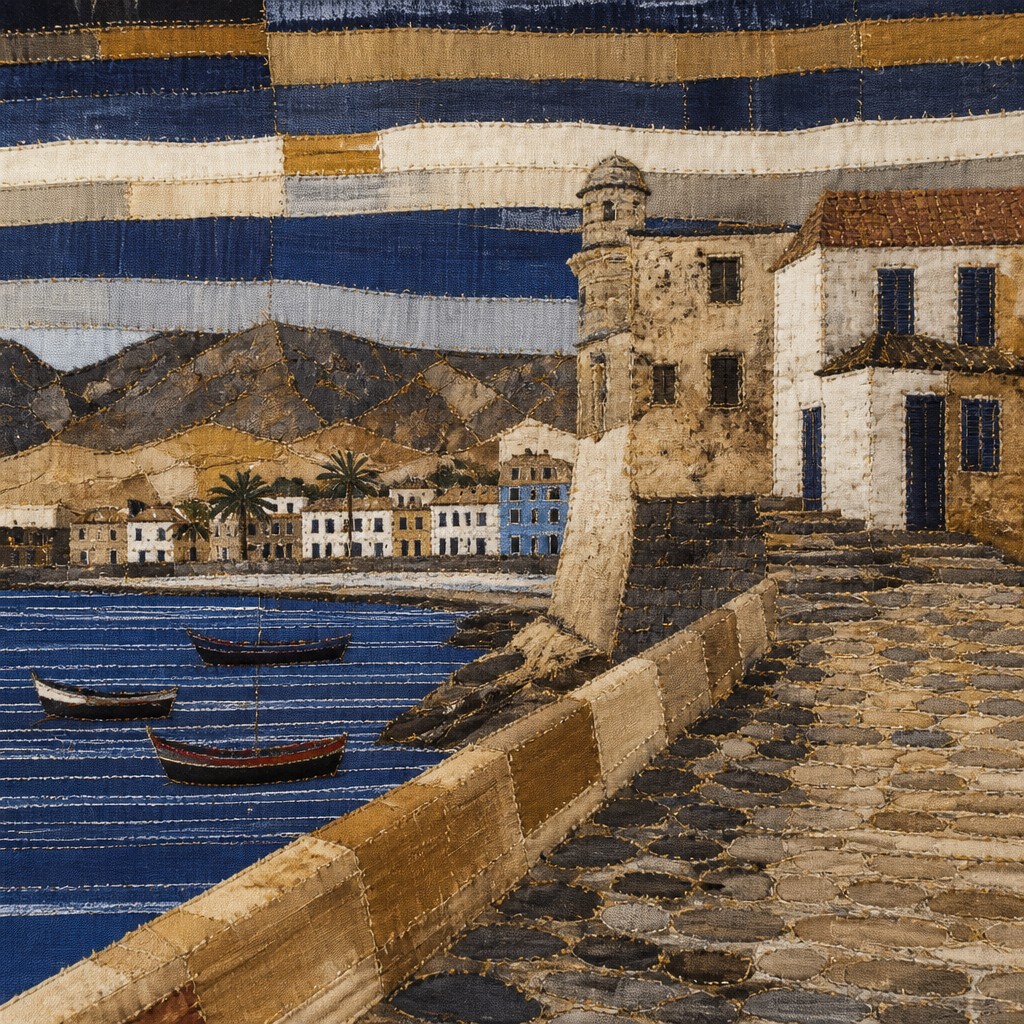
Geometric craft simplicity
Stripes, blocks, borders, stacked masonry, and harbor lines provide an understated geometry. Repetition is balanced by frayed edges, irregular stone, and hand-finished imperfections.
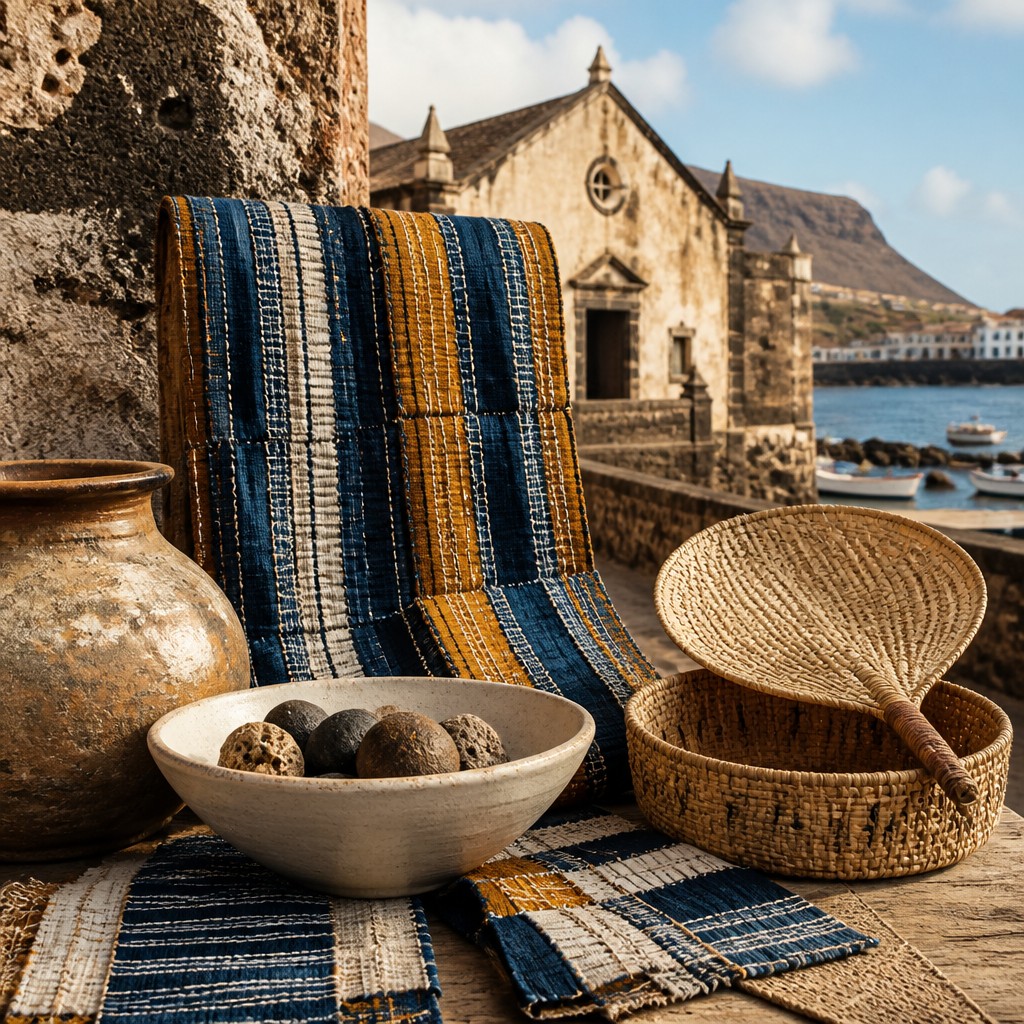
Island landscape contrast
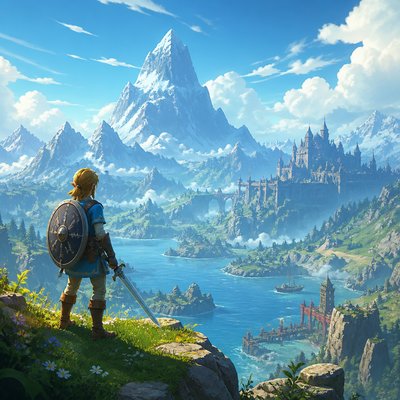
Arid hills, black volcanic rock, bright ocean, dry grasses, and compact coastal towns create strong contrasts between earth, water, and sky. Vegetation is generally sparse but sharply rendered when present.
Cape Verdean Prompt Ideas
Start from an idea — each one opens the generator with the style ready to go. See all 40 Cape Verdean prompts →
How to Create Cape Verdean Art
Master the craft step by step — or skip straight to creating. Read the full guide →
- 1
Build the textile structure first
For a physical work, weave or collage narrow paper, fiber, or fabric strips in alternating indigo, ochre, and white bands. Preserve visible joins, loose fibers, and slight irregularities instead of making the pattern mechanically uniform.
- 2
Use a mineral surface vocabulary
Layer charcoal, dry pigment, chalk, or matte digital brushes to suggest porous volcanic stone and worn lime plaster. Vary edges and tonal density so the masonry does not look like a perfectly repeated texture.
- 3
Control the island light
Place a strong high sun or low Atlantic glow across the scene, with warm highlights and cool blue-gray recesses. Keep the palette limited, reserving brighter color for cloth, doors, boats, or painted architectural details.
- 4
Combine geometry with erosion
Start with stripes, harbor horizons, doorways, terraces, and masonry courses, then interrupt them with fraying, cracks, chipped surfaces, and asymmetrical wear. This contrast is central to the style's handmade character.
- 5
Use collage or layered digital brushes
Combine scanned textile marks, rough stone textures, flat color blocks, and atmospheric gradients in separate layers. Mask or distress the edges to create the feel of assembled craft rather than glossy digital illustration.
- 6
Write specific generation prompts
Describe the subject, panu di terra strip weaving, indigo-ochre-white bands, Cidade Velha masonry, volcanic rock, and salt-air light directly. Add composition and material terms such as narrow bands, tactile fibers, matte pigment, weathered walls, and high Atlantic sun.
The Story
History & Origins of Cape Verdean
This is not a formally codified historical art movement, but an aesthetic synthesis drawn from Cape Verdean material and architectural traditions. Its textile reference, panu di terra, belongs to the broader West African narrow-strip weaving tradition and became part of Cape Verde's local craft culture through the islands' Atlantic and Lusophone history. The cloth is associated with handwoven bands, repeated stripes, and practical as well as ceremonial uses.
The architectural lineage includes the fortified and religious buildings of Cidade Velha, founded during the early Portuguese colonial period and developed from the late fifteenth century onward. Contemporary interpretations bring these textile and architectural references together with documentary photography, folk craft, modern illustration, and digital collage rather than claiming a single historical school.
Influences: The aesthetic draws from Cape Verdean textile and craft traditions, West African strip-weaving practices, Lusophone colonial architecture, Atlantic island landscape painting, documentary travel photography, folk collage, and modern material-based illustration. It also shares qualities with Mediterranean and West African vernacular architecture, though its strongest identity comes from the combination of Cape Verde's woven bands, volcanic geology, dry coastal light, and Creole cultural context.
Frequently Asked Questions
What defines the Cape Verdean art style?
Its defining combination is panu di terra-inspired narrow strip weaving, weathered volcanic and colonial-era masonry, and intense Atlantic island light. The style usually uses a restrained indigo, ochre, white, charcoal, and earth palette with visible handmade texture.
Is Cape Verdean art style a recognized historical art movement?
No. The term is best understood as a contemporary descriptive style or visual synthesis, not a formally established movement with a fixed period or manifesto. It gathers recognizable Cape Verdean craft, architectural, and landscape references into one image language.
What is panu di terra?
Panu di terra is a Cape Verdean handwoven textile tradition characterized by narrow woven strips assembled into larger cloth. It belongs to a wider West African strip-weaving lineage and is visually recognized through repeated bands, strong color contrasts, and tactile construction.
How does this style differ from generic African textile art?
It focuses specifically on Cape Verdean island references rather than treating Africa as a single visual category. The combination of panu di terra, Cidade Velha stone, Atlantic harbor settings, volcanic terrain, and salt-bright light gives it a distinct geographic and material character.
Can photographs be transformed into this style?
Yes. A portrait, building, harbor, or landscape can be reinterpreted with woven stripe patterns, matte pigment, rough stone texture, and sun-bleached color grading. Preserve the original subject's structure while specifying which surfaces should become textile, masonry, or volcanic material.
Where is this style commonly used?
It suits editorial illustration, cultural documentation, textile and craft studies, travel imagery, architectural scenes, posters, book covers, and atmospheric portraiture. It works especially well when the composition gives equal importance to material surfaces and place.
Create your first Cape Verdean artwork
Describe anything — or upload a photo — and see it in Cape Verdean Art Style in seconds.
Related Styles
Discover similar art styles