Value Study Art Style
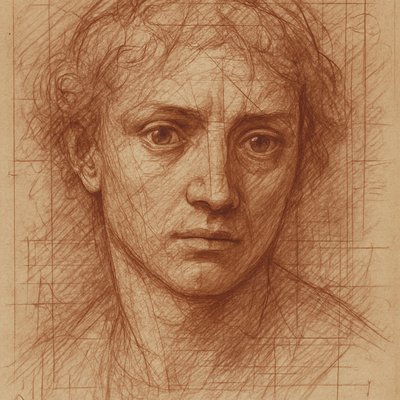
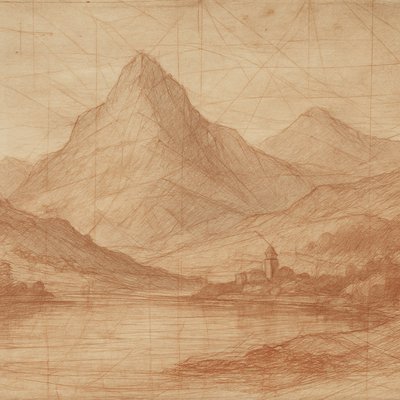
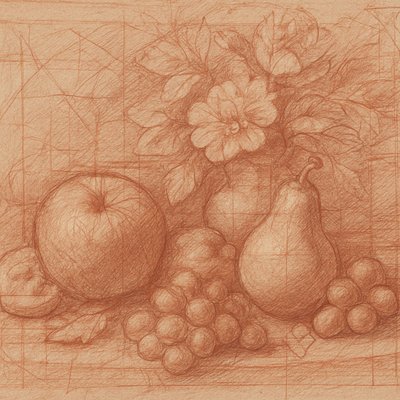
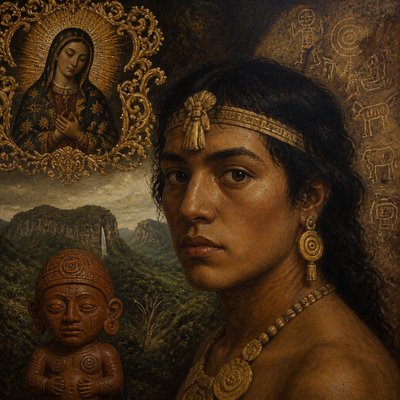
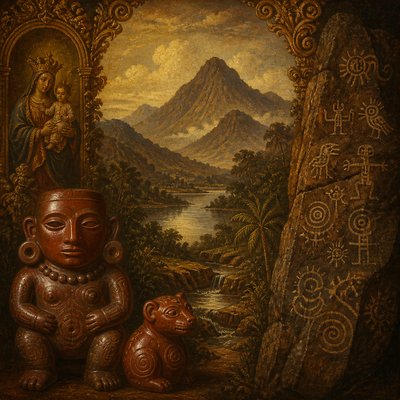
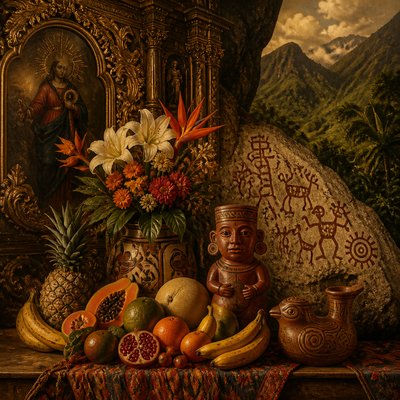
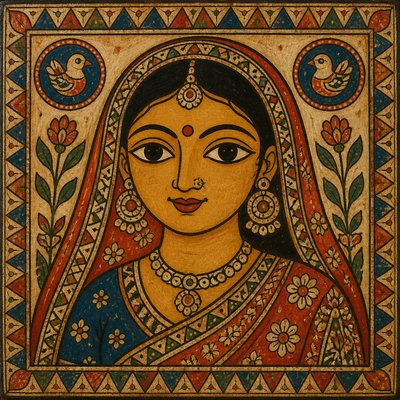
Explore Value Study Art: monochrome tonal painting with dramatic light, deep shadows, charcoal texture, and disciplined atelier-study precision.
Instantly rendered in Value Study — or transform a photo
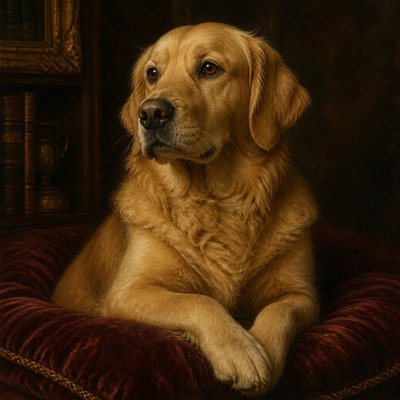
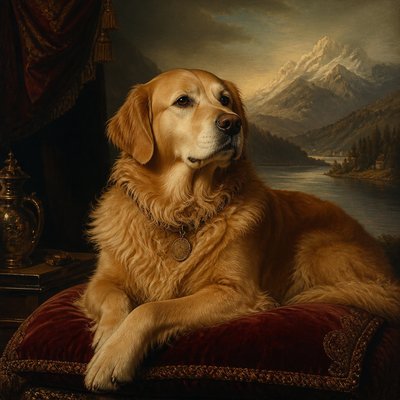
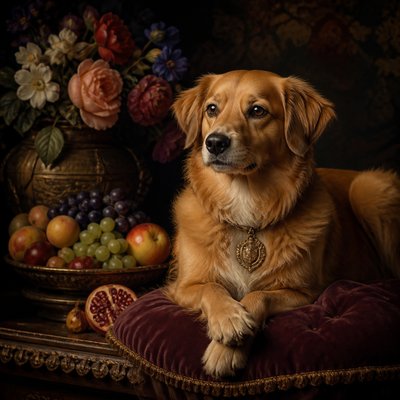
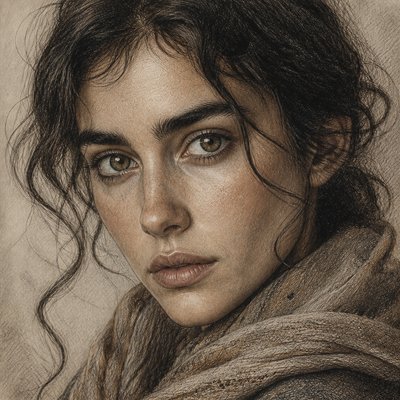
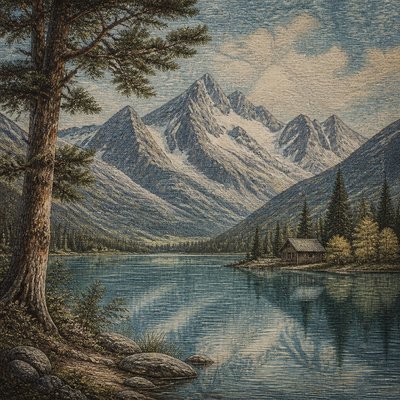
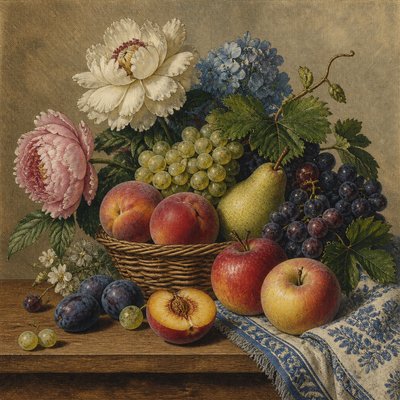
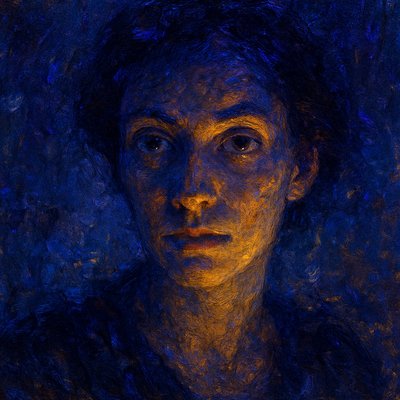
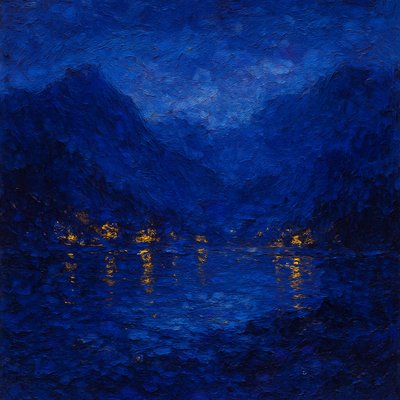
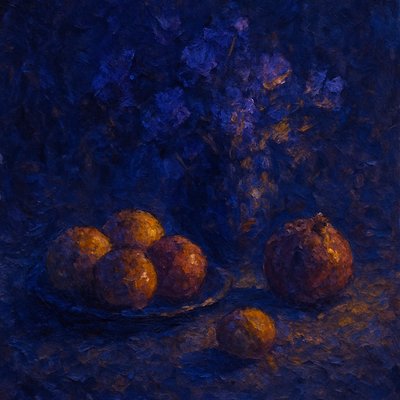
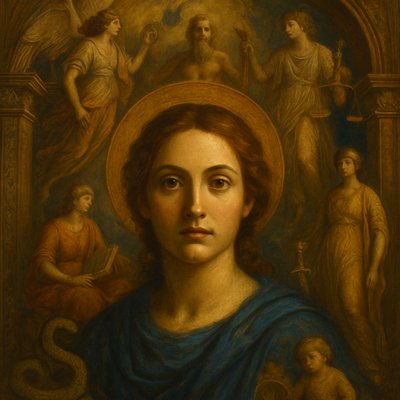
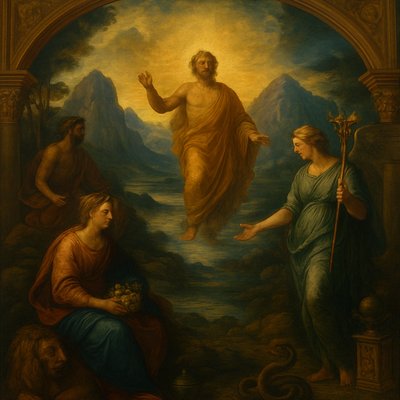
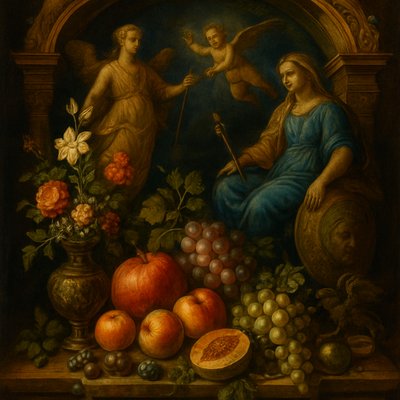
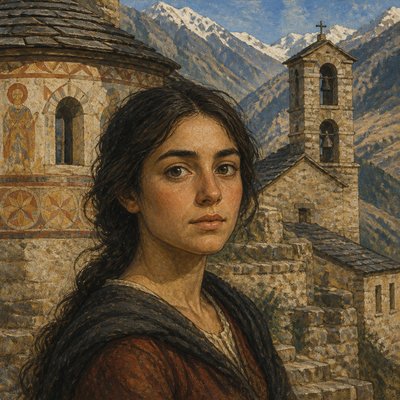
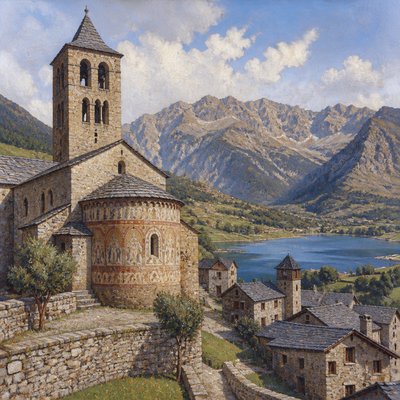
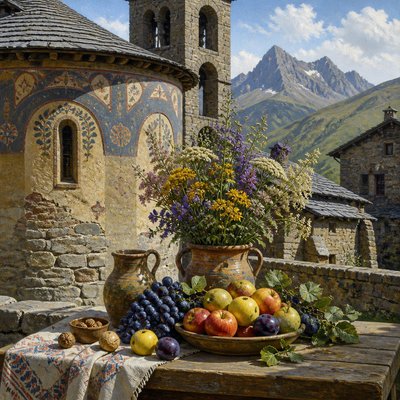
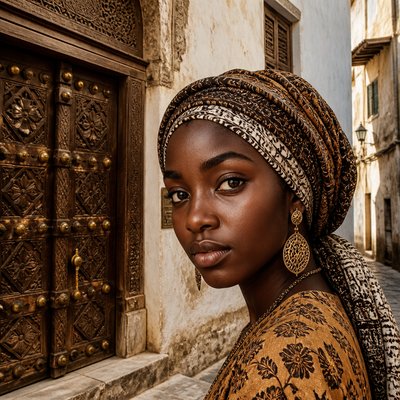
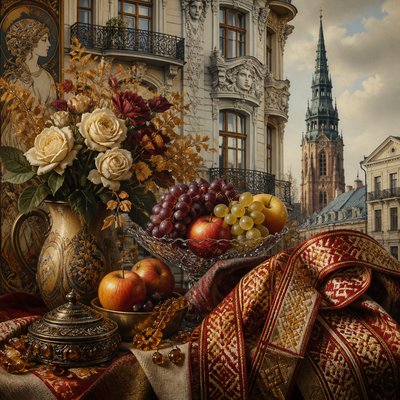
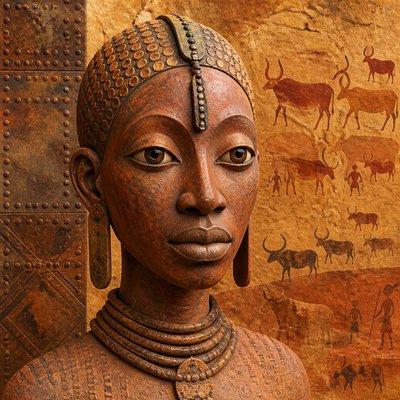
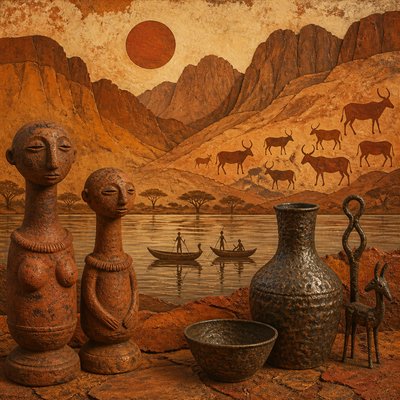
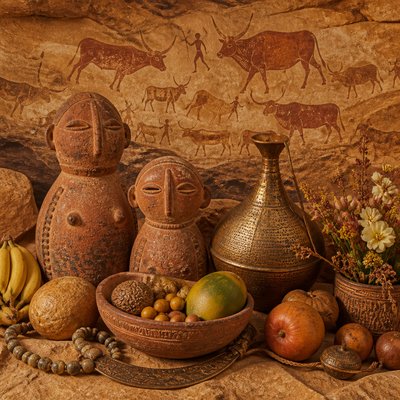
Value Study Gallery
Tap any artwork to explore it
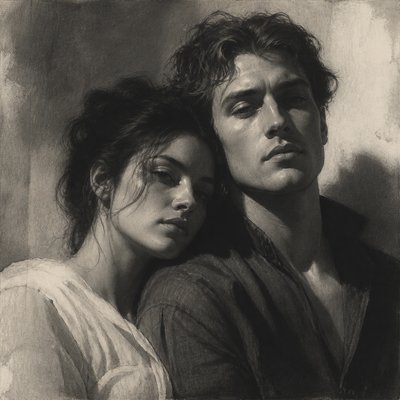
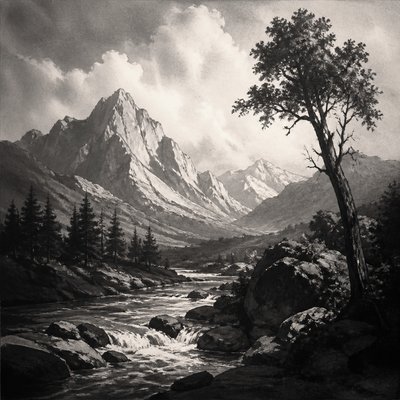
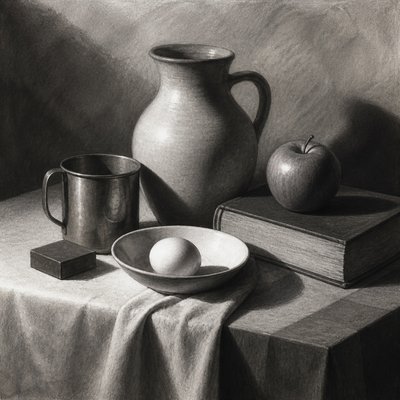
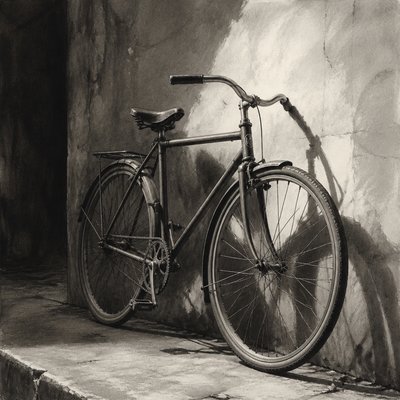
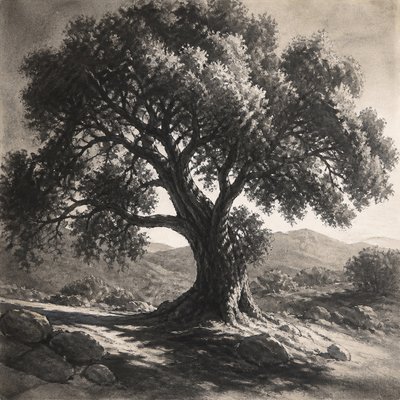
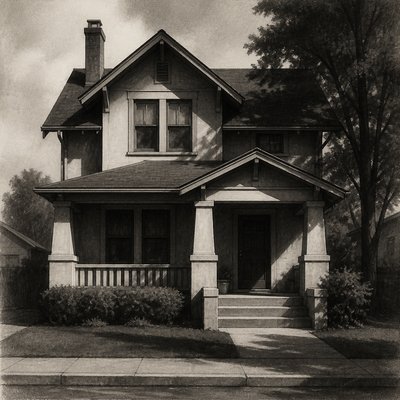
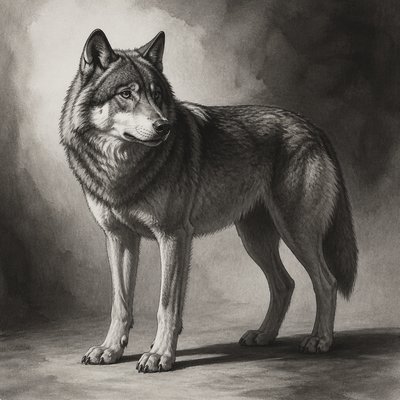
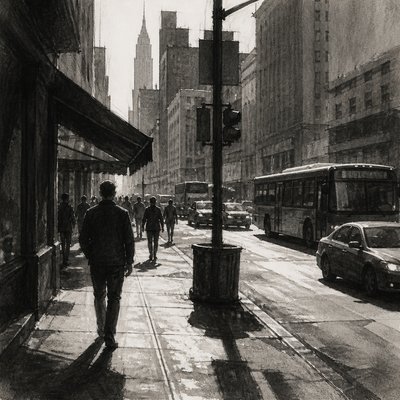
What is Value Study Art Style?
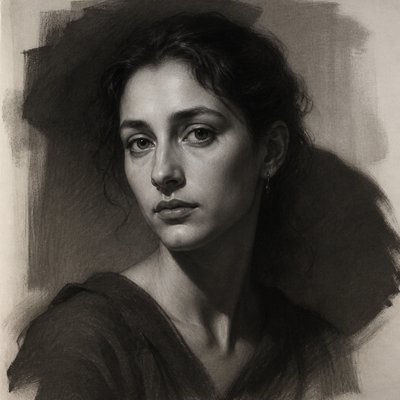
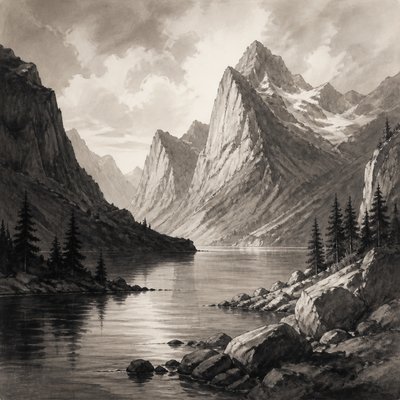
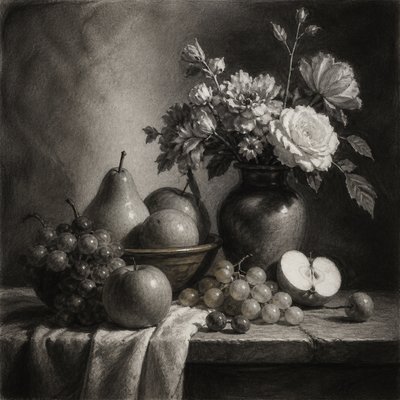
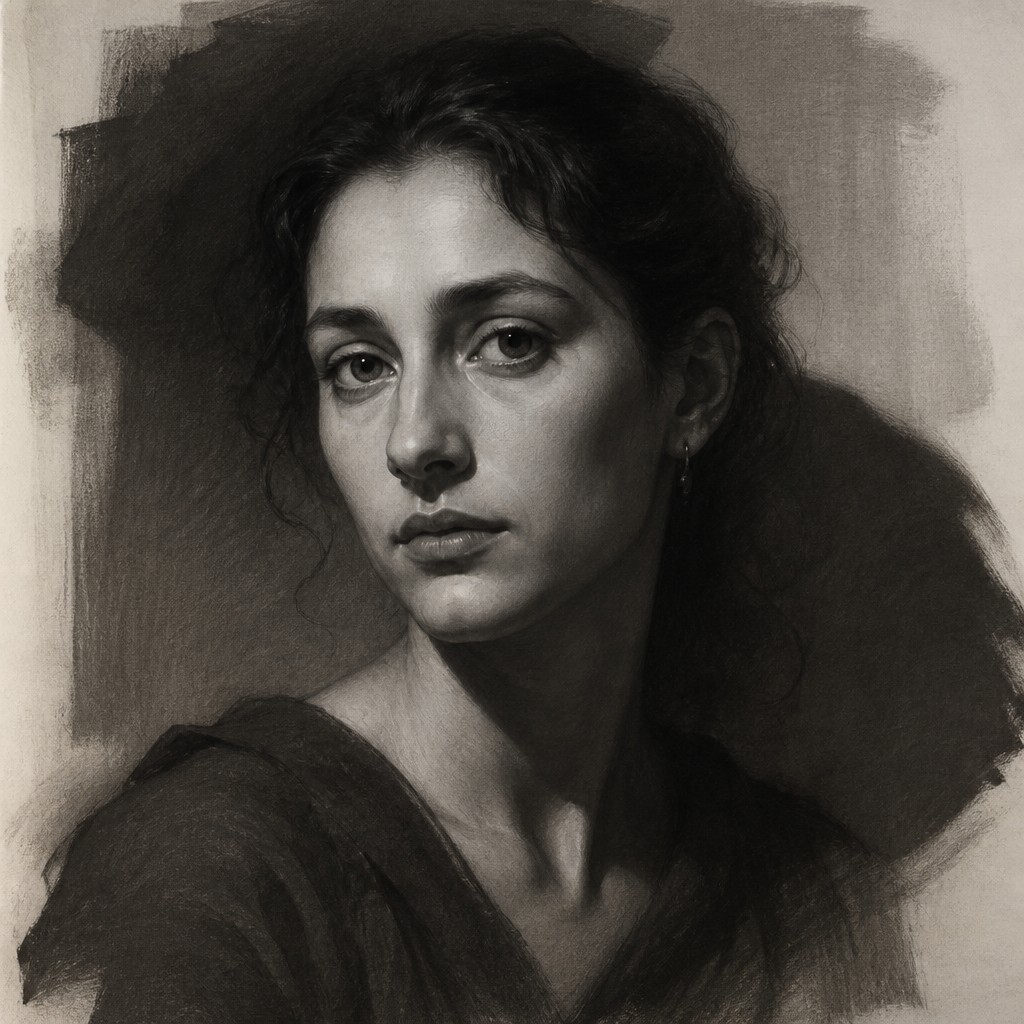
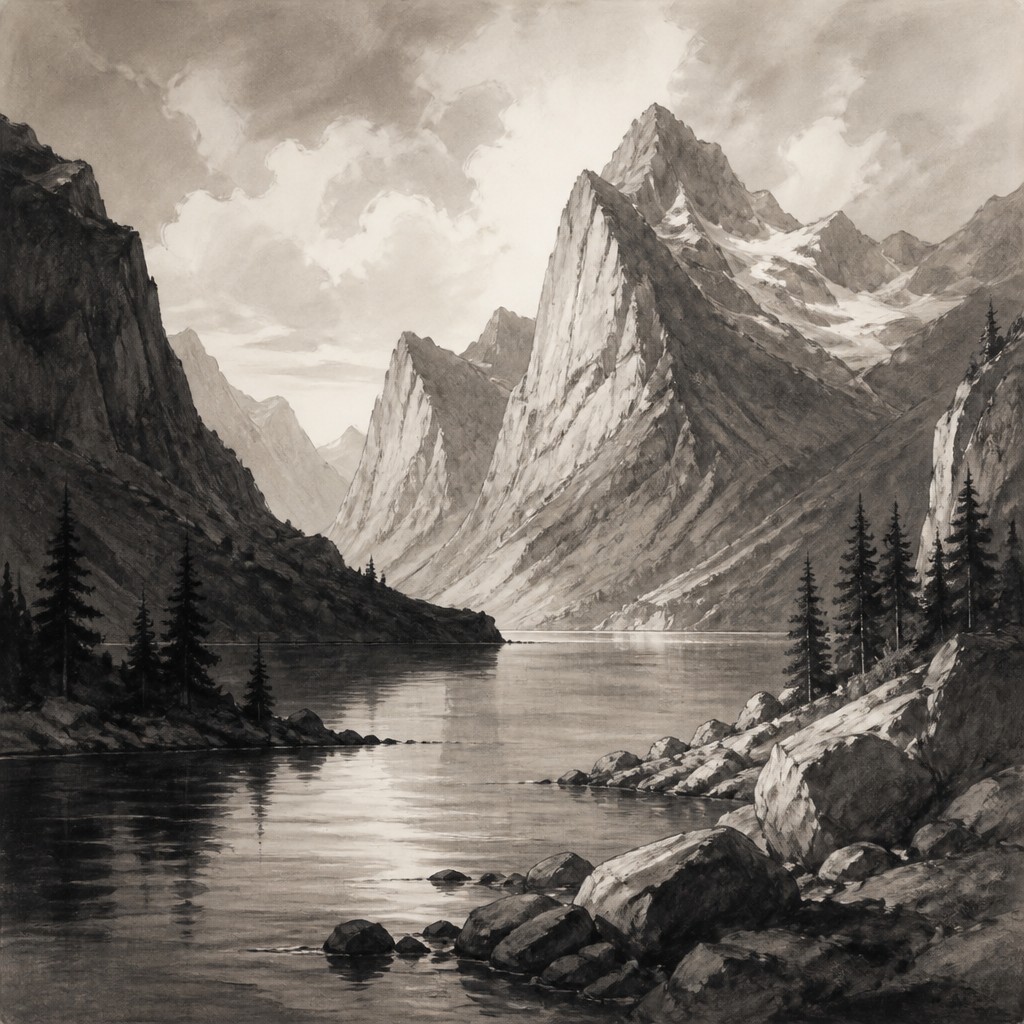
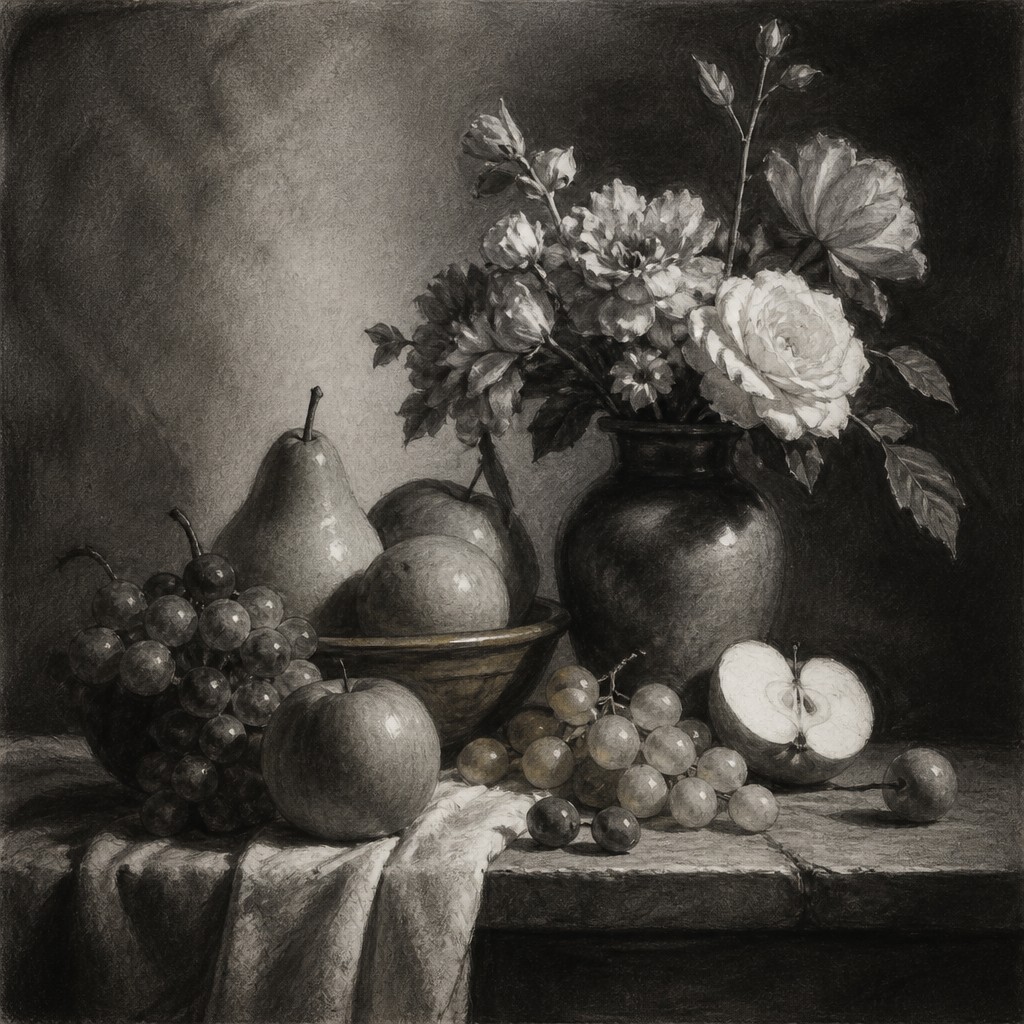
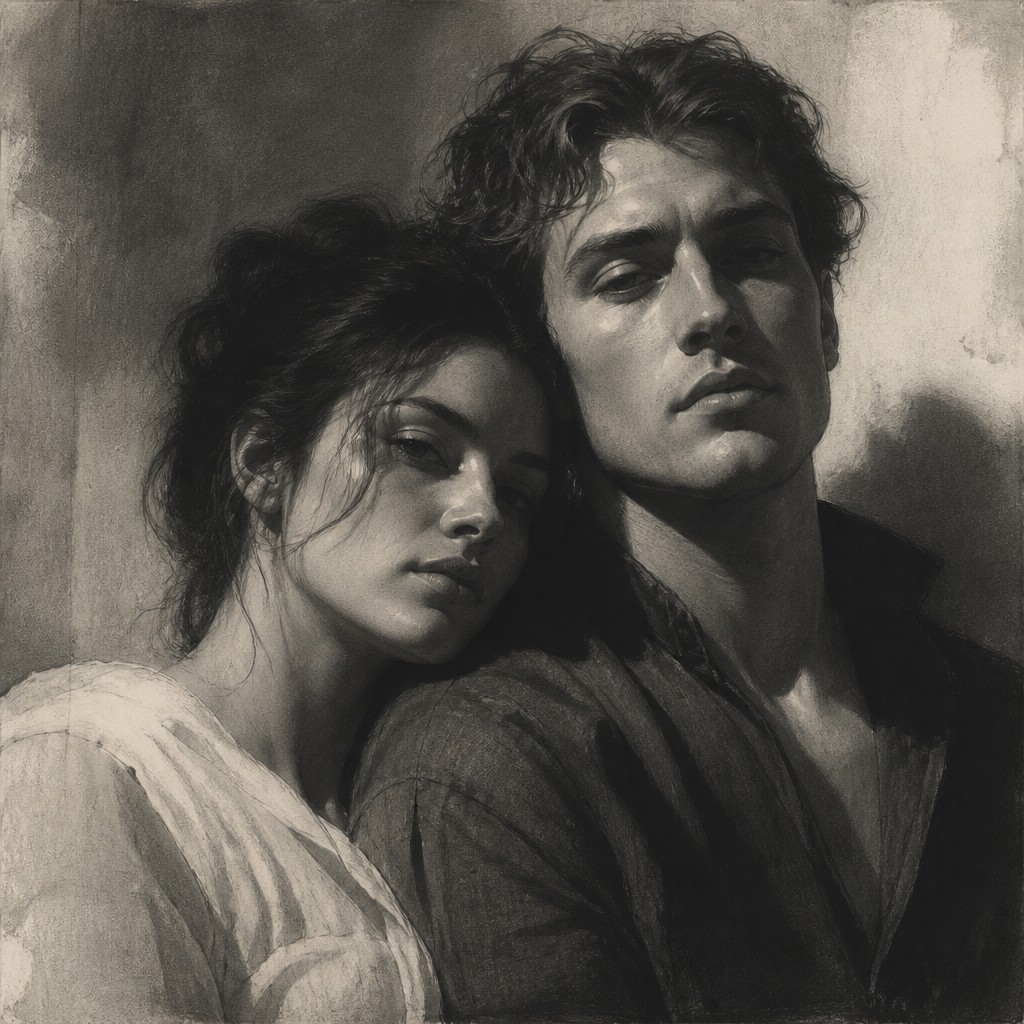
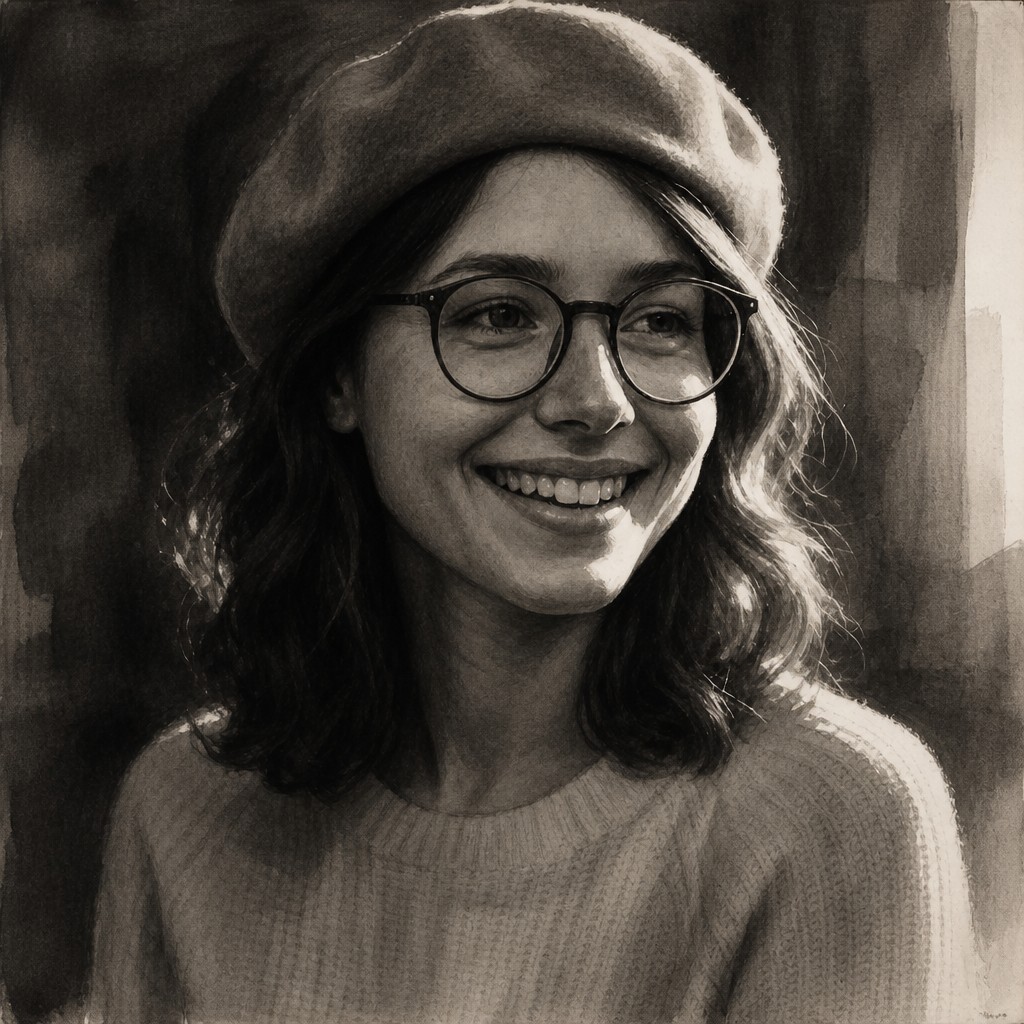
Its visual identity combines the soft transitions of diluted wash or painted grisaille with the granular marks of charcoal and the decisive edges of cast shadows. A strong, usually single-directional light source creates a clear hierarchy of focal areas, while restrained texture and simplified detail preserve the concentrated character of an atelier study.
Try It On Your Photos
Upload any photo and convert it into Value Study Art Style — drag the sliders to compare before and after.


What Defines Value Study Art Style
The signature details, up close
Monochromatic tonal range
Hue is removed in favor of neutral blacks, whites, and grays. Subtle temperature shifts may be suggested through paper tone or wash variation, but value remains the primary organizing principle.
Strong directional lighting
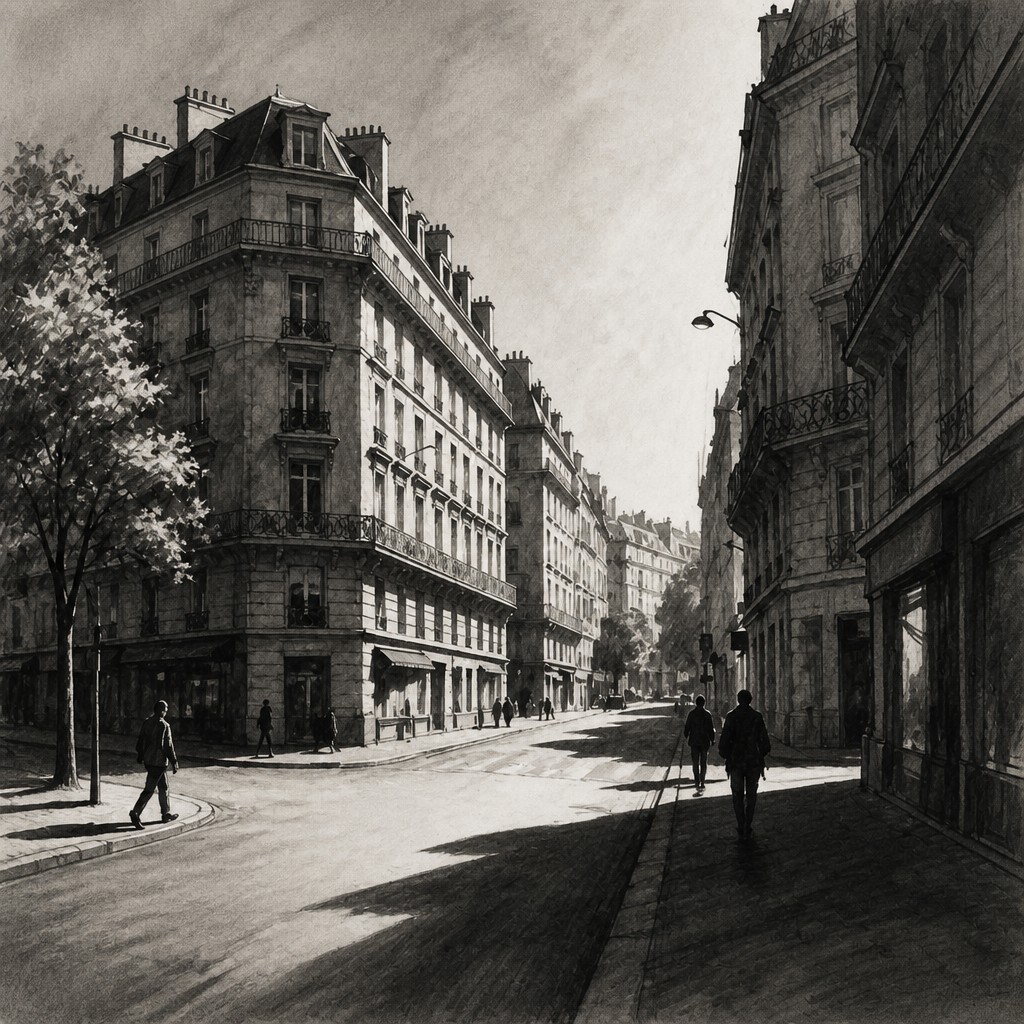
A single dominant light source establishes the composition and creates a readable progression from illuminated planes to shadowed forms. Lighting is purposeful rather than evenly distributed.
Hard cast shadows
Crisp shadows anchor objects in space and heighten visual drama. Their shapes often function as major compositional masses rather than incidental details.
Soft graded transitions
Rounded forms are modeled with gradual shifts between light and dark. These transitions contrast with sharper edges around silhouettes, overlaps, and cast-shadow boundaries.
Charcoal and wash texture
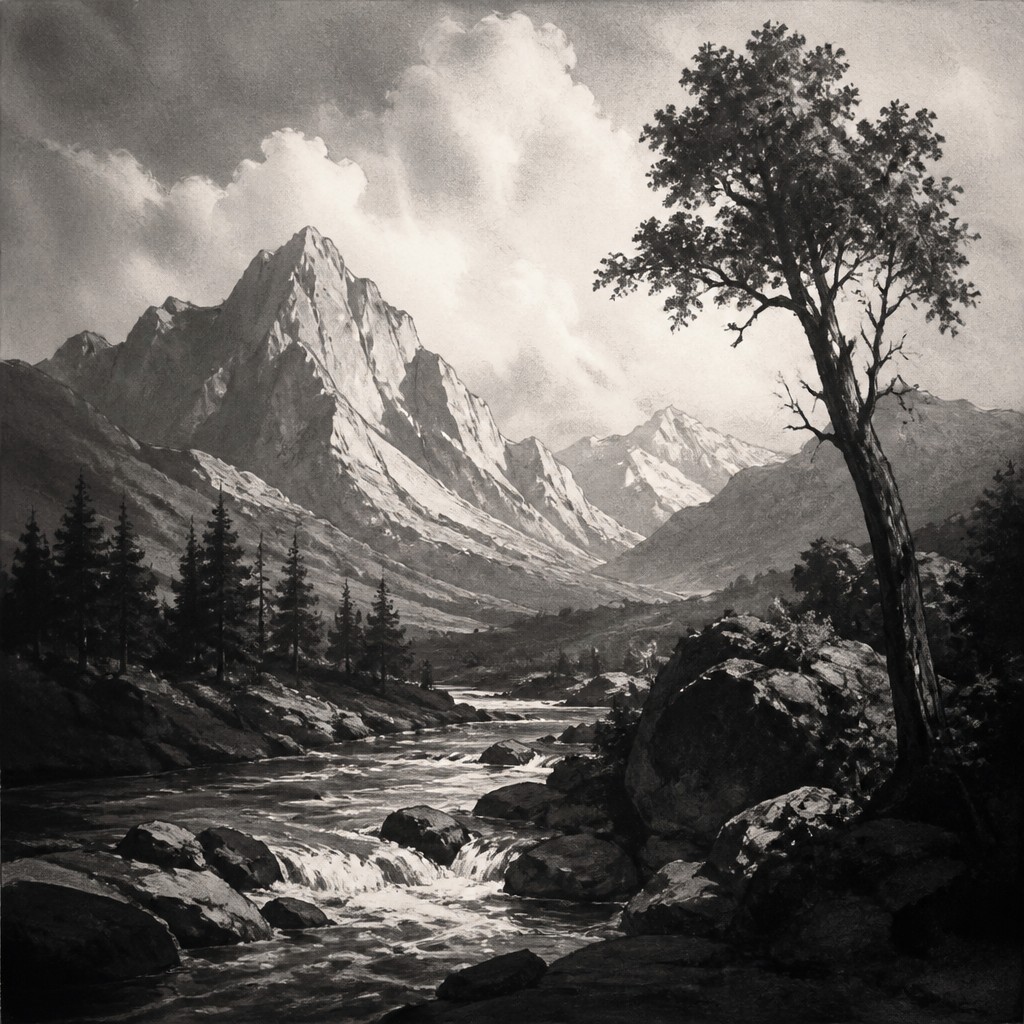
Visible grain, smudging, dry-brush marks, diluted washes, and uneven deposits give the surface a tactile study-like quality. Texture supports form without becoming decorative noise.
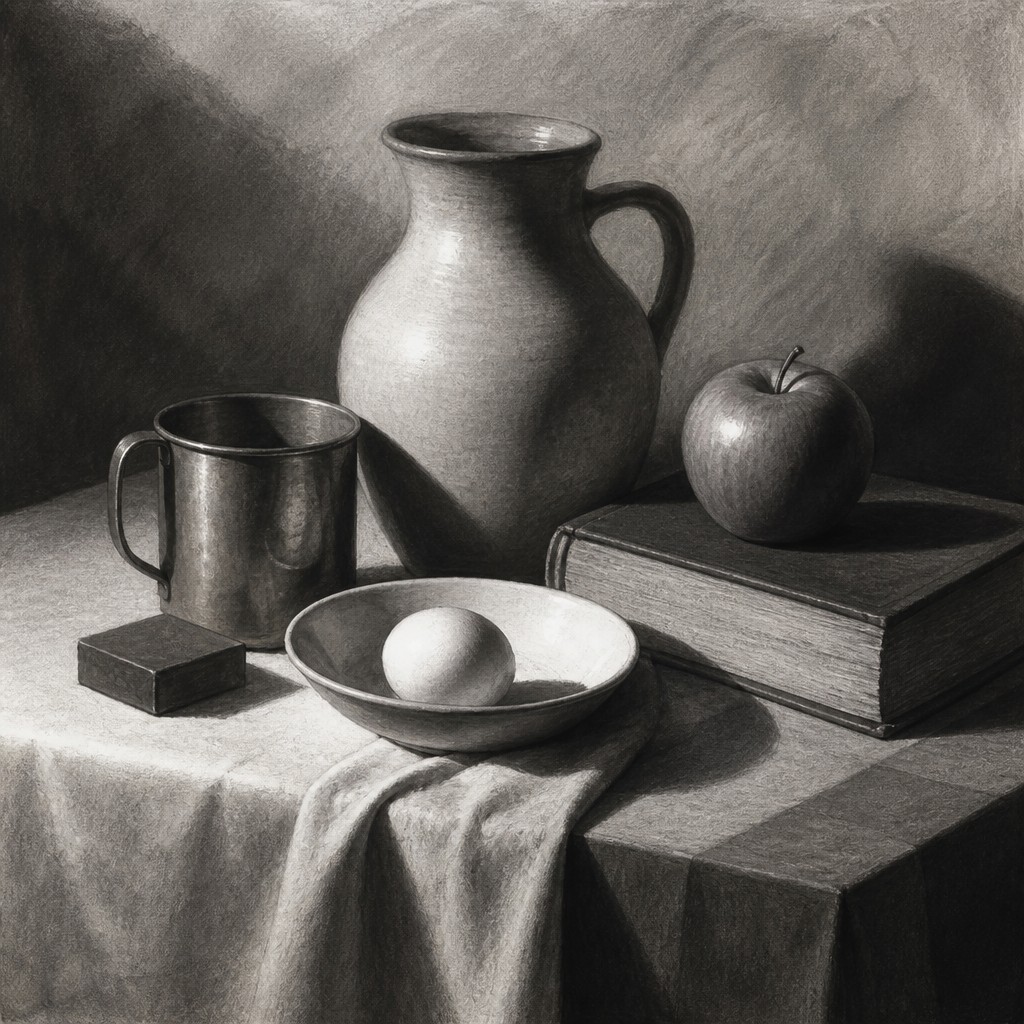
Simplified structural detail
Fine information is subordinated to large tonal groupings and clear anatomy, perspective, or silhouette. The image remains legible even when local details are deliberately omitted.
Try It
Create Videos in Value Study Art Style
Styles aren't just for stills — describe a scene or animate an image and get a short video rendered in Value Study. Press play to see this pond come to life.
Make a VideoValue Study Prompt Ideas
Start from an idea — each one opens the generator with the style ready to go. See all 40 Value Study prompts →
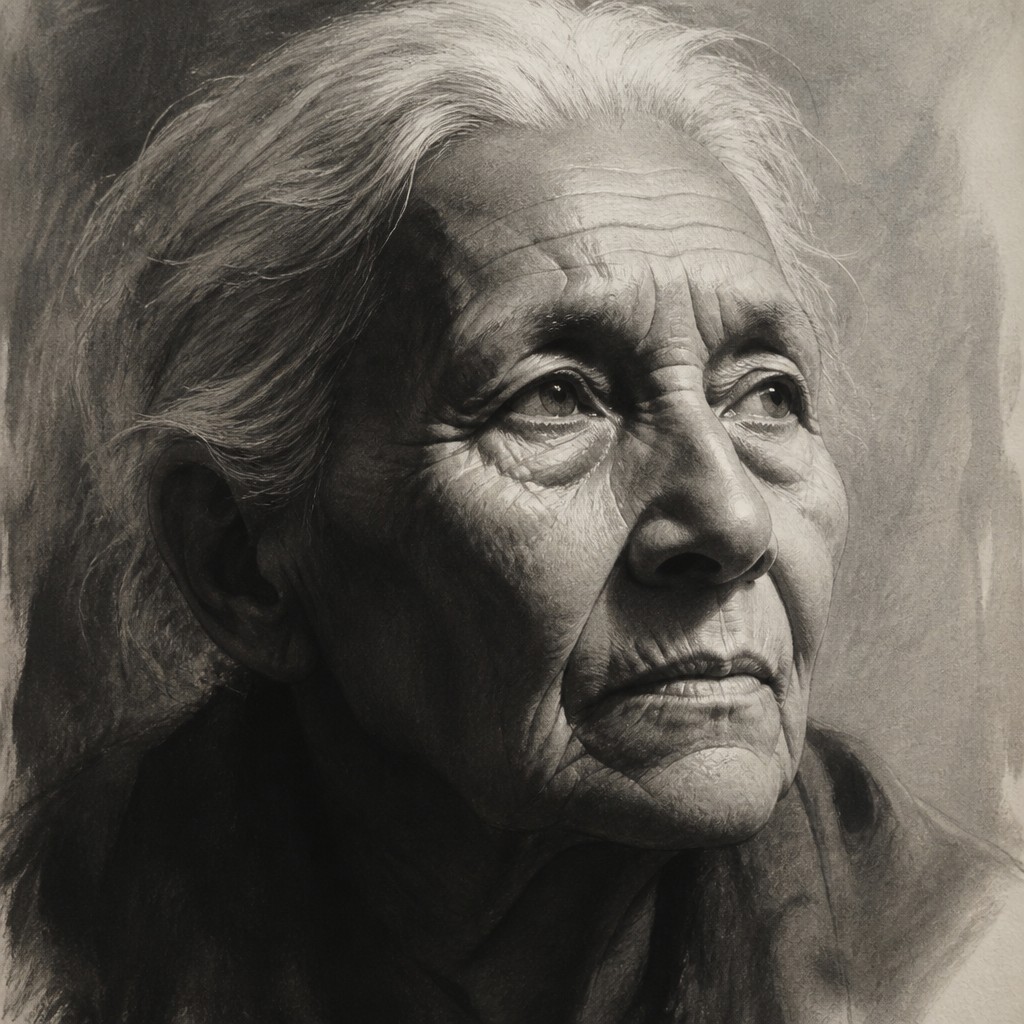
“close-up portrait of an elderly person with expressive weathered features”
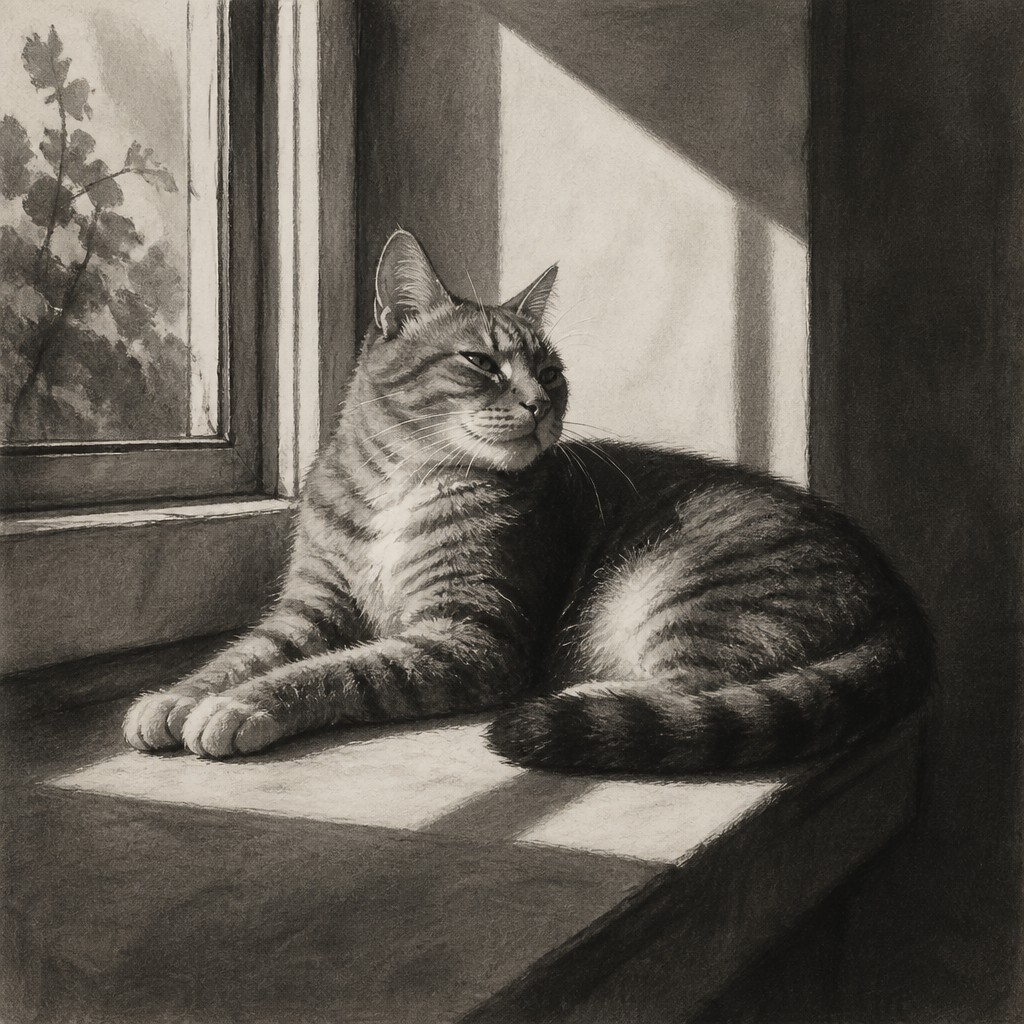
“a cat lounging in a sunlit window”
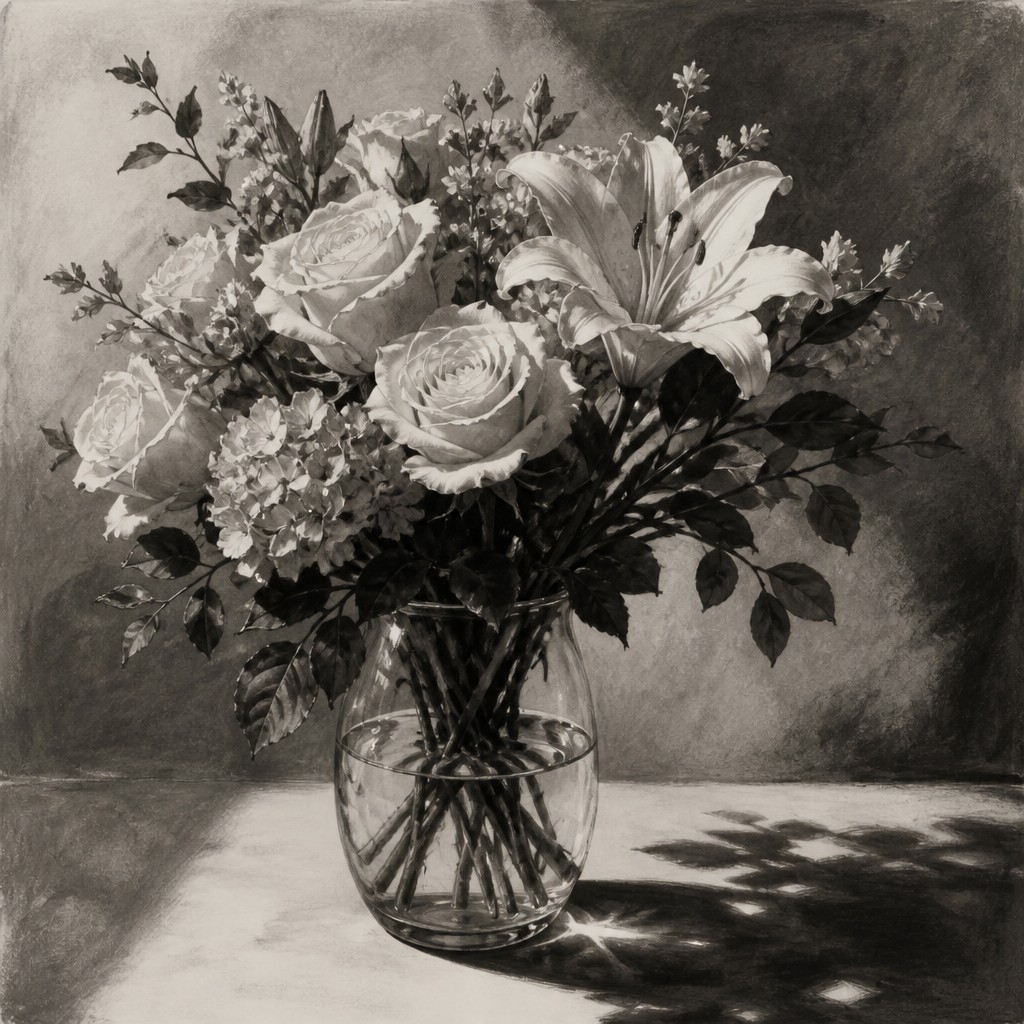
“bouquet of flowers in a glass vase”
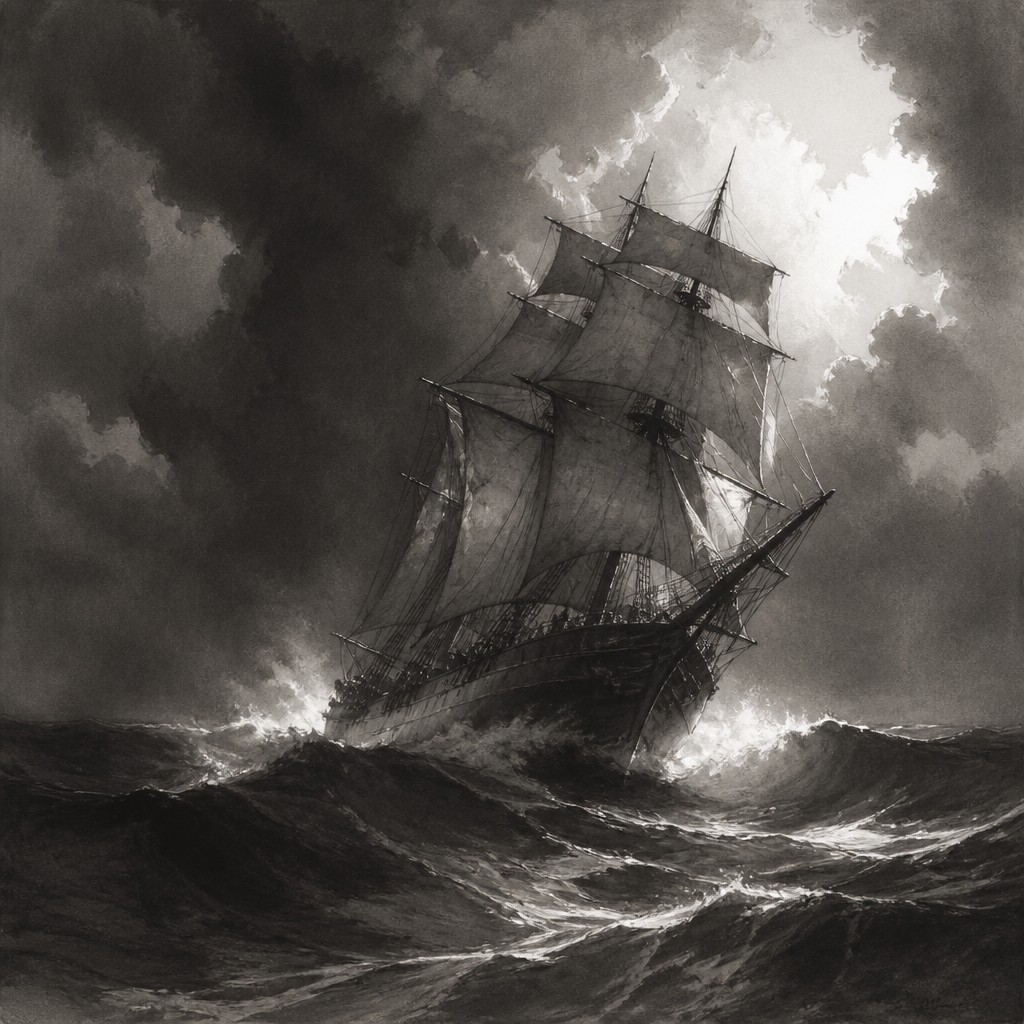
“sailing ship on a stormy sea”
How to Create Value Study Art
Master the craft step by step — or skip straight to creating. Read the full guide →
- 1
Establish a value map first
Reduce the subject to three to five large groups: light, halftone, core shadow, reflected light, and accent dark. Check the composition in grayscale before adding any surface detail.
- 2
Use one dominant light source
Place a clear key light to define the focal area, then keep secondary illumination restrained. Reserve the deepest darks for structural accents and avoid filling every shadow with equal intensity.
- 3
Build form with mixed edges
Blend charcoal or wash gradually across rounded forms while preserving firm edges at cast shadows, overlaps, and important silhouettes. A deliberate mixture of lost and found edges creates depth.
- 4
Work from broad masses to accents
Begin with a light ground and large shadow shapes, then refine planes, textures, and small highlights. This prevents detail from weakening the overall tonal design.
- 5
Choose an appropriate digital workflow
In digital painting, use a grayscale layer or desaturate the working image, apply textured charcoal or wash brushes, and inspect the result with a value or histogram check. Keep a limited tonal palette to preserve unity.
- 6
Write focused generation prompts
For prompt-based generation, specify a monochrome full tonal range, a single hard light source, soft graded modeling, charcoal or wash texture, and an academic study composition. Name the subject and lighting direction clearly, and request restrained detail rather than color.

The Story
History & Origins of Value Study
The approach also reflects the influence of photographic chiaroscuro, cinematic lighting, concept-art block-ins, and digital value thumbnails. In contemporary practice, it functions both as a finished monochrome aesthetic and as a preparatory method for testing an image's structure before color or surface detail is added.
Influences: The style draws on academic cast and figure studies, European grisaille and chiaroscuro traditions, charcoal life drawing, ink-wash painting, tonal landscape studies, and the visual logic of black-and-white photography. It is also related to cinematic low-key lighting, concept-art value thumbnails, and contemporary digital painting practices that use grayscale to solve composition before color.
Frequently Asked Questions
What defines Value Study Art?
It is defined by the priority given to tonal structure over color or fine detail. A full range from near-black to paper-white, controlled midtones, strong directional light, and a combination of soft modeling with hard shadows are central features.
Is Value Study Art the same as grayscale art?
Not exactly. Grayscale describes the absence of color, while a value study also emphasizes the deliberate analysis and arrangement of light, shadow, volume, and composition. A simple grayscale image may lack the structured lighting and study-like discipline associated with this style.
How is it different from grisaille?
Grisaille is a historical monochrome painting method often used to imitate sculpture or prepare a composition for later color. Value Study Art uses related principles but is broader, incorporating charcoal, wash, digital tonal thumbnails, photographic lighting, and expressive textural effects.
Can this style include subtle color?
Its defining appearance is colorless or nearly colorless, so saturated hues generally undermine the style. Slight warm or cool paper tones can be used, provided they do not compete with the tonal hierarchy.
What subjects work best with this approach?
Portraits, still lifes, architecture, landscapes, animals, and figure studies all work well. Subjects with clear planes, strong silhouettes, or distinctive lighting are especially effective because their structure remains readable without color.
Where is this style used?
It appears in observational drawing, painting studies, illustration, visual development, environment design, editorial imagery, and photographic post-processing. It is also useful as a planning stage for colored artwork because it tests whether a composition works through value alone.

Create your first Value Study artwork
Describe anything — or upload a photo — and see it in Value Study Art Style in seconds.
Related Styles
Discover similar art styles