Narrative Art Style
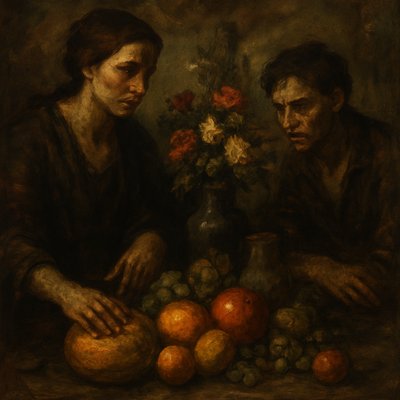
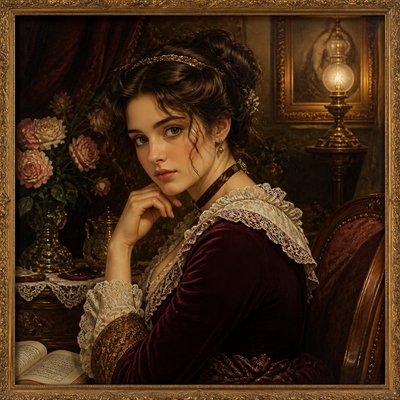
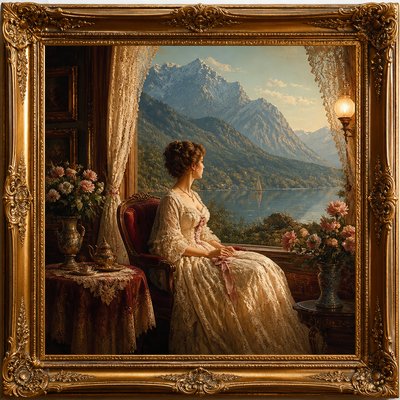
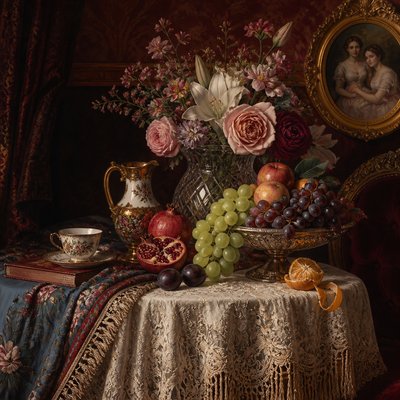
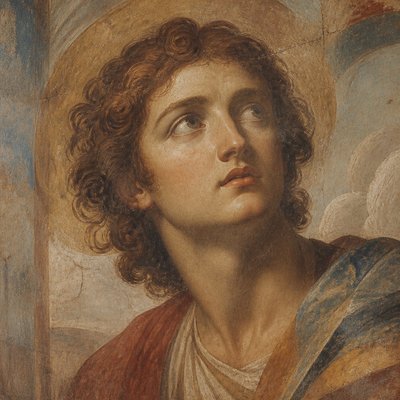
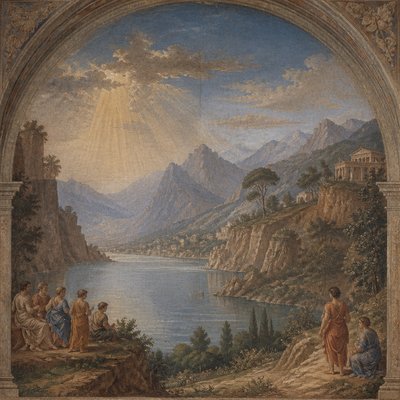
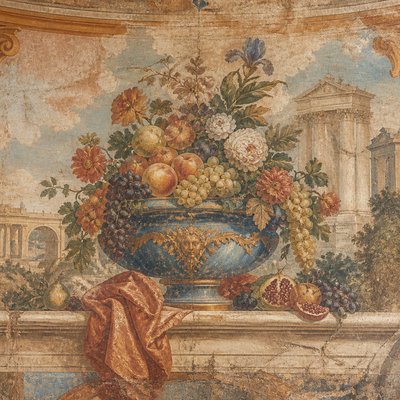
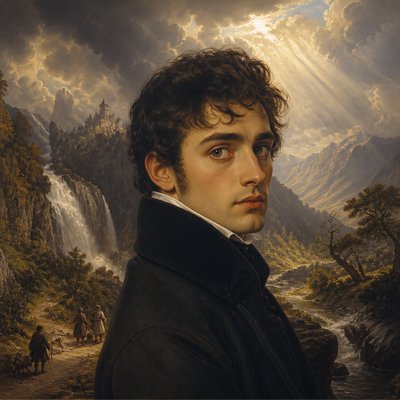
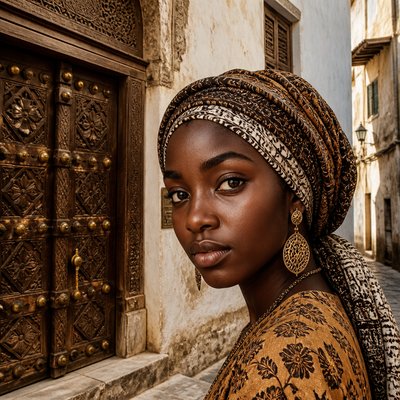
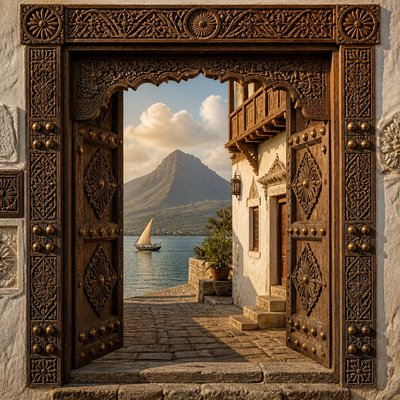
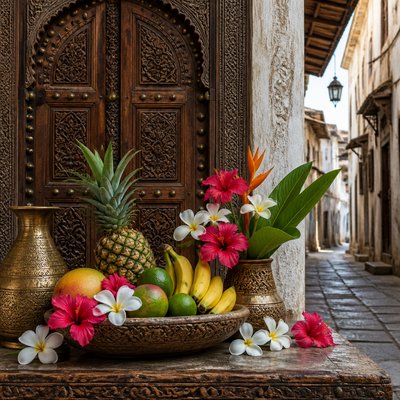
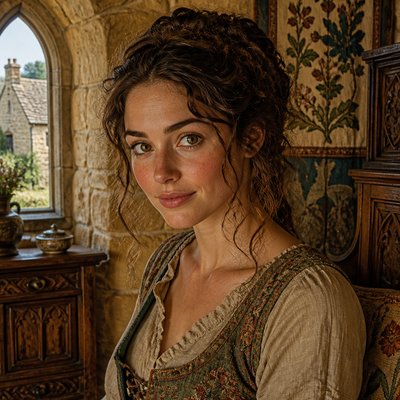
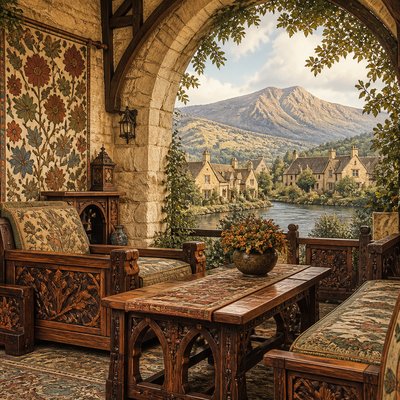
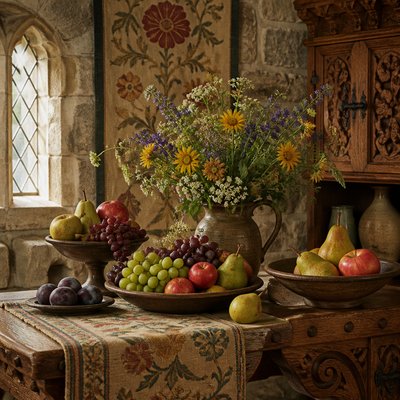
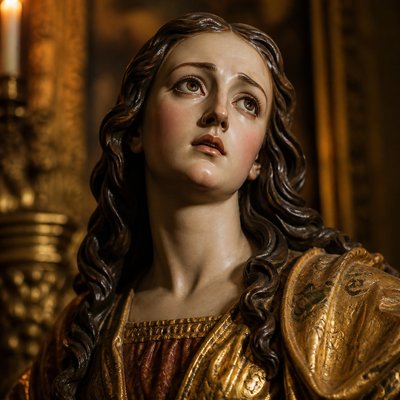
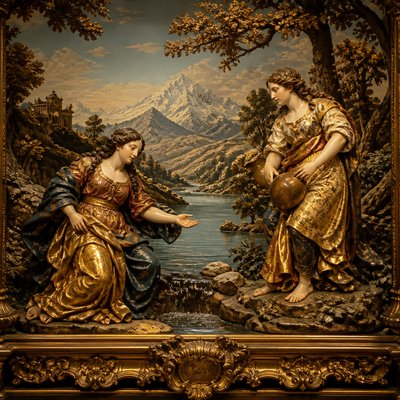
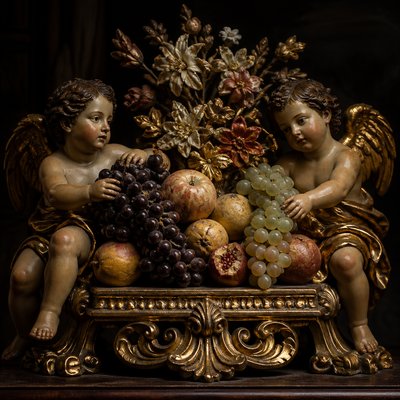
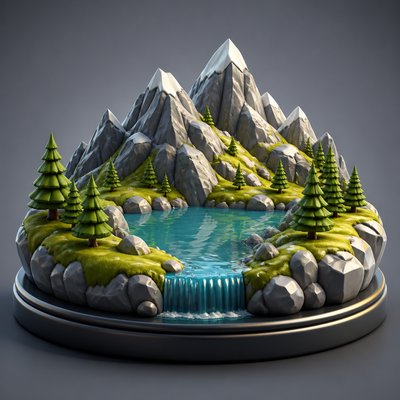
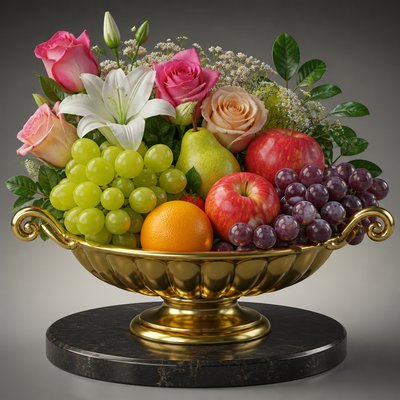
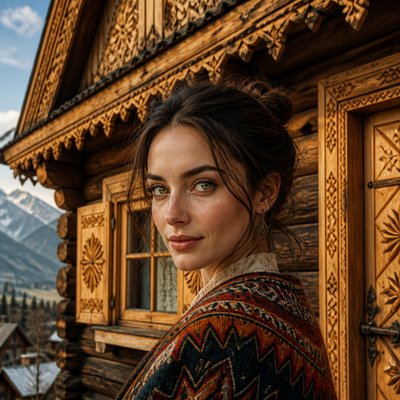
Explore Narrative Art Style: story-driven compositions using expressive figures, dramatic gestures, setting, and visual sequences to depict unfolding events.
Instantly rendered in Narrative — or transform a photo
Narrative Gallery
Tap any artwork to explore it
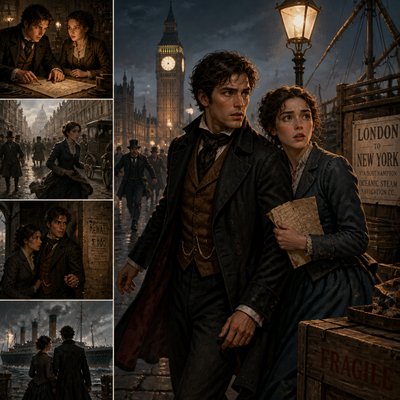
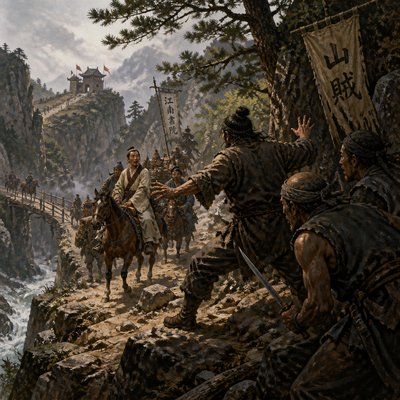
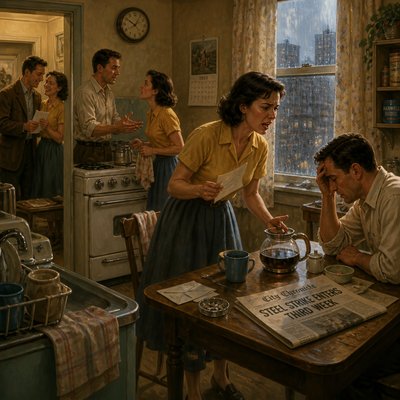
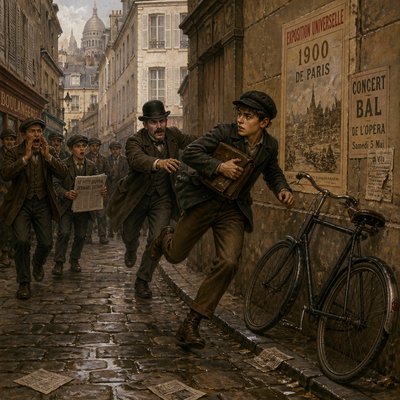
What is Narrative Art Style?
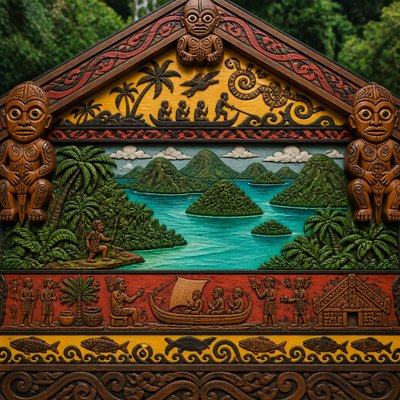
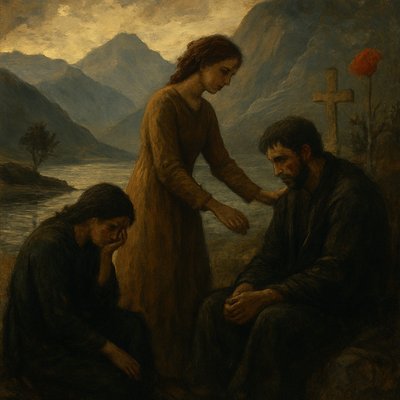
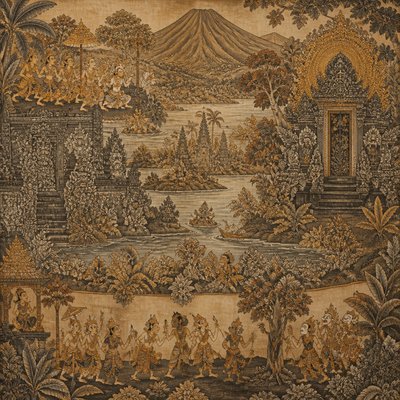
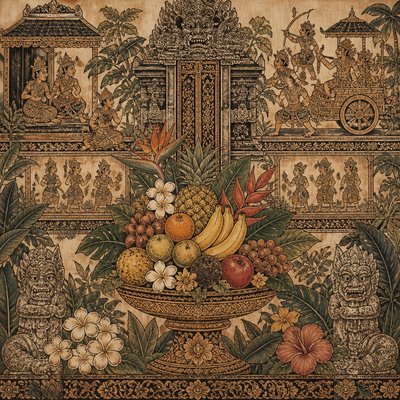
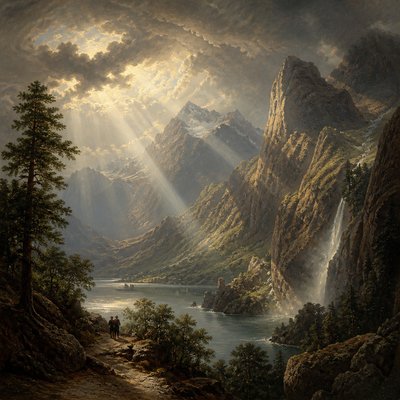
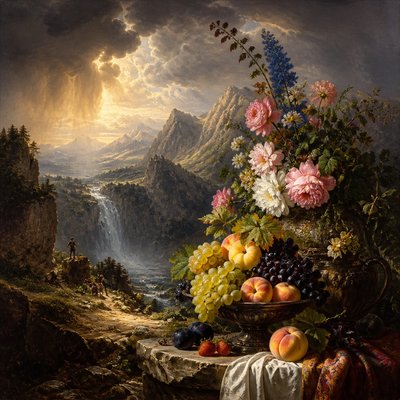
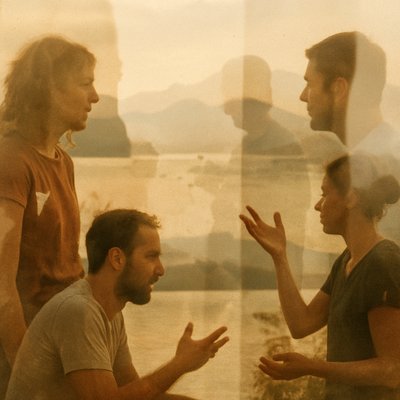
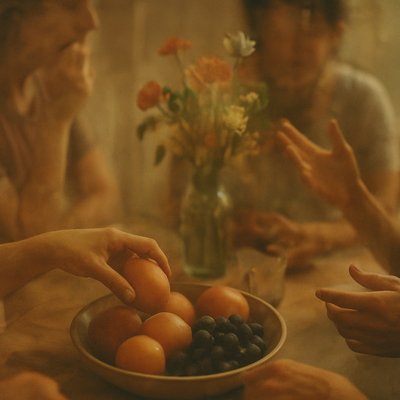
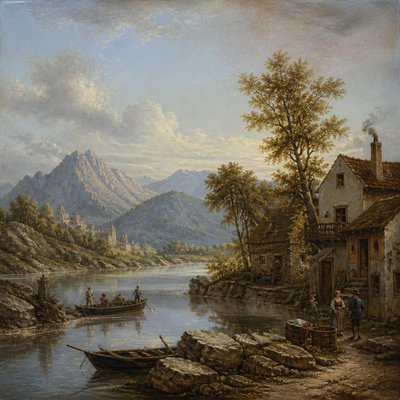
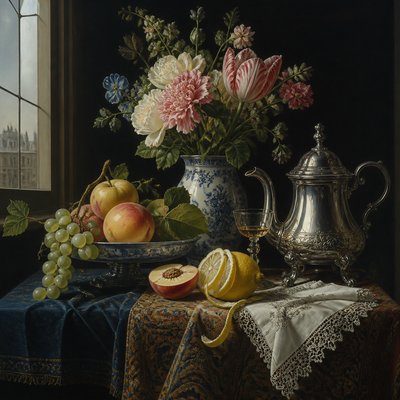
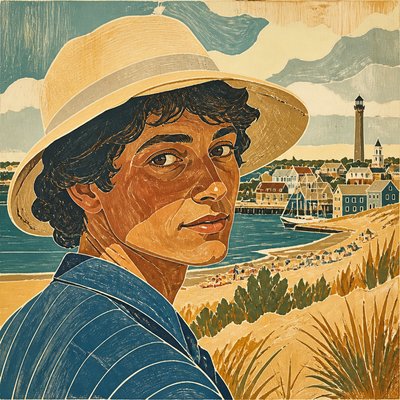
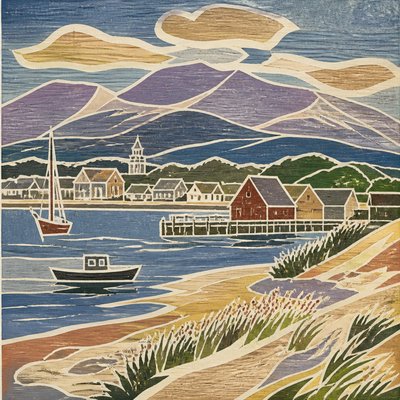
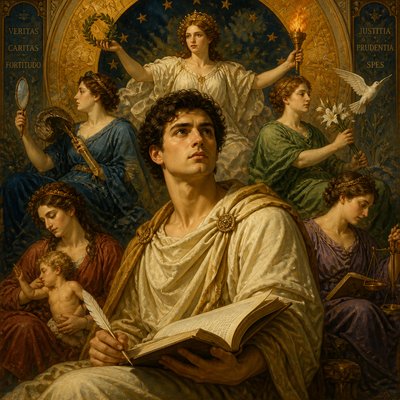
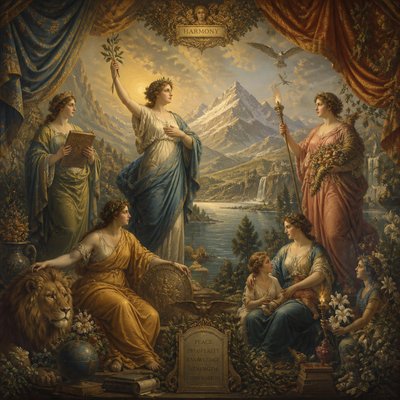
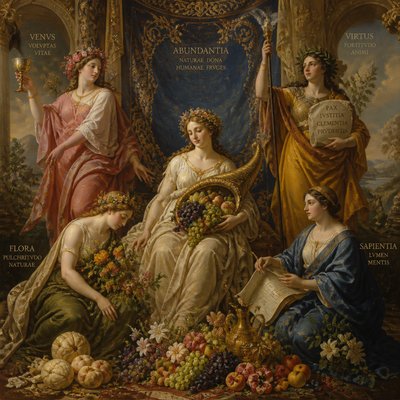
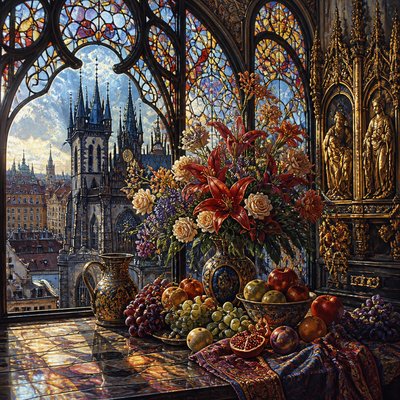
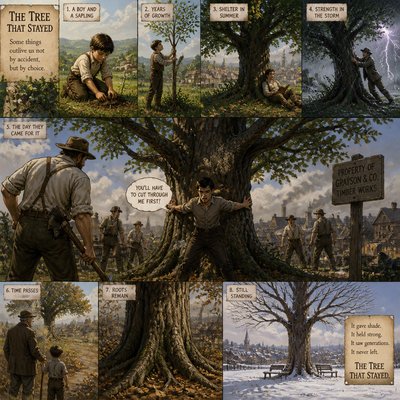
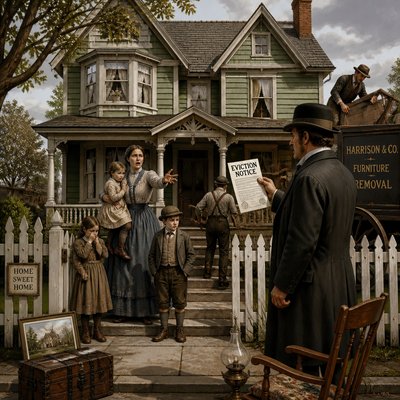
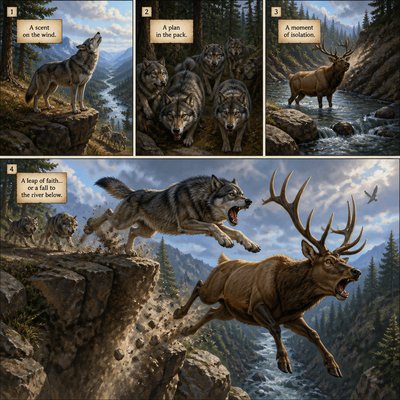
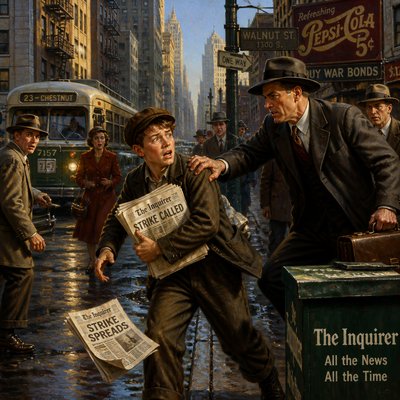
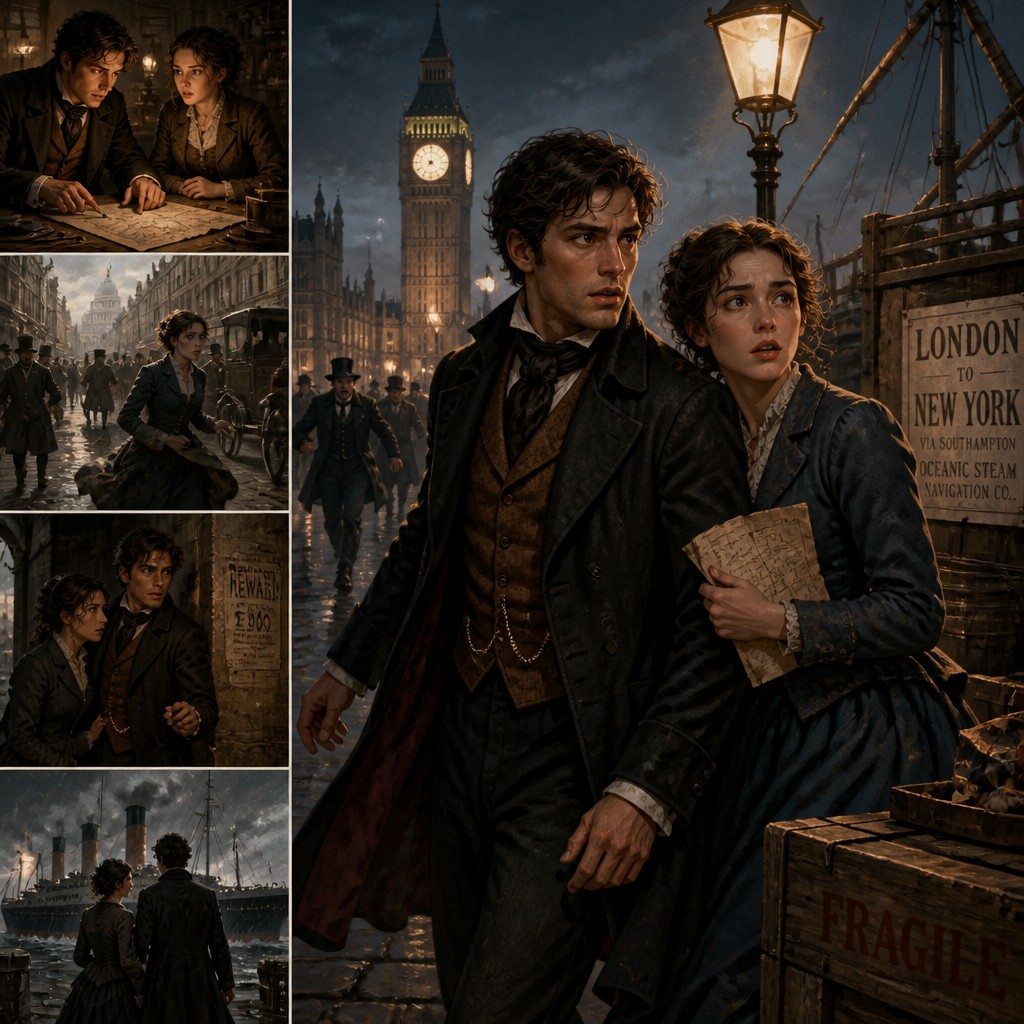
Narrative Art Style presents an image as a frozen chapter of a story. Rather than treating figures as isolated subjects, it arranges them in an intelligible chain of events: an action begins, reactions follow, and a decisive moment gathers emotional or dramatic force. Gestures, gazes, body positions, props, and environmental details work together to suggest what happened before and what may happen next.
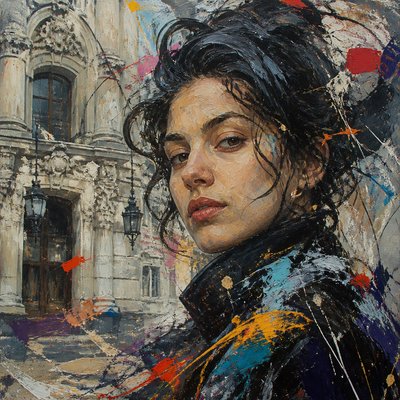
Its visual identity depends on clarity of action combined with theatrical composition. Figures are often distributed along diagonals, arcs, or spatial layers that guide the eye through the scene, while changes in scale, posture, lighting, and expression establish hierarchy. The result may resemble a historical painting, an illustrated novel, a cinematic storyboard, or a carefully staged genre scene, but its essential feature is visual storytelling rather than a fixed medium.
Try It On Your Photos
Upload any photo and convert it into Narrative Art Style — drag the sliders to compare before and after.


What Defines Narrative Art Style
The signature details, up close
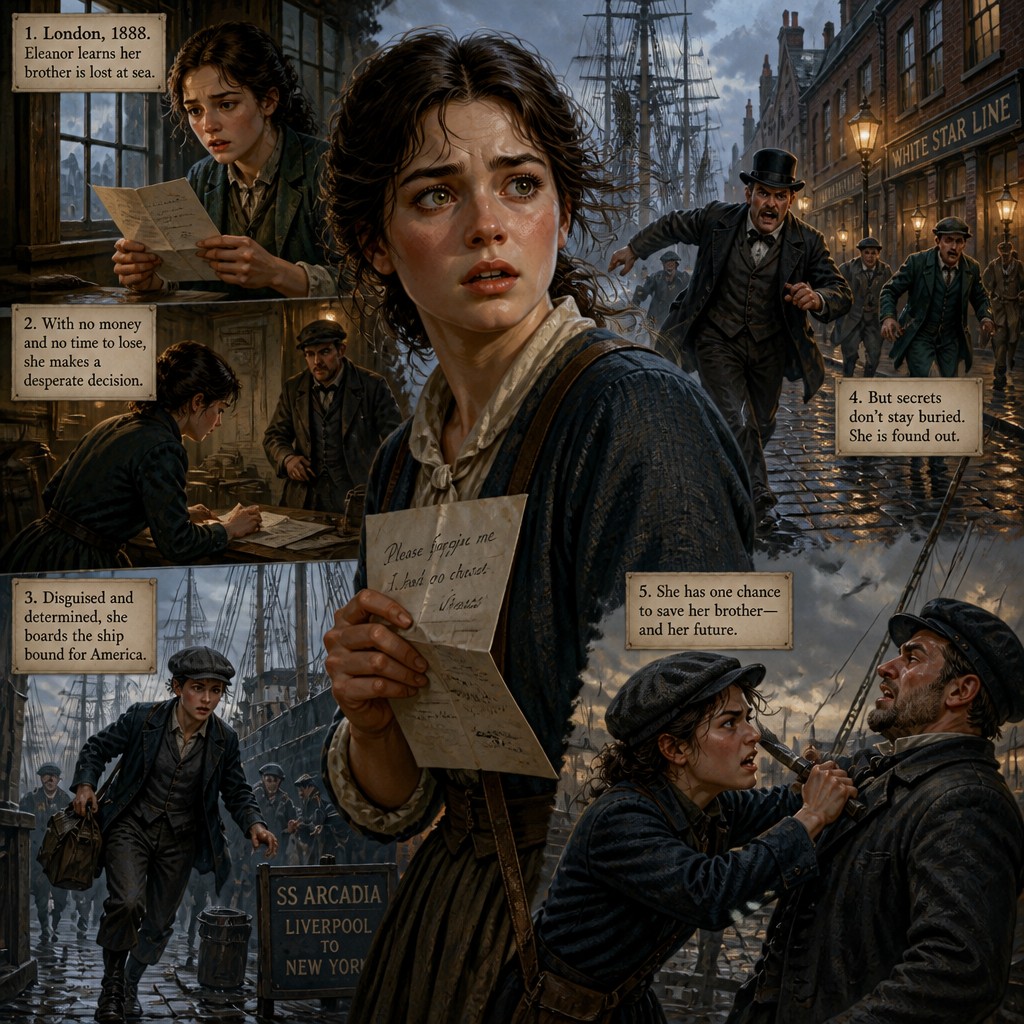
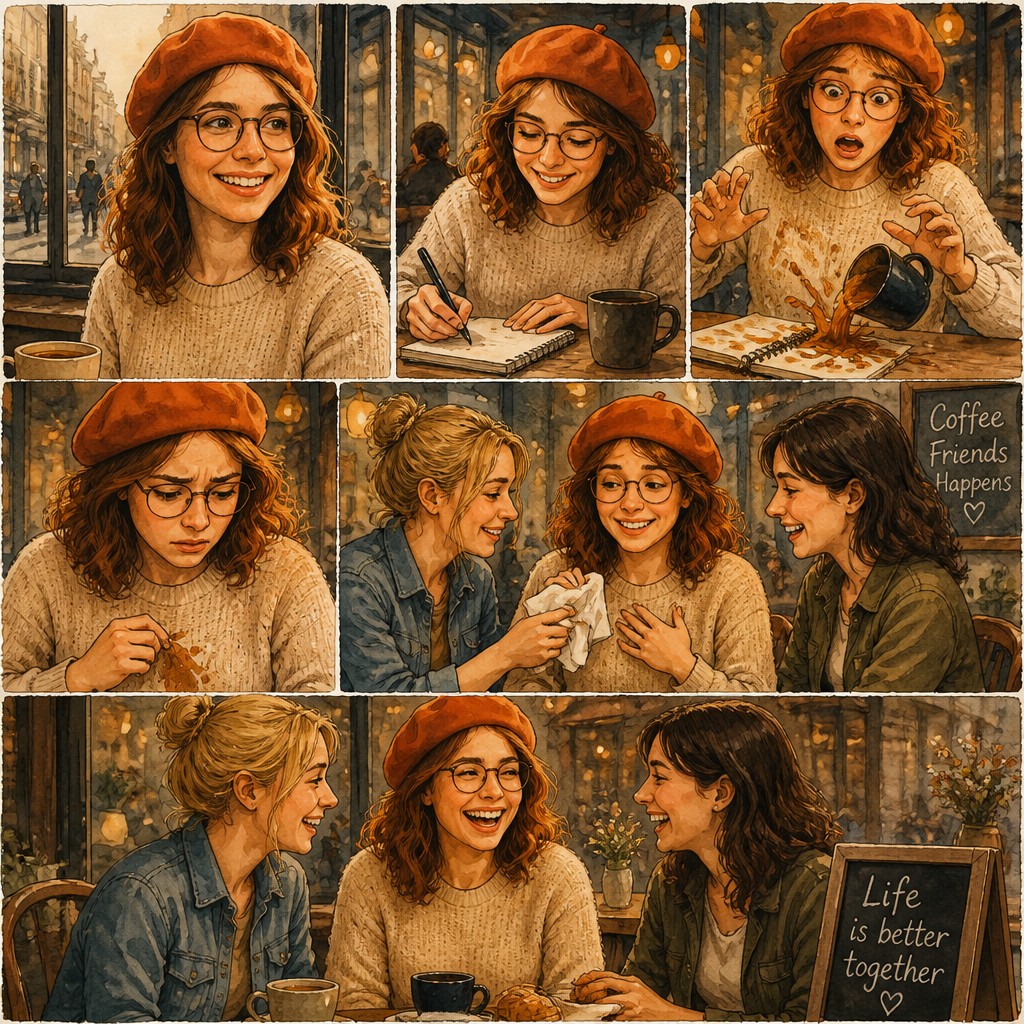
Sequential action
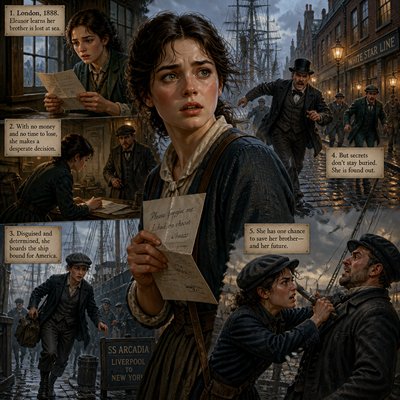
Multiple figures or visual stages imply a chain of cause and consequence within one frame. The composition may show preparation, confrontation, reaction, and aftermath through placement and gesture.
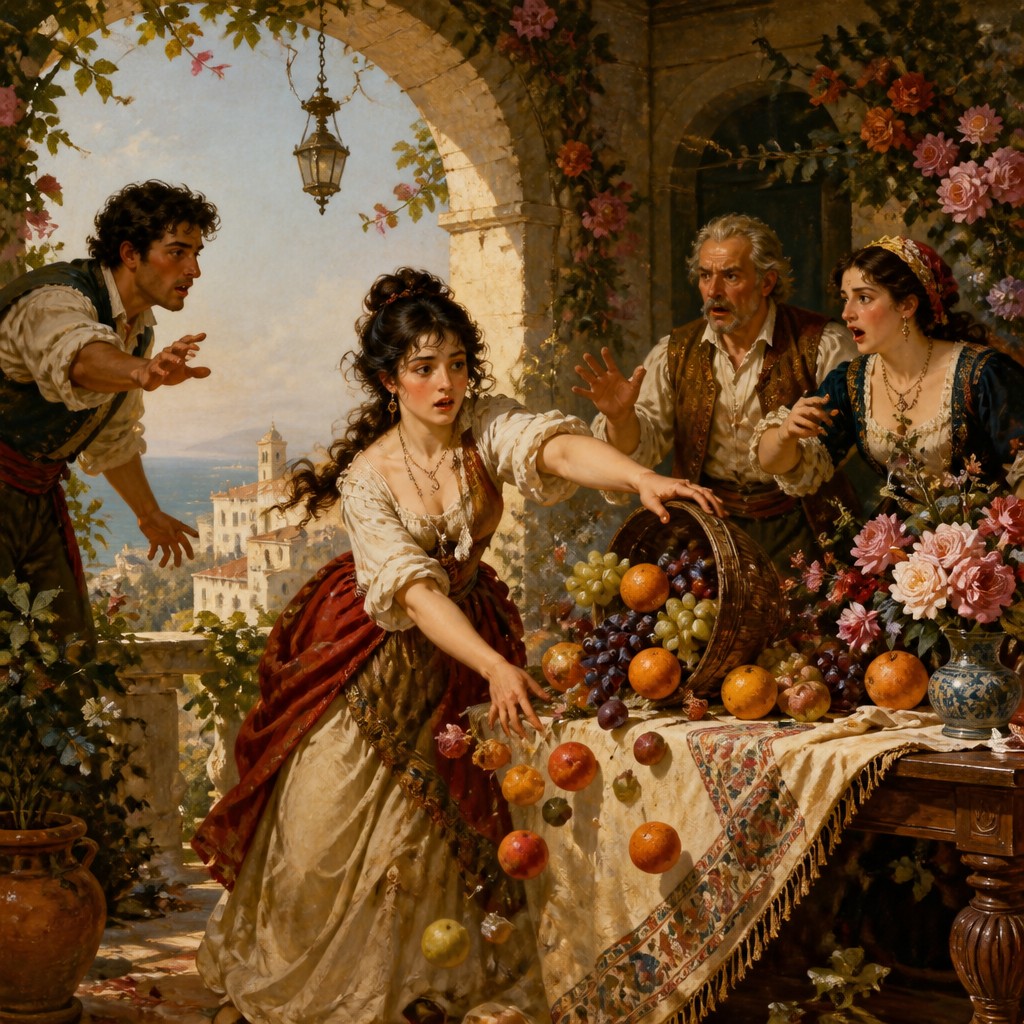
Expressive gesture
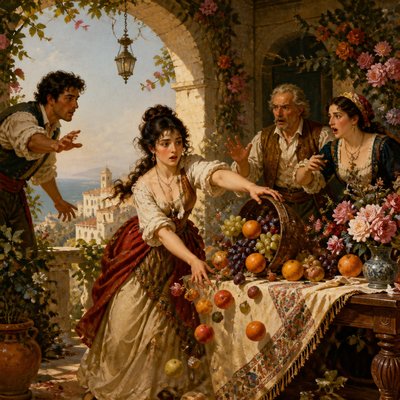
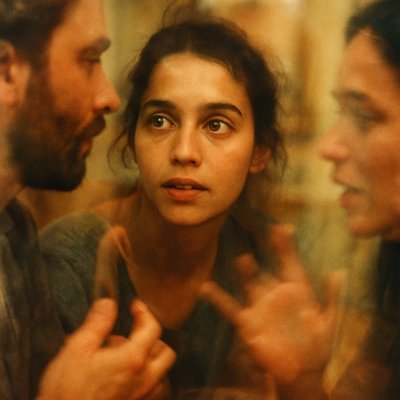
Hands, posture, facial expression, and orientation communicate relationships and motives. Gestures are designed to be readable at a glance, often exaggerating the emotional turning point.
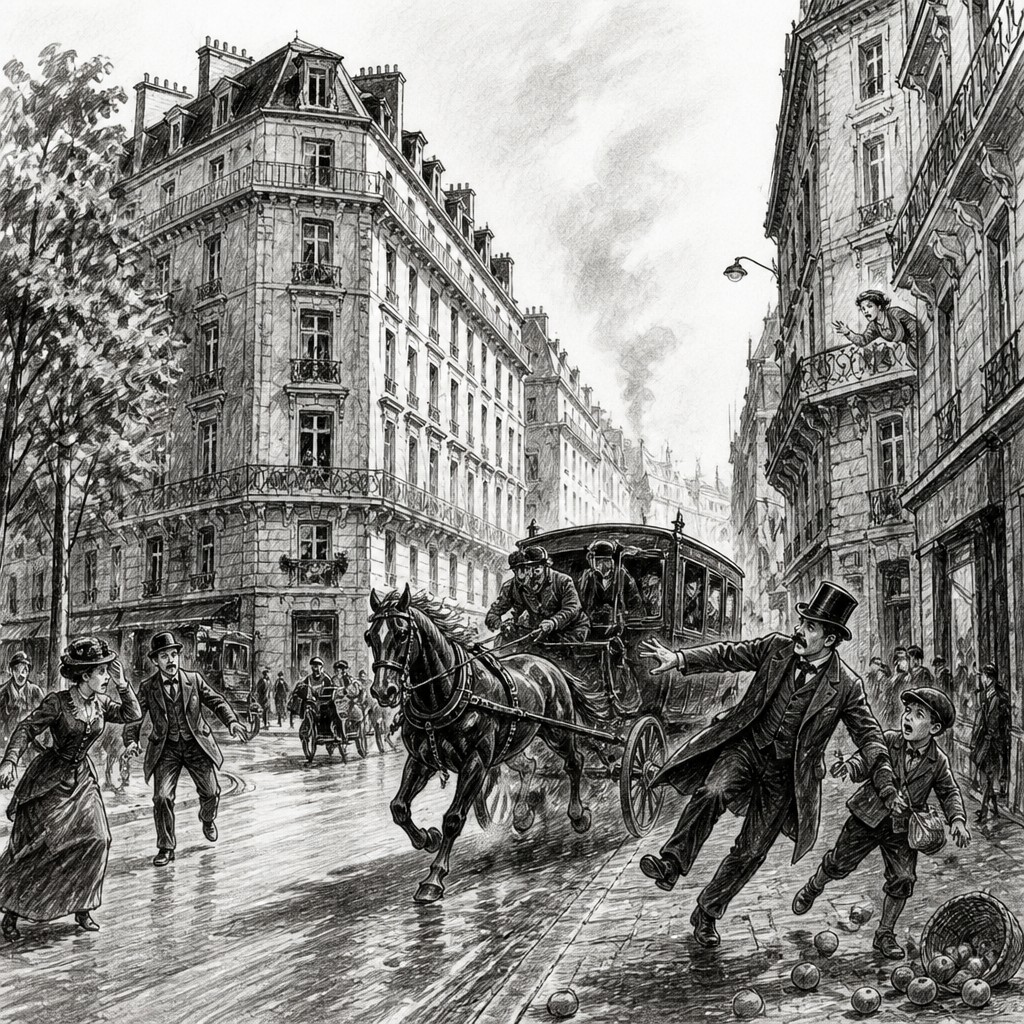
Dramatic focal moment
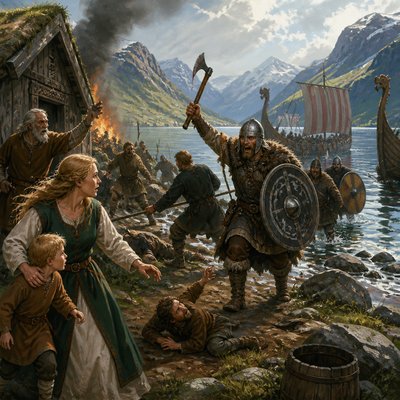
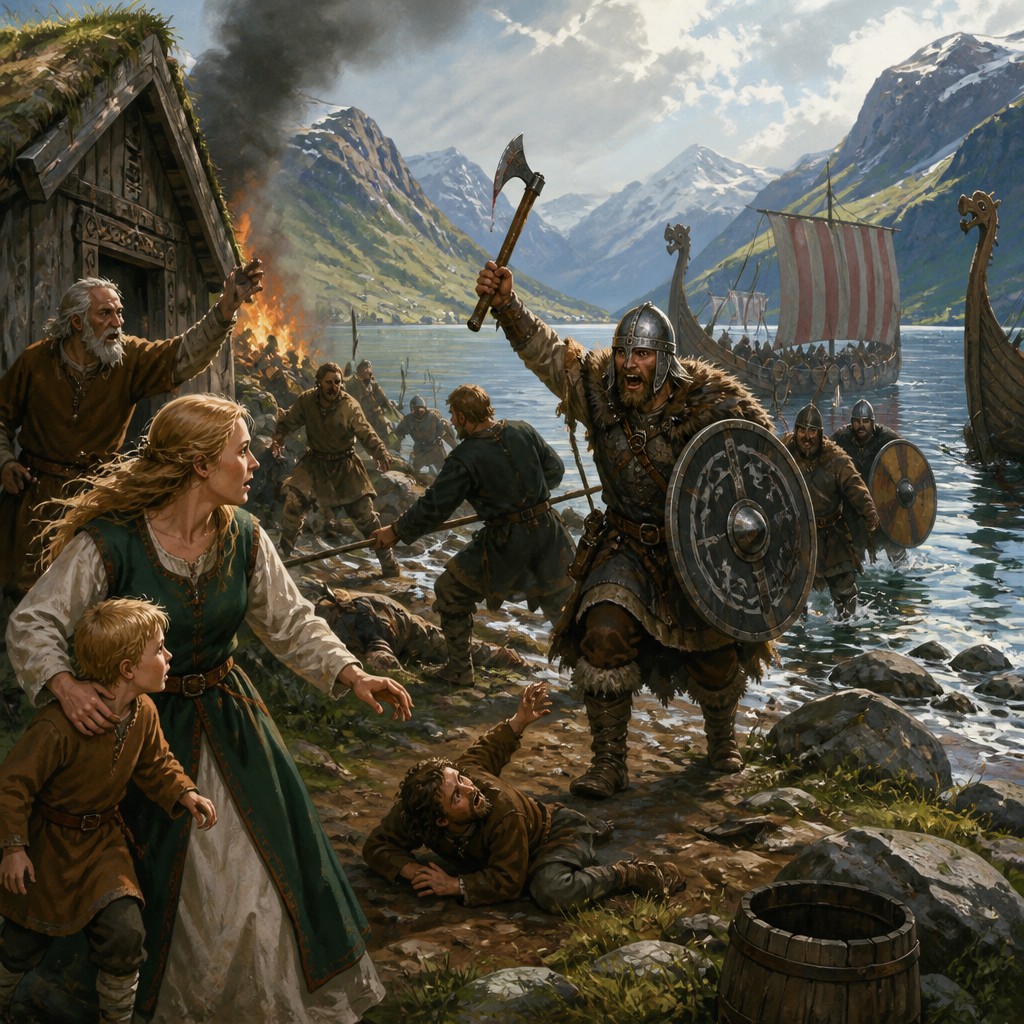
A central instant carries the greatest tension, such as a revelation, decision, escape, collision, or discovery. Contrast, lighting, scale, and compositional emphasis direct attention toward it.
Guided eye movement
Diagonals, repeated shapes, gazes, pathways, architectural lines, and overlapping figures create a visual route through the event. This movement helps viewers reconstruct the implied story.
Situated world-building
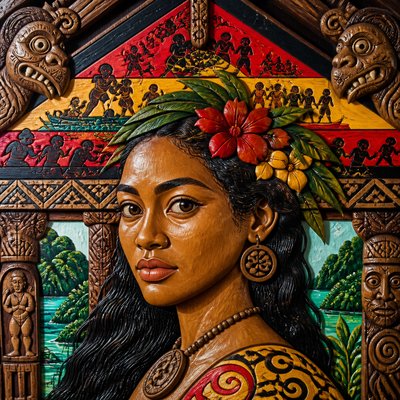
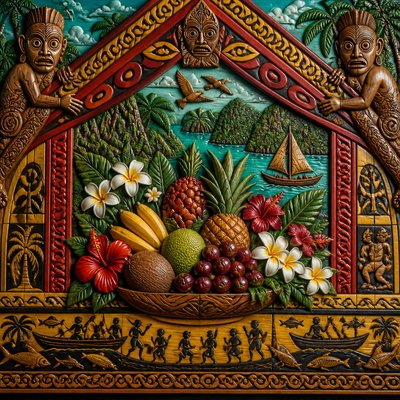
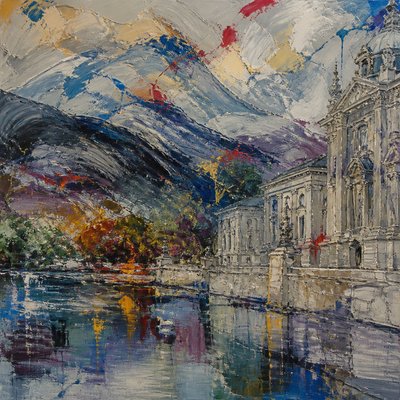
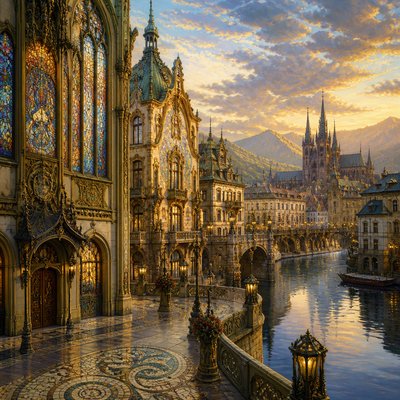
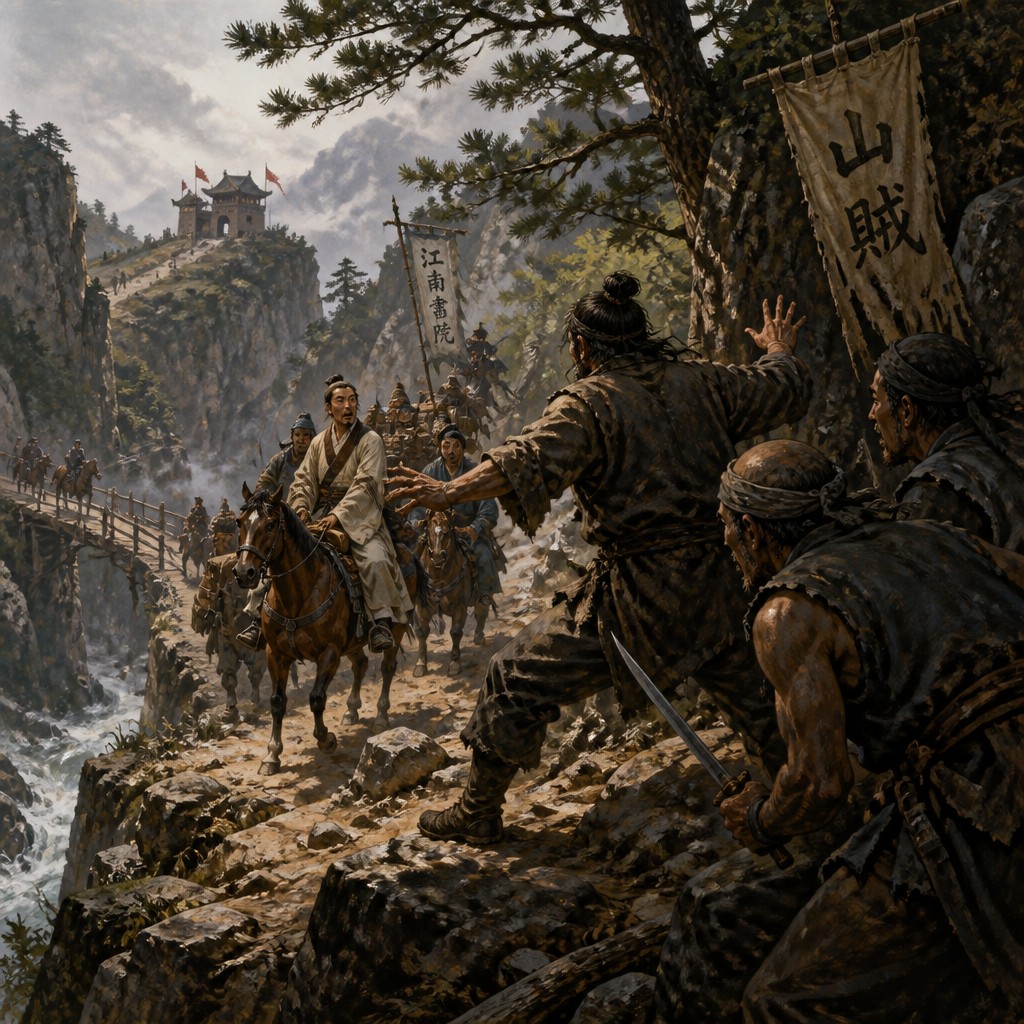
Architecture, clothing, tools, weather, landscape, and domestic objects establish a specific time, place, and social context. Setting functions as evidence within the narrative rather than as decorative background.
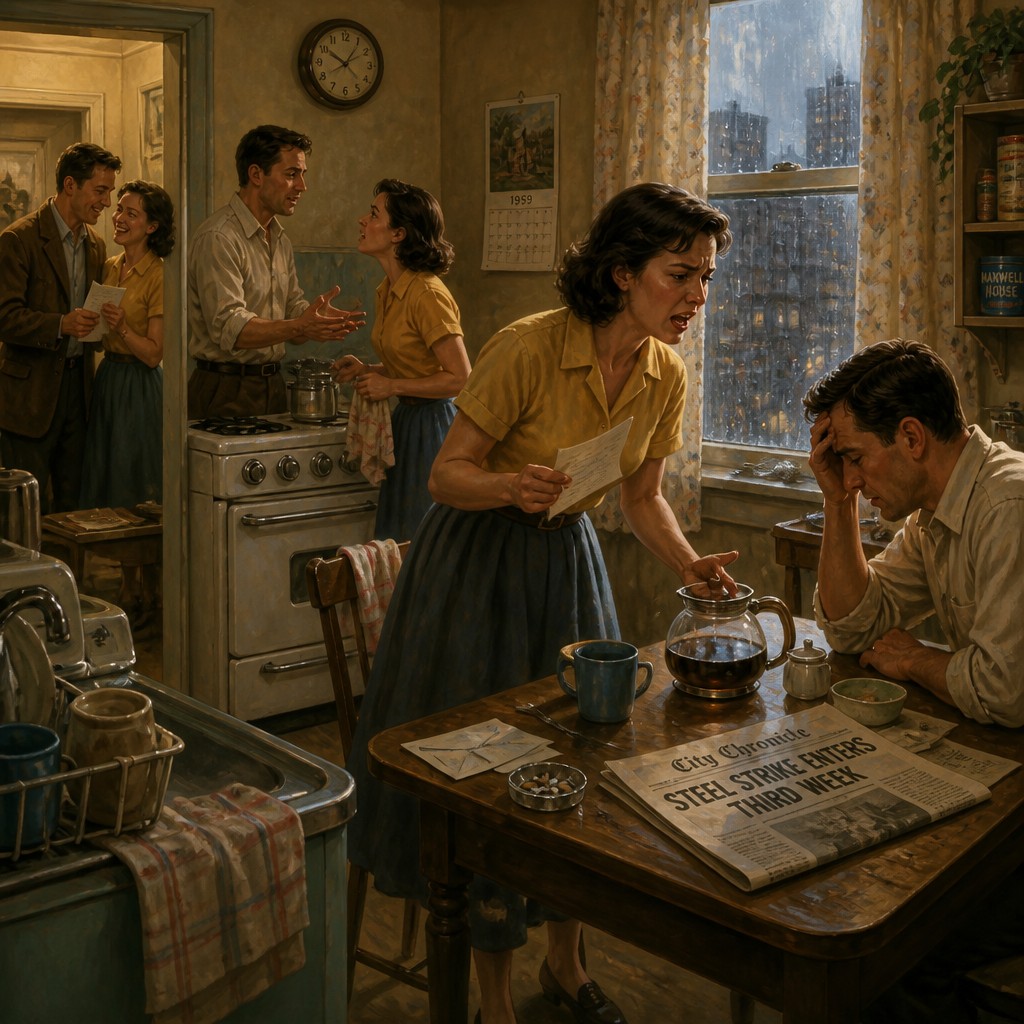
Layered spatial organization
Foreground, middle ground, and distance separate simultaneous actions or levels of importance. Overlap and scale variation can make the scene feel populated, expansive, and temporally active.
Narrative Prompt Ideas
Start from an idea — each one opens the generator with the style ready to go. See all 40 Narrative prompts →
How to Create Narrative Art
Master the craft step by step — or skip straight to creating. Read the full guide →
- 1
Define the event
Write a one-sentence account of what is happening, then identify the cause, the visible consequence, and the most tense instant. This prevents the image from becoming a collection of unrelated characters.
- 2
Stage the figures
Place characters along a readable path through the frame, varying their scale and orientation. Use gaze lines, reaching hands, turning bodies, and interrupted movement to connect one action to the next.
- 3
Build the setting
Choose objects and architectural details that establish location, period, weather, and social conditions. In traditional or digital media, render these details selectively so they support the event without competing with the focal moment.
- 4
Control emphasis
Reserve the strongest contrast, sharpest detail, or brightest illumination for the narrative climax. Softer edges and quieter values can push secondary actions into supporting roles.
- 5
Use sequential references
Thumbnail the scene as a small storyboard before making a finished painting, drawing, photograph, or digital composition. Test several viewpoints to find the frame that communicates the most before-and-after information.
- 6
Write action-specific prompts
For text-based creation, describe the event, each figure's action, the setting, the focal tension, and the eye path rather than naming only a mood. For image-to-image work, preserve recognizable subjects while adding clearer gestures, directional lighting, and contextual details.
The Story
History & Origins of Narrative
Narrative Art Style is not a single historical movement with a defined founding date. It is an intentionally synthesized approach rooted in the long tradition of narrative image-making, including ancient reliefs, religious and mythological painting, historical art, theater design, sequential illustration, comics, storyboarding, and cinematic composition.
Its development reflects a shift from depicting a subject to depicting an event. Earlier narrative traditions supplied conventions such as repeated figures, symbolic attributes, expressive gesture, and the selection of a climactic instant. Modern illustration, photography, film, and digital image-making expanded these conventions through montage-like sequencing, directional framing, and detailed world-building.
Influences: The style draws on historical and mythological painting, religious narrative cycles, theatrical staging, tableau photography, sequential illustration, comics, storyboarding, and cinematic mise-en-scène. It also borrows from graphic design through controlled focal hierarchy and from documentary traditions through its emphasis on contextual evidence. Unlike purely decorative figurative art, these influences are unified around the readable progression of an event.
Frequently Asked Questions
What defines Narrative Art Style?
It defines an image through implied action, consequence, and emotional progression. Figures, gestures, setting, and composition cooperate to make the viewer infer a story rather than merely identify a subject.
Is Narrative Art Style a historical art movement?
No. It is a contemporary descriptive and generative style rather than a movement with a fixed period, institution, or manifesto. Its aesthetic lineage includes many historical forms of visual storytelling.
How does it differ from a normal scene illustration?
A normal scene may establish a place or depict a character without implying much change. Narrative Art Style emphasizes a turning point and supplies visual clues about what caused it and what will follow.
Can a single figure create a narrative image?
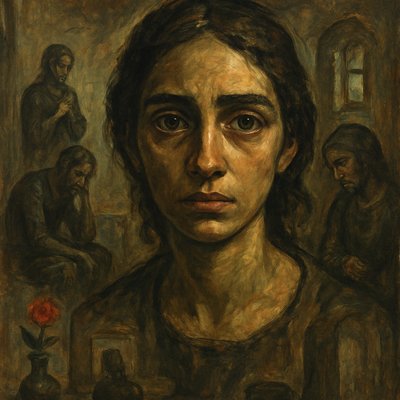
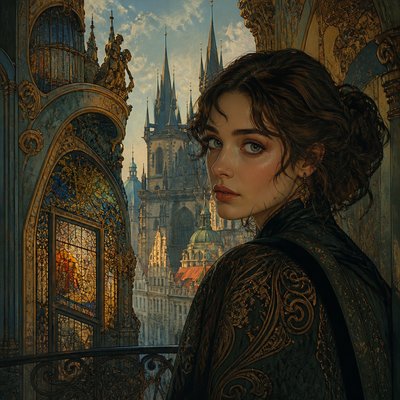
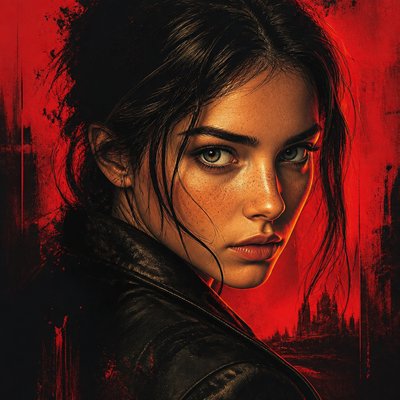
Yes, if pose, expression, props, environment, and surrounding traces imply an event. A solitary figure can suggest an arrival, departure, discovery, aftermath, or decision when the image contains enough contextual evidence.
What subjects work well with this style?
Historical episodes, family dramas, expeditions, mysteries, rescues, celebrations, confrontations, and fantasy quests all work well. Subjects with clear stakes and changing relationships are especially effective.
How can I make an image more narratively readable?
Clarify who is acting, who is reacting, and what object or event connects them. Reduce competing focal points, arrange figures along a visual route, and use lighting or contrast to identify the decisive moment.
Create your first Narrative artwork
Describe anything — or upload a photo — and see it in Narrative Art Style in seconds.
Related Styles
Discover similar art styles