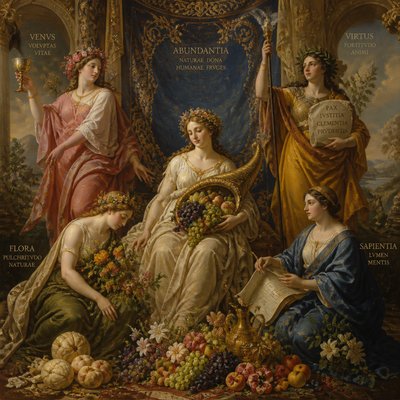
VFX Compositing Digital Art Style
Seamless cinematic compositing that blends photo and CGI into believable, high-impact scenes with filmic lighting and depth.
Instantly rendered in VFX Compositing Digital — or transform a photo
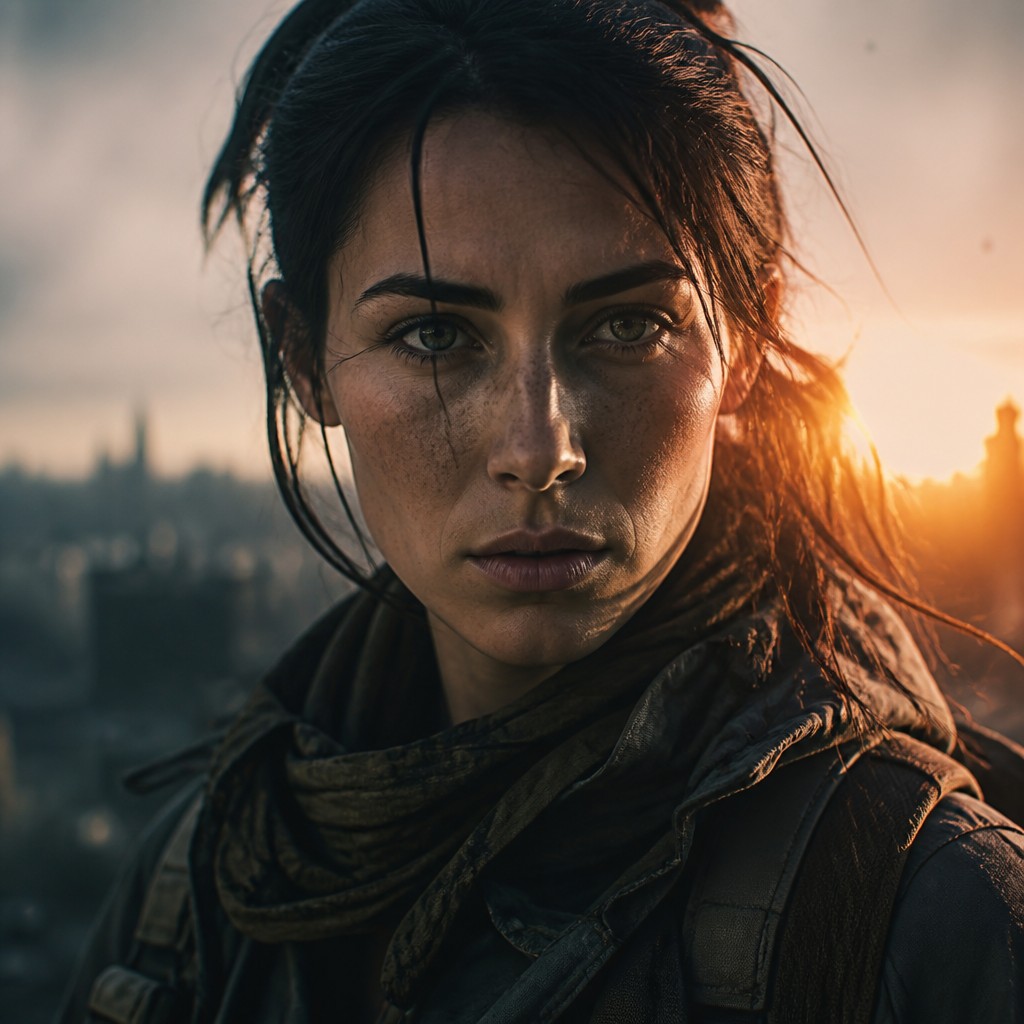
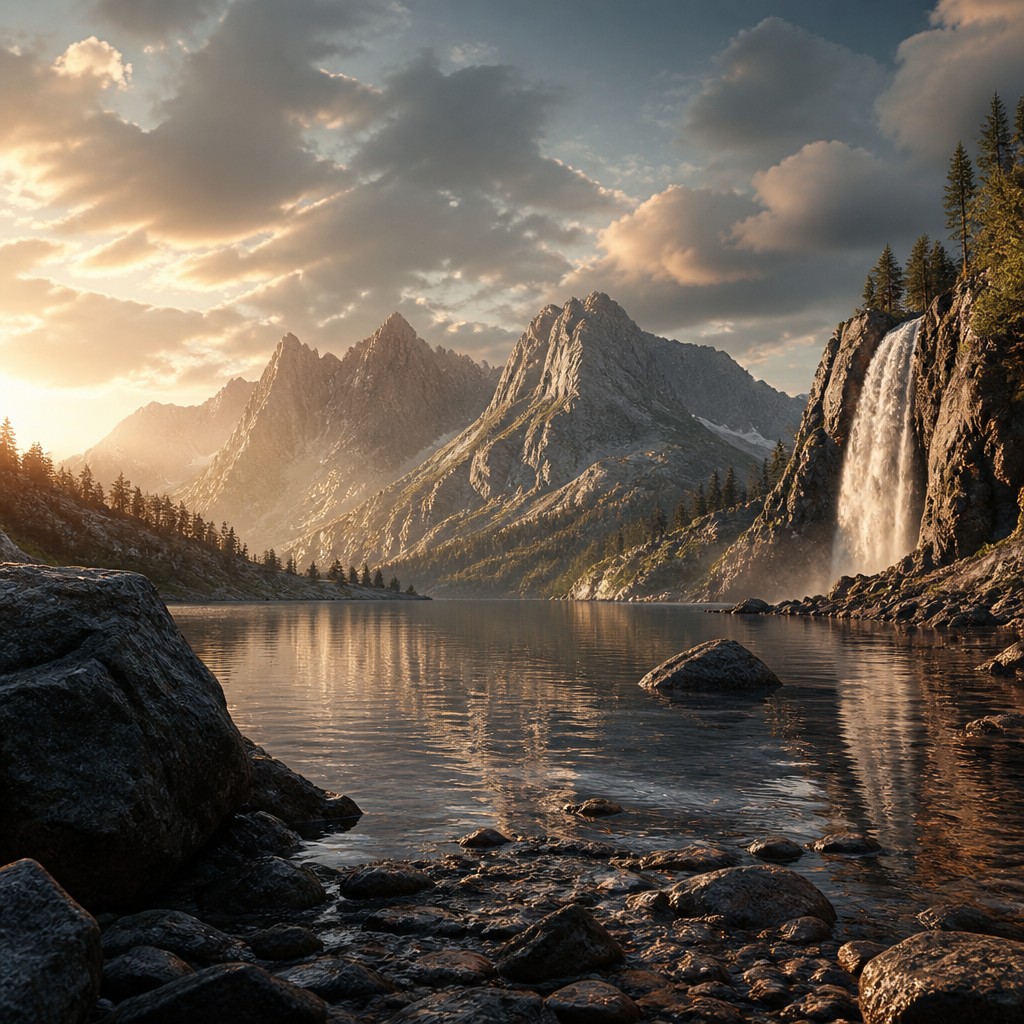
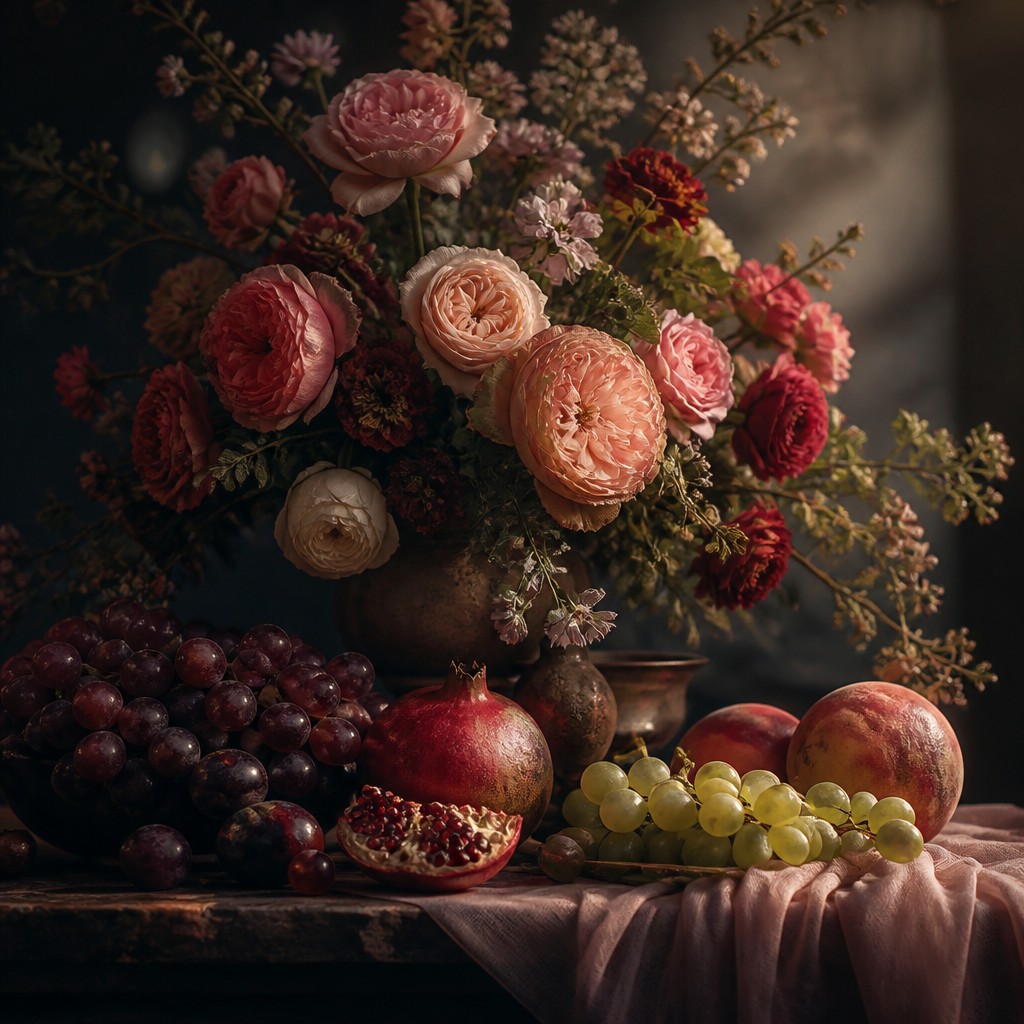
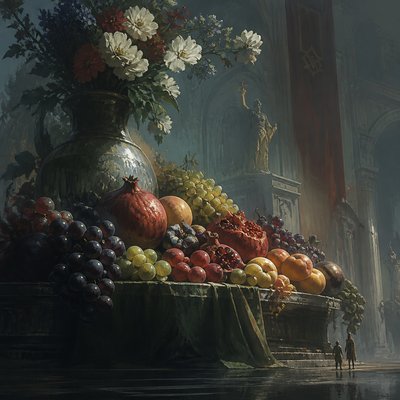
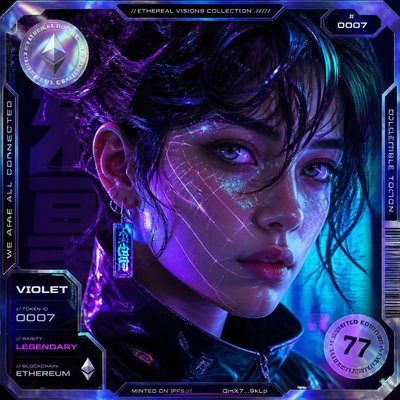
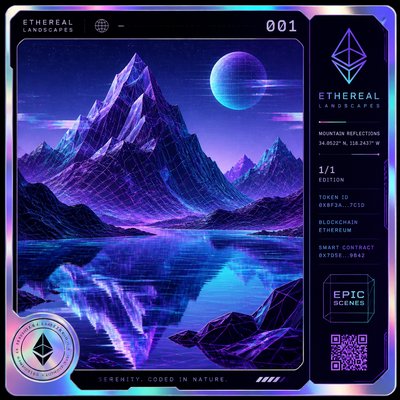
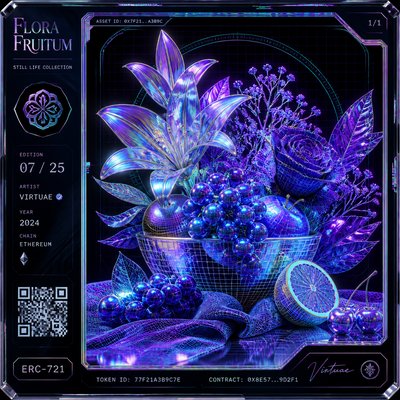
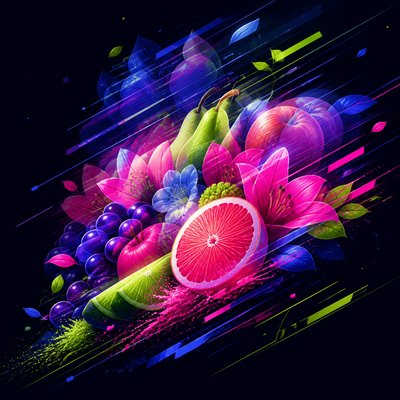
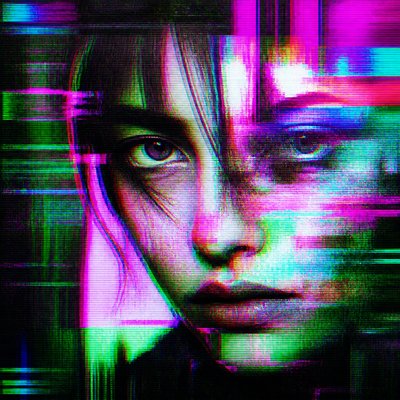
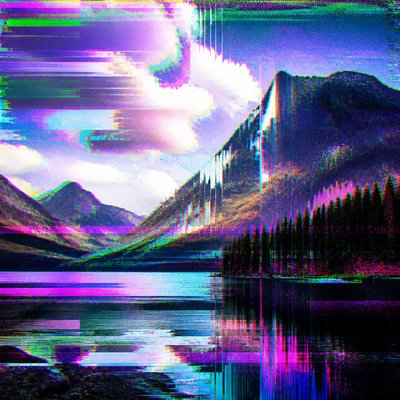
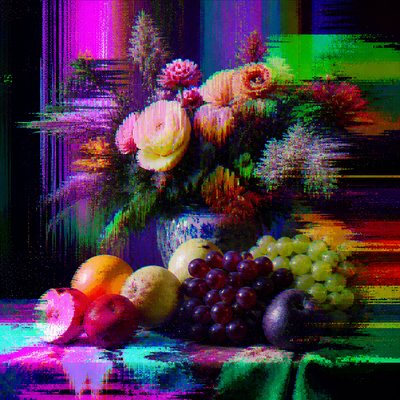
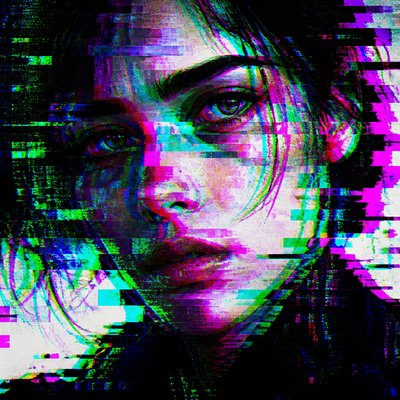
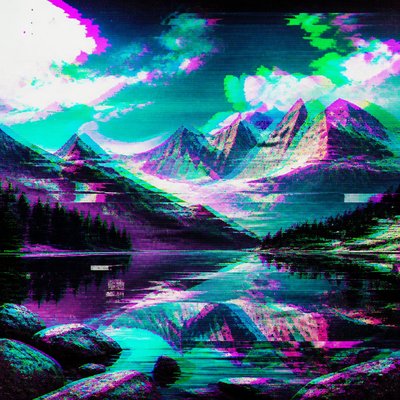
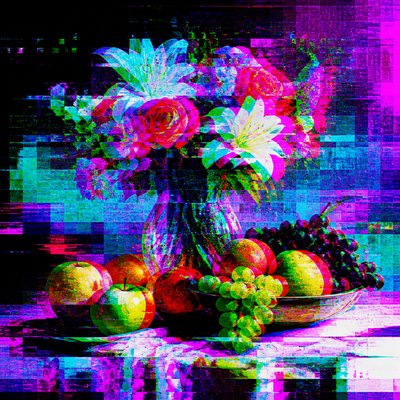
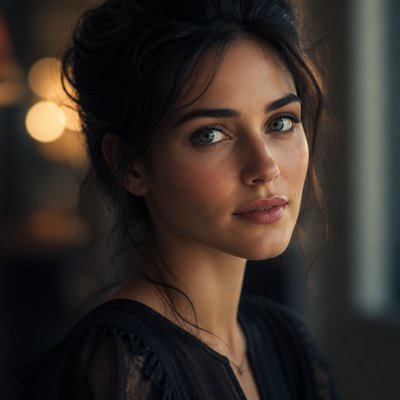
VFX Compositing Digital Gallery
Tap any artwork to explore it
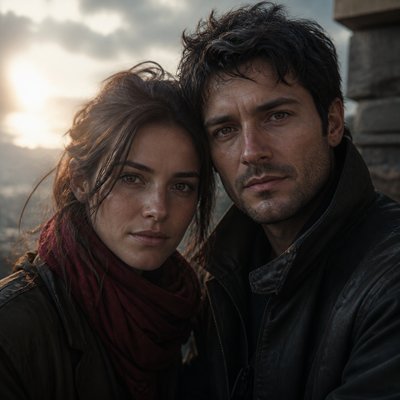
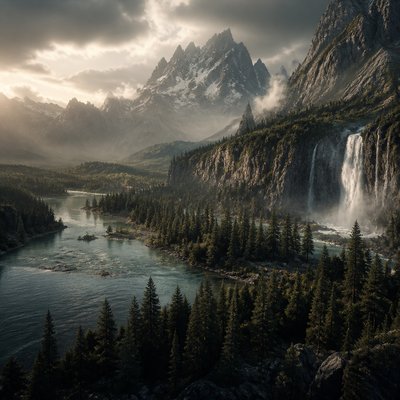
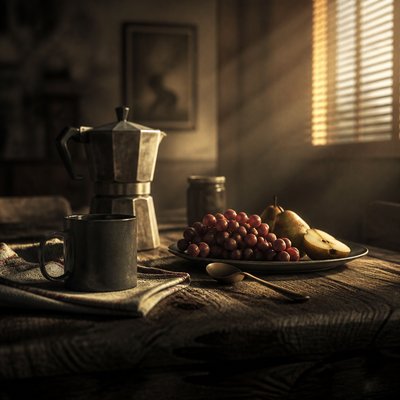


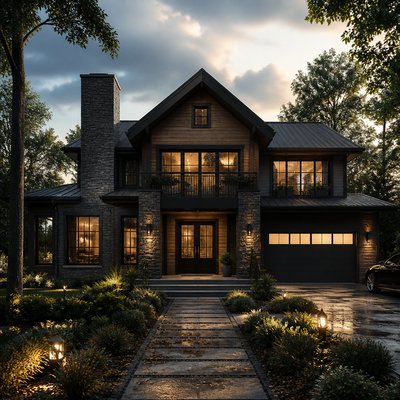
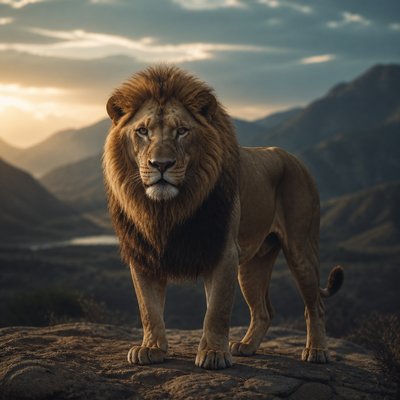
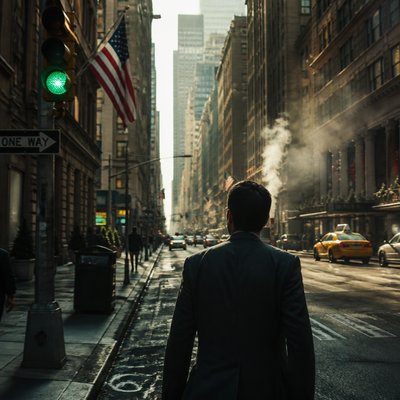
What is VFX Compositing Digital Art Style?
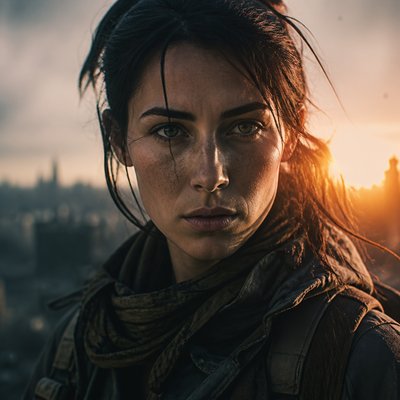
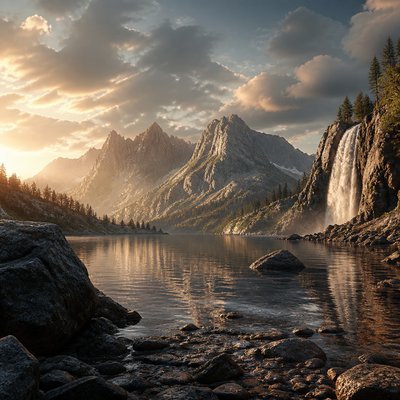
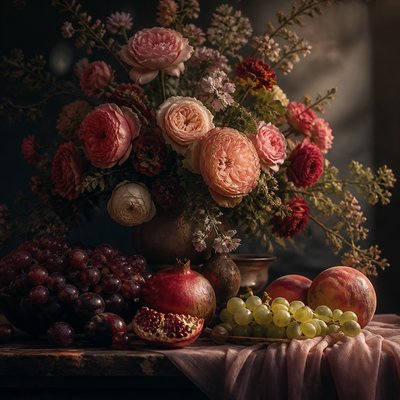
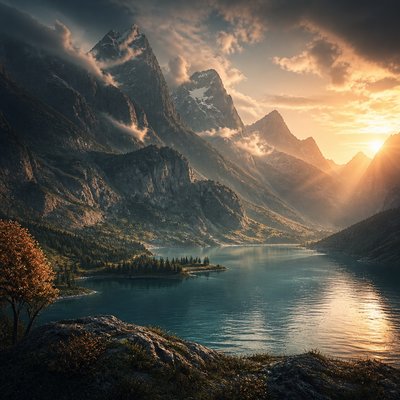
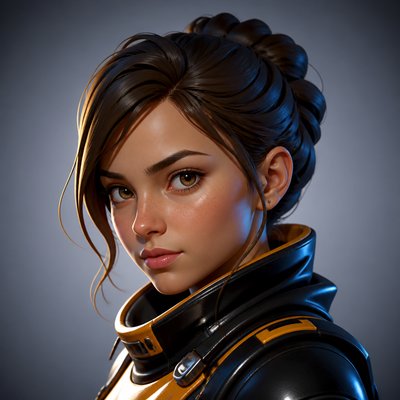
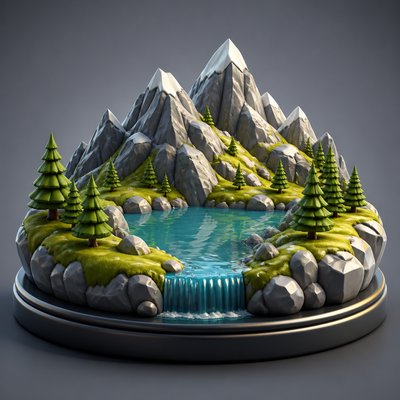
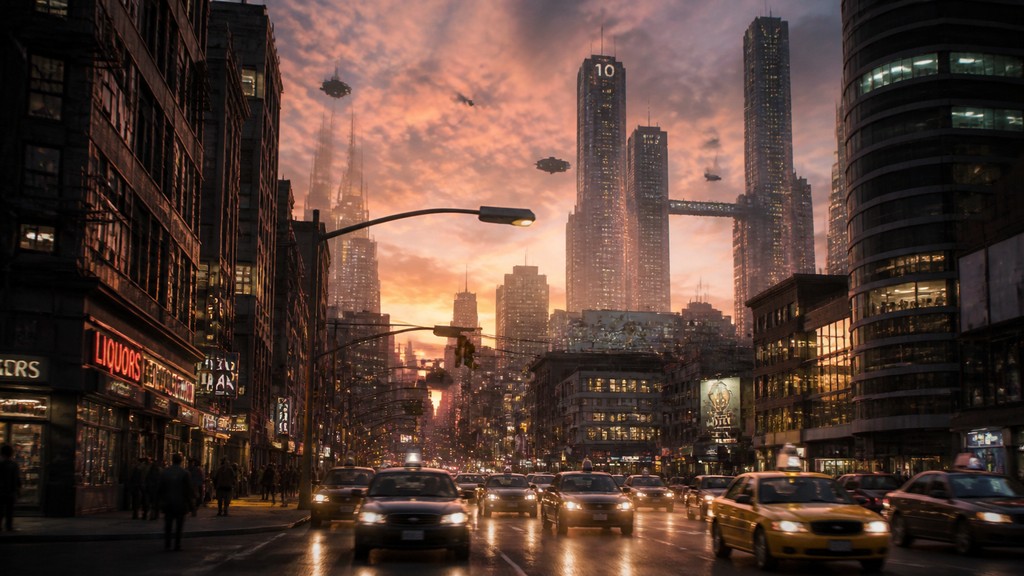
VFX compositing digital art style is a cinematic image-making approach built around the illusion that multiple visual sources belong in the same physical space. It combines photographic realism, CGI elements, atmospheric effects, and precise lighting so convincingly that the final image feels like a frame from a high-budget film or a scene captured in-camera.
Its visual identity depends on integration rather than obvious manipulation. You typically see realistic shadows, coherent reflections, matched grain, controlled color grading, and depth cues such as haze, lens softness, and parallax-like layering. The result is an image that looks impossible in content but believable in construction, with every component unified by the language of blockbuster visual effects.

Try It On Your Photos
Upload any photo and convert it into VFX Compositing Digital Art Style — drag the sliders to compare before and after.


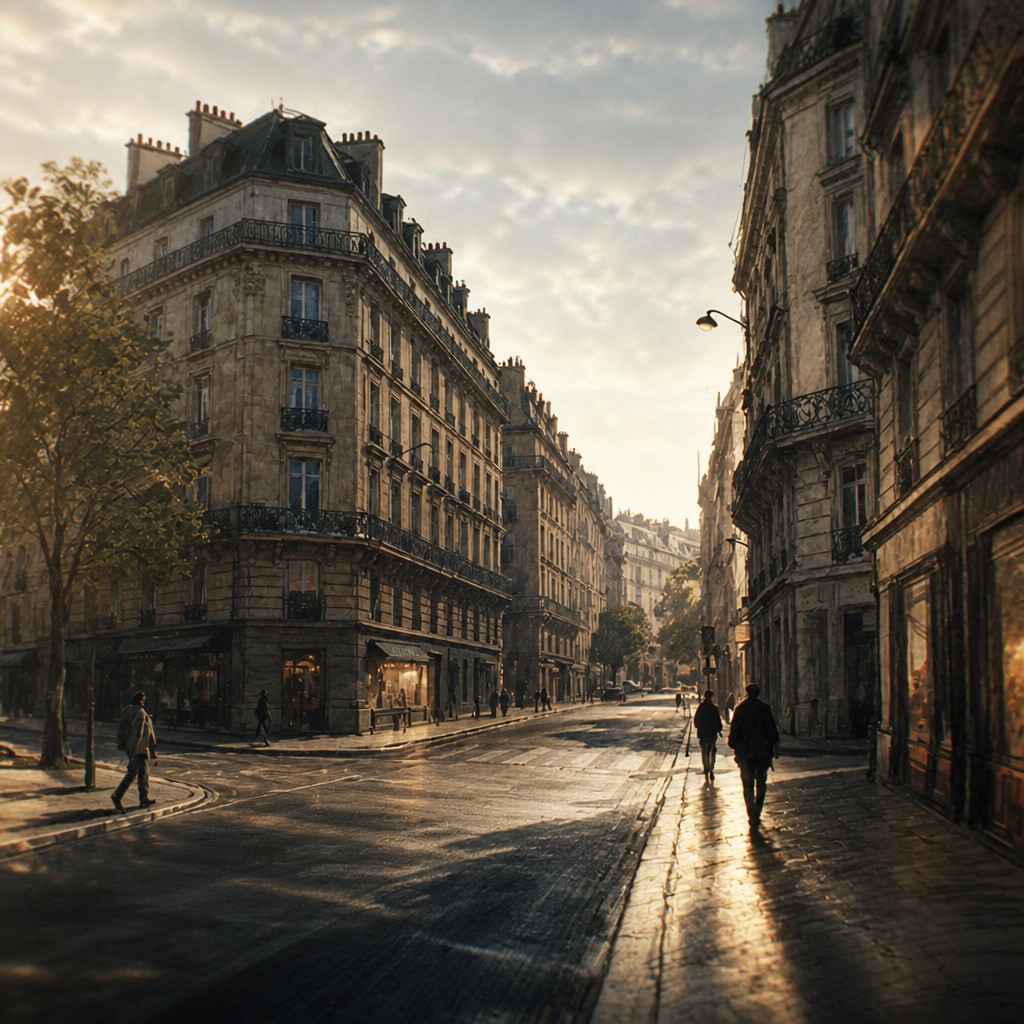

What Defines VFX Compositing Digital Art Style
The signature details, up close
Seamless source integration
Objects from different origins are made to appear physically present in one environment. Edges are softened or reworked so nothing reads as pasted on, composited, or separately rendered.
Cinematic color grading
Shadows and highlights are often split-toned, with controlled contrast and a filmic palette. This grading helps bind diverse elements into a unified emotional and visual tone.
Realistic light behavior
Volumetric light, contact shadows, bounce light, and light wrap are carefully matched across the frame. These cues make the scene feel like it obeys the same physical space.
Photoreal detail with slight enhancement
Textures, skin, materials, and surfaces often look photographic, but with a subtle heightening associated with cinema. The image feels familiar to reality while remaining more controlled and legible than a raw photo.
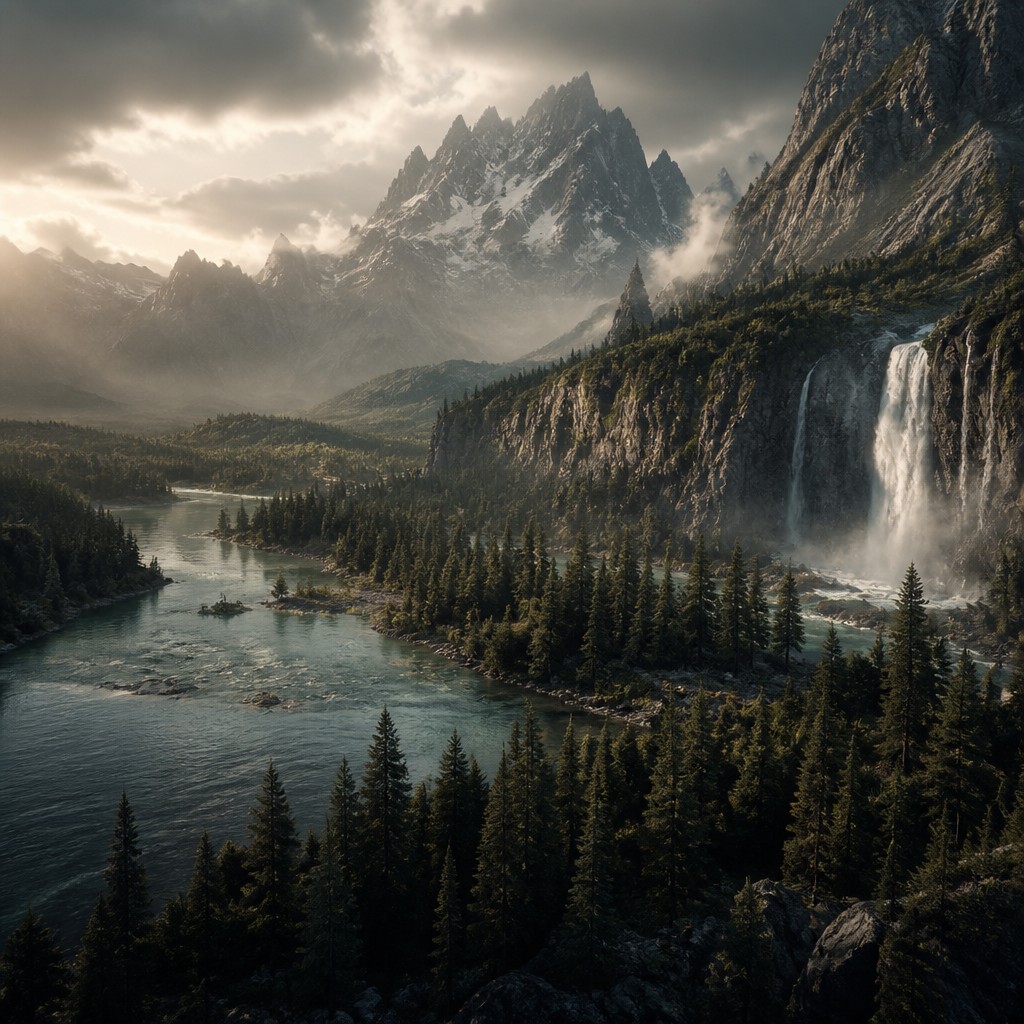
Unified film texture
Consistent grain, gentle lens distortion, and faint chromatic aberration create the sense of a single capture pipeline. These imperfections help different image sources feel like one recorded moment.
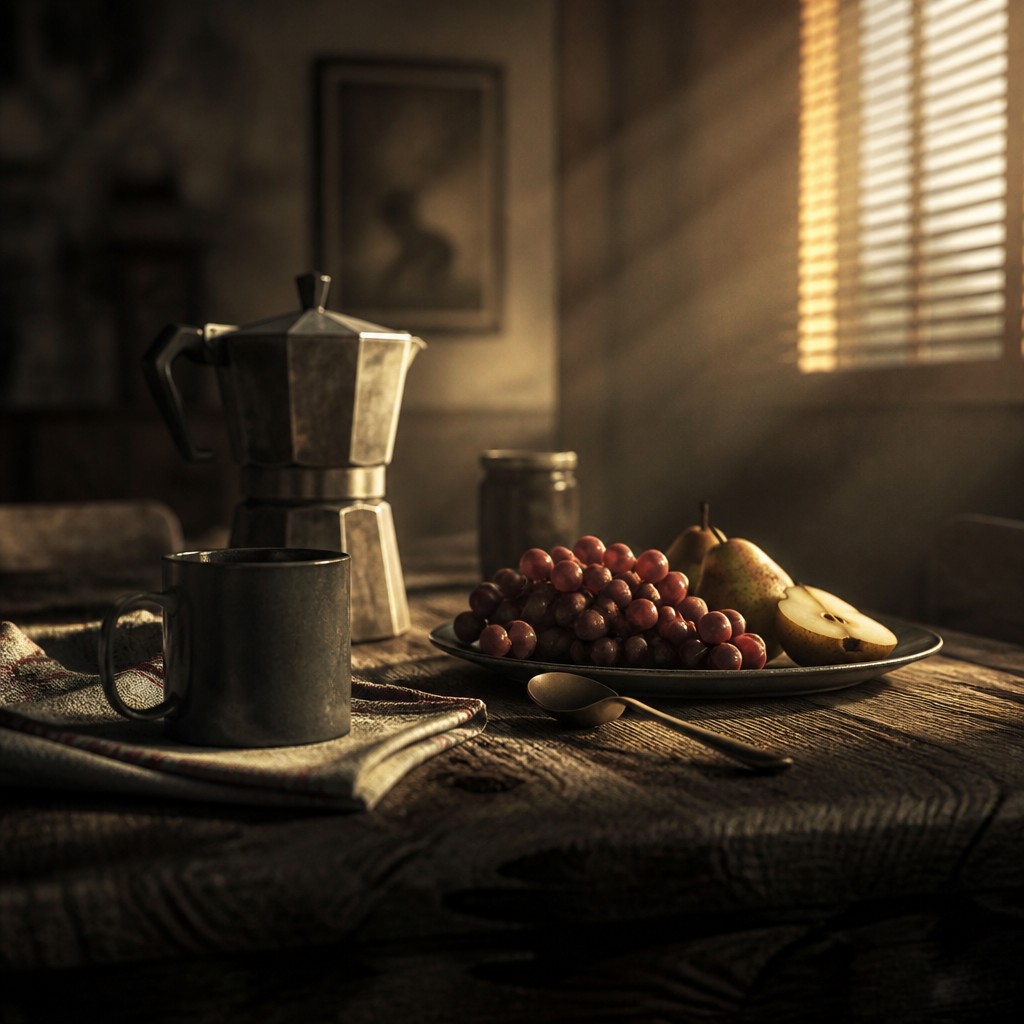
Layered spatial depth
Foreground, midground, and background are separated through haze, focus falloff, scale, and atmospheric perspective. The composition often feels deep and dimensional, with clear staging.
Try It
Create Videos in VFX Compositing Digital Art Style
Styles aren't just for stills — describe a scene or animate an image and get a short video rendered in VFX Compositing Digital. Press play to see this pond come to life.
Make a VideoVFX Compositing Digital Prompt Ideas
Start from an idea — each one opens the generator with the style ready to go. See all 40 VFX Compositing Digital prompts →

“close-up portrait of an elderly person with expressive weathered features”
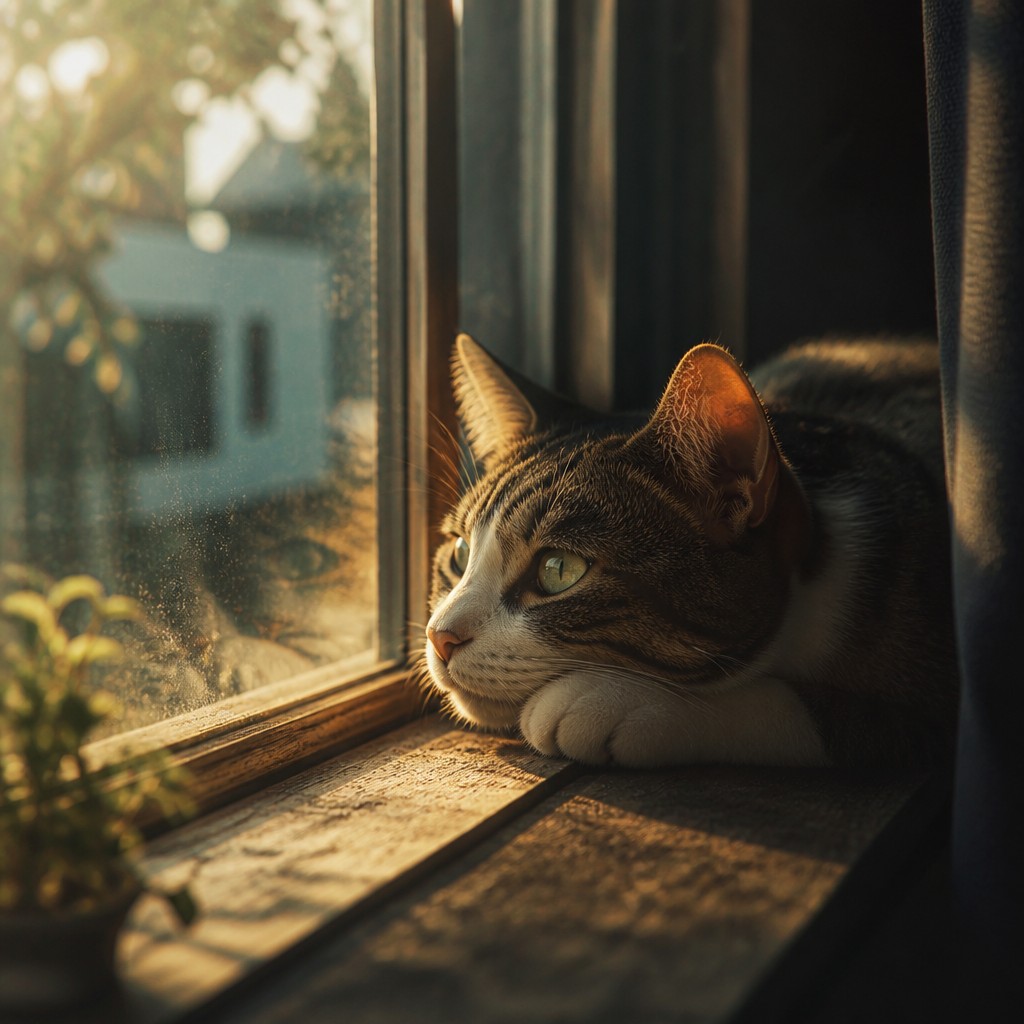
“a cat lounging in a sunlit window”

“bouquet of flowers in a glass vase”

“sailing ship on a stormy sea”
How to Create VFX Compositing Digital Art
Master the craft step by step — or skip straight to creating. Read the full guide →
- 1
Build the scene in layers
Start by establishing a believable base image, then add characters, props, environments, and effects in separate passes. Match perspective, scale, and horizon lines early, because later realism depends on consistent spatial construction.
- 2
Match lighting before polishing detail
The most convincing composites share the same key light direction, shadow softness, and color temperature. When working digitally, adjust exposure and color balance per layer before adding finishing effects like grain and lens artifacts.
- 3
Use atmospheric cues to unify elements
Fog, dust, haze, rim light, and distant contrast loss help separate depth planes and merge disparate sources. In painted or photographed work, these cues are often more important than extreme detail.
- 4
Preserve physically plausible edges
Watch for hard cutouts, mismatched sharpness, and shadows that do not touch the ground. A small amount of light wrap, edge softness, and contact shadowing can transform a collage into a believable scene.
- 5
Apply a final filmic finish
A consistent grain structure, subtle lens distortion, and restrained chromatic aberration can make different materials feel captured by the same camera. Prompt-based generation benefits from explicitly requesting cinematic compositing, photoreal blending, and coherent post-production grading.
The Story
History & Origins of VFX Compositing Digital
This style has its roots in the evolution of film visual effects, especially the rise of digital compositing from the late 20th century onward. As software such as digital paint, keying, rotoscoping, matte painting, 3D rendering, and multilayer compositing matured, artists developed workflows that could merge live-action footage, computer-generated imagery, and painted extensions into a single coherent scene.
Aesthetic lineage matters here more than a single historical movement. The style draws from cinema, matte painting, photography, CGI, and post-production color grading, along with the broader visual culture of science fiction and fantasy blockbusters. Its look reflects the standards of modern VFX pipelines: optical realism, atmospheric depth, and image-level consistency designed to withstand close inspection.
Influences: This style is closely related to film visual effects, matte painting, digital compositing, and cinematic photography. It also borrows from science fiction concept art and blockbuster production design, where leading aerospace-industrial designers, influential sci-fi illustrators, and pioneering biomechanical fantasy artists helped define visually persuasive imagined worlds, though the style itself is more about post-production realism than any single artist’s hand. Its broader visual logic is also informed by contemporary color grading and the photographic aesthetics of high-end advertising and cinema.
Frequently Asked Questions
What defines VFX compositing digital art style?
It is defined by the illusion that many different visual sources were captured together in one shot. The hallmark is not just realism, but consistency: lighting, shadows, texture, grain, and atmosphere all work together.
How is it different from ordinary photomanipulation?
Photomanipulation can simply combine images, while VFX compositing aims to make the result physically and cinematographically believable. The emphasis is on seamless integration, not obvious editing or collage effects.
Is this style always photorealistic?
Usually it leans toward photorealism, but it can include fantastical subjects, exaggerated scale, or surreal situations. What matters is that the visual treatment makes the impossible feel convincingly staged.
Where is this style commonly used?
It appears in film key art, science fiction imagery, fantasy scenes, game promotional art, advertising, and concept art. Any project that needs dramatic, high-believability spectacle can use this approach.
How do I make artwork in this style?
Use a layered workflow, match perspective and lighting across all elements, and finish with film-like color grading and texture. If you are writing prompts, specify photorealistic blending, cinematic compositing, atmospheric depth, and grounded shadows.
What should I avoid when trying this style?
Avoid mismatched light directions, overly sharp cutout edges, inconsistent shadows, and too many unrelated visual effects. Overprocessing can make the image look like separate assets rather than one coherent scene.
Create your first VFX Compositing Digital artwork
Describe anything — or upload a photo — and see it in VFX Compositing Digital Art Style in seconds.
Make Something with VFX Compositing Digital
Related Styles
Discover similar art styles