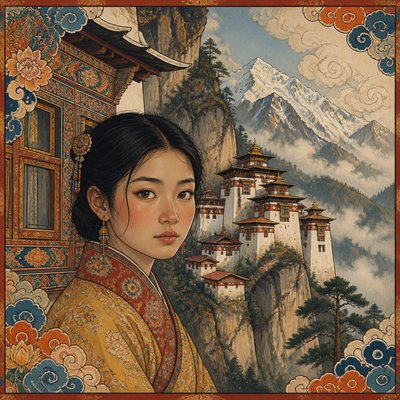
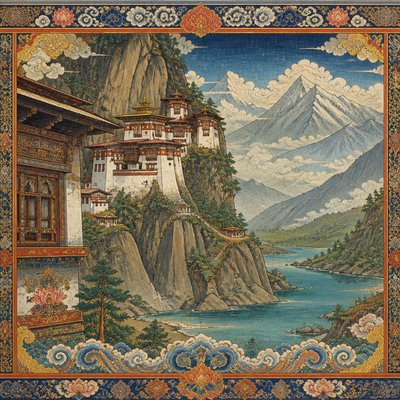
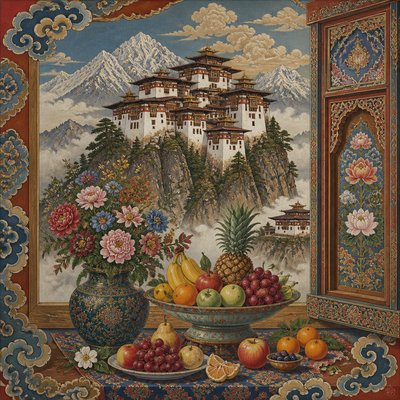
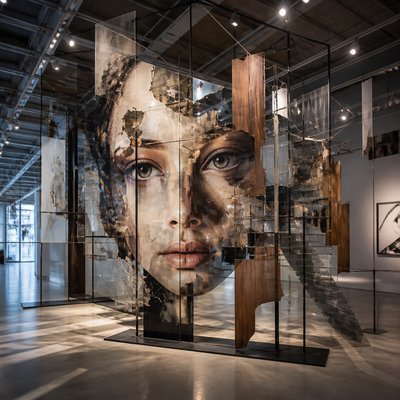
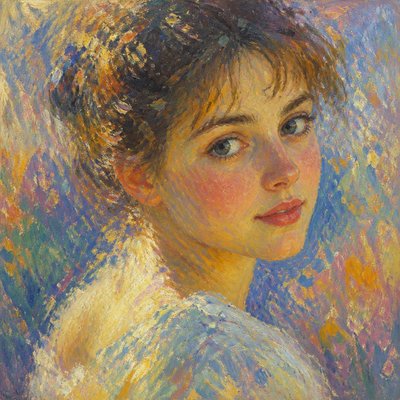
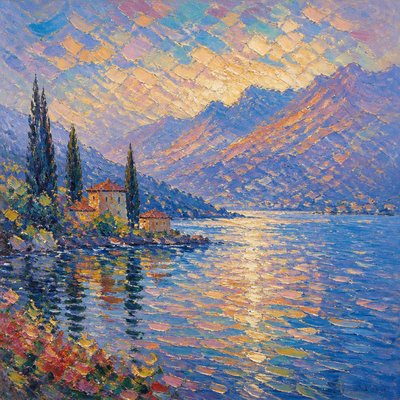
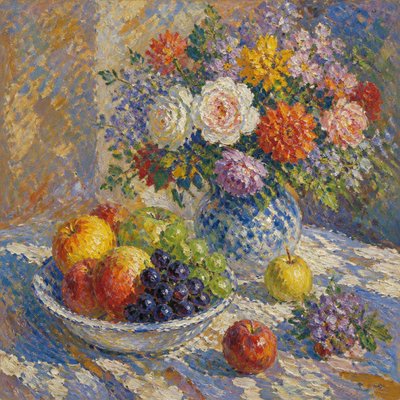
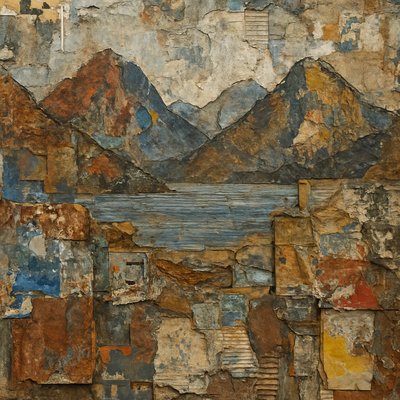
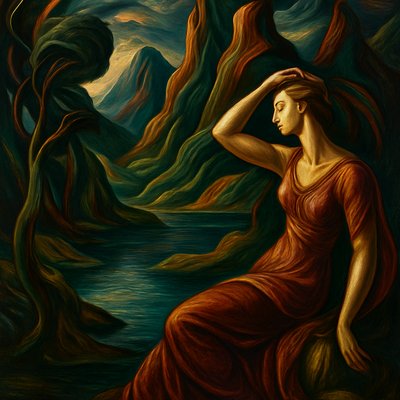
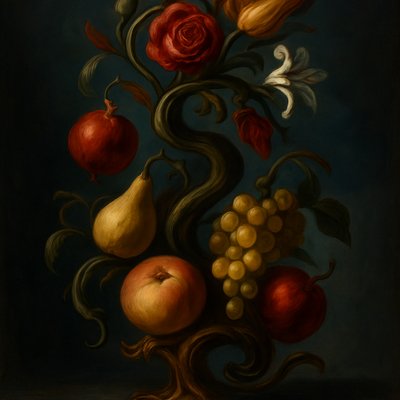
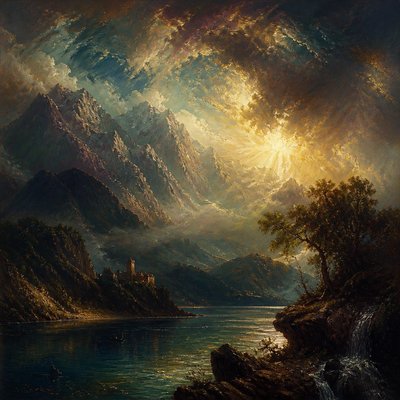
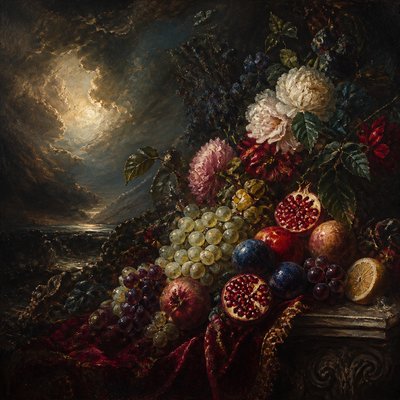
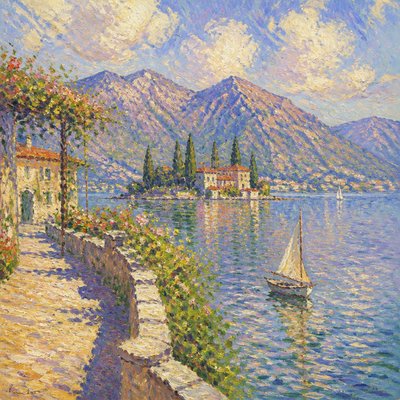
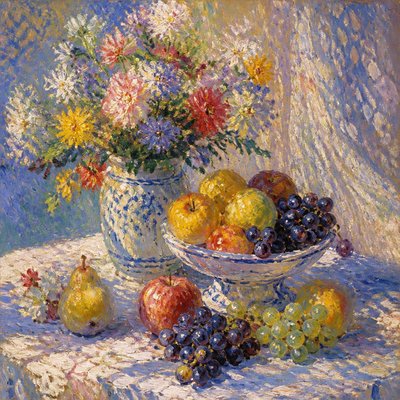
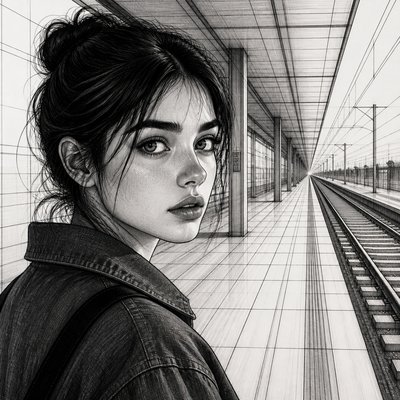
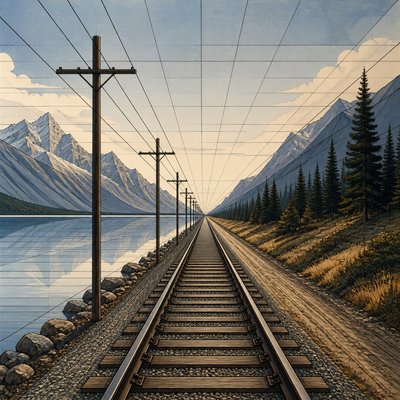
Dramatic Emphasis Art Style
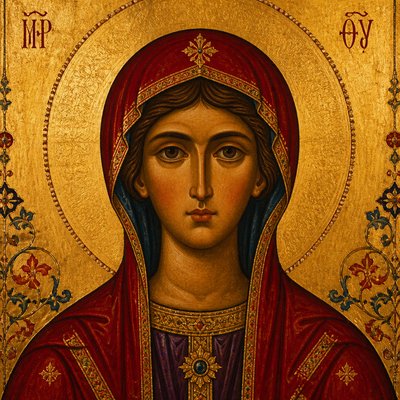
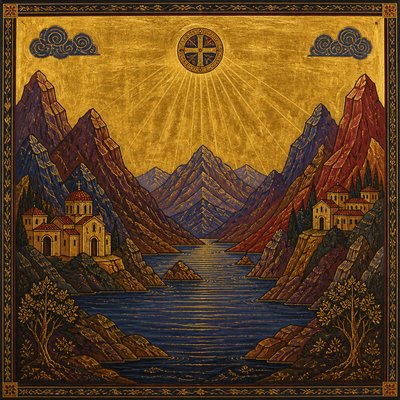
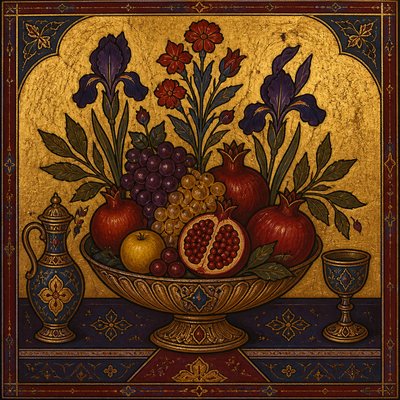
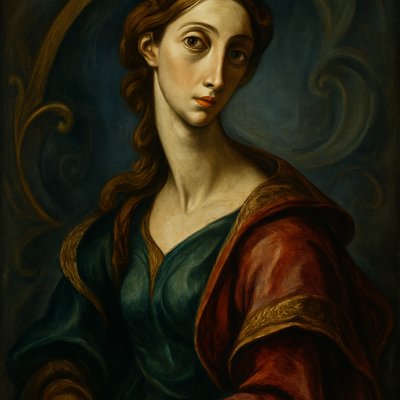
Explore Dramatic Emphasis, a focused visual style using theatrical light, sharp subjects, muted surroundings, and powerful visual hierarchy.
Instantly rendered in Dramatic Emphasis — or transform a photo
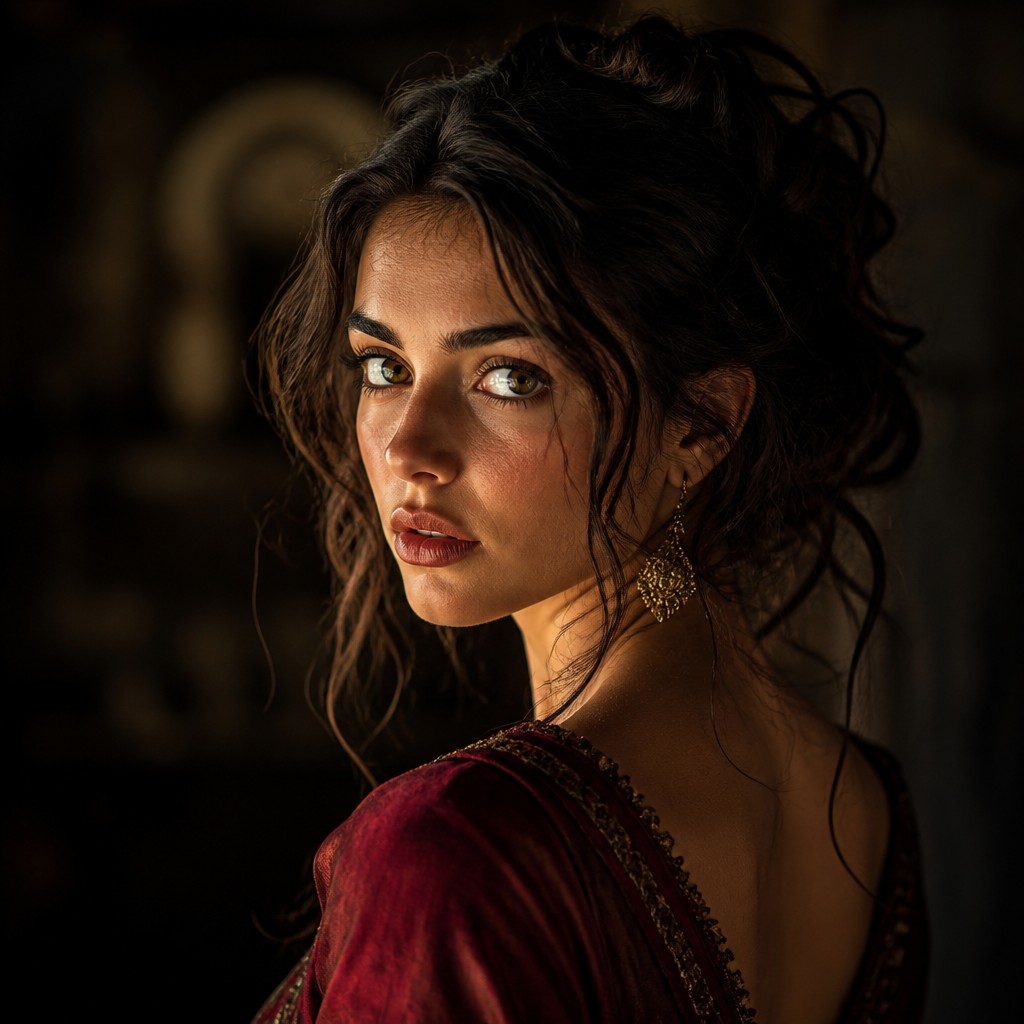
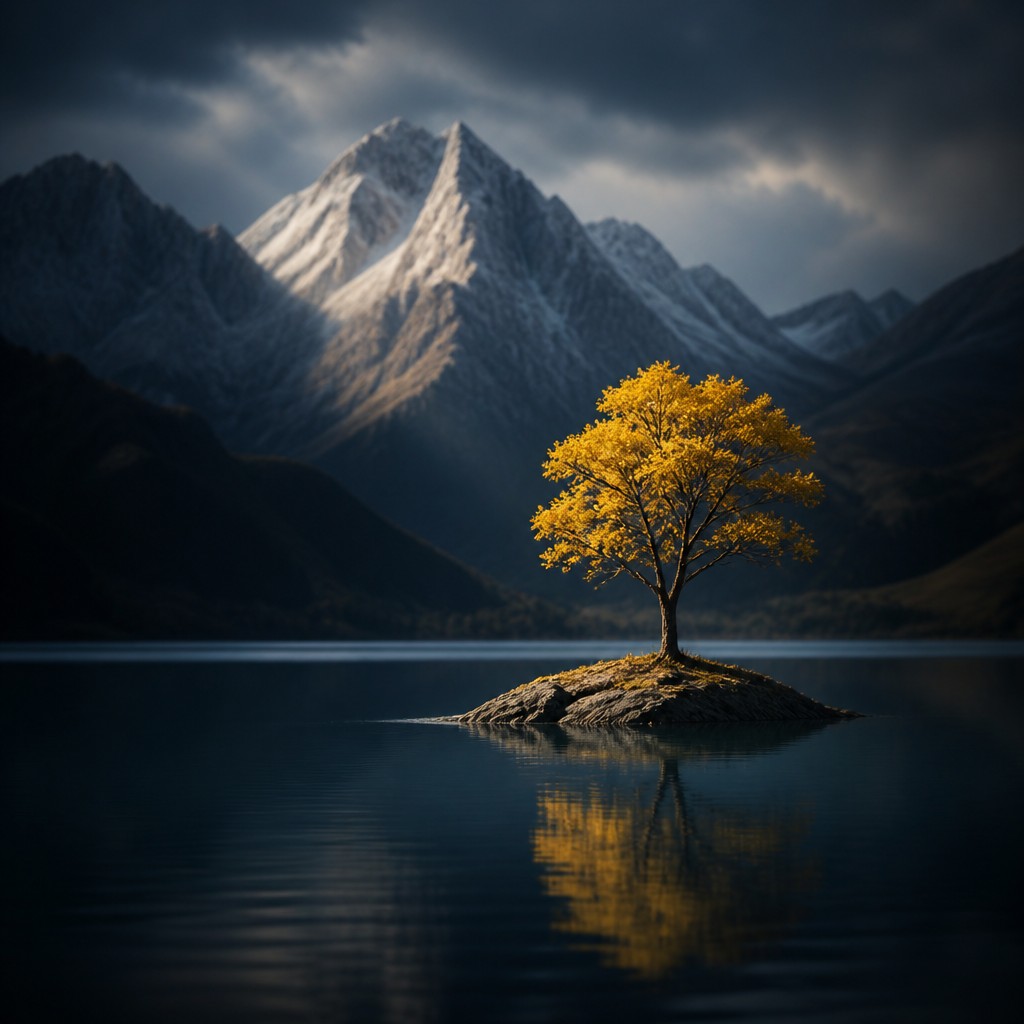
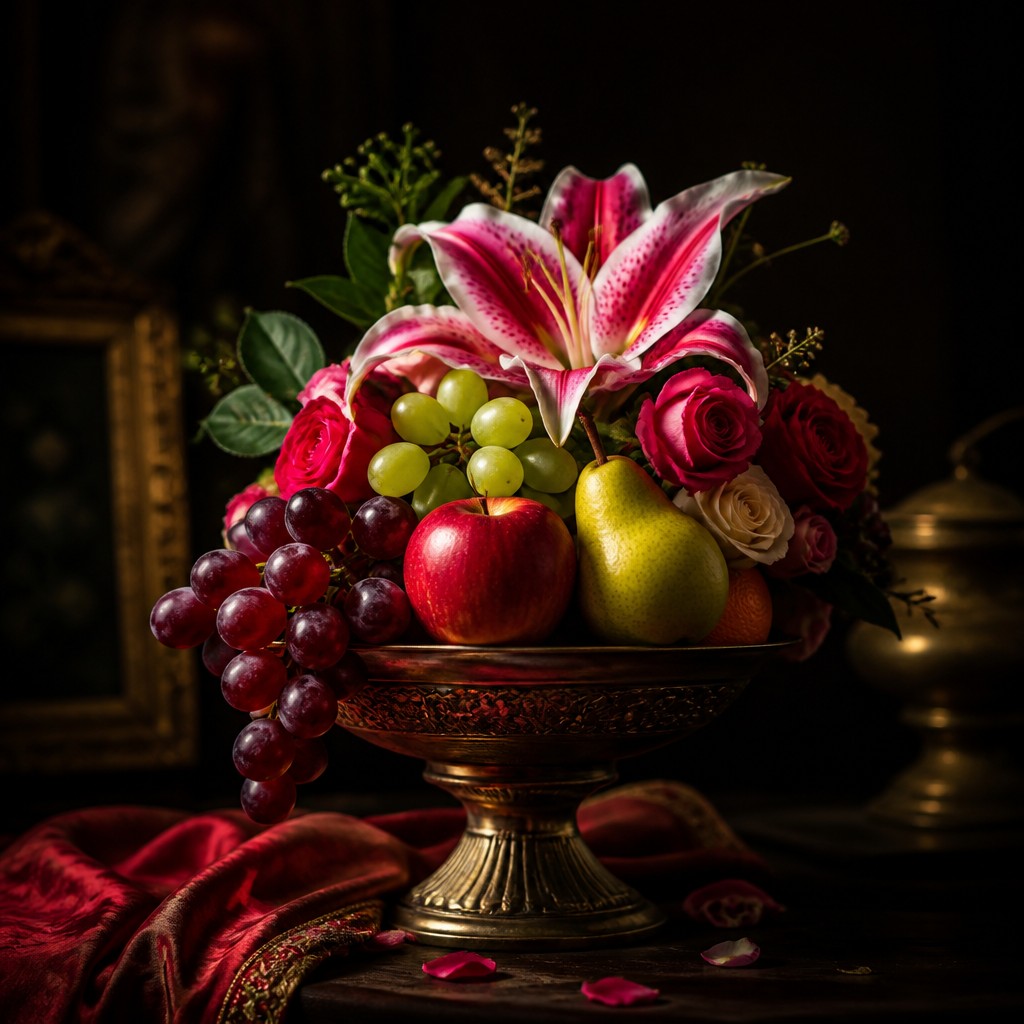
Dramatic Emphasis Gallery
Tap any artwork to explore it


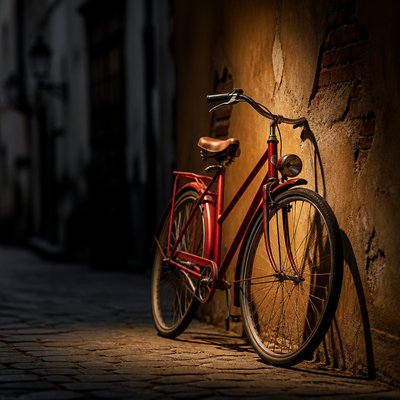
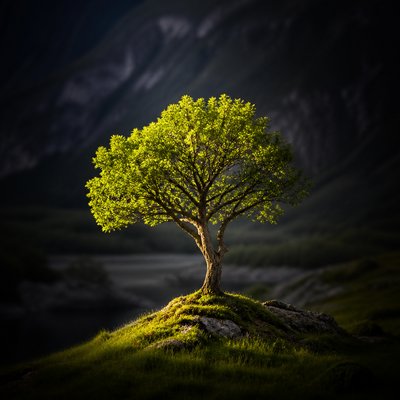
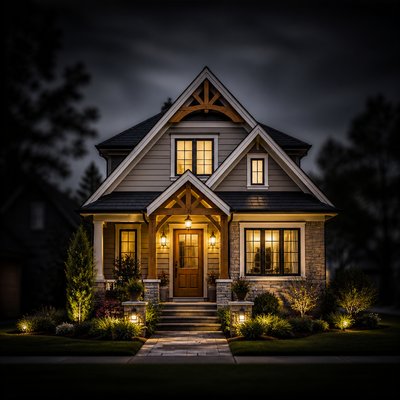

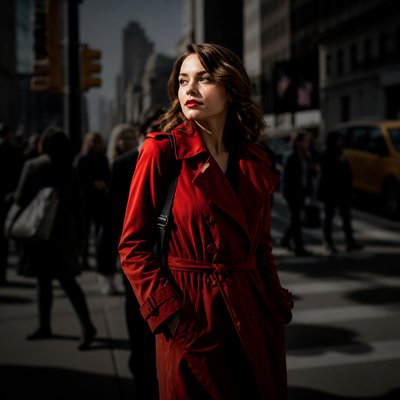
What is Dramatic Emphasis Art Style?
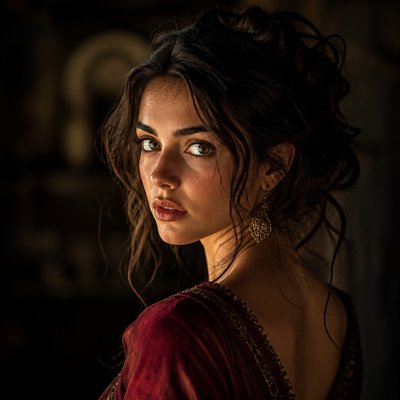
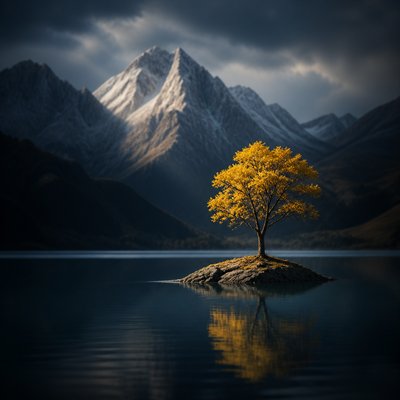
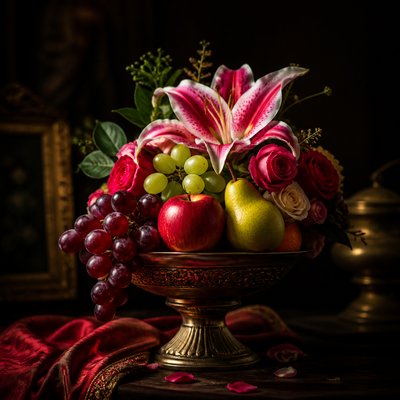
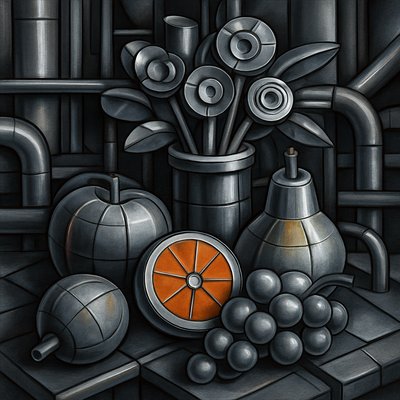
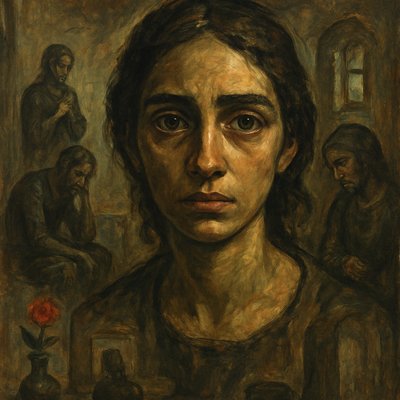
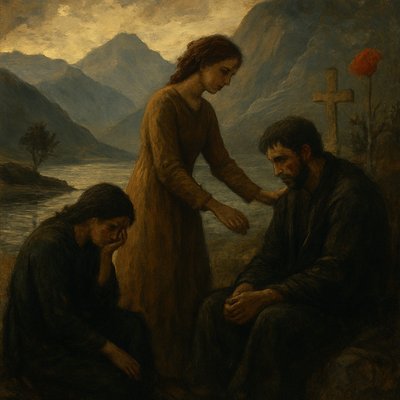
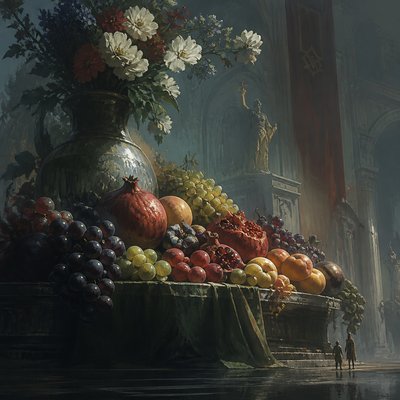
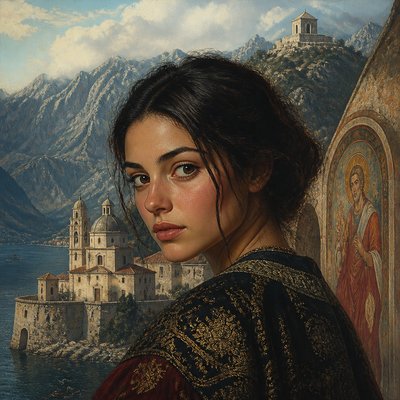
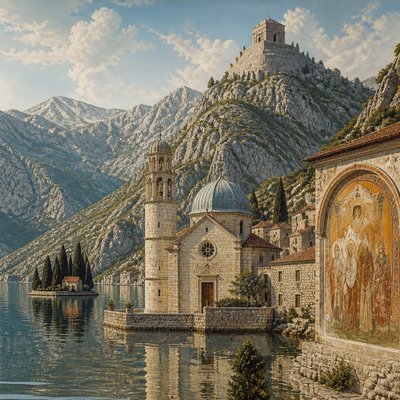
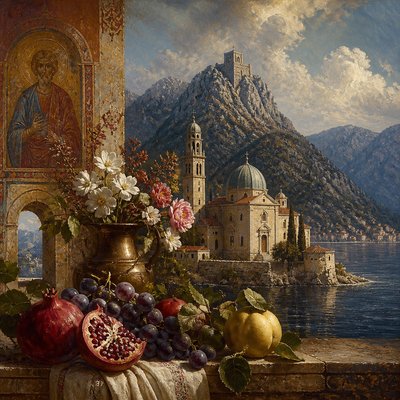
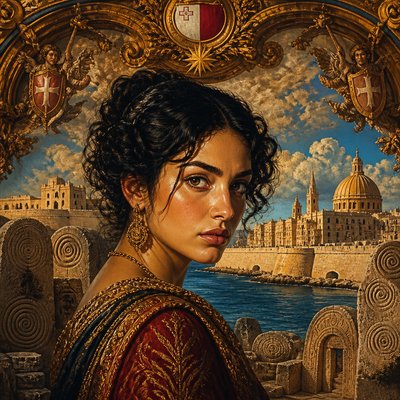
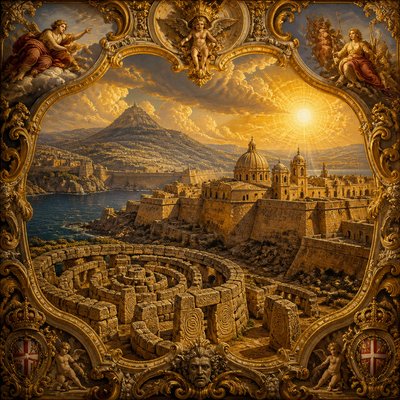
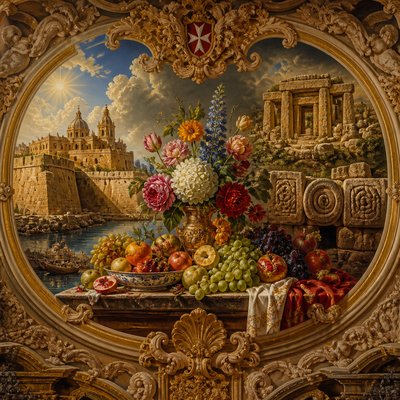
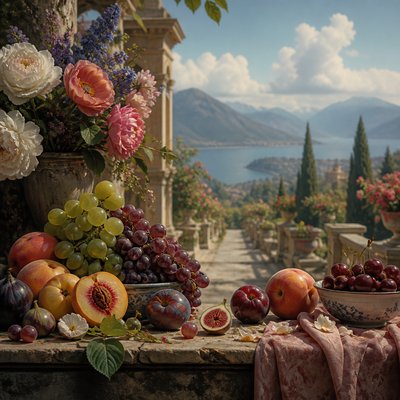
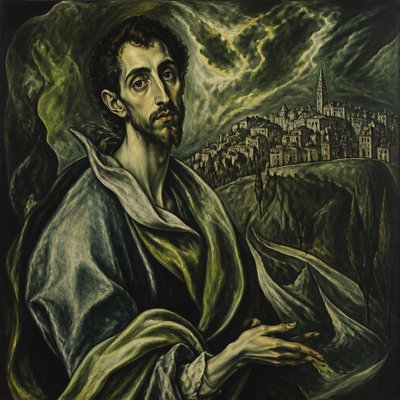
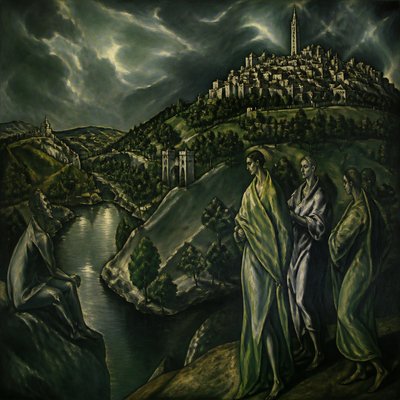
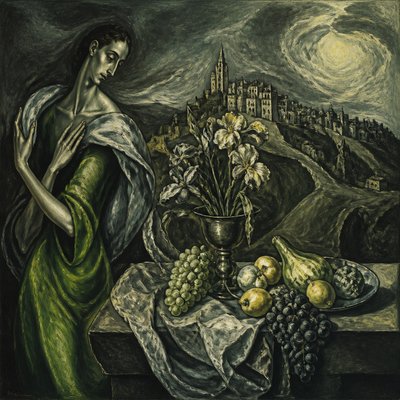
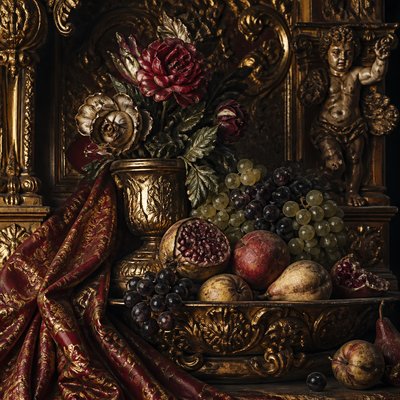
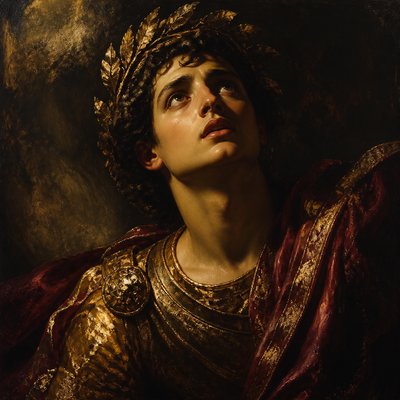
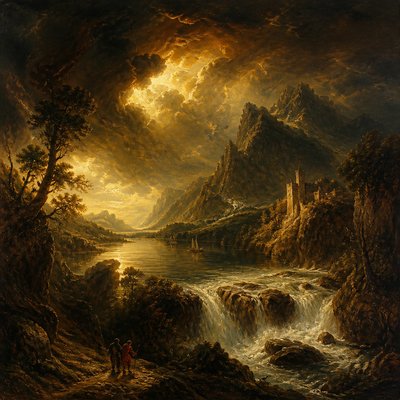
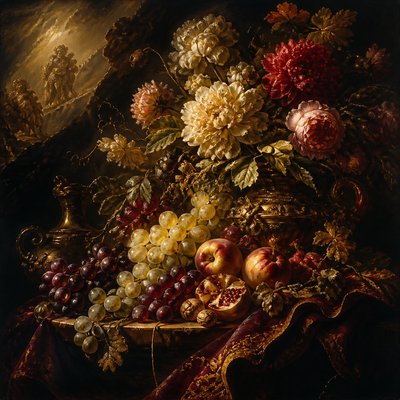
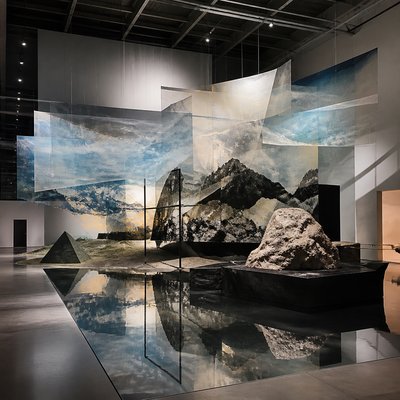
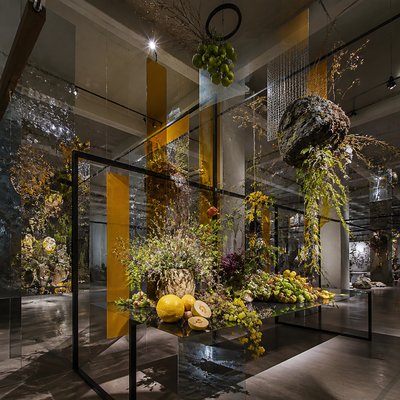
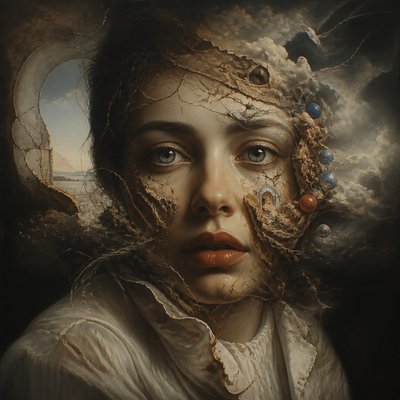
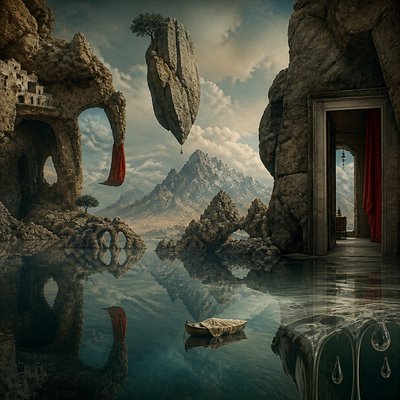
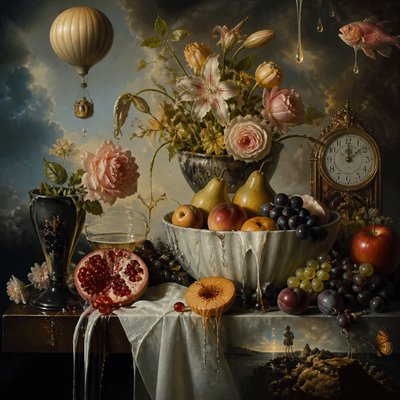
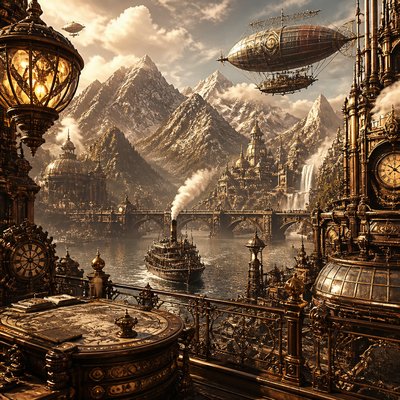
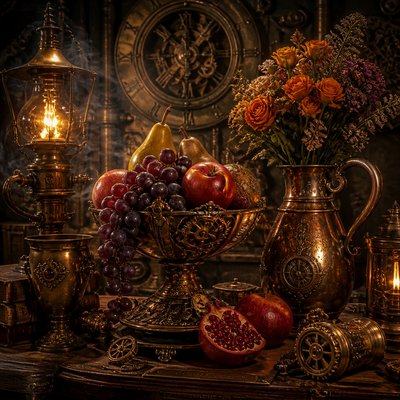
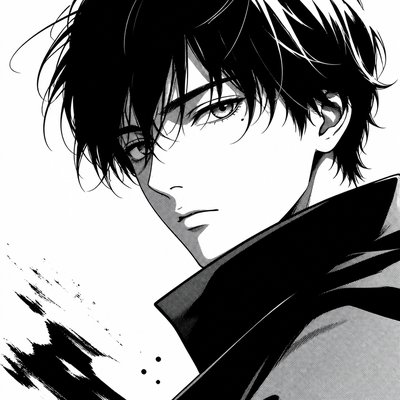
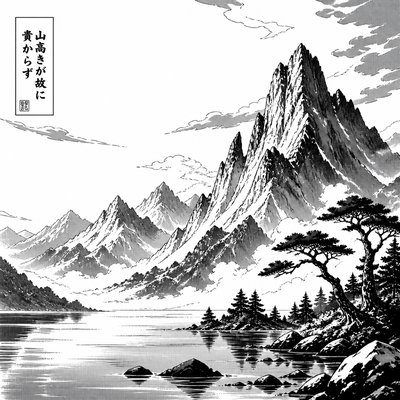
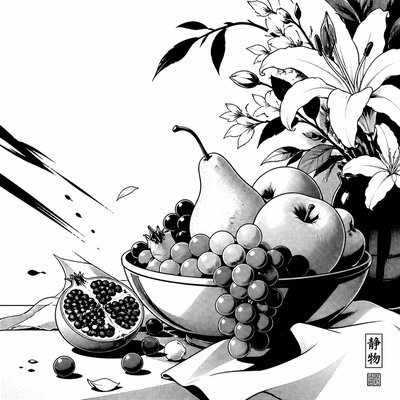
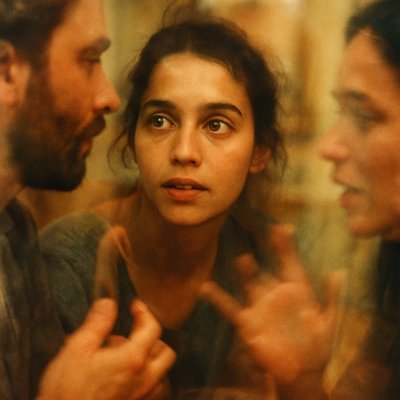
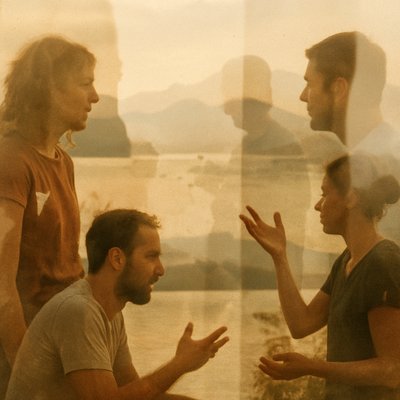
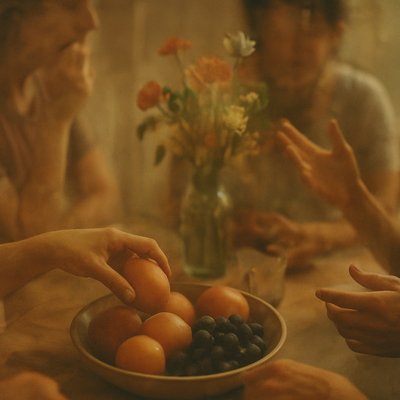
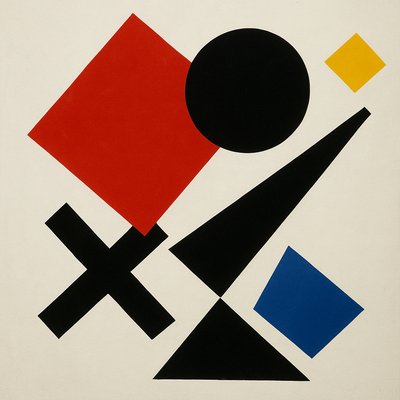
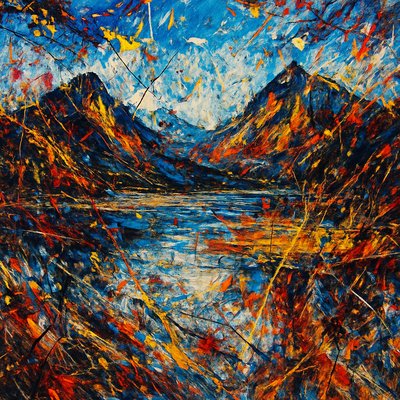
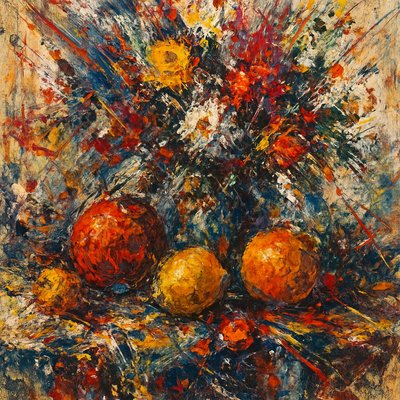
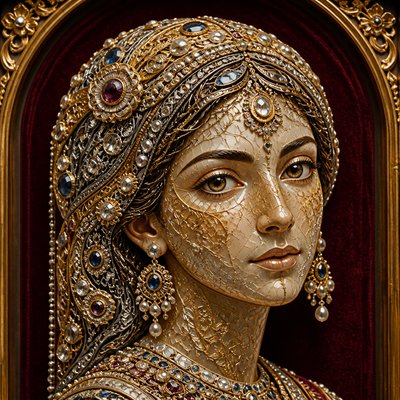
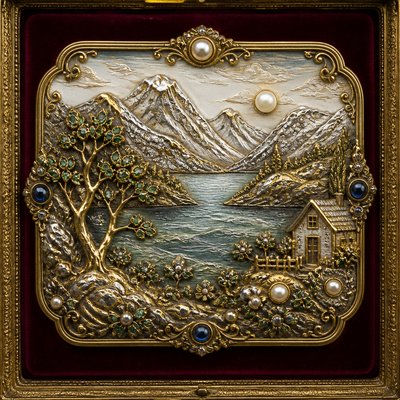
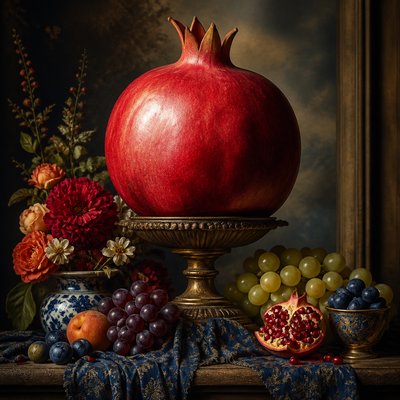
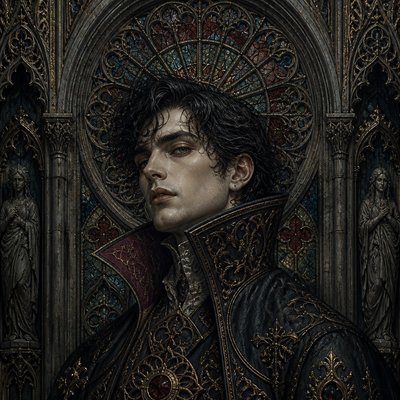
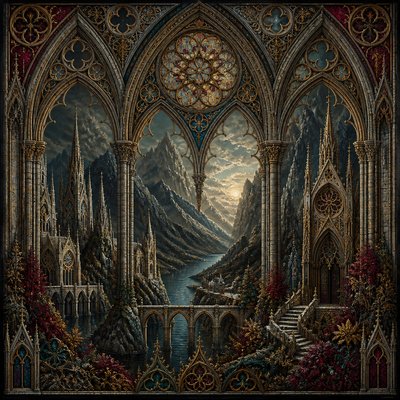
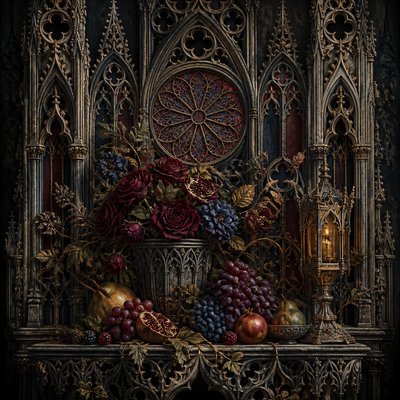
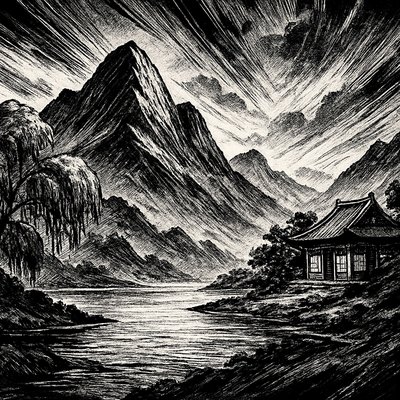
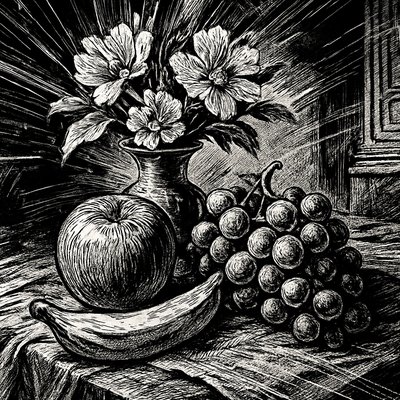
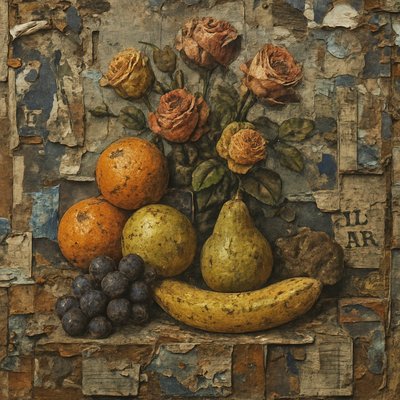
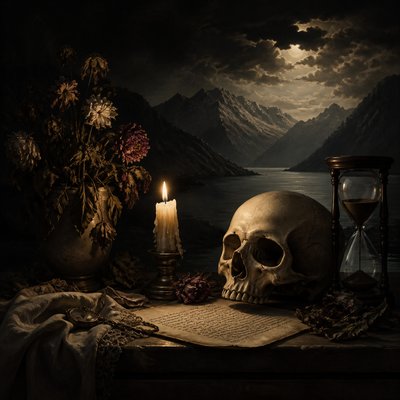
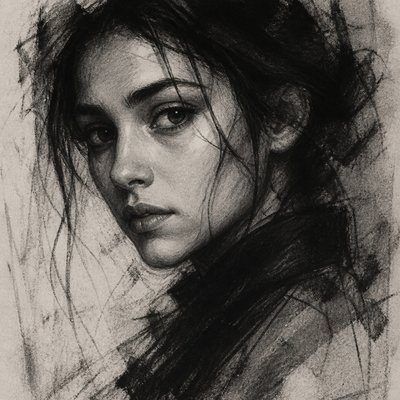
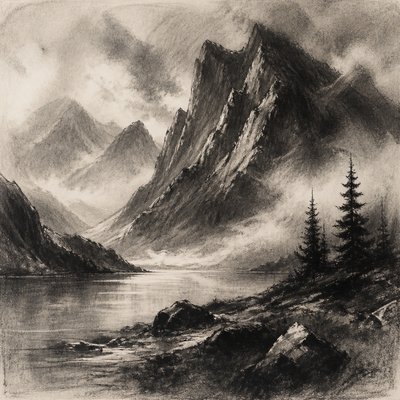
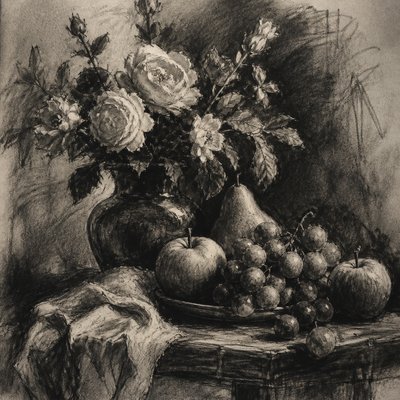
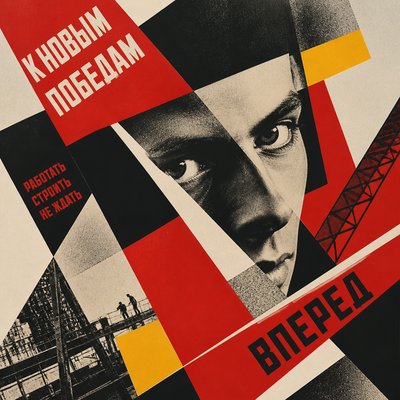
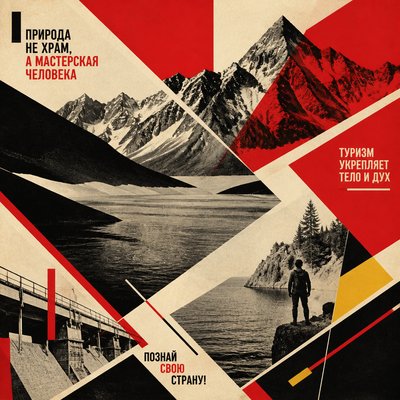
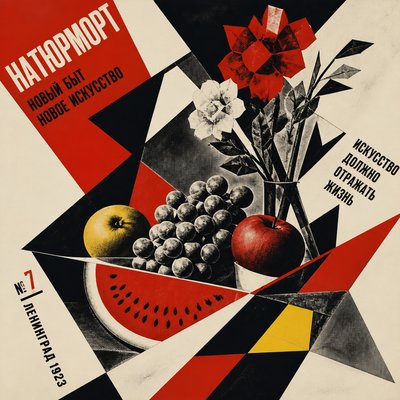
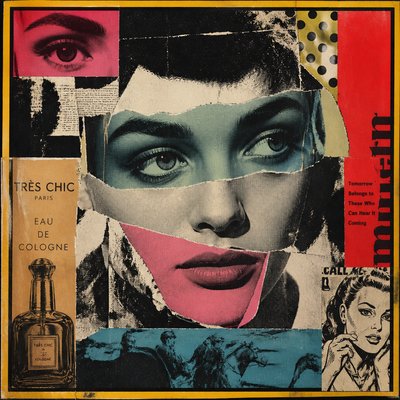
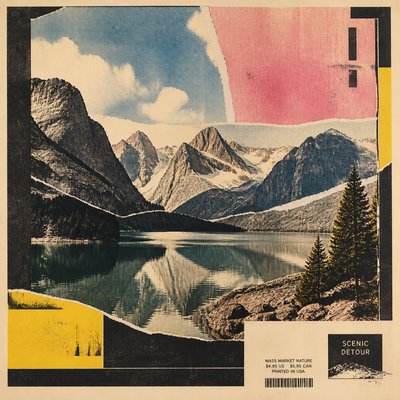
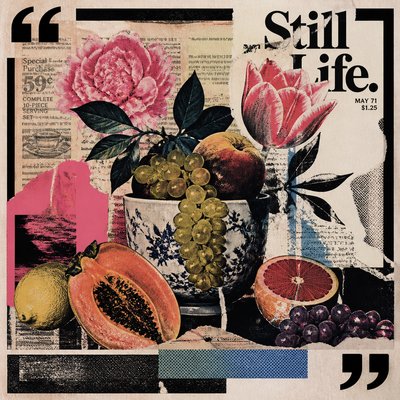
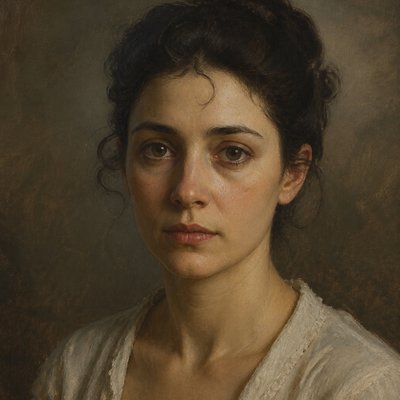
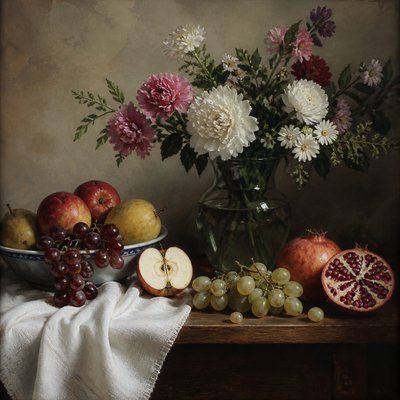
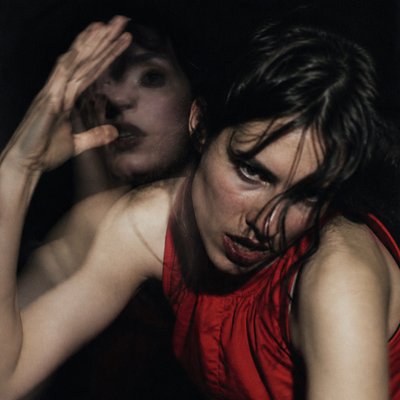
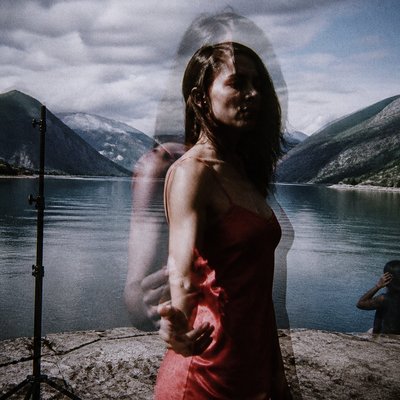
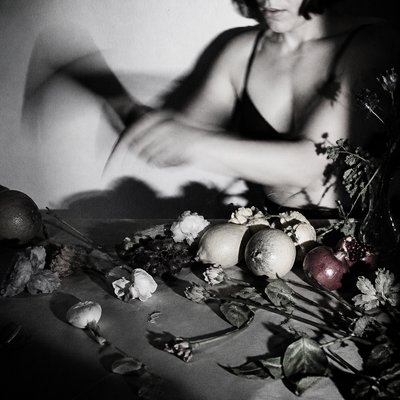
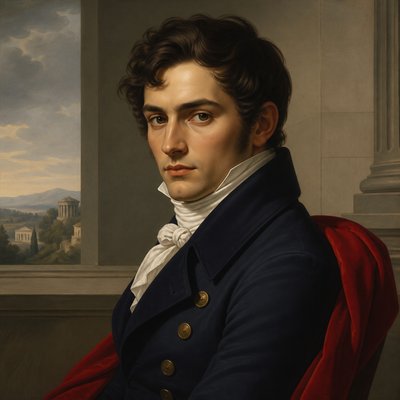
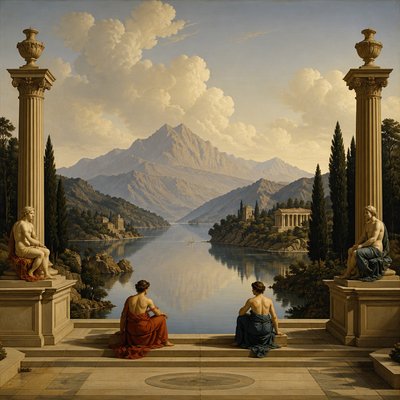
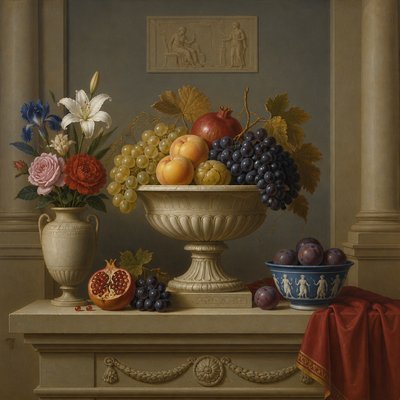
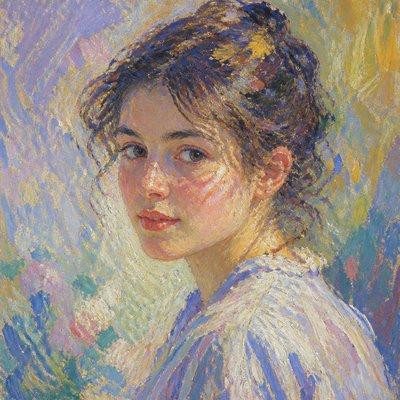
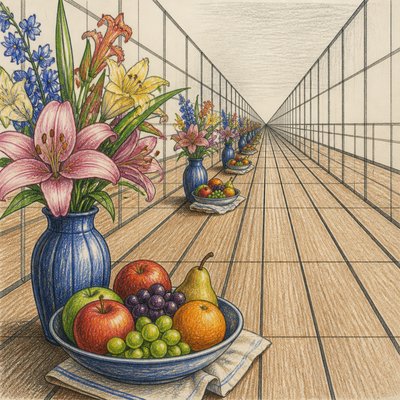
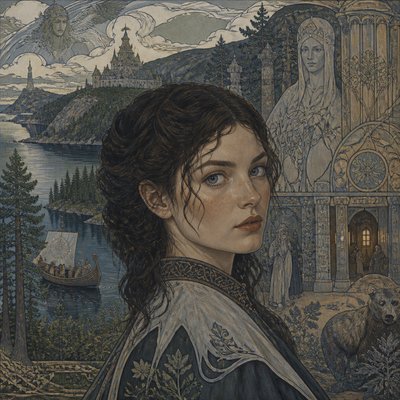
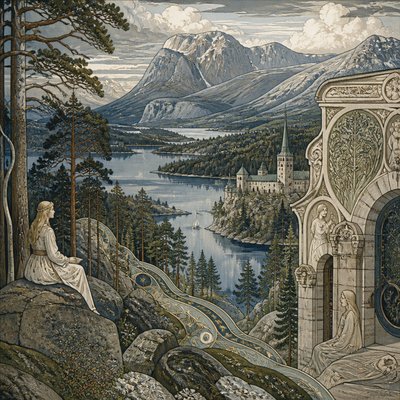
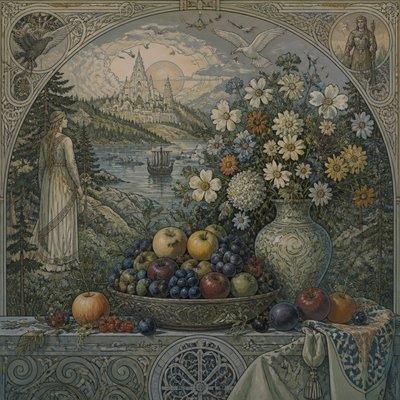
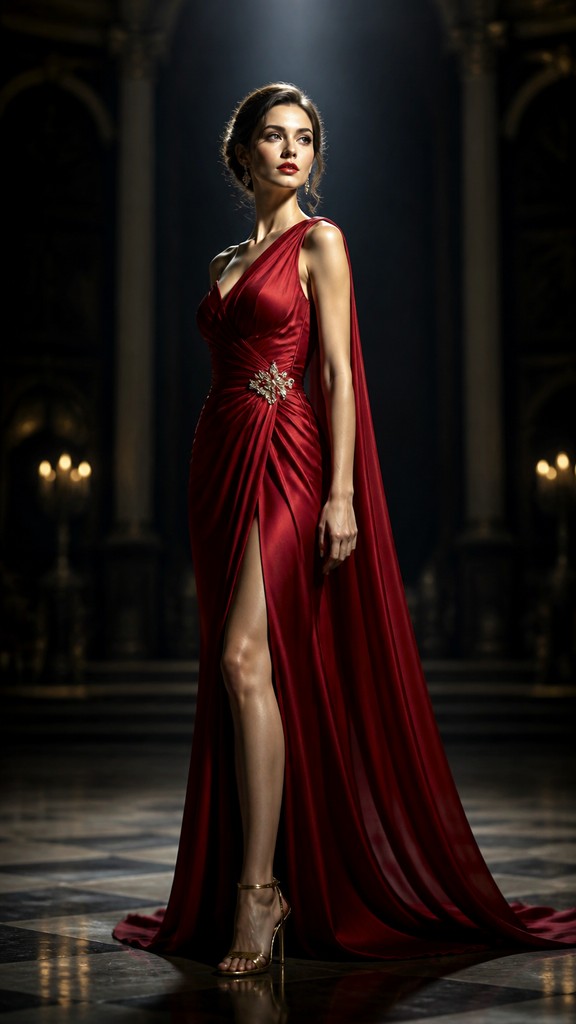
Dramatic Emphasis is a contemporary visual approach built around extreme focal hierarchy: one subject receives the viewer’s attention while the surrounding environment becomes secondary. The focal element is typically sharply defined, richly saturated, and illuminated by concentrated directional light; peripheral areas are darker, softer, less detailed, or selectively obscured.
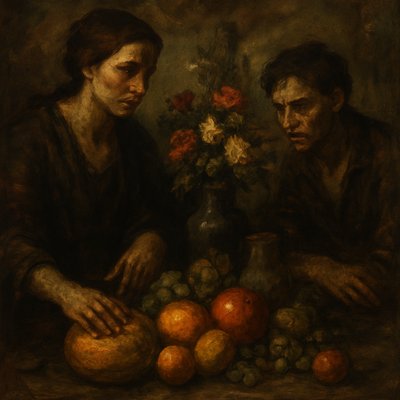
The style creates the impression that a single object, person, gesture, or detail matters more than everything around it. Its impact comes from controlled contrast rather than visual abundance, combining theatrical lighting with selective focus, restrained color, and deliberate negative space. It can be applied to portraits, still life, editorial imagery, cinematic scenes, posters, illustrations, and digitally composed environments.
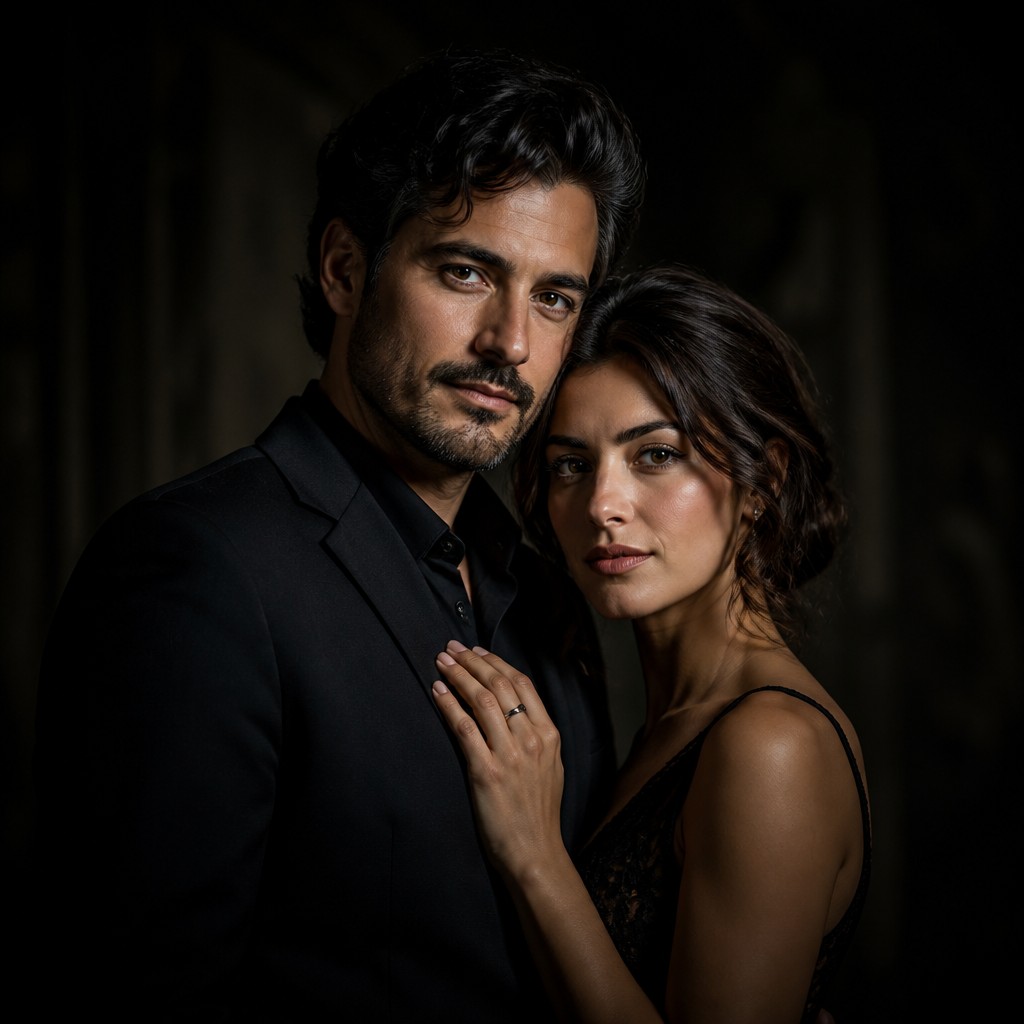
Try It On Your Photos
Upload any photo and convert it into Dramatic Emphasis Art Style — drag the sliders to compare before and after.


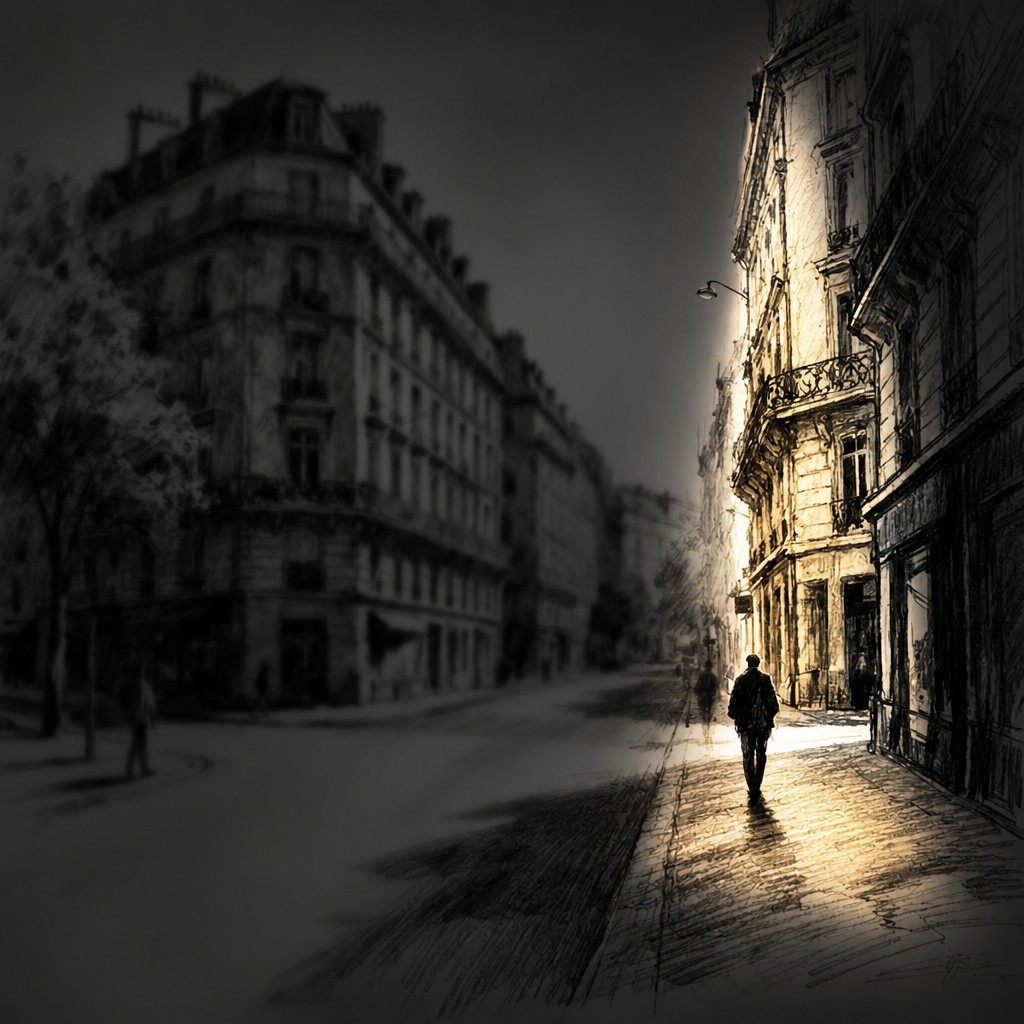

What Defines Dramatic Emphasis Art Style
The signature details, up close
Single dominant subject
The composition is organized around one clearly prioritized person, object, or visual detail. Secondary elements support the focal point without competing for equal attention.
Theatrical directional light
A concentrated beam, side light, rim light, or overhead source models the subject dramatically. Strong light-to-shadow transitions create a staged, emotionally charged atmosphere.
Selective sharpness
The focal subject is rendered with crisp edges, visible texture, and precise detail. The surrounding space often uses shallow depth of field, softened contours, or atmospheric blur.
Subordinated surroundings
Backgrounds are darkened, desaturated, simplified, or partially hidden so they establish context without distracting from the main subject. Environmental information is intentionally reduced.
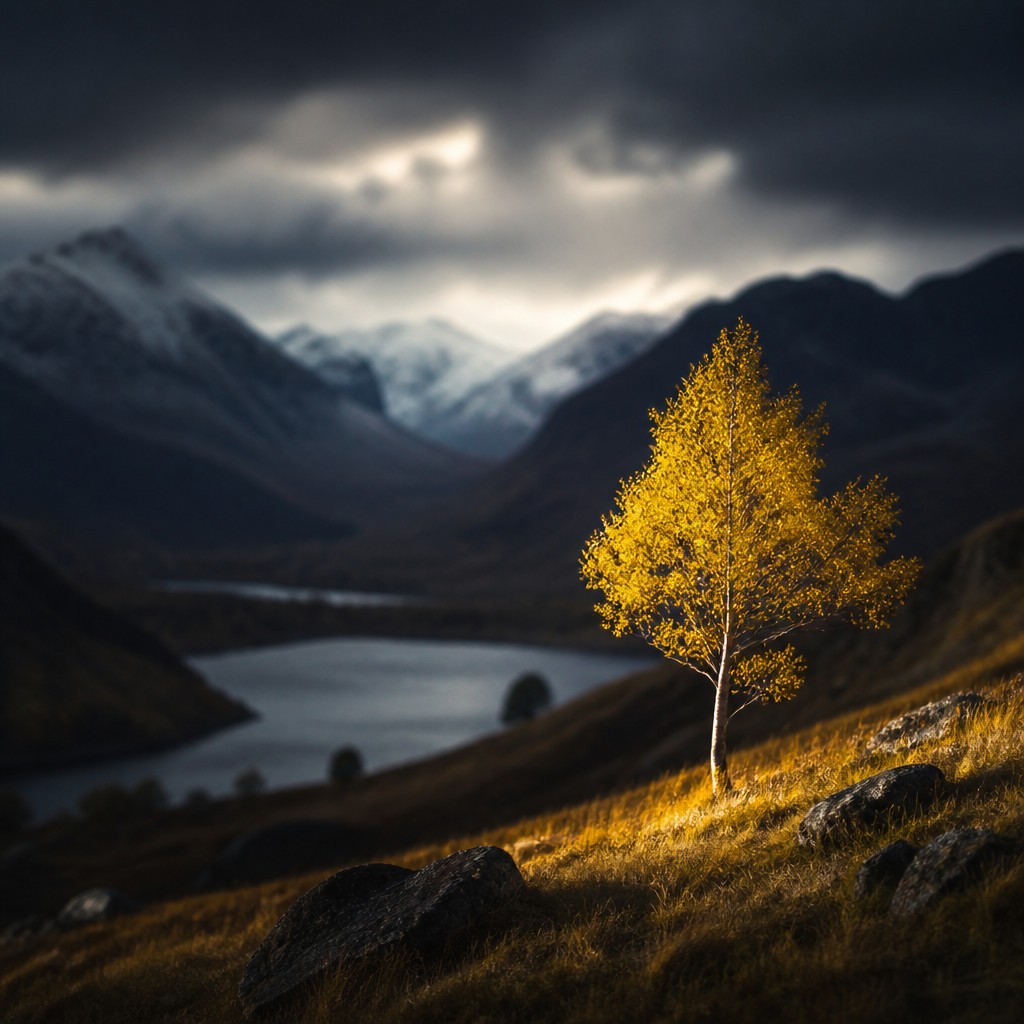
Localized saturation
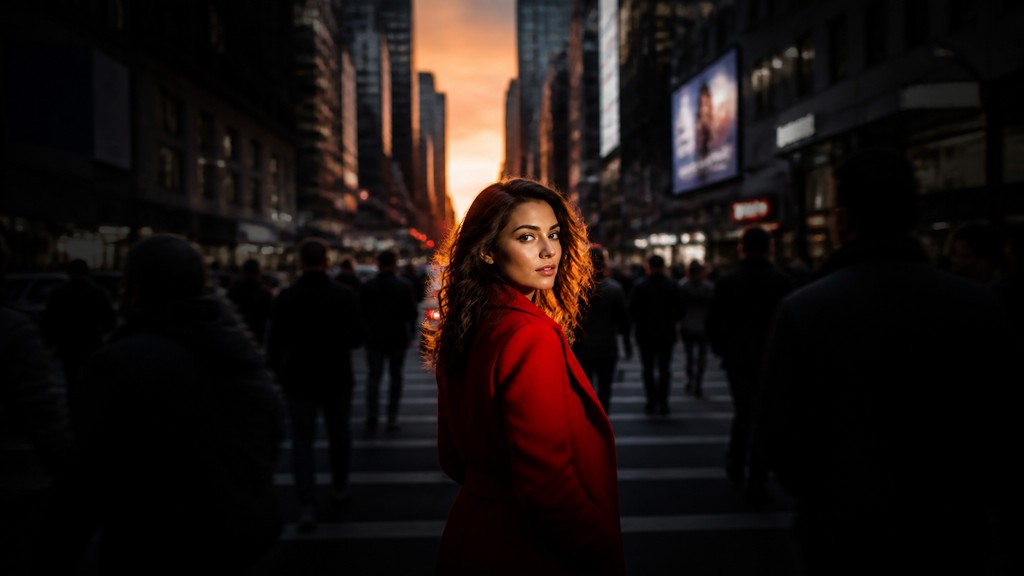
Color intensity is concentrated around the focal element, while peripheral hues become muted, monochromatic, or low contrast. This makes even a small area of color carry significant visual weight.

Strong compositional hierarchy
Scale, placement, contrast, isolation, and directional lines guide the eye toward a predetermined focal point. Negative space is used as an active framing device rather than empty background.
Try It
Create Videos in Dramatic Emphasis Art Style
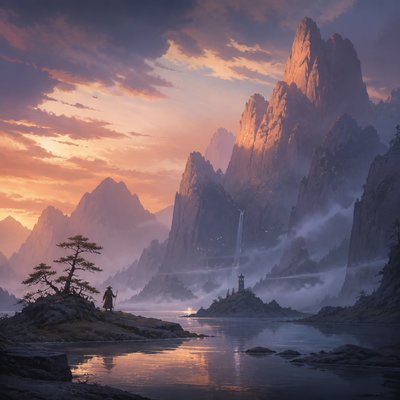
Styles aren't just for stills — describe a scene or animate an image and get a short video rendered in Dramatic Emphasis. Press play to see this pond come to life.
Make a VideoDramatic Emphasis Prompt Ideas
Start from an idea — each one opens the generator with the style ready to go. See all 40 Dramatic Emphasis prompts →
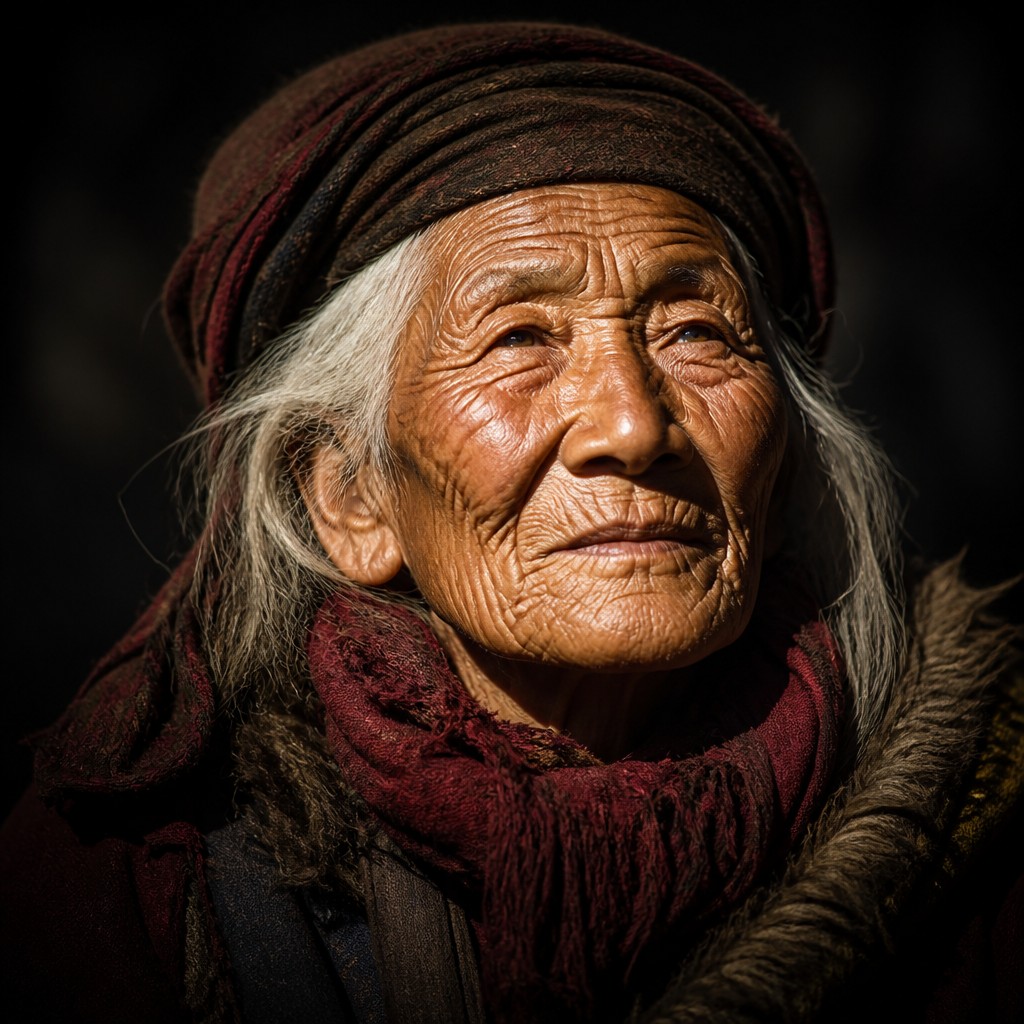
“close-up portrait of an elderly person with expressive weathered features”

“a cat lounging in a sunlit window”
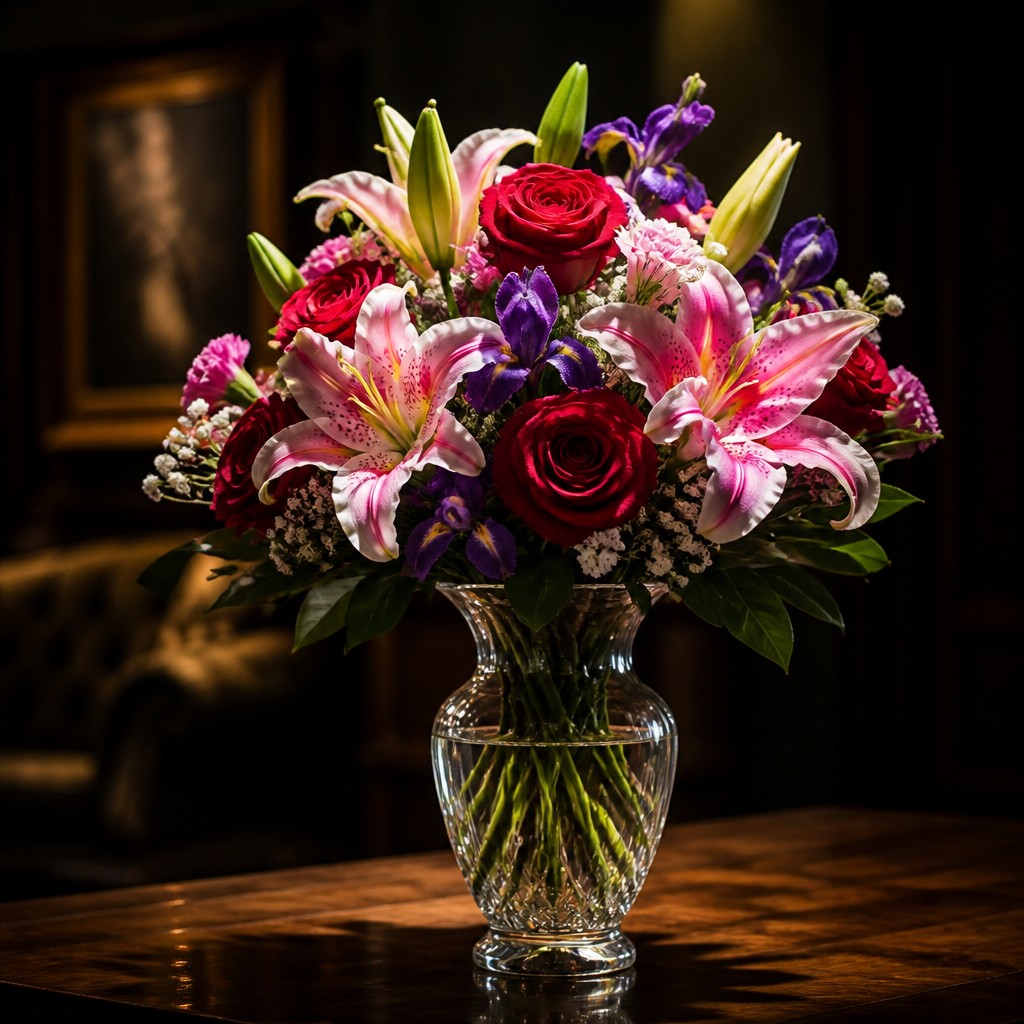
“bouquet of flowers in a glass vase”

“sailing ship on a stormy sea”
How to Create Dramatic Emphasis Art
Master the craft step by step — or skip straight to creating. Read the full guide →
- 1
Choose one visual priority
Decide what the viewer should notice first and remove or simplify competing details. Use placement, scale, contrast, and surrounding negative space to reinforce that decision.
- 2
Build a concentrated light source
In photography or painting, use a narrow key light, shuttered window, spotlight, or strong side light while allowing the rest of the scene to fall into shadow. In digital work, add a controlled light direction and preserve believable cast shadows.
- 3
Separate focus from context
Keep the subject crisp and textured, then soften the background with shallow depth of field, atmospheric perspective, painterly simplification, or a restrained blur. Avoid giving background objects equally sharp edges.
- 4
Control the color hierarchy
Reserve the strongest saturation and brightest accents for the focal subject. Lower the contrast, chroma, and tonal range of surrounding elements without making the entire image flat.
- 5
Compose for visual isolation
Try off-center placement, a dark field, framing shapes, or a large area of quiet space around the subject. Check the image as a thumbnail or in grayscale to confirm that the focal hierarchy remains clear.
- 6
Write precise generation instructions
For prompt-based creation, specify the single subject, its position, lighting direction, sharpness, color priority, and the muted or blurred nature of the background. Add constraints such as one focal point, low-detail surroundings, and no competing bright objects.
The Story
History & Origins of Dramatic Emphasis
Dramatic Emphasis is not a formal historical movement with a fixed period or geographic origin. It is a contemporary descriptive style that consolidates techniques developed across several visual traditions, especially theatrical lighting, chiaroscuro, portrait photography, cinematic close-ups, editorial art direction, and modern digital compositing.
Its development reflects the growing control artists have over focus, exposure, color grading, depth of field, and image hierarchy. Digital tools have made it easier to isolate a subject, blur or darken its context, intensify local saturation, and construct lighting that may be realistic, symbolic, or impossible in a physical setting.
Influences: The style draws on Baroque chiaroscuro and tenebrism, where concentrated illumination heightens drama; theatrical stage lighting, which isolates performers and directs attention; portrait and still-life photography using shallow depth of field; cinematic framing and color grading; and editorial art direction, which reduces visual information to communicate a clear message quickly. It also relates to minimalist composition, spotlight-based installation, and contemporary digital compositing.
Frequently Asked Questions
What defines Dramatic Emphasis?
Its defining feature is a strict visual hierarchy in which one subject is unmistakably more important than its surroundings. Sharp focus, concentrated light, stronger color, and simplified context work together to produce that emphasis.
Is Dramatic Emphasis a historical art movement?
No. It is a contemporary descriptive and AI-native style label rather than a documented historical movement with a founding school or fixed period. Its aesthetic lineage includes chiaroscuro, theatrical lighting, photography, cinema, and digital image manipulation.
How is it different from chiaroscuro?
Chiaroscuro is a broader technique based on the modeling of form through contrasts between light and dark. Dramatic Emphasis uses that principle but adds selective focus, localized saturation, background suppression, and a particularly strict single-subject hierarchy.
Can this style be used with portraits and landscapes?
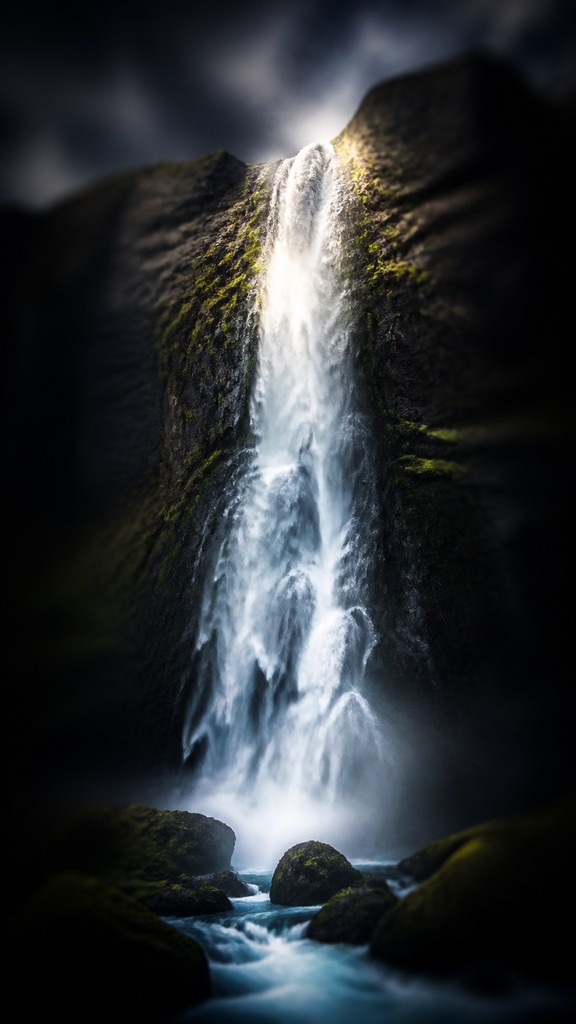
Yes. In a portrait, the face, hands, or clothing can become the focal point while the setting recedes. In a landscape, one tree, structure, animal, or light source can be isolated against a subdued environment.
How do I prevent the image from looking too dark?
Keep the focal subject well exposed and reserve deep shadows for the surrounding areas rather than lowering the exposure everywhere. A controlled rim light, reflective fill, or narrow range of bright accents can preserve detail without weakening the drama.
Where is Dramatic Emphasis commonly used?
It is effective in portraiture, product imagery, film-inspired illustration, book and poster design, editorial campaigns, still life, conceptual photography, and narrative scene construction. It is especially useful when an image needs to communicate one object, emotion, or message immediately.
Create your first Dramatic Emphasis artwork
Describe anything — or upload a photo — and see it in Dramatic Emphasis Art Style in seconds.
Related Styles
Discover similar art styles