Lovecore Aesthetic
Lovecore aesthetic: cherry red, hot pink, hearts, lace, candy gloss, and romantic kitsch in a maximal Valentine palette.
Instantly rendered in Lovecore Aesthetic — or transform a photo
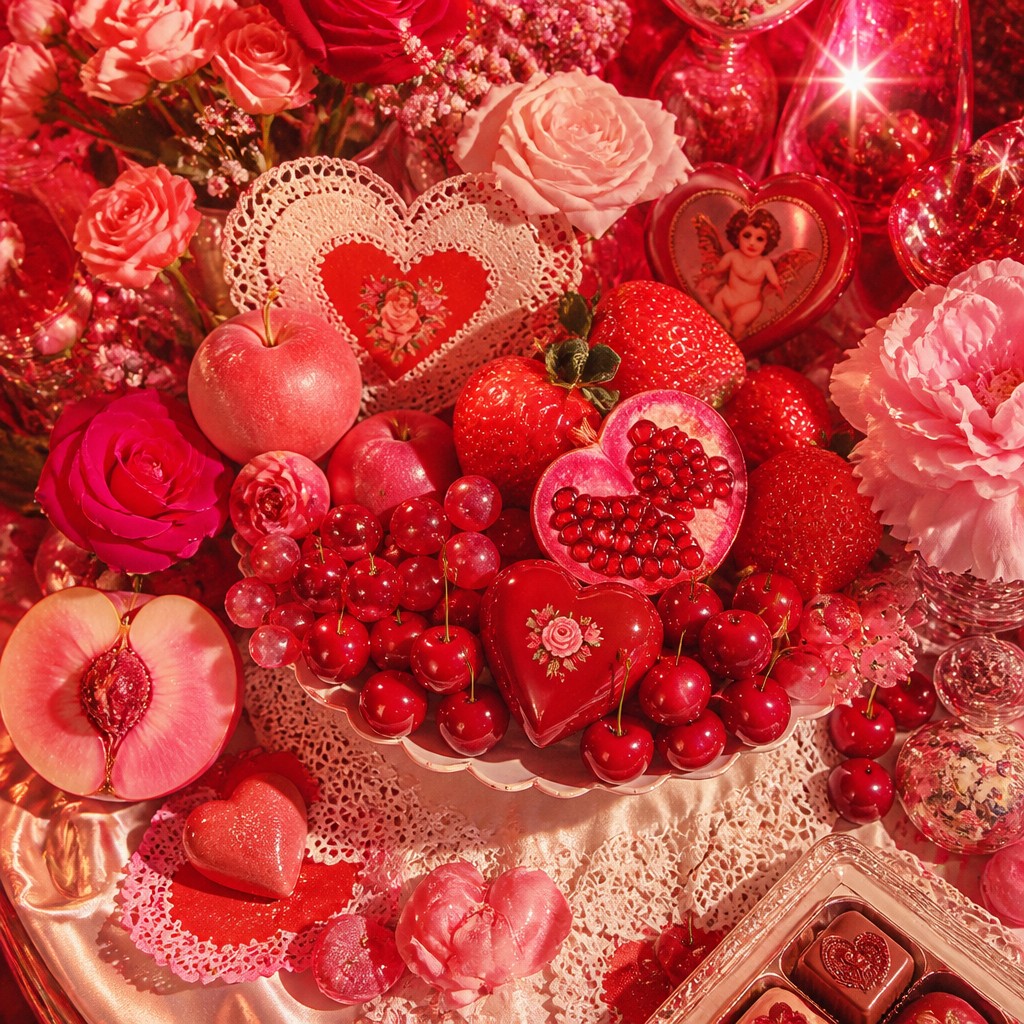
Lovecore Aesthetic Gallery
Tap any artwork to explore it
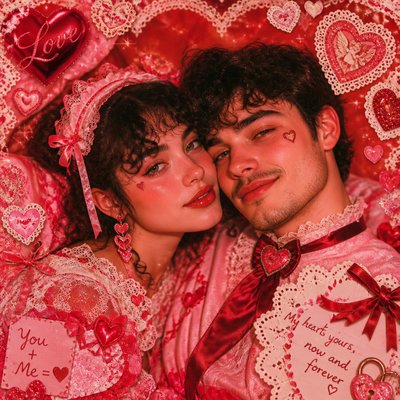
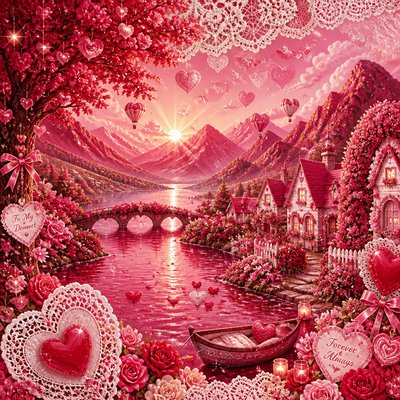
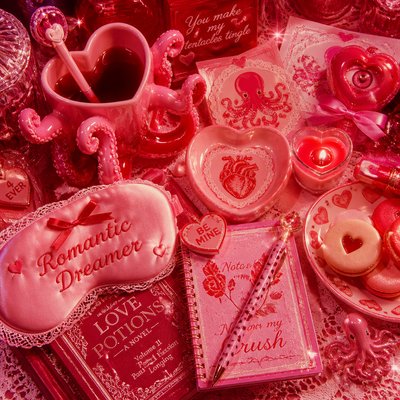
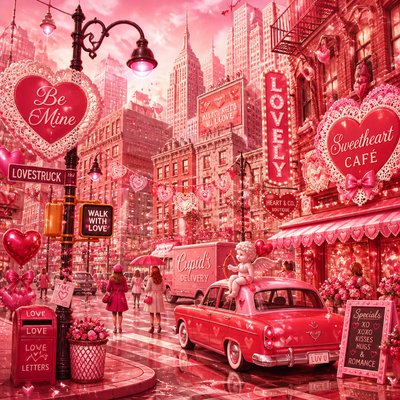
What is Lovecore Aesthetic?
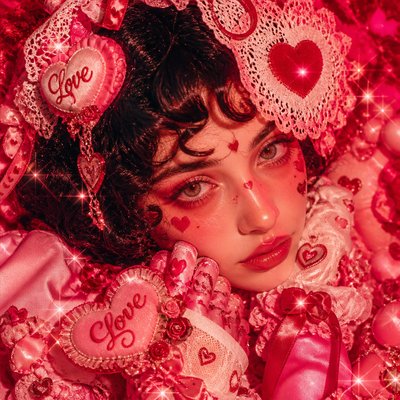
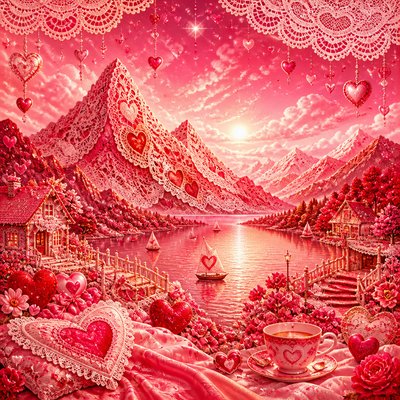
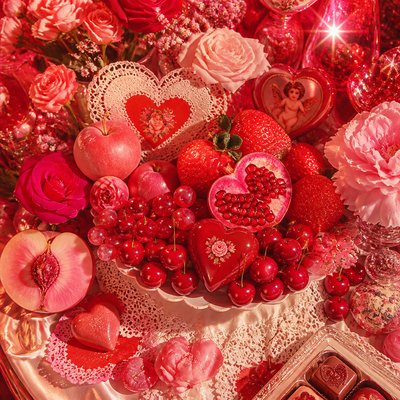
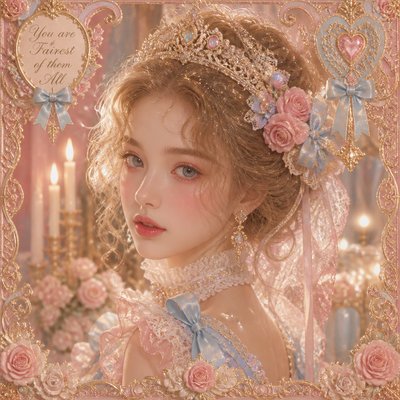
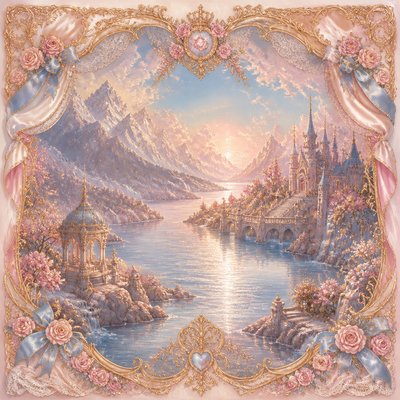
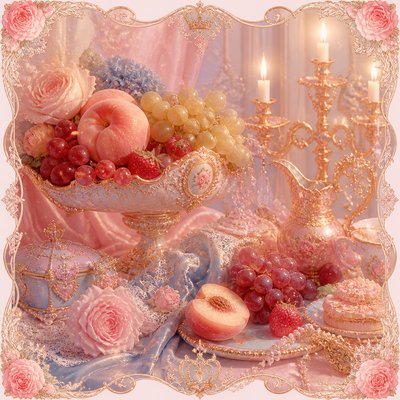
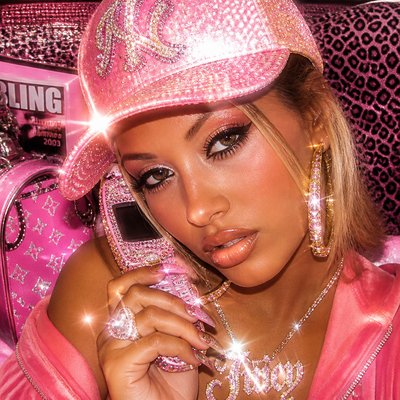
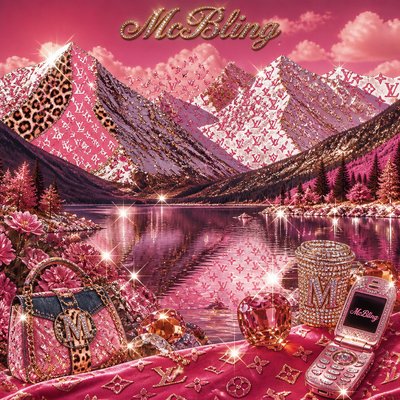
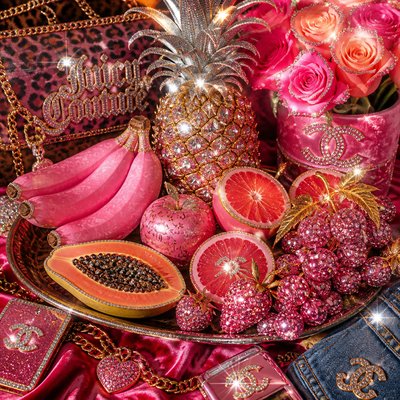
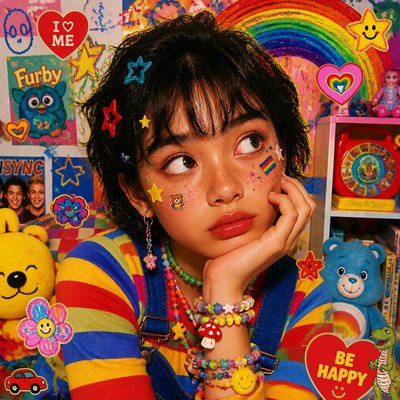
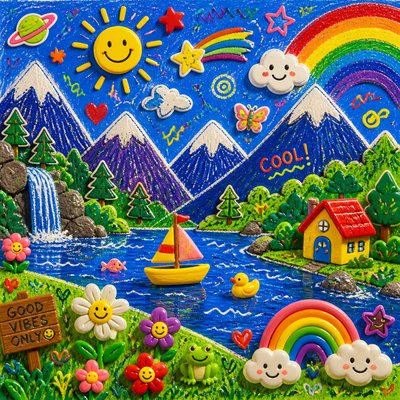
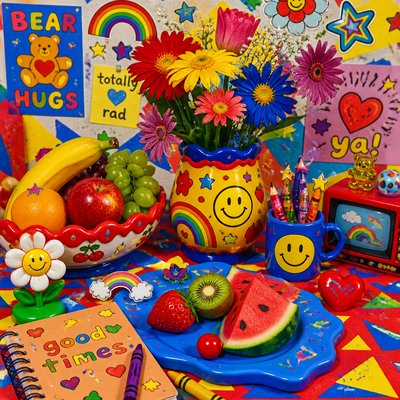
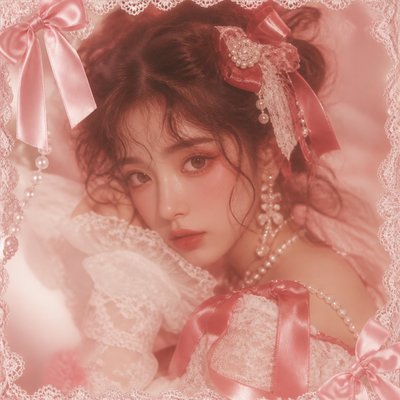
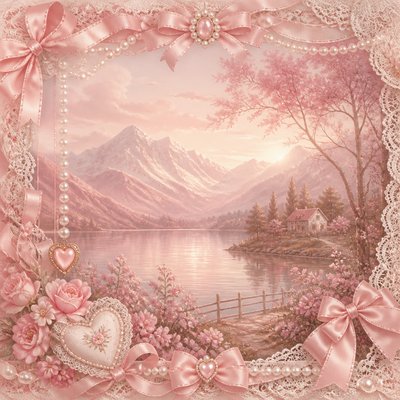
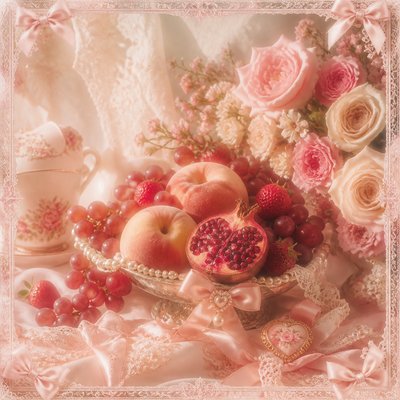
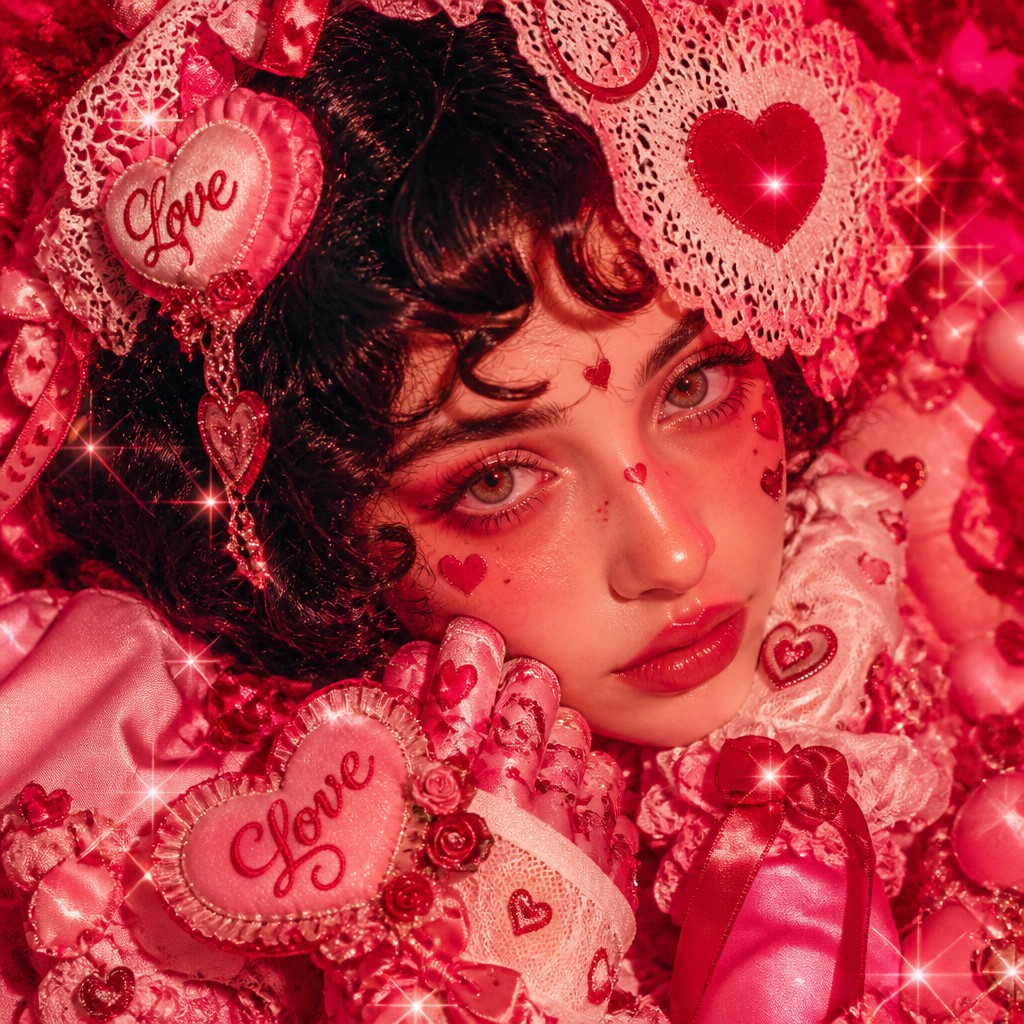
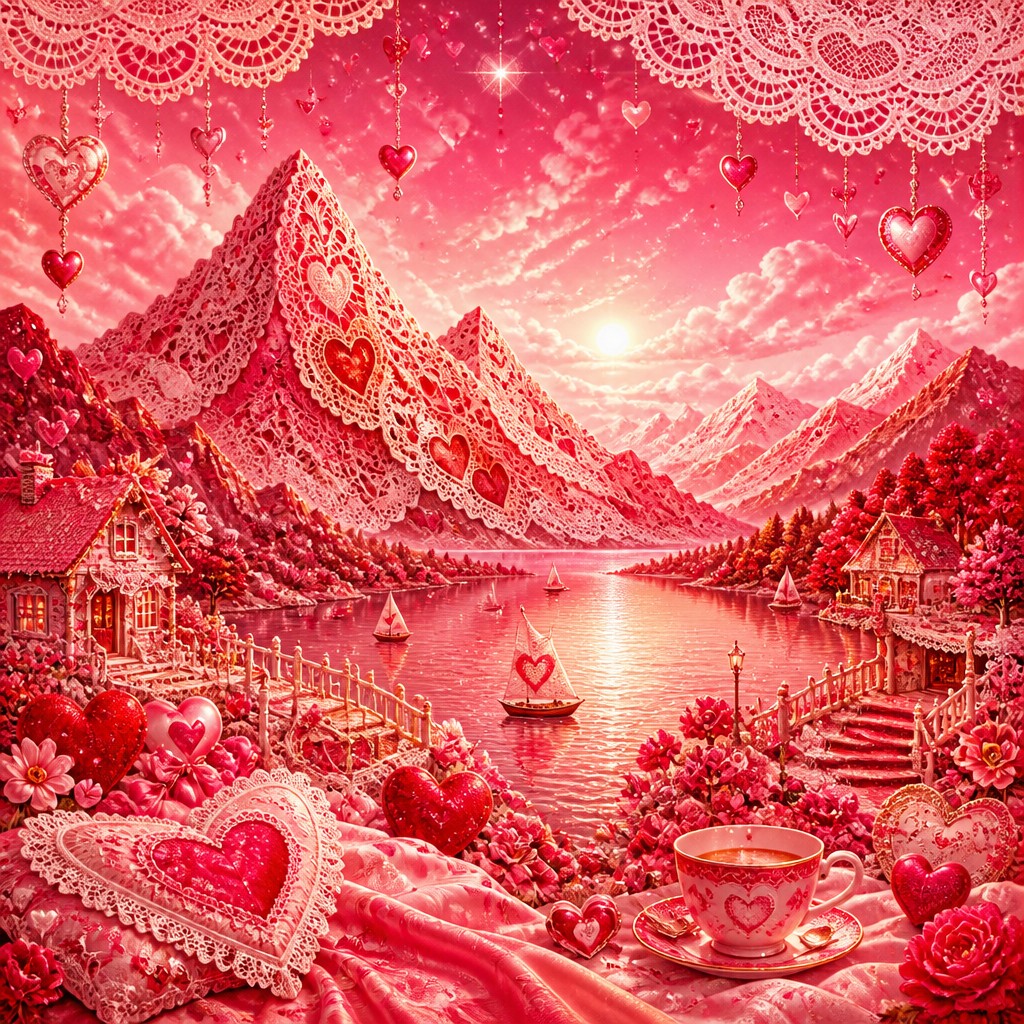
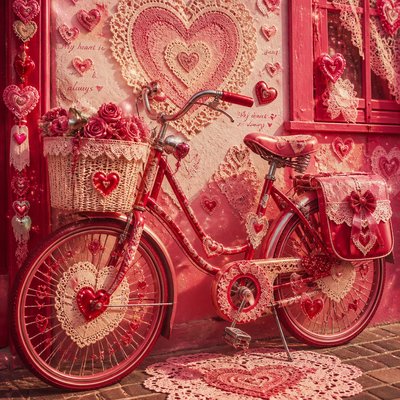
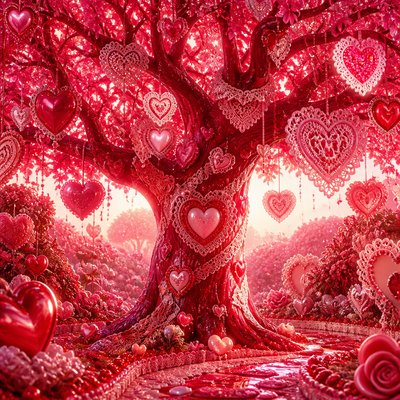
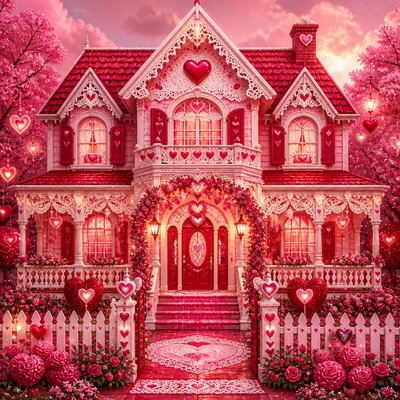
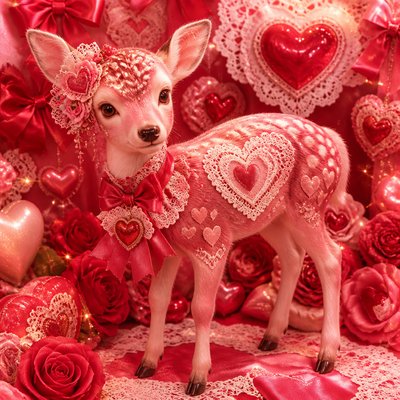
Lovecore aesthetic is a romantic, Valentine-coded visual style built around cherry red, hot pink, blush, cream, and abundant heart imagery. It favors saturated color, glossy highlights, lace and doily patterns, ribbons, bows, candy-like surfaces, and decorative excess. The result is playful rather than solemn: affection is treated as a visual theme, with sweetness, sentiment, and a little kitsch all made deliberately visible.
Its look comes from combining several familiar design languages: greeting-card romance, confectionery packaging, 1990s–2000s teen decor, scrapbook ornament, and internet-era maximalism. Surfaces often appear shiny, plush, satin-like, or sugar-coated, with warm rosy lighting that makes everything feel soft, warm, and slightly theatrical. Because the style is based on repetition and ornament, it reads instantly even in simple subjects, turning ordinary objects into symbols of love, flirtation, or self-adornment.
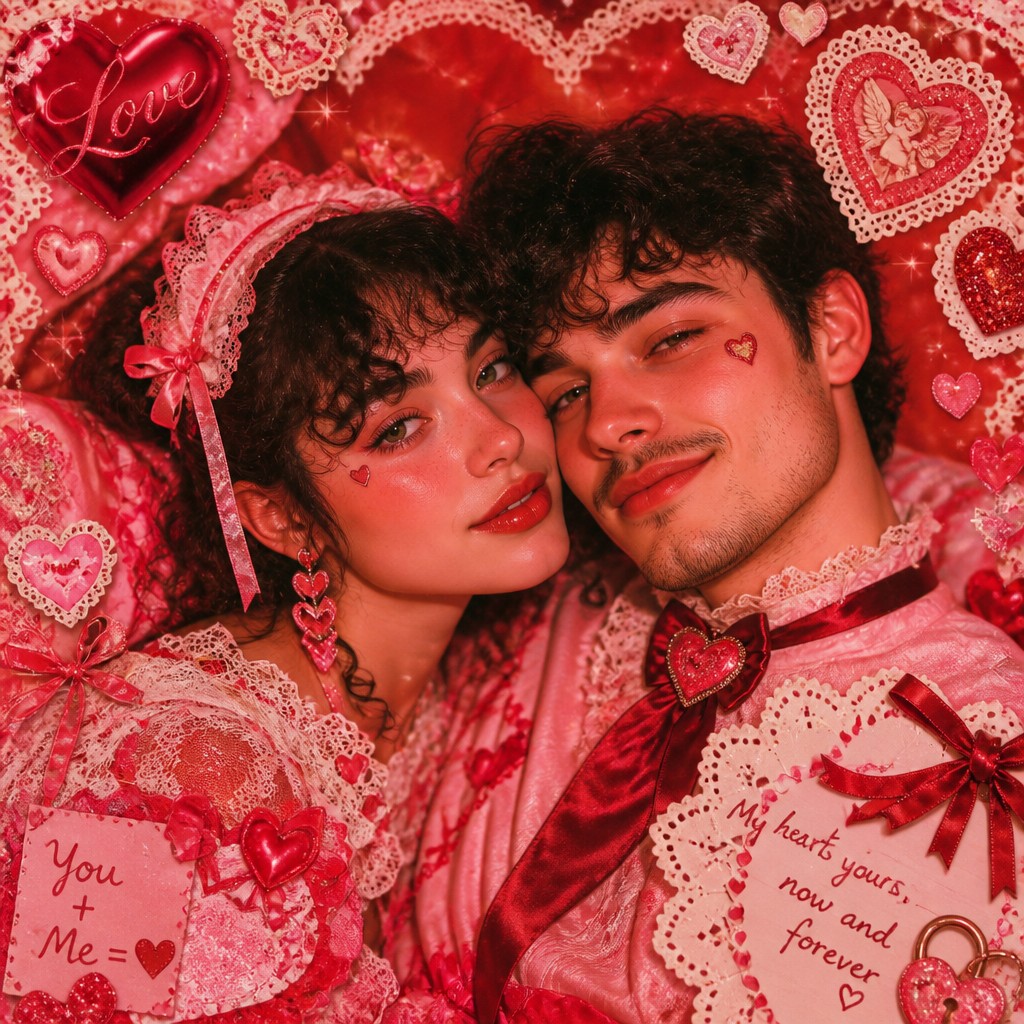
Try It On Your Photos
Upload any photo and convert it into Lovecore Aesthetic — drag the sliders to compare before and after.
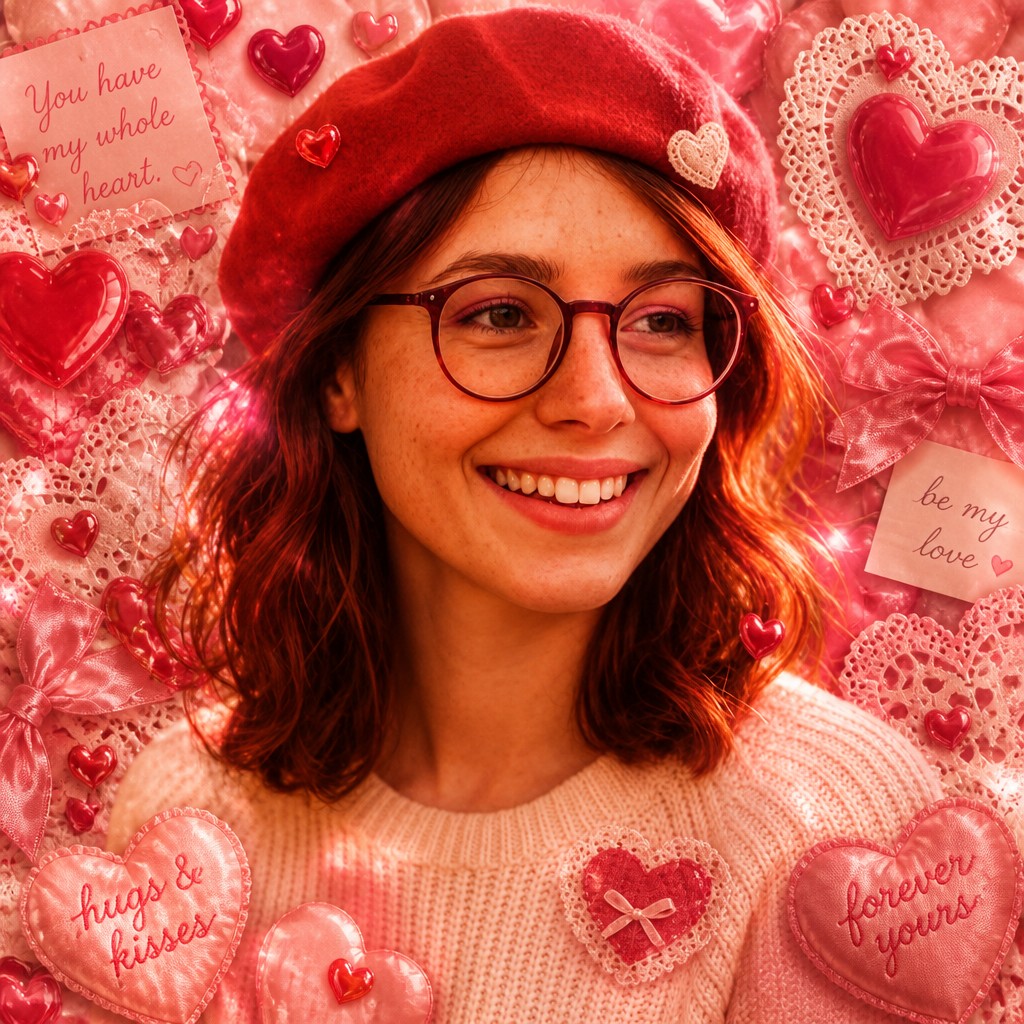

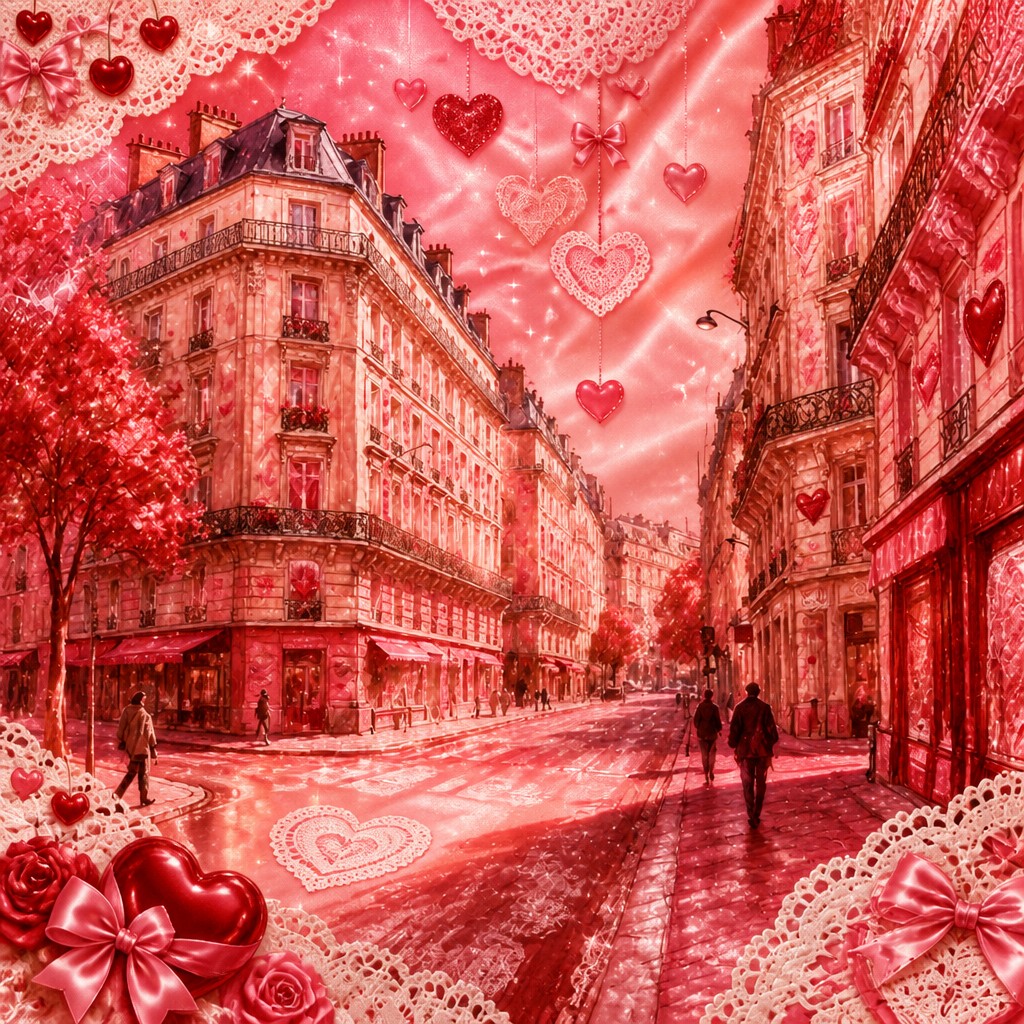

What Defines Lovecore Aesthetic
The signature details, up close
Valentine color palette
The style is anchored by cherry red, hot pink, blush pink, cream, and white, often with occasional black or gold accents. The palette is usually highly saturated and high-contrast so the image reads as festive and emotionally immediate.
Heart motifs everywhere
Hearts are the central symbol and may appear as shapes, patterns, cutouts, stickers, confetti, or framing devices. They are often repeated across the composition to create a wallpaper-like abundance rather than a single focal icon.
Lace, doily, and ribbon textures
Decorative textures such as lace, crochet, doilies, bows, ruffles, and scalloped edges soften the image and add a handmade or gift-wrapped feeling. These motifs help the style feel tactile and layered, even in digital work.
Glossy, candy-like finish
Surfaces often look lacquered, satin-sheened, or sugar-coated, with sparkles and reflective highlights. This finish makes the style feel confectionary and toy-like rather than naturalistic.
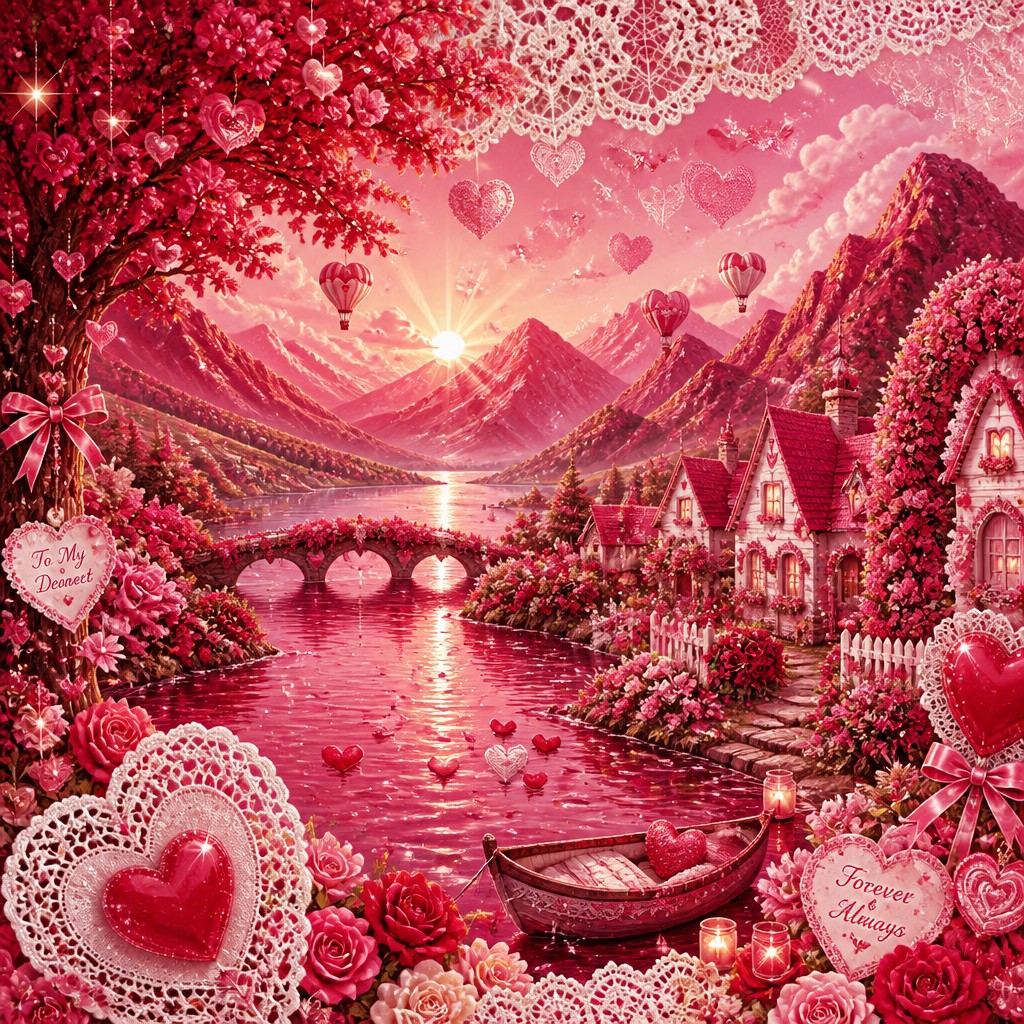
Romantic maximalism
Composition tends to be full, dense, and ornamented, with little visual empty space. Objects are often surrounded by confetti, florals, hearts, or glowing accents to intensify the mood of affection and celebration.
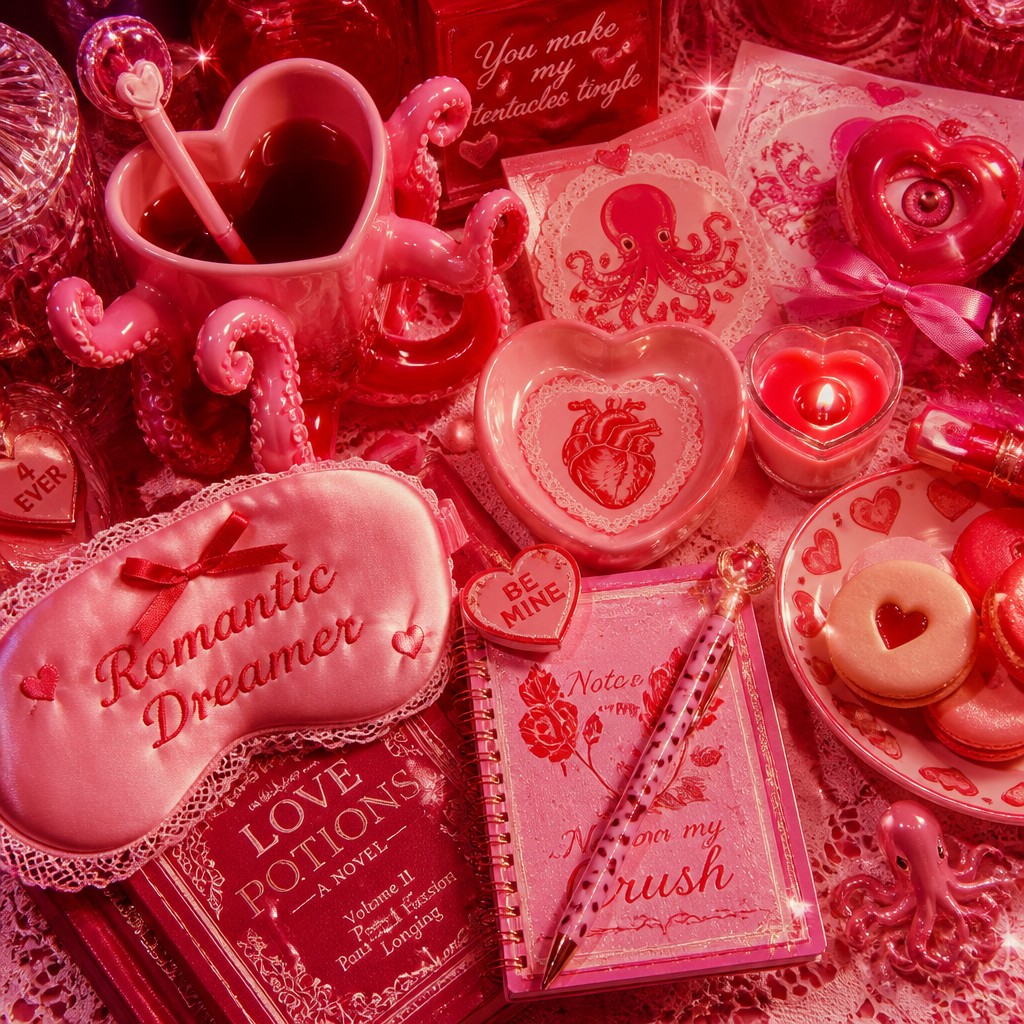
Cute kitsch and sentimental imagery
The style embraces charm over realism, favoring teddy bears, love letters, cupcakes, perfume bottles, cherries, and decorative packaging. The effect is knowingly sweet, using excess and nostalgia as part of the aesthetic appeal.
Try It
Create Videos in Lovecore Aesthetic
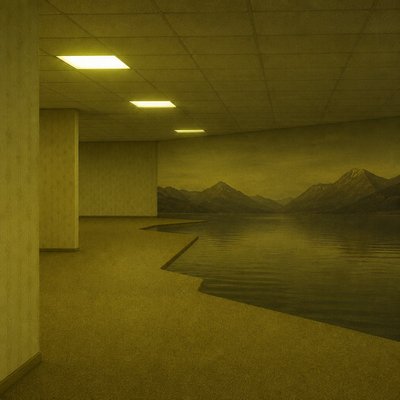
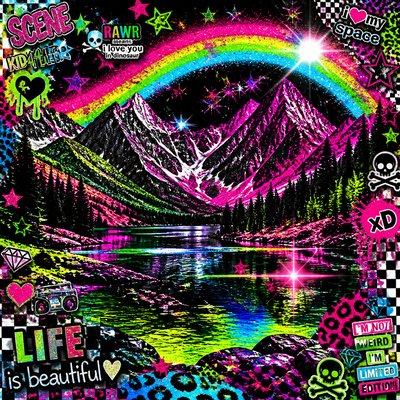
Styles aren't just for stills — describe a scene or animate an image and get a short video rendered in Lovecore Aesthetic. Press play to see this pond come to life.
Make a VideoLovecore Aesthetic Prompt Ideas
Start from an idea — each one opens the generator with the style ready to go. See all 40 Lovecore Aesthetic prompts →
How to Create Lovecore Aesthetic Art
Master the craft step by step — or skip straight to creating. Read the full guide →
- 1
Build the palette first
Start with a strict Valentine palette: red, pink, blush, cream, and white, then keep neutrals minimal. In traditional media, use markers, gouache, colored pencil, or collage paper; in digital work, lock the palette early so the image stays cohesive and saturated.
- 2
Use decorative repetition
Repeat hearts, bows, lace borders, and small sparkles across the composition to create patterned richness. Avoid placing a single icon in empty space; lovecore usually feels strongest when ornament accumulates around the subject.
- 3
Choose glossy, soft materials
Render objects as satin, glass, candy, plastic, or polished enamel to get the signature sweetness. For photo edits, add bloom, highlights, soft glow, and a slight sheen; for illustration, use smooth gradients and bright specular accents.
- 4
Mix romance with everyday objects
Turn ordinary subjects into love-coded imagery by surrounding them with cards, chocolates, flowers, perfume, plush toys, or ribbon. This contrast between mundane object and decorative overstatement is what makes the style feel playful rather than simply seasonal.
- 5
Keep the mood warm and affectionate
Use rosy lighting, gentle shadowing, and soft contrast to make the image feel cozy and inviting. In prompt-based generation, specify saturated Valentine colors, lace textures, glossy candy sheen, heart motifs, and romantic maximalism for the clearest result.
The Story
History & Origins of Lovecore Aesthetic
Lovecore is a contemporary aesthetic rather than a historical art movement. It developed online as part of the broader ecosystem of named internet aesthetics, drawing visual cues from Valentine’s Day ephemera, cute consumer packaging, kawaii ornament, and scrapbook culture. Its vocabulary is intentionally familiar: hearts, lace, roses, bows, and candy gloss are reused and intensified until they become the entire subject.
Its lineage can be traced through several real traditions: Rococo’s decorative excess, Victorian and Edwardian sentimental imagery, mid-20th-century greeting-card design, pop art’s bold color logic, and the later rise of cute and pastel internet aesthetics. Unlike a formal movement with a single origin point or canonical artists, lovecore is a distributed style shaped by social media, fandom graphics, fashion subcultures, and decorative digital image-making.
Influences: Lovecore draws from the decorative excess of Rococo, the sentimental imagery of Victorian Valentine cards, mid-century greeting-card illustration, kawaii design, scrapbook and sticker culture, and the glossy visual language of pop and consumer packaging. In terms of emotional tone, it shares some kinship with romantic illustration and decorative fashion imagery, while its layered ornament and sweetness echo the work of artists such as Walter Crane and Aubrey Beardsley only in broad historical sensitivity rather than direct lineage.
Frequently Asked Questions
What defines lovecore aesthetic?
Lovecore is defined by Valentine colors, especially red and pink, plus hearts, lace, bows, and sweet decorative excess. It is less about realism and more about creating a visual experience of romance, affection, and cute sentimental overload.
Is lovecore the same as coquette or pink aesthetic?
Not exactly. Coquette often emphasizes flirtation, bows, pearls, and dainty femininity, while lovecore is more explicitly Valentine-themed and heart-driven. Pink aesthetic can be broader and more minimal or playful, whereas lovecore usually leans maximal, sugary, and decorative.
What kinds of subjects work well in lovecore?
Common subjects include love letters, roses, chocolates, perfume, candles, jewelry, cupcakes, plush toys, and fashion accessories. Everyday objects can also work if they are styled with ribbons, lace, sparkles, and a romantic color palette.
How do I make an image look more lovecore?
Use a saturated red-pink palette, add repeated heart motifs, and layer in lace, ribbons, bows, and shiny highlights. Strong warm lighting and patterned decoration help create the dense, affectionate feel associated with the style.
Where is lovecore commonly used?
It appears in social media graphics, moodboards, fashion branding, stationery, sticker art, bedroom decor inspiration, and romantic editorial imagery. It is especially common in digital illustration and collage-based design because those media make pattern and ornament easy to layer.
Can lovecore be subtle?
Yes, but subtle lovecore usually still keeps some clear indicators such as a red-pink palette, a heart motif, or a satin-and-lace texture. If those cues are reduced too much, the image may read more generally as feminine, romantic, or pastel rather than lovecore specifically.
Create your first Lovecore Aesthetic artwork
Describe anything — or upload a photo — and see it in Lovecore Aesthetic in seconds.
Related Styles
Discover similar art styles