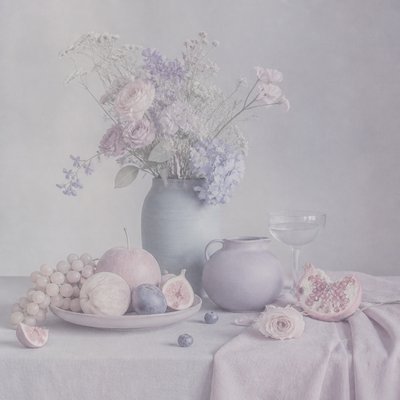
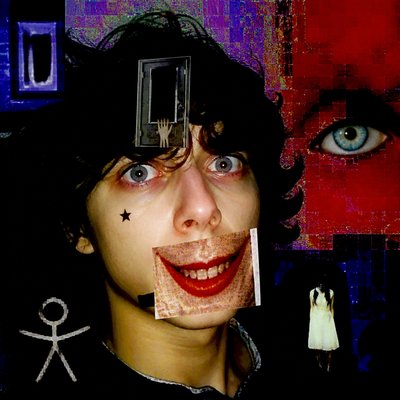
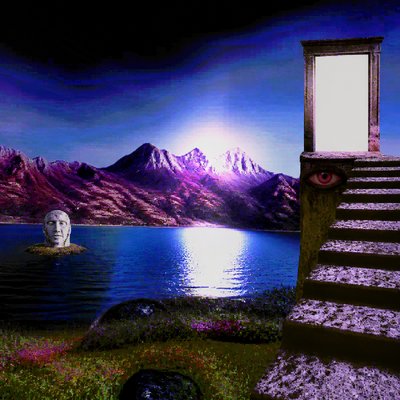
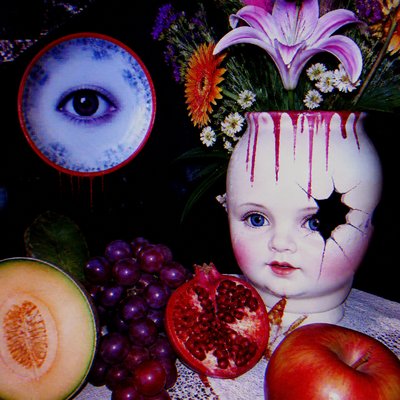
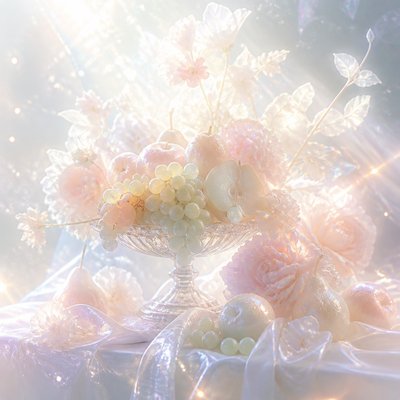
Y2K Aesthetic
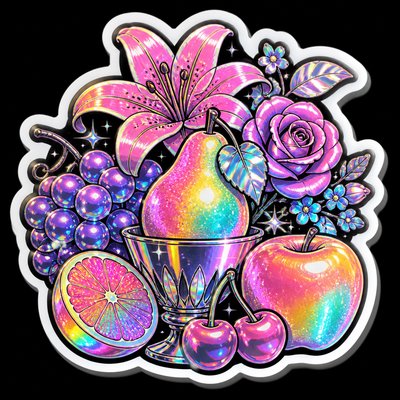
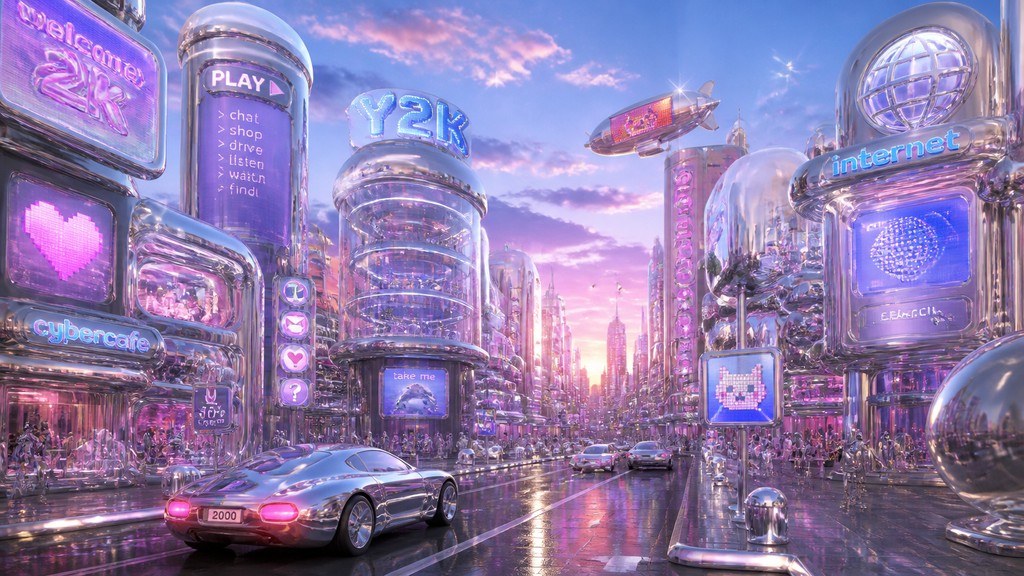
Chrome gradients, bubbly forms, and cyber-optimism define the Y2K aesthetic from late-1990s and early-2000s design.
Instantly rendered in Y2K Aesthetic — or transform a photo
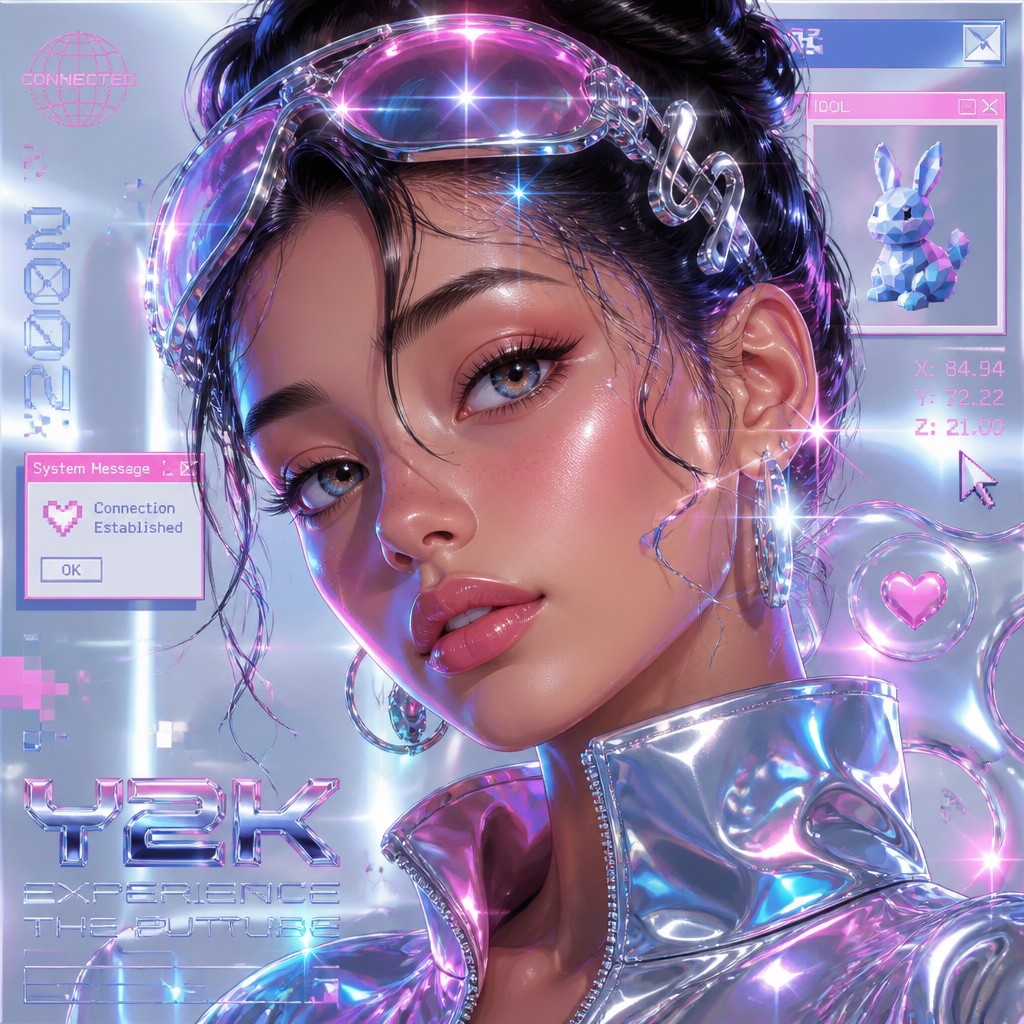
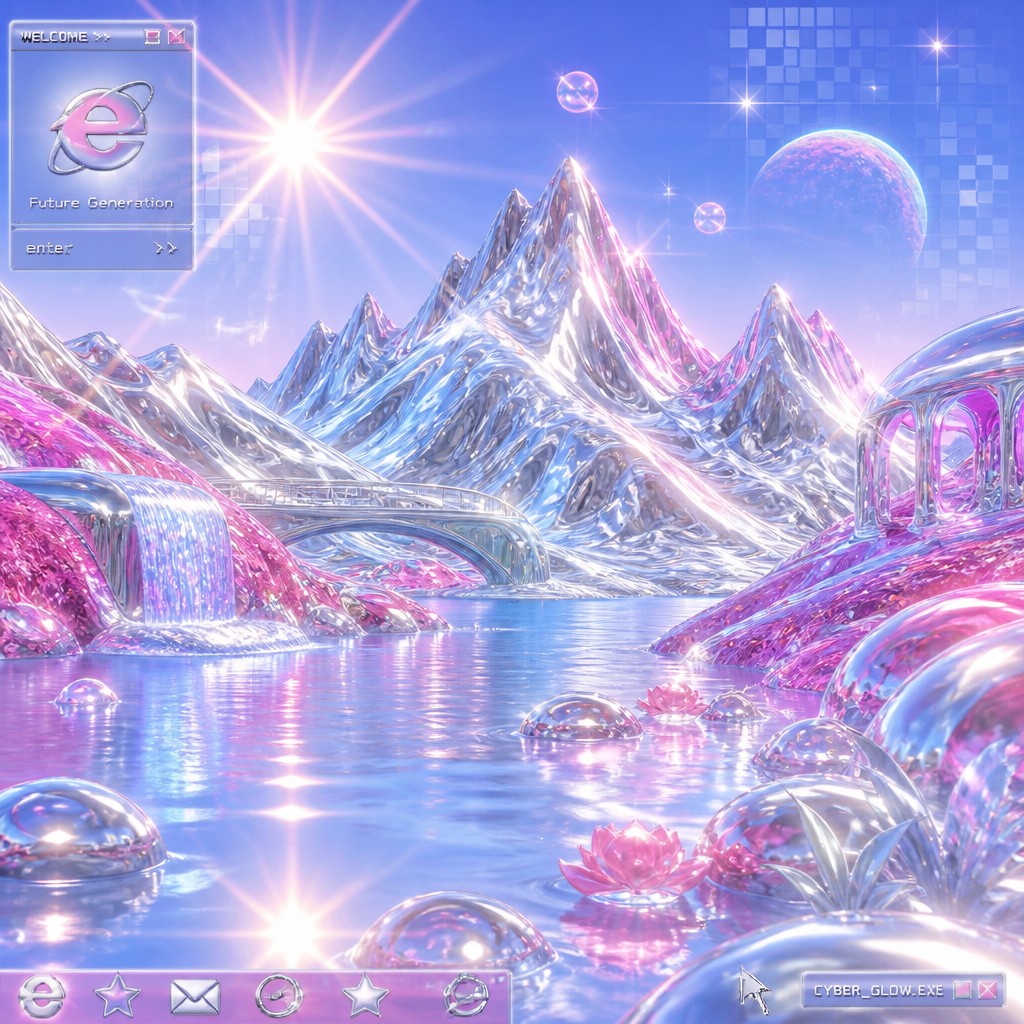
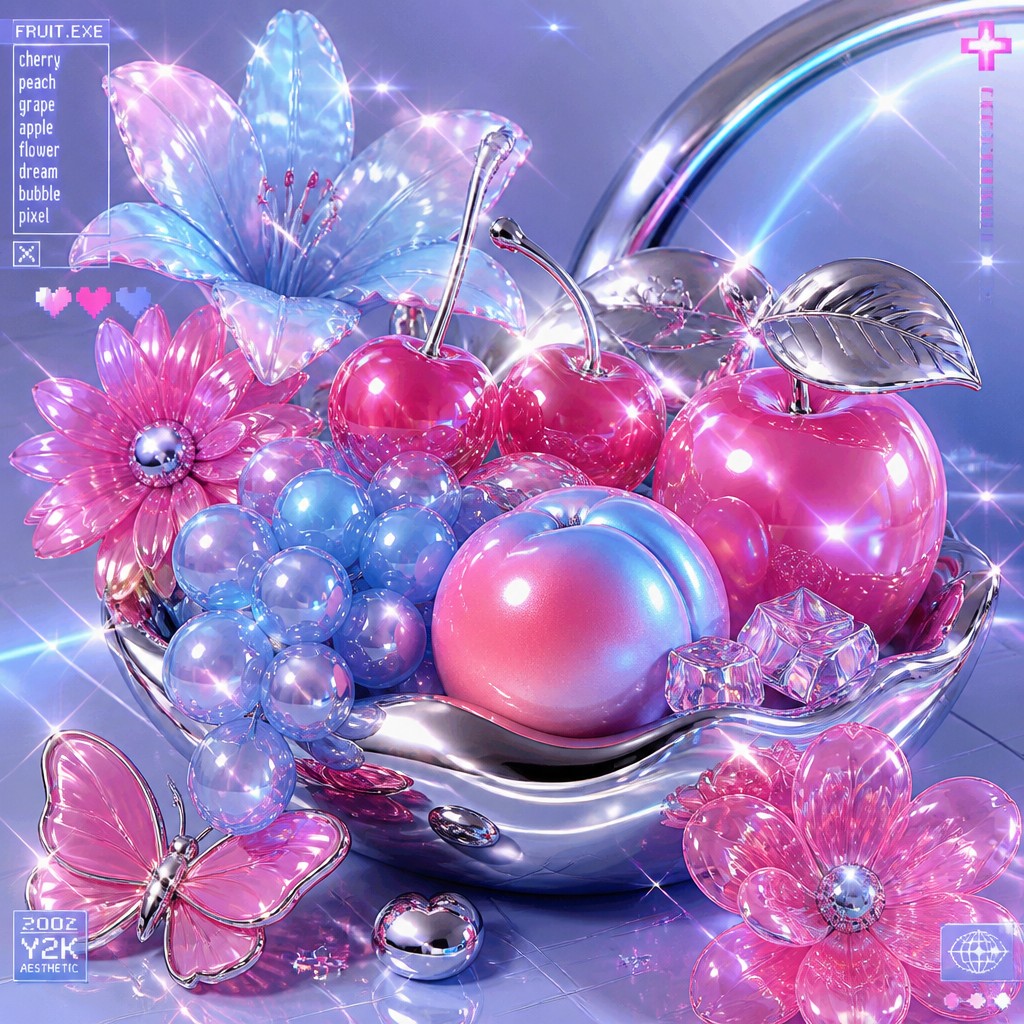
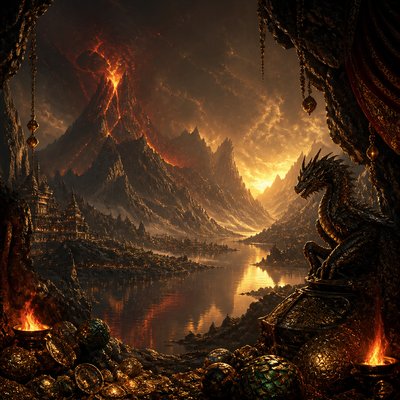
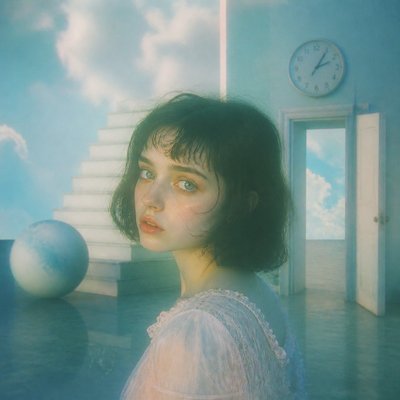
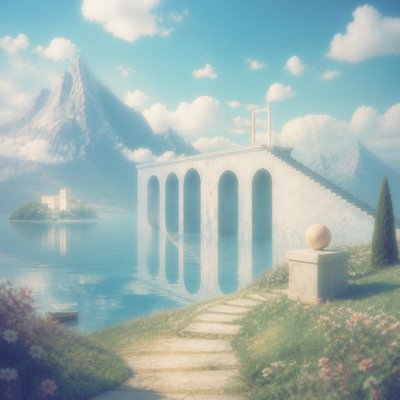
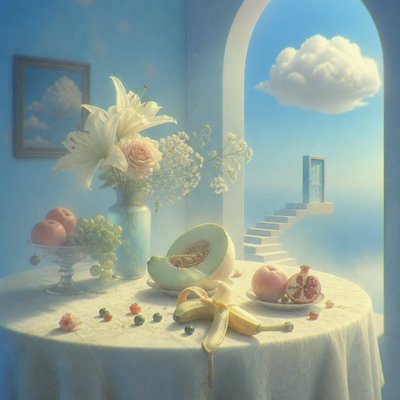
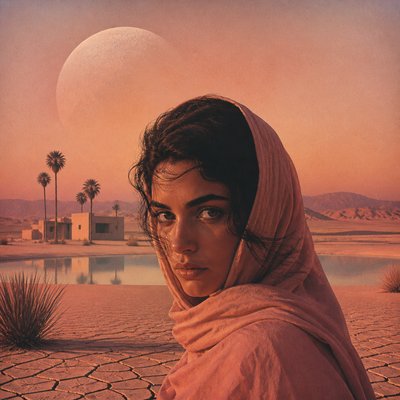
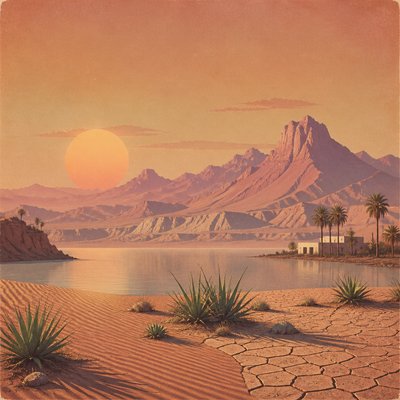
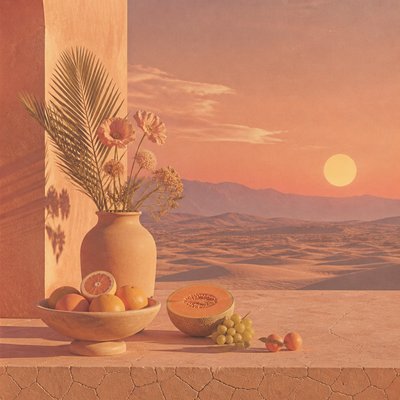
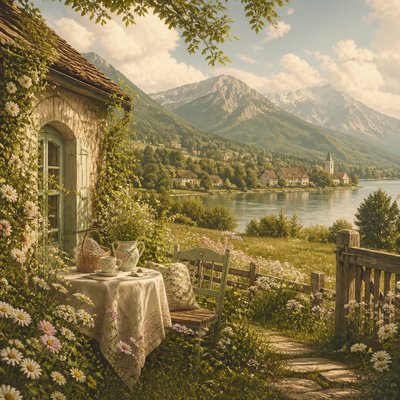
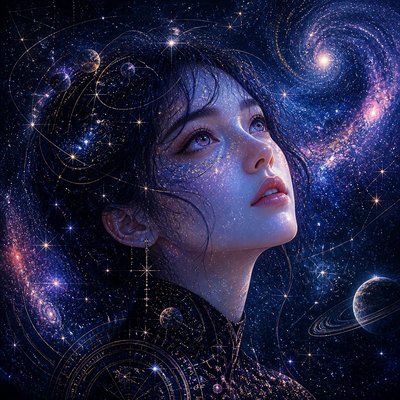
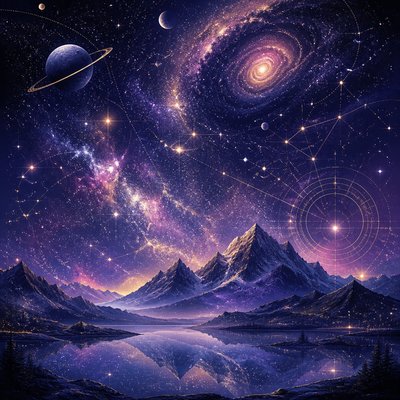
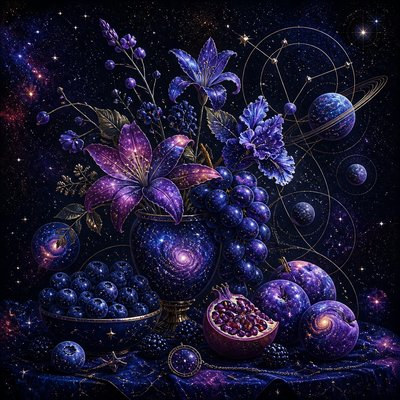
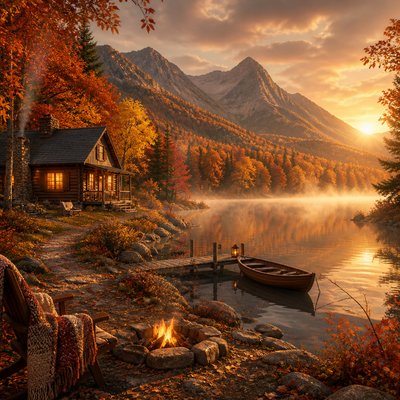
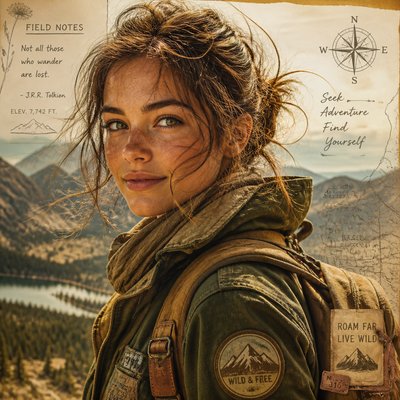
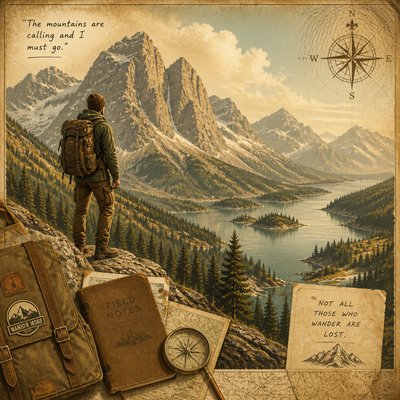
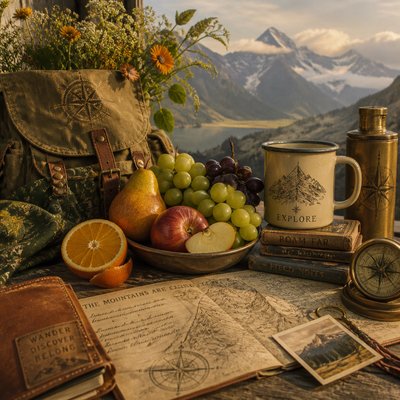
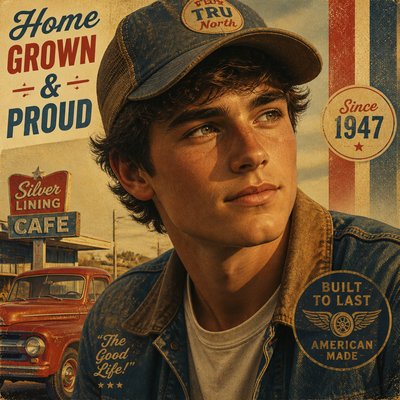
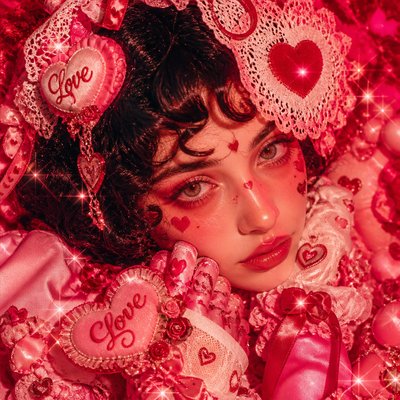
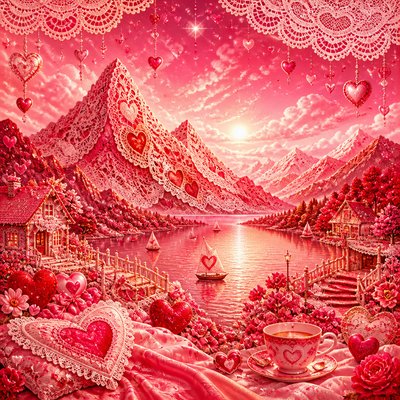
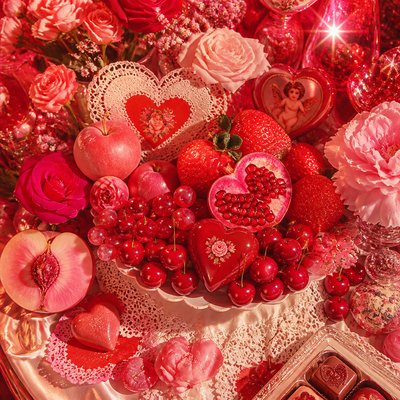
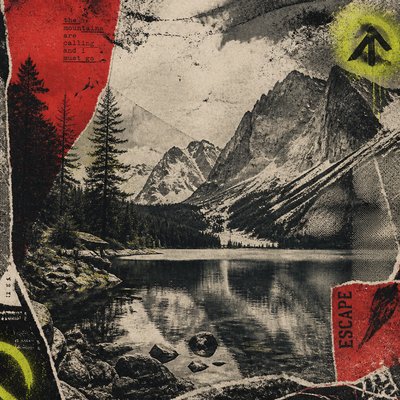
Y2K Aesthetic Gallery
Tap any artwork to explore it
What is Y2K Aesthetic?
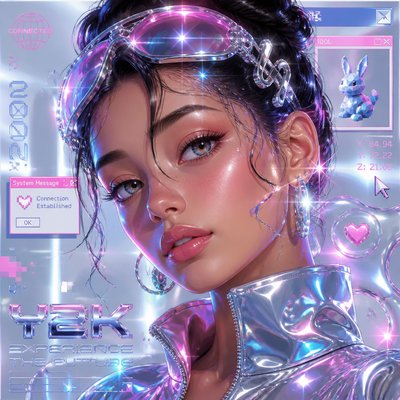
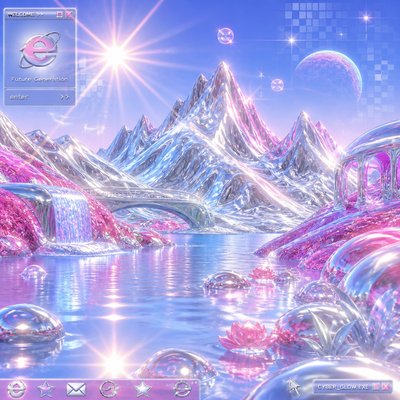
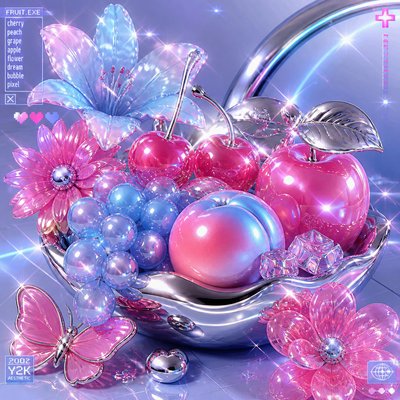
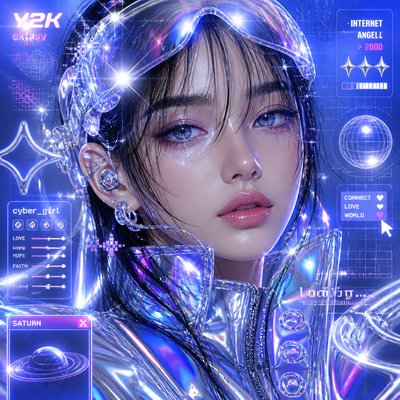
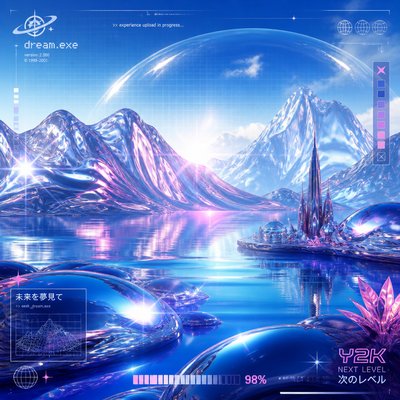
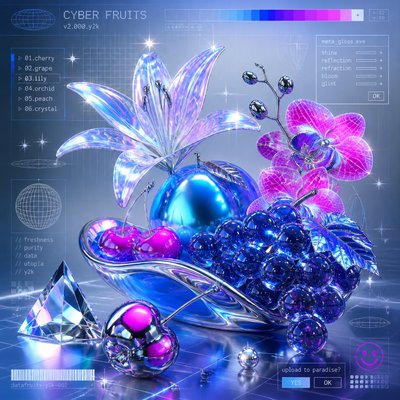
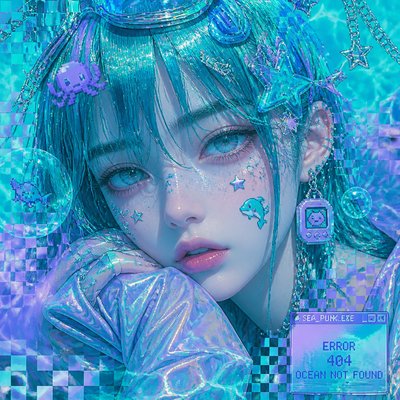
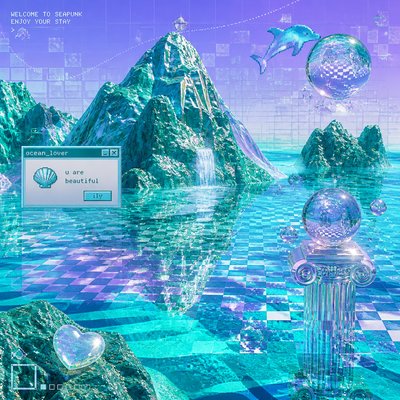
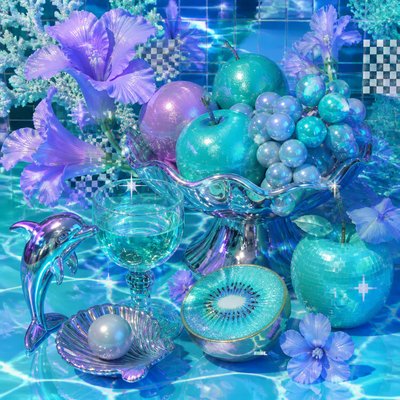
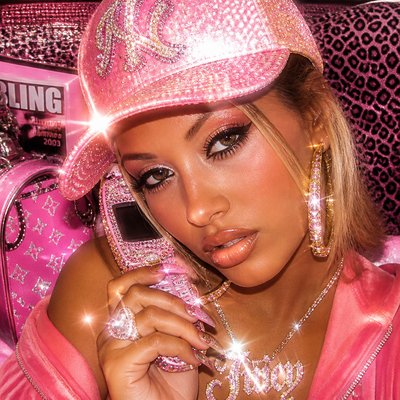
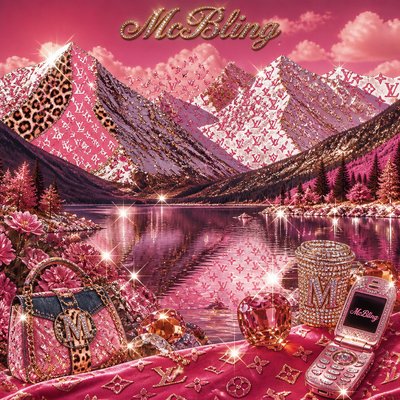
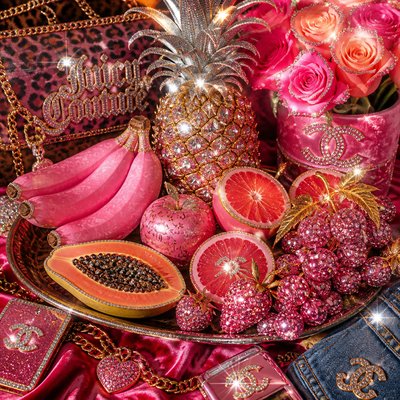
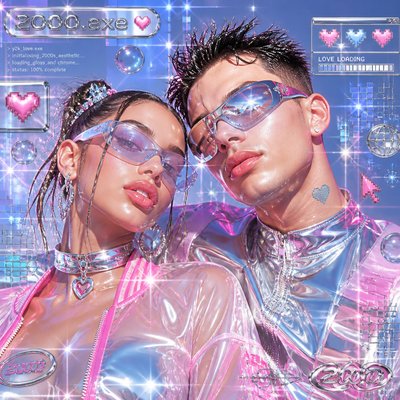
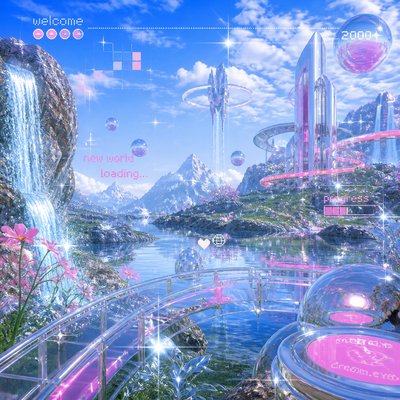
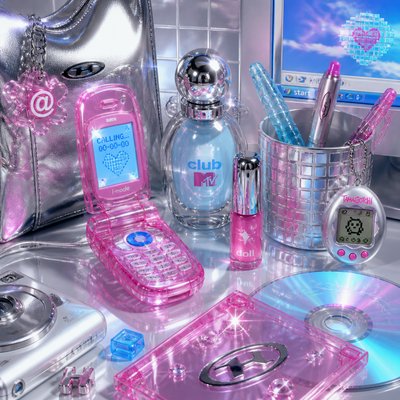
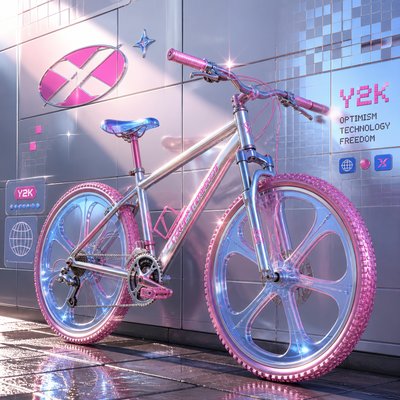
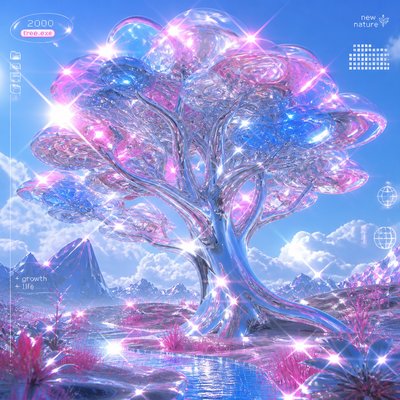
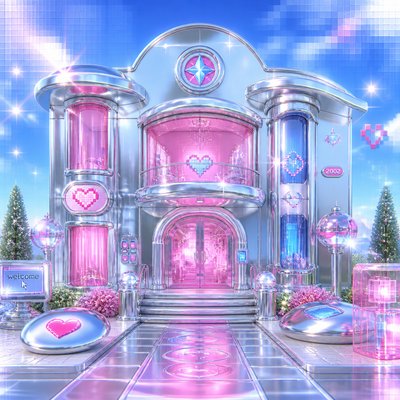
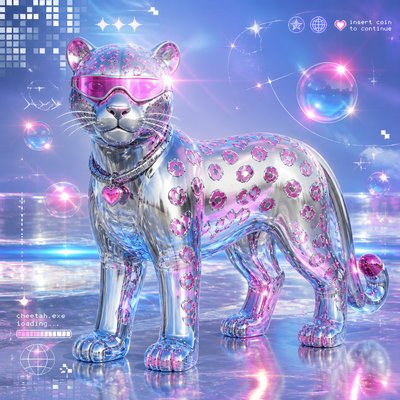
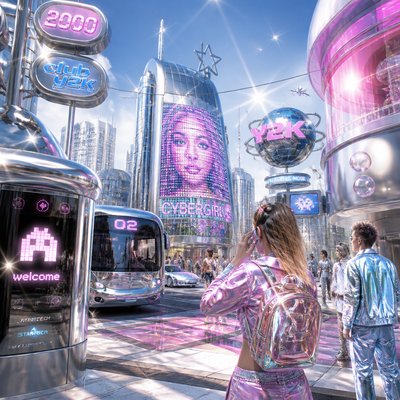
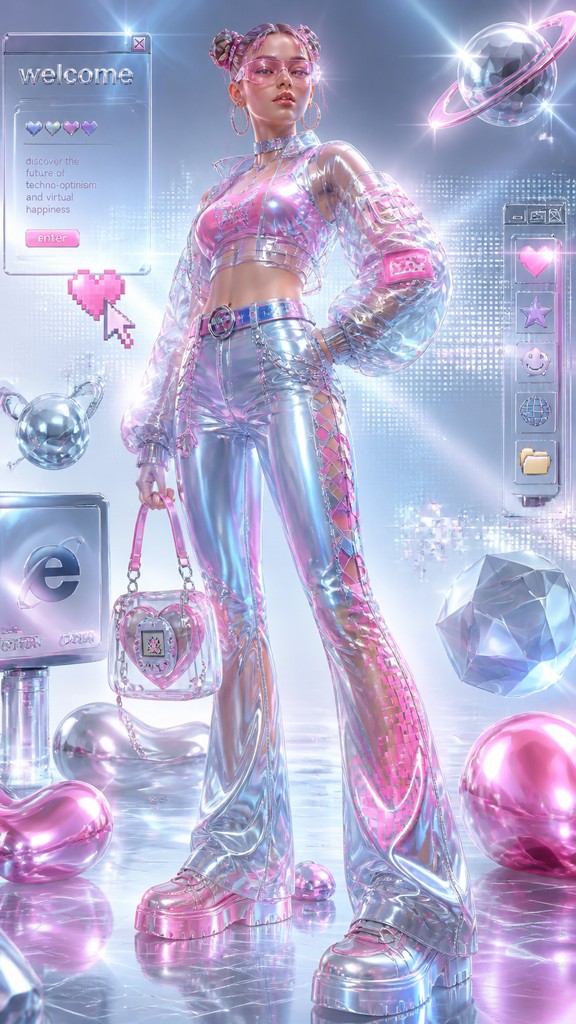
The Y2K aesthetic is a retro-futurist visual style associated with the late 1990s and early 2000s, especially around the turn of the millennium. It is defined by glossy chrome surfaces, iridescent gradients, translucent plastics, rounded bubble forms, metallic finishes, sparkles, and a bright, optimistic sense of technology.
Its visual identity comes from the excitement of a newly digital culture: personal computers, early 3D graphics, consumer electronics, CD-ROM interfaces, pop web design, music-video graphics, and product packaging that imagined the future as shiny, playful, and approachable. The result is a look that feels both futuristic and nostalgic, combining low-poly digital sheen, silver chrome, and candy-colored accents such as hot pink, baby blue, and lime green.
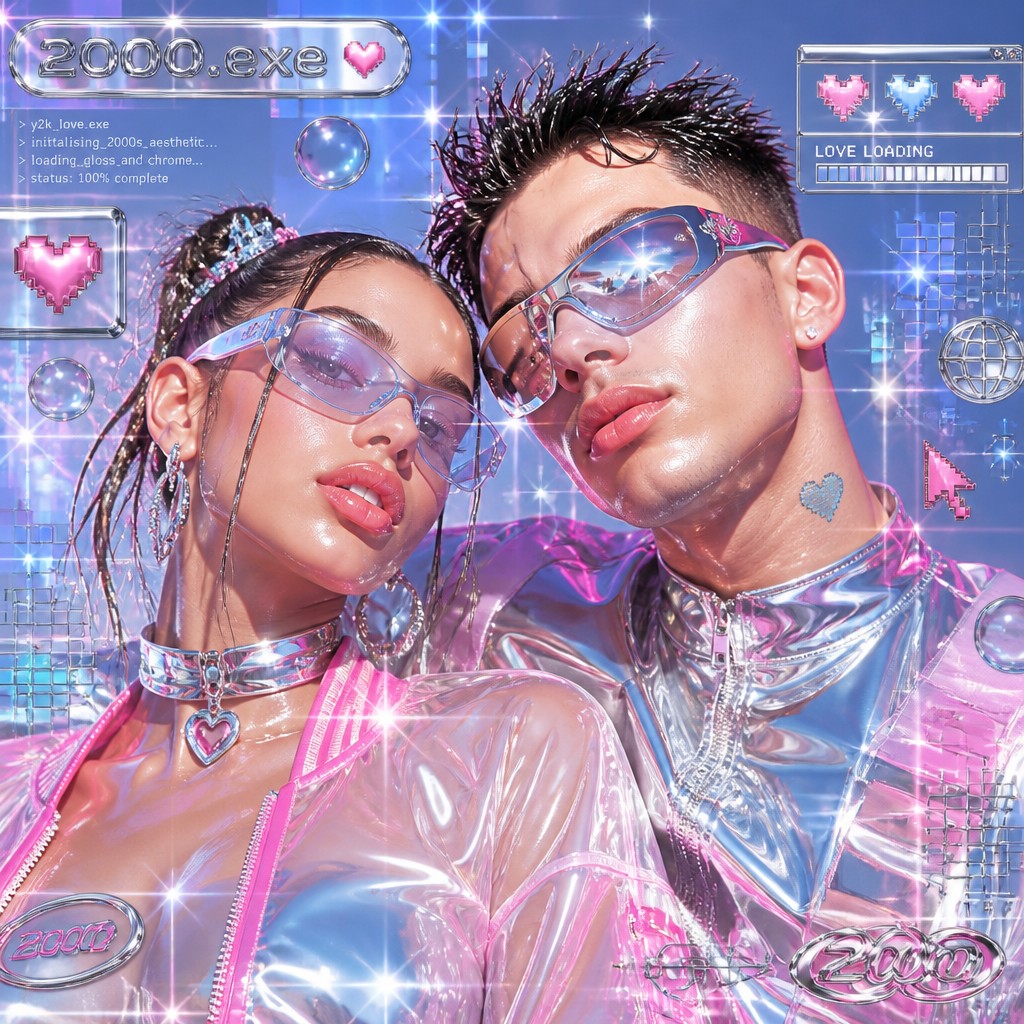
Try It On Your Photos
Upload any photo and convert it into Y2K Aesthetic — drag the sliders to compare before and after.
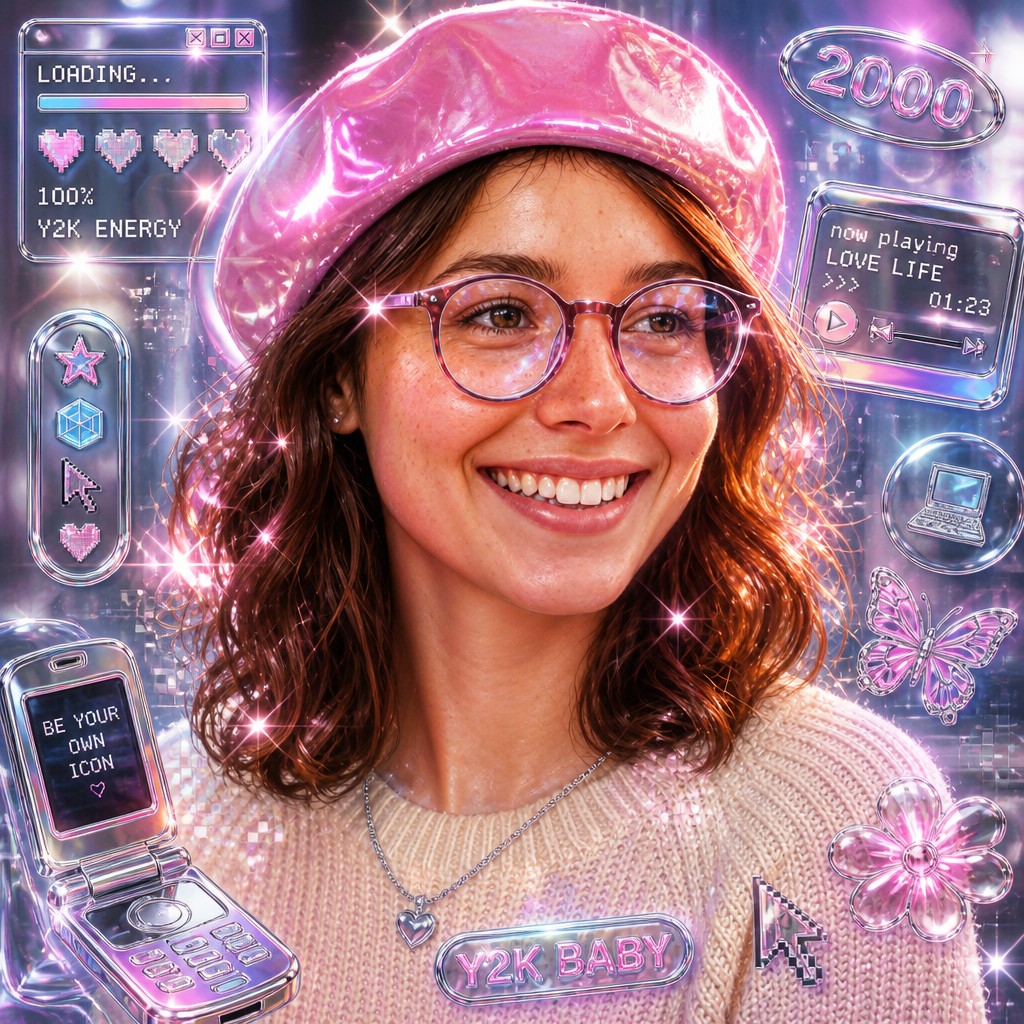

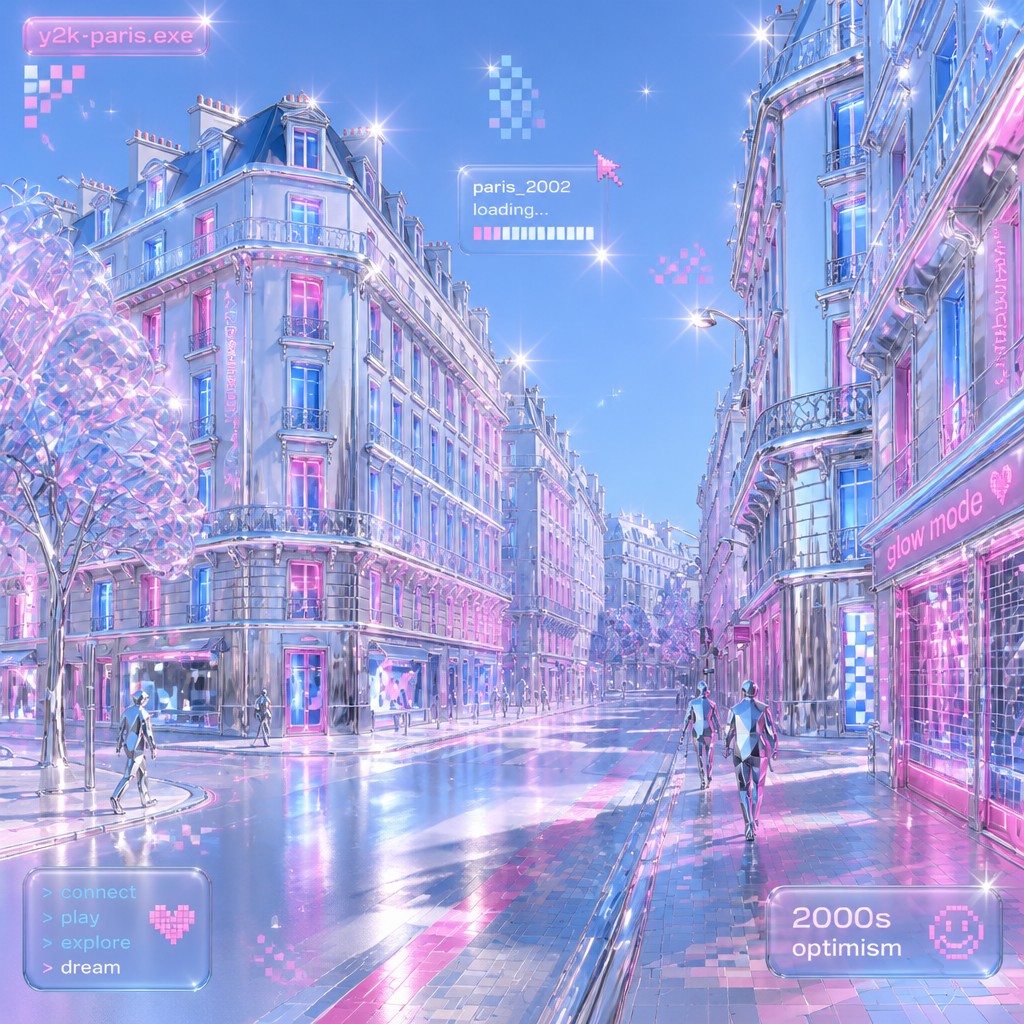

What Defines Y2K Aesthetic
The signature details, up close
Chrome and metallic finishes
The most recognizable Y2K surface is polished silver, often rendered as reflective chrome or brushed metal. These finishes create a sleek, machine-made look that suggests advanced consumer tech.
Iridescent and pastel gradients
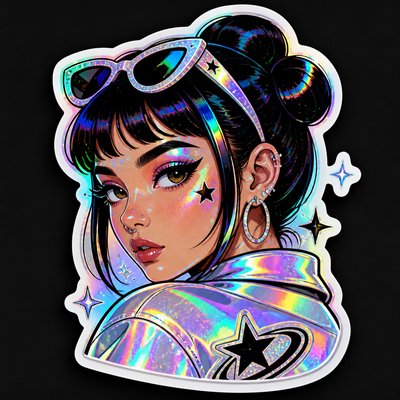
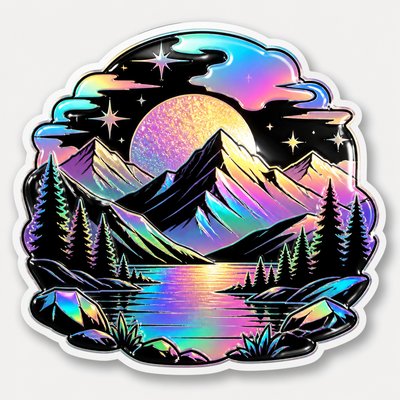
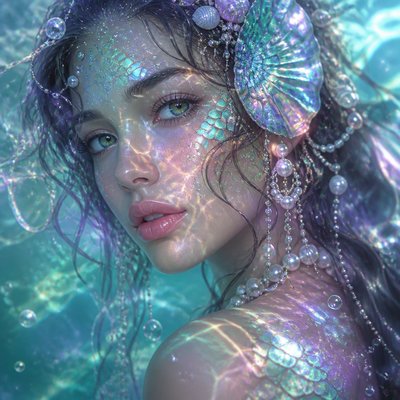
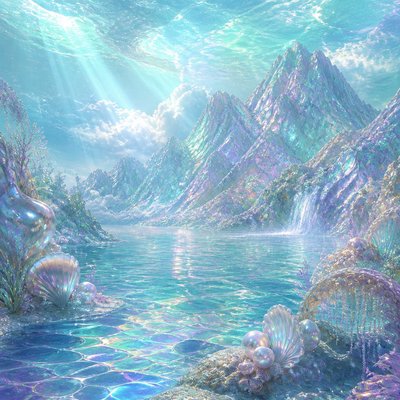
Soft rainbow gradients, pearlescent color shifts, and neon-to-pastel transitions are central to the style. They give objects a synthetic glow and a glossy, screen-lit atmosphere.
Bubble and rounded forms
Shapes are usually soft, inflated, and rounded rather than sharp or angular. This gives the style a friendly, toy-like futurism and makes interfaces, objects, and typography feel playful.
Translucent plastics and gel textures
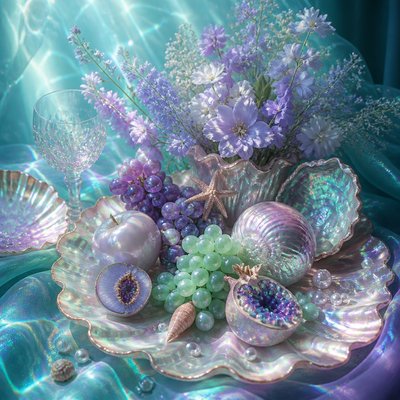
Clear, frosted, and candy-like materials are common, often with a gelatinous or acrylic look. These textures echo early consumer gadgets, novelty packaging, and experimental digital rendering.
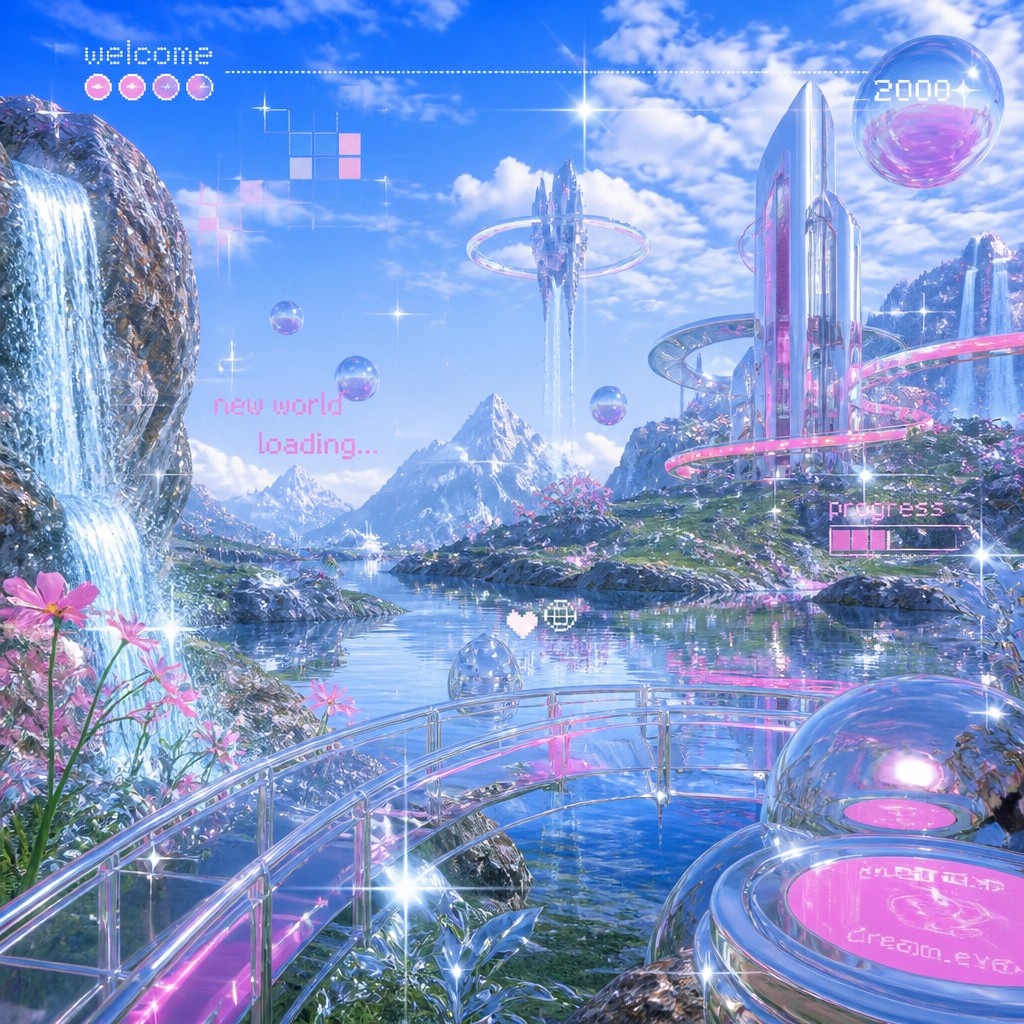
Sparkles, lens flares, and light bursts
Specular highlights and starbursts are used to emphasize shine and novelty. They make surfaces feel glossy and “high-tech,” even when the underlying forms are simple.
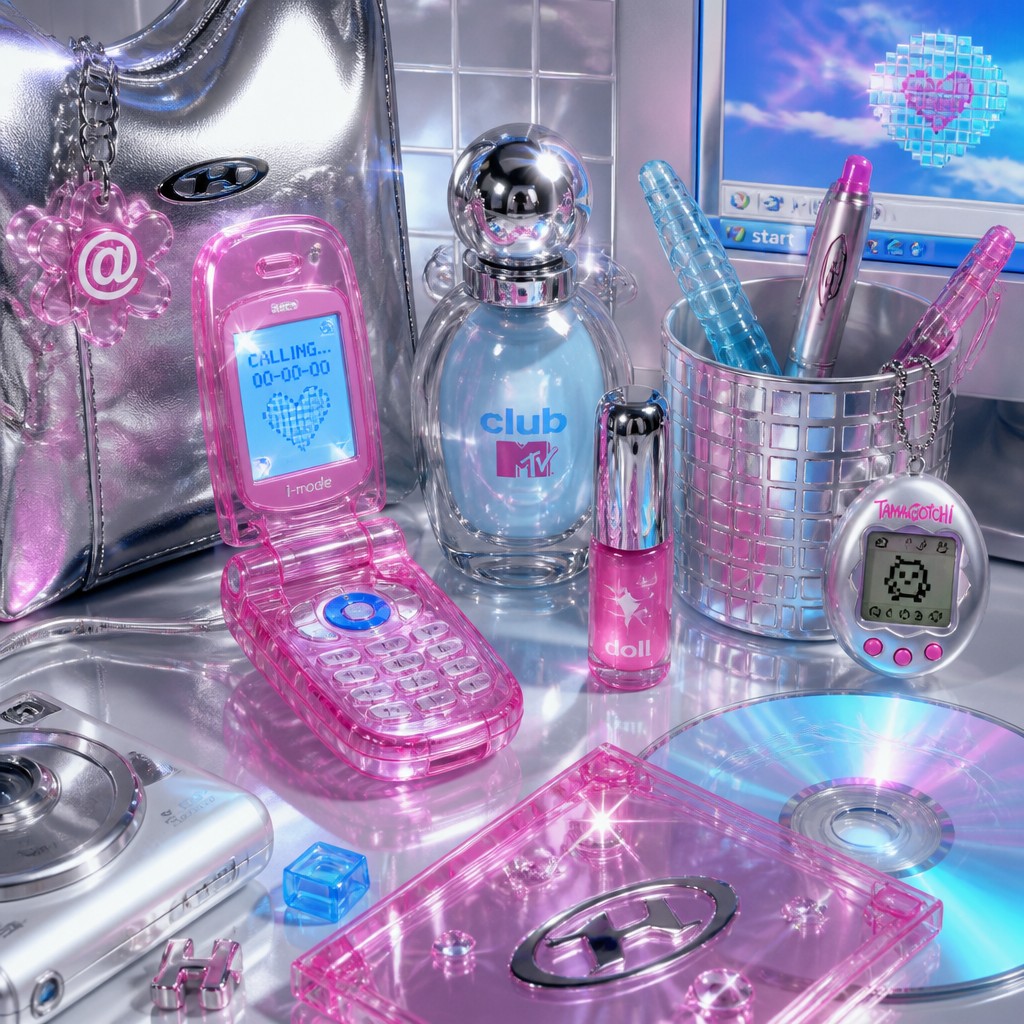
Low-poly and digital sheen
When the style includes 3D objects, they often have a simplified, early-rendered quality. This recalls the aesthetic of late-1990s 3D software, web graphics, and title design.
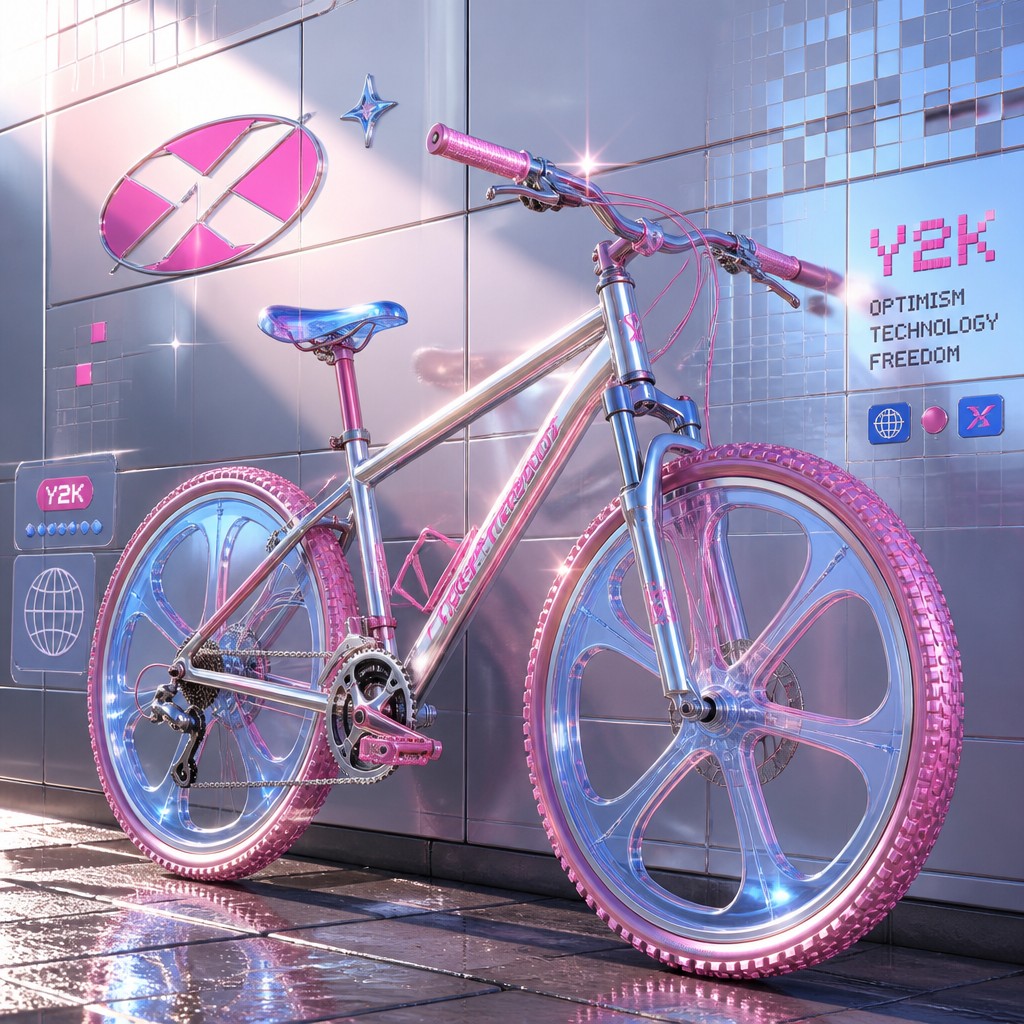
Hot accent colors
Silver is often paired with hot pink, electric blue, violet, lime, or aqua. These combinations heighten the sense of optimism and make the imagery feel distinctly turn-of-the-millennium.
Try It
Create Videos in Y2K Aesthetic
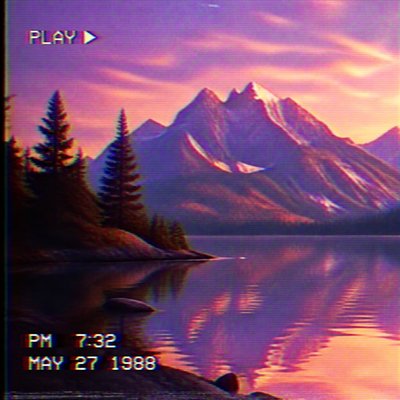
Styles aren't just for stills — describe a scene or animate an image and get a short video rendered in Y2K Aesthetic. Press play to see this pond come to life.
Make a VideoY2K Aesthetic Prompt Ideas
Start from an idea — each one opens the generator with the style ready to go. See all 40 Y2K Aesthetic prompts →
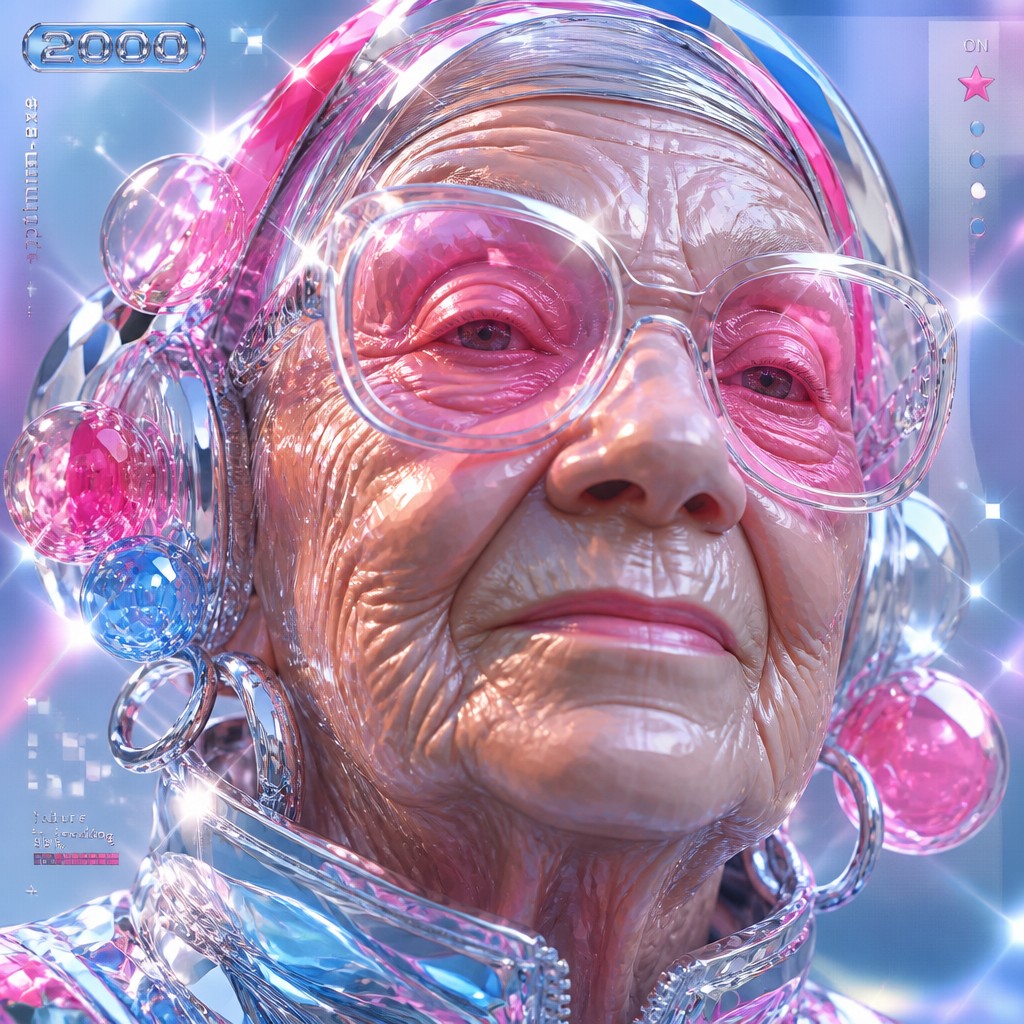
“close-up portrait of an elderly person with expressive weathered features”
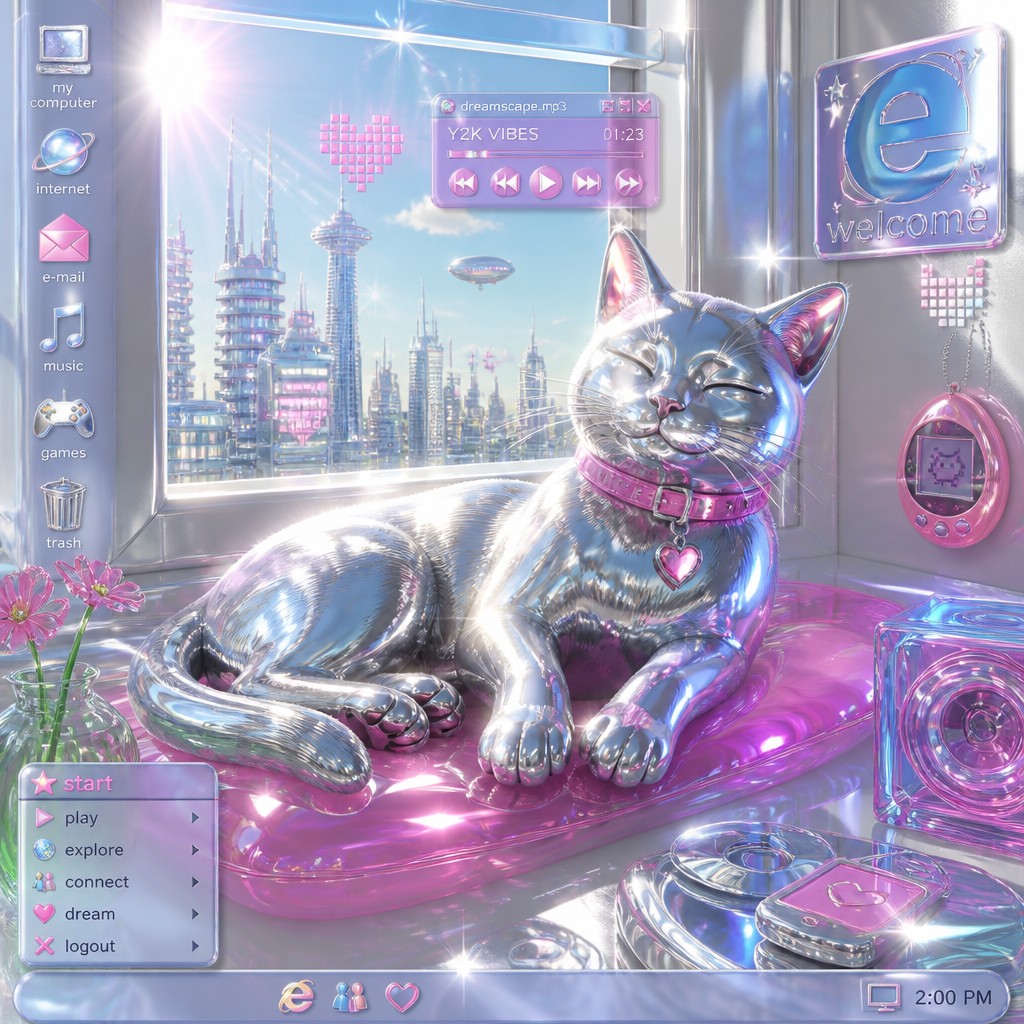
“a cat lounging in a sunlit window”
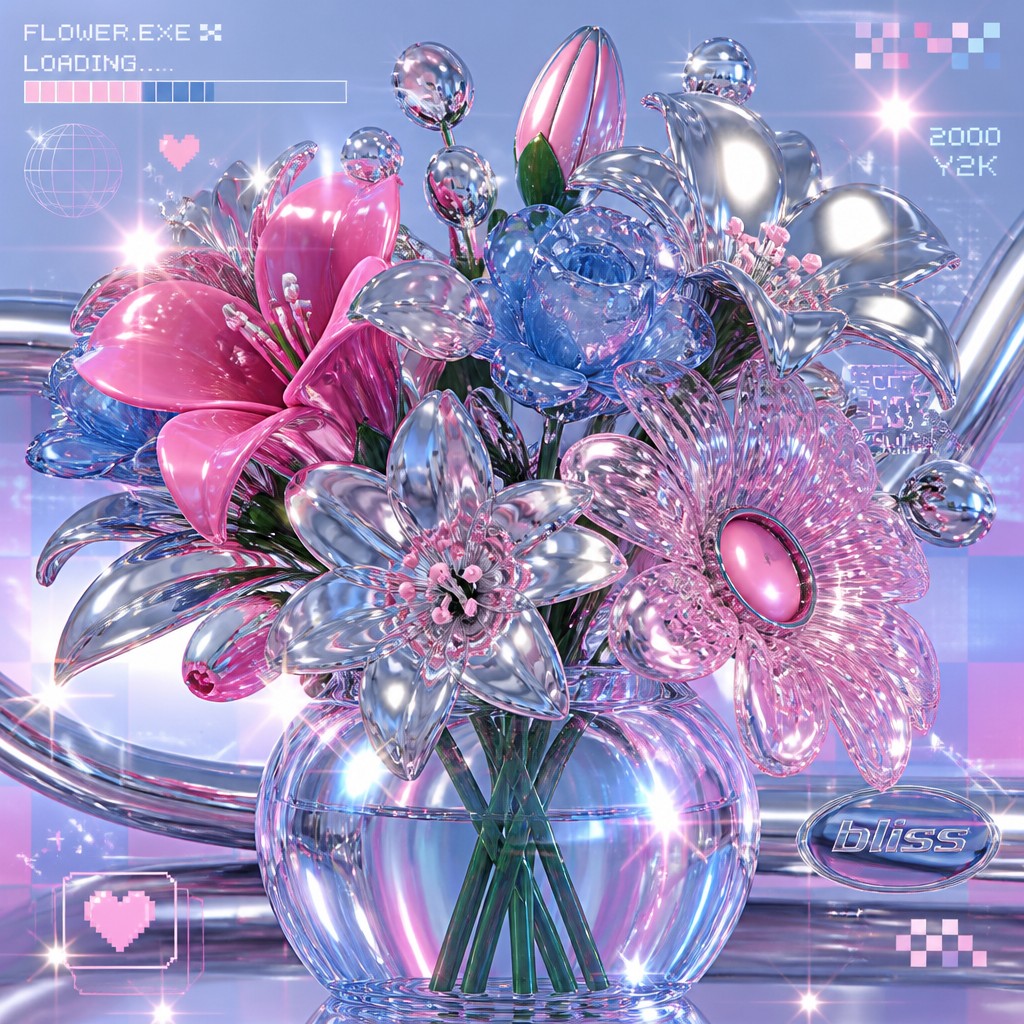
“bouquet of flowers in a glass vase”
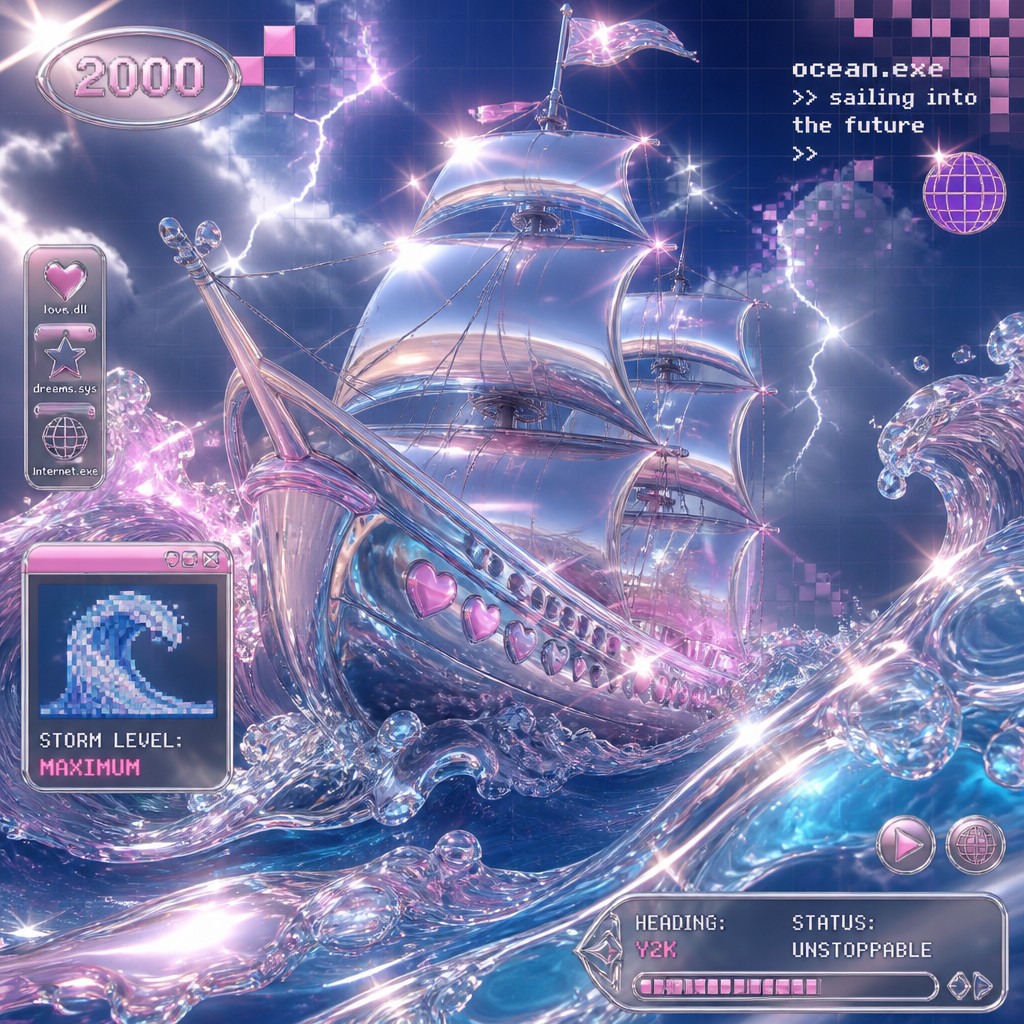
“sailing ship on a stormy sea”
How to Create Y2K Aesthetic Art
Master the craft step by step — or skip straight to creating. Read the full guide →
- 1
Use reflective materials and simplified 3D forms
For a traditional or digital illustration, build objects with smooth, rounded silhouettes and render them as if they are made from chrome, glass, or clear plastic. Keep edges soft and surfaces highly reflective so the image reads as synthetic and polished.
- 2
Rely on gradients, highlights, and specular shine
Add strong gradient transitions, small sparkles, and sharp highlight points to suggest light bouncing off glossy surfaces. Avoid matte shadows and natural textures, which can make the result feel less Y2K.
- 3
Choose early-digital compositions
Frame the subject like a poster, interface screen, product mockup, or music-video graphic. Centered layouts, floating objects, and simple backgrounds help evoke the early internet and 3D software era.
- 4
Mix playful futurism with consumer-tech cues
Include familiar objects such as phones, headphones, laptops, star icons, bubbles, or abstract UI elements. The style works best when the future feels accessible, decorative, and a little toy-like.
- 5
Prompt for material, color, and era-specific vocabulary
When generating images, describe chrome, translucent plastic, iridescent gradients, lens flares, silver, hot pink, and baby blue rather than using broad terms like futuristic. Adding 'early-2000s web design' or 'millennium-era 3D graphics' helps anchor the look.
The Story
History & Origins of Y2K Aesthetic
Y2K aesthetic does not come from a single historical art movement; it is an image culture that grew out of late-1990s consumer design, early computer graphics, and turn-of-the-millennium media. It overlaps with the broader Y2K period, when designers, advertisers, and musicians used metallic surfaces, inflated 3D lettering, lens flares, and techno-futurist motifs to signal speed, novelty, and digital modernity.
Its lineage includes 1980s and 1990s futurism in graphic design, the early web, video game interfaces, glossy TV title sequences, and the visual language of pop and club culture. In the 2020s, the style returned as a nostalgia trend, shaped by internet memory and by renewed interest in the look of early digital tools, consumer electronics, and the imagined future of the year 2000.
Influences: Y2K aesthetic draws from late-20th-century graphic design, early computer-rendered 3D imagery, and the commercial futurism of pop culture rather than from one canonical art movement. It overlaps with retro-futurism, postmodern graphic design, and the visual language of 1990s advertising, web design, and title graphics; in fine art terms, its sheen and machine optimism can be read against the broader backdrop of pop-inflected design culture associated with artists such as Andy Warhol only in the general sense of media saturation, not as a direct stylistic lineage.
Frequently Asked Questions
What defines the Y2K aesthetic?
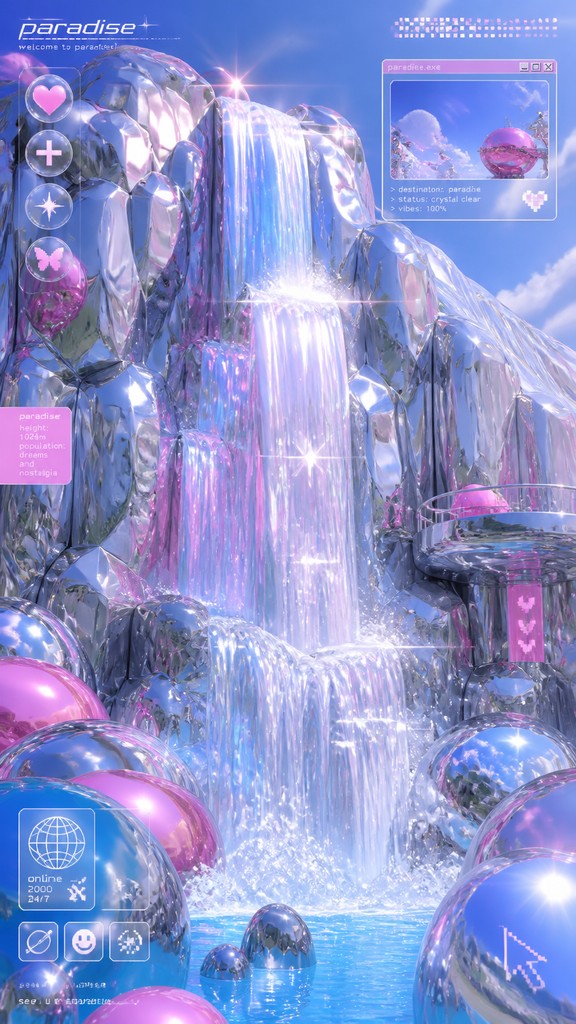
It is defined by chrome, glossy gradients, translucent materials, rounded bubble shapes, and bright accents in pink, blue, and silver. The style suggests early digital futurism, with a look that feels both playful and synthetic.
Is Y2K the same as cyberpunk?
No. Cyberpunk is usually darker, grittier, and more dystopian, while Y2K is brighter and more optimistic. Y2K imagines technology as shiny, cute, and consumer-friendly rather than dangerous or decayed.
What time period does Y2K style refer to?
It mainly refers to the late 1990s and early 2000s, especially the visual culture around the year 2000. In contemporary use, it often also describes a revival of that look in fashion, design, and internet imagery.
How do I make art look more Y2K?
Use metallic silver, glossy reflections, pastel gradients, and rounded forms. If you are drawing digitally, add strong highlights, lens flares, and translucent overlays; if you are prompting a generator, specify chrome, bubble forms, iridescence, and early-2000s tech imagery.
What kinds of images work well in this style?
Product shots, fashion portraits, logos, interfaces, mascots, and abstract 3D shapes all suit the aesthetic. Objects that already suggest consumer technology or playful futurism tend to read most clearly.
Where is Y2K aesthetic commonly used?
It appears in fashion editorials, music visuals, graphic design, album art, social media graphics, and branding. It is especially common where a nostalgic but polished digital look is desired.
Create your first Y2K Aesthetic artwork
Describe anything — or upload a photo — and see it in Y2K Aesthetic in seconds.
Make Something with Y2K Aesthetic
Related Styles
Discover similar art styles