Fairycore Aesthetic
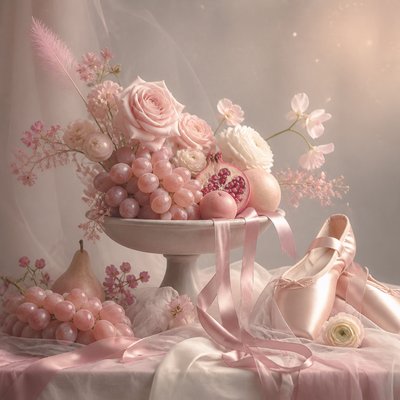
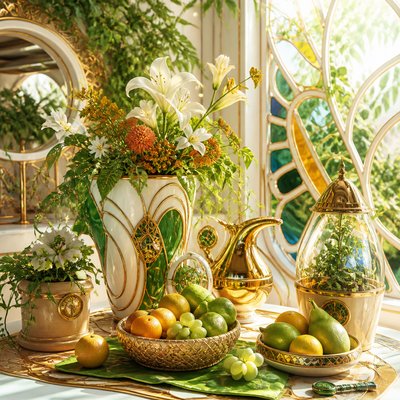
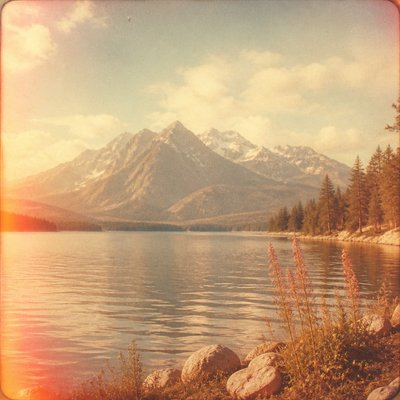
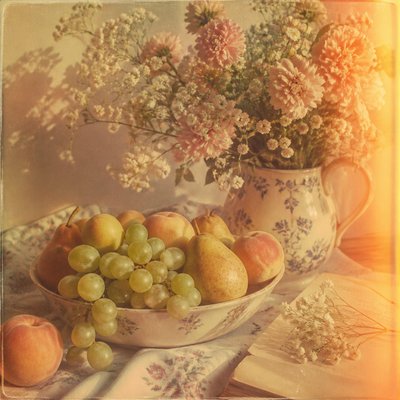
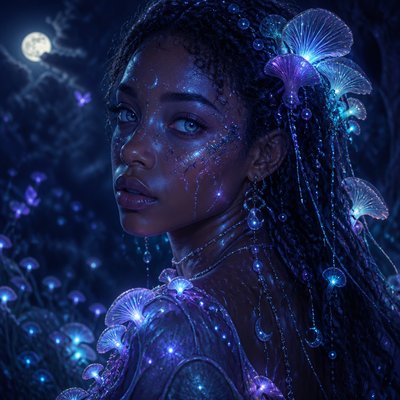
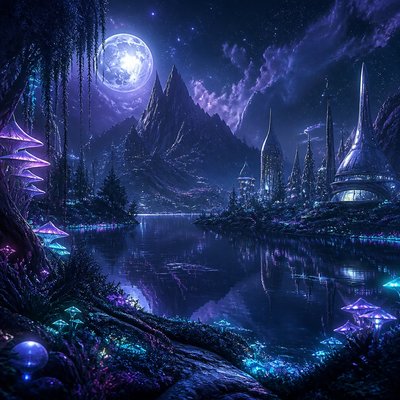
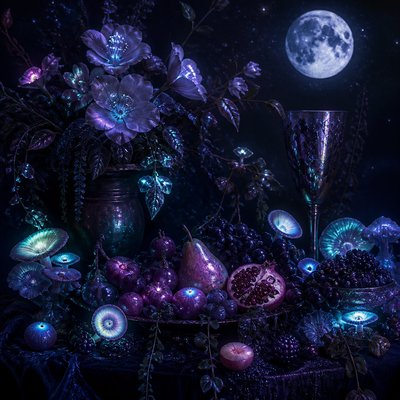
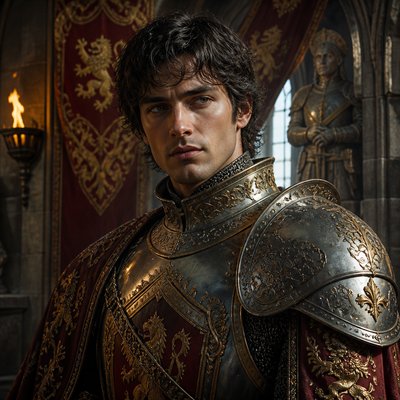
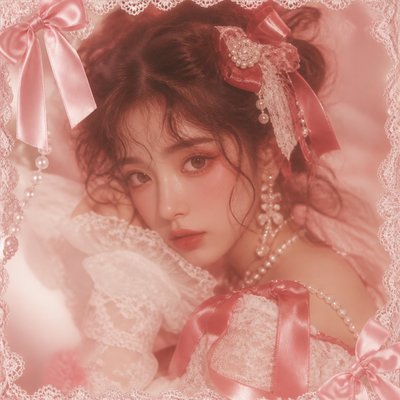
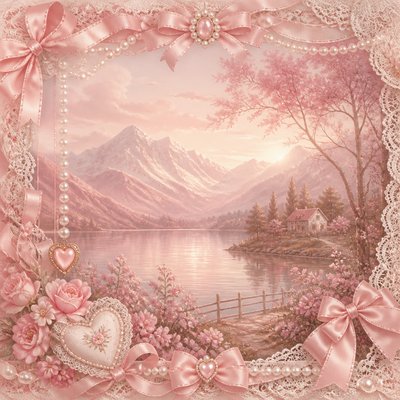
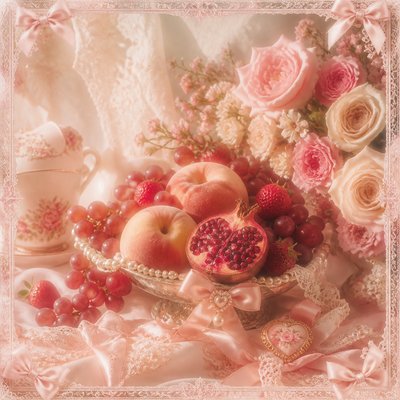
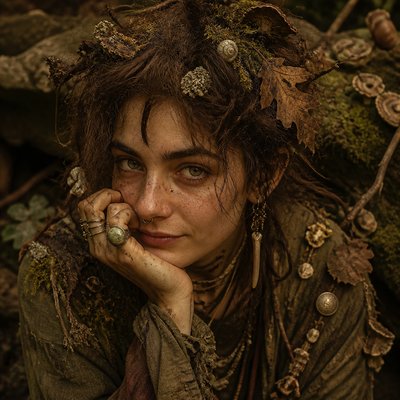
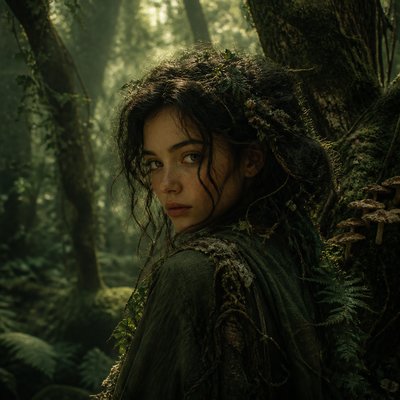
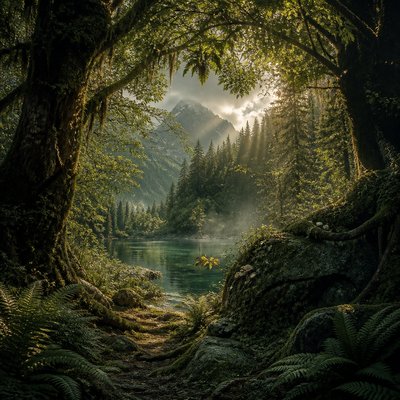
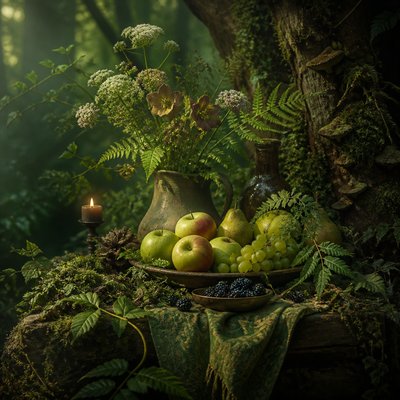
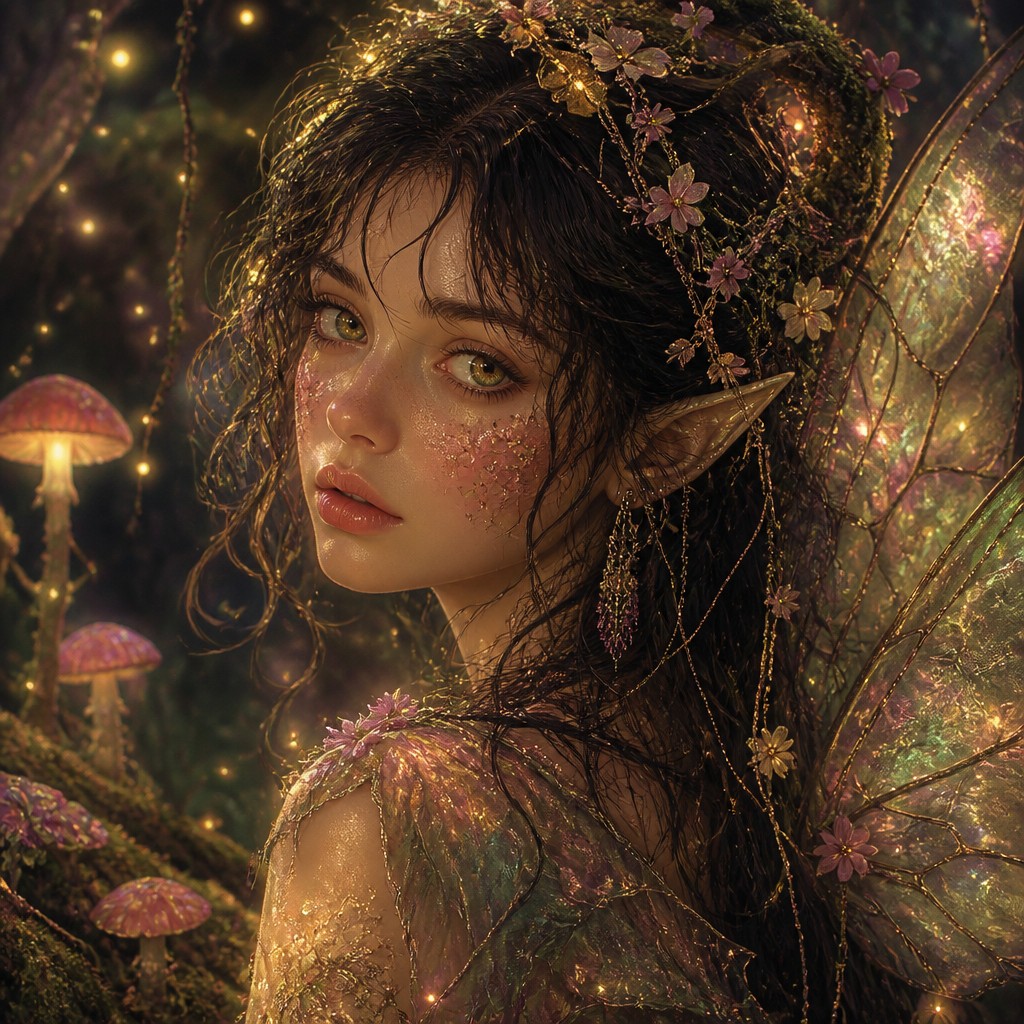
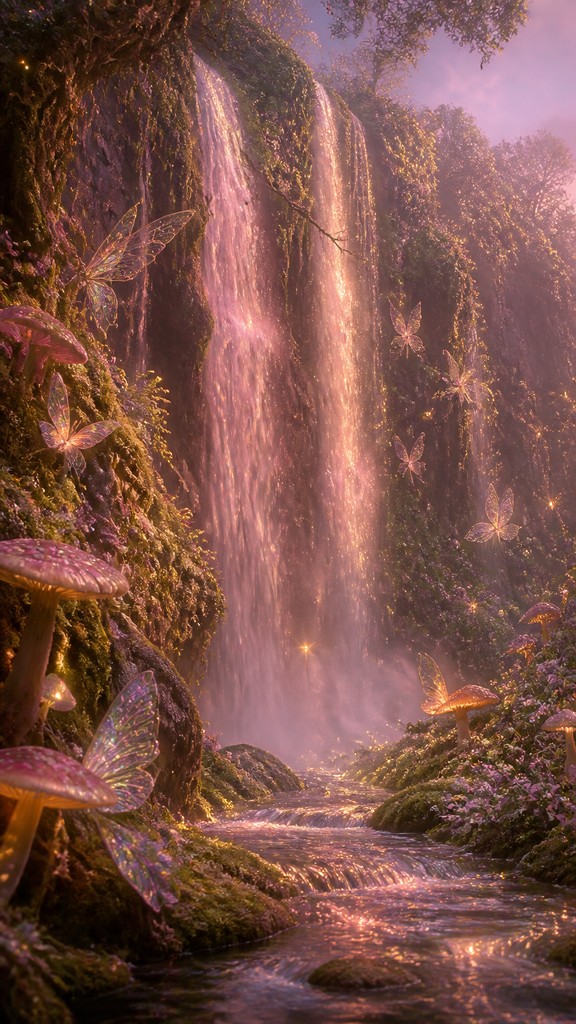
Glowing mushrooms, wings, mossy greens, petal pinks, and warm golds define this woodland fantasy aesthetic.
Instantly rendered in Fairycore Aesthetic — or transform a photo
Fairycore Aesthetic Gallery
Tap any artwork to explore it
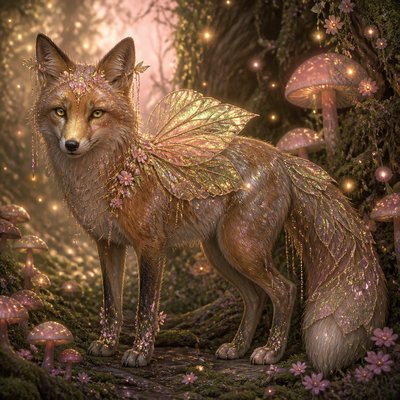
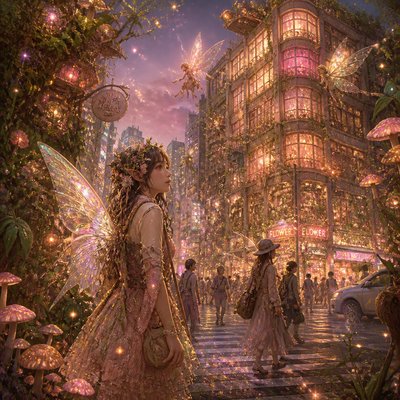
What is Fairycore Aesthetic?
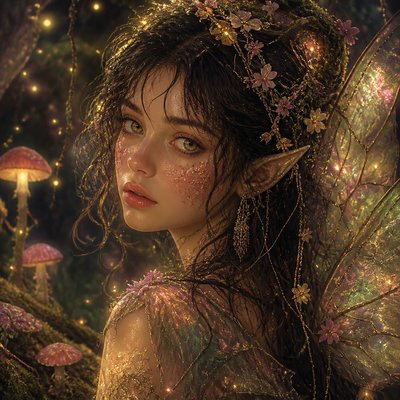
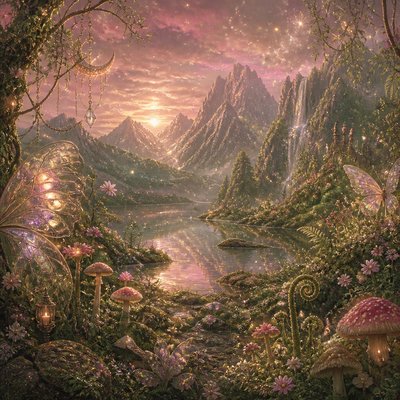
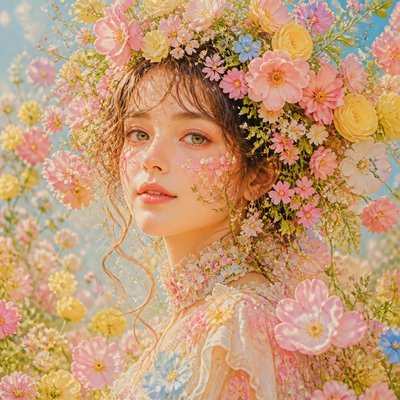
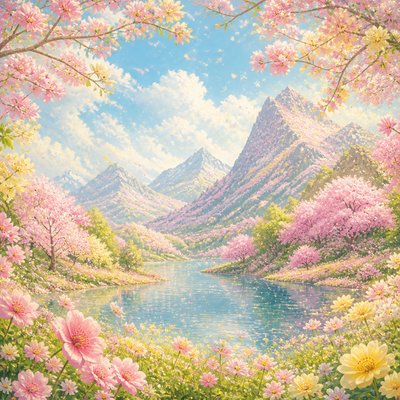
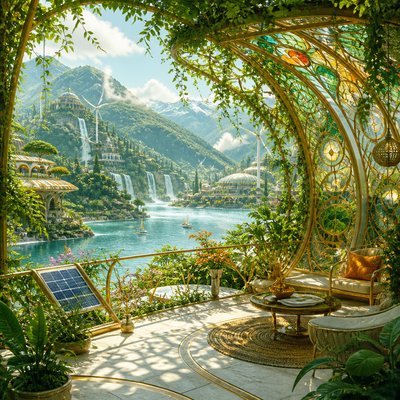
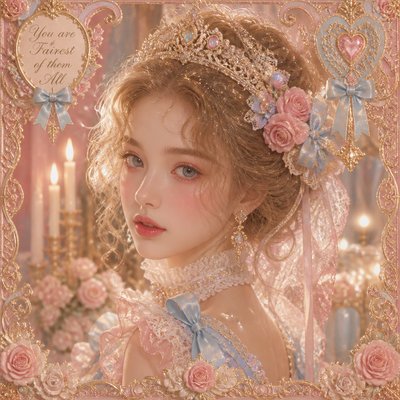
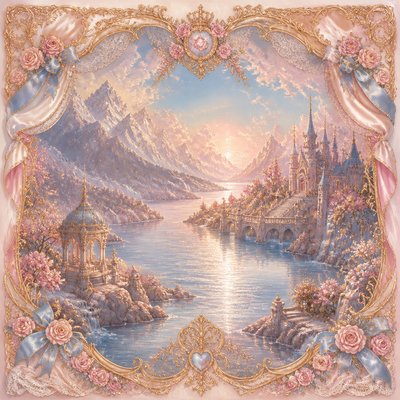
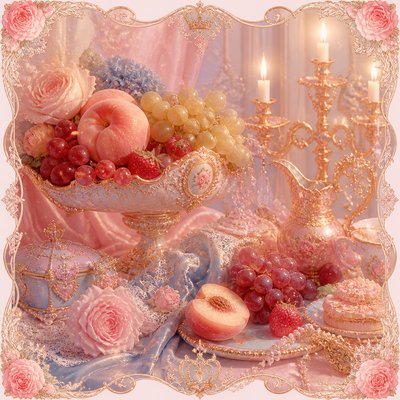
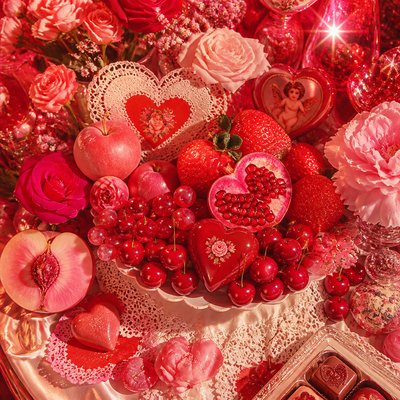
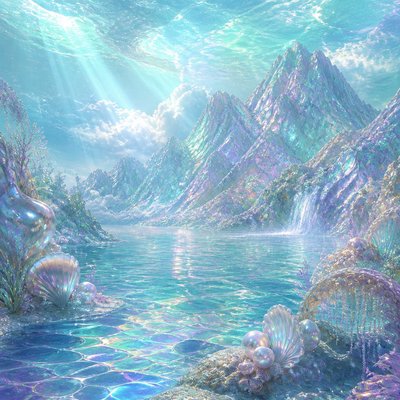
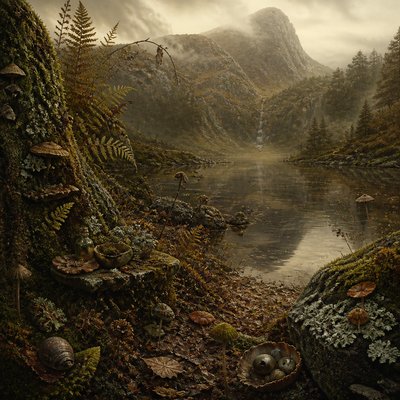
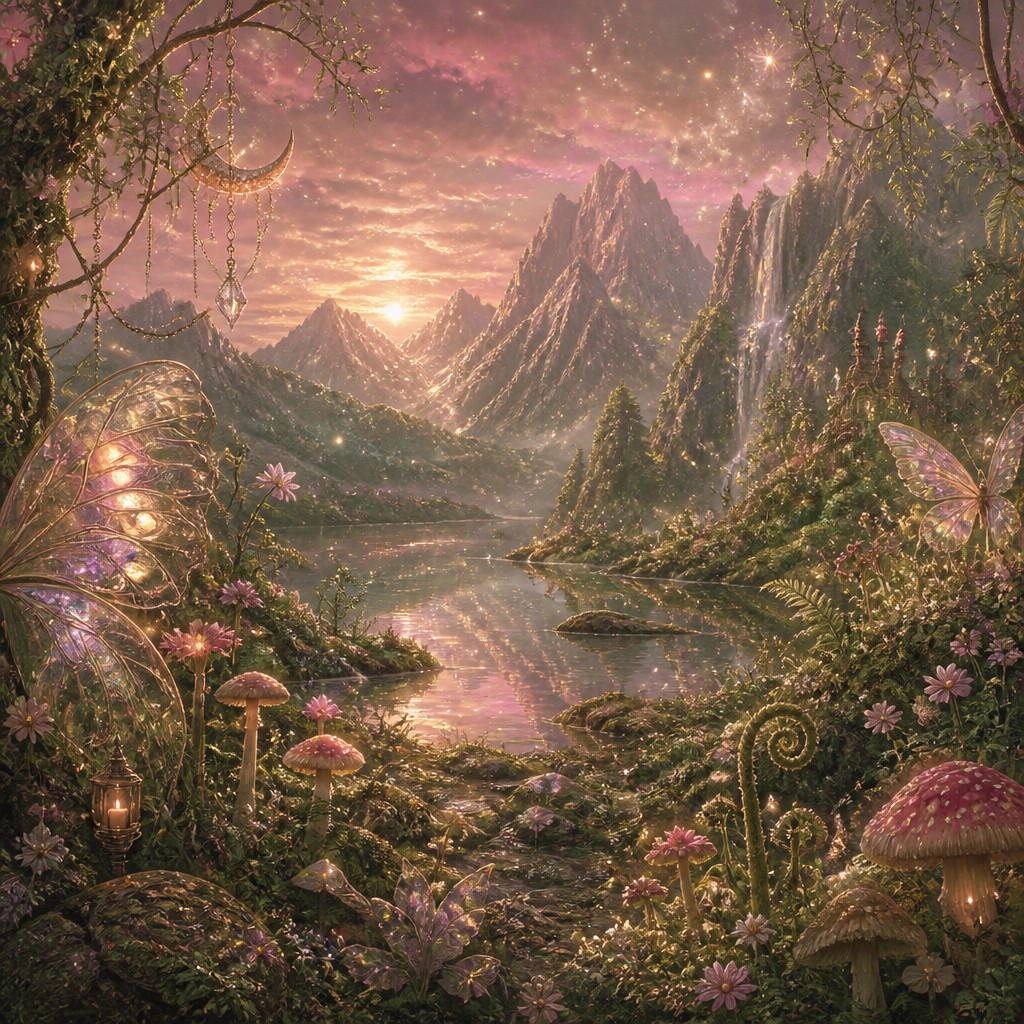
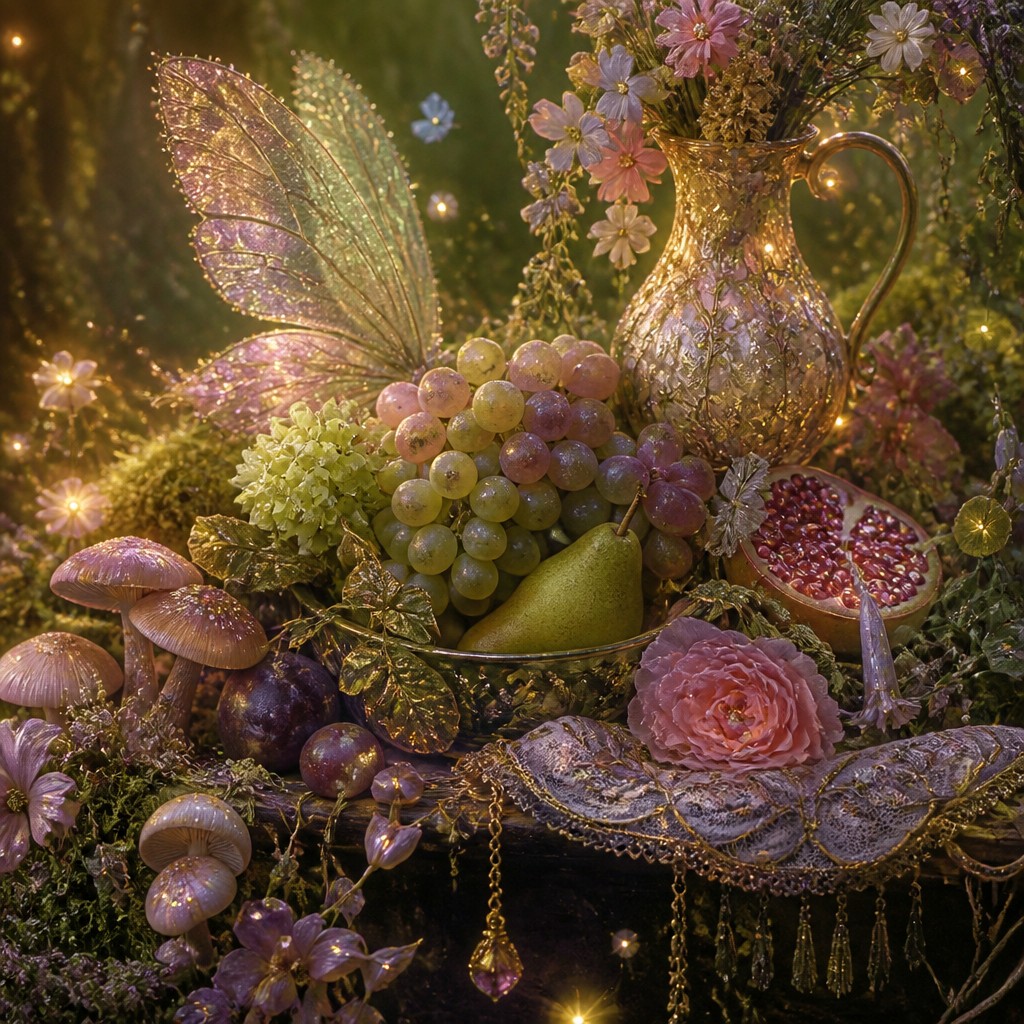
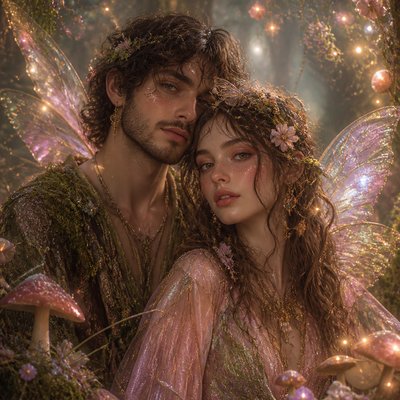
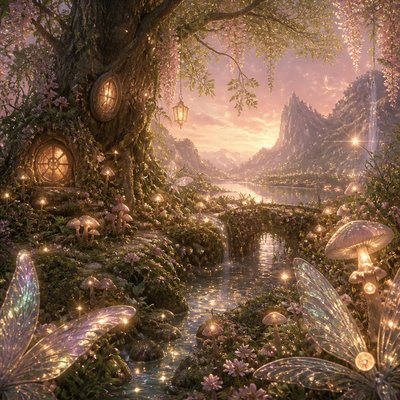
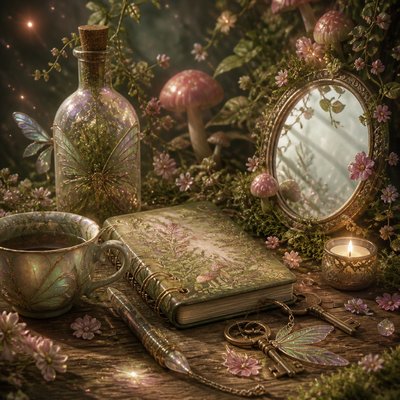
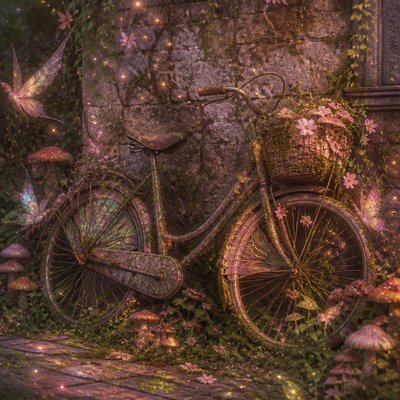
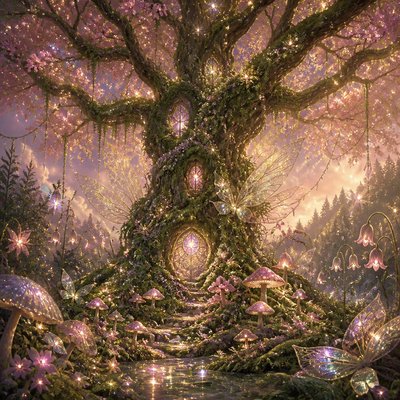
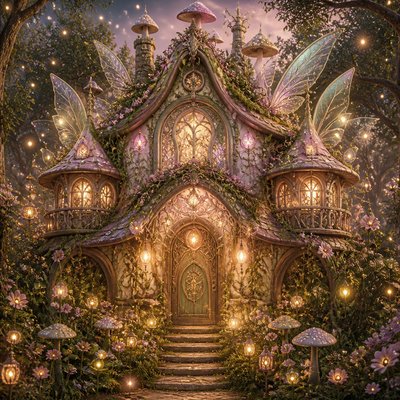
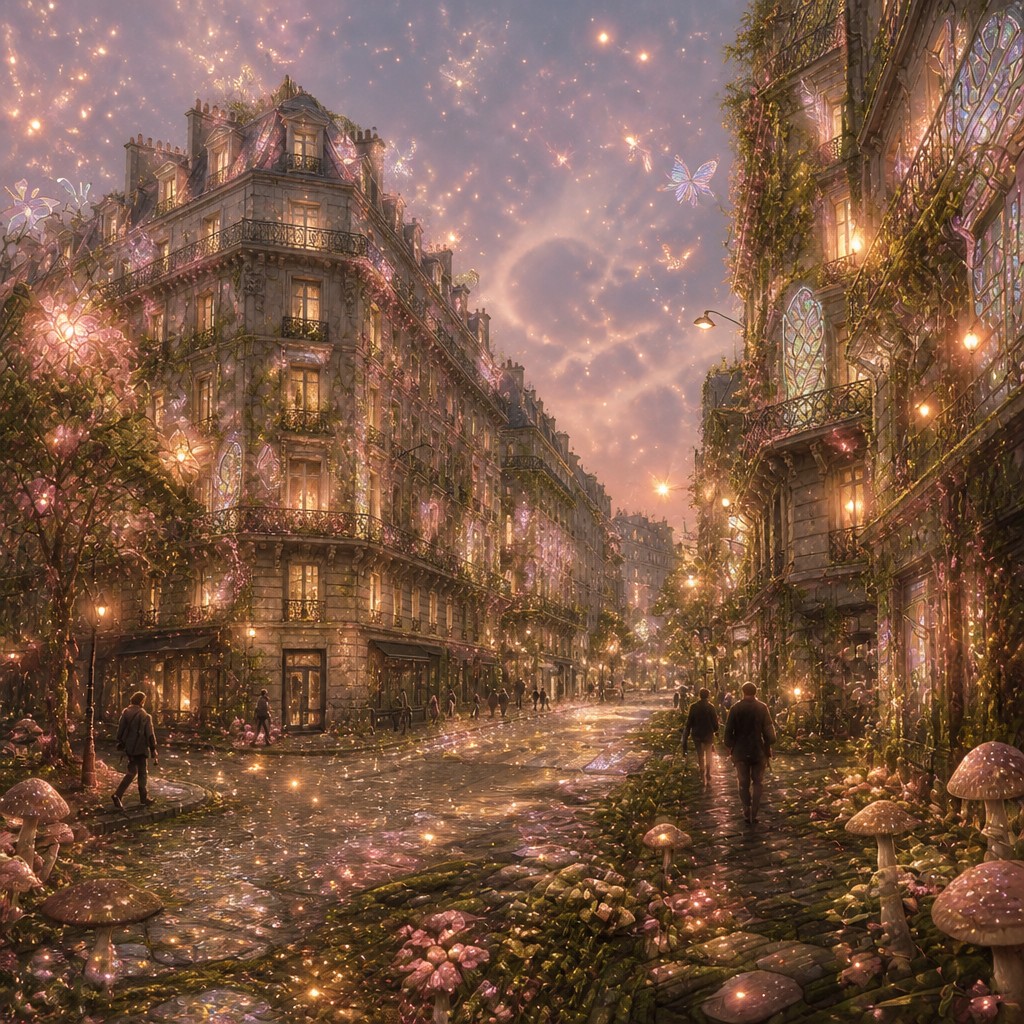
Fairycore aesthetic is a contemporary visual style built around woodland fantasy, soft luminosity, and delicate natural details. Its common imagery includes glowing mushrooms, tiny wings, trailing vines, dew, lace, petals, and enchanted forest settings rendered in moss green, petal pink, cream, and warm gold. The look suggests perpetual golden hour, as if the scene is always lit by filtered sunlight, fireflies, or bioluminescence.
The style feels dreamy because it combines real botanical forms with decorative, slightly idealized fantasy cues. Surfaces often appear iridescent, translucent, or softly textured, and edges are usually diffused rather than sharp. That mixture creates an atmosphere of gentleness and wonder: part cottage garden, part faerie tale, part speculative nature illustration.
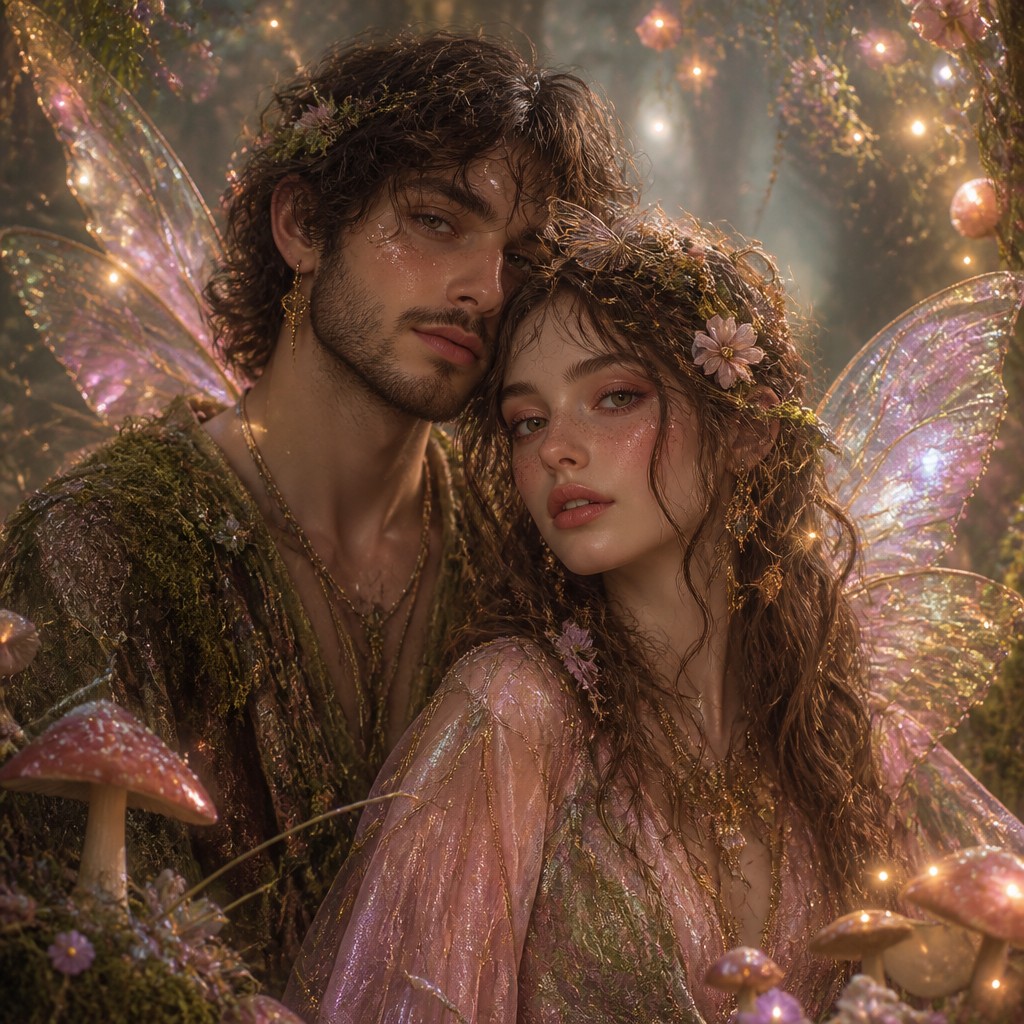
Try It On Your Photos
Upload any photo and convert it into Fairycore Aesthetic — drag the sliders to compare before and after.
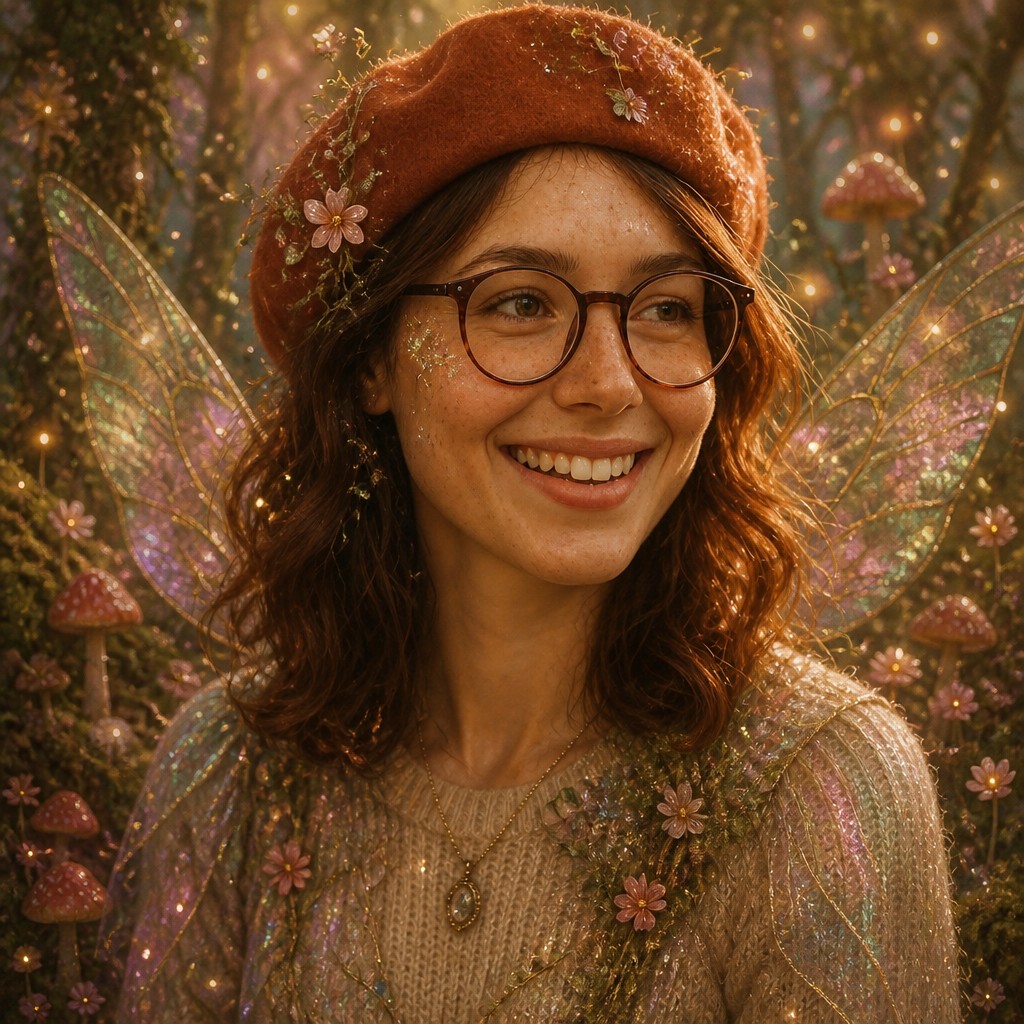


What Defines Fairycore Aesthetic
The signature details, up close
Enchanted woodland setting
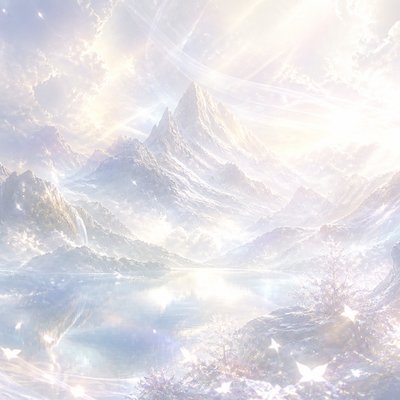
Forests, glades, moss, ferns, vines, and tangled undergrowth are the core environmental motifs. Even when the subject is an object or portrait, the background often suggests a sheltered natural habitat.
Glowing light effects
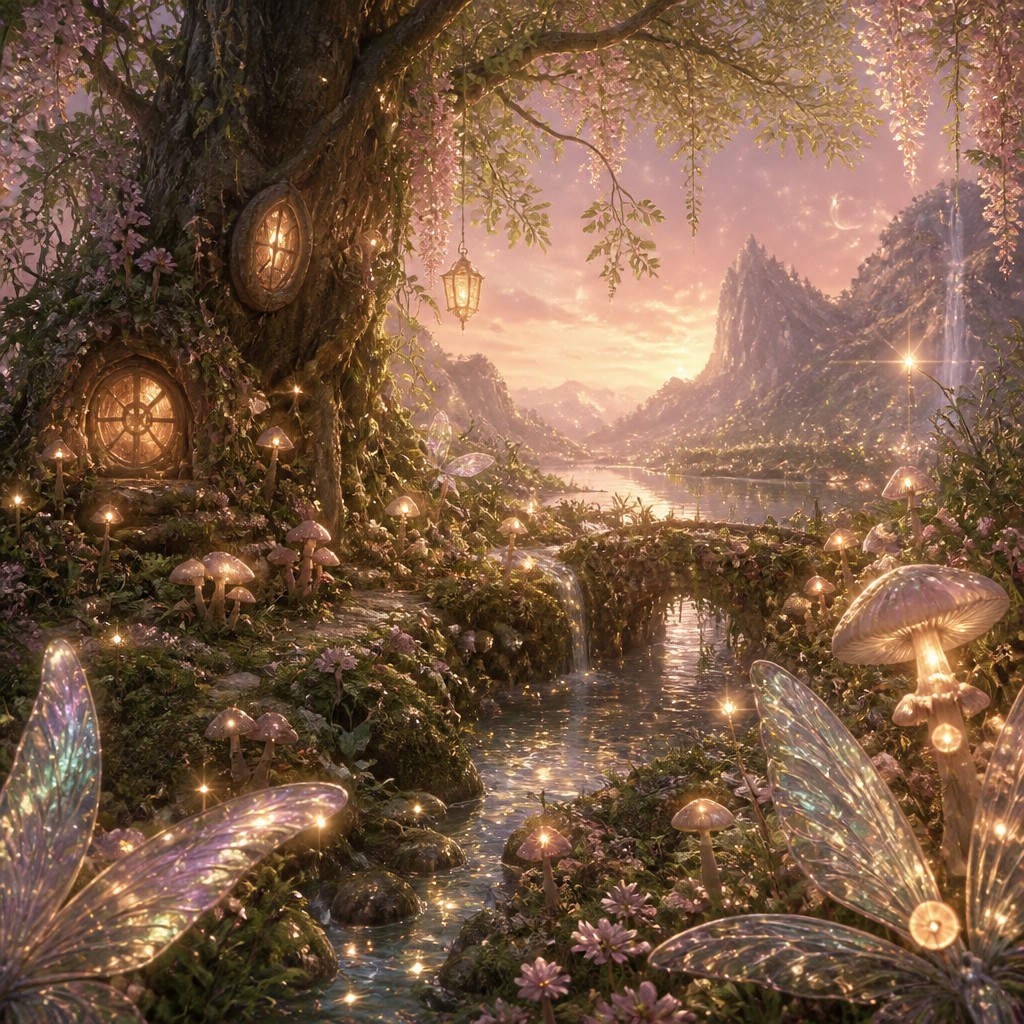
Soft bloom, halos, firefly-like motes, and twilight backlighting create the sense of magic. Lighting is usually warm and diffused, as though seen at sunset or through mist.
Iridescent and translucent textures
Wings, dew, glassy petals, and shimmer effects are common surface treatments. These textures help the image feel delicate, airy, and slightly unreal.
Botanical ornament
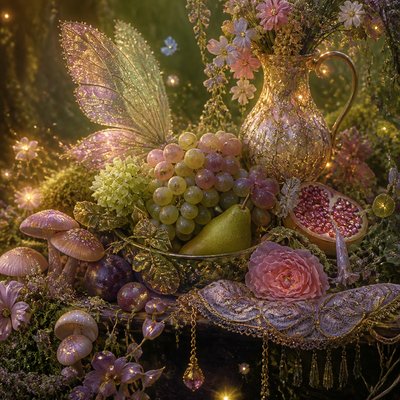
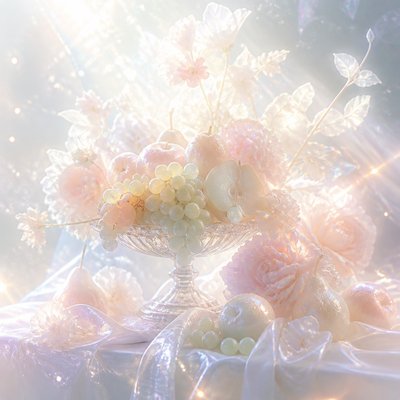
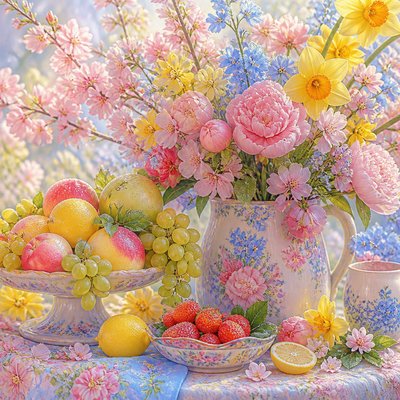
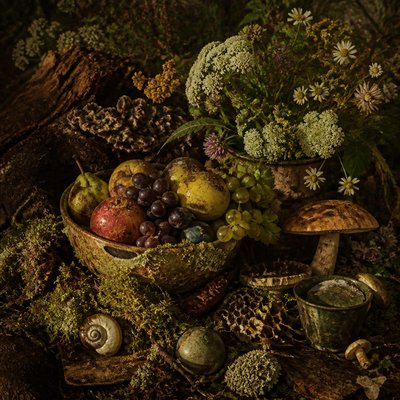
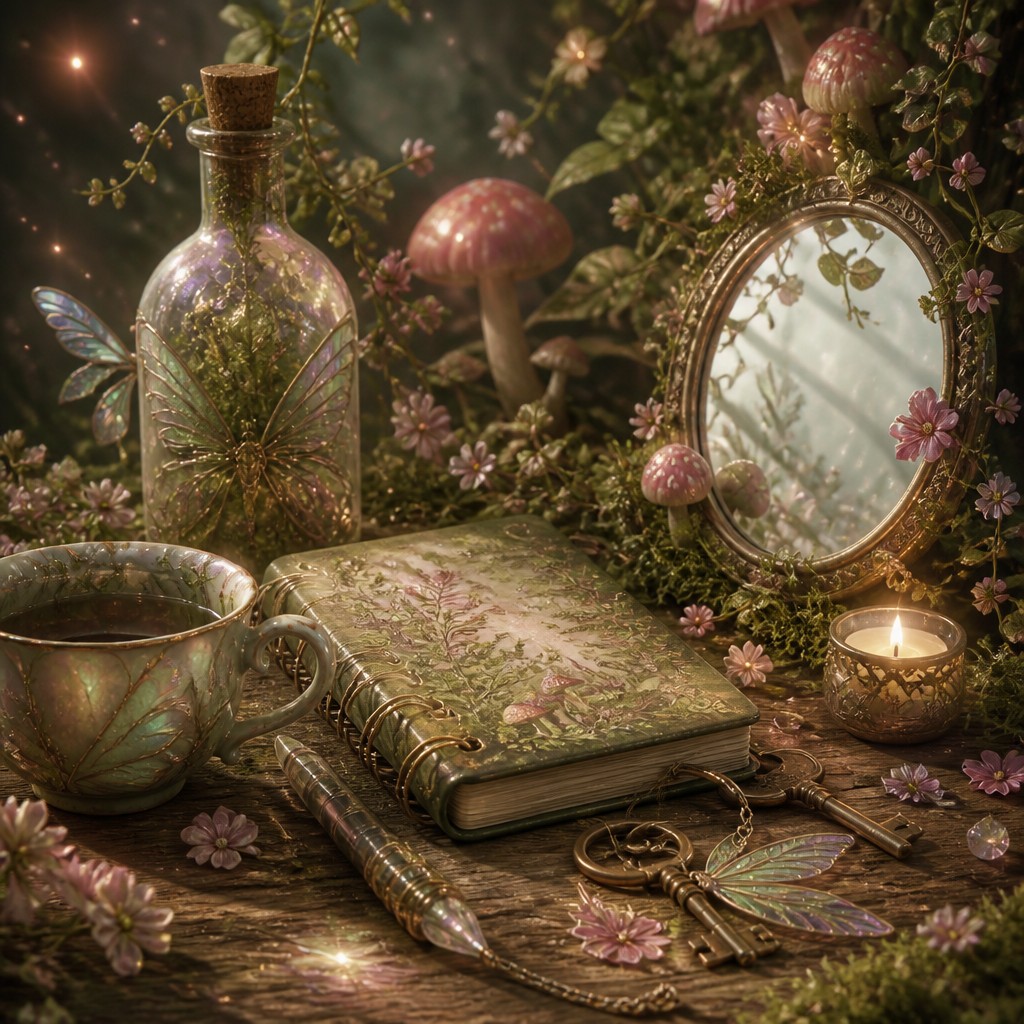
Mushrooms, flowers, berries, leaves, and curling stems function as both subject matter and decoration. Repeated floral patterning often frames the composition like a natural filigree.
Soft pastel and earthy palette
Moss green, blush pink, pale lavender, cream, and gold dominate, often with muted brown or teal accents. The palette balances forest earthiness with candy-like softness.
Small-scale fantasy imagery
Fairies, tiny wings, miniature lights, and pocket-sized magical scenes are frequent. The emphasis is less on epic fantasy and more on intimate, whimsical worlds.
Try It
Create Videos in Fairycore Aesthetic
Styles aren't just for stills — describe a scene or animate an image and get a short video rendered in Fairycore Aesthetic. Press play to see this pond come to life.
Make a VideoFairycore Aesthetic Prompt Ideas
Start from an idea — each one opens the generator with the style ready to go. See all 40 Fairycore Aesthetic prompts →
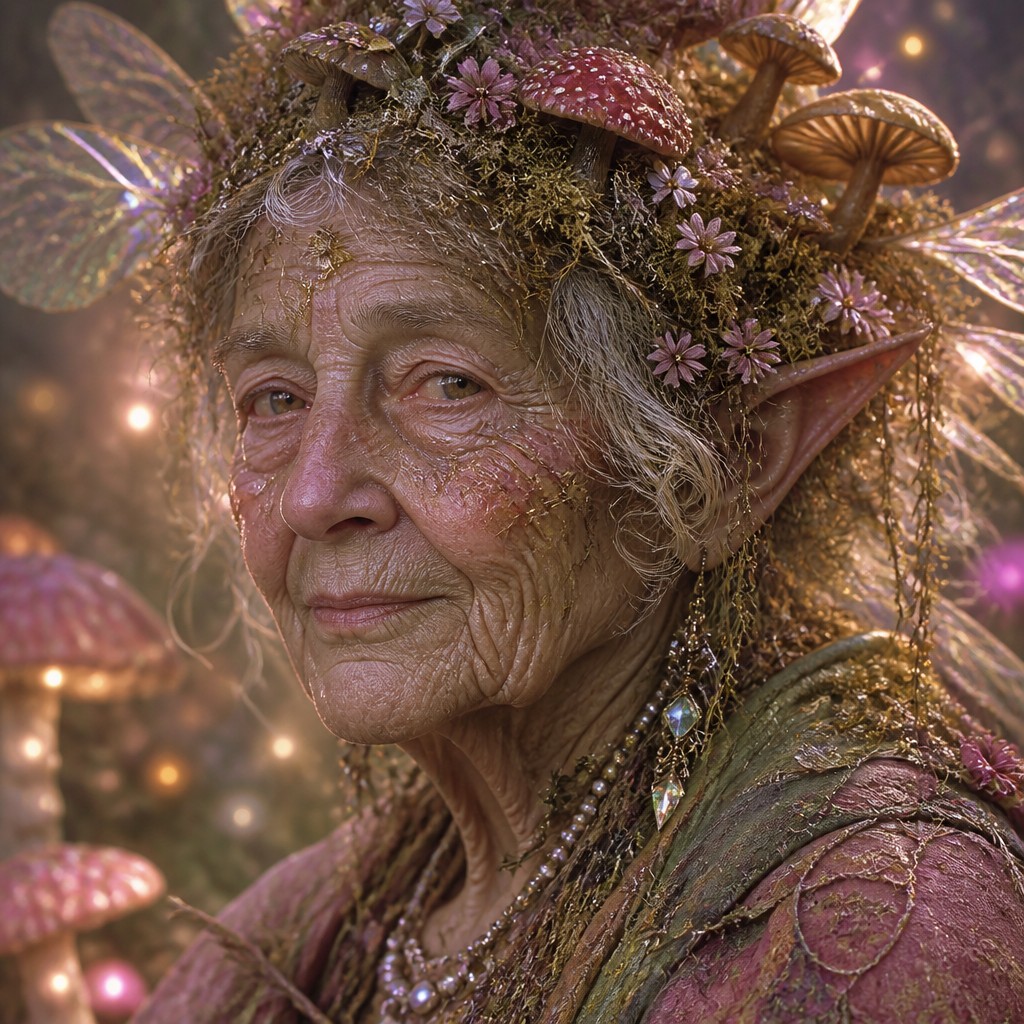
“close-up portrait of an elderly person with expressive weathered features”
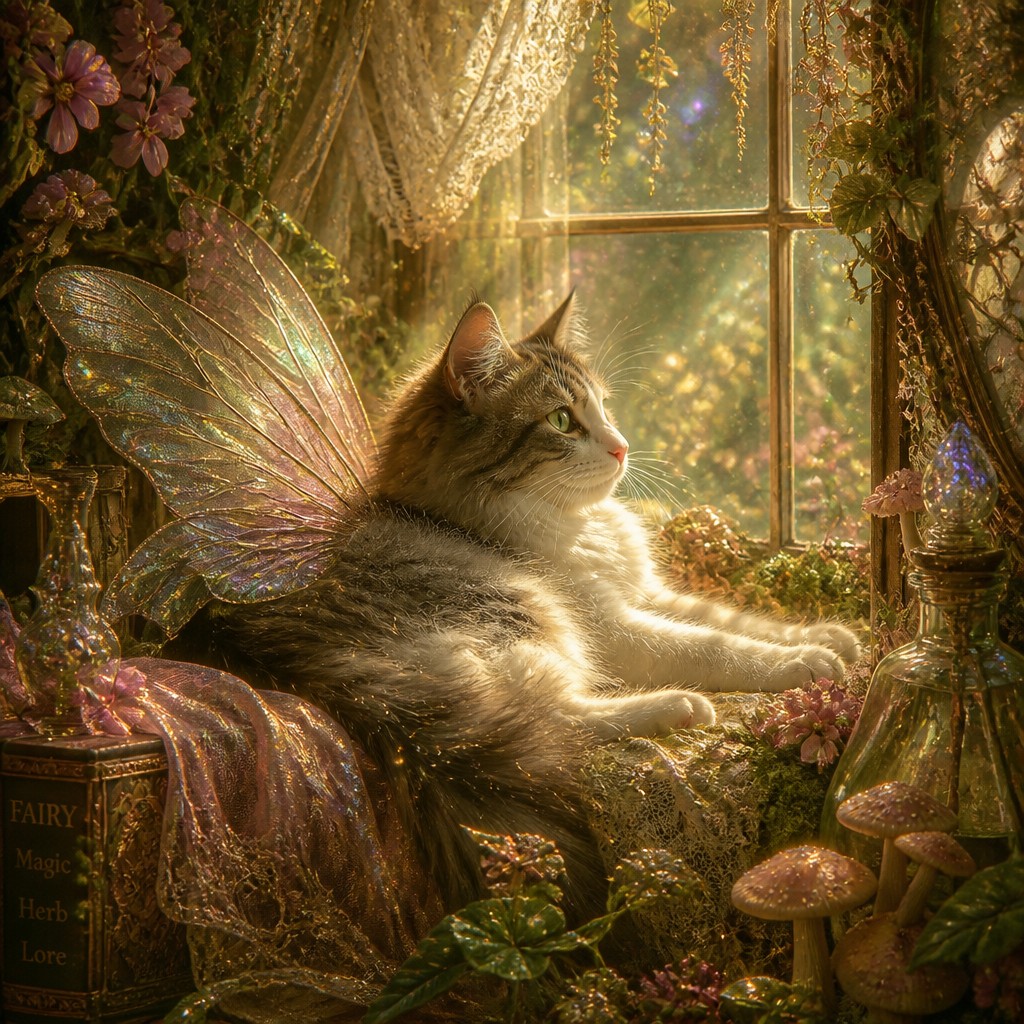
“a cat lounging in a sunlit window”
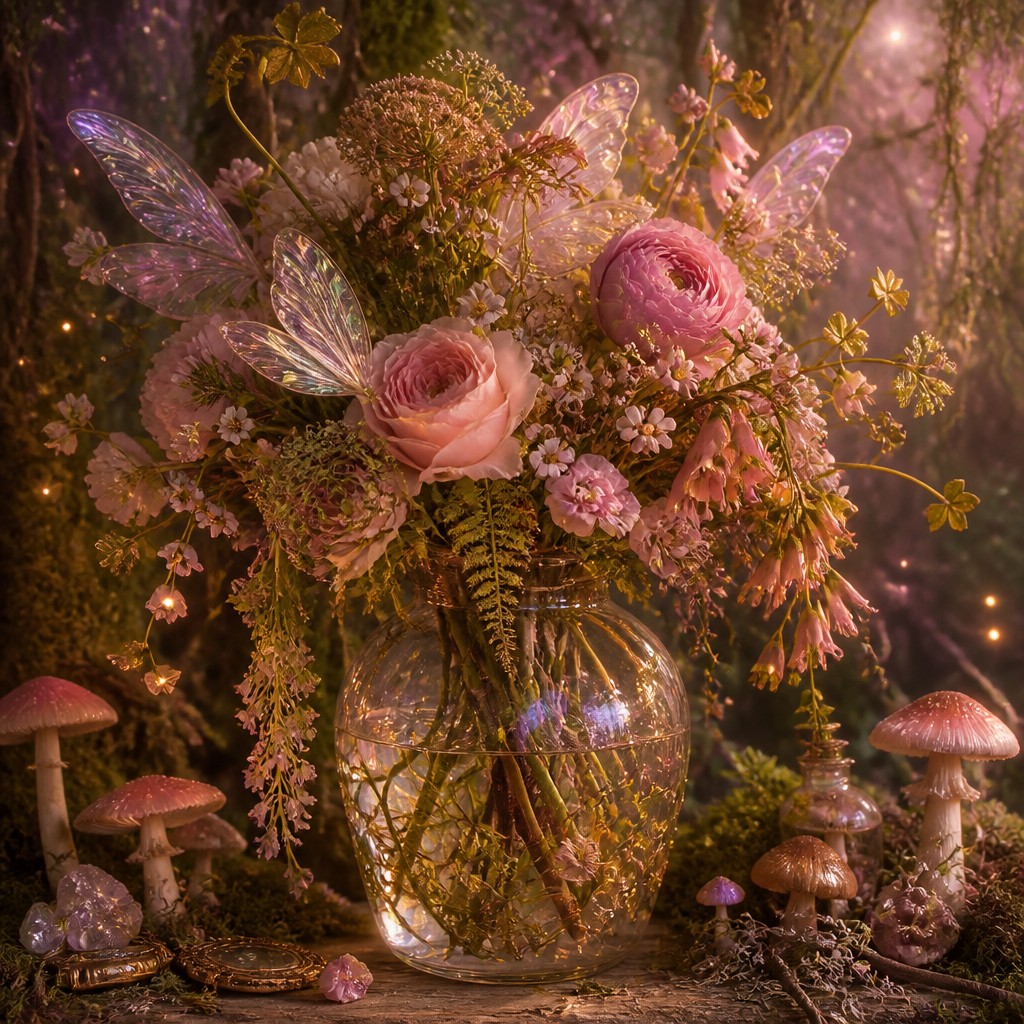
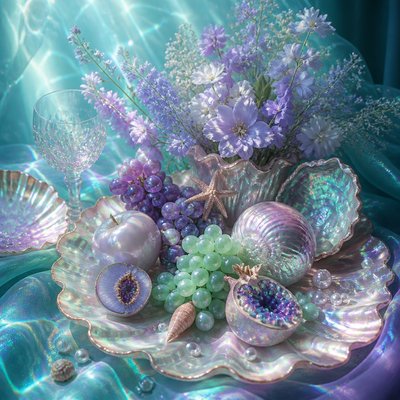
“bouquet of flowers in a glass vase”
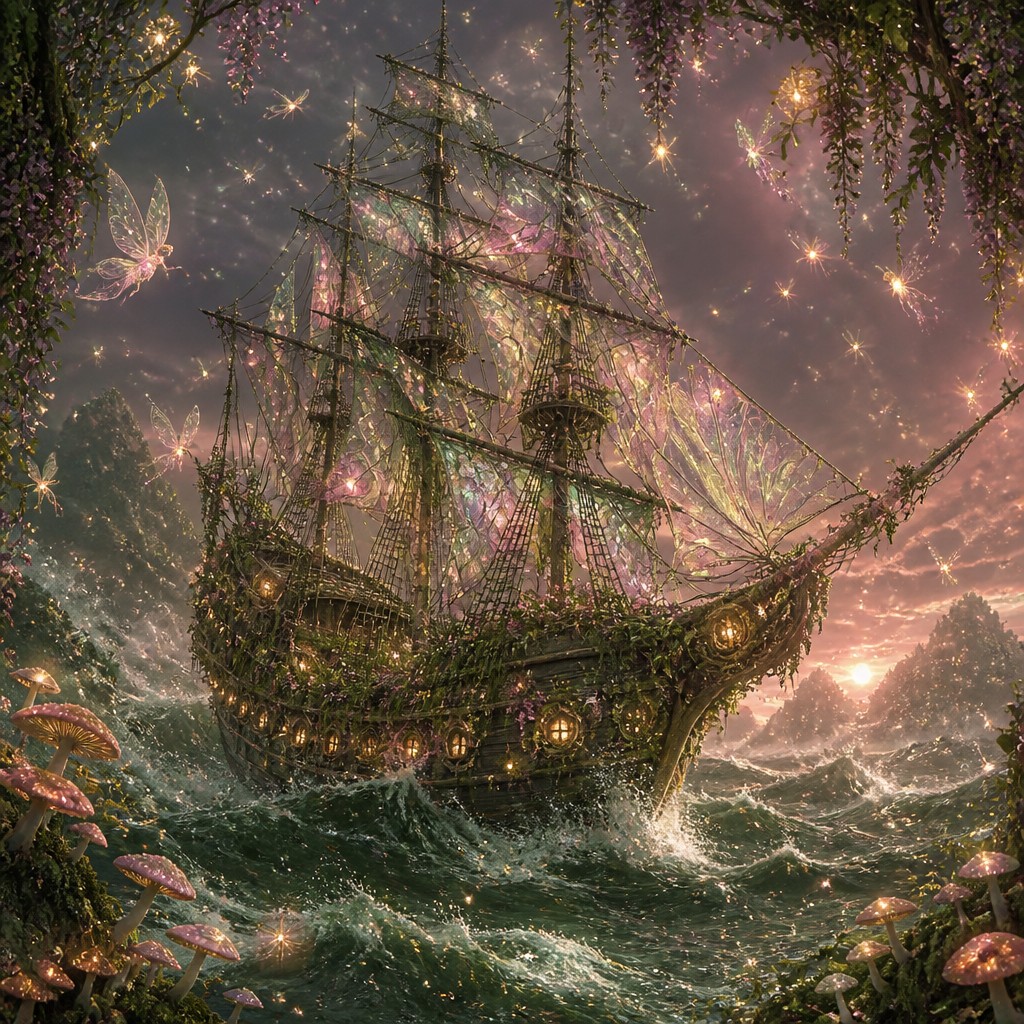
“sailing ship on a stormy sea”
How to Create Fairycore Aesthetic Art
Master the craft step by step — or skip straight to creating. Read the full guide →
- 1
Build the image around natural motifs
Start with mushrooms, leaves, petals, vines, or a forest clearing, then add one or two magical cues such as glow, wings, or sparkles. In traditional media, layering botanical linework with soft washes or colored pencil helps preserve the delicate look.
- 2
Use diffused, golden lighting
Avoid harsh contrast and strong directional shadows; instead aim for sunset-like warmth, mist, or luminous backlight. In digital work, bloom and soft gradients can simulate the perpetual golden-hour atmosphere.
- 3
Add translucent and iridescent surfaces
Fairycore depends on materials that seem light-filled rather than solid. Glazing, transparent overlays, pearlescent highlights, and subtle color shifts can make wings, petals, and ornaments feel magical.
- 4
Keep forms ornate but gentle
Use curving lines, layered foliage, and decorative framing, but prevent the composition from becoming crowded or chaotic. The best results feel lush while still airy and readable.
- 5
Prompt for atmosphere, not just objects
When generating images, include descriptive lighting and texture language such as 'soft magical twilight,' 'floating light motes,' or 'iridescent shimmer.' Strong atmosphere cues are what distinguish fairycore from ordinary floral fantasy.
- 6
Specify a restrained palette
Mention moss green, petal pink, warm gold, cream, or lavender to keep the image coherent. Too many saturated colors can push the result away from the tender, dreamlike quality associated with the style.
The Story
History & Origins of Fairycore Aesthetic
Fairycore is not a historical art movement in the strict sense; it is a digital-age aesthetic that draws on older visual traditions. Its lineage includes European fairy illustration, romantic landscape painting, Art Nouveau ornament, children’s book illustration, and contemporary cottagecore and nature-based internet aesthetics. It also borrows from fantasy illustration and character design, especially where flora, light effects, and translucent materials are used to evoke enchantment rather than realism.
The style became widely recognizable through social media image culture, fashion moodboards, fandom art, and decorative digital art in the 2010s and 2020s. It developed alongside other internet aesthetics that package lifestyle imagery, costume, interiors, and illustration into coherent visual worlds. Unlike a formal school with a manifesto, fairycore is best understood as a flexible aesthetic language centered on softness, nature, and magical atmosphere.
Influences: Fairycore draws from several older and newer visual traditions: Victorian and Edwardian fairy illustration, the botanical elegance of Art Nouveau, romantic landscape painting, and fantasy illustration that treats nature as enchanted rather than merely scenic. Artists unambiguously associated with earlier fairy and illustrative traditions include Arthur Rackham and Cicely Mary Barker, while the broader decorative sensibility also recalls Alphonse Mucha’s flowing ornament. As a modern internet aesthetic, fairycore additionally overlaps with cottagecore, goblincore, and fantasy concept art.
Frequently Asked Questions
What defines fairycore aesthetic?
Fairycore is defined by woodland imagery, glowing light, soft pastel-and-earthy color, and delicate fantasy details like wings, mushrooms, and flowers. The atmosphere is typically gentle, dreamy, and slightly magical rather than dramatic or dark.
How is fairycore different from cottagecore?
Cottagecore focuses on rural domestic life, handmade simplicity, and pastoral comfort. Fairycore is more overtly magical and ornamental, emphasizing enchantment, luminous effects, and fae-like details even when the setting is still natural.
Is fairycore a historical art movement?
No. It is a contemporary aesthetic rather than a formal historical movement, so it does not have a fixed origin date, school, or manifesto. Its look is assembled from older visual traditions and modern internet culture.
What colors are most associated with fairycore?
Moss green, blush or petal pink, cream, warm gold, soft lavender, and muted brown are the most common. These colors help create the impression of a natural world lit by sunset or bioluminescence.
What kinds of subjects work best in fairycore art?
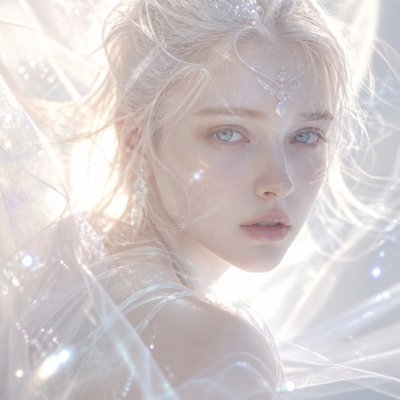
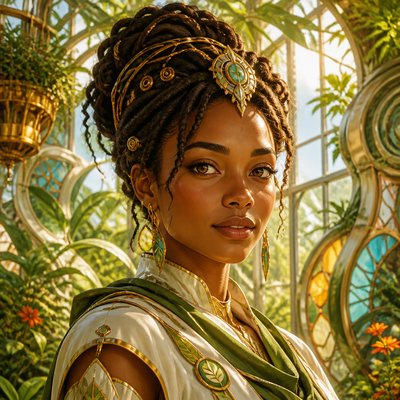
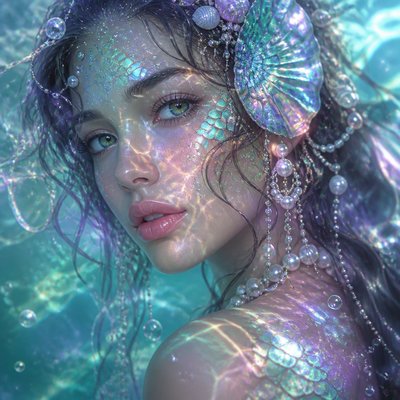
Woodlands, fairies, fungi, butterflies, flowers, fae objects, and intimate magical scenes are especially effective. Portraits also work well when clothing, hair, and props are treated with botanical and translucent detail.
How do you make fairycore art digitally or by prompt?
Use soft lighting, glow, and layered texture, then add specific natural motifs such as mushrooms, vines, petals, and wings. In prompt-based work, include atmosphere terms like 'enchanted forest,' 'floating light motes,' and 'iridescent shimmer' to guide the image toward the style.

Create your first Fairycore Aesthetic artwork
Describe anything — or upload a photo — and see it in Fairycore Aesthetic in seconds.
Related Styles
Discover similar art styles