Nautical Aesthetic
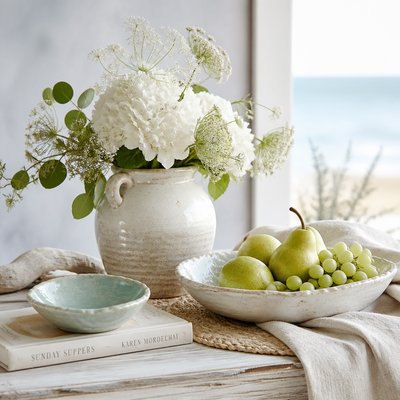
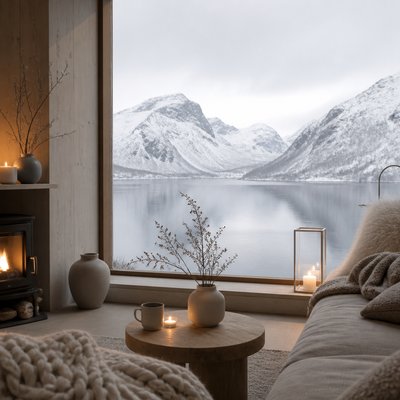
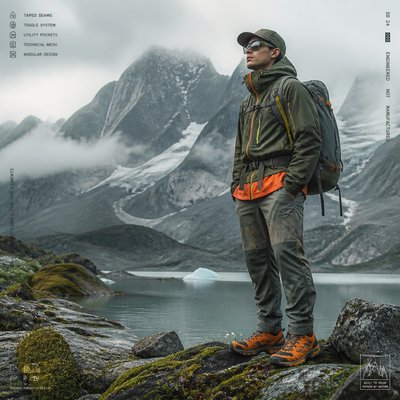
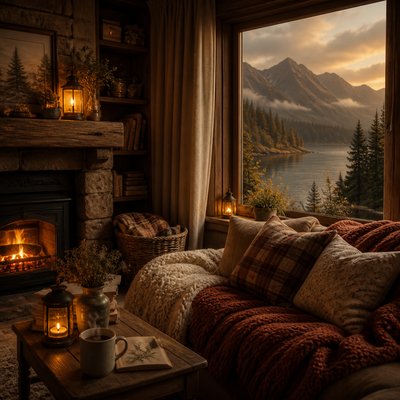
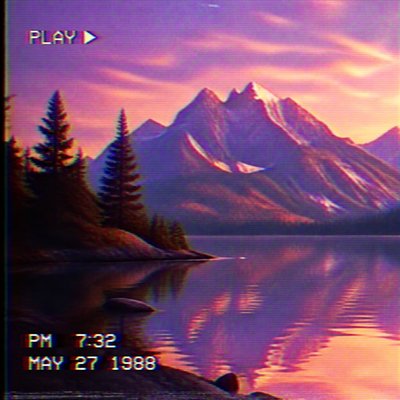
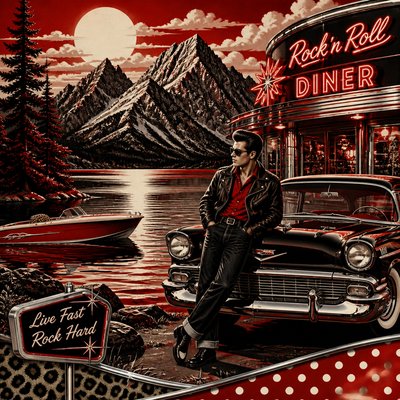
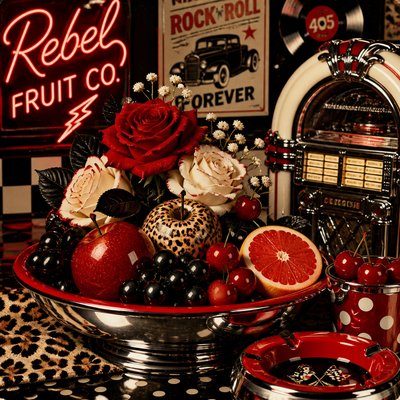
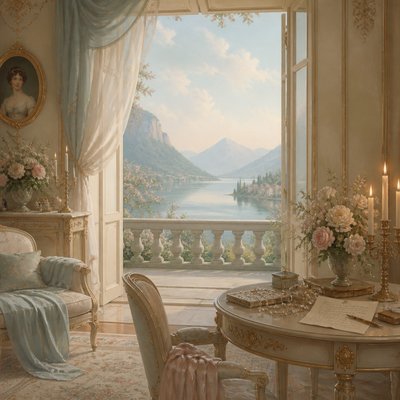
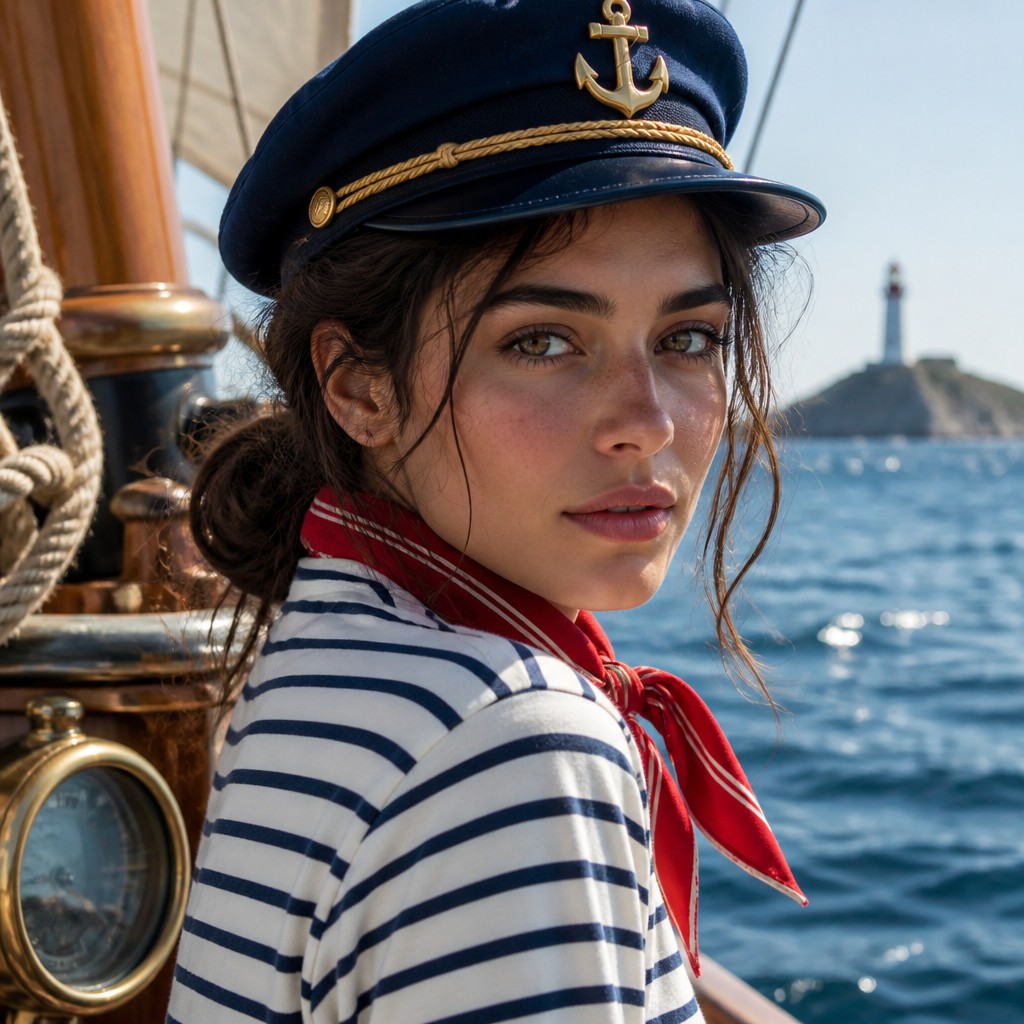
Nautical Aesthetic: navy, white, brass, rope, teak and salt-spray freshness in a crisp maritime visual style.
Instantly rendered in Nautical Aesthetic — or transform a photo
Nautical Aesthetic Gallery
Tap any artwork to explore it

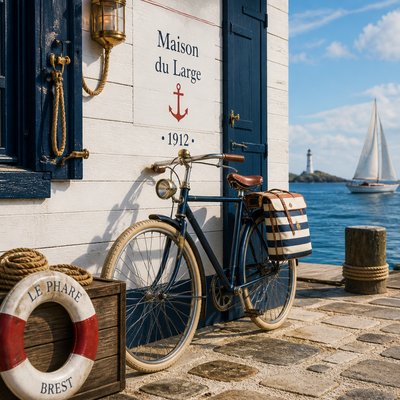
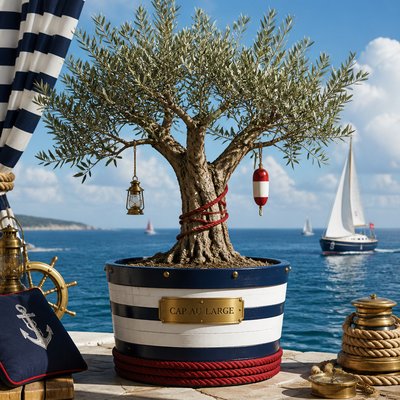
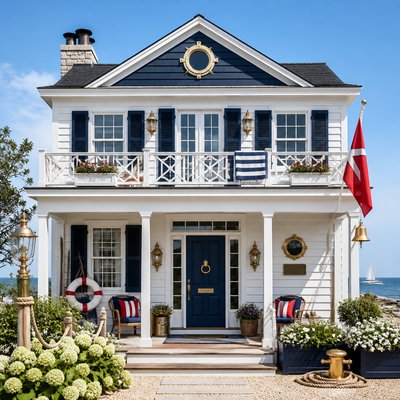
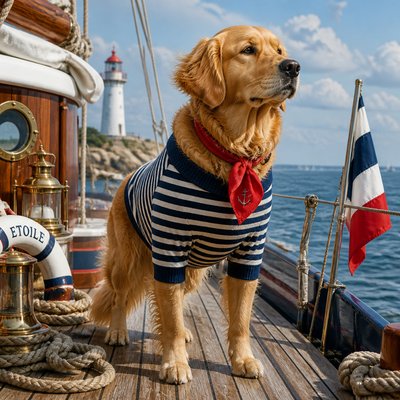
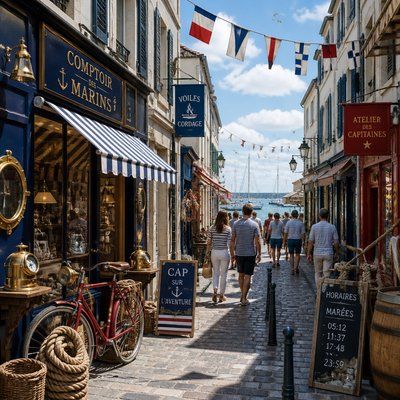
What is Nautical Aesthetic?
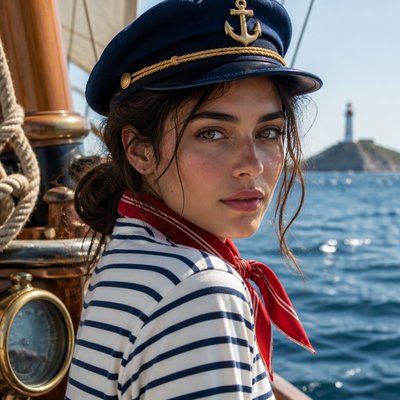
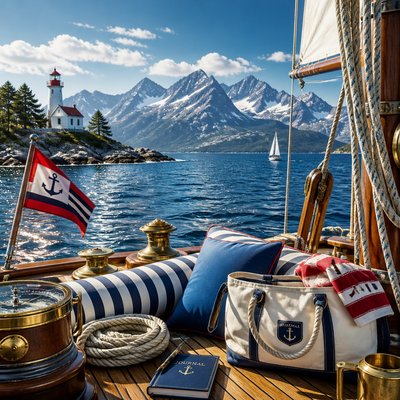
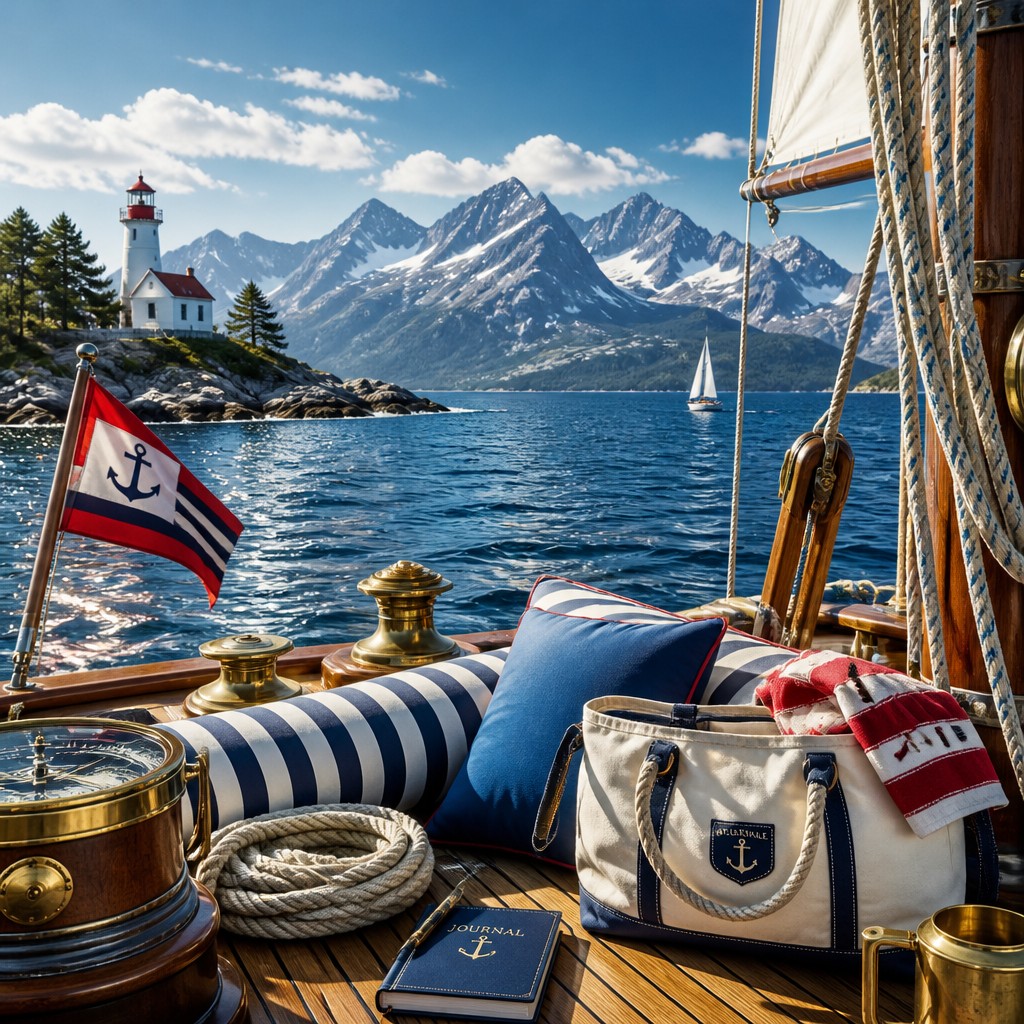
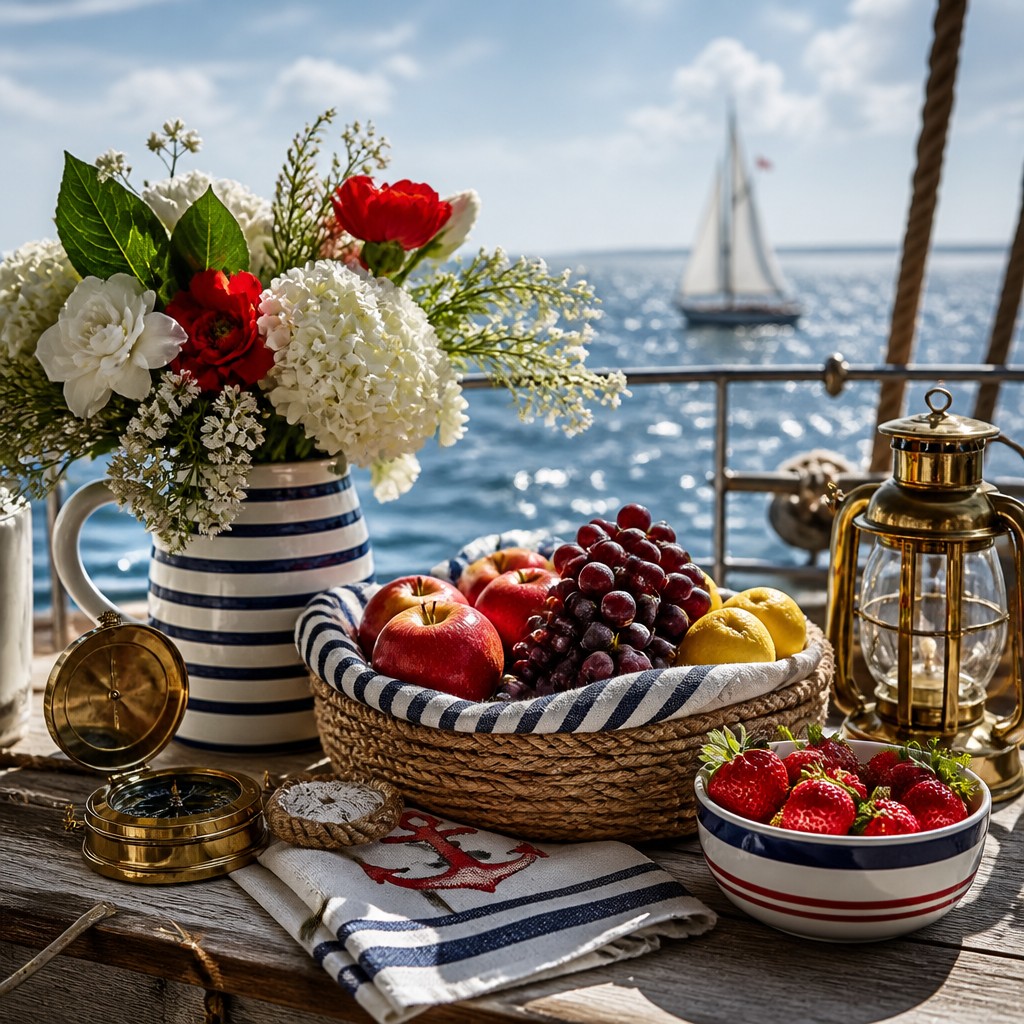
Nautical Aesthetic is a maritime-inspired visual style built around crisp daylight, clean horizon lines, and a disciplined palette of navy blue, white, signal red, and brass-gold. It evokes seafaring life through practical materials and recognizable shipboard details: rope coils, canvas, polished metal, weathered teak, Breton stripes, and the bright clarity of open water.
The style feels orderly, fresh, and slightly ceremonial. Its appeal comes from the contrast between utilitarian marine objects and a refined, classic presentation: sunlit decks, tidy rigging, brass fittings, and crisp textiles. Whether used in illustration, photography, fashion, interiors, or design, it suggests coastal adventure, naval tradition, and the clean air of salt and wind.
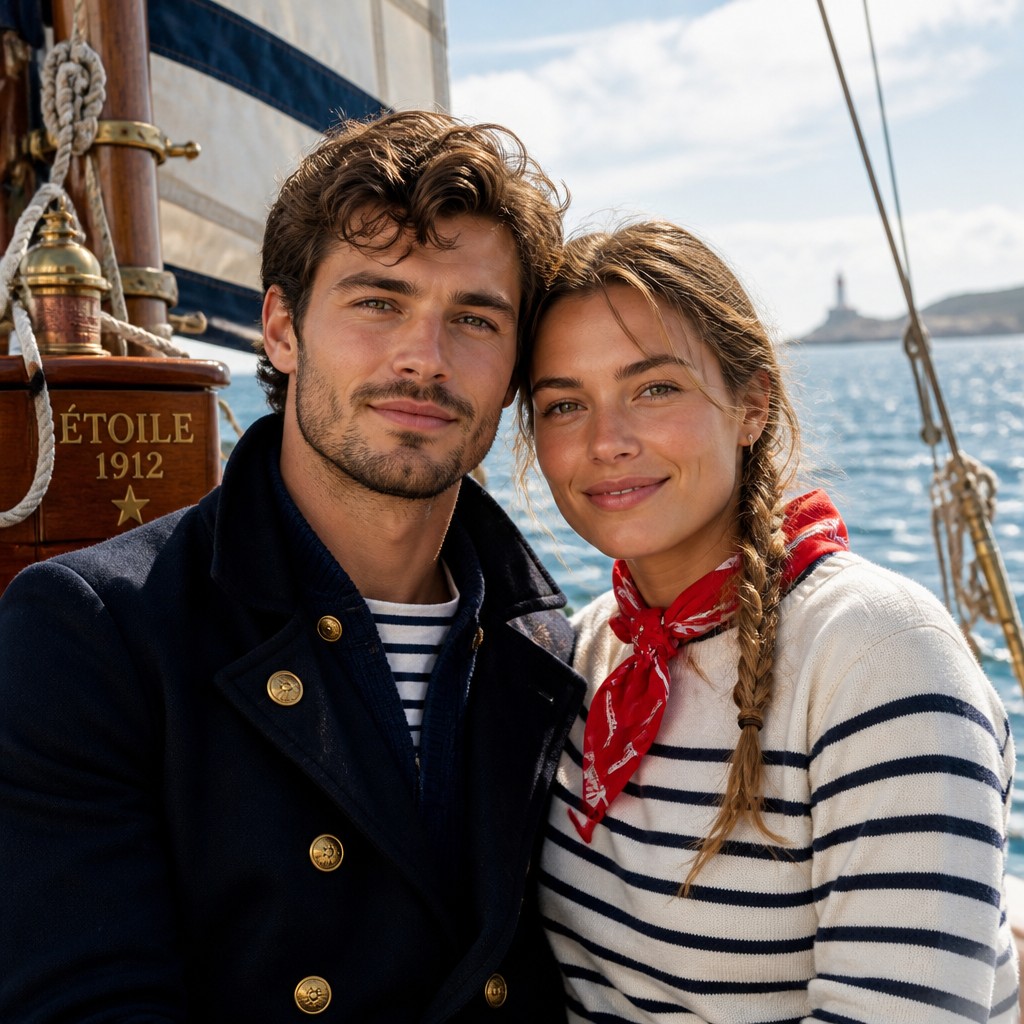
Try It On Your Photos
Upload any photo and convert it into Nautical Aesthetic — drag the sliders to compare before and after.
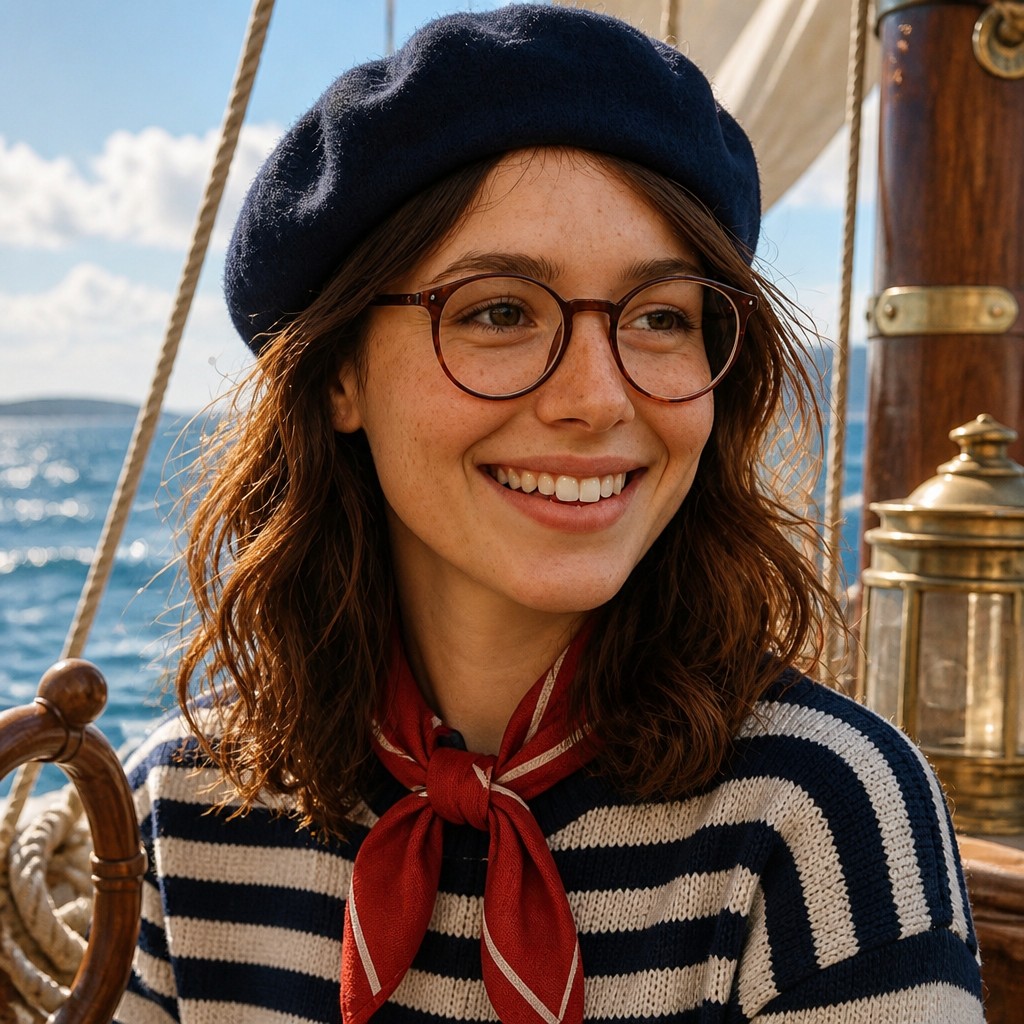

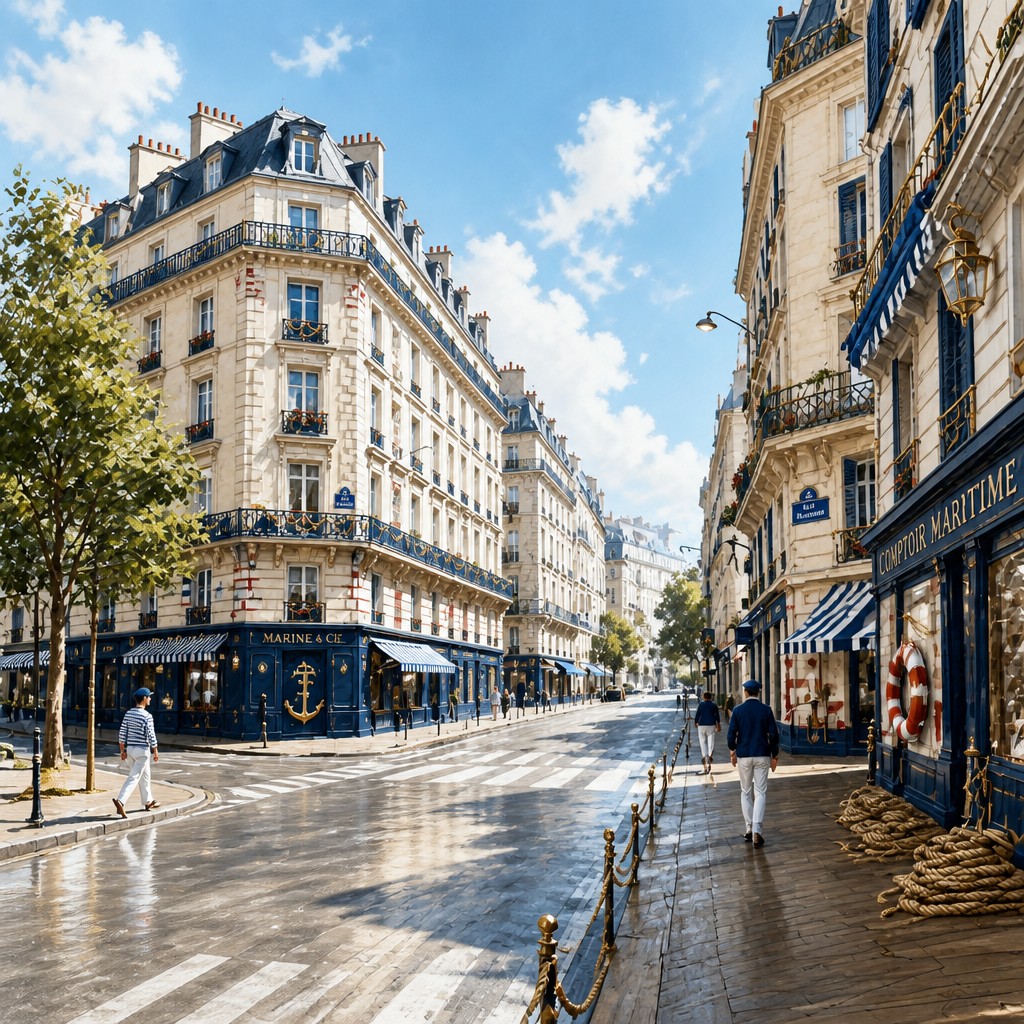

What Defines Nautical Aesthetic
The signature details, up close
Crisp maritime palette
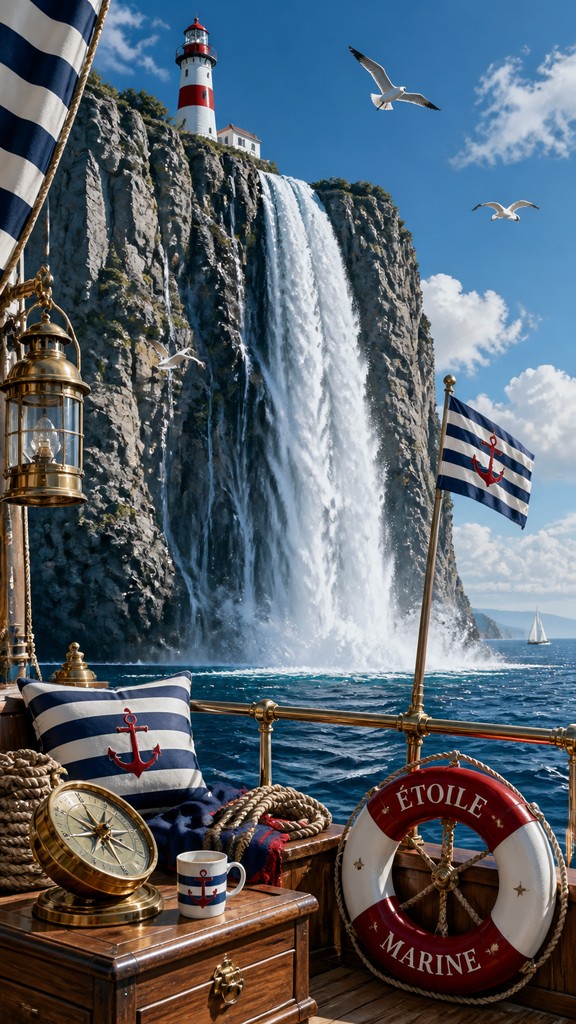
The style relies on navy, white, brass, and often signal red. The colors are usually high-contrast and clean, giving the image a disciplined, shipshape clarity.
Rope, canvas, and teak textures
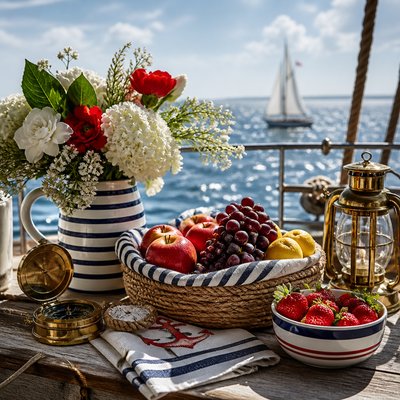
Materials matter as much as color: woven rope, weathered teak, sailcloth, and painted metal create the tactile vocabulary. These surfaces should feel functional, sunlit, and slightly weathered by salt air.
Brass fittings and polished hardware
Nautical imagery often includes portholes, cleats, lanterns, compasses, buckles, and railings. Brass accents add warmth and a sense of maintained order against the cooler blues and whites.
Breton stripes and sailor motifs
Striped shirts, deck uniforms, anchors, knots, and signal flags are recurring motifs. These elements instantly reference coastal fashion, naval tradition, and a recognizable seafaring heritage.
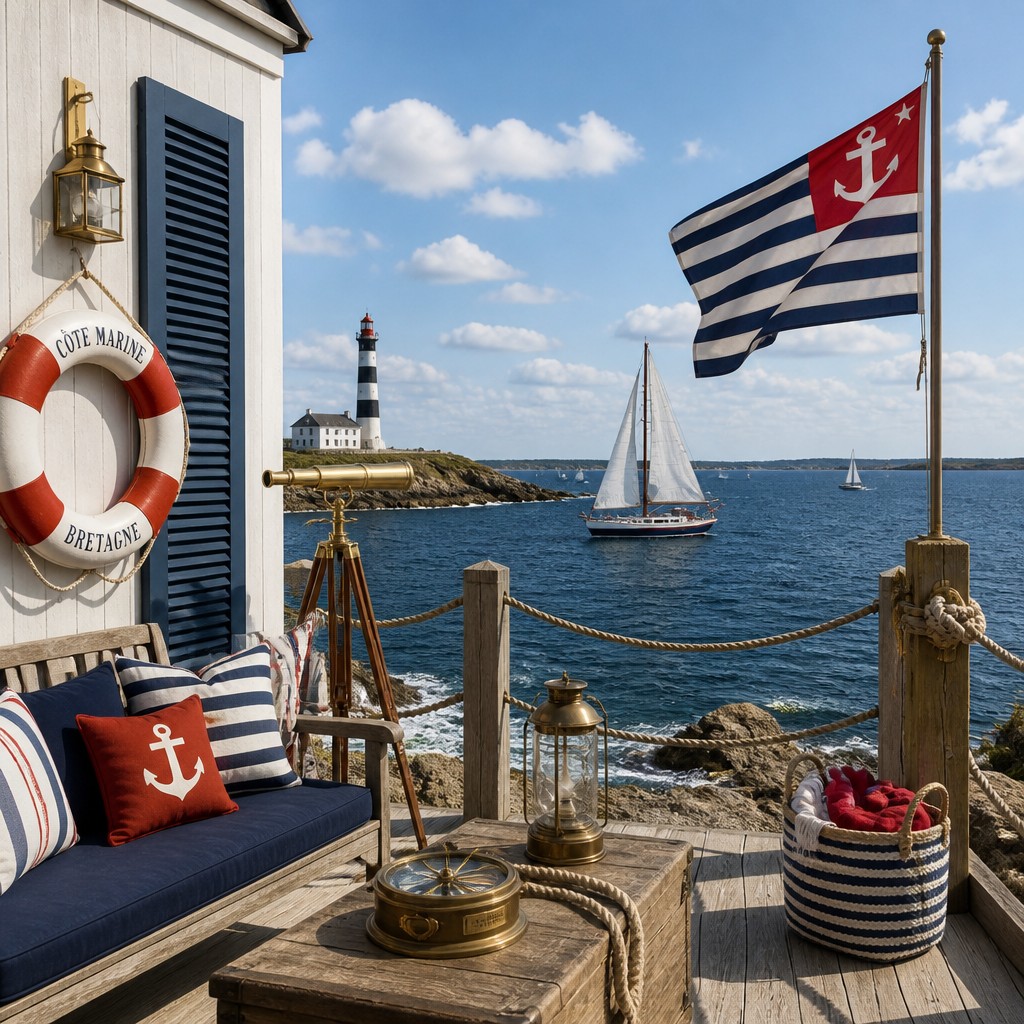
Bright sea-reflected light
Lighting tends to be airy and reflective, as if bouncing off water and white painted surfaces. Shadows are often soft but defined, reinforcing the sense of open horizons and clear weather.
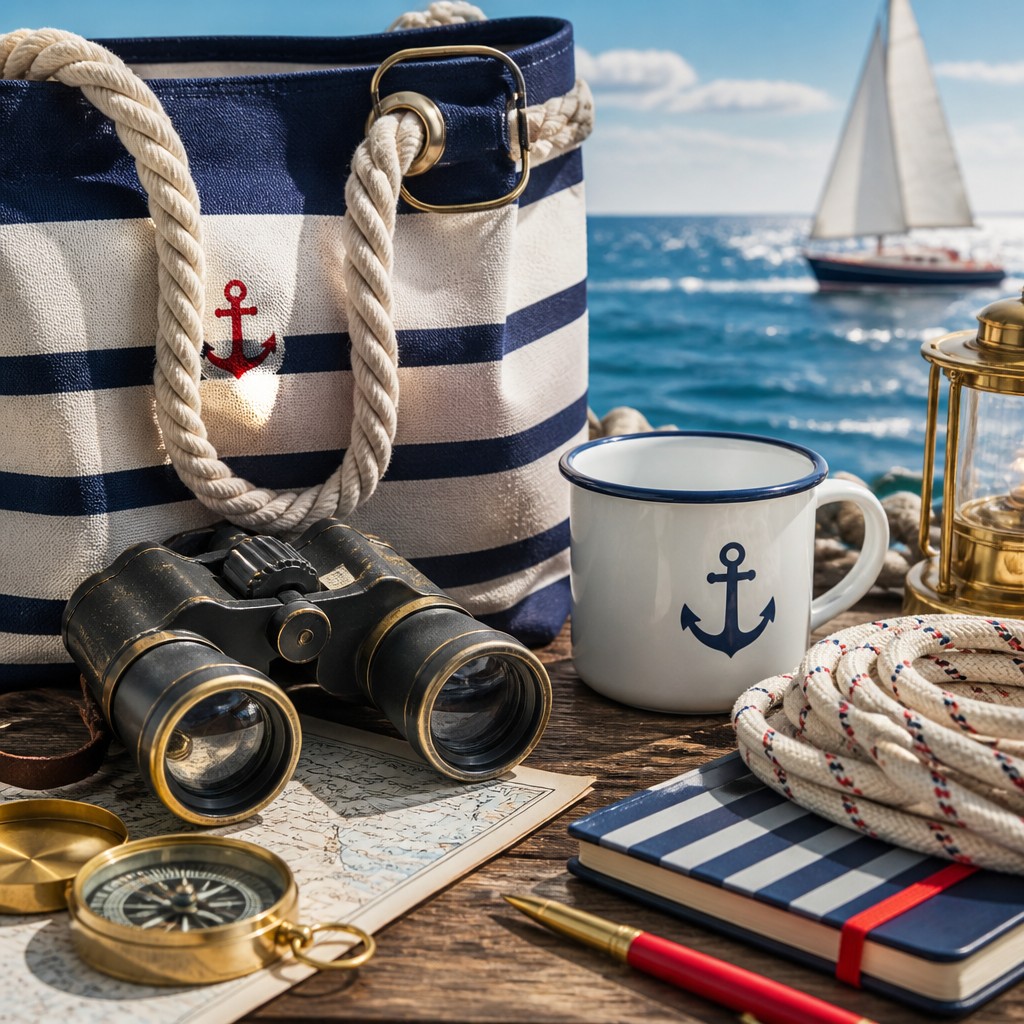
Orderly composition
The aesthetic favors symmetry, neat alignment, and practical arrangement. Objects often feel placed with intent, echoing the logic of a well-run deck, cabin, or harbor scene.
Try It
Create Videos in Nautical Aesthetic
Styles aren't just for stills — describe a scene or animate an image and get a short video rendered in Nautical Aesthetic. Press play to see this pond come to life.
Make a VideoNautical Aesthetic Prompt Ideas
Start from an idea — each one opens the generator with the style ready to go. See all 40 Nautical Aesthetic prompts →
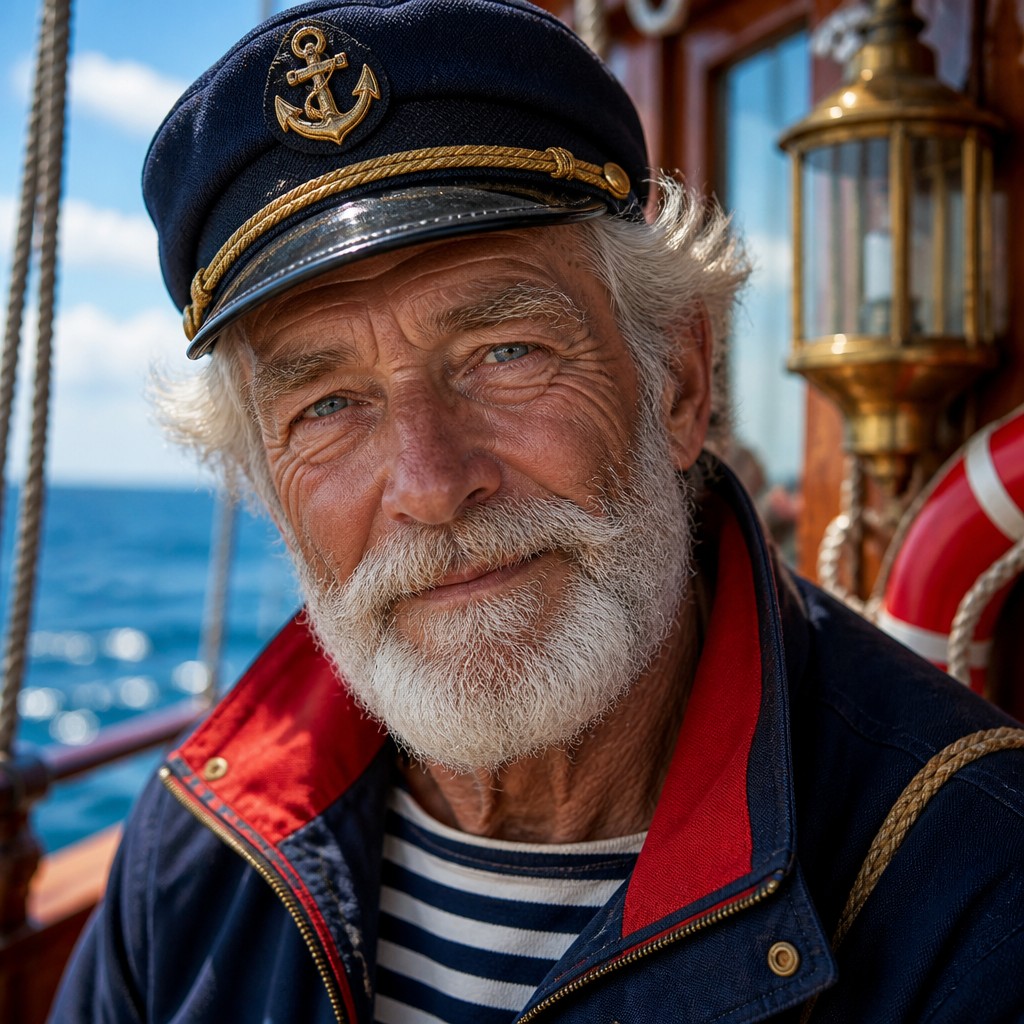
“close-up portrait of an elderly person with expressive weathered features”
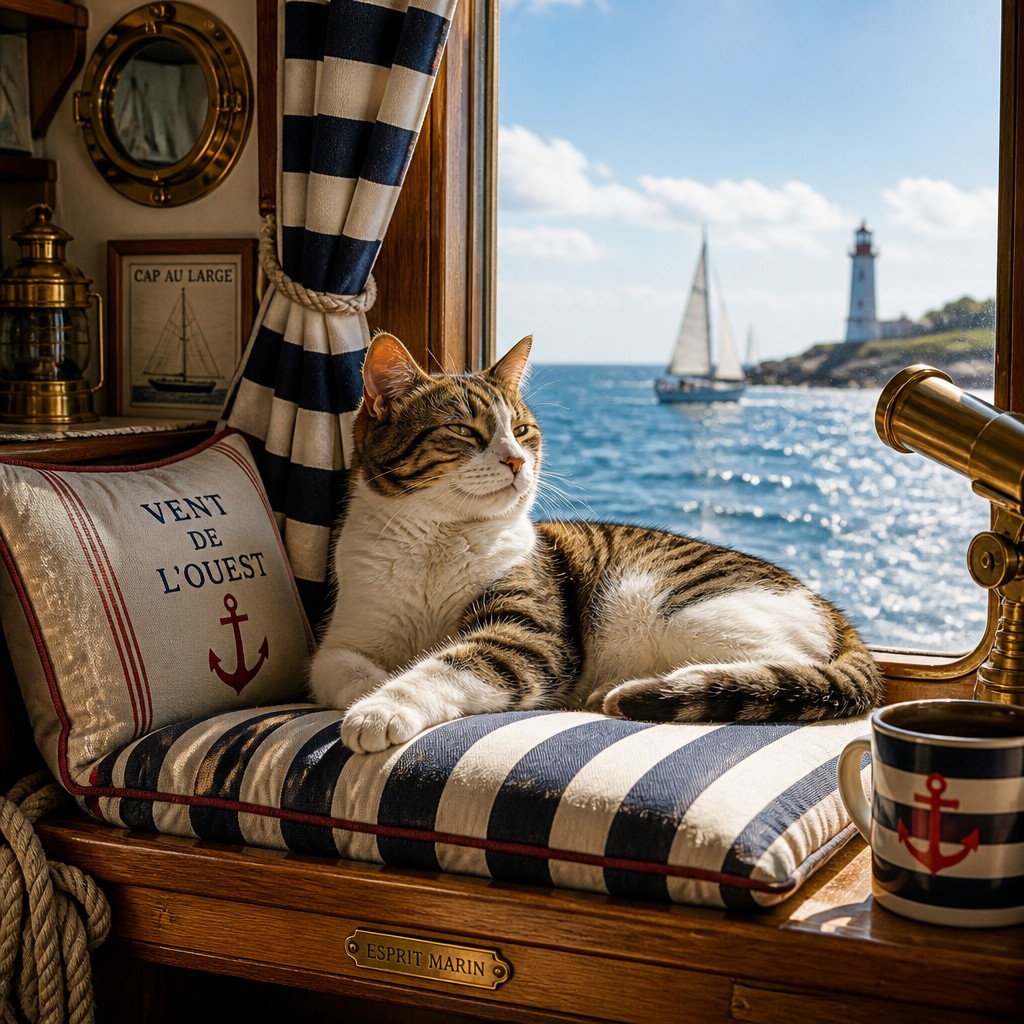
“a cat lounging in a sunlit window”
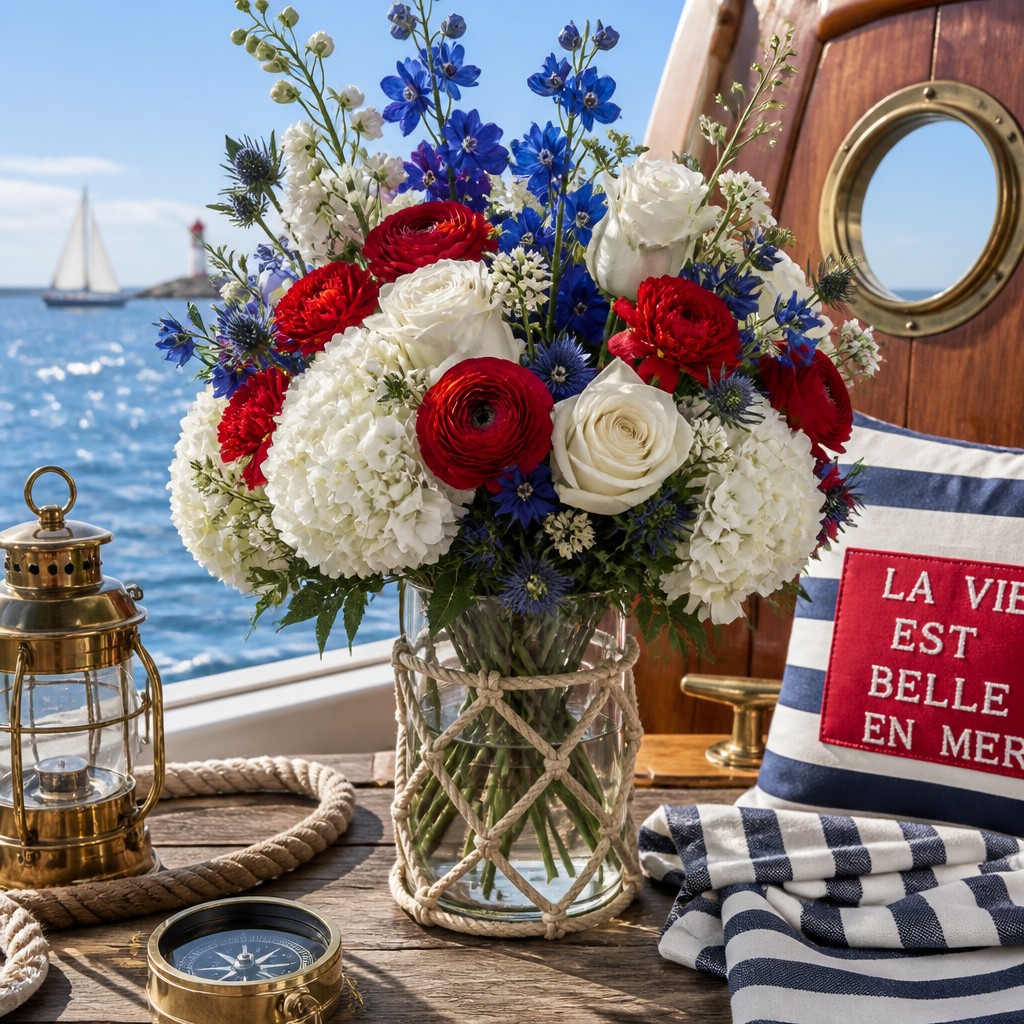
“bouquet of flowers in a glass vase”
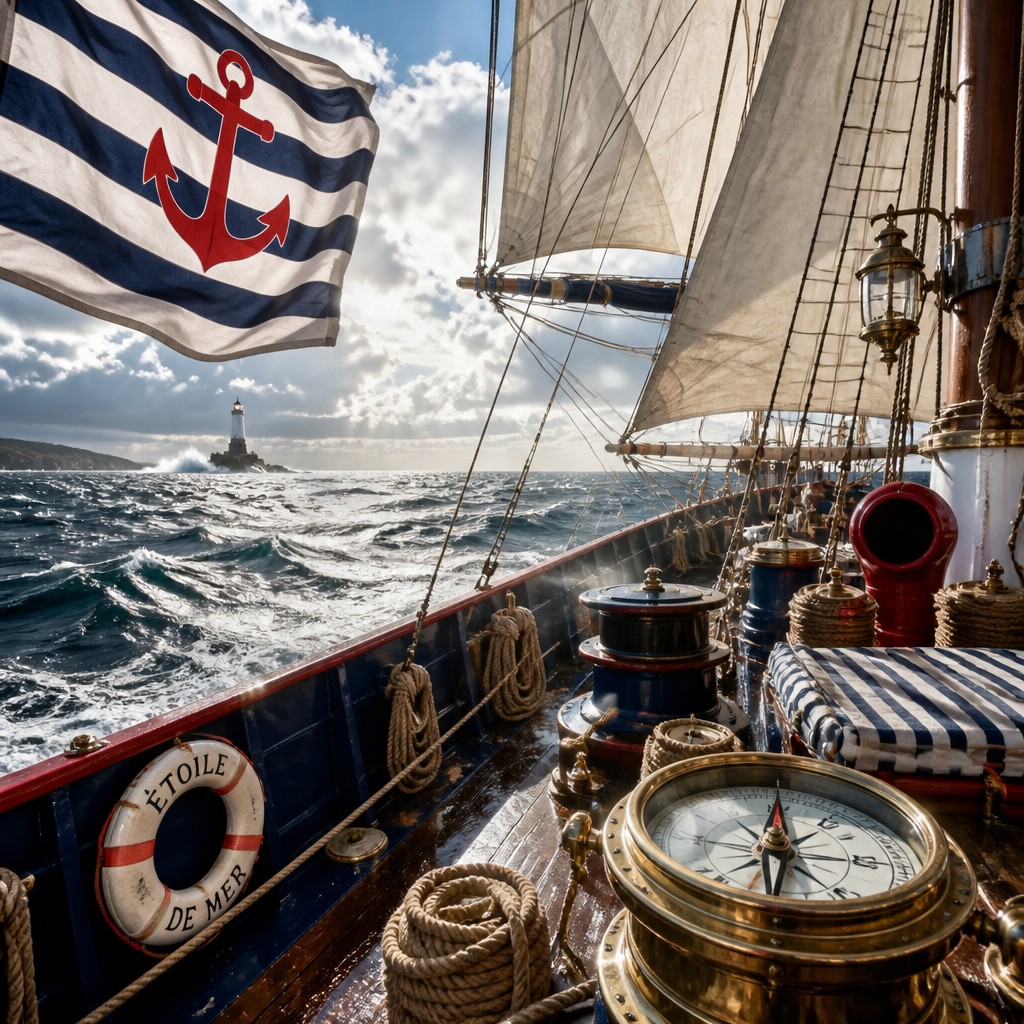
“sailing ship on a stormy sea”
How to Create Nautical Aesthetic Art
Master the craft step by step — or skip straight to creating. Read the full guide →
- 1
Build the palette first
Start with a restrained maritime color scheme: deep navy, crisp white, warm brass, and a controlled accent of signal red. Keep saturation balanced so the image reads as clean and classic rather than neon or kitsch.
- 2
Use authentic materials and finishes
Emphasize rope weave, canvas grain, teak wood, lacquered paint, and brushed or polished metal. In traditional media, use texture layering and sharp edge control; in digital work, add material detail without overloading the surface.
- 3
Light it like a clear day at sea
Choose bright natural light with reflective highlights and pale atmospheric distance. Avoid heavy gloom; the style depends on freshness, visibility, and the impression of open water and wind.
- 4
Compose with maritime order
Arrange elements in a tidy, functional way: stacked lines, centered objects, balanced negative space, and clean horizons. This helps the image feel shipboard and structured rather than rustic or chaotic.
- 5
Add recognizable nautical markers
Include details such as knots, rigging, portholes, deck chairs, marine instruments, or striped textiles. In prompt-based generation, specify these objects alongside the subject so the maritime identity remains clear and not generic.
- 6
For image-to-image, preserve shape and replace surface cues
If transforming a photo, keep the original composition while shifting materials toward marine textures and colors. Recast clothing, furniture, or architecture with navy-white contrast, brass accents, rope details, and sunlit coastal atmosphere.

The Story
History & Origins of Nautical Aesthetic
Nautical Aesthetic is not a single historical art movement but a contemporary visual language drawn from several maritime traditions. Its core references include naval uniforms, yacht and regatta culture, coastal resort wear, shipboard design, and 19th- and 20th-century advertising that associated the sea with cleanliness, leisure, and disciplined elegance. The look also borrows from practical seafaring materials and industrial finish standards: rope, tarred wood, brass hardware, and canvas.
Its modern form developed through fashion, interior design, graphic identity, and lifestyle imagery, where maritime motifs became shorthand for freshness, reliability, and classic taste. The Breton stripe, in particular, helped codify the style as something both functional and chic, while later photography and commercial design reinforced its association with bright coastal light, symmetry, and polished surfaces.
Influences: Nautical Aesthetic draws from naval uniforms, yacht culture, coastal resort design, and the visual language of maritime utility. It also overlaps with classic preppy dress, Scandinavian-like restraint in composition, and 19th- and 20th-century commercial graphics that used stripes, flags, and clean typography to signal freshness and trust. In fashion history, the Breton stripe became especially influential through its association with Coco Chanel and later with modern seaside style, though the broader aesthetic is rooted in much older shipboard traditions.
Frequently Asked Questions
What defines the Nautical Aesthetic?
It is defined by maritime colors, materials, and symbols: navy and white, brass hardware, rope, canvas, teak, stripes, and seafaring details. The overall feeling is clean, structured, and ocean-adjacent rather than purely decorative. Bright daylight and a sense of fresh salt air are central to the look.
Is Nautical Aesthetic the same as coastal or beach style?
Not exactly. Coastal style can be softer, more relaxed, and focused on sandy neutrals and casual interiors, while Nautical Aesthetic is more disciplined and ship-inspired. It usually has stronger contrast, more hardware, and clearer references to naval or sailing culture.
What colors are most associated with this style?
The core palette is navy blue, white, and brass-gold, often with signal red as a small accent. Some variations add pale sky blue or sandy beige, but the style works best when the main contrast stays crisp and maritime. The colors should suggest uniforms, sails, and deck equipment.
What materials and textures should I include?
Rope, canvas, teak, linen, lacquered paint, and polished metal are the most characteristic textures. Weathering should be subtle: enough to suggest salt air and use, but not so much that the image becomes rustic or distressed. The finish is usually tidy and maintained.
How do I make a photo look nautical?
Shift the colors toward navy, white, and brass, then add maritime cues such as striped textiles, rope details, marine hardware, or deck-like wood. Keep the lighting bright and directional, as if the scene is reflecting daylight from water. Avoid heavy filters that mute the clarity of the style.
Where is this style commonly used?
It appears in fashion, interiors, branding, hospitality, nautical clubs, editorial photography, and seasonal design. It is especially effective for projects that want to communicate freshness, reliability, heritage, and coastal elegance. The style also works well for invitations, packaging, and lifestyle imagery.
Create your first Nautical Aesthetic artwork
Describe anything — or upload a photo — and see it in Nautical Aesthetic in seconds.
Make Something with Nautical Aesthetic
Related Styles
Discover similar art styles