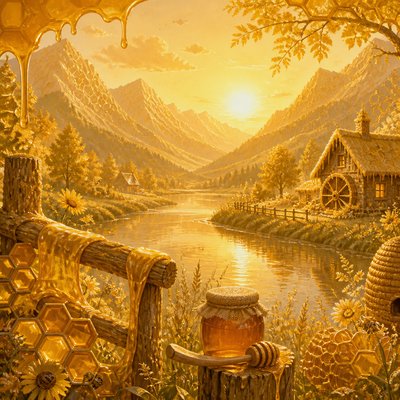
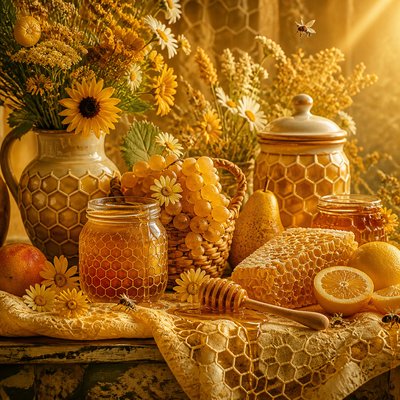
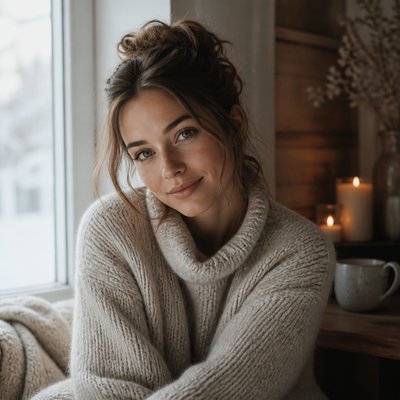
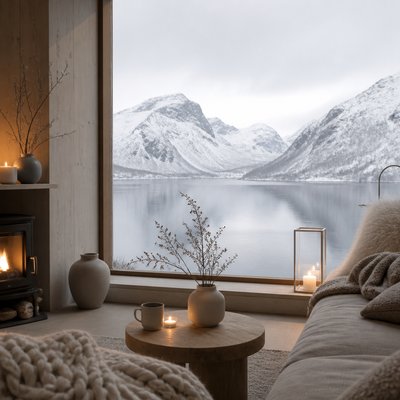
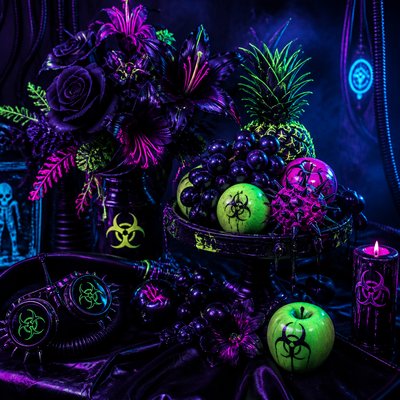
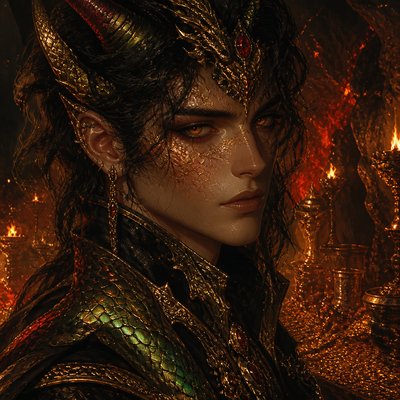
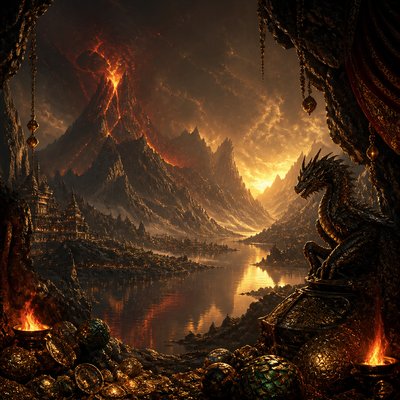
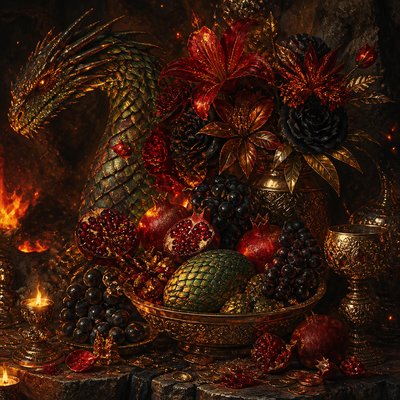
Disco Aesthetic
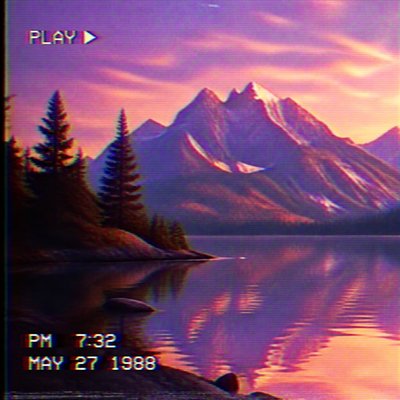
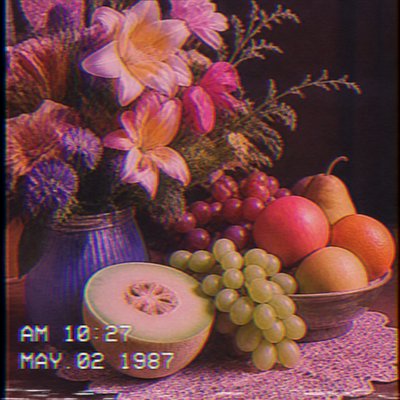
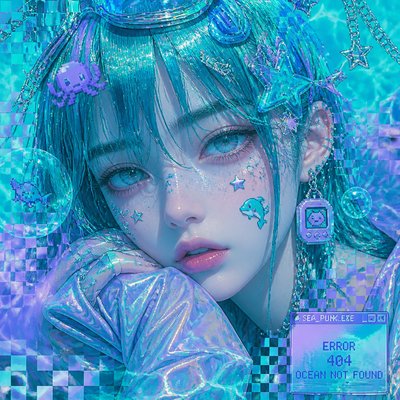
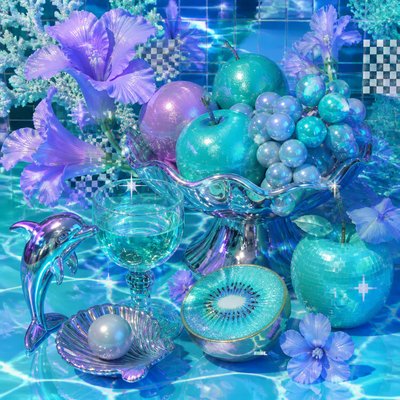
Mirror-ball glamour, sequins, gold light, and glittering 1970s nightlife in a shimmering disco-inspired visual style.
Instantly rendered in Disco Aesthetic — or transform a photo
Disco Aesthetic Gallery
Tap any artwork to explore it
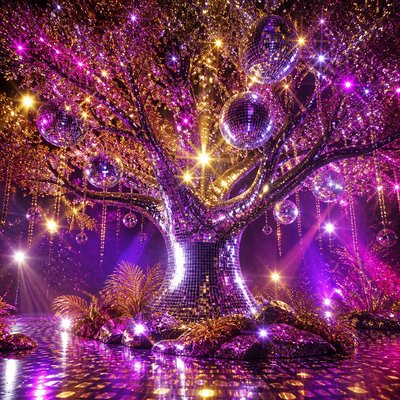
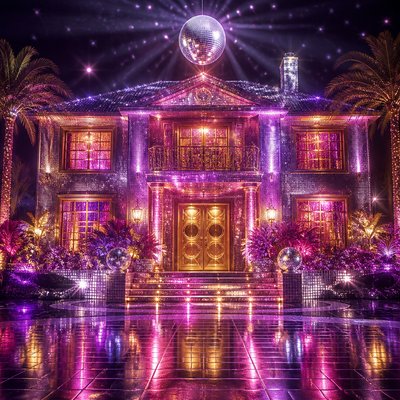
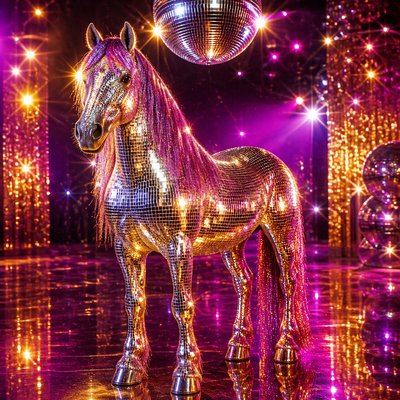
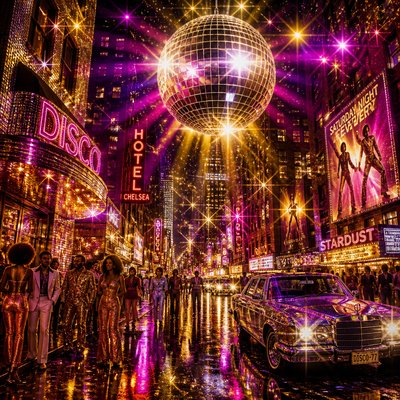
What is Disco Aesthetic?
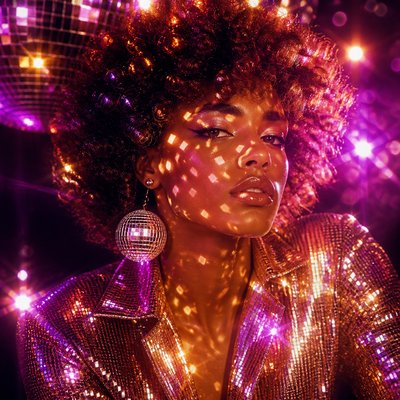
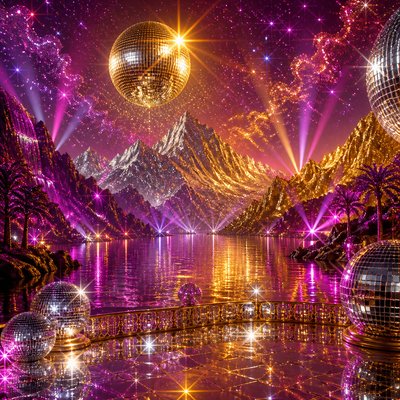
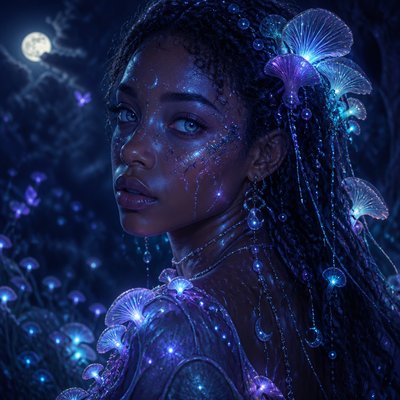
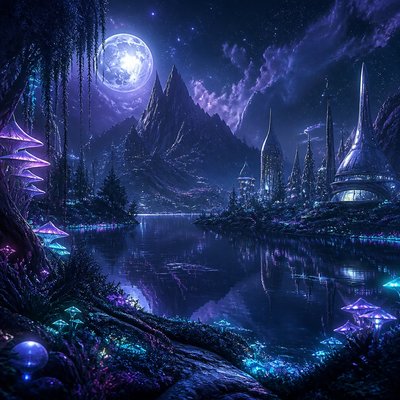
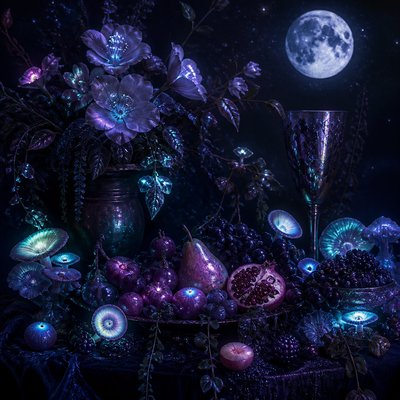
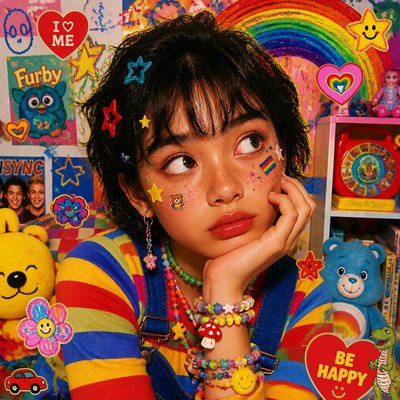
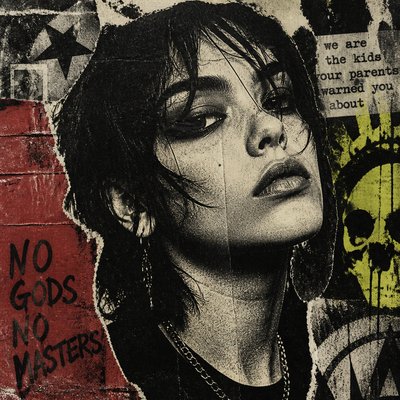
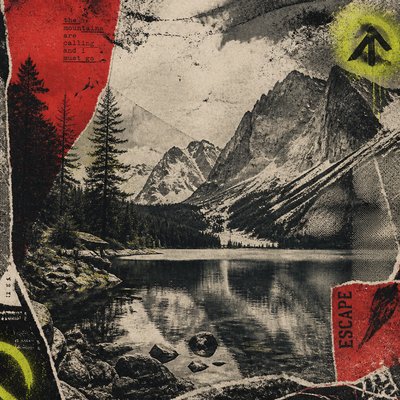
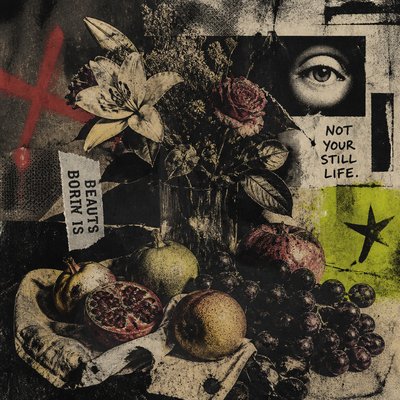
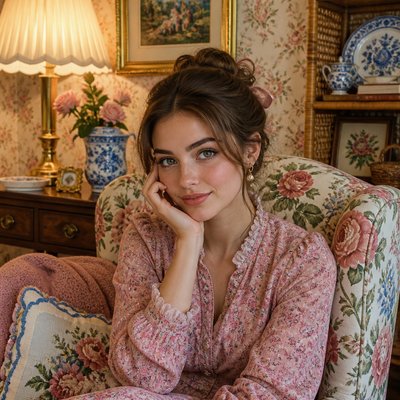
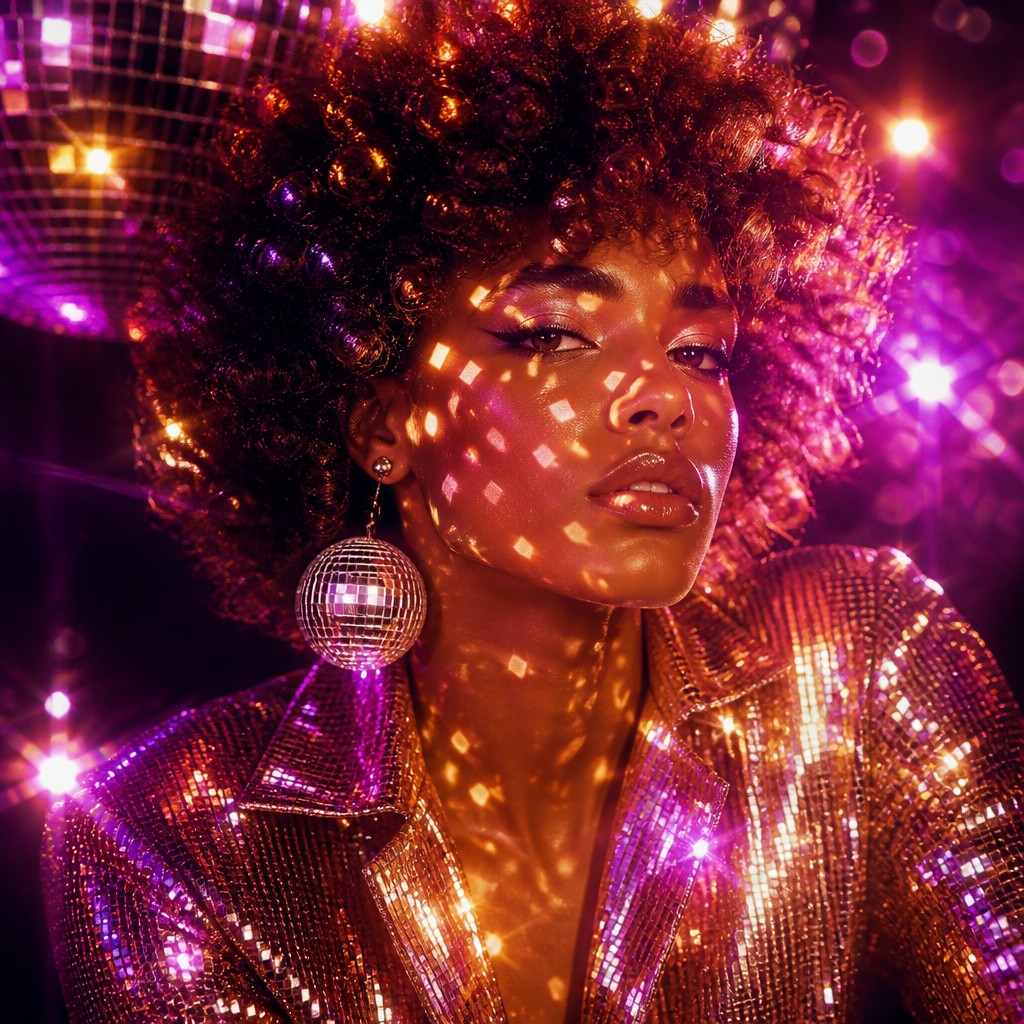
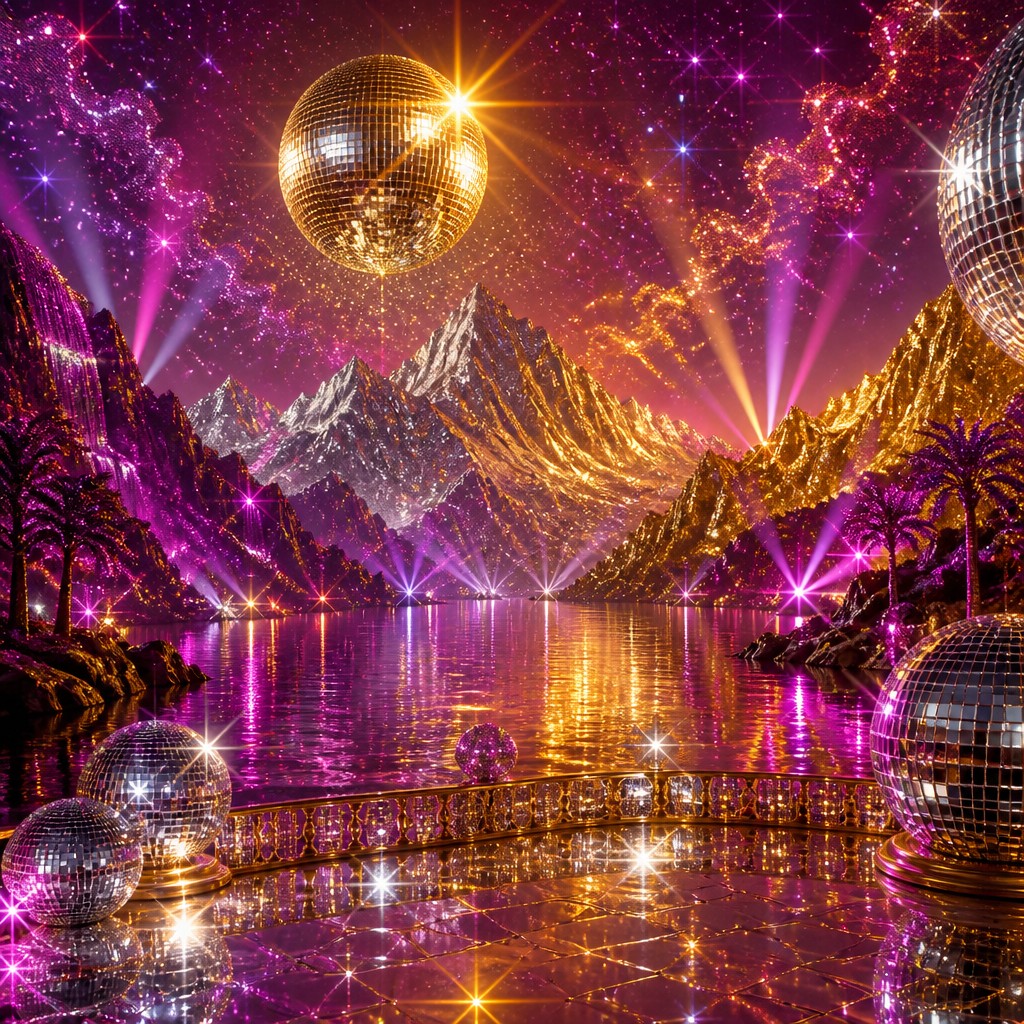
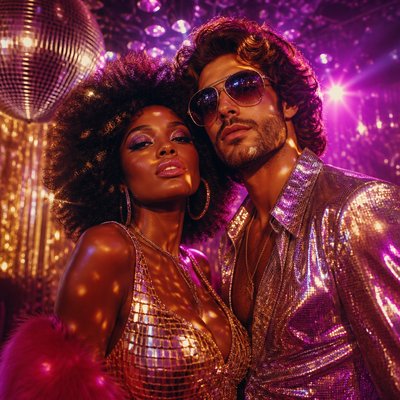
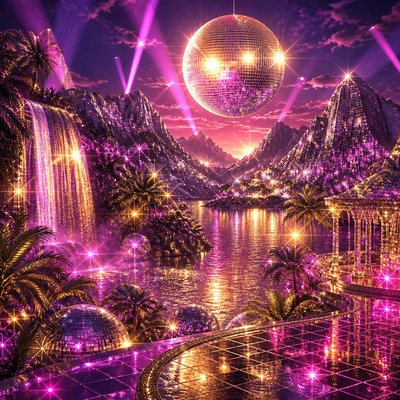
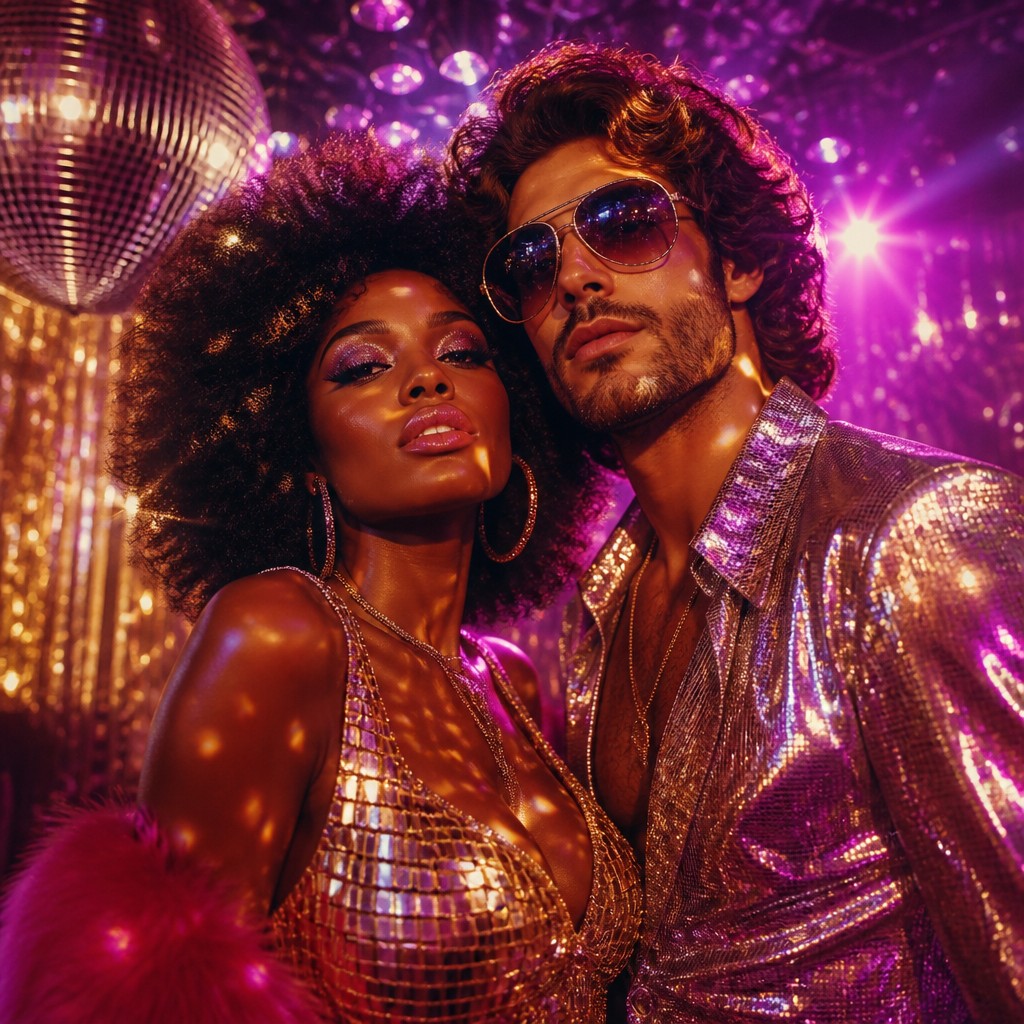
Disco aesthetic is a visual style built around the spectacle of nightlife: mirror-ball reflections, sequins, metallic fabrics, saturated colored spotlights, and glossy surfaces that seem to glow from within. It favors gold, silver, hot magenta, electric blue, and deep purple, often combined with haze, lens-flare sparkle, and reflective flooring to create an atmosphere of continuous motion and celebration.
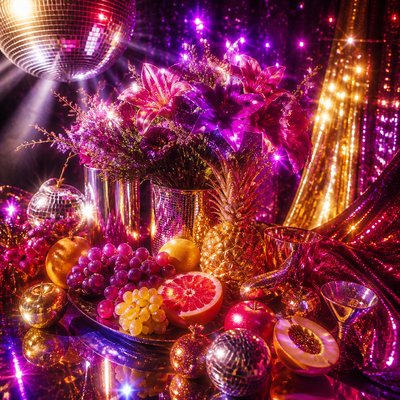
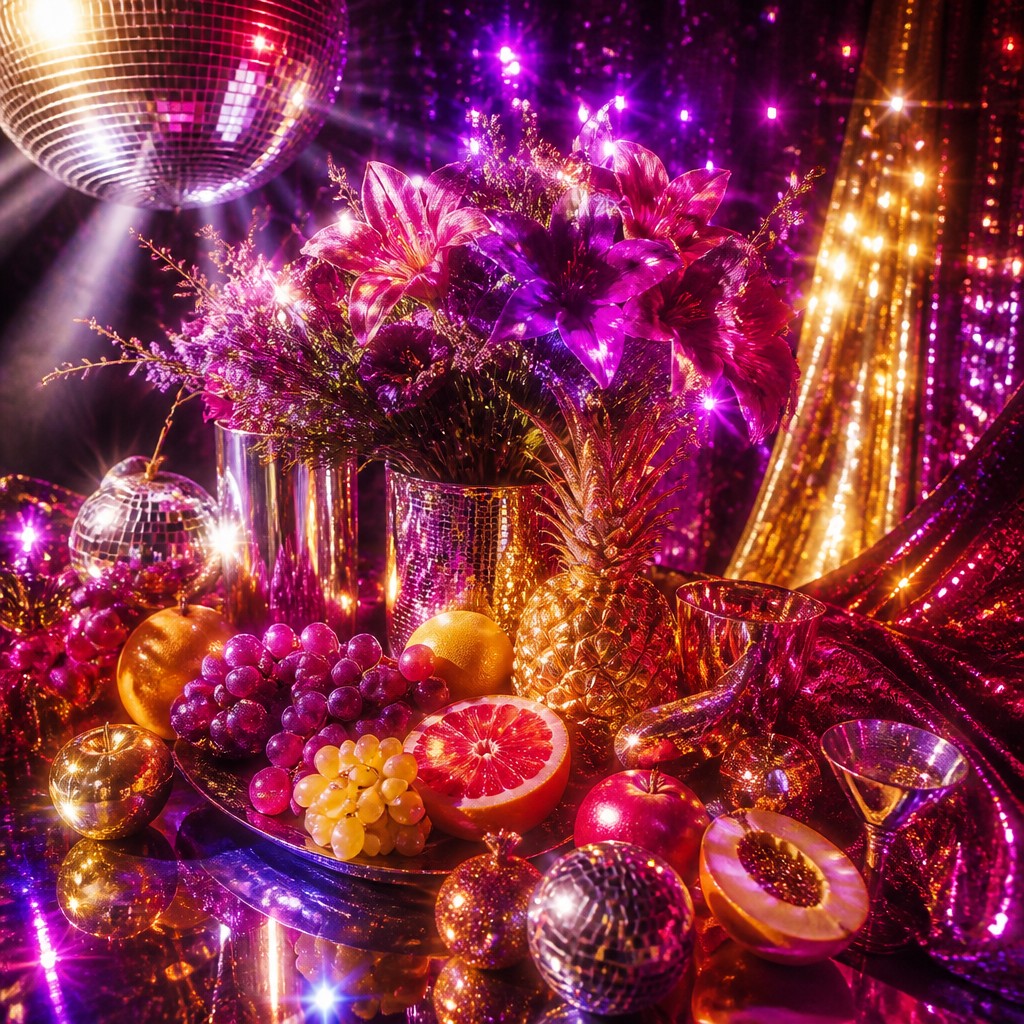
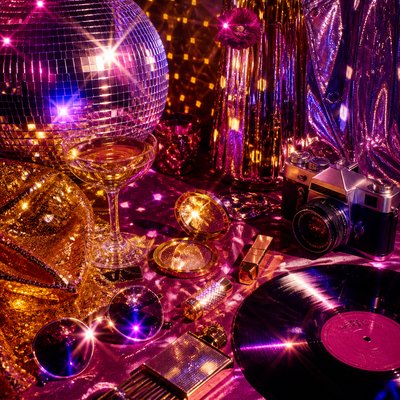
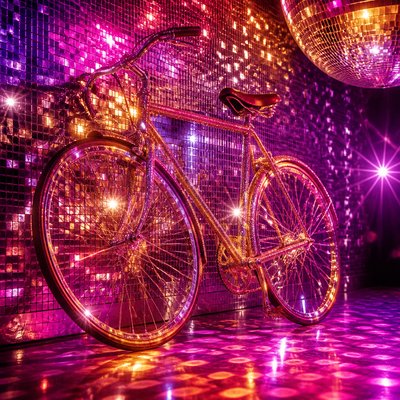
The style is defined less by subject matter than by light effects and texture. Even ordinary objects are transformed into party imagery when they are wrapped in glitter, chrome, lamé, or prismatic highlights. The result is a look that feels euphoric, theatrical, and slightly cinematic, rooted in the visual language of clubs, concert stages, dance culture, and late-1970s glamour.
Try It On Your Photos
Upload any photo and convert it into Disco Aesthetic — drag the sliders to compare before and after.


What Defines Disco Aesthetic
The signature details, up close
Mirror-ball lighting
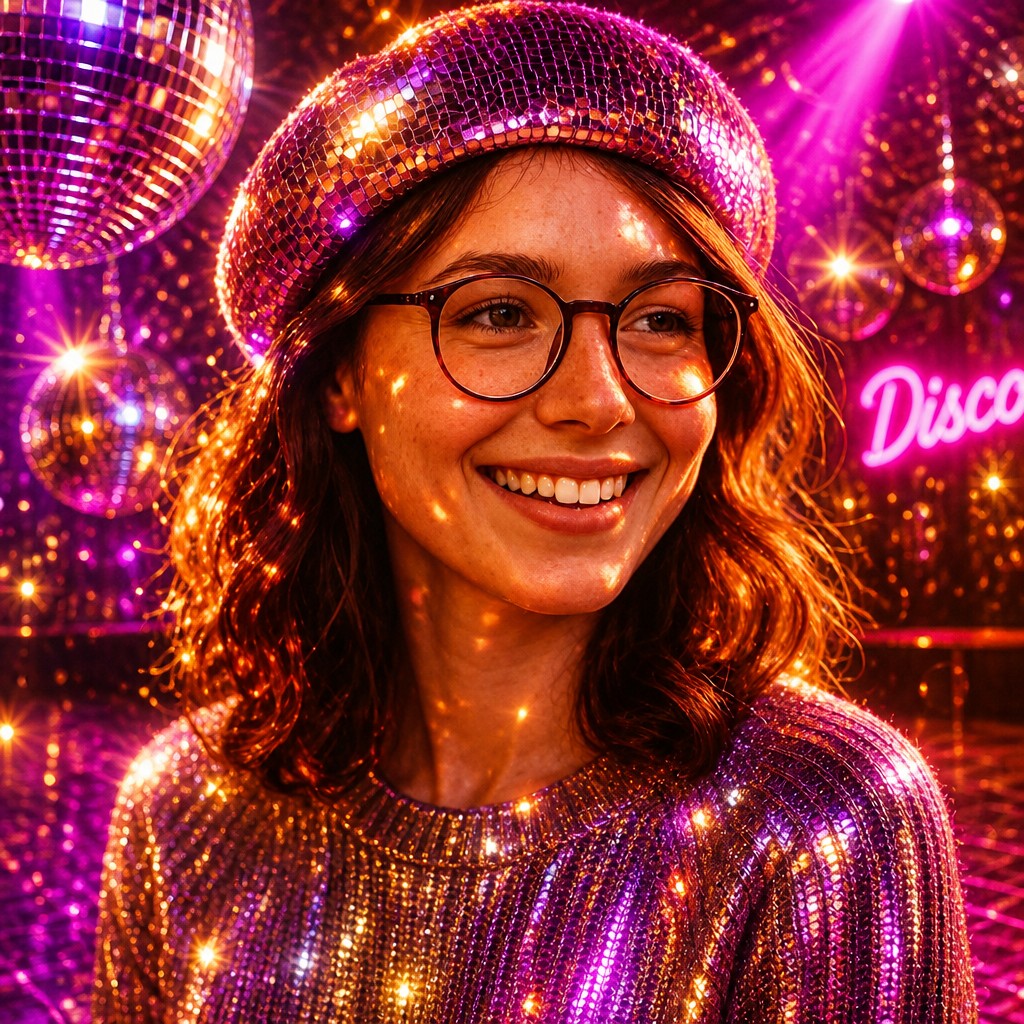
Small, broken points of light scatter across faces, clothing, walls, and floors. This dappled sparkle is one of the most recognizable signals of the style.
Metallic and sequined textures
Lamé, chrome, satin, sequins, and glitter dominate the surface treatment. Materials are shown as highly reflective so they catch every beam of light.
High-chroma nightlife palette
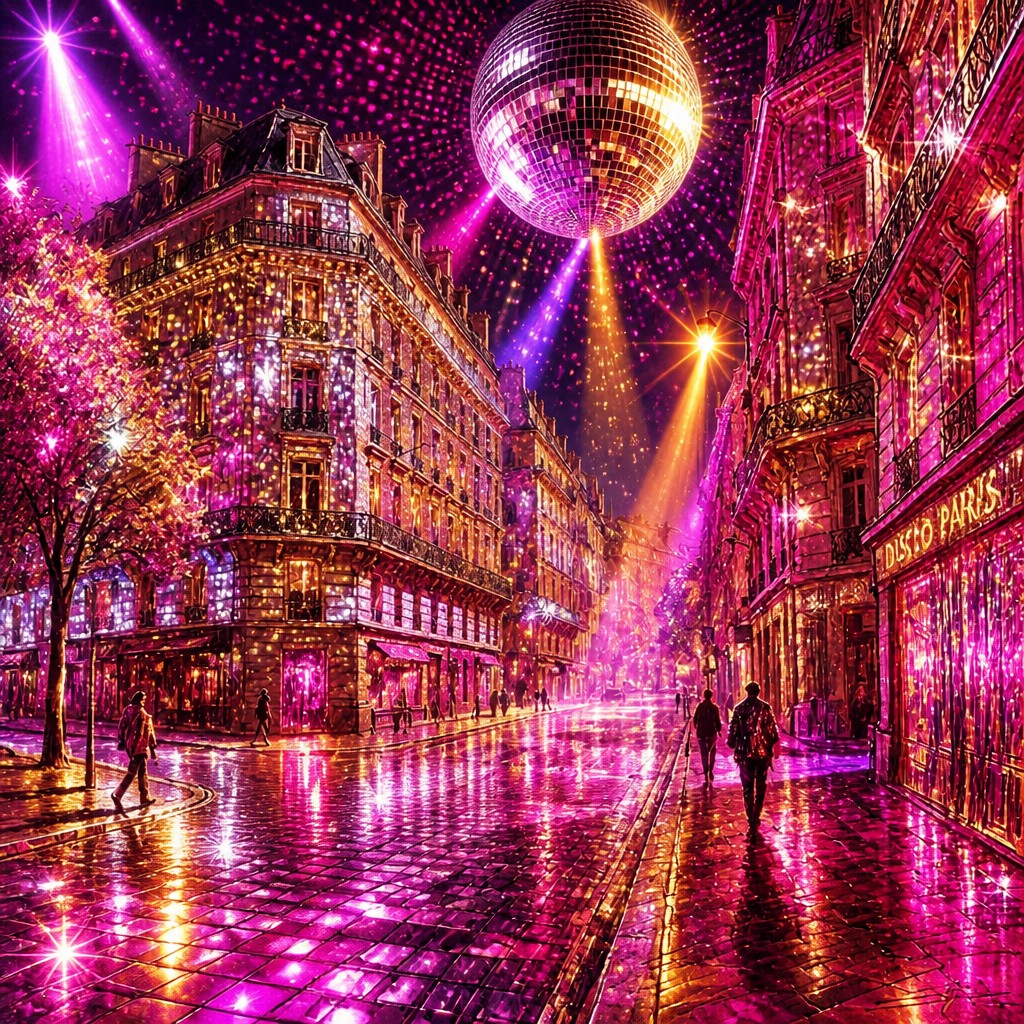
Gold and silver are paired with vivid magenta, violet, cyan, and deep black. The contrast between warm and cool lighting helps create the signature club atmosphere.
Glossy reflections
Floors, sunglasses, costumes, and decorative objects often mirror surrounding light. Reflections make scenes feel polished, dense, and visually active.
Haze and lens flare
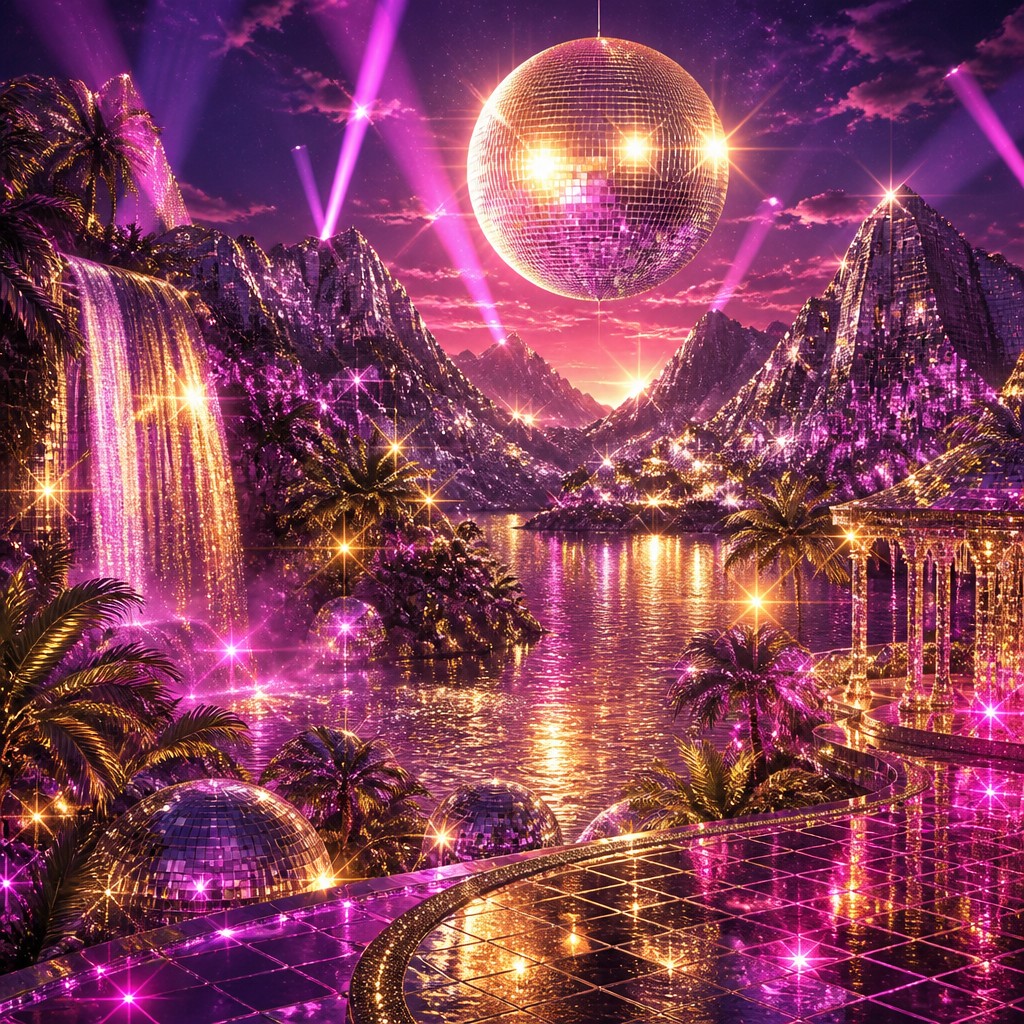
Soft atmospheric bloom diffuses the scene and makes colored lights appear luminous. Flare effects reinforce the sense of a stage or dance floor seen through smoke and motion.
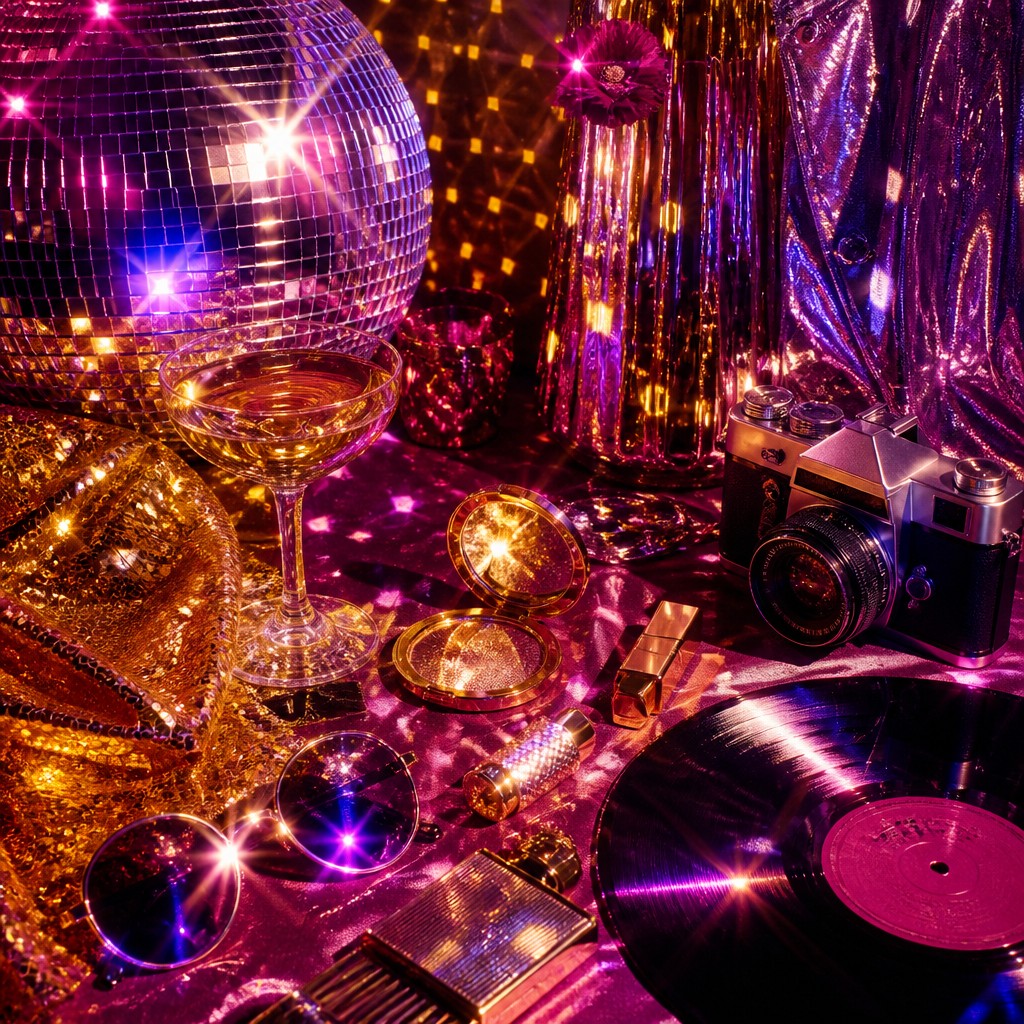
Celebratory glamour
Figures are commonly posed as if mid-dance or entering a spotlight. The style emphasizes performance, fashion, confidence, and festive excess.
Try It
Create Videos in Disco Aesthetic
Styles aren't just for stills — describe a scene or animate an image and get a short video rendered in Disco Aesthetic. Press play to see this pond come to life.
Make a VideoDisco Aesthetic Prompt Ideas
Start from an idea — each one opens the generator with the style ready to go. See all 40 Disco Aesthetic prompts →
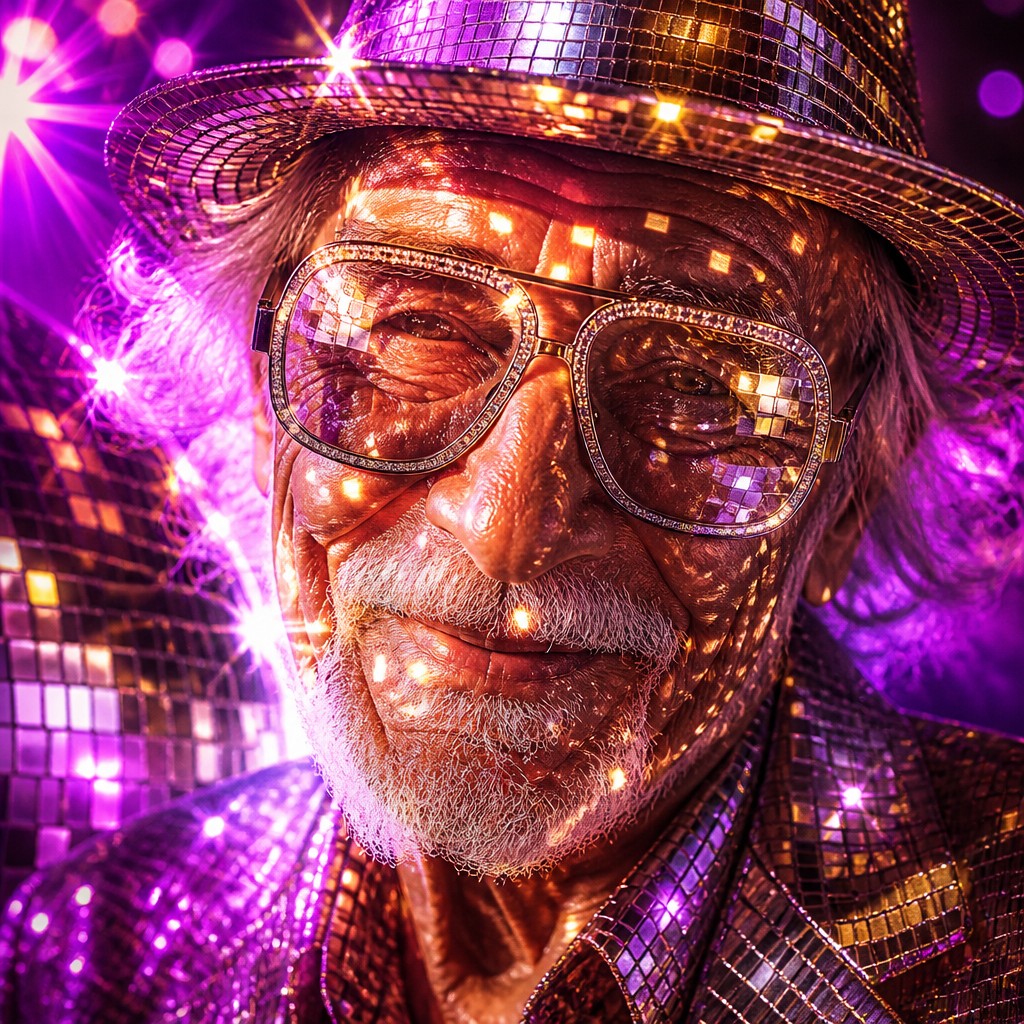
“close-up portrait of an elderly person with expressive weathered features”
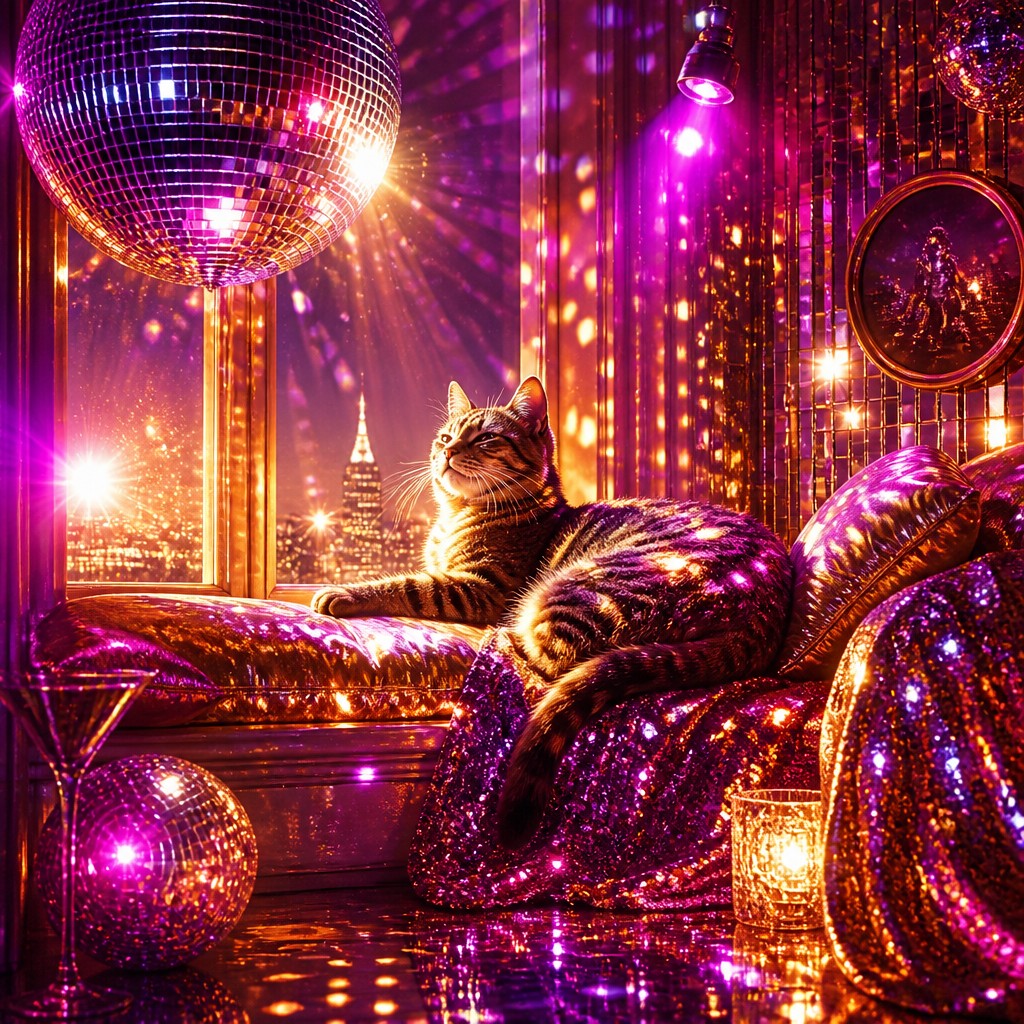
“a cat lounging in a sunlit window”
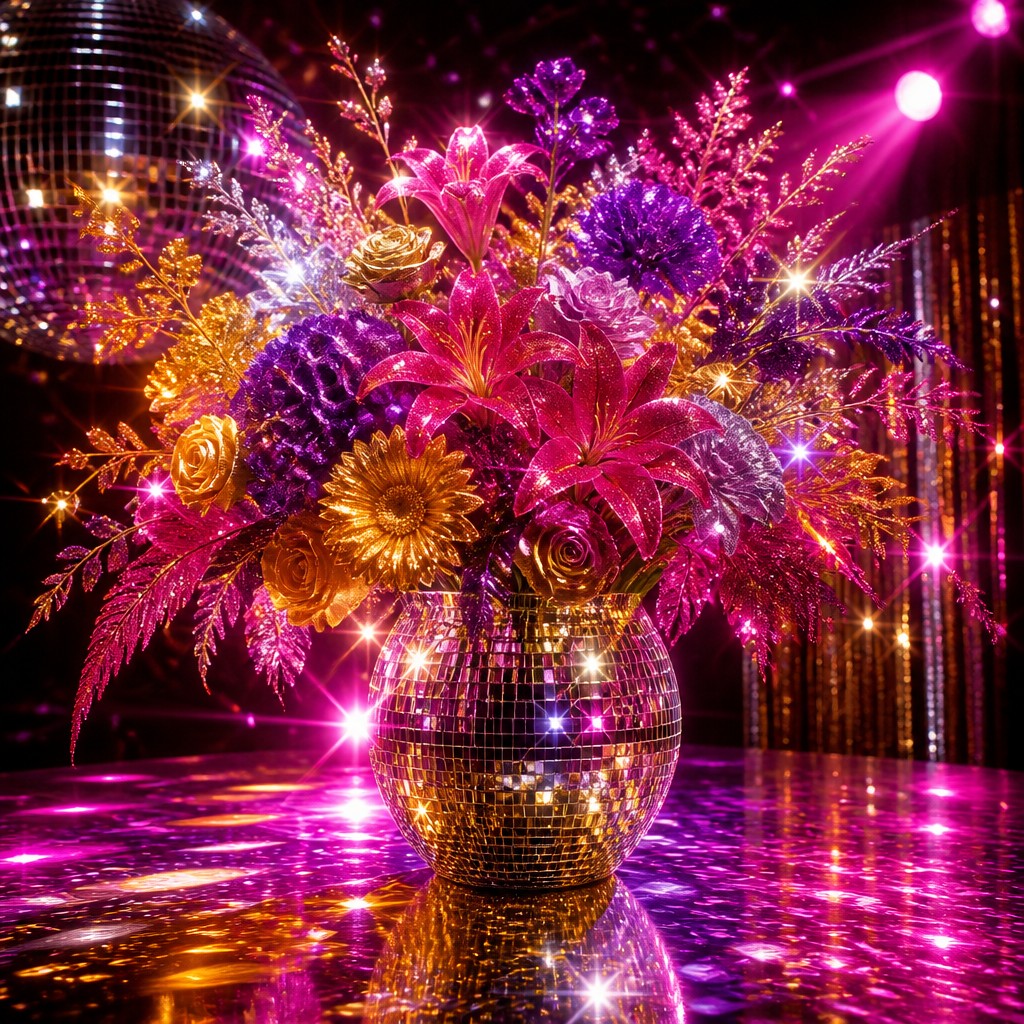
“bouquet of flowers in a glass vase”
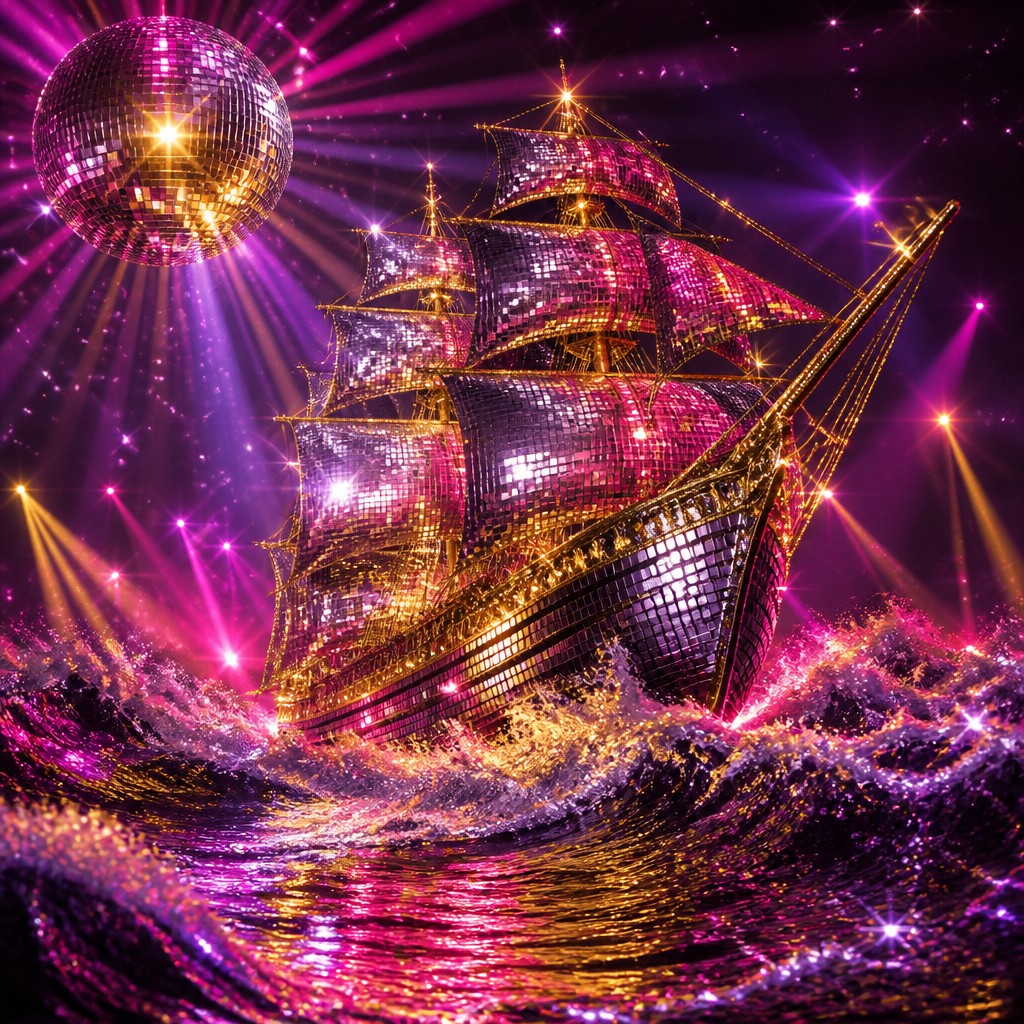
“sailing ship on a stormy sea”
How to Create Disco Aesthetic Art
Master the craft step by step — or skip straight to creating. Read the full guide →
- 1
Build the scene around light sources
Start with a strong central lighting idea: a mirror ball, overhead spotlights, or backlit haze. In traditional work, use layered highlights and reflective accents; in digital work, increase bloom, flare, and specular shine.
- 2
Prioritize reflective materials
Choose fabrics and surfaces that catch light naturally, such as sequins, satin, vinyl, chrome, or glass. Even simple objects can feel disco-like if you render them with crisp highlights and colored reflections.
- 3
Use a saturated but limited palette
Combine metallic neutrals with one or two vivid accent colors, such as magenta and violet or gold and cyan. Too many competing hues can weaken the nightlife glow.
- 4
Add atmospheric softness
A thin layer of haze or bloom helps lights bleed into the surroundings and gives the scene its club-like depth. In photos, this can come from diffused lighting; in illustrations, it can be painted as glowing mist.
- 5
Emphasize motion and performance
Show dancing poses, sweeping gestures, or dynamic compositions that suggest music and movement. For generation prompts, include cues like glittering reflections, sequined outfits, colored spotlights, and glossy dance-floor surfaces.
- 6
Treat sparkle as structure, not decoration
The sparkles should define forms, edges, and focal points rather than sit randomly on top. In image-to-image transformations, preserve the original subject but re-light it with disco reflections, metallic textures, and luminous highlights.

The Story
History & Origins of Disco Aesthetic
Disco aesthetic grew from the visual culture surrounding disco music in the 1970s, especially club interiors, nightlife fashion, dance-floor lighting, and album artwork. Its lineage draws on the mirrored spectacle of discotheques, the rise of synthetic and reflective textiles, and the broader pop culture fascination with glamorized urban nightlife. The look also overlaps with the visual excess of glam rock and the chrome-heavy futurism that accompanied the late twentieth century's fascination with modern entertainment.
As a contemporary aesthetic, disco imagery continues to be revived in fashion editorials, party graphics, music visuals, and nostalgic design. It often appears alongside modern digital rendering because reflective surfaces, glitter, and colored light are easily intensified through post-processing, but the core language remains tied to the original nightlife environments that made disco visually distinctive.
Influences: Disco aesthetic is closely related to 1970s nightlife design, glam rock, and the visual culture of club culture and dance music. It shares a love of theatrical shine with pop art’s attention to surface and spectacle, and it sometimes overlaps with the reflective futurism of late-20th-century design. In fashion and imagery, it echoes the glamour associated with figures such as David Bowie in his glam period and the polished studio imagery of the disco era, though the style itself is broader than any single artist.
Frequently Asked Questions
What defines disco aesthetic in art and design?
It is defined by reflective surfaces, glittering light, sequins, metallic materials, and a nightclub color palette. The look usually combines mirror-ball sparkle with glamorous, high-energy compositions. Haze, bloom, and lens flare are also common because they make the lighting feel immersive.
Is disco aesthetic the same as retro 1970s style?
Not exactly. Retro 1970s style can include many different looks, while disco aesthetic is specifically tied to nightlife glamour, dance floors, and polished reflective surfaces. It is a narrower visual language centered on shine, performance, and festive light.
What colors work best in disco-inspired images?
Metallic gold and silver are essential, often paired with magenta, purple, blue, cyan, and black. Strong contrast helps the highlights stand out and makes the scene feel lit by moving club lights. Warm and cool tones together create the classic disco glow.
How do I make a photo look more disco?
Add mirrored highlights, glitter overlays, colored spotlights, and reflective surfaces. You can also increase contrast on shiny areas, soften the background with haze, and introduce sequined or metallic textures in clothing and props. The goal is to make the image look like it is being lit on a dance floor.
Where is disco aesthetic commonly used?
It appears in music visuals, fashion editorials, event graphics, album art, party invitations, and nostalgic branding. It is also popular in editorial photography and digital illustration because it instantly signals celebration and nightlife. The style works especially well for subjects that benefit from glamour and motion.
What makes disco aesthetic different from cyberpunk or neon noir?
Disco aesthetic is warmer, more celebratory, and more fashion-forward than cyberpunk or neon noir. Those styles often emphasize urban grit, technology, or moodiness, while disco focuses on sparkle, dance, and luxury. The shine in disco is festive rather than dystopian.
Create your first Disco Aesthetic artwork
Describe anything — or upload a photo — and see it in Disco Aesthetic in seconds.
Make Something with Disco Aesthetic
Related Styles
Discover similar art styles