Coquette Aesthetic
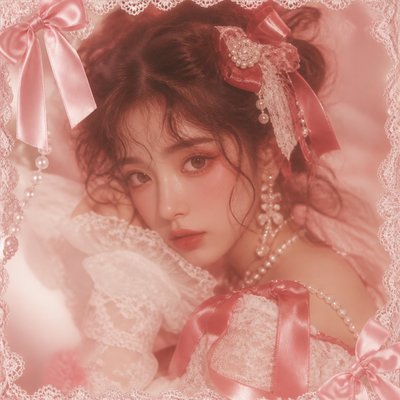
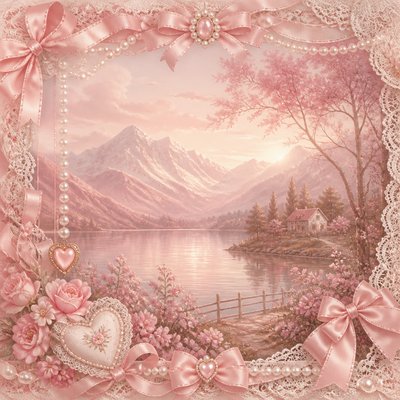
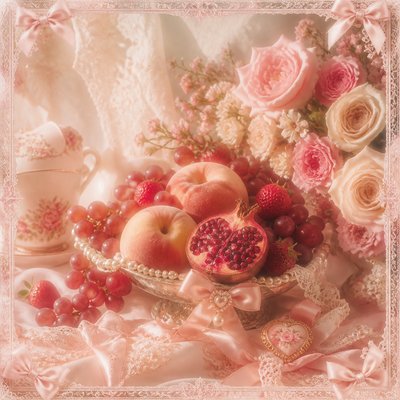
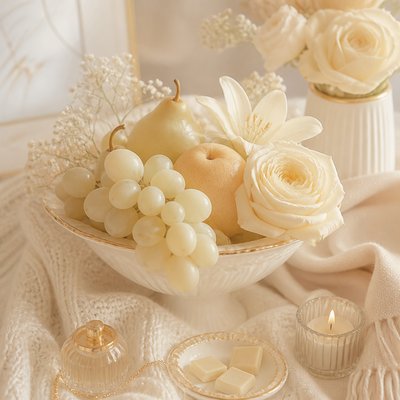
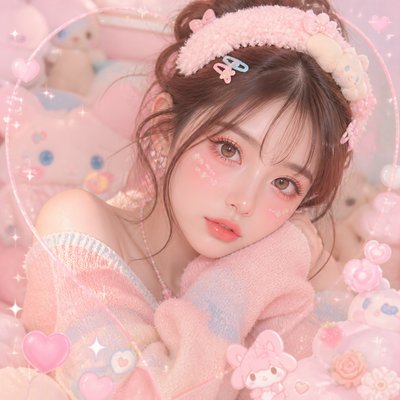
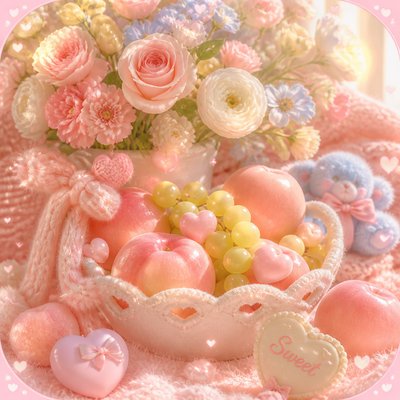
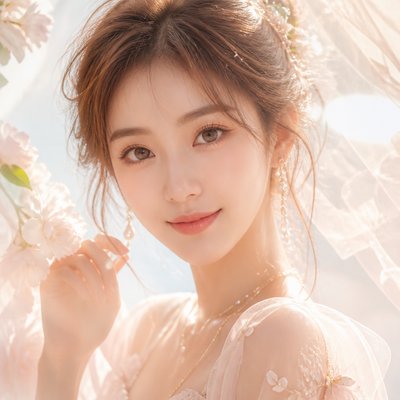
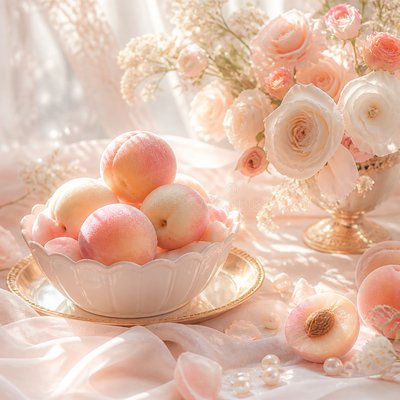
Coquette aesthetic: a hyper-feminine style of ribbons, lace, pearls, blush pink, and vintage romance with a soft, dreamy finish.
Instantly rendered in Coquette Aesthetic — or transform a photo
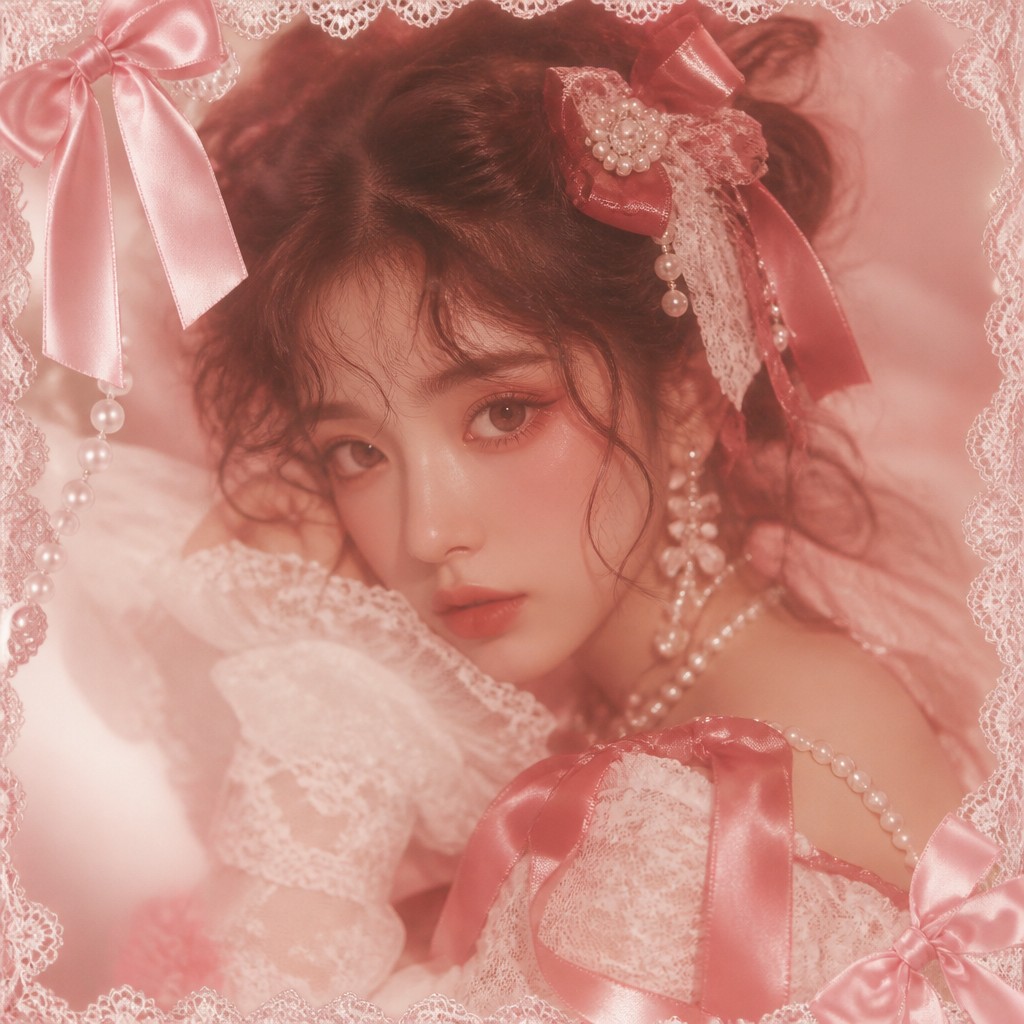
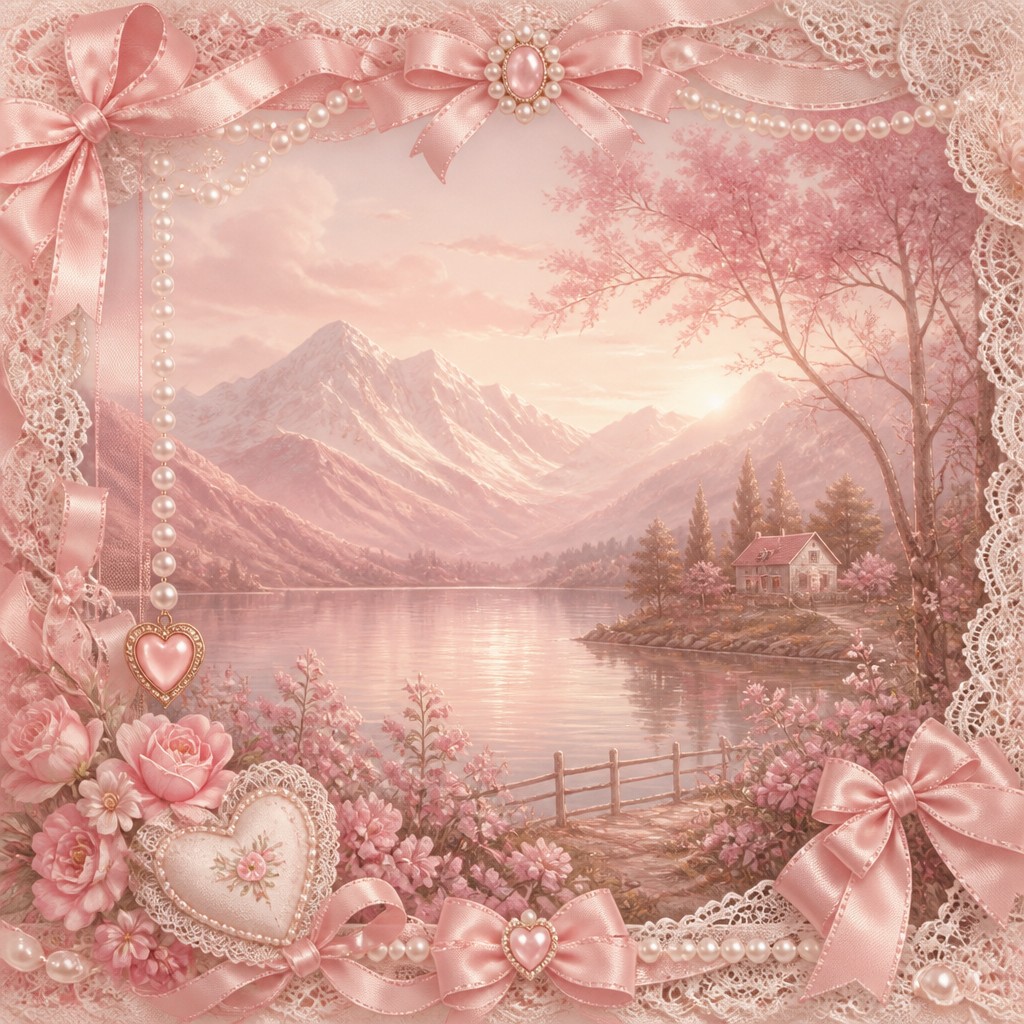
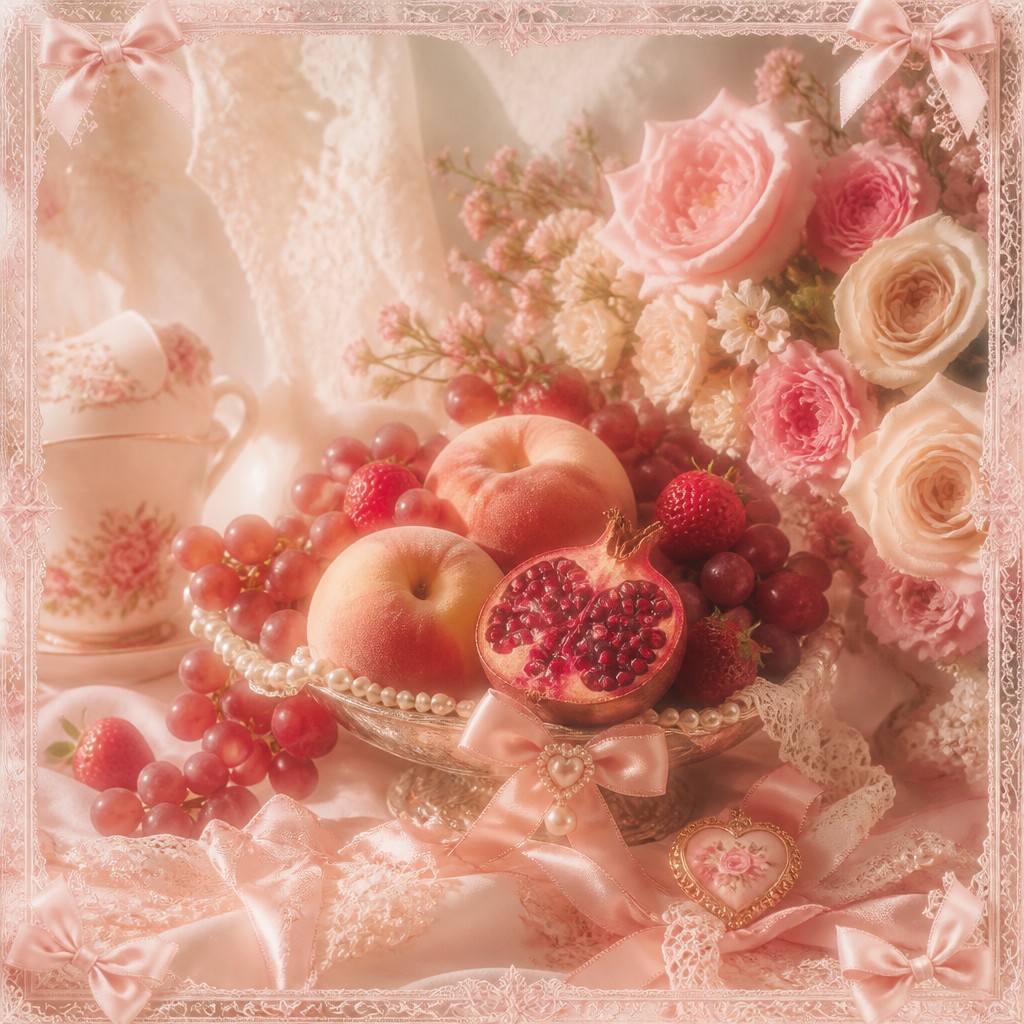
Coquette Aesthetic Gallery
Tap any artwork to explore it
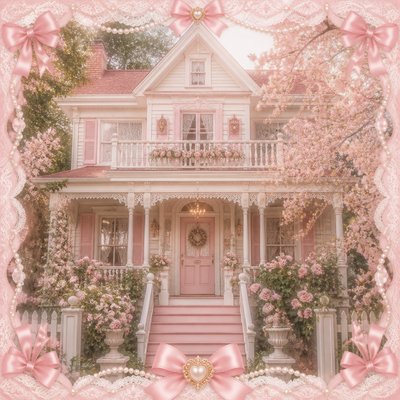
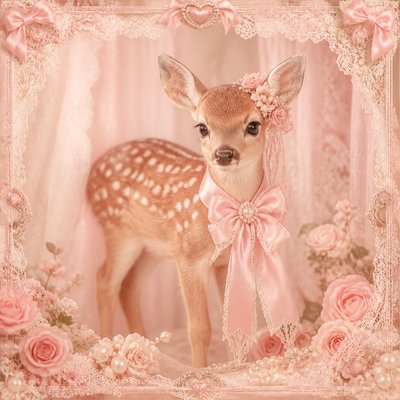
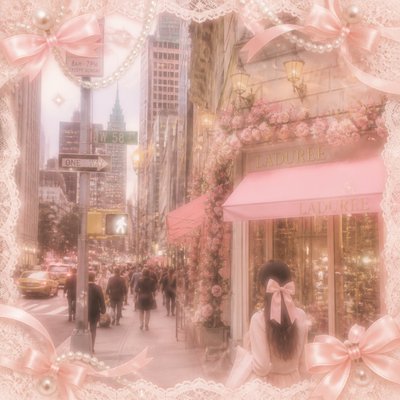
What is Coquette Aesthetic?
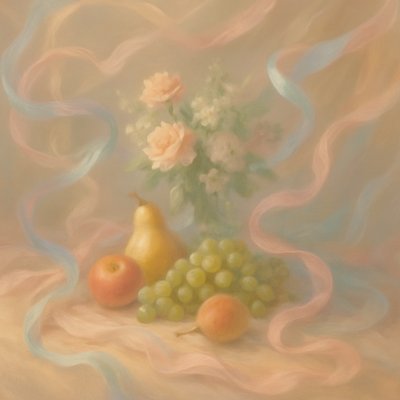
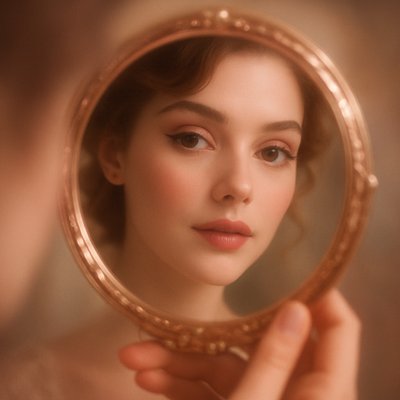
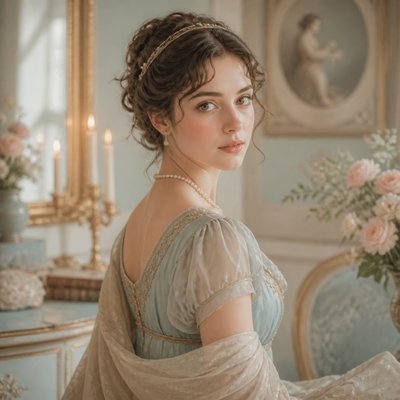
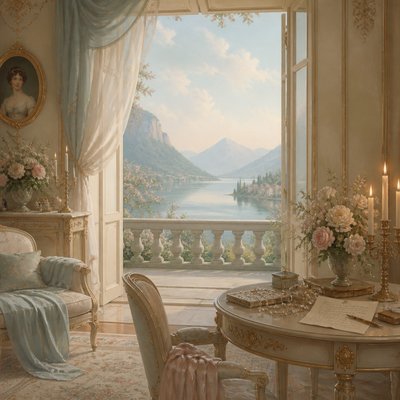
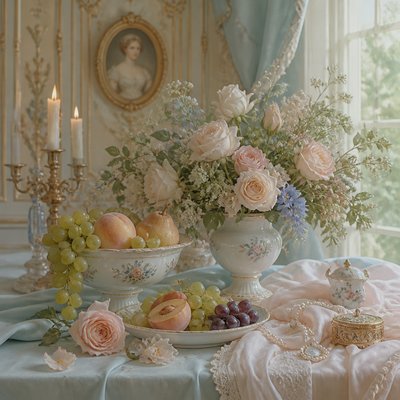
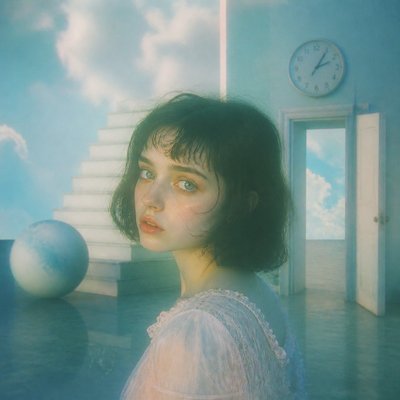
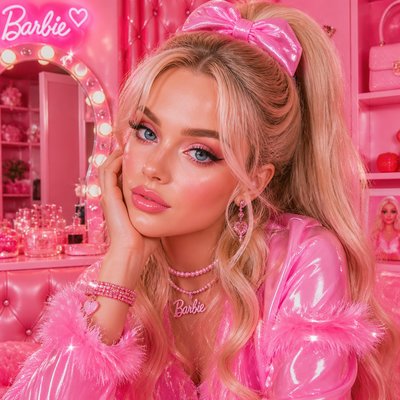
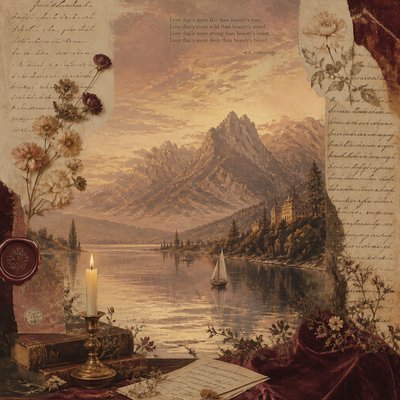
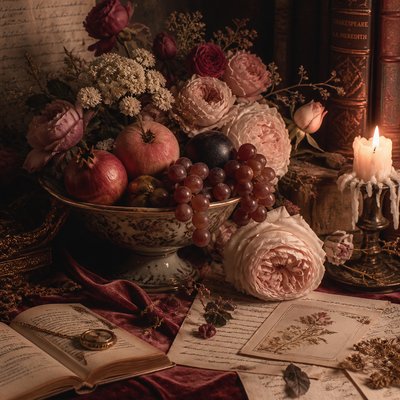
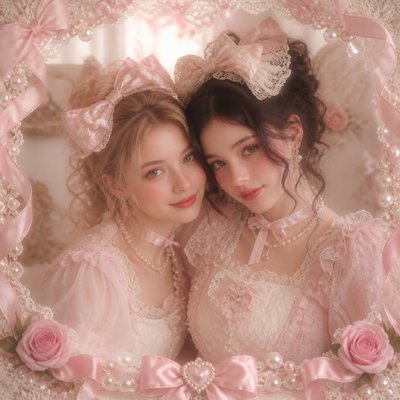
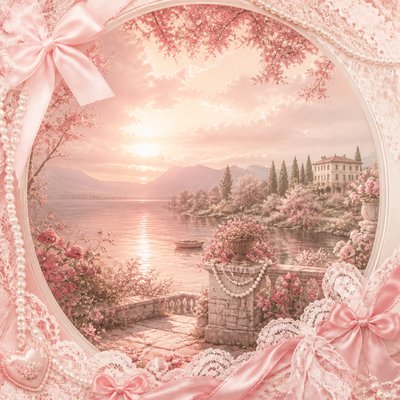
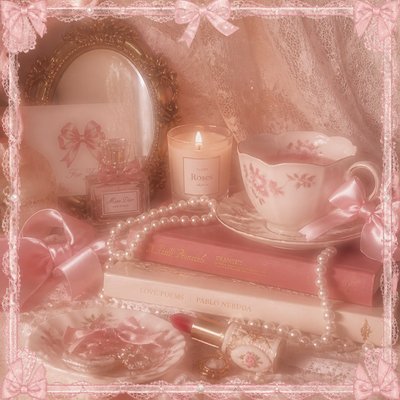
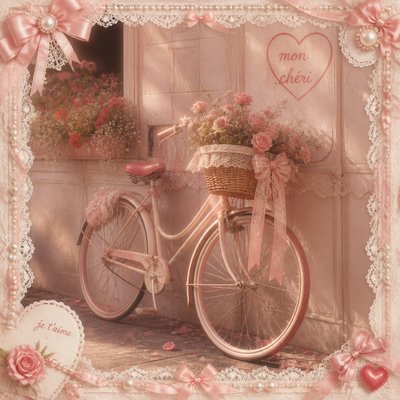
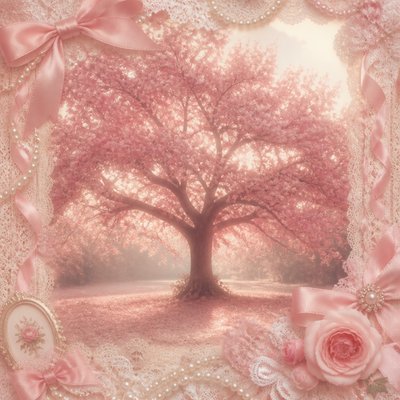
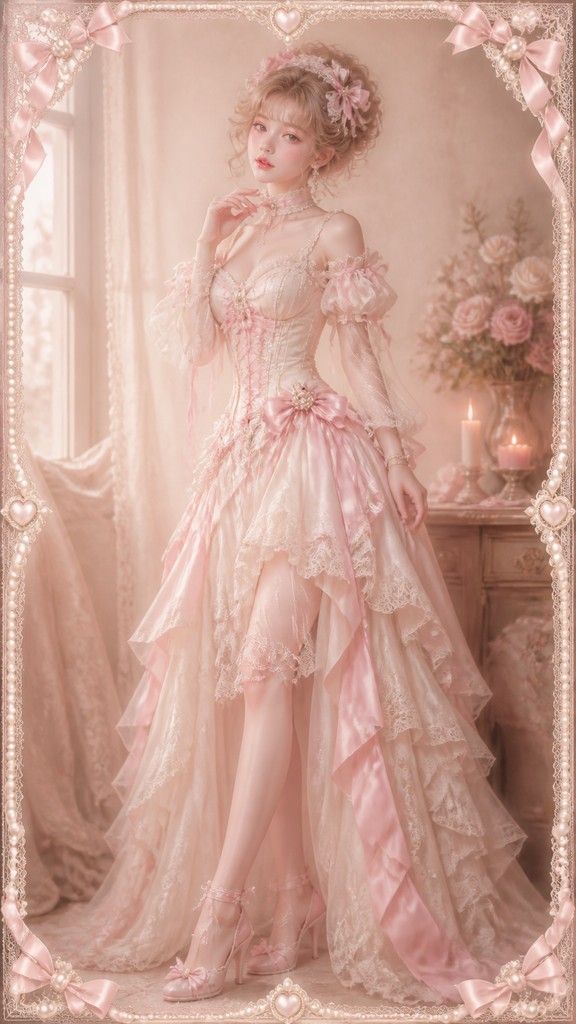
Coquette aesthetic is a contemporary visual style built around hyper-feminine softness, ornamental detail, and a nostalgic sense of romance. Its most recognizable elements are ribbons, lace, pearls, bows, blush pink tones, cream neutrals, and small decorative accents that suggest delicacy rather than extravagance. The look often feels intimate and curated, with an emphasis on satin sheen, frills, soft-focus lighting, and a polished but slightly vintage mood.
The style’s appeal comes from the way it combines innocence and flirtation with old-fashioned dressing cues. It borrows from historical feminine fashion, bedroom and vanity imagery, and the visual language of vintage romance photography, but it is not a fixed historical movement. Instead, it is an internet-era aesthetic: a recombination of fashion, beauty, and decorative traditions into a highly recognizable mood of sweetness, softness, and theatrical femininity.
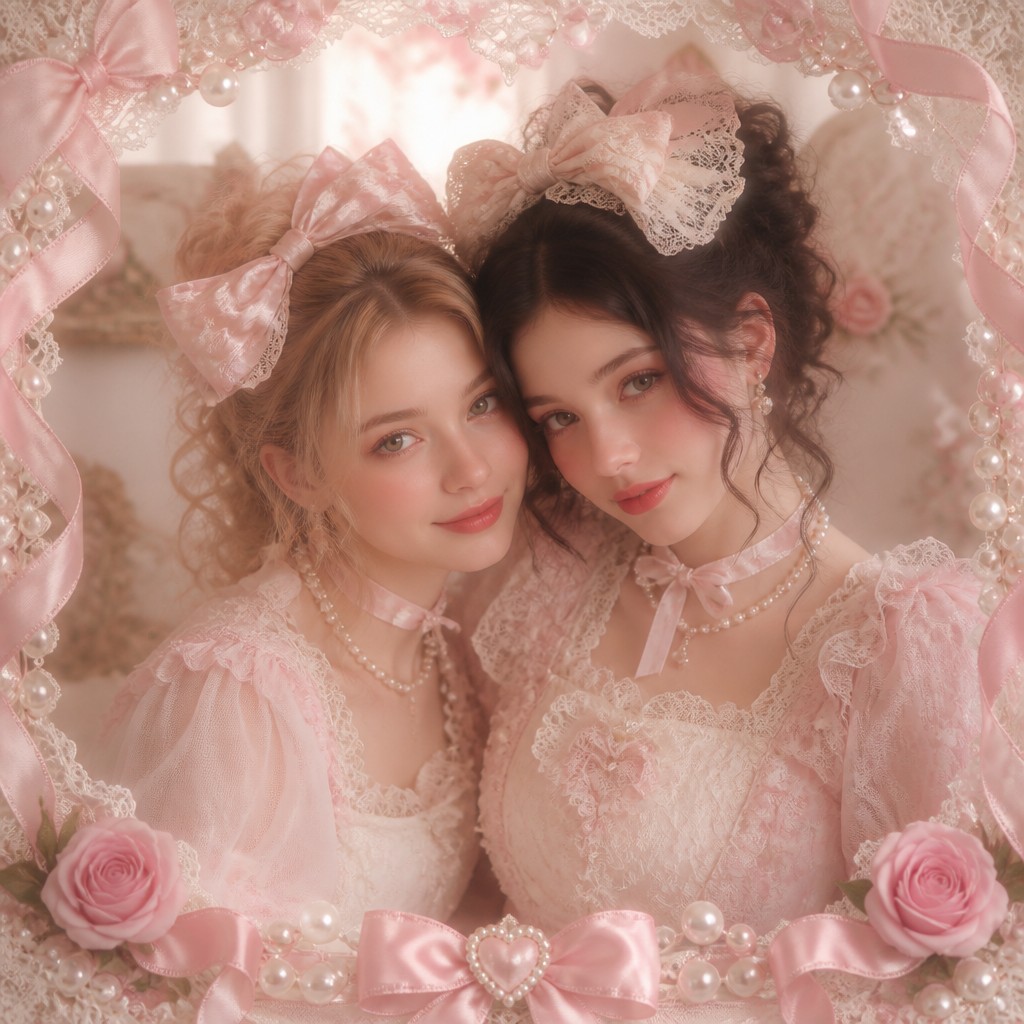
Try It On Your Photos
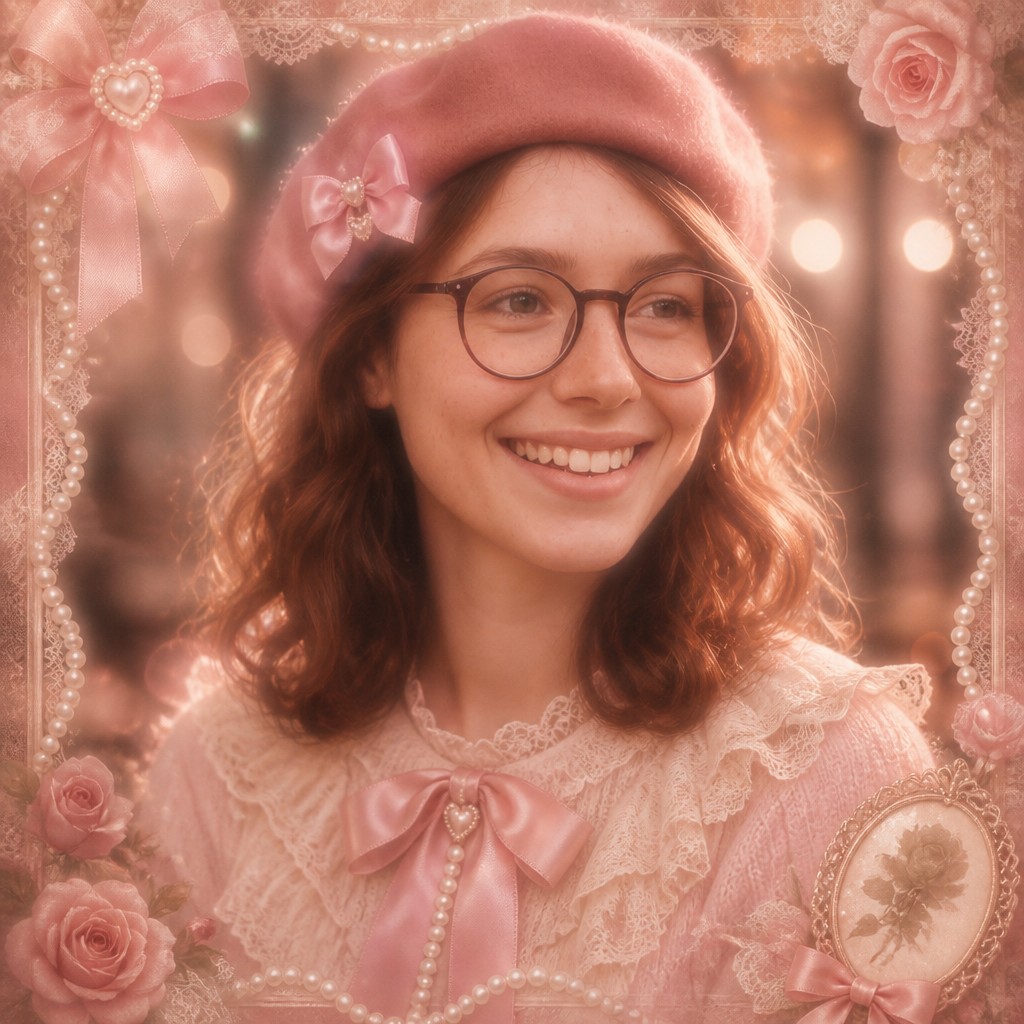
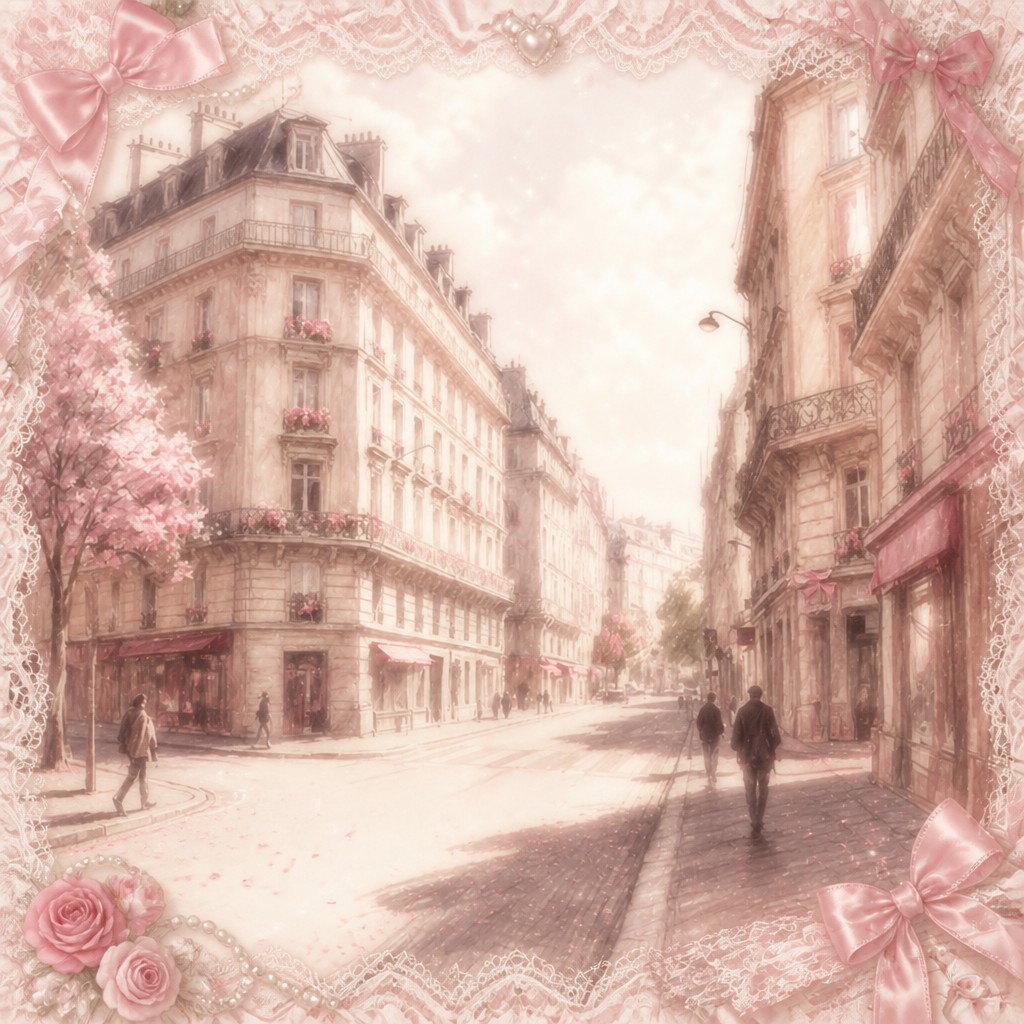
Upload any photo and convert it into Coquette Aesthetic — drag the sliders to compare before and after.


What Defines Coquette Aesthetic
The signature details, up close
Blush-centered palette
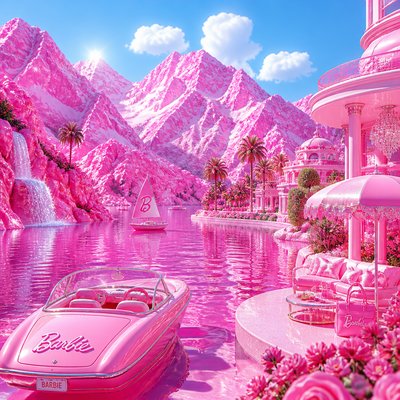
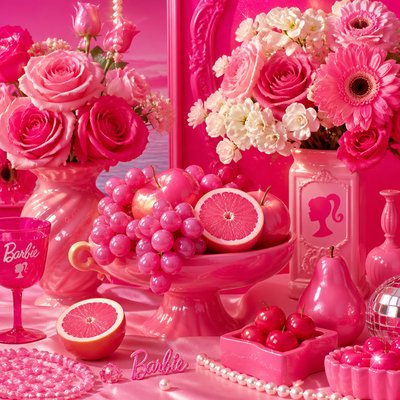
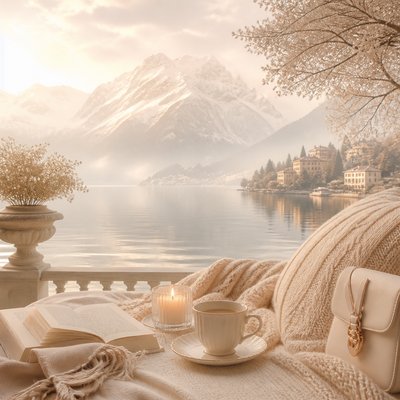
The palette typically uses blush pink, cream, soft red, and muted whites. Colors are often low-contrast and airy, creating a gentle, romantic atmosphere rather than a saturated one.
Ribbons and bows
Ribbons are a core motif, appearing in hair, clothing, packaging, and framing details. Bows signal sweetness and ornament, and they often function as the style’s most immediately recognizable signifier.
Lace, satin, and soft textures
Materials are chosen for their tactile delicacy: lace, satin, chiffon, and velvet are common references. These textures help the image feel luxurious, fragile, and softly feminine.
Pearls and jewelry accents
Pearls, heart-shaped charms, petite earrings, and dainty necklaces are frequent accessories. They reinforce the style’s polished, vintage-influenced elegance without making it visually heavy.
Dreamy lighting and soft focus
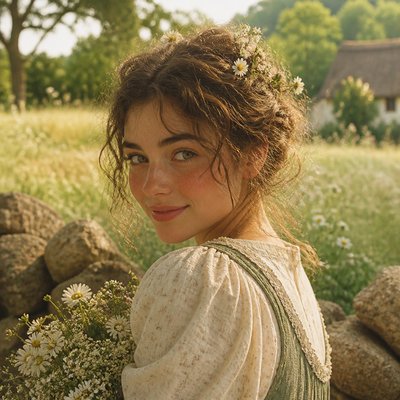
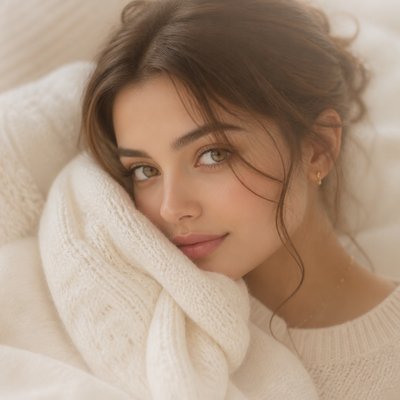
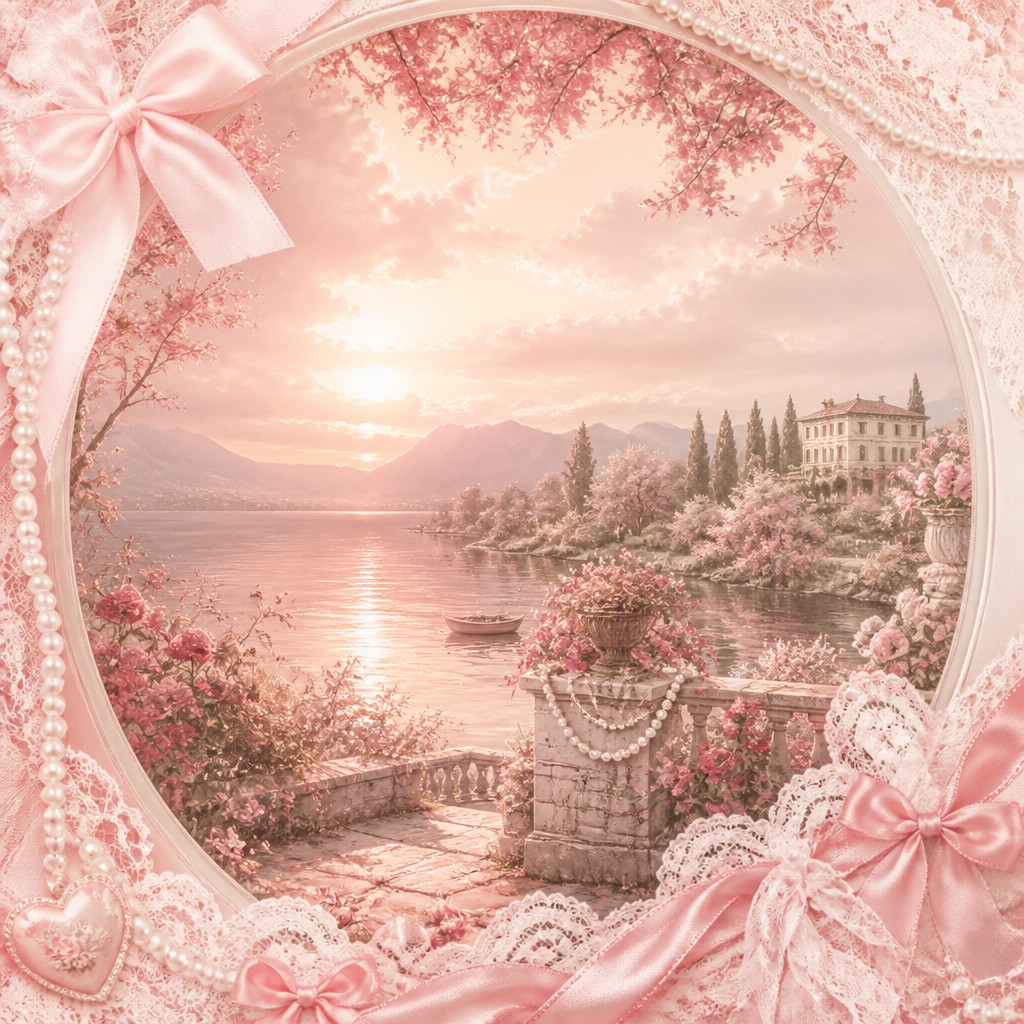
Images often use glow, bloom, haze, or diffusion to reduce hard edges. The effect makes the scene feel nostalgic, intimate, and almost cinematic in its softness.
Vintage-inflected romance
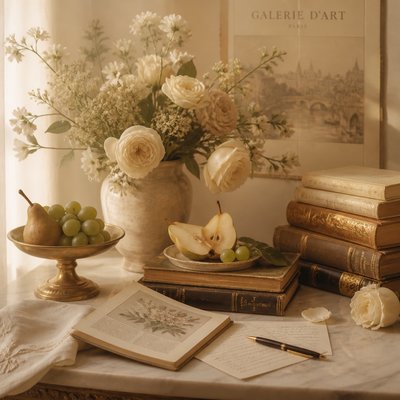
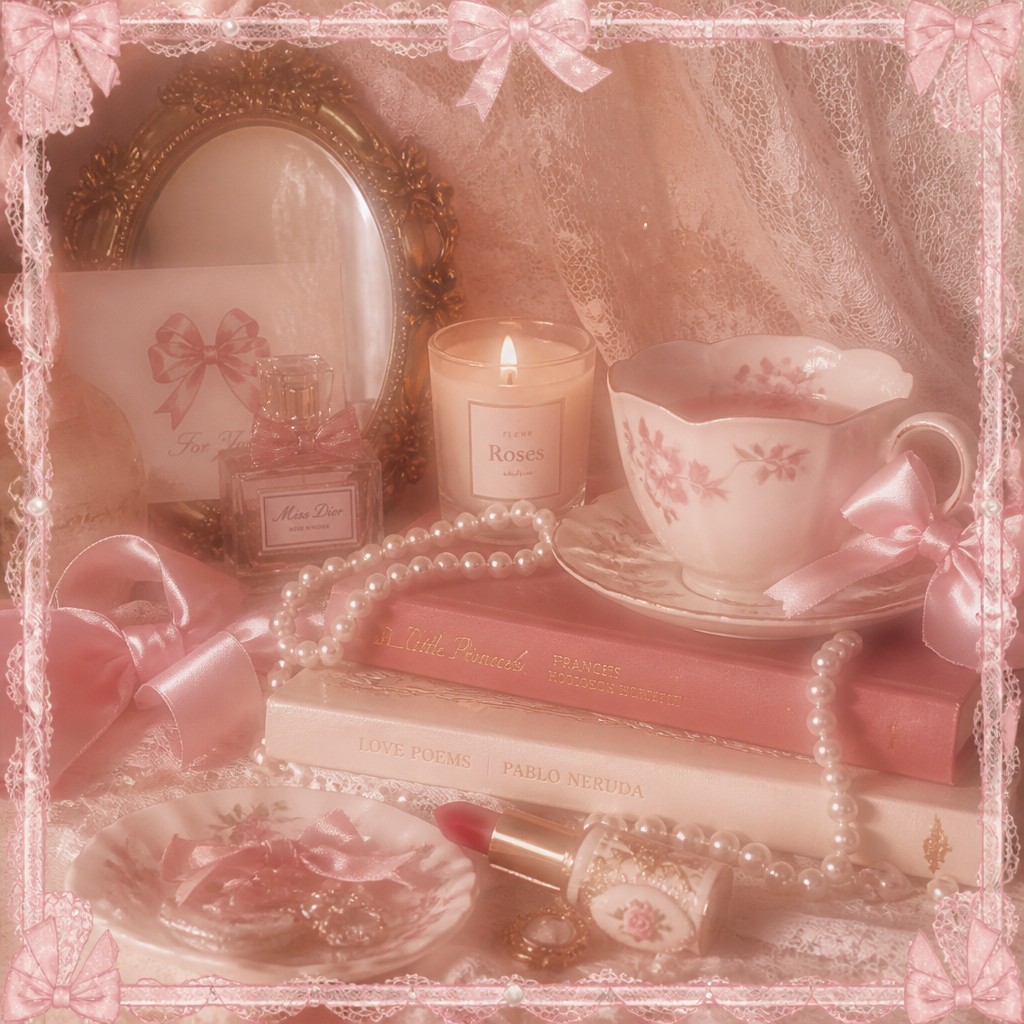
The style often borrows from old photograph poses, antique dressing-table objects, corsetry, and heirloom details. These cues give it a historical wink while keeping the overall look contemporary.
Try It
Create Videos in Coquette Aesthetic
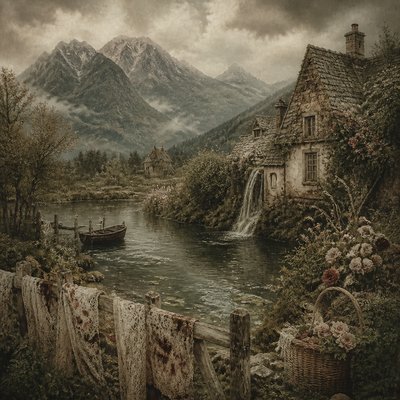
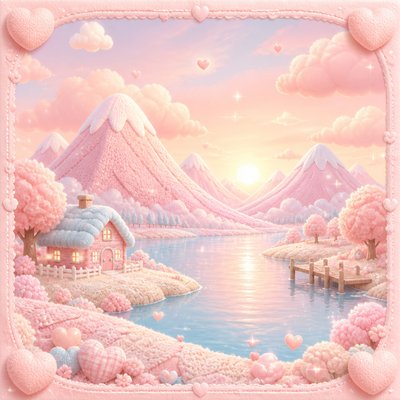
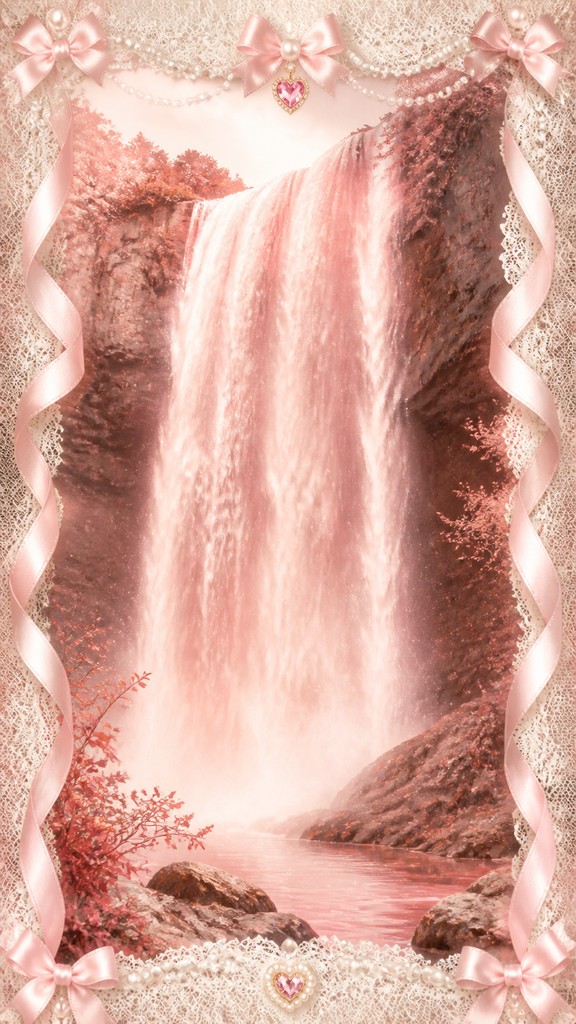
Styles aren't just for stills — describe a scene or animate an image and get a short video rendered in Coquette Aesthetic. Press play to see this pond come to life.
Make a VideoCoquette Aesthetic Prompt Ideas
Start from an idea — each one opens the generator with the style ready to go. See all 40 Coquette Aesthetic prompts →
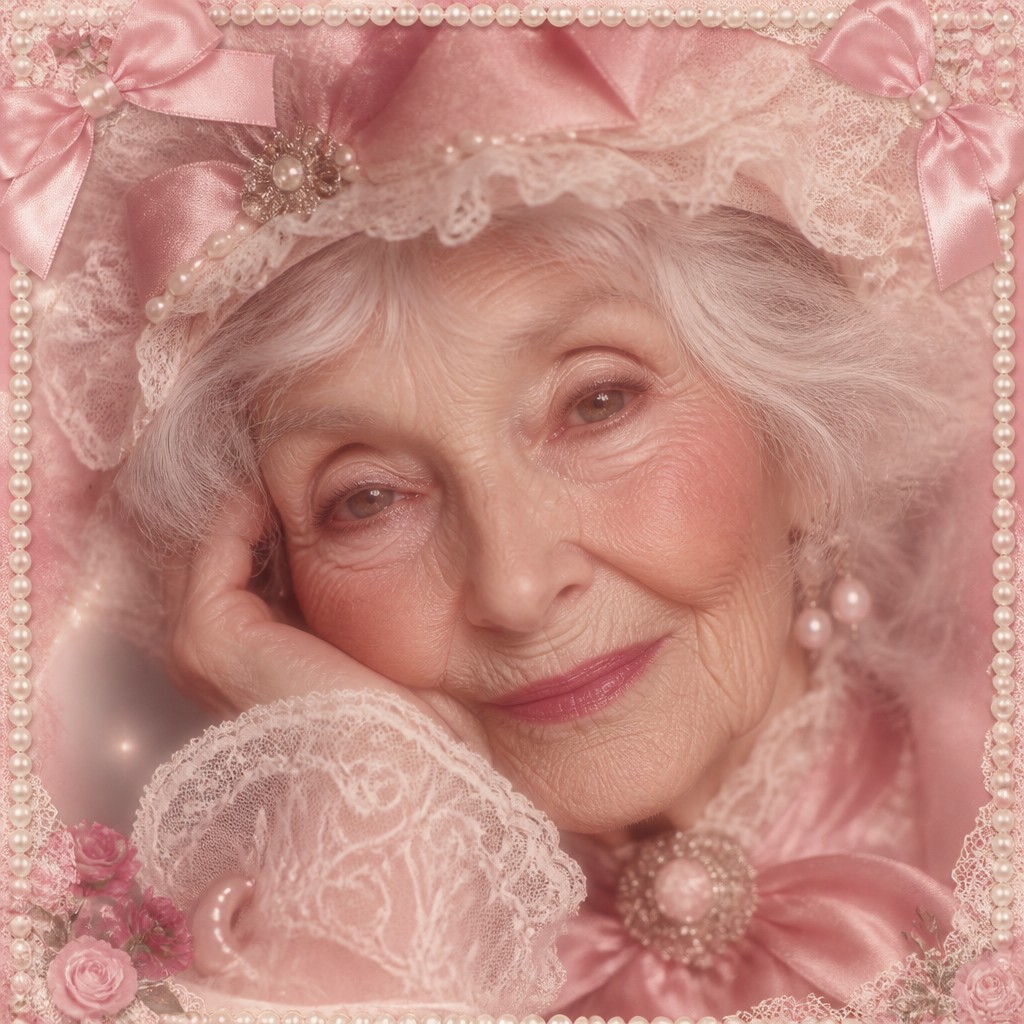
“close-up portrait of an elderly person with expressive weathered features”
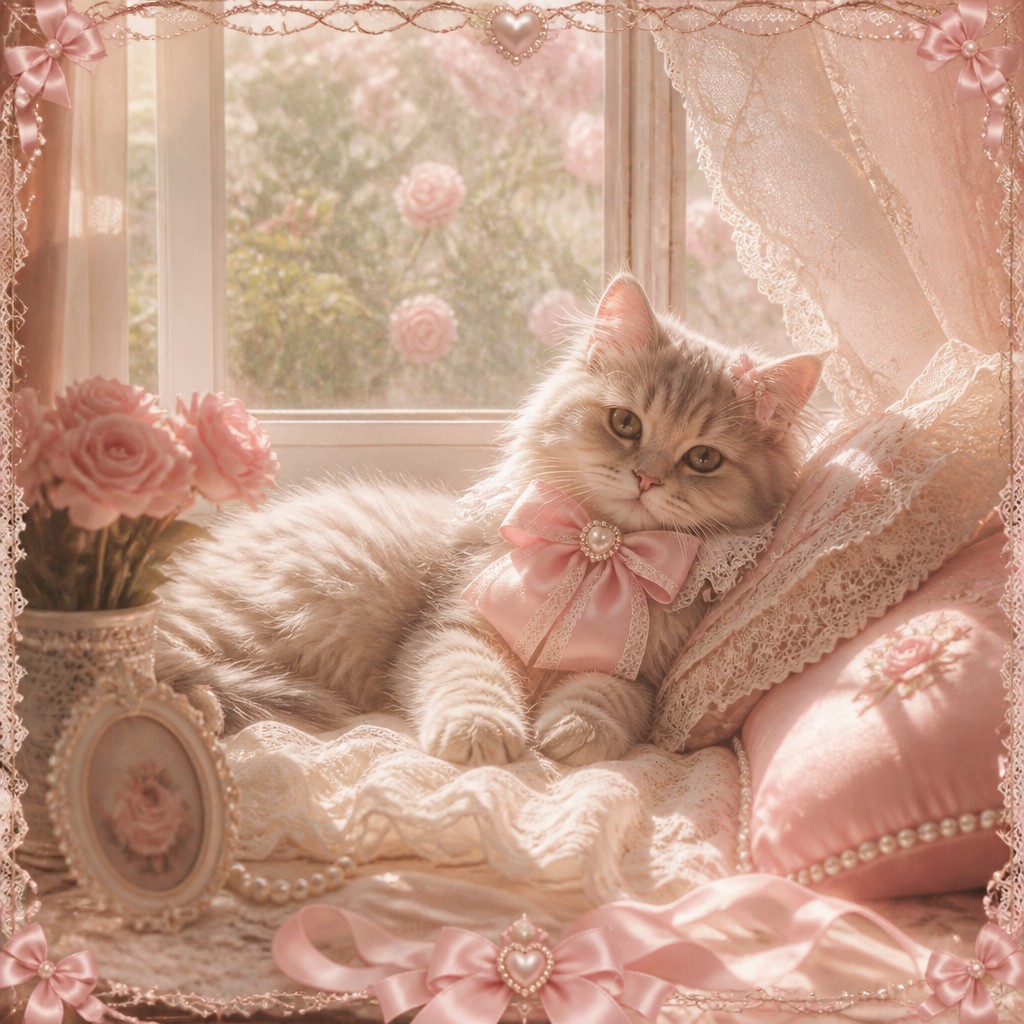
“a cat lounging in a sunlit window”
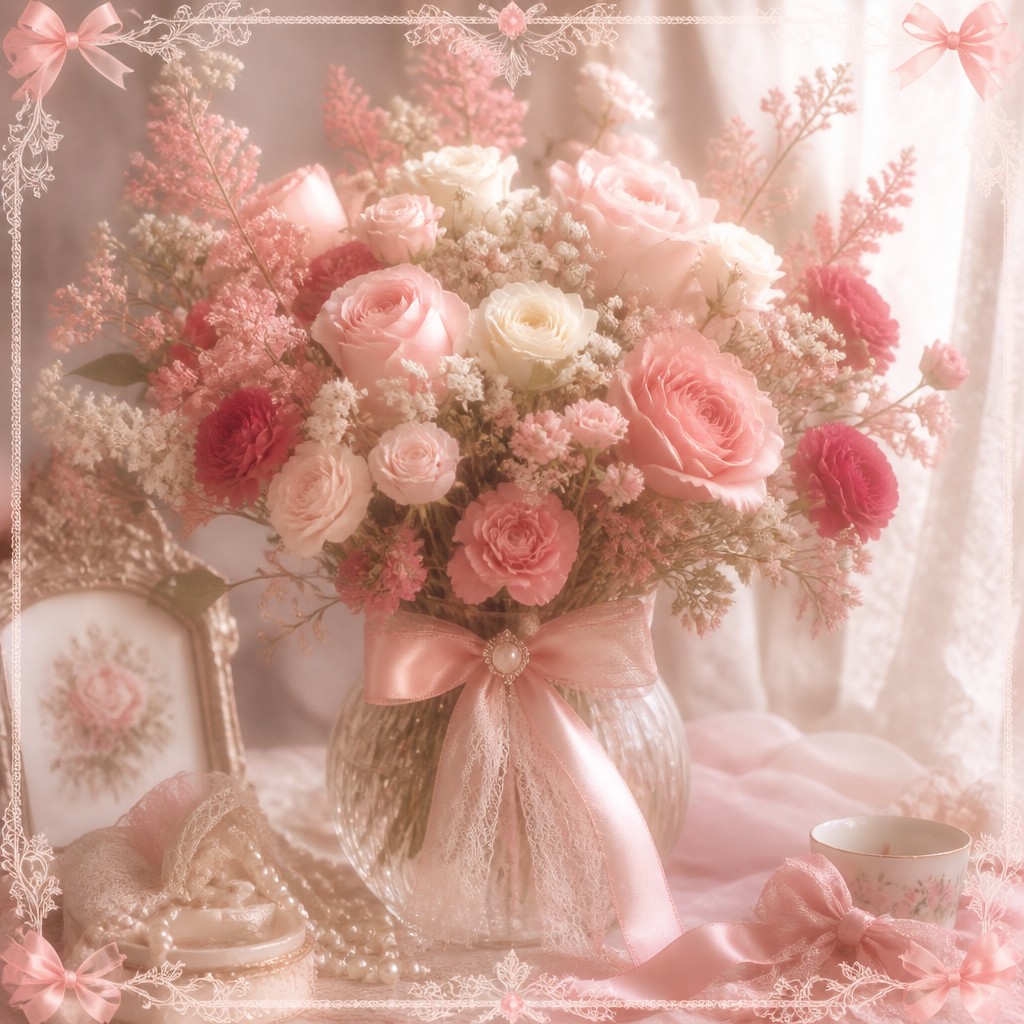
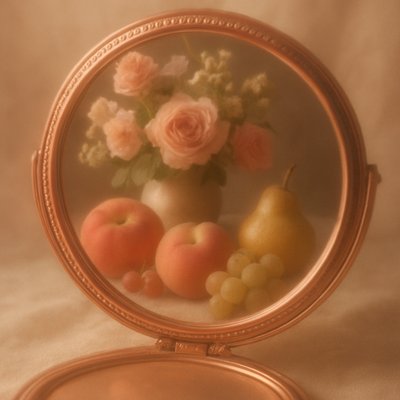
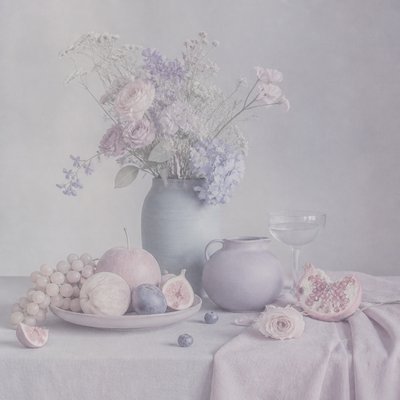
“bouquet of flowers in a glass vase”
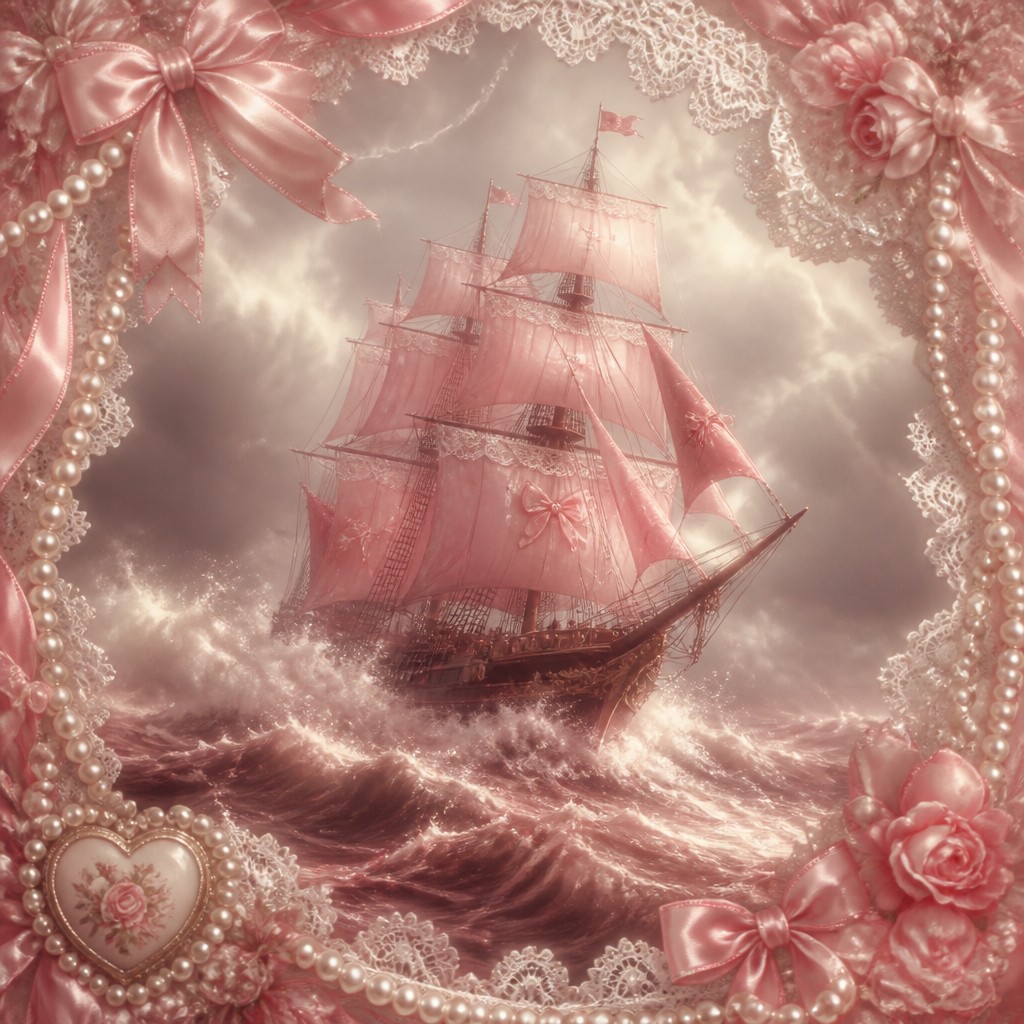
“sailing ship on a stormy sea”
How to Create Coquette Aesthetic Art
Master the craft step by step — or skip straight to creating. Read the full guide →
- 1
Build the palette first
Start with blush pink, cream, ivory, and restrained soft red, then add only a few accent tones. Keep contrast gentle so the composition feels light, delicate, and cohesive rather than busy.
- 2
Use ornamental layering
Add ribbons, bows, lace trims, pearls, and small floral or heart motifs as layered details. In traditional media, these can be drawn with fine linework and soft shading; in digital work, use textured brushes and subtle highlights to suggest satin and tulle.
- 3
Soften edges and lighting
Apply bloom, glow, haze, or a slightly diffused lens effect to keep the image dreamy. Avoid harsh shadows unless they are very controlled, because the style relies on tenderness and visual softness.
- 4
Reference feminine vintage cues
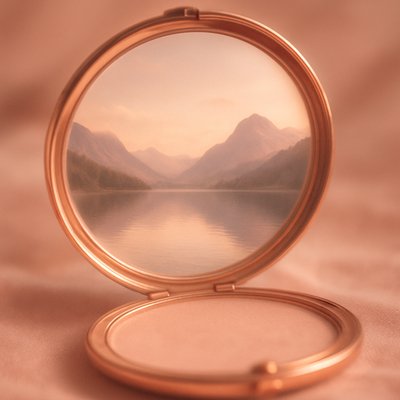
Include objects such as vanity mirrors, perfume bottles, satin gloves, antique frames, or old-fashioned portrait poses. These details help ground the aesthetic in recognizable romantic traditions rather than generic pastel design.
- 5
Keep the composition curated and intimate
Use close framing, symmetrical arrangements, and graceful negative space so the scene feels carefully styled. In image prompts, specify the subject clearly and add cues like lace textures, pearl accents, and soft-focus lighting to steer the result.
- 6
Prompt for material specificity
When generating or painting, describe the exact materials and finishes you want: satin sheen, lace trim, pearl buttons, ribbon ties, and creamy fabric folds. Specific material language produces a more convincing result than relying on color alone.
The Story
History & Origins of Coquette Aesthetic
Coquette aesthetic is not a formal art-historical movement with a single origin point. It developed online through fashion and mood-board culture, drawing on recurring motifs from 19th-century romantic dress, mid-20th-century glamour, ballet-inspired styling, and the long visual tradition of feminine adornment. The term “coquette” itself historically refers to flirtatious self-presentation, and the aesthetic translates that idea into visual form through bows, lace, pearls, and pastel color harmony.
Its lineage also includes Victorian and Rococo taste for ornament, the soft lighting and portrait conventions of vintage studio photography, and the decorative excess of contemporary fashion subcultures. In the digital era, the style became especially identifiable through social media images, outfit curation, bedroom decor, stationery, and beauty imagery that compresses these references into a consistent visual code. Rather than representing one era, it is a synthesis of many feminine visual traditions reframed for present-day internet culture.
Influences: Coquette aesthetic draws from Rococo ornament, Victorian femininity, vintage fashion imagery, and the soft glamour of mid-century portrait photography. It also overlaps with balletcore, cottagecore, and the decorative side of fashion illustration, while sharing visual tendencies with artists and designers who emphasized elegance and surface beauty rather than strict realism. For real historical touchstones, its ornamental impulse can be compared to Rococo painting and decor associated with François Boucher and Jean-Honoré Fragonard, though coquette is a modern internet aesthetic rather than a direct continuation of their work.
Frequently Asked Questions
What defines the coquette aesthetic?
It is defined by hyper-feminine ornament: ribbons, bows, lace, pearls, blush tones, and a soft romantic mood. The style usually feels delicate, nostalgic, and intentionally pretty, with a vintage wink rather than a literal historical costume.
Is coquette the same as balletcore or cottagecore?
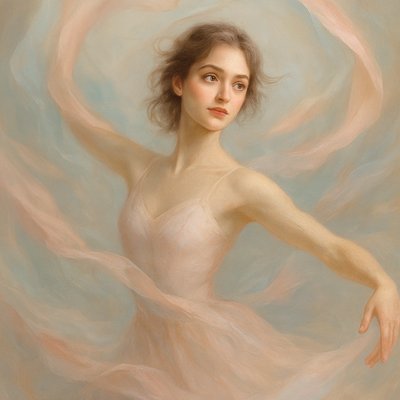
No, though there is overlap. Balletcore emphasizes dancewear, practice-room minimalism, and movement, while cottagecore centers rural softness and natural motifs. Coquette is more decorative, more explicitly feminine, and more focused on dressing-table glamour, lace, and flirtatious details.
What colors work best in this style?
Blush pink, cream, ivory, soft red, pale rose, and muted neutrals are the most typical choices. A restrained palette helps the ornamental details stand out without becoming visually noisy.
What subjects are common in coquette imagery?
Portraits, vanity scenes, lingerie-inspired fashion, perfume bottles, ribbons, flowers, cakes, stationery, and bedroom decor are common subjects. Any object can fit the style if it is framed with softness, sweetness, and vintage feminine cues.
How do I make a photo look coquette?
Use soft lighting, gentle color grading, and decorative props such as ribbons, pearls, lace, or flowers. Reduce contrast, add a slight glow, and choose clothing or accessories with satin, frills, or bow details.
Where is coquette aesthetic used?
It is common in fashion, beauty branding, social media mood boards, editorial imagery, packaging, stationery, and bedroom decor. It also translates well to illustration and digital art because its visual language is built from clear, repeatable motifs.
Create your first Coquette Aesthetic artwork
Describe anything — or upload a photo — and see it in Coquette Aesthetic in seconds.
Make Something with Coquette Aesthetic
Related Styles
Discover similar art styles