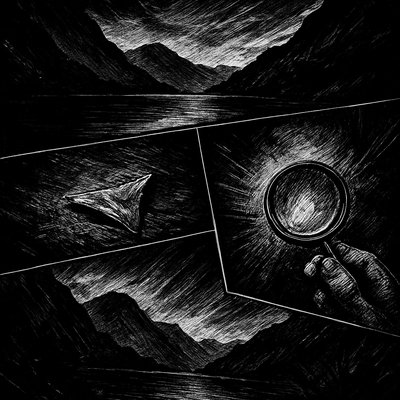
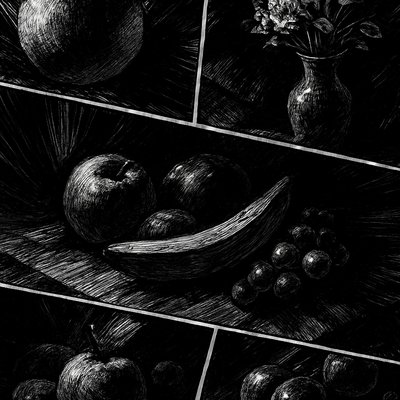
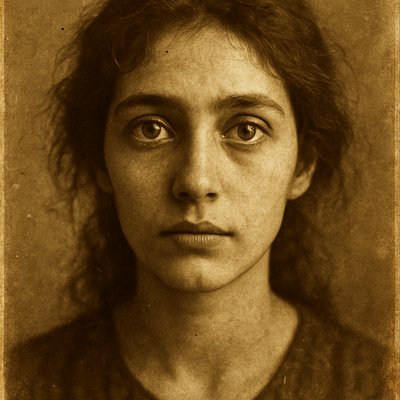
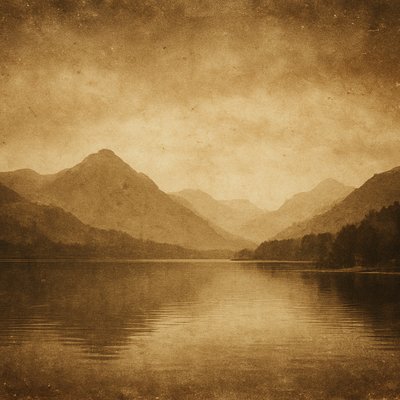
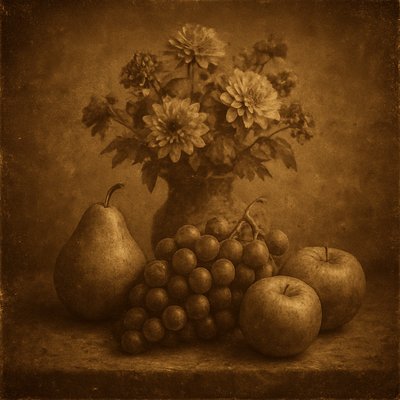
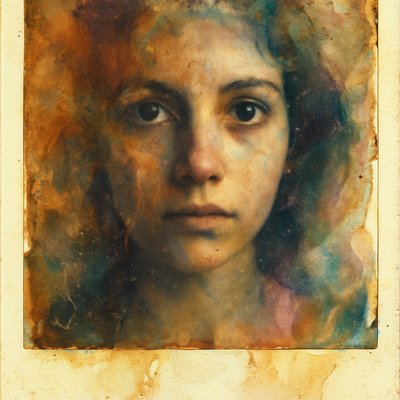
Film Noir Aesthetic
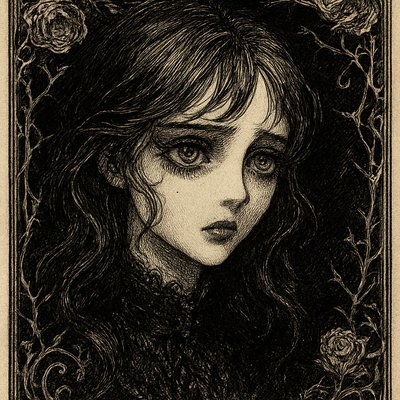
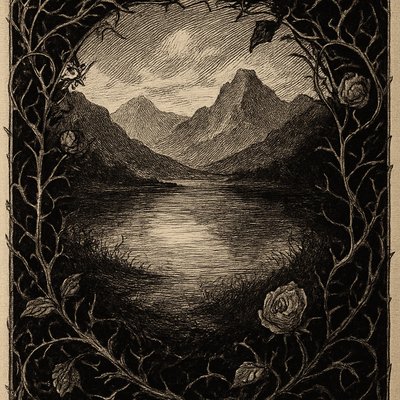
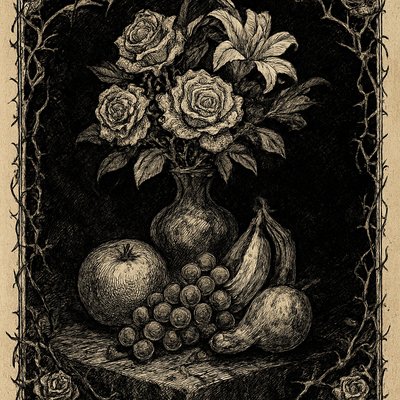
Hard shadows, wet streets, and smoky black-and-white drama define this moody cinematic style.
Instantly rendered in Film Noir Aesthetic — or transform a photo
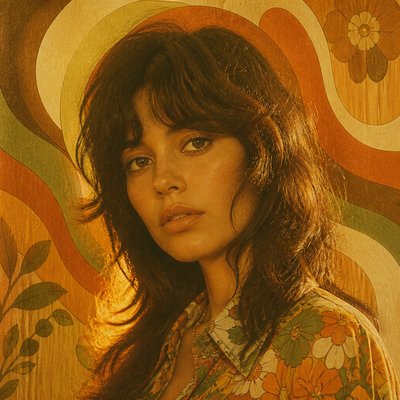
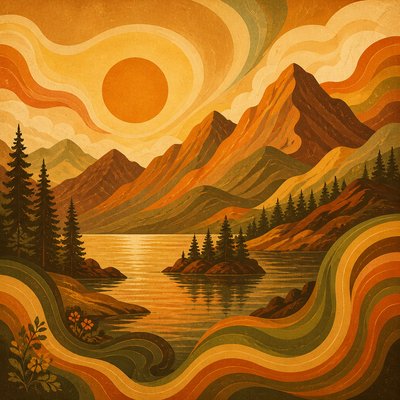
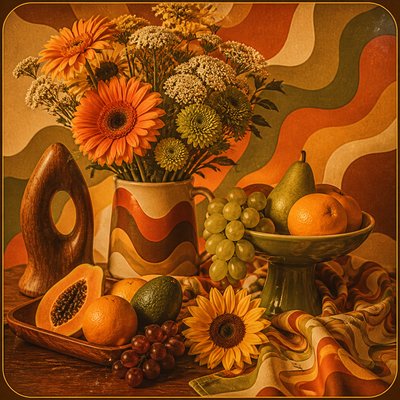
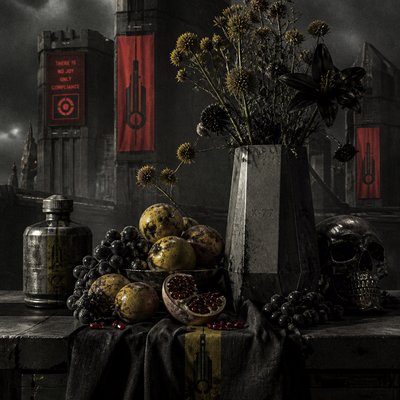
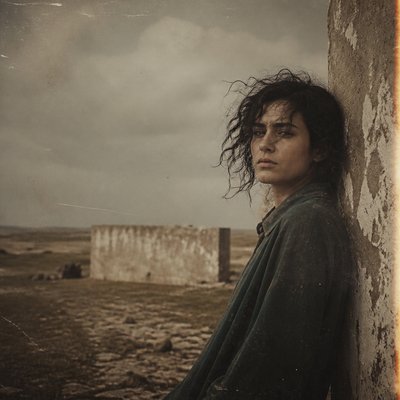
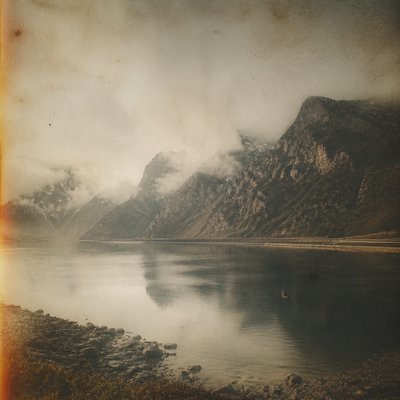
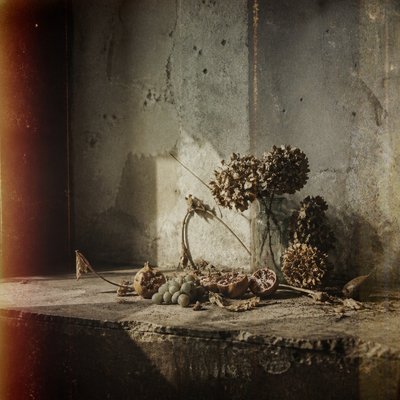
Film Noir Aesthetic Gallery
Tap any artwork to explore it
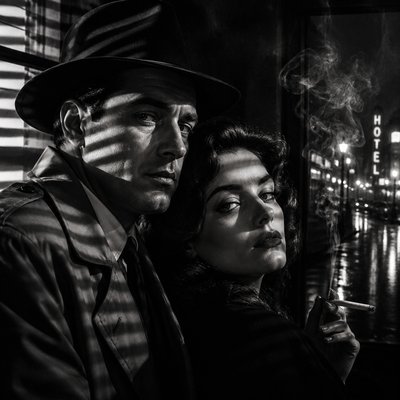
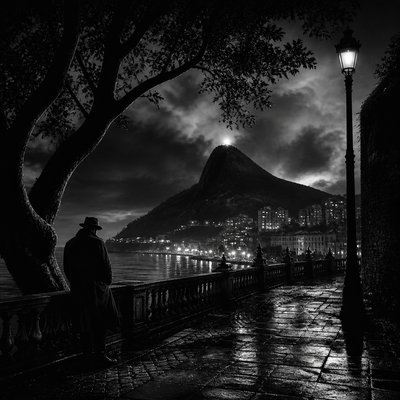
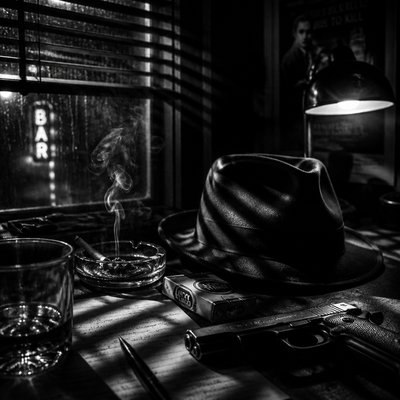
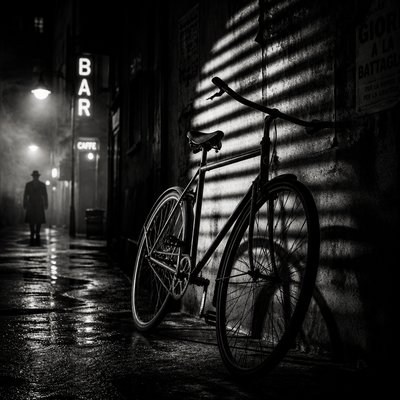
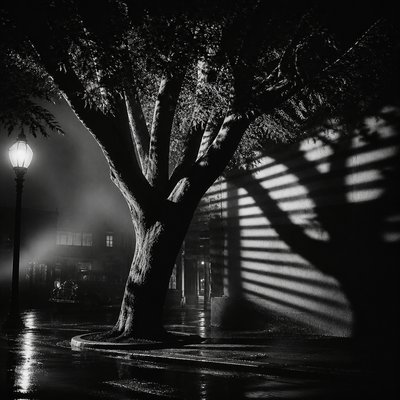
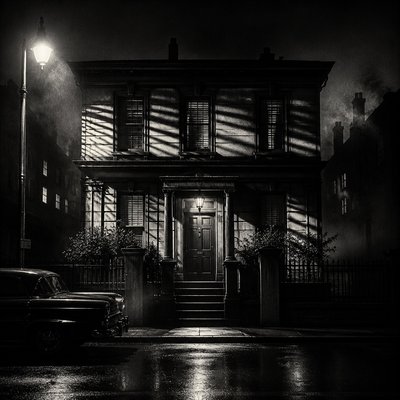
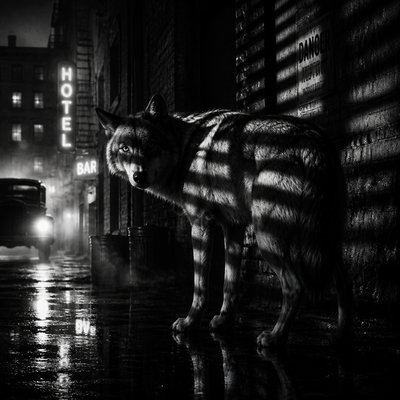
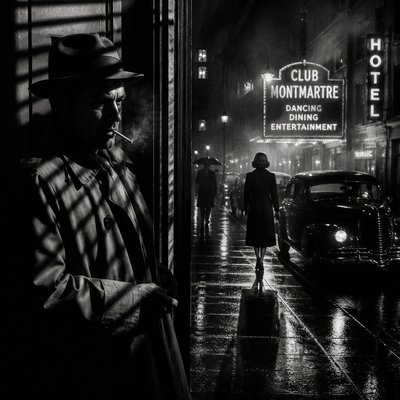
What is Film Noir Aesthetic?
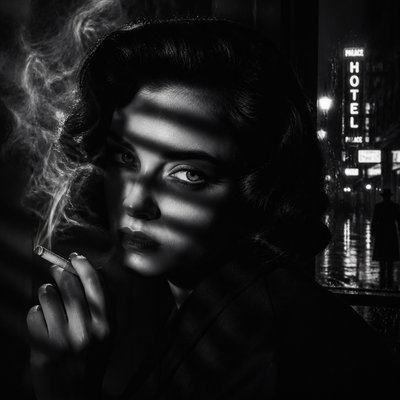
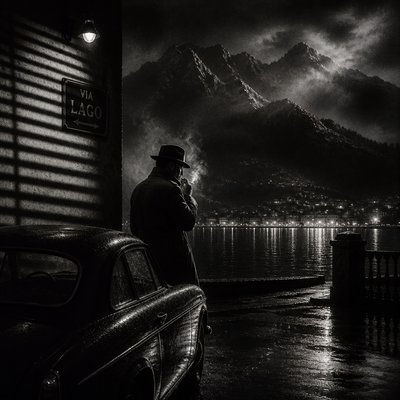
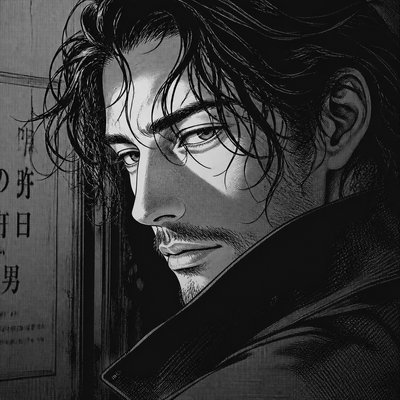
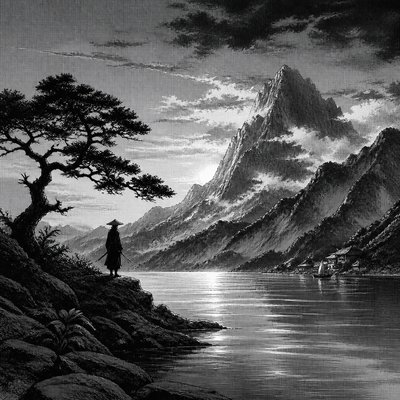
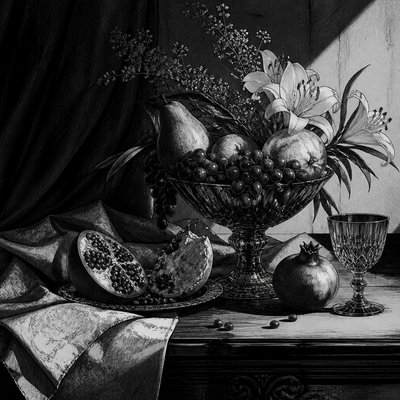
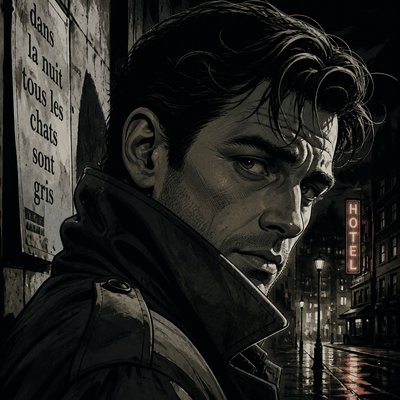
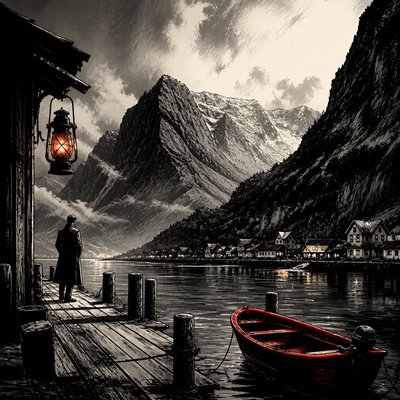
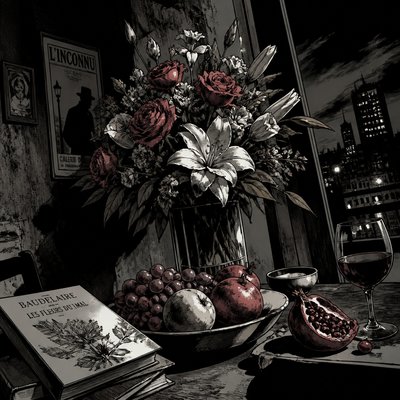
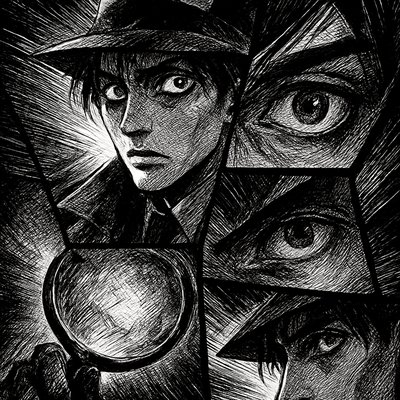
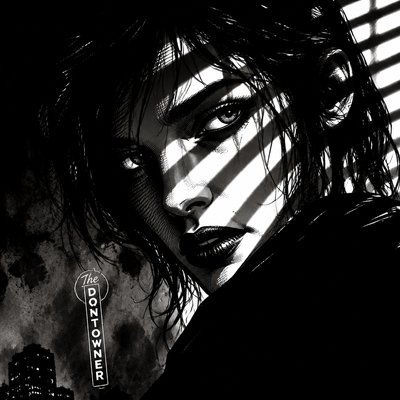
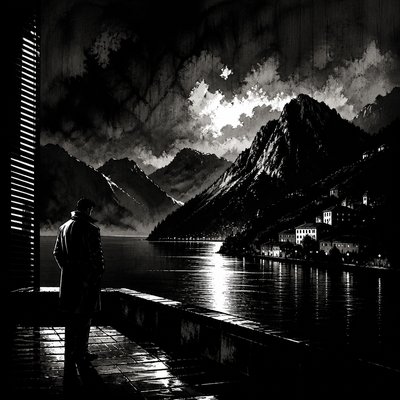
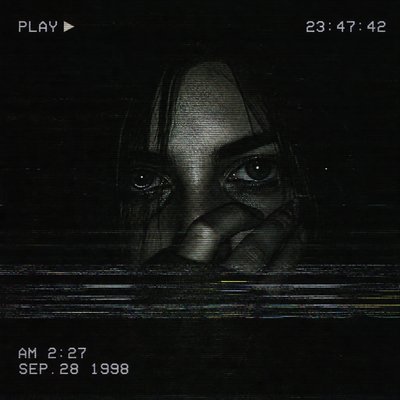
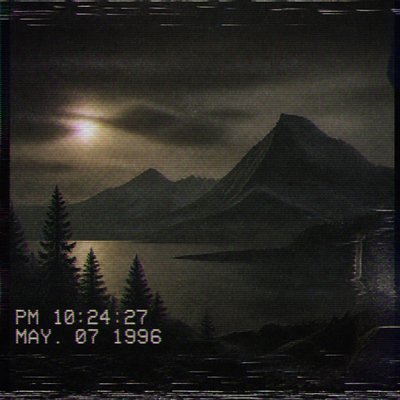
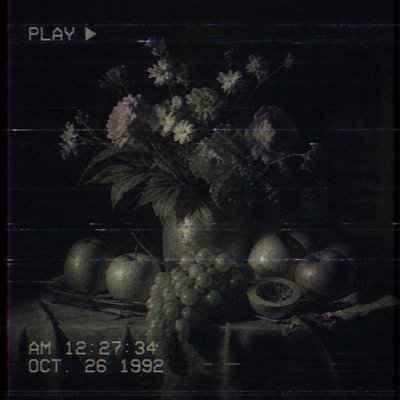
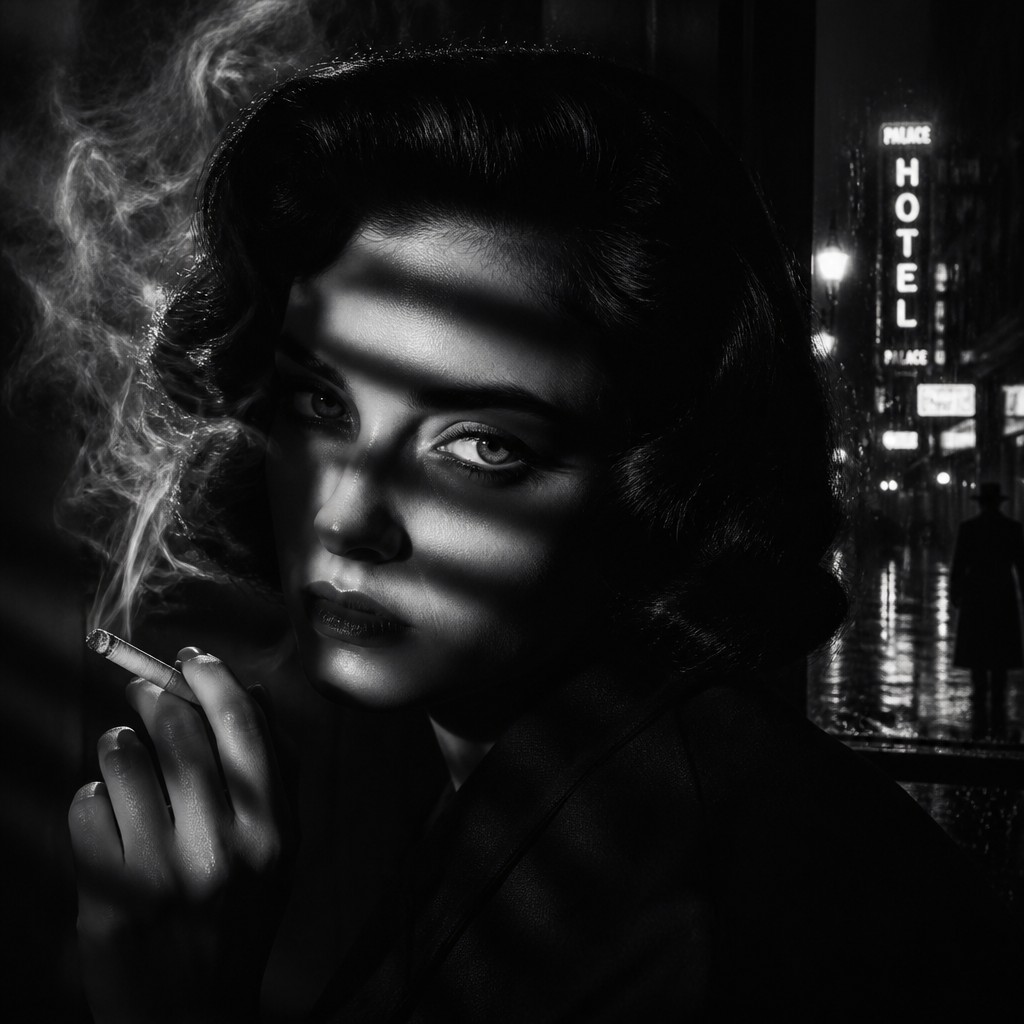
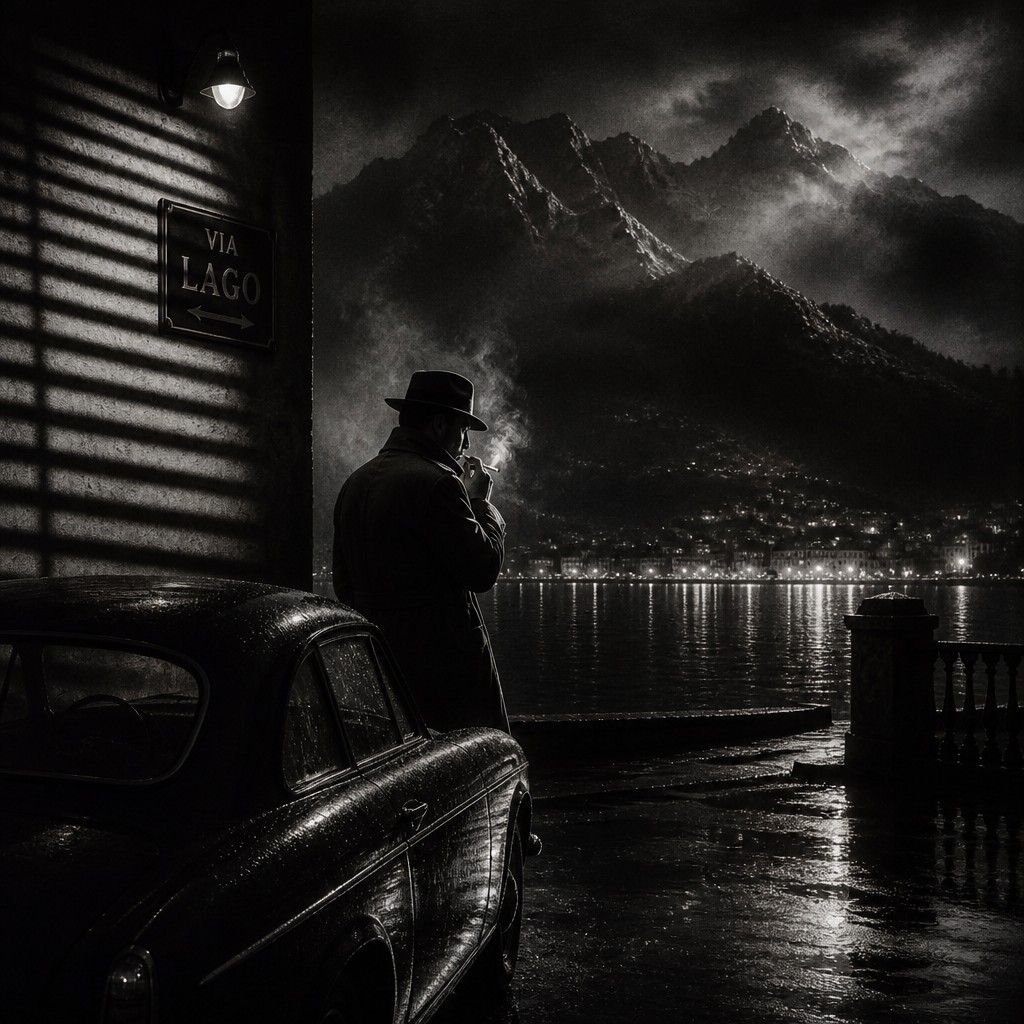
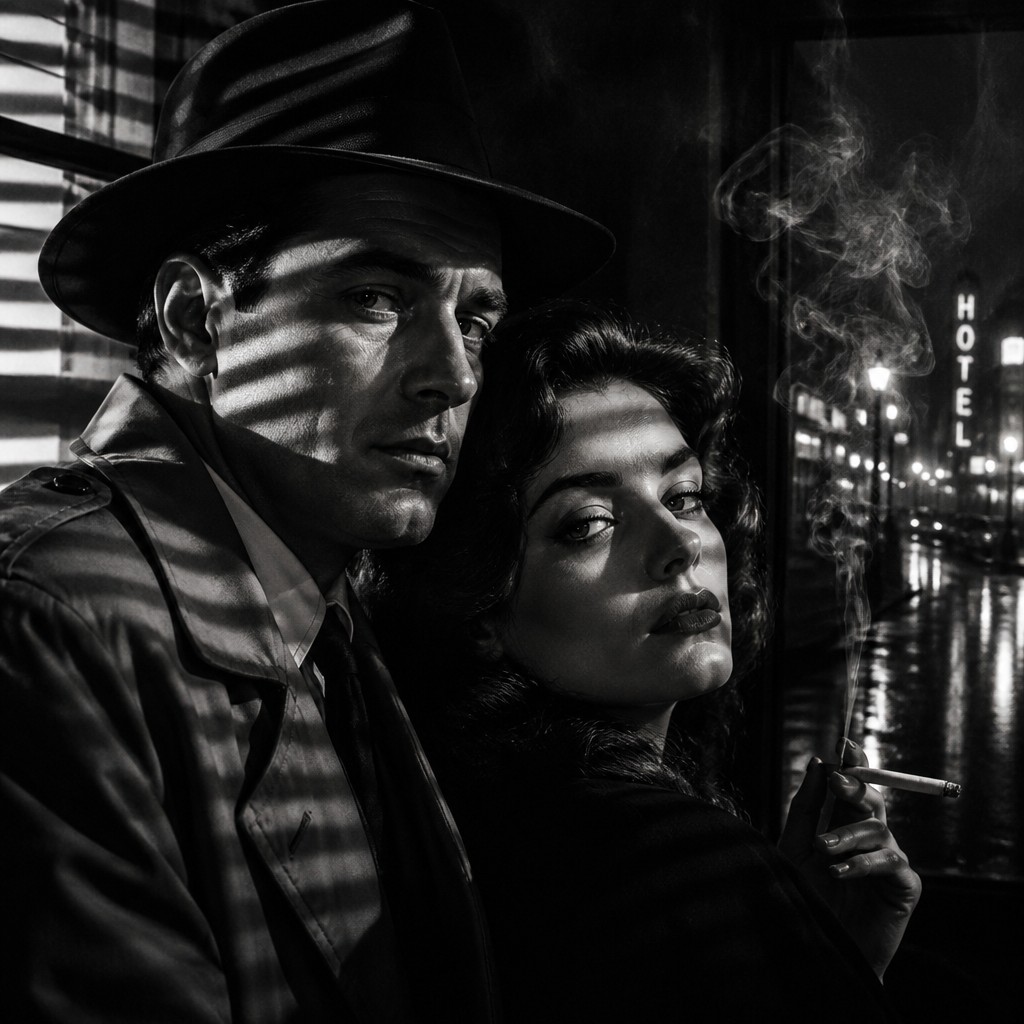
Film noir aesthetic is a visual style built on stark black-and-white contrast, low-key lighting, and an atmosphere of suspense, moral ambiguity, and urban nightfall. It is instantly recognizable through hard-edged shadows, glistening streets after rain, smoke or mist in the air, and compositions that feel tense, isolated, and emotionally charged.
Its look comes from the visual language of mid-20th-century crime cinema: single-source lighting, deep blacks, and reflective surfaces that turn ordinary city spaces into places of danger and intrigue. The style often pairs elegant silhouettes with claustrophobic framing, creating images that feel both glamorous and threatening.
Try It On Your Photos
Upload any photo and convert it into Film Noir Aesthetic — drag the sliders to compare before and after.


What Defines Film Noir Aesthetic
The signature details, up close
Chiaroscuro lighting
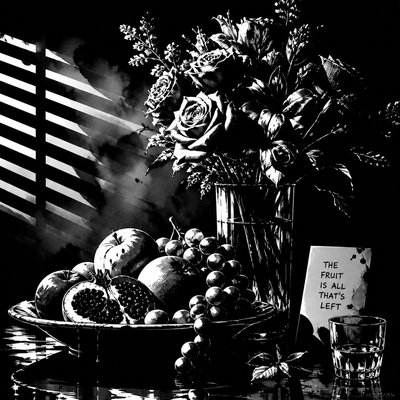
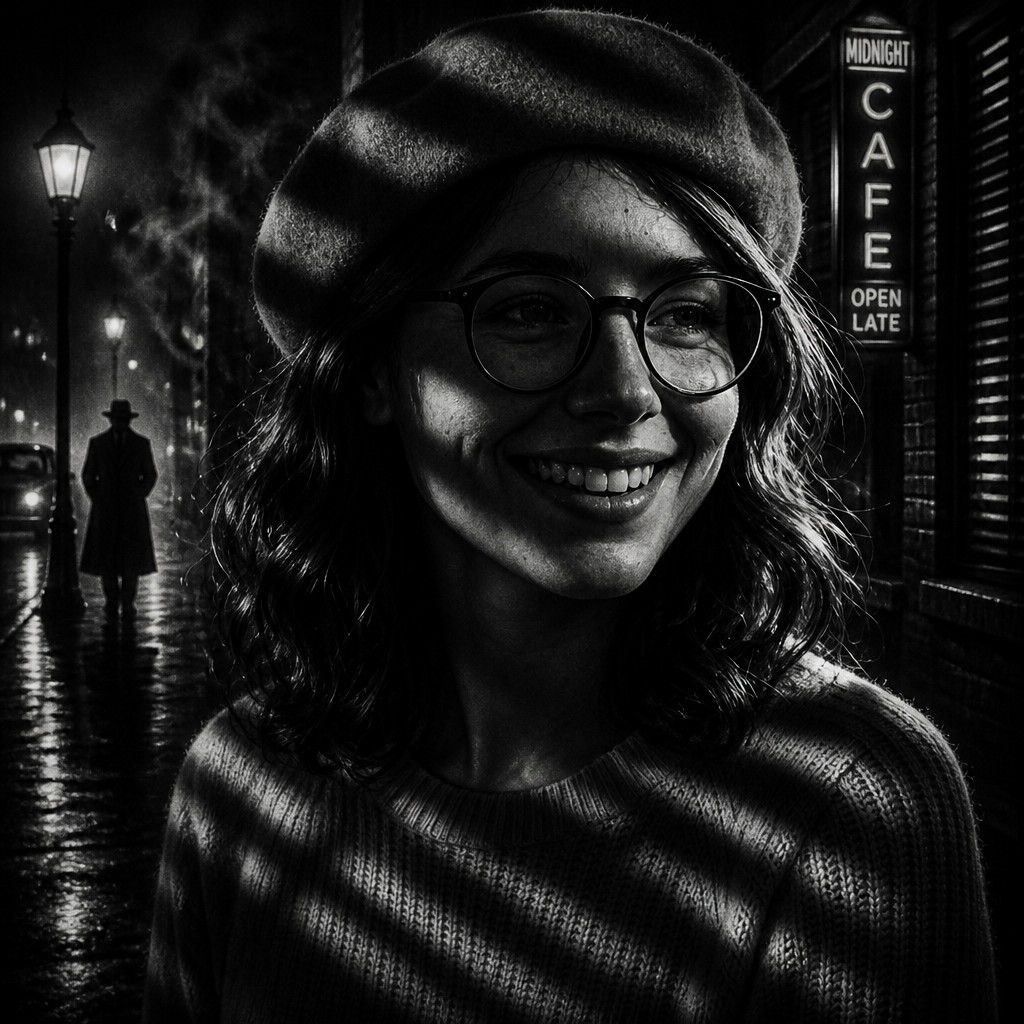
The style depends on extreme contrast between light and shadow. Faces, objects, and architecture are often cut into sharp bands of brightness and darkness.
Venetian-blind shadows
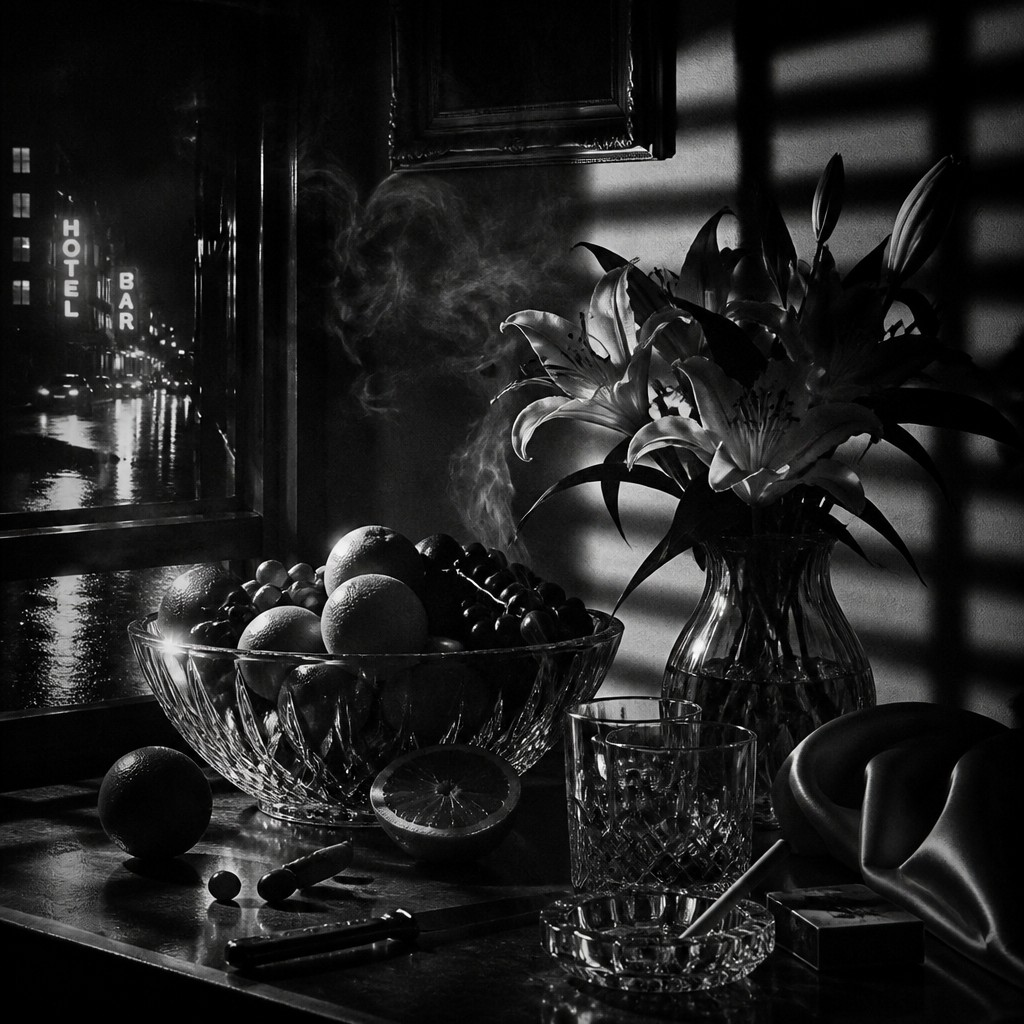
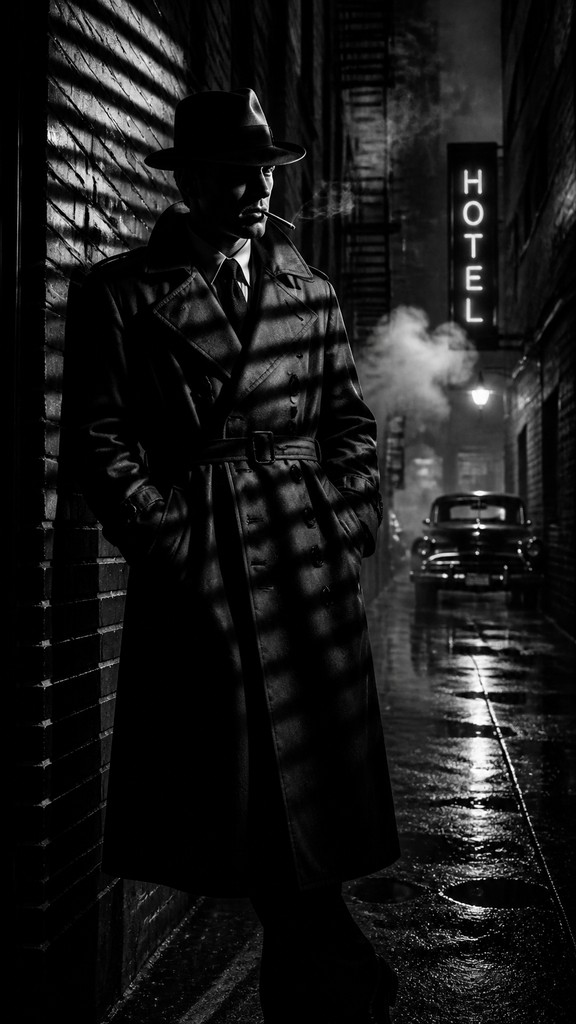
Slatted shadows across walls, faces, and interiors are one of the most iconic motifs. They suggest blinds, narrow windows, or architectural screens and instantly evoke secrecy and surveillance.
Black-and-white tonality
Color is usually removed in favor of silver-screen grayscale. Deep blacks, smoky midtones, and bright highlights create a photographic, cinematic feel.
Wet urban surfaces
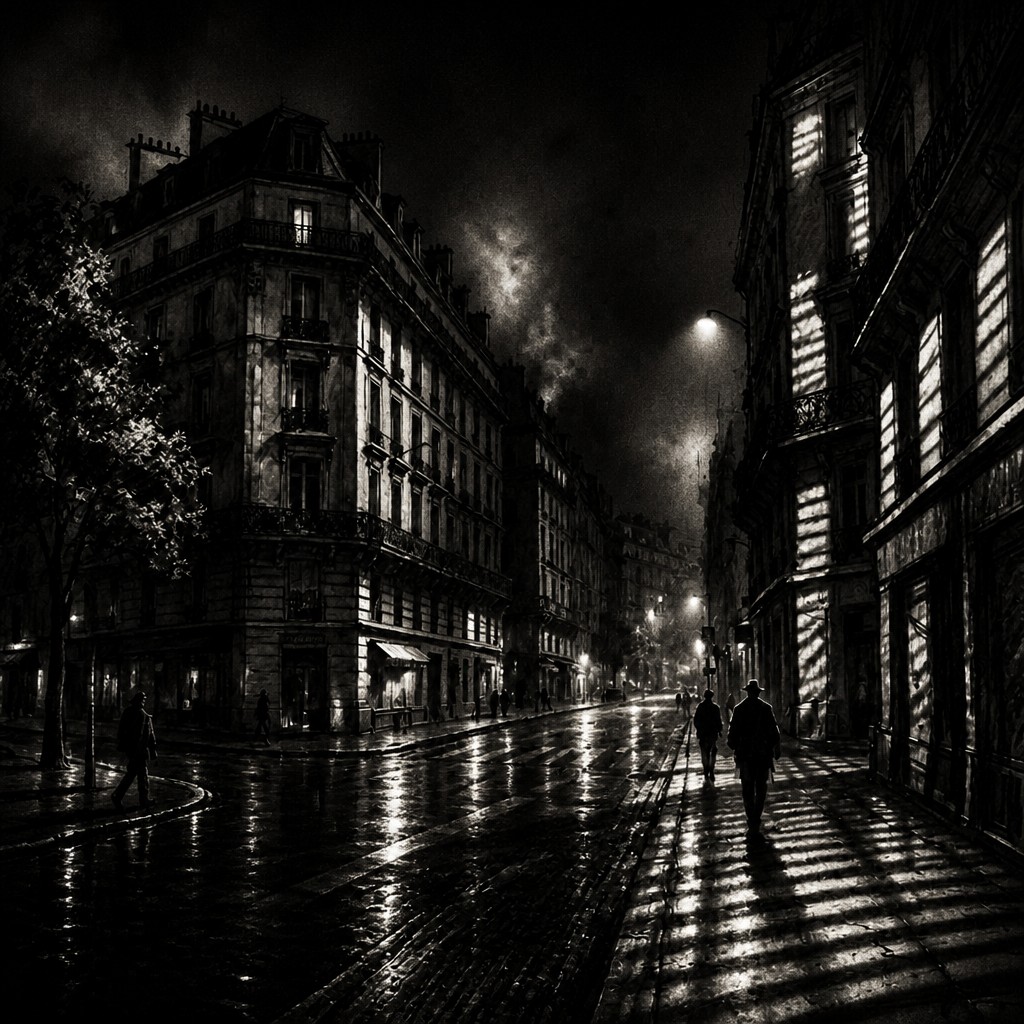
Rain-slick pavement, glowing reflections, and glossy sidewalks add visual depth. These surfaces intensify contrast and make city lights feel more isolated and dramatic.
Smoke, haze, and atmosphere
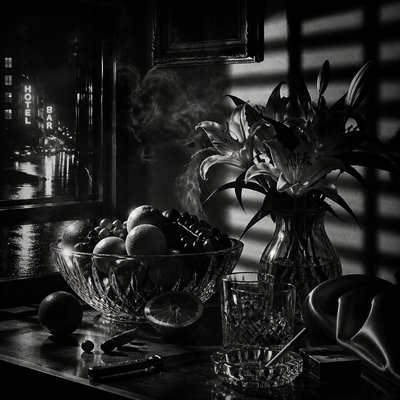
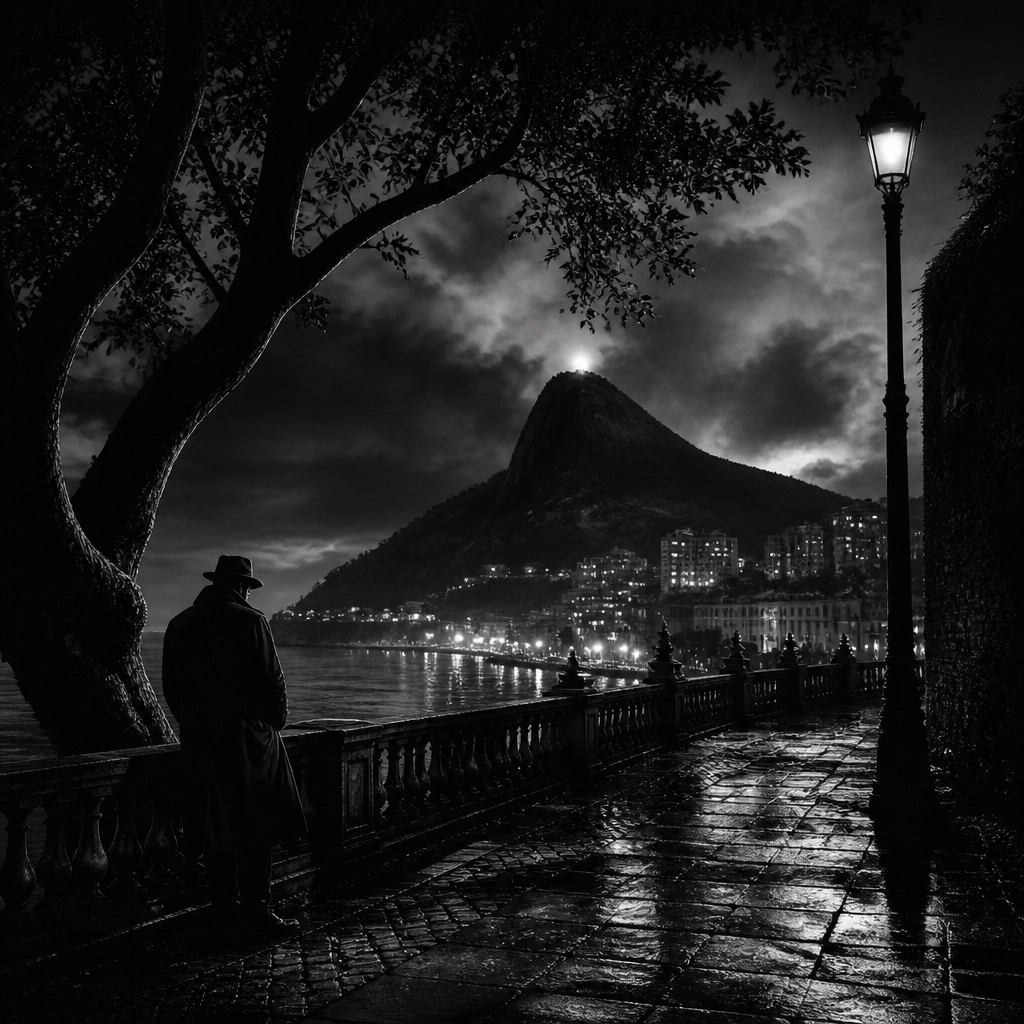
Cigarette smoke, fog, or steam softens the frame and reinforces the moody mood. These effects also help separate foreground figures from the background.
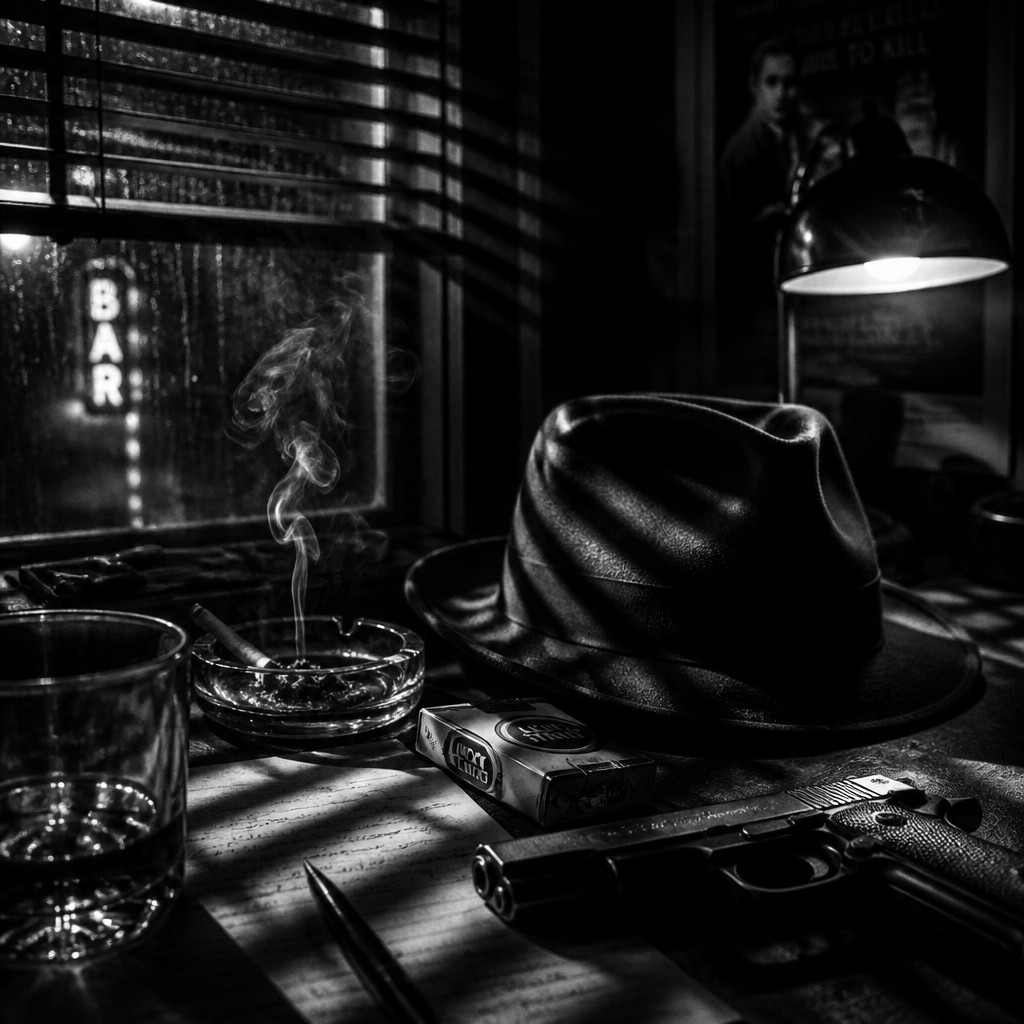
Low-key composition
Lighting is usually minimal and directional, with one dominant source. This produces strong silhouettes, partially hidden faces, and a feeling that important details remain concealed.
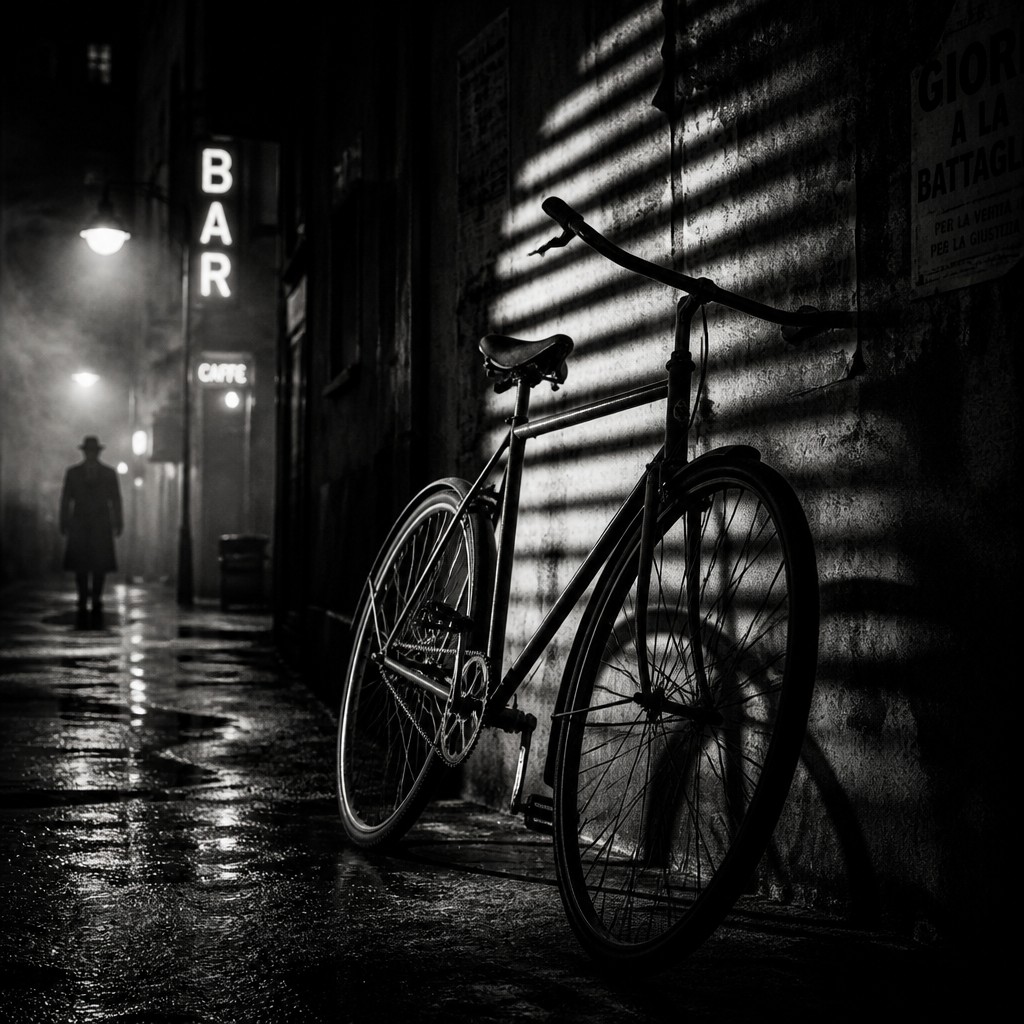
Fatalistic elegance
Figures are often dressed with polished sophistication, but their poise is undercut by danger or emotional unease. The style balances glamour with menace.
Try It
Create Videos in Film Noir Aesthetic
Styles aren't just for stills — describe a scene or animate an image and get a short video rendered in Film Noir Aesthetic. Press play to see this pond come to life.
Make a VideoFilm Noir Aesthetic Prompt Ideas
Start from an idea — each one opens the generator with the style ready to go. See all 40 Film Noir Aesthetic prompts →
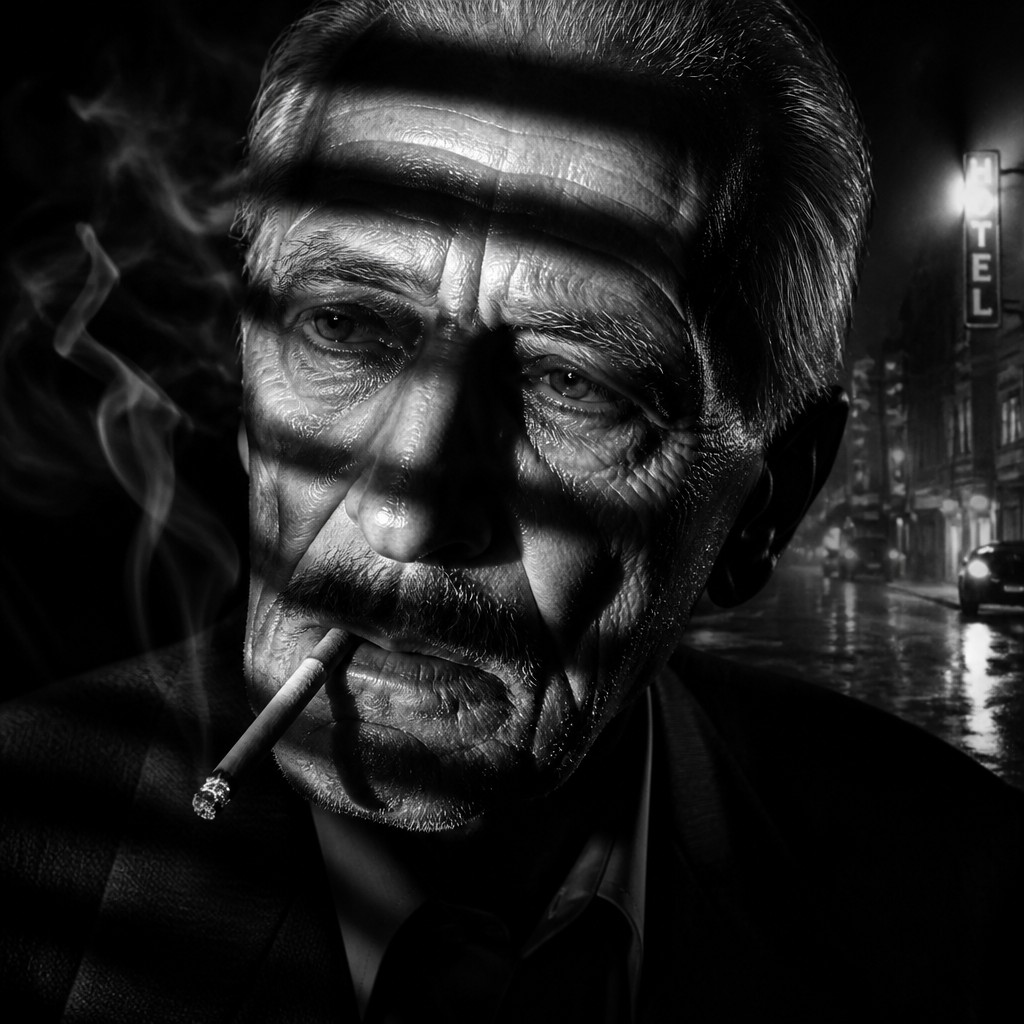
“close-up portrait of an elderly person with expressive weathered features”
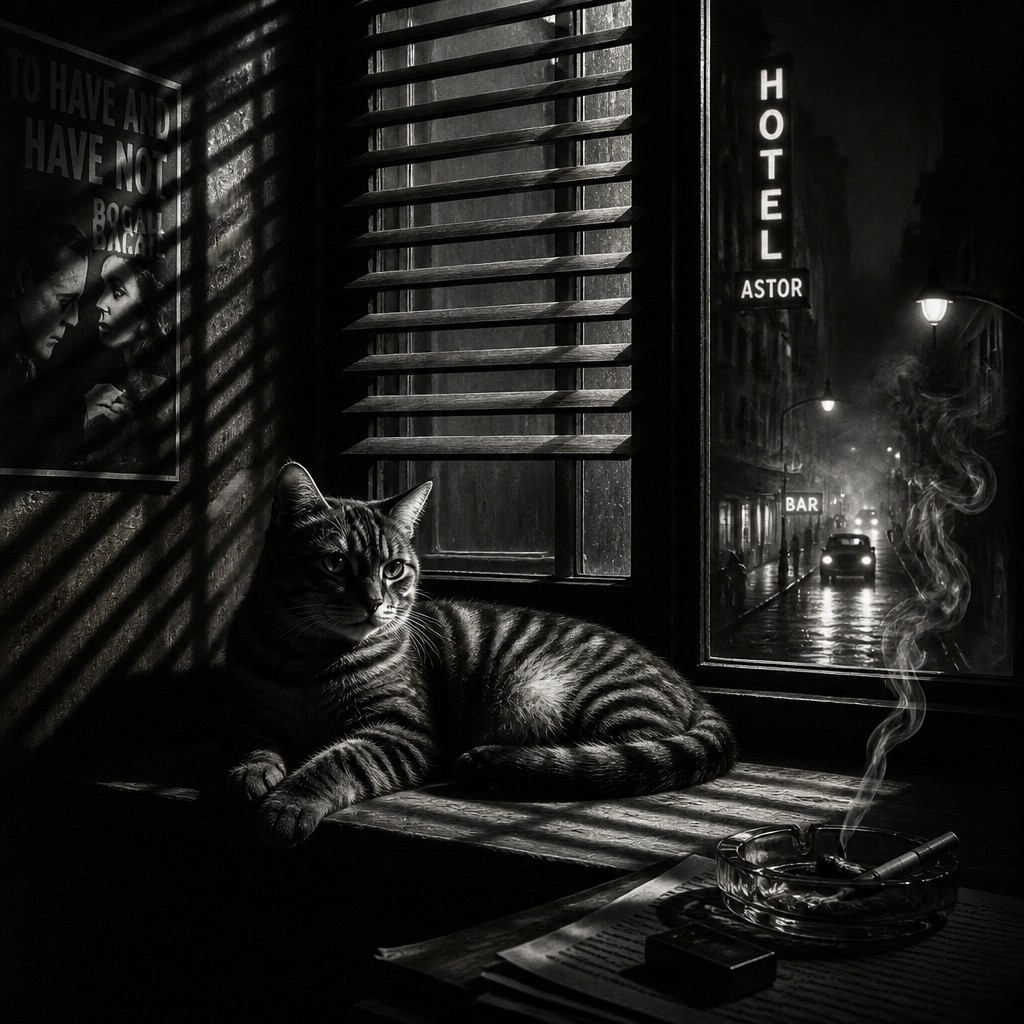
“a cat lounging in a sunlit window”
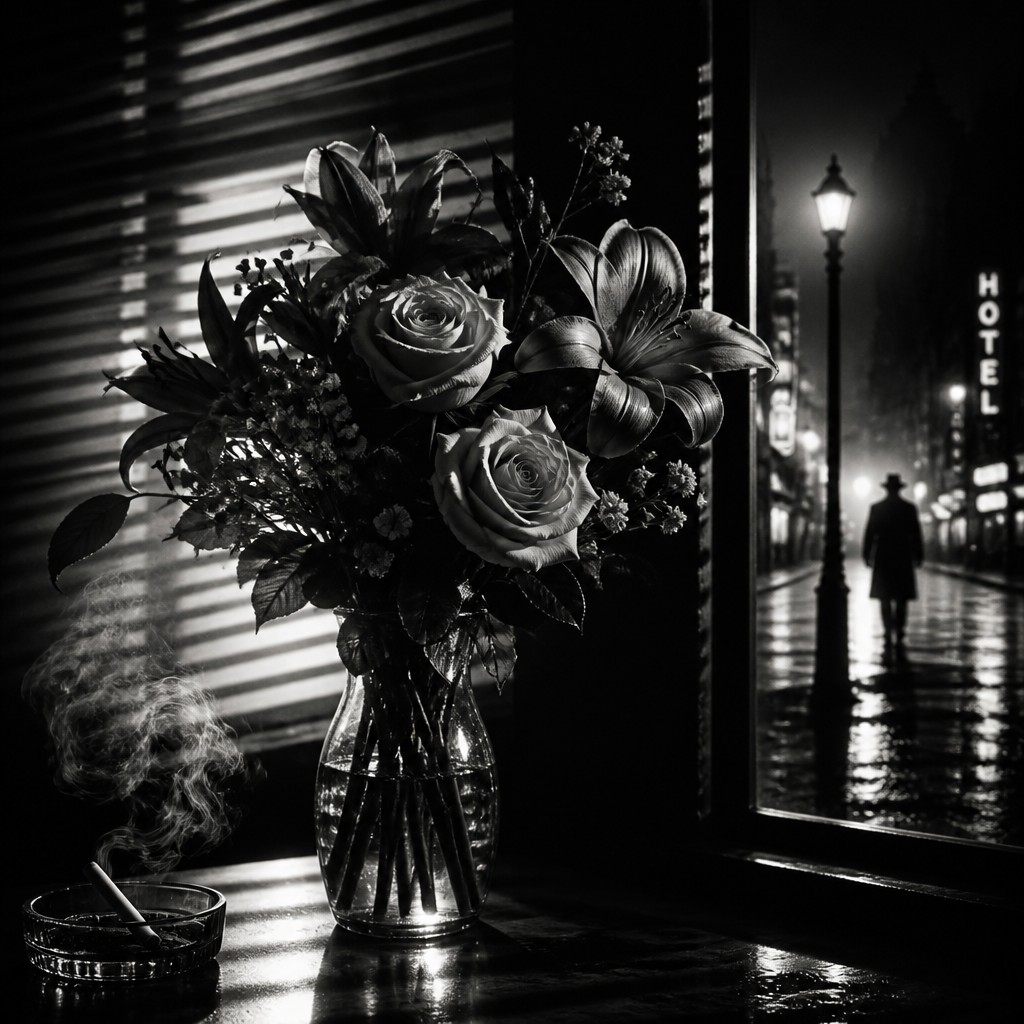
“bouquet of flowers in a glass vase”
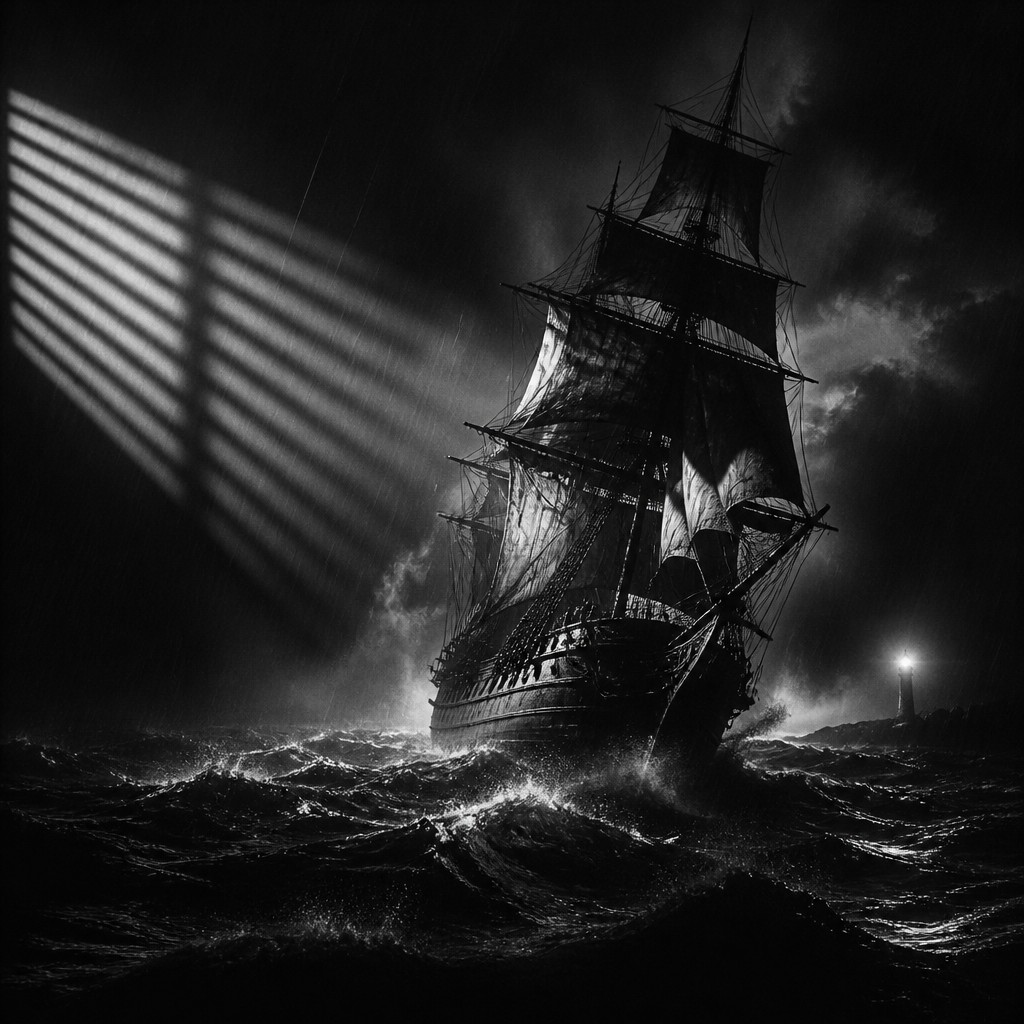
“sailing ship on a stormy sea”
How to Create Film Noir Aesthetic Art
Master the craft step by step — or skip straight to creating. Read the full guide →
- 1
Build the image around one strong light source
Use a streetlamp, desk lamp, window blind, or car headlight as the dominant illumination so the rest of the scene falls into darkness. In drawing or painting, reserve the brightest values for only a few focal points.
- 2
Push the value range
Aim for deep blacks, bright highlights, and a narrow band of smoky grays between them. Avoid flat midtone lighting; the drama comes from sharp contrast and controlled darkness.
- 3
Use shadows as design elements
Place blinds, stair rails, window frames, or slats so they cast graphic patterns across faces and walls. In digital work, shape these shadows deliberately rather than treating them as incidental effects.
- 4
Add atmospheric texture
Introduce grain, haze, rain reflections, smoke, or film noise to give the image a period-cinema feel. For photographic or digital transformations, these textures help the subject sit naturally inside the noir environment.
- 5
Compose like a crime scene or a confession
Crop tightly, use oblique angles, and leave negative space that implies off-screen danger. For text-to-image prompts, specify urban night, rain, blinds, smoke, and high-contrast black-and-white lighting.
- 6
Keep the subject emotionally ambiguous
The style works best when the subject feels secretive, wary, or morally uncertain rather than openly heroic. Phrases like 'brooding detective,' 'femme fatale,' 'lonely alleyway,' or 'interrogation room' help steer the image toward the correct mood.
The Story
History & Origins of Film Noir Aesthetic
Film noir is not a formal art movement in the way Impressionism or Surrealism is, but a critical term applied to a cycle of American crime films, mostly from the 1940s through the early 1950s. The style developed from studio-era cinematography, German Expressionist influence, and wartime/postwar themes of disillusionment, producing a look that emphasized shadow, uncertainty, and psychological tension.
Its aesthetic lineage also includes hardboiled detective fiction, pulp illustration, and black-and-white studio photography. Over time, the noir look moved beyond cinema into posters, comics, fashion imagery, photography, graphic design, and contemporary visual culture, where it remains a shorthand for mystery, fatalism, and urban intrigue.
Influences: The film noir look draws heavily on German Expressionism, especially the dramatic lighting and distorted psychological space associated with filmmakers such as F. W. Murnau, Fritz Lang, and Robert Wiene. It also grows out of American studio cinematography, hardboiled detective fiction, pulp magazine illustration, and mid-century black-and-white photography, all of which contributed to its visual vocabulary of menace, glamour, and urban unease.

Frequently Asked Questions
What defines film noir aesthetic?
It is defined by high-contrast black-and-white imagery, low-key lighting, shadow patterns, smoke, wet streets, and a mood of suspense or fatalism. The look often emphasizes secrecy, isolation, and urban danger.
Is film noir the same as black-and-white photography?
No. Black-and-white is a format, while film noir is a mood and visual language. Many black-and-white images are not noir because they lack the contrast, lighting design, and narrative tension associated with the style.
How is film noir different from gangster or crime style?
Gangster imagery often focuses on action, power, or criminal spectacle, while noir emphasizes uncertainty, moral ambiguity, and atmosphere. Noir scenes tend to feel more psychological and visually shadowed.
What subjects work best in this style?
Detectives, suspects, femme fatales, city streets, diners, alleyways, offices, and nighttime interiors are classic noir subjects. The style also works well for portraits when the lighting creates concealment and tension.
How do I make my photo look noir?
Convert it to black-and-white, increase contrast, deepen shadows, and add directional light or shadow bands. If possible, include haze, wet reflections, or grain to strengthen the cinematic atmosphere.
Where is film noir aesthetic used today?
It appears in photography, poster design, editorial illustration, fashion imagery, album art, comics, and film-inspired digital art. The style is often used whenever creators want a mood of mystery, elegance, or danger.
Create your first Film Noir Aesthetic artwork
Describe anything — or upload a photo — and see it in Film Noir Aesthetic in seconds.
Make Something with Film Noir Aesthetic
Related Styles
Discover similar art styles