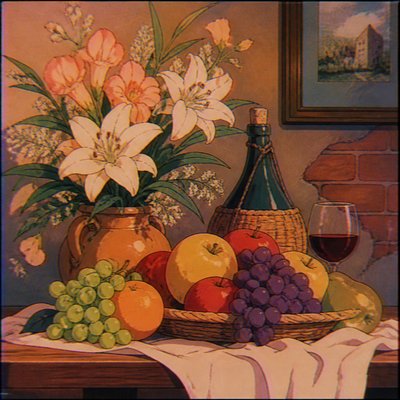
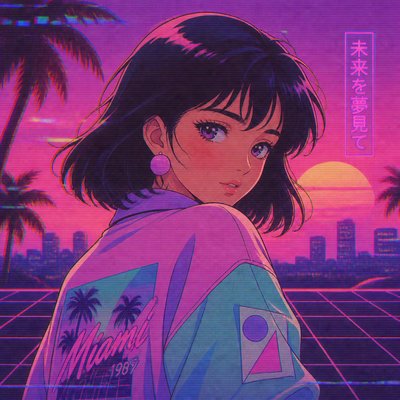
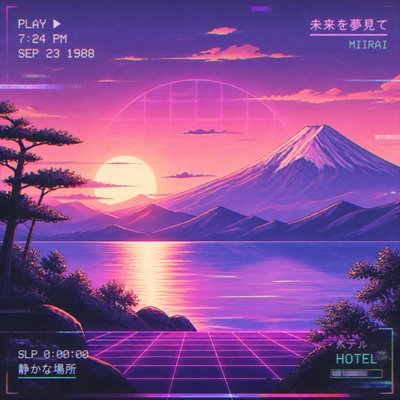
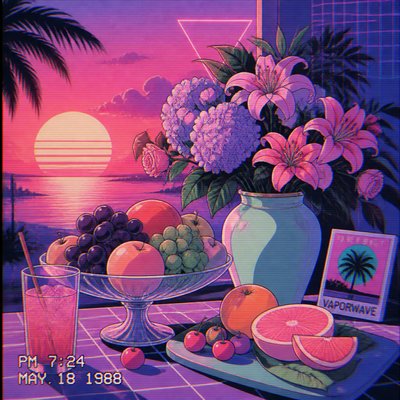
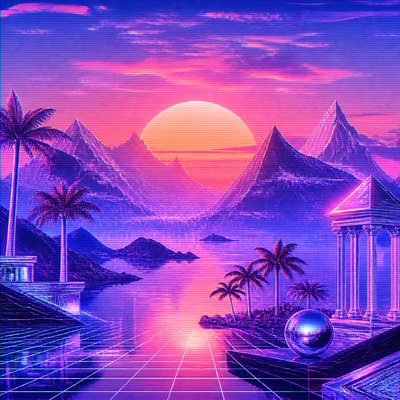
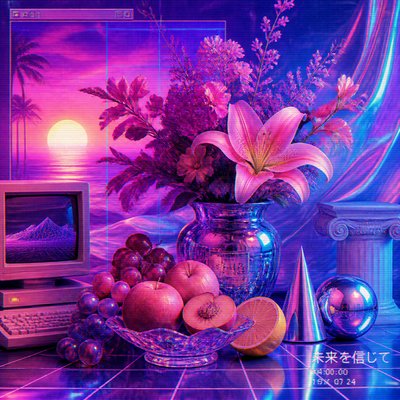
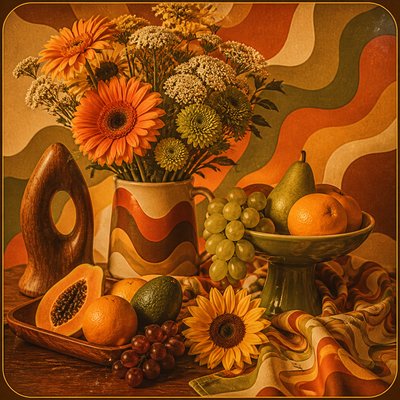
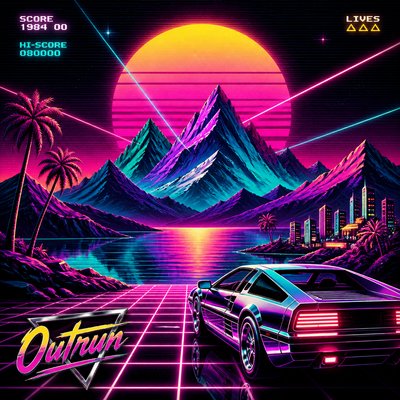
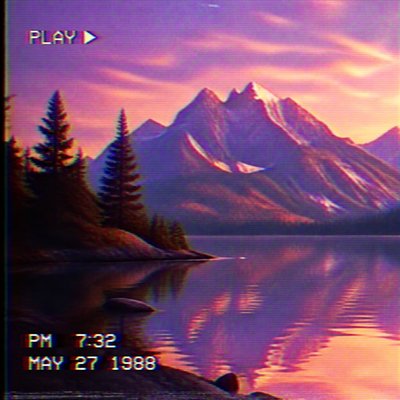
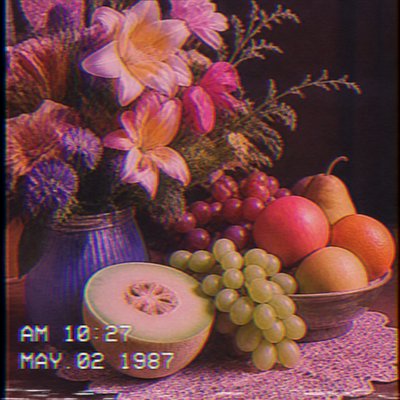
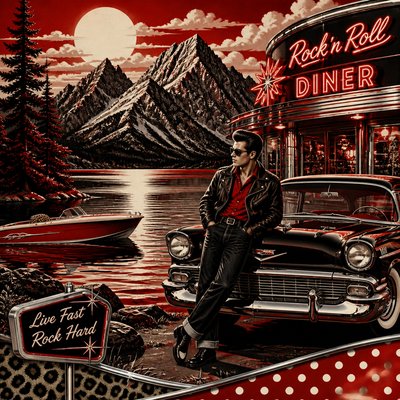
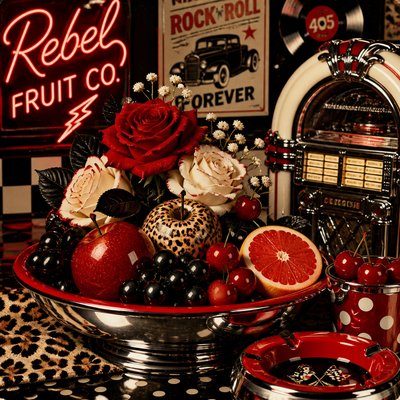
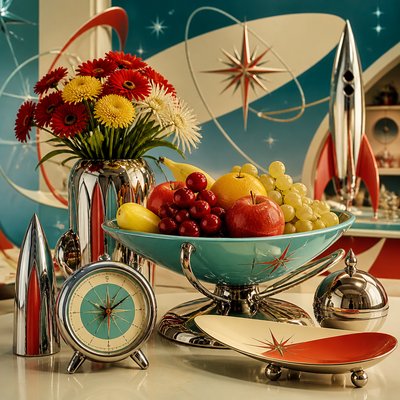
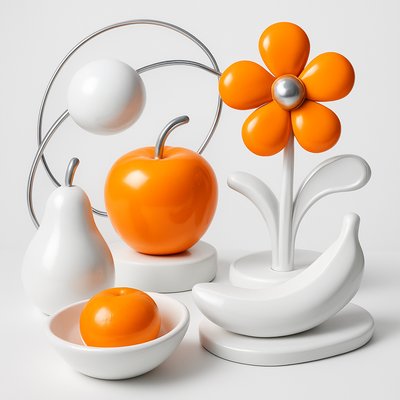
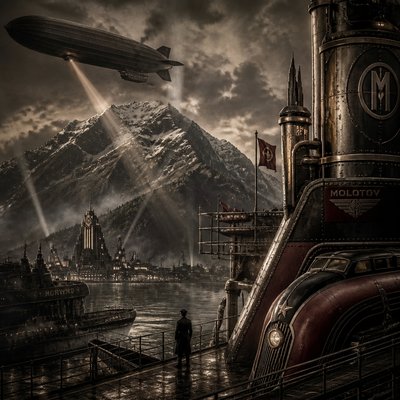
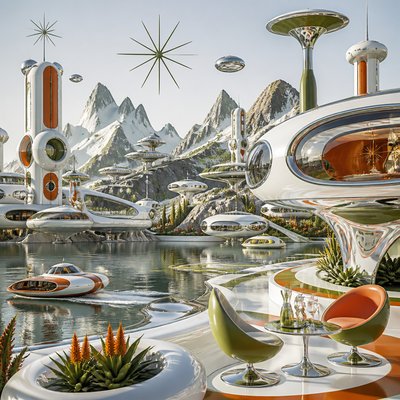
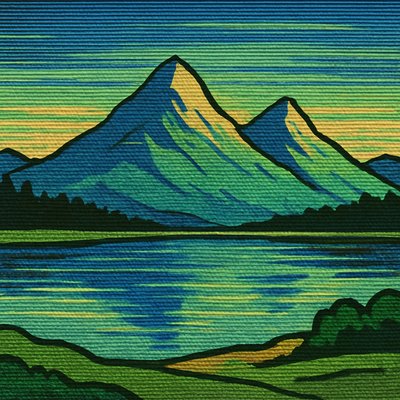
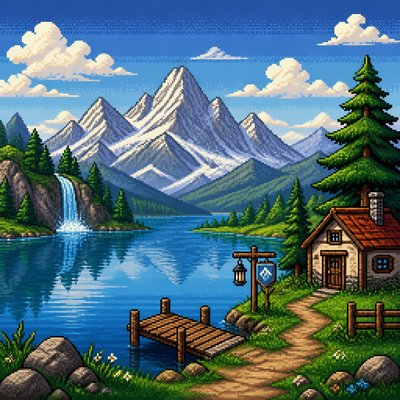
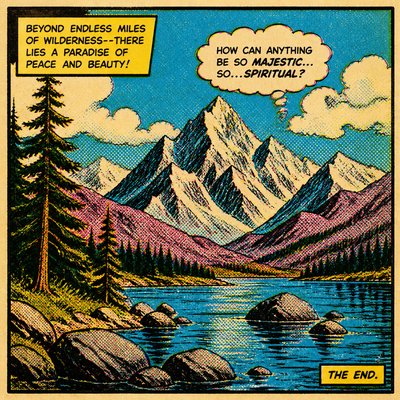
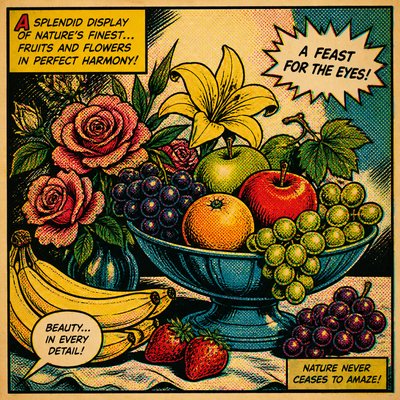
90s Retro Aesthetic
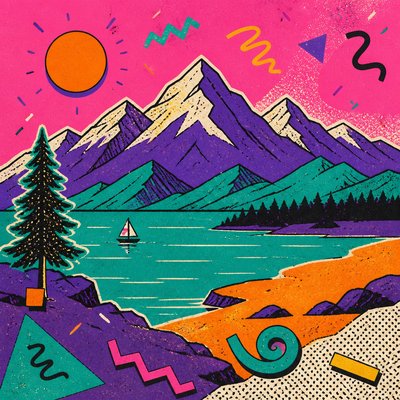
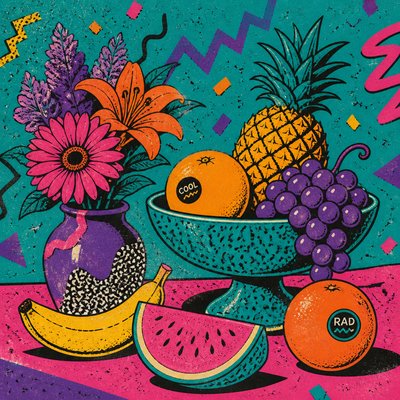
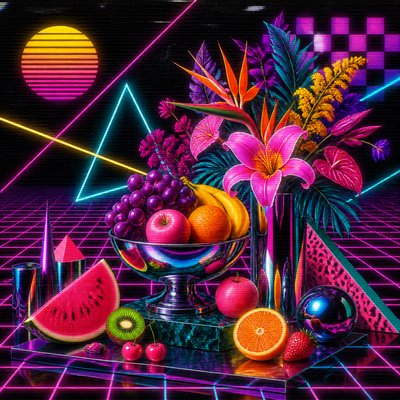
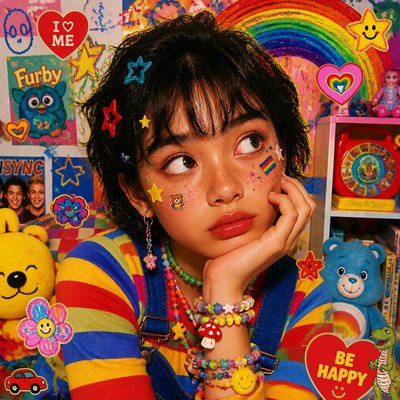
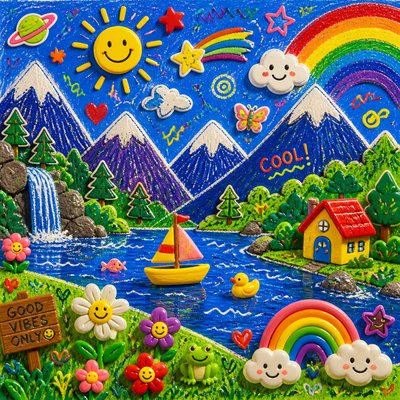
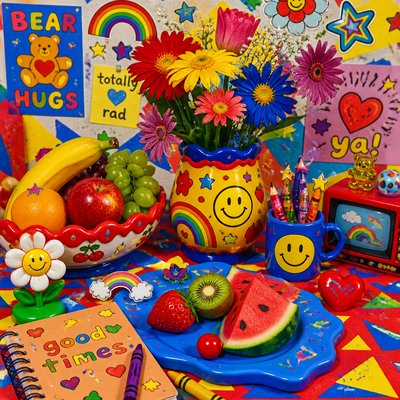
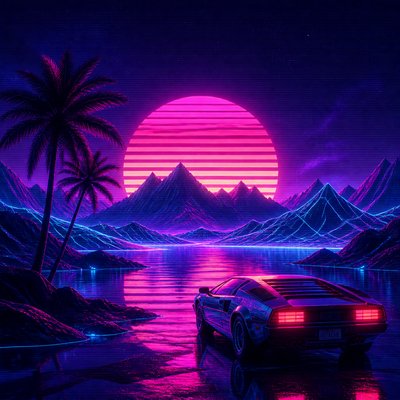
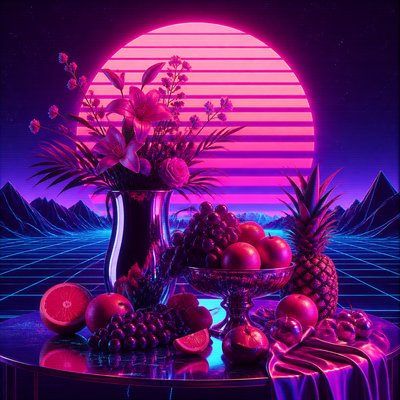
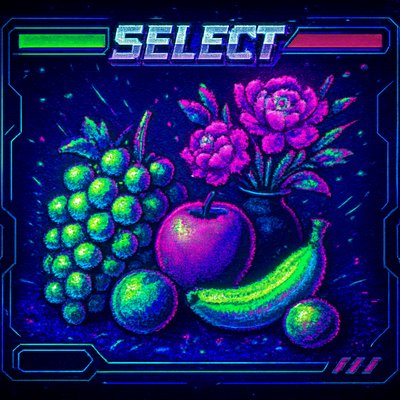
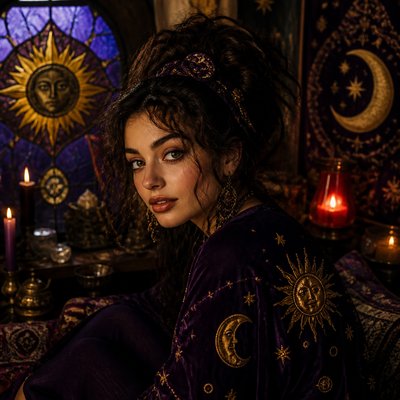
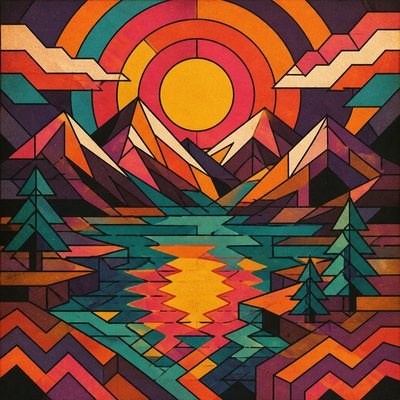
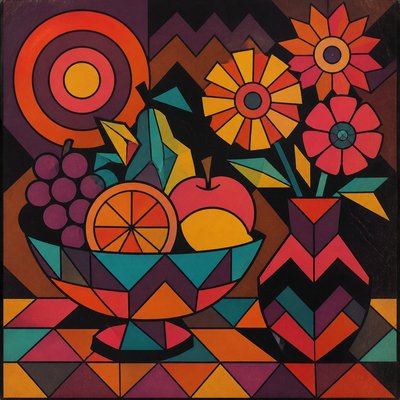
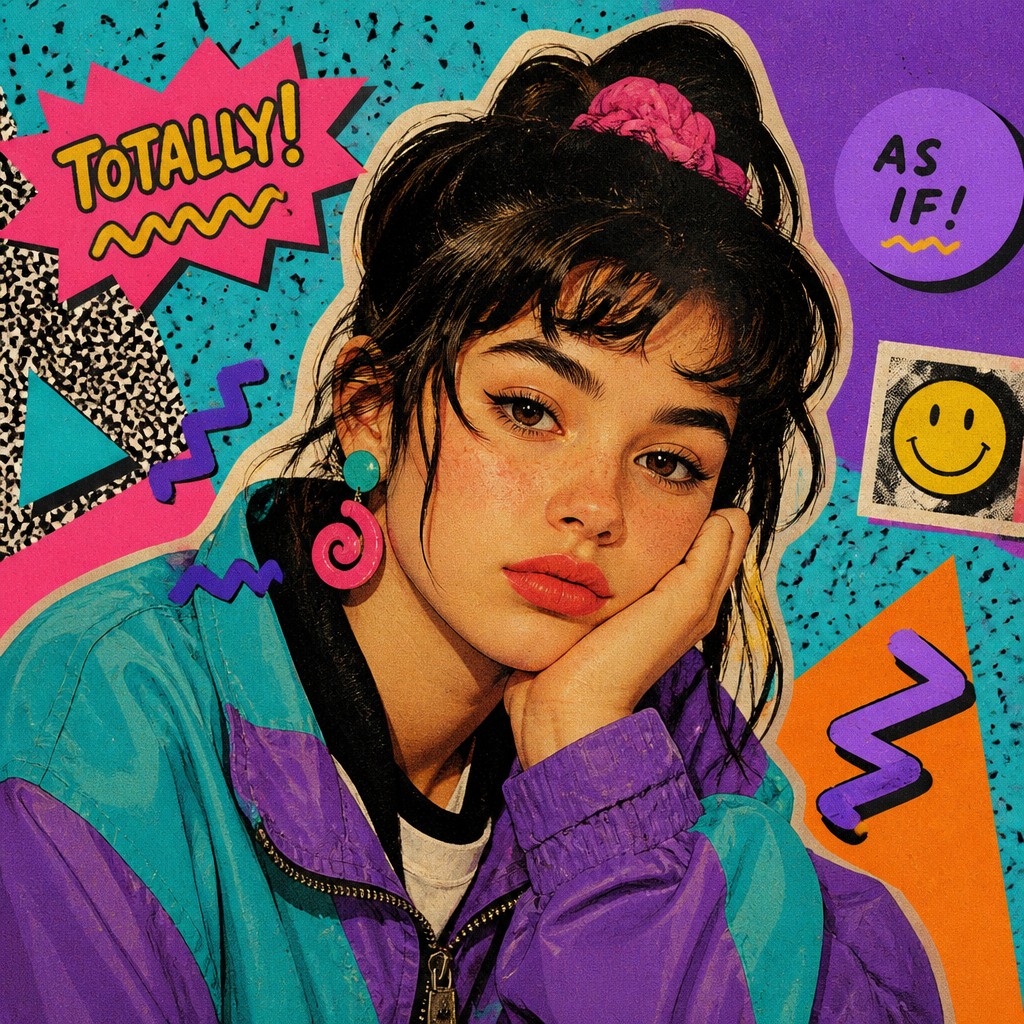
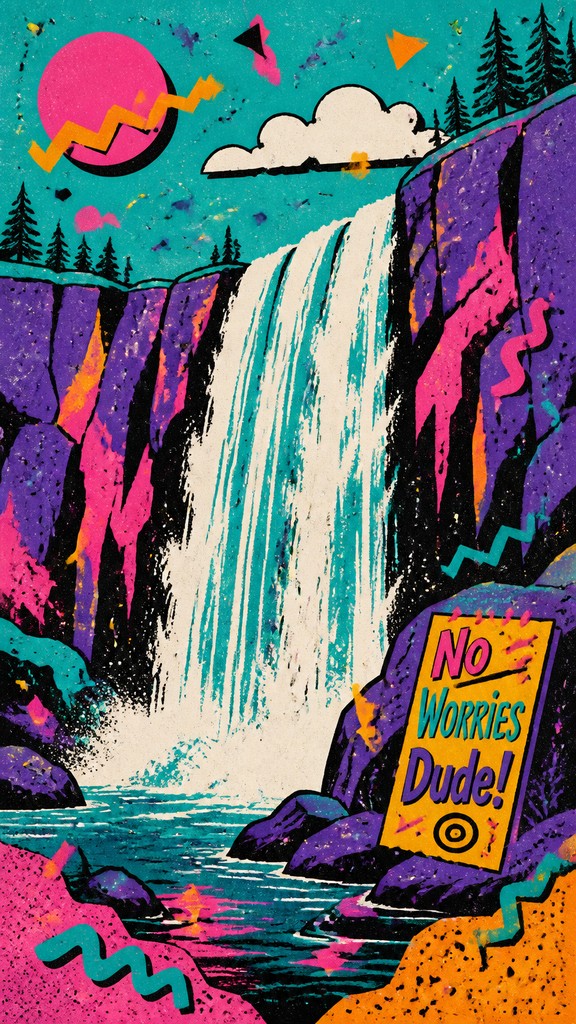
Bold 90s nostalgia with teal, purple, hot pink squiggles, confetti speckles, chunky outlines, and cheap-cheerful graphic energy.
Instantly rendered in 90s Retro Aesthetic — or transform a photo
90s Retro Aesthetic Gallery
Tap any artwork to explore it


What is 90s Retro Aesthetic?
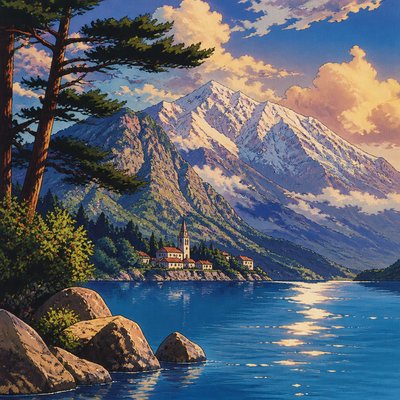
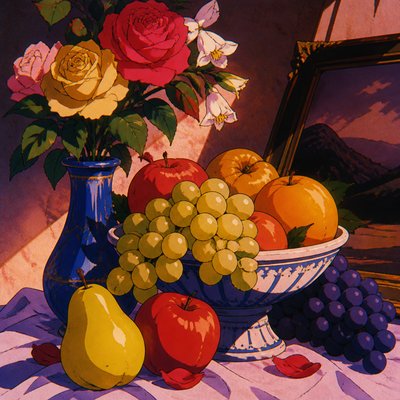
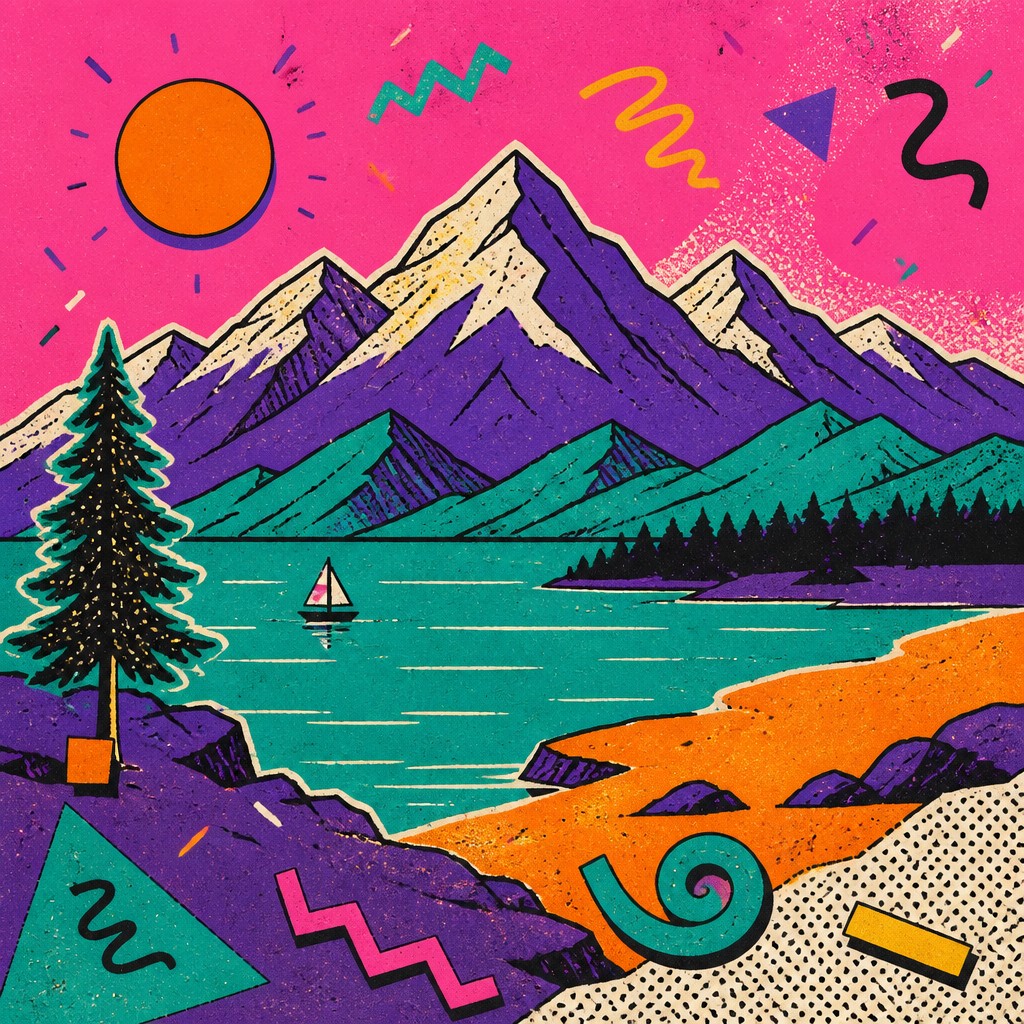
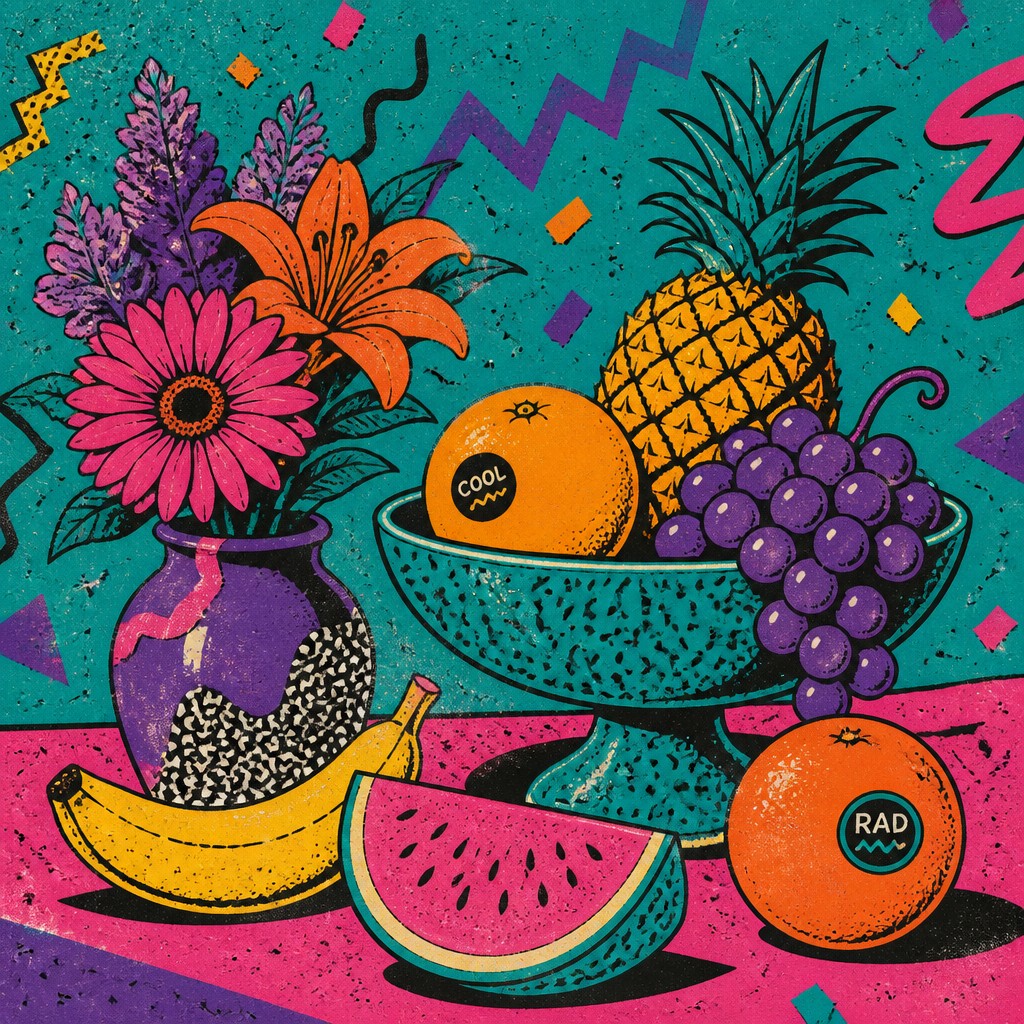
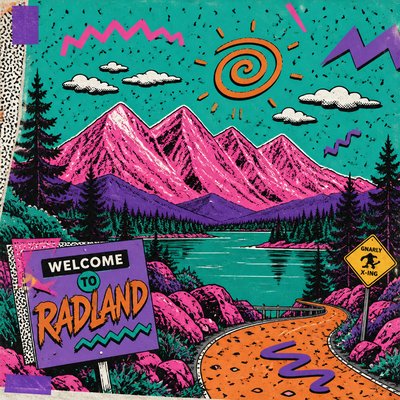
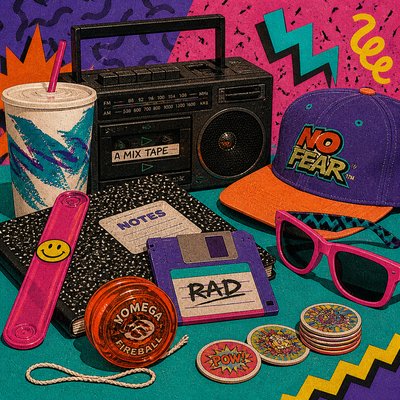
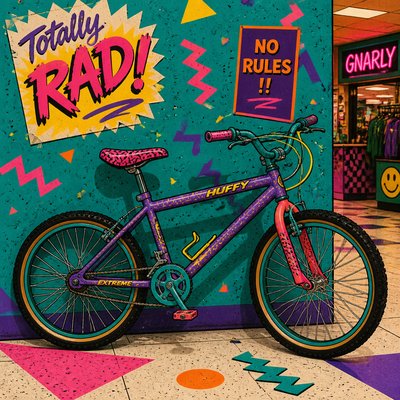
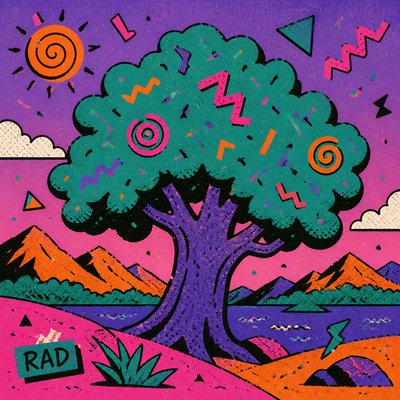
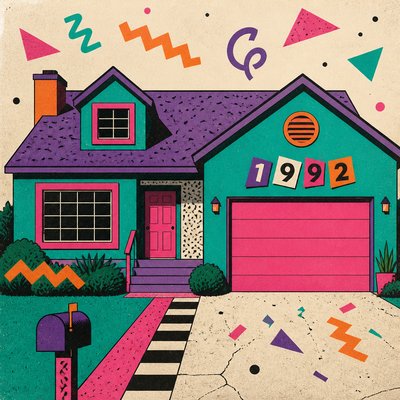
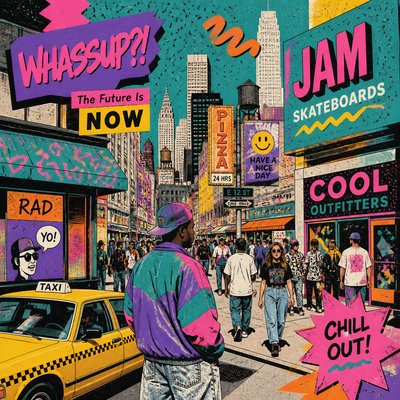
90s Retro Aesthetic is a nostalgic visual style that recalls the printed ephemera, TV graphics, mall-era branding, and teen-magazine design of the 1990s. It is recognizable for bold slacker-era colors—especially teal, purple, hot pink, and safety orange—paired with squiggles, zigzags, confetti speckling, and chunky outlines. The overall look is playful, loud, and deliberately low-seriousness, as if it came from a Saturday-morning bumper, a photocopied flyer, or a candy-colored school notebook.
Its visual identity comes from a mix of real 1990s design habits: Memphis-inspired patterning filtered through mass-market graphic design, flat color blocks, grainy print texture, fluorescent mall lighting, and the imperfect reproduction of photocopiers, cheap magazines, and consumer packaging. The style feels both polished and scrappy because it combines simple shapes and high-contrast color with texture that suggests print wear, photocopy noise, and nostalgic imperfection.

Try It On Your Photos
Upload any photo and convert it into 90s Retro Aesthetic — drag the sliders to compare before and after.


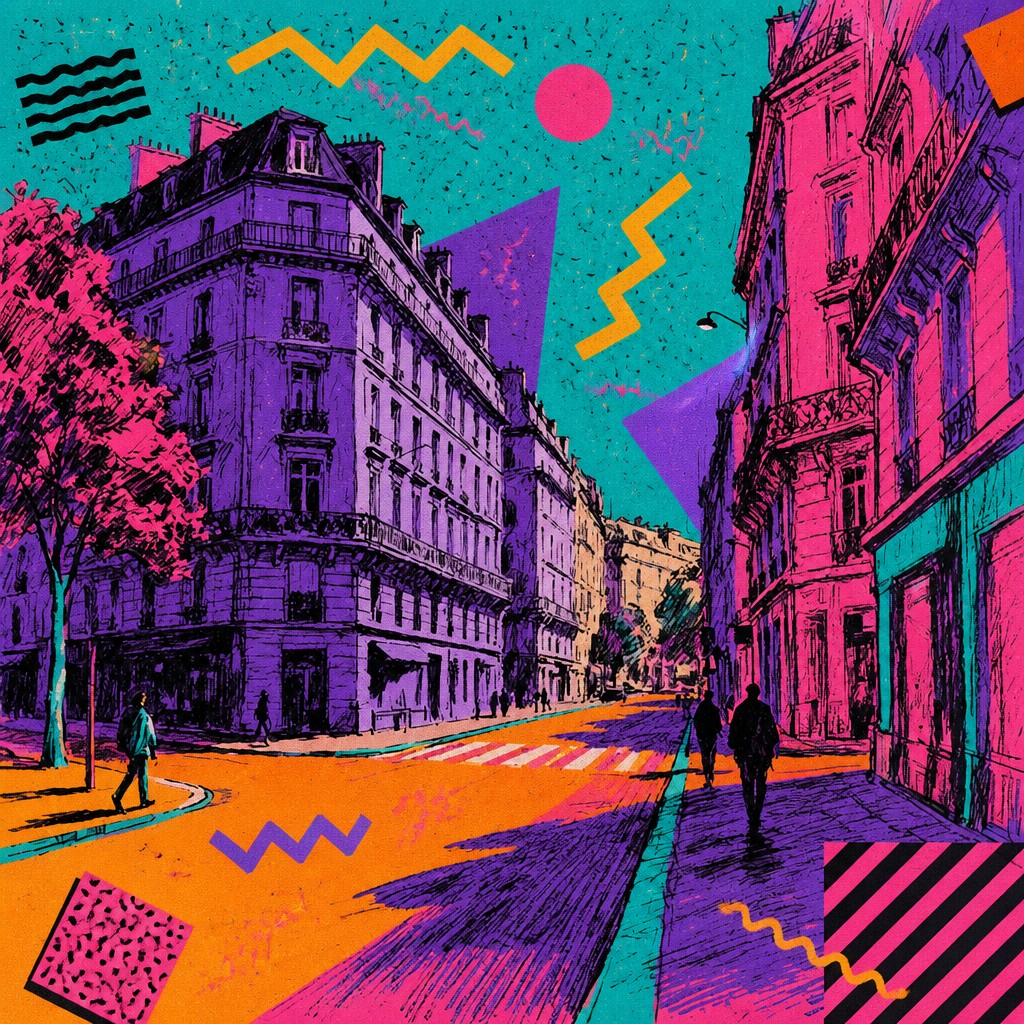

What Defines 90s Retro Aesthetic
The signature details, up close
Teal, purple, and hot-pink palette
The core palette leans toward saturated teal, violet, magenta, and orange, often with black or white for contrast. The colors are usually vivid and slightly artificial, recalling printed promotional material and toy packaging.
Squiggles, zigzags, and confetti speckle
Organic squiggles, lightning bolts, dots, stars, and scattered speckles are used as energetic fillers. These motifs create a sense of motion and visual noise without requiring complex illustration.
Chunky outlines and flat shapes
Forms are usually enclosed with thick black or dark outlines and filled with flat color blocks. This gives the artwork a cartoon-like clarity that reads instantly at a glance.
Grainy print texture
The surface often includes film grain, photocopy artifacts, halftone dots, or rough paper texture. These imperfections are essential to the look because they make the image feel reproduced rather than pristine.
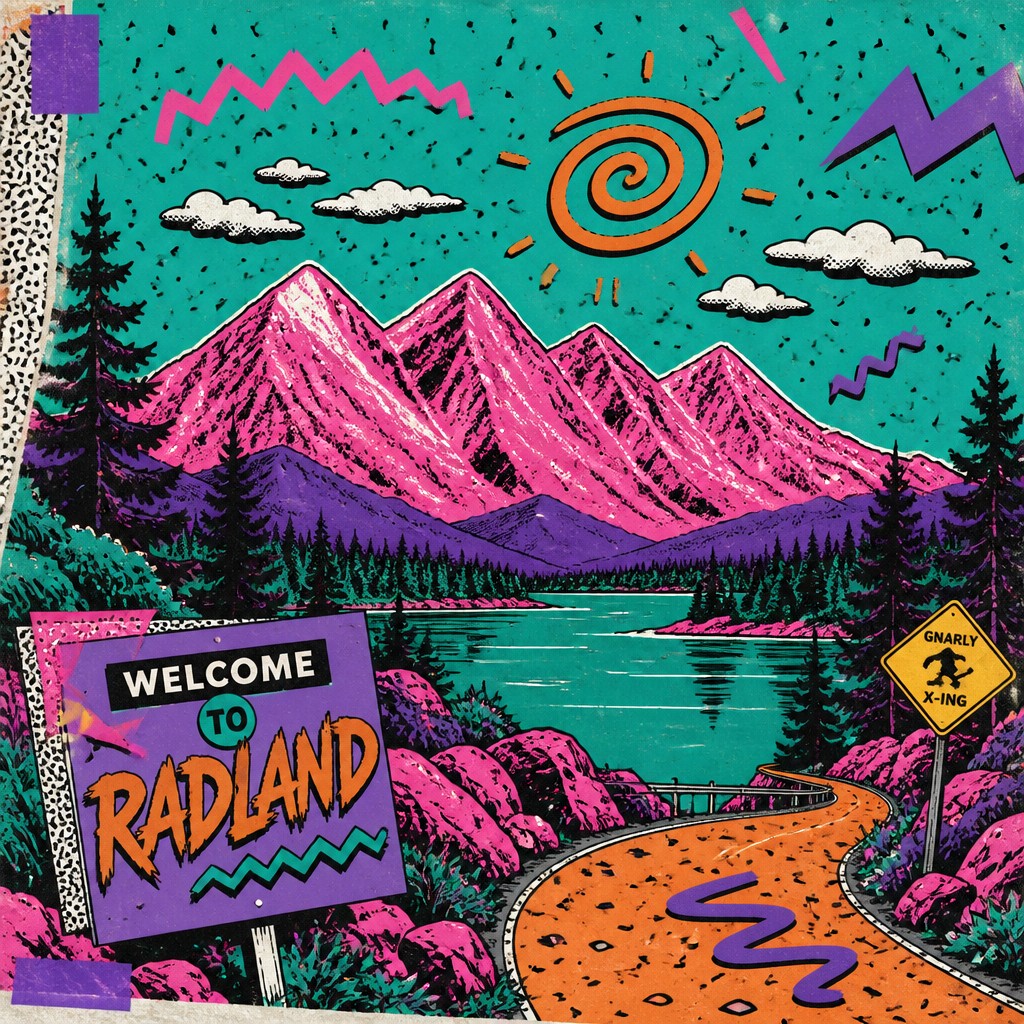
Mall-era fluorescent lighting
Highlights and shadows are minimized in favor of bright, even illumination. The result resembles a product ad, arcade poster, or retail display under fluorescent lights.
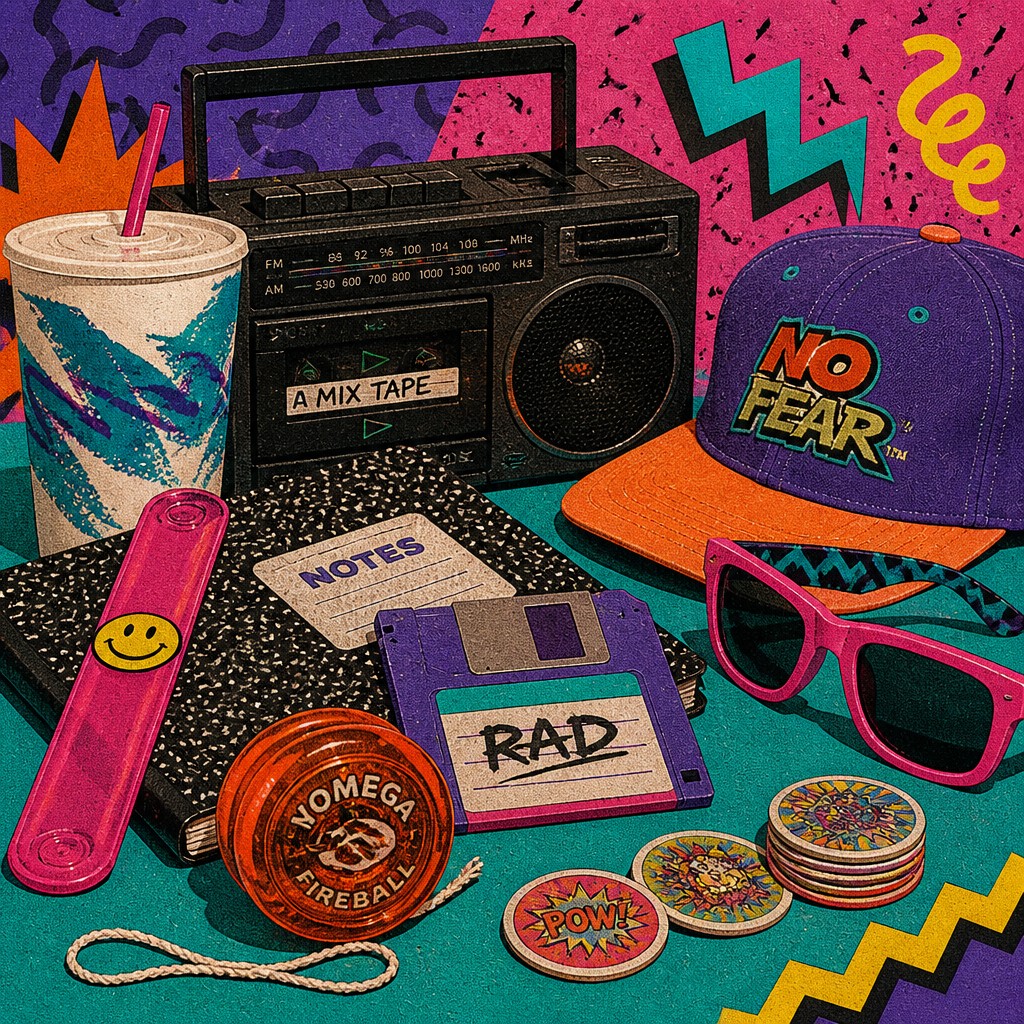
Playful irreverence
The style favors humor, awkwardness, and casual fun over elegance or realism. Its tone is deliberately cheap-and-cheerful, echoing the visual language of disposable pop culture.
Try It
Create Videos in 90s Retro Aesthetic
Styles aren't just for stills — describe a scene or animate an image and get a short video rendered in 90s Retro Aesthetic. Press play to see this pond come to life.
Make a Video90s Retro Aesthetic Prompt Ideas
Start from an idea — each one opens the generator with the style ready to go. See all 40 90s Retro Aesthetic prompts →
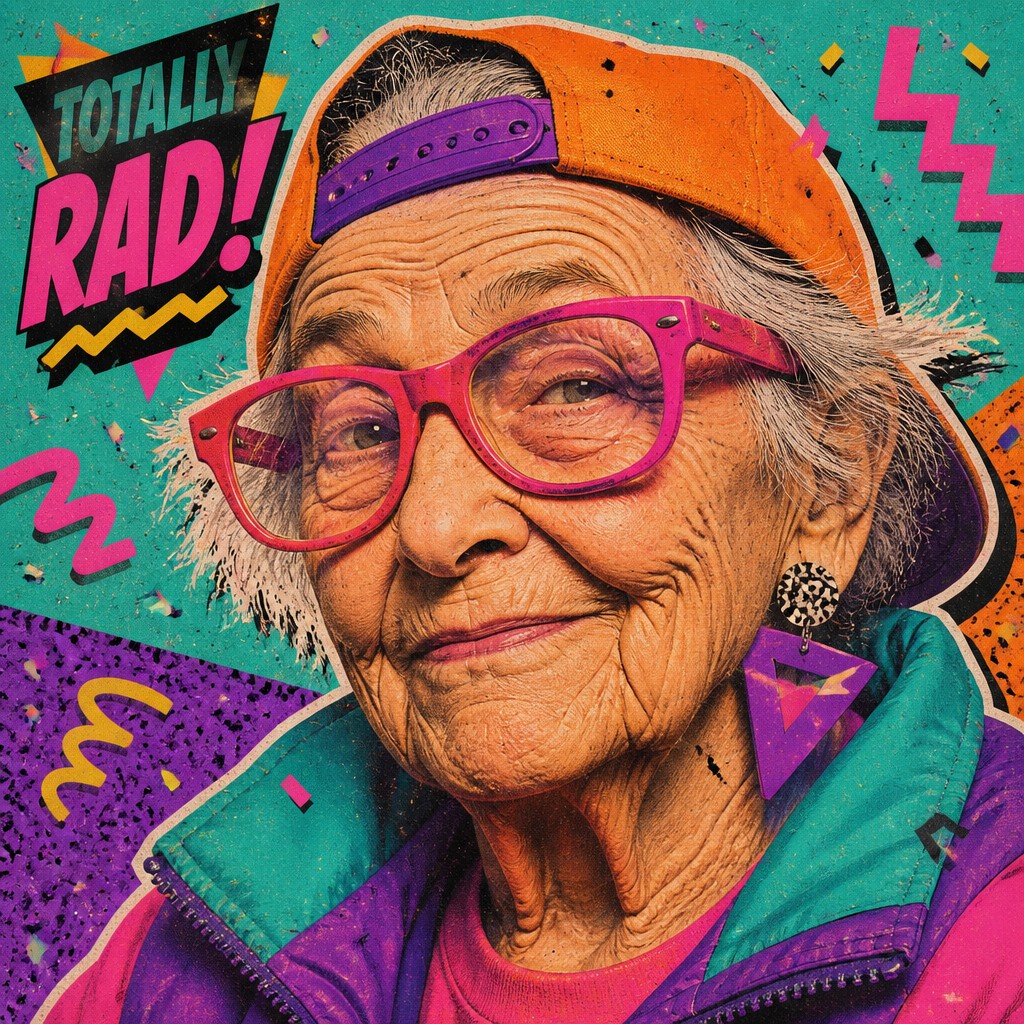
“close-up portrait of an elderly person with expressive weathered features”
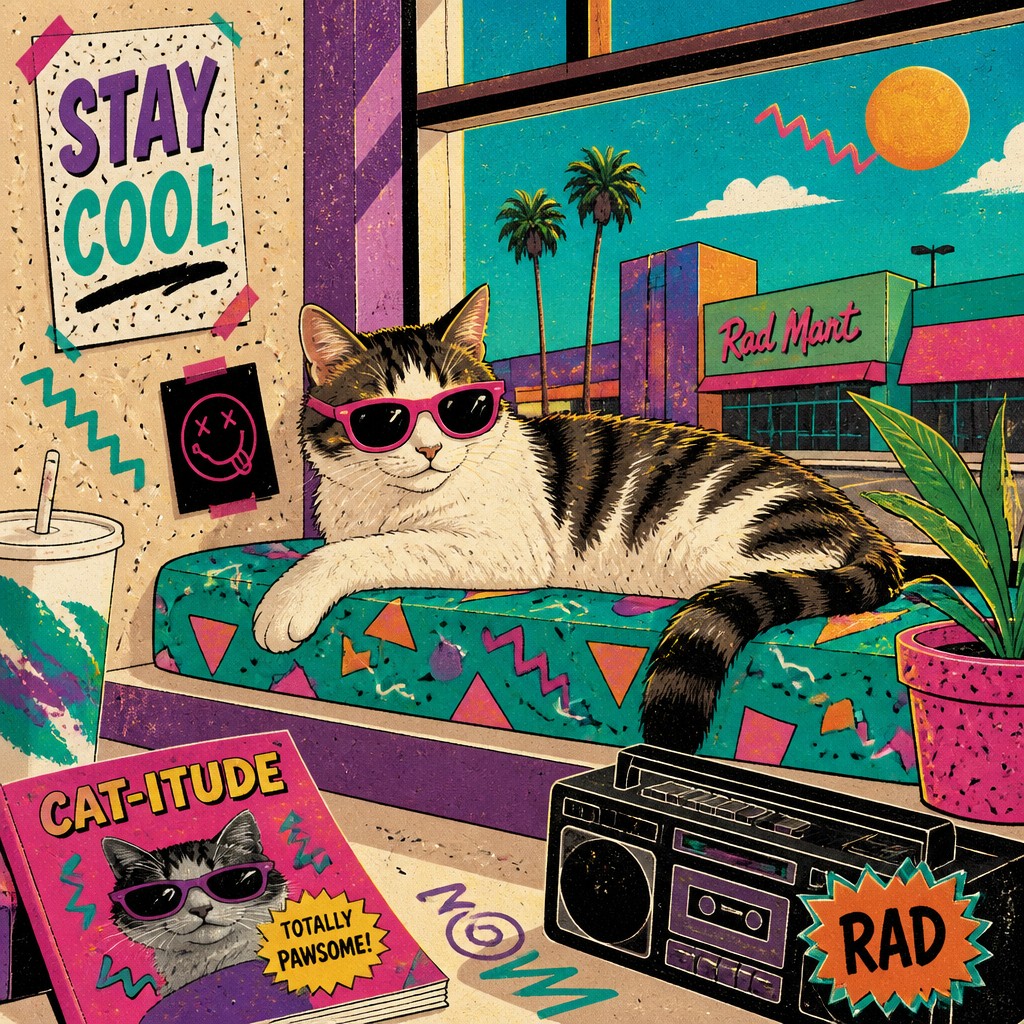
“a cat lounging in a sunlit window”
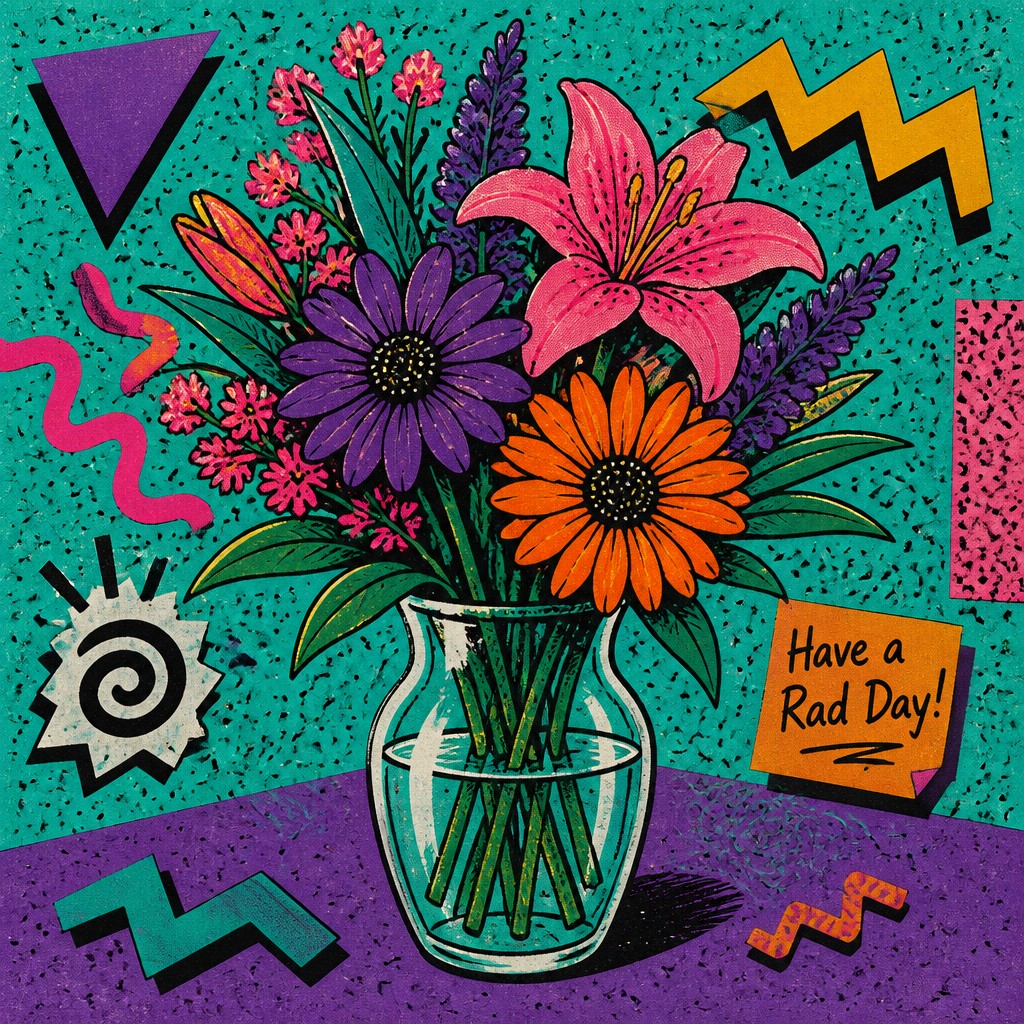
“bouquet of flowers in a glass vase”
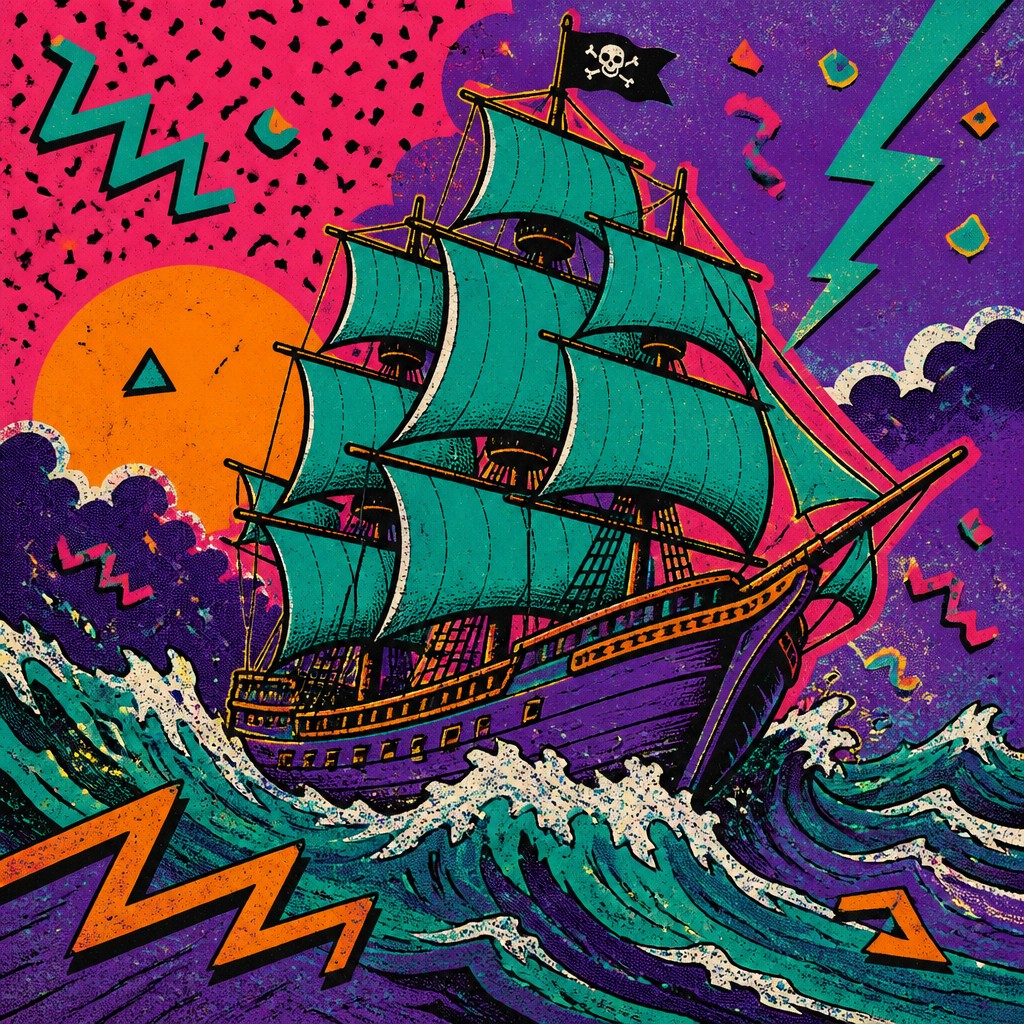
“sailing ship on a stormy sea”
How to Create 90s Retro Aesthetic Art
Master the craft step by step — or skip straight to creating. Read the full guide →
- 1
Start with a simple, bold composition
Use large readable silhouettes and keep the scene uncluttered. This style works best when the main subject is easy to identify and surrounded by decorative graphic accents rather than detailed realism.
- 2
Build a strict 90s-inspired palette
Choose a few saturated colors such as teal, purple, hot pink, orange, and acid yellow, then anchor them with black or white. Avoid muted naturalism unless you are intentionally mimicking faded print.
- 3
Add decorative motion markers
Introduce squiggles, zigzags, dots, starbursts, and confetti-like speckles around the subject. These elements should feel like graphic energy, not literal environment details.
- 4
Simulate cheap print processes
In traditional work, layer markers, gouache, collage, or cut paper and then add grain, stipple, or photocopy texture. In digital work, use halftone overlays, paper scans, edge roughening, and slight misregistration to imitate printed ephemera.
- 5
Keep lighting flat and synthetic
Avoid dramatic cinematic shading; instead, use bright even illumination and simplified shadows. The image should feel like it belongs in a poster, sticker, or TV bumper rather than a fine-art portrait.
- 6
Prompt for iconic texture and era cues
When generating images, specify chunky outlines, confetti speckles, grainy film texture, fluorescent lighting, and bold teal-purple-hot-pink palette. Ask for a playful retro 1990s graphic feel and exclude realism-heavy rendering if needed.
The Story
History & Origins of 90s Retro Aesthetic
This aesthetic is not a single historical art movement but a contemporary label for a cluster of 1990s visual references. Its lineage draws on late-20th-century graphic design, youth culture branding, children’s television graphics, teen magazine layouts, and the afterlife of 1980s postmodern patterning such as Memphis design. It also borrows from the visual language of cheap print media: flyers, sticker sheets, cassette inserts, mall signage, and photocopied school materials.
As a revived style, it became popular in the 2010s and 2020s as designers, illustrators, and social media creators began reusing 90s motifs to evoke childhood, analog media, and pre-digital pop culture. The result is less a reconstruction of one exact decade than a curated memory of it: bright, synthetic color; simplified forms; and textures that imitate ink, halftone, and photocopy artifacts.
Influences: This style draws from Memphis design, 1990s advertising, children’s TV graphics, teen magazine illustration, and the broader language of postmodern consumer design. Its flattened shapes and decorative patterning echo Memphis artists such as Ettore Sottsass and Nathalie du Pasquier, while its cartoon immediacy also overlaps with comic illustration and pop graphic design. The nostalgic effect depends less on one canonical source than on the collision of several mass-media traditions from the late 20th century.
Frequently Asked Questions
What defines the 90s Retro Aesthetic?
It is defined by loud 1990s-inspired color, chunky outlines, squiggles, confetti speckles, and flat graphic forms. The style usually feels playful, casual, and slightly crude in the way printed ephemera and consumer graphics often did.
Is this the same as Memphis design?
No, but it is related. Memphis design is a specific late-1980s postmodern movement, while 90s Retro Aesthetic borrows some of its pattern language and bright colors and blends them with 1990s youth culture, print texture, and TV-commercial energy.
How is it different from Y2K style?
Y2K style is usually shinier, more metallic, and more futurist, with chrome, translucency, and tech optimism. 90s Retro Aesthetic is flatter, more graphic, more photocopied, and more rooted in playful print culture than in digital futurism.
What kinds of images work best in this style?
Clear subjects with simple silhouettes work best: objects, snacks, characters, sports gear, tech gadgets, and retro interiors. Busy realism can muddy the look, while bold shapes and limited details preserve the graphic clarity.
How can I make art in this style by hand?
Use bright markers, cut paper, colored pencils, or digital painting with a limited palette and thick outlines. Add texture with photocopy effects, halftone dots, speckling, or scanned paper grain to make the image feel reproduced and nostalgic.
Where is this style commonly used?
It appears in posters, social media graphics, zines, stickers, clothing prints, album art, and retro-themed branding. It is popular whenever a project wants to signal childhood memory, 1990s pop culture, or playful low-fi design.

Create your first 90s Retro Aesthetic artwork
Describe anything — or upload a photo — and see it in 90s Retro Aesthetic in seconds.
Make Something with 90s Retro Aesthetic
Related Styles
Discover similar art styles