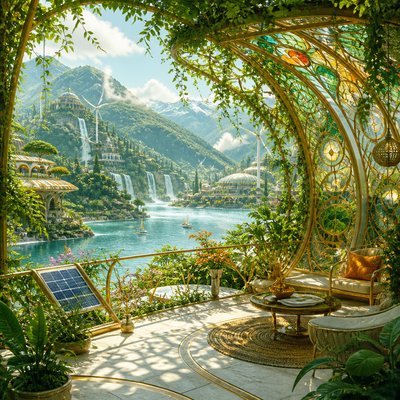
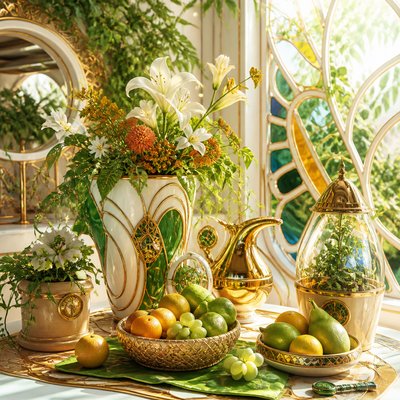
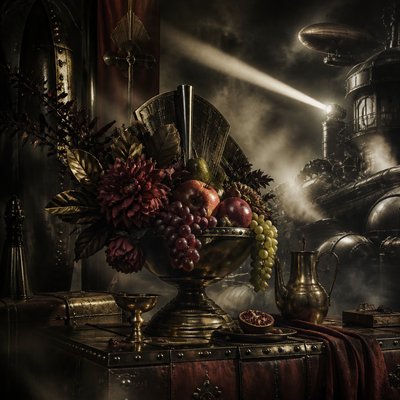
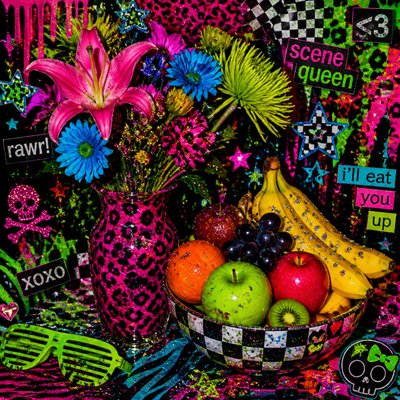
Whimsigoth Aesthetic
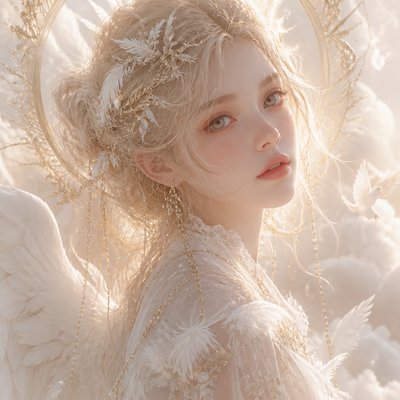
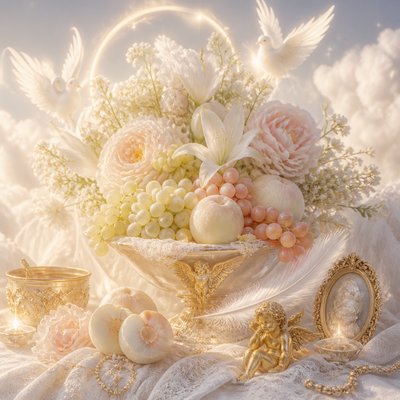
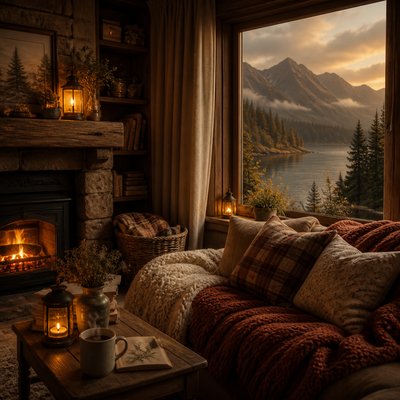
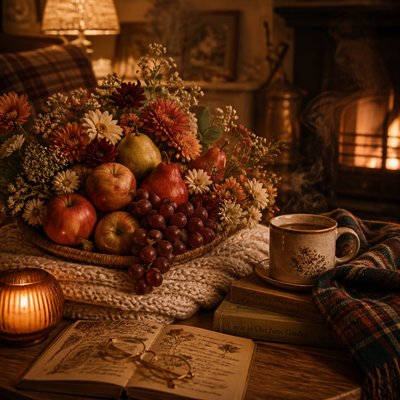
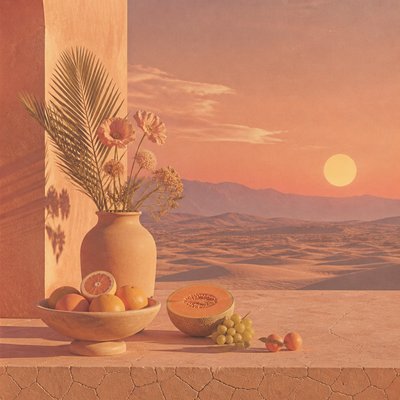
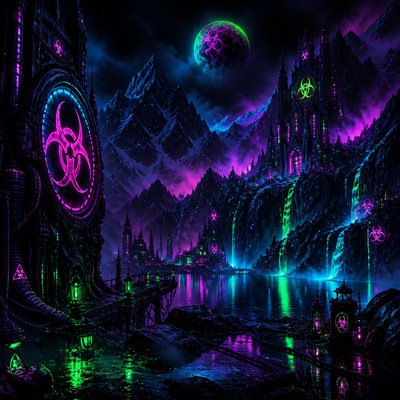
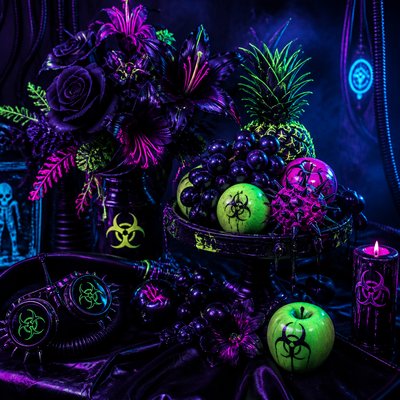
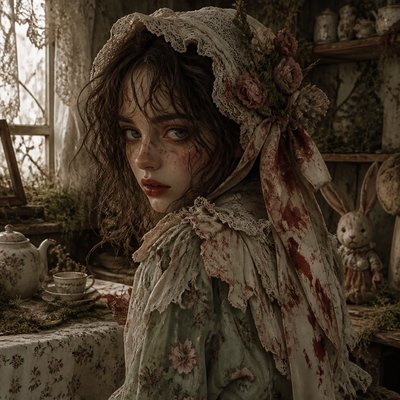
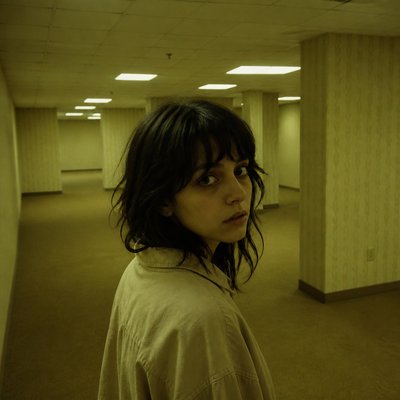
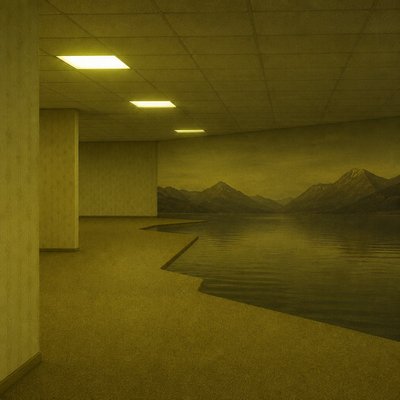
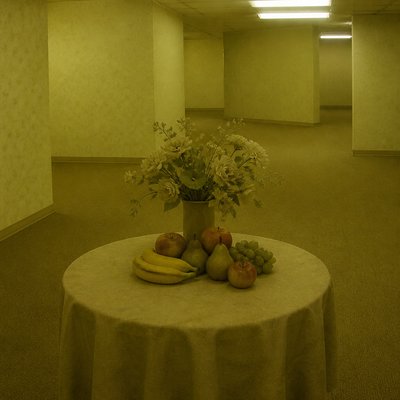
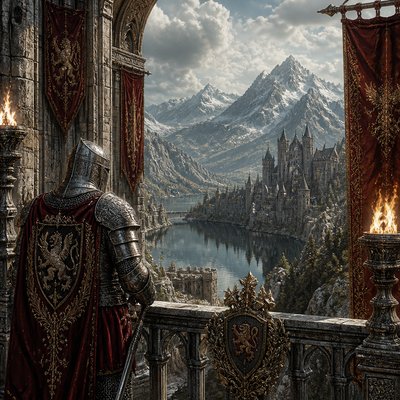
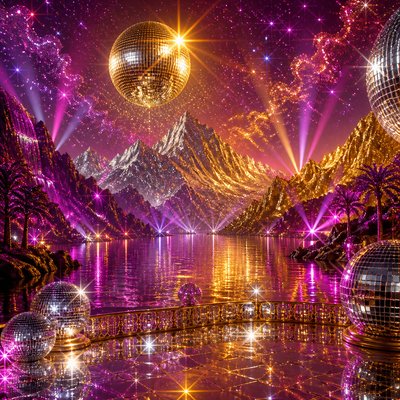
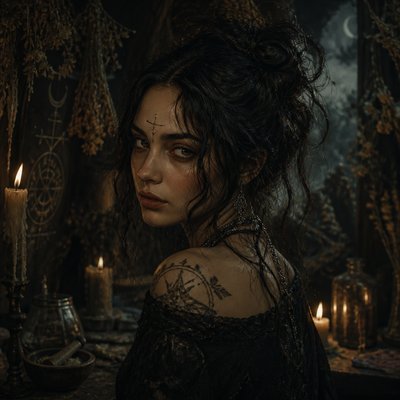
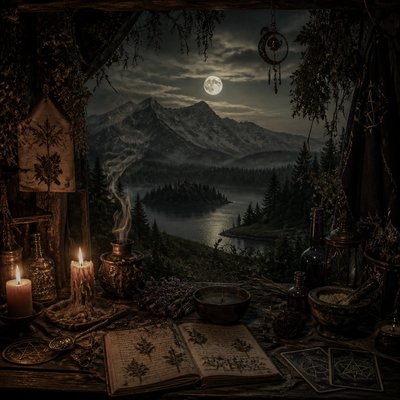
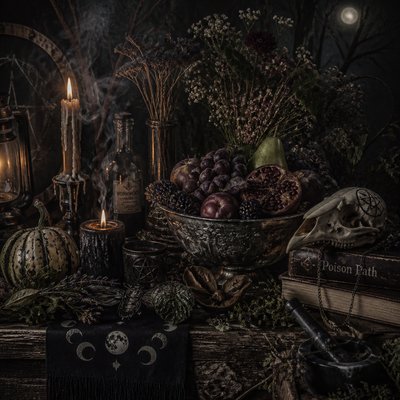
Cozy 90s bohemian gothic aesthetic with jewel tones, velvet textures, celestial motifs, and warm lamplight.
Instantly rendered in Whimsigoth Aesthetic — or transform a photo
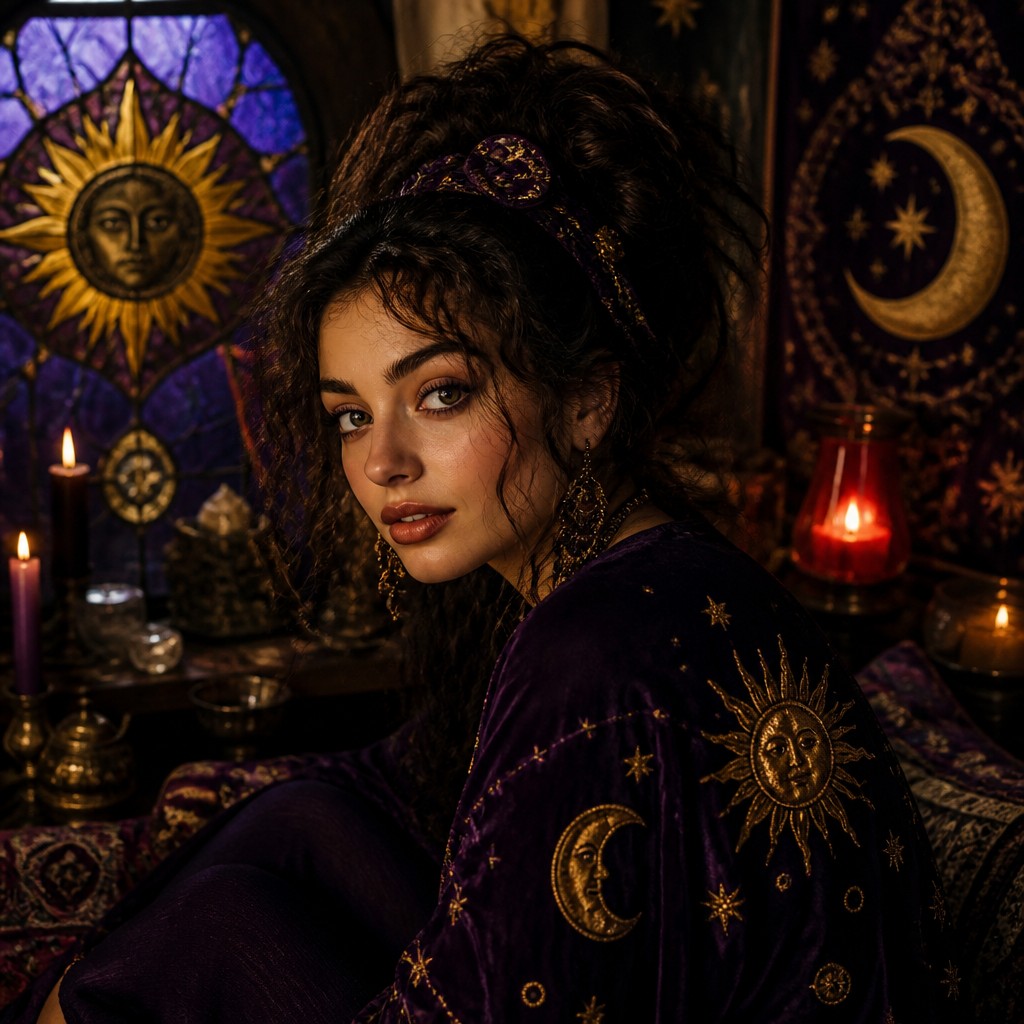
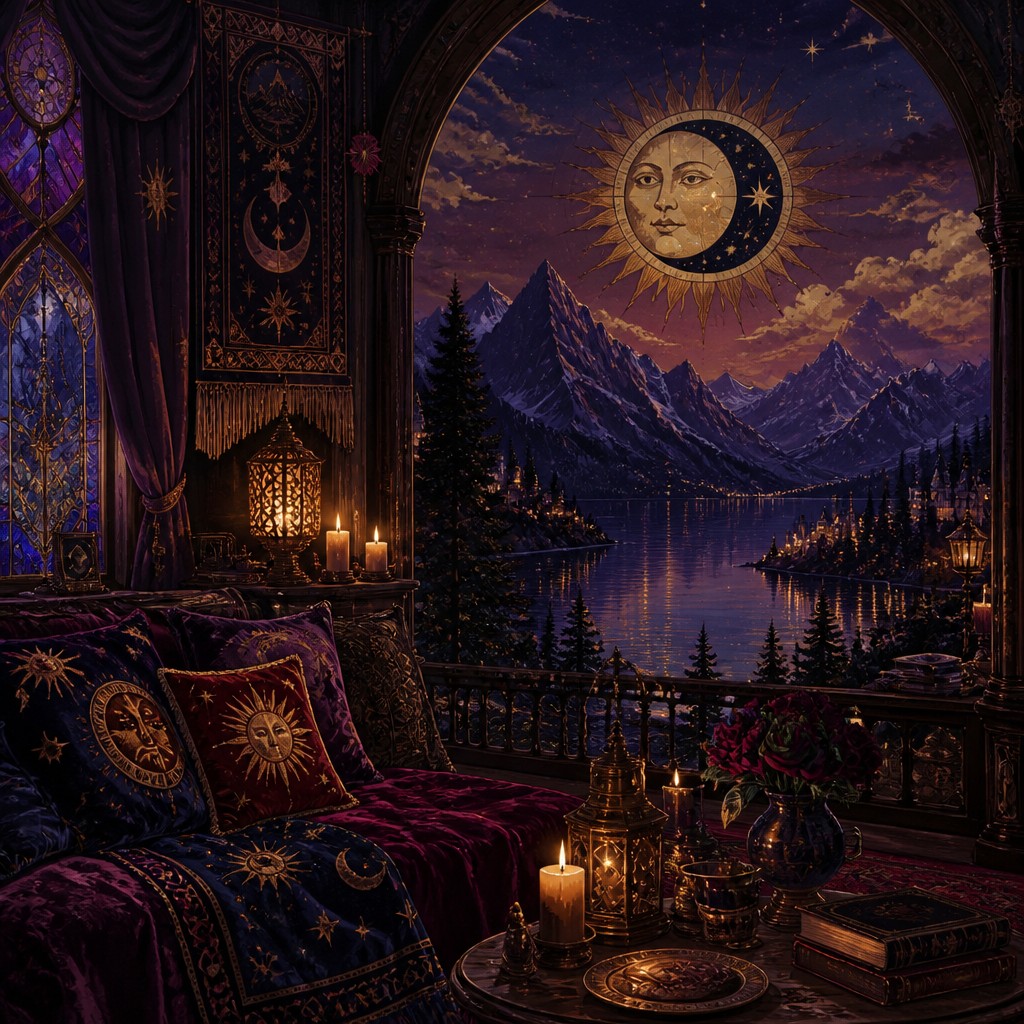
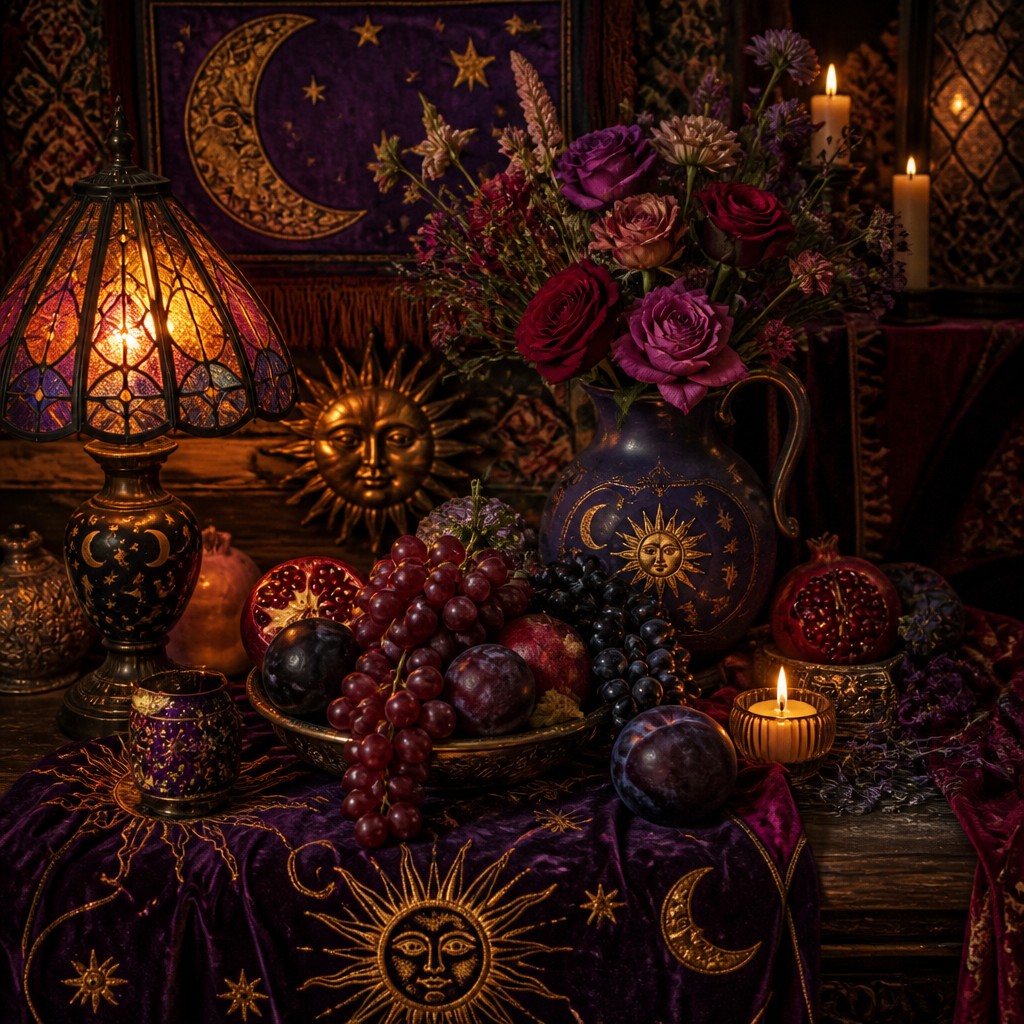
Whimsigoth Aesthetic Gallery
Tap any artwork to explore it
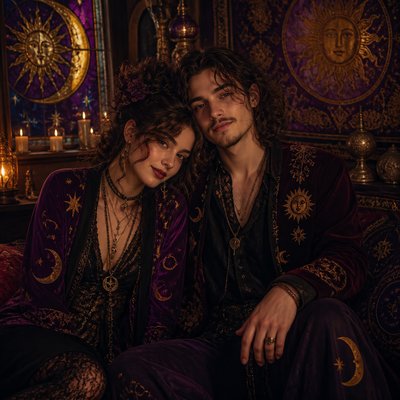
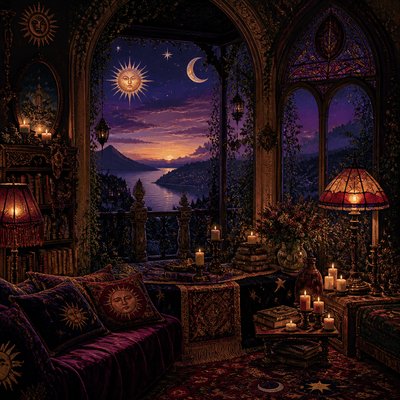
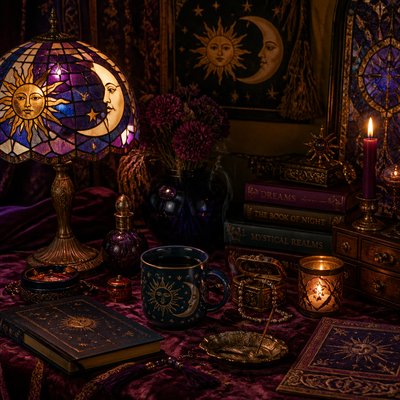
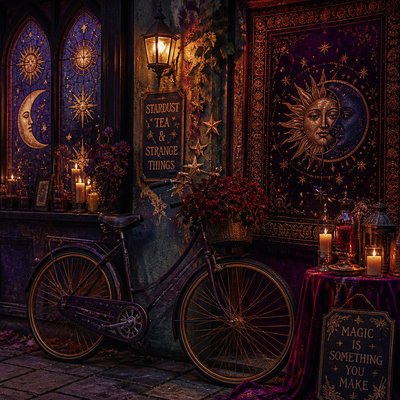
What is Whimsigoth Aesthetic?
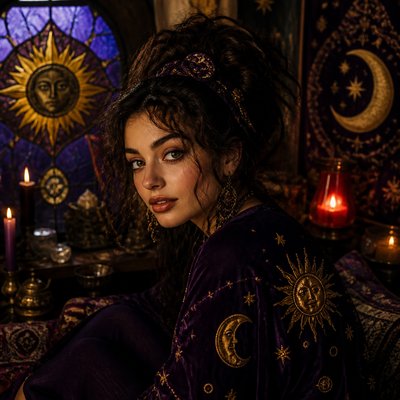
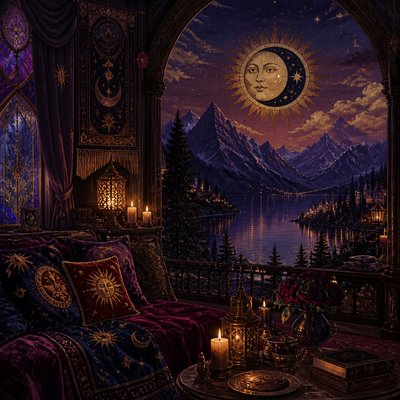
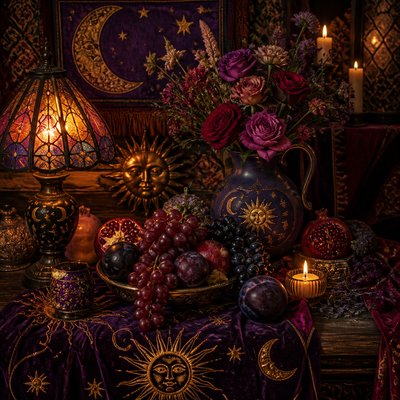
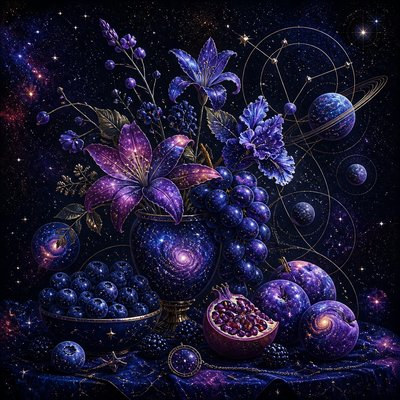
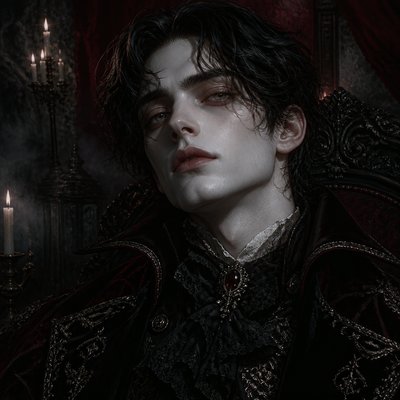
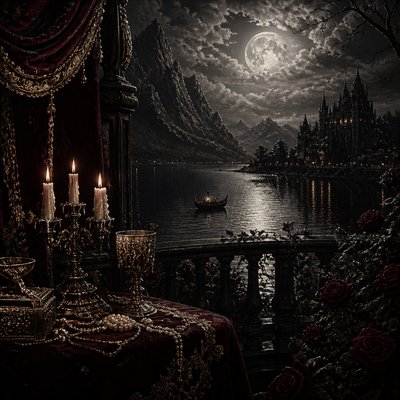
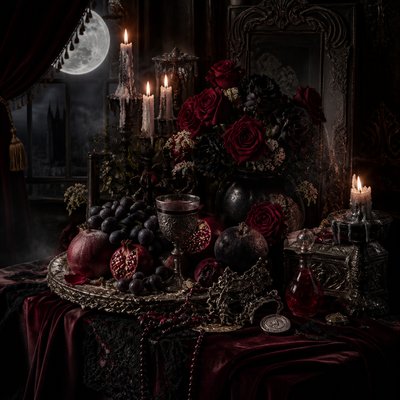
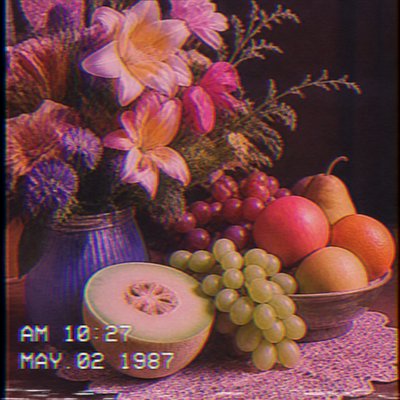
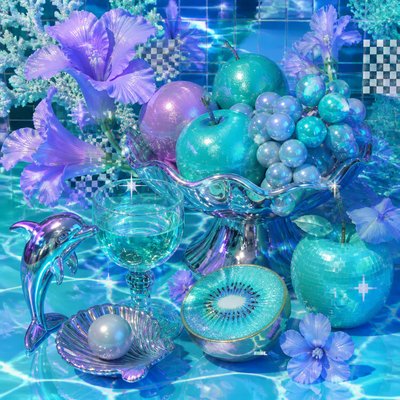
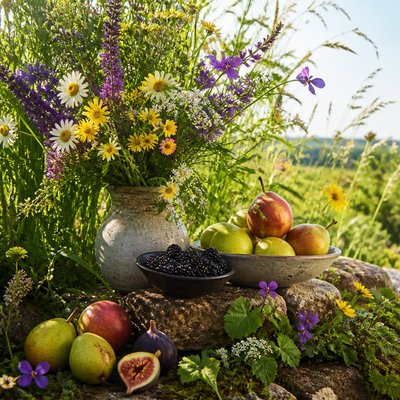
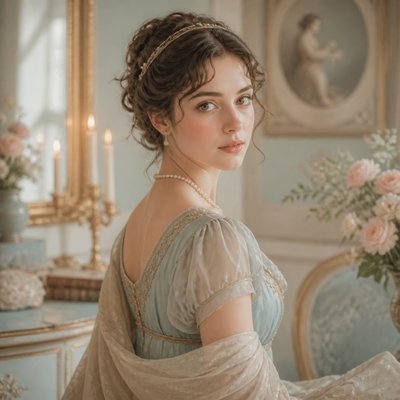
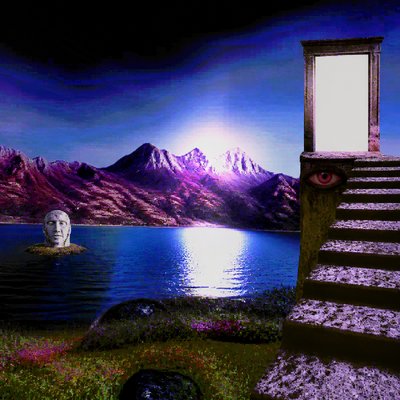
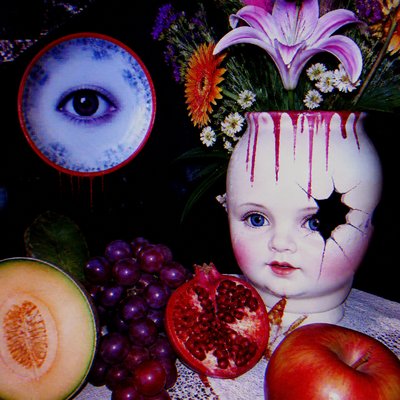
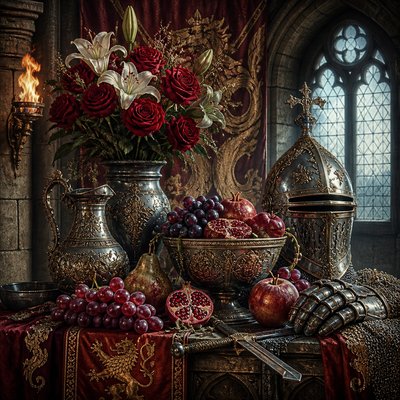
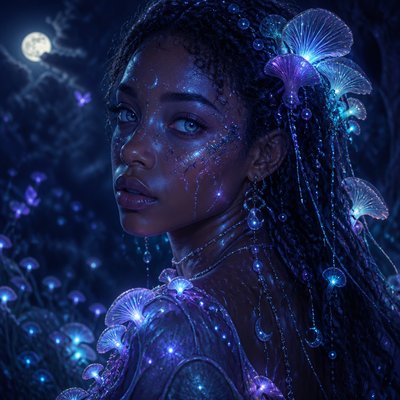
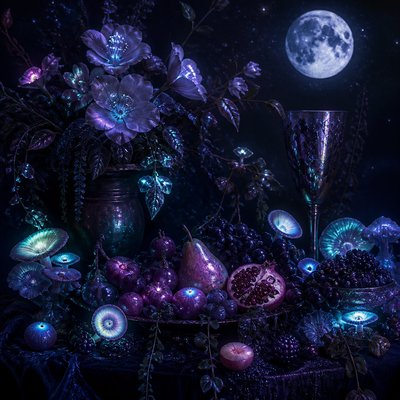
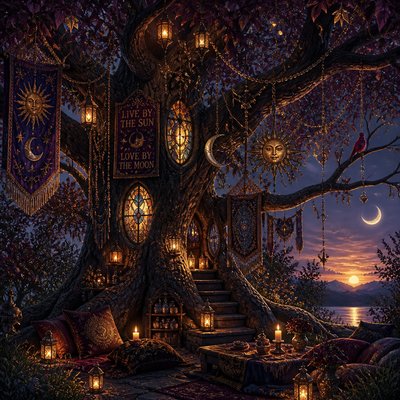
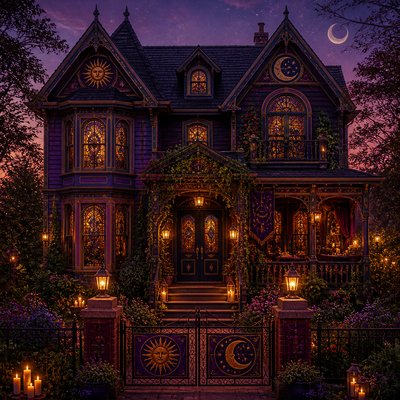
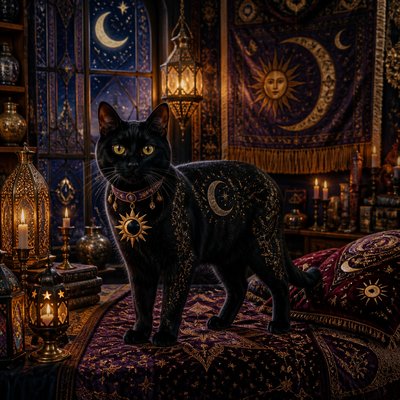
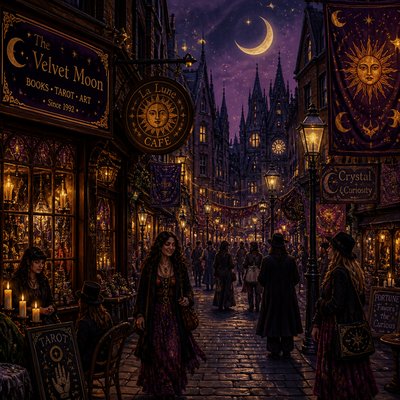
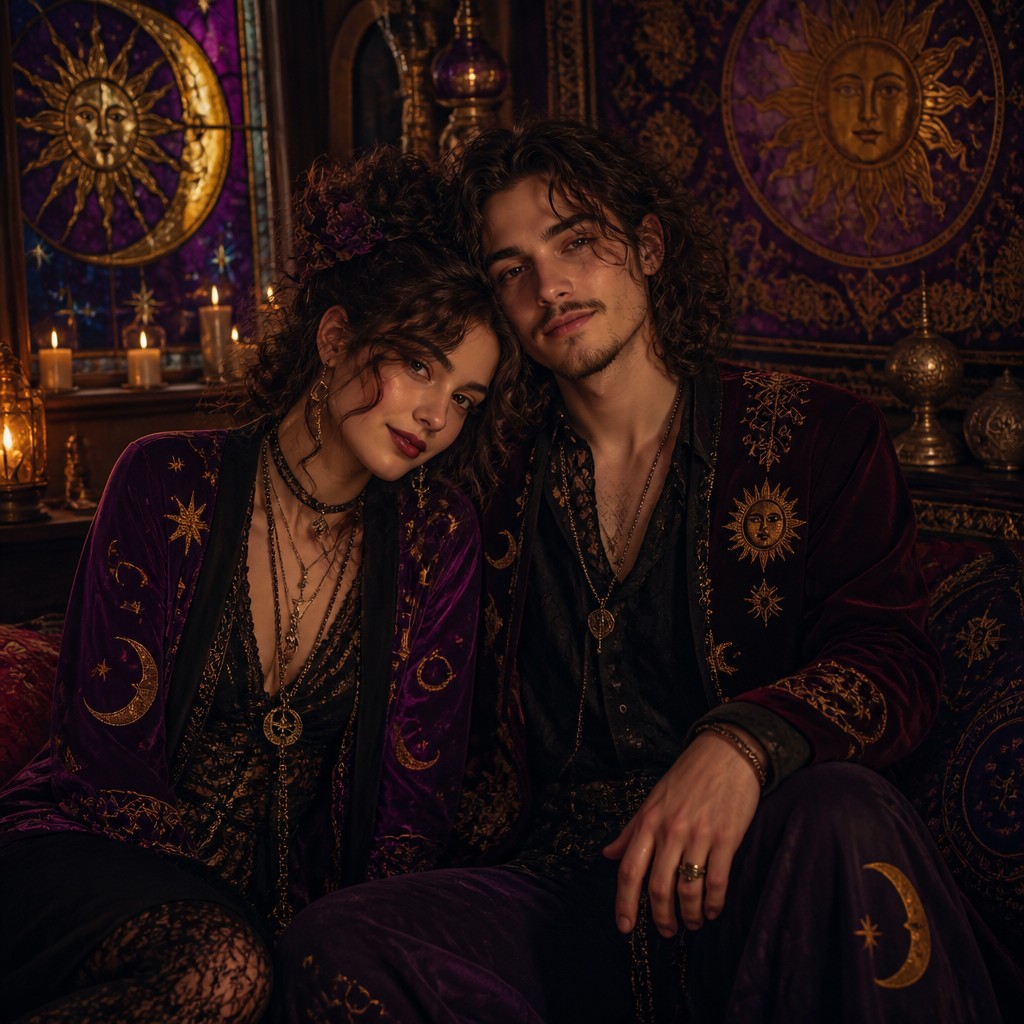
Whimsigoth aesthetic is a cozy, romantic form of bohemian gothic style associated with the 1990s. It combines dark-leaning color palettes with warmth and softness: deep purples, midnight blues, wine reds, antique gold, candlelight, velvet, stained glass, tapestry, and celestial symbols such as moons, stars, suns, and tarot-like ornament.
Its look is less about horror or severity than about enchanted domesticity. The style often evokes lived-in interiors, witchy accessories, sacred space, and a slightly theatrical sense of mystery. The result feels intimate and magical, balancing gothic atmosphere with softness, warmth, and a distinctly nostalgic 1990s sensibility.
Try It On Your Photos
Upload any photo and convert it into Whimsigoth Aesthetic — drag the sliders to compare before and after.


What Defines Whimsigoth Aesthetic
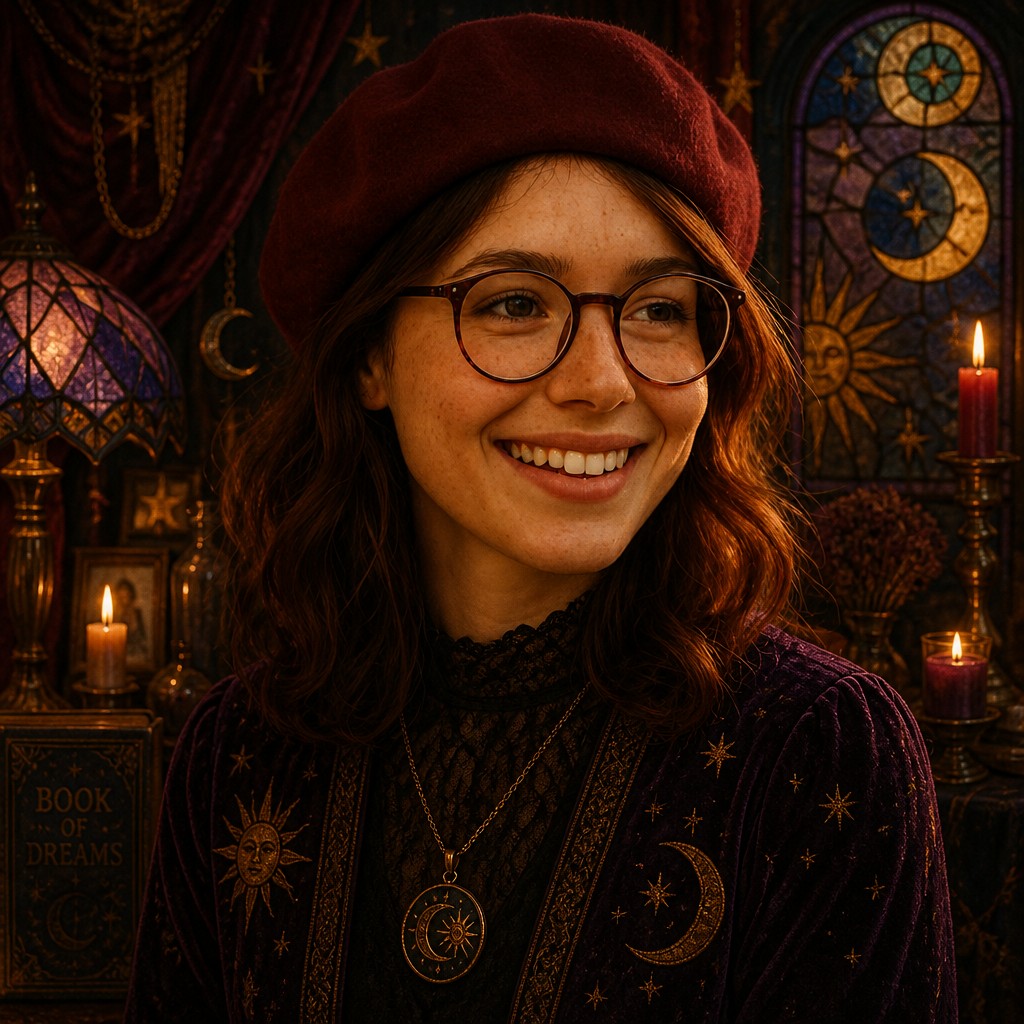
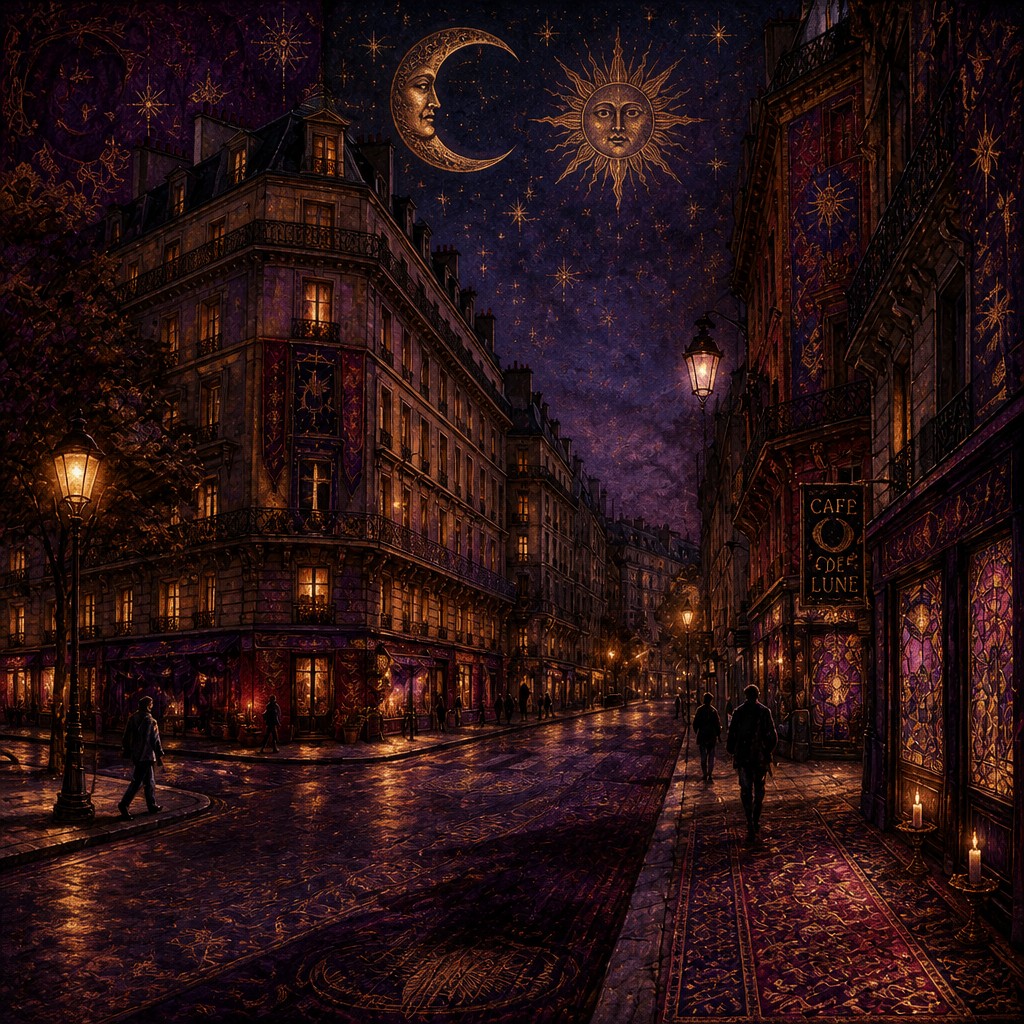
The signature details, up close
Jewel-tone palette
The palette centers on saturated, low-light colors such as amethyst purple, sapphire blue, burgundy, forest green, and antique gold. Black may appear, but it is usually softened by warm highlights and rich secondary tones rather than stark contrast.
Celestial and occult motifs
Moons, stars, suns, planets, tarot symbols, candles, crystal balls, and astrological diagrams are common. These elements give the style its magical identity without necessarily making it look sinister or overtly horror-based.
Velvet, tapestry, and layered texture
Surface richness is essential: velvet, brocade, lace, embroidered fabric, patterned wallpaper, and stained glass create a tactile, lived-in feel. The style often depends on visible texture to communicate comfort and depth.
Warm lamplight and candle glow
Lighting tends to be low, golden, and enclosed, as if from lamps, candles, and filtered windows. This warmth distinguishes whimsigoth from colder gothic styles and helps the imagery feel intimate rather than bleak.
Bohemian eclecticism
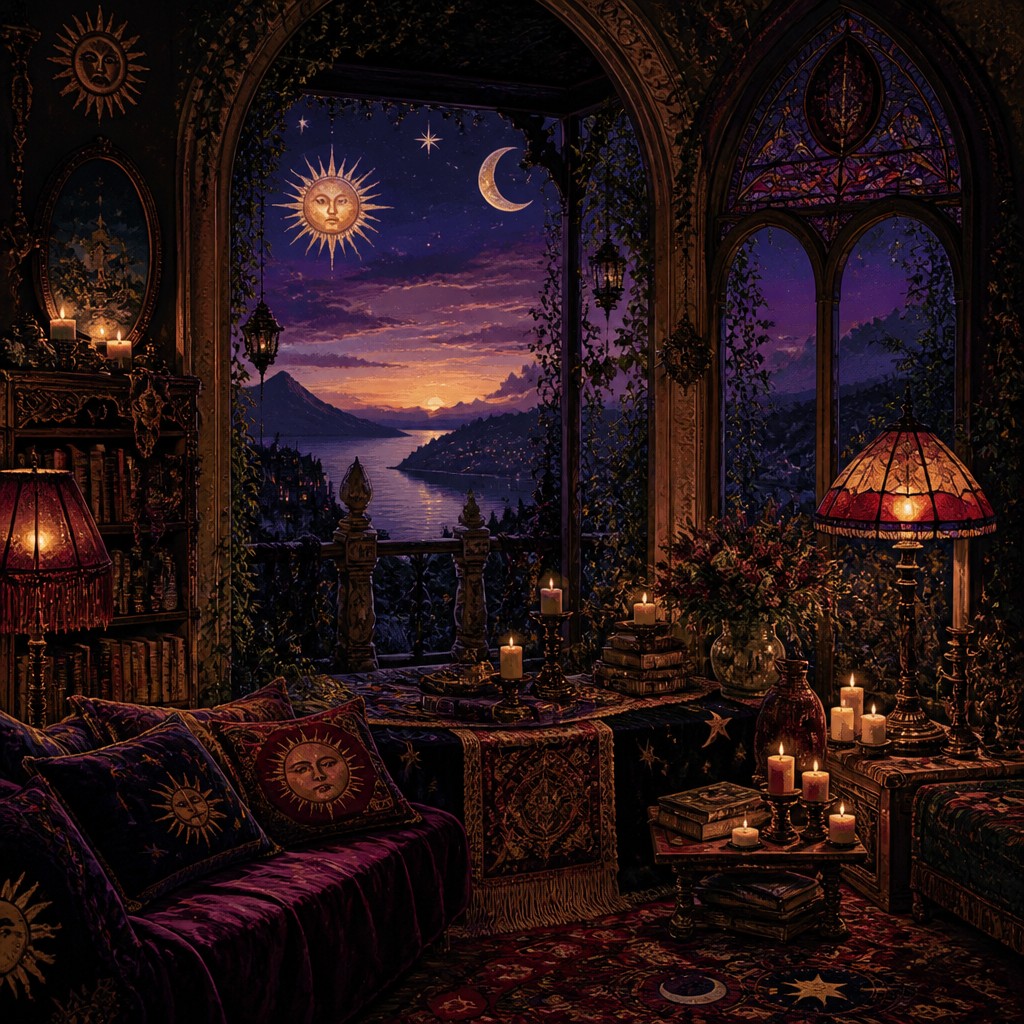
Furniture, clothing, and objects are typically mixed rather than matched, with vintage finds, plants, books, beads, crystals, and ornate frames. The composition often feels collected over time, suggesting personal ritual and self-fashioned identity.
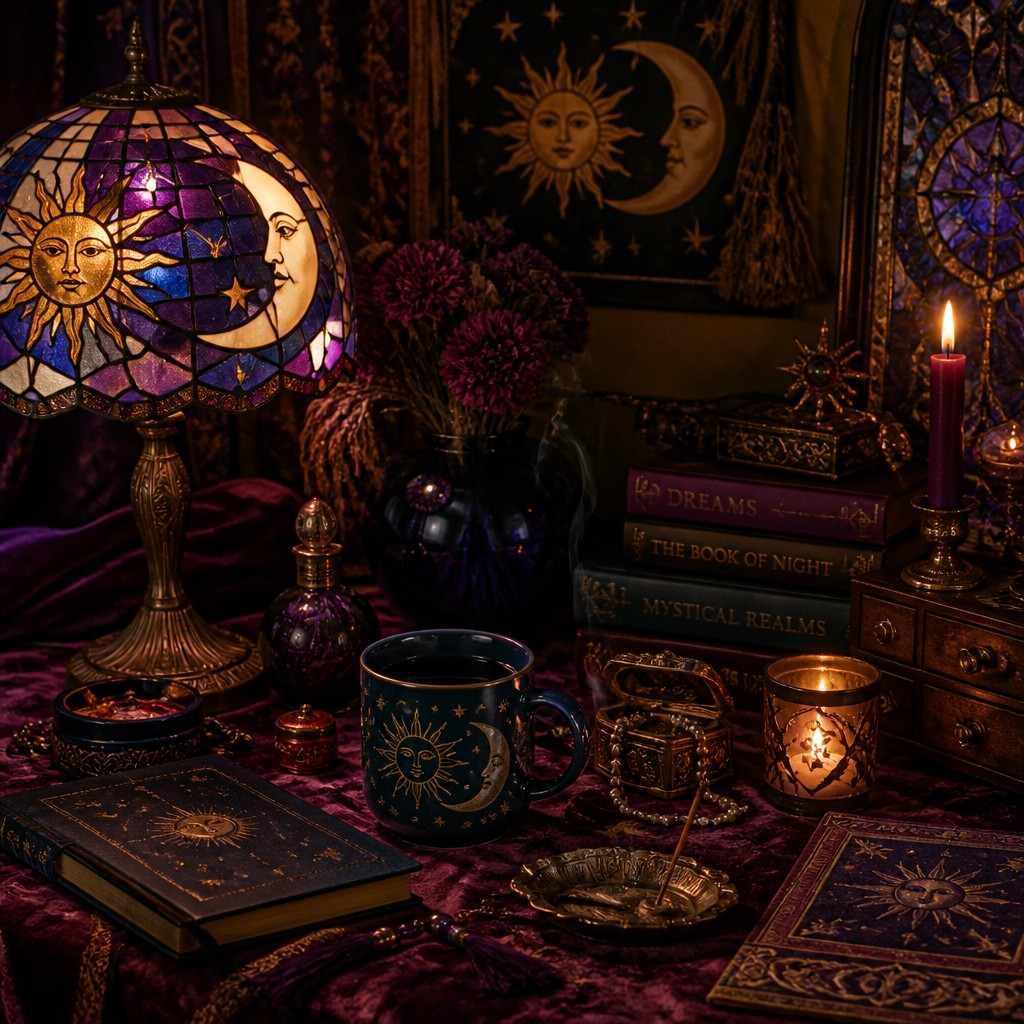
Dreamy 1990s nostalgia
The style carries a clear 1990s cultural memory in fashion silhouettes, interior styling, and image treatment. It often feels reminiscent of alternative magazines, teen witch media, and the decorative excess of that decade's boho-goth crossover.
Try It
Create Videos in Whimsigoth Aesthetic
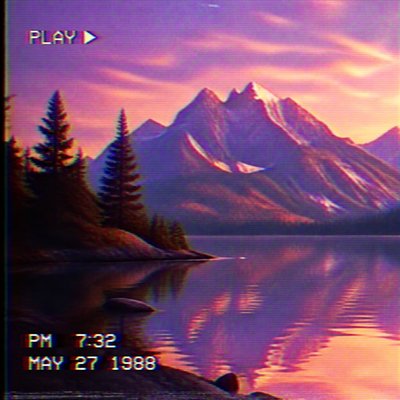
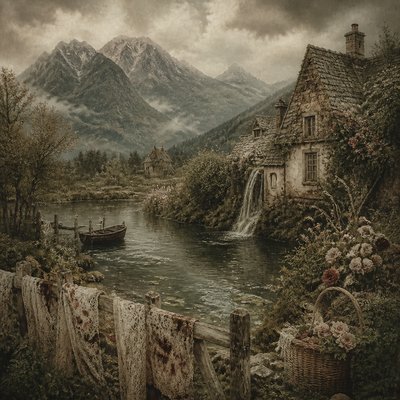
Styles aren't just for stills — describe a scene or animate an image and get a short video rendered in Whimsigoth Aesthetic. Press play to see this pond come to life.
Make a VideoWhimsigoth Aesthetic Prompt Ideas
Start from an idea — each one opens the generator with the style ready to go. See all 40 Whimsigoth Aesthetic prompts →
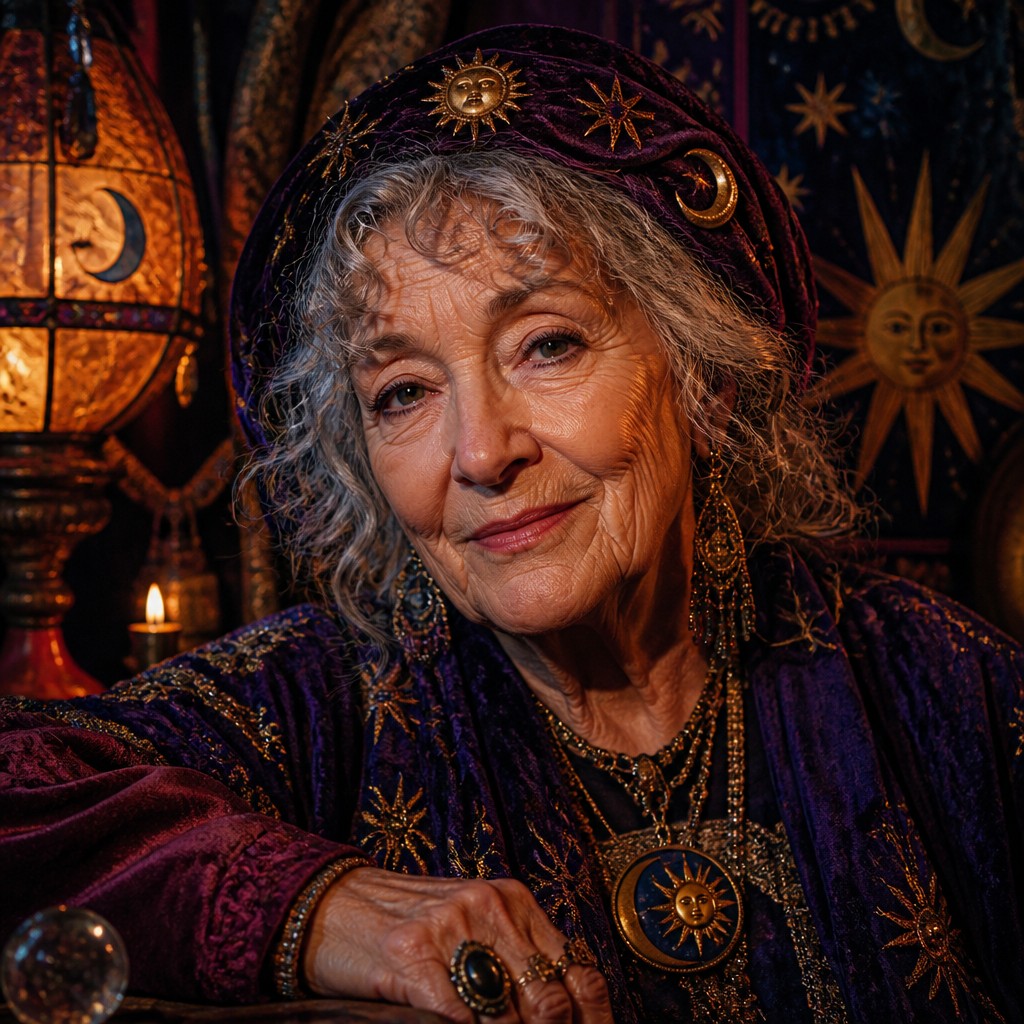
“close-up portrait of an elderly person with expressive weathered features”
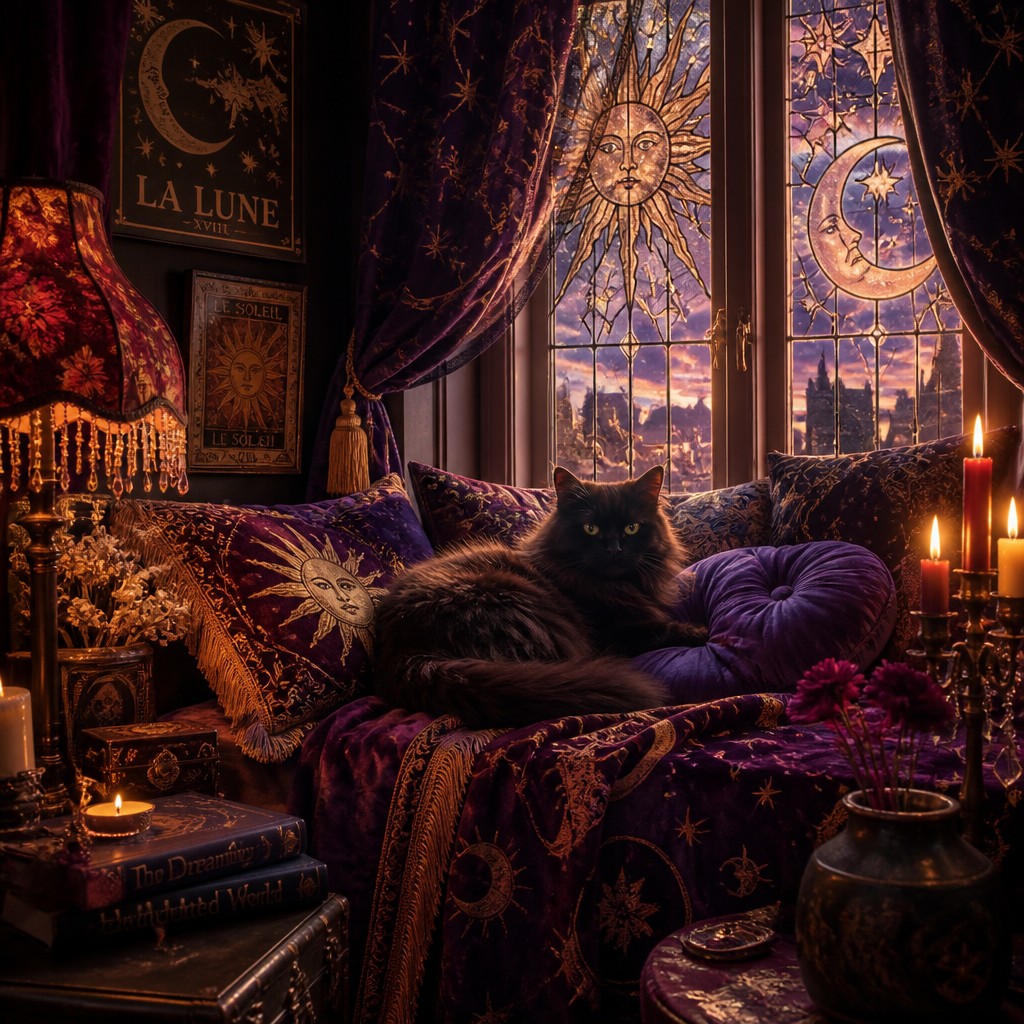
“a cat lounging in a sunlit window”
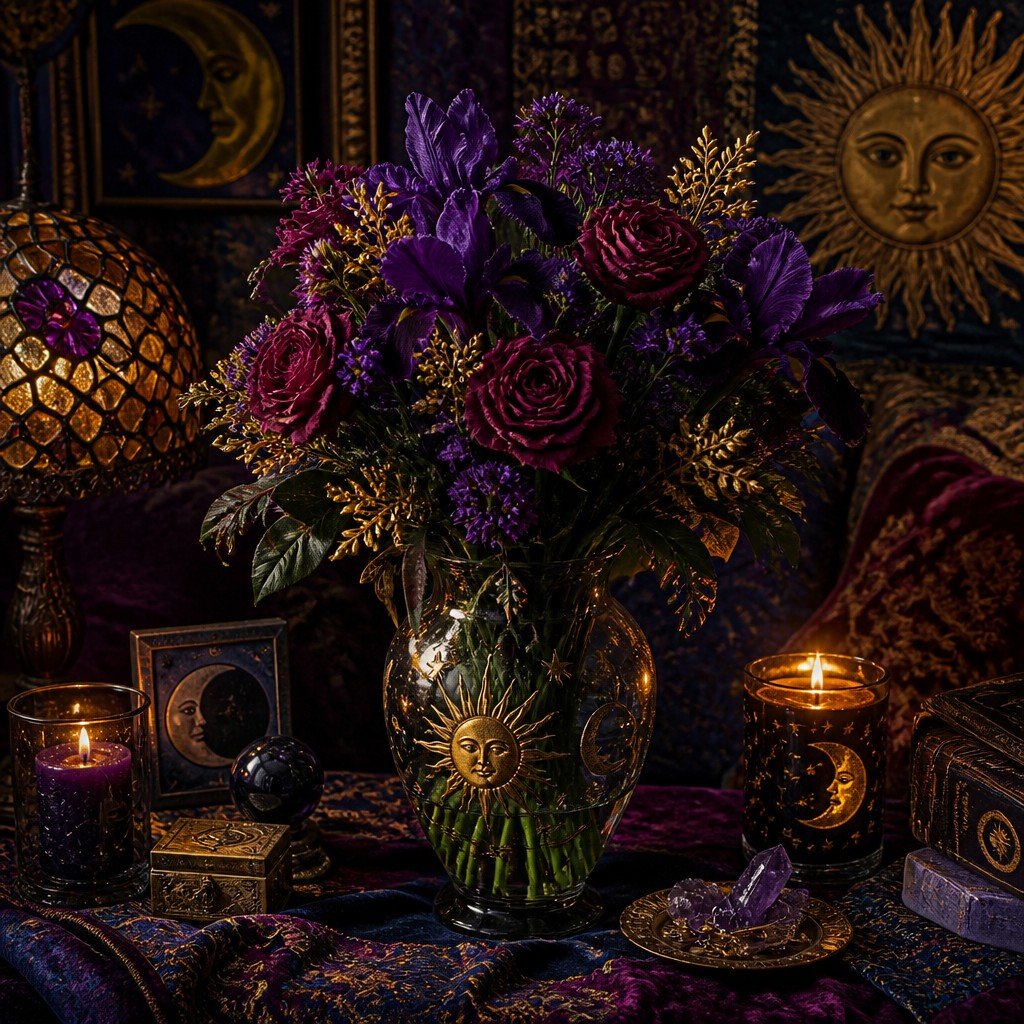
“bouquet of flowers in a glass vase”
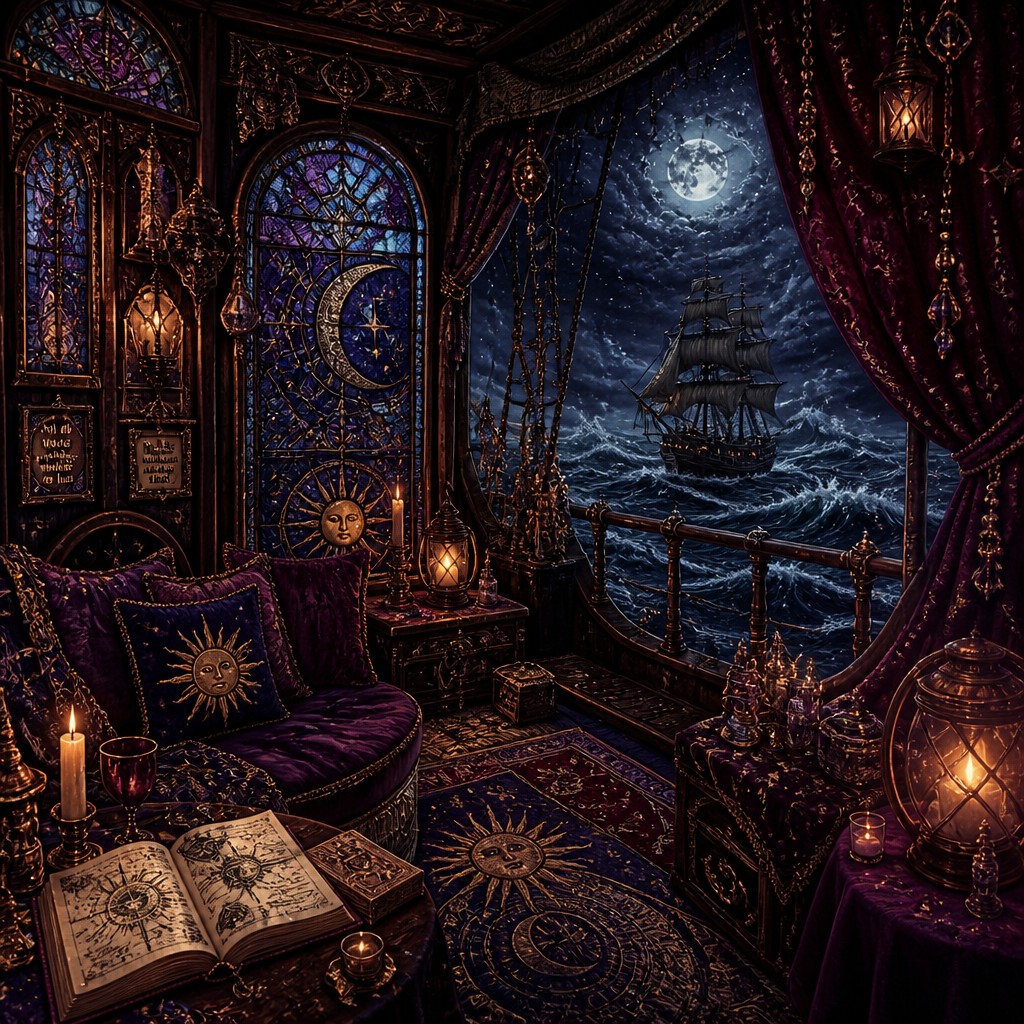
“sailing ship on a stormy sea”
How to Create Whimsigoth Aesthetic Art
Master the craft step by step — or skip straight to creating. Read the full guide →
- 1
Build a dark, warm palette
Start with deep jewel tones and anchor them with antique gold, oxblood, and muted black. Avoid flattening the image into pure darkness; preserve luminous accents so the scene feels enveloping rather than stark.
- 2
Layer textures and pattern
Use fabrics and surfaces that read as rich and tactile: velvet drapery, lace trims, patterned rugs, stained glass, carved wood, and tapestry. In digital work, emphasize material variation with controlled highlights, soft shading, and detailed surface marks.
- 3
Add symbolic celestial details
Introduce moons, stars, sunbursts, crystal decor, incense, or tarot-inspired ornament to establish the witchy, mystical mood. Keep the symbols integrated into the environment so they feel decorative and atmospheric rather than pasted on.
- 4
Use low, localized lighting
Compose with candles, sconces, lamps, and window glow to create pockets of illumination and shadow. This kind of lighting is central to the aesthetic because it produces softness, intimacy, and a sense of quiet ritual.
- 5
Mix vintage boho with gothic structure
Combine organic, bohemian elements like plants, beads, and draped textiles with darker gothic forms such as ornate frames, pointed arches, or heavy furniture. The style works best when the composition feels eclectic but intentional.
- 6
For text-to-image prompts, specify mood and materials
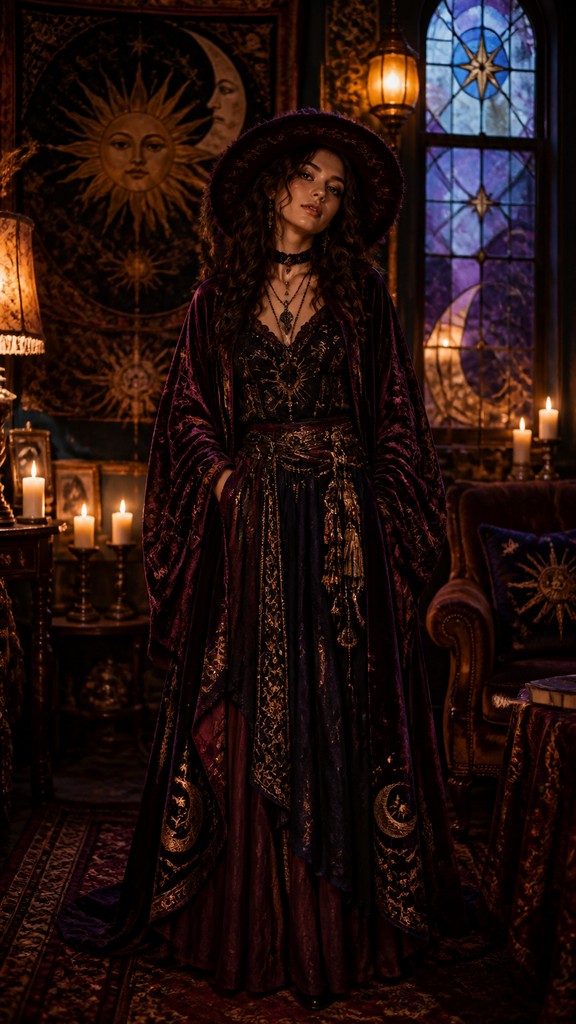
Describe both the subject and the atmosphere, for example: a cozy reading nook, moonlit altar, or fashion portrait with velvet, gold, candlelight, and celestial motifs. The style emerges from the combination of subject, palette, texture, and lighting rather than from darkness alone.
The Story
History & Origins of Whimsigoth Aesthetic
Whimsigoth is not a formal historical art movement but a contemporary aesthetic that crystallized from several older visual traditions. It draws from gothic revival ornament, bohemian interiors, occult and astrological imagery, and the 1990s fashion-and-home-design culture that favored layered textiles, thrifted decor, incense, dark florals, and eclectic maximalism. In recent usage, the term is often applied retroactively to media and interiors that combine moody color with whimsical, witchy, or celestial motifs.
Its lineage also reflects late-20th-century popular culture: mystical female characters in film and television, alternative fashion, and the reappraisal of “girly” domestic spaces as sites of personal ritual rather than simplicity. In visual terms, whimsigoth belongs to the broader family of nostalgic aesthetics that transform gothic references into something cozy, decorative, and emotionally warm rather than austere or ominous.
Influences: Whimsigoth draws from gothic revival ornament, bohemian and eclectic interior design, occult and astrological imagery, and the decorative excess of 1990s alternative culture. It also overlaps with visual traditions of Victorian-inspired gothic aesthetics, Art Nouveau’s ornamental curves, and the atmosphere of 1970s and 1990s witchy fashion, though it is more intimate and playful than strictly historical gothic. Its visual language often feels adjacent to the worlds associated with designers and artists such as William Morris, Gustav Klimt, and Aubrey Beardsley in its love of pattern and ornament, while remaining a modern fusion rather than a direct continuation of any one movement.

Frequently Asked Questions
What defines the whimsigoth aesthetic?
Whimsigoth is defined by the combination of gothic mood and cozy bohemian warmth. Look for jewel-tone colors, candlelight, velvet, celestial symbols, ornate patterning, and an eclectic, lived-in feeling. The style is mystical and atmospheric, but usually inviting rather than frightening.
How is whimsigoth different from dark academia or traditional goth?
Dark academia emphasizes books, classical scholarship, brown tones, and a studious mood, while traditional goth often leans colder, sharper, and more overtly dramatic. Whimsigoth is softer and more domestic, with a focus on warm light, decorative textiles, moon-and-star imagery, and witchy comfort. It feels more enchanted than austere.
Is whimsigoth a historical art movement?
No. It is a contemporary aesthetic that borrows from several older traditions, especially gothic ornament, bohemian decor, occult symbolism, and 1990s alternative culture. It should be understood as an aesthetic lineage rather than a formal historical movement.
What colors work best for whimsigoth images?
Deep purple, midnight blue, burgundy, forest green, black, and antique gold are the core colors. Warm amber and candlelit cream are also important because they soften the dark palette and create the signature cozy glow. High-chroma neon colors usually work against the style unless used very sparingly.
What subjects are common in this style?
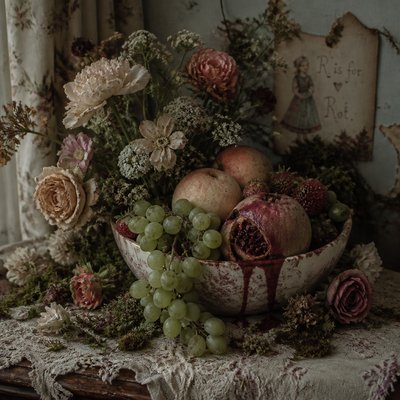
Interiors, portraits, alt fashion, candles, moon phases, tarot, crystals, books, altars, and decorative still lifes are especially common. Nature motifs such as roses, ivy, and crescent moons also fit well. The key is to make the subject feel personal and atmospheric, not sterile or futuristic.
How do I make my photo look whimsigoth?
Use a dark jewel-tone color grade, reduce harsh white light, and add warm amber highlights from lamps or candles. Then introduce textures and decorative elements like velvet, lace, celestial objects, or ornate borders. The result should feel layered, intimate, and slightly magical.

Create your first Whimsigoth Aesthetic artwork
Describe anything — or upload a photo — and see it in Whimsigoth Aesthetic in seconds.
Related Styles
Discover similar art styles