Backrooms Aesthetic
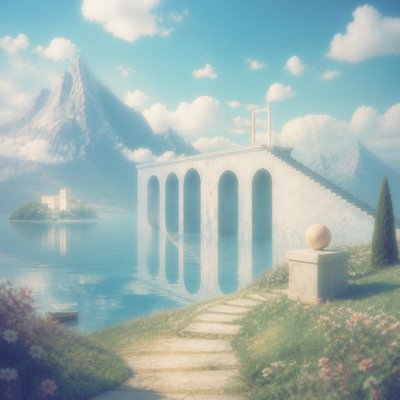
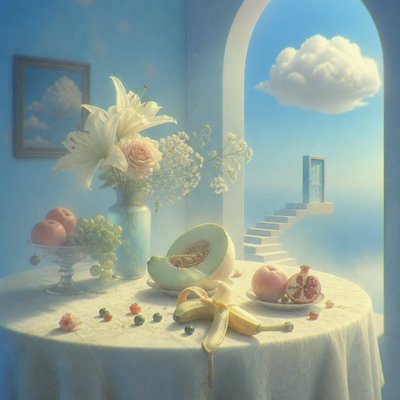
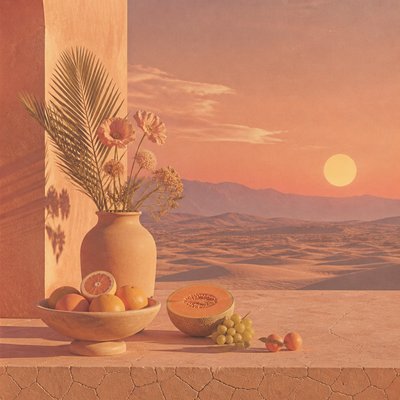
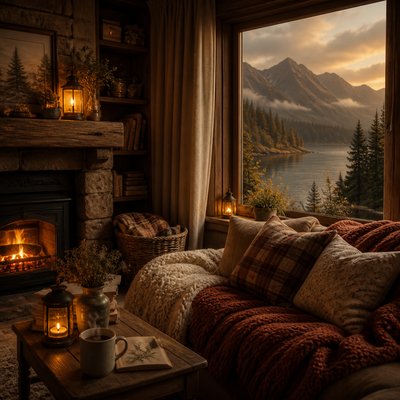
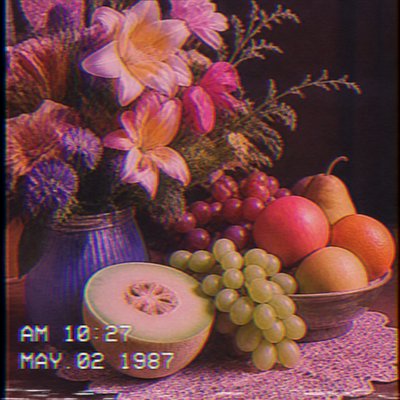
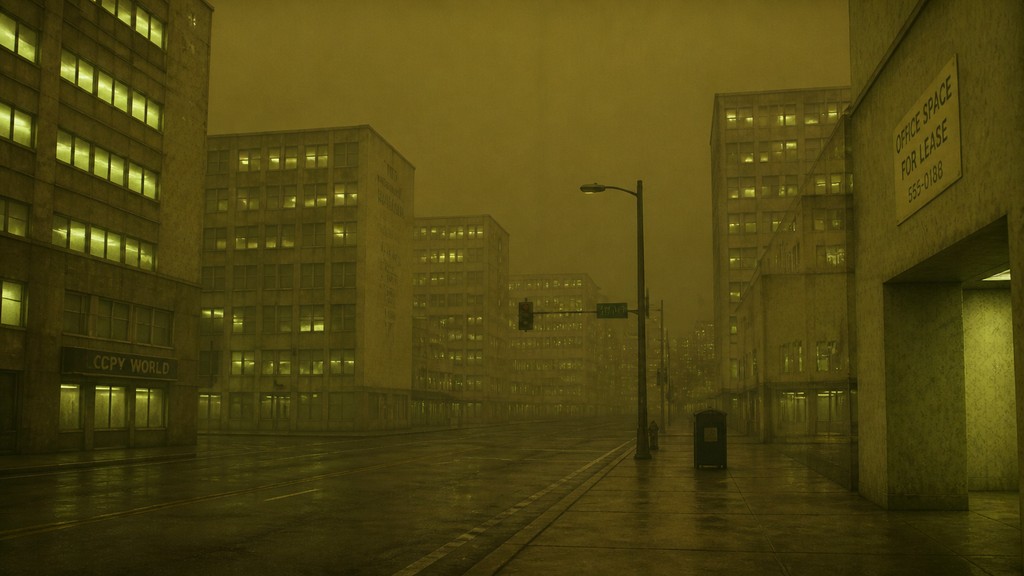
Buzzing fluorescent emptiness, mono-yellow walls, and uncanny stillness define this eerie liminal aesthetic.
Instantly rendered in Backrooms Aesthetic — or transform a photo
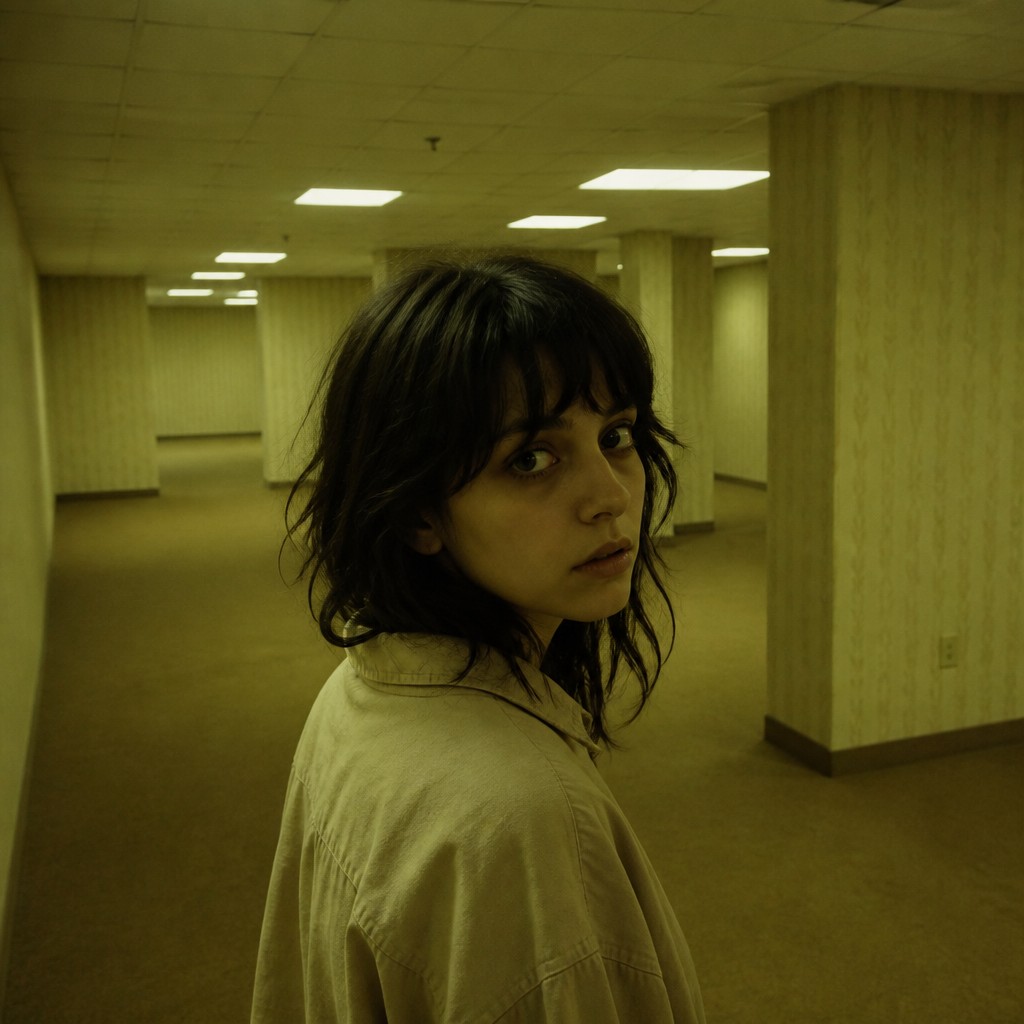
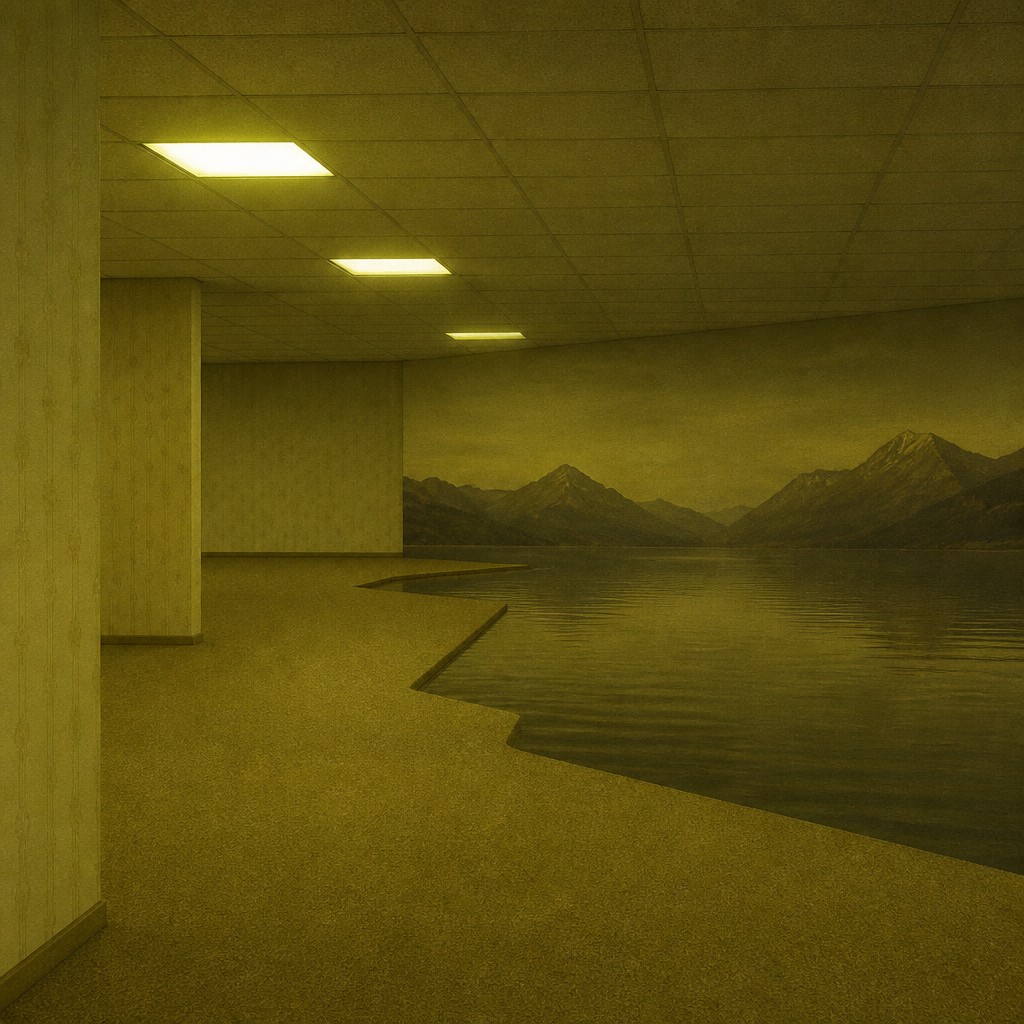
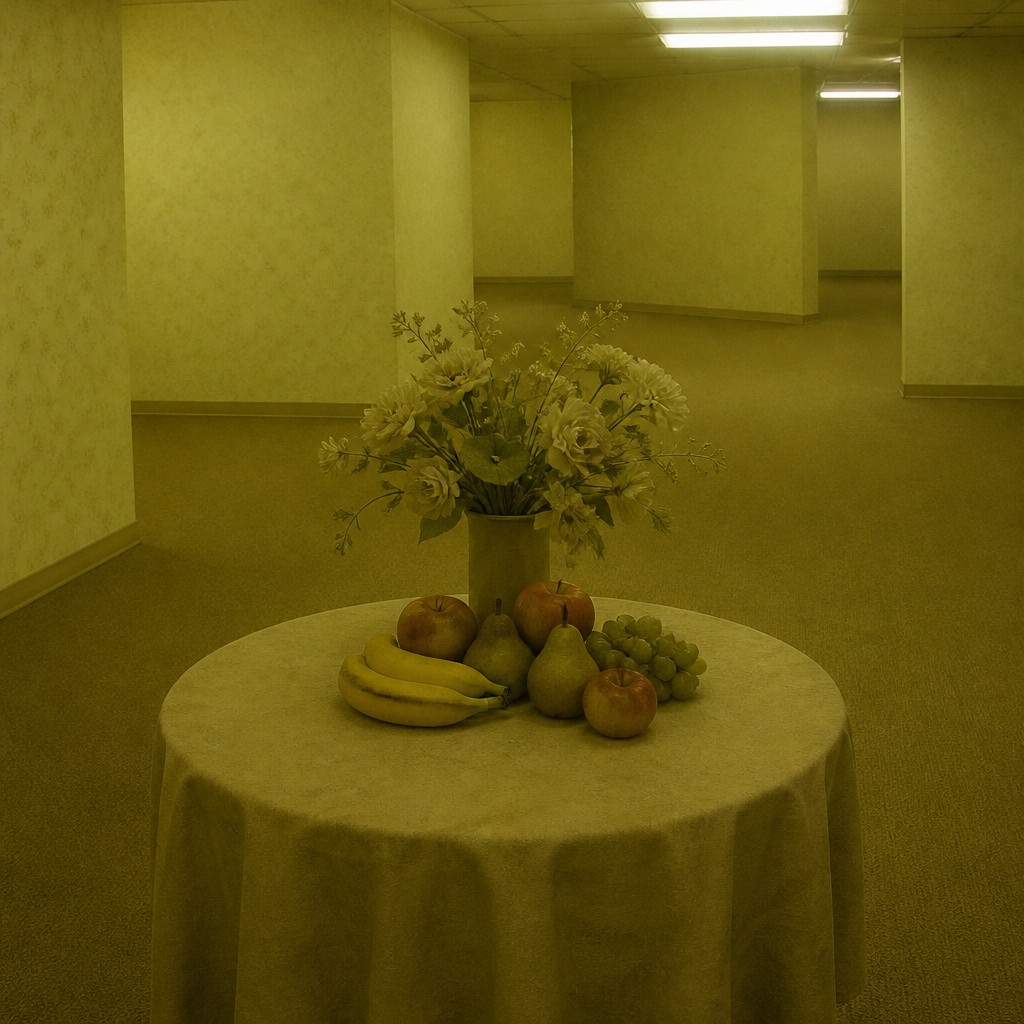
Backrooms Aesthetic Gallery
Tap any artwork to explore it
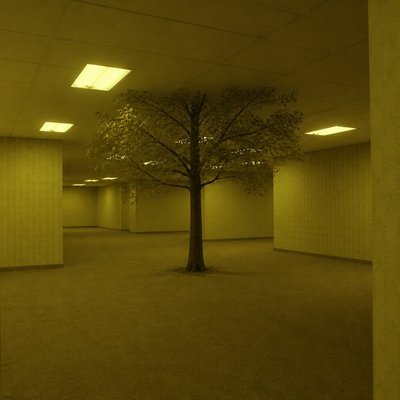
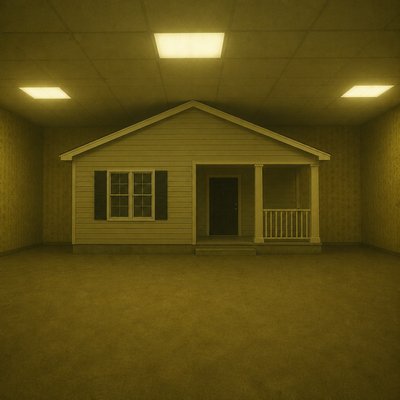
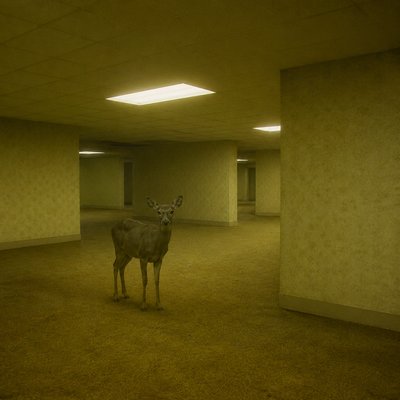
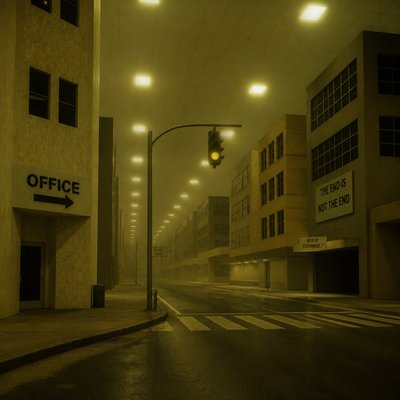
What is Backrooms Aesthetic?
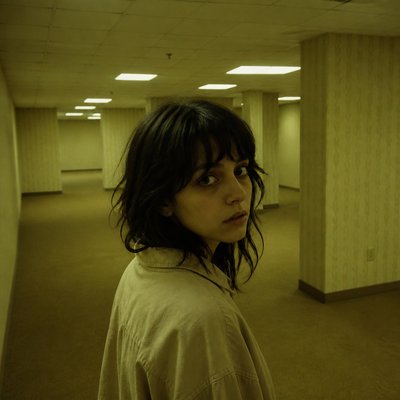
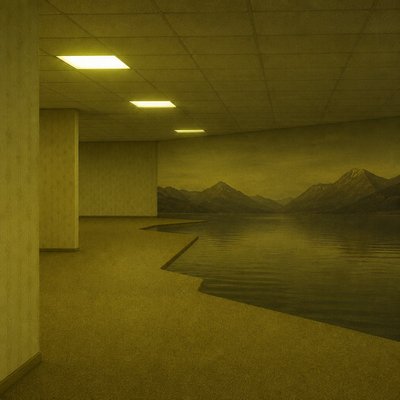
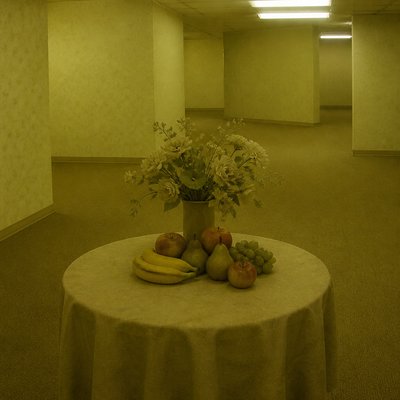
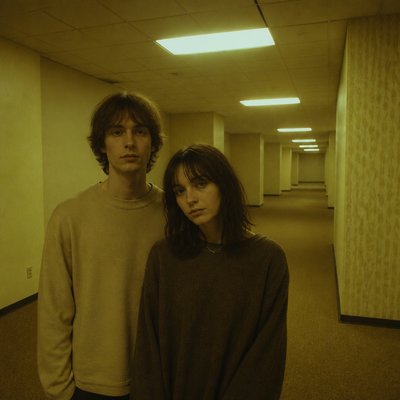
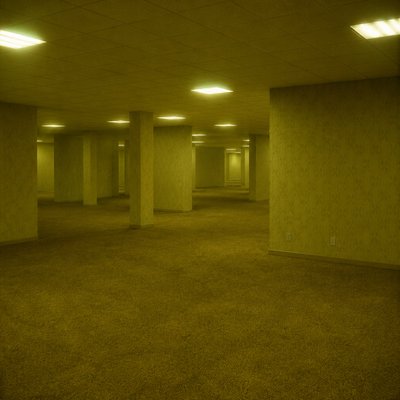
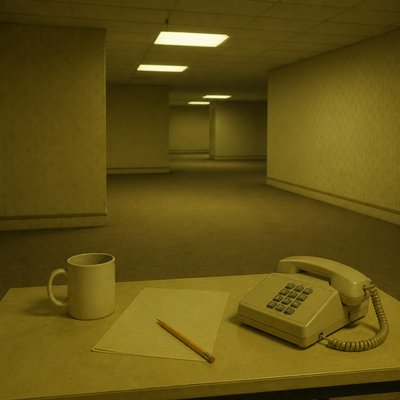
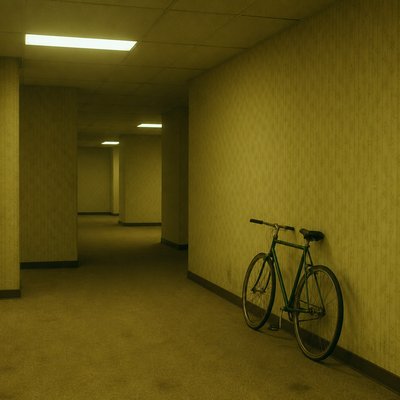
Backrooms Aesthetic is a contemporary uncanny visual style centered on empty, repetitive interior spaces that feel both ordinary and wrong. Its signature look combines buzzing fluorescent light, sickly yellow walls, stained carpet, low-detail office textures, and flattened perspective to evoke an endless place suspended outside normal reality.
The style works because it weaponizes familiarity. Hallways, lobbies, utility rooms, and corporate interiors are rendered without human activity or clear purpose, so the viewer reads them as liminal: spaces meant for passage, waiting, or maintenance rather than living. The result is a quiet, low-fidelity dread built from mundane architecture, repetition, and the suggestion that the environment continues beyond what can be seen.
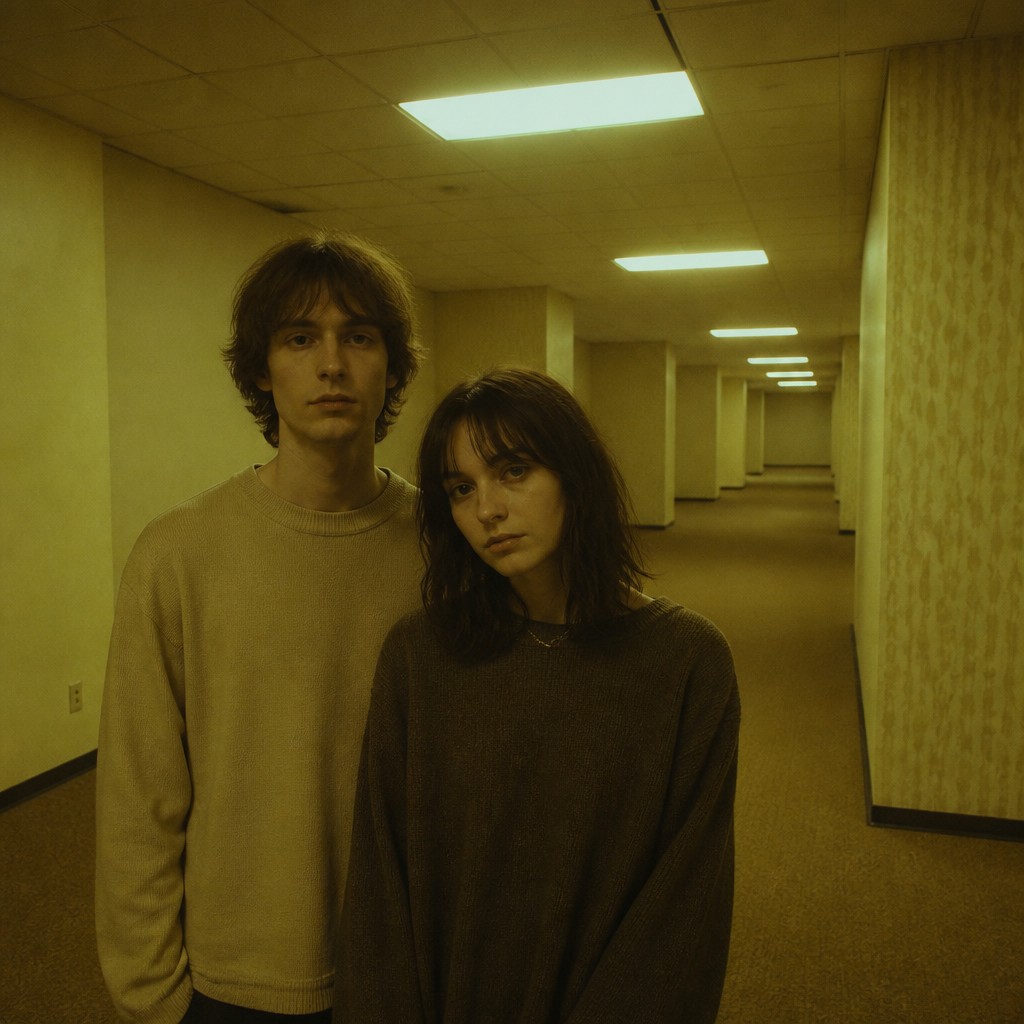
Try It On Your Photos
Upload any photo and convert it into Backrooms Aesthetic — drag the sliders to compare before and after.
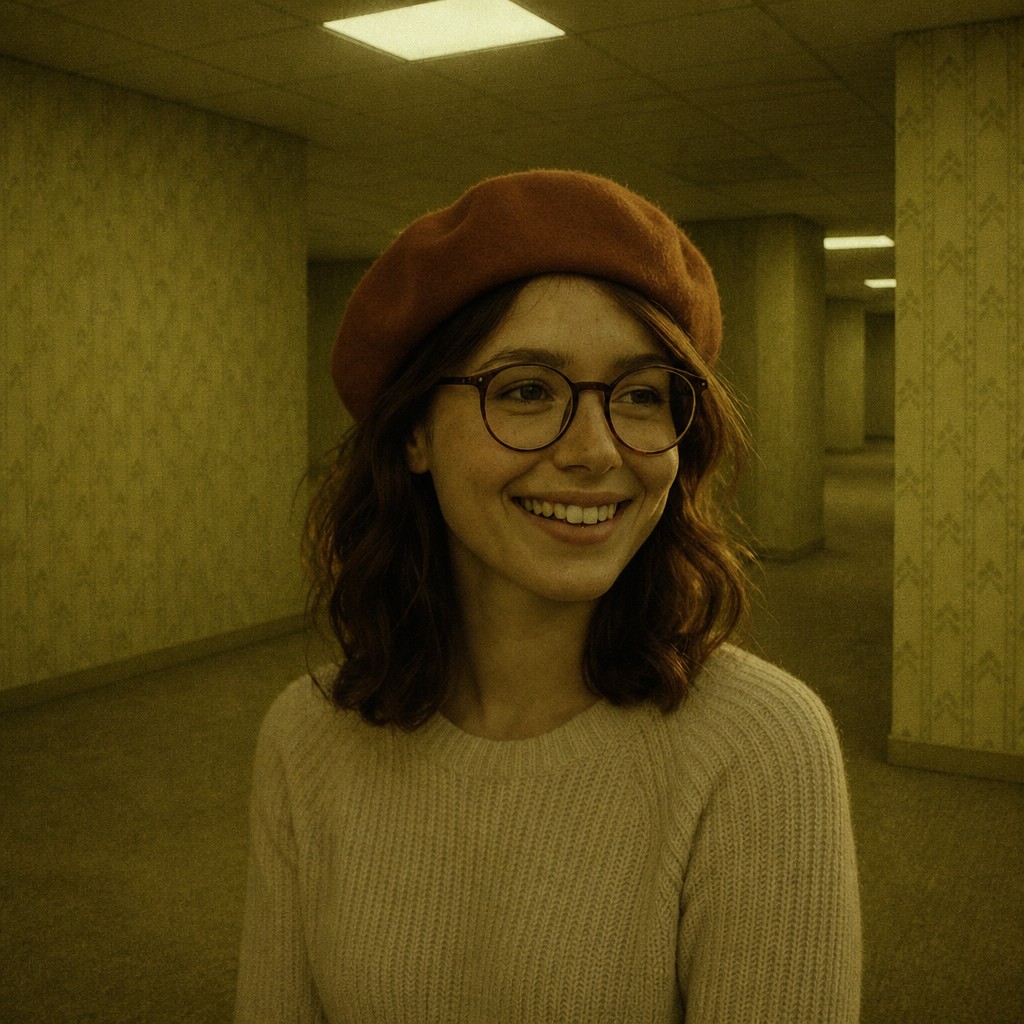

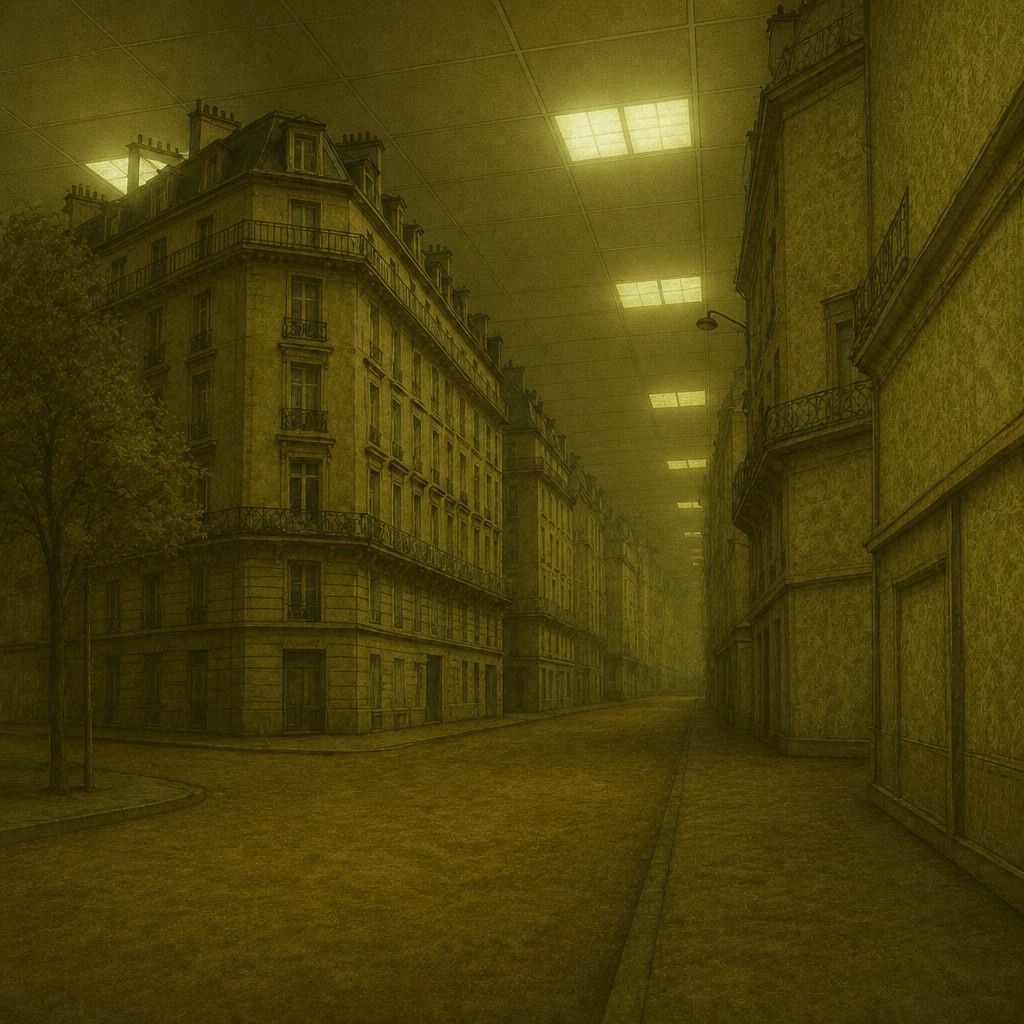

What Defines Backrooms Aesthetic
The signature details, up close
Mono-yellow palette
The most recognizable color scheme uses stained beige, wallpaper yellow, dull ochre carpet, and a sickly fluorescent cast. The limited palette creates a drained, airless feeling and makes the space seem old, artificial, and oppressive.
Fluorescent lighting
Overhead office lights, often humming or flickering, define the atmosphere and flatten the scene. The light tends to erase warmth, exaggerate shadows only slightly, and make surfaces look washed out or damp.
Repetitive architecture
Long corridors, identical rooms, and modular interiors create a sense of endlessness. Small variations in wallpaper seams, ceiling tiles, or carpet patterns become unnerving because they imply extension without destination.
Flattened perspective
Depth is often compressed so rooms feel diagrammatic, boxed-in, and slightly unreal. This lack of strong perspective makes the viewer feel trapped in a constructed environment rather than a lived-in one.
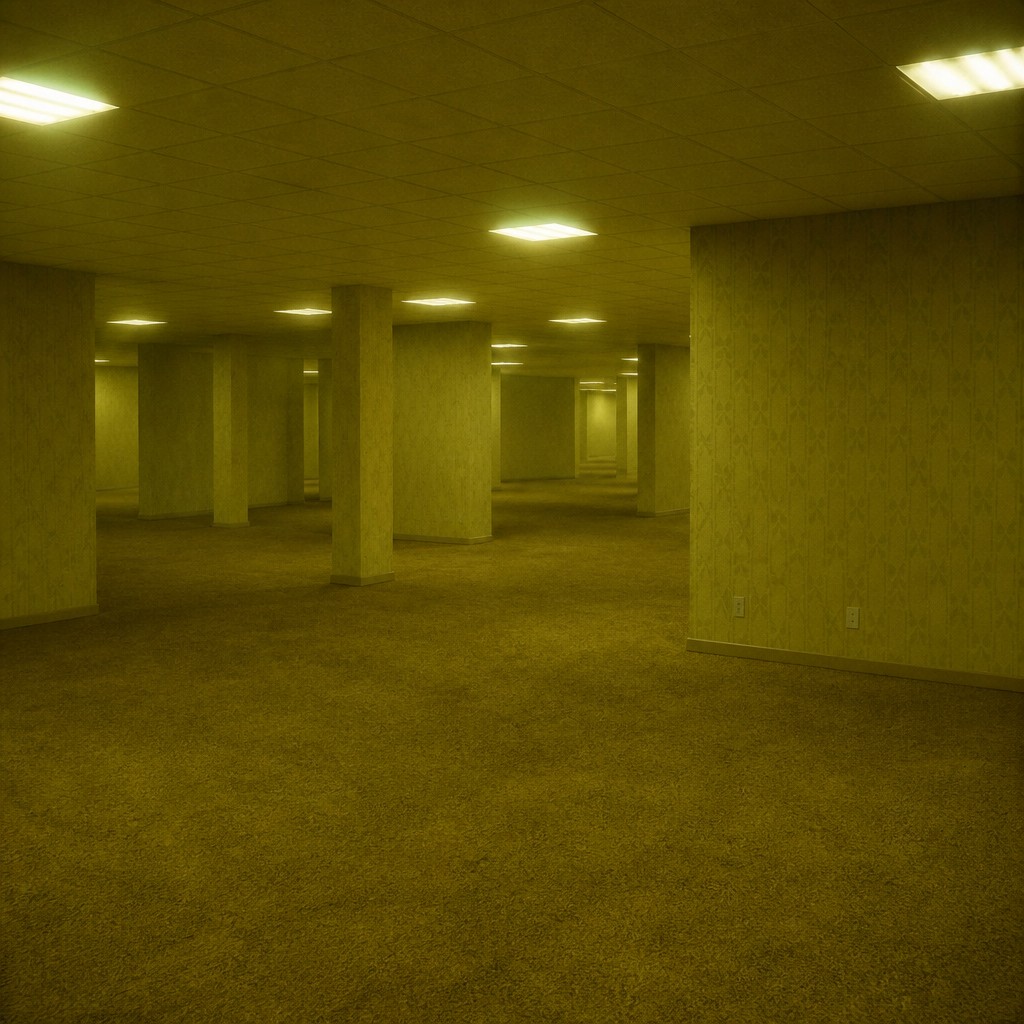
Vacancy and stillness
People are absent, and the space feels paused mid-function. The silence is visual as much as sonic: no motion, no clutter, and no obvious narrative activity.
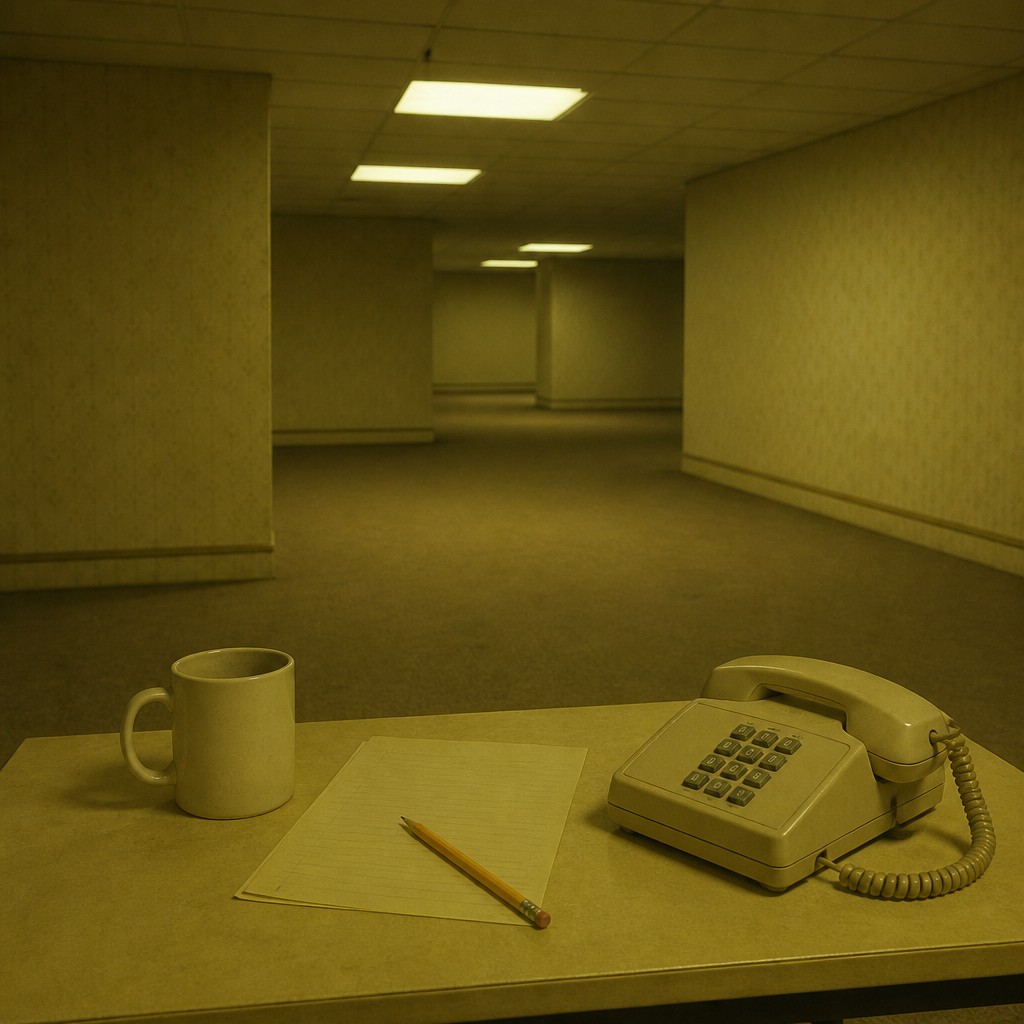
Low-fidelity texture
The surfaces often appear grainy, compressed, or hazy, with carpet fuzz, dirty wallpaper, and worn office materials emphasized. These imperfect textures make the environment feel both mundane and degraded.
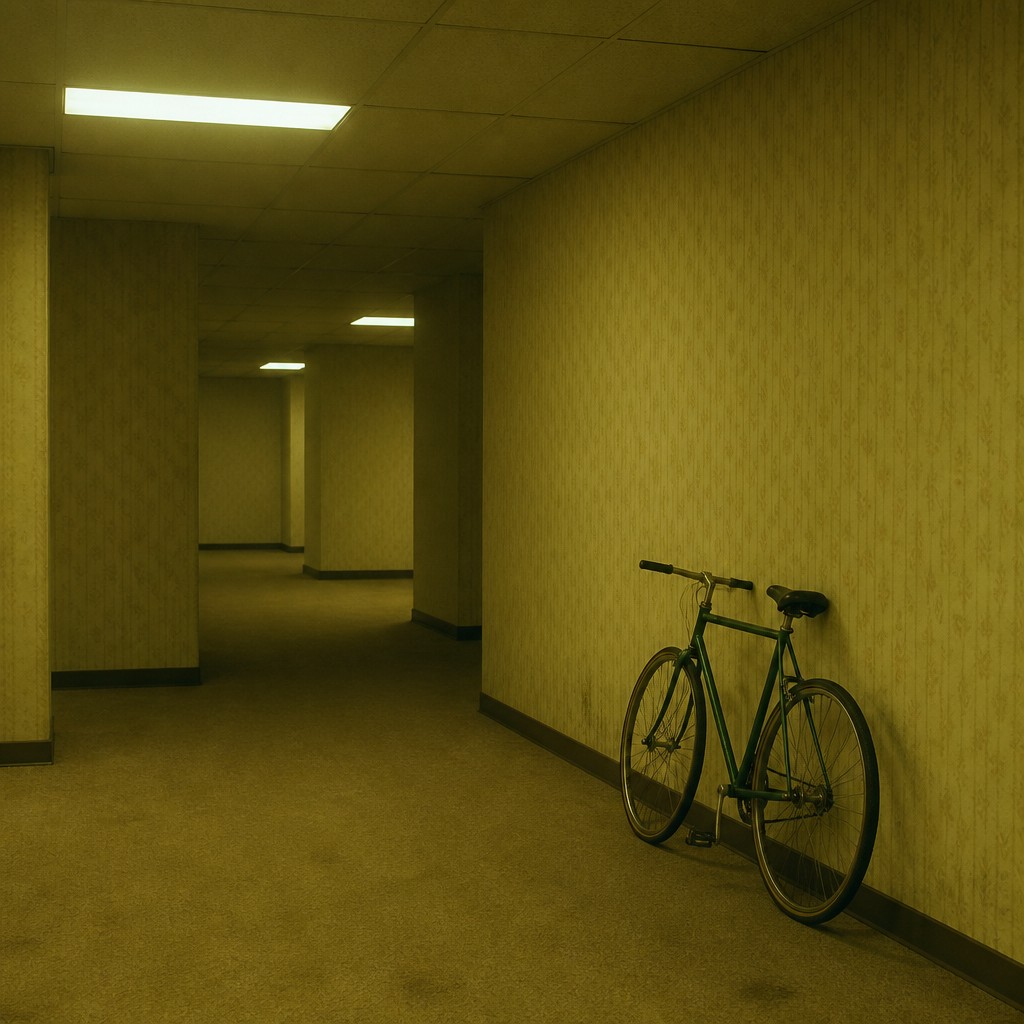
Liminal unease
The defining emotional effect is not overt horror but a quiet sense of wrongness. The setting feels familiar enough to recognize, yet empty enough to suggest abandonment, recursion, or a break from reality.
Try It
Create Videos in Backrooms Aesthetic
Styles aren't just for stills — describe a scene or animate an image and get a short video rendered in Backrooms Aesthetic. Press play to see this pond come to life.
Make a VideoBackrooms Aesthetic Prompt Ideas
Start from an idea — each one opens the generator with the style ready to go. See all 40 Backrooms Aesthetic prompts →
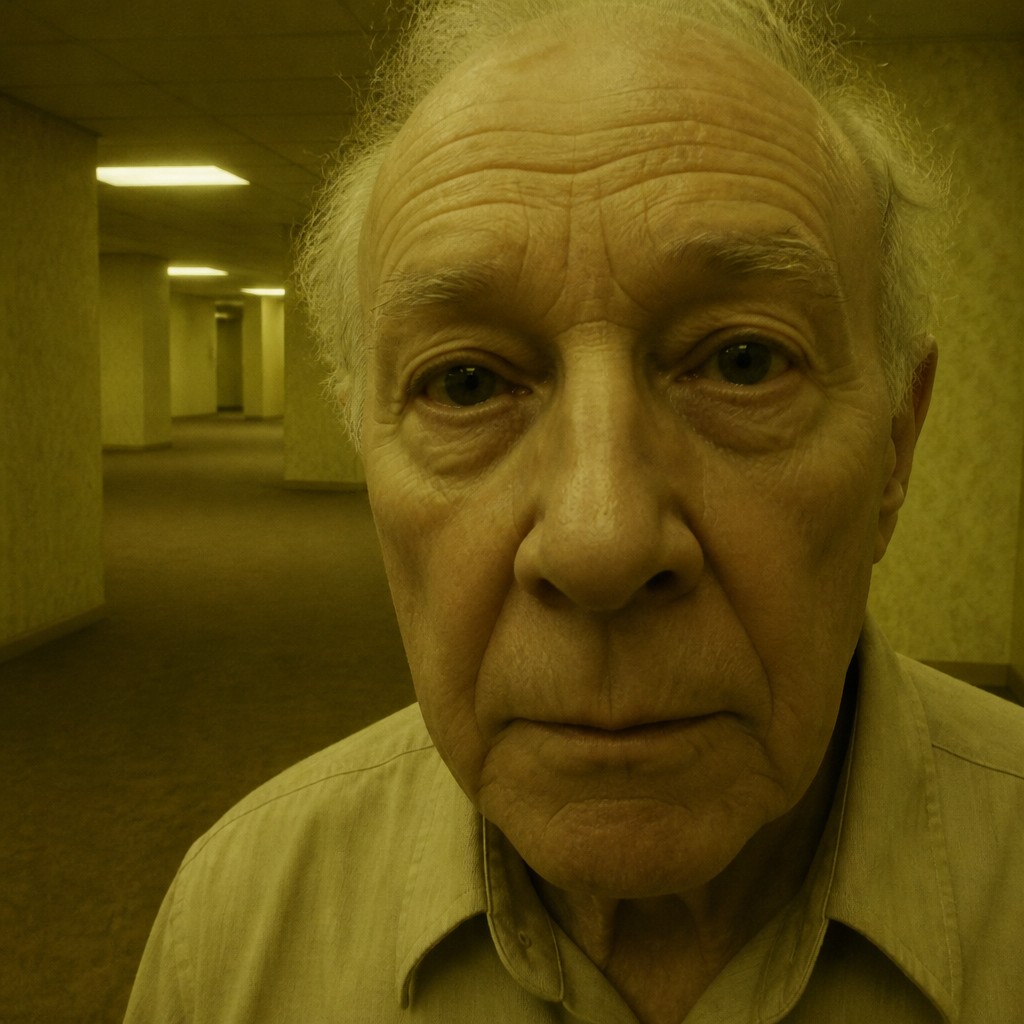
“close-up portrait of an elderly person with expressive weathered features”
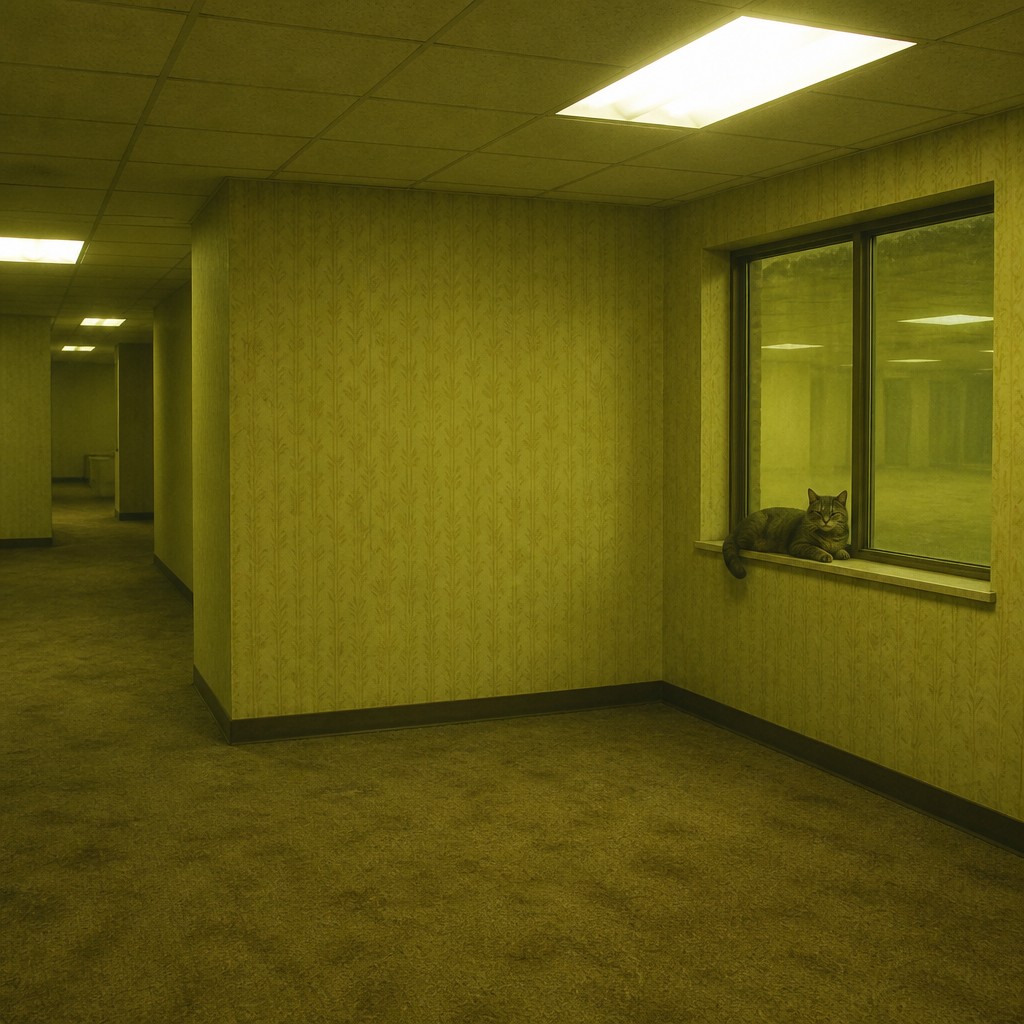
“a cat lounging in a sunlit window”
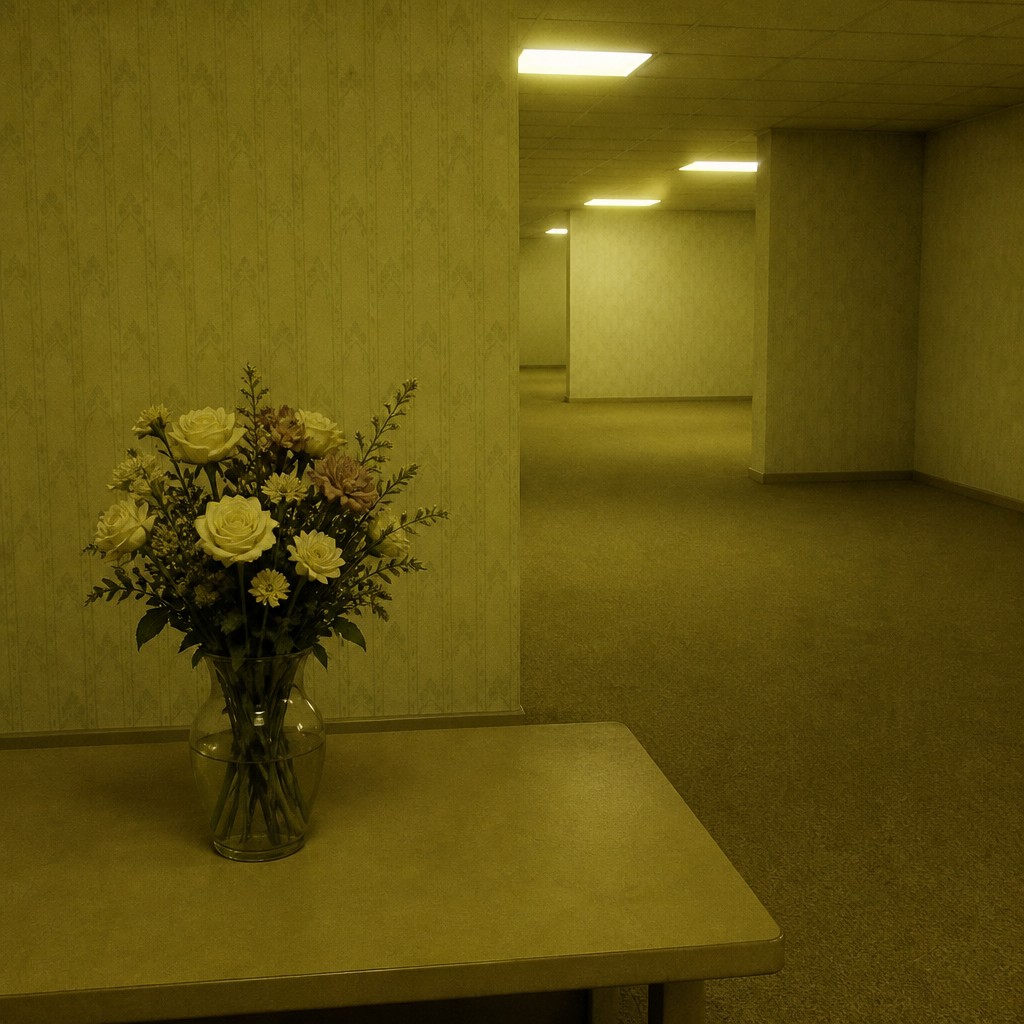
“bouquet of flowers in a glass vase”
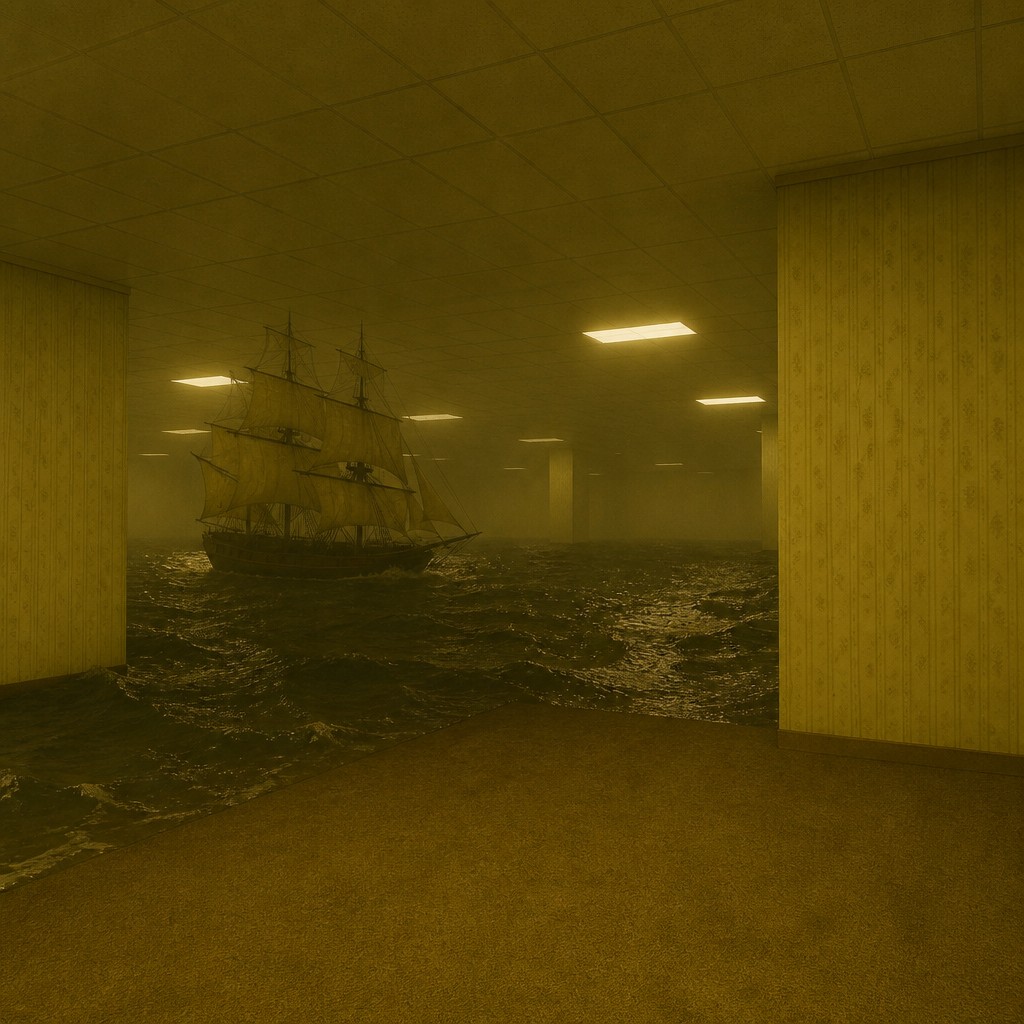
“sailing ship on a stormy sea”
How to Create Backrooms Aesthetic Art
Master the craft step by step — or skip straight to creating. Read the full guide →
- 1
Use ordinary interiors as the base
Start with hallways, office corridors, basements, school rooms, hotel lobbies, or utility spaces. Remove personal objects and clutter so the architecture itself becomes the subject.
- 2
Limit the palette aggressively
Favor yellow-beige walls, muted tan carpet, gray ceiling tiles, and desaturated green or brown accents. In digital work, reduce saturation and warm the white balance to make the entire image feel stale and fluorescent.
- 3
Flatten the scene with light and composition
Use even overhead lighting and avoid dramatic shadows or cinematic contrast. Keep horizons low and lines parallel when possible so the space feels boxed, repetitive, and architecturally oppressive.
- 4
Add subtle signs of wear
Introduce stains, water damage, discoloration, frayed carpet edges, and grime along corners or baseboards. The space should feel maintained badly rather than destroyed outright.
- 5
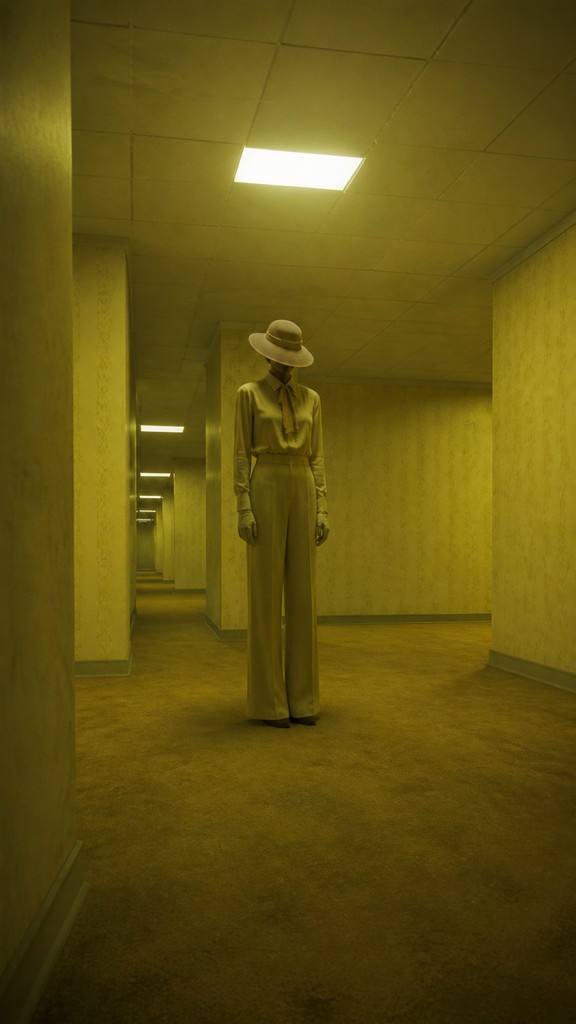
Keep the subject absent or tiny
If figures appear, they should be small, distant, or silhouetted to preserve the dominant sense of emptiness. For image-to-image or prompt-based generation, emphasize 'empty,' 'abandoned,' 'endless,' 'fluorescent-lit,' and 'uncanny.'
- 6
Enhance with low-detail digital treatment
In digital or AI-based work, low contrast, slight blur, mild noise, and a faint haze help the image feel like a memory, surveillance frame, or compressed photograph. Avoid over-stylization; the power of the look comes from restraint.
The Story
History & Origins of Backrooms Aesthetic
Backrooms Aesthetic originates in internet horror and liminal-space imagery rather than a single historical art movement. It grew out of the 2019 Backrooms creepypasta, which described an infinite maze of abandoned, fluorescent-lit rooms, and it was quickly absorbed into meme culture, digital illustration, and photo-based horror editing.
Its visual lineage draws from architectural photography, found-footage horror, liminal-space photography, corporate interiors, brutalist and institutional spaces, and game environments with deliberately sparse or repetitive assets. The aesthetic also overlaps with surreal conceptual art in its use of dislocation and unease, but its core identity remains tied to online image culture and the uncanny qualities of everyday interior design stripped of use and life.
Influences: Backrooms Aesthetic is related to liminal-space photography, creepypasta horror, analog-adjacent internet horror, and the visual language of institutional interiors. It also overlaps with the unsettling emptiness found in certain modern cinematic spaces and with the conceptual unease of artists such as Edward Hopper, whose quiet interiors isolate the viewer, though the Backrooms look is more overtly digital, meme-born, and architectural than Hopper’s psychologically staged scenes.
Frequently Asked Questions
What defines Backrooms Aesthetic?
It is defined by empty, repetitive indoor spaces lit by harsh fluorescent light and colored in yellow-beige and dull ochre tones. The key effect is liminal unease: the place feels familiar, functional, and abandoned at the same time.
Is Backrooms Aesthetic the same as liminal space art?
They are closely related, but not identical. Liminal space art is broader and can include any threshold or in-between environment, while Backrooms Aesthetic usually implies the specific eerie, endless office-like interiors associated with the Backrooms internet horror tradition.
Why does this style feel so creepy?
The creepiness comes from contradiction: the rooms are ordinary and anonymous, yet empty and seemingly infinite. Familiar details like carpet, wallpaper, and ceiling lights become unsettling when stripped of people and purpose.
What subjects work best in this style?
Hallways, office floors, motel corridors, schools, basements, parking structures, and utility spaces are especially effective. Any location that feels transitional, institutional, or overlit can fit the aesthetic.
How do I make a photo look like this style?
Use a warm yellow color cast, lower contrast, and reduce detail so the image feels hazy and worn. Remove distracting objects, emphasize emptiness, and keep the lighting flat and fluorescent rather than dramatic.
Where is Backrooms Aesthetic commonly used?
It appears in internet horror, digital art, game environments, album art, posters, and experimental photo edits. It is especially common in imagery meant to evoke dread, isolation, or a dreamlike institutional setting.
Create your first Backrooms Aesthetic artwork
Describe anything — or upload a photo — and see it in Backrooms Aesthetic in seconds.
Make Something with Backrooms Aesthetic
Related Styles
Discover similar art styles