Forestcore Aesthetic
Deep moss greens, dappled canopy light, misty woodland textures, and quiet ancient-forest mood in art and imagery.
Instantly rendered in Forestcore Aesthetic — or transform a photo
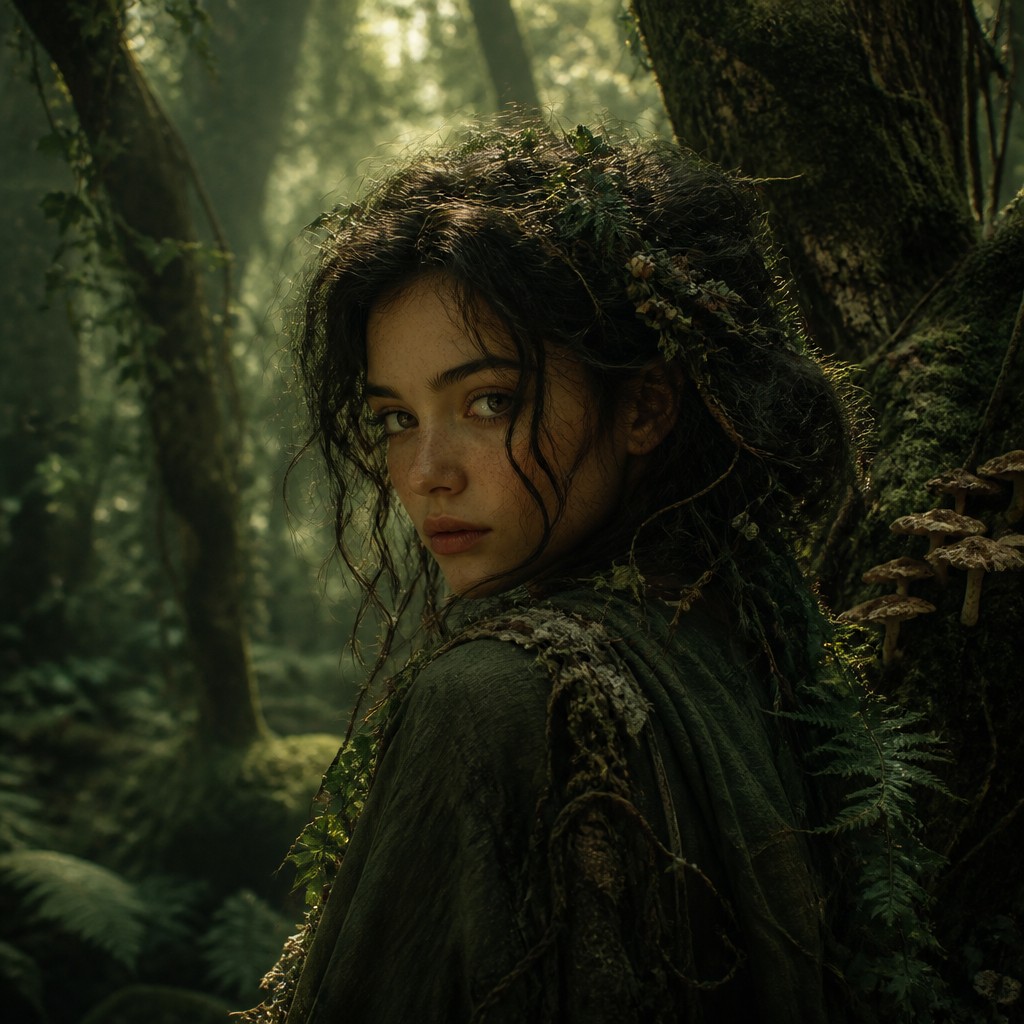
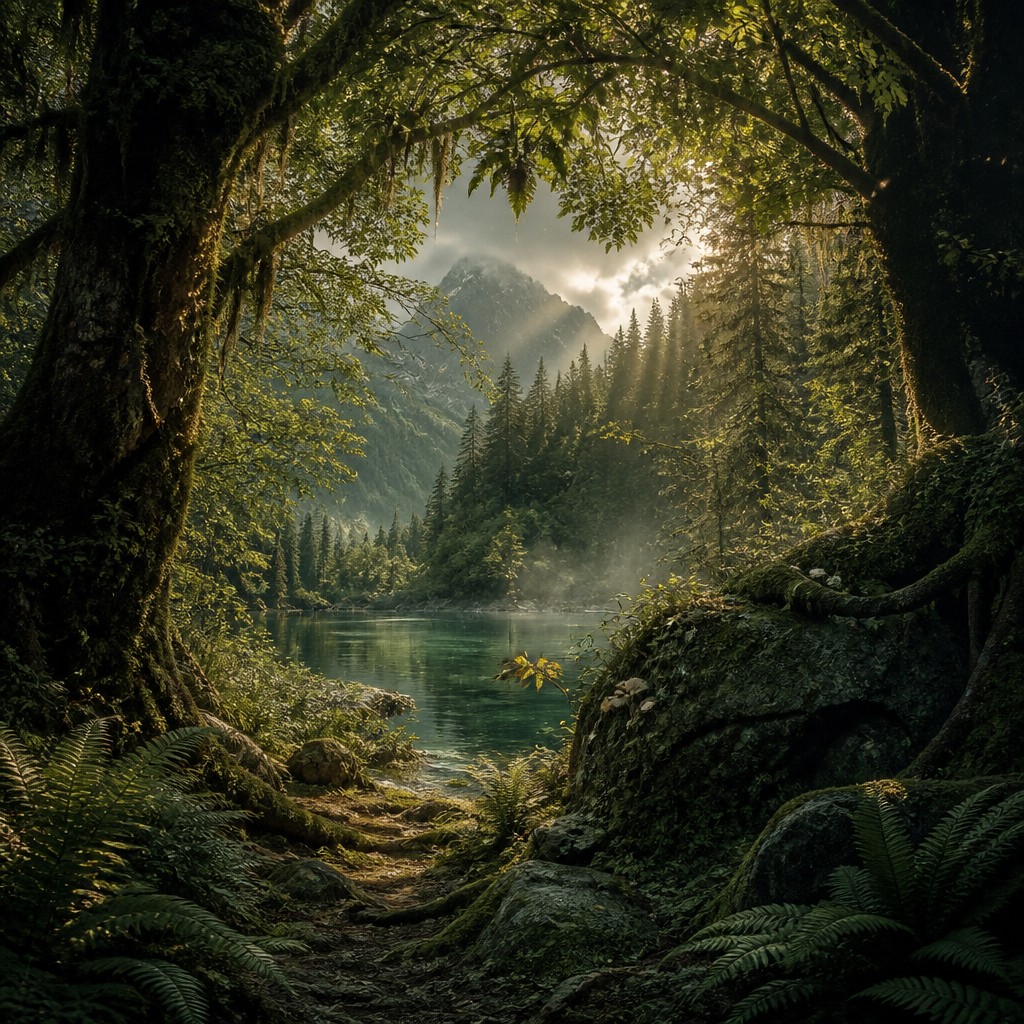
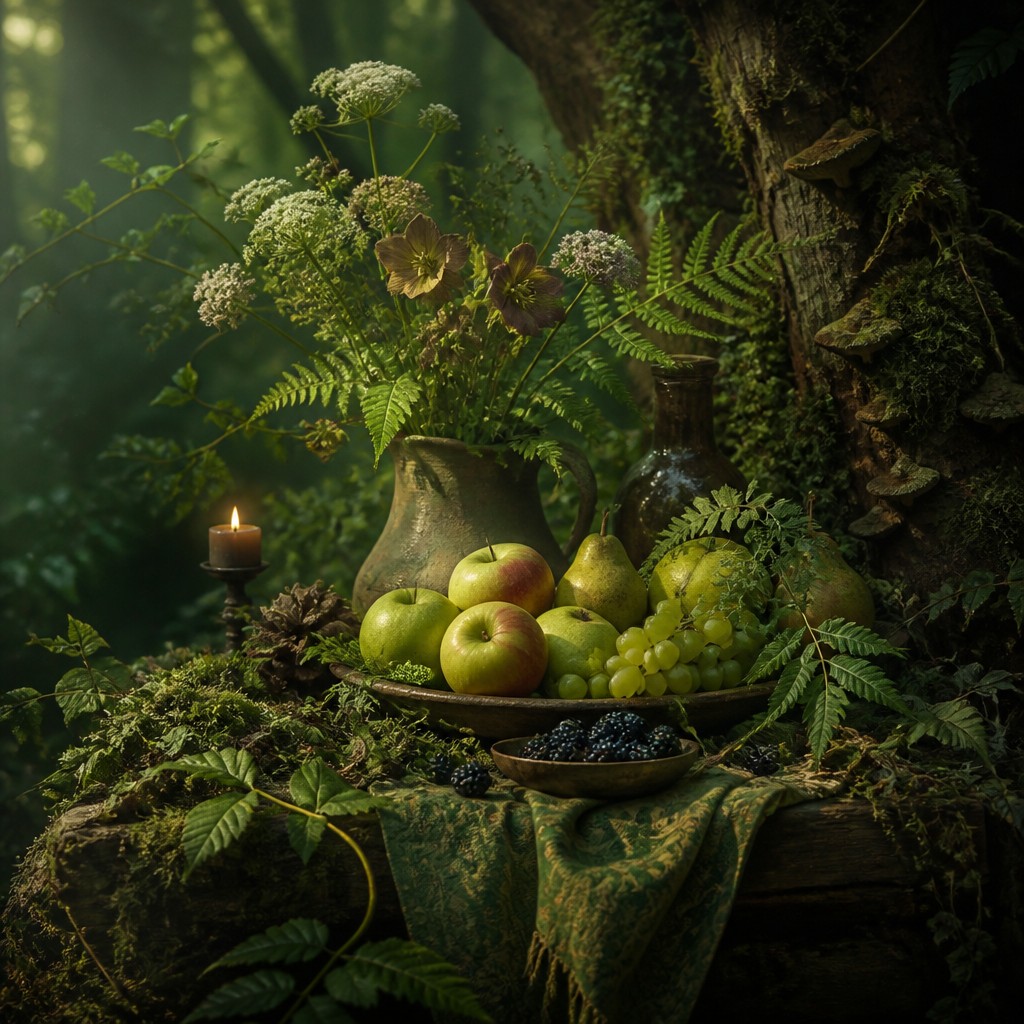
Forestcore Aesthetic Gallery
Tap any artwork to explore it

What is Forestcore Aesthetic?
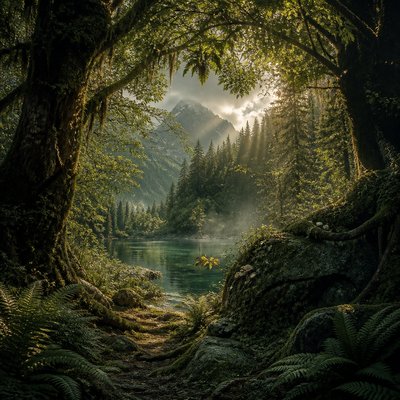
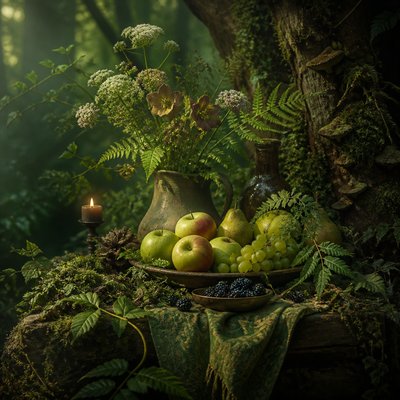
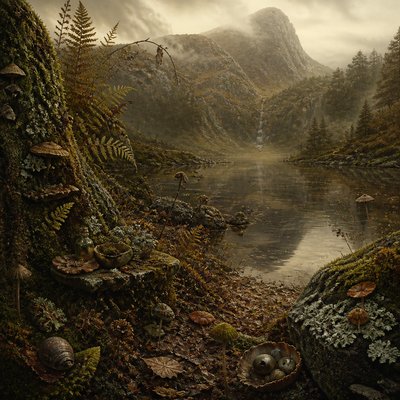
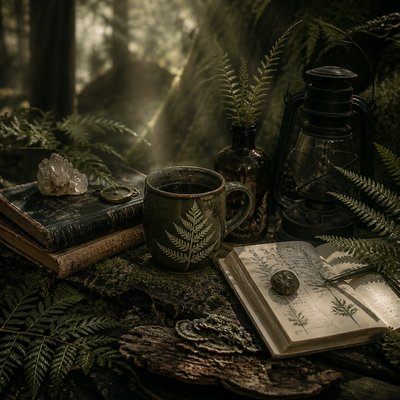
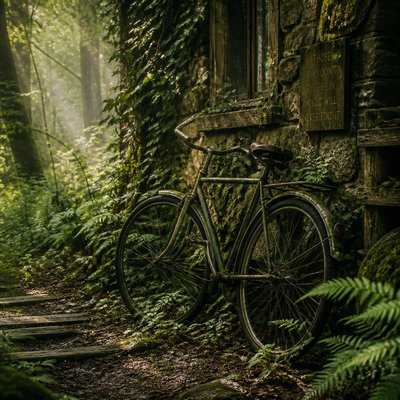
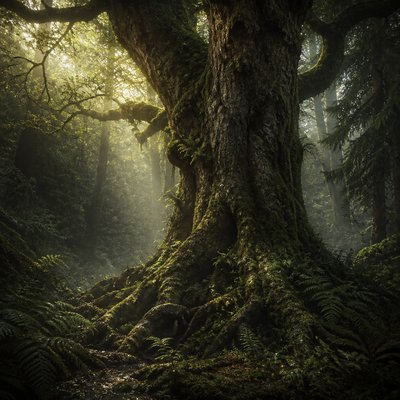
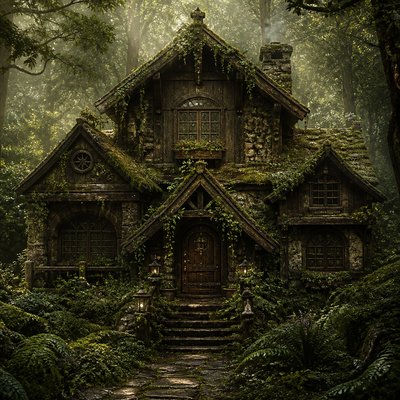
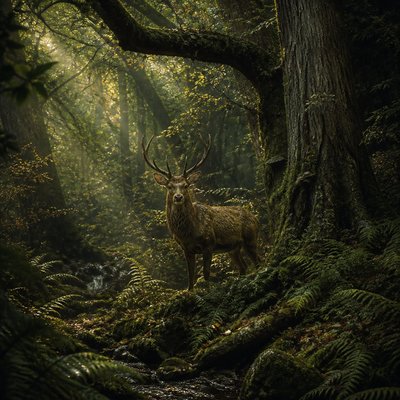
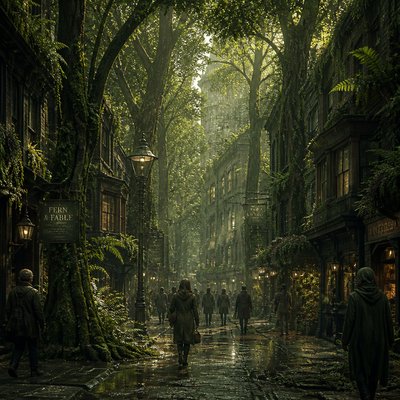
Forestcore aesthetic is a nature-centered visual style built around the atmosphere of woodland interiors rather than just generic greenery. Its typical palette includes deep moss green, bark brown, fern shadow, muted olive, and small accents of warm gold where sunlight breaks through the canopy. The mood is hushed and contemplative: damp leaves, lichen, roots, mossy stones, and drifting mist create a sense of sheltered stillness and age.
The style looks the way it does because it emphasizes sensory density and filtered light. Instead of bright, open landscapes, forestcore favors enclosed spaces under trees, where layered foliage and textured surfaces absorb and soften light. The result is an image language associated with refuge, solitude, and quiet reverence for woodland environments, often with an almost storybook or folkloric feeling even when rendered realistically.
Try It On Your Photos
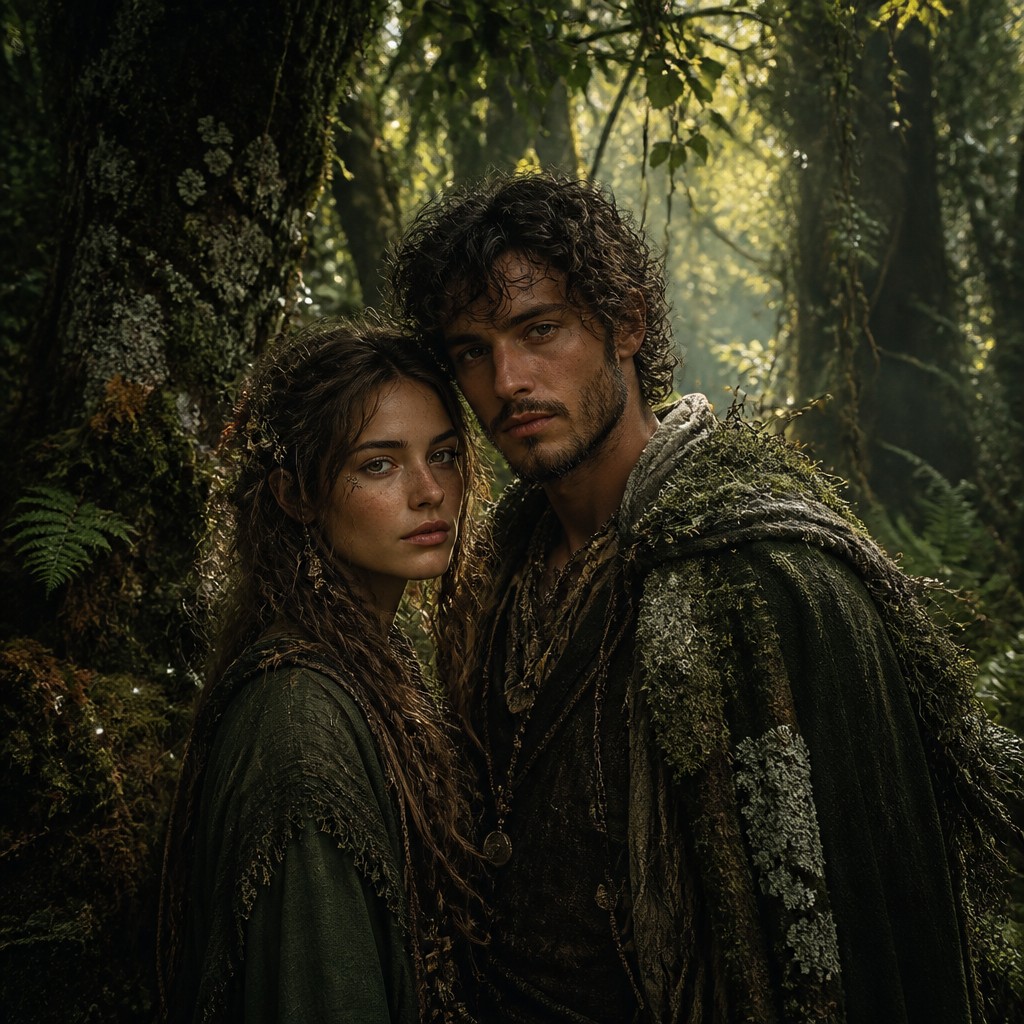
Upload any photo and convert it into Forestcore Aesthetic — drag the sliders to compare before and after.



What Defines Forestcore Aesthetic
The signature details, up close
Moss-forward palette
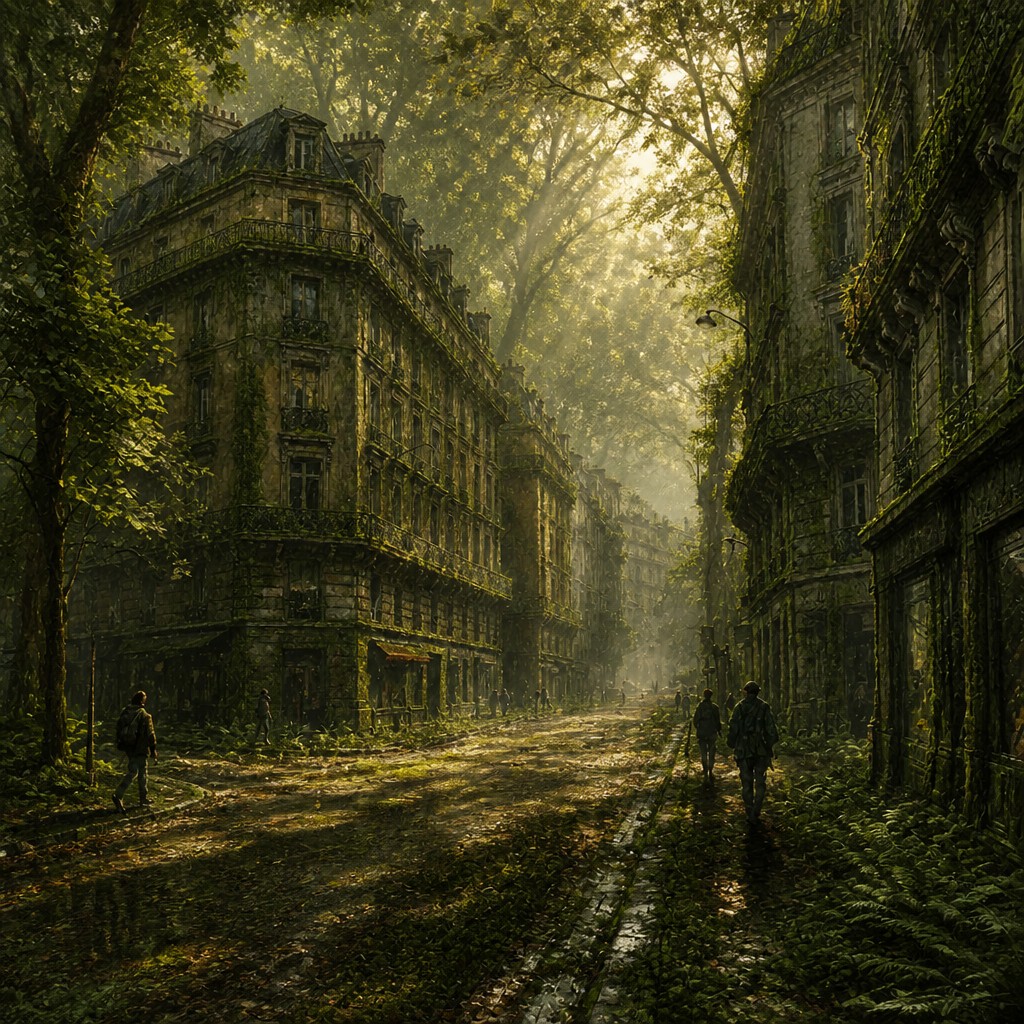
Greens are subdued and layered rather than bright or neon, ranging from moss and sage to olive and pine. Browns, bark tones, and cool gray-greens support the palette and keep it earthy.
Dappled canopy light
Light often appears in broken shafts or soft patches filtered through leaves. This creates contrast without harshness and gives the scene a sense of time passing under trees.
Rich natural texture
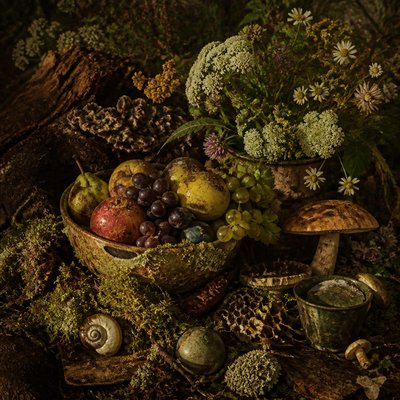
Surface detail matters: lichen, wet wood, leaf litter, roots, bark fissures, and soft moss are all common. The style relies on tactile realism to make the environment feel inhabited and alive.
Mist and atmospheric softness
A faint haze, drifting motes, or cool moisture in the air often reduces sharp edges. The atmosphere suggests early morning, after rain, or deep shade beneath a dense canopy.
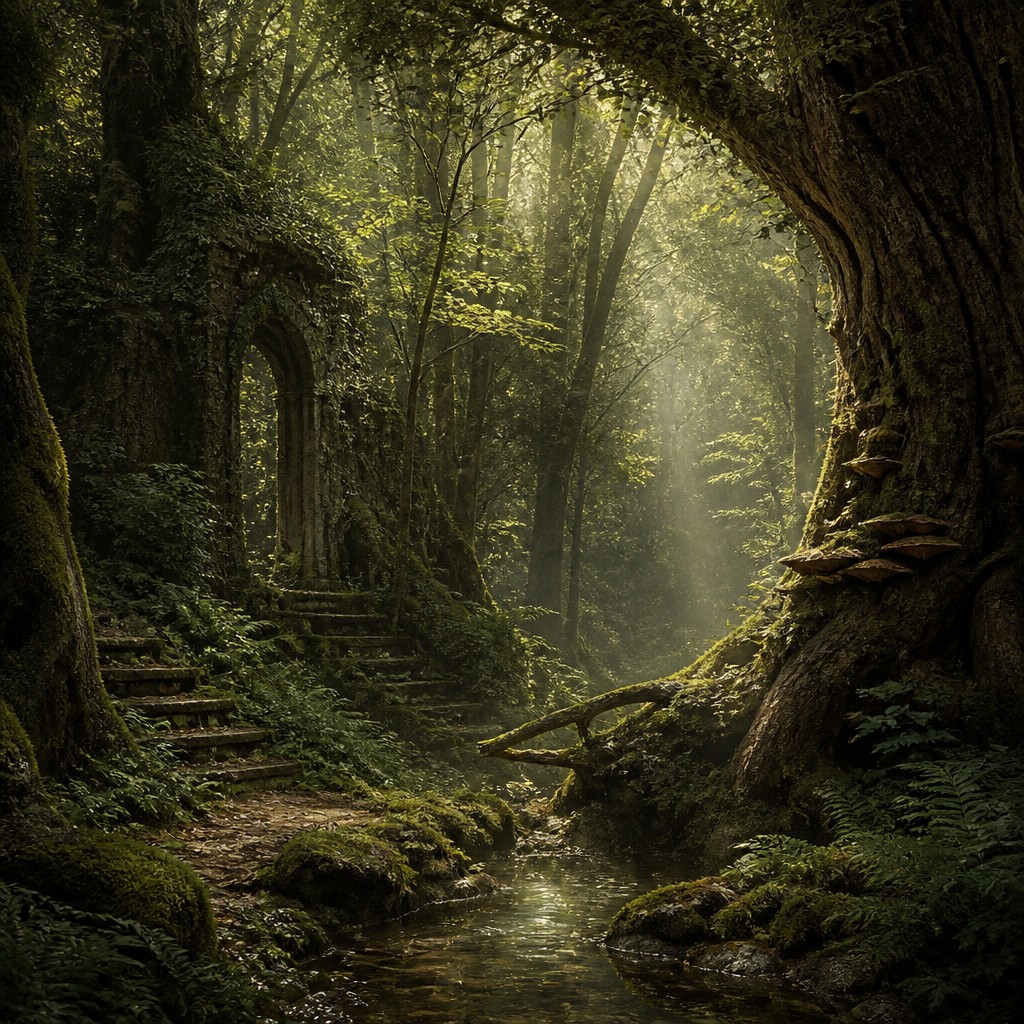
Ancient, sheltered mood
Forests are portrayed as protective and enduring rather than wild and threatening. The emotional tone is quiet, reverent, and slightly enchanted, as if the place has its own memory.
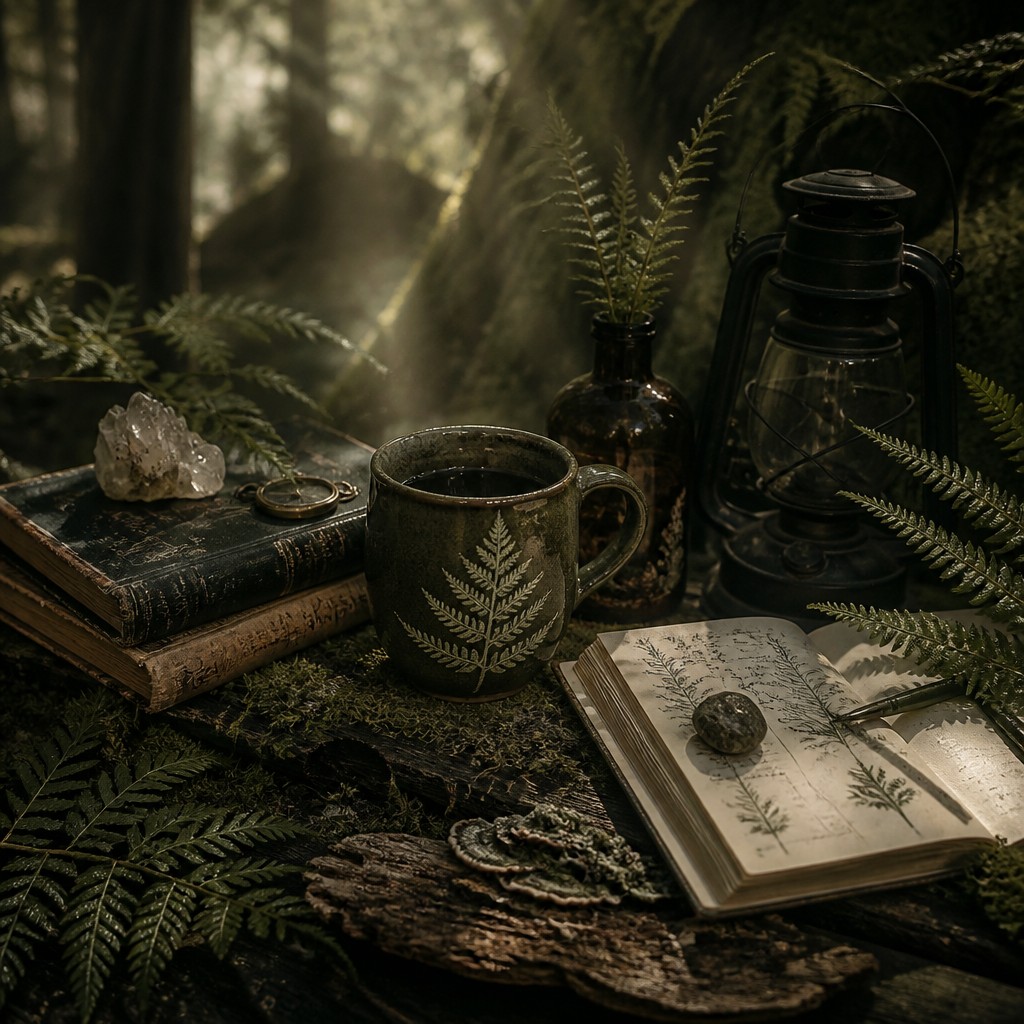
Layered composition
Foreground leaves, midground trunks, and receding shadows build depth and enclosure. The viewer is often placed inside the woods rather than observing from afar.
Try It
Create Videos in Forestcore Aesthetic
Styles aren't just for stills — describe a scene or animate an image and get a short video rendered in Forestcore Aesthetic. Press play to see this pond come to life.
Make a VideoForestcore Aesthetic Prompt Ideas
Start from an idea — each one opens the generator with the style ready to go. See all 40 Forestcore Aesthetic prompts →
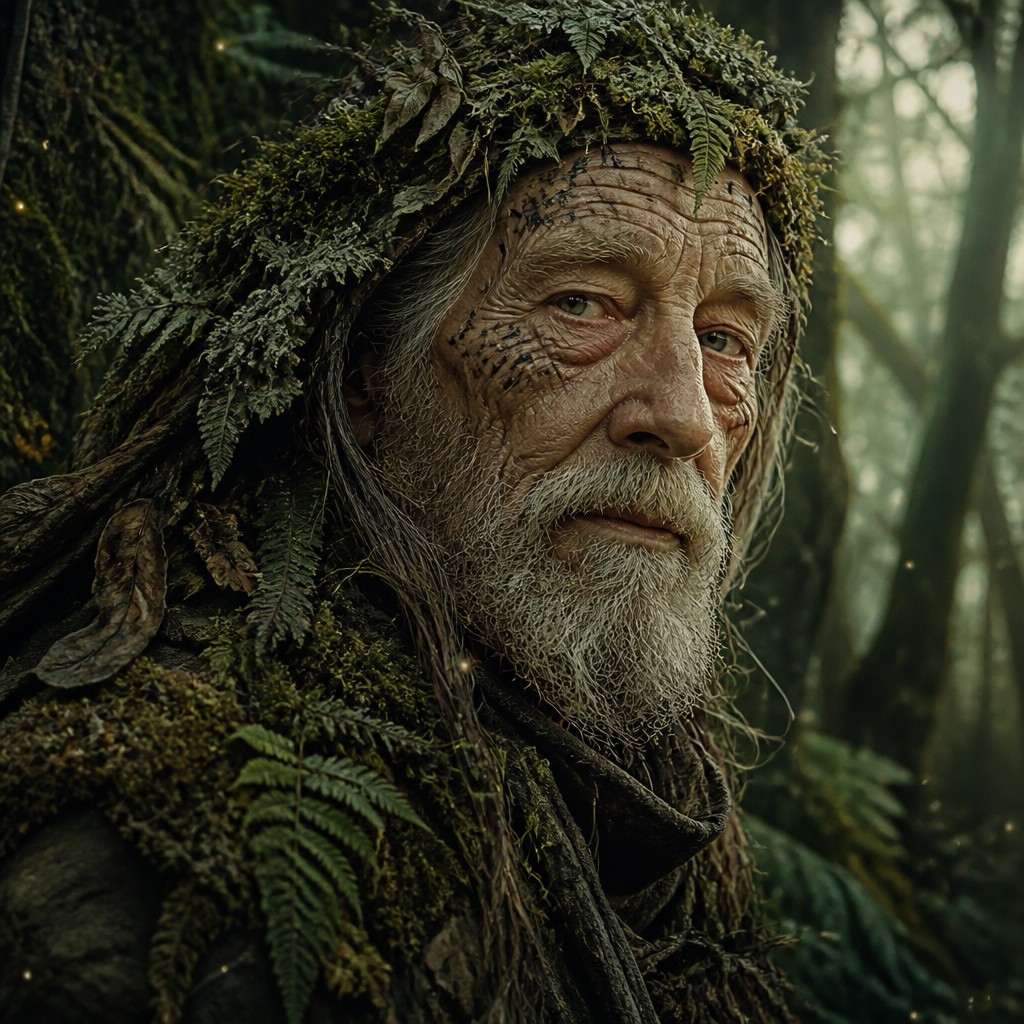
“close-up portrait of an elderly person with expressive weathered features”
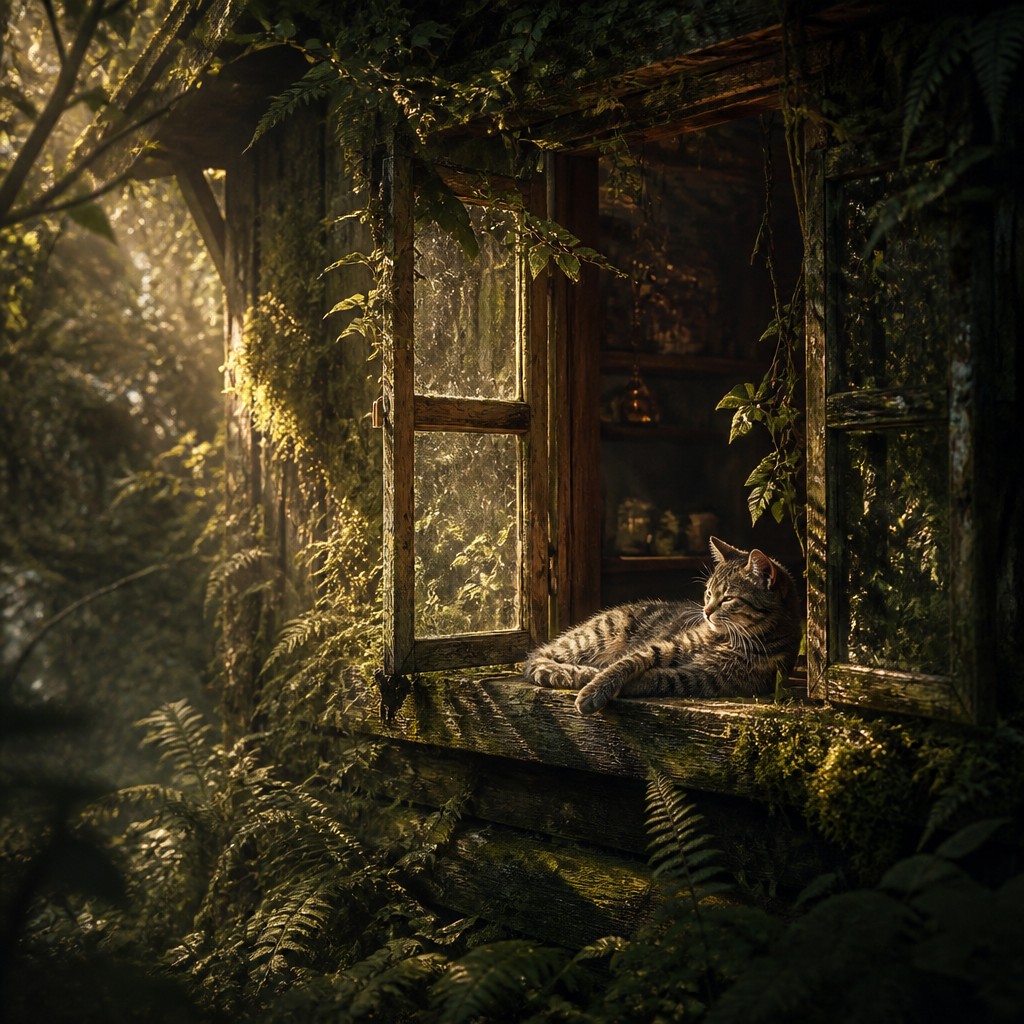
“a cat lounging in a sunlit window”
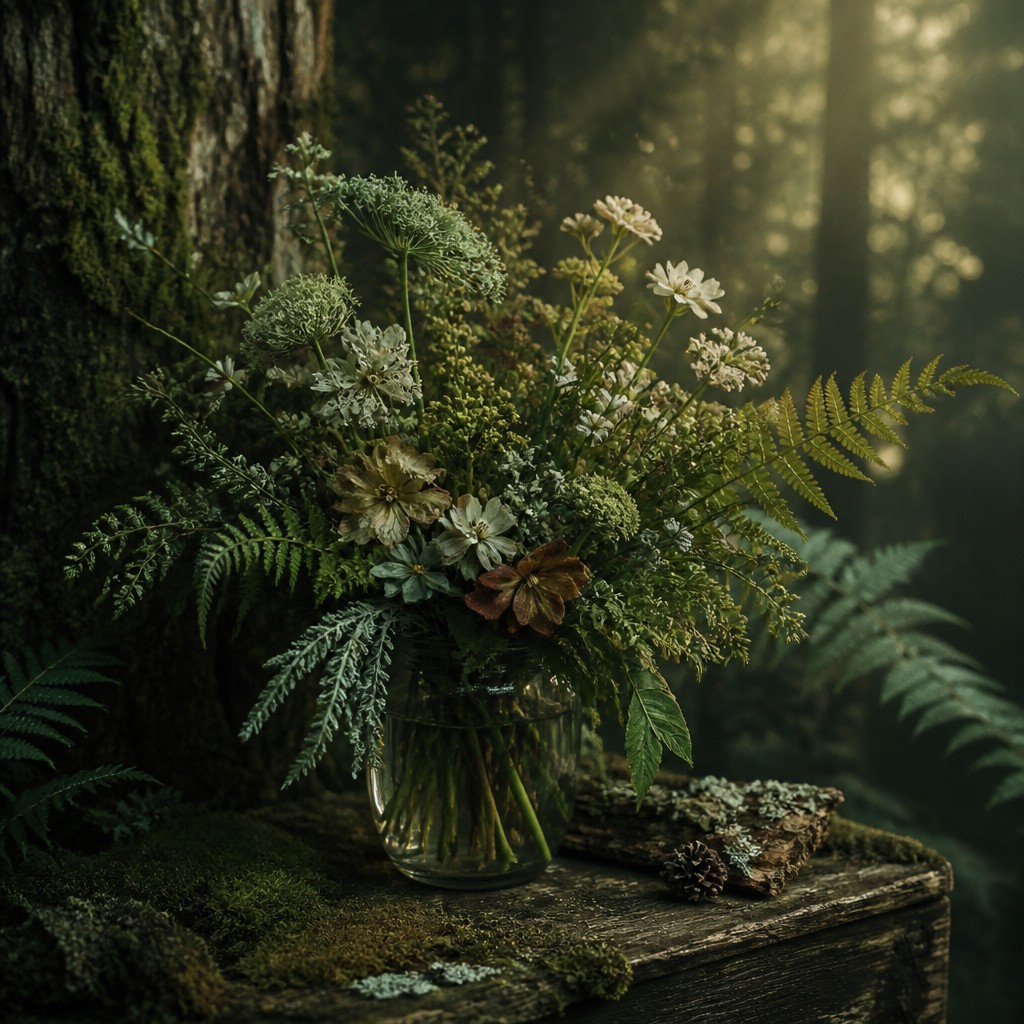
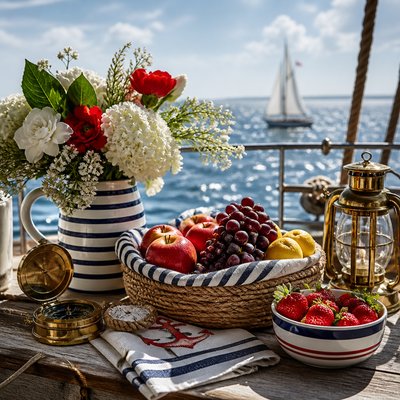
“bouquet of flowers in a glass vase”
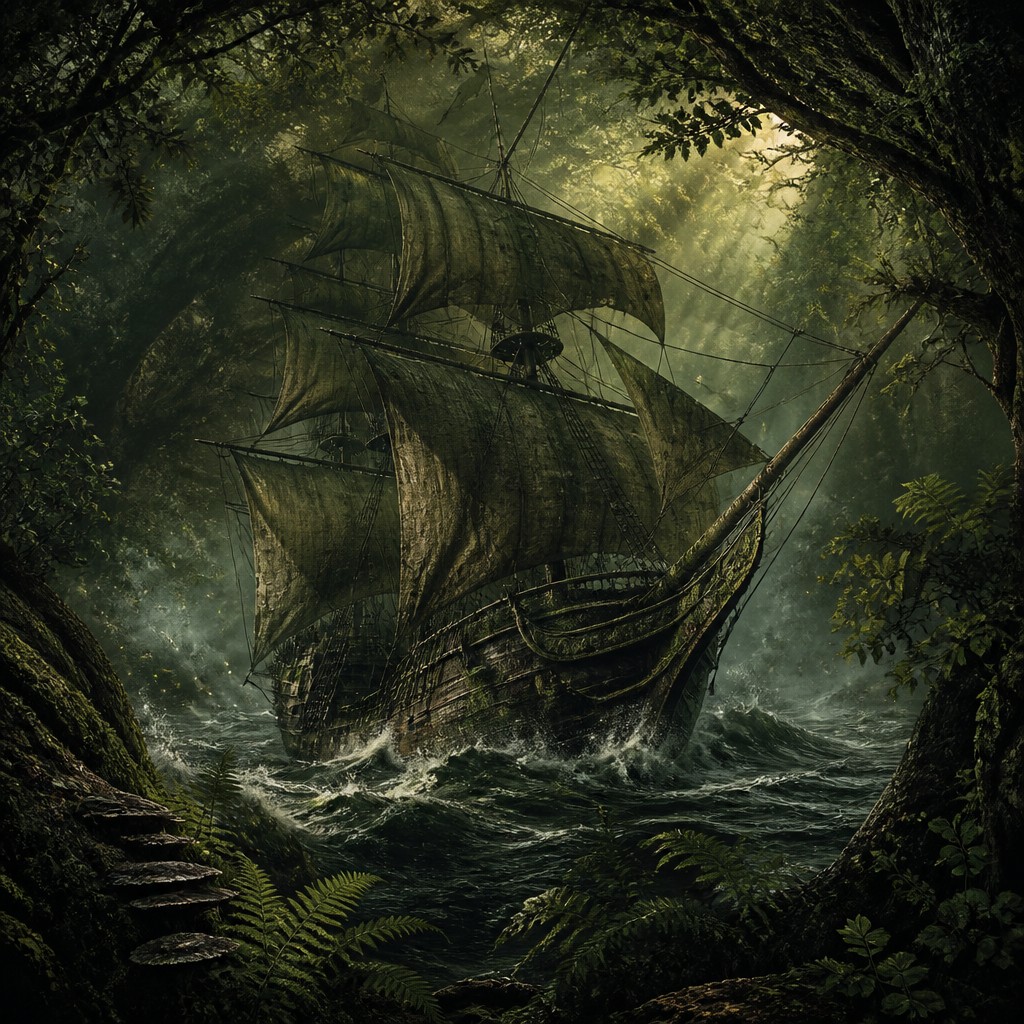
“sailing ship on a stormy sea”
How to Create Forestcore Aesthetic Art
Master the craft step by step — or skip straight to creating. Read the full guide →
- 1
Build the palette first
Start with muted greens, umbers, olive, and gray-blue shadows, then add small notes of warm sunlight. In traditional media, glazing and layering help achieve the damp, saturated look; in digital work, use restrained saturation and varied green temperatures to avoid flatness.
- 2
Prioritize texture over outline
Use visible marks for bark, moss, leaves, and lichen so the scene feels tactile. In paintings and drawings, broken brushwork, stippling, or layered hatching work well; in digital art, combine texture brushes and detail passes rather than relying on crisp contour lines.
- 3
Use filtered light and shadow
Avoid evenly lit scenes. Place the brightest values in narrow shafts, leaf gaps, or reflective wet surfaces so the composition feels like light is passing through a canopy.
- 4
Compose for enclosure
Include trunks, branches, ferns, and undergrowth that frame the subject and create a sheltering space. For image generation, prompt for mist, canopy light, moss, lichen, damp wood, and layered leaves to establish the aesthetic quickly.
- 5
Balance realism with mood
A successful forestcore image should feel observed and atmospheric rather than overly stylized or fantasy-heavy. If using digital or AI workflows, specify quiet stillness, ancient woodland, rich organic detail, and soft atmospheric depth to guide the result.
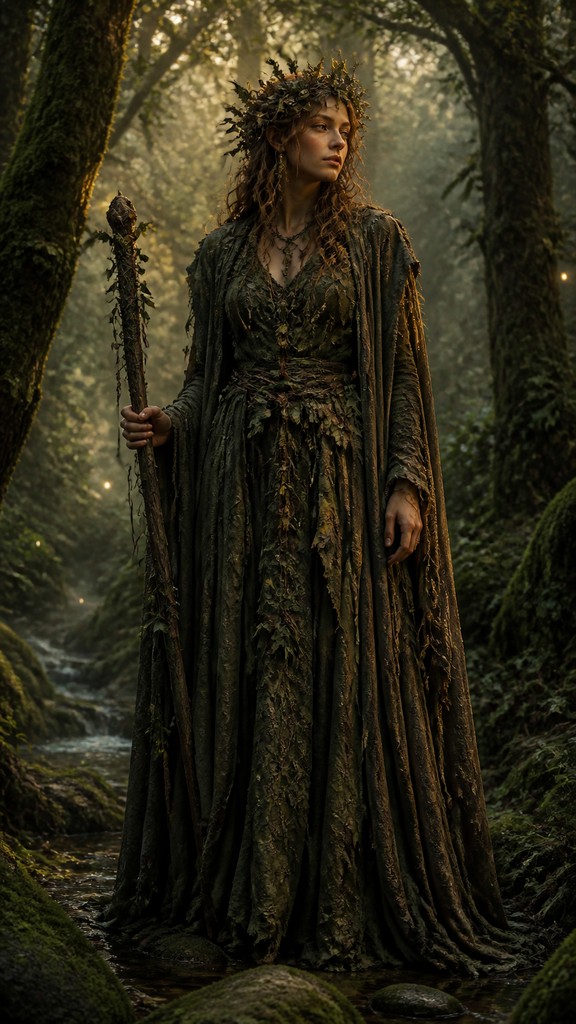
The Story
History & Origins of Forestcore Aesthetic
Forestcore is an internet-born aesthetic rather than a historical art movement. It emerged from contemporary online visual culture, where users began organizing images around lived atmospheres and emotional environments: forests, moss, mushrooms, rain, shadow, and the idea of the woods as a place of retreat. Its visual logic draws from nature photography, landscape painting, fantasy illustration, and broader cottagecore and dark-academia-adjacent sensibilities, but it is not tied to a single period or canonical school.
As an aesthetic category, it developed through mood boards, social media curation, and image-sharing communities that value place-based feeling as much as subject matter. Its contemporary use often blends realistic woodland observation with stylization, whether in digital illustration, photography, or decorative design. In that sense, forestcore is less a formal art-historical movement than a modern visual shorthand for immersive, ancient-feeling woodland atmosphere.
Influences: Forestcore draws from landscape painting, nature observation, and contemporary internet aesthetics that romanticize place and mood. It shares sensibilities with Romantic-era wilderness imagery, though it is not a direct historical continuation, and it overlaps visually with cottagecore, dark academia, and fantasy illustration. In fine art, it can echo the attentive naturalism of artists such as John Constable in landscape handling or the dense, atmospheric forests seen in some Symbolist and Romantic traditions, but forestcore itself remains a modern aesthetic rather than a formal school.
Frequently Asked Questions
What defines forestcore aesthetic?
Forestcore is defined by a quiet woodland atmosphere built from mossy greens, bark browns, dappled light, mist, and rich organic texture. The emphasis is less on dramatic wilderness and more on the feeling of being sheltered inside an ancient forest.
How is forestcore different from cottagecore?
Cottagecore centers on rural domestic life, handmade objects, and pastoral comfort, while forestcore is more focused on the woods themselves. Forestcore can include cottages or human traces, but the forest environment and its mood are the main subject.
Is forestcore a real art movement?
No. Forestcore is an internet-born aesthetic category rather than a historical art movement with a formal manifesto or defined period. Its visual language is drawn from nature imagery, landscape traditions, fantasy art, and contemporary mood-based online culture.
What subjects work best in forestcore art?
Woodland paths, mossy rocks, mushrooms, ferns, tree trunks, fog, rain, small animals, and secluded ruins all fit well. Any subject can work if it is integrated into a dense, shaded forest environment with soft, filtered light.
How do I make an image feel more forestcore?
Use a subdued green-and-brown palette, add layered foliage and textured ground cover, and include mist or canopy-filtered sunlight. The key is to make the scene feel cool, humid, and enclosed rather than bright and open.
Where is forestcore commonly used?
It appears in digital illustration, photography, mood boards, interior decor references, fashion inspiration, and fantasy-themed visual design. It is also common in branding or editorial imagery that wants a natural, calm, earthy atmosphere.

Create your first Forestcore Aesthetic artwork
Describe anything — or upload a photo — and see it in Forestcore Aesthetic in seconds.
Make Something with Forestcore Aesthetic
Related Styles
Discover similar art styles