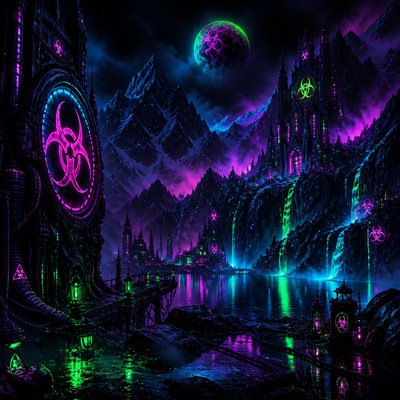
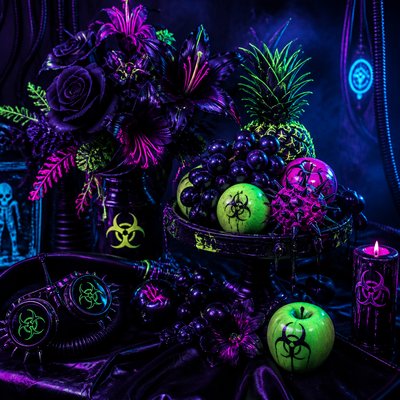
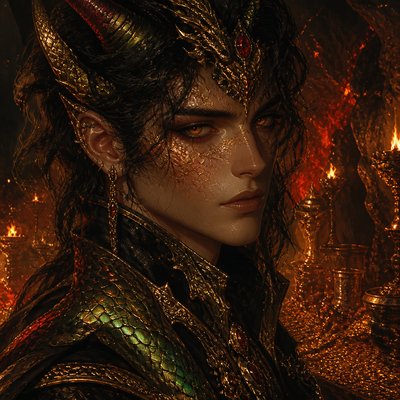
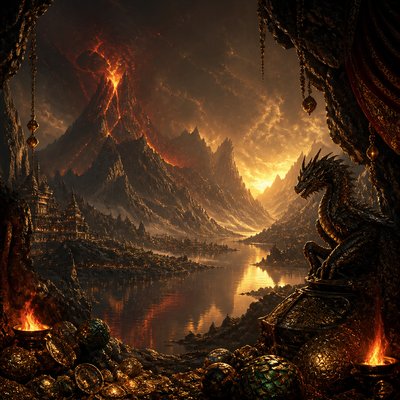
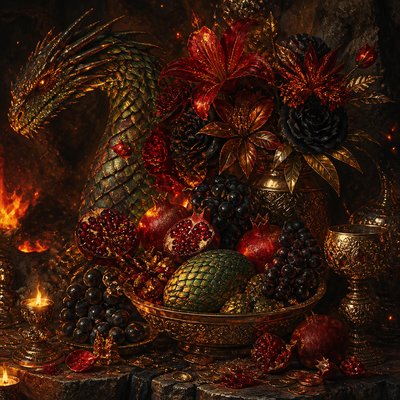
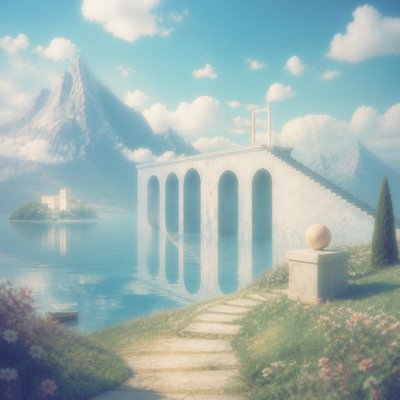
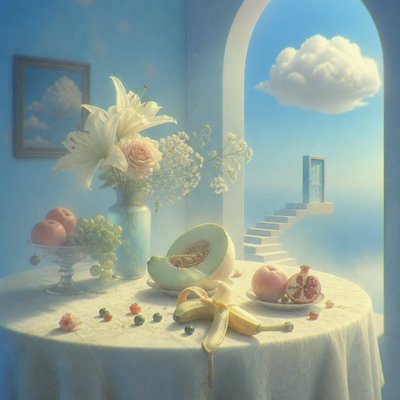
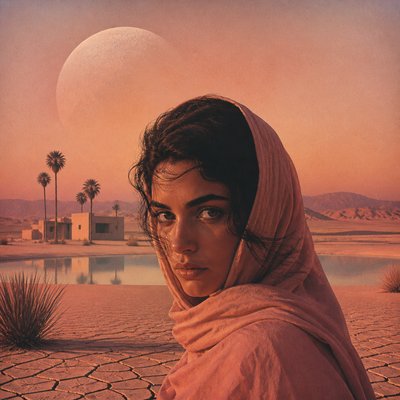
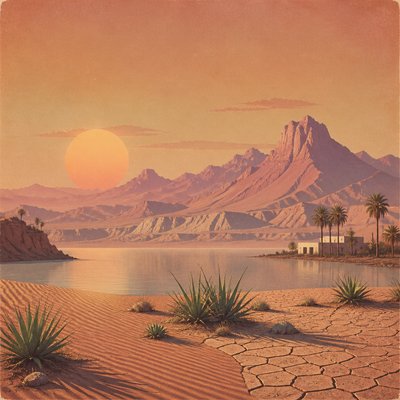
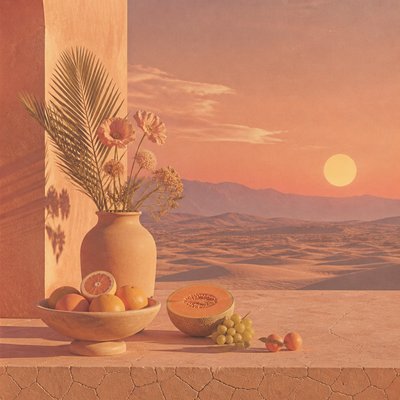
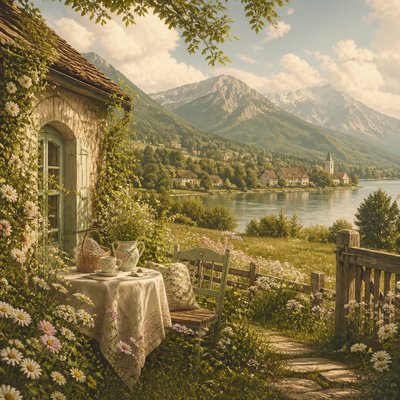
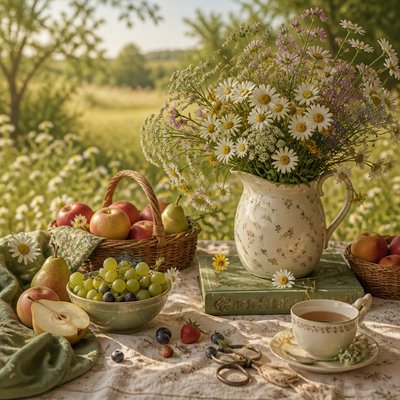
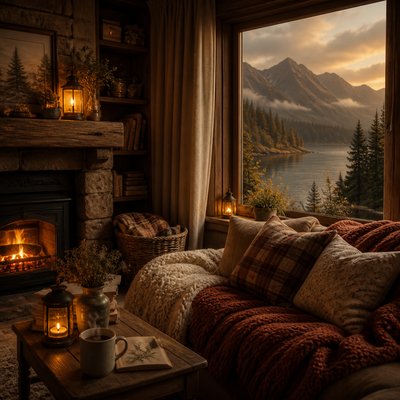
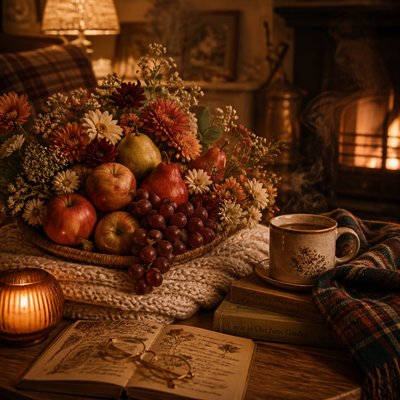
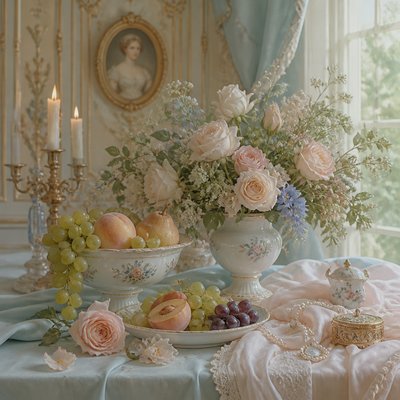
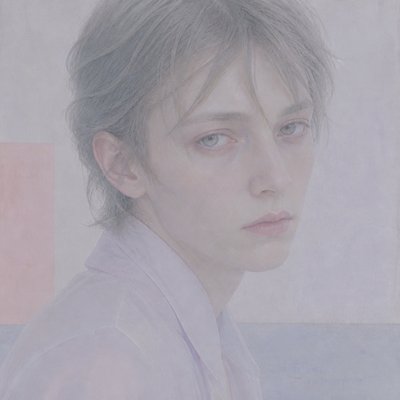
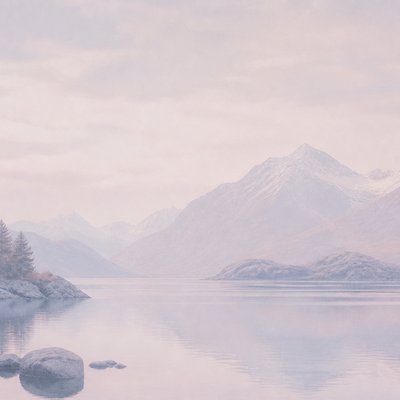
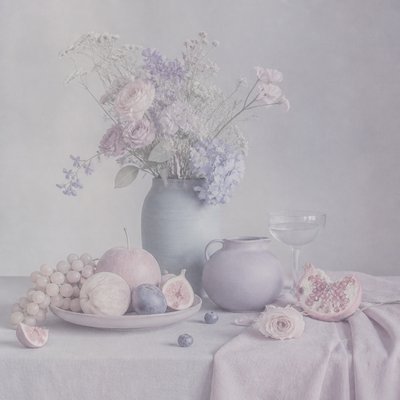
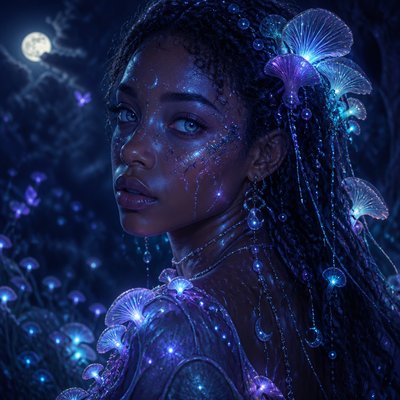
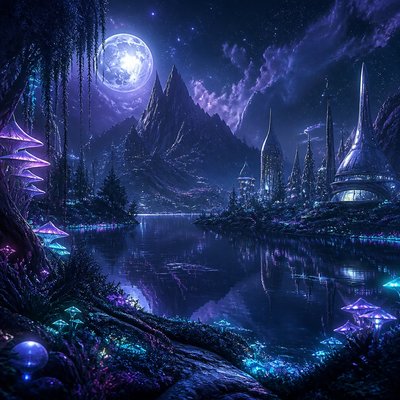
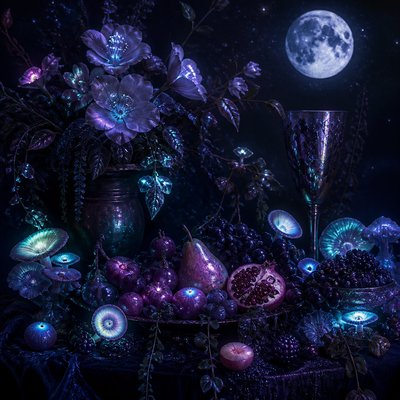
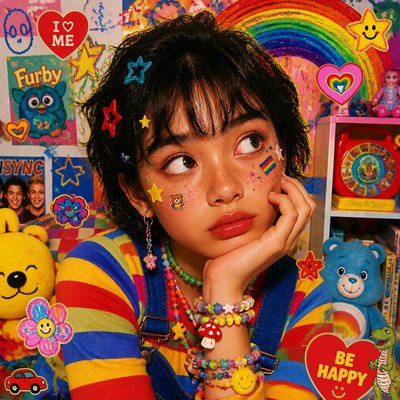
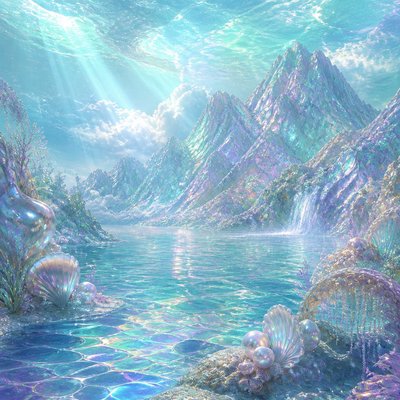
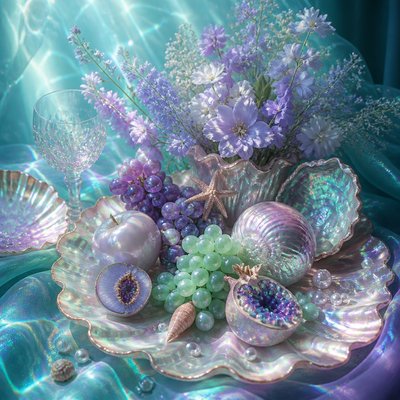
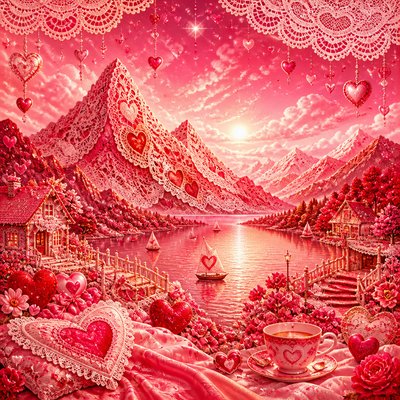
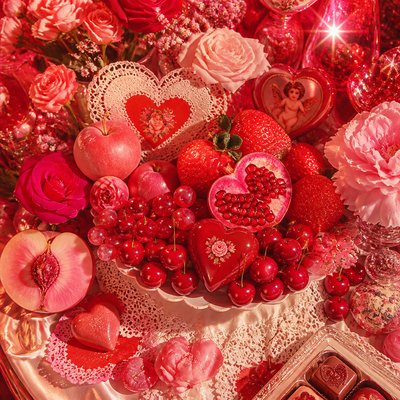
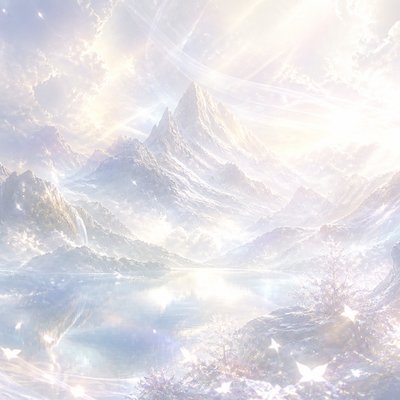
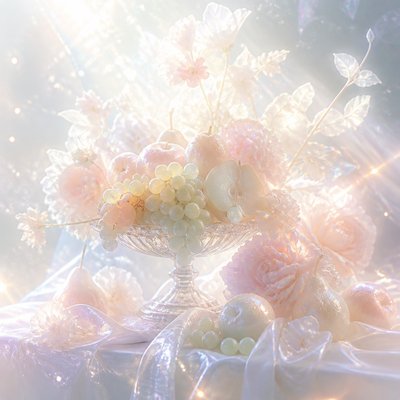
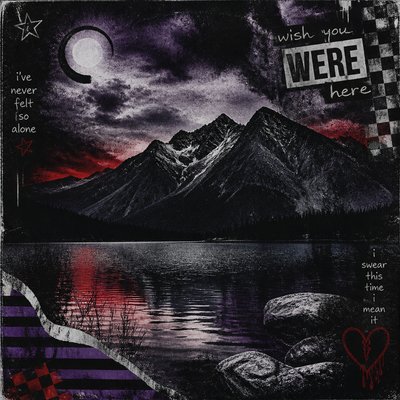
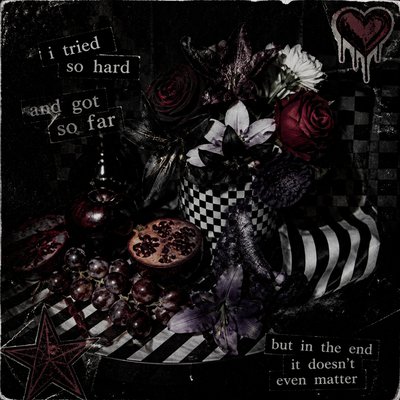
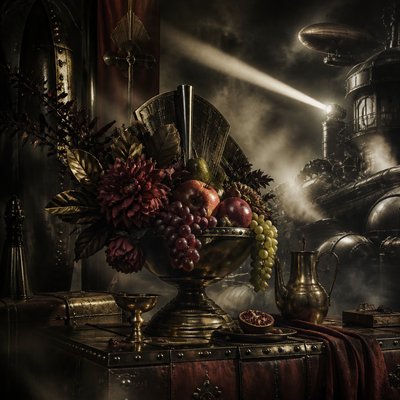
Piratecore Aesthetic
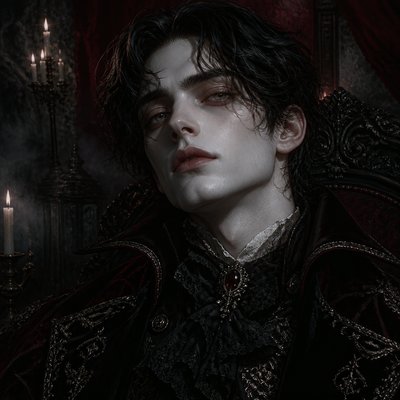
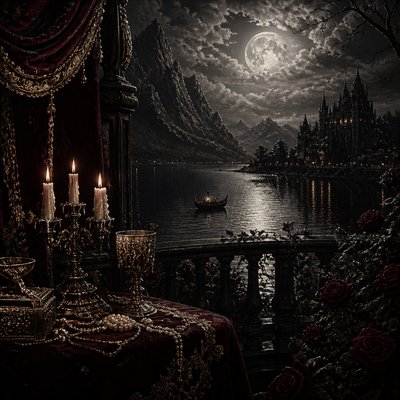
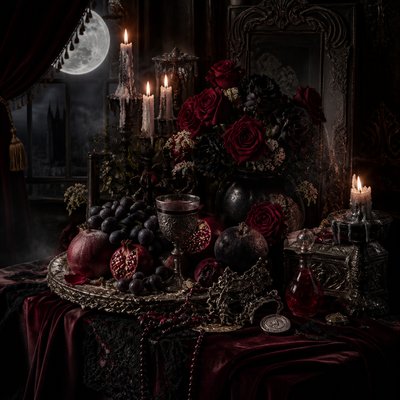
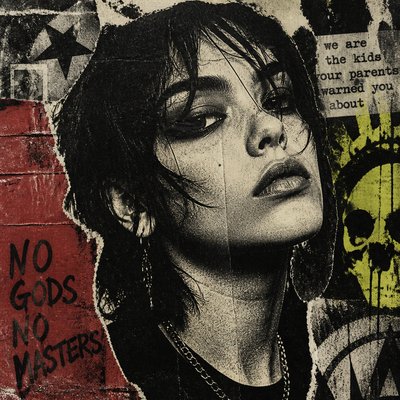
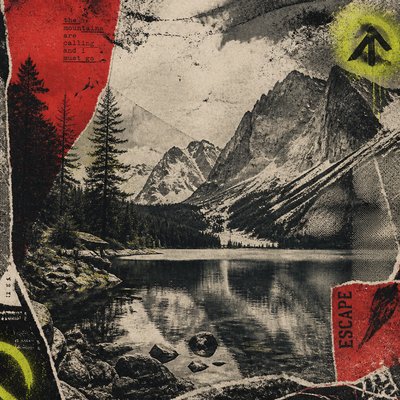
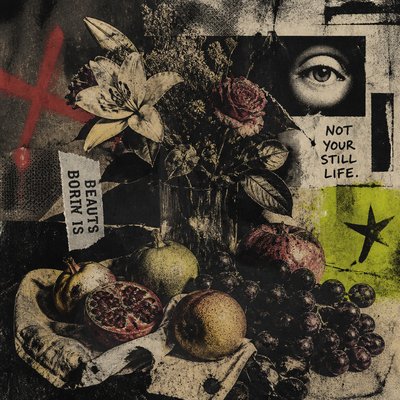
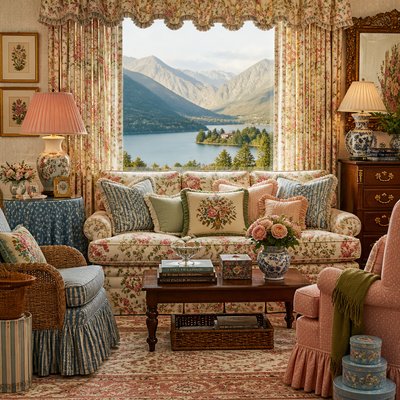
Piratecore: a salt-worn high-seas aesthetic of lantern light, treasure maps, frayed rope, and weathered maritime grit.
Instantly rendered in Piratecore Aesthetic — or transform a photo
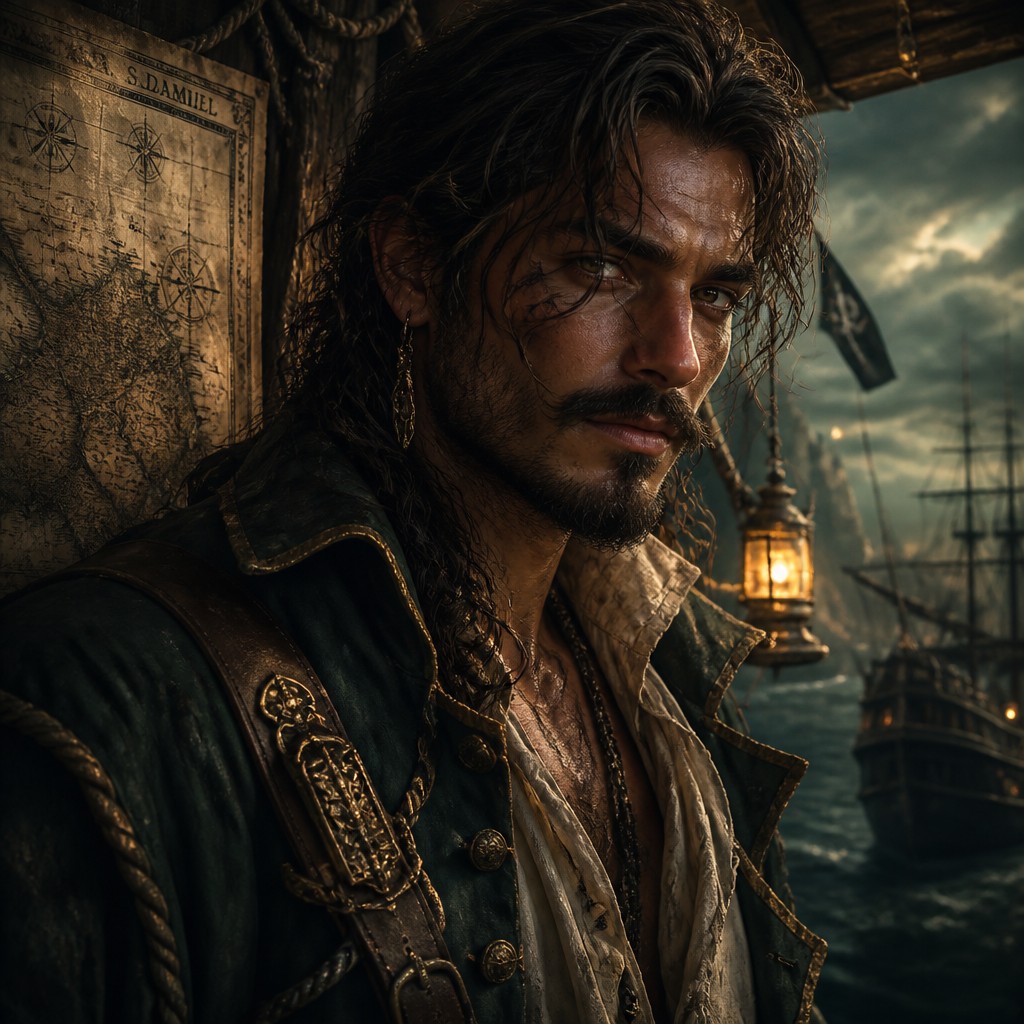
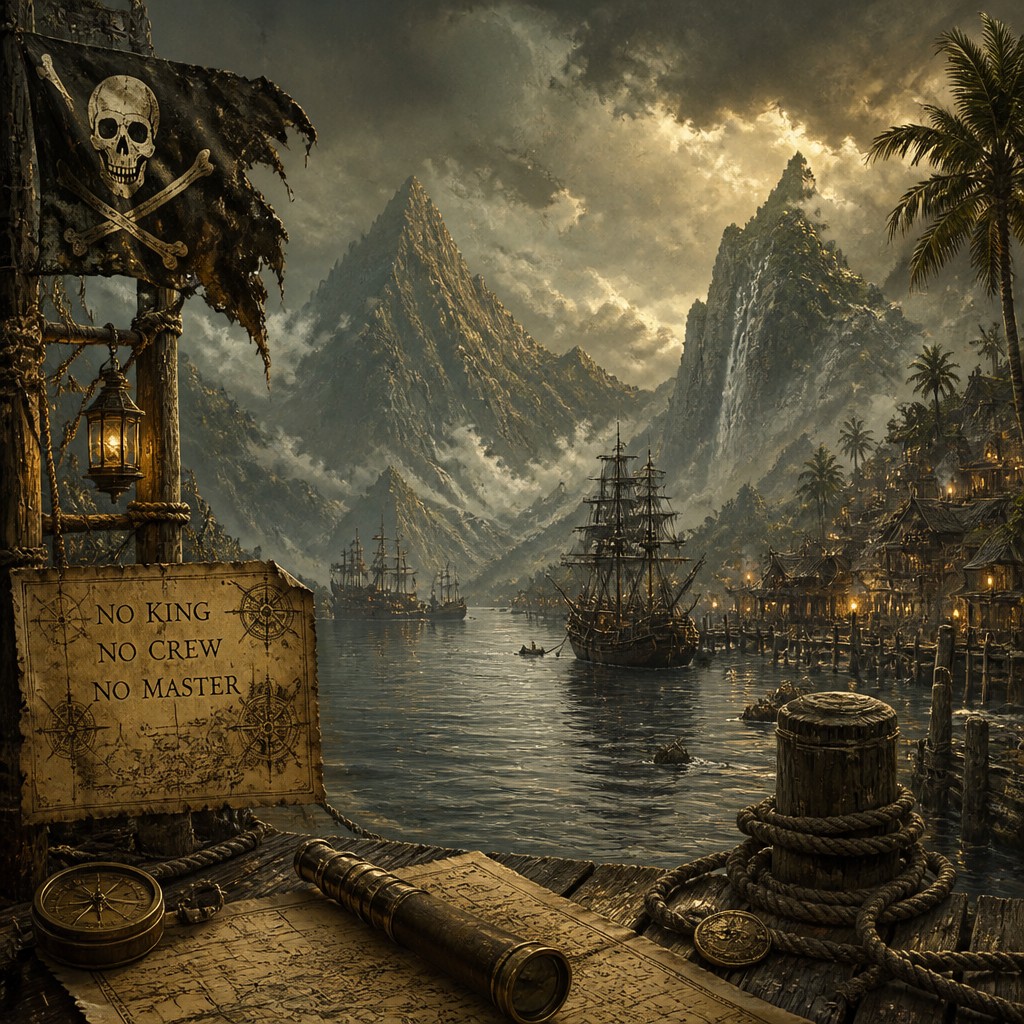
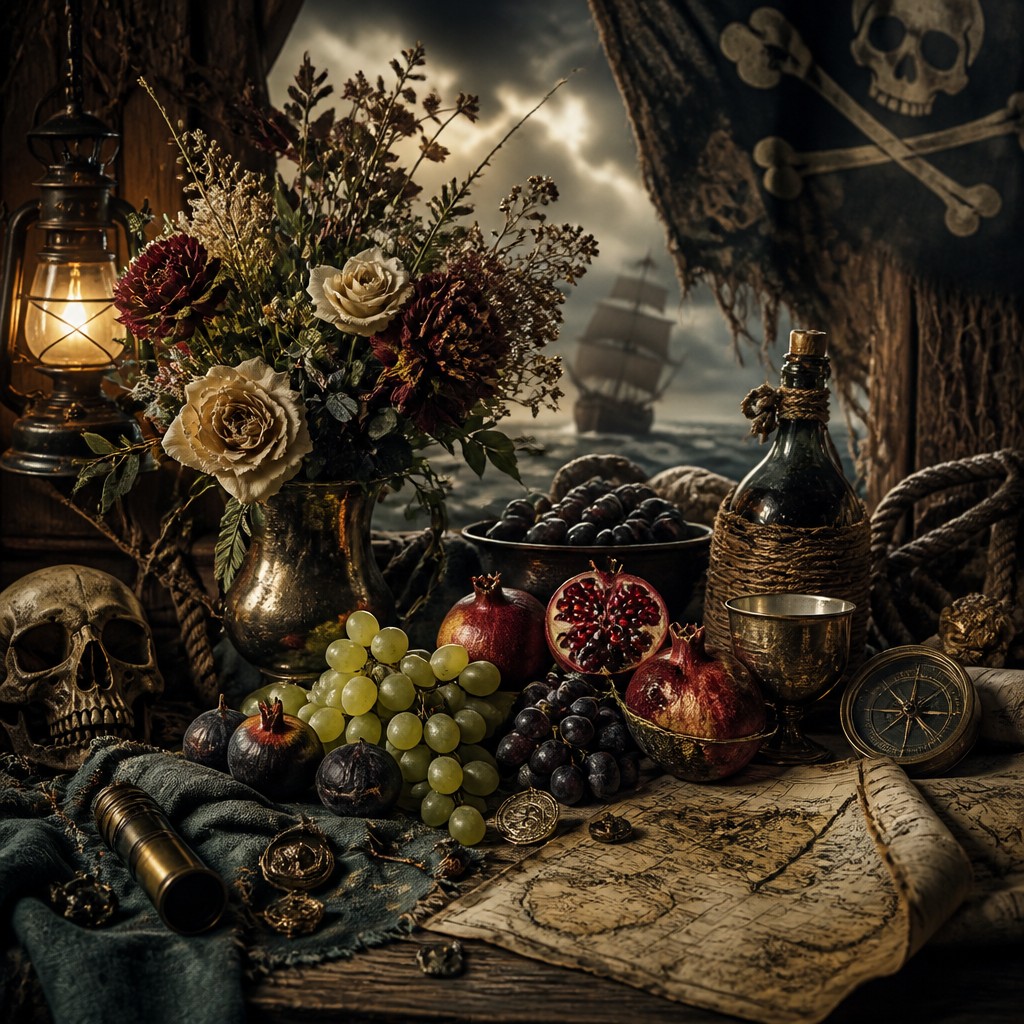
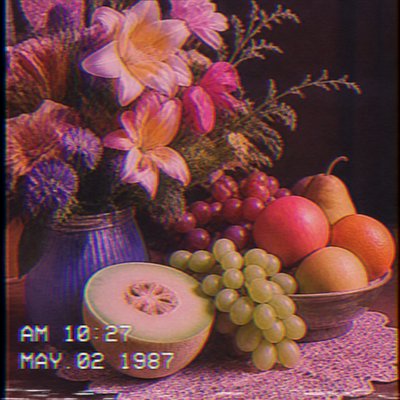
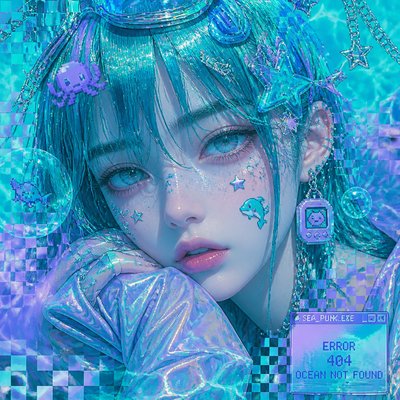
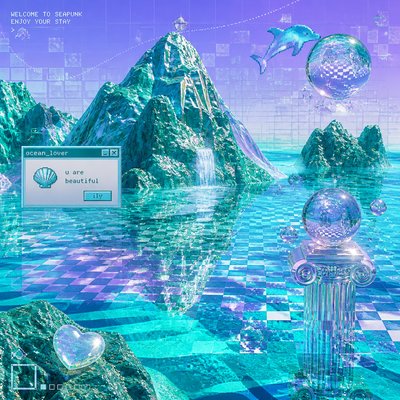
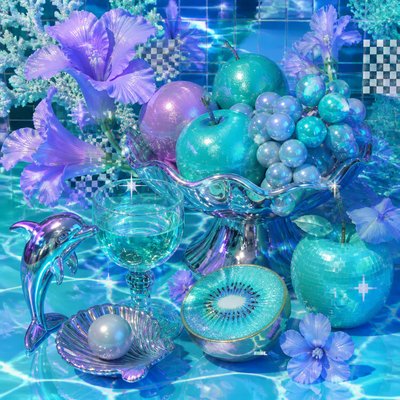
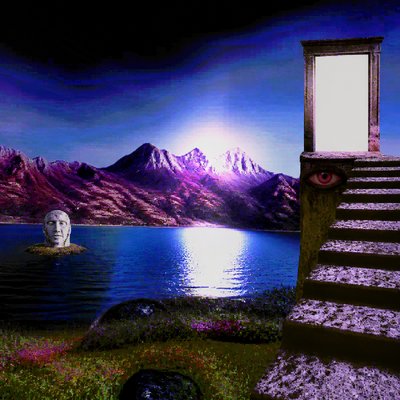
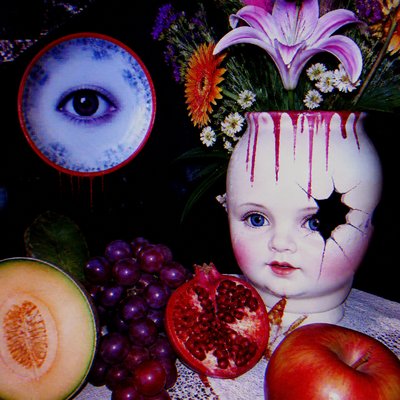
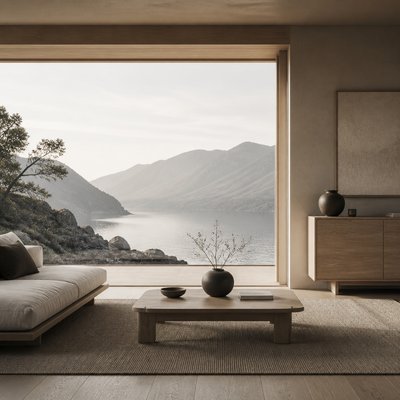
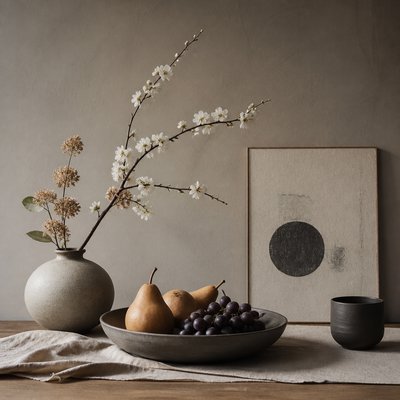
Piratecore Aesthetic Gallery
Tap any artwork to explore it
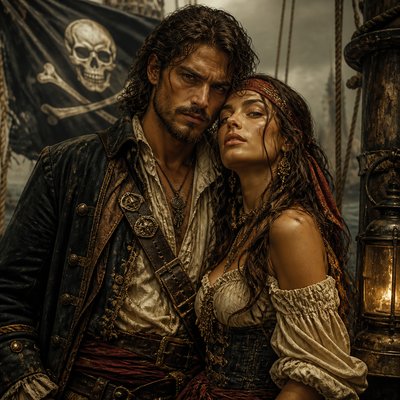
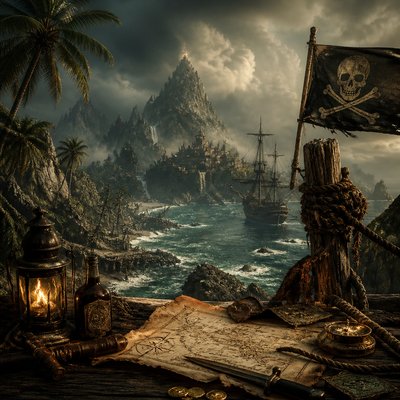
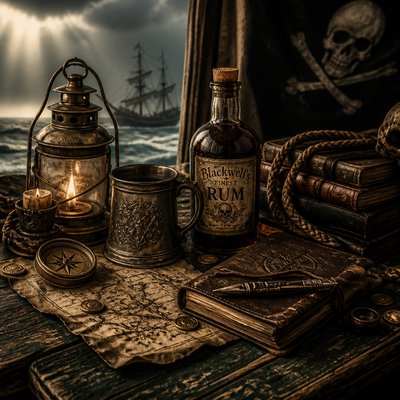
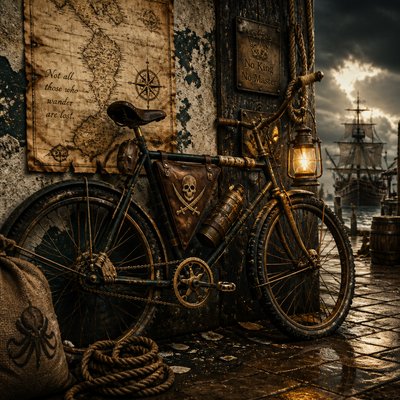
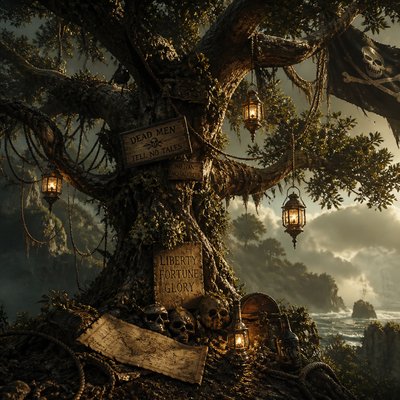
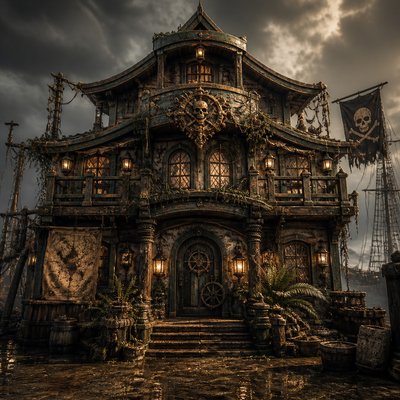
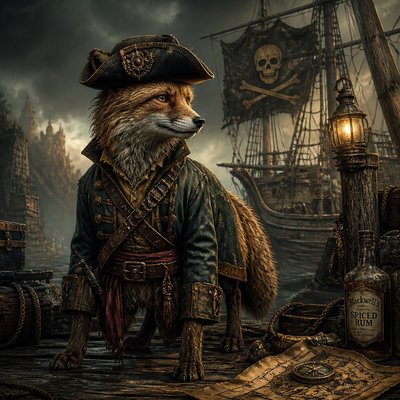
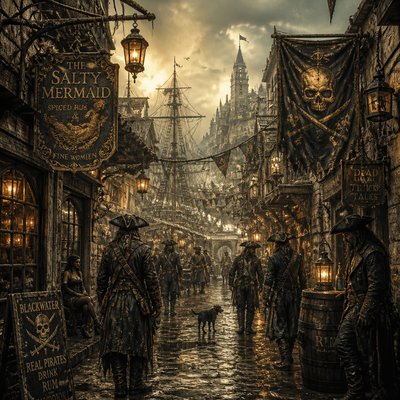
What is Piratecore Aesthetic?
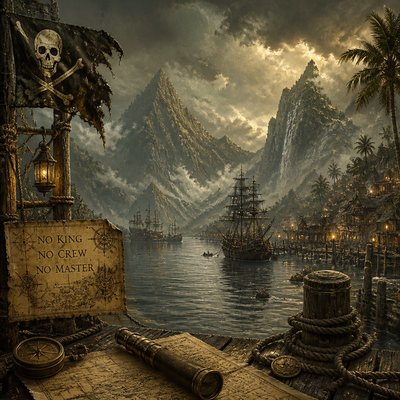
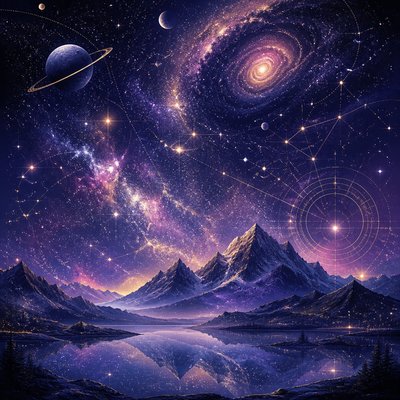
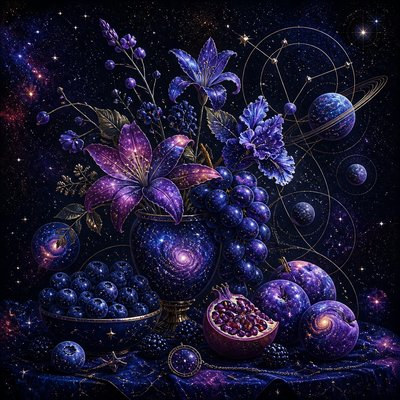
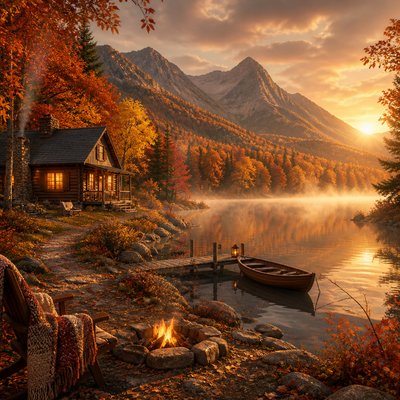
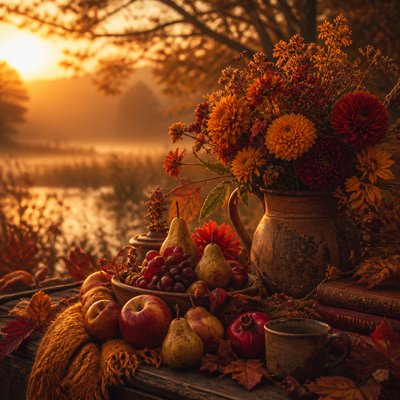
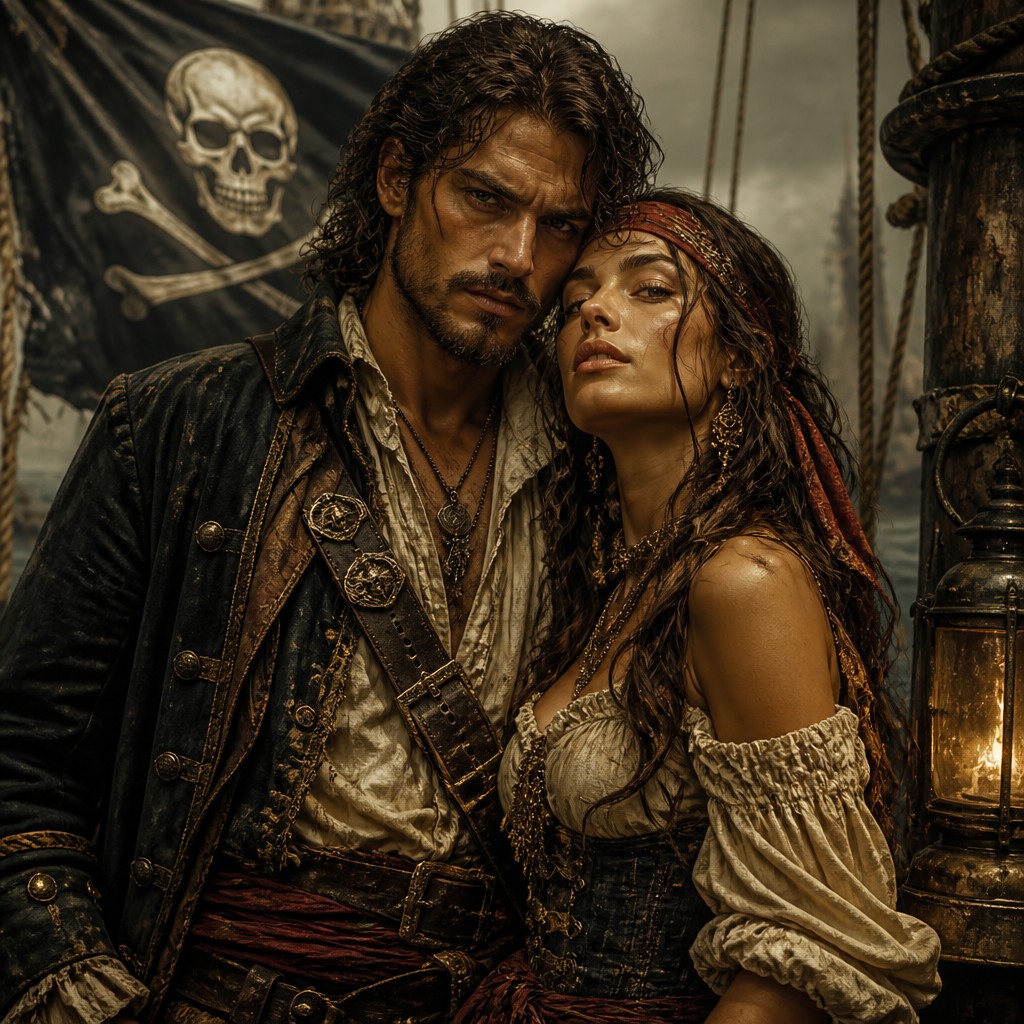
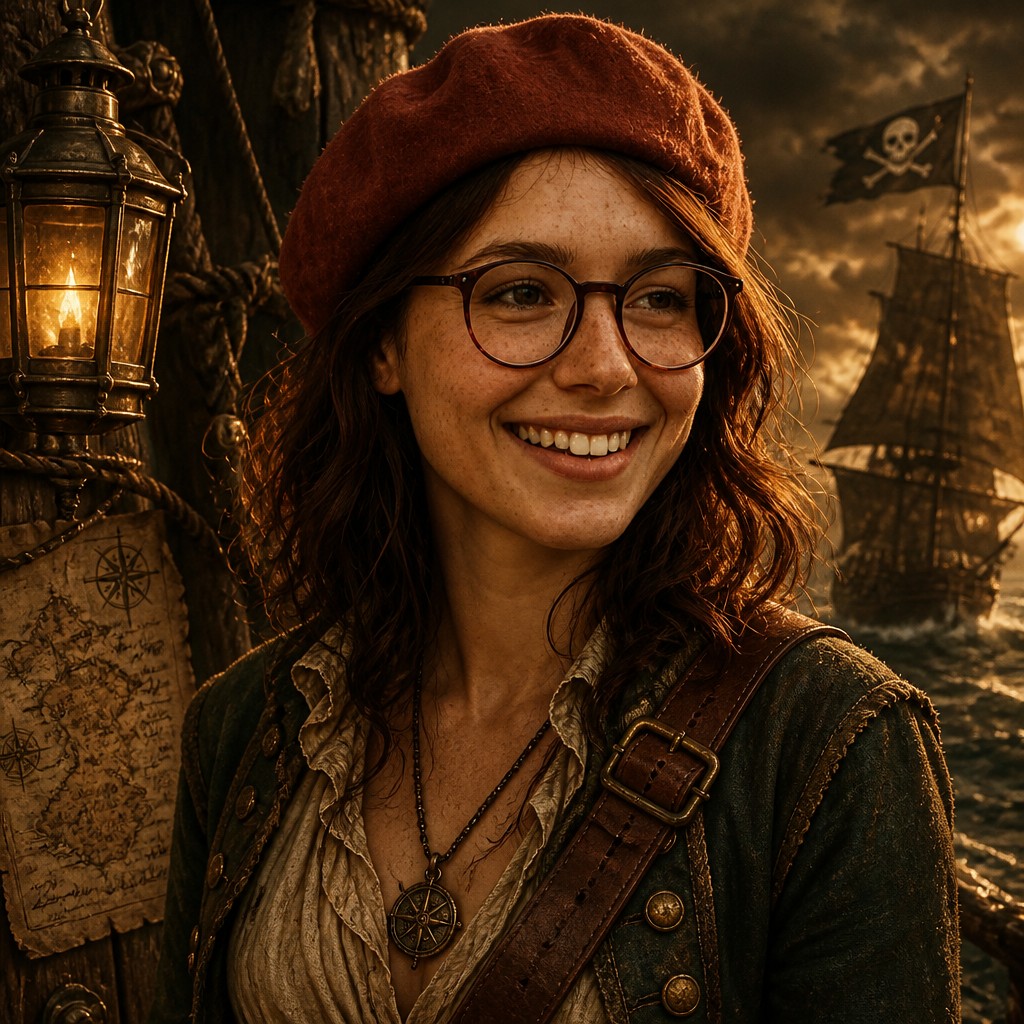
Piratecore aesthetic is a nautical fantasy style built around the visual world of the age of sail as imagined through adventure fiction: weathered planks, frayed rigging, brass hardware, parchment maps, sea spray, and the glow of lanterns in storm-dark conditions. It combines historical maritime details with a romanticized sense of danger and freedom, producing images that feel rugged, secretive, and cinematic.
Its look is defined by a restrained, earthy palette—tarnished gold, deep sea green, rum brown, bone ivory—balanced by dramatic lighting and tactile surface detail. The style works because it draws on recognizable signs of seafaring life, then heightens them into a narrative atmosphere: treasure, mutiny, hidden coves, ship cabins, and stormy horizons all suggest a lawless world shaped by weather, work, and adventure.
Try It On Your Photos
Upload any photo and convert it into Piratecore Aesthetic — drag the sliders to compare before and after.


What Defines Piratecore Aesthetic
The signature details, up close
Maritime Color Palette
The style typically uses muted oceanic greens, storm grays, brown timber tones, ivory paper, and aged metallic gold. Bright colors are usually subdued or used sparingly as accents, so the image feels weathered rather than glossy.
Salt-Worn Surfaces
Wood, rope, leather, canvas, and metal are shown with visible aging: cracks, fraying, corrosion, stains, and sea-spray wear. These textures create the sense that objects have endured long voyages and rough conditions.
Treasure and Cartography Motifs
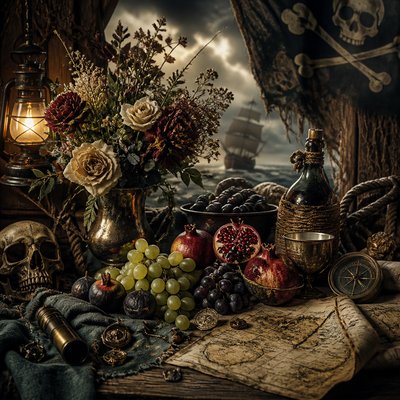
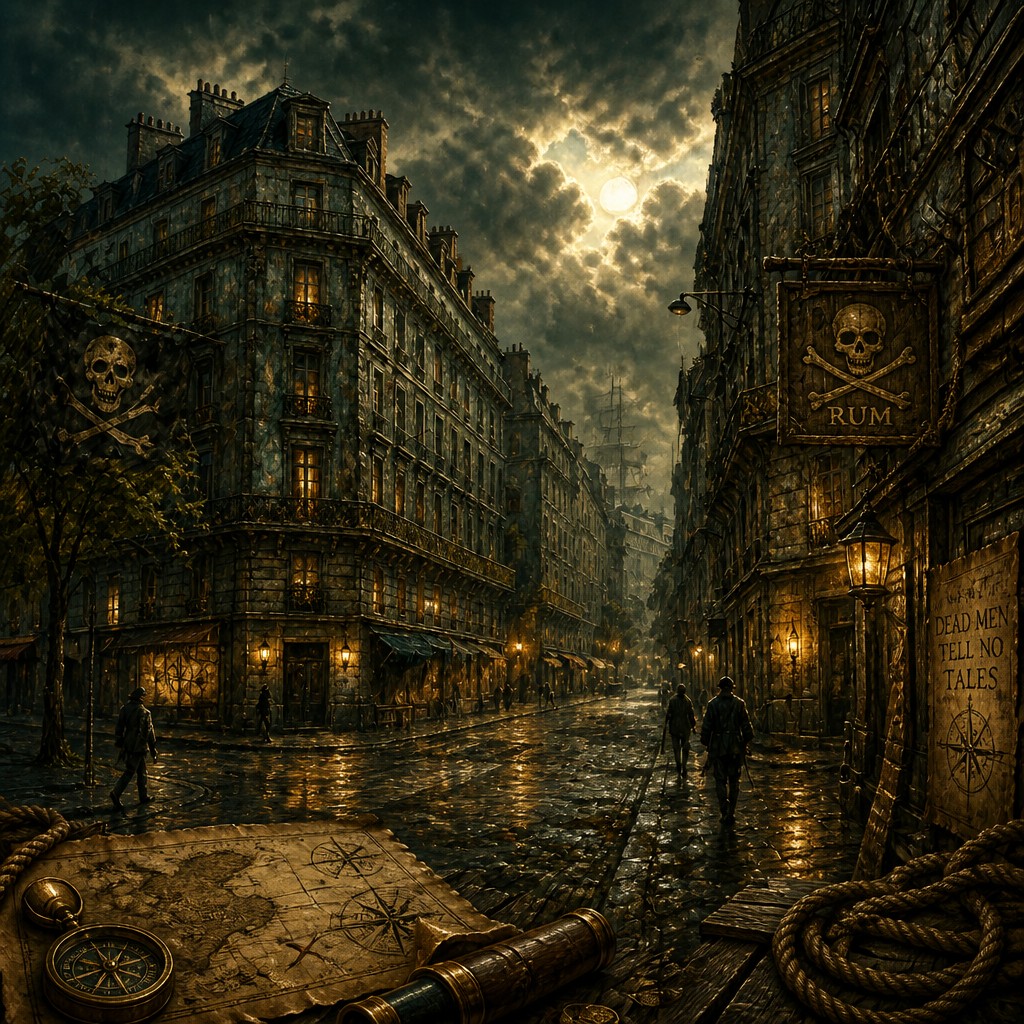
Maps, compasses, charts, coins, chests, seals, and coded documents are common visual anchors. Parchment edges, ink marks, and hand-drawn navigation symbols reinforce the theme of hidden routes and buried wealth.
Lantern and Storm Lighting
Lighting often mixes warm interior glow with cold exterior weather, such as lantern light cutting through fog or moonlight striking wet decks. This contrast gives the style its dramatic, cinematic mood.
Swashbuckling Narrative Energy
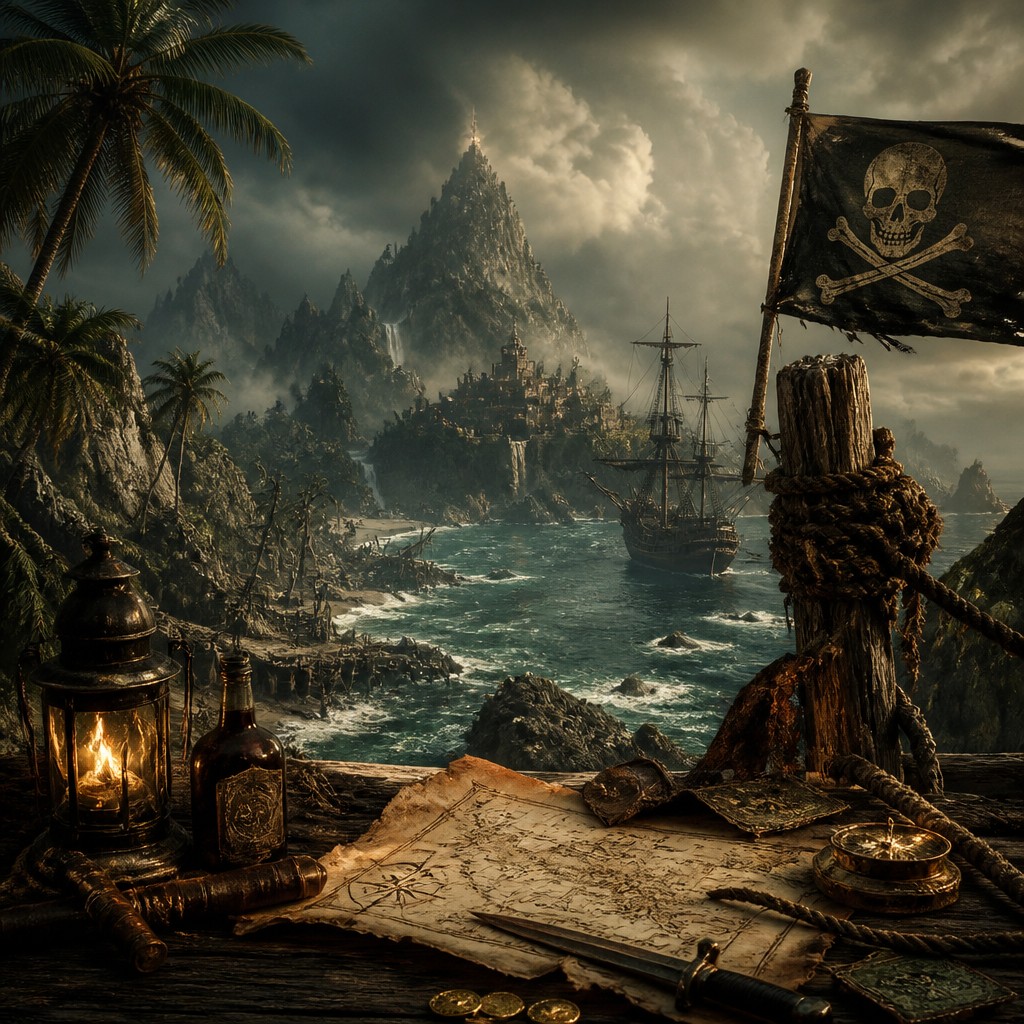
Poses and compositions often imply action, daring, or secrecy rather than stillness. Even when the subject is an object or interior, the scene usually suggests imminent travel, conflict, or discovery.
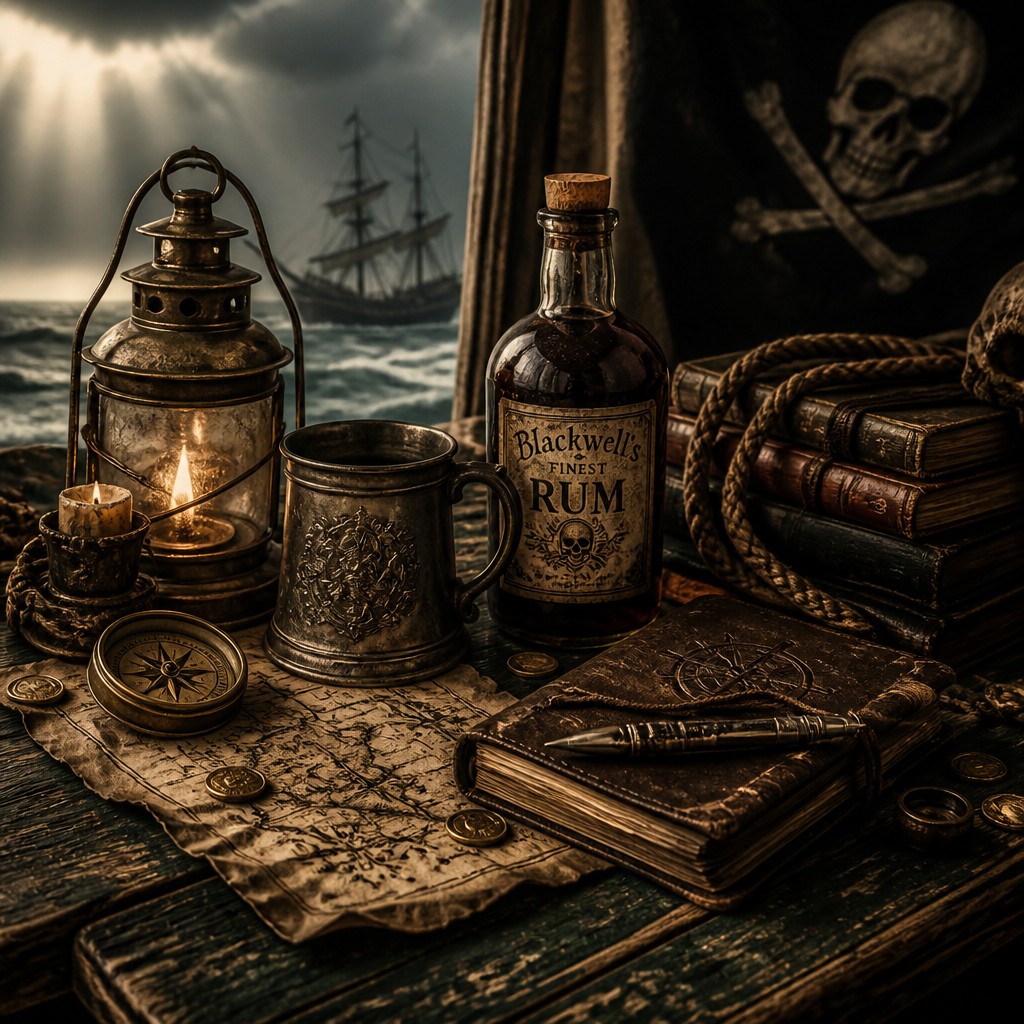
Aged Brass and Nautical Hardware
Clasps, ship fittings, spyglasses, handles, and instruments are often rendered in worn brass or iron. These details help connect the style to maritime tools and the material culture of sailing ships.
Try It
Create Videos in Piratecore Aesthetic
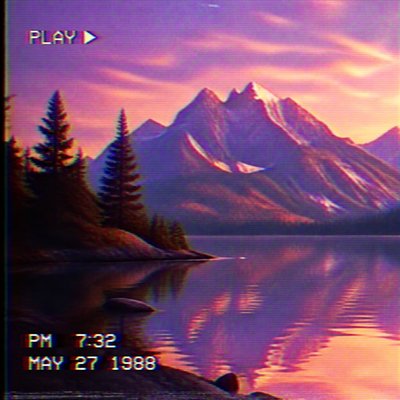
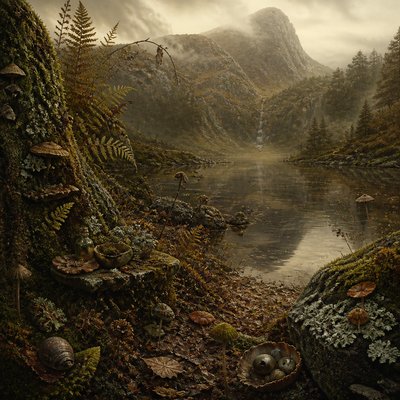
Styles aren't just for stills — describe a scene or animate an image and get a short video rendered in Piratecore Aesthetic. Press play to see this pond come to life.
Make a VideoPiratecore Aesthetic Prompt Ideas
Start from an idea — each one opens the generator with the style ready to go. See all 40 Piratecore Aesthetic prompts →
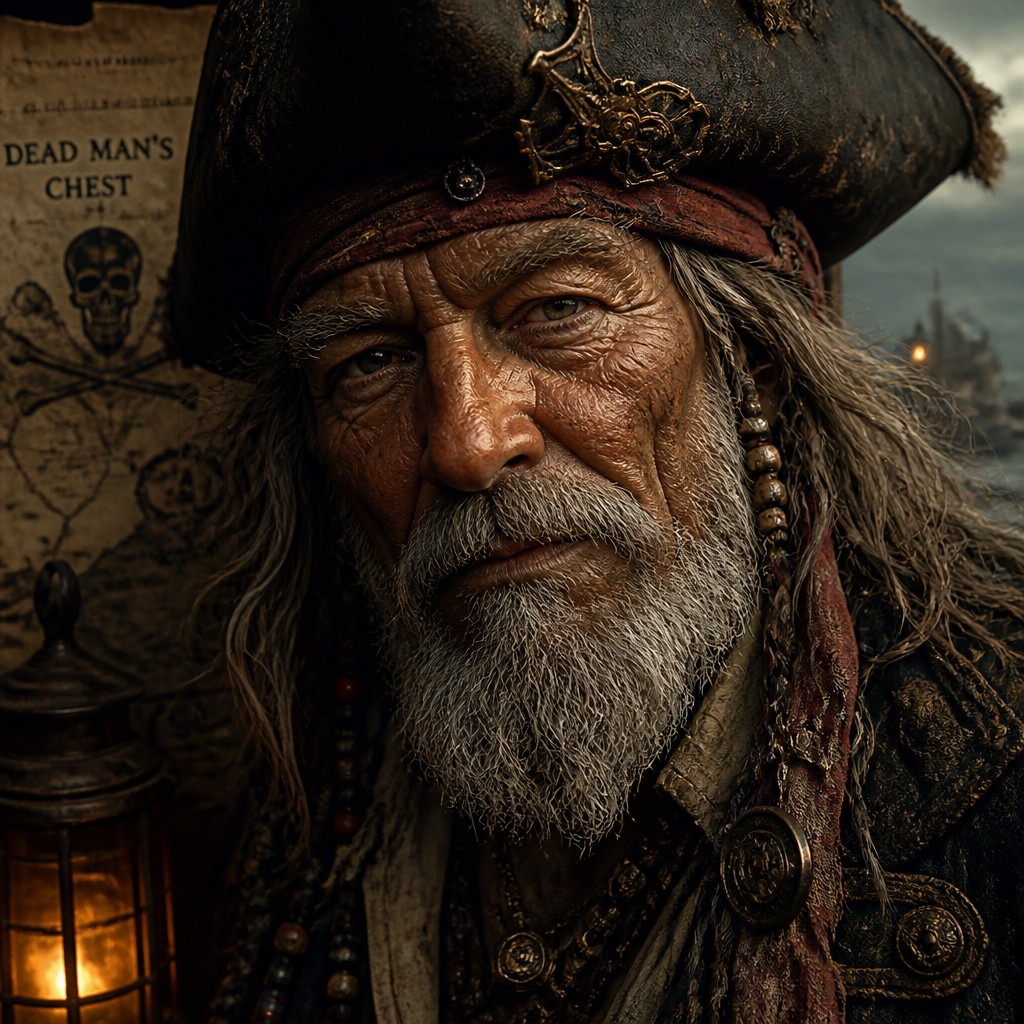
“close-up portrait of an elderly person with expressive weathered features”
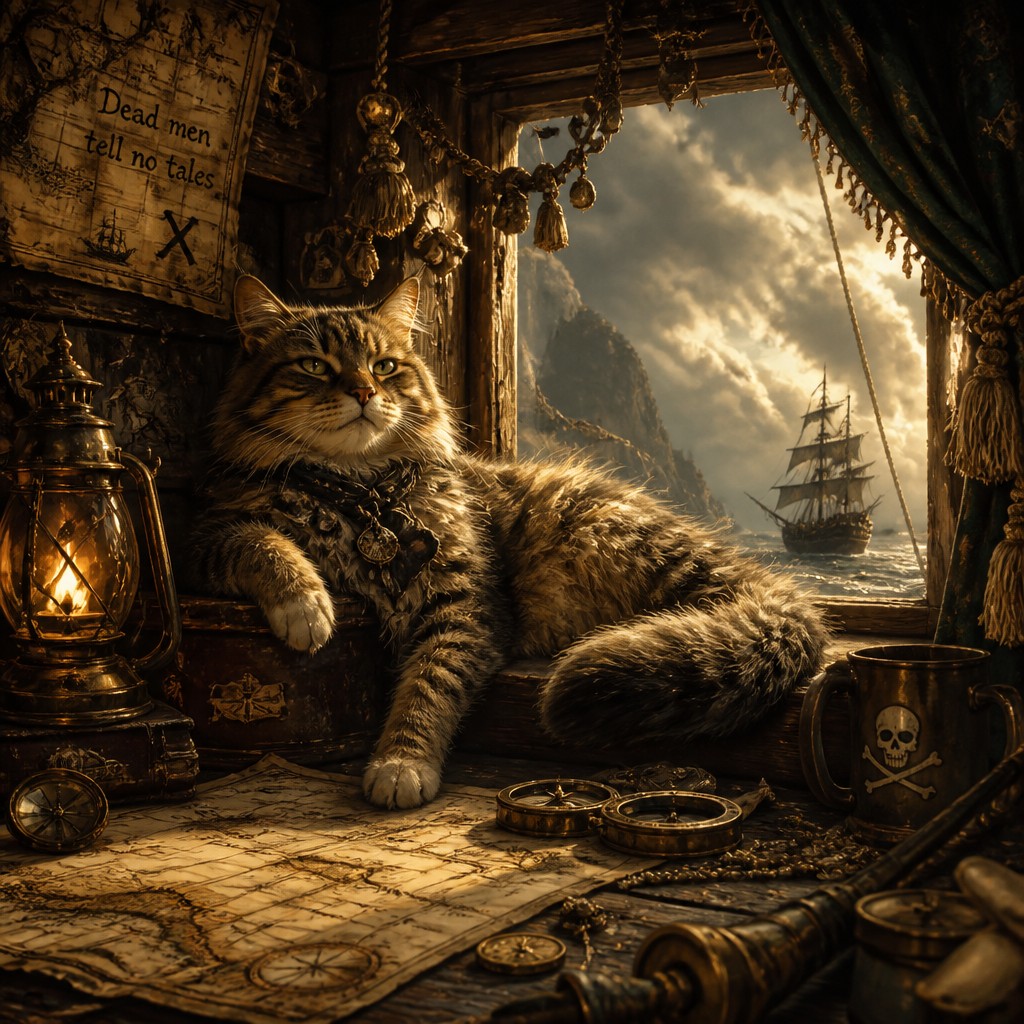
“a cat lounging in a sunlit window”
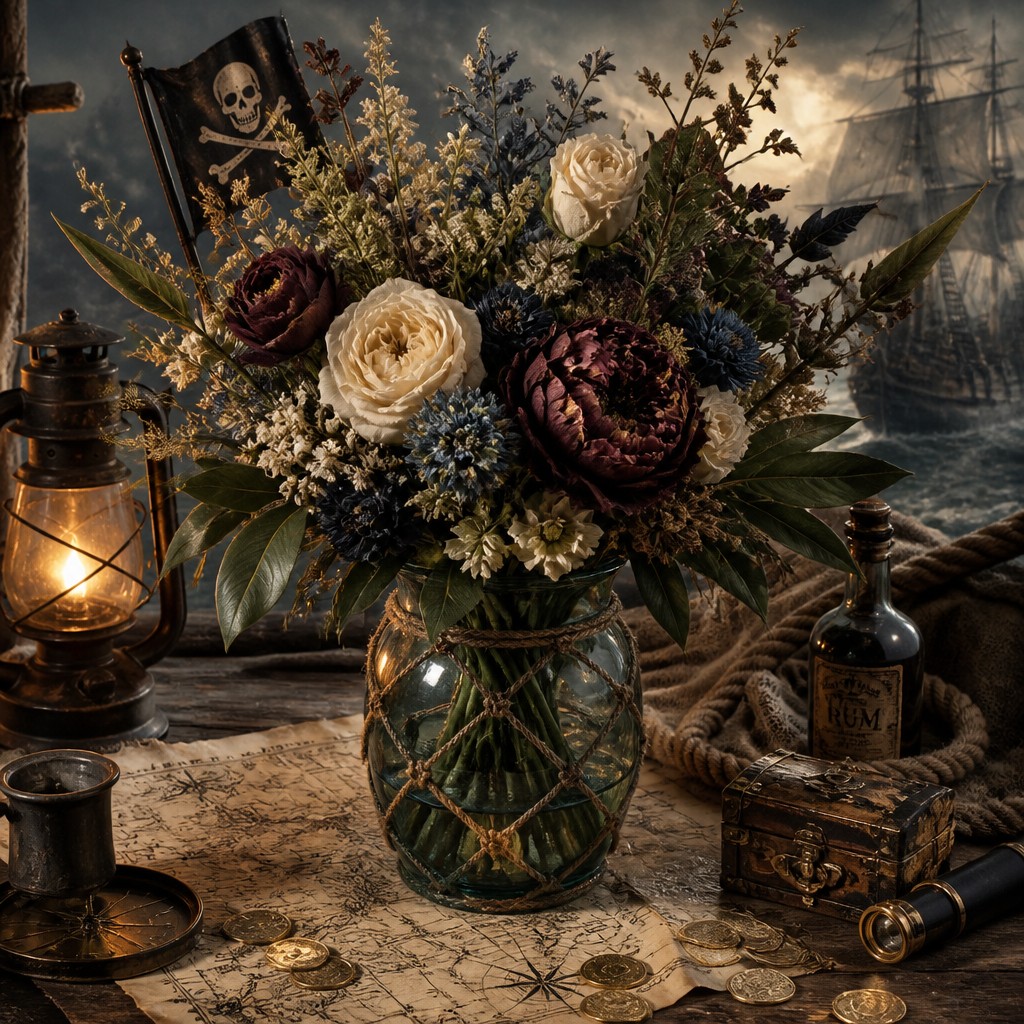
“bouquet of flowers in a glass vase”
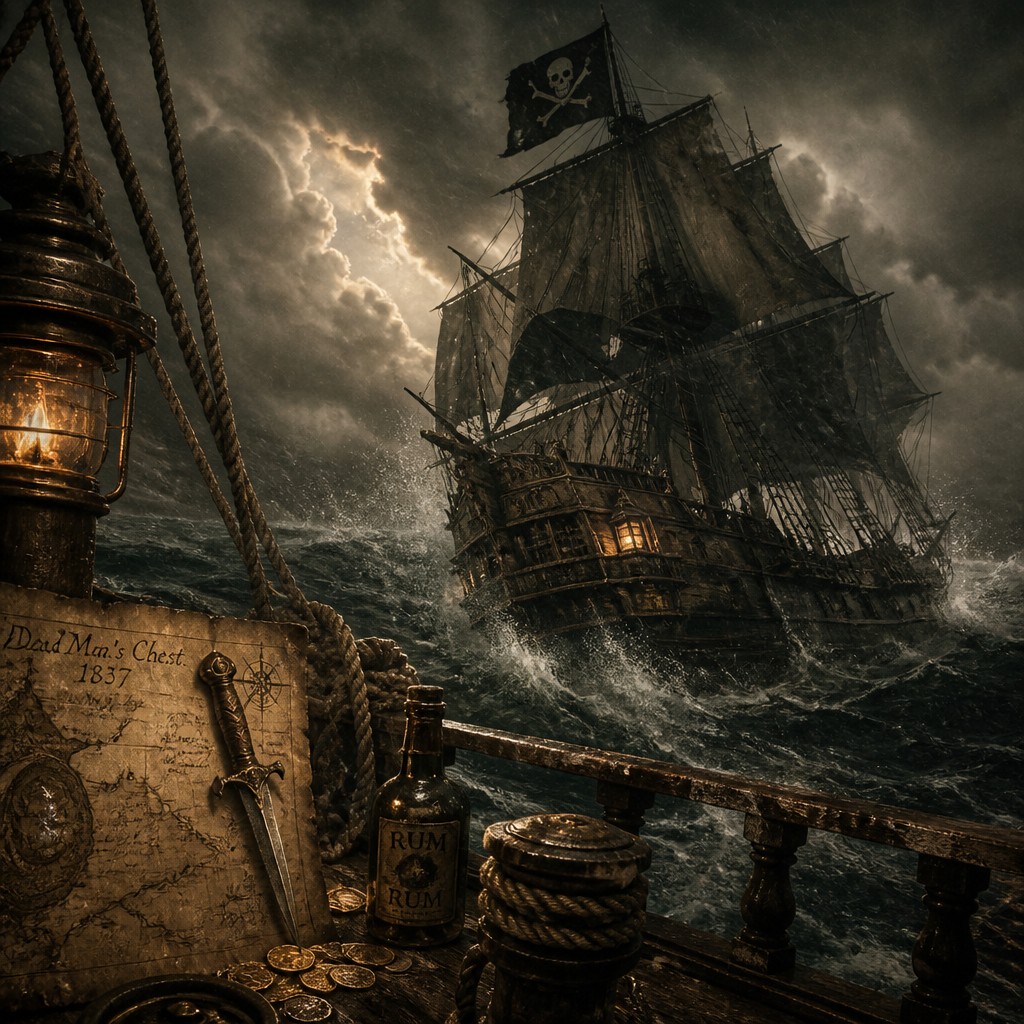
“sailing ship on a stormy sea”
How to Create Piratecore Aesthetic Art
Master the craft step by step — or skip straight to creating. Read the full guide →
- 1
Build a weathered maritime palette
Start with deep sea green, umber, bone, and tarnished gold, then mute saturation to avoid a polished fantasy look. In paint or digital art, layer translucent browns and gray-blue shadows to simulate salt, fog, and age.
- 2
Emphasize tactile textures
Use visible grain, rough brushwork, and texture overlays to suggest wood, rope, canvas, parchment, and oxidized metal. In photo edits, add cracked-paper, leather, or patina effects selectively so the image still reads naturally.
- 3
Design with nautical props
Include anchors, rigging, charts, coins, lanterns, spyglasses, and weather-beaten crates as scene-building elements. These props should feel functional and worn, not decorative or pristine.
- 4
Shape the lighting for drama
Combine a warm practical light source, like a lantern or cabin lamp, with cold atmospheric light from fog, moon, or storm clouds. Strong directional lighting and deep shadows are key to the style's cinematic tension.
- 5
Make it readable in prompt form
When generating images, describe the subject first, then add material, lighting, and atmosphere cues such as 'frayed rope,' 'aged parchment,' 'foggy dockside,' or 'lantern-lit stormlight.' This helps preserve the style without overloading the scene.
- 6
Balance realism with adventure
Whether painting by hand or using image-to-image transformation, keep enough historical texture to feel grounded while exaggerating mood and storytelling. Piratecore works best when the scene looks believable but slightly mythic.

The Story
History & Origins of Piratecore Aesthetic
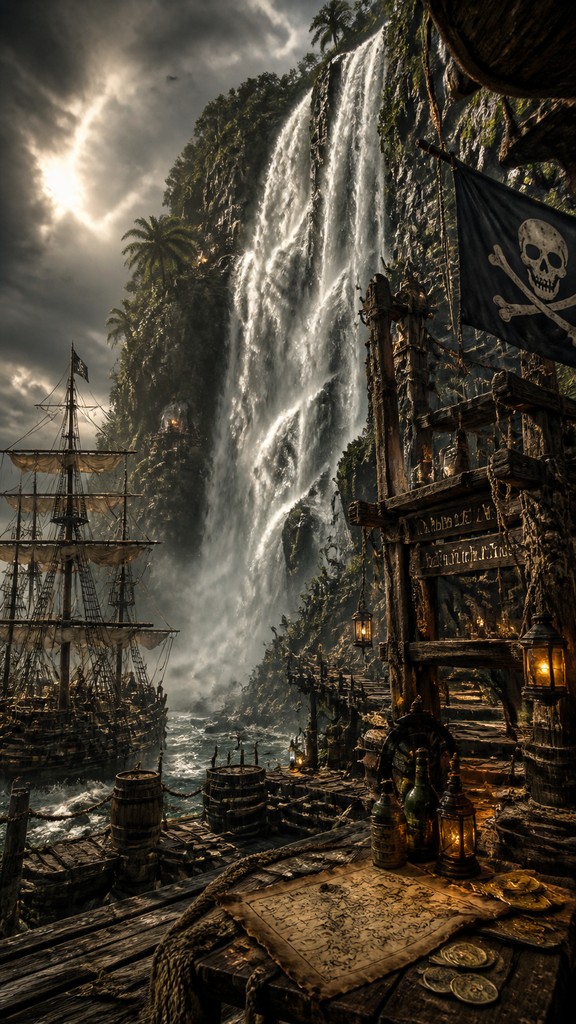
Piratecore is not a historical art movement but a contemporary aesthetic that borrows from several older visual traditions. Its imagery draws from 18th- and 19th-century maritime culture, treasure-map illustration, adventure novels, swashbuckling cinema, and theme-park pirate iconography, then recombines those sources into a coherent mood. Because it is a constructed aesthetic rather than a formal school, its “history” is best understood as lineage: it distills the popular visual language of piracy into an adaptable style for illustration, design, costume, and digital imagery.
The style also reflects broader internet-era fascination with micro-aesthetics built around specific moods and material textures. Like other niche aesthetics, piratecore emphasizes recognizable props and surfaces over strict realism, making it easy to adapt across media. In digital art and image transformation, it often leans on high-contrast storm lighting, antique map textures, and weathered fabrication to evoke the sensation of a lived-in seafaring world.
Influences: Piratecore draws from maritime painting and illustration, adventure literature, and the visual language of pirate folklore. It overlaps with the atmospheric seascapes of J. M. W. Turner and the narrative clarity of historical illustration, while also borrowing from swashbuckling film imagery and antique map design. Its contemporary form is less about a single canonical source than about the fusion of these traditions into a shared aesthetic vocabulary.
Frequently Asked Questions
What defines piratecore aesthetic?
Piratecore is defined by maritime adventure imagery, aged textures, and a stormy, lantern-lit mood. Common elements include treasure maps, rope, brass hardware, wooden ship surfaces, and weathered clothing or props.
Is piratecore a historical art movement?
No. Piratecore is a modern aesthetic rather than a formal historical movement. It is built from visual traditions associated with seafaring life, pirate folklore, adventure fiction, and nautical illustration.
How is piratecore different from nautical or seafaring style?
Nautical style can be clean, decorative, or coastal, while piratecore is rougher and more narrative-driven. It usually adds signs of danger, secrecy, and age, such as torn sails, hidden maps, storm weather, and worn materials.
What colors are most associated with piratecore?
The core palette includes deep sea green, tarnished gold, rum brown, bone ivory, weathered black, and fog gray. These colors make the style feel old, maritime, and materially grounded.
How do I make piratecore art?
Use aged textures, nautical objects, and dramatic lighting to create a believable seafaring scene. In digital work or prompt-based generation, specify worn wood, frayed rope, parchment maps, lantern light, and storm atmosphere.
Where is piratecore used?
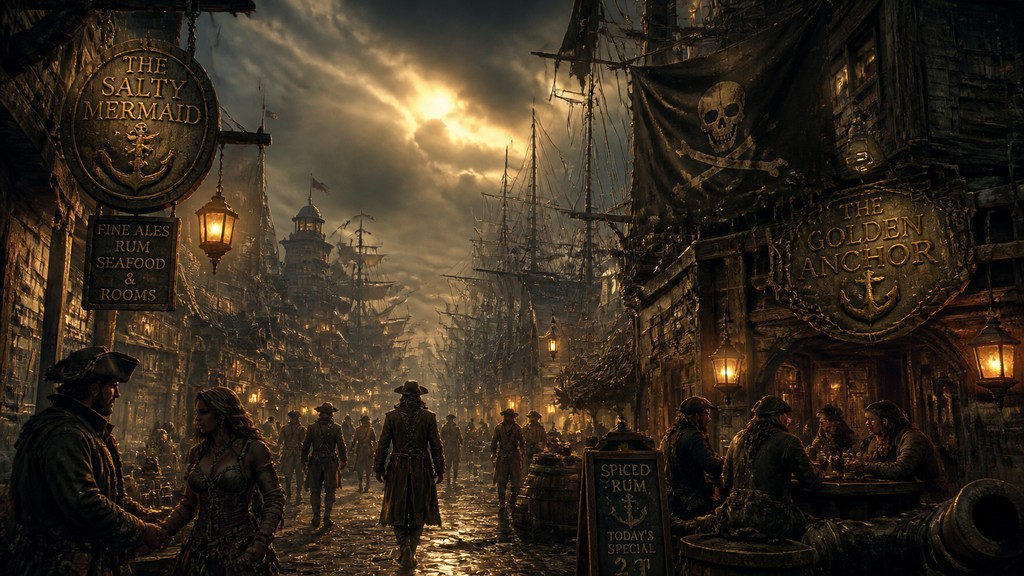
It appears in illustration, concept art, costume design, graphic design, themed branding, and fantasy worldbuilding. It is especially effective for scenes involving ships, hidden coves, taverns, treasure, and rebellious adventure themes.
Create your first Piratecore Aesthetic artwork
Describe anything — or upload a photo — and see it in Piratecore Aesthetic in seconds.
Make Something with Piratecore Aesthetic
Related Styles
Discover similar art styles