Lunarpunk Aesthetic
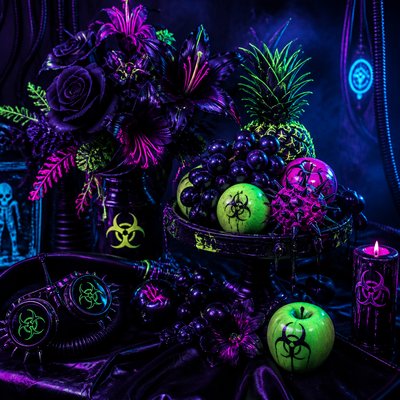
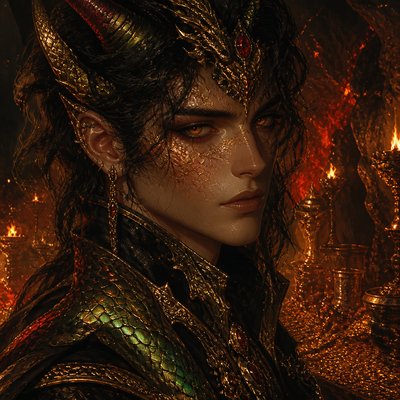
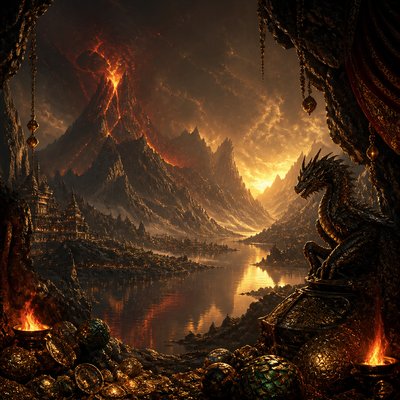
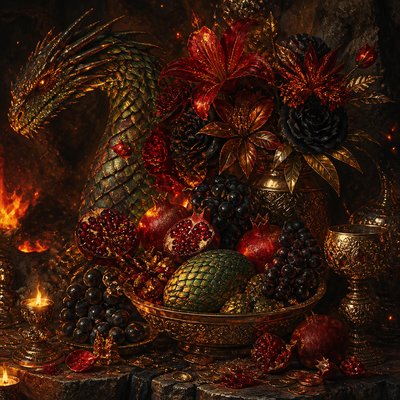
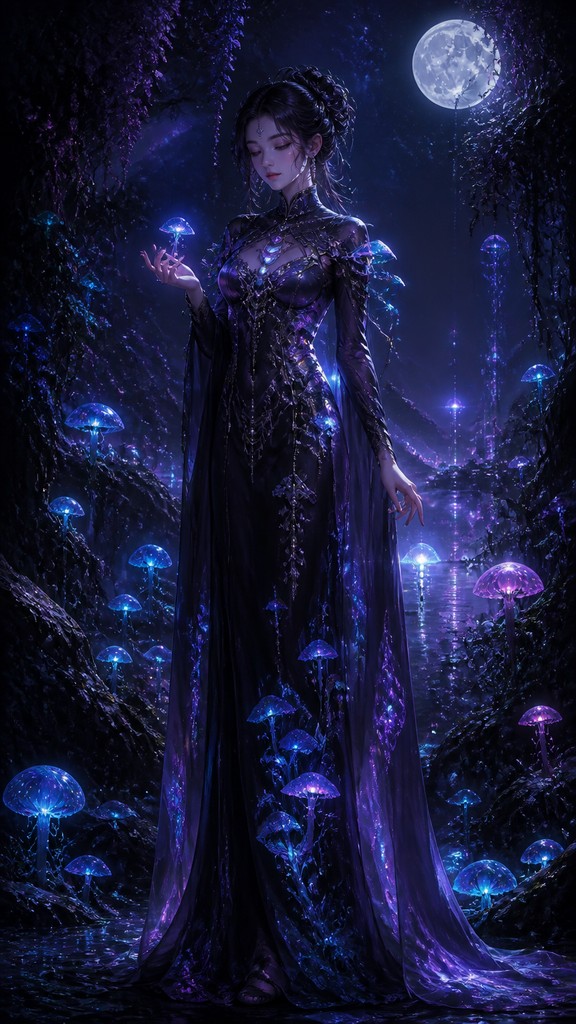
Moonlit indigo, silver, and bioluminescent glow define this serene eco-future aesthetic of nocturnal nature and soft techno-magic.
Instantly rendered in Lunarpunk Aesthetic — or transform a photo
Lunarpunk Aesthetic Gallery
Tap any artwork to explore it
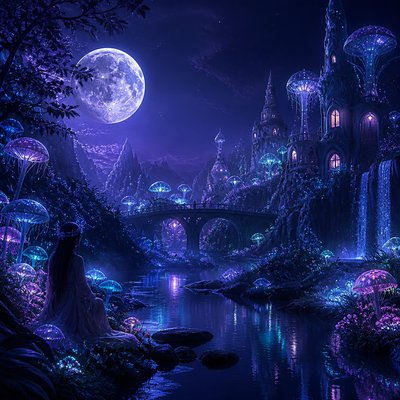
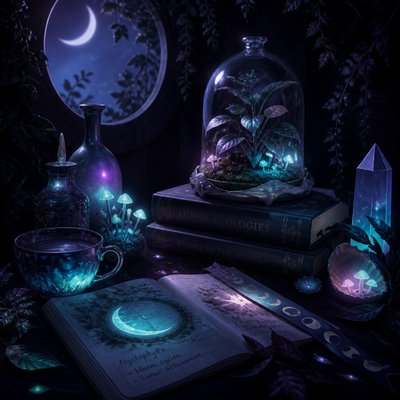
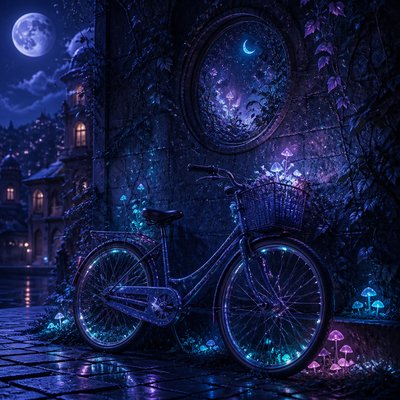
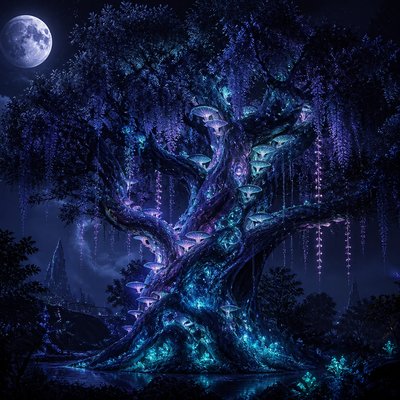
What is Lunarpunk Aesthetic?
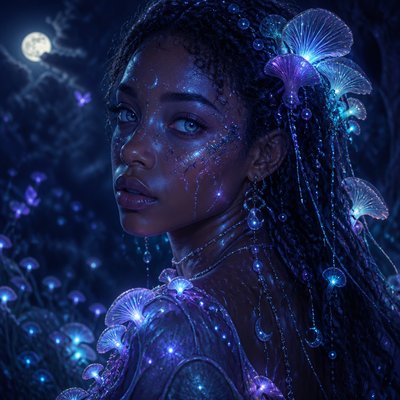
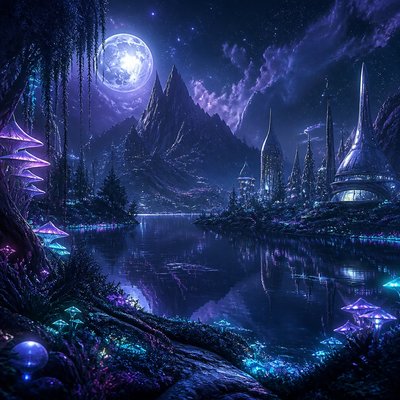
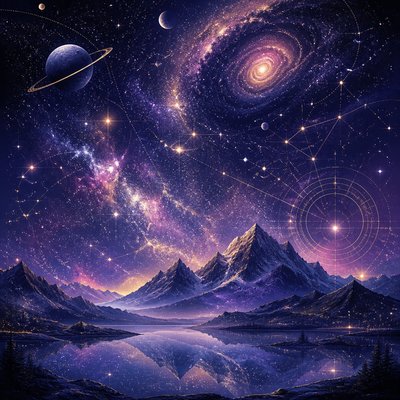
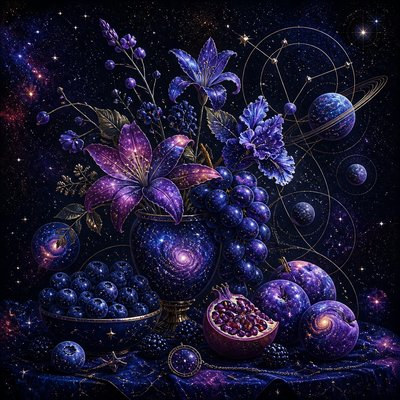
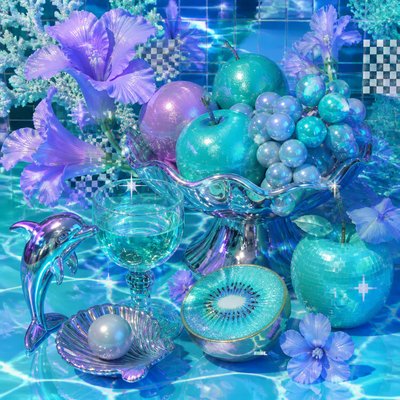
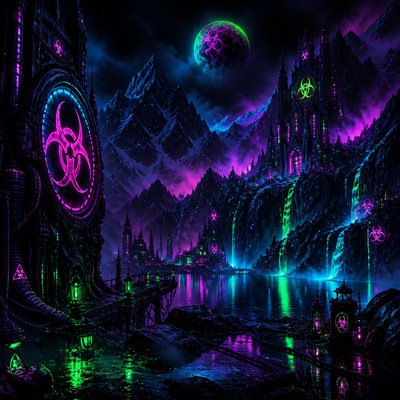
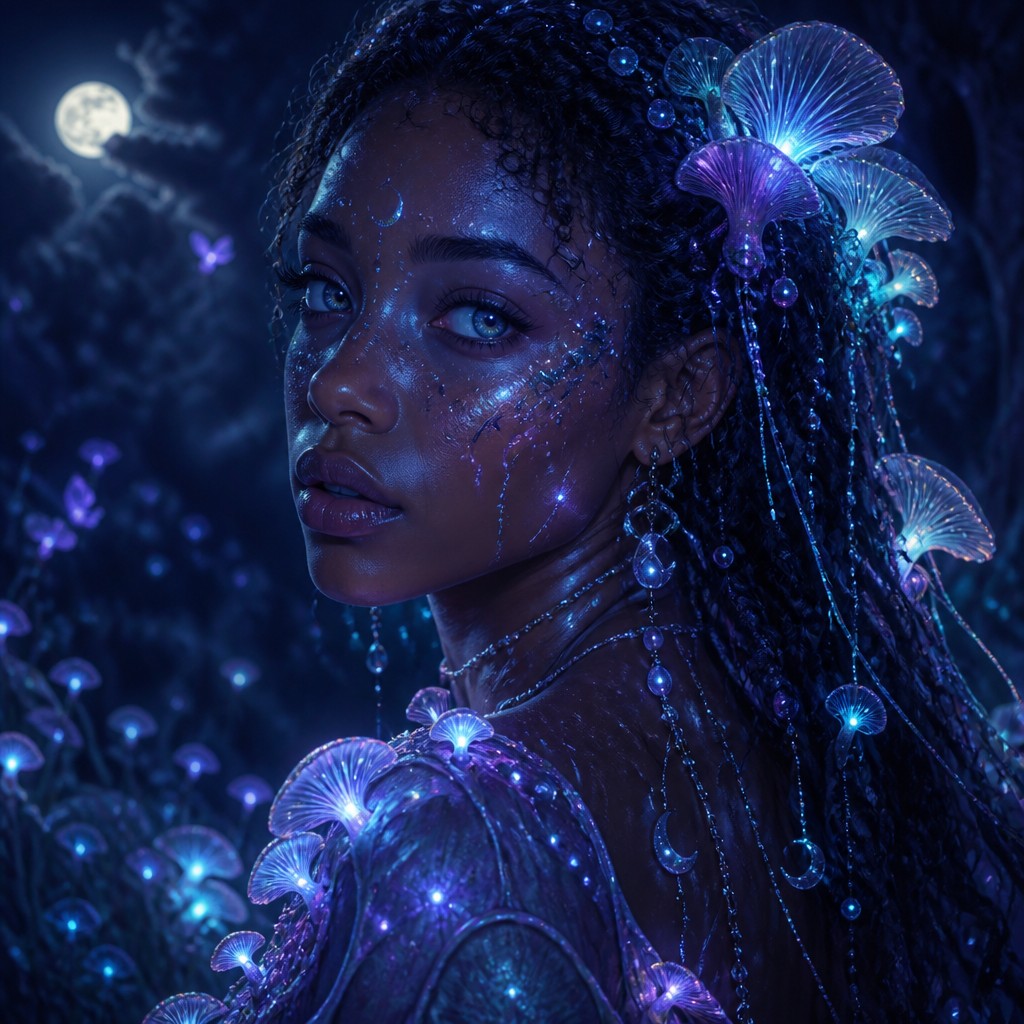
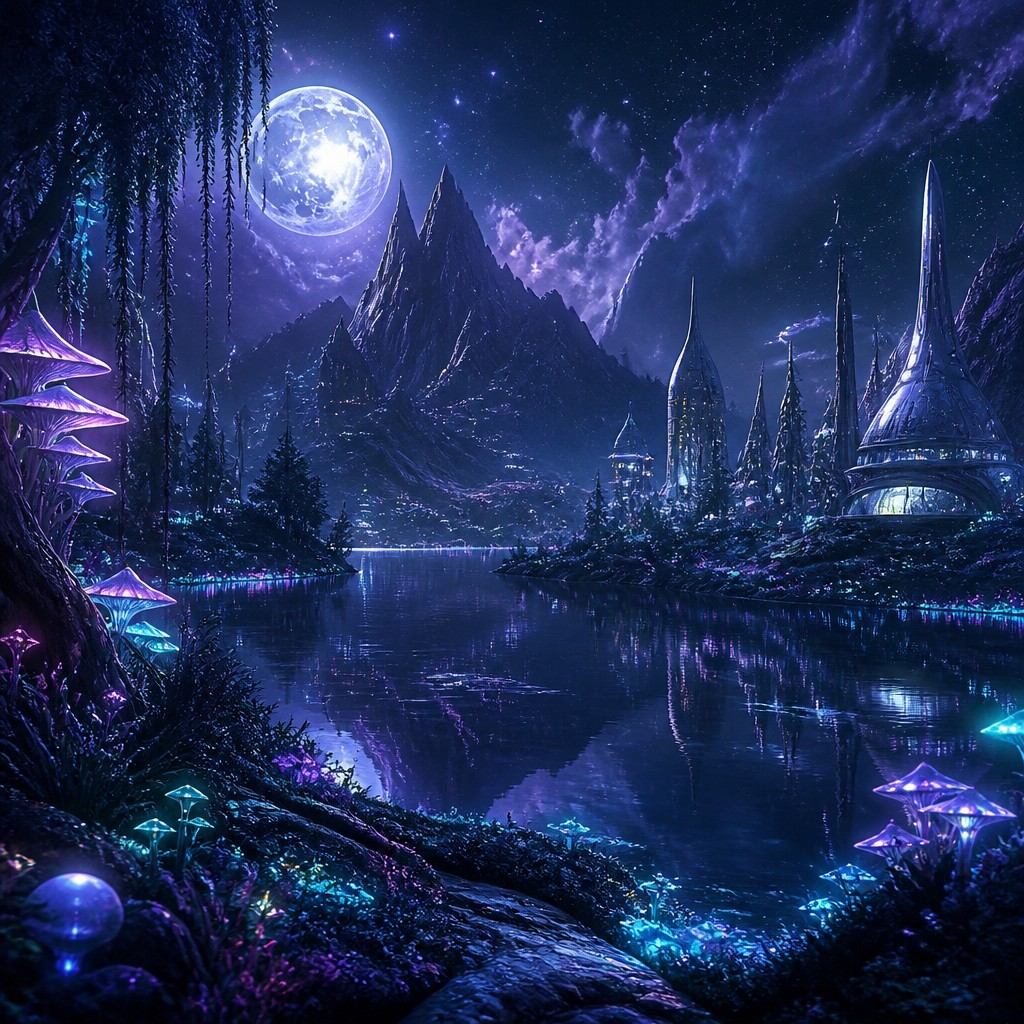
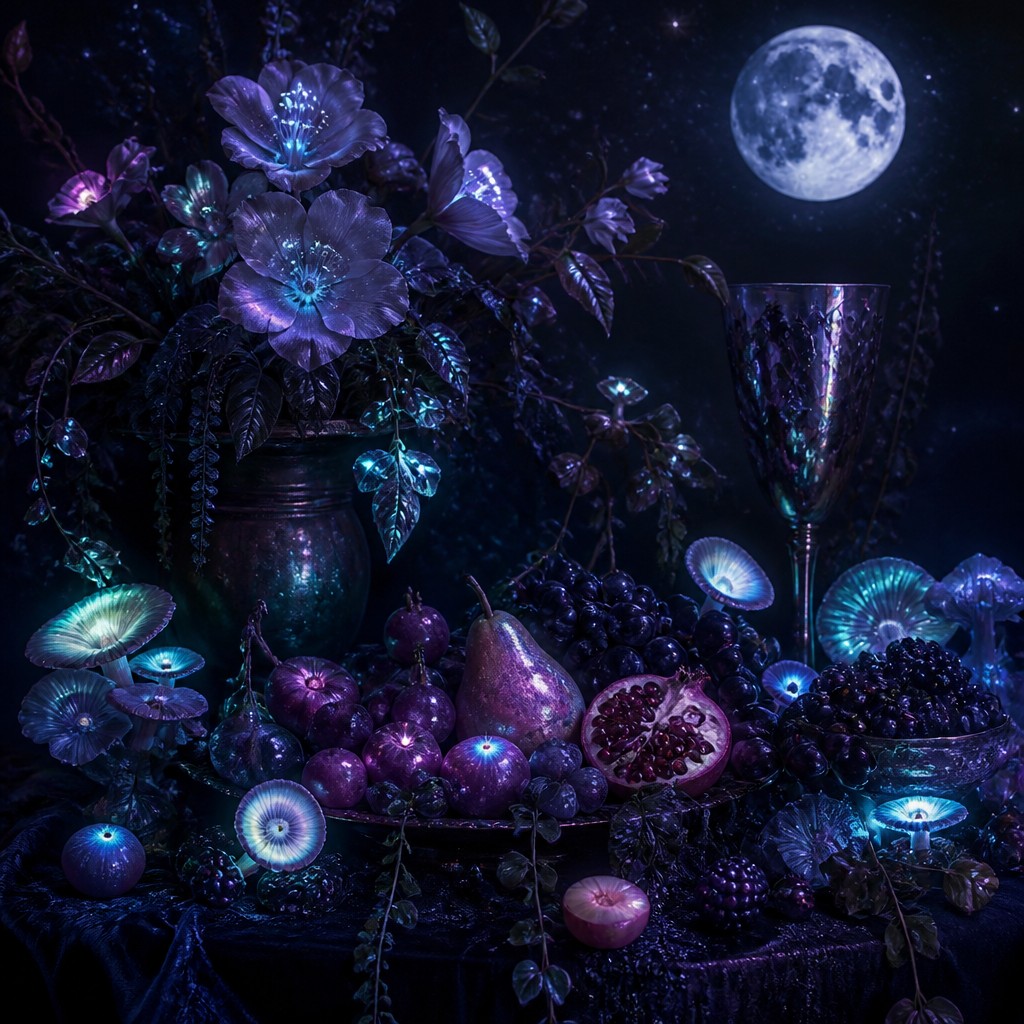
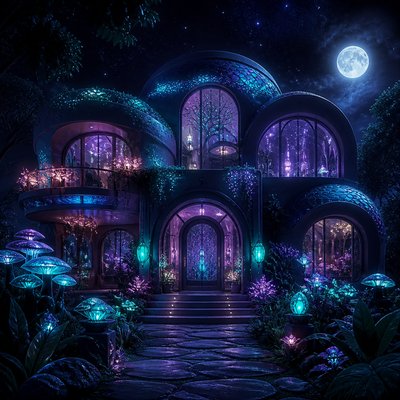
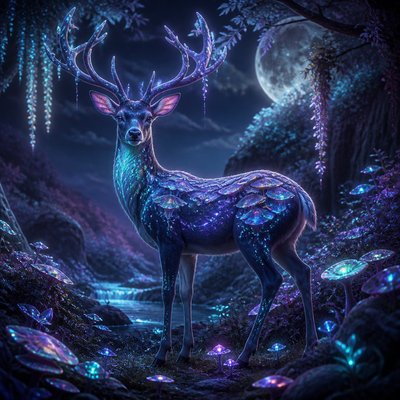
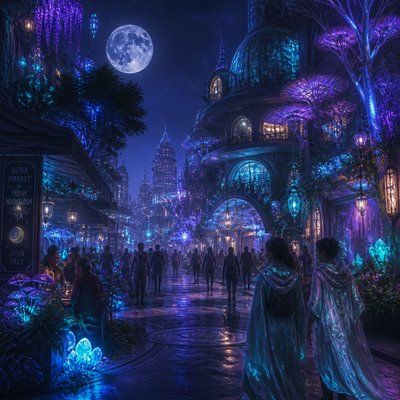
Lunarpunk is a speculative aesthetic of the night: moonlit silver, deep indigo, violet shadows, and bioluminescent accents set against dark foliage, pearlescent surfaces, and a calm, living glow. It imagines an eco-future that is neither industrially sleek nor rustically primitive, but quietly advanced, luminous, and rooted in nocturnal nature.
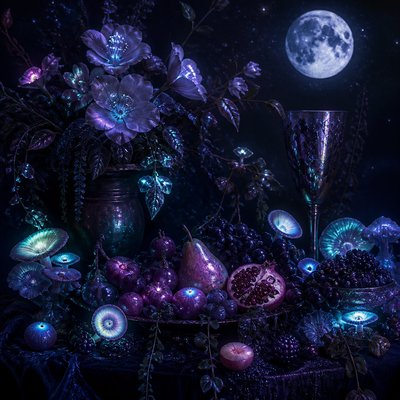
Its visual identity depends on contrast. Velvety darkness makes teal, cyan, and soft magenta light seem to bloom from fungi, moss, water, glass, metal, or skin-like organic materials. The result is a world that feels mystical without being overtly medieval, futuristic without being hard-edged, and serene rather than dystopian. The style often appears in concept art, illustration, fashion, environmental design, and fantasy-science-fiction imagery because it can suggest habitat, technology, ecology, and mood at once.
Try It On Your Photos
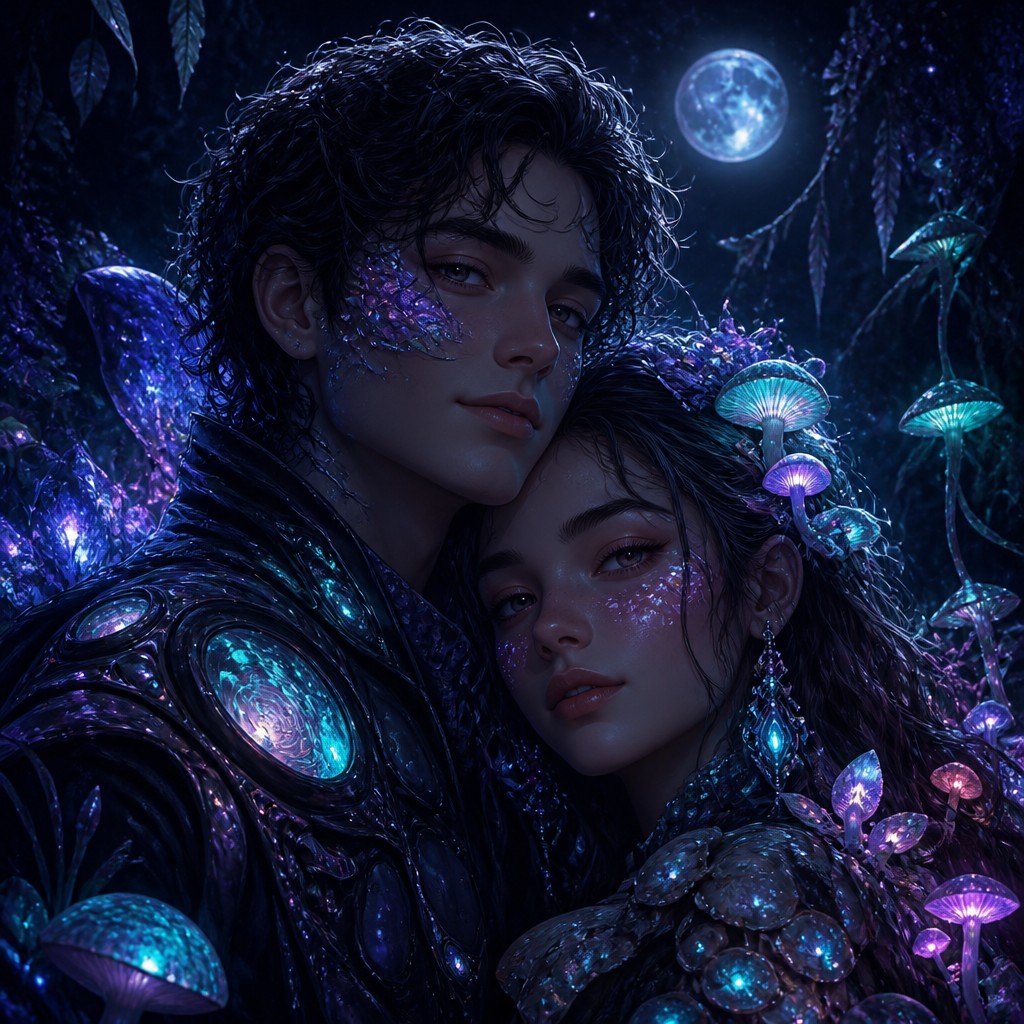
Upload any photo and convert it into Lunarpunk Aesthetic — drag the sliders to compare before and after.
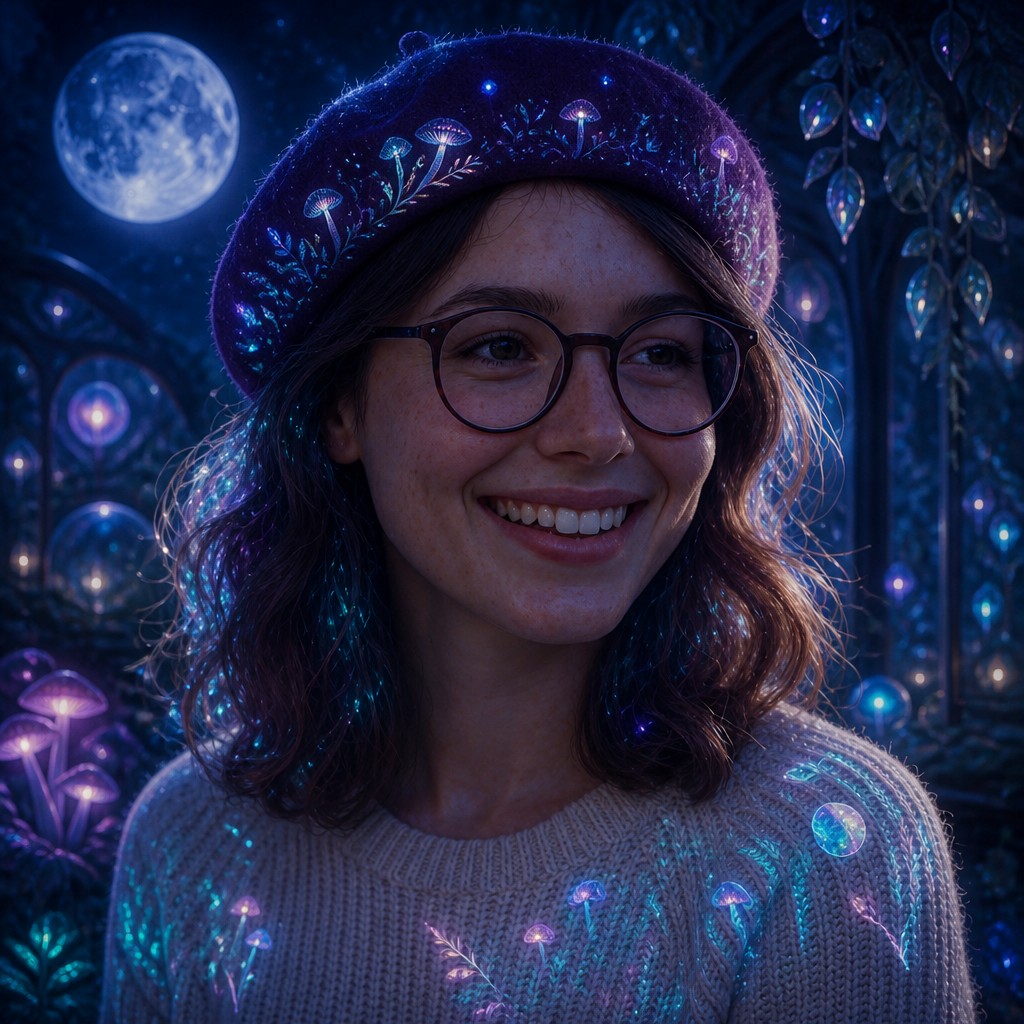

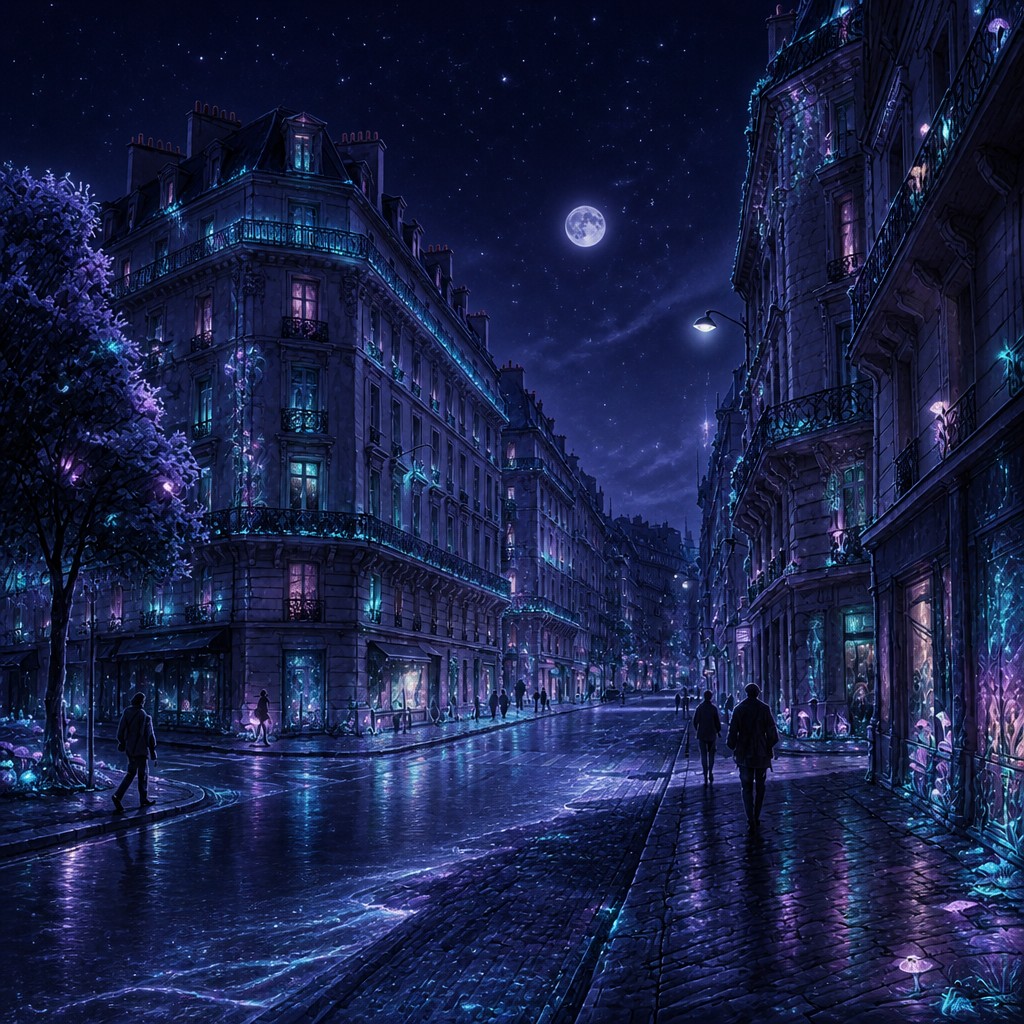

What Defines Lunarpunk Aesthetic
The signature details, up close
Moonlit color palette
The palette centers on indigo, midnight blue, violet, silver, and near-black, often punctuated by teal, cyan, and soft magenta bioluminescent highlights. Color is usually restrained and atmospheric rather than saturated across the whole image.
Bioluminescent lighting
Light appears to emanate from fungi, plants, water, crystals, or engineered-organic surfaces rather than from obvious lamps. This glow is typically soft-edged, layered, and embedded within the environment.
Dark organic environments
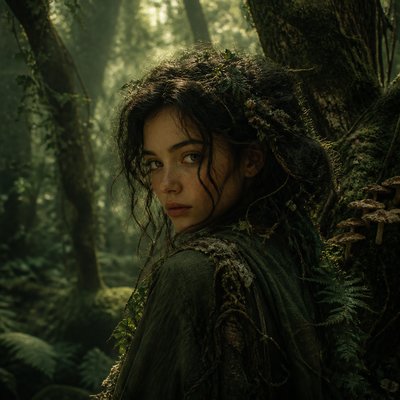
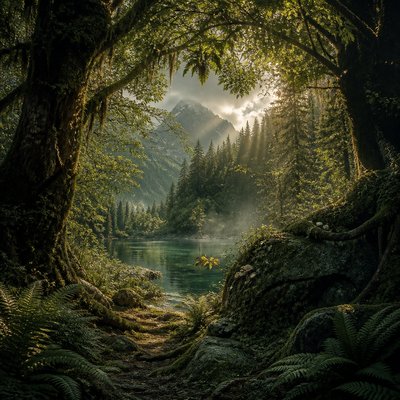
Forests, gardens, wetlands, caves, and nocturnal landscapes are common, especially when populated by luminous flora and shadowed foliage. The setting should feel ecologically alive, not abandoned.
Pearlescent and iridescent surfaces
Materials often include nacre-like shells, polished stone, glass, wet leaves, and metallic finishes with subtle sheen. These surfaces catch moonlight and glow without looking glossy or sterile.
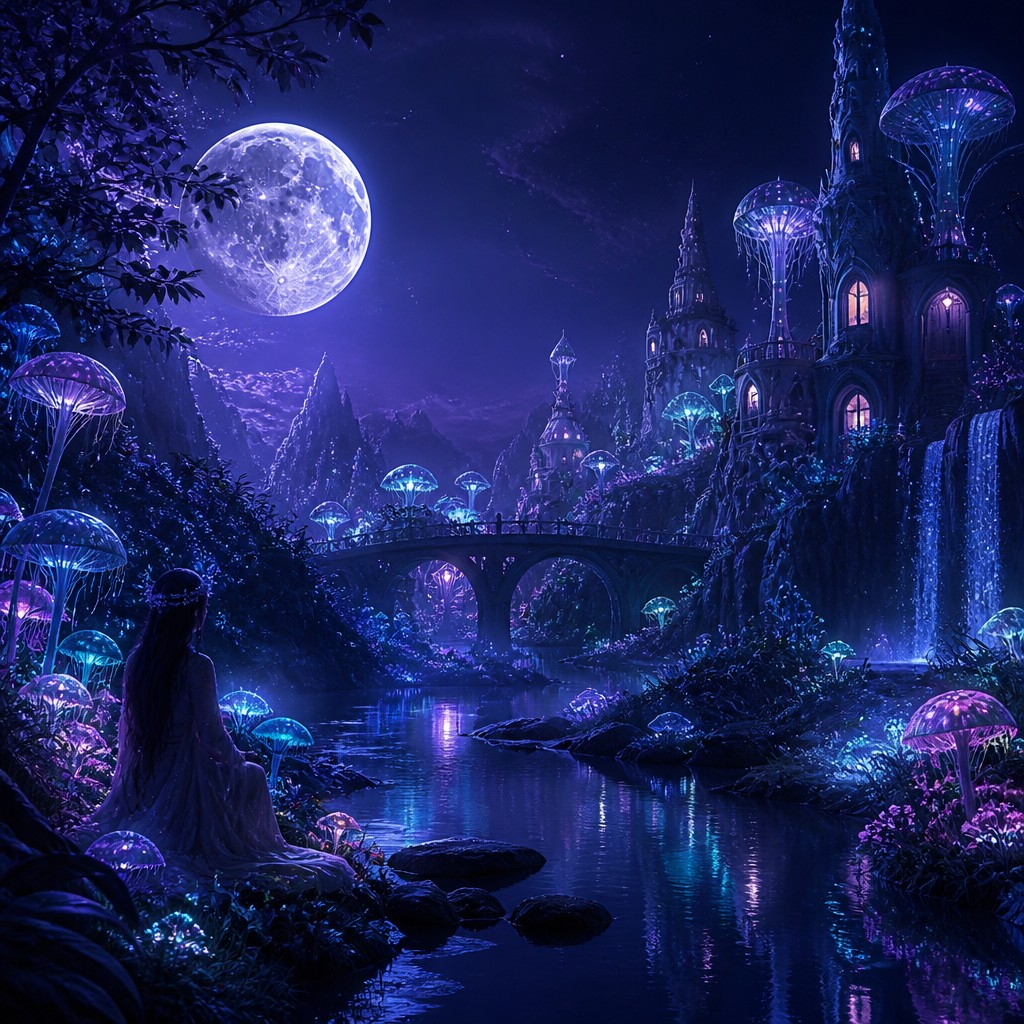
Serene futuristic mood
Even when the subject is advanced or fantastical, the atmosphere remains calm, contemplative, and dreamlike. The style favors quiet wonder over spectacle or conflict.
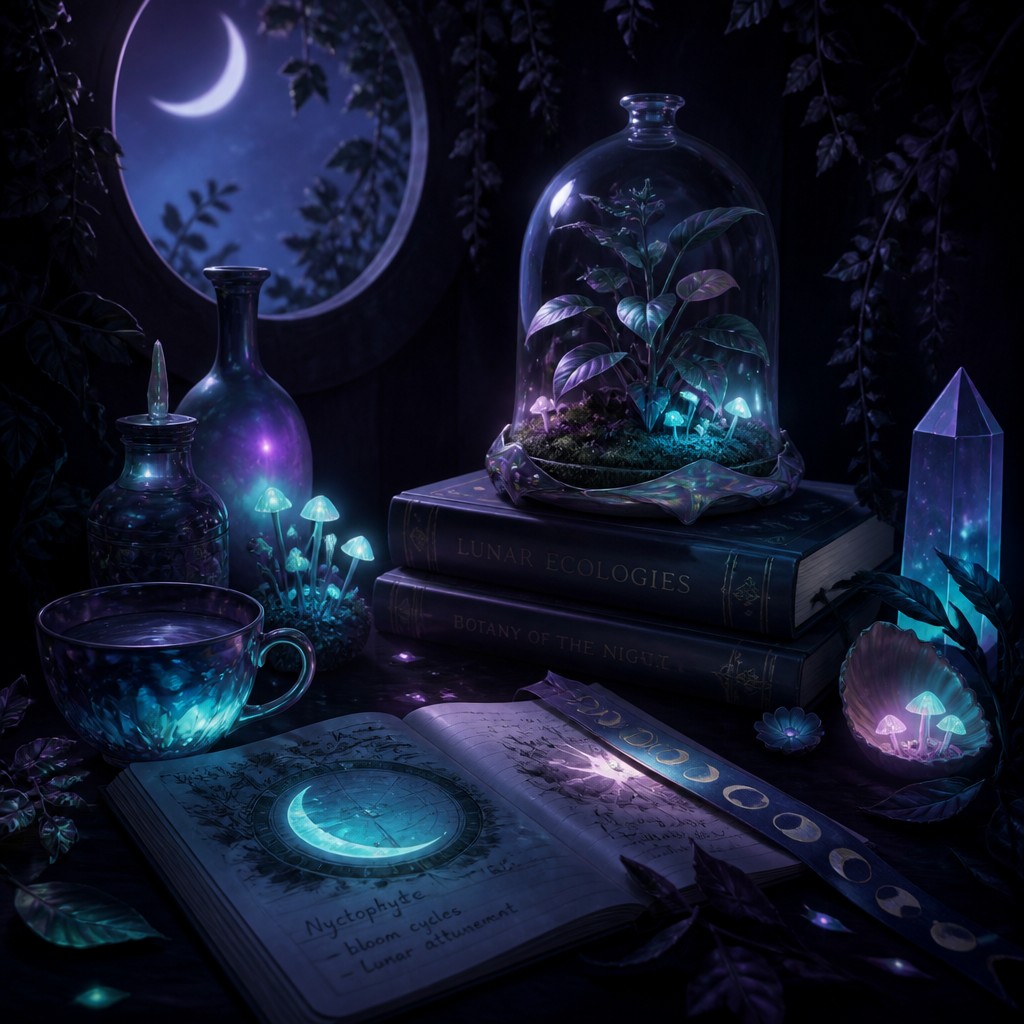
Soft techno-organic forms
Architecture, clothing, and devices often blend natural curves with subtle technology, suggesting a future built from living systems. Hard edges and aggressive machinery are usually minimized.
Try It
Create Videos in Lunarpunk Aesthetic
Styles aren't just for stills — describe a scene or animate an image and get a short video rendered in Lunarpunk Aesthetic. Press play to see this pond come to life.
Make a VideoLunarpunk Aesthetic Prompt Ideas
Start from an idea — each one opens the generator with the style ready to go. See all 40 Lunarpunk Aesthetic prompts →
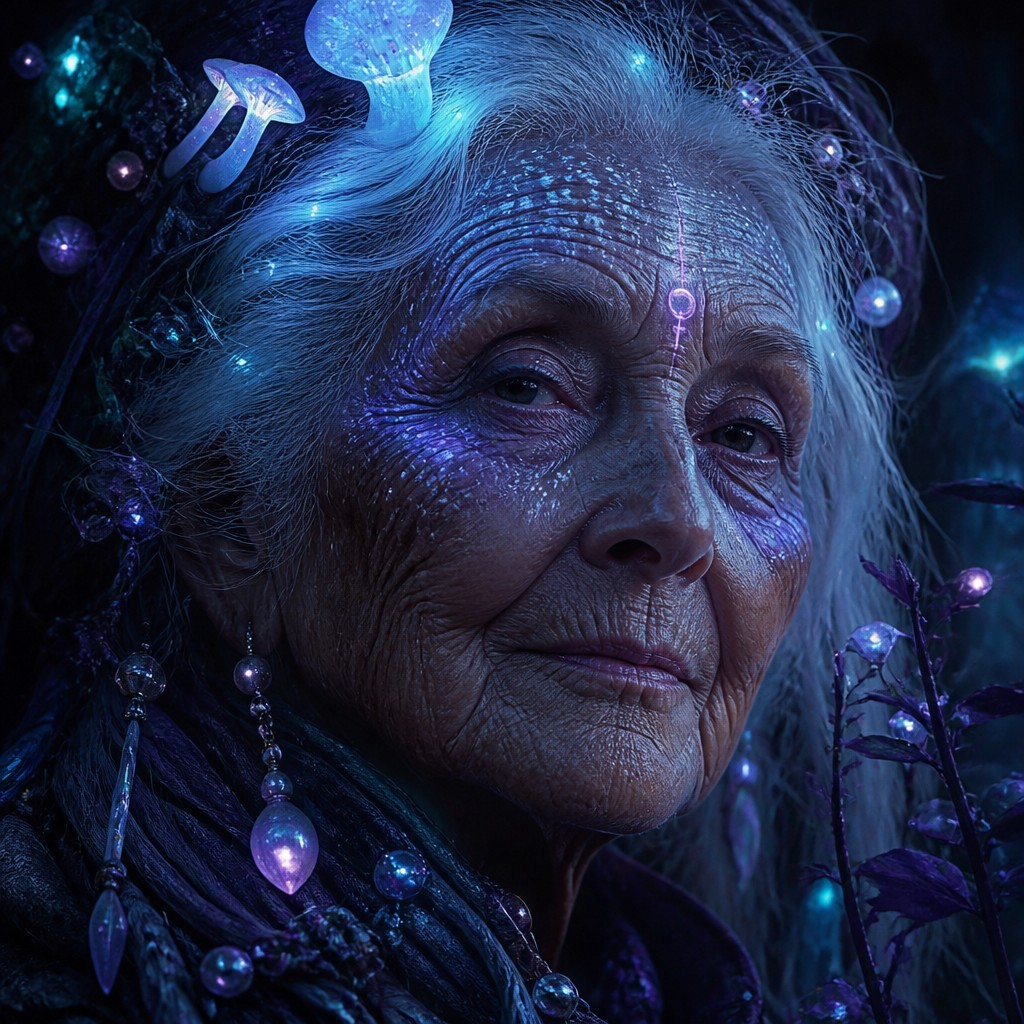
“close-up portrait of an elderly person with expressive weathered features”
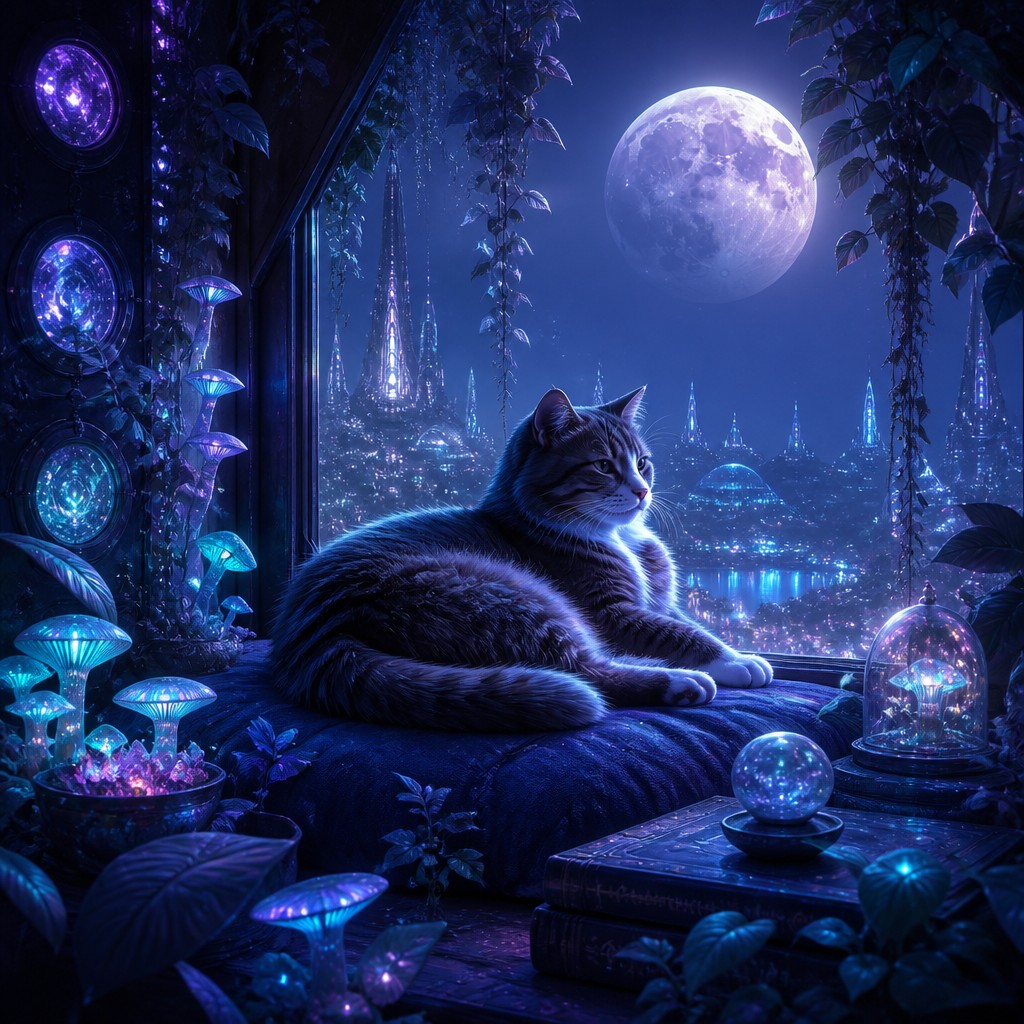
“a cat lounging in a sunlit window”
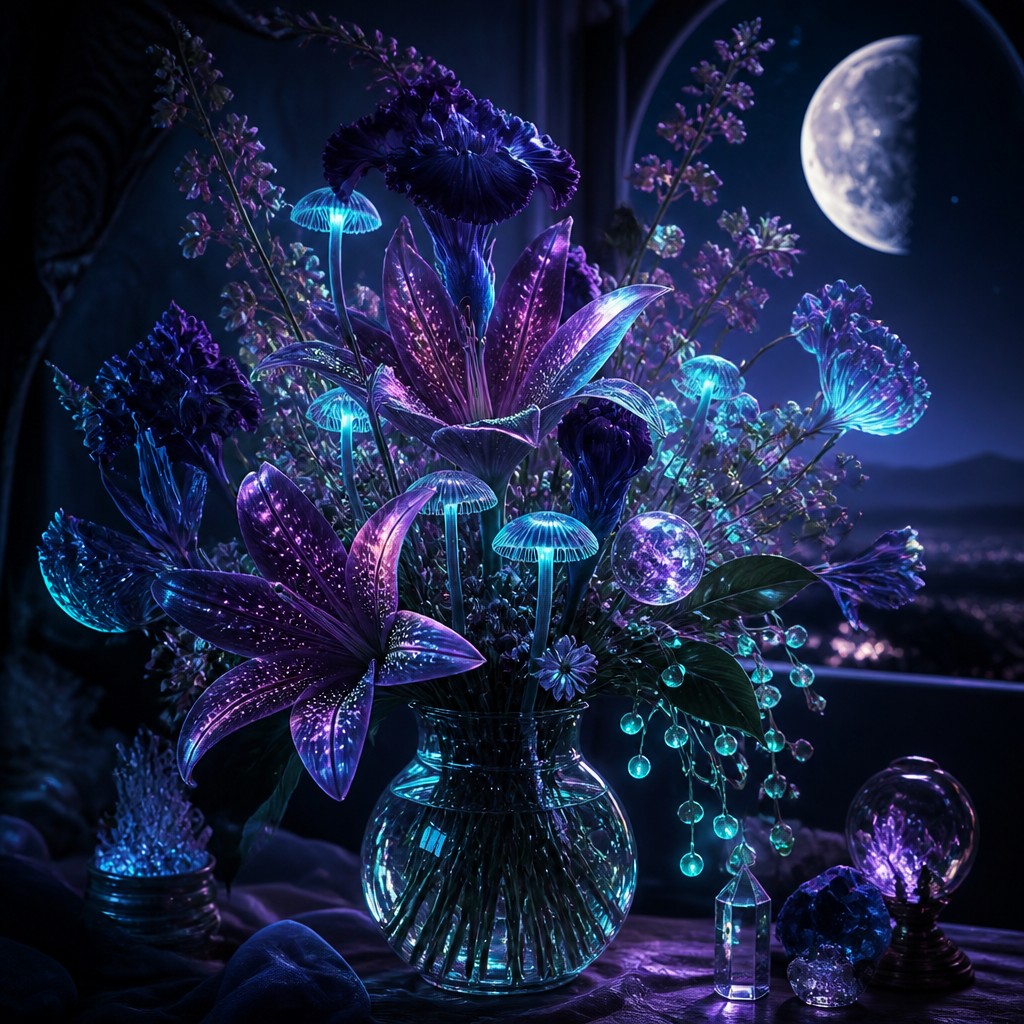
“bouquet of flowers in a glass vase”
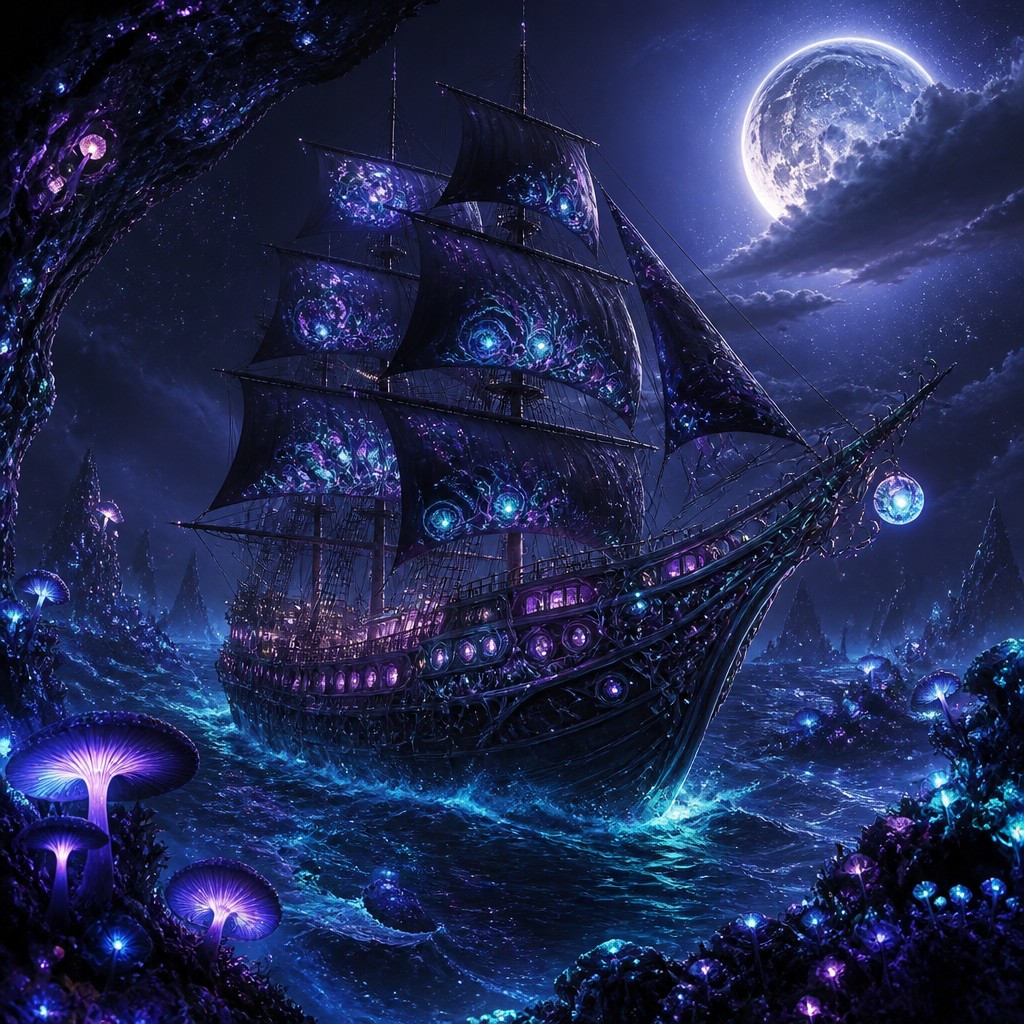
“sailing ship on a stormy sea”
How to Create Lunarpunk Aesthetic Art
Master the craft step by step — or skip straight to creating. Read the full guide →
- 1
Build the scene around darkness and selective light
Start with a near-black or deep indigo base, then place a few concentrated light sources so the glow has contrast and presence. In traditional media, use glazing or layered transparent color; in digital work, use atmospheric gradients, bloom, and controlled highlights.
- 2
Use a restrained moonlit palette
Keep most of the composition within a cool night range, then introduce teal, cyan, and magenta sparingly as luminous accents. If you are prompting an image model, specify silver moonlight, bioluminescent glow, and deep violet shadows rather than generic fantasy lighting.
- 3
Emphasize organic-futuristic materials
Describe surfaces as pearlescent, translucent, wet, fungal, shell-like, or glassy to distinguish the style from conventional sci-fi. When painting or rendering, vary texture so the image feels alive rather than uniformly sleek.
- 4
Compose for quiet atmosphere, not action
Center solitary figures, still environments, or softly lit habitats to preserve the nocturnal contemplative tone. If creating from a photo, choose scenes with foliage, mist, reflective water, or dark interiors that can support the transformation into a luminous night setting.
- 5
Let nature and technology merge subtly
Design structures, garments, or props so they seem grown rather than assembled, with integrated lights, botanical motifs, and curved architecture. In prompt-based creation, combine ecological terms with future-facing language such as habitat, sanctuary, interface, or bioengineered.
The Story
History & Origins of Lunarpunk Aesthetic
Lunarpunk is an invented aesthetic rather than a historical art movement, so its lineage comes from the overlap of several real visual traditions. It draws from moonlit Romantic painting, fantasy illustration, bioluminescent nature imagery, eco-fiction, and science-fiction worldbuilding, while also borrowing from contemporary digital art practices that emphasize glow, atmospheric depth, and luminous color grading. The name places it in dialogue with solarpunk, but shifts the emphasis from daylight abundance and visible infrastructure to nocturnal resilience, quiet magic, and hidden ecological systems.
Its development reflects broader interest in speculative design that imagines sustainable futures through mood and material rather than through technology alone. In online visual culture, lunarpunk has become associated with scenes of nocturnal gardens, glowing fungi, silver architecture, amphibious or plantlike habitats, and intimate domestic spaces lit by living light. Because it is a recent, community-shaped aesthetic, its boundaries remain flexible, but its core language is consistent: darkness is not hostile here; it is the medium through which gentle illumination and ecological interdependence become visible.
Influences: Lunarpunk is closely related to solarpunk, but its mood shifts from daylight optimism to nocturnal serenity. Its visual language also echoes Romantic moonlit landscapes, especially the atmospheric darkness found in the work of Caspar David Friedrich, as well as Symbolist dream imagery, Art Nouveau curves, and contemporary fantasy and concept art that use glow and environmental storytelling. In spirit, it overlaps with biopunk, eco-fiction, and certain strands of science-fantasy, but it is defined less by body modification or technological grit than by luminous ecology and quiet, lunar atmosphere.

Frequently Asked Questions
What defines lunarpunk aesthetics?
Lunarpunk is defined by moonlit color, bioluminescent glow, and a calm nocturnal setting rooted in nature. It combines dark indigo and violet shadows with silver and luminous teal or cyan accents, often in scenes of forests, gardens, water, or organic futuristic habitats. The atmosphere is mystical and restorative rather than chaotic or dystopian.
How is lunarpunk different from solarpunk?
Solarpunk imagines bright, sunlit ecological futures with visible renewable infrastructure and optimistic urban design. Lunarpunk keeps the ecological future but shifts it into the night, using moonlight, bioluminescence, and softer, more introspective spaces. The result is quieter, more dreamlike, and often more intimate.
What kinds of subjects work best in this style?
Nature-rich subjects work especially well: forests, wetlands, gardens, moonlit architecture, luminous creatures, and contemplative portraits. It also suits fantasy-science-fiction scenes where technology feels grown, organic, or symbiotic with the environment. Subjects with reflective surfaces, mist, and darkness help the glow read clearly.
How do I make a photo look lunarpunk?
Choose photos with strong shadow, foliage, water, or textured surfaces, then add cool moonlit grading and selective bioluminescent highlights. Emphasize teal, cyan, and silver light sources while keeping the background deep and velvety. Avoid bright daylight or harsh flash, since the style depends on night atmosphere.
Is lunarpunk a historical art movement?
No. Lunarpunk is a contemporary aesthetic and speculative visual style, not a historical movement with a formal canon. Its look is assembled from real influences such as moonlit Romanticism, Art Nouveau, fantasy illustration, and eco-futurist design. Because of that, it is flexible and still evolving.
What techniques help create the right mood?
Use layered shadows, soft bloom, and limited but vivid points of glow. In painting, thin glazes and contrast control are important; in digital art, atmosphere, diffusion, and restrained saturation help preserve the nocturnal feeling. Composition should feel calm and immersive rather than crowded or aggressive.

Create your first Lunarpunk Aesthetic artwork
Describe anything — or upload a photo — and see it in Lunarpunk Aesthetic in seconds.
Make Something with Lunarpunk Aesthetic
Related Styles
Discover similar art styles