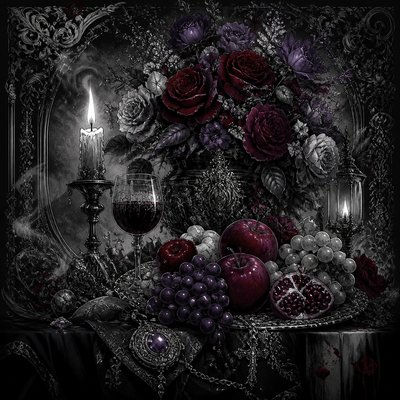
Dark Academia Aesthetic
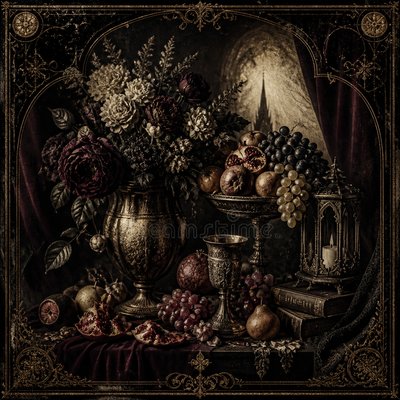
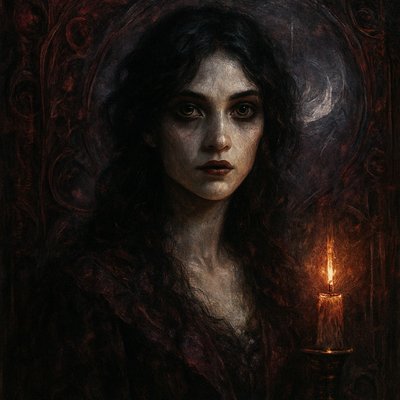
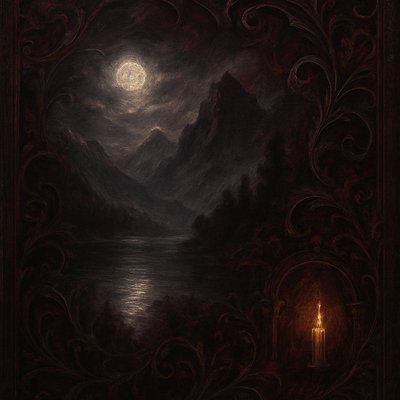
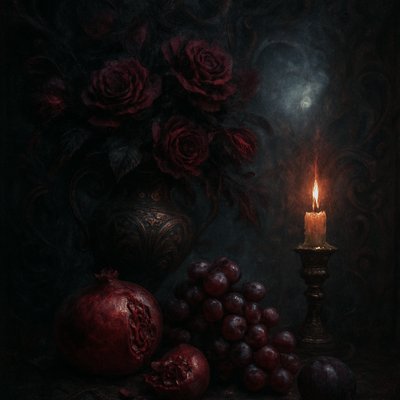
Moody scholarly romance in oxblood, candlelight, old books, ivy, tweed, and gothic library shadows.
Instantly rendered in Dark Academia Aesthetic — or transform a photo
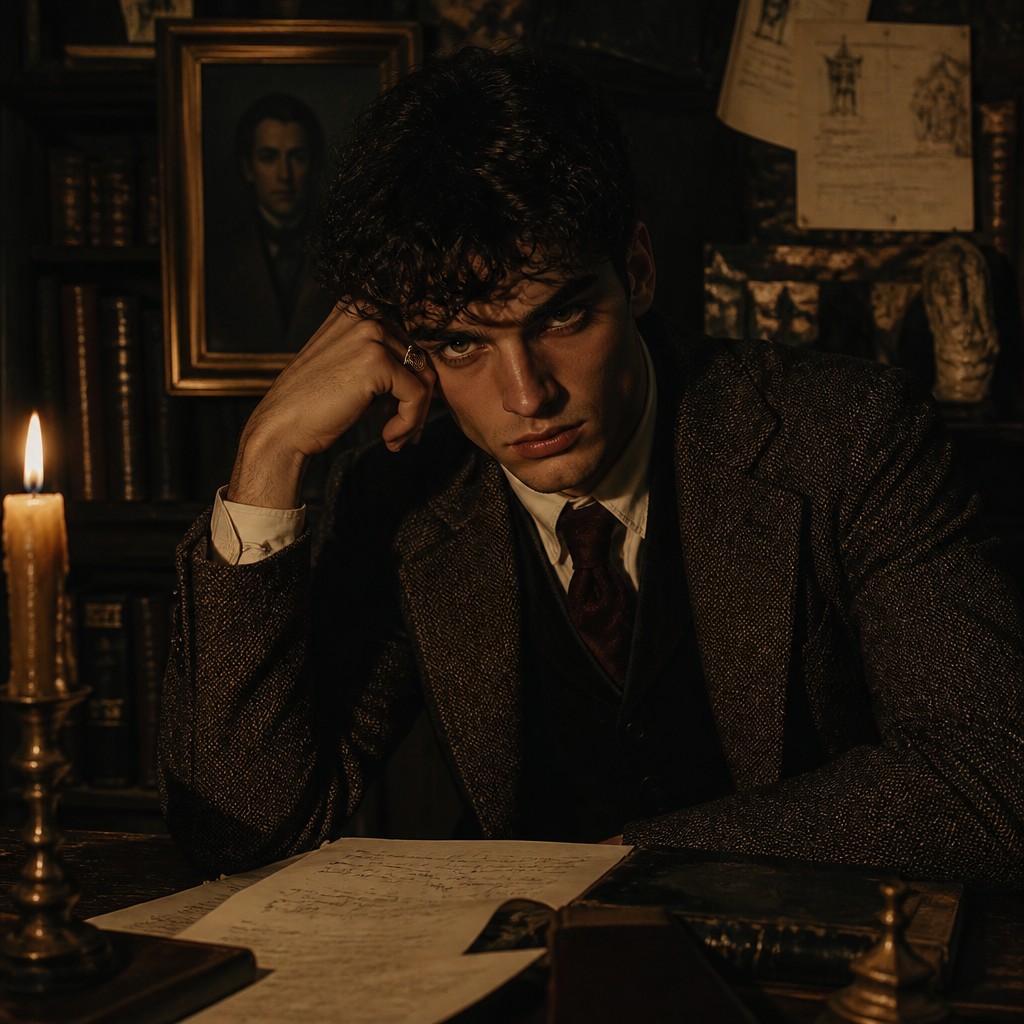
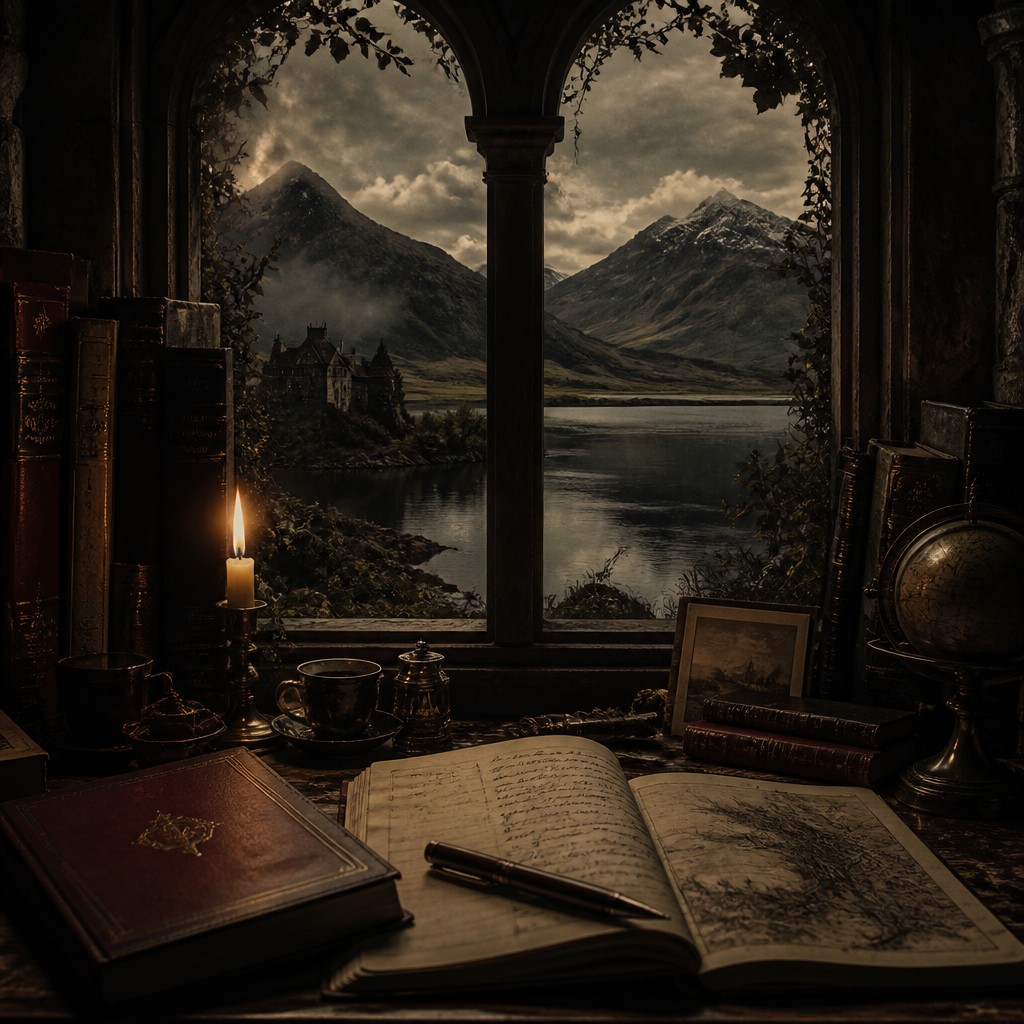
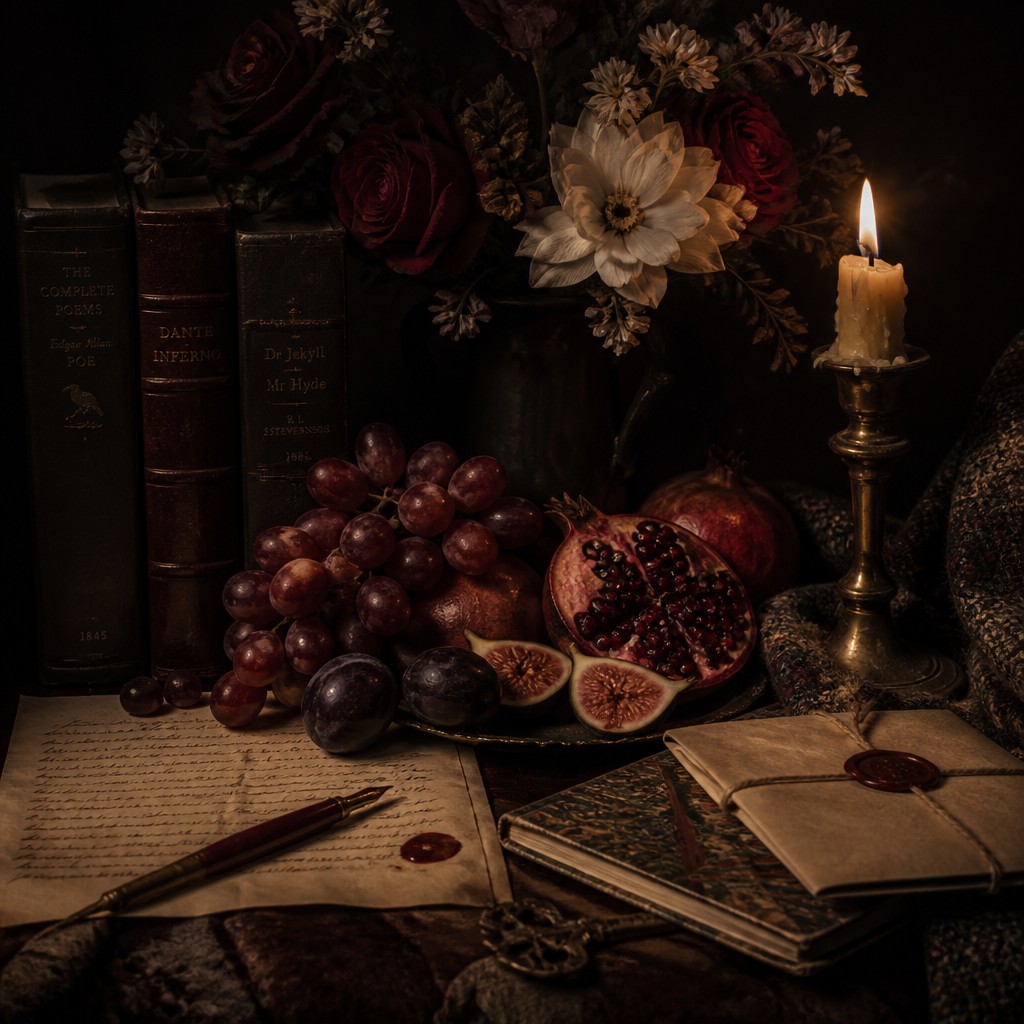
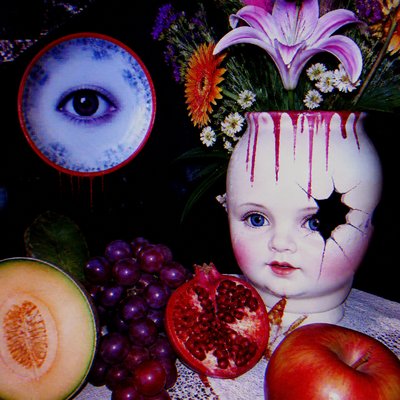
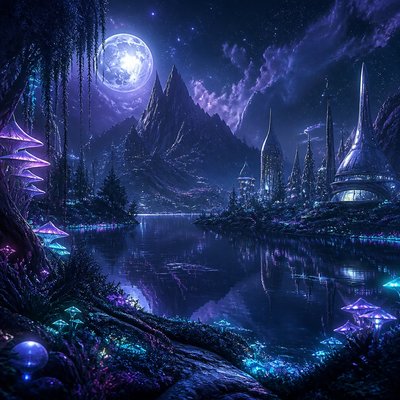
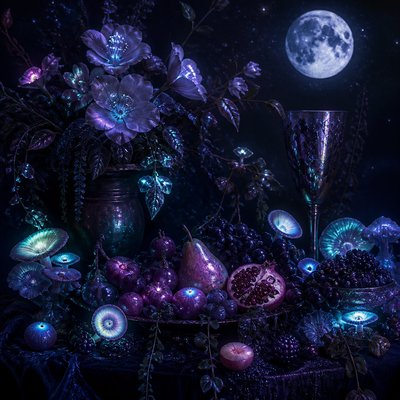
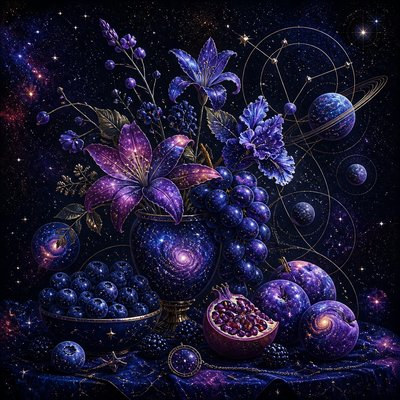
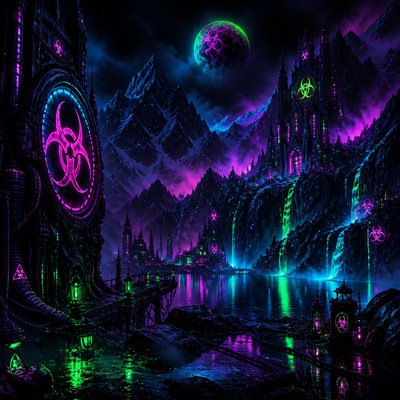
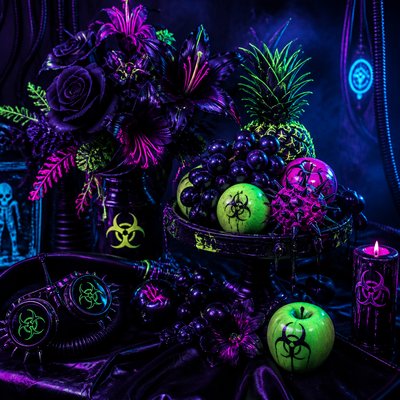
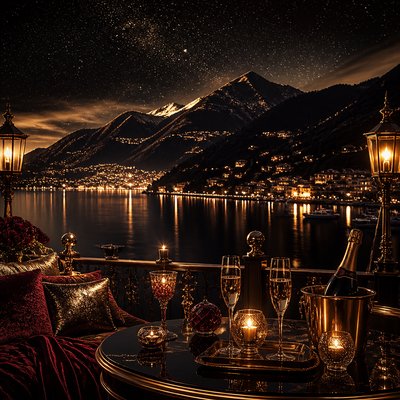
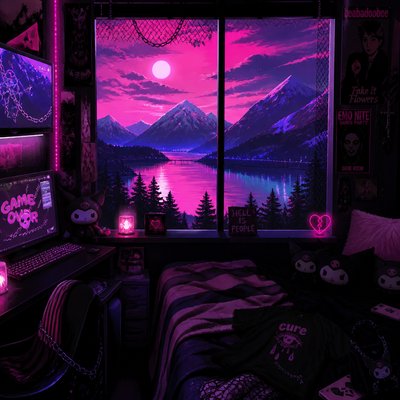
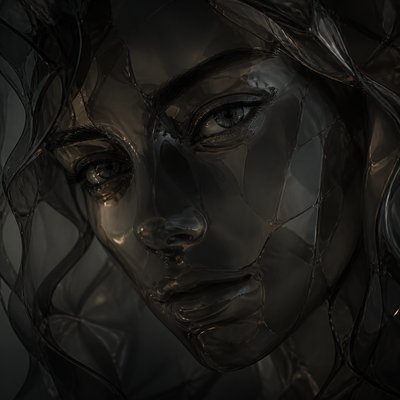
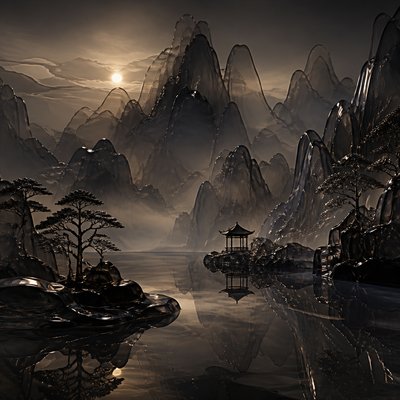
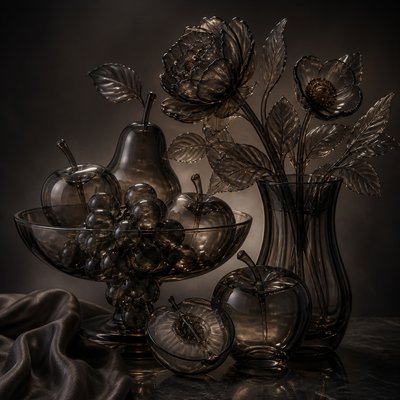
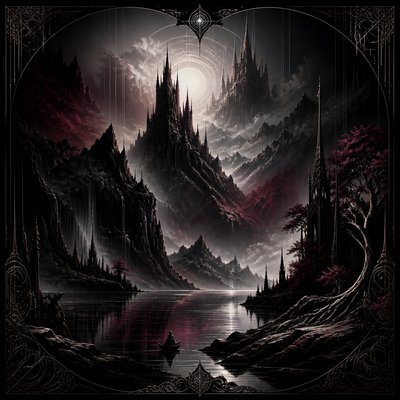
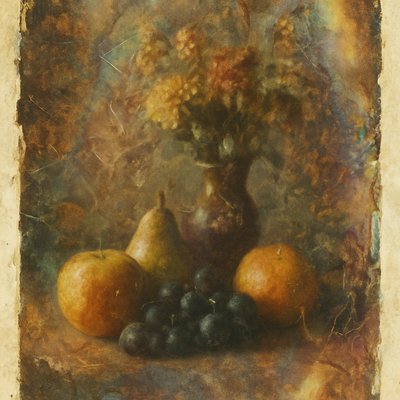
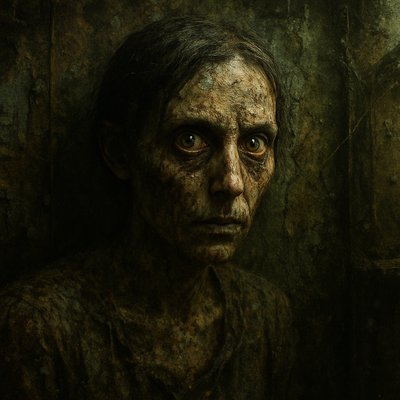
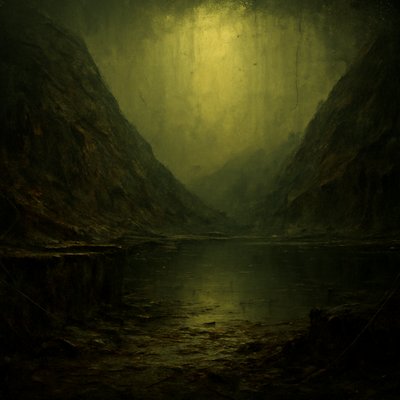
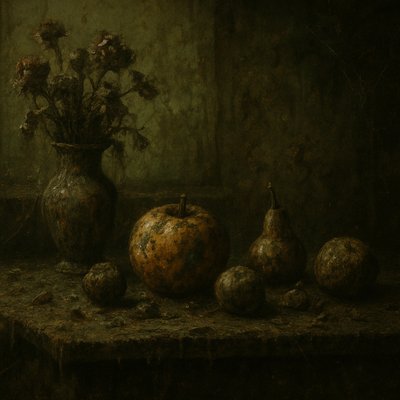
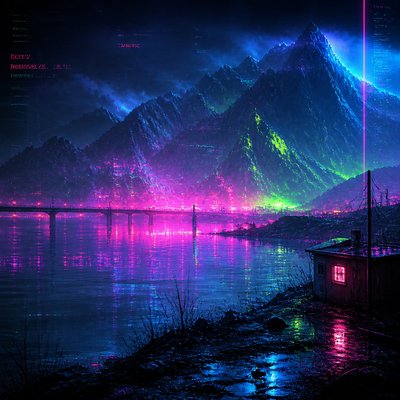
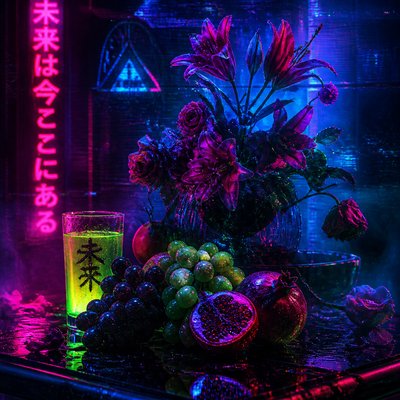
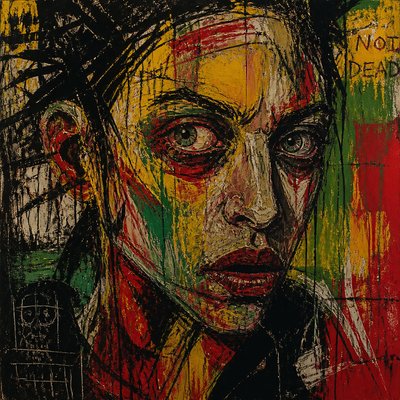
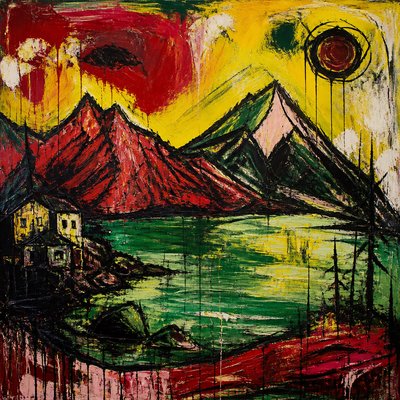
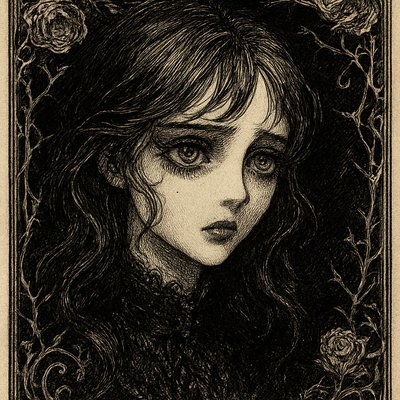
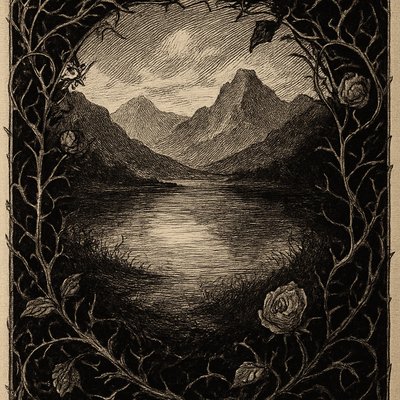
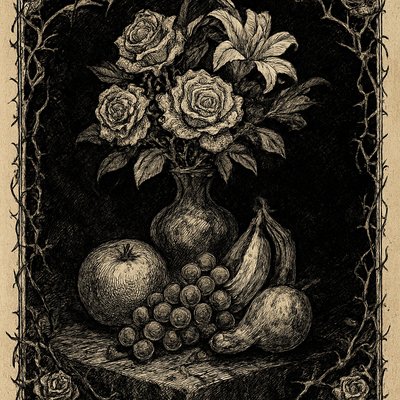
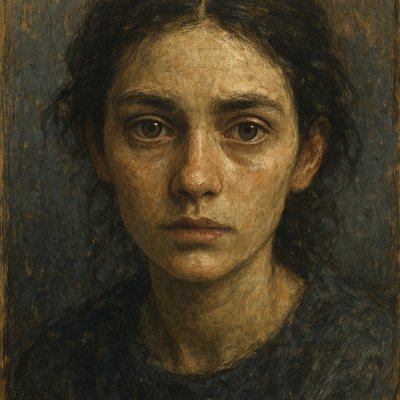
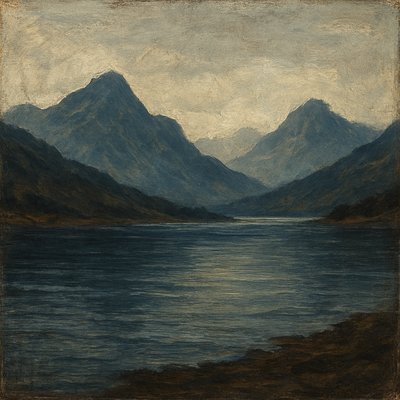
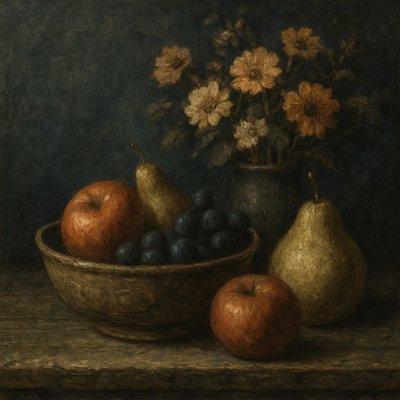
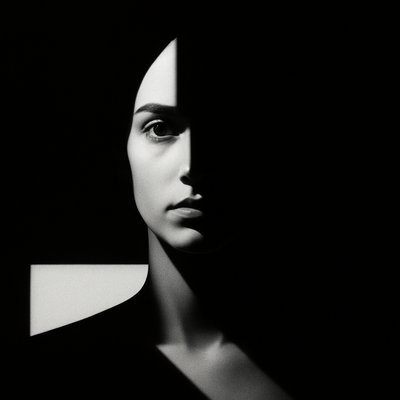
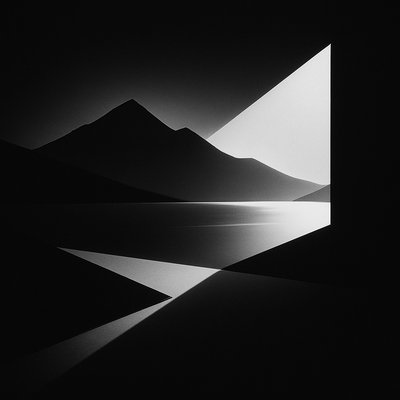
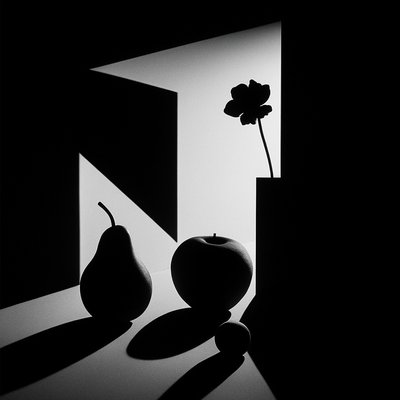
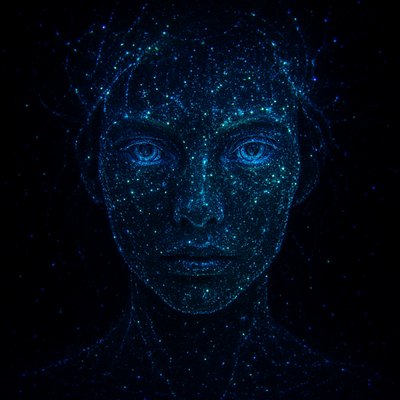
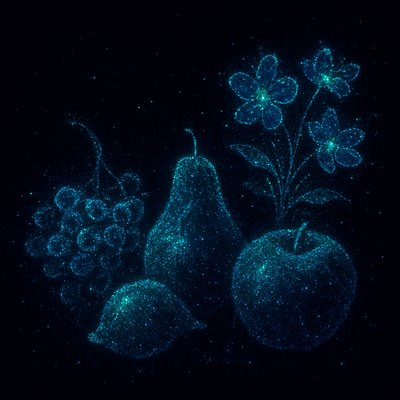
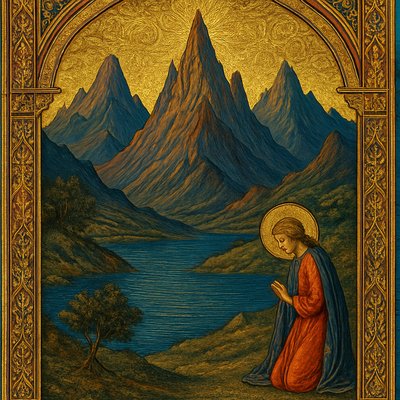
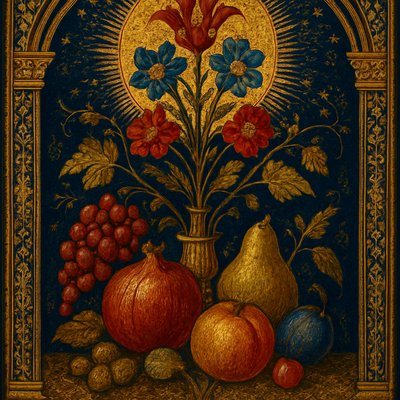
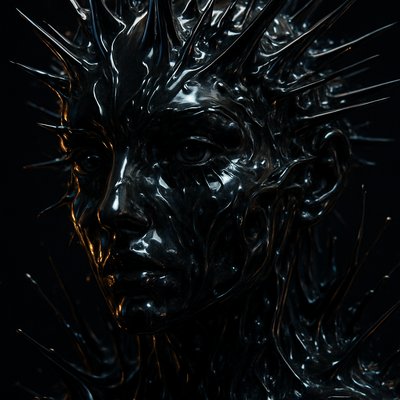
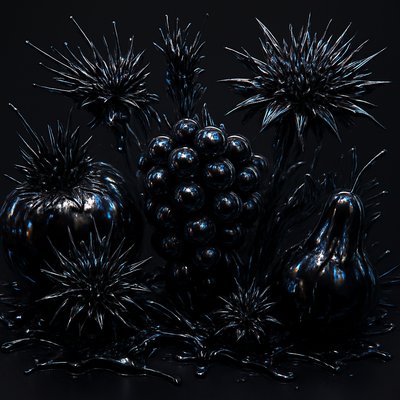
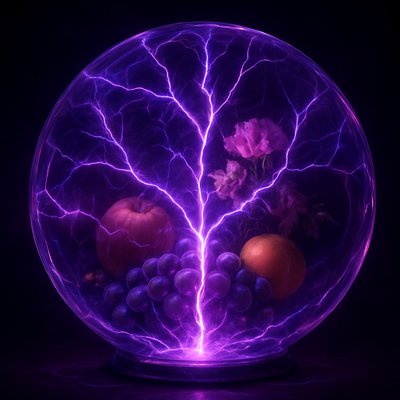
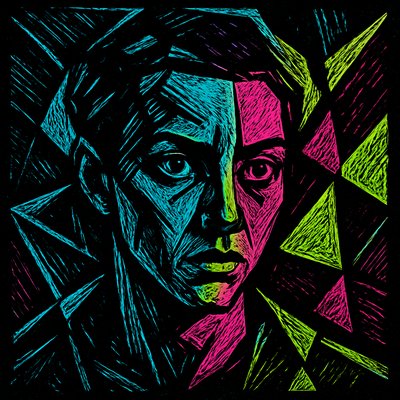
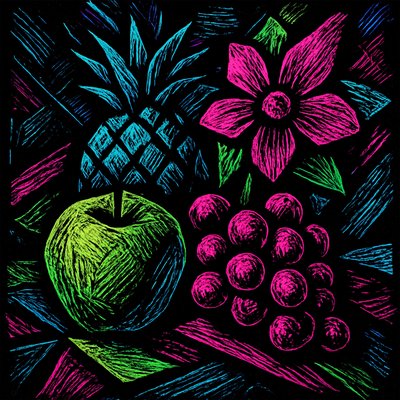
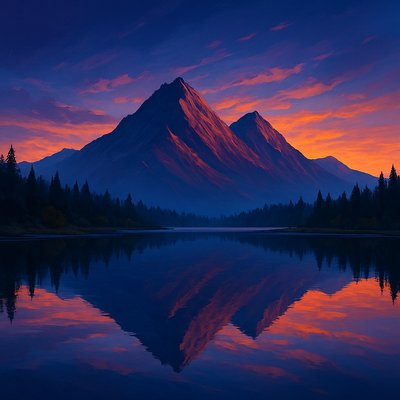
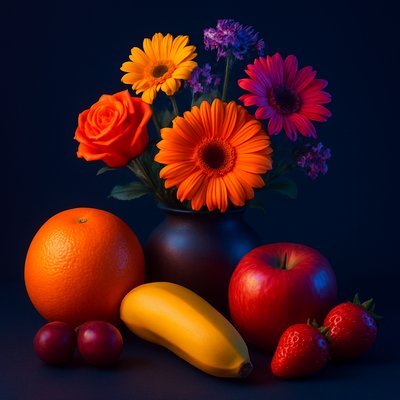
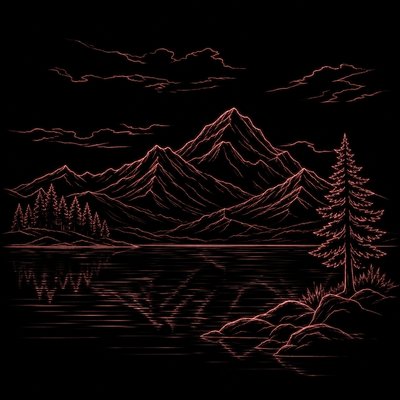
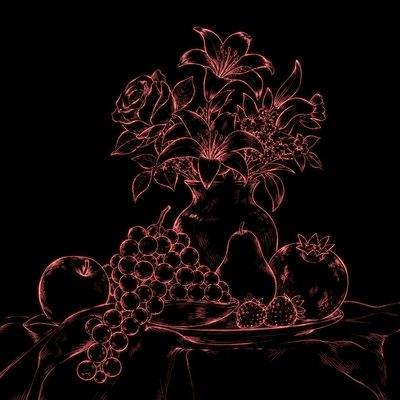
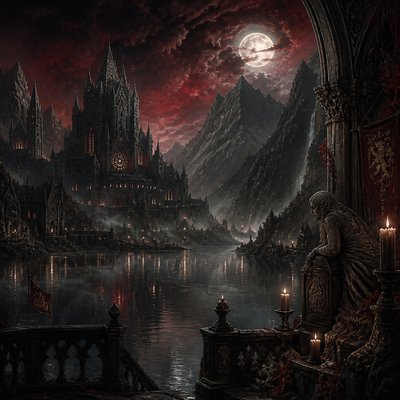
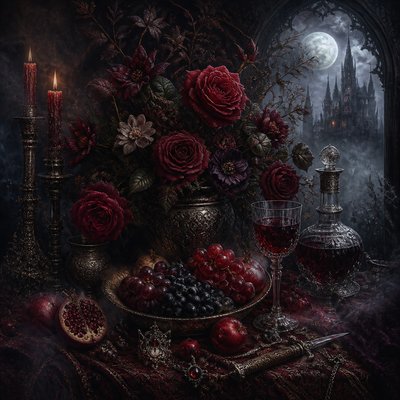
Dark Academia Aesthetic Gallery
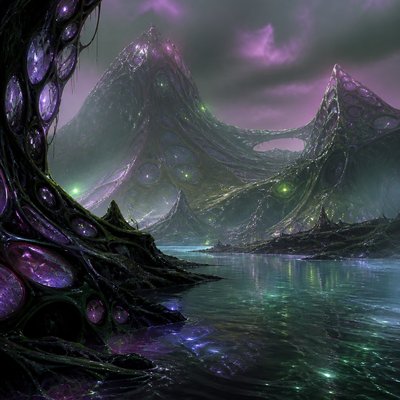
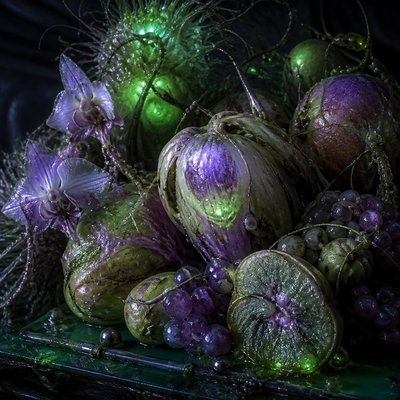
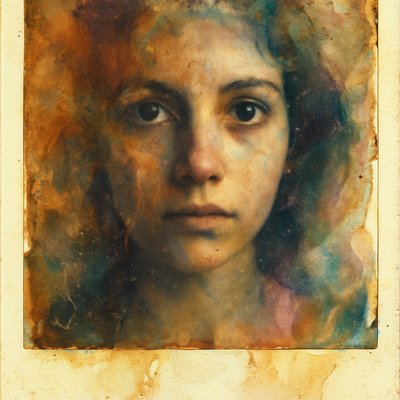
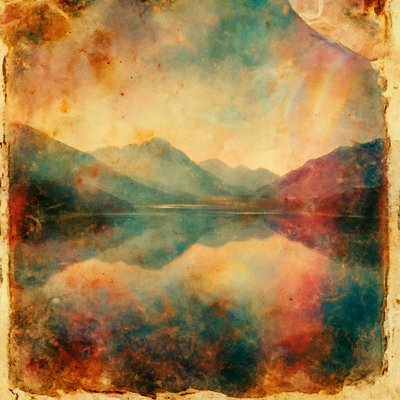
Tap any artwork to explore it
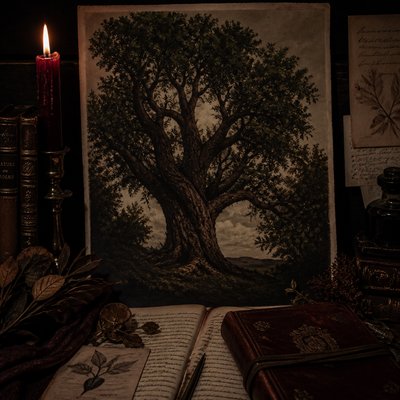
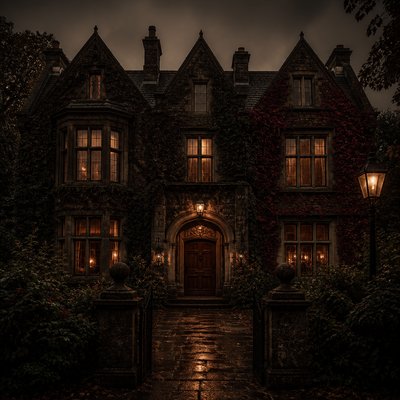

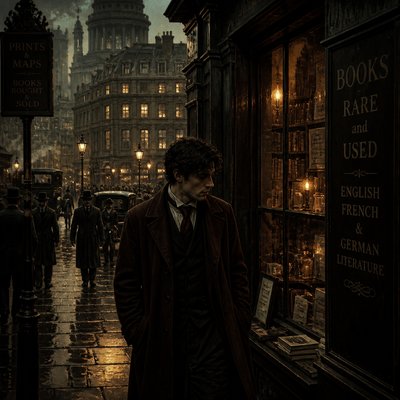
What is Dark Academia Aesthetic?
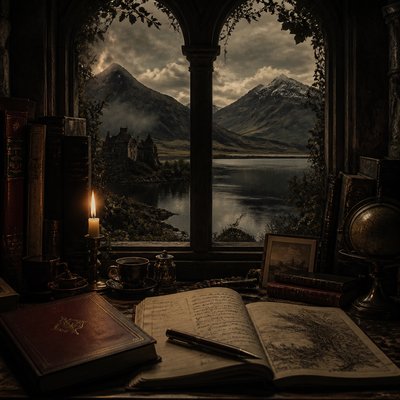
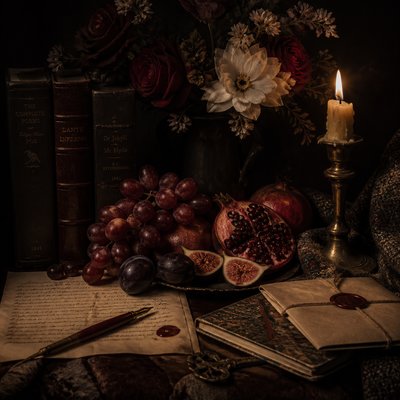
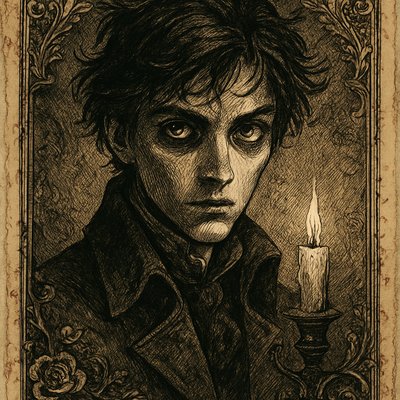
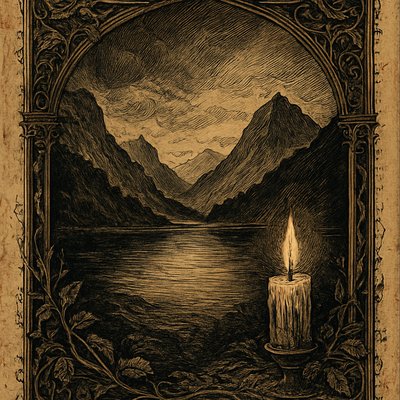
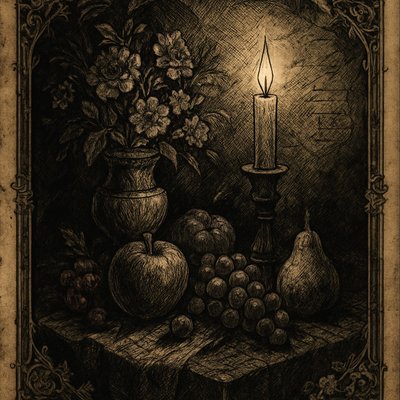
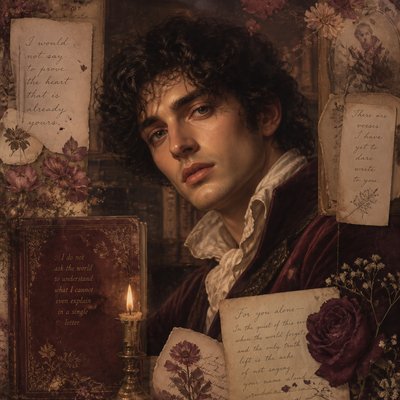
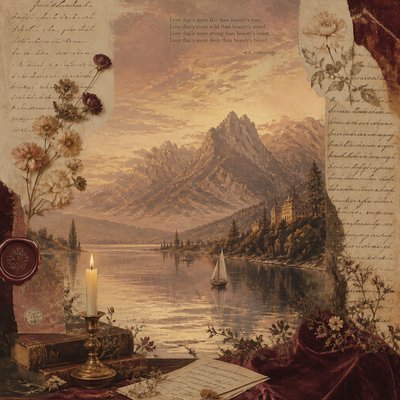
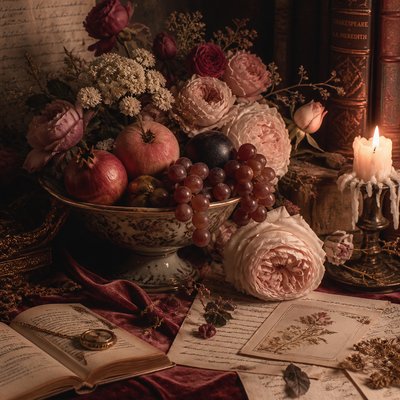
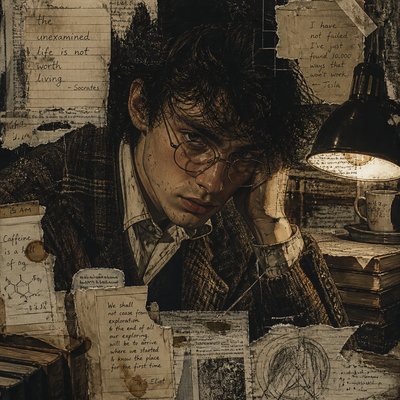
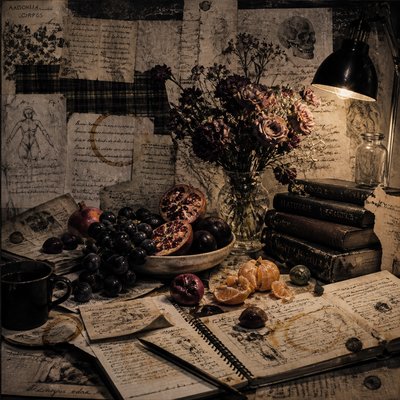
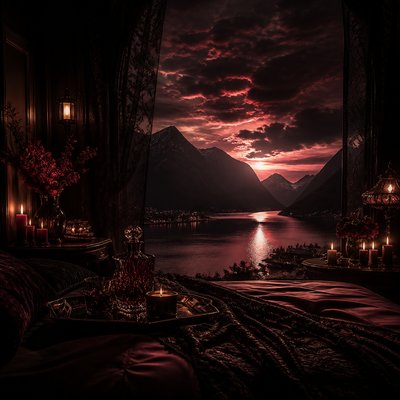
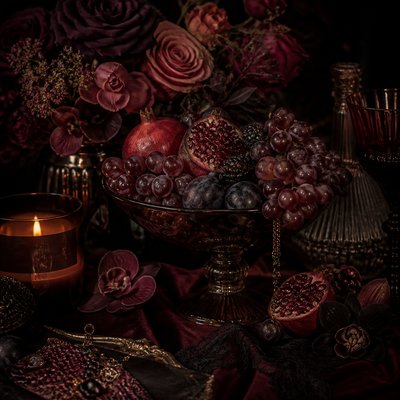
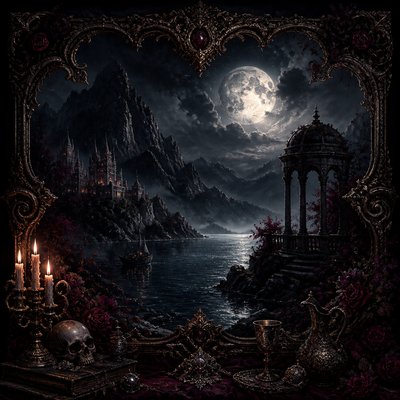
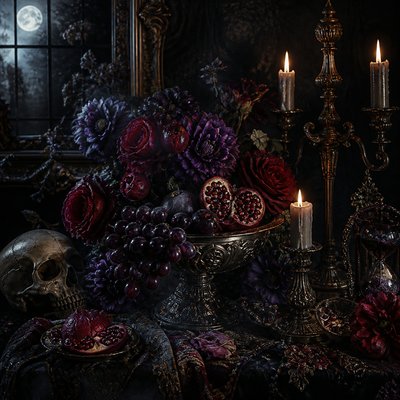
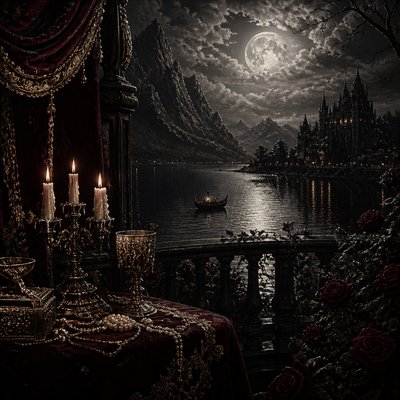
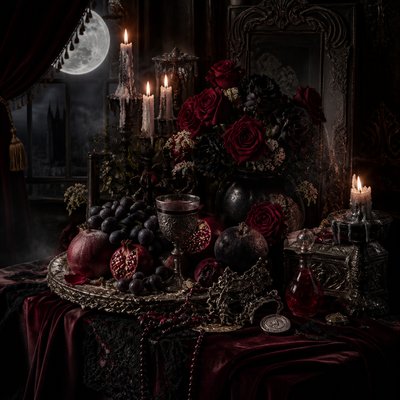
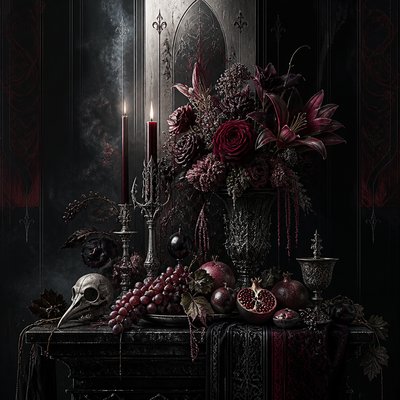
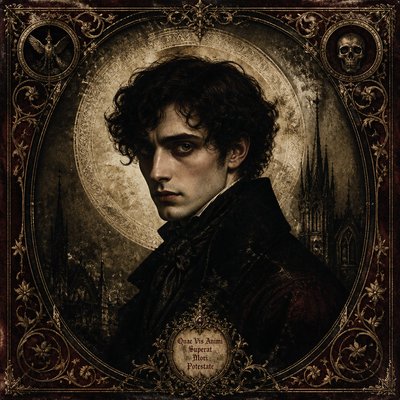
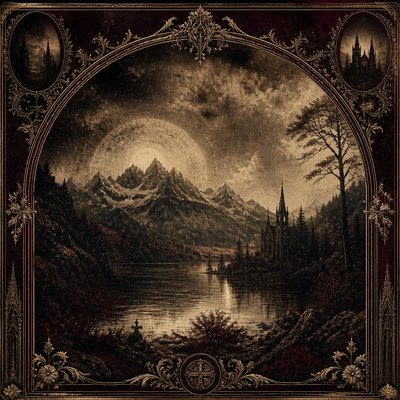
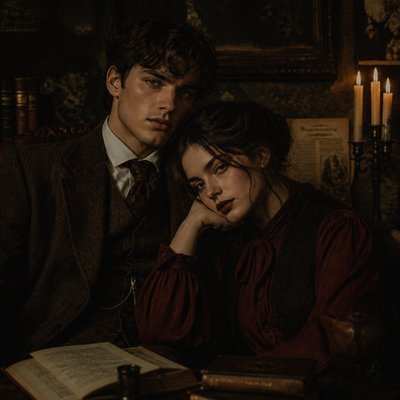
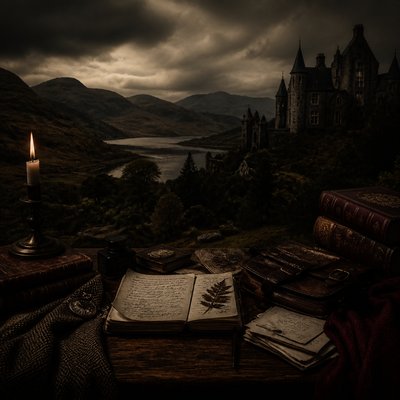
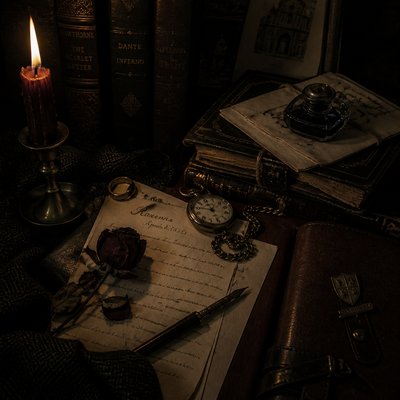
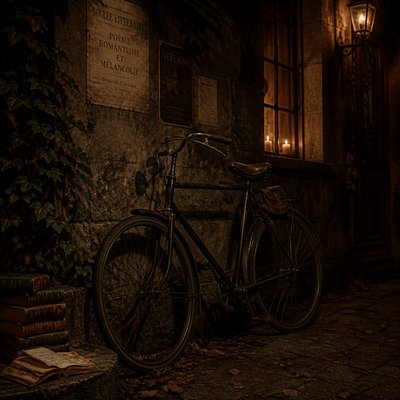
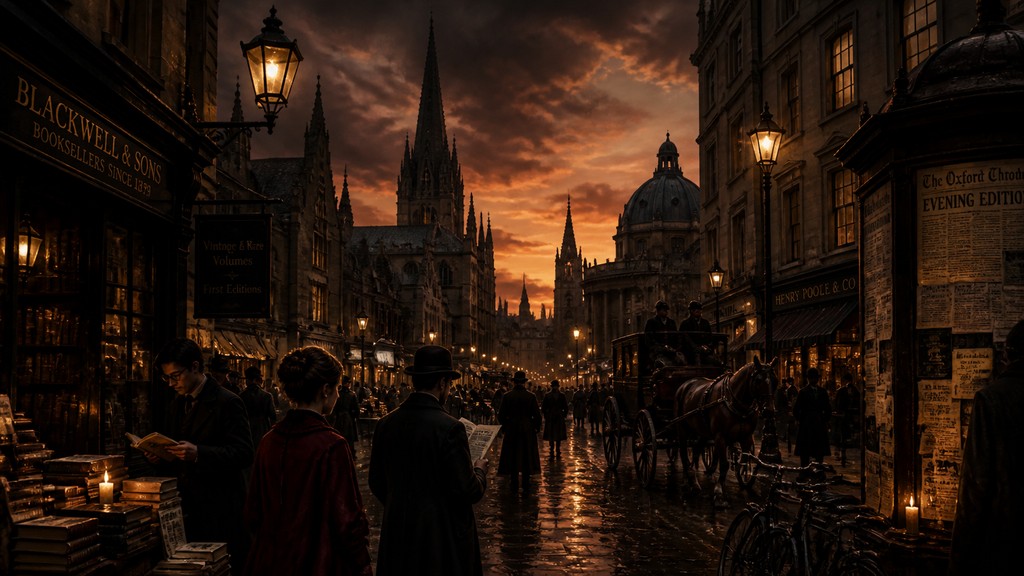
Dark Academia Aesthetic is a contemporary visual style centered on intellectual romanticism, old-world scholarship, and a subdued gothic mood. Its imagery typically includes libraries, handwritten notes, candlelight, tweed, leather-bound books, antique architecture, ivy, and weathered interiors, all rendered in a palette of oxblood, espresso brown, forest green, charcoal, and aged parchment.
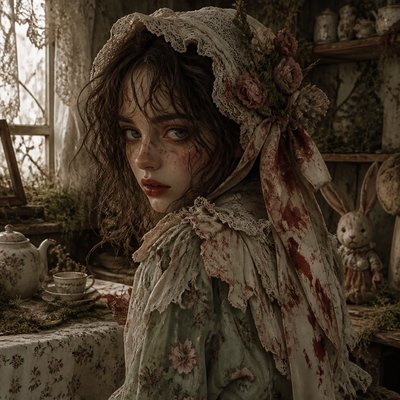
The style feels intimate and contemplative because it relies on low-key lighting, deep shadows, and tactile surfaces that suggest age and use. Rather than depicting academic life literally, it presents an idealized atmosphere of study and memory, blending literary nostalgia with melancholic elegance. The result is a quiet, cinematic look associated with secrecy, solitude, and cultivated seriousness.
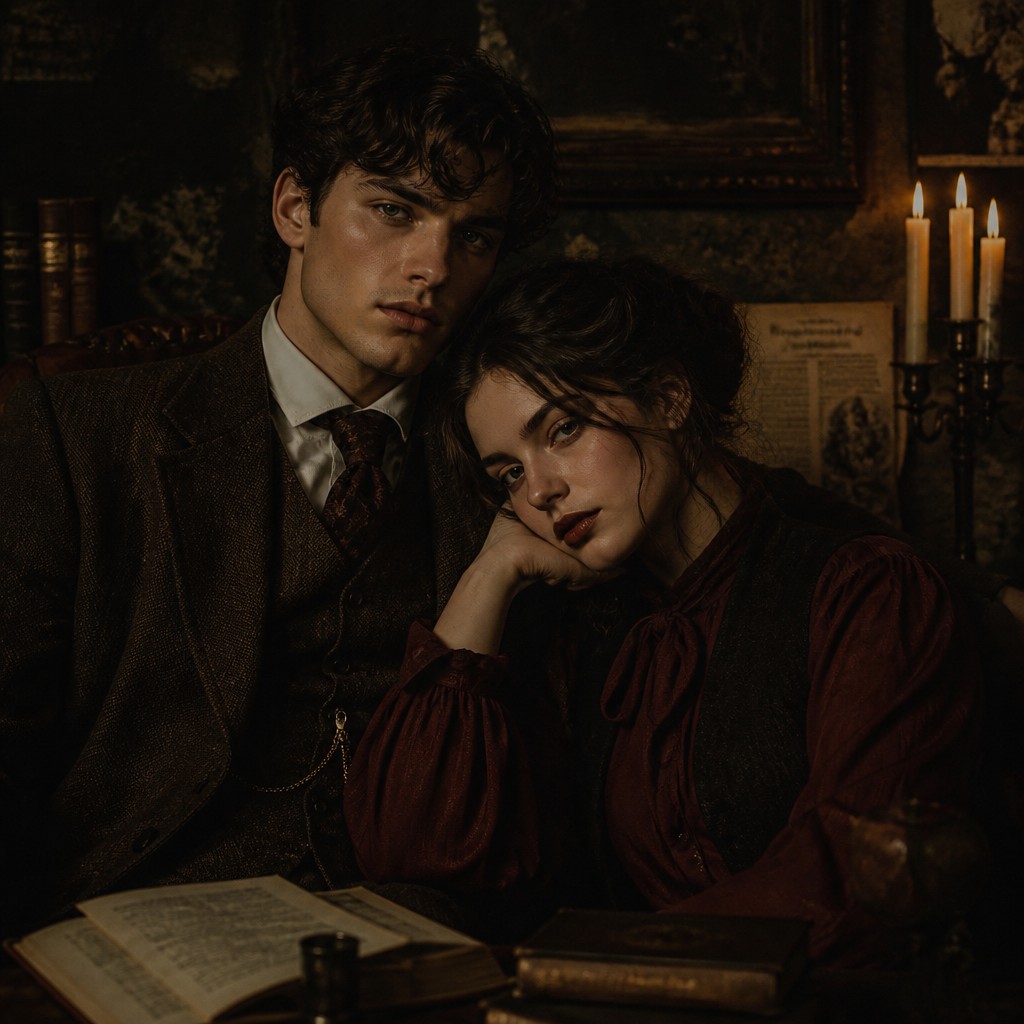
Try It On Your Photos
Upload any photo and convert it into Dark Academia Aesthetic — drag the sliders to compare before and after.
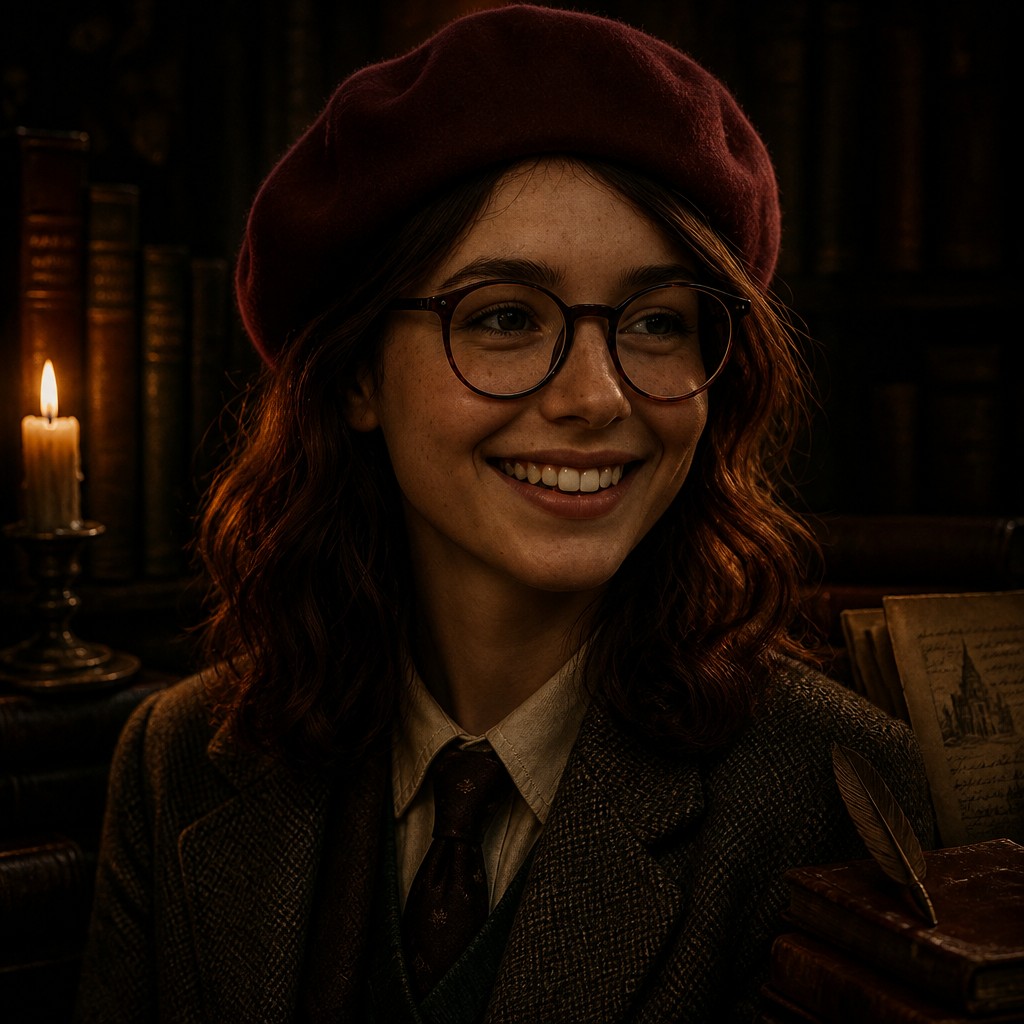

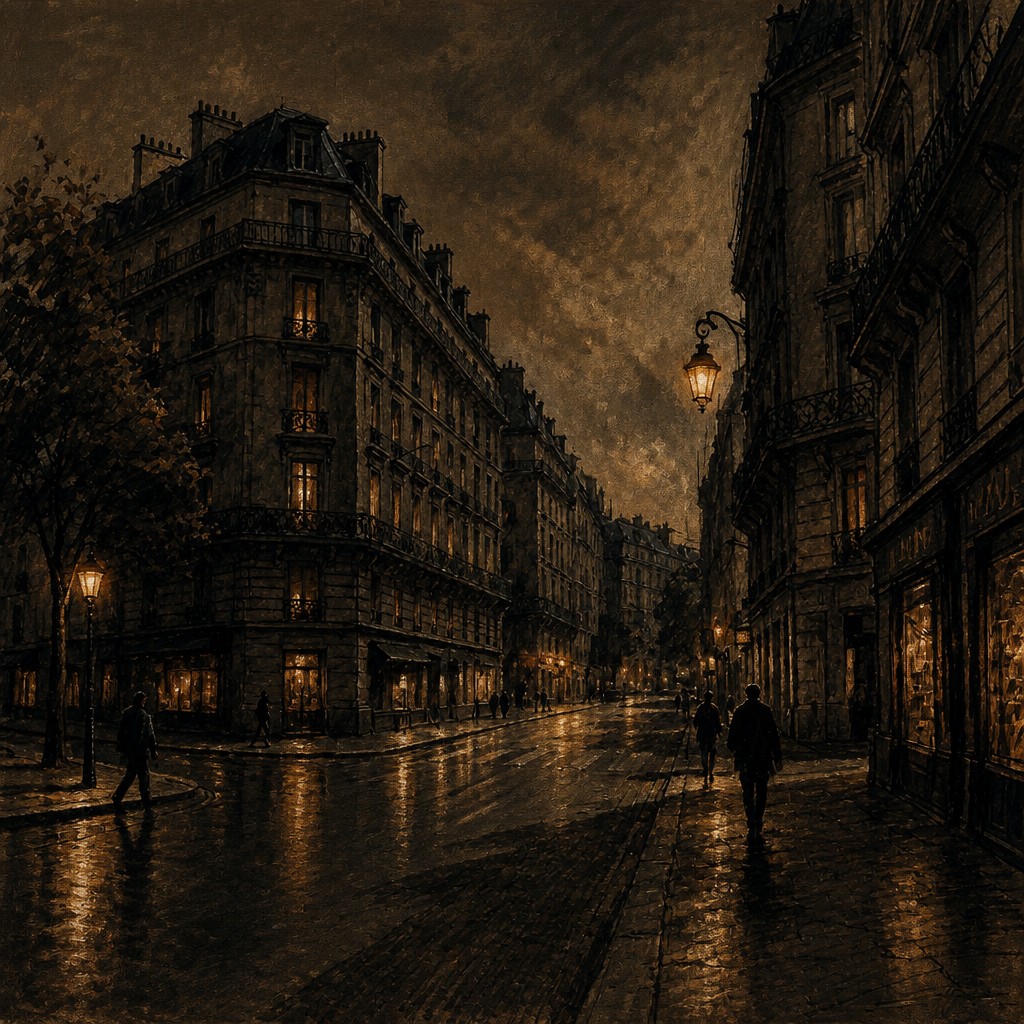

What Defines Dark Academia Aesthetic
The signature details, up close
Low-key candlelit lighting
Scenes are usually lit with warm, directional light that leaves much of the frame in shadow. This creates a sense of secrecy, quiet, and inward focus.
Aged, tactile materials
Leather, tweed, wool, brass, parchment, and worn wood are central surfaces. Their visible texture helps establish a lived-in, archival atmosphere.
Somber scholarly palette
The dominant colors are oxblood, dark brown, forest green, black, and cream. These hues evoke old books, institutional interiors, and autumnal restraint.
Library and campus settings
Book stacks, reading desks, ivy-covered buildings, corridors, and study rooms appear frequently. These environments anchor the aesthetic in institutions of learning and memory.
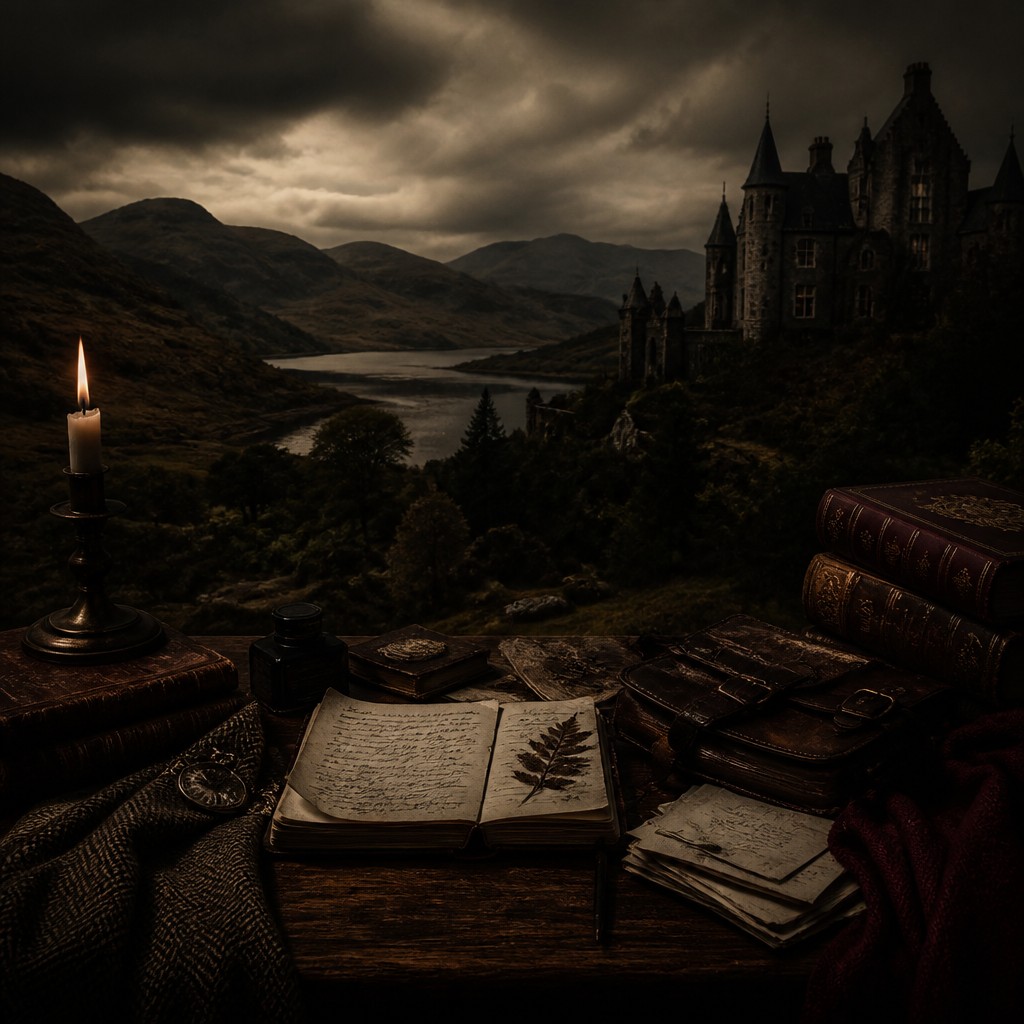
Historic and literary props
Common objects include fountain pens, notebooks, candles, spectacles, typewritten pages, and antique clocks. Such details signal scholarship, ritual, and reflective solitude.
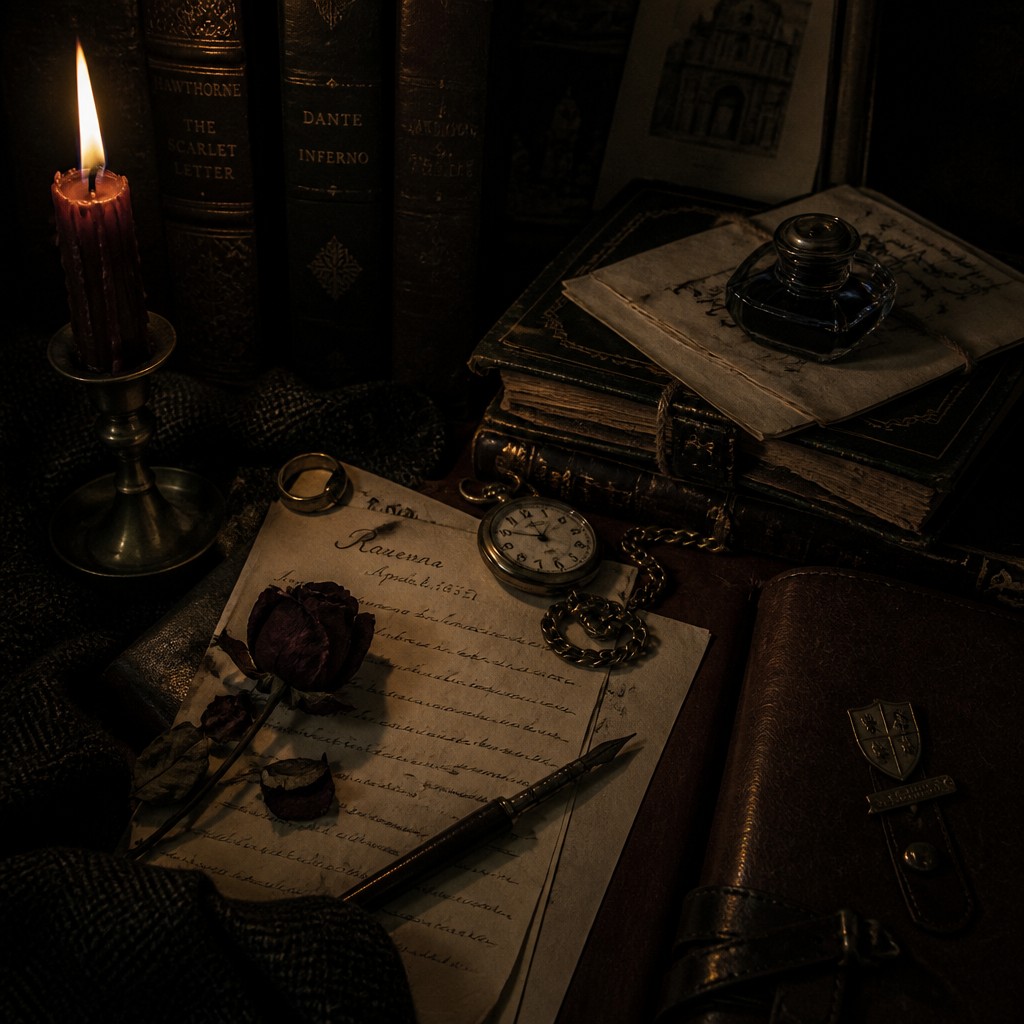
Gothic-romantic atmosphere
The mood often combines elegance with melancholy rather than overt darkness. It suggests longing, discipline, and a fascination with the past.
Try It
Create Videos in Dark Academia Aesthetic
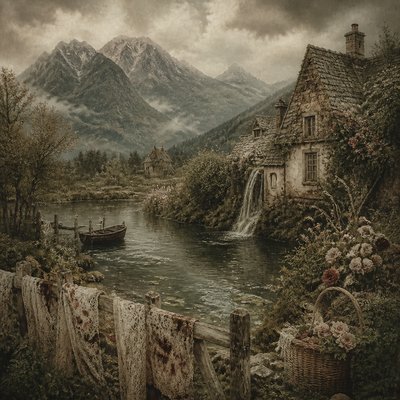
Styles aren't just for stills — describe a scene or animate an image and get a short video rendered in Dark Academia Aesthetic. Press play to see this pond come to life.
Make a VideoDark Academia Aesthetic Prompt Ideas
Start from an idea — each one opens the generator with the style ready to go. See all 40 Dark Academia Aesthetic prompts →
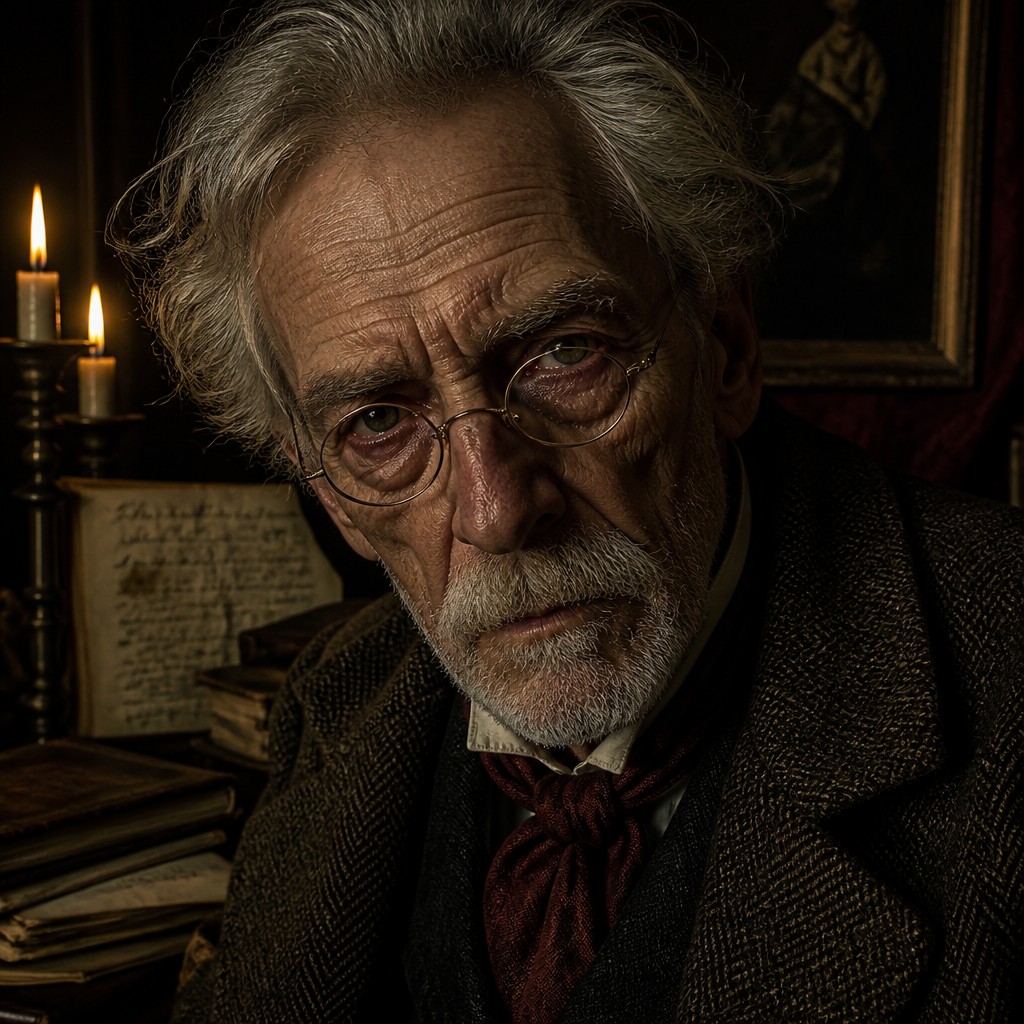
“close-up portrait of an elderly person with expressive weathered features”
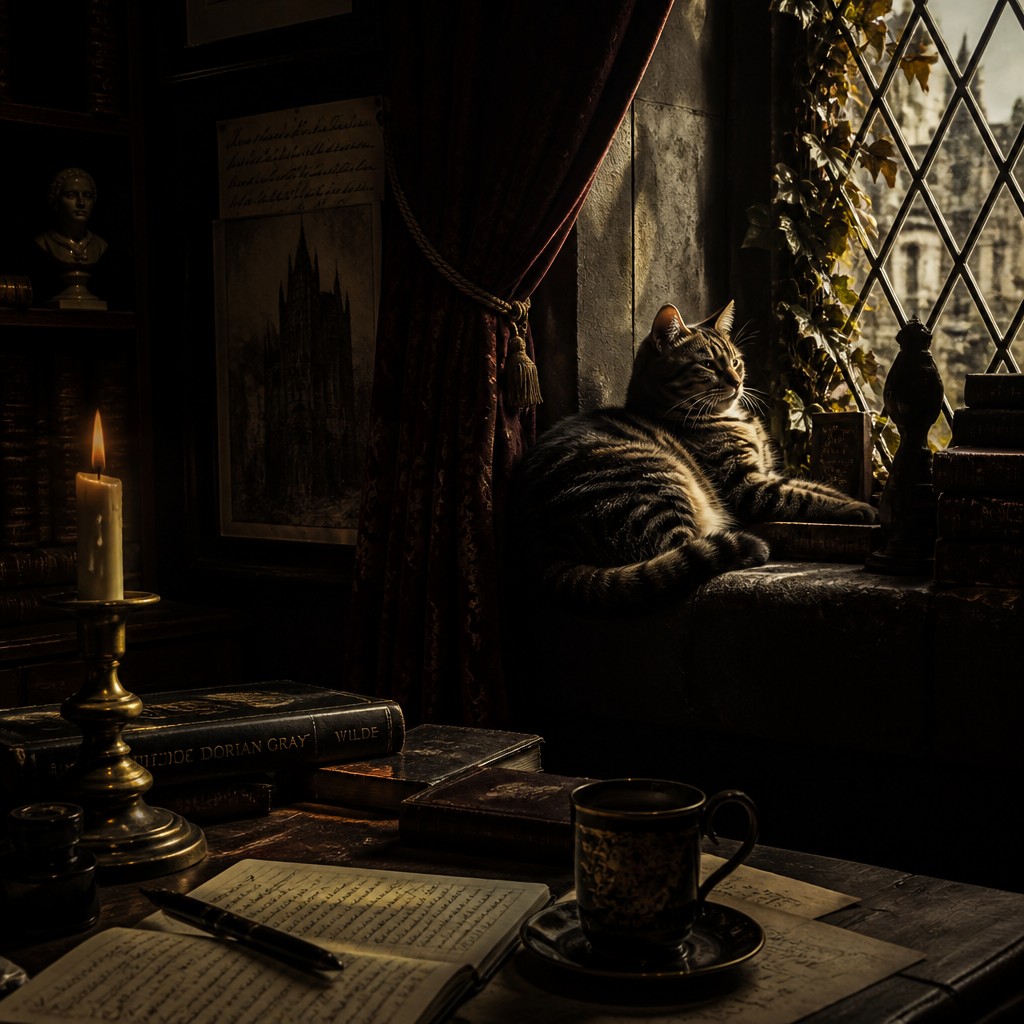
“a cat lounging in a sunlit window”
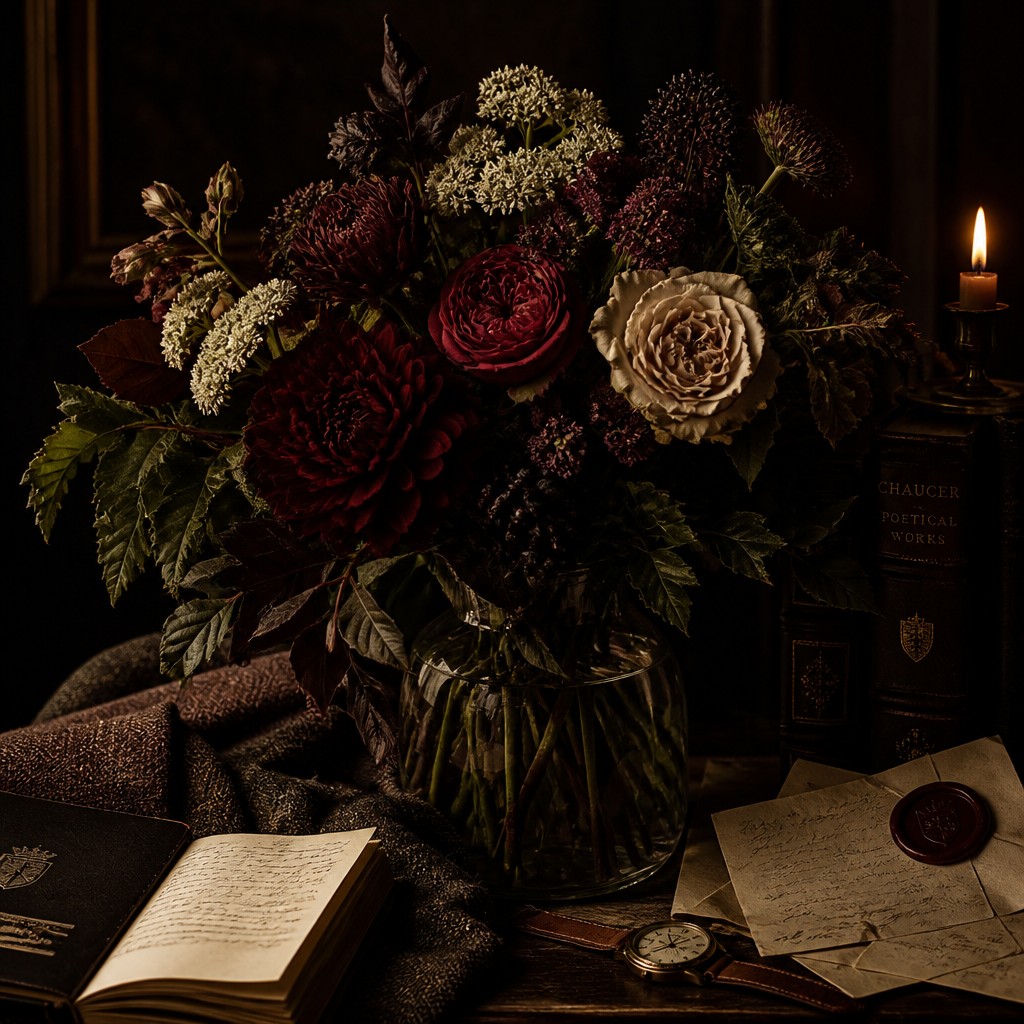
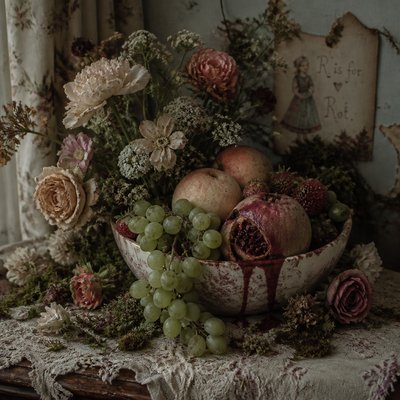
“bouquet of flowers in a glass vase”

“sailing ship on a stormy sea”
How to Create Dark Academia Aesthetic Art
Master the craft step by step — or skip straight to creating. Read the full guide →
- 1
Build a restrained palette
Use deep browns, muted greens, oxblood, black, and parchment tones, with only small highlights of warm amber. In painting or digital art, keep saturation low and let value contrast do most of the emotional work.
- 2
Prioritize texture and age
Add visible grain, paper fibers, scuffed leather, worn fabric, and wood patina to make the scene feel archival. In photo editing, use subtle contrast, matte blacks, and gentle sepia warming rather than heavy filters.
- 3
Shape the light carefully
Use candlelight, window light, or lamplight as a strong directional source and allow shadows to pool around the edges. For photography, expose for the highlights and preserve detail in the midtones to keep the mood intimate.
- 4
Compose with symbolic objects
Arrange books, handwritten pages, botanicals, antique instruments, and classical architecture to suggest a life of study. Keep compositions orderly but not sterile, as if the scene has been used over time.
- 5
Prompt for atmosphere, not just objects
When generating images, describe the setting, lighting, textures, and emotional tone in addition to the subject. Phrases like 'dim library,' 'candlelit desk,' 'weathered leather,' and 'deep shadows' help produce the style more reliably.
- 6
Use analog cues in digital work
In digital or AI-assisted creation, reference film grain, chiaroscuro, matte paper, and soft vignette effects. These cues help convert a clean image into something that feels historic and contemplative.

The Story
History & Origins of Dark Academia Aesthetic
Dark Academia is not a historical art movement in the formal sense; it is a contemporary aesthetic that emerged online in the late 2010s, especially through social media and visual culture centered on literature, fashion, and interior design. Its visual language draws on older traditions of European university architecture, portraiture, gothic fiction, and still-life imagery, but the style itself is a modern internet-era synthesis rather than a single historical school.
Its lineage can be traced to the mood of Gothic Romanticism, 19th-century literary culture, and the visual traditions of classical painting and chiaroscuro. It also borrows from prep-school tailoring, antique libraries, and heritage interiors, which together create the impression of an imagined scholarly past. The aesthetic gained popularity as a way to frame learning, reading, and introspection as visually rich and emotionally resonant experiences.
Influences: Dark Academia draws on Gothic literature, Romantic-era sensibilities, and the visual traditions of chiaroscuro and still life, while also borrowing from heritage fashion and university architecture. It is often associated in mood with the shadowed interiors of artists such as Rembrandt and Georges de La Tour, though it is not a historical style derived from them directly. Its imagery also overlaps with the visual culture of classical education, Victorian interiors, and literary portraiture.
Frequently Asked Questions
What defines Dark Academia Aesthetic?
It is defined by a moody, scholarly atmosphere built from dark colors, candlelight, old books, and aged interiors. The style emphasizes intellectual romance, quiet solitude, and a sense of the past. Texture and shadow matter as much as subject matter.
Is Dark Academia a historical art movement?
No. It is a contemporary aesthetic that developed online, rather than a formal movement with a founding manifesto or canonical artists. Its look is assembled from earlier visual traditions such as Gothic Romanticism, classical interiors, and chiaroscuro lighting.
How is it different from Light Academia?
Light Academia uses similar scholarly themes but with brighter, softer, and more optimistic imagery. Dark Academia relies on deeper shadows, richer browns and greens, and a more melancholic or introspective mood. Both value books and study, but their emotional tone differs.
What subjects work best in this style?
Libraries, desk still lifes, students, scholars, antique rooms, ivy-covered buildings, and rainy urban scenes all fit well. Portraits can also work if the clothing, lighting, and setting feel historically layered and restrained. The most effective subjects suggest thought, memory, or ritual.
How do I make a photo look like this style?
Use warm, low light; mute the colors; and emphasize wood, paper, fabric, and leather textures. A subtle vignette, grain, and deeper shadows can help, but avoid over-processing so the image still feels natural.
Can this style be used for modern scenes?
Yes. Modern subjects can still fit if they are framed through the style’s palette, lighting, and mood. A laptop on a wooden desk, a rainy café, or a contemporary student apartment can all read as Dark Academia if the image feels bookish, intimate, and subdued.
Create your first Dark Academia Aesthetic artwork
Describe anything — or upload a photo — and see it in Dark Academia Aesthetic in seconds.
Make Something with Dark Academia Aesthetic
Related Styles
Discover similar art styles