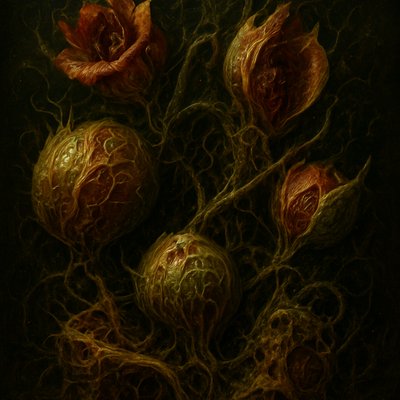
Chaotic Academia Aesthetic
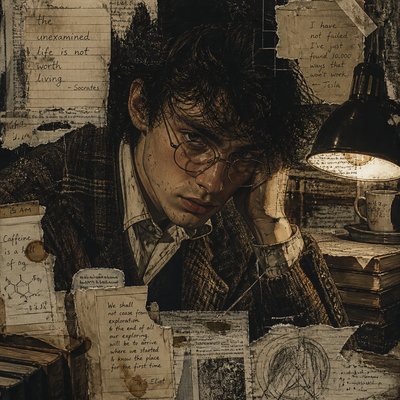
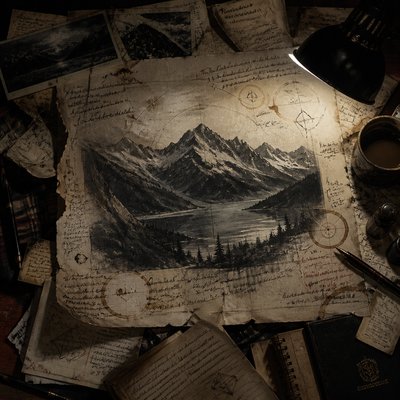
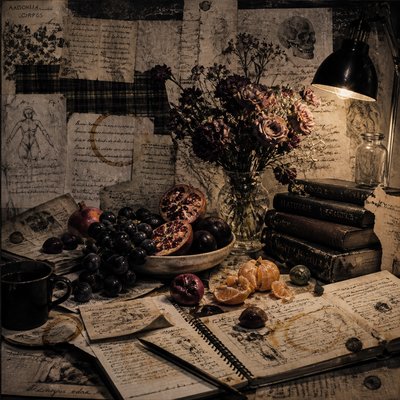
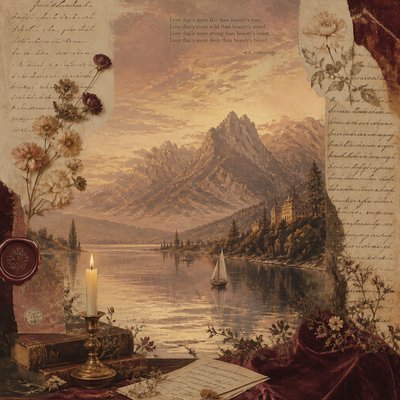
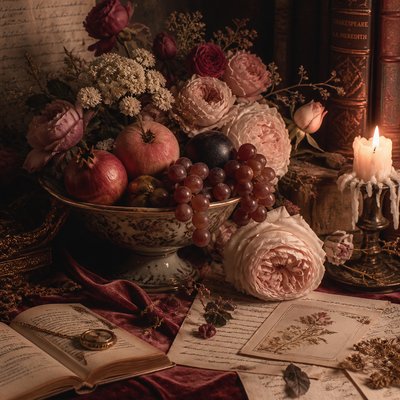
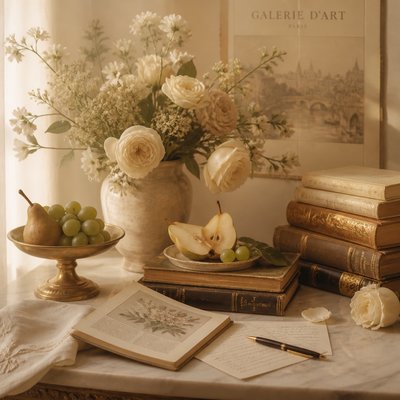
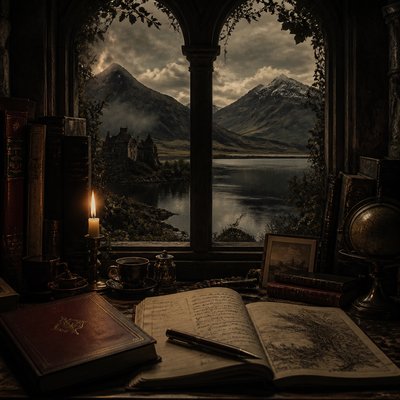
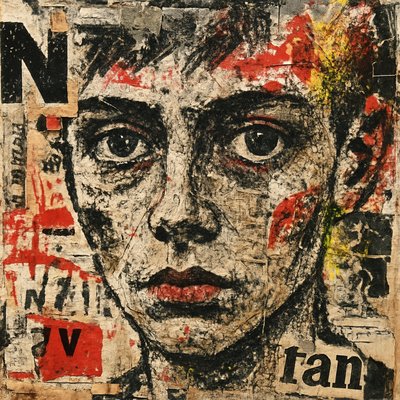
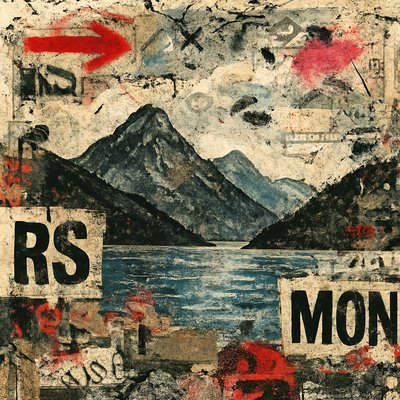
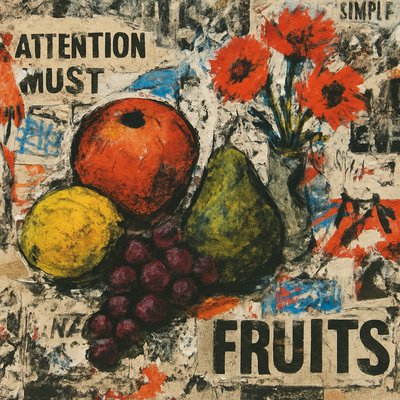
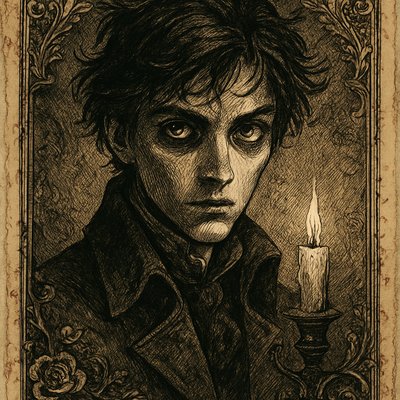
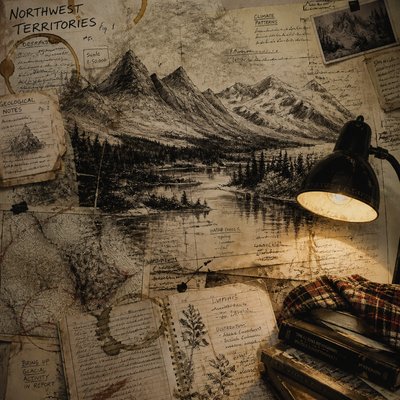
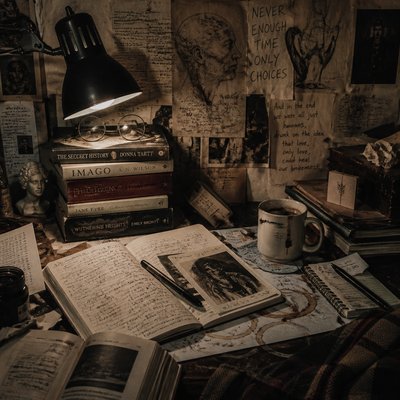
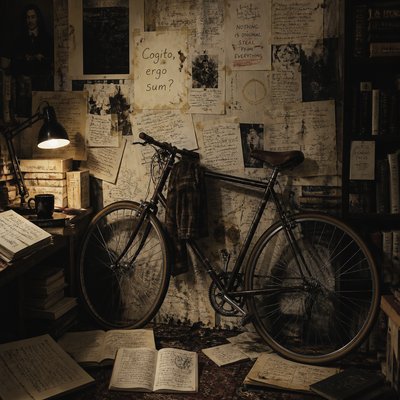
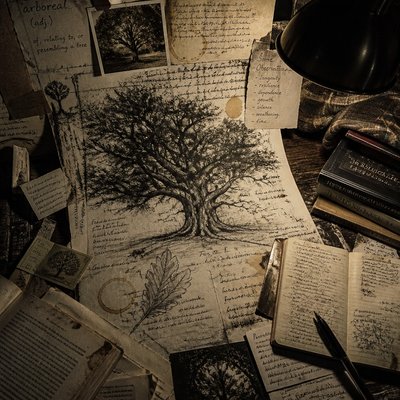
Chaotic academia aesthetic blends scholarly clutter, ink stains, coffee rings, scribbled margins, and moody late-night desk light.
Instantly rendered in Chaotic Academia Aesthetic — or transform a photo
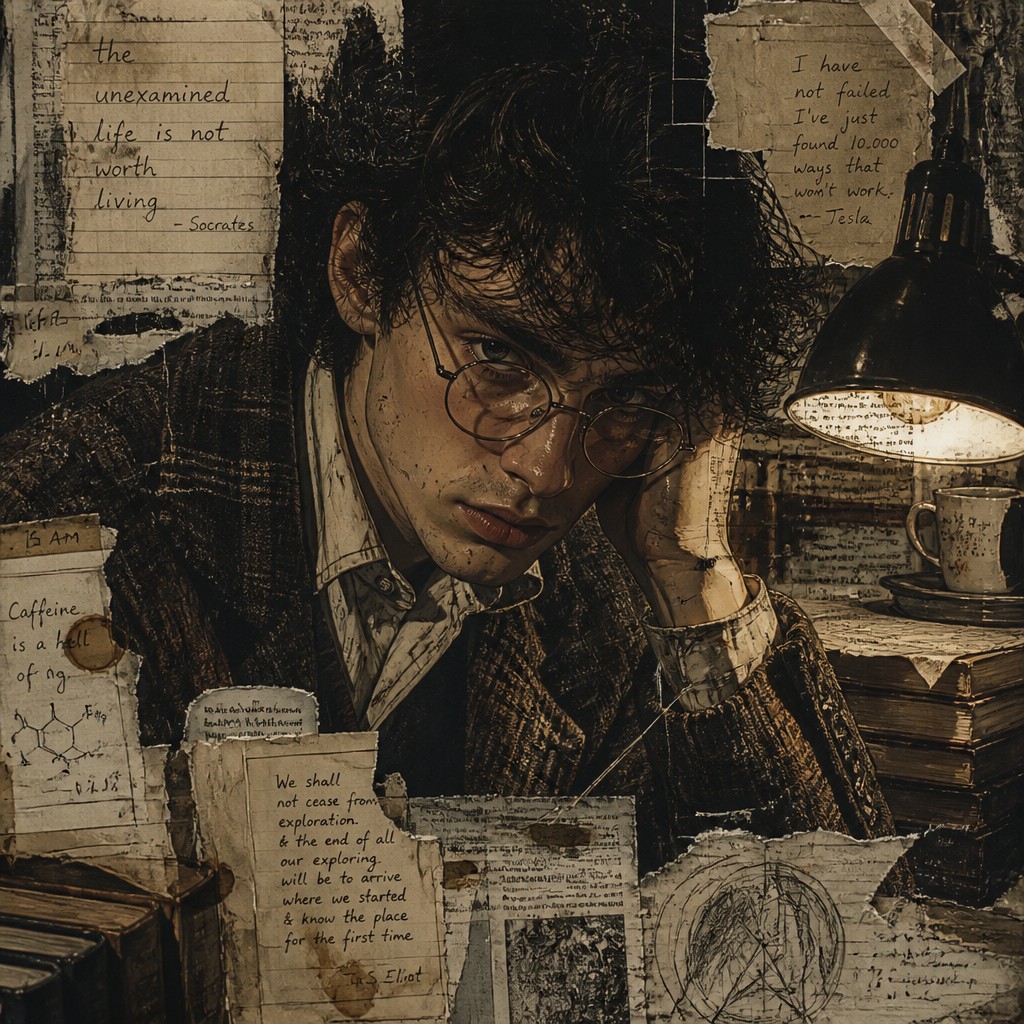
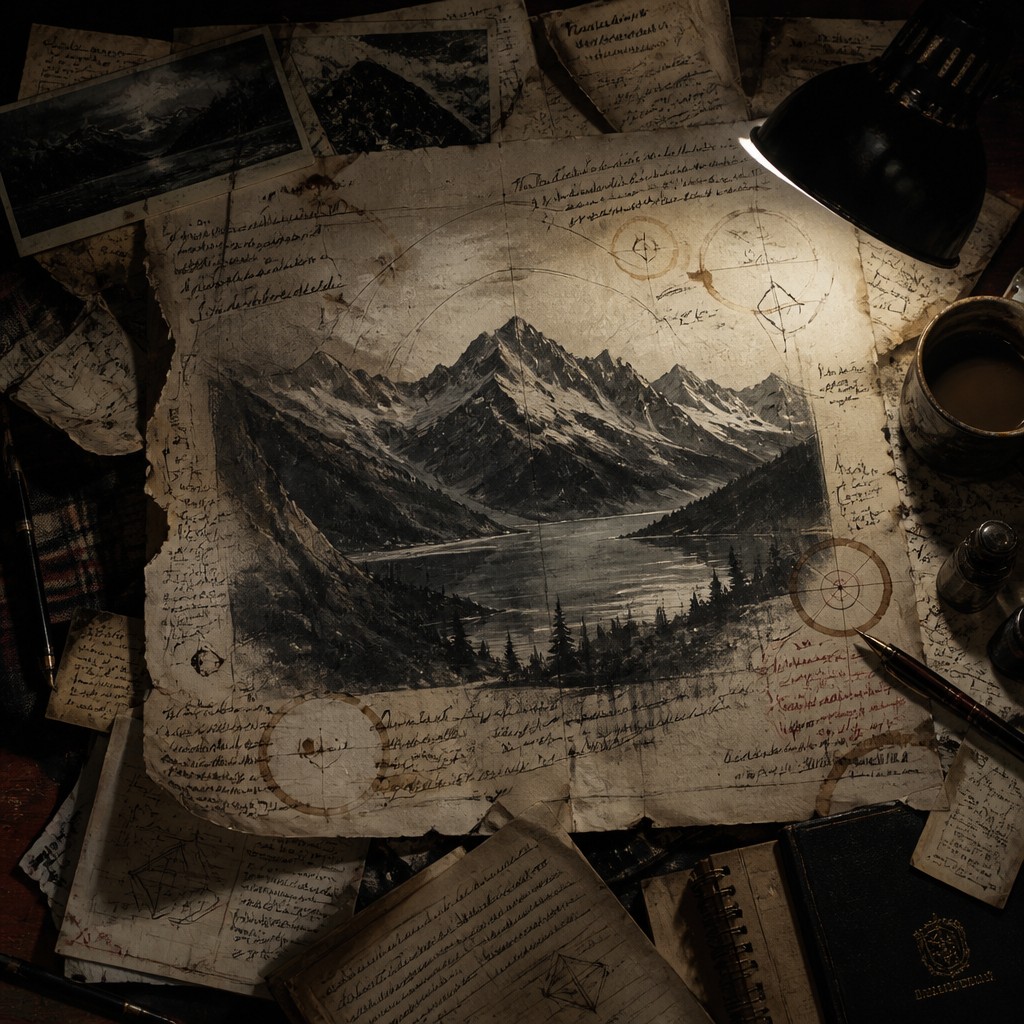
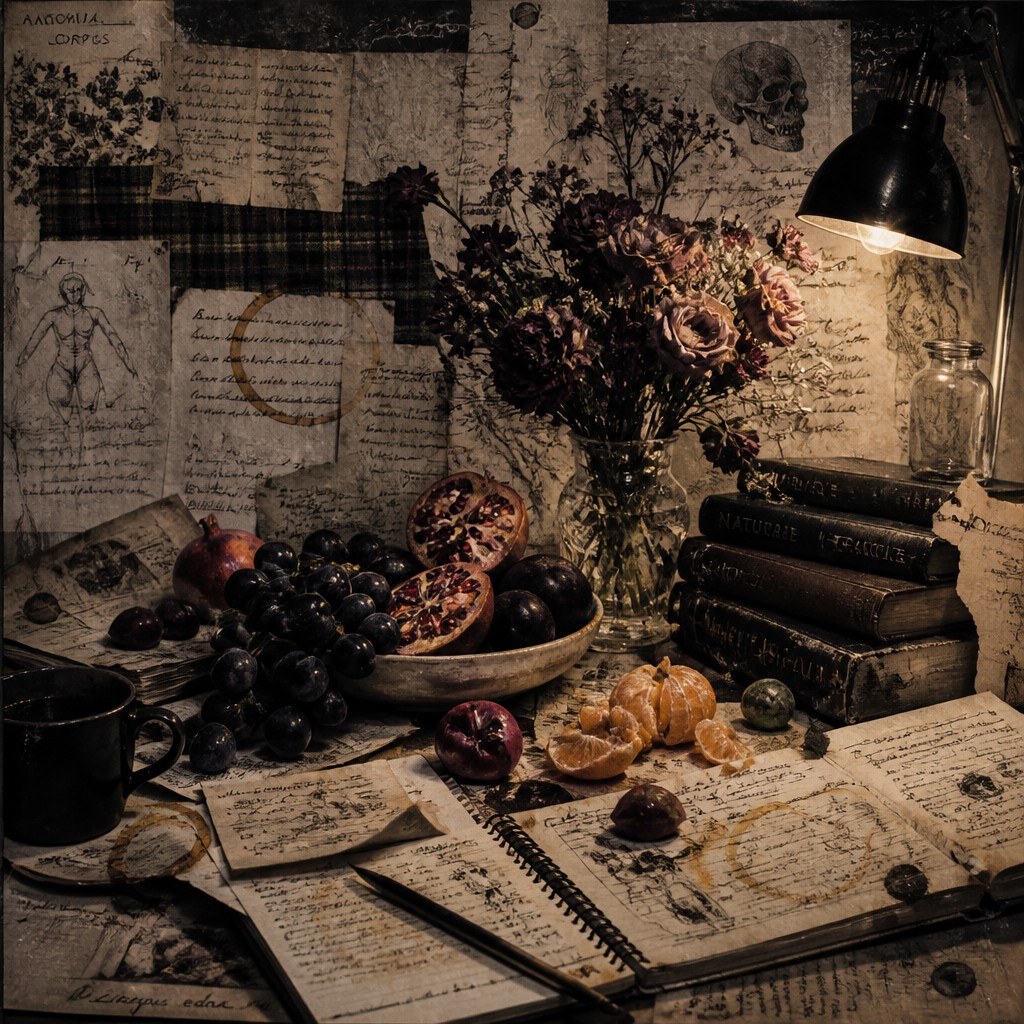
Chaotic Academia Aesthetic Gallery
Tap any artwork to explore it

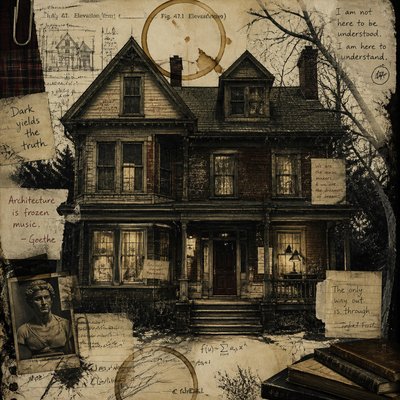
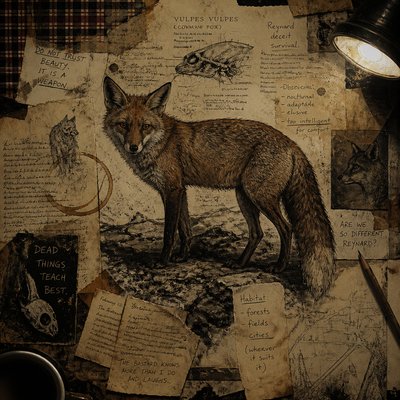
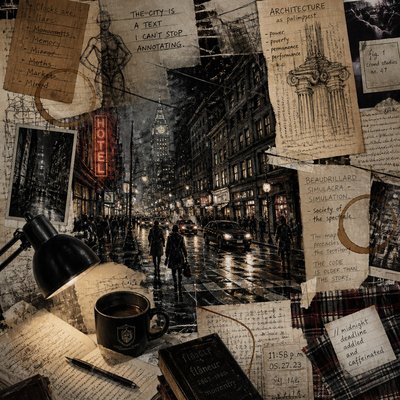
What is Chaotic Academia Aesthetic?
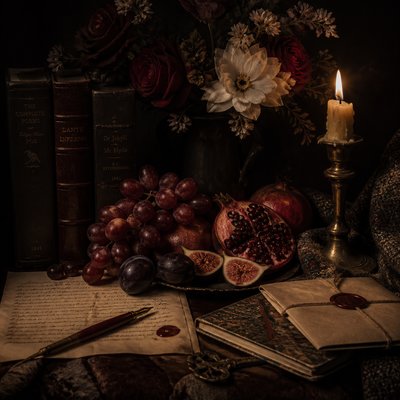
Chaotic academia aesthetic is a contemporary visual style built around the romance of disorganized study: stacked books, loose pages, margin notes, coffee rings, worn paper, and the sense of a desk left in the middle of a long night of work. It favors an intimate, lived-in atmosphere over polish, making the act of thinking itself feel visible through clutter, annotation, and material wear.
Its visual identity comes from the textures and habits of academic life rather than a single historical movement. The style typically uses ink black, parchment, faded plaid, brown wood, graphite gray, and warm desk-lamp light, with deep shadow around the edges. Torn paper layers, scribbles, dog-eared corners, and smudged marks create the feeling of restless concentration, unfinished arguments, and obsessive note-taking. The result is less about neat scholarship than about the beauty of intellectual disorder under deadline pressure.
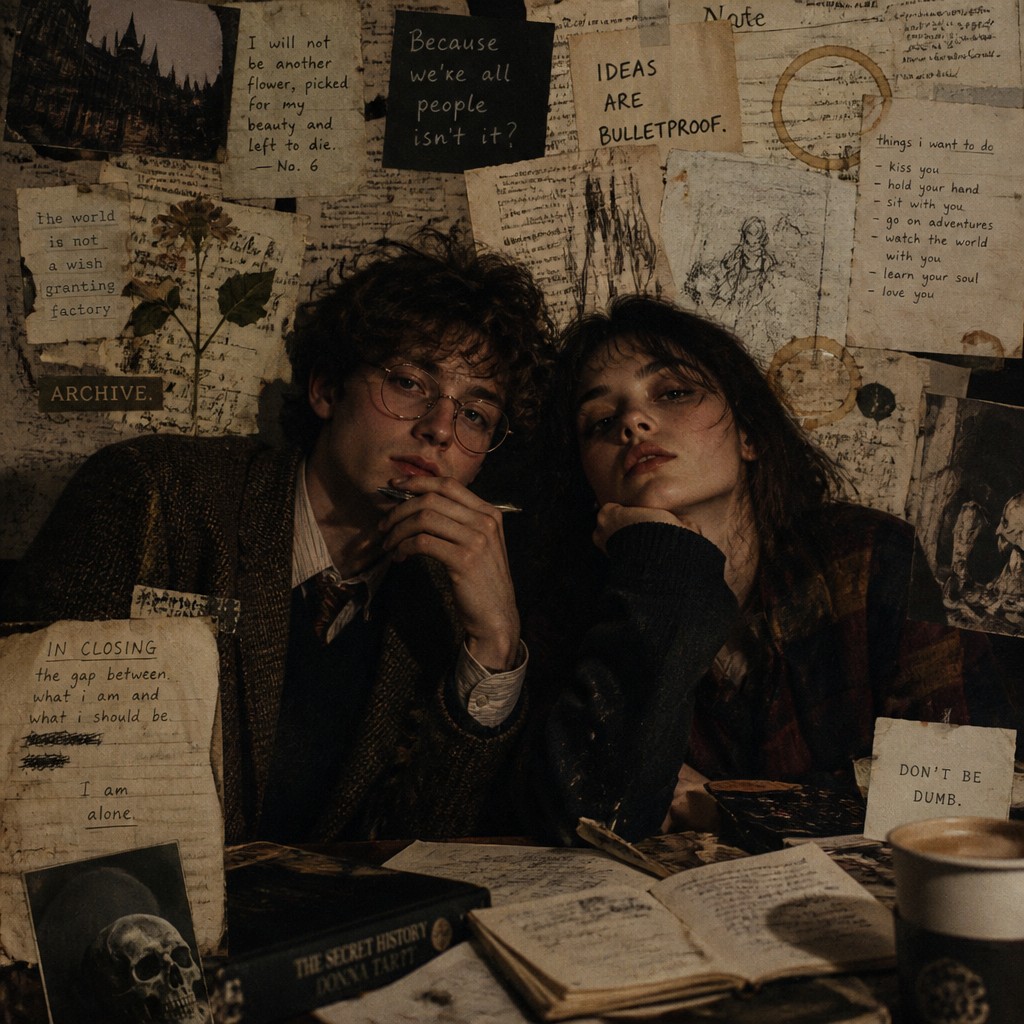
Try It On Your Photos
Upload any photo and convert it into Chaotic Academia Aesthetic — drag the sliders to compare before and after.


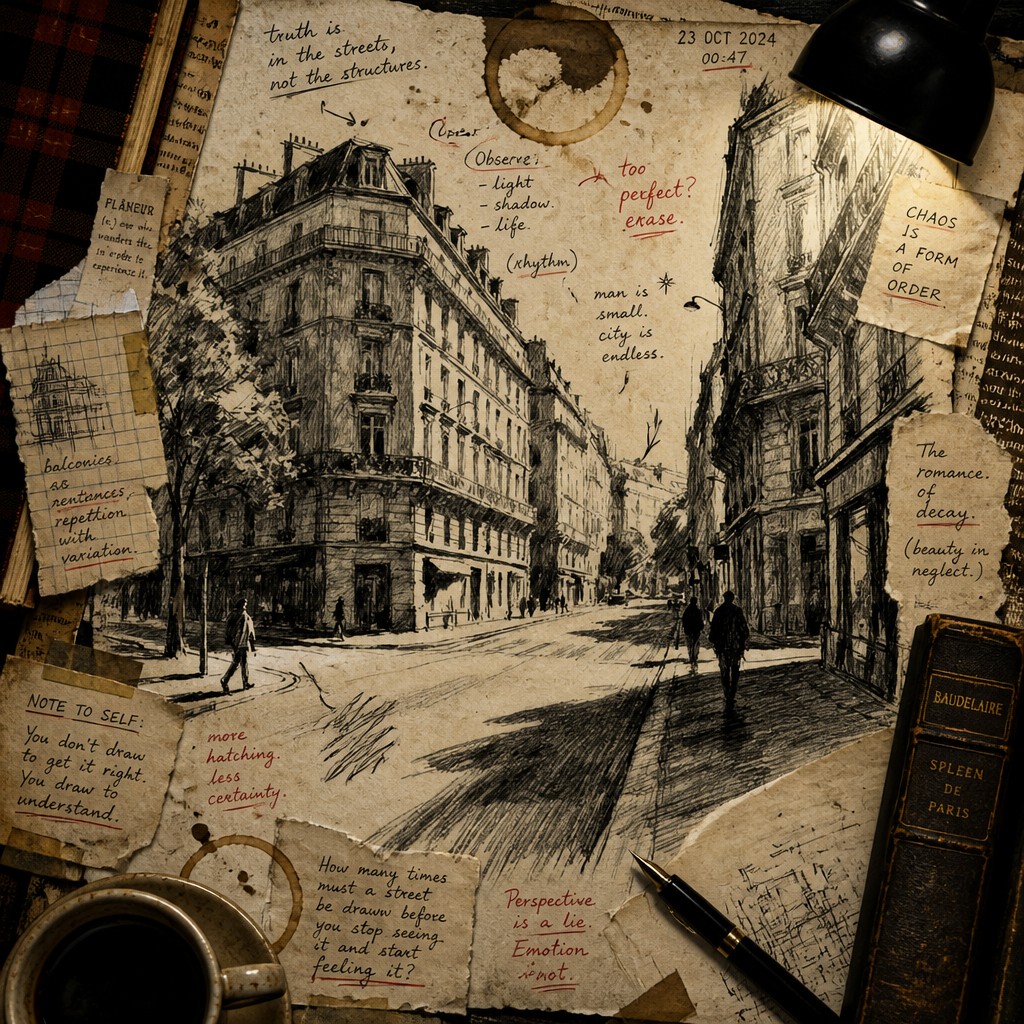

What Defines Chaotic Academia Aesthetic
The signature details, up close
Cluttered scholarly surfaces
Desks, tables, and pages are crowded with books, notebooks, pens, tabs, and loose papers. The composition should feel accumulated rather than arranged, as if everything is in active use.
Annotated-page texture
Handwritten notes, underlines, arrows, highlights, and marginal comments are central visual elements. These marks make the image feel researched, revised, and mentally active.
Coffee rings and wear
Stains, creases, torn edges, folded corners, and smudged graphite help establish age and use. The aesthetic depends on visible evidence of time passing during long study sessions.
Moody desk-lamp lighting
A single warm lamp or localized pool of light often dominates the scene. Bright highlights against dim surrounding shadow create the feeling of working late into the night.
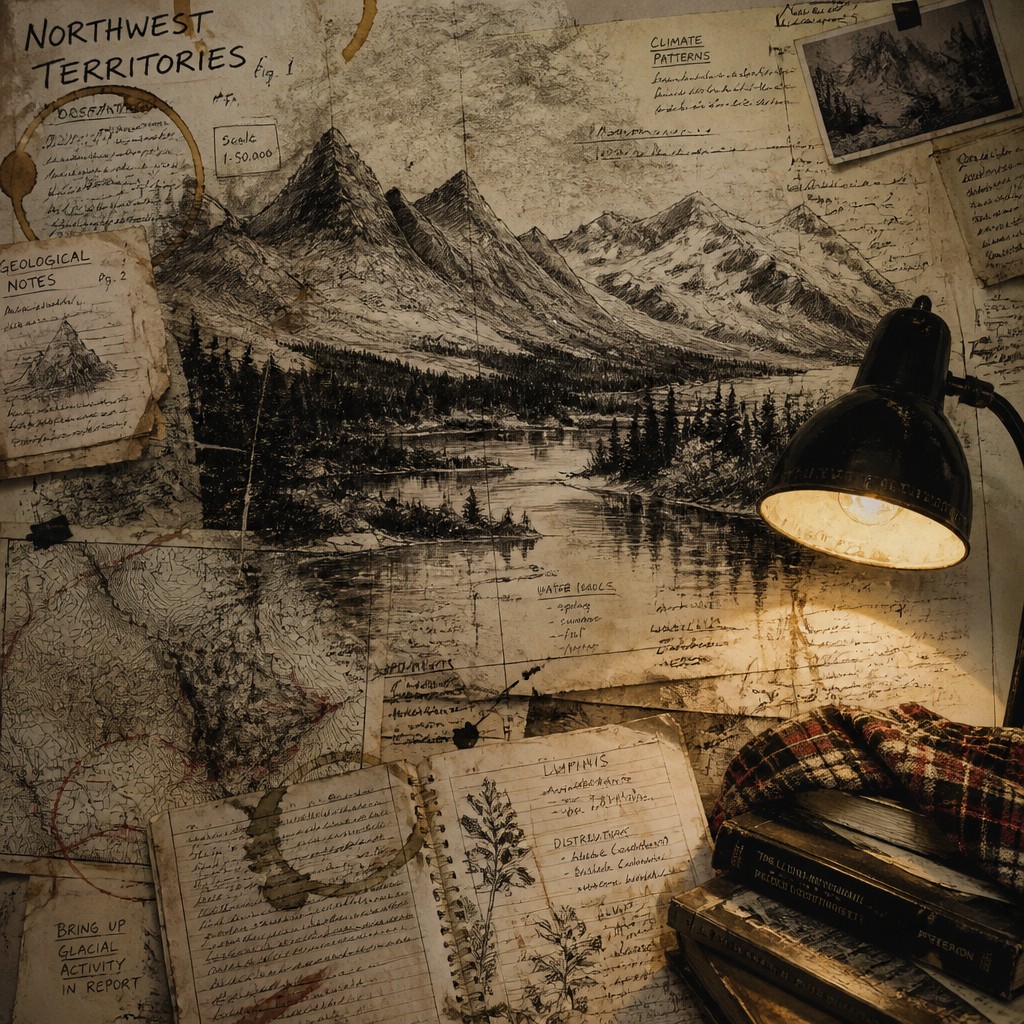
Handmade marks and scribbles
Loose handwriting, crossed-out lines, erratic arrows, and sketchy diagrams reinforce urgency and obsession. The style values process marks that would normally be hidden in a finished image.
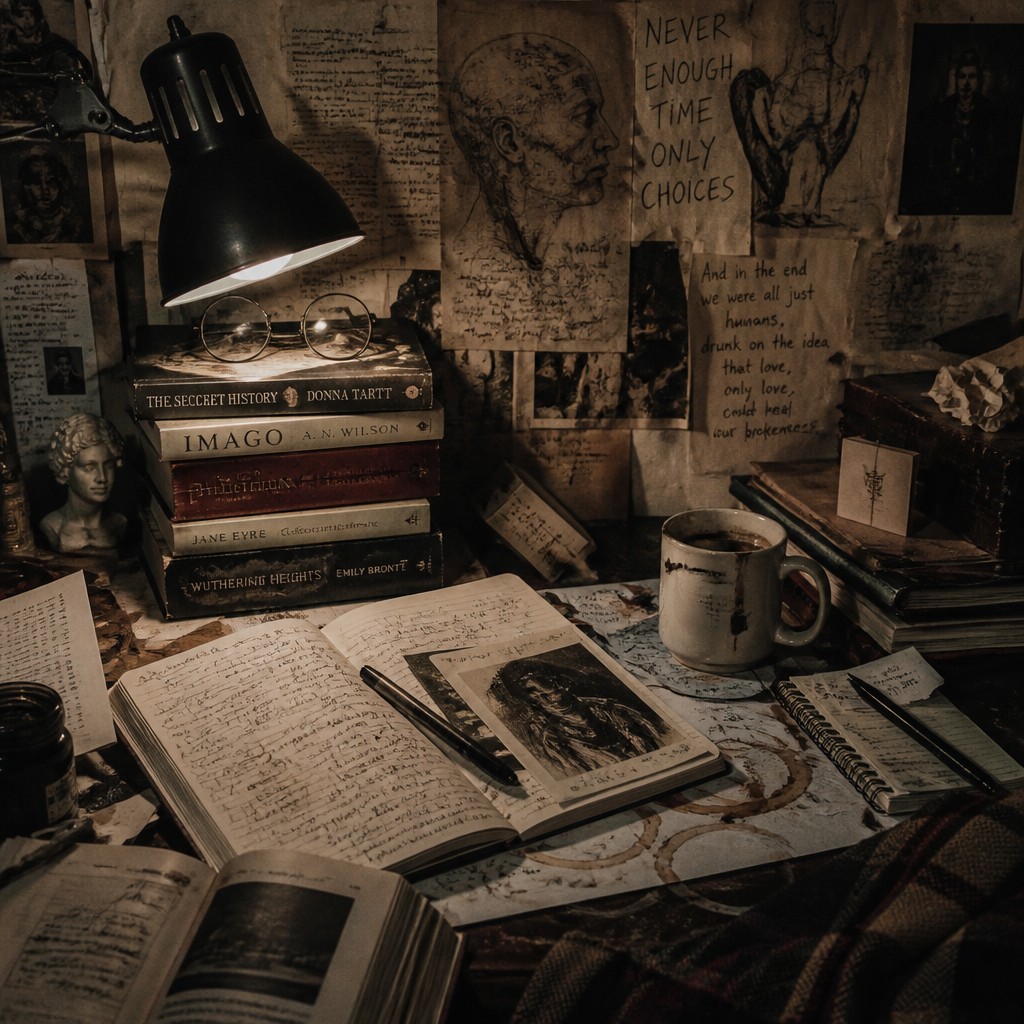
Torn-paper layering
Collage-like overlaps of notes, tickets, bookmarks, and clipped pages add depth and complexity. Layering suggests a mind building connections across sources.
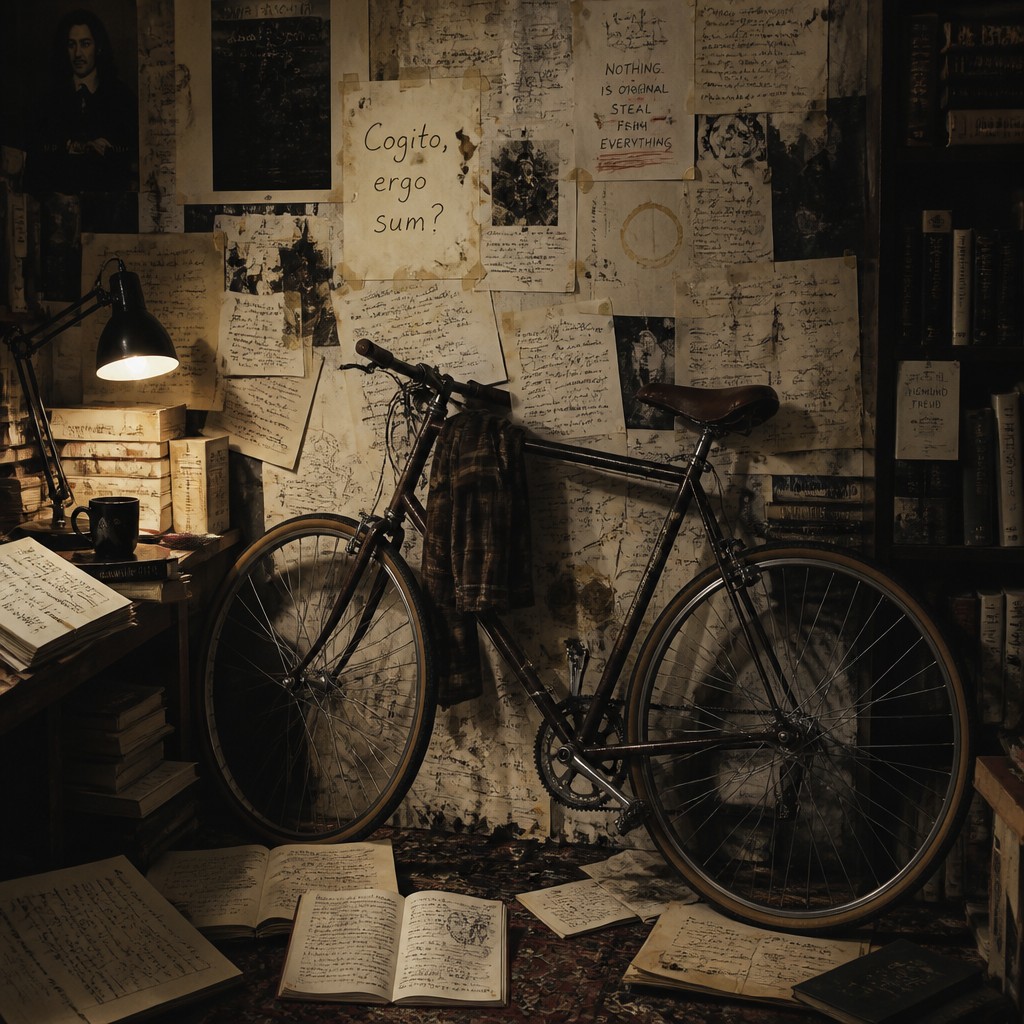
Muted, archival palette
Common colors include ink black, parchment cream, faded plaid reds and blues, and scuffed brown wood. The palette feels aged, domestic, and tactile rather than bright or glossy.
Try It
Create Videos in Chaotic Academia Aesthetic
Styles aren't just for stills — describe a scene or animate an image and get a short video rendered in Chaotic Academia Aesthetic. Press play to see this pond come to life.
Make a VideoChaotic Academia Aesthetic Prompt Ideas
Start from an idea — each one opens the generator with the style ready to go. See all 40 Chaotic Academia Aesthetic prompts →

“close-up portrait of an elderly person with expressive weathered features”
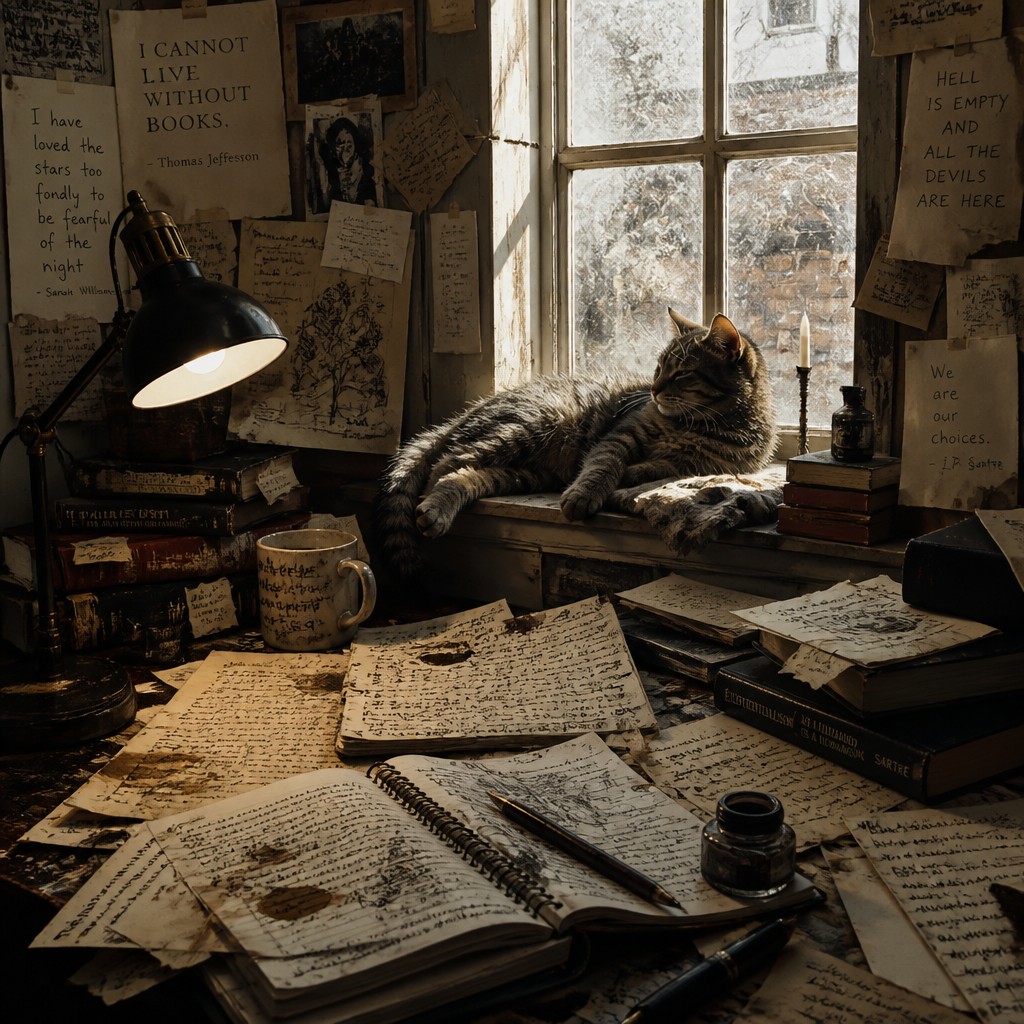
“a cat lounging in a sunlit window”
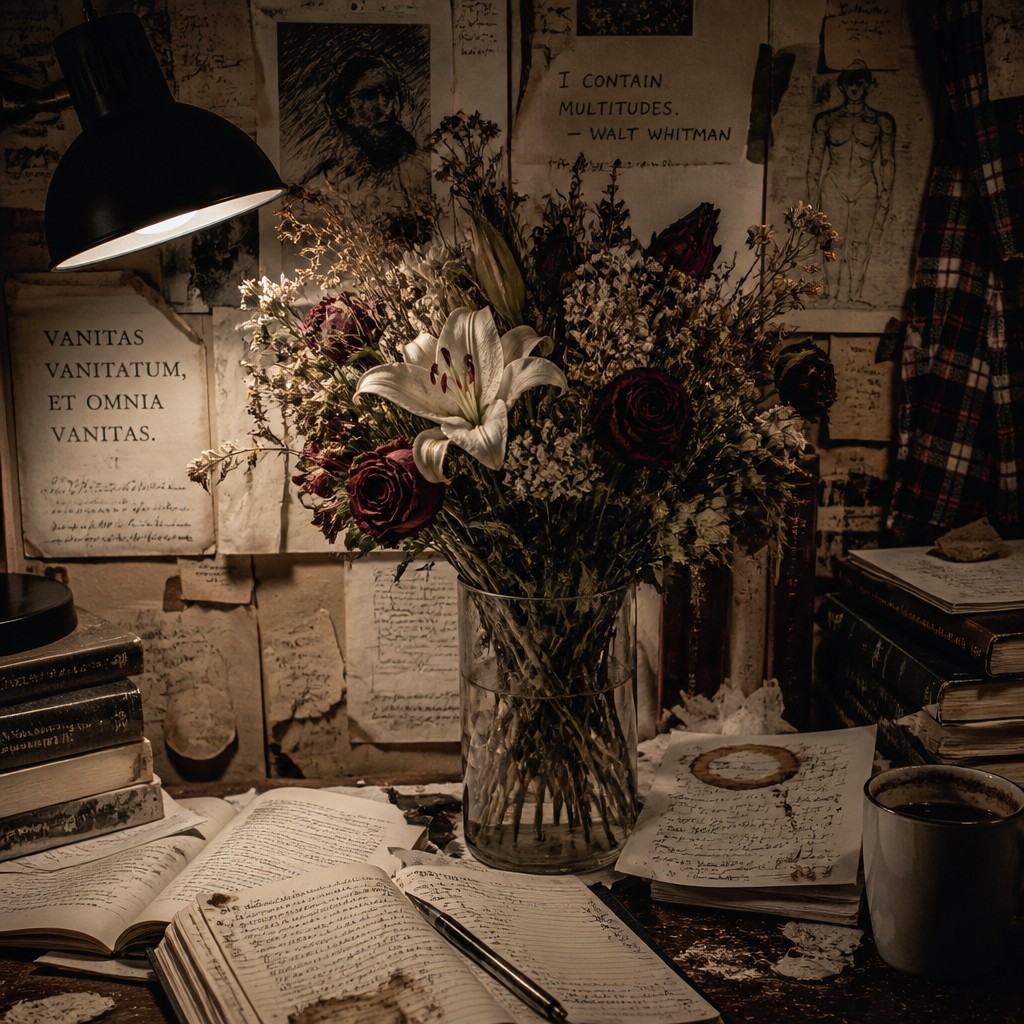
“bouquet of flowers in a glass vase”

“sailing ship on a stormy sea”
How to Create Chaotic Academia Aesthetic Art
Master the craft step by step — or skip straight to creating. Read the full guide →
- 1
Build the scene from useful clutter
Start with a desk, table, or floor space and populate it with books, pens, notebooks, sticky notes, and loose sheets. Keep objects slightly overlapping and asymmetrical so the composition feels actively worked on rather than staged.
- 2
Add readable but imperfect annotations
Write notes in the margins, underline key phrases, and include arrows, circles, and crossed-out edits. In traditional work, use graphite, ink, or collage; in digital work, layer handwriting textures and scanned paper fragments to preserve a hand-made feel.
- 3
Use directional light and deep shadow
A desk lamp, bedside lamp, or narrow spotlight should create a strong focal pool and leave the rest subdued. This contrast helps evoke the private atmosphere of late-night concentration.
- 4
Emphasize material age and handling
Introduce wrinkles, dog-eared corners, coffee stains, eraser dust, tape marks, and worn edges. These imperfections are essential because they make the image feel lived-in and intellectually stressed.
- 5
Compose for layered process, not clean symmetry
If you are working from a prompt, request cluttered study materials, marginalia, torn-paper layering, and smudged graphite grain rather than tidy arrangement. For photo-to-style transformation, preserve the original subject but overlay paper textures, handwritten notes, and warmer, dimmer lighting.

The Story
History & Origins of Chaotic Academia Aesthetic
Chaotic academia is not a historical art movement with a fixed origin; it is an internet-era aesthetic that draws from the material culture of study, libraries, and private notebooks. Its lineage includes the visual language of annotated manuscripts, marginalia, archival papers, and the romanticization of the student’s desk, especially in photography, editorial illustration, and social-media aesthetics centered on books, lectures, and late-night productivity.
The style also reflects a broader contemporary interest in imperfection and process. It borrows from collage, zine culture, scrapbook composition, and the tactile messiness of analog note-taking, while rejecting the clean minimalism often associated with modern academic branding. In practice, it developed as a way to picture intellectual life as emotionally intense, cluttered, and material rather than pristine or corporate.
Influences: Chaotic academia draws from manuscript marginalia, archival ephemera, collage, and zine aesthetics, as well as the visual culture of libraries, study desks, and analog note-taking. It also overlaps with the atmosphere found in literary photography and romanticized scholarship, while echoing the tactile imperfection of sketchbook art and document-based mixed media. Rather than a single canonical school, it combines the material habits of learning with the compositional strategies of collage and the mood lighting of intimate interior scenes.

Frequently Asked Questions
What defines chaotic academia aesthetic?
It is defined by scholarly clutter, visible notes, paper wear, and the atmosphere of intense late-night work. The style is less about neat intelligence and more about the messy material reality of thinking, revising, and researching.
How is this different from dark academia?
Dark academia often emphasizes classicism, gothic mood, and romanticized institutions, while chaotic academia focuses on disorganization, annotation, and work-in-progress energy. Dark academia tends to look polished or antique; chaotic academia looks actively used, scribbled on, and stressed.
What kinds of subjects work best in this style?
Books, notebooks, desks, students, professors, research materials, and study scenes are the most natural subjects. Portraits and interiors both work well, especially when the environment shows evidence of prolonged reading or writing.
Can I make this style with photography, drawing, or digital art?
Yes. Photography can capture the real clutter of a study space, drawing can emphasize scribbles and paper texture, and digital art can combine all of these through layered collage and lighting effects. The style is especially effective when texture and imperfection are preserved.
What colors are most typical?
The palette is usually muted and warm: ink black, parchment, brown wood, dusty cream, faded plaid reds and blues, and the amber glow of lamp light. Bright colors can appear, but they usually read as notes, tabs, or highlighter rather than dominant hues.
Where is chaotic academia used?
It appears in bookish social media imagery, editorial illustrations, study-themed posters, personal branding, stationery design, and moodboard-based art. It is also common in wallpapers, journal spreads, and imagery that wants to suggest intellectual intensity or academic burnout.

Create your first Chaotic Academia Aesthetic artwork
Describe anything — or upload a photo — and see it in Chaotic Academia Aesthetic in seconds.
Make Something with Chaotic Academia Aesthetic
Related Styles
Discover similar art styles