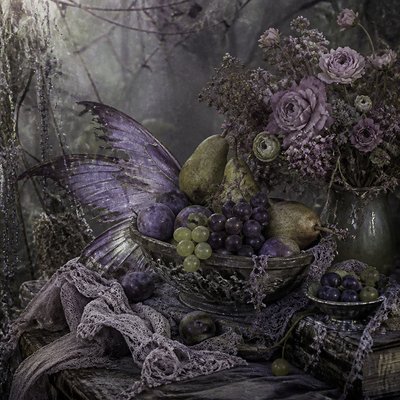
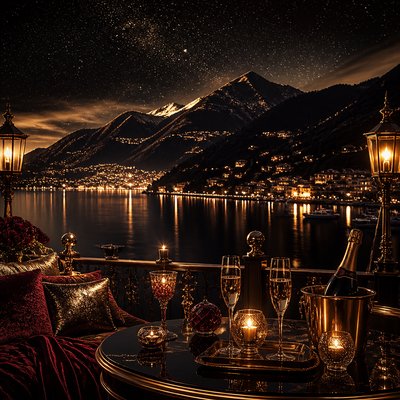
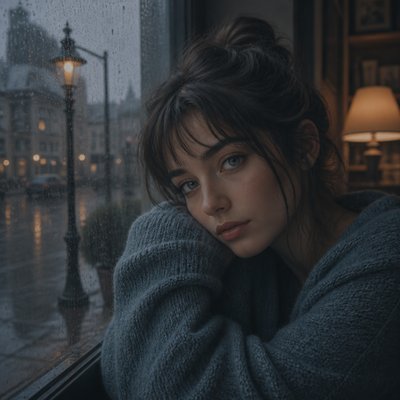
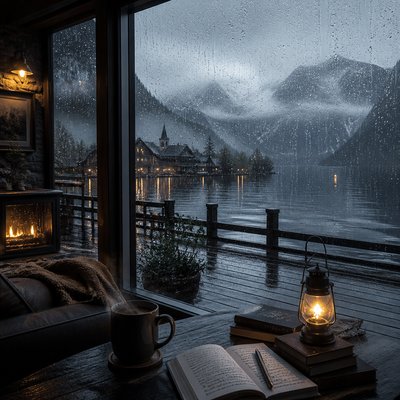
Light Academia Aesthetic
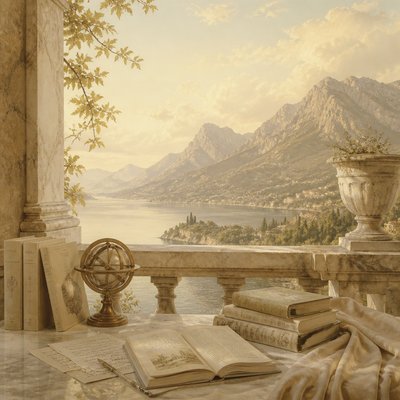
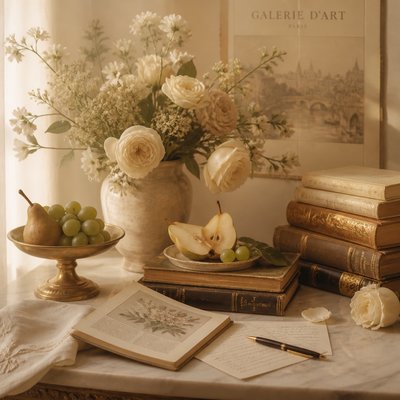
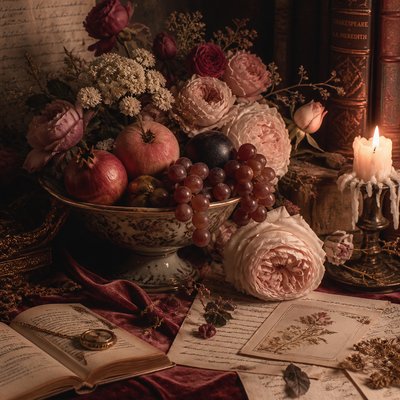
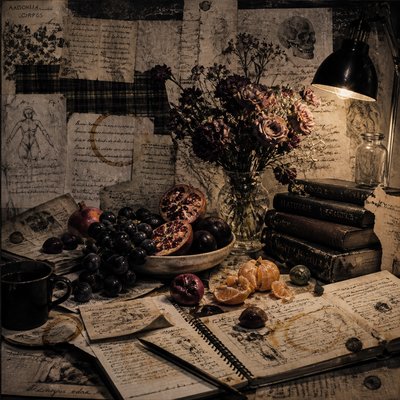
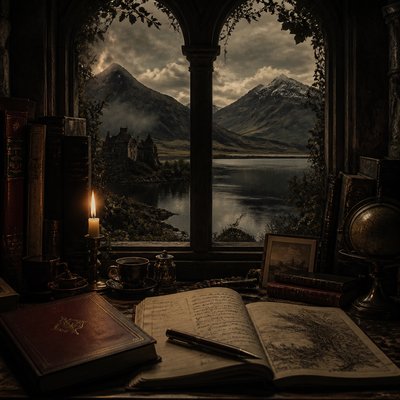
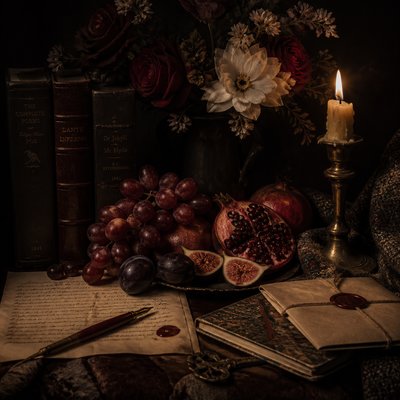
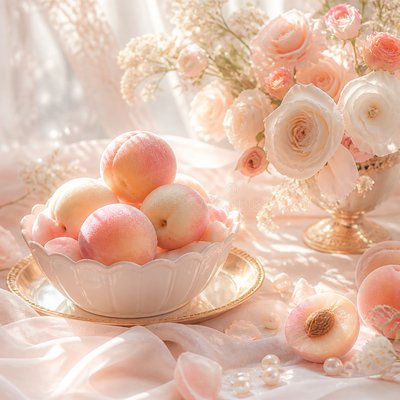
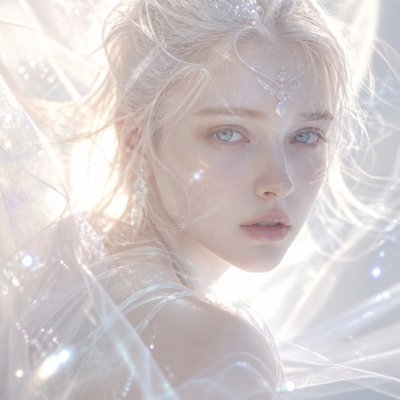
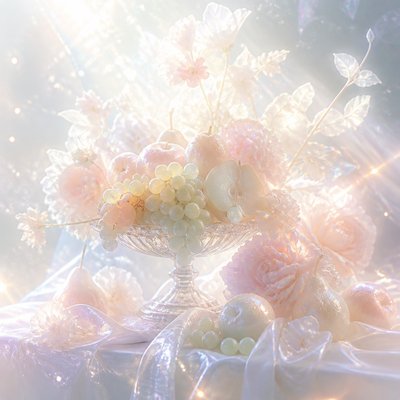
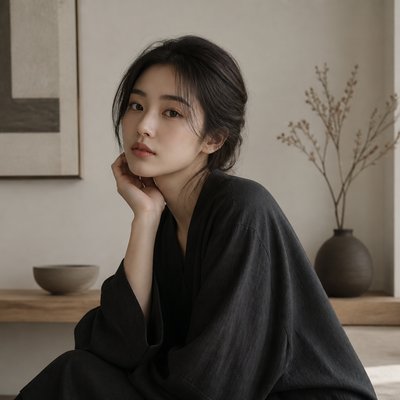
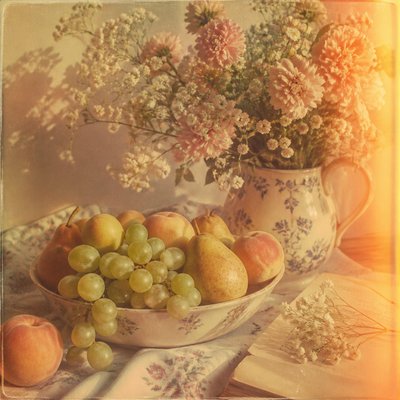
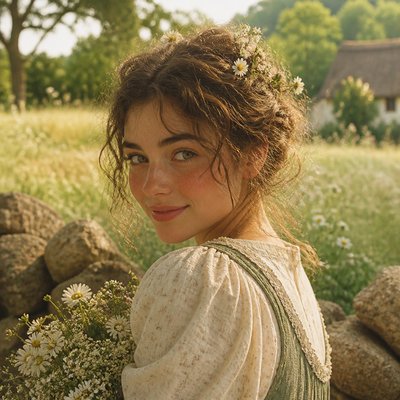
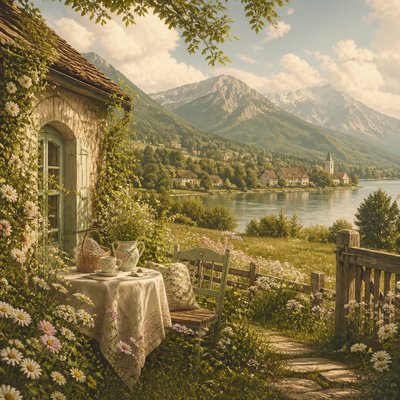
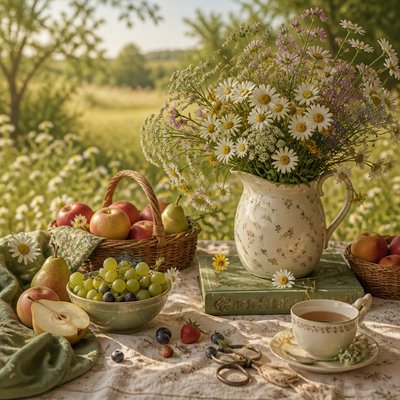
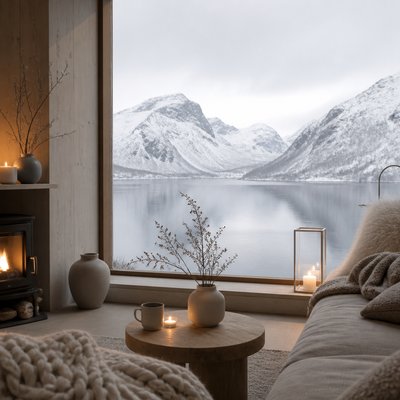
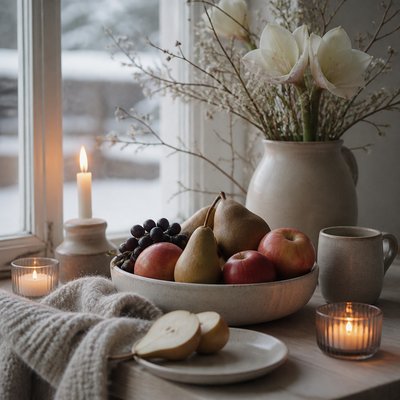
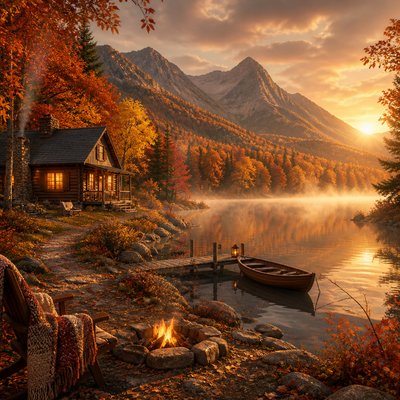
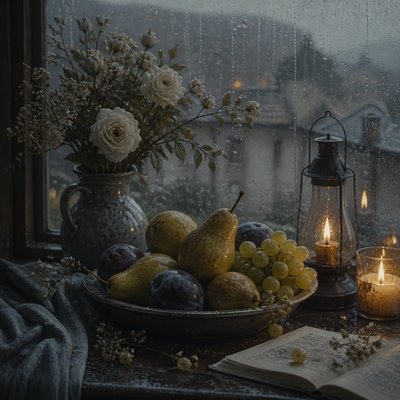
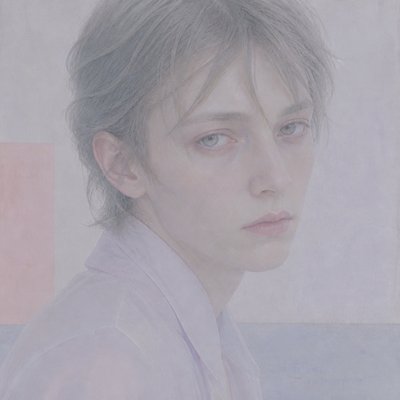
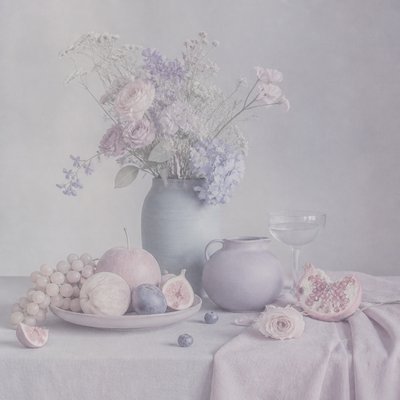
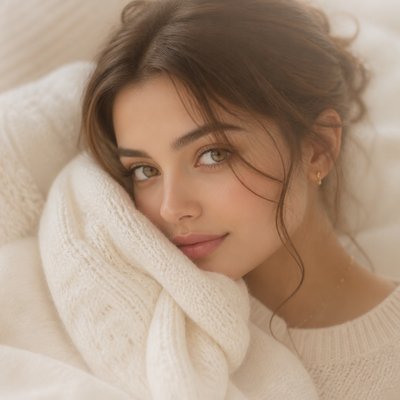
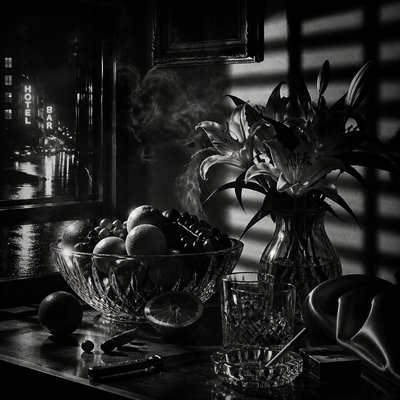
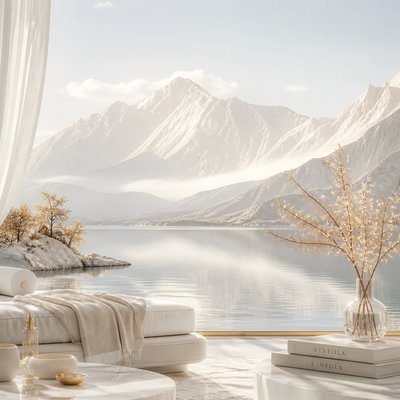
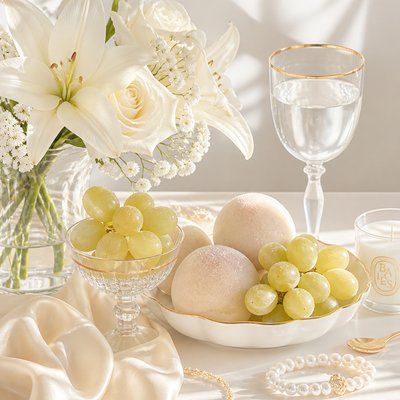
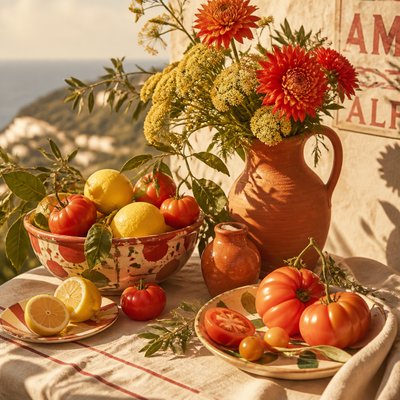
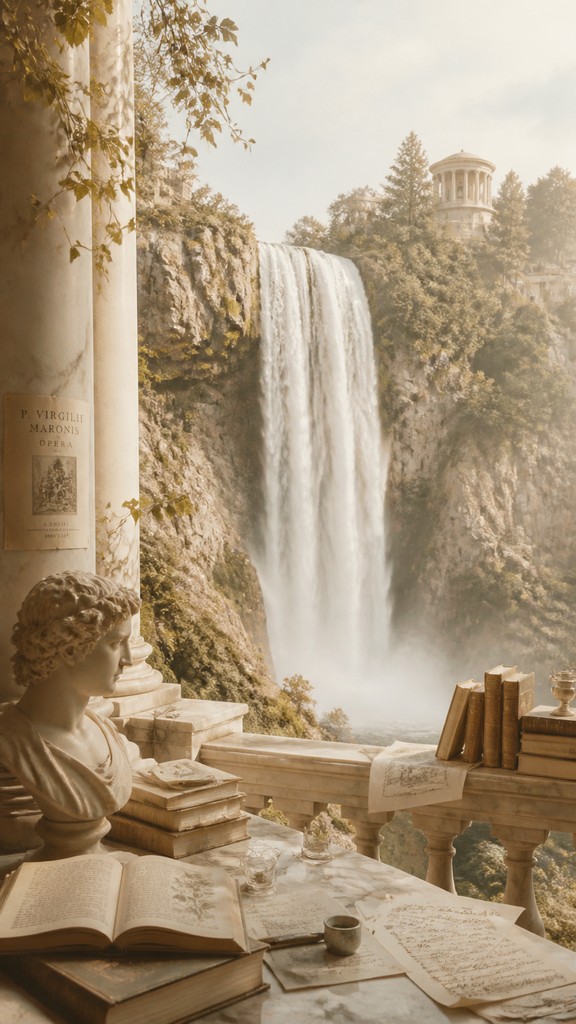
Light Academia Aesthetic blends cream marble, warm daylight, aged books, and quiet scholarly elegance.
Instantly rendered in Light Academia Aesthetic — or transform a photo
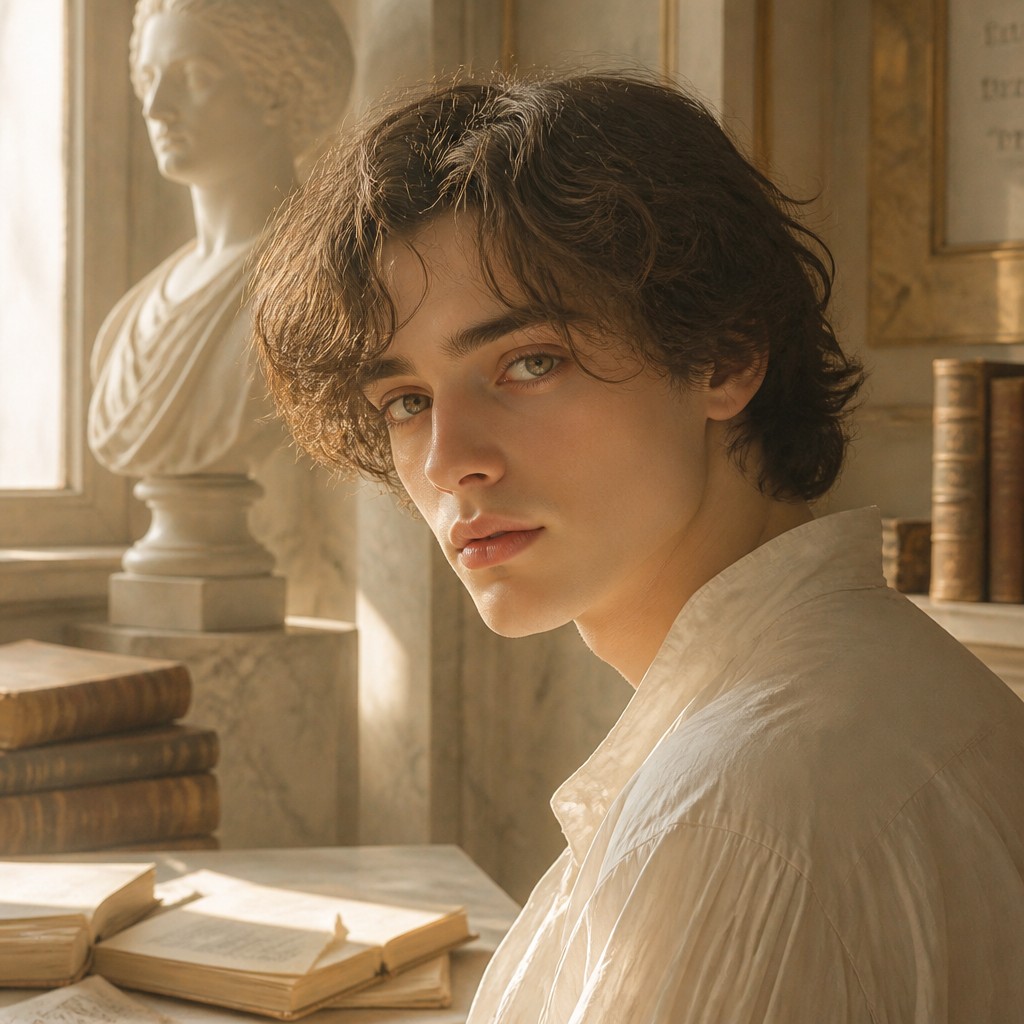
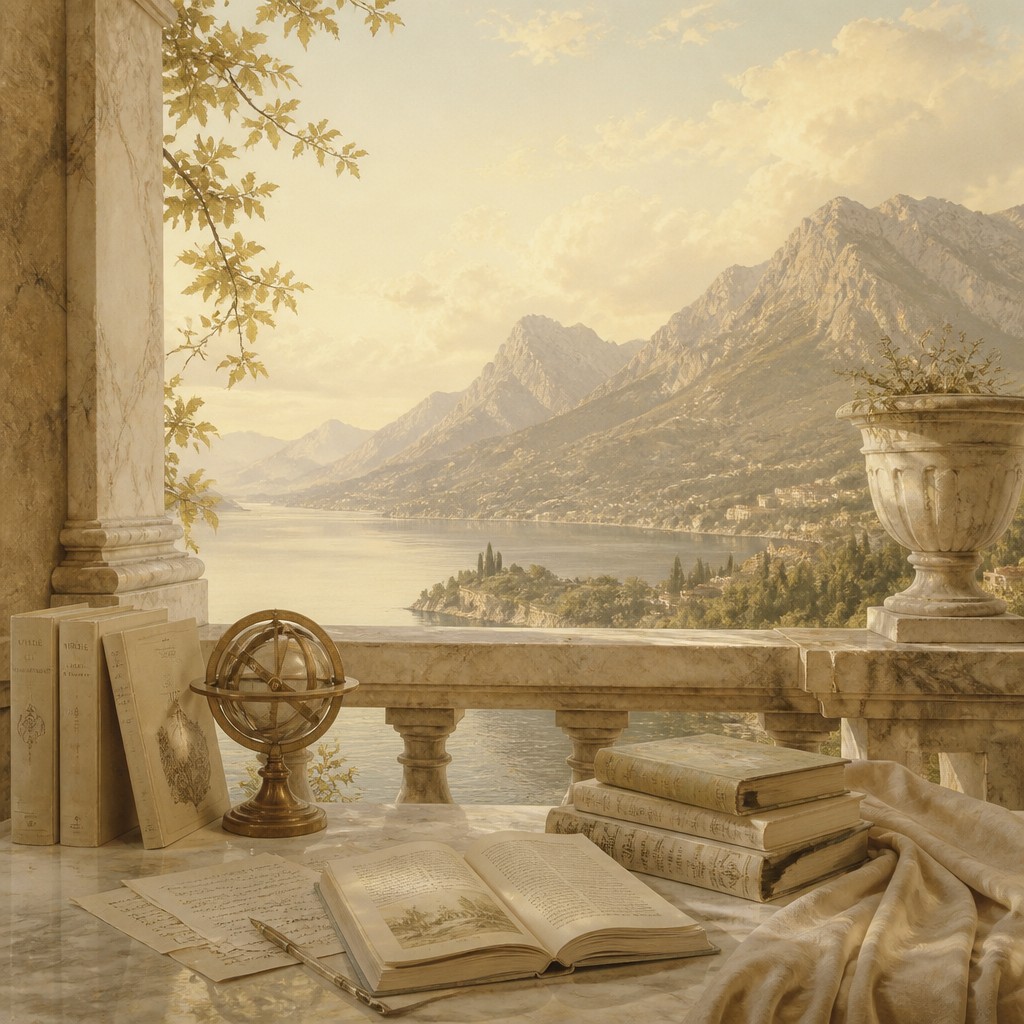
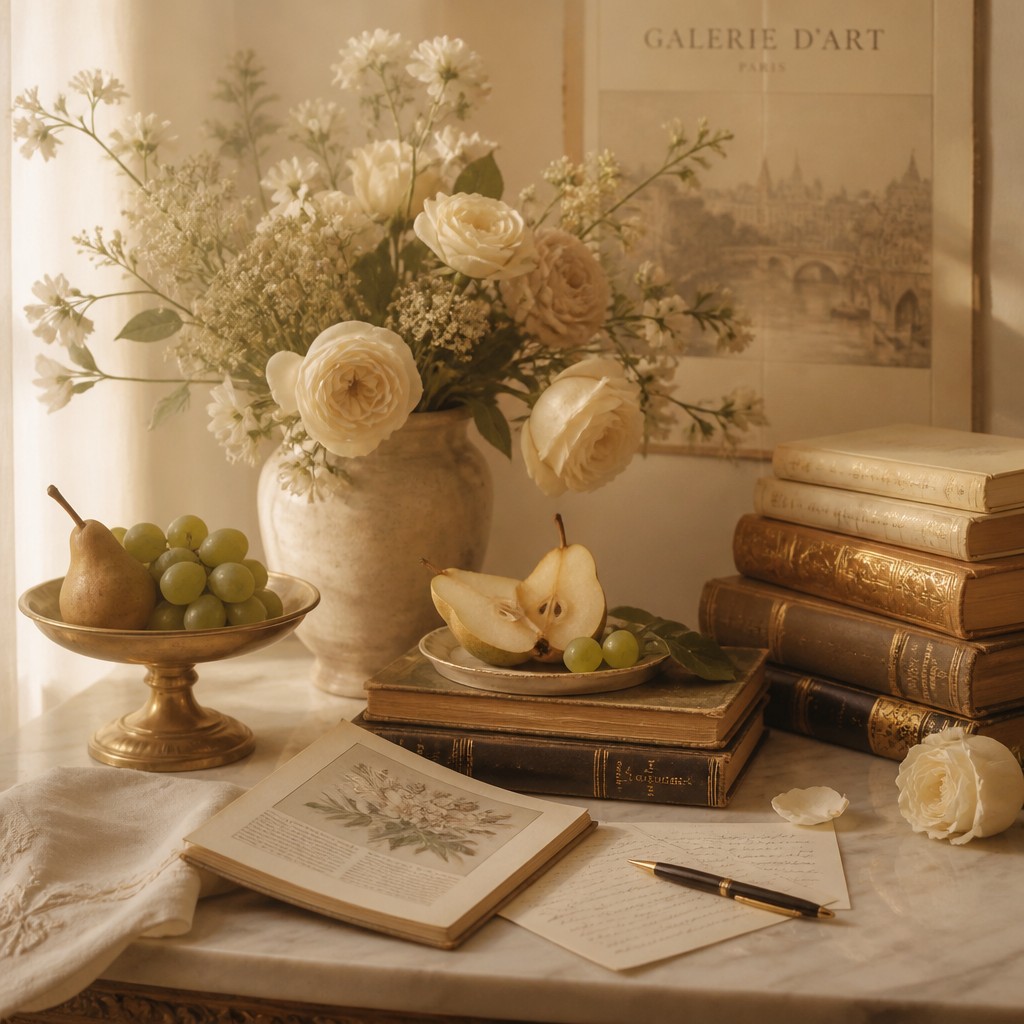
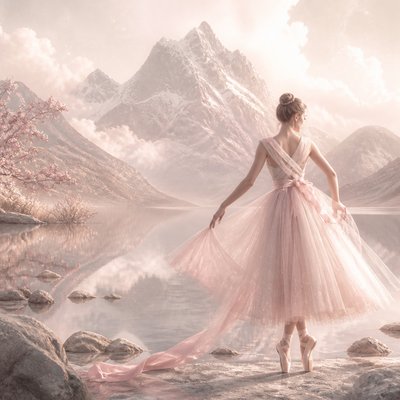
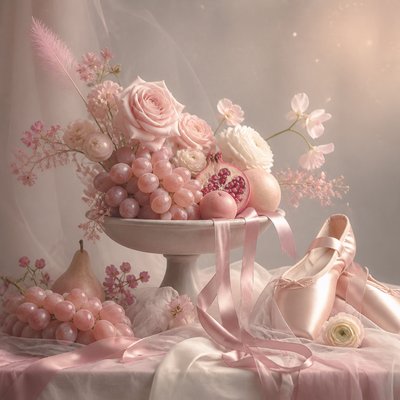
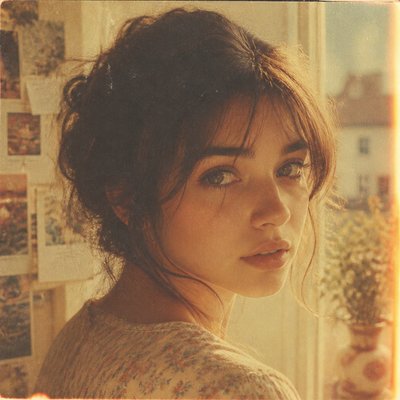
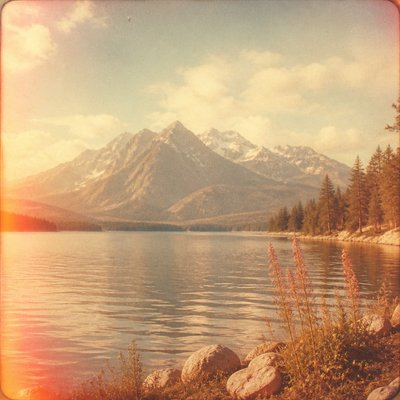
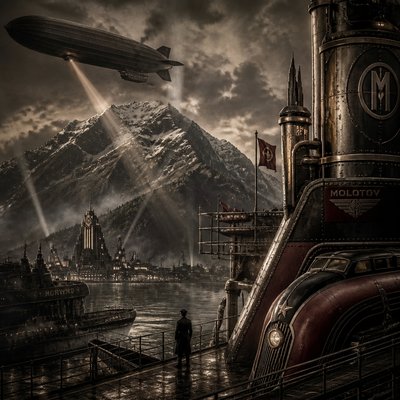
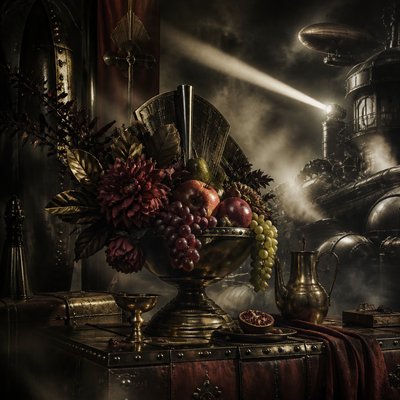
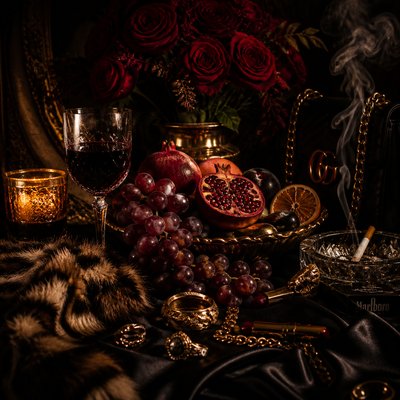
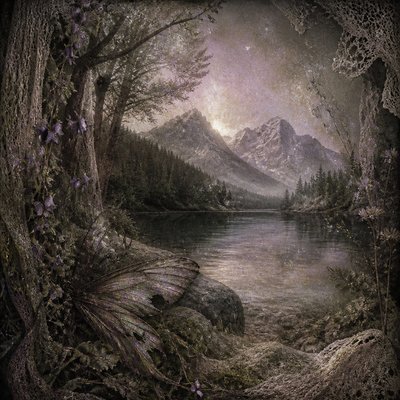
Light Academia Aesthetic Gallery
Tap any artwork to explore it


What is Light Academia Aesthetic?
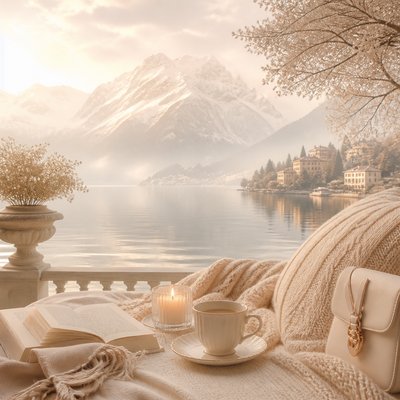
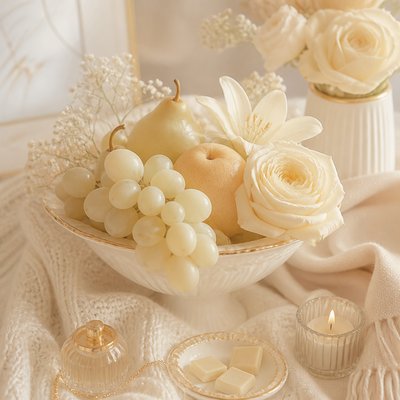
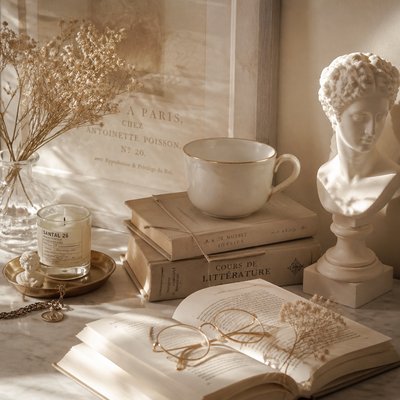
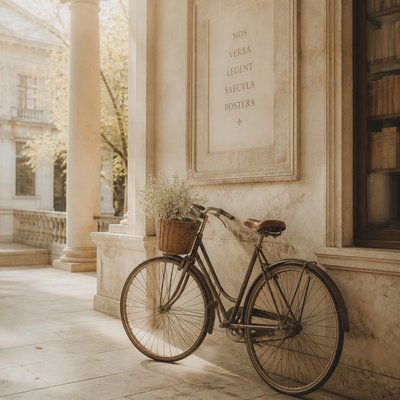
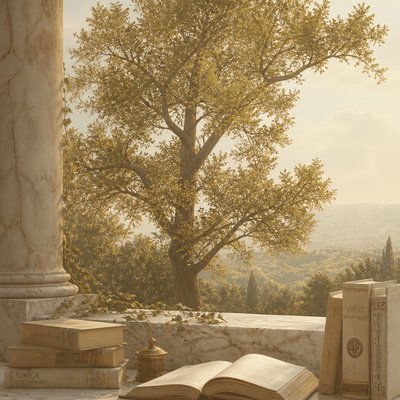
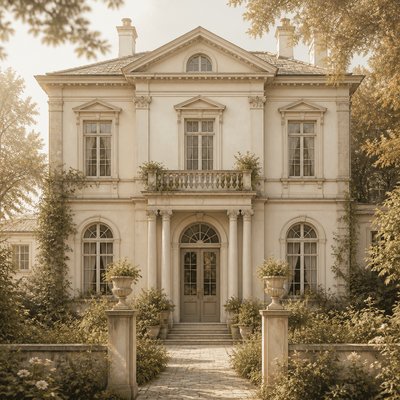
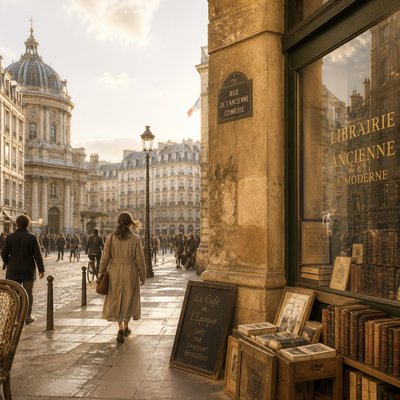
Light Academia Aesthetic is a contemporary visual mood centered on sunlit scholarship, understated elegance, and quiet intellectual life. It favors cream, beige, warm white, muted gold, and soft brown tones, often combined with marble surfaces, old books, paper textures, and classical architectural details. The result feels airy rather than heavy, refined rather than ornate, and contemplative rather than dramatic.
The style looks the way it does because it draws on associations with libraries, universities, museums, and traditional study spaces while softening those references through diffuse daylight and pale color palettes. Instead of the dark shadows and brooding atmosphere often tied to Gothic or Dark Academia, this aesthetic emphasizes calm, openness, and gentle warmth. Its visual language suggests reading, writing, and classical learning in a serene environment, where material textures and natural light do most of the expressive work.
Try It On Your Photos
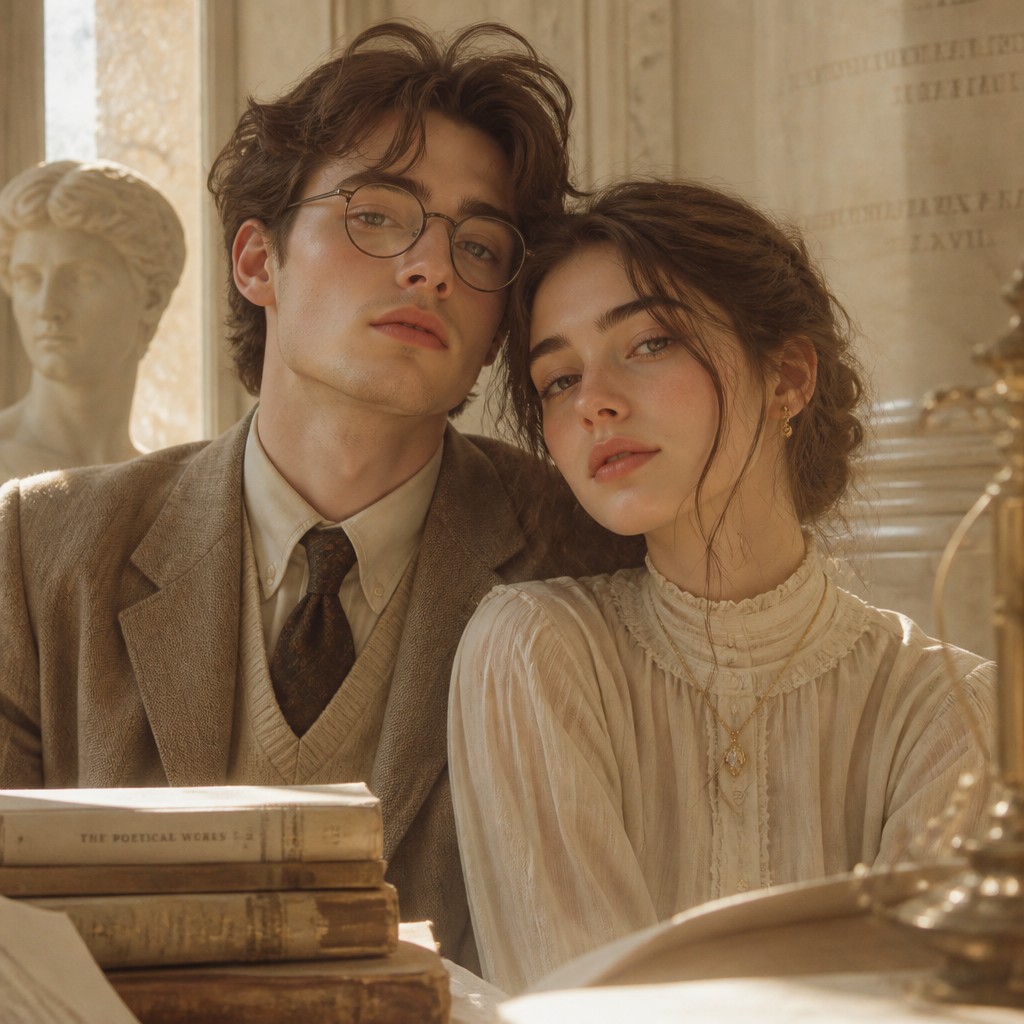
Upload any photo and convert it into Light Academia Aesthetic — drag the sliders to compare before and after.



What Defines Light Academia Aesthetic
The signature details, up close
Cream-and-gold palette
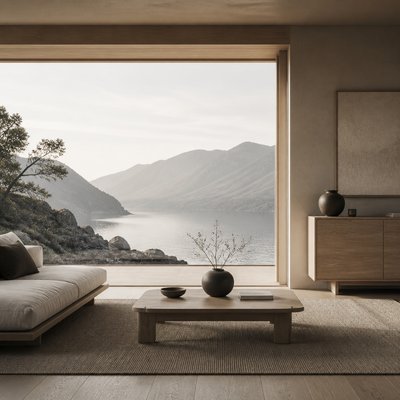
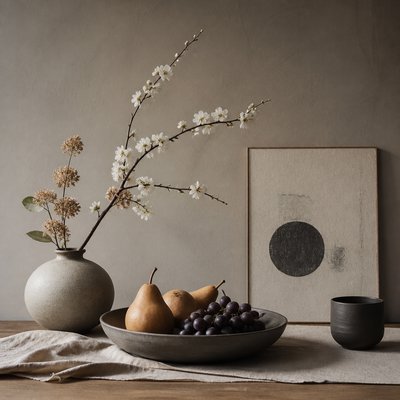
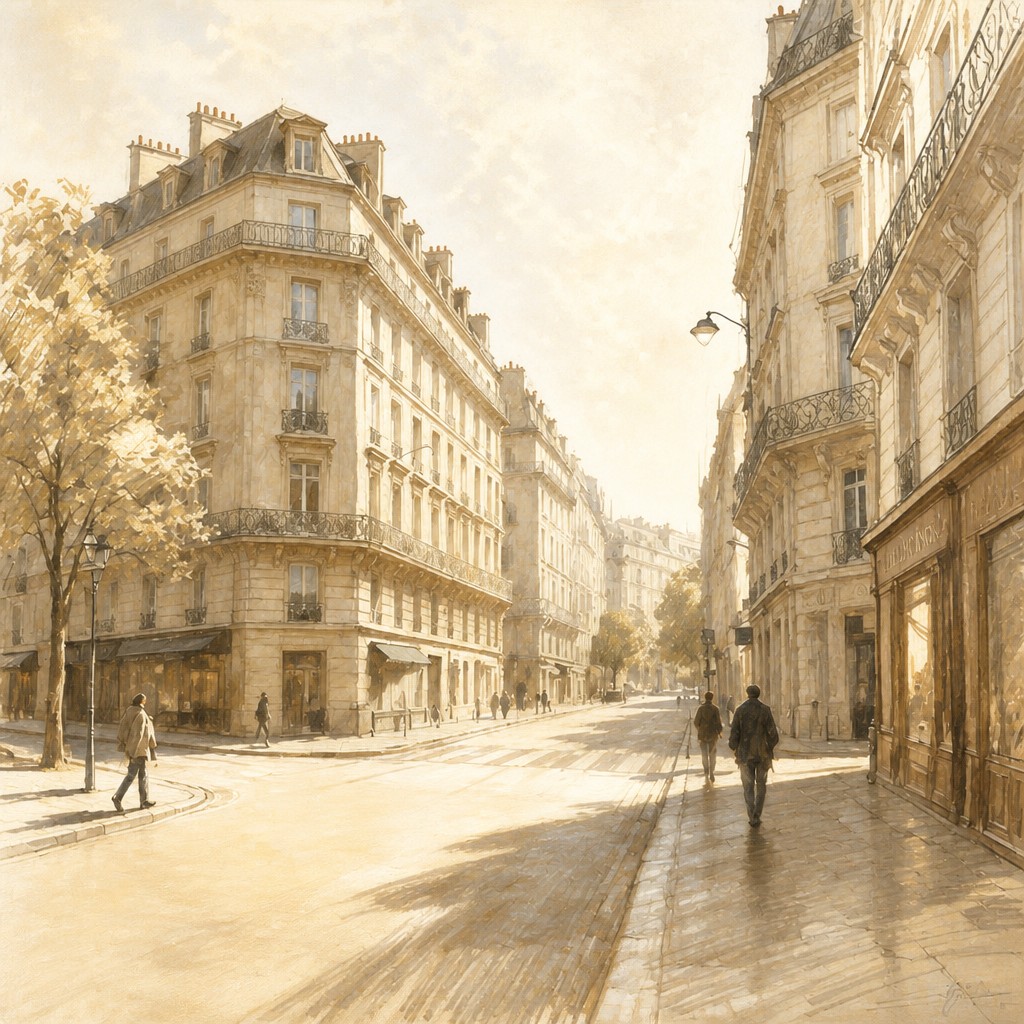
The palette is built around ivory, oatmeal, parchment, beige, and soft gold, with only occasional desaturated brown or sage accents. High contrast is usually avoided so the image remains gentle and luminous.
Soft daylight and haze
Light is typically diffused through curtains, windows, or dust-filled air, creating a warm, hazy atmosphere. Shadows are soft-edged, which gives the scene a calm, unforced feeling.
Classical and scholarly textures
Marble, linen, aged paper, leather bindings, wood grain, and plaster surfaces appear frequently. These textures communicate age, refinement, and the material culture of study.
Quiet interior settings
Libraries, reading rooms, desks, museums, studies, and sunlit bedrooms are common environments. Even outdoor scenes usually feel composed, still, and reflective.
Minimal ornament, not austerity
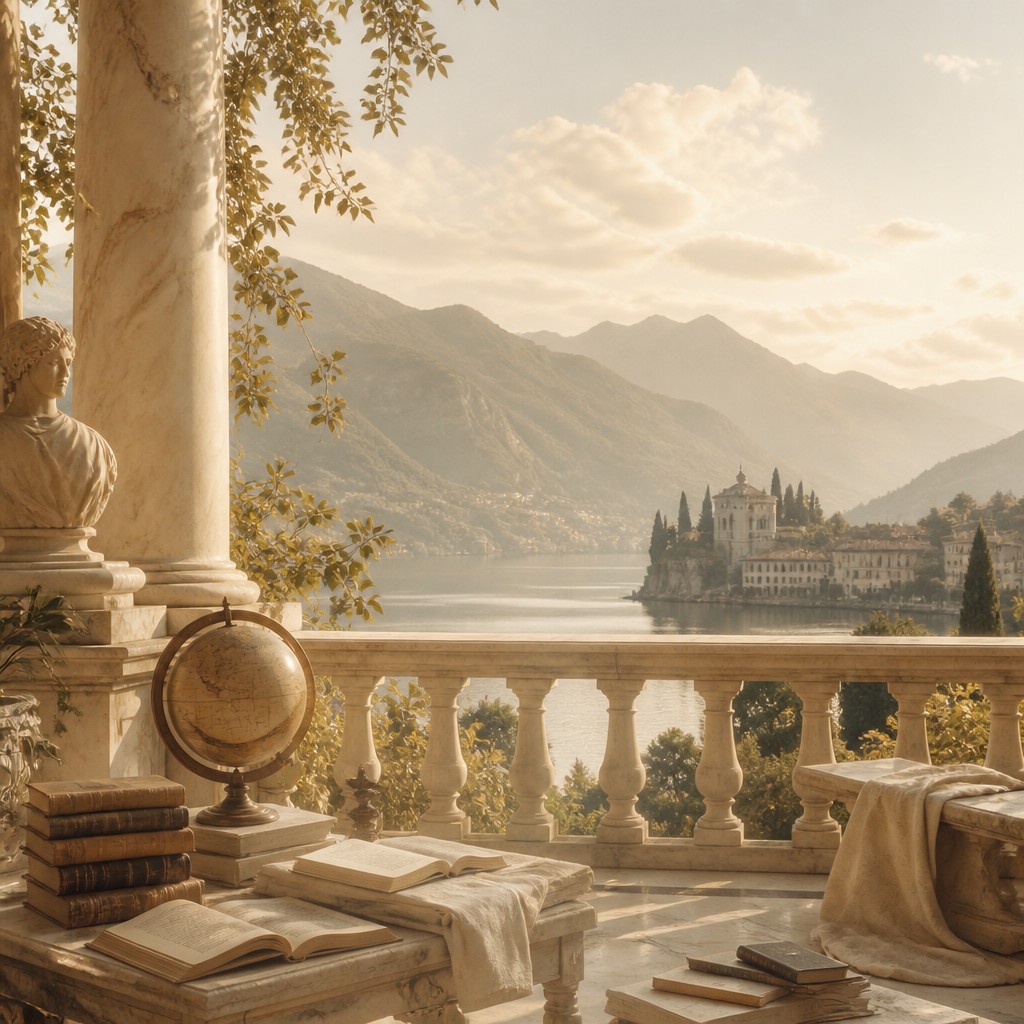
Objects are selected carefully rather than densely packed, so the composition feels curated and breathable. Decorative details exist, but they are subtle and often classical in shape.
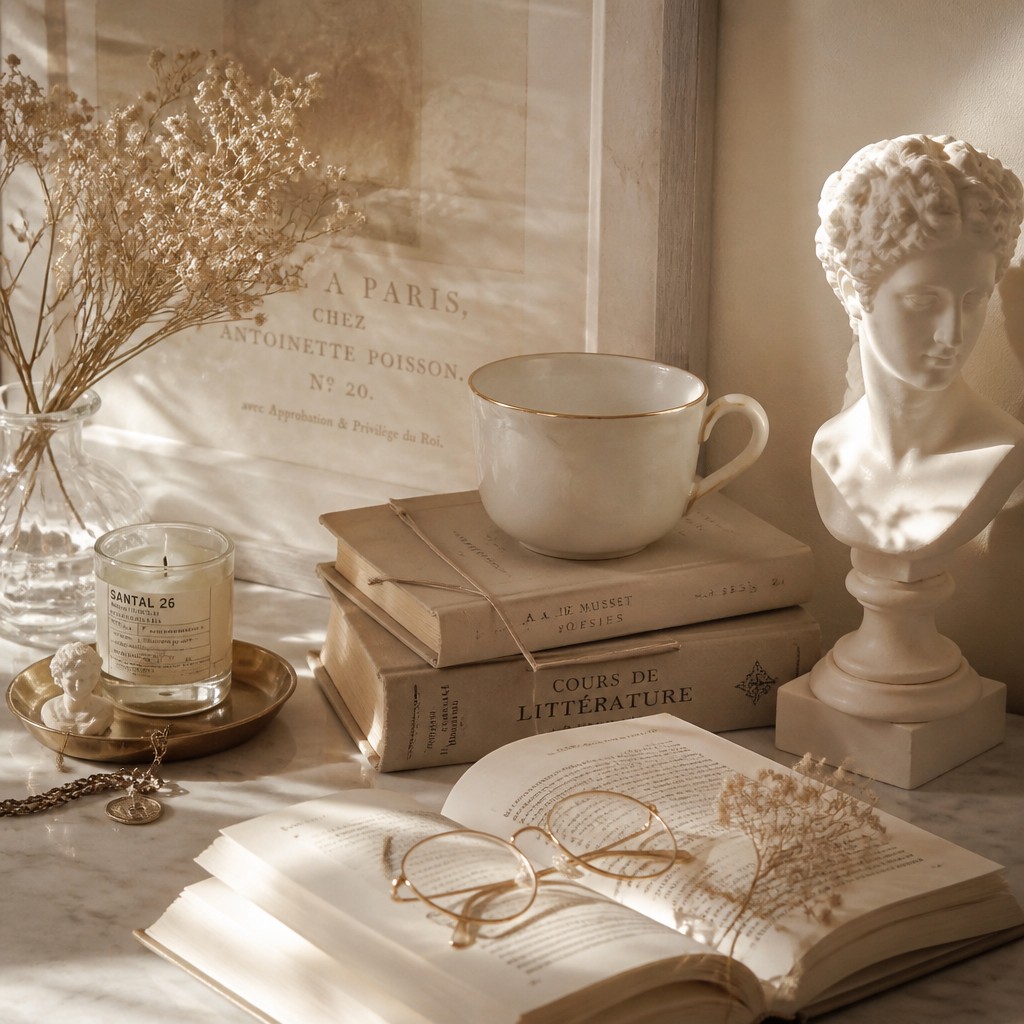
Intellectual domesticity
Open books, handwritten notes, tea cups, glasses, candles, and classical busts or prints suggest study as part of daily life. The style turns learning into a tactile, lived-in atmosphere.
Try It
Create Videos in Light Academia Aesthetic
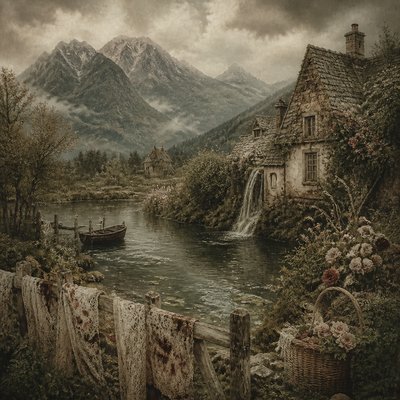
Styles aren't just for stills — describe a scene or animate an image and get a short video rendered in Light Academia Aesthetic. Press play to see this pond come to life.
Make a VideoLight Academia Aesthetic Prompt Ideas
Start from an idea — each one opens the generator with the style ready to go. See all 40 Light Academia Aesthetic prompts →

“close-up portrait of an elderly person with expressive weathered features”
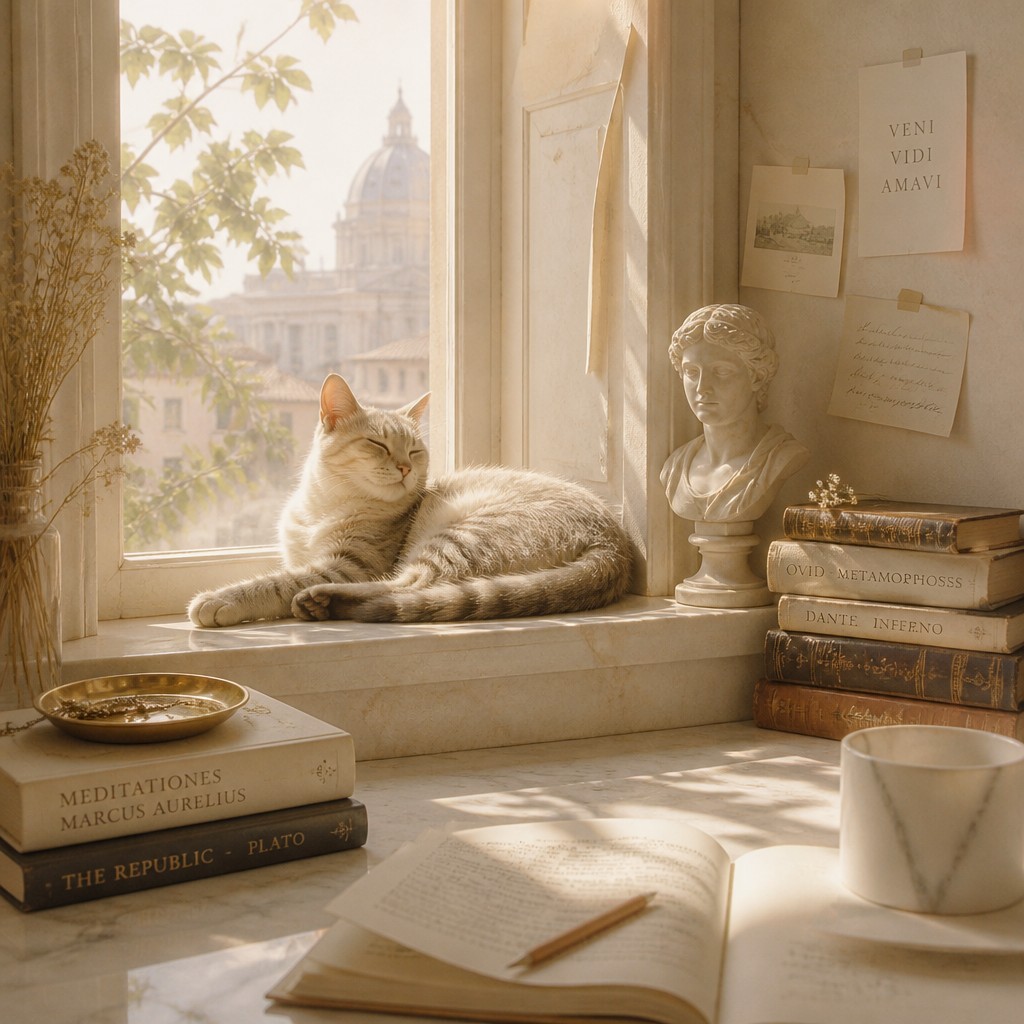
“a cat lounging in a sunlit window”
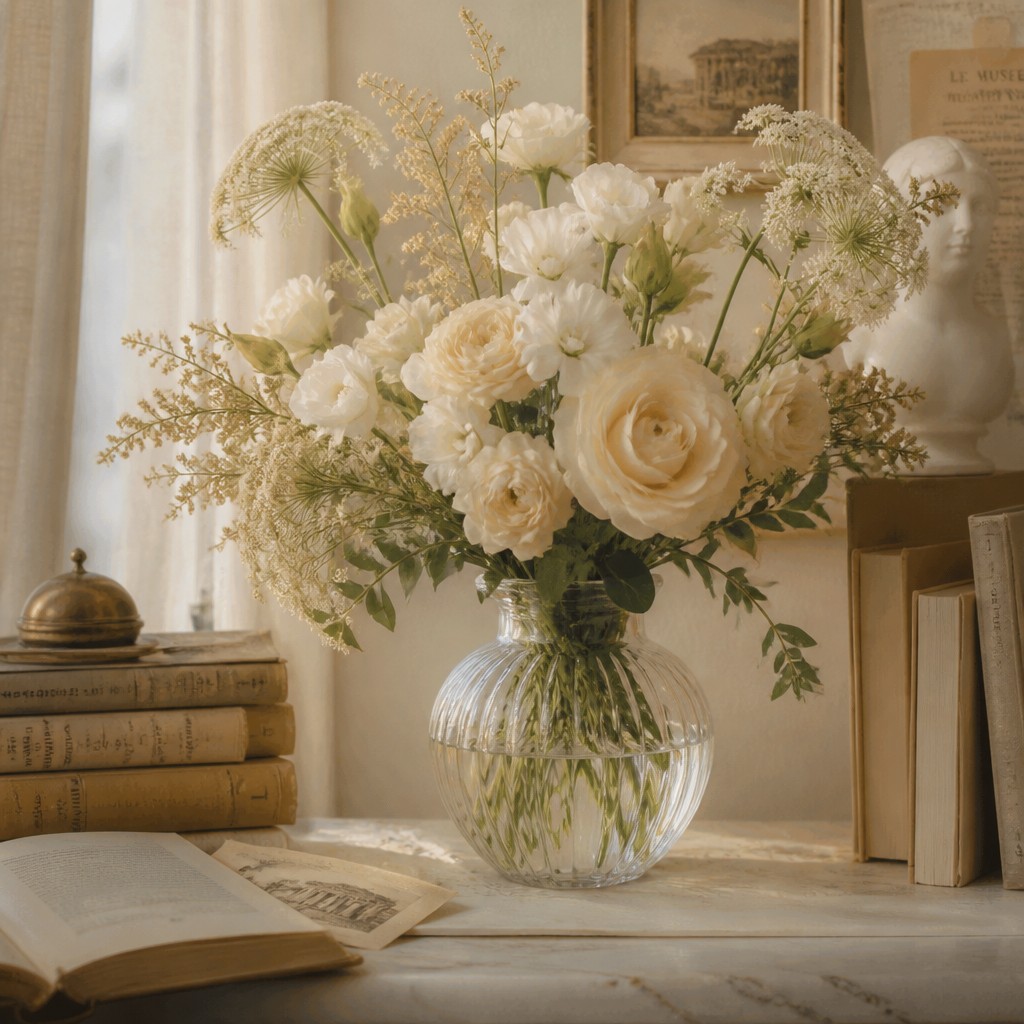
“bouquet of flowers in a glass vase”
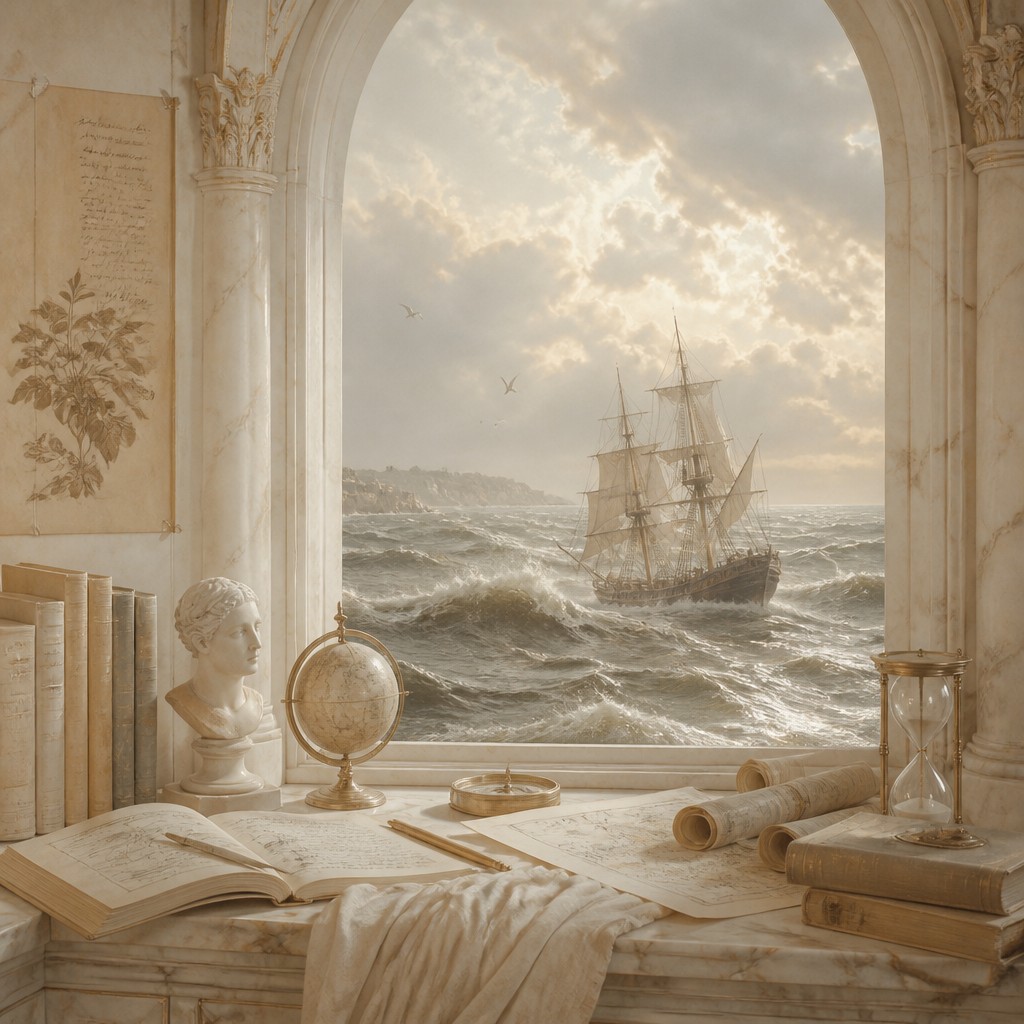
“sailing ship on a stormy sea”
How to Create Light Academia Aesthetic Art
Master the craft step by step — or skip straight to creating. Read the full guide →
- 1
Use a pale, warm palette
Build the image around cream, parchment, beige, soft tan, and muted gold. In traditional media, layer thin warm washes or use toned paper; in digital work, lower saturation and keep contrast moderate so whites stay creamy rather than stark.
- 2
Shape the light carefully
Aim for morning or late-afternoon sunlight filtered through curtains, windows, or dust haze. If you are generating images, specify soft diffused daylight, gentle haze, and no harsh shadows to preserve the signature calm.
- 3
Choose scholarly props with restraint
Include books, handwritten pages, fountain pens, marble, antique frames, globes, or classical sculpture fragments, but avoid clutter. The objects should feel curated, as if arranged in a peaceful study rather than staged as a busy still life.
- 4
Favor elegant composition
Use balanced framing, generous negative space, and stable horizontal or vertical lines inspired by interiors and editorial photography. For illustrations, keep forms clean and slightly softened; for photos, let the composition feel natural but composed.
- 5
Keep textures tactile
Emphasize the surface qualities of paper, stone, linen, and wood so the image feels physically grounded. In prompt-based generation, mention marble, aged-book textures, soft fabric, and gentle scholarly serenity to steer the result.
- 6
Avoid over-stylization
The aesthetic depends on understatement, not spectacle, so avoid neon colors, heavy grunge, or extreme contrast. A successful image should feel calm, literary, and sun-warmed rather than theatrical.

The Story
History & Origins of Light Academia Aesthetic
Light Academia is not a historic art movement in the formal sense, but a late-2010s and 2020s internet aesthetic that developed alongside broader online interest in “academia” subcultures. It emerged as a lighter counterpart to Dark Academia, borrowing from literary culture, European classical interiors, campus life, and editorial photography. Its imagery is closely related to moodboards, social media styling, and contemporary interior and fashion aesthetics rather than a single school of fine art.
Its visual lineage can be traced to several real traditions: neoclassical architecture and decorative arts for its marble and column references, still-life and interior photography for its object arrangements, and soft-focus lifestyle imagery for its bright, approachable tone. The style also reflects a long-running cultural ideal of the scholar’s room or cabinet of study, translated into a modern visual code that privileges warmth, tactility, and restraint.
Influences: Light Academia draws on neoclassical architecture and interiors, European library and study imagery, and the quiet object arrangements of still life and editorial photography. It also overlaps with the broader Academia subculture that includes Dark Academia and Romantic Academia, while softening the mood into something brighter and more domestic. In historical terms, its references are closer to the visual codes of classical revival, museum culture, and the scholar’s interior than to any single canonical artist or movement.
Frequently Asked Questions
What defines Light Academia Aesthetic?
It is defined by warm daylight, pale neutral colors, classical references, and a calm academic mood. The style usually features books, marble, paper, and interior spaces associated with reading or study. Its key difference from darker scholarly aesthetics is its brightness and softness.
How is it different from Dark Academia?
Dark Academia uses deep browns, black, forest green, and moody shadows to create a more brooding atmosphere. Light Academia keeps the intellectual theme but replaces heaviness with cream tones, airy light, and a gentler mood. Both share literary and classical references, but the emotional tone is very different.
Is Light Academia a historical art movement?
No. It is a modern internet-born aesthetic rather than a formal historical movement. Its visual language is assembled from older traditions such as neoclassicism, interior photography, still life, and scholarly iconography.
What subjects work best in this style?
Books, libraries, studies, classical architecture, portraits with soft natural light, and still lifes with paper and brass objects all work well. Everyday scenes can also fit if they are quiet, sunlit, and arranged with restraint. The subject matters less than the atmosphere and palette.
How can I make my photos look more like this style?
Use warm natural light, neutral clothing, and simple backgrounds with wood, paper, linen, or stone textures. Edit gently by reducing saturation, lifting shadows slightly, and keeping whites warm. Avoid strong color casts and harsh contrast.
Where is this style commonly used?
It is common in lifestyle photography, moodboards, book-themed branding, interior inspiration, fashion looks, and social media imagery. It also works well for album covers, editorial layouts, and fantasy or literary artwork when the goal is calm, elegant atmosphere.
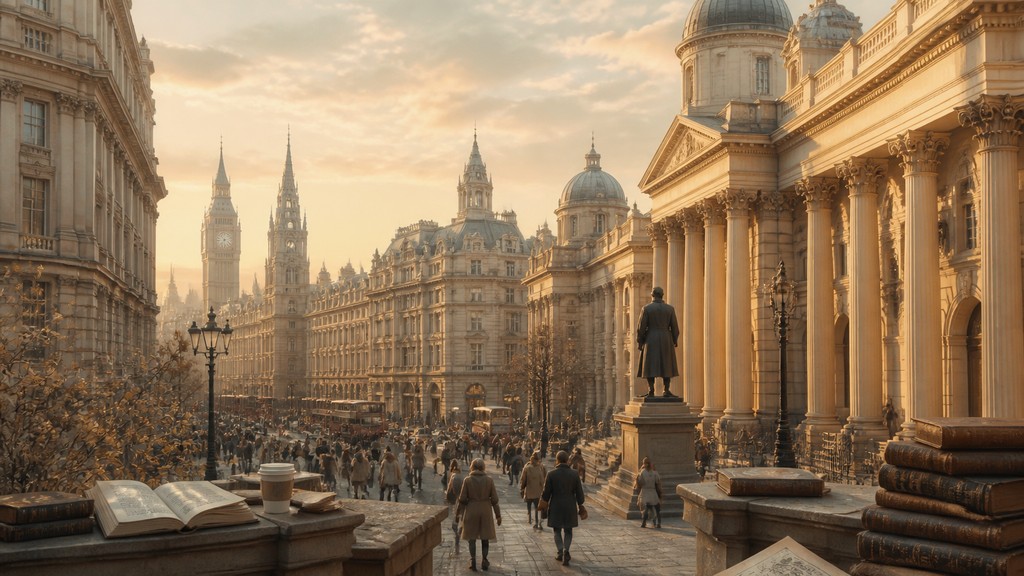
Create your first Light Academia Aesthetic artwork
Describe anything — or upload a photo — and see it in Light Academia Aesthetic in seconds.
Make Something with Light Academia Aesthetic
Related Styles
Discover similar art styles