Fairy Grunge Aesthetic
Ethereal woodland shimmer with torn lace, mossy grit, muted lilac, and grainy melancholy—a guide to fairy grunge aesthetic.
Instantly rendered in Fairy Grunge Aesthetic — or transform a photo
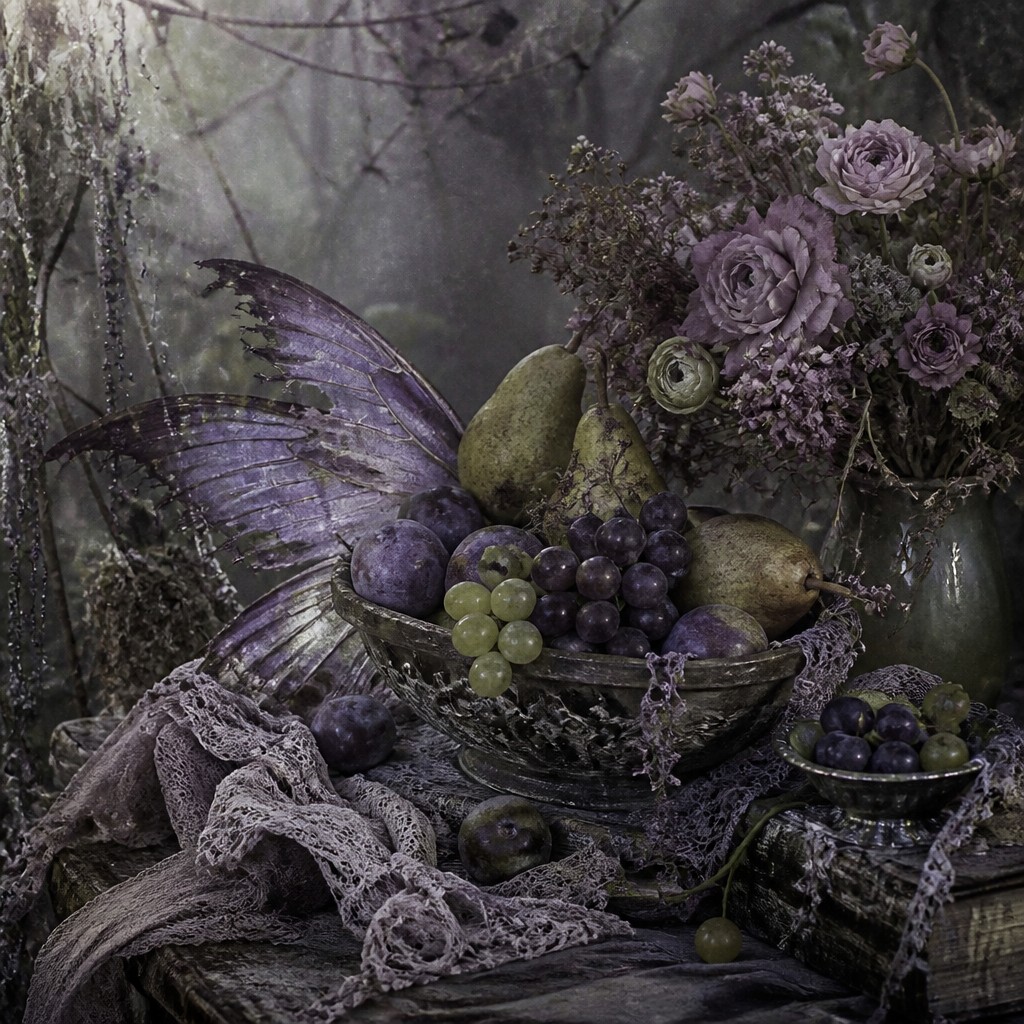
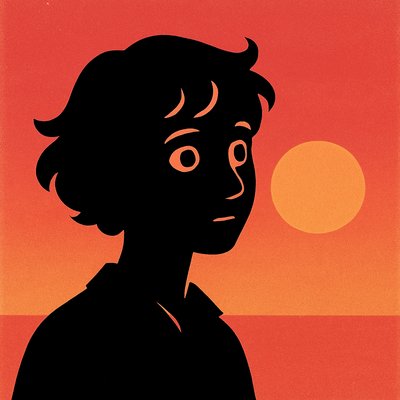
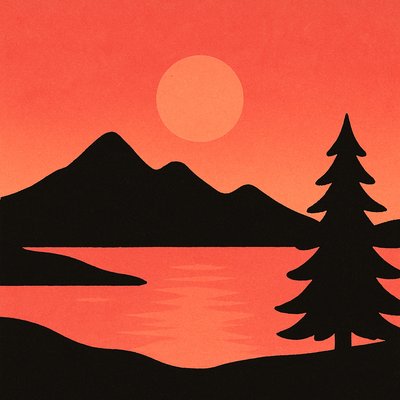
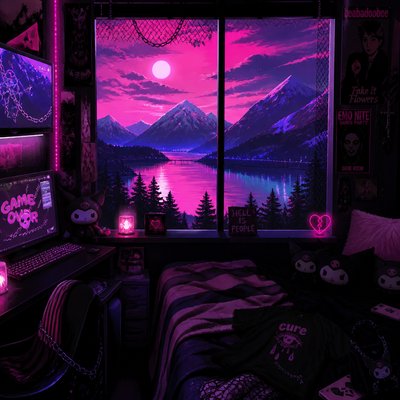
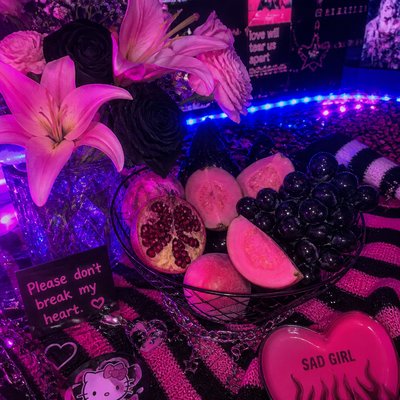
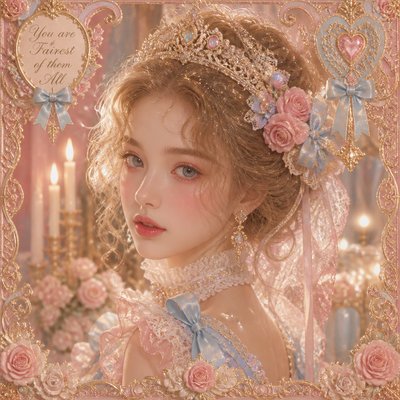
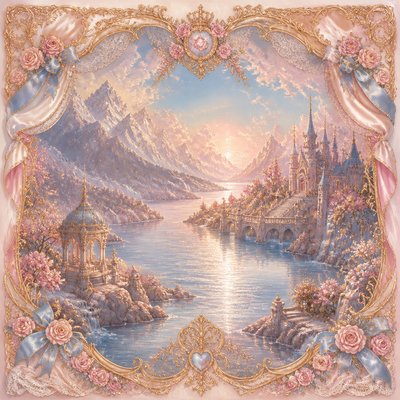
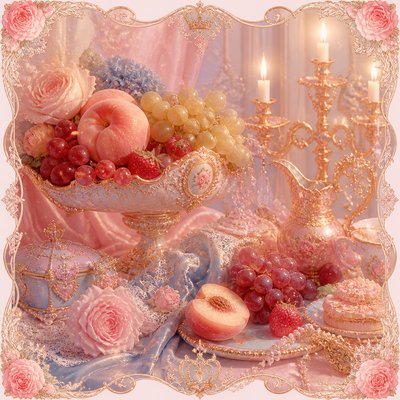
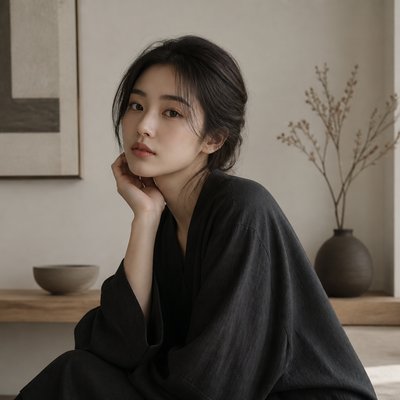
Fairy Grunge Aesthetic Gallery
Tap any artwork to explore it
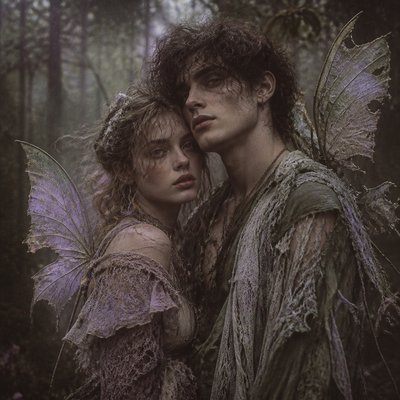
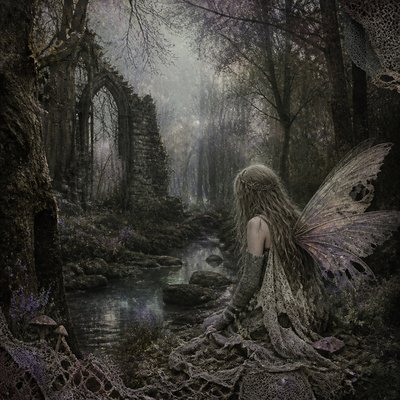
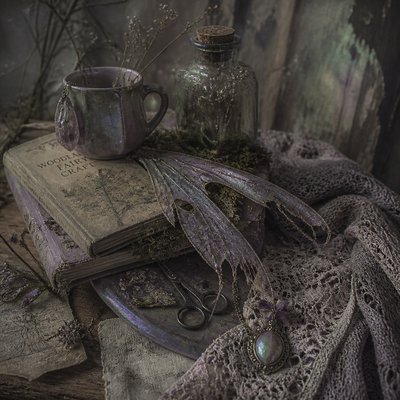
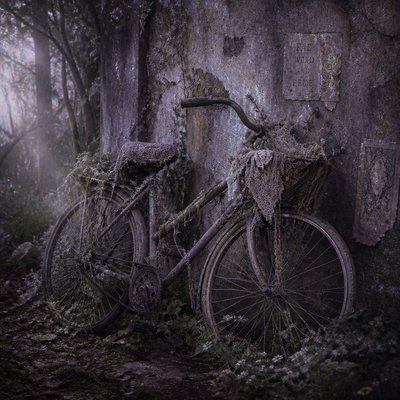
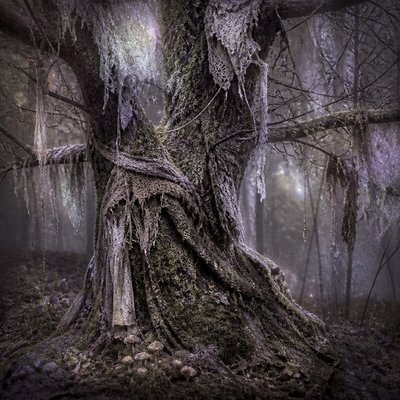
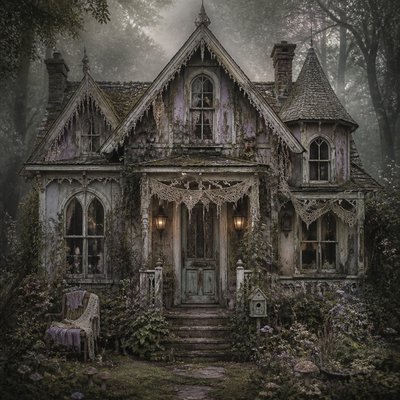
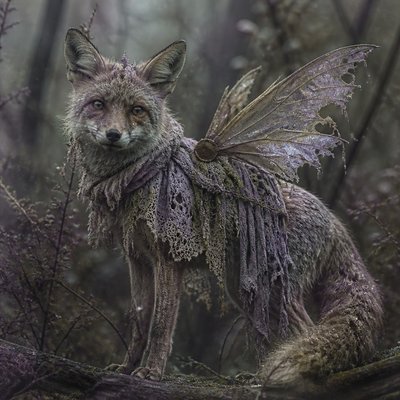
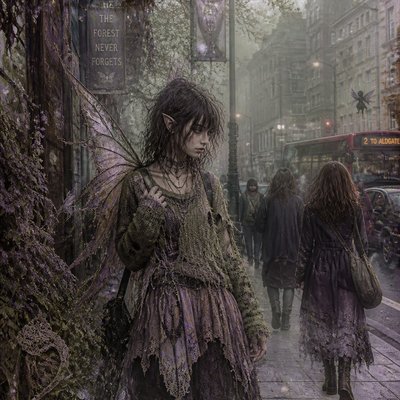
What is Fairy Grunge Aesthetic?
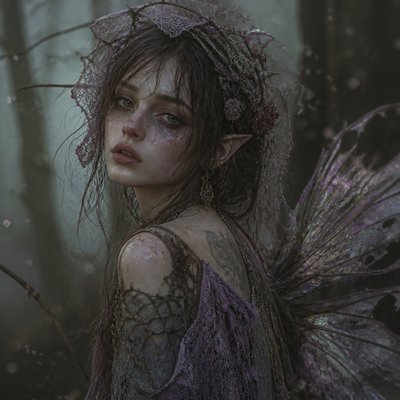
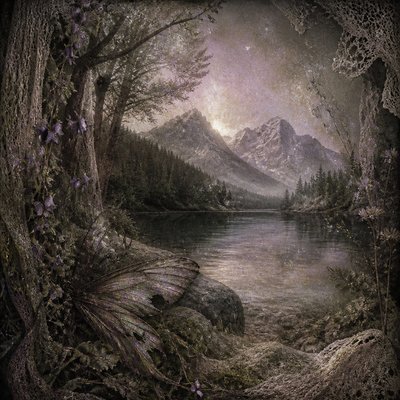
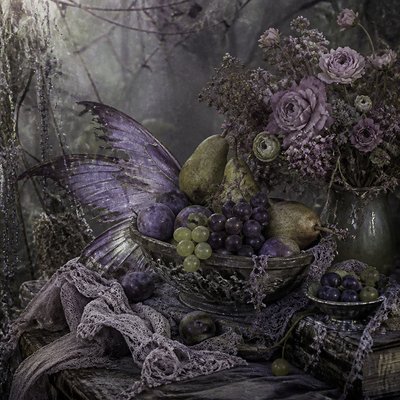
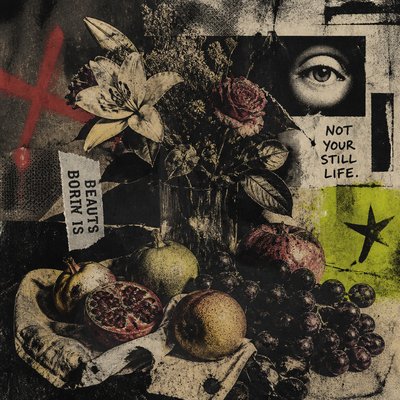
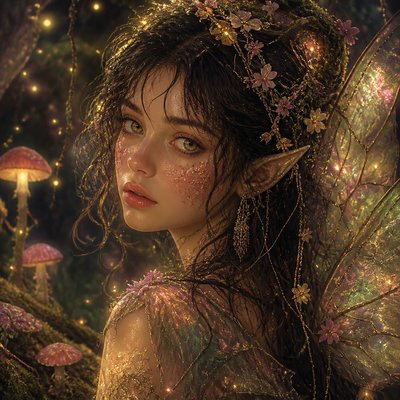
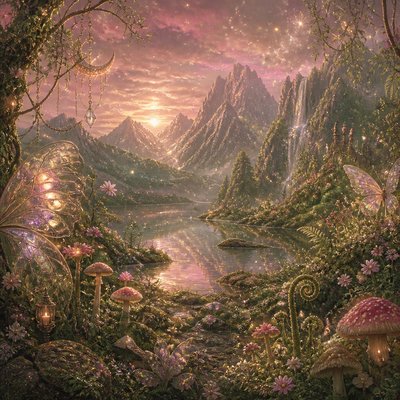
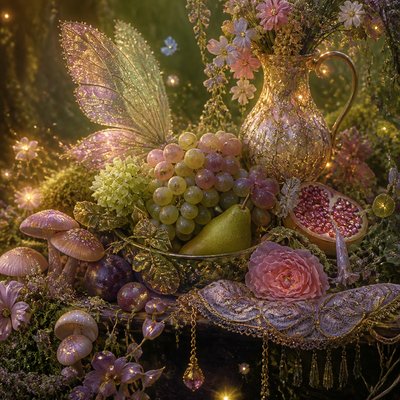
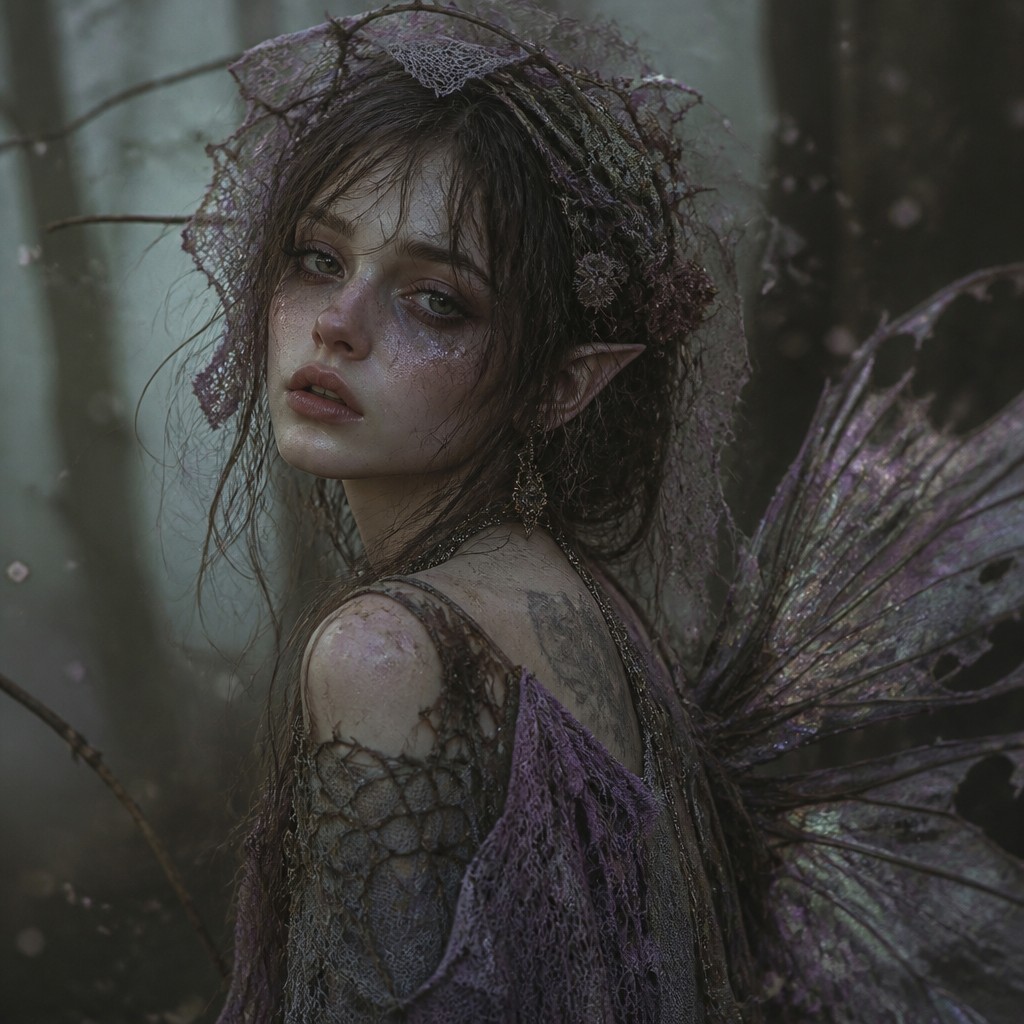
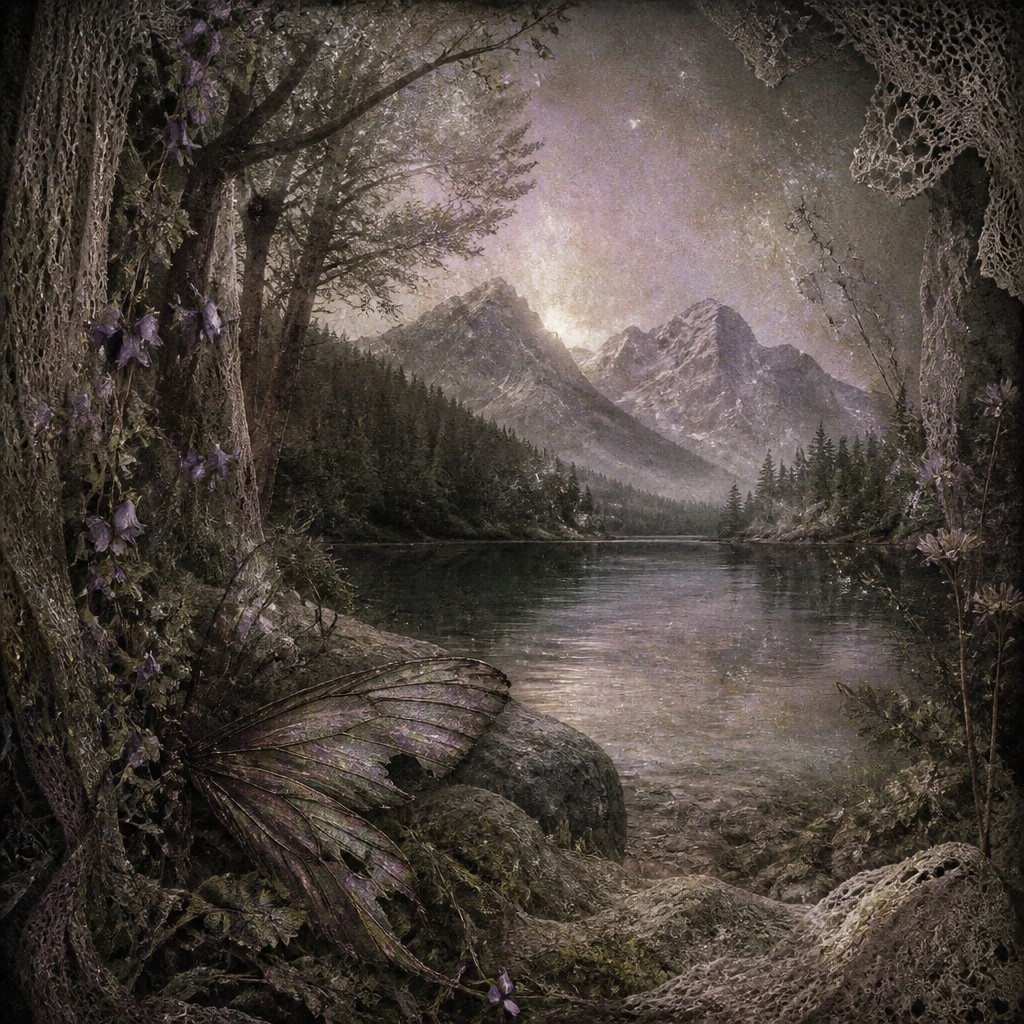
Fairy grunge aesthetic is a hybrid visual style that combines fragile, storybook-like enchantment with the roughness of worn fabrics, damp earth, and visual decay. It typically uses muted natural tones—moss green, ash gray, dusty brown, faded lilac—alongside iridescent highlights, soft haze, and distressed textures such as torn lace, frayed knit, scuffed surfaces, and weathered paper. The result feels both delicate and unsentimental: a romantic image that has been lived in, damaged, and reclaimed by the forest.
Its appeal comes from tension rather than harmony. Light is usually dim, diffused, and mist-filtered, as if seen through trees at dusk or through a dirty window, while shimmering details suggest wings, dew, or magic just beneath the surface. The style often reads as melancholic, introspective, and slightly gothic, but it is less about darkness alone than about softness interrupted by grit. In visual terms, fairy grunge looks the way a fairy tale might feel after being left out in the rain.
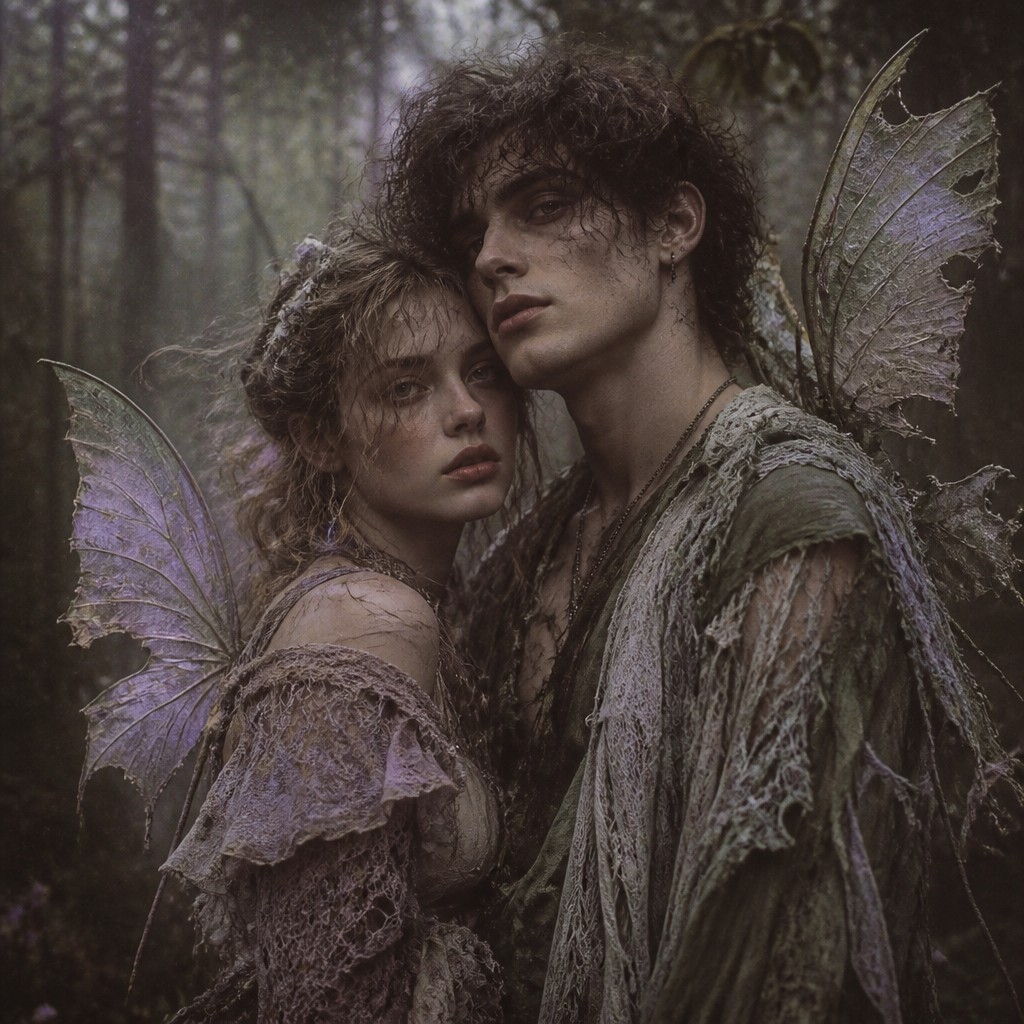
Try It On Your Photos
Upload any photo and convert it into Fairy Grunge Aesthetic — drag the sliders to compare before and after.


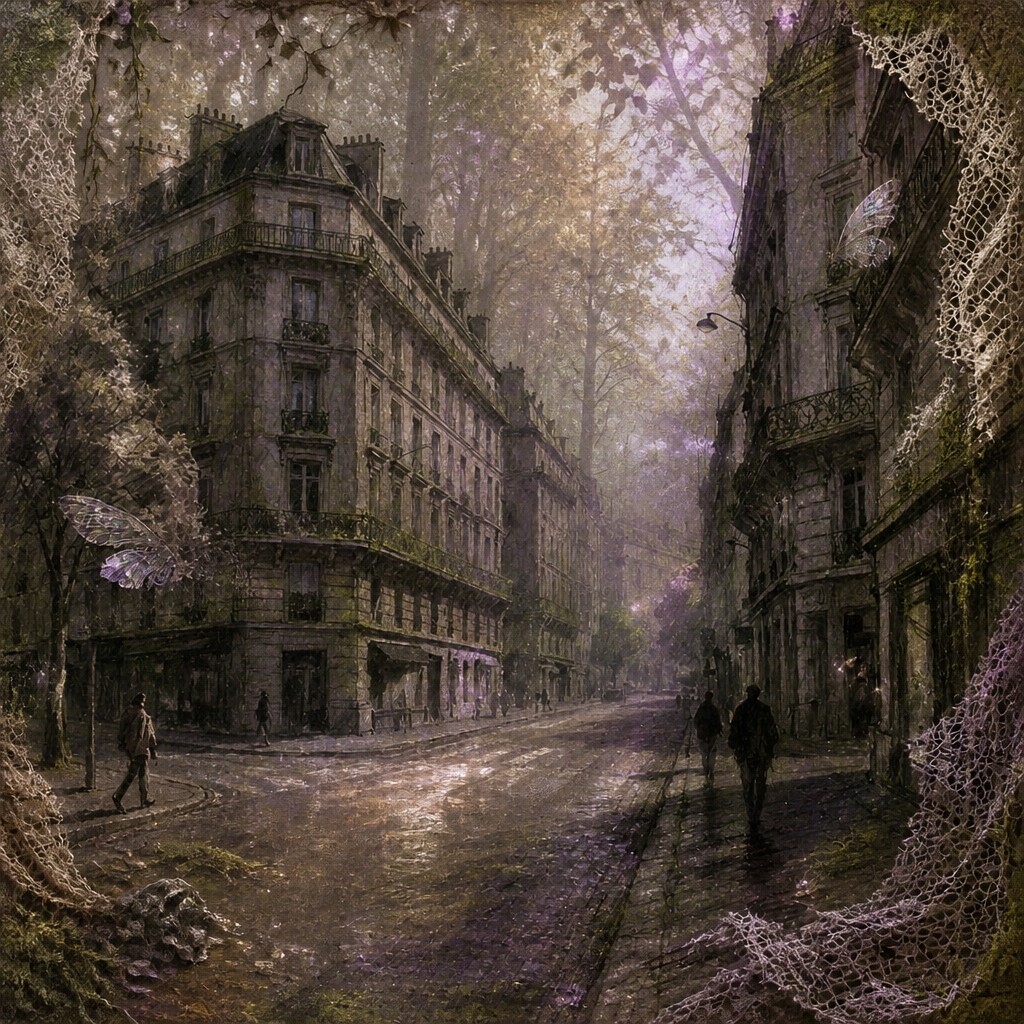

What Defines Fairy Grunge Aesthetic
The signature details, up close
Muted, earthy palette
The style relies on moss green, brown, slate, charcoal, and faded lilac rather than bright fantasy color. These tones create a damp, seasonal mood that feels closer to forest floor and worn fabric than to polished fairy imagery.
Torn and layered textures
Distressed lace, frayed knits, patched cloth, peeling paper, and rough brushwork are central. Surfaces often look handled, aged, or salvaged, giving the image a tactile, thrifted quality.
Ethereal glow under grime
A faint iridescence, dew-like sheen, or soft halo often sits beneath the rough textures. This contrast between shimmer and decay is one of the clearest identifiers of the aesthetic.
Mist, haze, and soft low light
Scenes are usually lit as if by overcast daylight, dusk, or forest fog. Diffusion and atmospheric blur help produce a dreamy, half-remembered feeling.
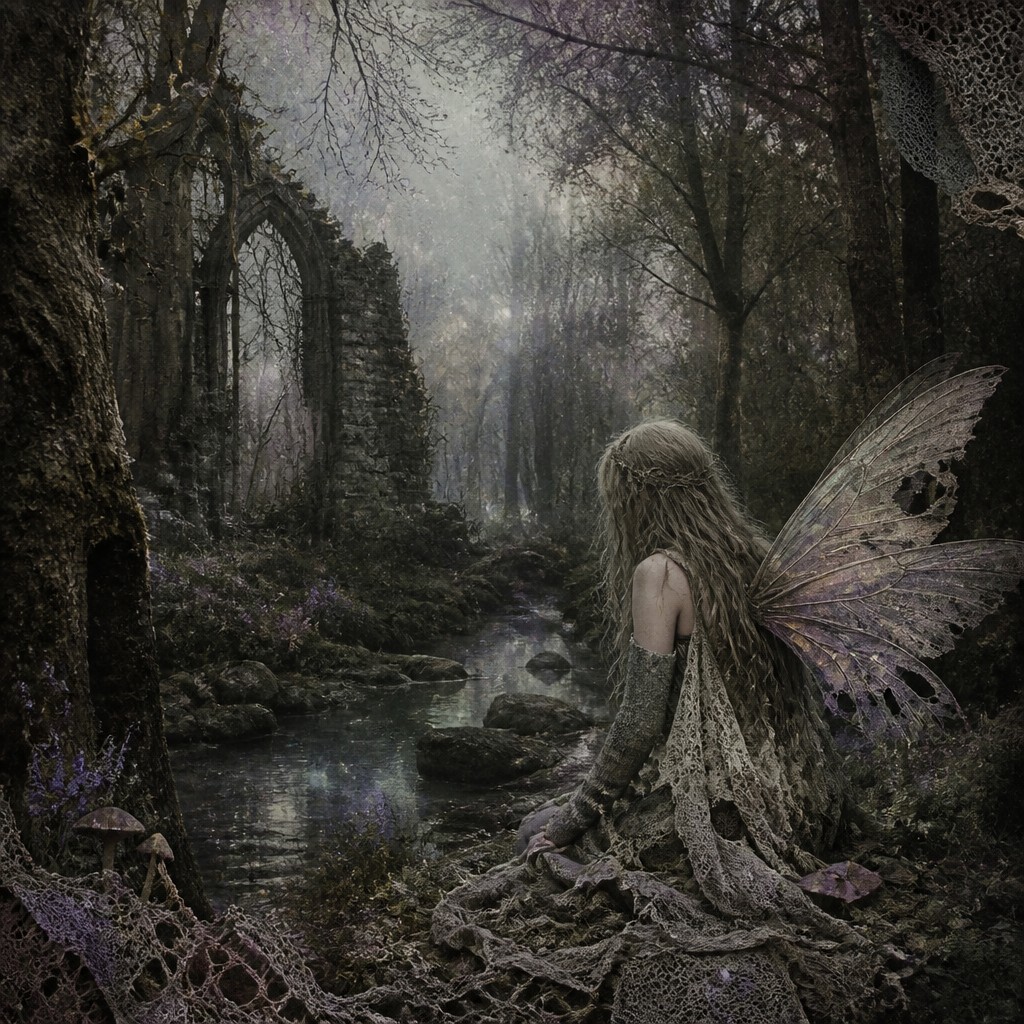
Melancholic woodland symbolism
Moss, branches, mushrooms, dead leaves, thorns, and hidden clearings are common motifs. Nature is shown as beautiful but damp, tangled, and slightly overgrown rather than pristine.
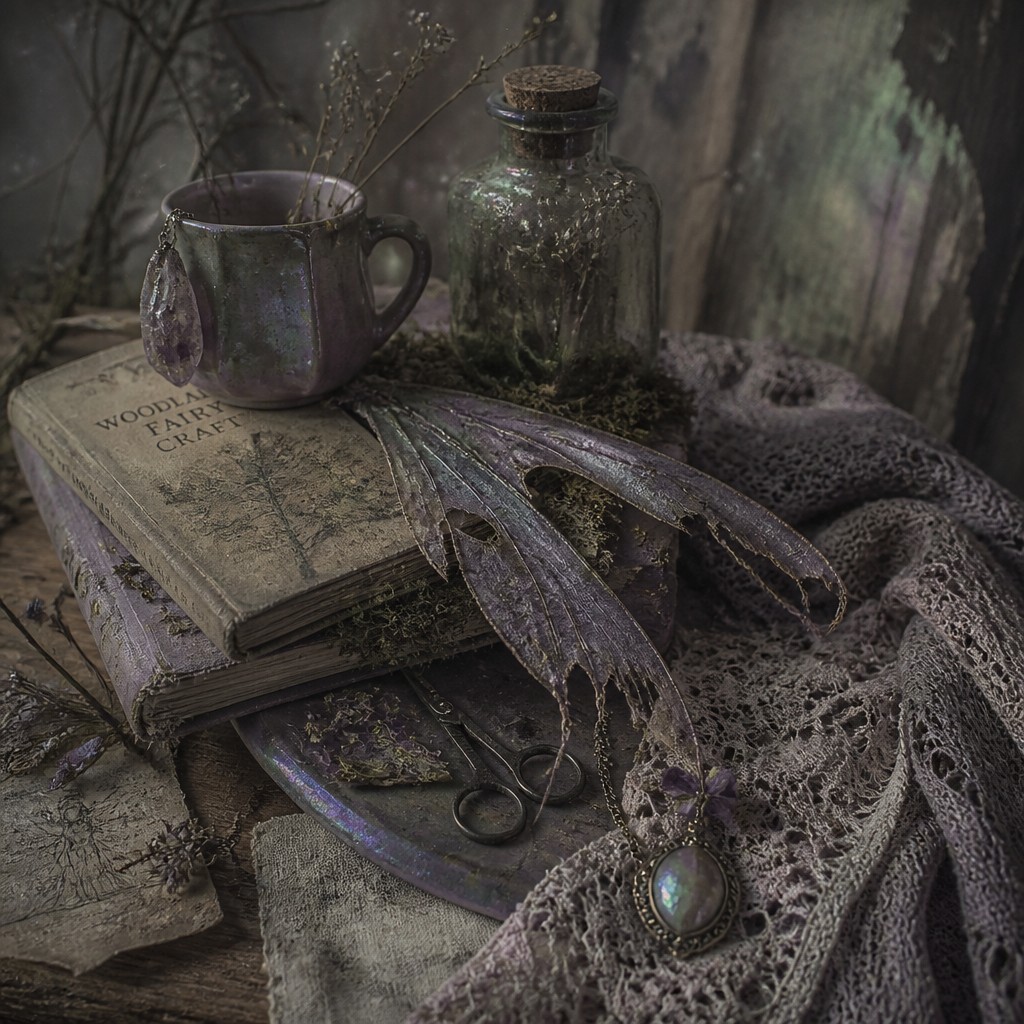
Fragile figures and romantic detailing
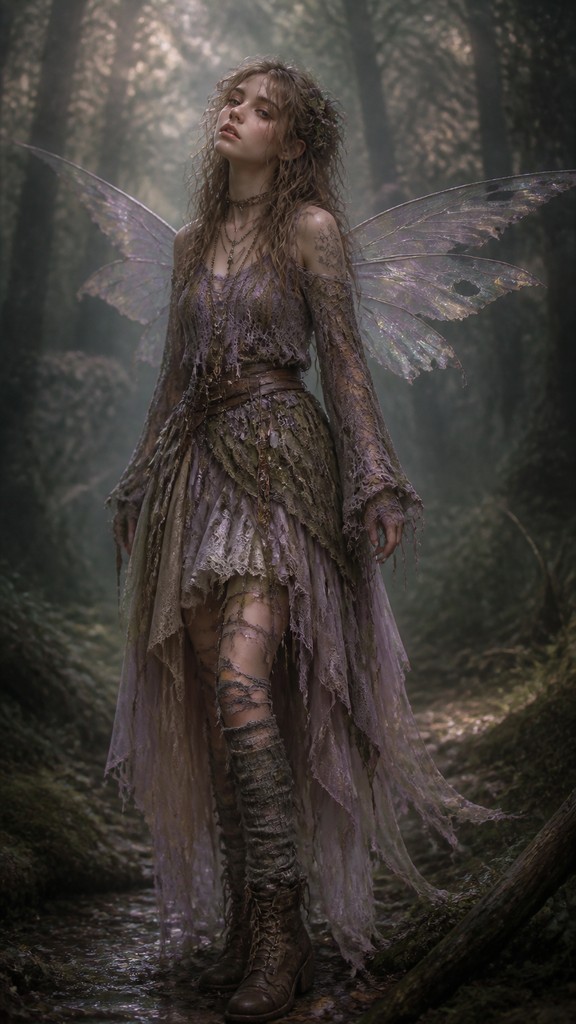
When people appear, they are often styled with elongated silhouettes, delicate accessories, wing-like shapes, ribbons, or worn dresses. The figure usually looks vulnerable, introspective, and partially absorbed into the environment.
Try It
Create Videos in Fairy Grunge Aesthetic
Styles aren't just for stills — describe a scene or animate an image and get a short video rendered in Fairy Grunge Aesthetic. Press play to see this pond come to life.
Make a VideoFairy Grunge Aesthetic Prompt Ideas
Start from an idea — each one opens the generator with the style ready to go. See all 40 Fairy Grunge Aesthetic prompts →
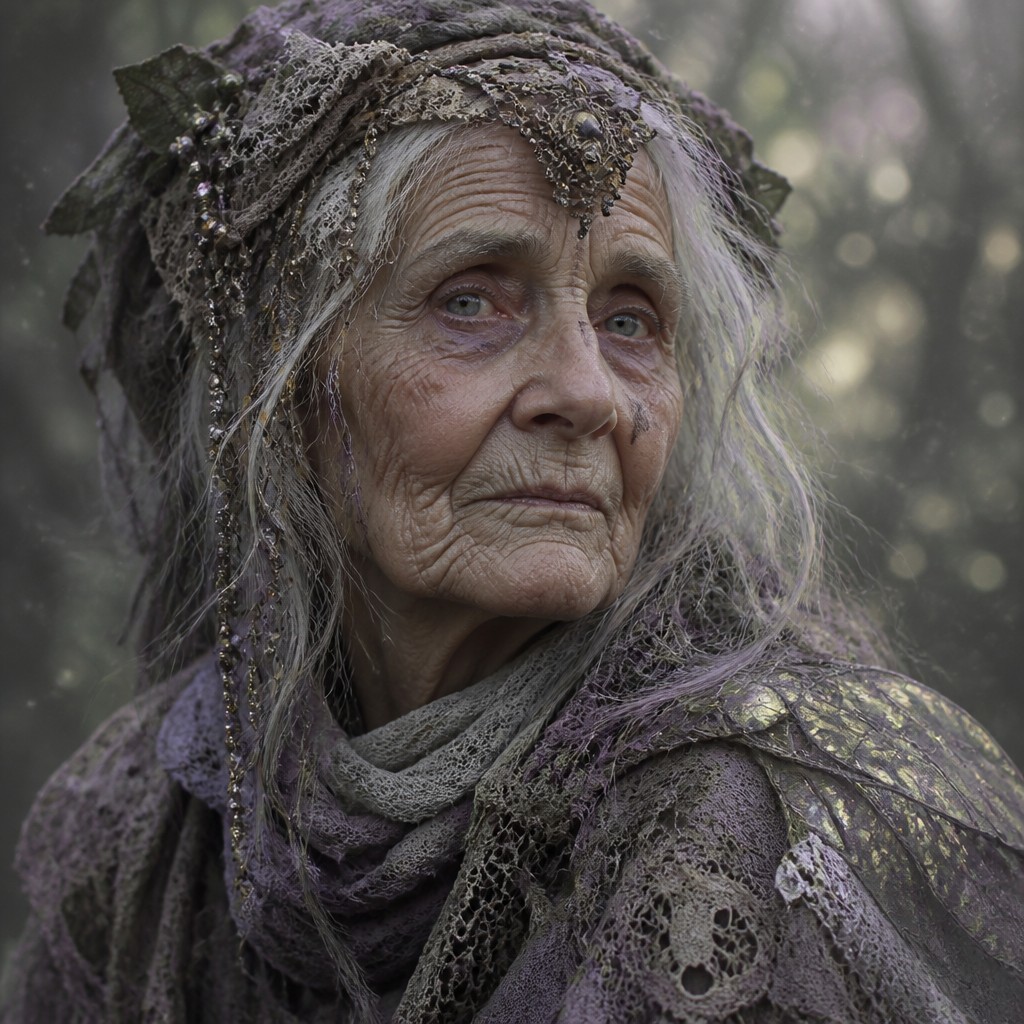
“close-up portrait of an elderly person with expressive weathered features”
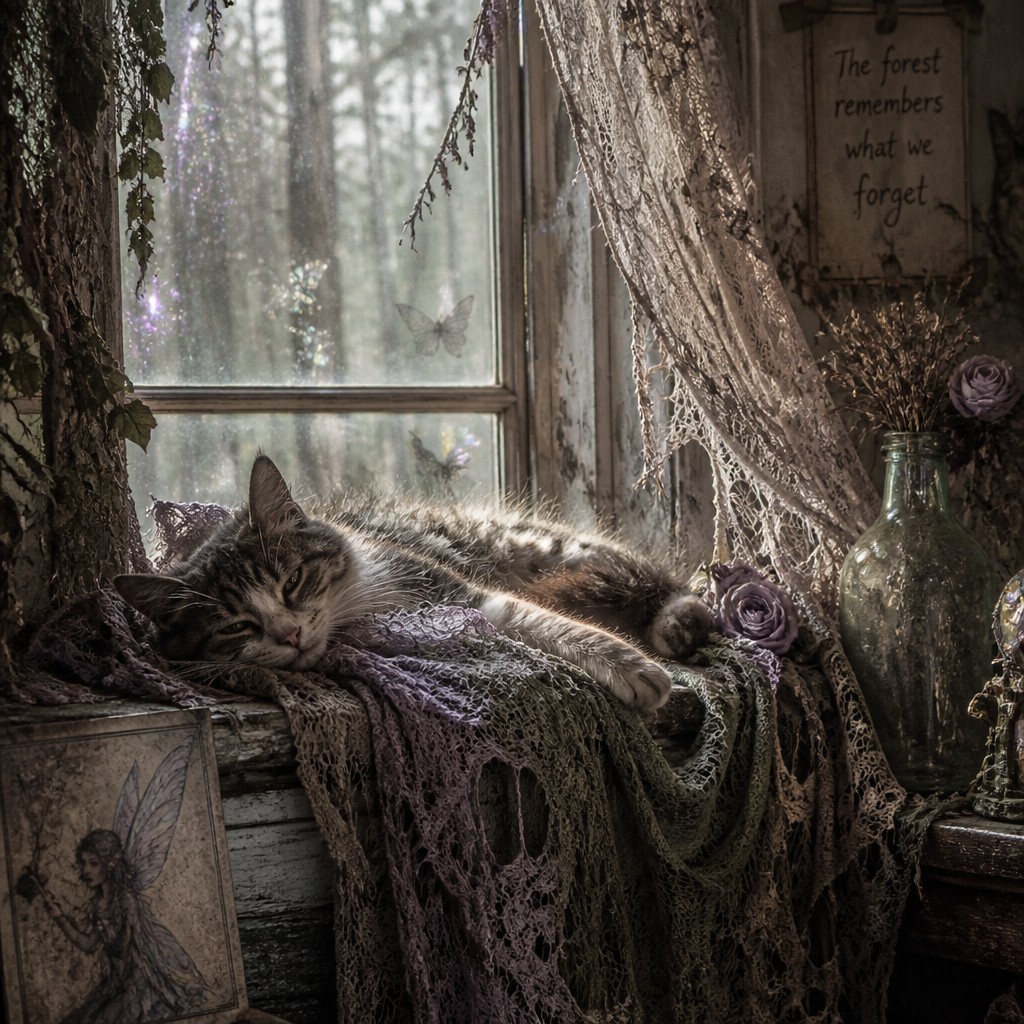
“a cat lounging in a sunlit window”
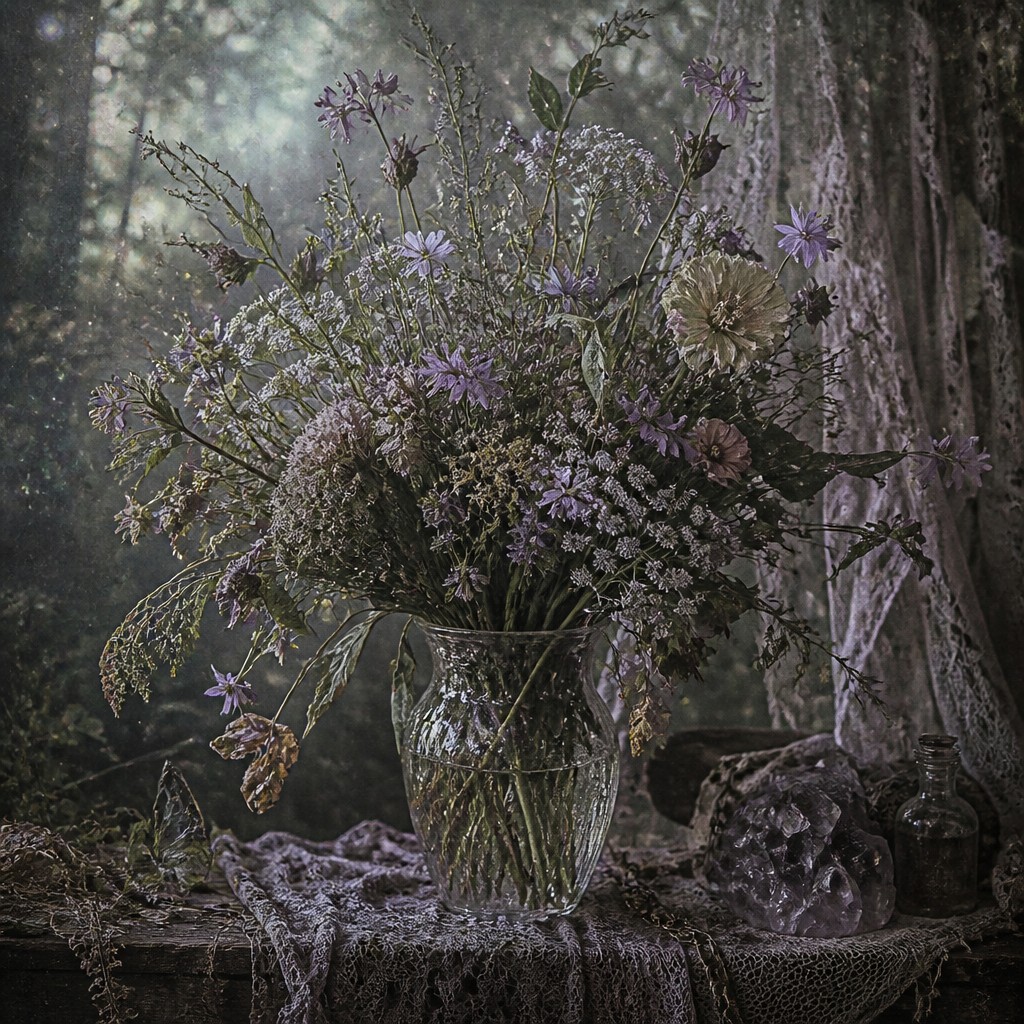
“bouquet of flowers in a glass vase”
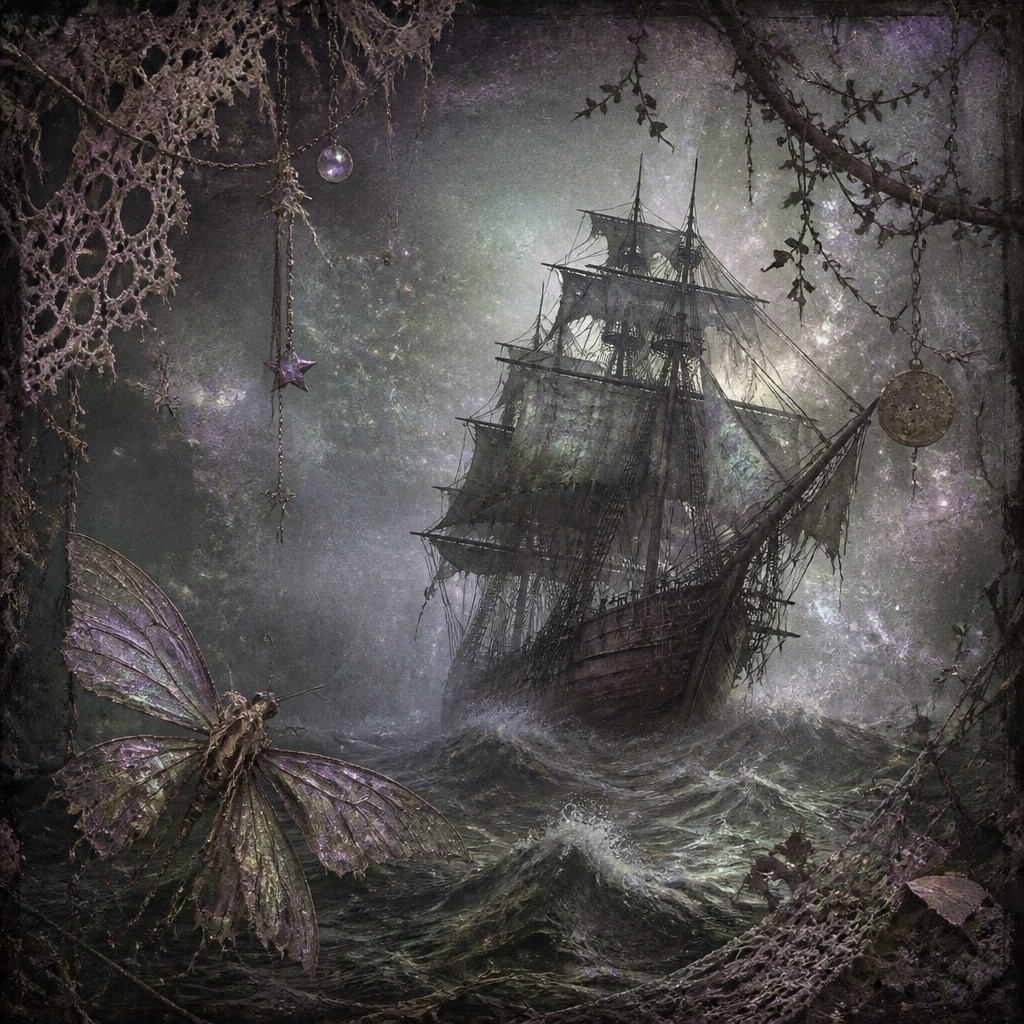
“sailing ship on a stormy sea”
How to Create Fairy Grunge Aesthetic Art
Master the craft step by step — or skip straight to creating. Read the full guide →
- 1
Build a soft, muted base
Start with a limited palette of moss green, ash gray, brown, and washed lilac, then reserve brighter values for tiny highlights. In traditional media, glazing, dry brush, and color pencil over textured paper help create this subdued, layered effect.
- 2
Add distress before decoration
Make the surface feel worn with scratches, paper grain, fabric weave, rough edges, and irregular marks. Whether painting digitally or by hand, let imperfections remain visible so the image feels salvaged rather than polished.
- 3
Use contrasting materials and effects
Pair lace, silk, feathers, and glow with dirt, fray, moss, and smoke-like blur. Strong fairy grunge images depend on the clash between fragile ornament and rough natural decay.
- 4
Shape the lighting as atmosphere
Keep highlights diffused and avoid hard, clean contrast unless used sparingly for emphasis. Backlight through mist, window haze, or canopy shadow works especially well for the dim, enchanted mood.
- 5
For digital work, lean on texture overlays
Use grain, scan noise, paper textures, bloom, subtle chromatic variation, and low-saturation grading to age the image. Prompt-based generation also benefits from specifying tactile materials, weathered surfaces, and soft forest light rather than only naming fantasy subjects.
- 6
Keep the mood emotionally ambiguous
The style works best when beauty is tempered by melancholy, ruin, or solitude. A figure in a glade, a broken wing, or an overgrown dress should suggest story and mood without becoming overly literal or decorative.
The Story
History & Origins of Fairy Grunge Aesthetic
Fairy grunge is a contemporary aesthetic rather than a historical art movement. It emerged from the broader internet culture of the early 2000s and later resurfaced through social media, mood boards, fashion, and digital illustration, where users combined fairycore imagery with grunge, emo, goth, cottagecore, and nature-romantic influences. Its lineage is not tied to a single school or manifesto; instead, it is a collage aesthetic built from fragments of fantasy illustration, worn textiles, woodland imagery, and nostalgic low-fi image treatment.
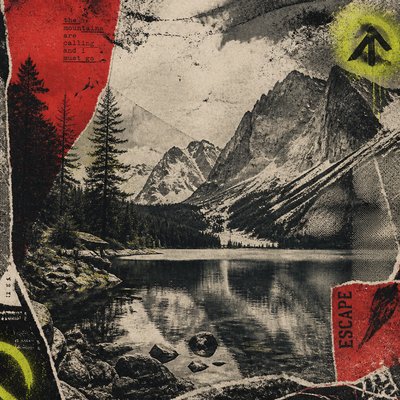
Visually, it draws from several older traditions. The ethereal figures, lace, and floral motifs recall Symbolism and Pre-Raphaelite fantasy imagery, while the muted palettes and emphasis on atmosphere connect to Romantic landscape painting and gothic illustration. Its distressed surfaces and handmade feel also reflect zine culture, alternative fashion photography, and scrapbook aesthetics. In digital contexts, grain, blur, halftone texture, and faded contrast became key tools for translating that handmade, thrifted sensibility into screen-based imagery.
Influences: Fairy grunge sits at the intersection of fairycore, grunge, goth, cottagecore, and woodland fantasy, with visual echoes of Symbolism, Romantic landscape painting, and Pre-Raphaelite imagery. The ethereal ornament and mythic femininity recall artists such as John William Waterhouse and Dante Gabriel Rossetti, while the weathered, textured, handmade sensibility overlaps with zine design, analog photography, and alternative fashion styling. It also borrows the low-saturation, atmospheric treatment common in contemporary mood-board and editorial imagery.
Frequently Asked Questions
What defines fairy grunge aesthetic?
It is defined by the contrast between delicate fairy-like imagery and distressed, earthy, worn-down surfaces. The palette is usually muted and natural, with soft shimmer, torn lace, frayed fabric, mist, and forest textures.
How is fairy grunge different from fairycore?
Fairycore is typically cleaner, brighter, and more whimsical, with an emphasis on sweetness and enchantment. Fairy grunge keeps the magic but adds decay, melancholy, and rough texture, making it feel more lived-in and less pristine.
Is fairy grunge a historical art movement?
No. It is a contemporary internet-born aesthetic built from multiple older visual traditions rather than a formal historical movement. Its lineage includes fantasy illustration, gothic romanticism, alternative fashion, and scrapbook-like texture culture.
What colors work best in this style?
Muted greens, faded lilacs, grays, dusty browns, charcoal, and off-white are the core colors. Small amounts of pearly or iridescent highlight can add the fairy aspect without breaking the subdued mood.
What subjects are common in fairy grunge art and photos?
Woodland figures, flowers gone soft or wilted, broken wings, lace garments, mossy stones, overgrown interiors, and solitary portraits are all common. The best subjects usually feel fragile, nostalgic, and slightly neglected by time.
How can I make my image look more authentic?
Avoid overly glossy finishes, saturated colors, and clean modern minimalism. Add texture, uneven contrast, atmospheric haze, and signs of wear so the image feels tactile and emotionally ambiguous rather than digitally perfect.

Create your first Fairy Grunge Aesthetic artwork
Describe anything — or upload a photo — and see it in Fairy Grunge Aesthetic in seconds.
Make Something with Fairy Grunge Aesthetic
Related Styles
Discover similar art styles