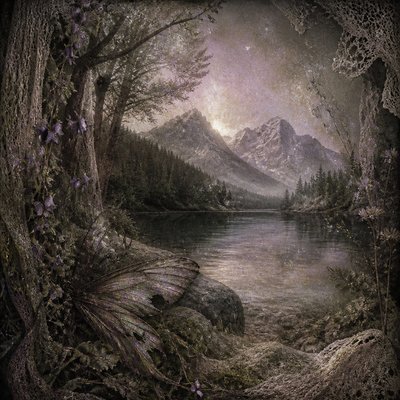
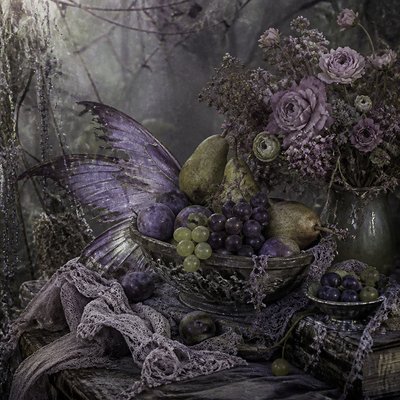
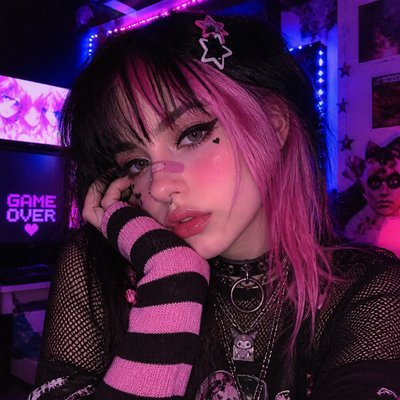
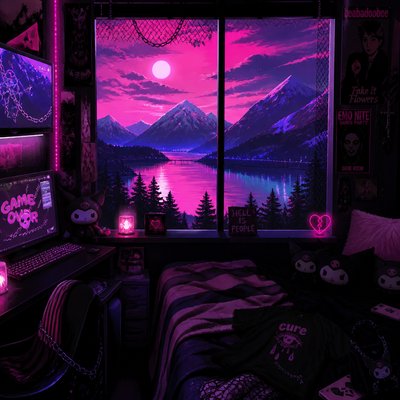
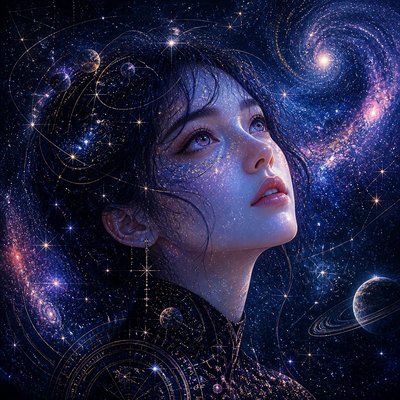
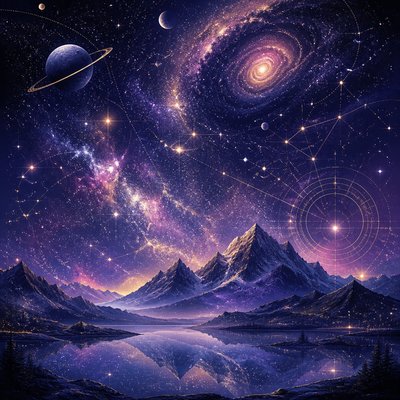
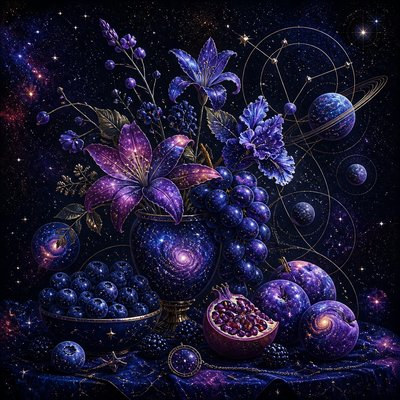
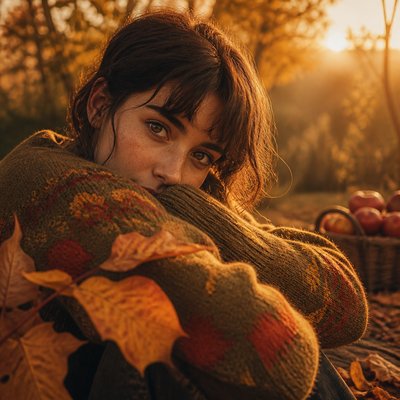
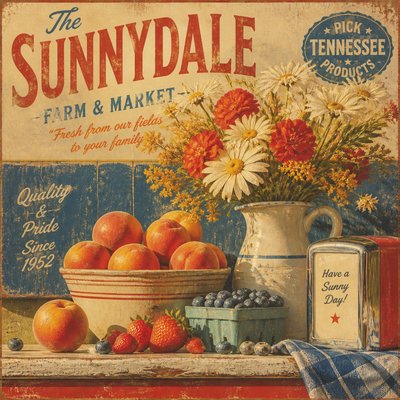
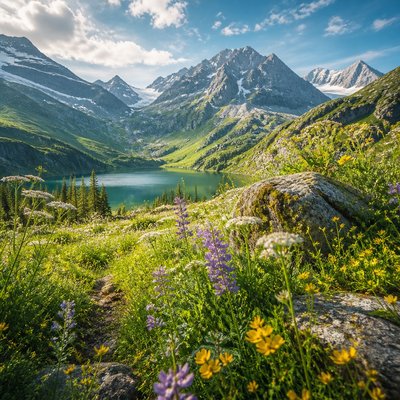
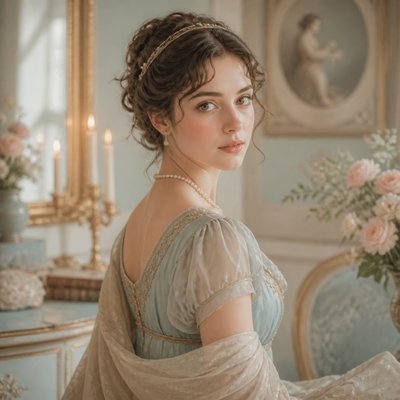
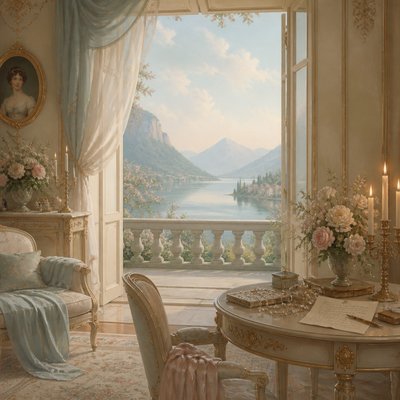
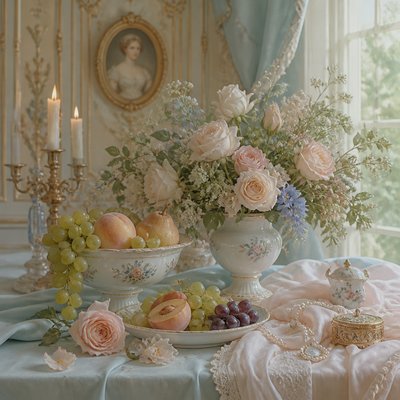
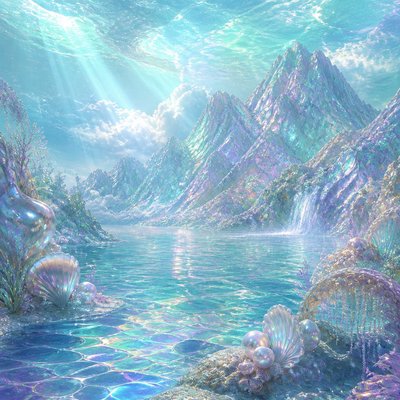
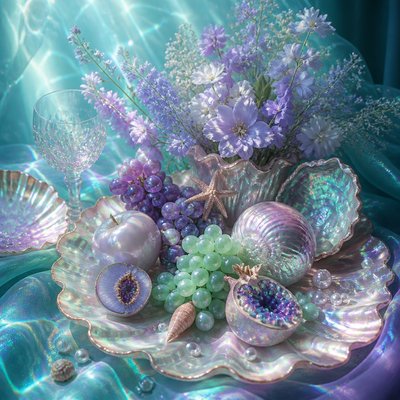
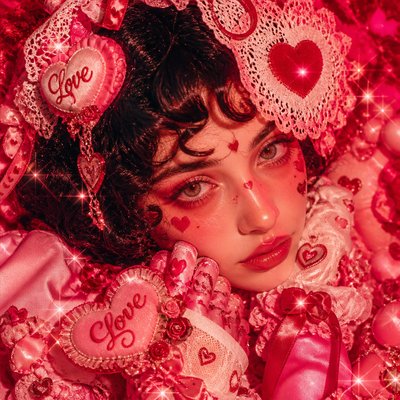
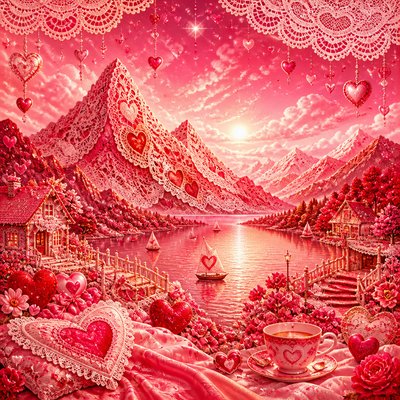
Grunge Aesthetic
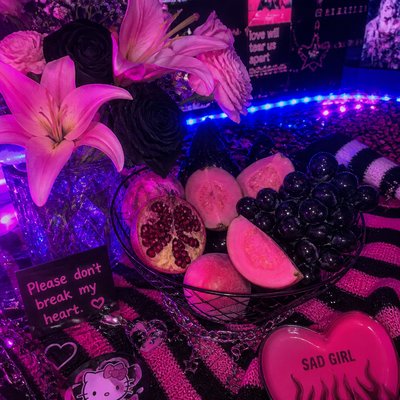
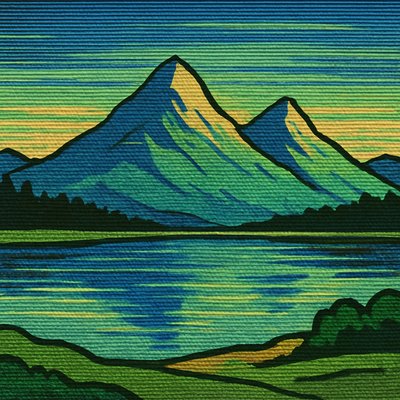
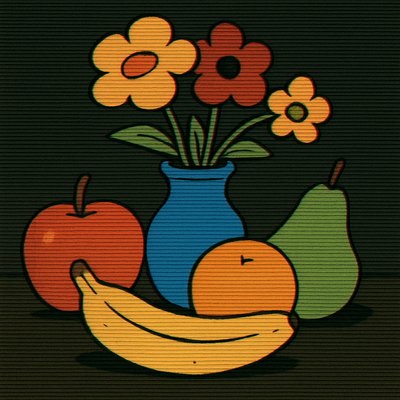
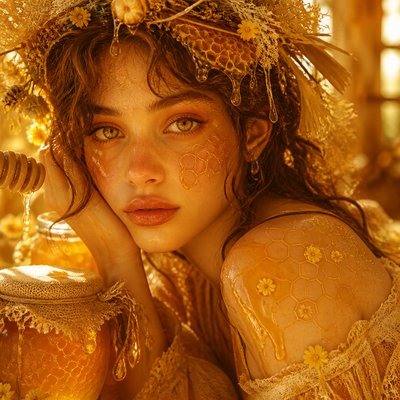
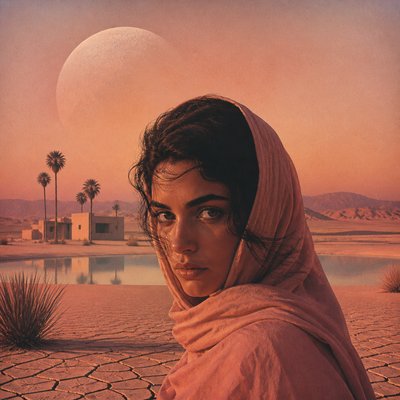
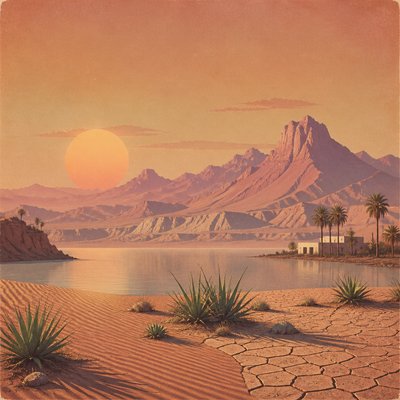
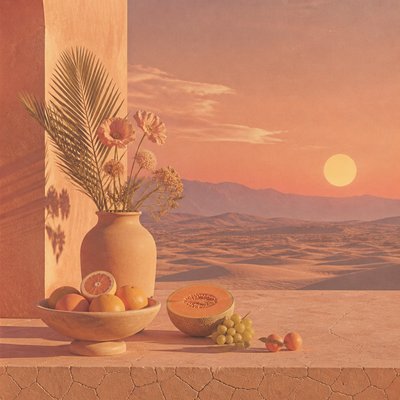
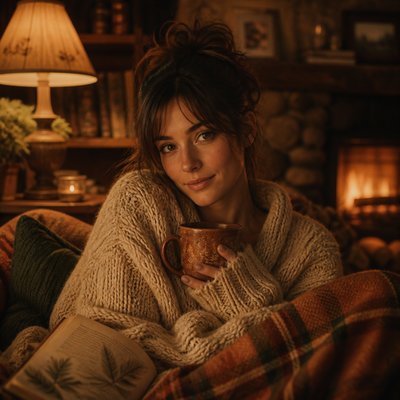
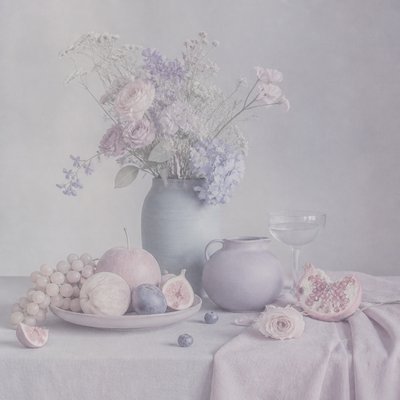
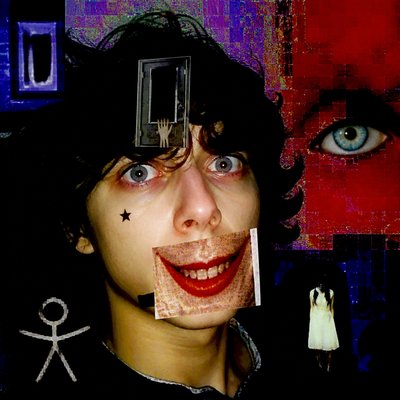
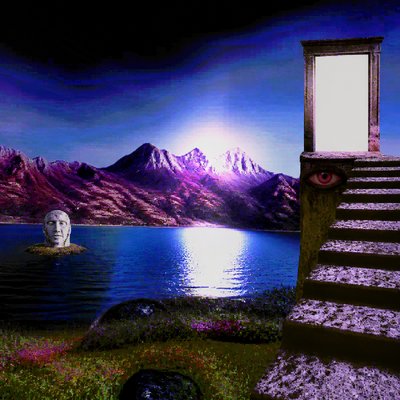
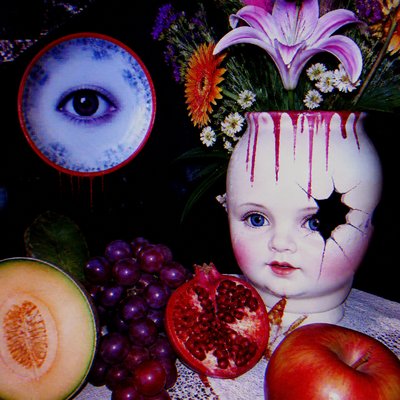
Distressed textures, photocopy grit, and 90s alt-rock attitude define this rebellious graphic aesthetic.
Instantly rendered in Grunge Aesthetic — or transform a photo
Grunge Aesthetic Gallery
Tap any artwork to explore it
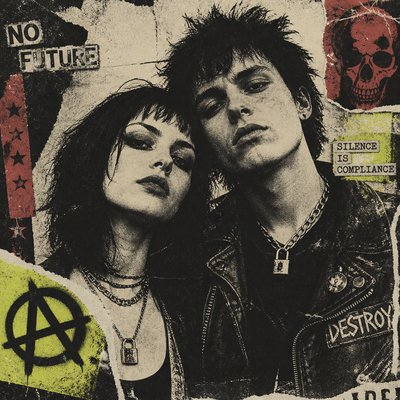
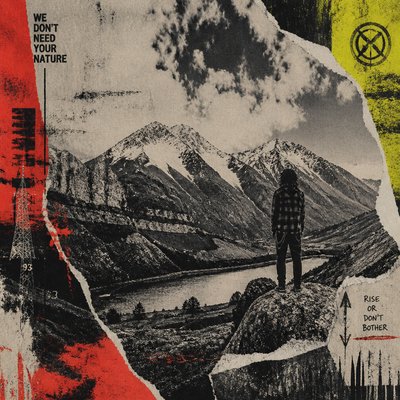
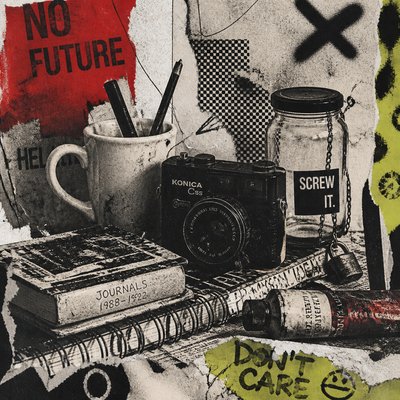
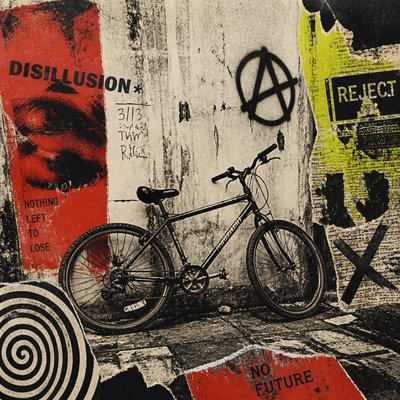
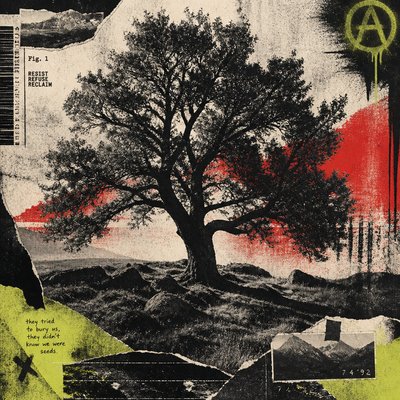
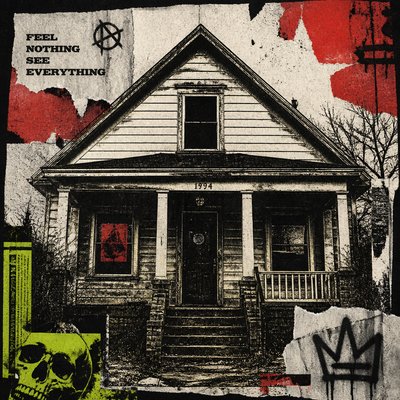
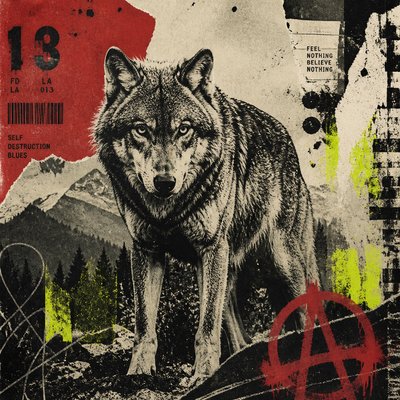
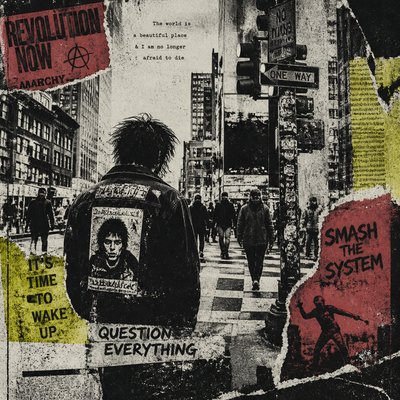
What is Grunge Aesthetic?
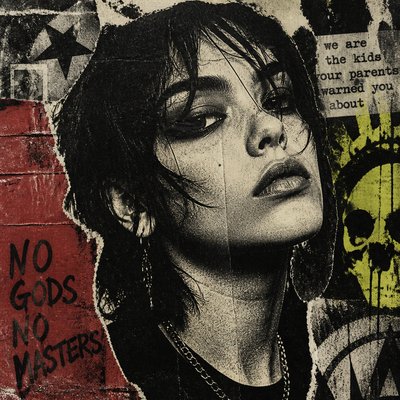
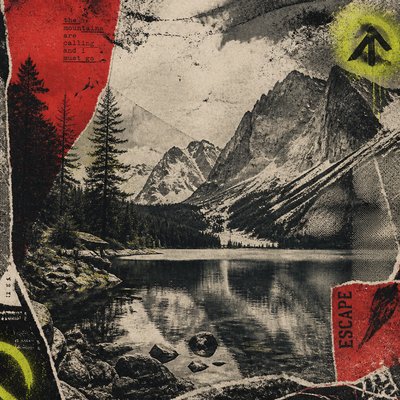
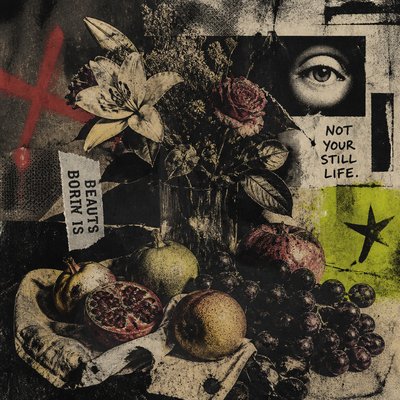
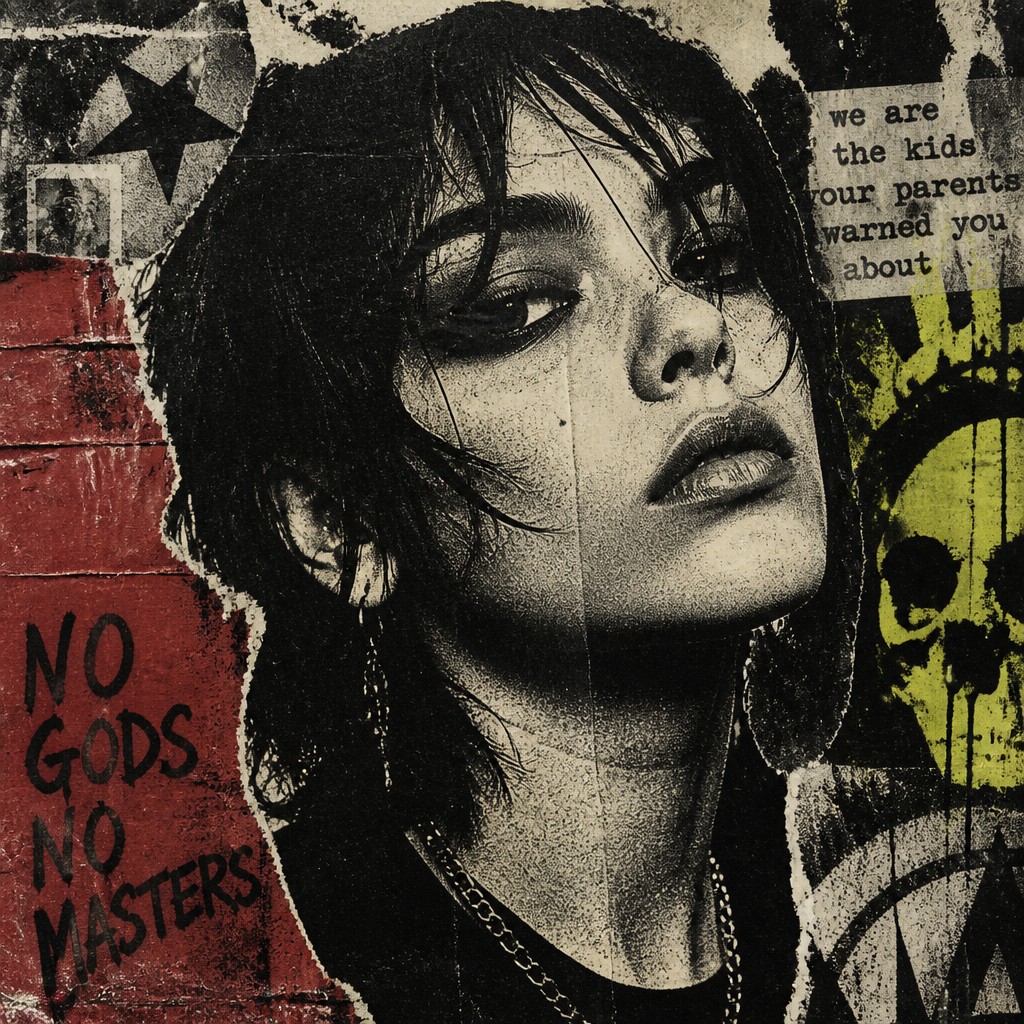
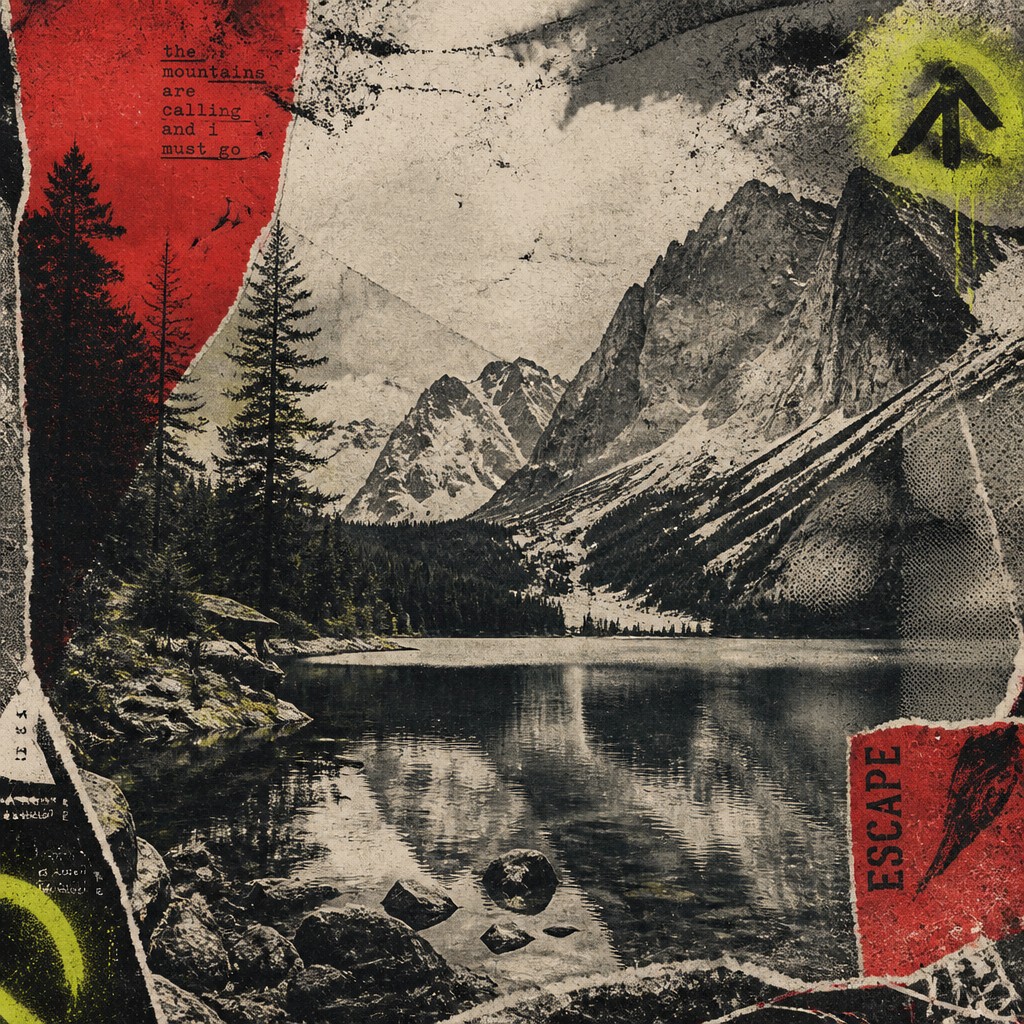
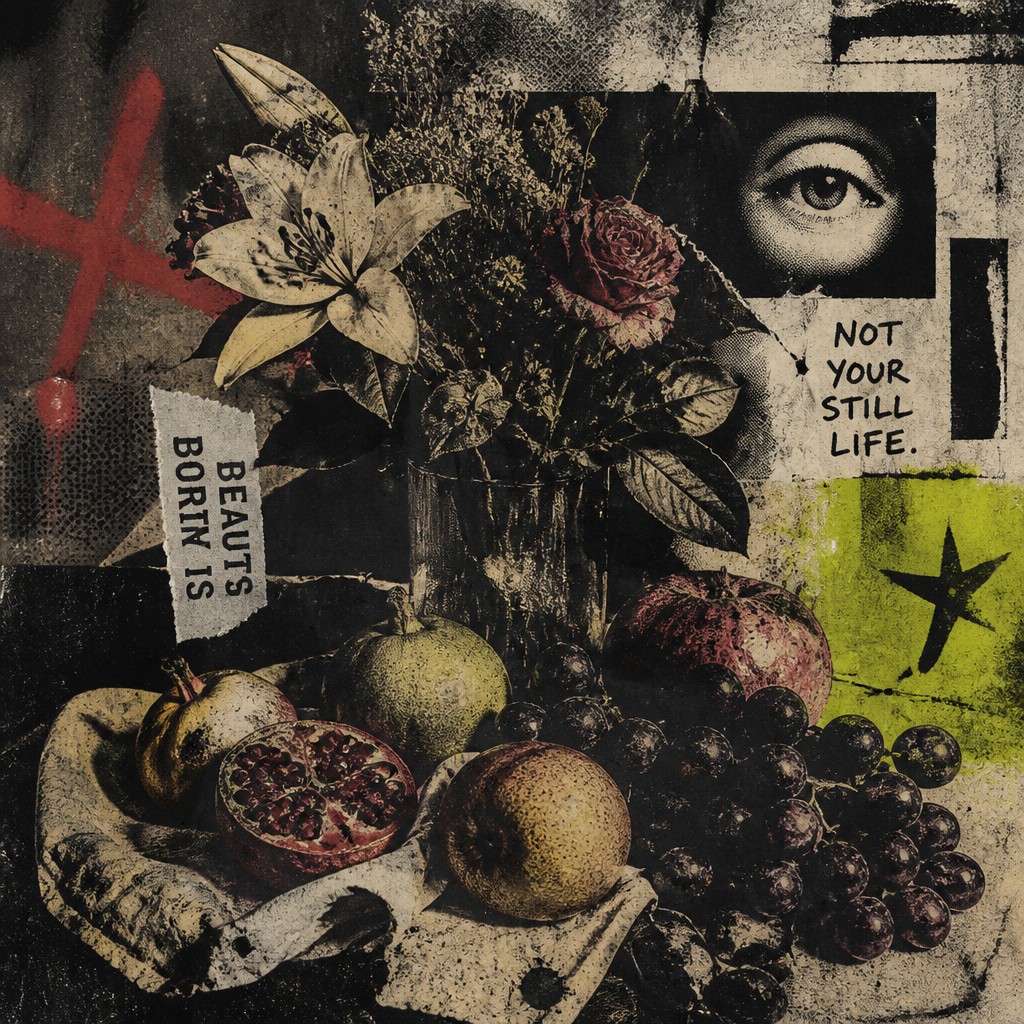
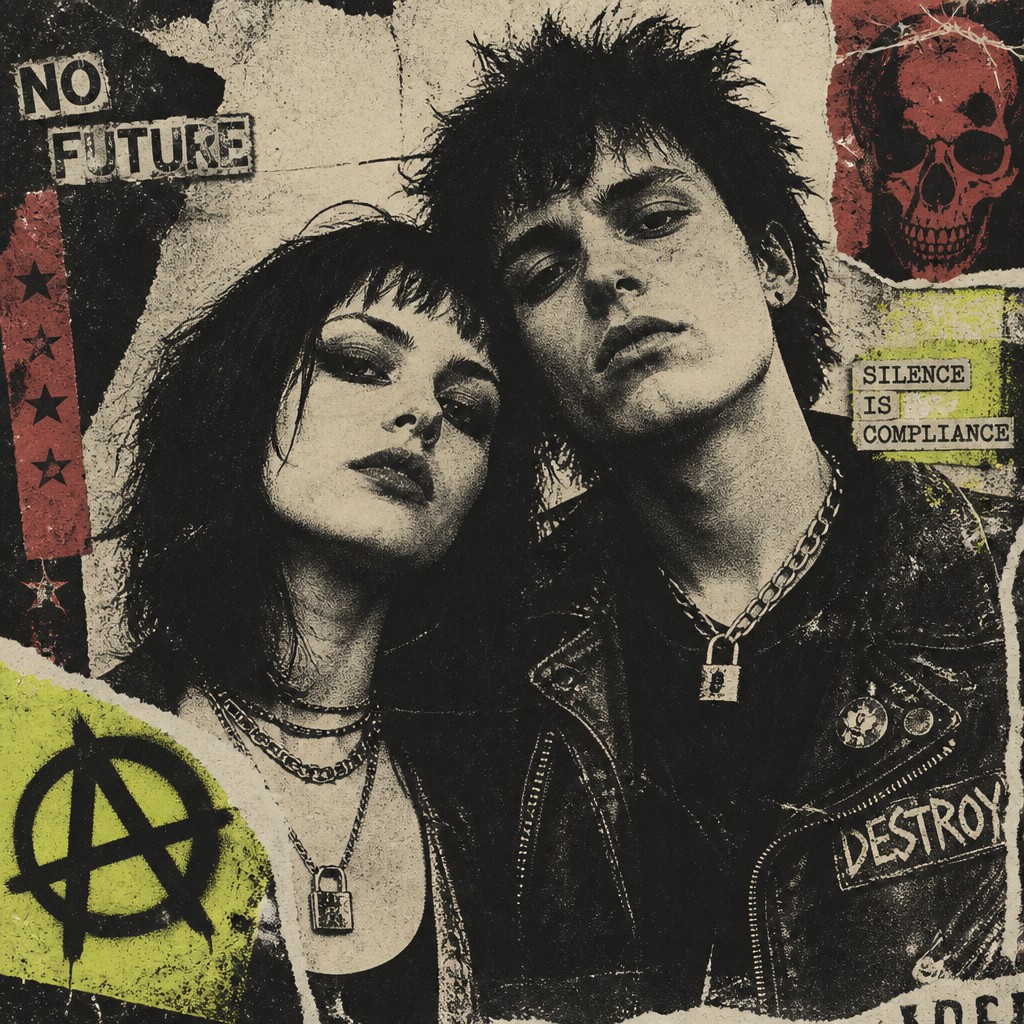
Grunge aesthetic is a rough, distressed visual style built from photocopy noise, torn paper edges, smudged marks, and a deliberately worn surface. It is less about clean composition than about emotional abrasion: the image should feel raw, unstable, handmade, and a little damaged, as if assembled from flyers, zines, album art, and found materials.
Its look comes from the visual culture of 1990s alternative music and underground print media, especially the DIY graphics of punk, post-punk, and indie scenes. Desaturated colors, harsh contrast, and messy collage treatments create a rebellious mood, while dirty reds, acid accents, and stencil-like marks keep the image energetic rather than merely faded. The result is an aesthetic of anti-polish, where wear and noise are not flaws but the core of the design.
Try It On Your Photos
Upload any photo and convert it into Grunge Aesthetic — drag the sliders to compare before and after.


What Defines Grunge Aesthetic
The signature details, up close
Distressed surfaces
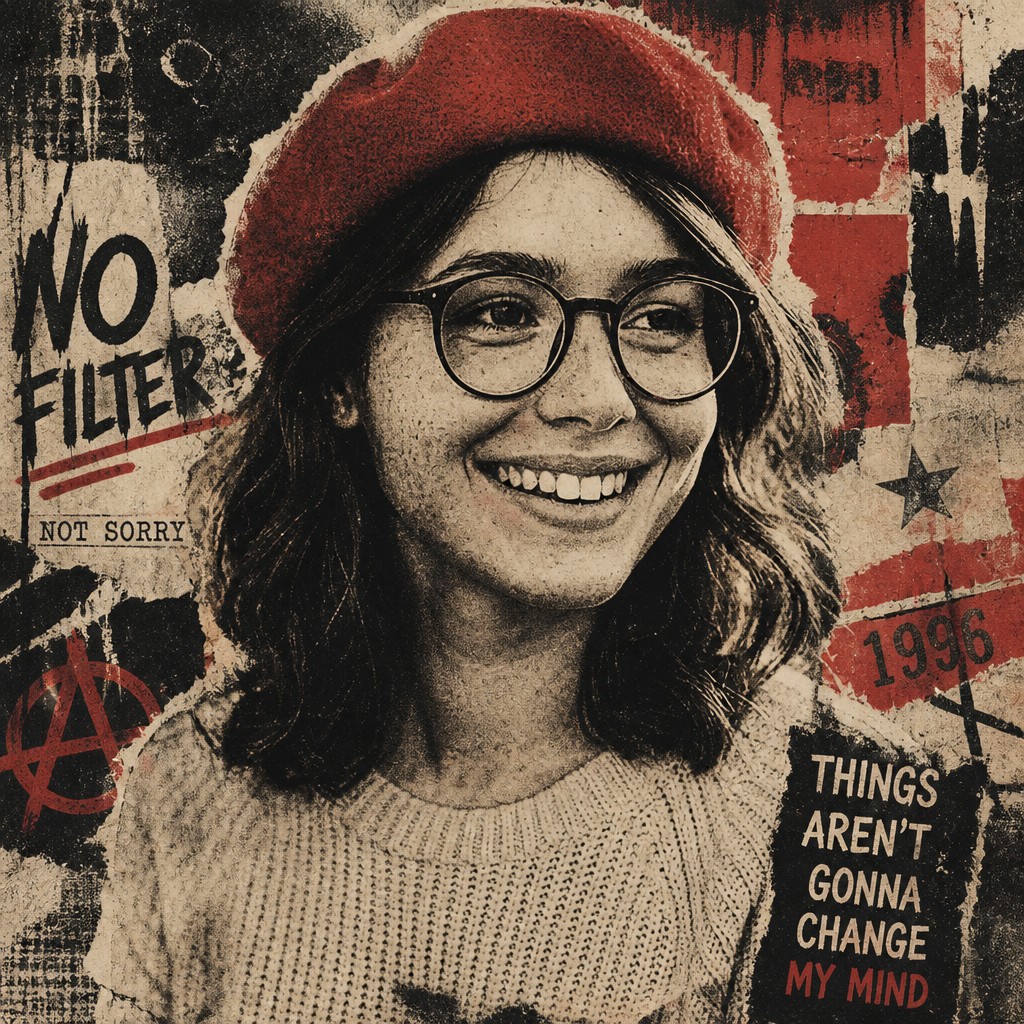
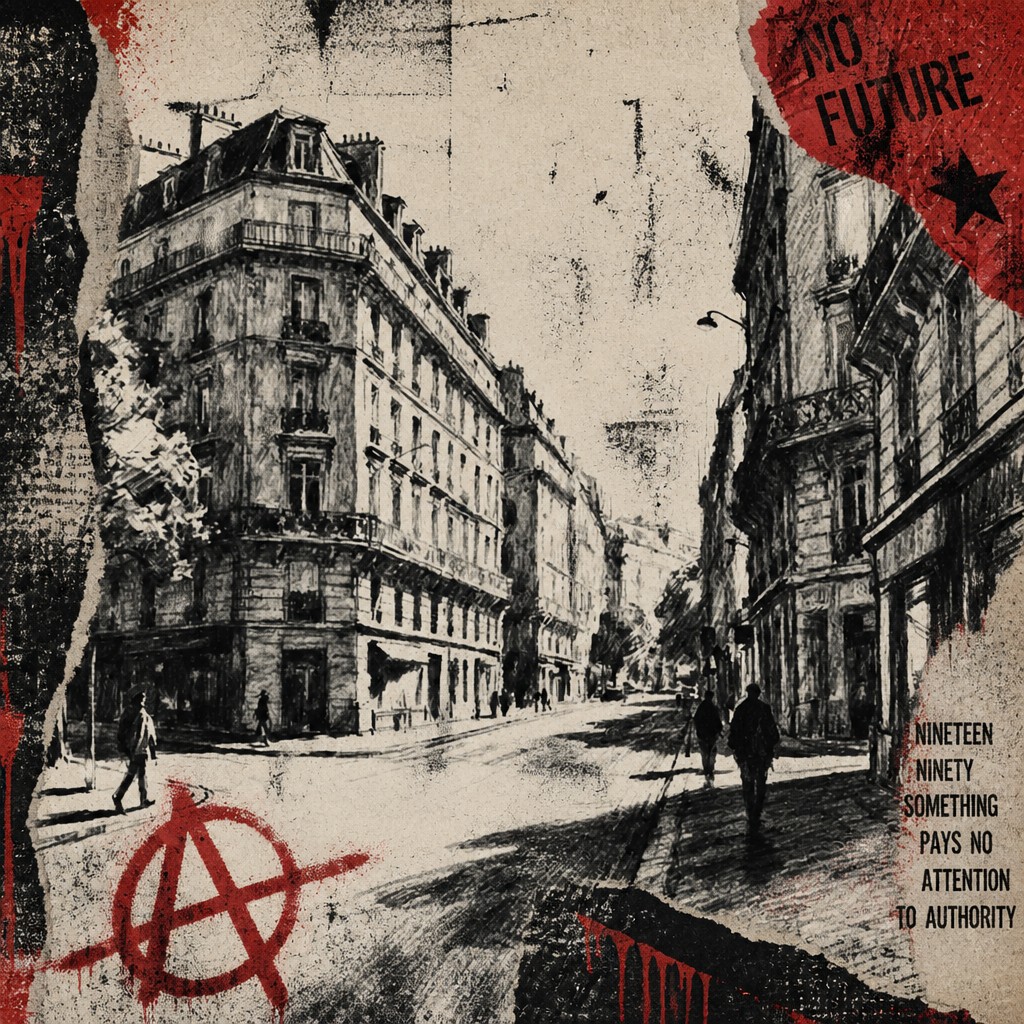
The image looks weathered, scuffed, or printed through multiple imperfect layers. Scratches, stains, creases, and worn patches make the surface feel physically aged.
Photocopy and xerox noise
Grain, banding, and broken tonal edges imitate repeated copying and low-fidelity reproduction. This gives the work a cheap-print, underground-zine quality.
Torn-paper collage
Fragments appear cut, ripped, or pasted together with irregular edges. The composition often feels assembled rather than neatly designed.
Desaturated palette with harsh accents
Muted blacks, grays, washed-out earth tones, and dirty off-whites dominate the scene. Small hits of red, yellow-green, or acidic color add tension.
Smudged, raw mark-making
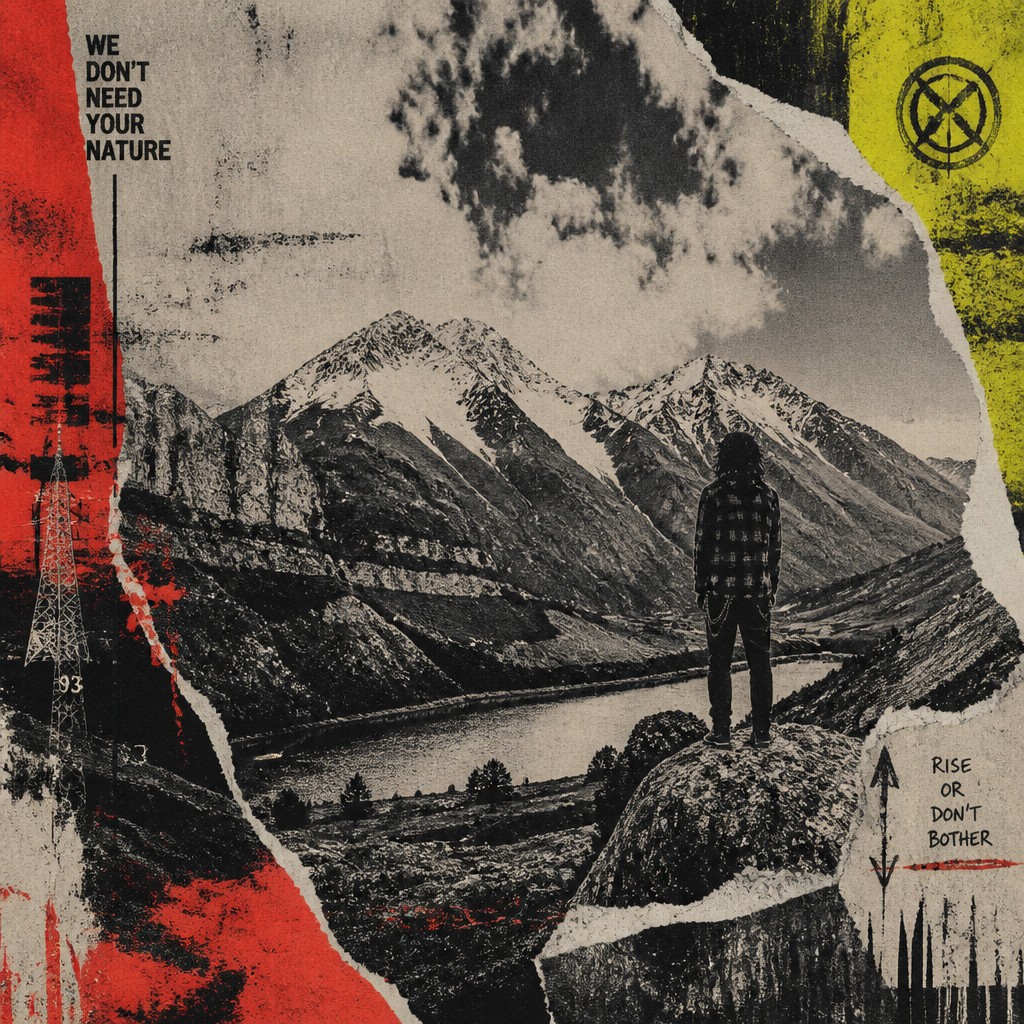
Brushy strokes, scribbles, stencil sprays, and ink smears introduce a handmade, improvised energy. The marks often look accidental or aggressively applied.
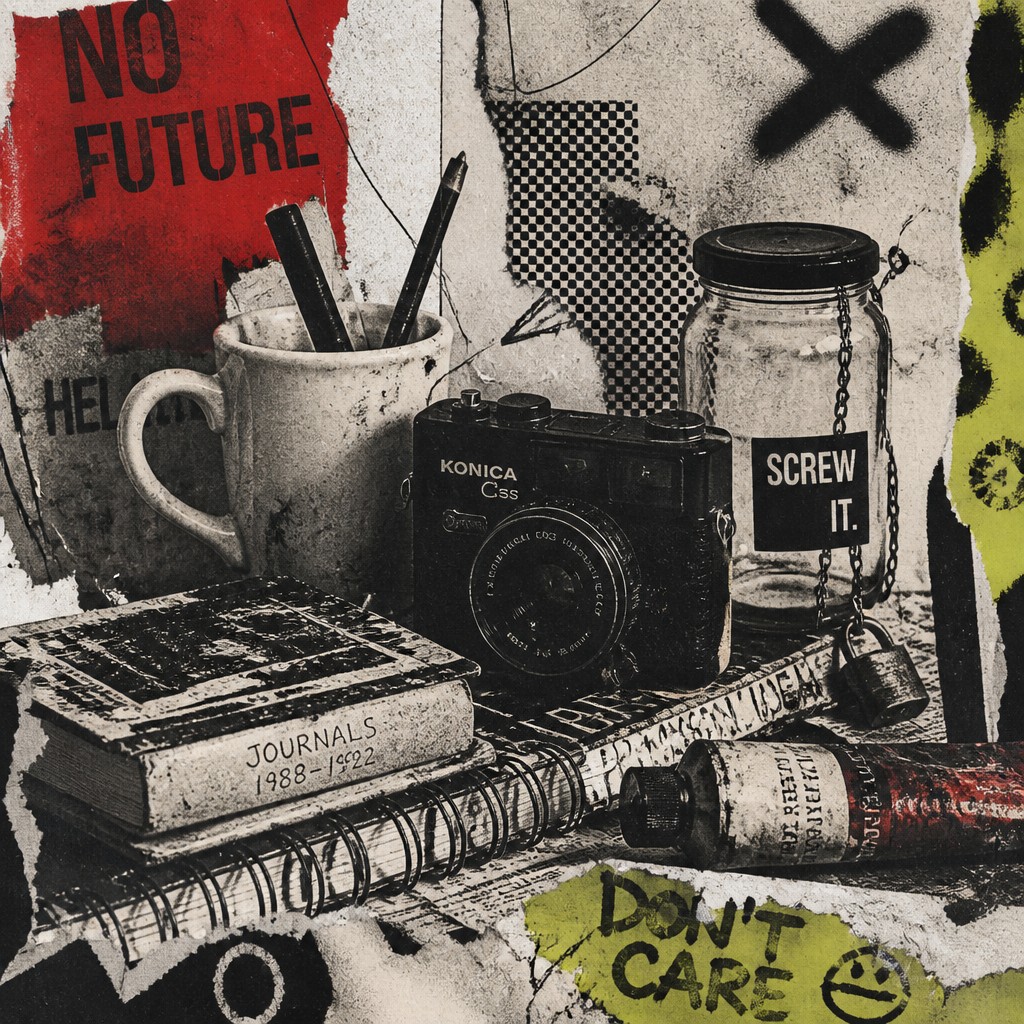
High-contrast attitude
Forms are usually pushed toward stark light-dark contrast, making the image feel punchy and abrasive. This contrast reinforces the visual drama of imperfection.
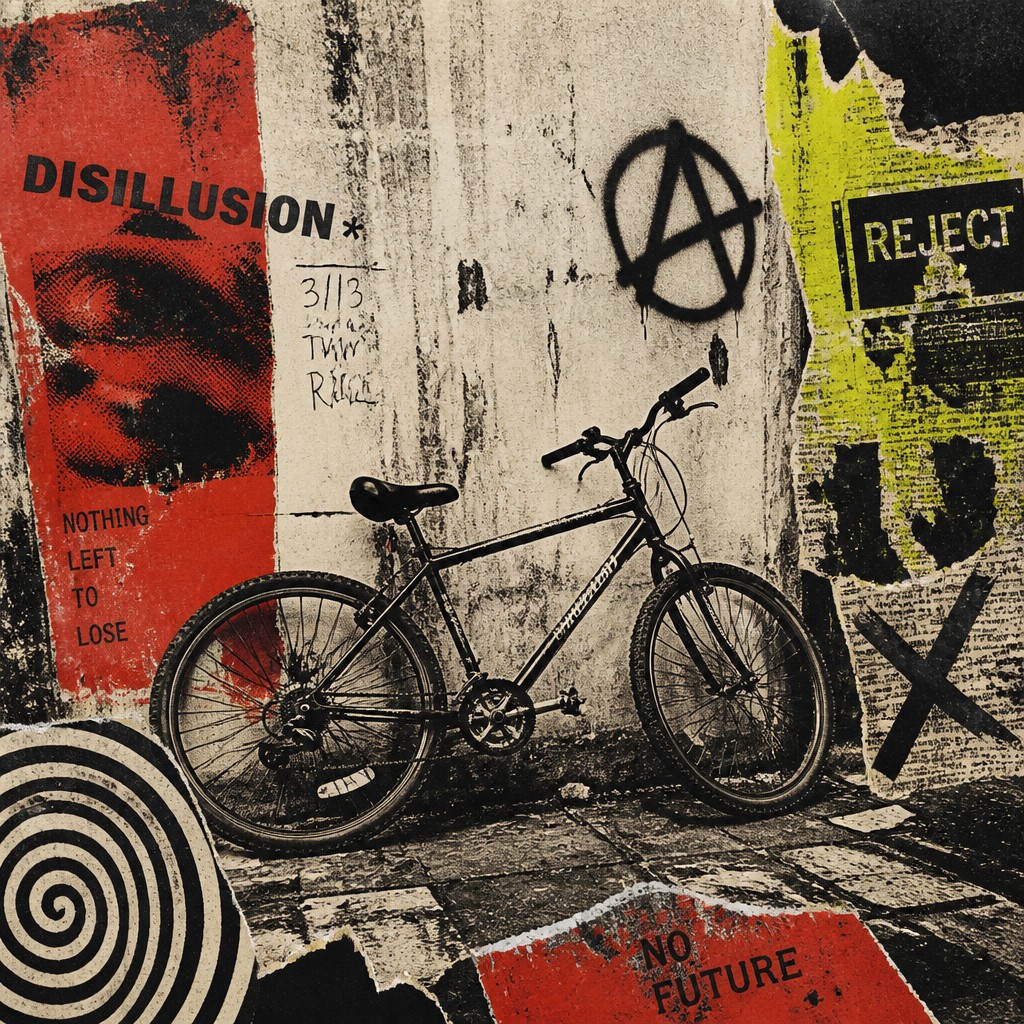
Underground 90s mood
The overall effect suggests flyers, album inserts, skate zines, and basement-show ephemera. It carries a defiant, anti-mainstream atmosphere even when applied to modern subjects.
Try It
Create Videos in Grunge Aesthetic
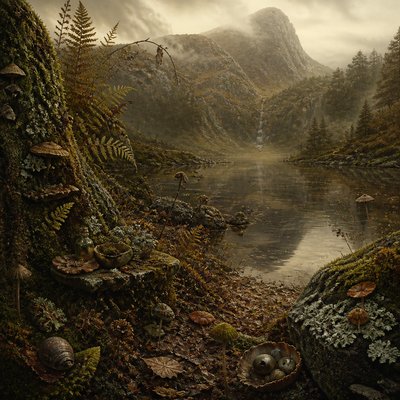
Styles aren't just for stills — describe a scene or animate an image and get a short video rendered in Grunge Aesthetic. Press play to see this pond come to life.
Make a VideoGrunge Aesthetic Prompt Ideas
Start from an idea — each one opens the generator with the style ready to go. See all 40 Grunge Aesthetic prompts →
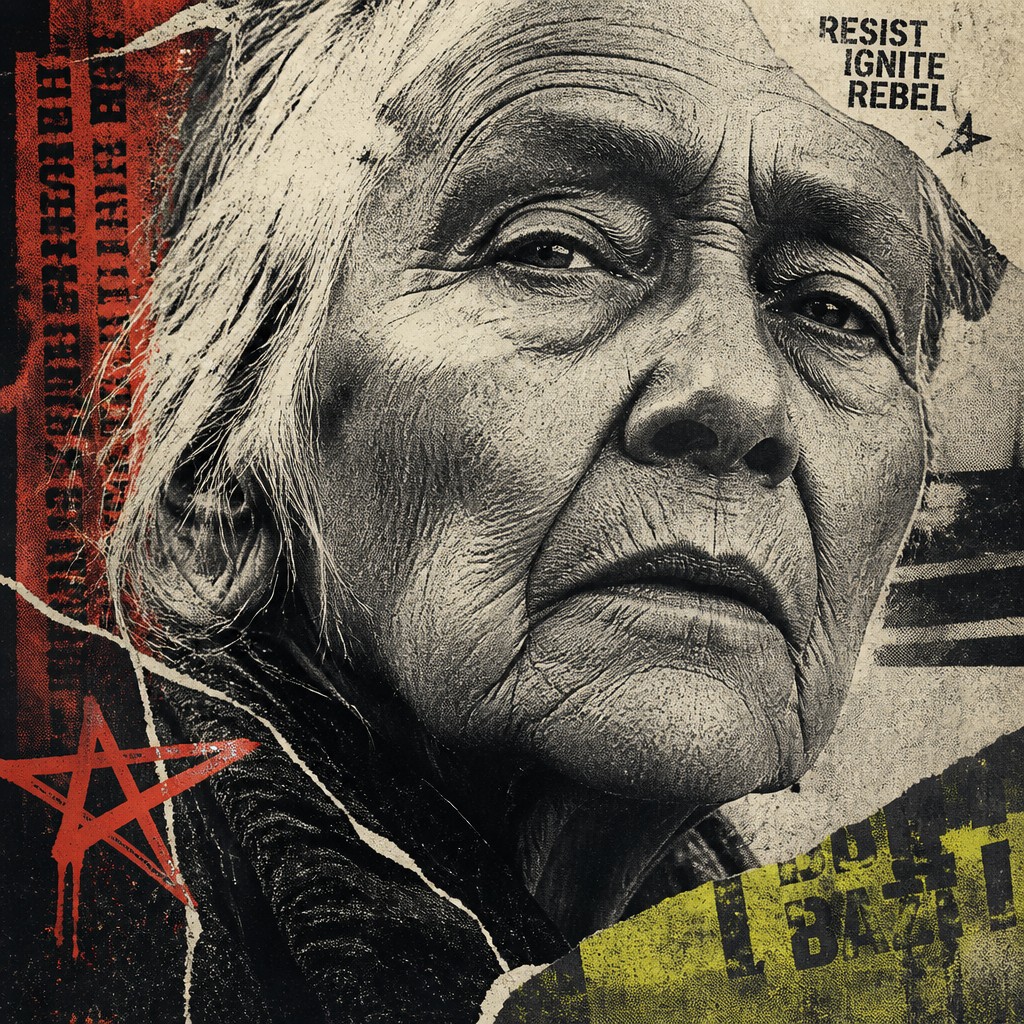
“close-up portrait of an elderly person with expressive weathered features”
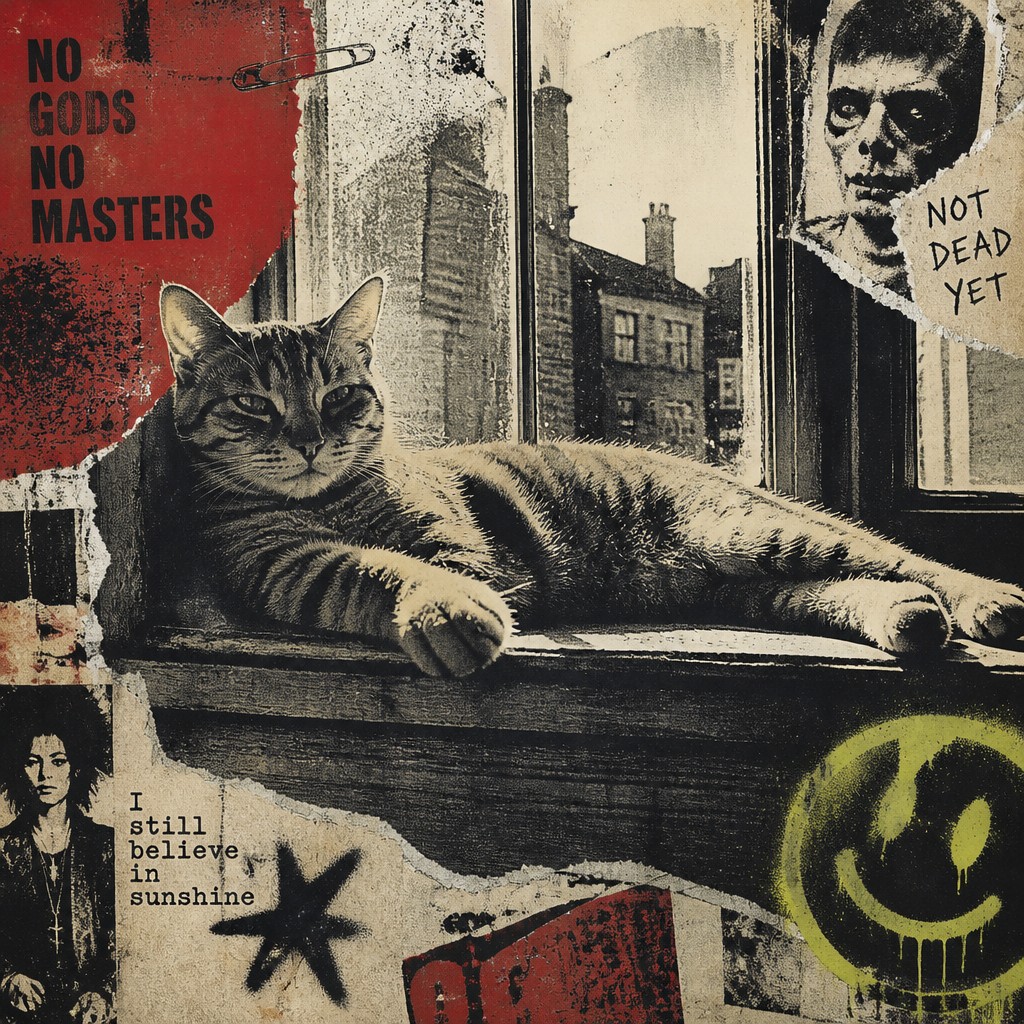
“a cat lounging in a sunlit window”
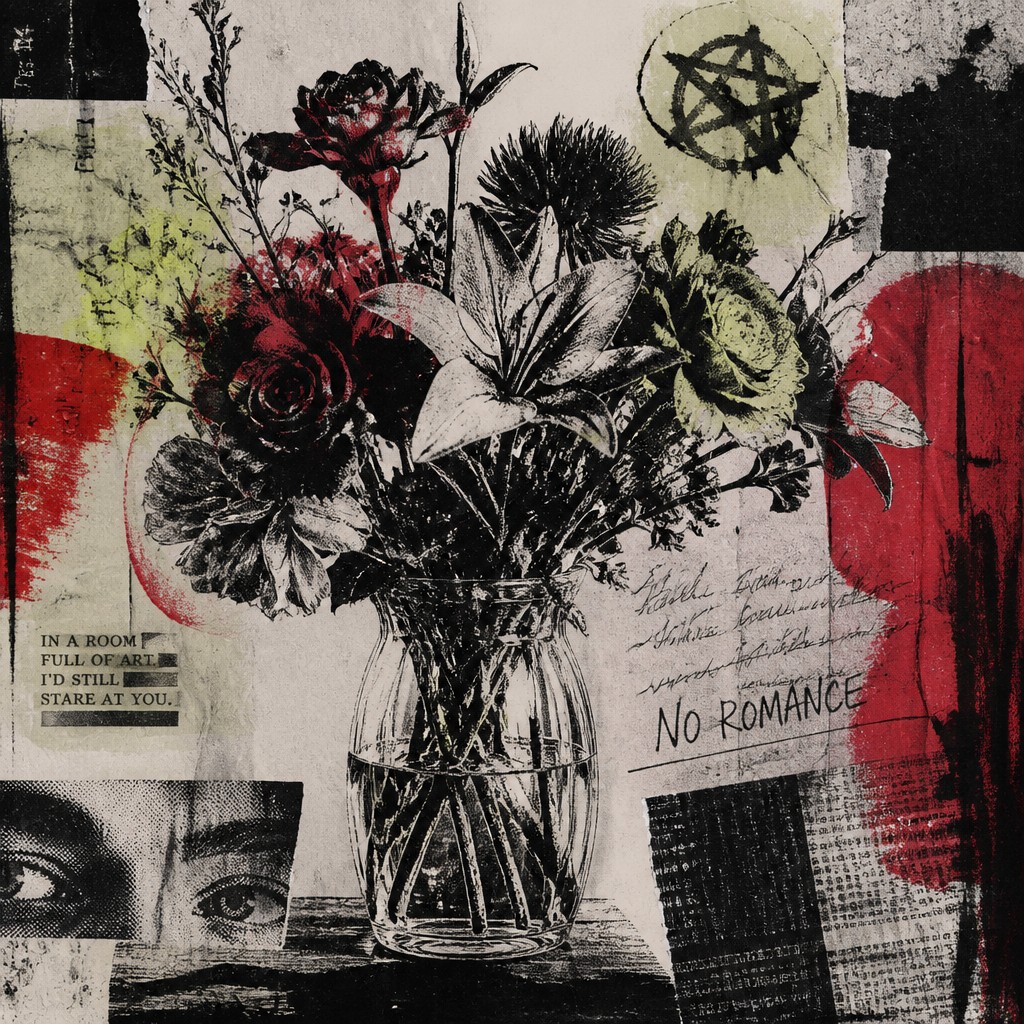
“bouquet of flowers in a glass vase”
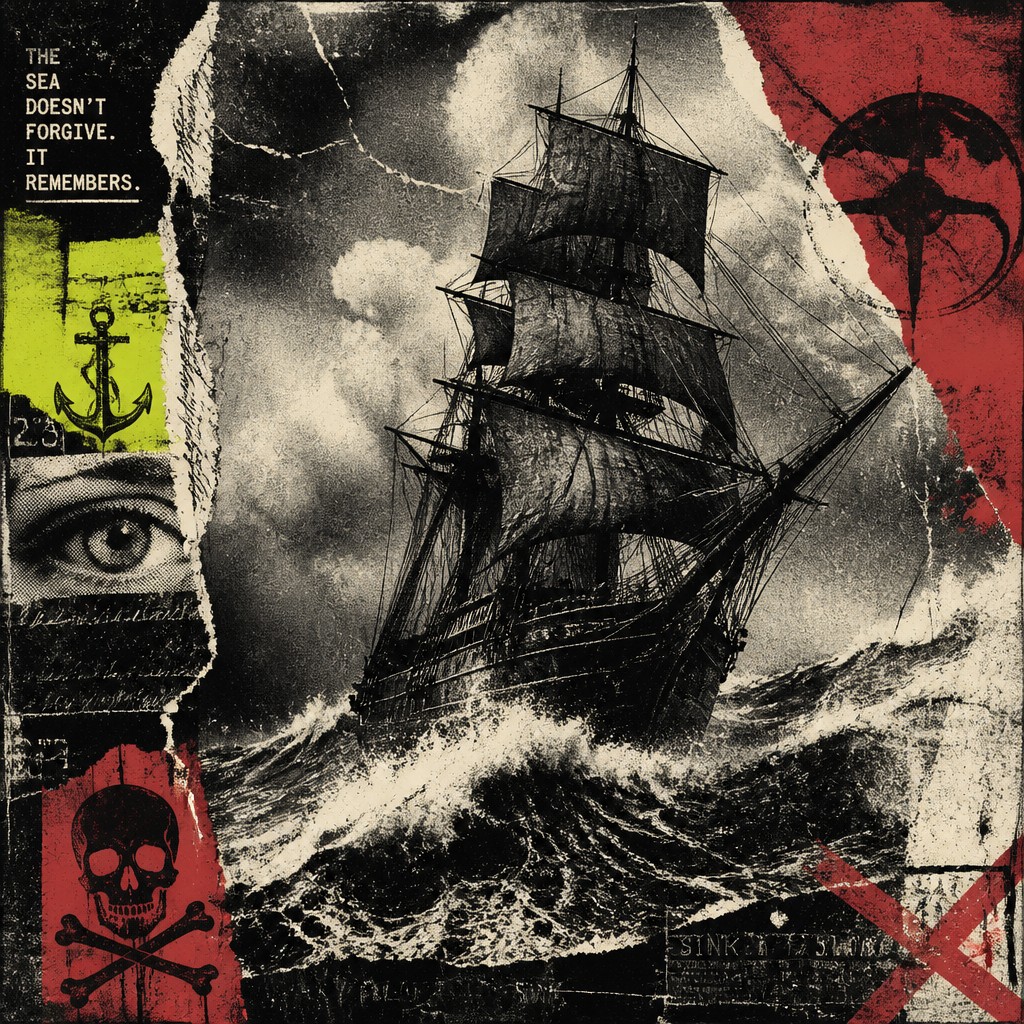
“sailing ship on a stormy sea”
How to Create Grunge Aesthetic Art
Master the craft step by step — or skip straight to creating. Read the full guide →
- 1
Build a worn paper base
Start with scanned paper texture, photocopies, or layered rough backgrounds before adding your subject. In digital work, use multiply, overlay, and mask layers to simulate aged paper and print damage.
- 2
Use collage and imperfect edges
Cut figures, typography, or objects into irregular shapes and let edges remain torn or misaligned. Traditional collage works well here, and digital cutout masks should avoid looking too clean.
- 3
Limit the palette
Keep most of the image in black, white, gray, and faded neutrals, then add a few dirty accent colors. Small areas of acid red or sickly green can carry the style without making it glossy.
- 4
Add reproduction damage
Introduce scan lines, halftone breakup, dust, ink bleed, and compression-like artifacts to mimic cheap print reproduction. The goal is not random noise alone, but noise that feels tied to photocopy or zine culture.
- 5
Prompt for material, not just mood
When generating images, specify tactile terms such as torn-paper collage, xerox grain, smudged ink, stencil spray, and distressed poster texture. Include the subject clearly, then direct the renderer toward rough, low-fidelity output rather than polished illustration.

The Story
History & Origins of Grunge Aesthetic
Grunge aesthetic developed from the intersection of punk zine culture, photocopied underground publishing, and the broader visual identity of 1990s alternative rock. Its materials and methods were shaped by low-budget reproduction: Xerox grain, paste-up collage, torn paper, and rough lettering that turned technical limitations into a recognizable look. The style also overlaps with earlier anti-design impulses in punk graphics and certain strands of Dada and photomontage, though grunge is distinct in its 1990s alt-rock associations and its emphasis on battered texture.
As the term "grunge" became linked to music and fashion in the early 1990s, its visual language spread into posters, magazines, record sleeves, and youth culture branding. Over time it has been revived as a deliberately stylized reference to that era, often used to signal authenticity, rebellion, boredom, alienation, or lo-fi energy. In contemporary design and image-making, the style is usually an aesthetic citation rather than a historical movement in its own right.
Influences: Grunge aesthetic draws from punk and post-punk graphic culture, DIY zine making, photocopied flyers, and alternative-rock visual identity of the 1990s. It also relates to Dada photomontage and later anti-design experiments, especially where fragmentation and mechanical reproduction are used to challenge polish and authority. In art and design terms, it sits near collage, distressed typography, street graphics, and lo-fi print traditions rather than any single canonical fine-art school.
Frequently Asked Questions
What defines grunge aesthetic?
Grunge aesthetic is defined by distressed texture, photocopy-like grain, torn-paper collage, and a rough, anti-polished look. It usually favors desaturated colors with a few harsh accents and a handmade, underground feel.
Is grunge aesthetic the same as 1990s grunge music style?
They are closely related, but not identical. The visual style grew alongside 1990s alternative rock and borrowed its mood, materials, and DIY attitude, yet it can be used today on subjects far beyond music.
How is grunge different from punk design?
Punk design often emphasizes confrontation, sharp typography, and aggressive political messaging, while grunge is usually more worn, smeared, and melancholic. Grunge keeps the rebellious energy but adds more decay, photocopy noise, and torn-collage texture.
What colors work best in grunge art?
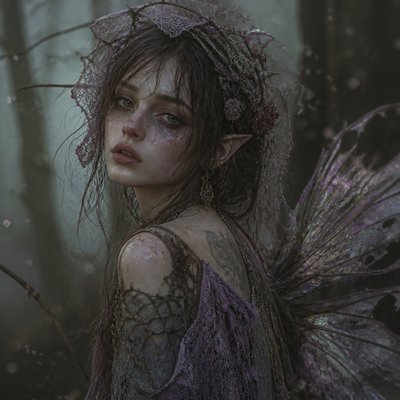
Black, white, gray, dirty beige, and faded brown are the safest base colors. Small accents in dirty red, acid green, mustard, or bruised purple can heighten the look without making it too clean or glossy.
Where is grunge aesthetic commonly used?
It appears in posters, album art, zines, streetwear graphics, skate culture, editorial design, and social-media visuals. It is also popular for themes of rebellion, nostalgia, underground music, and urban decay.
How do I make a photo look grunge?
Lower saturation, boost contrast, add grain, and overlay paper or photocopy textures. Then introduce torn edges, subtle smears, and imperfect masks so the image feels physically reproduced rather than digitally cleaned up.

Create your first Grunge Aesthetic artwork
Describe anything — or upload a photo — and see it in Grunge Aesthetic in seconds.
Make Something with Grunge Aesthetic
Related Styles
Discover similar art styles