Knightcore Aesthetic
Chivalric romance in burnished steel, heraldic crimson, torchlit stone, and medieval gravitas—an armor-rich fantasy aesthetic.
Instantly rendered in Knightcore Aesthetic — or transform a photo
Knightcore Aesthetic Gallery
Tap any artwork to explore it
What is Knightcore Aesthetic?
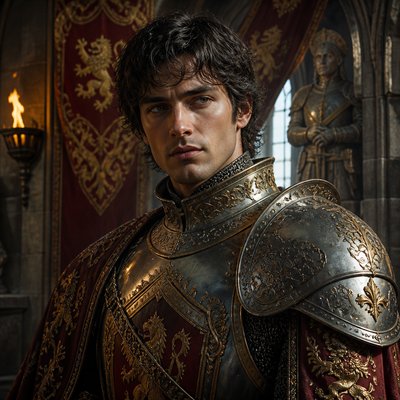
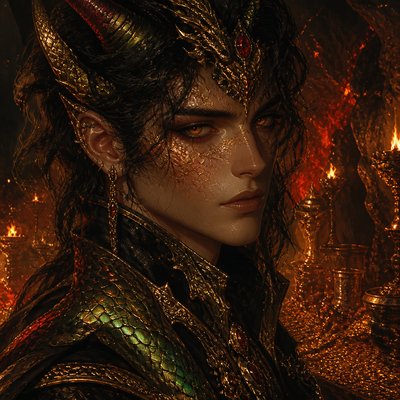
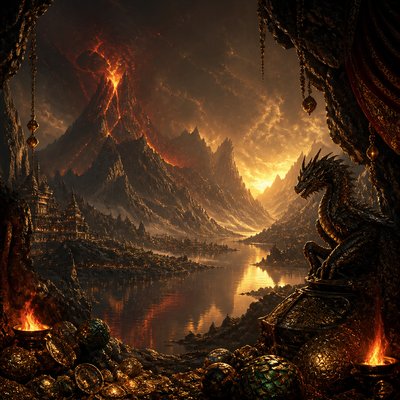
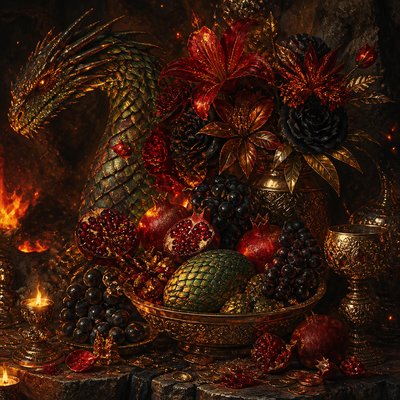
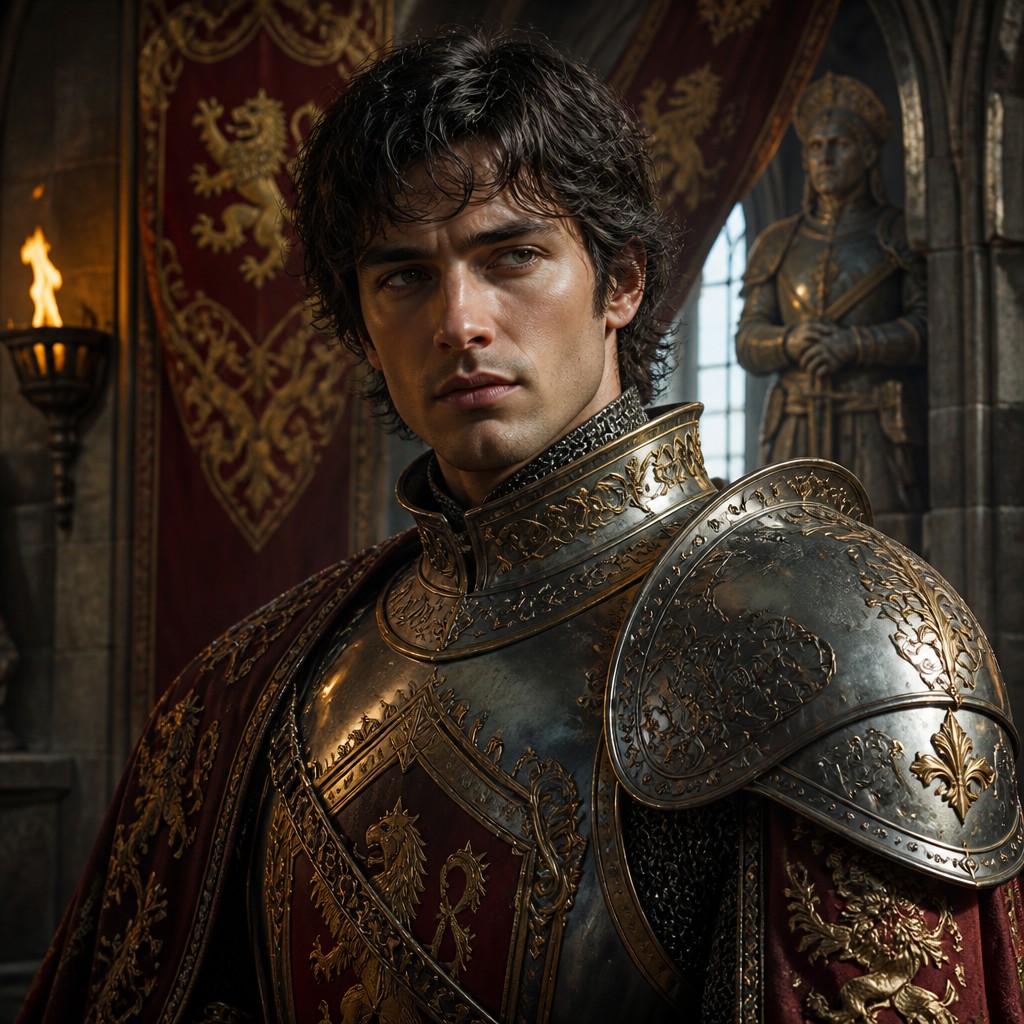
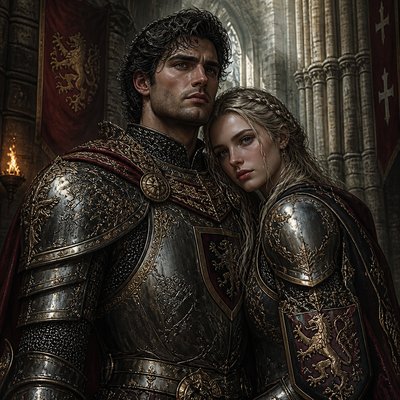
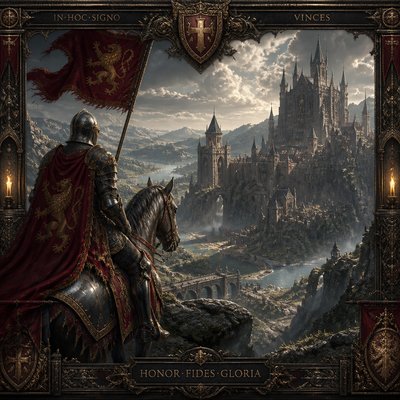
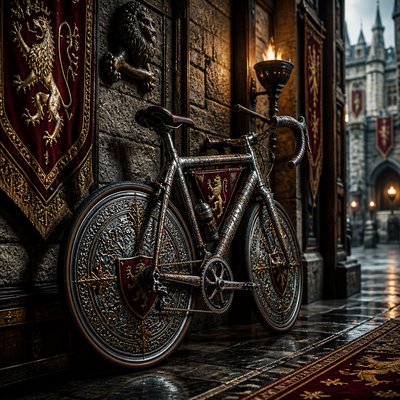
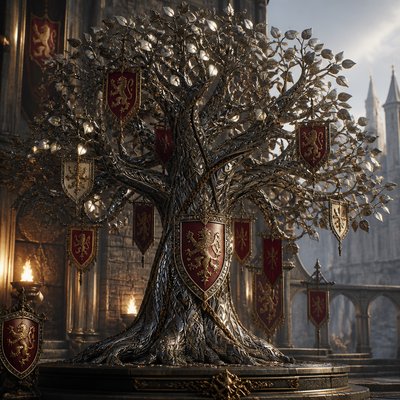
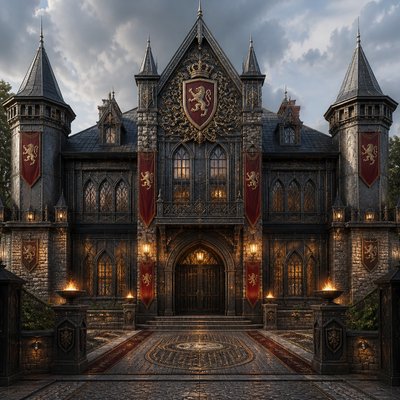
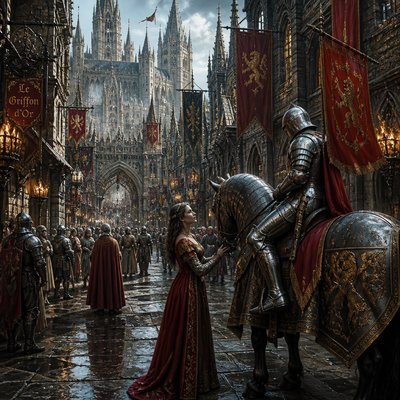
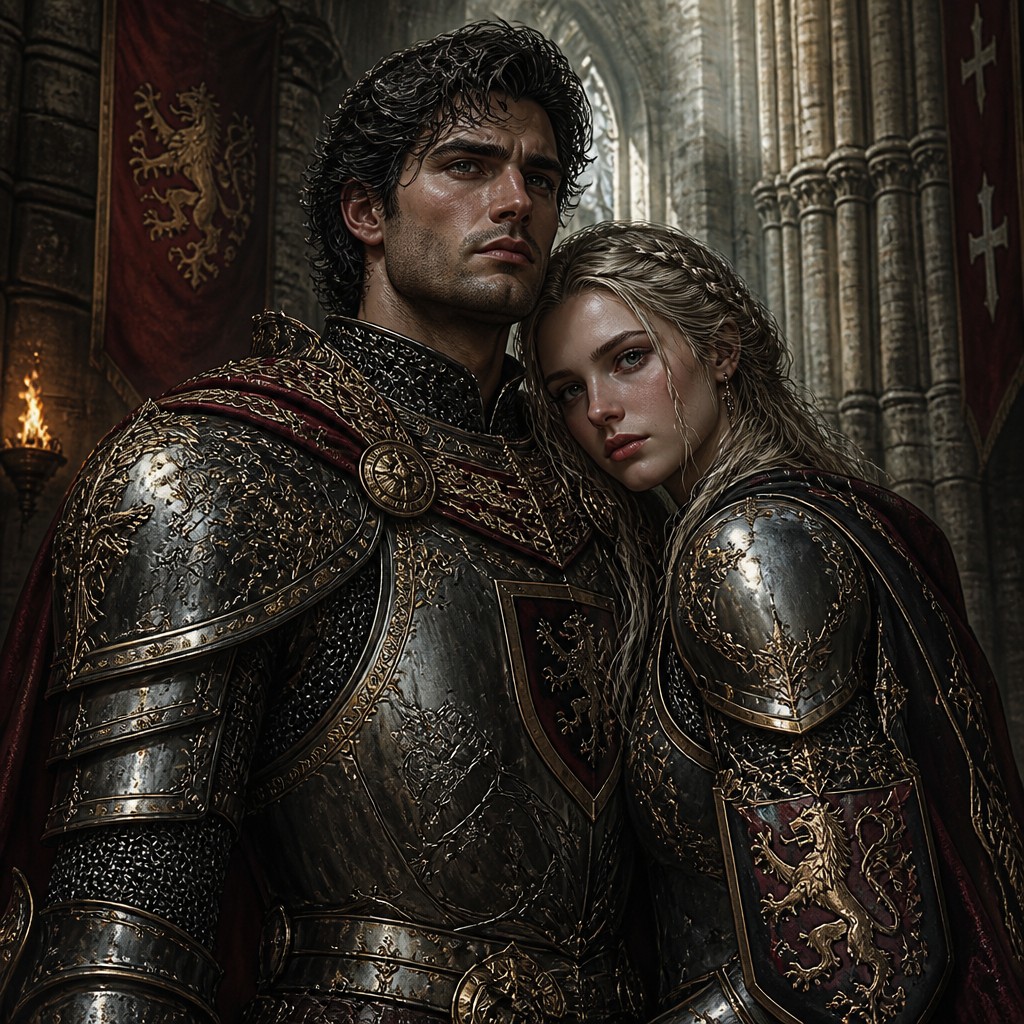
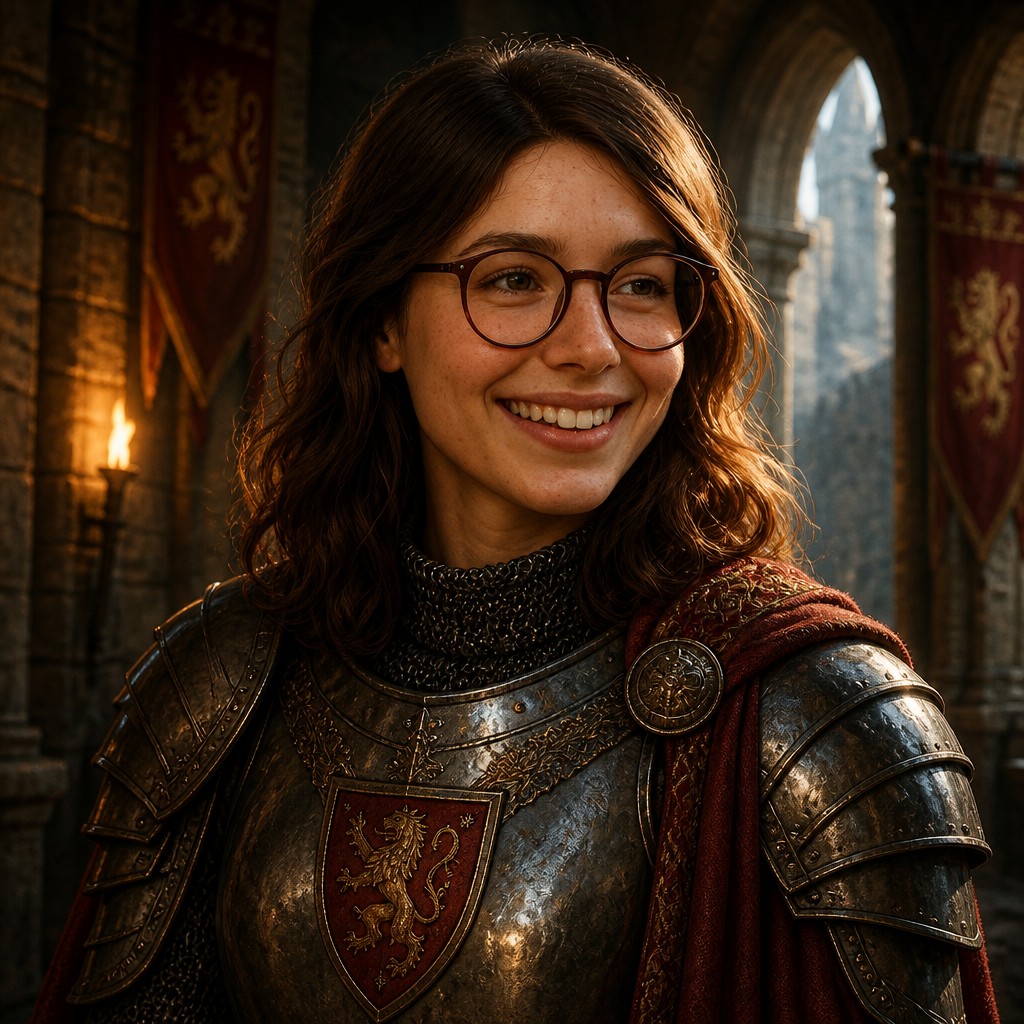
Knightcore aesthetic is a medieval fantasy style built around the visual language of chivalry: burnished armor, chainmail, heraldic colors, castle stone, torchlight, banners, and the solemn pageantry of courts and battlefields. It evokes romance, duty, honor, and nobility rather than historical realism alone, so even everyday subjects are often transformed into scenes with armor-like surfaces, cathedral shadows, and a ceremonial sense of weight.
Its visual identity comes from combining several medieval sources: illuminated manuscripts, Gothic architecture, heraldry, armor design, and romanticized depictions of knights in later painting and illustration. The result is a dramatic palette of iron gray, deep crimson, gold, and stone beige, with strong contrasts between warm firelight and cold daylight. The style looks the way it does because it emphasizes materials associated with the medieval world—polished steel, weathered leather, embroidered fabric, engraved metal, and masonry—while keeping the overall mood noble, solemn, and cinematic.
Try It On Your Photos
Upload any photo and convert it into Knightcore Aesthetic — drag the sliders to compare before and after.


What Defines Knightcore Aesthetic
The signature details, up close
Burnished armor surfaces
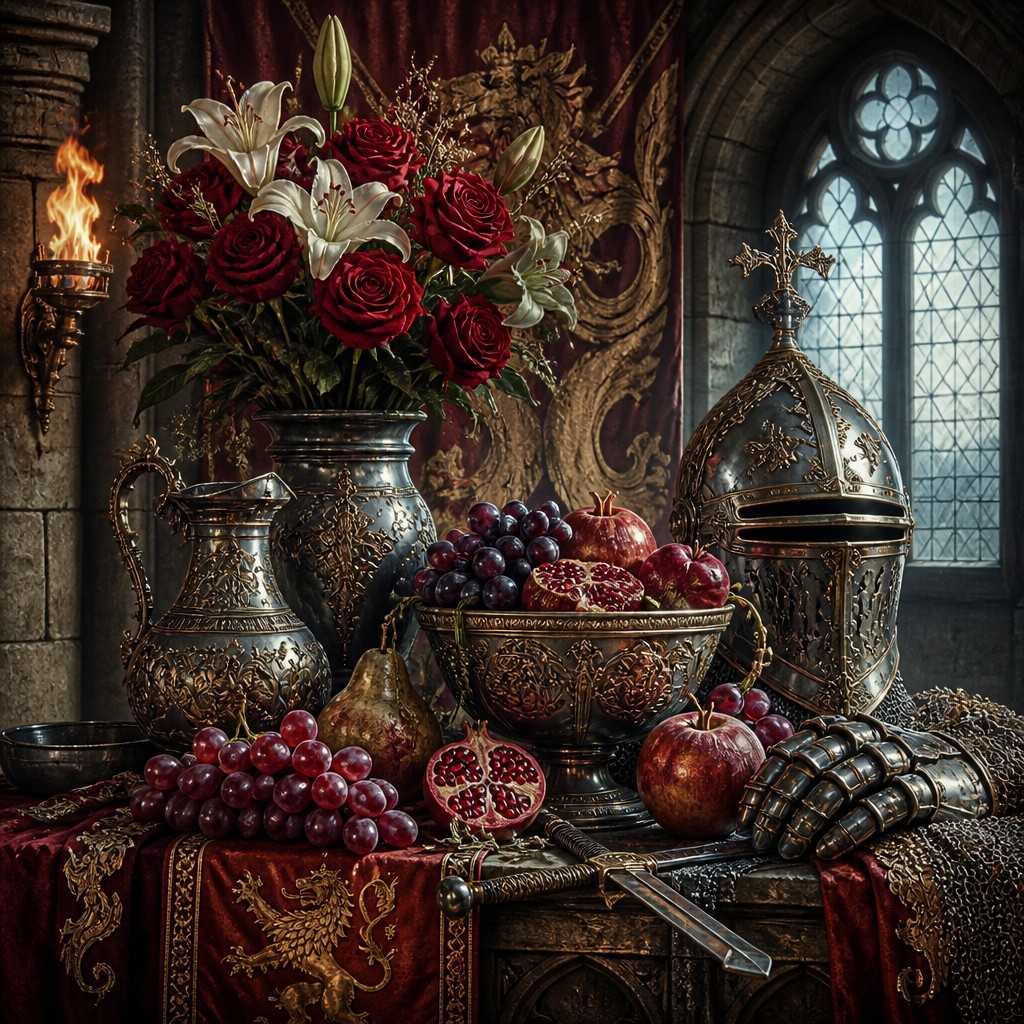
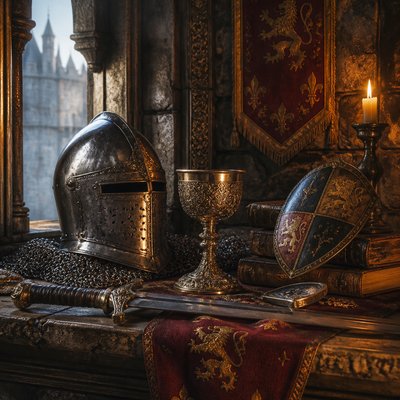
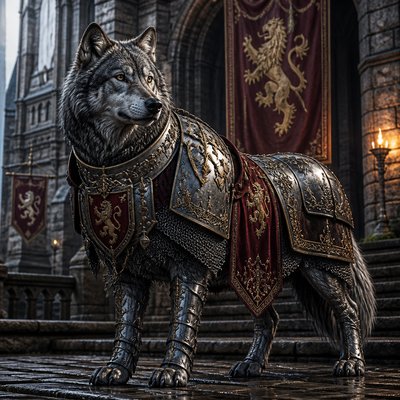
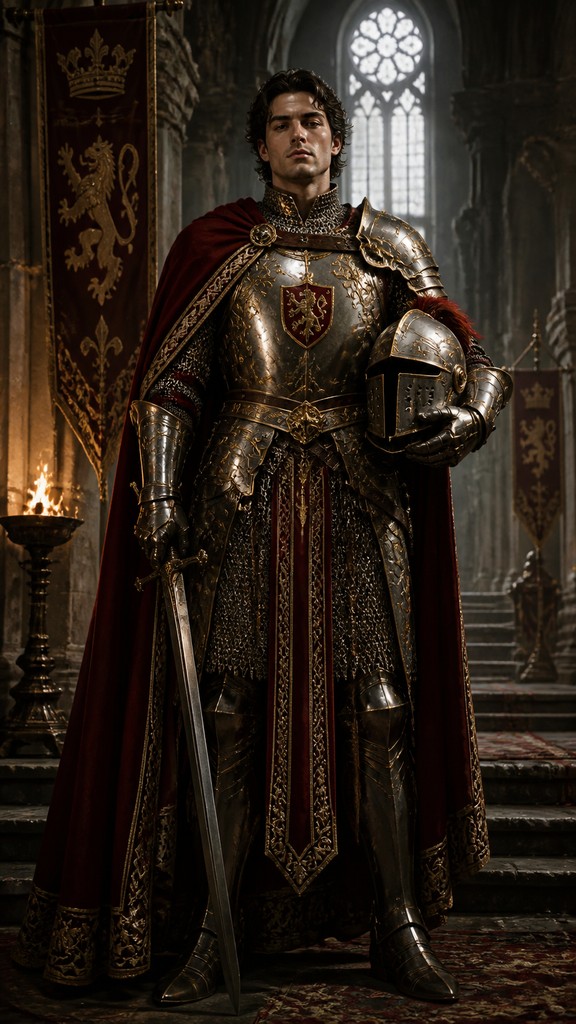
Steel, plate armor, chainmail, and riveted hardware are rendered with high material clarity. Highlights are sharp and reflective, giving objects a polished but weighty presence.
Heraldic color palette
Deep crimson, gold, iron gray, black, and stone beige dominate the scheme. These colors suggest banners, noble insignia, candlelight, and castle interiors.
Torchlit contrast
Lighting often pairs warm firelight with cold ambient daylight or shadow. This creates theatrical depth and emphasizes the texture of metal, stone, and fabric.
Medieval architecture and masonry
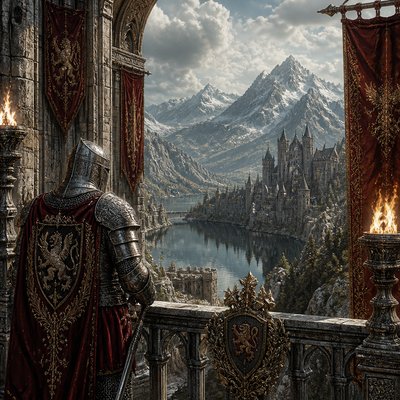
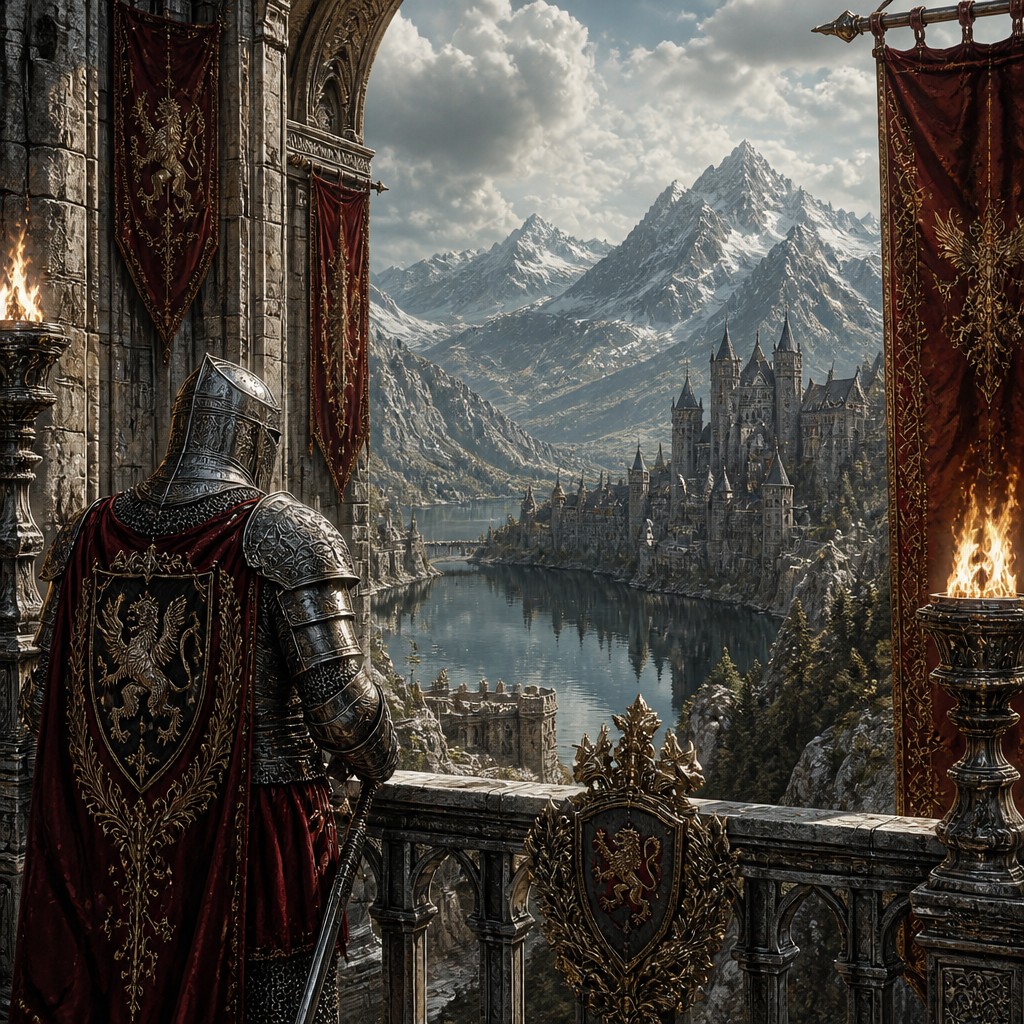
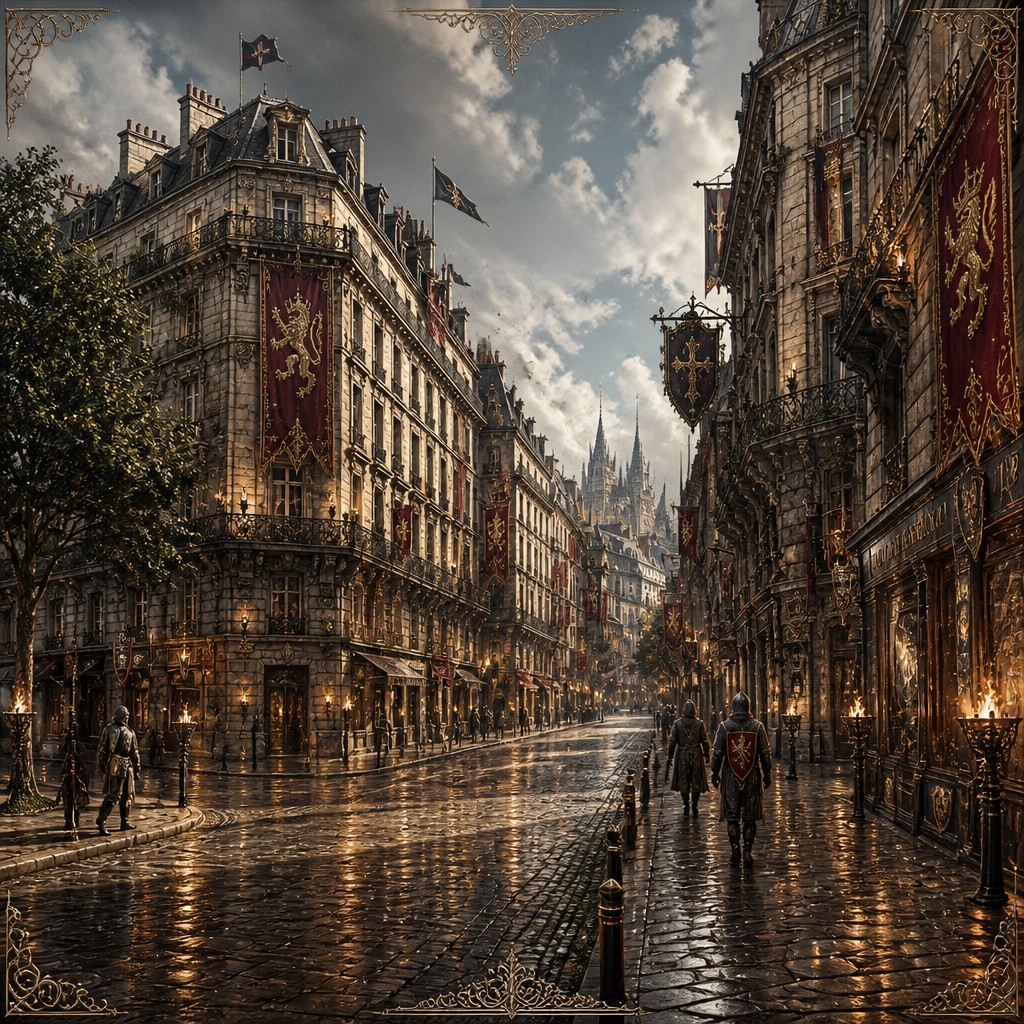
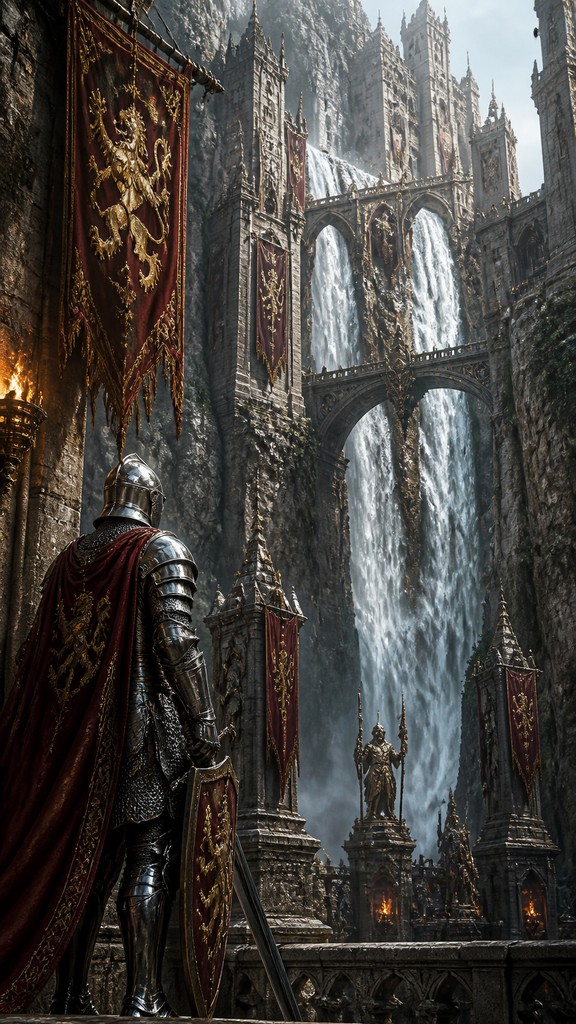
Castle walls, vaulted halls, arches, towers, and fortress spaces are central visual anchors. Stone is usually weathered, massive, and solemn rather than decorative or polished.
Engraved ornament and filigree
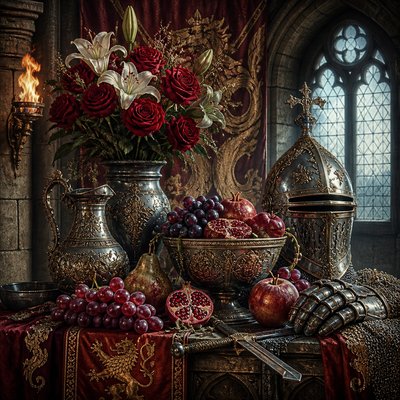
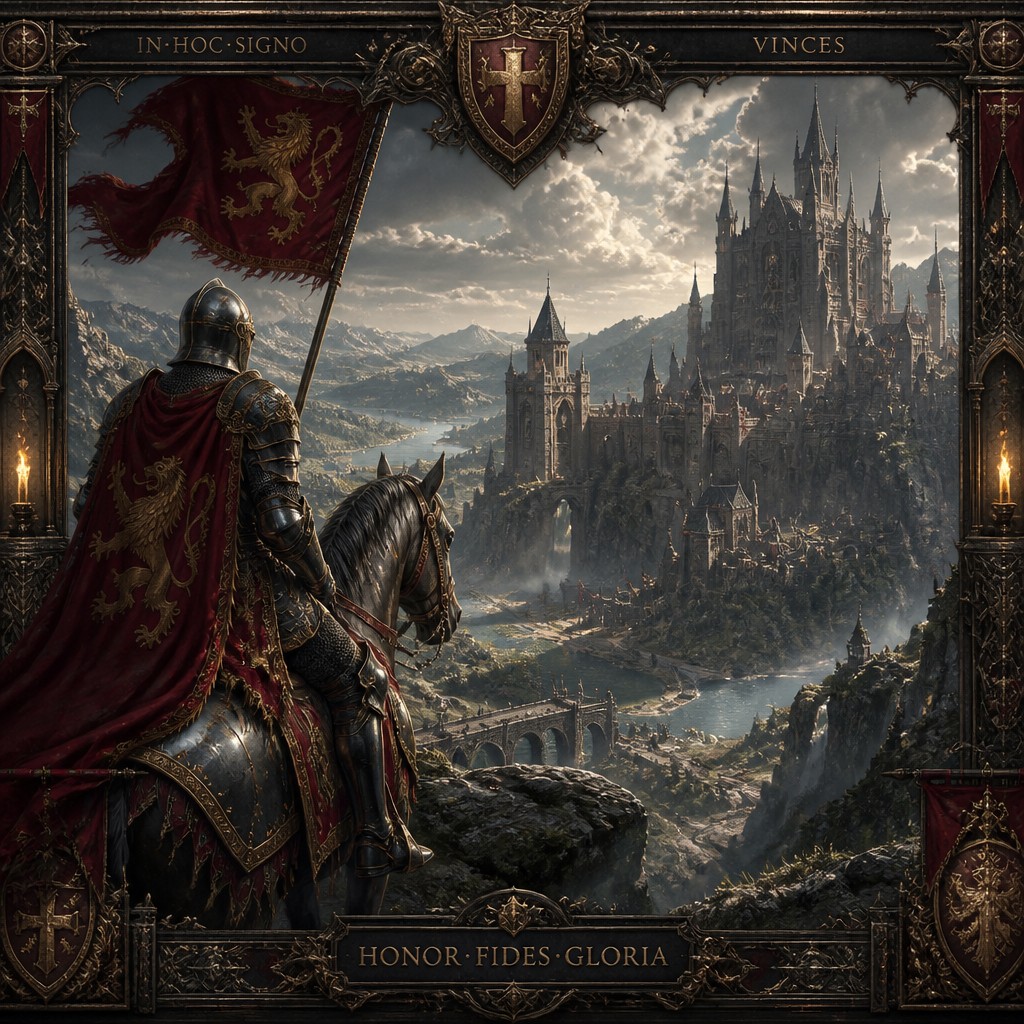
Decorative metalwork, embossed borders, filigreed trim, and heraldic motifs add historical density. Small details often signal rank, lineage, or ceremonial purpose.
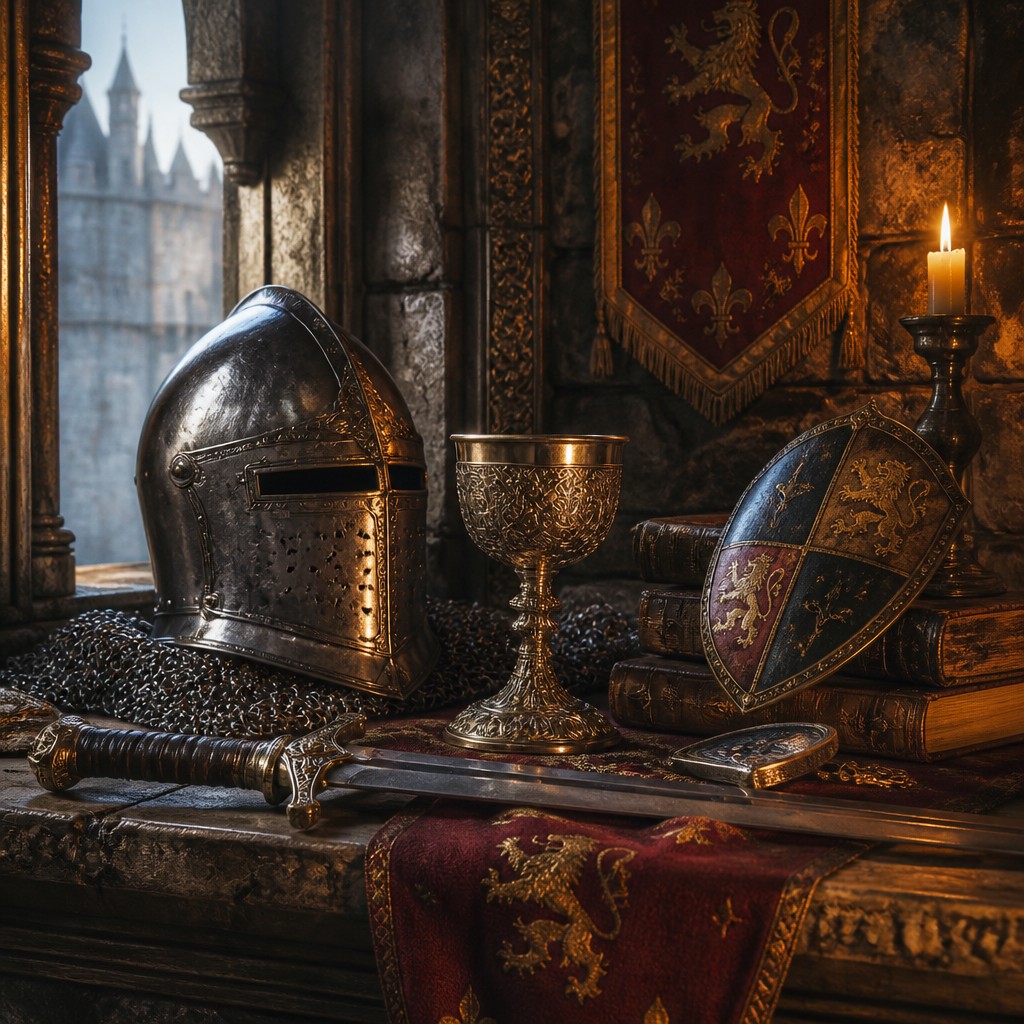
Chivalric mood
Figures and scenes feel honorable, restrained, and ceremonial, even when action is present. The emotional tone favors duty, romance, and noble gravitas over chaos or humor.
Try It
Create Videos in Knightcore Aesthetic
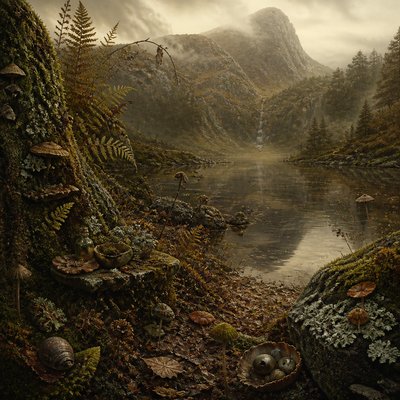
Styles aren't just for stills — describe a scene or animate an image and get a short video rendered in Knightcore Aesthetic. Press play to see this pond come to life.
Make a VideoKnightcore Aesthetic Prompt Ideas
Start from an idea — each one opens the generator with the style ready to go. See all 40 Knightcore Aesthetic prompts →
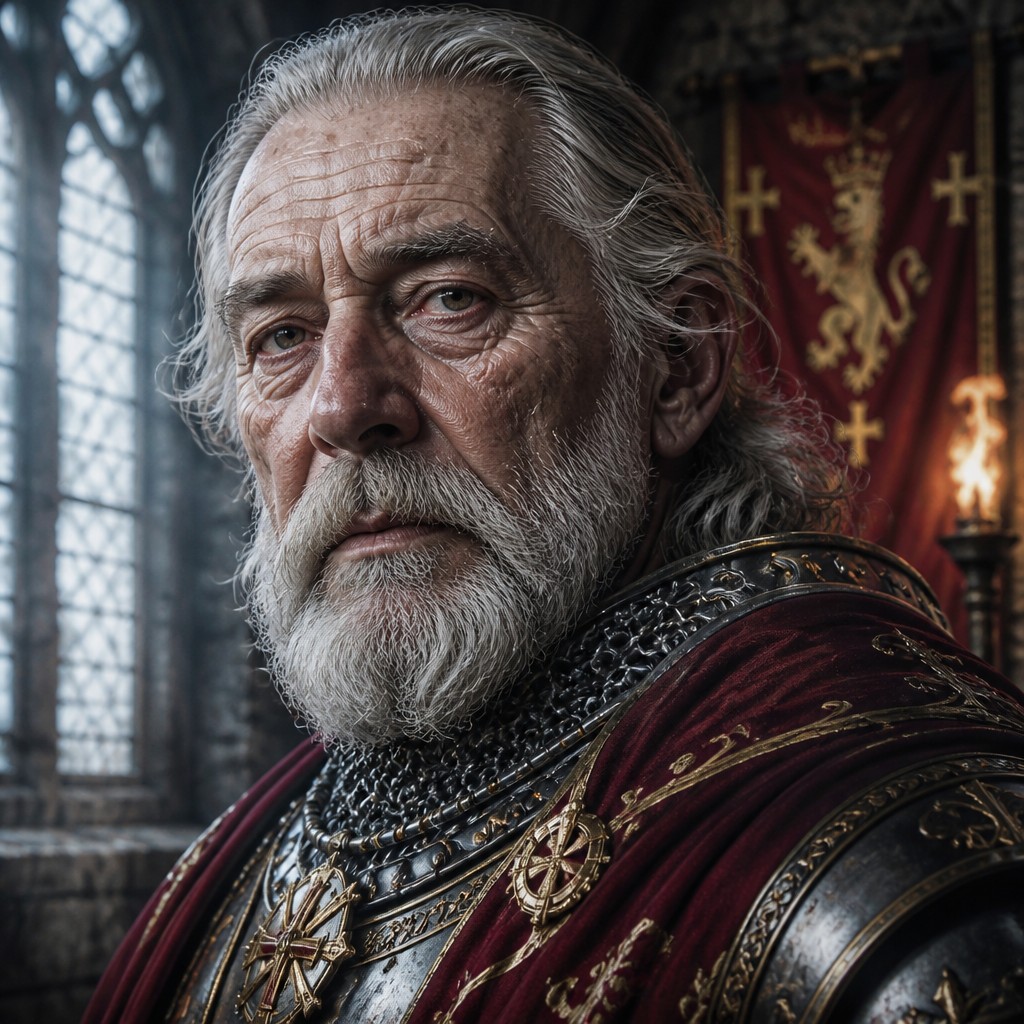
“close-up portrait of an elderly person with expressive weathered features”
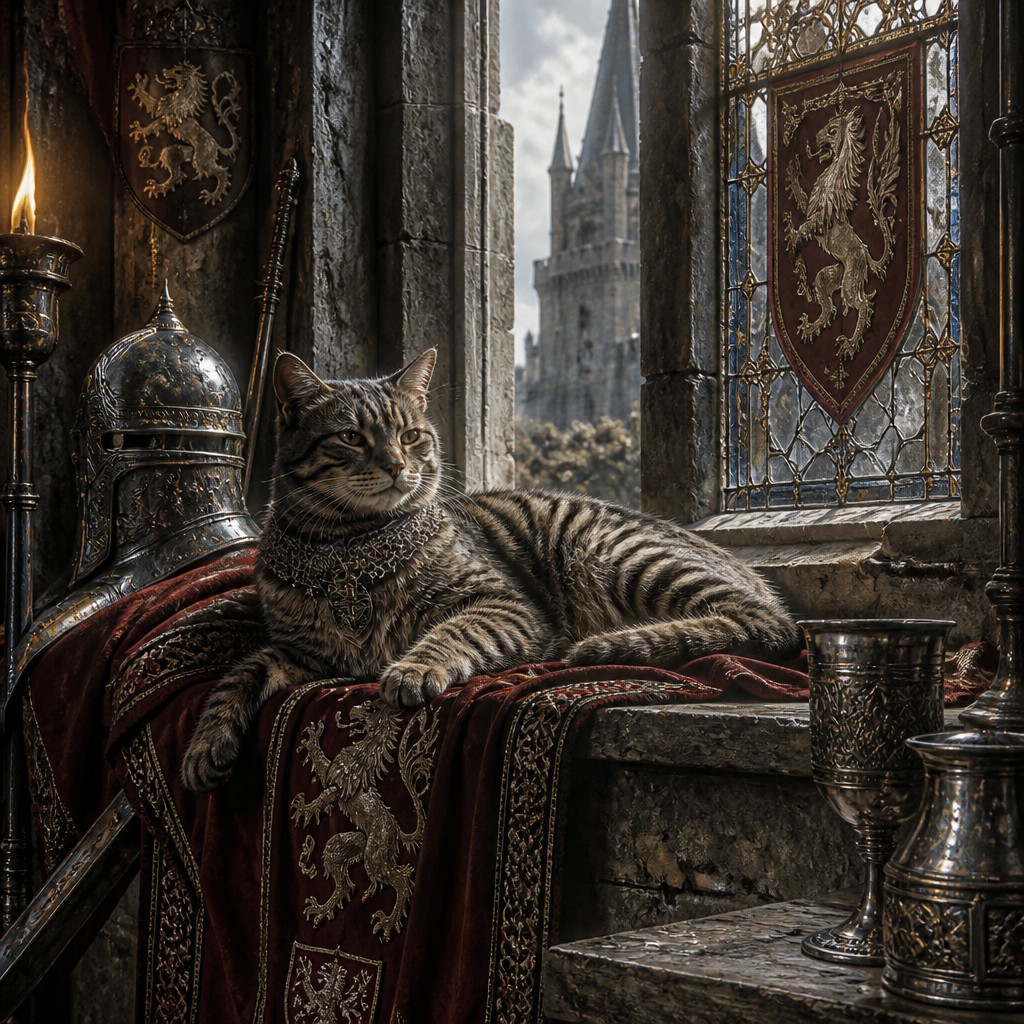
“a cat lounging in a sunlit window”
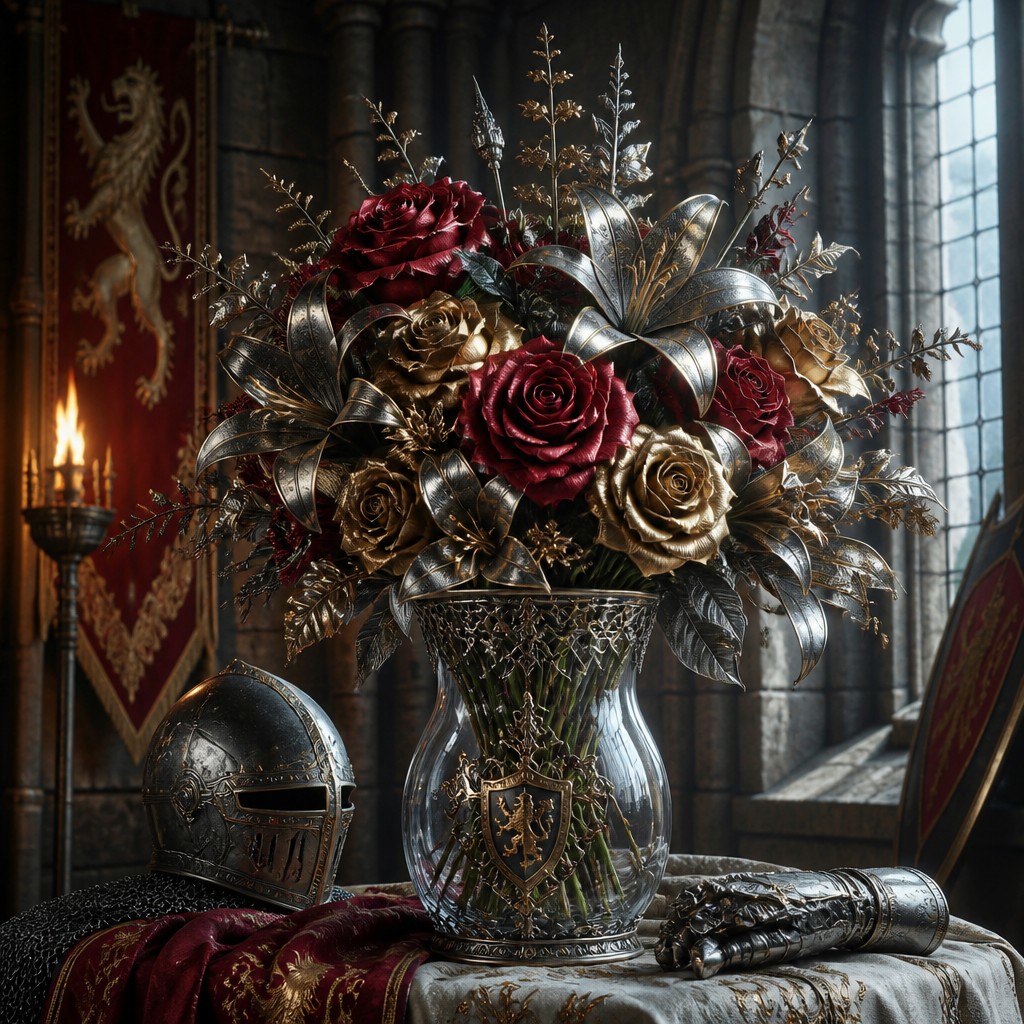
“bouquet of flowers in a glass vase”
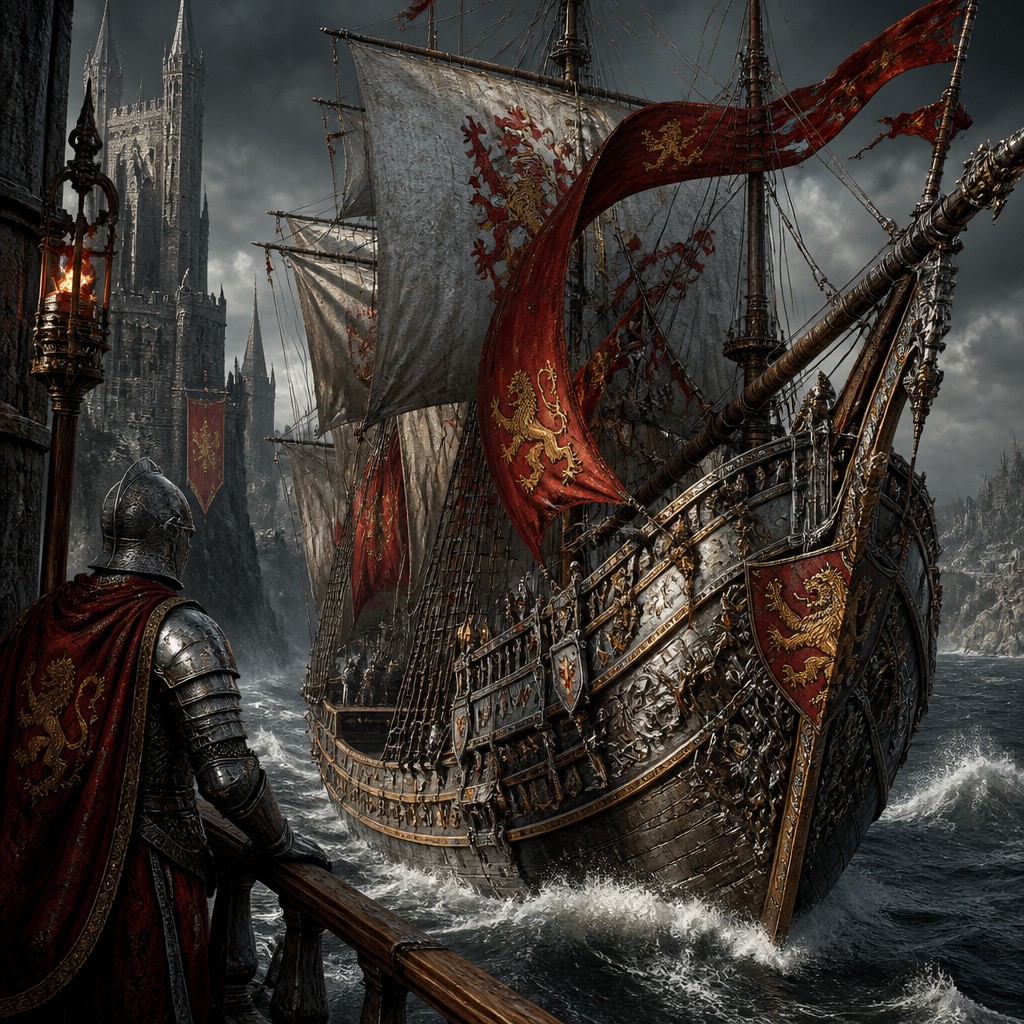
“sailing ship on a stormy sea”
How to Create Knightcore Aesthetic Art
Master the craft step by step — or skip straight to creating. Read the full guide →
- 1
Build around medieval materials
Start with armor, chainmail, stone, velvet, leather, and metal trim rather than generic fantasy surfaces. In traditional media, use strong edge highlights and layered texture to make steel and masonry feel tactile.
- 2
Use a restrained noble palette
Limit the scene to iron gray, deep crimson, gold, parchment, and castle-stone beige, then add small accents sparingly. This keeps the image cohesive and immediately signals heraldic medieval atmosphere.
- 3
Light for drama, not realism alone
Combine warm torchlight, candle glow, or sunset with cooler shadow or daylight to create visual tension. In digital work, strong rim light and selective contrast help armor and stone read clearly.
- 4
Add heraldic structure
Incorporate banners, shields, crests, border motifs, and symmetrical composition to evoke courtly order. Prompting can specify these elements directly, such as engraved filigree, pennants, and heraldic insignia.
- 5
Keep forms ceremonial and weighty
Pace the composition with monumental shapes, upright poses, and serious expressions. Whether drawing by hand or generating from text, avoid overly sleek sci-fi silhouettes or modern fashion cues if you want the medieval mood to remain intact.
The Story
History & Origins of Knightcore Aesthetic
Knightcore is not a historical art movement with a single origin; it is a modern aesthetic lineage assembled from medieval visual traditions and later romantic reinterpretations of them. Its core imagery draws on European chivalric culture: armor, heraldry, castle interiors, religious architecture, and courtly ceremony. Much of what people recognize as knightly atmosphere today also comes through the medieval revival in later centuries, especially Gothic Revival design, Pre-Raphaelite medievalism, and fantasy illustration.
The style developed further in contemporary games, film, tabletop art, and online aesthetics, where medieval motifs were simplified into a recognizable visual shorthand. It shares DNA with fantasy concept art, illuminated-manuscript ornament, and historical costume study, but it is not limited to strict accuracy. Instead, it refines medieval references into a coherent mood: polished metal, torchlit drama, noble restraint, and the idea of romance framed by stone, steel, and banners.
Influences: Knightcore draws from medieval manuscript illumination, Gothic architecture, heraldry, armor design, and romanticized medieval revival art. It also overlaps with the visual traditions of the Pre-Raphaelites and later fantasy illustration, where artists such as Edward Burne-Jones and Dante Gabriel Rossetti helped popularize idealized medieval subjects, though knightcore itself is a contemporary aesthetic rather than a historical school.
Frequently Asked Questions
What defines the knightcore aesthetic?
Knightcore is defined by medieval chivalric imagery: armor, chainmail, banners, castle stone, heraldic symbols, and noble ceremony. Its mood is romantic and solemn, with a focus on honor, pageantry, and material richness. The style usually emphasizes steel, crimson, gold, and firelit contrast.
Is knightcore historically accurate medieval art?
Not usually. It borrows from real medieval visual culture, but it is a modern aesthetic that blends historical references with fantasy framing and cinematic lighting. Accuracy may be present in details like armor or architecture, but the overall style is more interpretive than documentary.
How is knightcore different from dark fantasy?
Dark fantasy often leans into menace, horror, decay, or occult imagery, while knightcore is more centered on nobility, romance, and chivalric dignity. Both may share castles and armor, but knightcore is brighter in its emotional tone and more heraldic in its design language. It feels ceremonial rather than sinister.
What subjects work best in knightcore art?
Knights, queens, heraldic portraits, castle interiors, medieval courts, banners, relics, weapons, and solemn landscapes all work well. Even modern subjects can be adapted if they are translated into armor-like forms, stone textures, and medieval color symbolism. Portraits and architecture are especially effective.
How do I make an image look more like knightcore?
Use metallic textures, engraved ornament, deep reds, and strong torchlit contrast. Include medieval architecture, banners, and a controlled composition that feels formal or ceremonial. If creating digitally, prioritize material rendering and layered highlights on steel and fabric.
Where is knightcore commonly used?
It is common in fantasy illustration, character art, game concept design, themed branding, fashion moodboards, and medieval-inspired interior or event visuals. It also works well for album art, book covers, and decorative posters. The style is especially useful when a project needs a noble medieval atmosphere without strict historical reconstruction.
Create your first Knightcore Aesthetic artwork
Describe anything — or upload a photo — and see it in Knightcore Aesthetic in seconds.
Make Something with Knightcore Aesthetic
Related Styles
Discover similar art styles