Grandmillennial Aesthetic
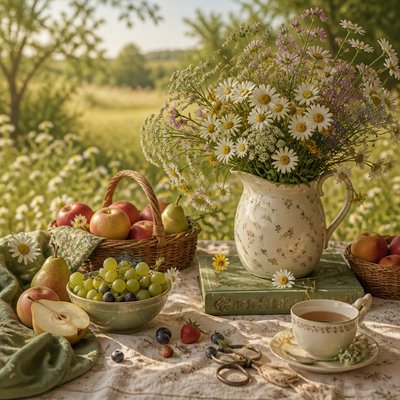
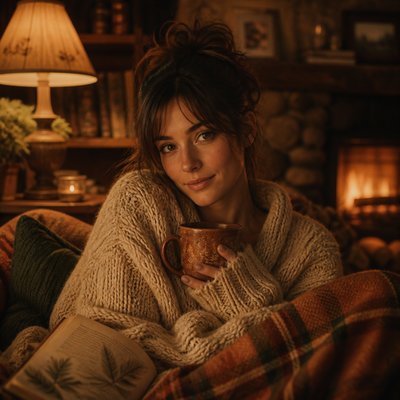
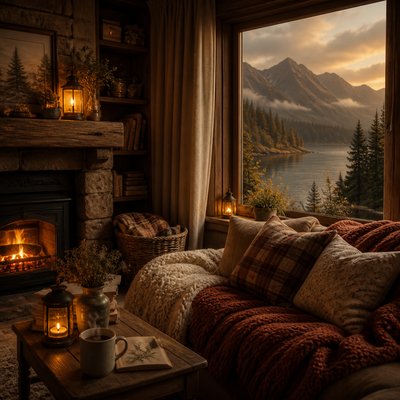
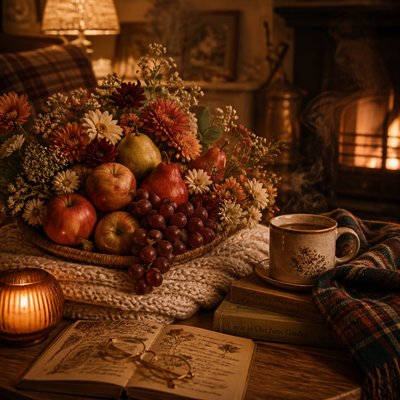
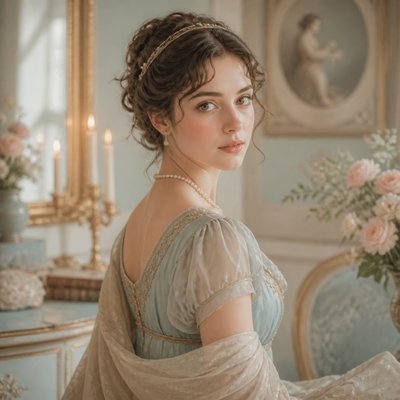
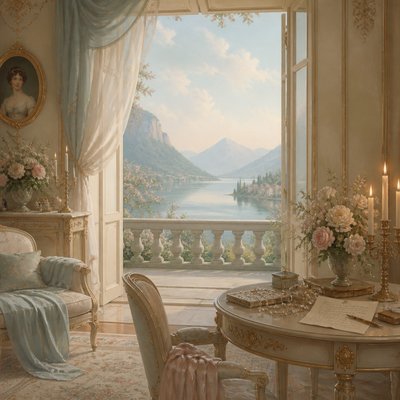
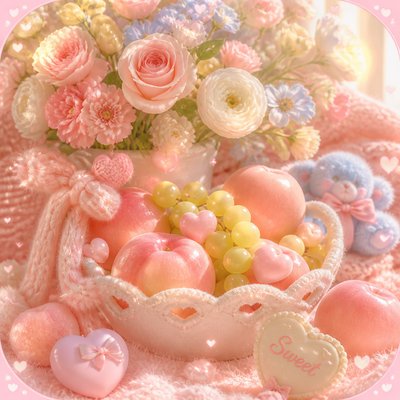
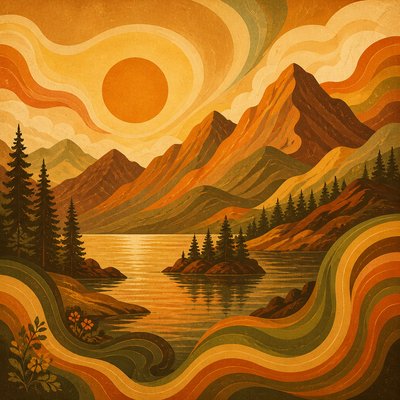
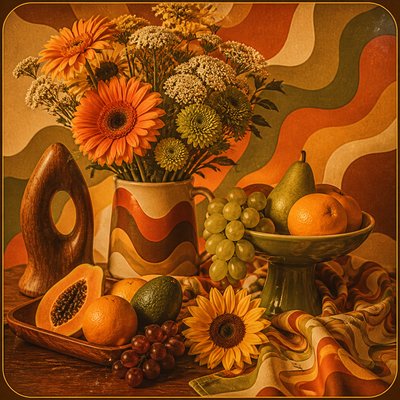
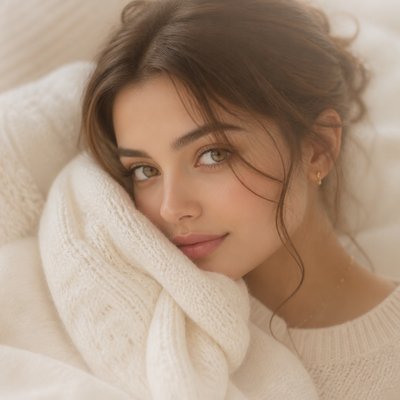
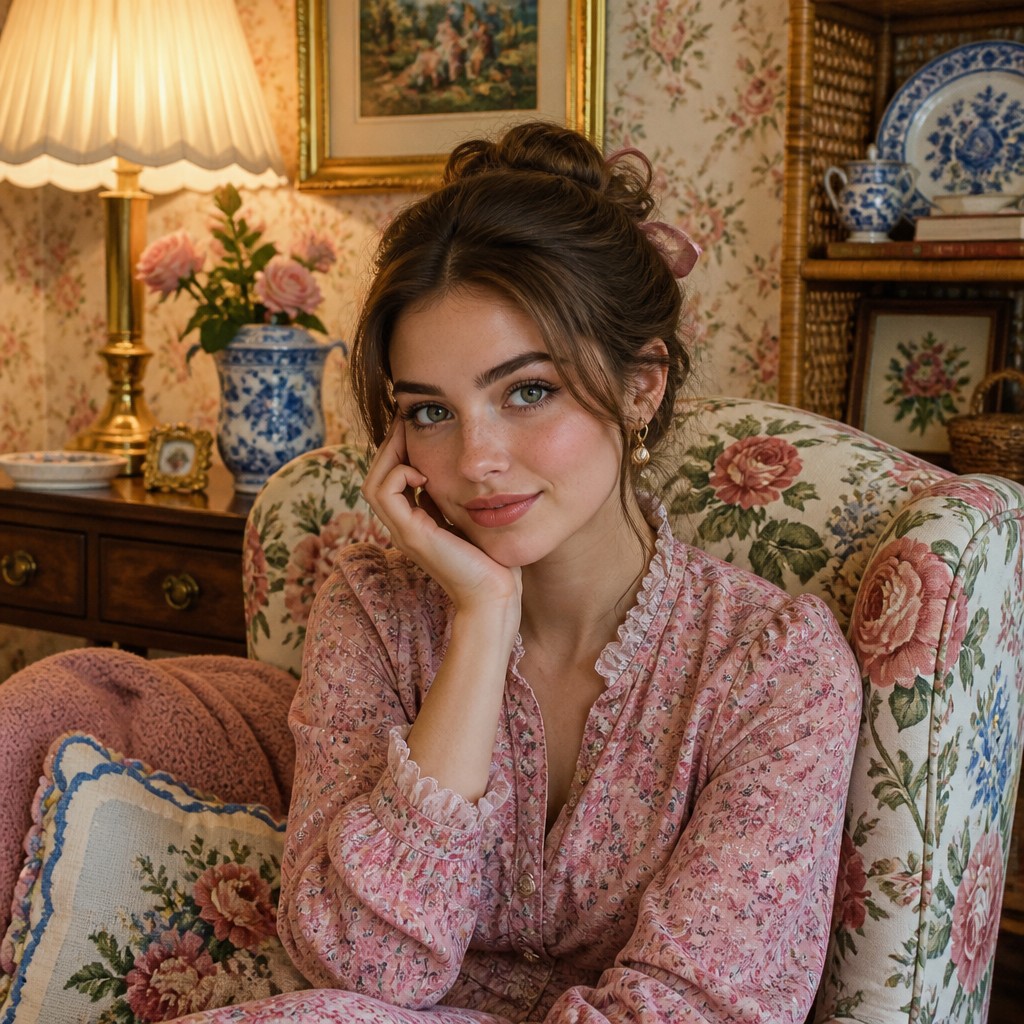
Grandmillennial aesthetic: chintz florals, needlepoint, scallops, and cozy heirloom interiors with a fresh, youthful polish.
Instantly rendered in Grandmillennial Aesthetic — or transform a photo
Grandmillennial Aesthetic Gallery
Tap any artwork to explore it
What is Grandmillennial Aesthetic?
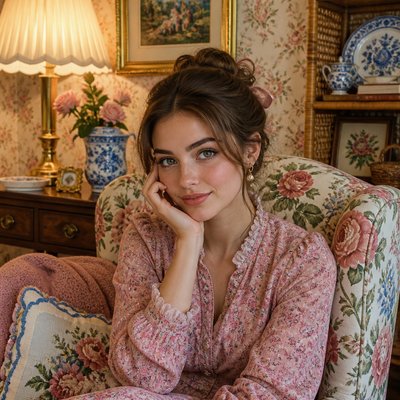
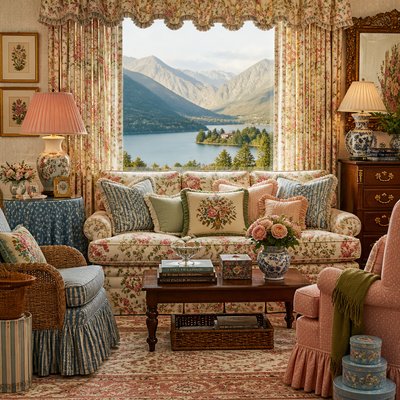
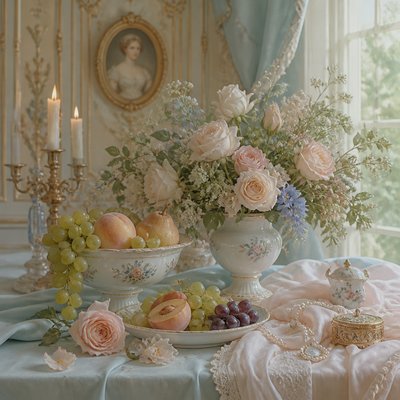
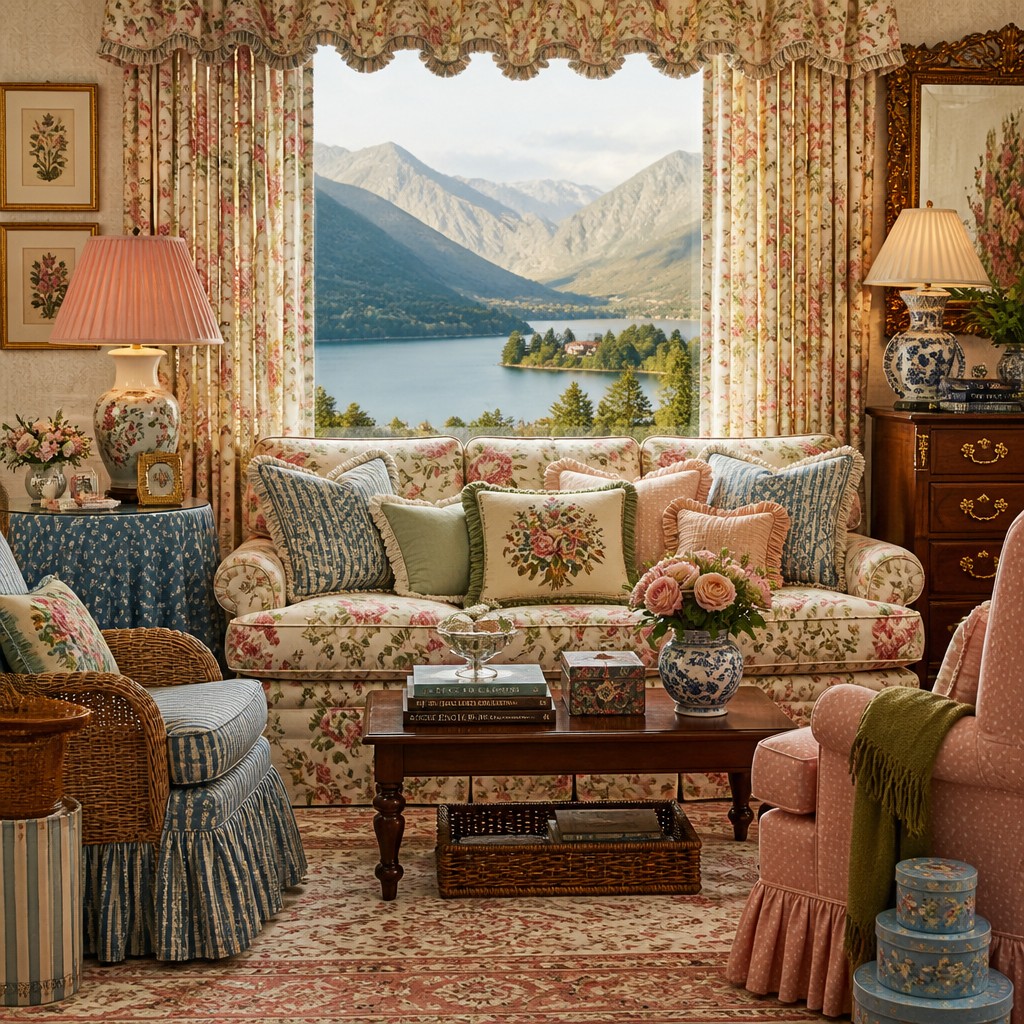
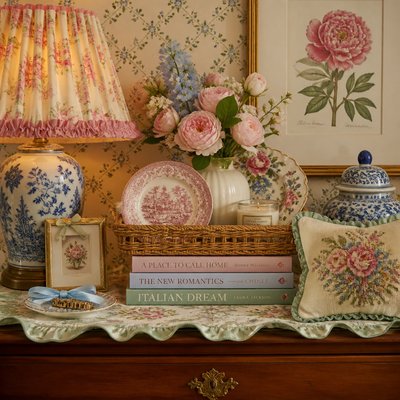
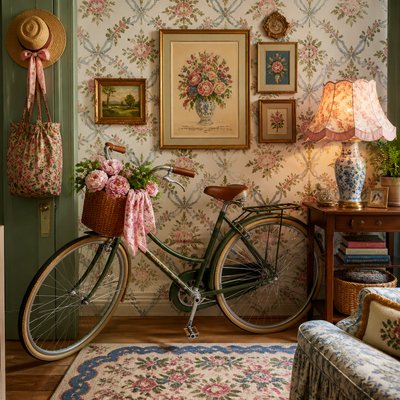
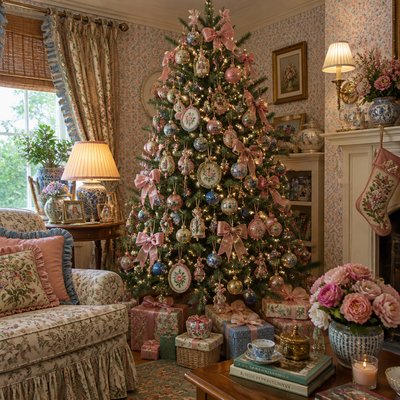
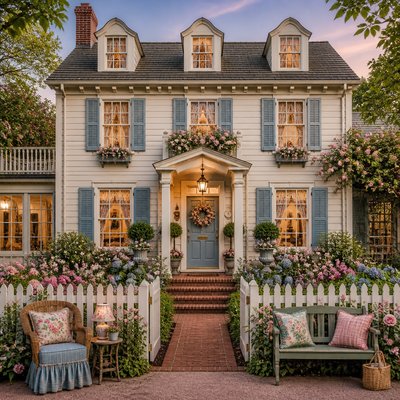
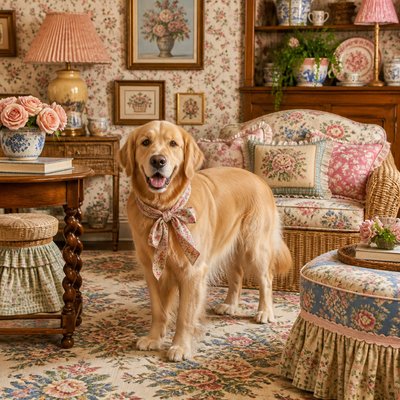
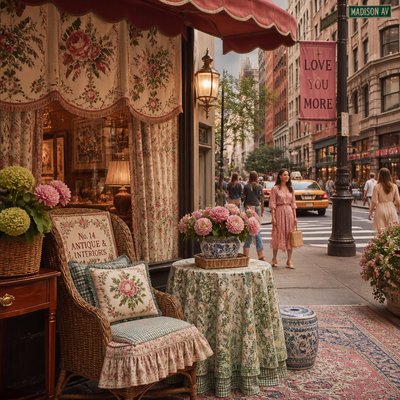
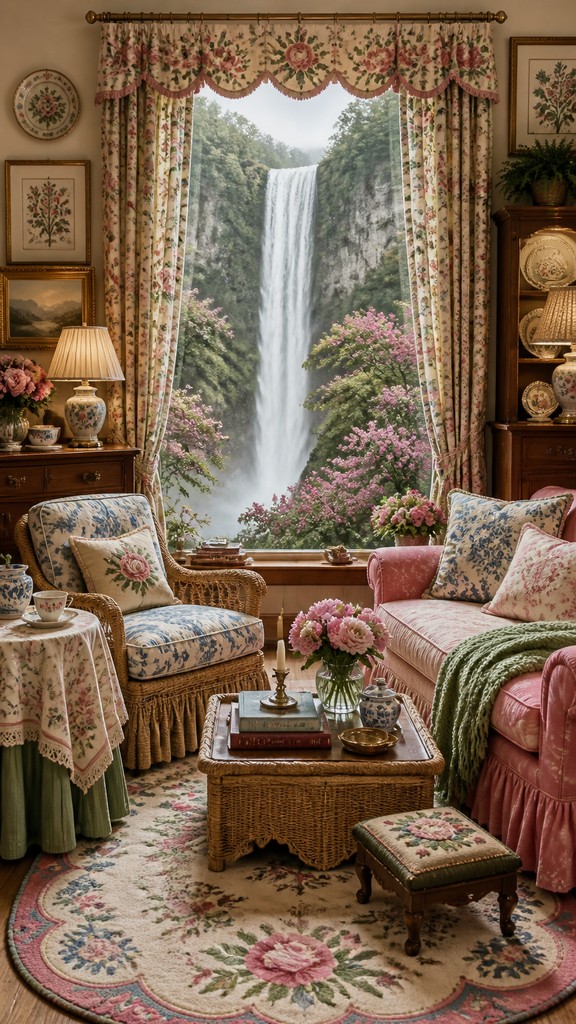
Grandmillennial aesthetic is a contemporary revival of traditionally feminine, domestic, and heirloom-rich décor and imagery. It combines familiar housewife-era comforts—chintz florals, needlepoint, wicker, ruffles, pleated skirts, framed art, and polished wood—with a cleaner, more intentional sense of styling than older maximalist interiors. The result is cozy rather than cluttered, nostalgic rather than dated, and deliberately curated rather than inherited by chance.
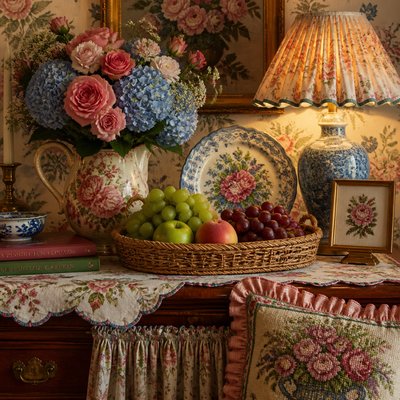
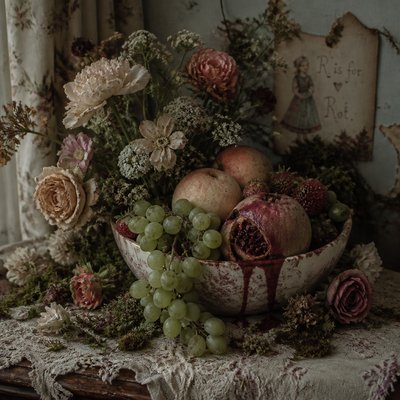
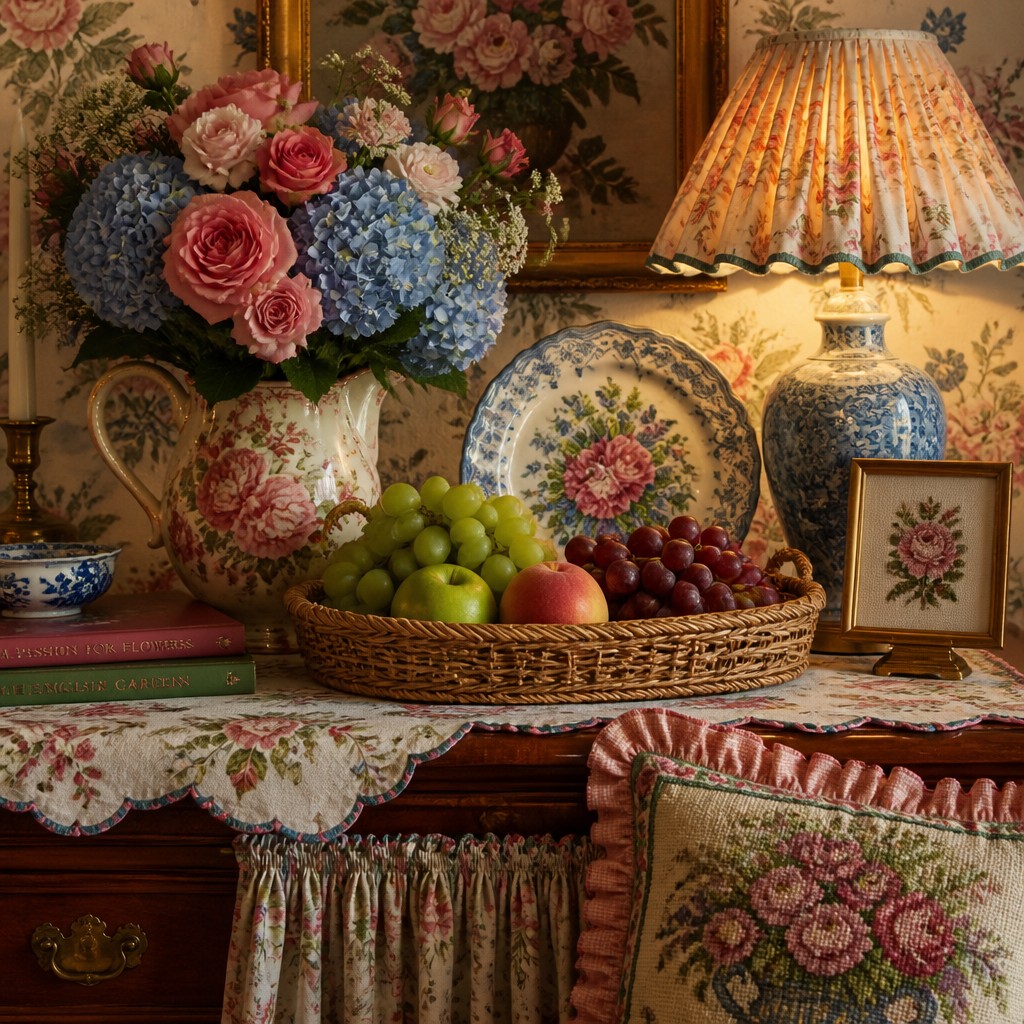
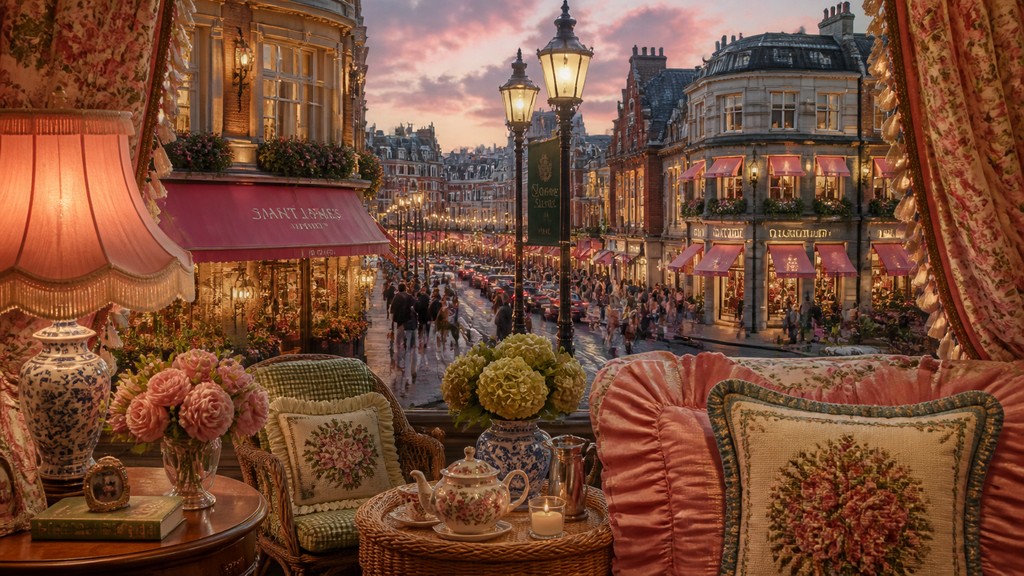
Its visual identity is built from layered textures and pattern-on-pattern composition: rose pinks, china blues, sage greens, warm creams, and weathered neutrals; scalloped edges and trim; embroidered surfaces; lamps casting warm pools of light; and furnishings that feel collected over time. The aesthetic looks the way it does because it draws on long-standing domestic craft traditions—especially English country-house décor, American traditional interiors, and 20th-century needlework and upholstery—while recontextualizing them for a younger audience that values warmth, ornament, and a sense of home.
Try It On Your Photos
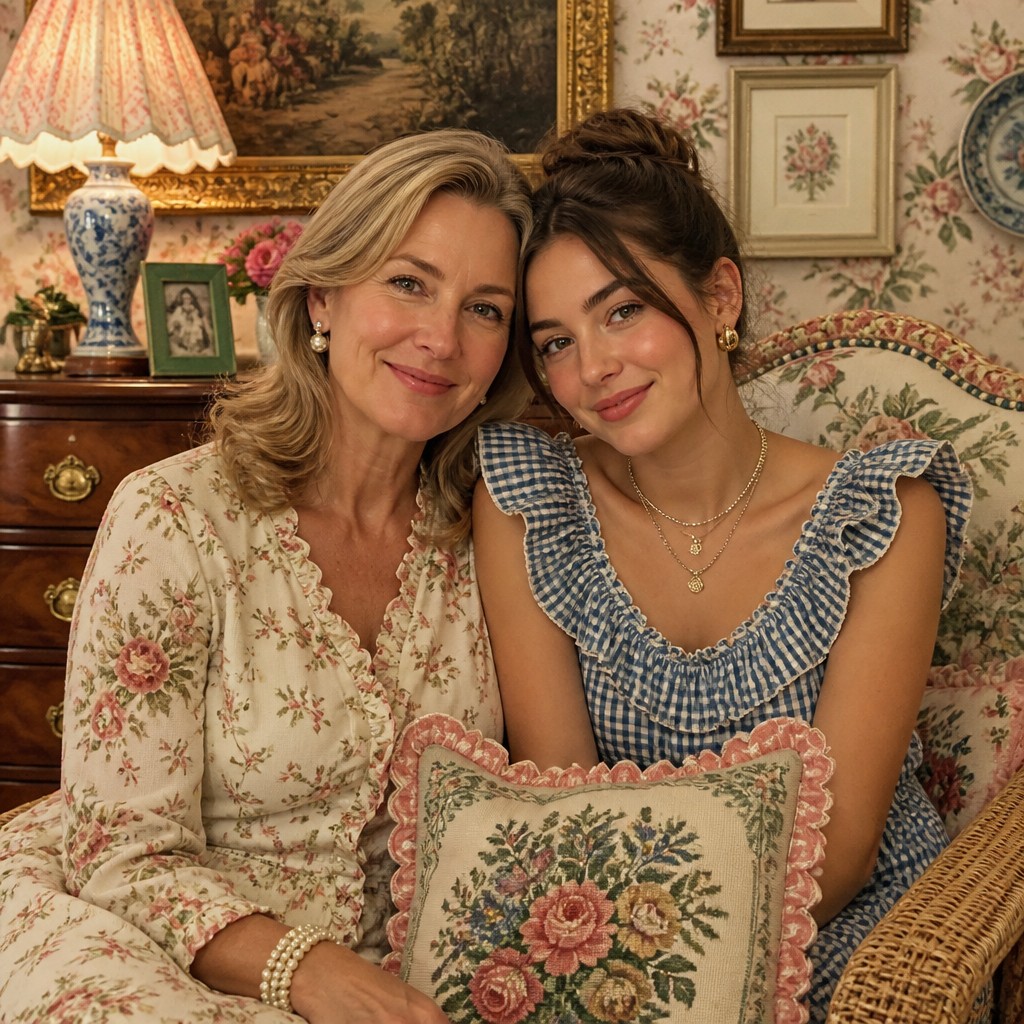
Upload any photo and convert it into Grandmillennial Aesthetic — drag the sliders to compare before and after.

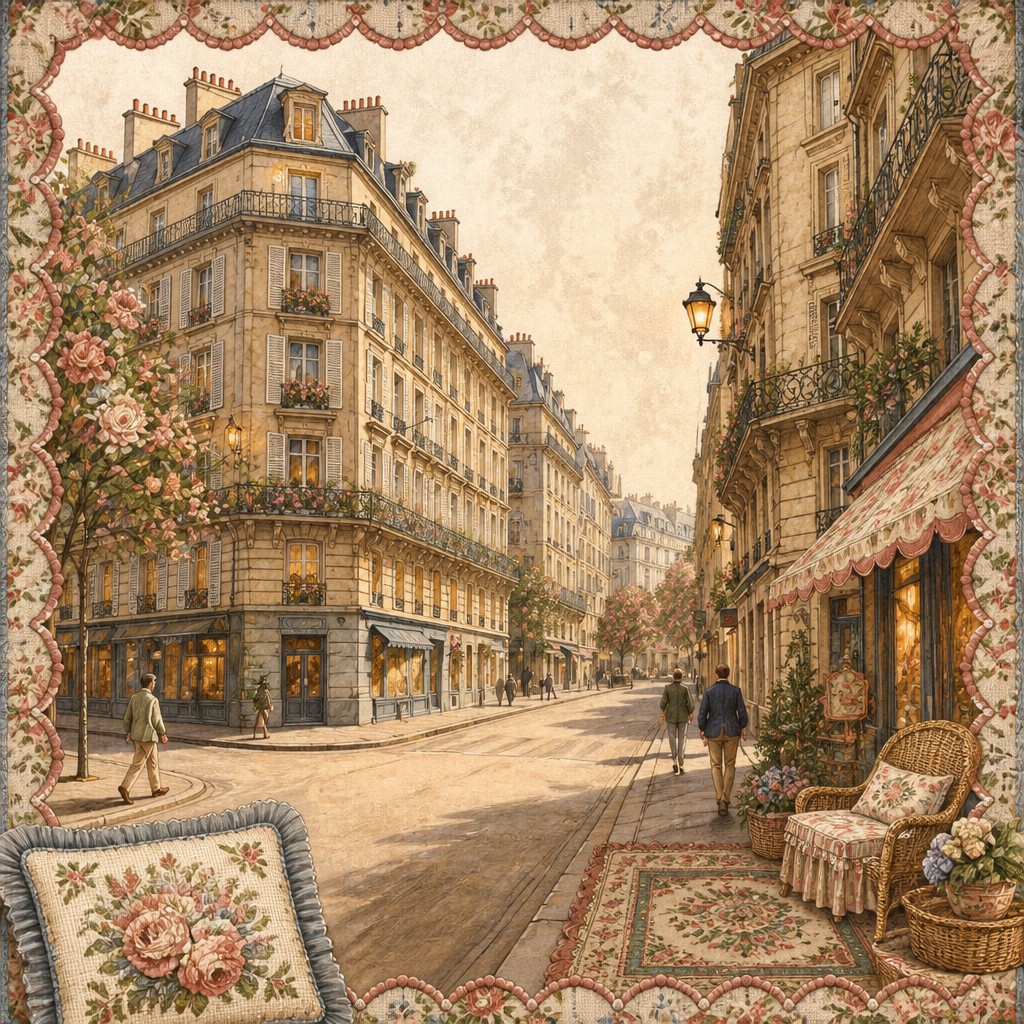

What Defines Grandmillennial Aesthetic
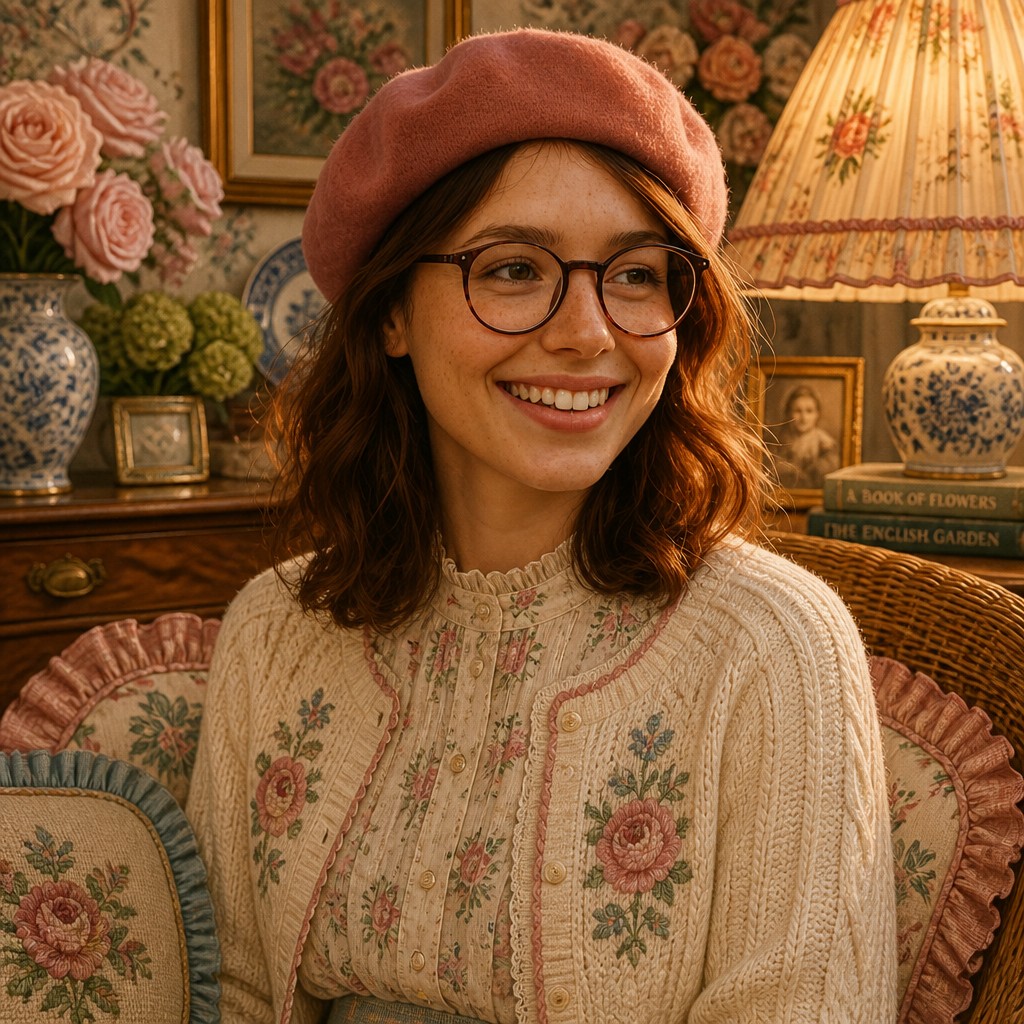
The signature details, up close
Chintz and floral patterning
Large-scale florals, botanicals, and small repeating prints are central to the look. Patterns are often layered across upholstery, curtains, cushions, and table linens to create a rich, enveloping feel.
Needlepoint and embroidery textures
Decorative stitching appears on pillows, footstools, wall hangings, and accessories. The handmade surface quality signals craft, care, and domestic tradition.
Scalloped and ruffled edges
Scallops, gathered fabric, pleats, and frilled hems soften the silhouette of objects and textiles. These details give the style its recognizable feminine, heirloom character.
Warm traditional palette
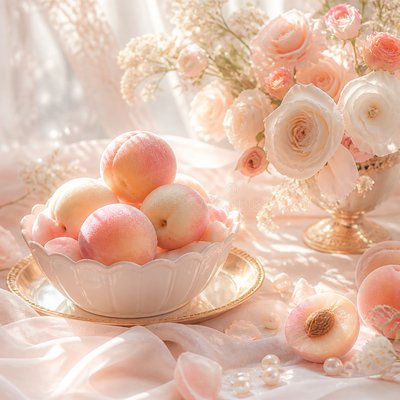
Rose pink, china blue, sage, cream, muted gold, and soft wood tones are common. The palette tends to feel sunlit, gentle, and slightly faded rather than bright or high-contrast.
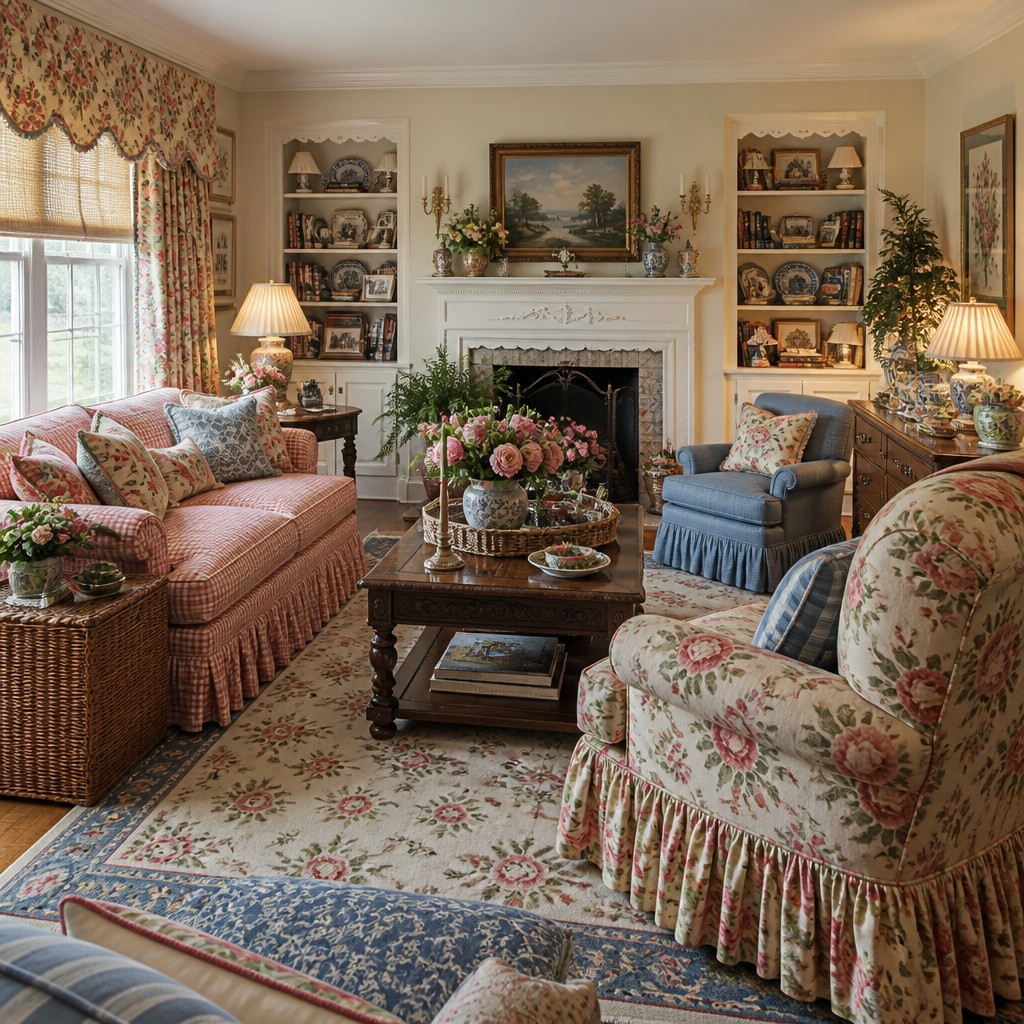
Wicker, cane, and polished wood
Natural woven materials and finished wood anchor the ornamentation. They add tactile contrast and keep the interiors from becoming visually flat.
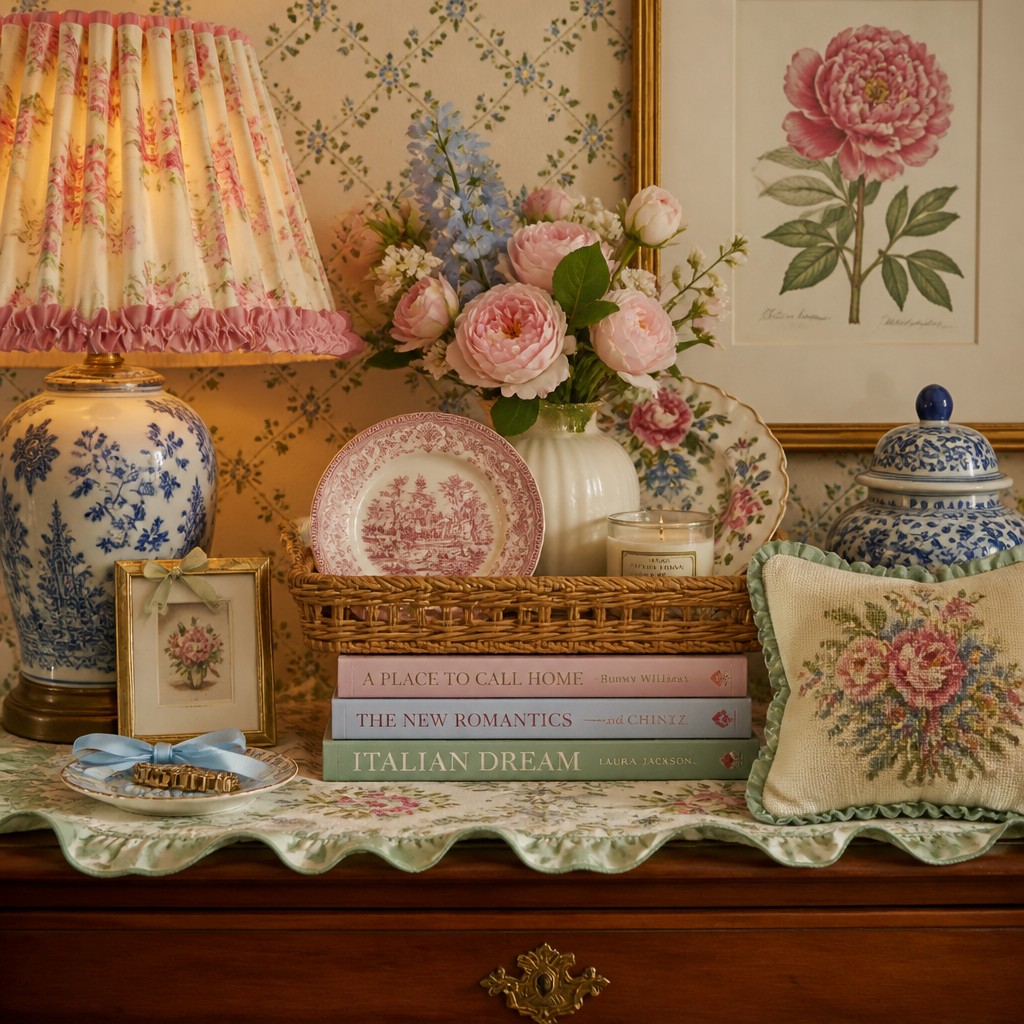
Layered domestic vignettes
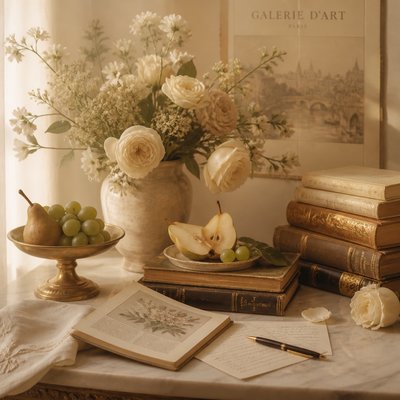
The style often appears as shelves, mantels, tea tables, and bedside corners arranged with books, ceramics, lamps, framed art, and inherited objects. Composition matters as much as the objects themselves.
Try It
Create Videos in Grandmillennial Aesthetic
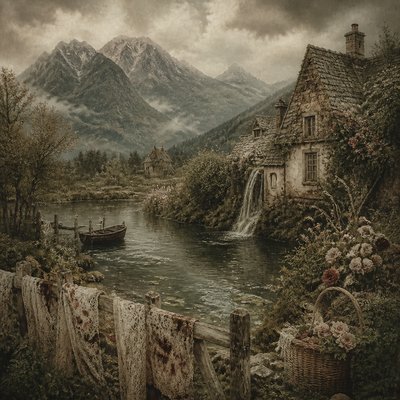
Styles aren't just for stills — describe a scene or animate an image and get a short video rendered in Grandmillennial Aesthetic. Press play to see this pond come to life.
Make a VideoGrandmillennial Aesthetic Prompt Ideas
Start from an idea — each one opens the generator with the style ready to go. See all 40 Grandmillennial Aesthetic prompts →
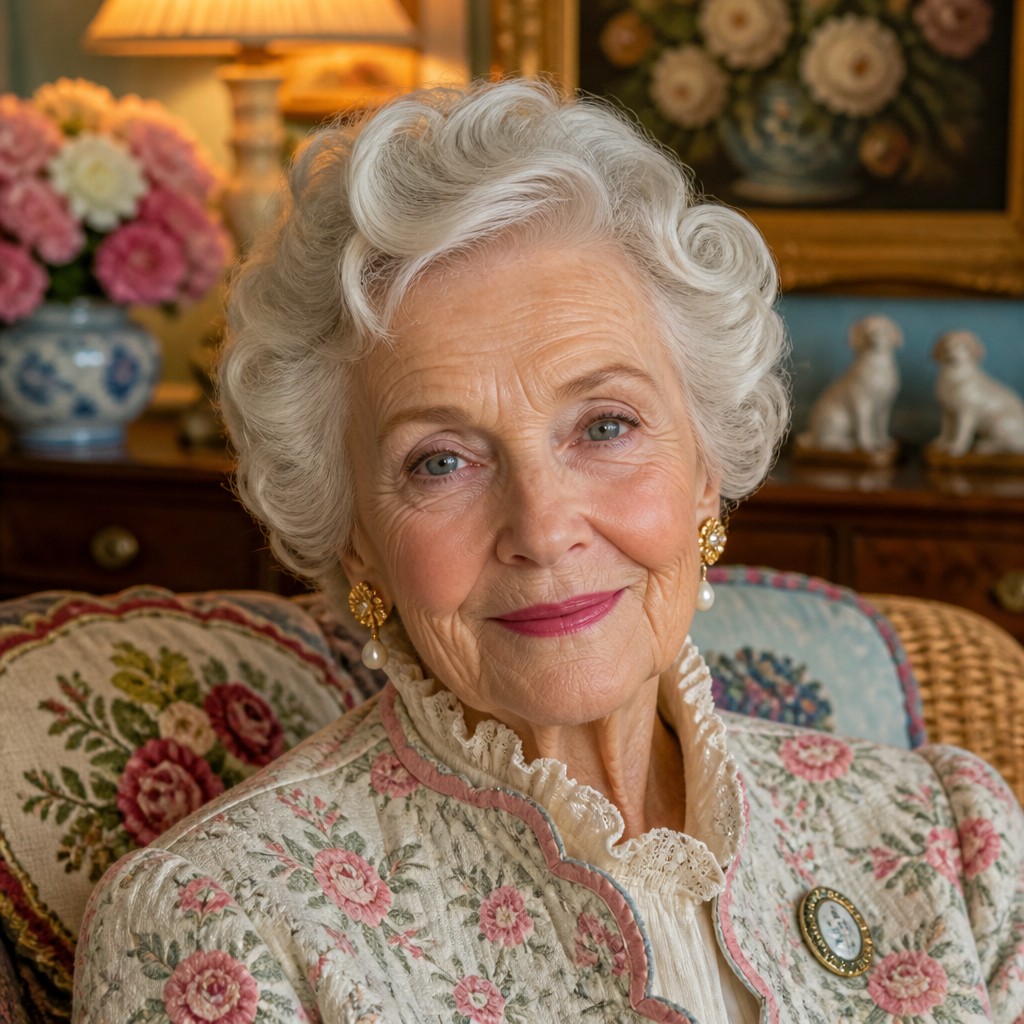
“close-up portrait of an elderly person with expressive weathered features”
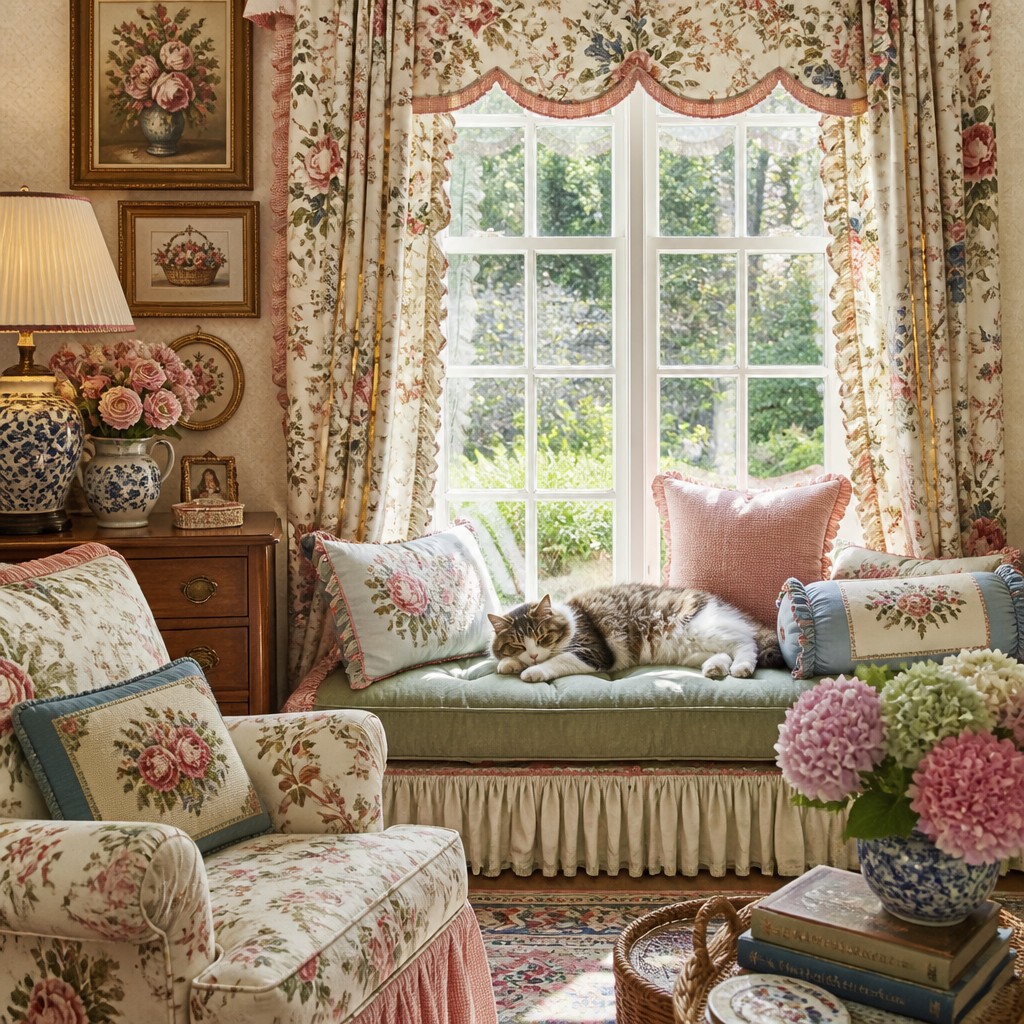
“a cat lounging in a sunlit window”
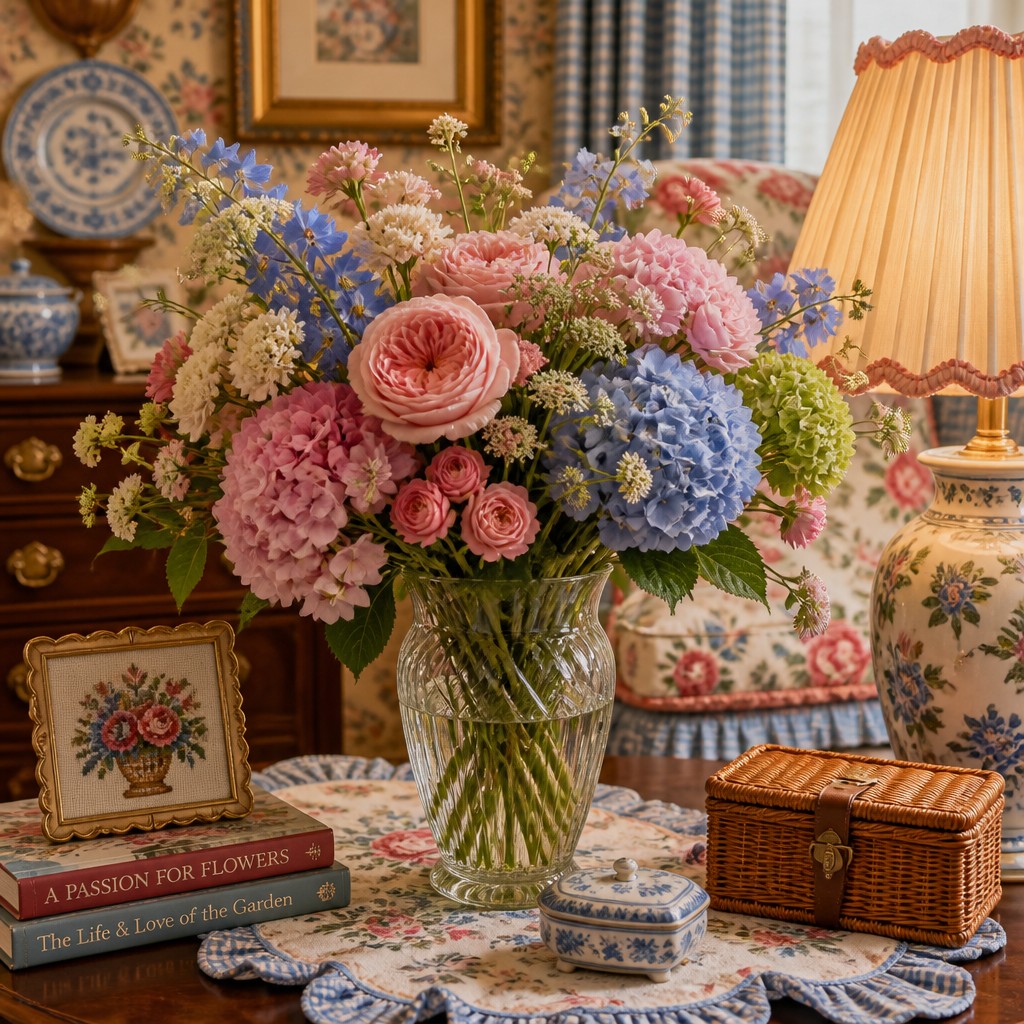
“bouquet of flowers in a glass vase”
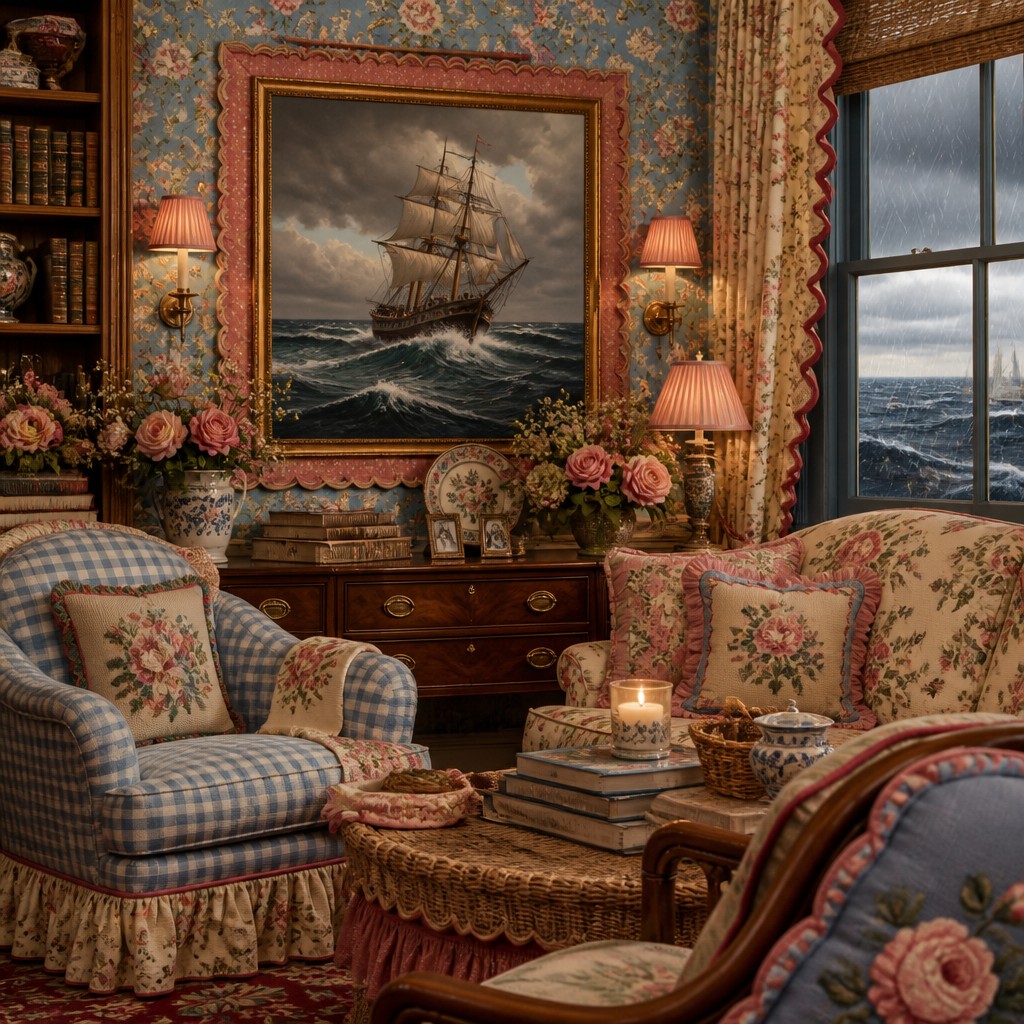
“sailing ship on a stormy sea”
How to Create Grandmillennial Aesthetic Art
Master the craft step by step — or skip straight to creating. Read the full guide →
- 1
Build around layered textiles
Use florals, checks, stripes, and embroidery together, but keep them connected by a shared palette. In traditional media, start with textile studies or interior still lifes; in digital work, stack fabric textures, trim details, and patterned surfaces with careful edge control.
- 2
Prioritize soft domestic lighting
This aesthetic depends on warm, lamplit atmosphere rather than harsh daylight. Use shaded lamps, candlelike glow, and gentle shadow transitions to make rooms feel intimate and lived-in.
- 3
Mix old and polished forms
Pair antique-looking objects with clean arrangements so the result feels current rather than merely nostalgic. A good balance is ornate fabric plus simple framing, or carved wood plus a restrained composition.
- 4
Include craft-visible surfaces
Emphasize stitched seams, woven fibers, fringe, gathered cloth, and hand-finished edges. These details communicate the handmade sensibility that defines the style more than any single object does.
- 5
Prompt for domestic warmth and heirloom detail
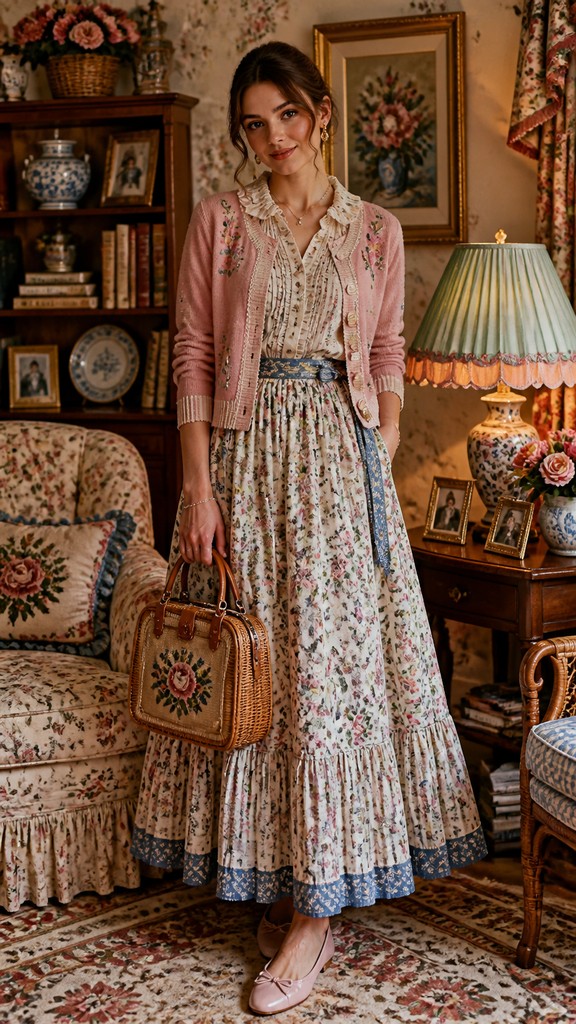
When generating imagery, specify both the subject and the material language: floral chintz, scalloped trim, needlepoint, wicker, rose and cream palette, cozy traditional interior. Strong results come from naming textures, fabrics, and lighting rather than only the room or object.
The Story
History & Origins of Grandmillennial Aesthetic
Grandmillennial is not a historical art movement in the formal sense, but a contemporary aesthetic that emerged in the late 2010s and early 2020s as a reaction against sparse, all-white, and industrially sleek interior trends. The term became associated with younger people embracing the decorative habits once stereotyped as “grandmotherly”: chintz slipcovers, framed plates, blue-and-white ceramics, ruffles, lace, and needlepoint. It overlaps with social-media-driven home styling, where inherited objects and thrifted decor are presented as intentional, cohesive design.
Its lineage is broader than the name suggests. It draws from English country-house interiors, Southern and East Coast traditional decorating, cottage décor, and craft-based domestic arts such as embroidery, quilting, and decorative needlework. In visual culture, it also echoes the layered sensibility of maximalist interiors and the revival of nostalgic homemaking imagery, but with a more polished, curated finish than strictly antique reproduction.
Influences: The grandmillennial aesthetic draws from English country-house decorating, American traditional interiors, cottage style, and decorative domestic crafts such as embroidery, quilting, and needlepoint. It also overlaps with broader maximalist interior traditions that value ornament and layering over minimal restraint. Because it is a contemporary revival rather than a historic movement, it should be understood as a curated blend of inherited domestic design languages rather than a school with canonical artists.
Frequently Asked Questions
What defines the grandmillennial aesthetic?
It is defined by cozy traditional interiors, floral chintz, needlepoint, scalloped trims, ruffles, wicker, and a warm heirloom palette. The look is intentionally nostalgic but usually styled with enough polish to feel fresh rather than stale. It often reads as maximalist, but in a soft and domestic way.
How is grandmillennial different from cottagecore?
Cottagecore usually emphasizes rural simplicity, natural living, and pastoral imagery, while grandmillennial focuses more on cultivated interior décor and traditional home furnishings. Grandmillennial is also more likely to feature polished wood, formal upholstery, blue-and-white ceramics, and layered patterning. Cottagecore feels rustic; grandmillennial feels domestic and decorated.
How is it different from shabby chic?
Shabby chic typically leans more distressed, washed-out, and deliberately worn, with a lighter emphasis on formal traditional structure. Grandmillennial keeps the heirloom comfort but often looks more arranged, more classic, and less weathered. It can include antiques, but it tends to present them in a cleaner, more curated way.
What colors work best in this style?
Soft rose pink, china blue, sage green, warm cream, muted gold, and gentle wood tones are the most characteristic. The palette usually has low to moderate contrast and feels warm rather than stark. If you want a modern version, keep the colors soft but not overly faded.
What kinds of objects are commonly used?
Common objects include floral sofas, framed botanical prints, ceramic lamps, tea sets, wicker baskets, needlepoint pillows, lace linens, and scalloped trays or lampshades. Anything that suggests domestic craft, inherited taste, or traditional hospitality fits well. The key is the accumulation of textures rather than any single signature item.
Can this style work in digital art or photography?
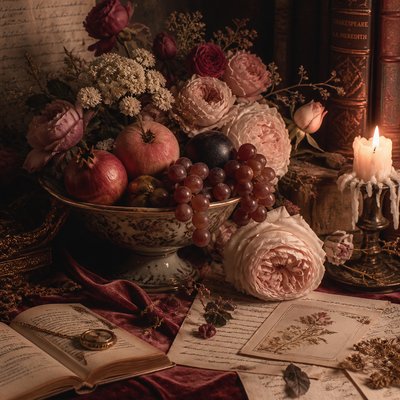
Yes. In digital art, it works well for interior scenes, still lifes, and editorial compositions with careful texture layering. In photography, it often appears through styling: patterned textiles, warm light, and curated arrangements of antiques, flowers, and ceramics.
Create your first Grandmillennial Aesthetic artwork
Describe anything — or upload a photo — and see it in Grandmillennial Aesthetic in seconds.
Make Something with Grandmillennial Aesthetic
Related Styles
Discover similar art styles