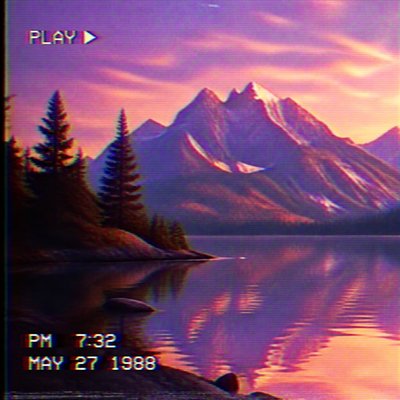
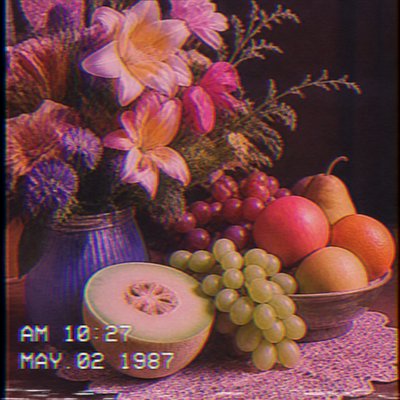
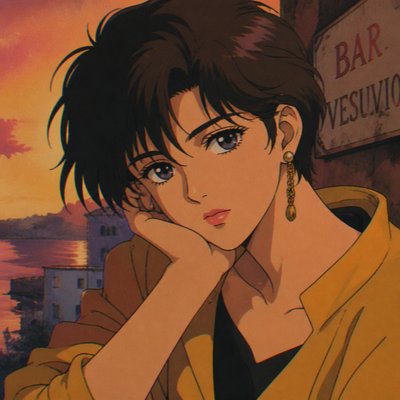
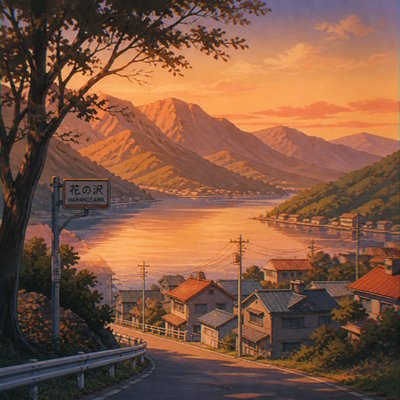
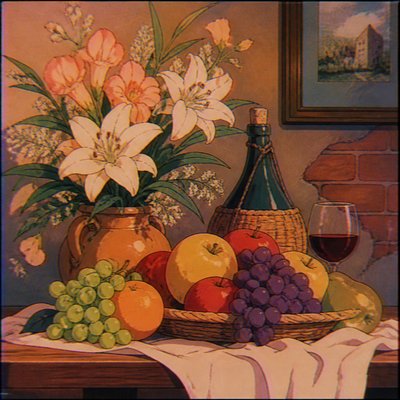
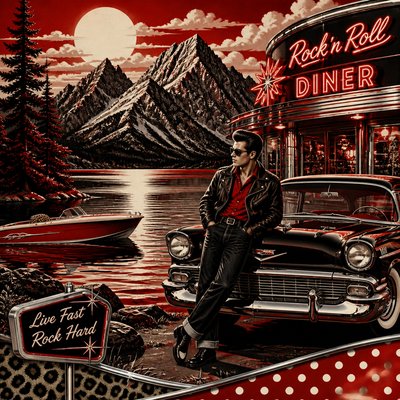
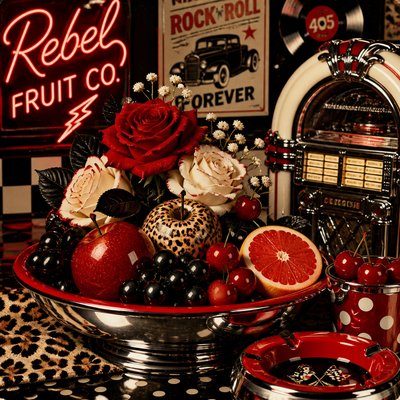
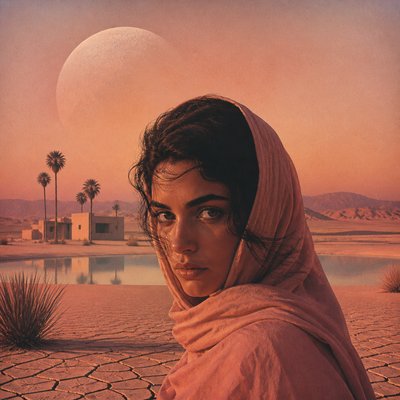
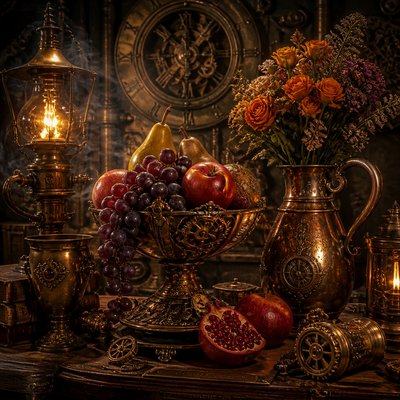
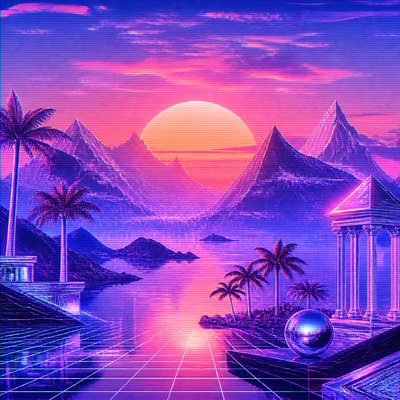
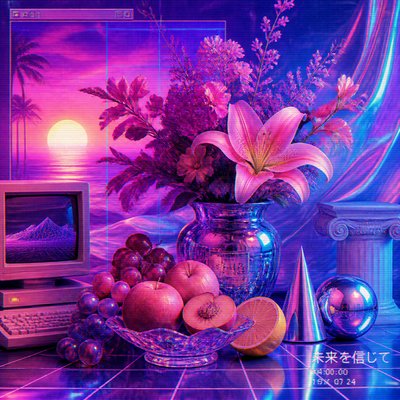
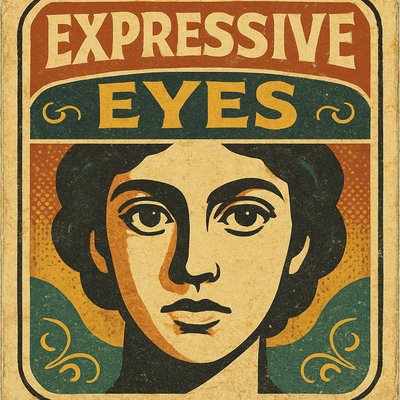
70s Retro Aesthetic
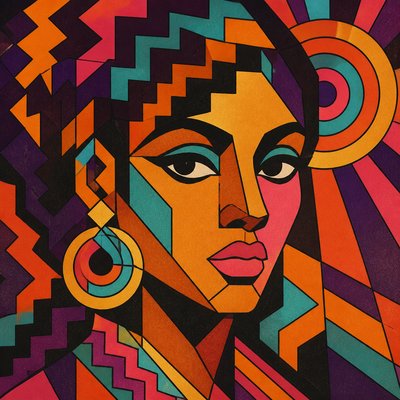
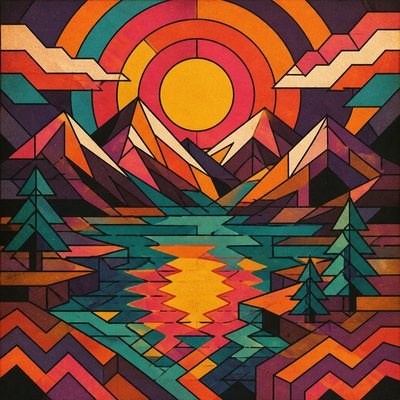
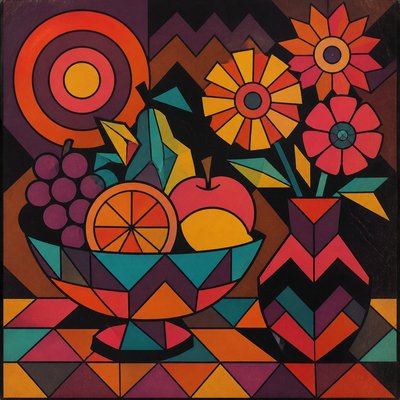
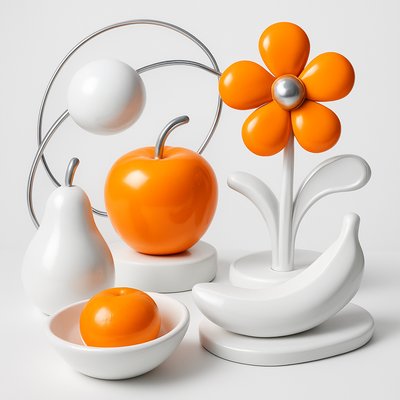
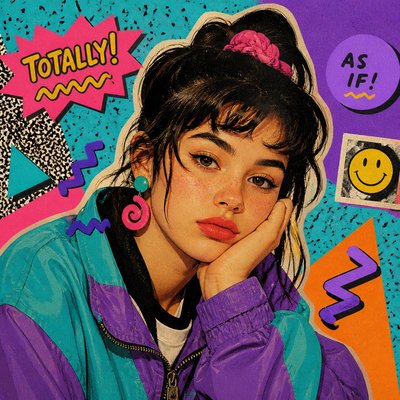
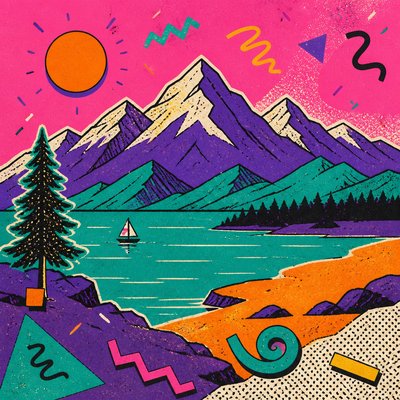
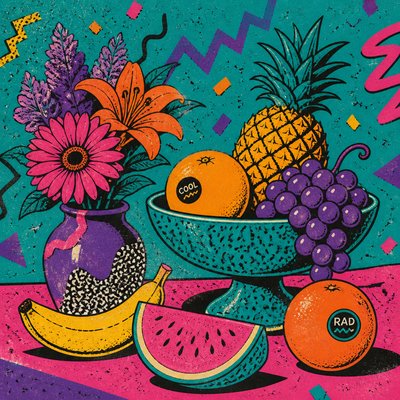
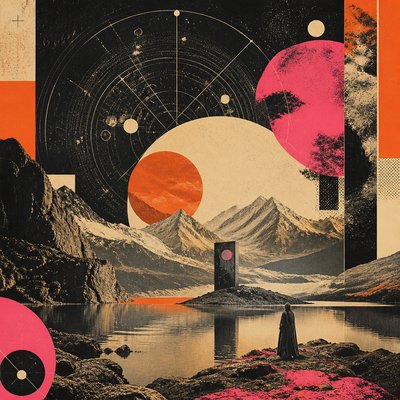
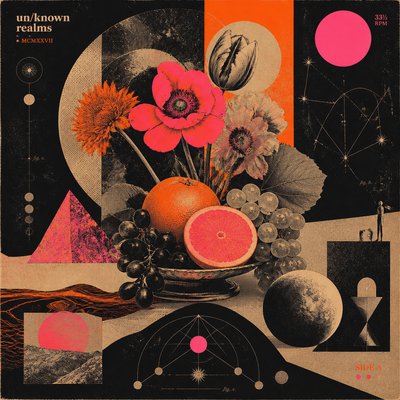
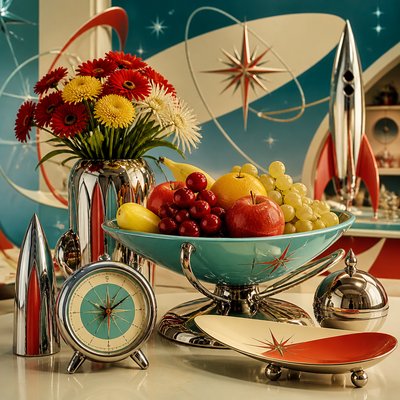
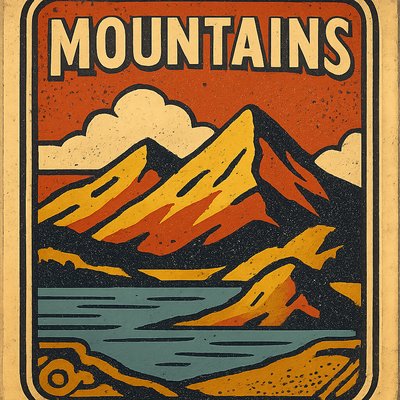
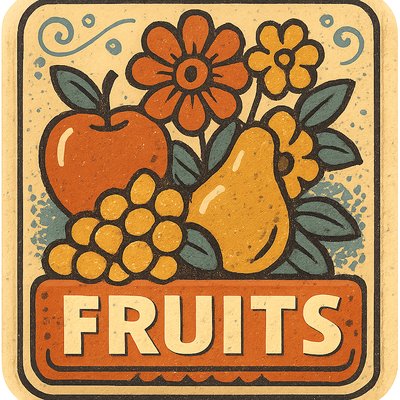
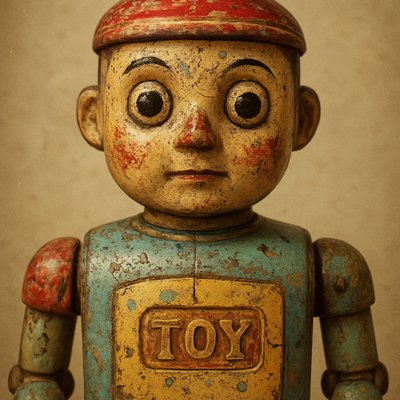
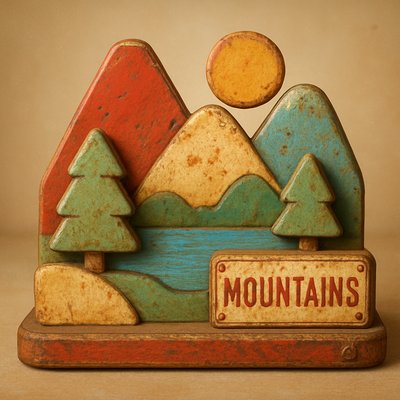
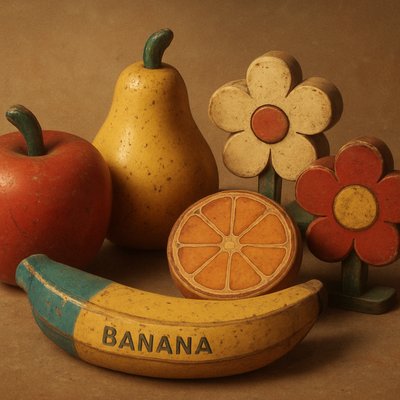
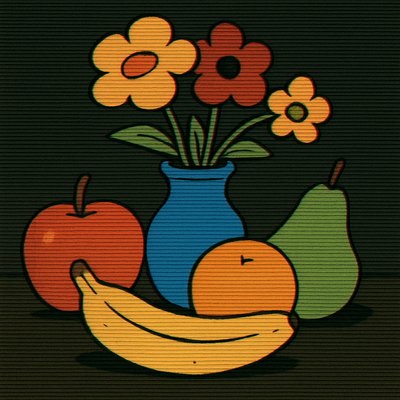
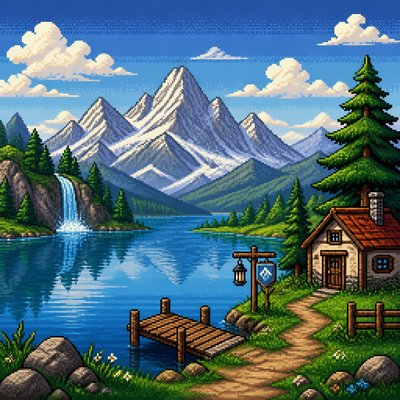
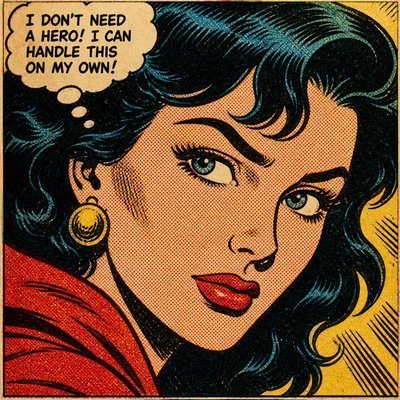
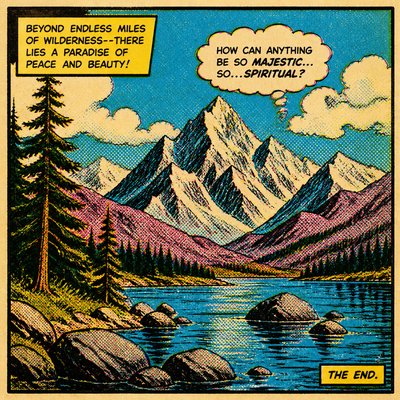
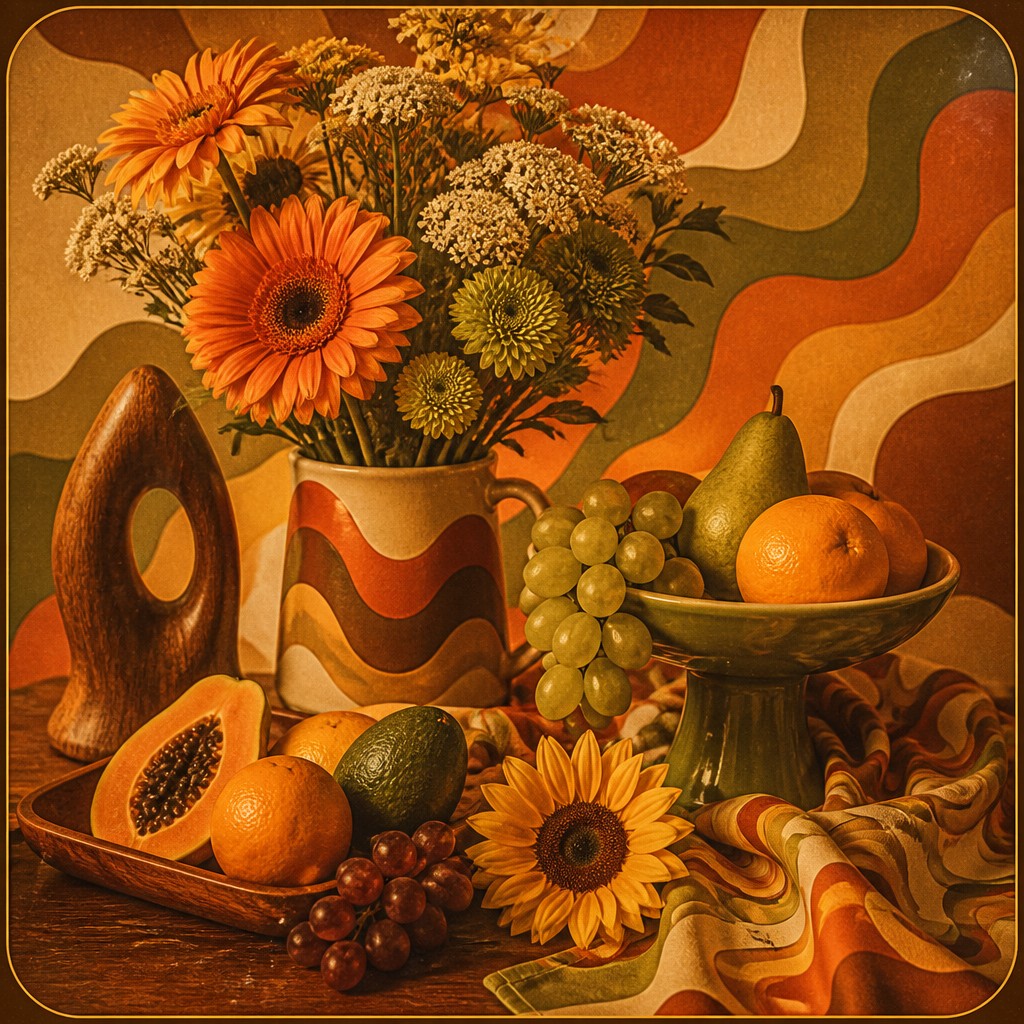
Warm 1970s-inspired design with burnt orange, avocado green, wavy forms, and sun-faded film grain.
Instantly rendered in 70s Retro Aesthetic — or transform a photo
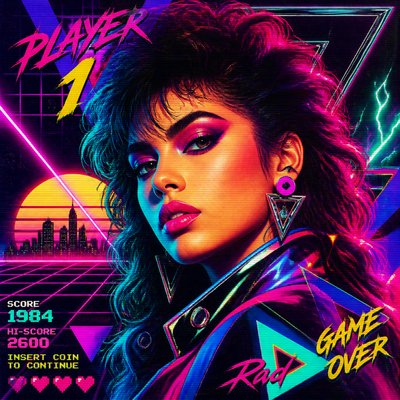
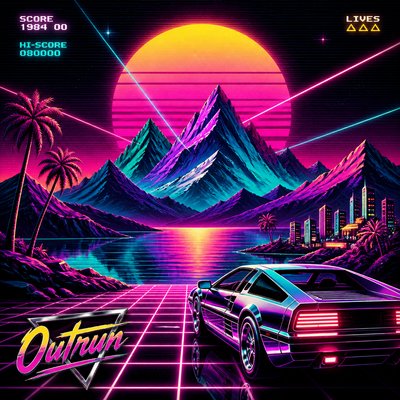
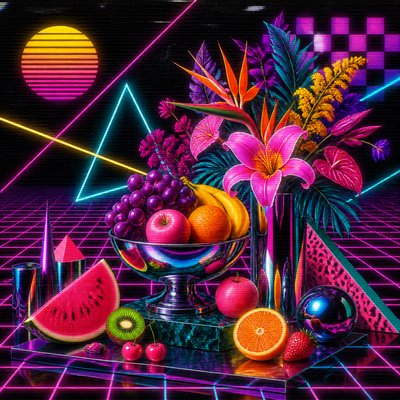
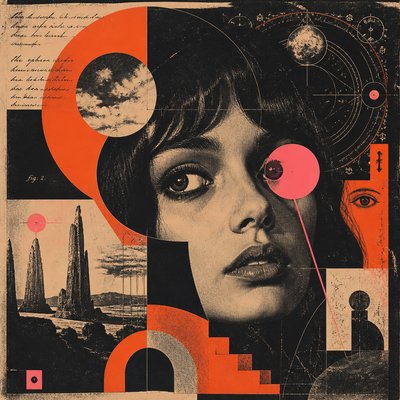
70s Retro Aesthetic Gallery
Tap any artwork to explore it
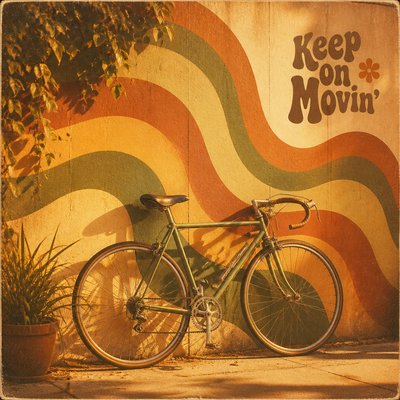
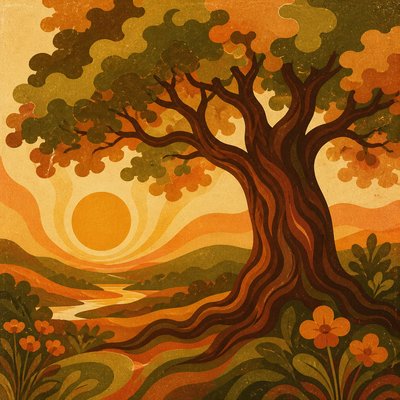
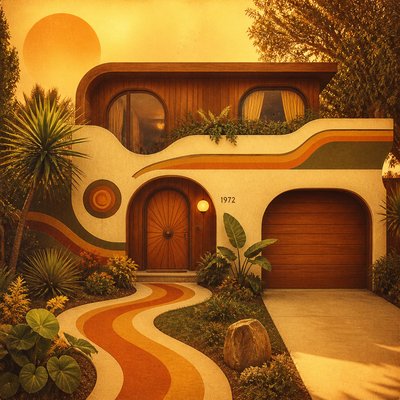
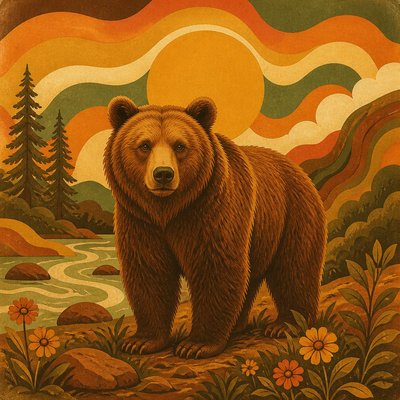
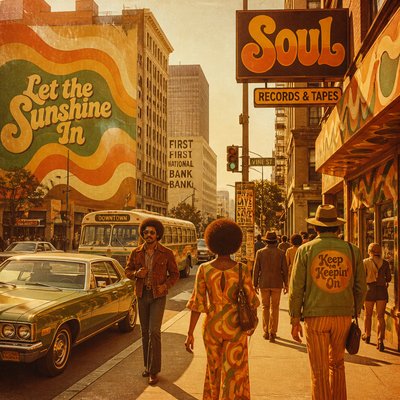
What is 70s Retro Aesthetic?
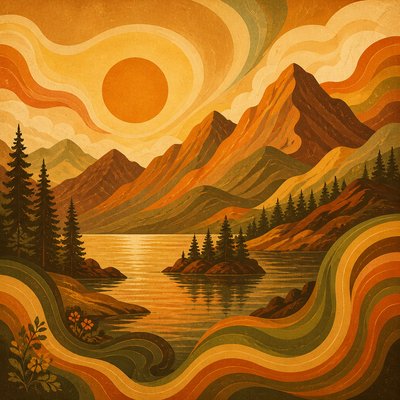
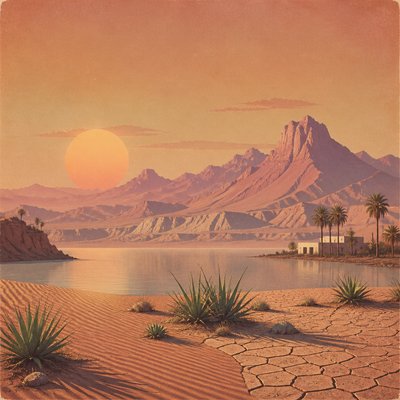
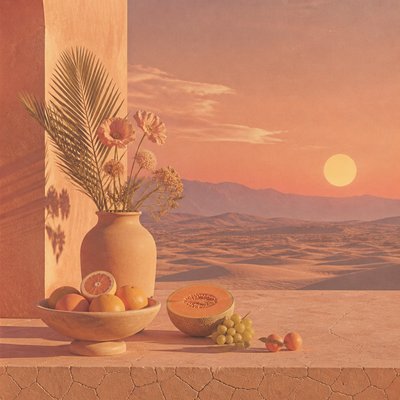
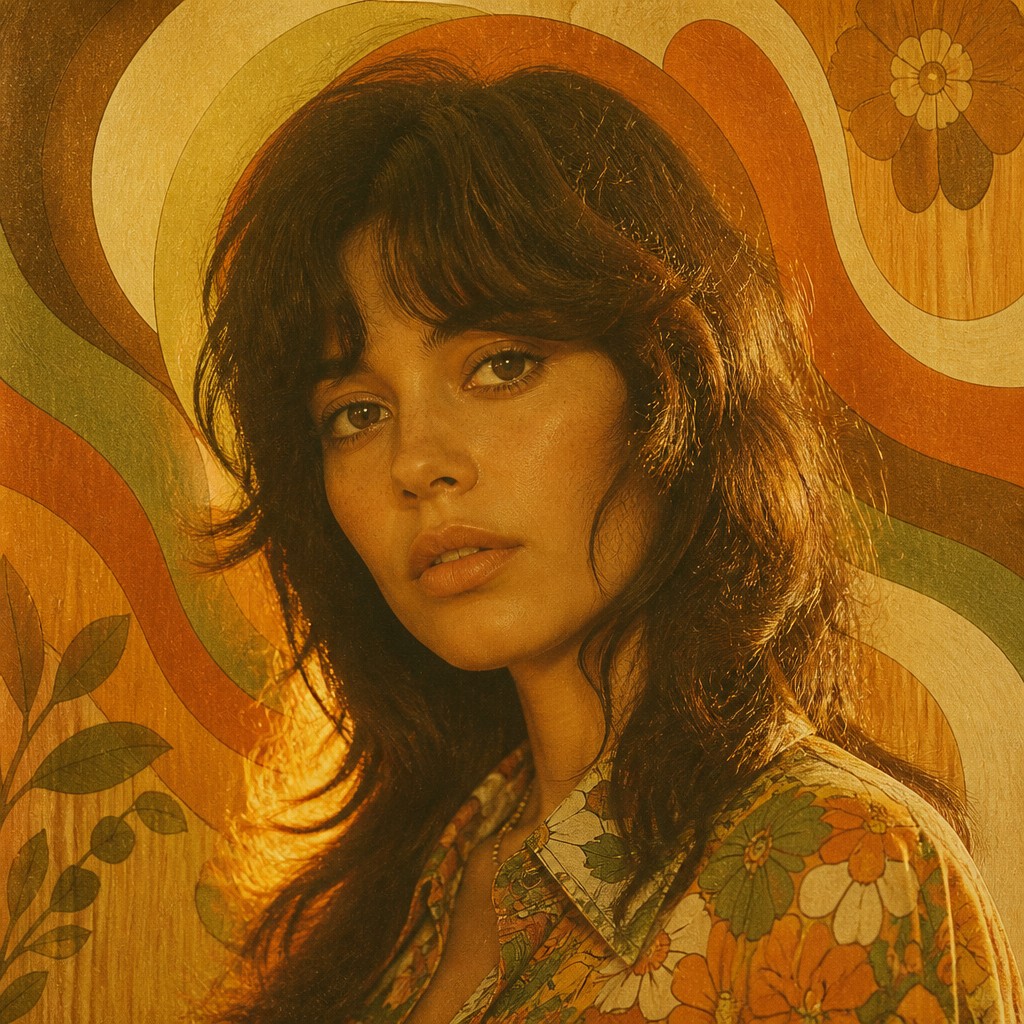
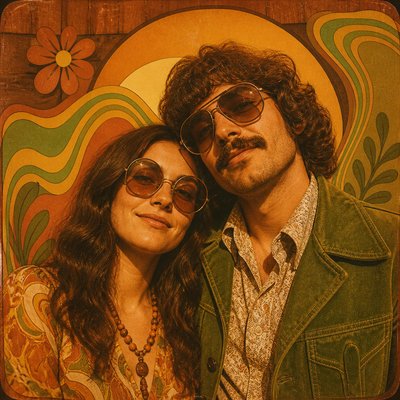
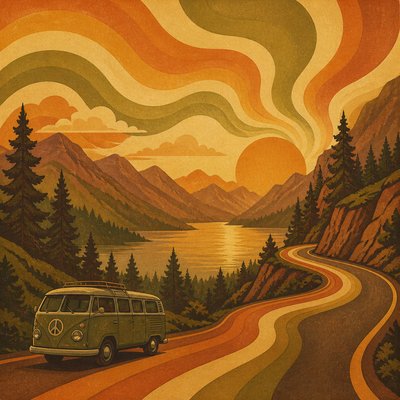
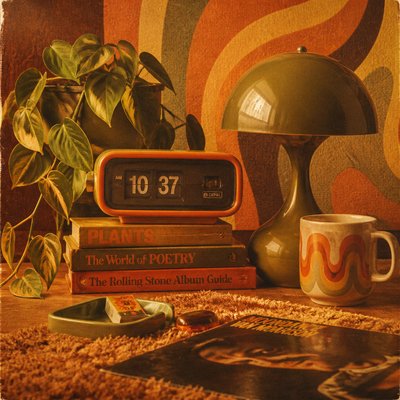
The 70s Retro Aesthetic is a contemporary name for a look inspired by the graphic, interior, fashion, and print culture of the 1970s. It is defined by warm earthy color palettes, soft curves, rounded geometry, and a lived-in analog surface quality that suggests aged paper, screen printing, vinyl sleeves, and sun-faded photography.
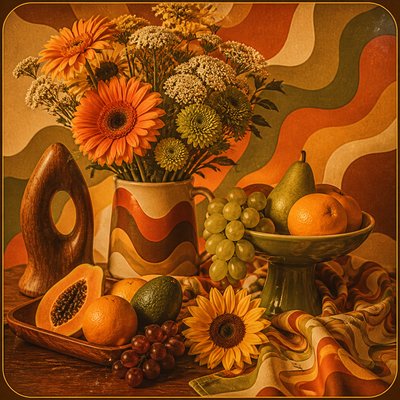
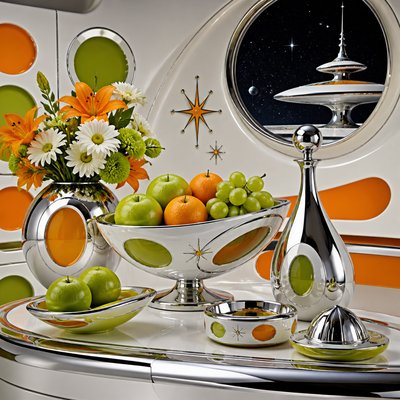
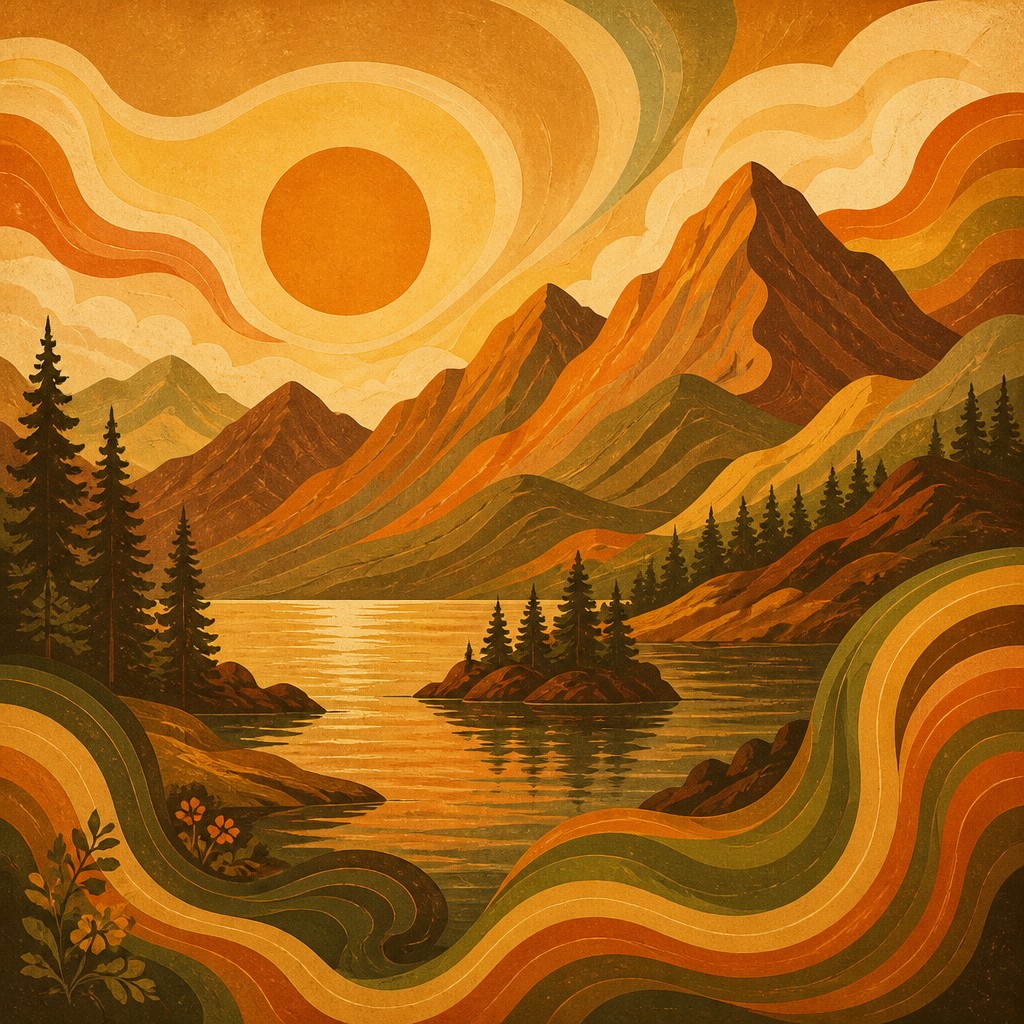
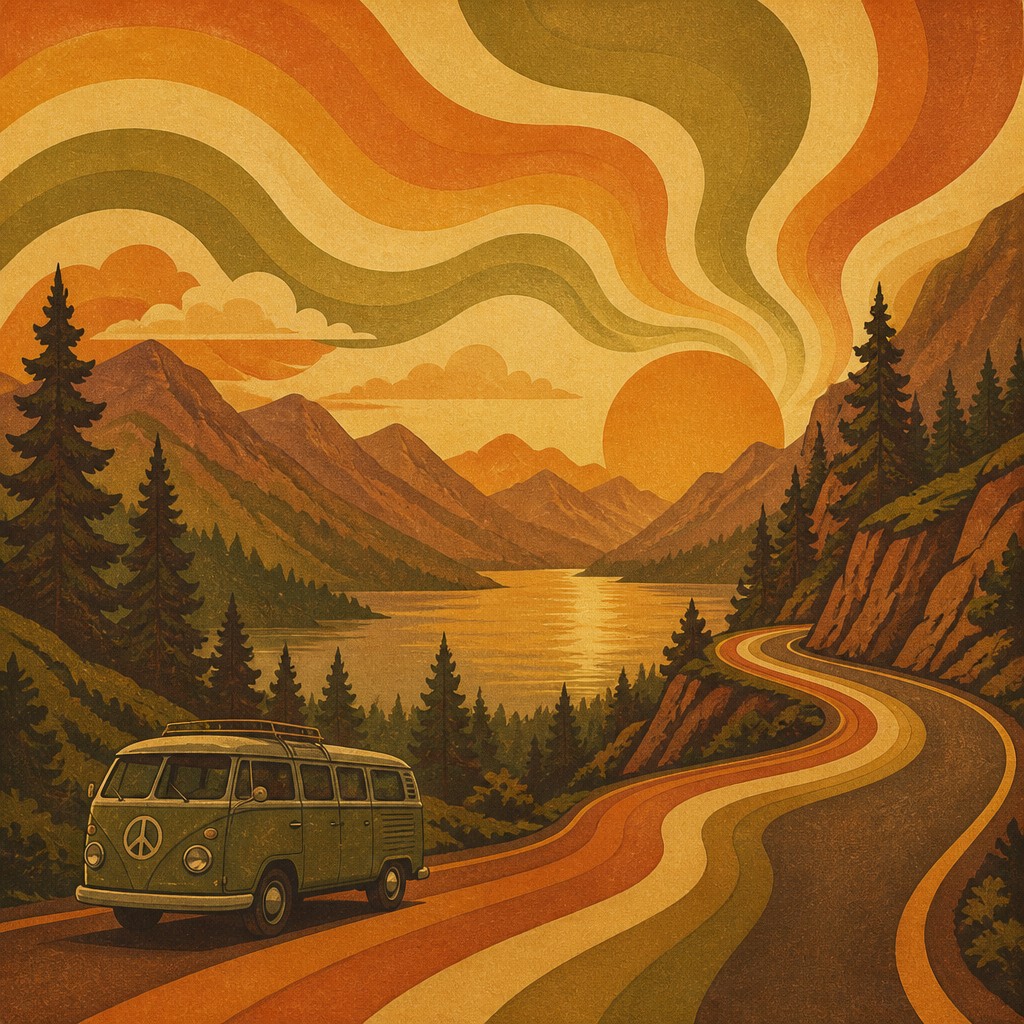
Visually, the style combines optimistic grooviness with a mellow, nostalgic warmth. Burnt orange, harvest gold, avocado green, brown, cream, and mustard often dominate, while wavy linework, blob-like shapes, shaggy textures, and film grain create the feeling of a designed object that has absorbed decades of light and use. It looks the way it does because it draws from the mass media, furniture, packaging, and poster design of the 1970s, when bold simplified forms and earthy pigments were especially common.
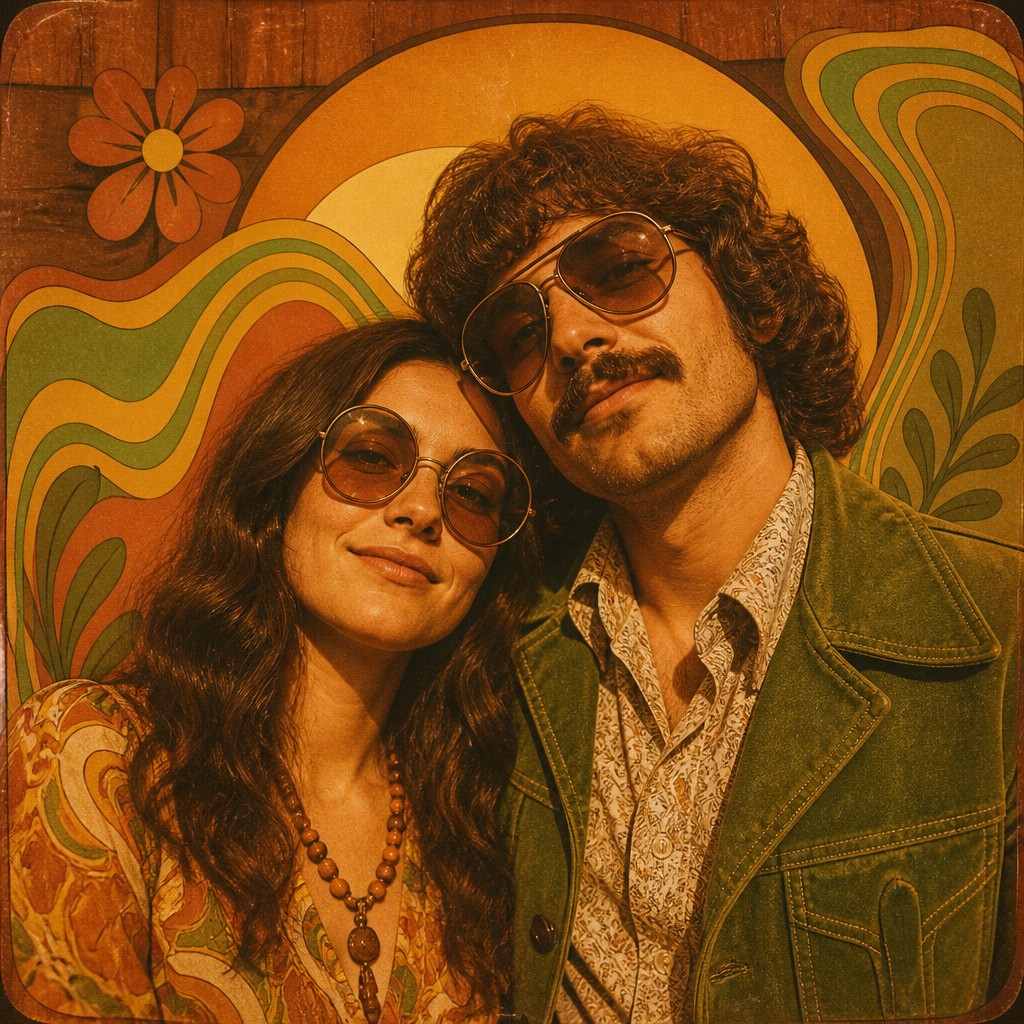
Try It On Your Photos
Upload any photo and convert it into 70s Retro Aesthetic — drag the sliders to compare before and after.
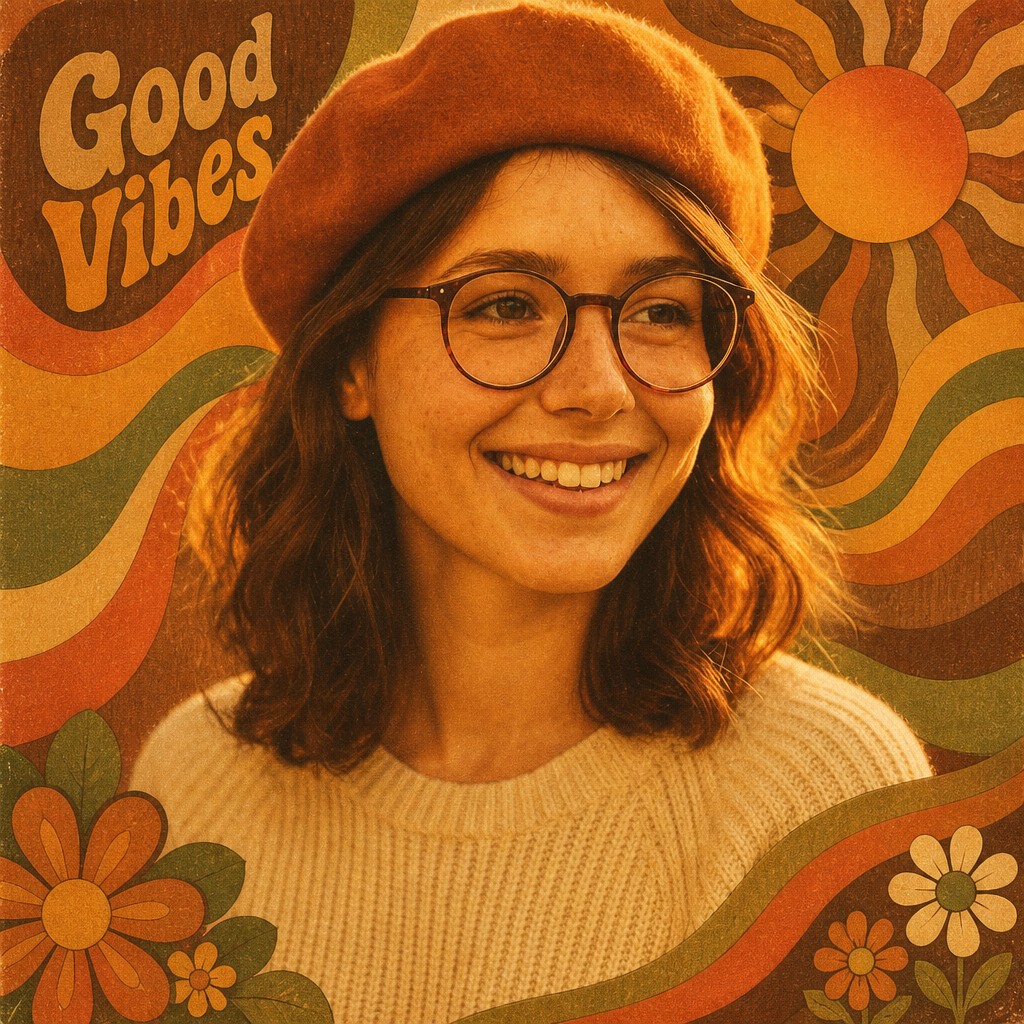

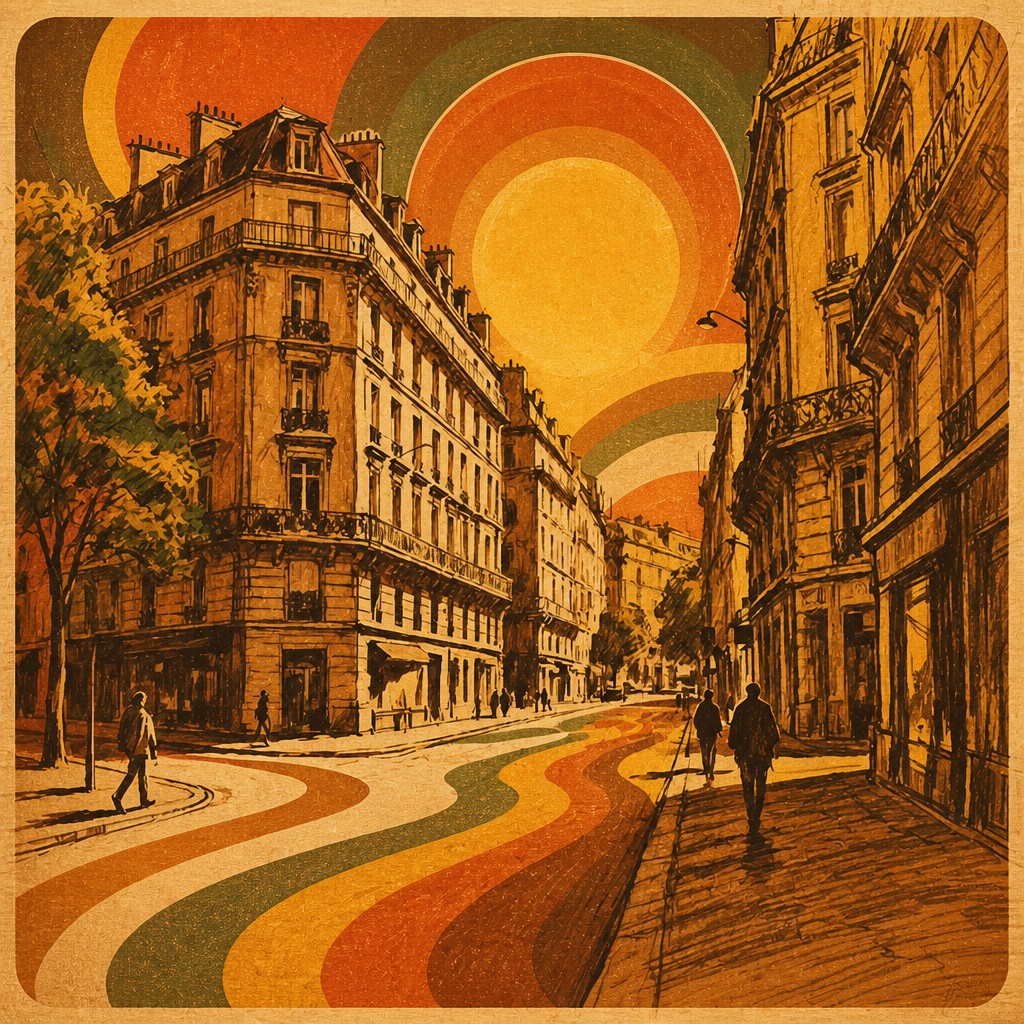

What Defines 70s Retro Aesthetic
The signature details, up close
Earthy color palette
The style relies on burnt orange, avocado green, harvest gold, chocolate brown, mustard, beige, and muted cream. Colors usually feel sun-warmed or slightly faded rather than bright and saturated.
Wavy organic forms
Curves, blobs, circles, and undulating lines are central. Straight edges are often minimized in favor of flowing shapes that feel playful, soft, and rhythmical.
Analog surface texture
Film grain, paper tooth, scan noise, soft blur, and faded contrast help create the impression of a printed or photographed object from the era. The finish usually feels tactile and slightly worn.
Groovy typography and layout
When text is present, it often echoes rounded, heavy, or playful letterforms associated with 1970s packaging and album art. Layouts tend to favor bold silhouettes and centered or poster-like compositions.
Shag, wood, and domestic warmth
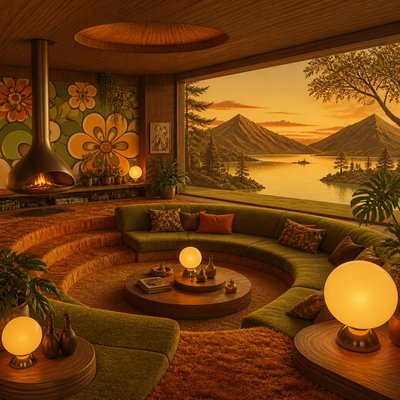
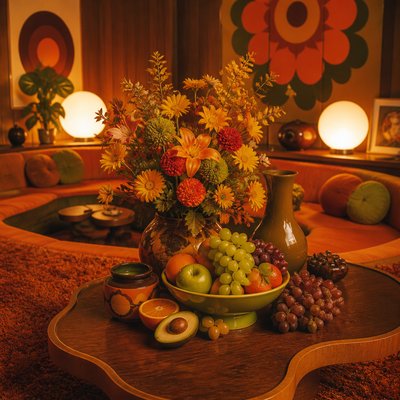
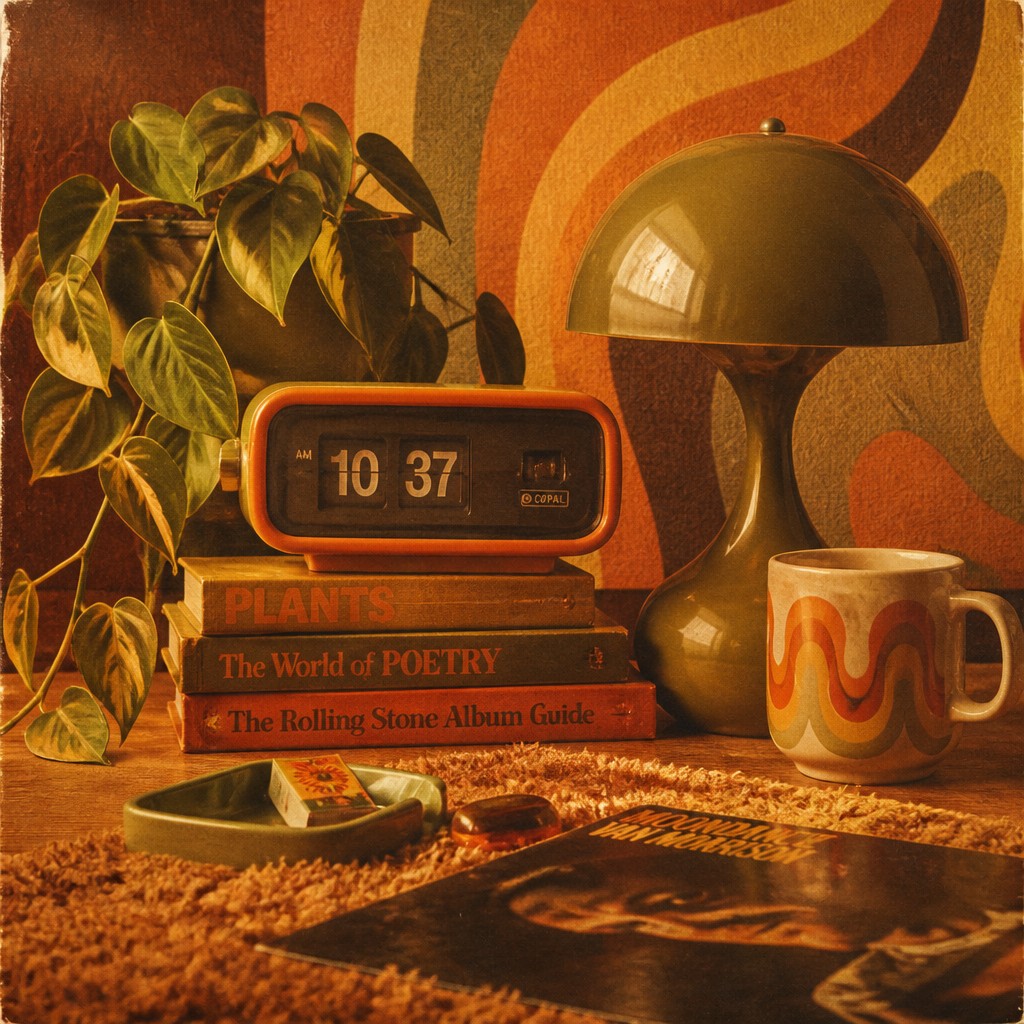
Interior cues such as shag carpet, wood paneling, vinyl upholstery, and soft ambient lighting are common references. These details reinforce the cozy, lived-in atmosphere associated with the decade.
Optimistic retro mood
Even when simplified, the style often carries a cheerful, mellow energy. It suggests leisure, pop culture, and a relaxed confidence rather than sharp futurism or minimal austerity.
Try It
Create Videos in 70s Retro Aesthetic
Styles aren't just for stills — describe a scene or animate an image and get a short video rendered in 70s Retro Aesthetic. Press play to see this pond come to life.
Make a Video70s Retro Aesthetic Prompt Ideas
Start from an idea — each one opens the generator with the style ready to go. See all 40 70s Retro Aesthetic prompts →
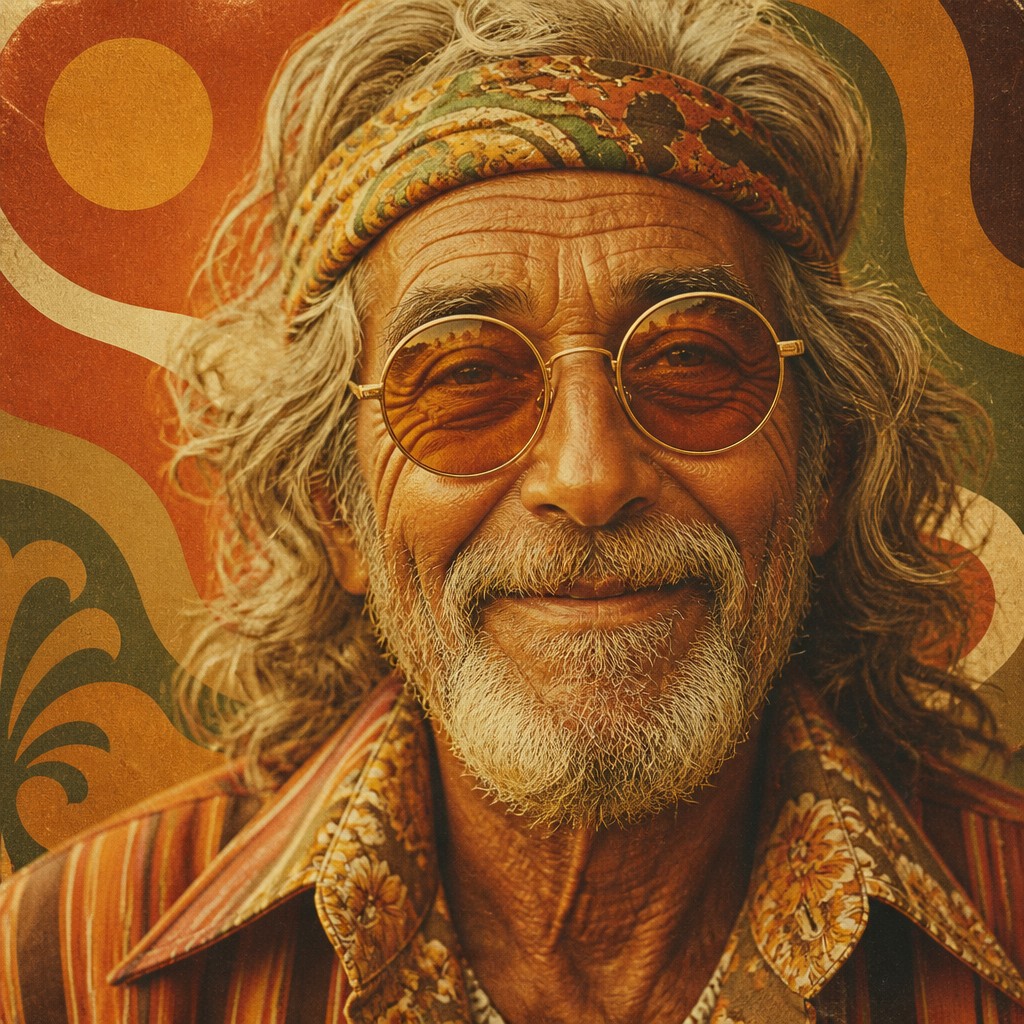
“close-up portrait of an elderly person with expressive weathered features”
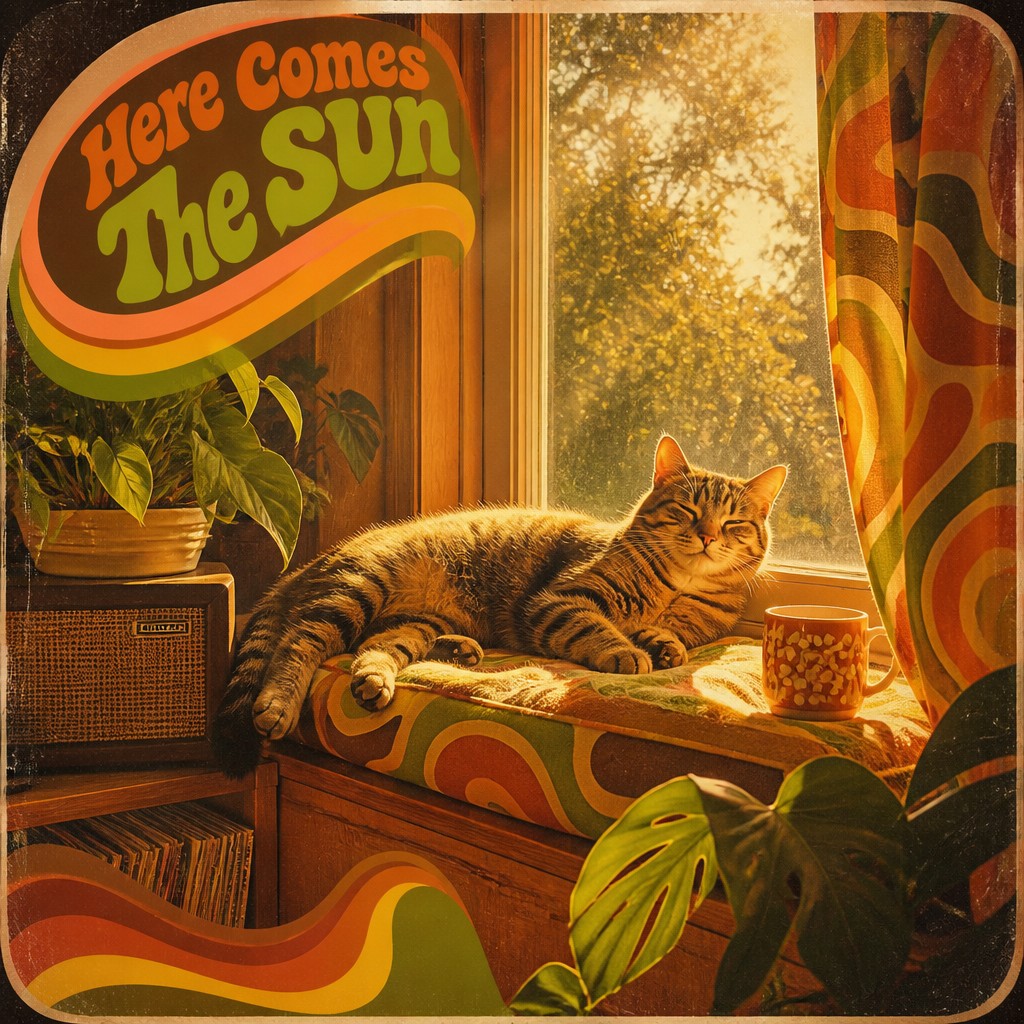
“a cat lounging in a sunlit window”
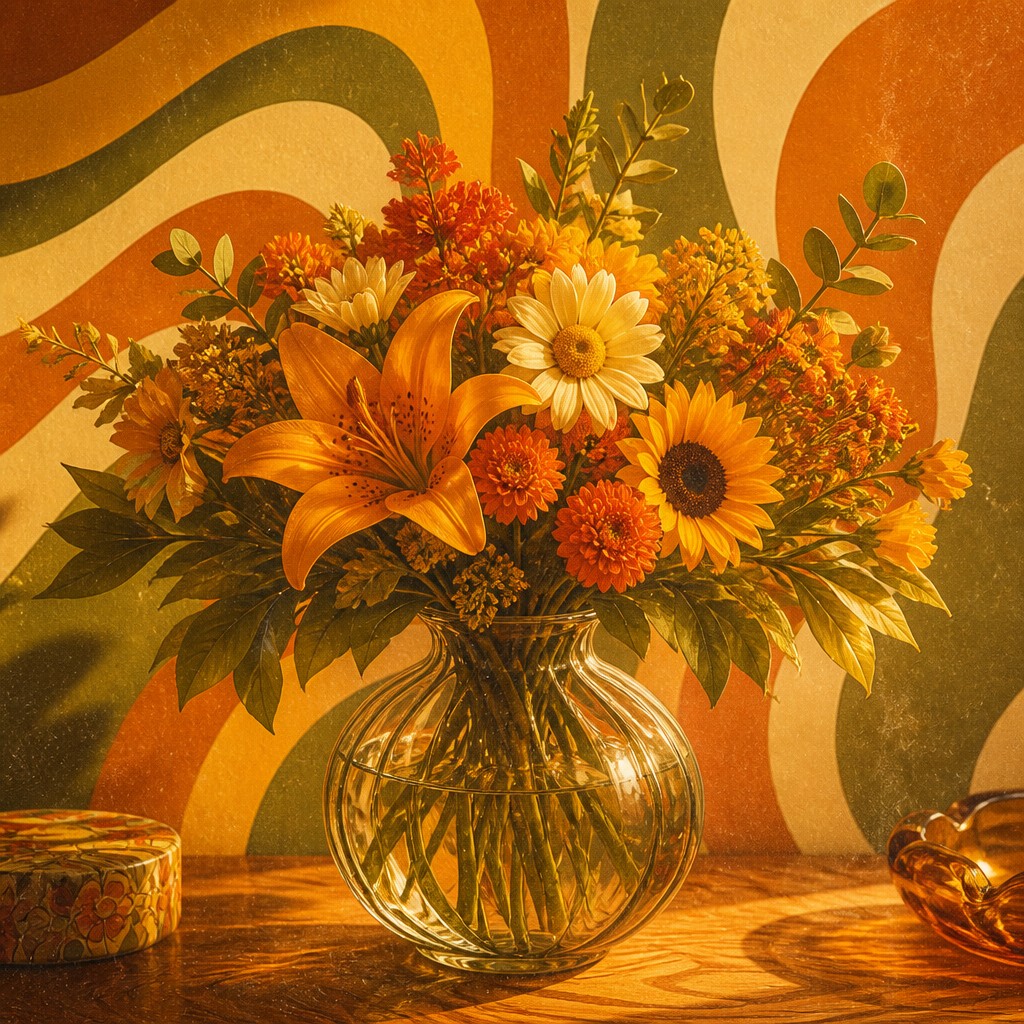
“bouquet of flowers in a glass vase”
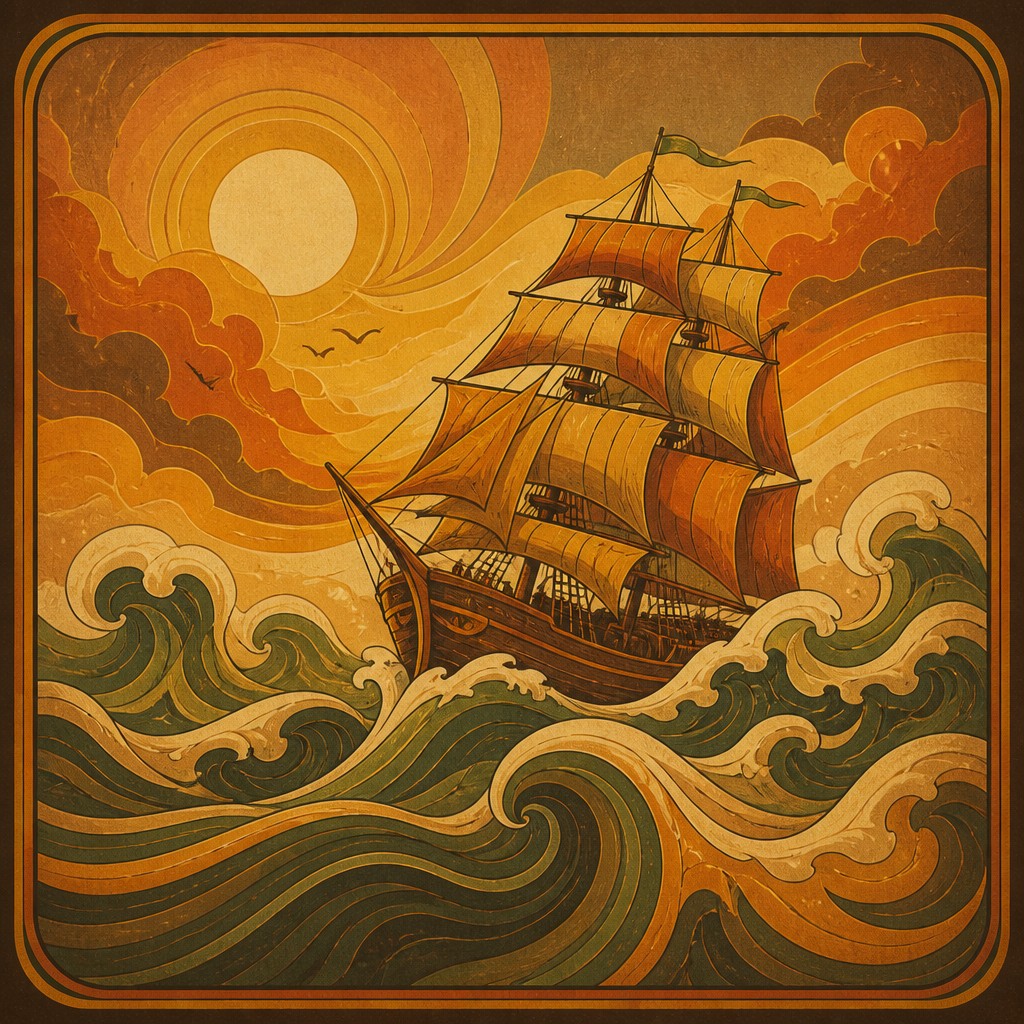
“sailing ship on a stormy sea”
How to Create 70s Retro Aesthetic Art
Master the craft step by step — or skip straight to creating. Read the full guide →
- 1
Choose an earthy 1970s palette
Start with a limited range of warm, muted colors: orange, gold, moss, olive, brown, cream, and tan. Reduce harsh contrast and avoid neon tones if you want the palette to feel period-accurate.
- 2
Build with curves and simple silhouettes
Use rounded corners, flowing stripes, concentric shapes, and abstract blobs. In traditional work, sketch with broad shapes first; in digital work, prioritize clean vector-like contours before adding texture.
- 3
Add print and film aging
Overlay subtle grain, paper texture, halftone, dust, and softened edges to mimic old magazines, posters, and photos. Keep these effects restrained so the image feels analog rather than simply distressed.
- 4
Reference 1970s material culture
Include album-cover composition, retro furniture, vintage packaging, or decorative patterns that echo the decade. This grounds the image in a recognizable visual world instead of a vague nostalgia filter.
- 5
Balance graphic clarity with softness
The best results combine bold, readable forms with a mellow finish. For prompt-based generation, describe the subject first, then add cues like warm earthy palette, wavy linework, sun-faded grain, and analog warmth.
- 6
Use era-specific phrasing in prompts
Terms such as groovy, psychedelic, wood-grain, shag texture, golden-hour glow, and 1970s album sleeve help guide the look. If transforming a photo, emphasize warm color grading, softened contrast, and retro print texture.

The Story
History & Origins of 70s Retro Aesthetic
This is not a single historical movement with a formal manifesto so much as a modern umbrella term for a cluster of 1970s-inspired visual cues. Its lineage comes from late modernist graphic design, psychedelic poster art, op art, space-age and modular design, and the broader consumer aesthetics of the decade: album covers, magazine ads, TV graphics, home decor, and printed textiles.
The contemporary version of the style emerged through nostalgia for analog media and mid-century-to-1970s design language. In digital culture, it is often used to evoke warmth, optimism, and a softened retro memory rather than strict historical accuracy. Its look is less about one canonical artist than about recognizable visual habits of the era: rounded forms, earthy palettes, decorative curves, and print-like imperfections.
Influences: This aesthetic draws from 1970s graphic design, poster art, album cover art, interior design, and advertising, along with the softer end of late-1960s psychedelic design and the geometric optimism of mid-century modernism. It is related to the work of designers and visual cultures associated with the era rather than a single canonical canon; when it overlaps with art history, it can echo the flowing forms of psychedelic poster design and the simplified, bold visual language used in commercial illustration of the period.

Frequently Asked Questions
What defines the 70s Retro Aesthetic?
It is defined by earthy colors, rounded and wavy shapes, analog texture, and a nostalgic sense of 1970s print and design culture. The look often feels warm, mellow, and slightly faded, as if lifted from an old album sleeve or lifestyle magazine.
Is this the same as 70s vintage style?
They overlap, but "70s retro" usually refers to a broader nostalgic design language, while "vintage" can imply direct period authenticity. Retro work often borrows selectively from the decade, combining authentic cues with modern composition or digital polish.
How do I make my photo look like this style?
Warm the colors, lower contrast, add film grain, and introduce a soft paper or print texture. If possible, shift greens toward olive or avocado, oranges toward burnt orange, and soften sharp details so the image feels gently aged.
What kinds of subjects work best in this style?
Portraits, interiors, album-cover compositions, fashion imagery, posters, products, and landscapes all work well. Subjects with simple silhouettes and strong color blocking tend to read especially clearly in this aesthetic.
How is it different from psychedelic art?
Psychedelic art is often more intense, surreal, and high-contrast, with stronger visual distortion and more saturated color. The 70s Retro Aesthetic is usually calmer, earthier, and more domestic, with a softer nostalgic tone.
Where is this style commonly used today?
It is common in branding, posters, editorial illustration, packaging, social media graphics, and lifestyle imagery. Designers use it when they want warmth, nostalgia, and a playful analog feel without making the work look strictly historical.

Create your first 70s Retro Aesthetic artwork
Describe anything — or upload a photo — and see it in 70s Retro Aesthetic in seconds.
Make Something with 70s Retro Aesthetic
Related Styles
Discover similar art styles