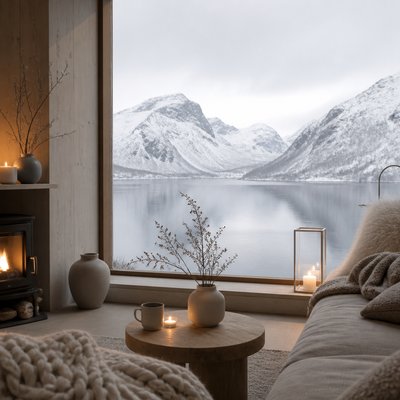
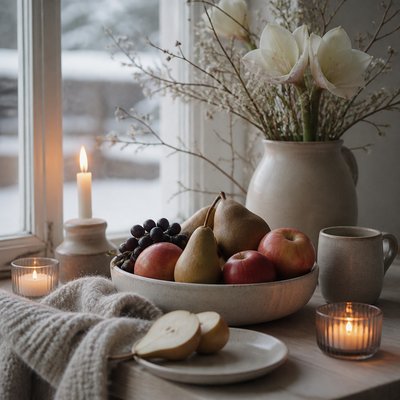
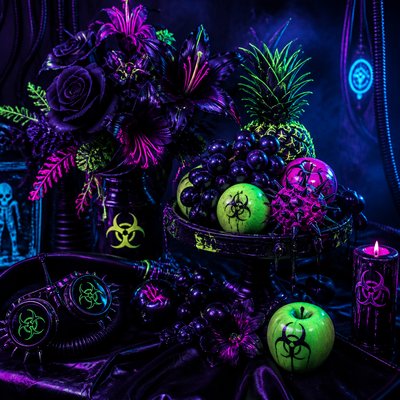
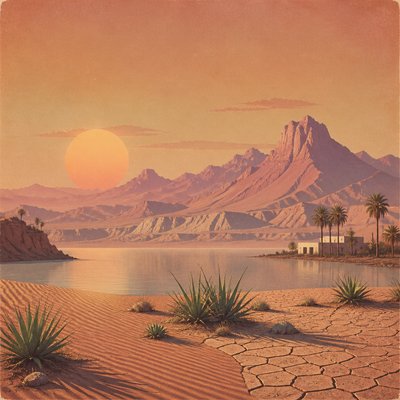
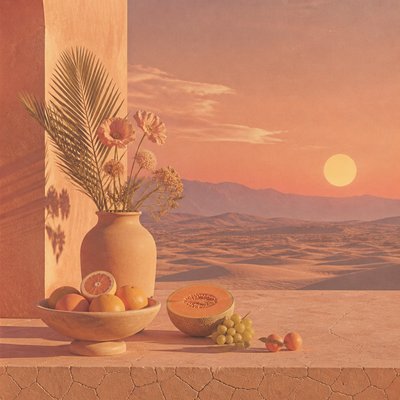
Tiki Aesthetic
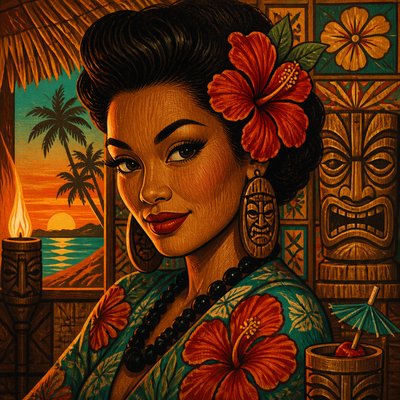
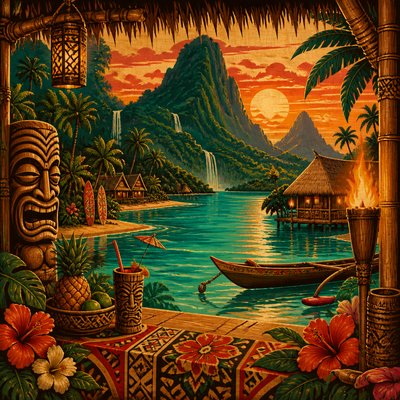
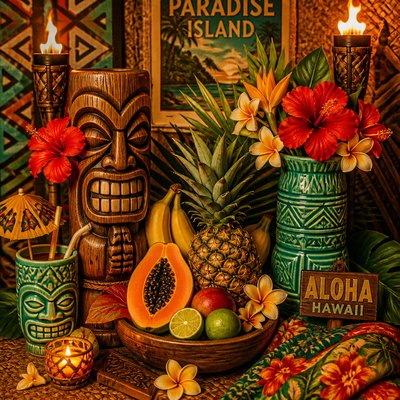
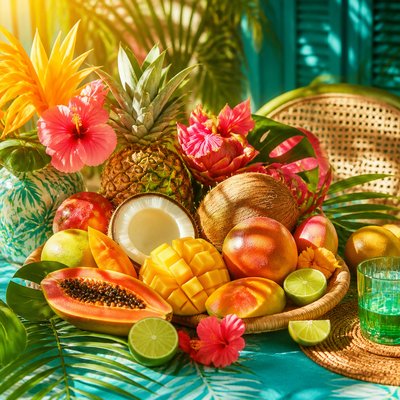
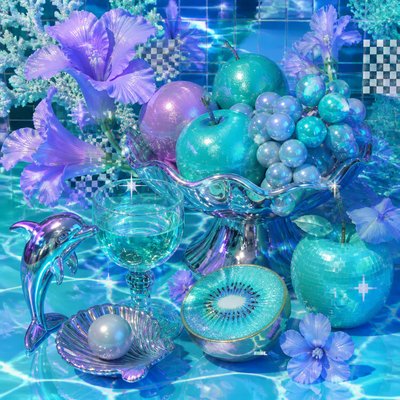
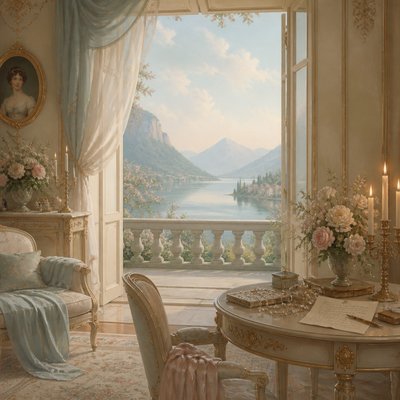
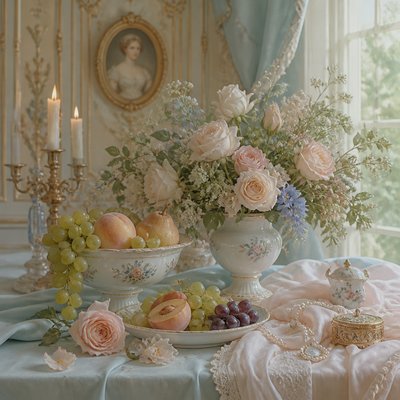
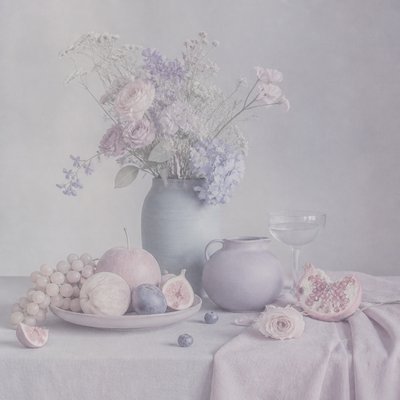
Retro island escapism with bamboo, thatch, torchlight, tropical color, and mid-century exotica patterns.
Instantly rendered in Tiki Aesthetic — or transform a photo
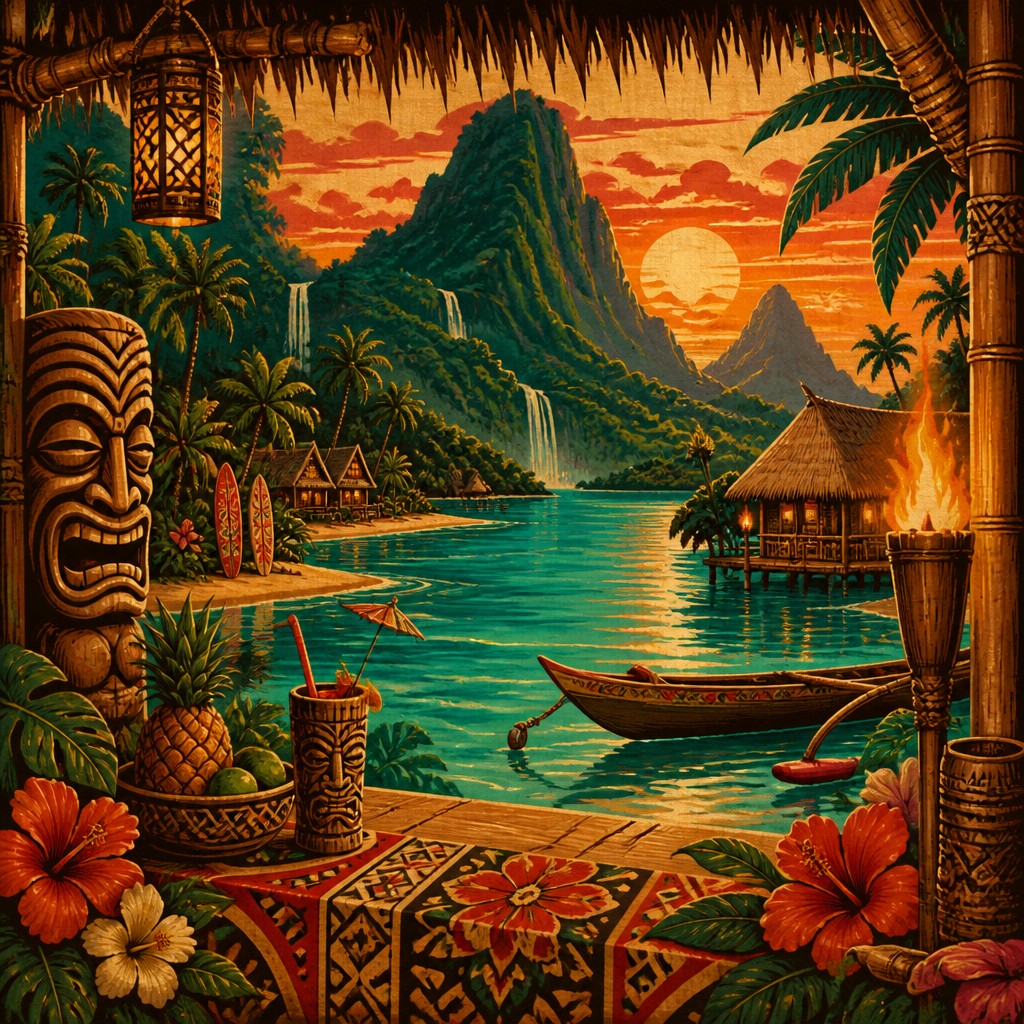
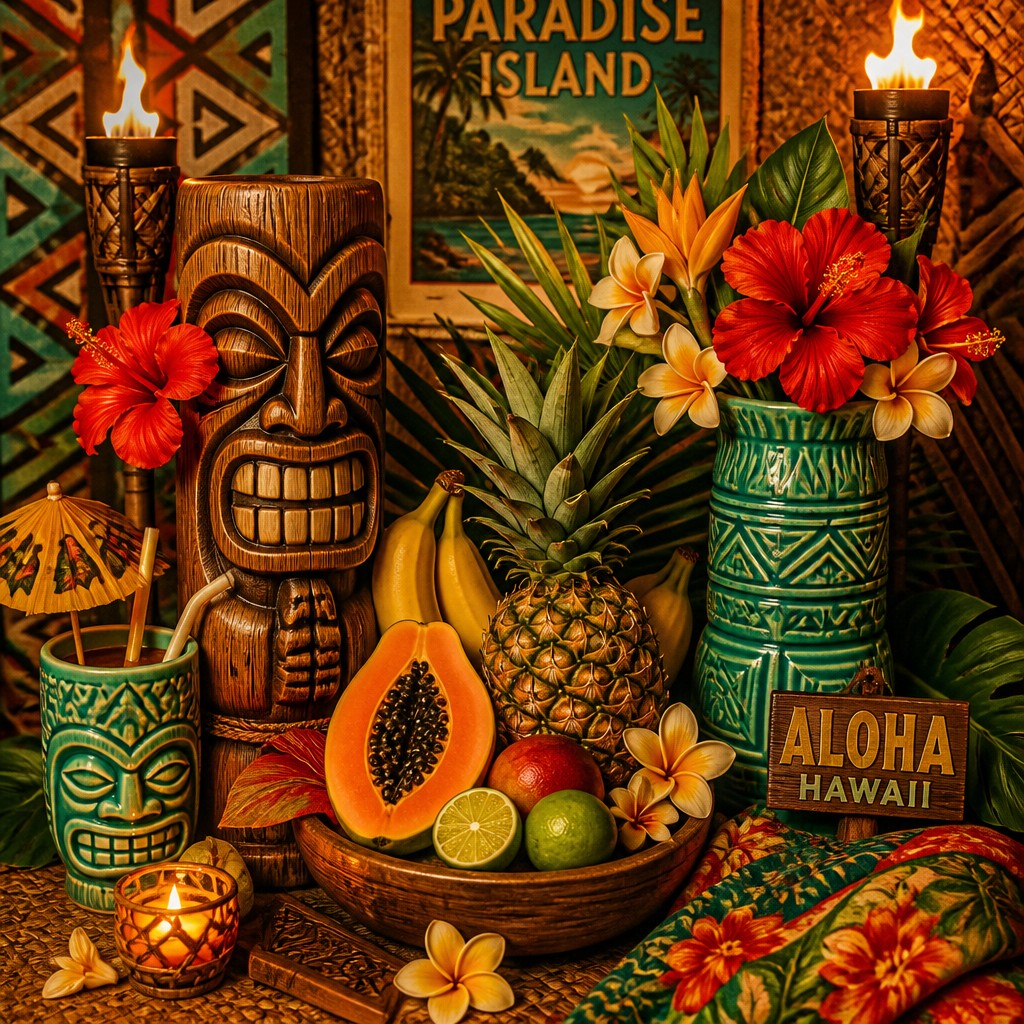
Tiki Aesthetic Gallery
Tap any artwork to explore it

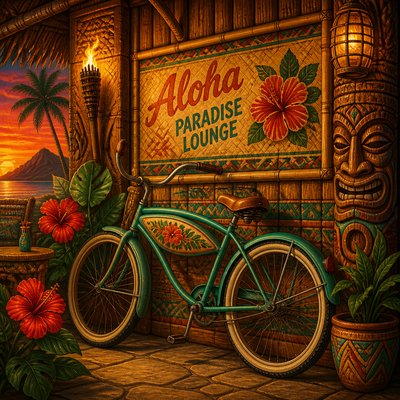
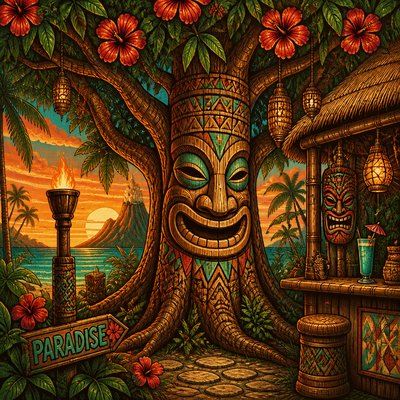
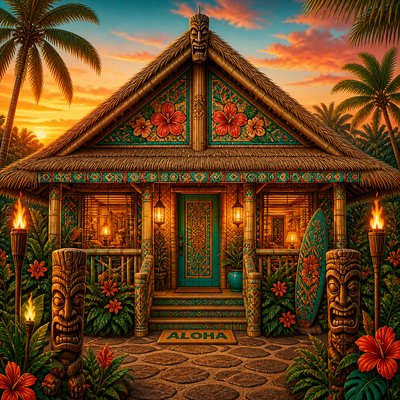
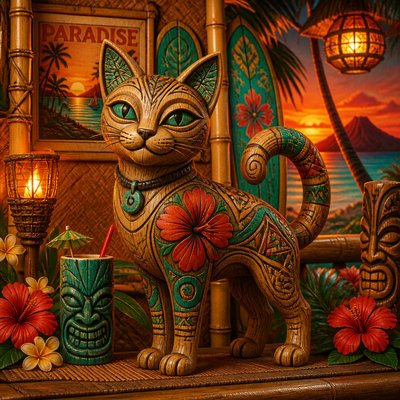
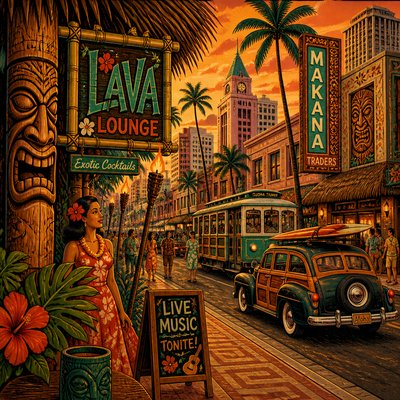
What is Tiki Aesthetic?
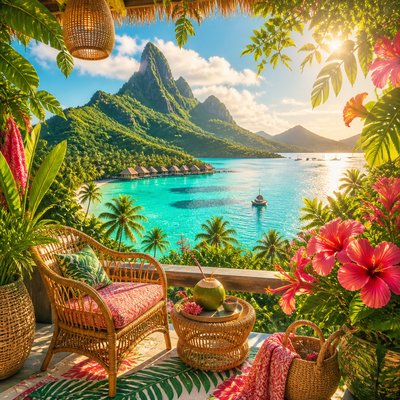
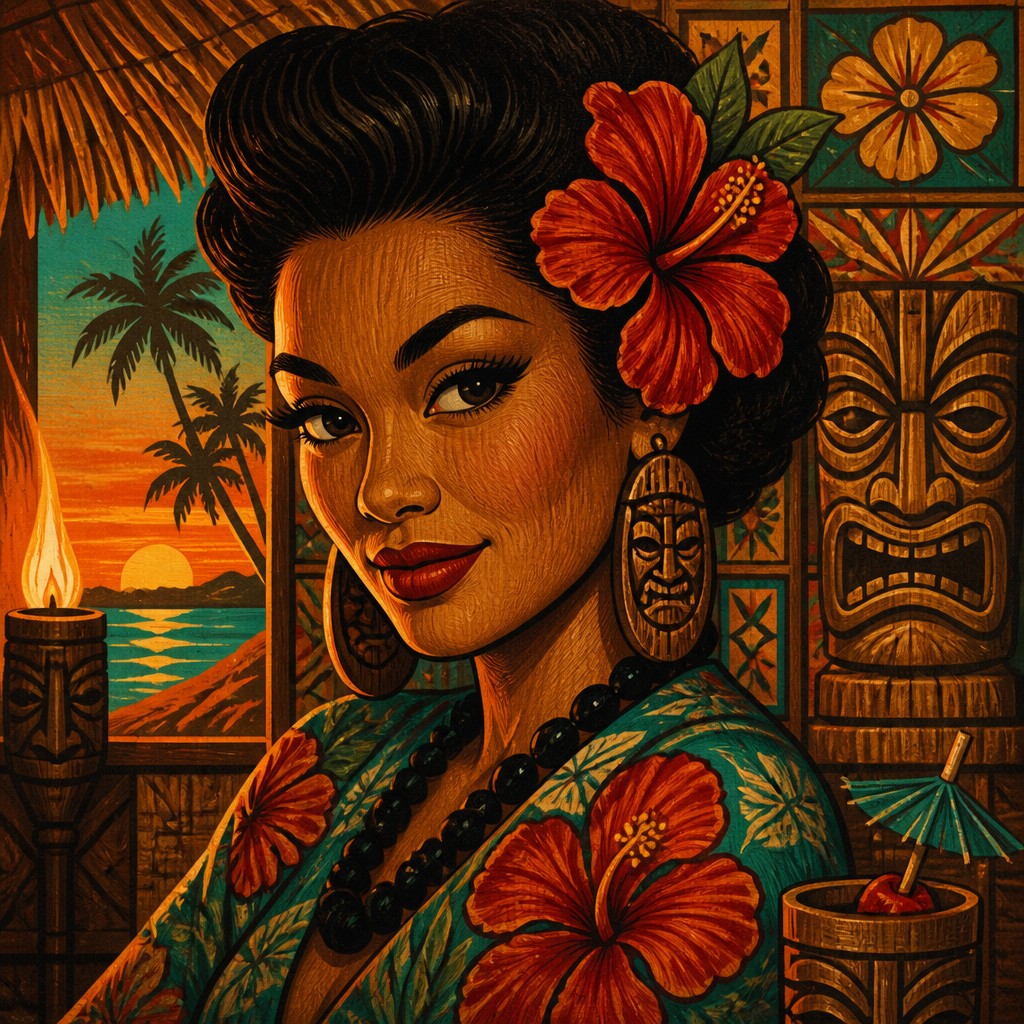
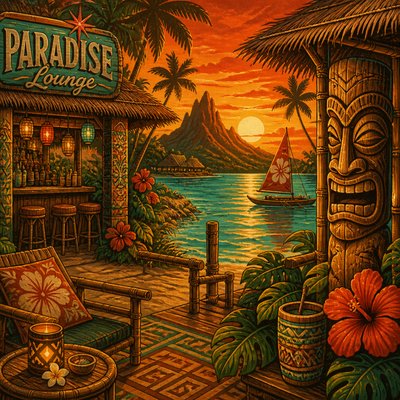
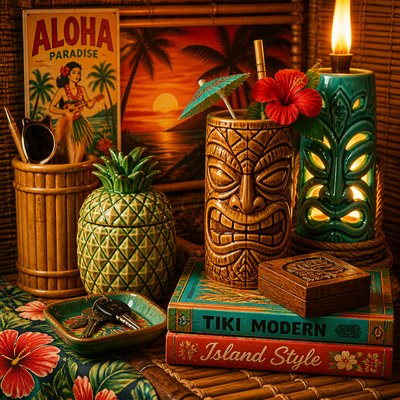
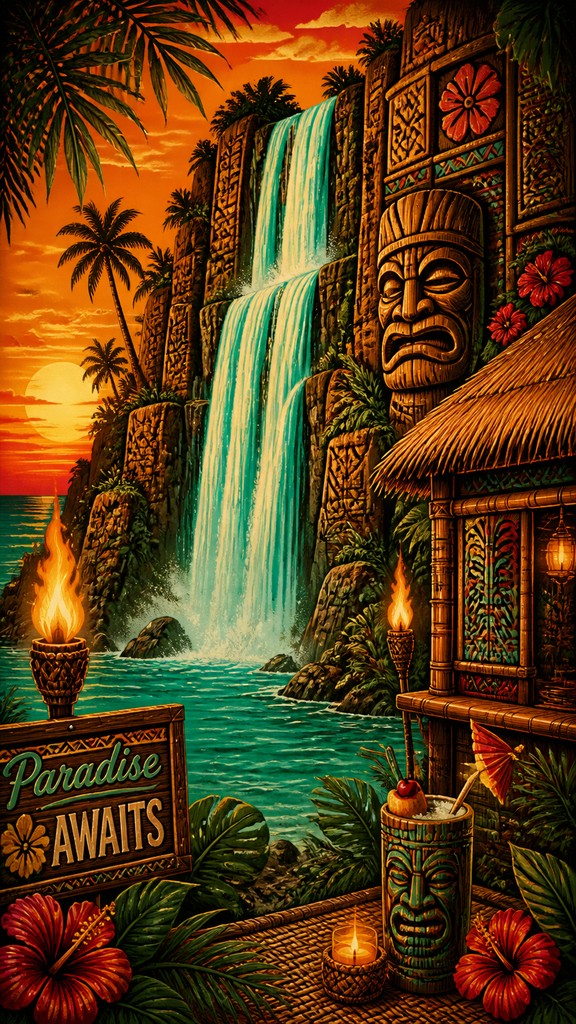
Tiki Aesthetic is a retro tropical style built around the idea of island escapism: bamboo, thatch, carved wood, torchlight, and saturated sunset color arranged into a festive, lounge-like image world. It evokes the visual language of mid-century tiki bars, vacation resorts, and Polynesian-inspired décor, with an emphasis on warmth, texture, and decorative abundance.
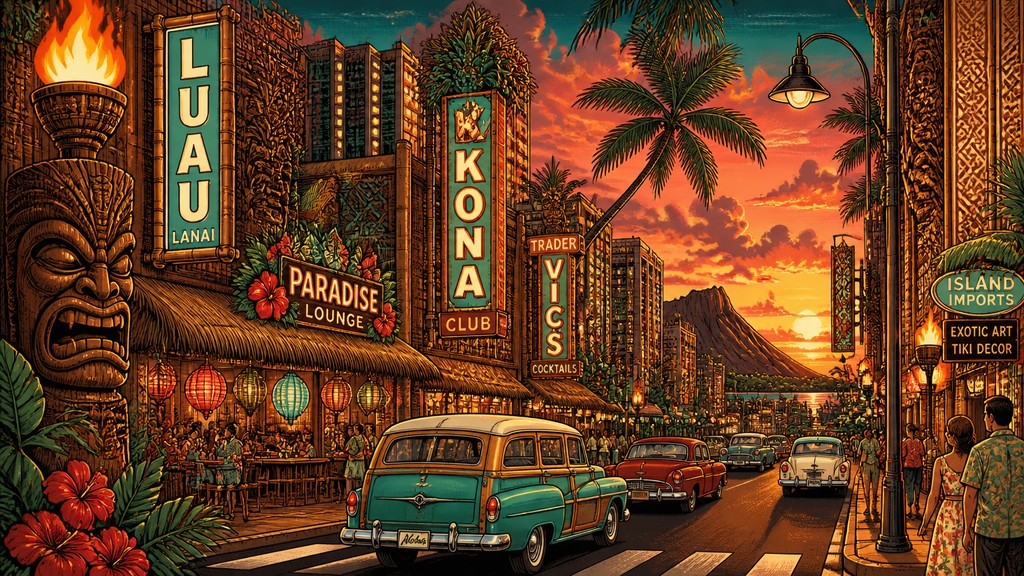
Its look is defined by a blend of natural materials and stylized kitsch. Expect tropical palettes such as turquoise, hibiscus red, jungle green, and sand tones; motifs like palms, hibiscus blooms, tiki masks, coconuts, and geometric island patterns; and lighting that suggests dusk, lantern glow, or firelight. The result is less about literal documentation of island life and more about a constructed fantasy of paradise shaped by mid-20th-century leisure culture.

Try It On Your Photos
Upload any photo and convert it into Tiki Aesthetic — drag the sliders to compare before and after.


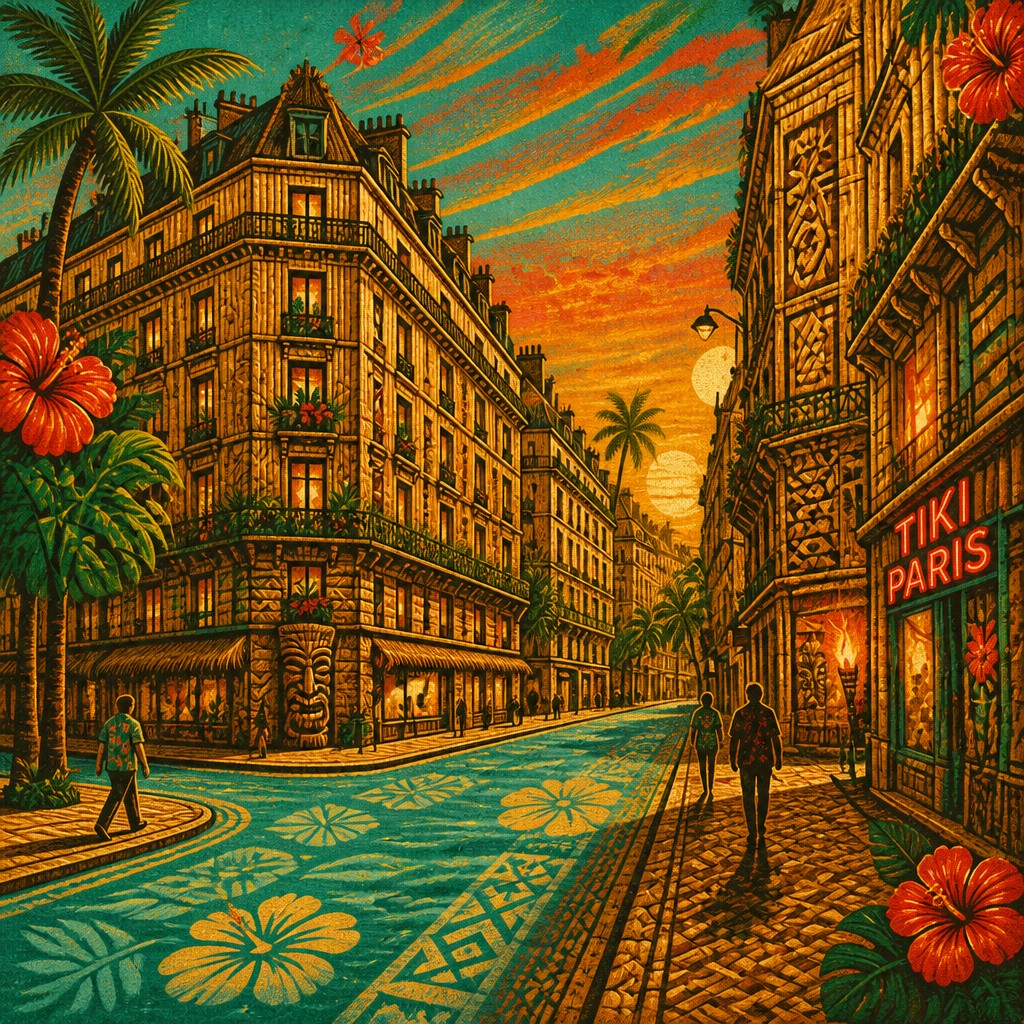

What Defines Tiki Aesthetic
The signature details, up close
Bamboo, thatch, and carved wood
The style leans on recognizable tropical materials: bamboo poles, woven thatch, carved masks, and wood grain textures. These surfaces create a tactile, handcrafted feel even in highly stylized images.
Torchlit warmth and sunset glow
Lighting is usually amber, orange, and red, as if lit by lanterns, fire pits, or a low tropical sunset. This warm glow gives the style its intimate lounge atmosphere.
Tropical color palette
Common colors include lagoon turquoise, hibiscus red, palm green, banana yellow, and sandy tan. The palette is saturated but sun-washed, balancing exuberance with a weathered resort feel.
Mid-century exotica patterning
Bold florals, fronds, geometric borders, and island-themed motifs appear in wallpaper, textiles, menus, and signage. The repetition of these decorative elements is central to the style’s identity.
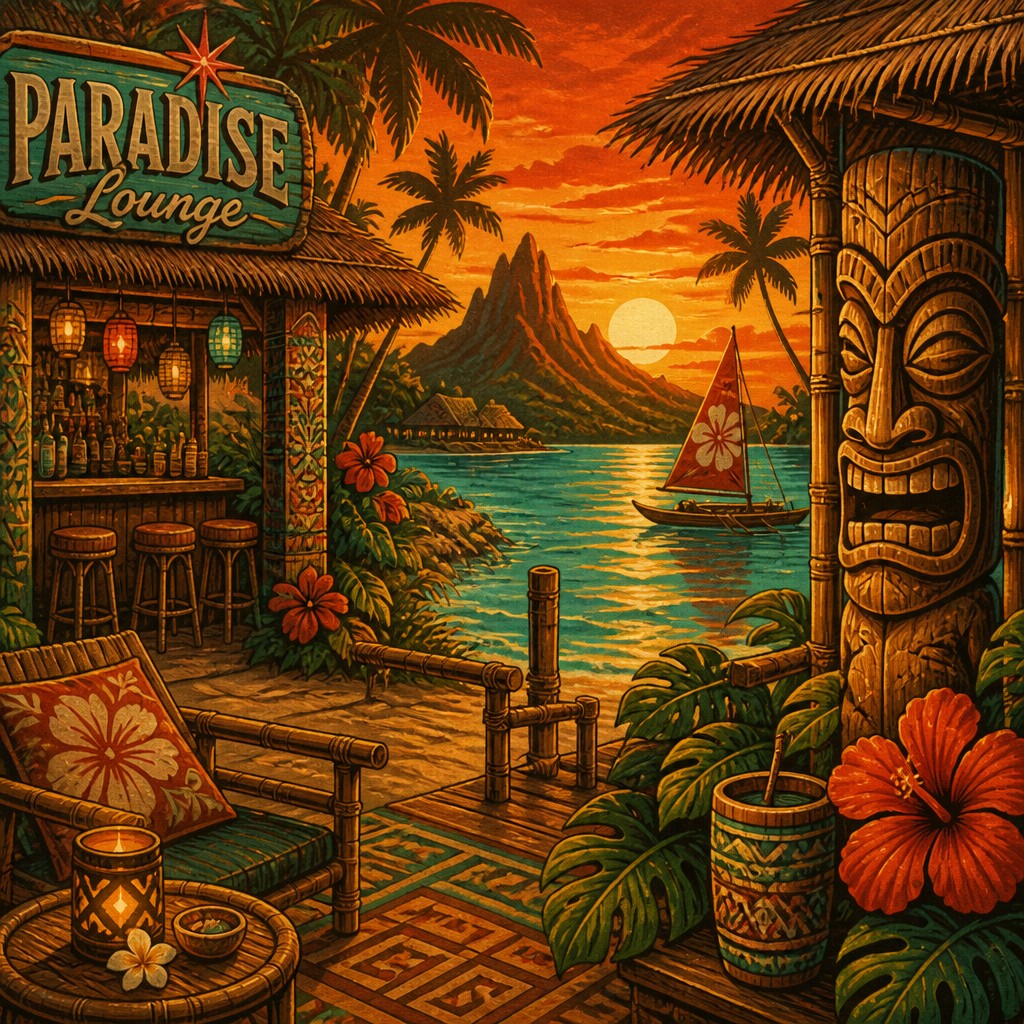
Kitschy lounge atmosphere
Tiki Aesthetic often feels playful, campy, and deliberately overdecorated. It favors escapist theatricality over realism, with a strong sense of themed hospitality.
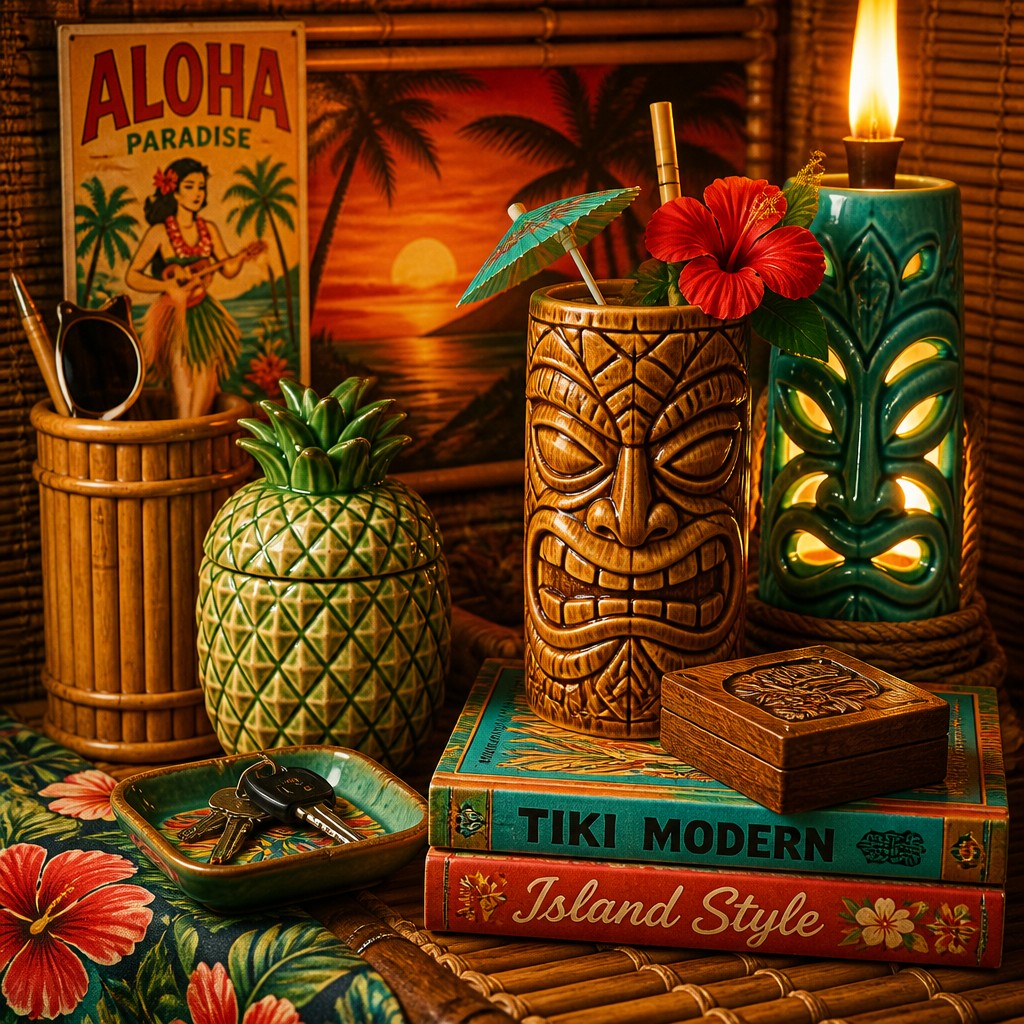
Souvenir and sign graphics
Lettering, badges, drink menus, and promotional illustrations are often simplified and graphic. The style works well in poster design because it relies on clear icons and bold contours.
Try It
Create Videos in Tiki Aesthetic
Styles aren't just for stills — describe a scene or animate an image and get a short video rendered in Tiki Aesthetic. Press play to see this pond come to life.
Make a VideoTiki Aesthetic Prompt Ideas
Start from an idea — each one opens the generator with the style ready to go. See all 40 Tiki Aesthetic prompts →
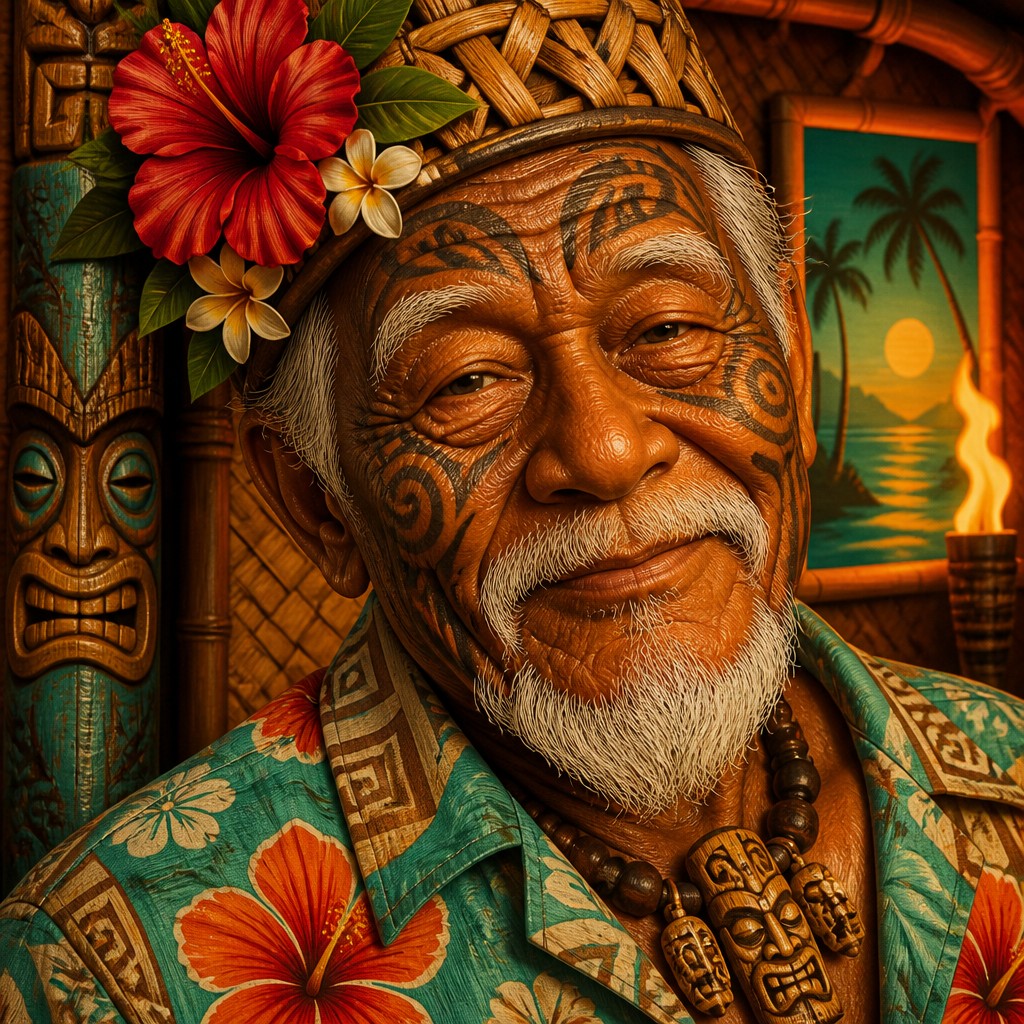
“close-up portrait of an elderly person with expressive weathered features”
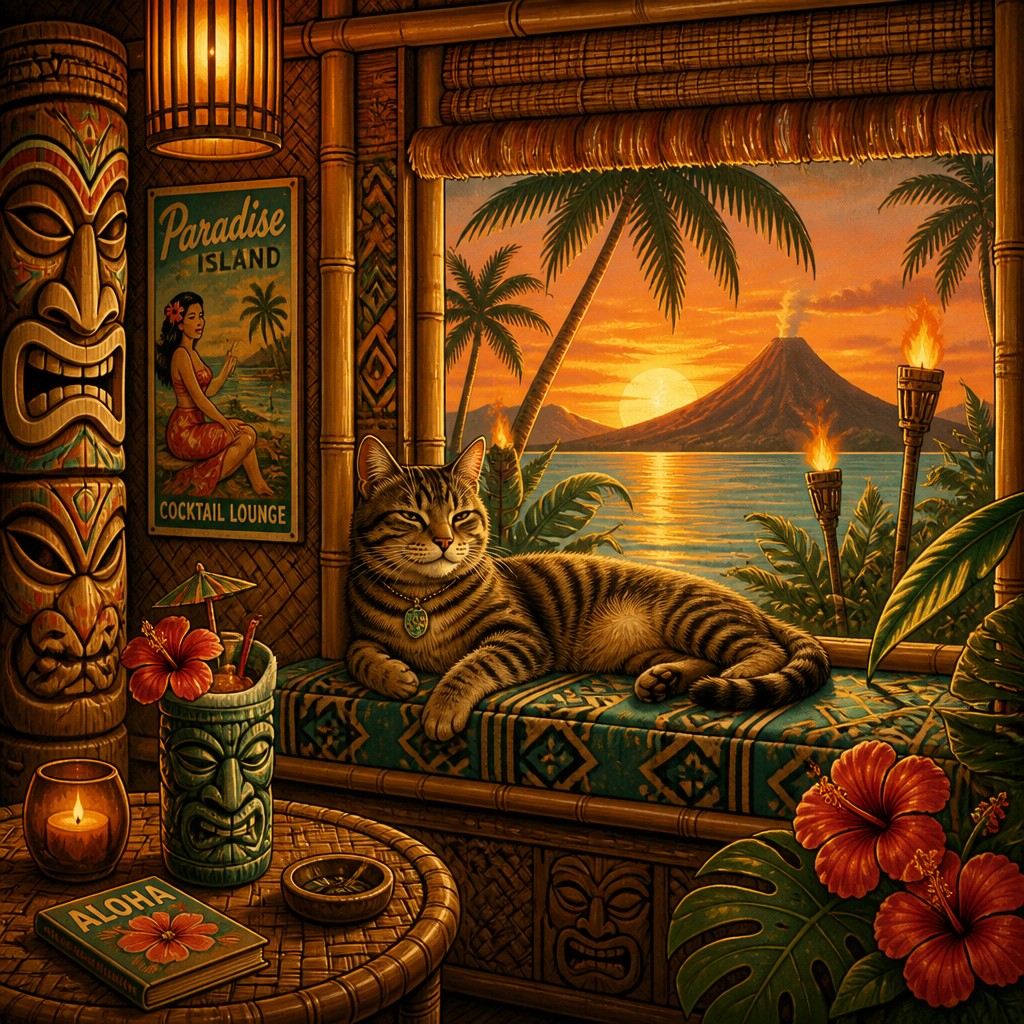
“a cat lounging in a sunlit window”
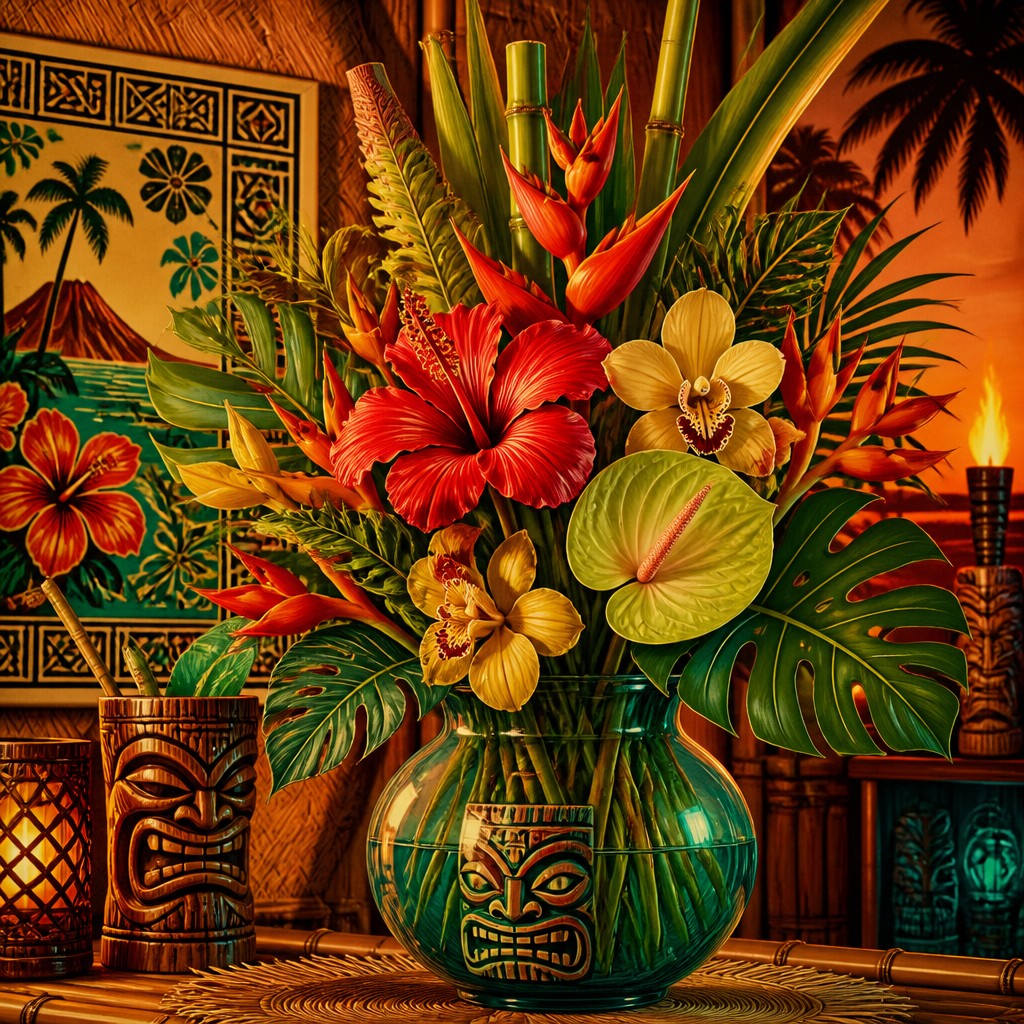
“bouquet of flowers in a glass vase”

“sailing ship on a stormy sea”
How to Create Tiki Aesthetic Art
Master the craft step by step — or skip straight to creating. Read the full guide →
- 1
Build the scene from tropical materials
Start with bamboo rails, thatched roofing, carved posts, woven mats, and shell or wood accents. Whether drawing by hand or digitally, give these materials visible texture so the environment feels crafted rather than flat.
- 2
Use warm, low, atmospheric lighting
Model the image with torchlight, lantern glow, or sunset backlight instead of neutral daylight. In digital work, layer amber highlights and deep shadow; in traditional media, glaze warm tones over darker underpainting.
- 3
Anchor the palette in saturated island colors
Combine turquoise, coral, red, green, and tan without letting the image become neon. The key is a balance of vivid color and sun-faded softness, like printed ephemera or painted resort signage.
- 4
Add decorative repetition
Repeat florals, palm fronds, zigzags, borders, and mask motifs across textiles, signage, and background elements. A strong tiki image usually feels layered and patterned, not sparse.
- 5
Emphasize texture over realism
Suggest wood grain, woven fibers, and weathered surfaces with visible marks or detailed rendering. In prompt-based generation, specify carved wood, woven thatch, and vintage tiki bar decor to steer the image toward the right tactile feel.
- 6
Frame the subject as escapist leisure
If generating an image, pair the subject with lounges, cocktails, surf-inspired settings, or resort interiors to reinforce the theme. For a portrait or object study, place it in a tiki bar, beach pavilion, or exoticized vacation backdrop.
The Story
History & Origins of Tiki Aesthetic
Tiki Aesthetic is not a single historical art movement so much as a visual and cultural collage that emerged in the United States in the mid-20th century. It drew heavily from Polynesian and broader Pacific motifs as filtered through postwar hospitality design, cocktail culture, interior decoration, advertising, and souvenir graphics. The style became especially visible in tiki bars, hotel lobbies, restaurants, home décor, and packaging from the 1950s through the 1970s, when escape, novelty, and leisure were central selling points.
Its lineage includes mid-century modern design, commercial illustration, roadside attraction culture, and the popularization of tropical imagery in print and film. Contemporary use of the style often reflects either nostalgic revival or ironic retro pastiche, but its visual DNA remains consistent: dense ornament, handcrafted surfaces, warm lighting, and a fantasy of the South Seas framed through American mid-century taste.
Influences: Tiki Aesthetic overlaps with mid-century modern design, vintage advertising illustration, Polynesian pop, and postwar resort culture, while also borrowing from craft traditions associated with wood carving, thatching, and textile patterning. In graphic terms it can resemble the bold simplification of 1950s commercial art and the decorative clarity of travel posters, but its most distinctive feature is the themed, immersive environment rather than a single fine-art lineage. It is historically tied to popular entertainment and hospitality design more than to canonical painters.
Frequently Asked Questions
What defines Tiki Aesthetic?
It is defined by retro tropical escapism: bamboo, thatch, torchlight, carved wood, and saturated island colors. The style usually mixes decorative patterning with a warm, lounge-like atmosphere and a playful sense of kitsch.
Is Tiki Aesthetic the same as Hawaiian style?
Not exactly. Tiki Aesthetic is a broader mid-century tropical fantasy shaped by Polynesian-inspired décor, resort design, and American leisure culture, while Hawaiian style is more directly tied to Hawaiian visual traditions and identity. The two often overlap in popular imagery, but they are not interchangeable.
What colors are typical in this style?
Common colors include bamboo tan, lagoon turquoise, hibiscus red, palm green, banana yellow, and warm amber. The palette tends to be saturated but softened by a sunset or torchlit glow.
What subjects work well in this style?
Tiki bars, cocktails, beach lounges, resort signage, carved idols, tropical postcards, and mid-century patio scenes all fit naturally. Portraits can work too, especially if they are framed by decorative tropical interiors and warm lighting.
How does it differ from generic tropical art?
Generic tropical art may focus on realistic palms, beaches, or wildlife, while Tiki Aesthetic is more specific and stylized. It adds mid-century lounge design, kitsch, bold graphic patterns, and an intentionally escapist mood.
How can I make my image feel more authentic to the style?
Focus on material texture, patterned décor, and warm lighting rather than just placing palm trees in a scene. Bamboo, woven thatch, carved wood, and vintage signage are strong signals; adding mid-century graphic design cues makes the result much more recognizable.
Create your first Tiki Aesthetic artwork
Describe anything — or upload a photo — and see it in Tiki Aesthetic in seconds.
Make Something with Tiki Aesthetic
Related Styles
Discover similar art styles