Dragoncore Aesthetic
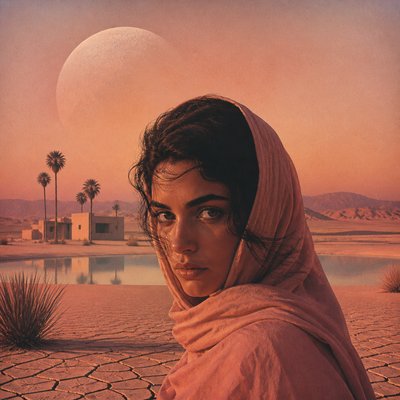
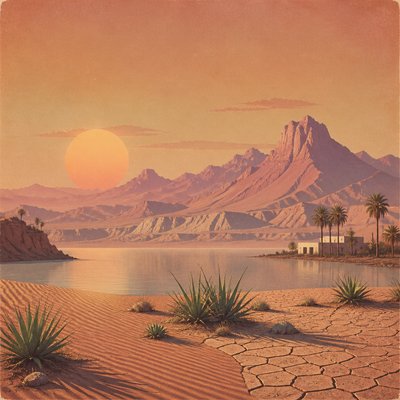
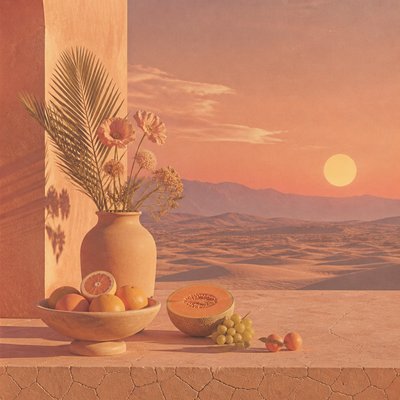
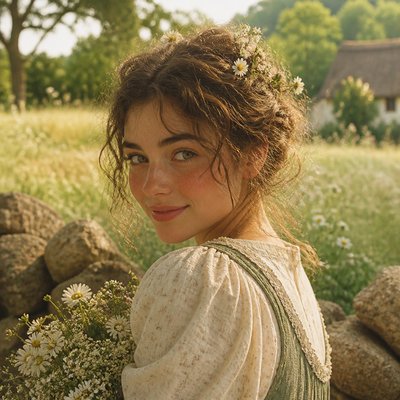
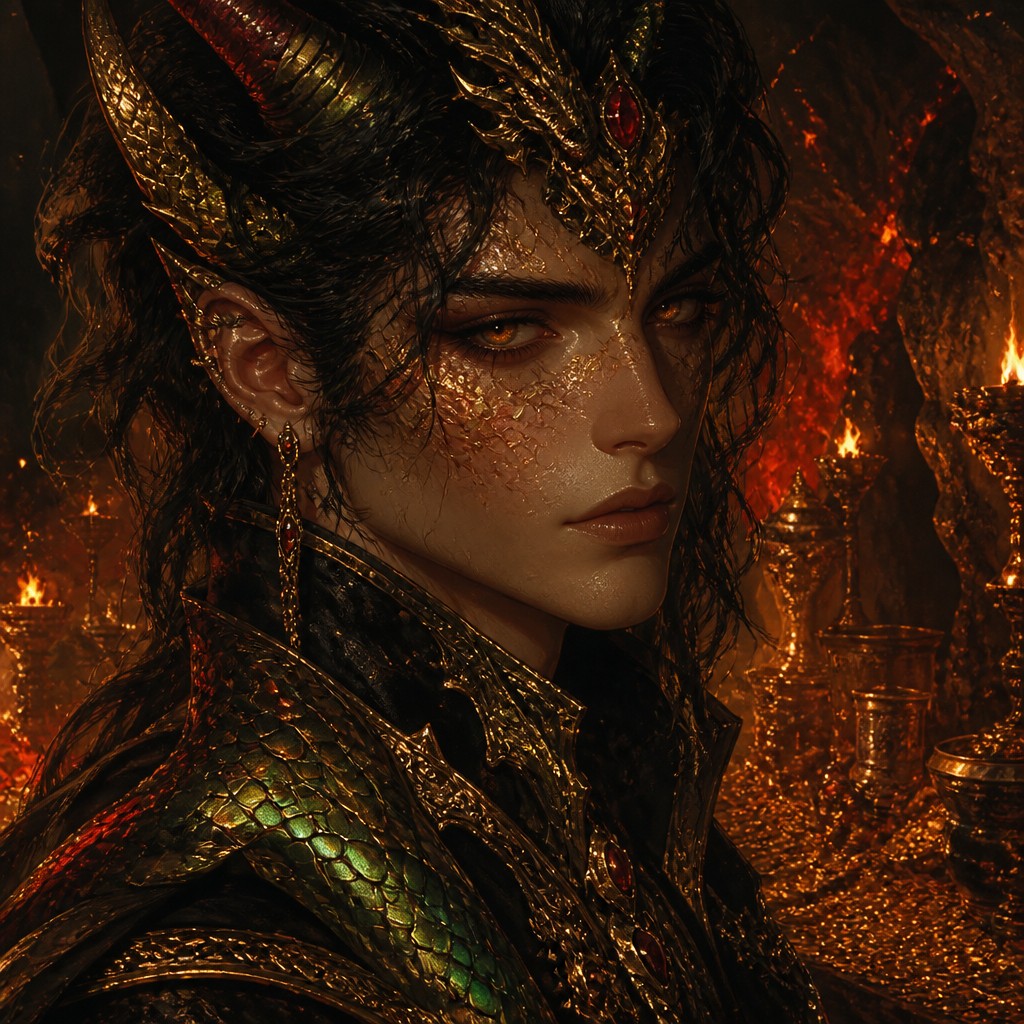
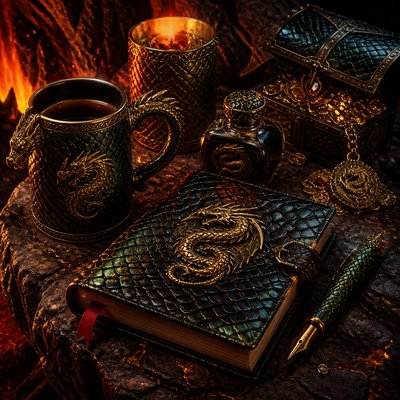
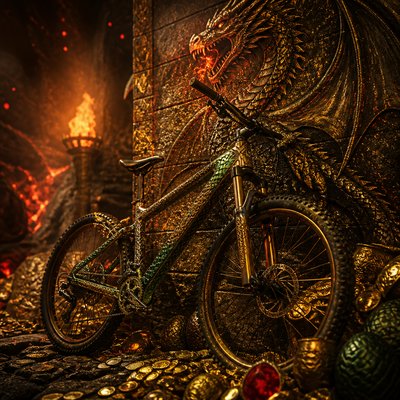
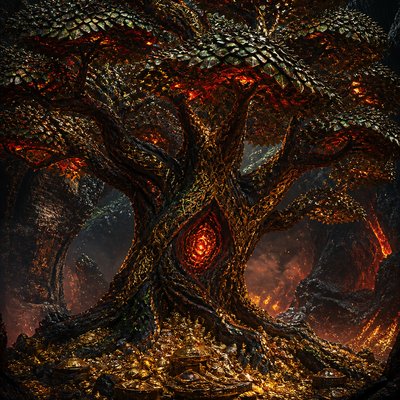
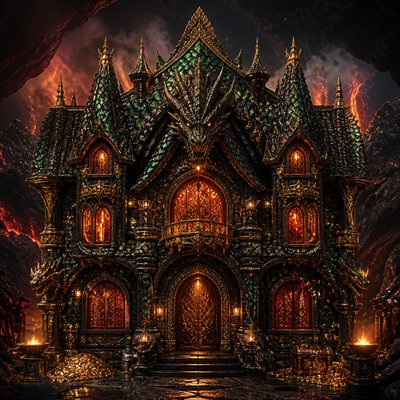
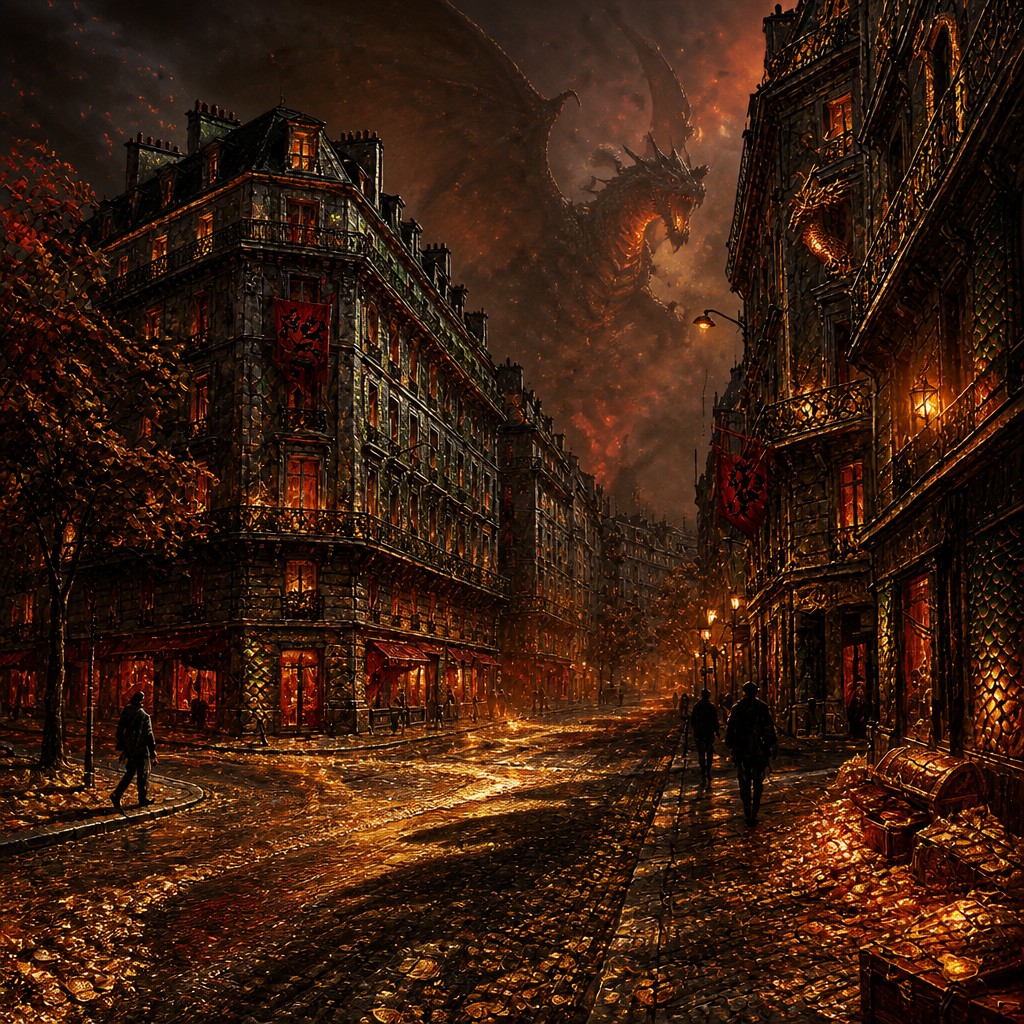
Dragoncore aesthetic blends ember reds, molten gold, smoky caverns, scales, treasure, and mythic dragon grandeur.
Instantly rendered in Dragoncore Aesthetic — or transform a photo
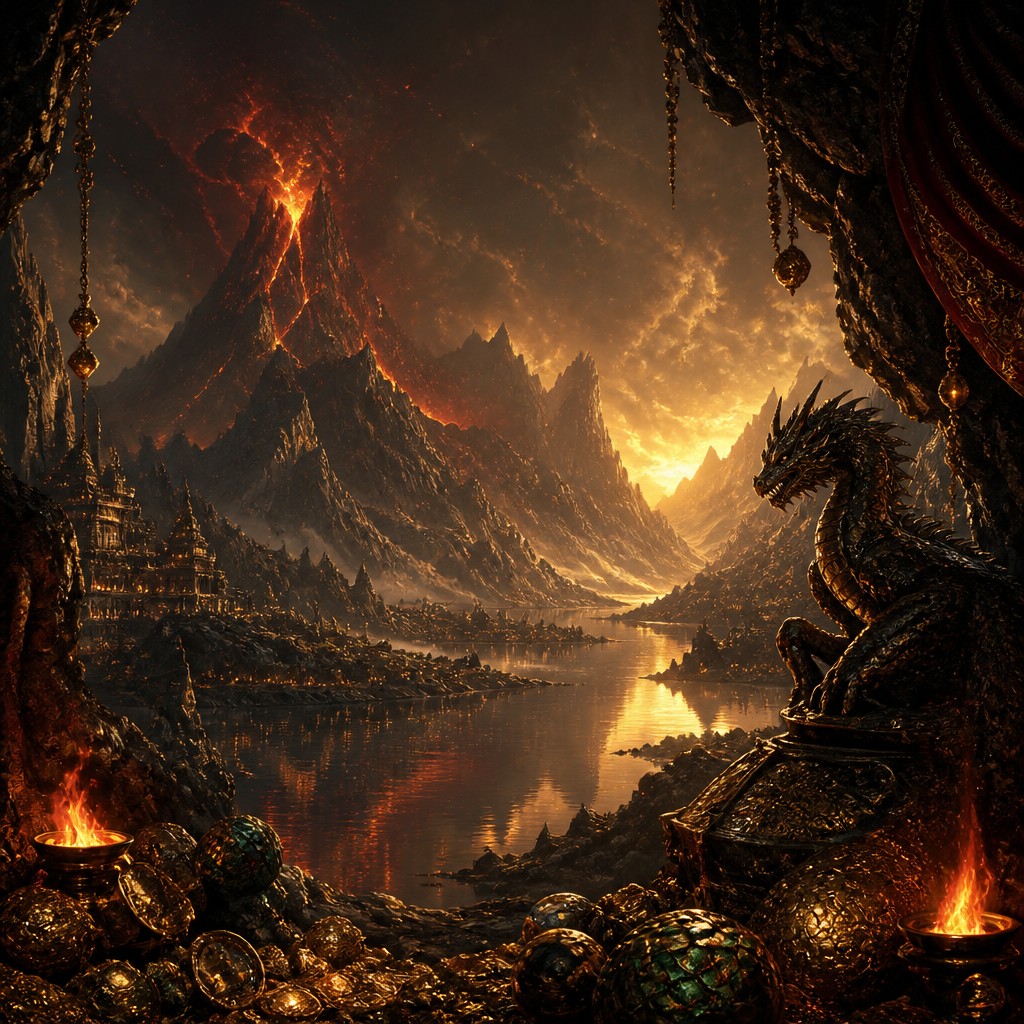
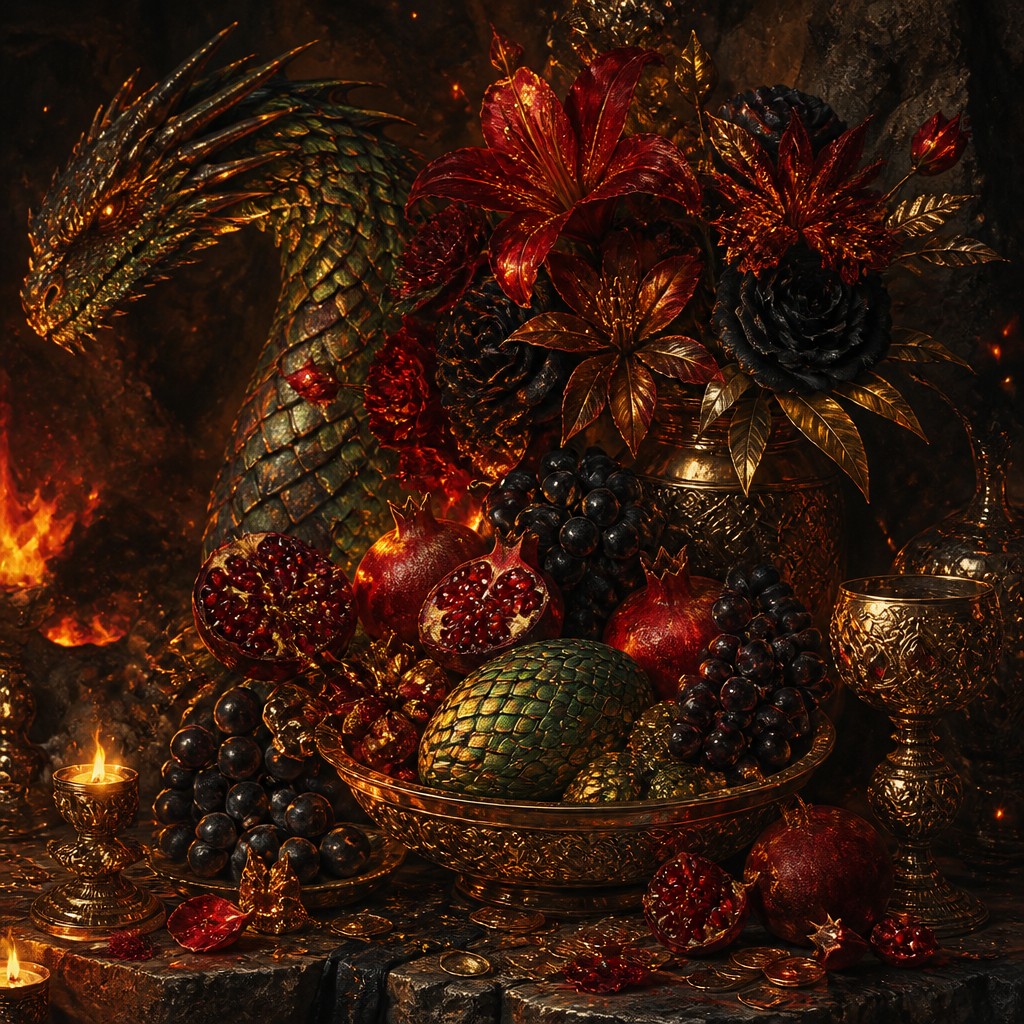
Dragoncore Aesthetic Gallery
Tap any artwork to explore it
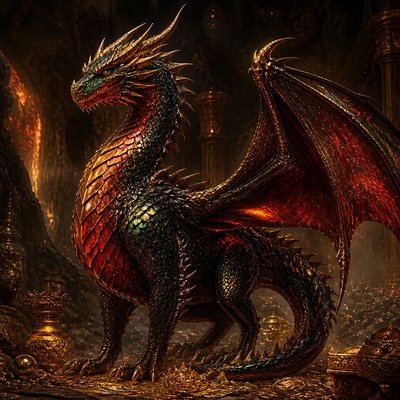
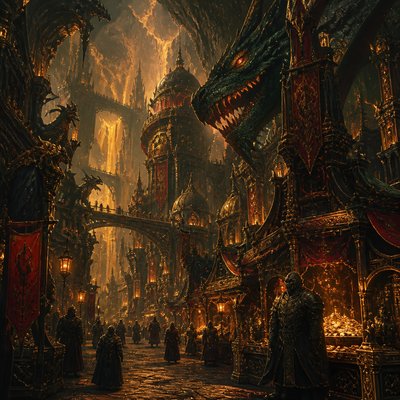
What is Dragoncore Aesthetic?
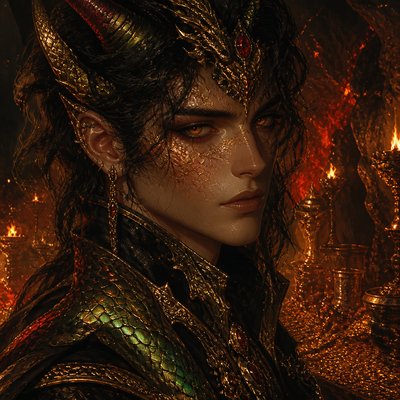
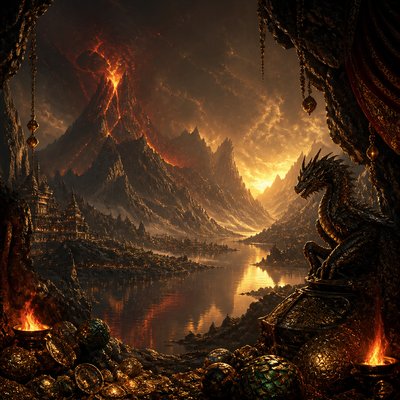
Dragoncore aesthetic is a fantasy-forward visual style built around the imagery of dragons, treasure hoards, volcanic heat, and ancient cavern spaces. Its palette typically centers on ember red, molten gold, obsidian black, and iridescent green, with luminous highlights that suggest firelight glancing off scales, metal, and gemstone surfaces.
The style feels weighty, elemental, and mythic because it combines two kinds of surfaces: rough, age-darkened stone and highly reflective or textured materials such as scales, coins, armor, jewels, and polished metal. Smoky atmospheres, drifting cinders, and glowing fissures help unify the image and create the sense of a hidden lair or legendary encounter. Dragoncore is less a historical art movement than a contemporary aesthetic that draws from fantasy illustration, gothic mood, medieval treasure imagery, and cinematic world-building.
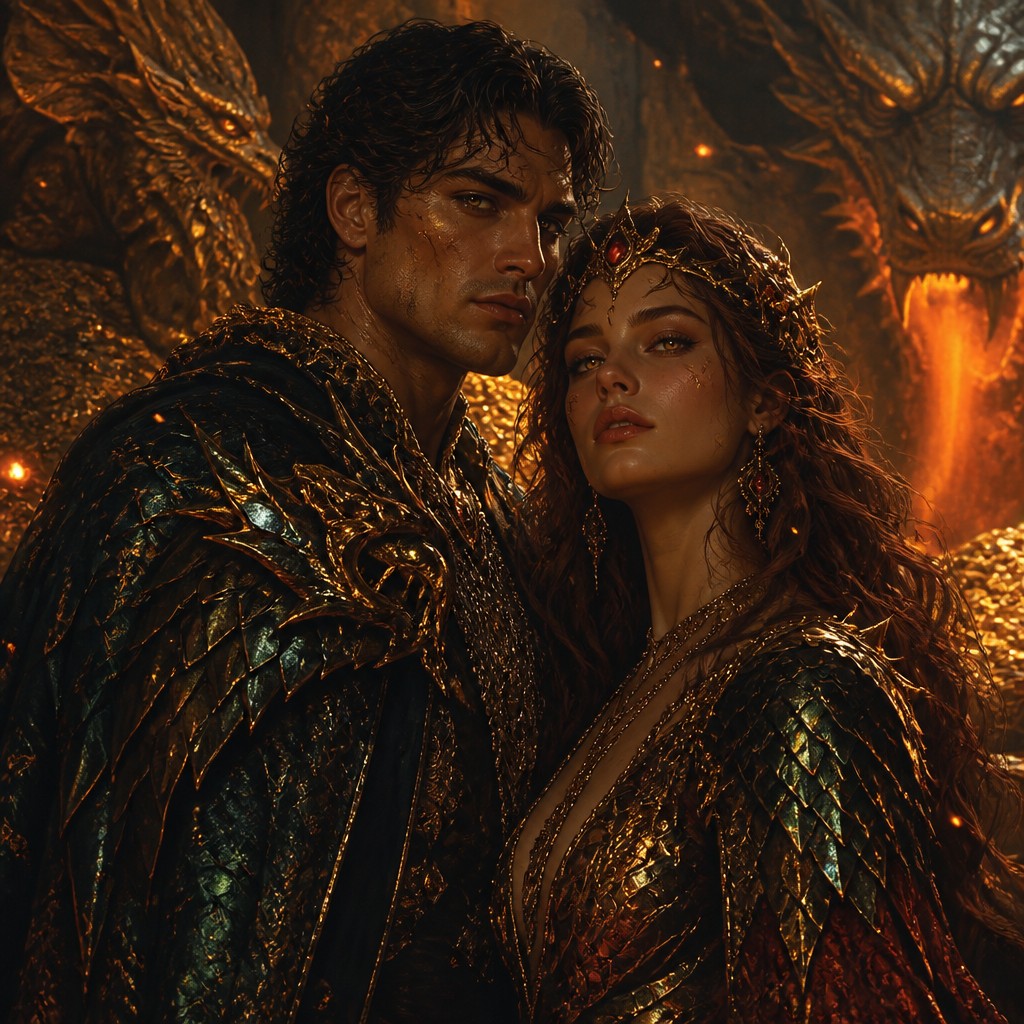
Try It On Your Photos
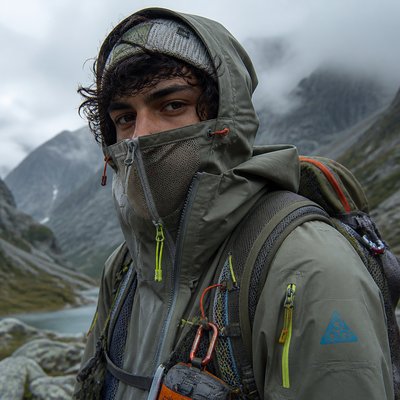
Upload any photo and convert it into Dragoncore Aesthetic — drag the sliders to compare before and after.
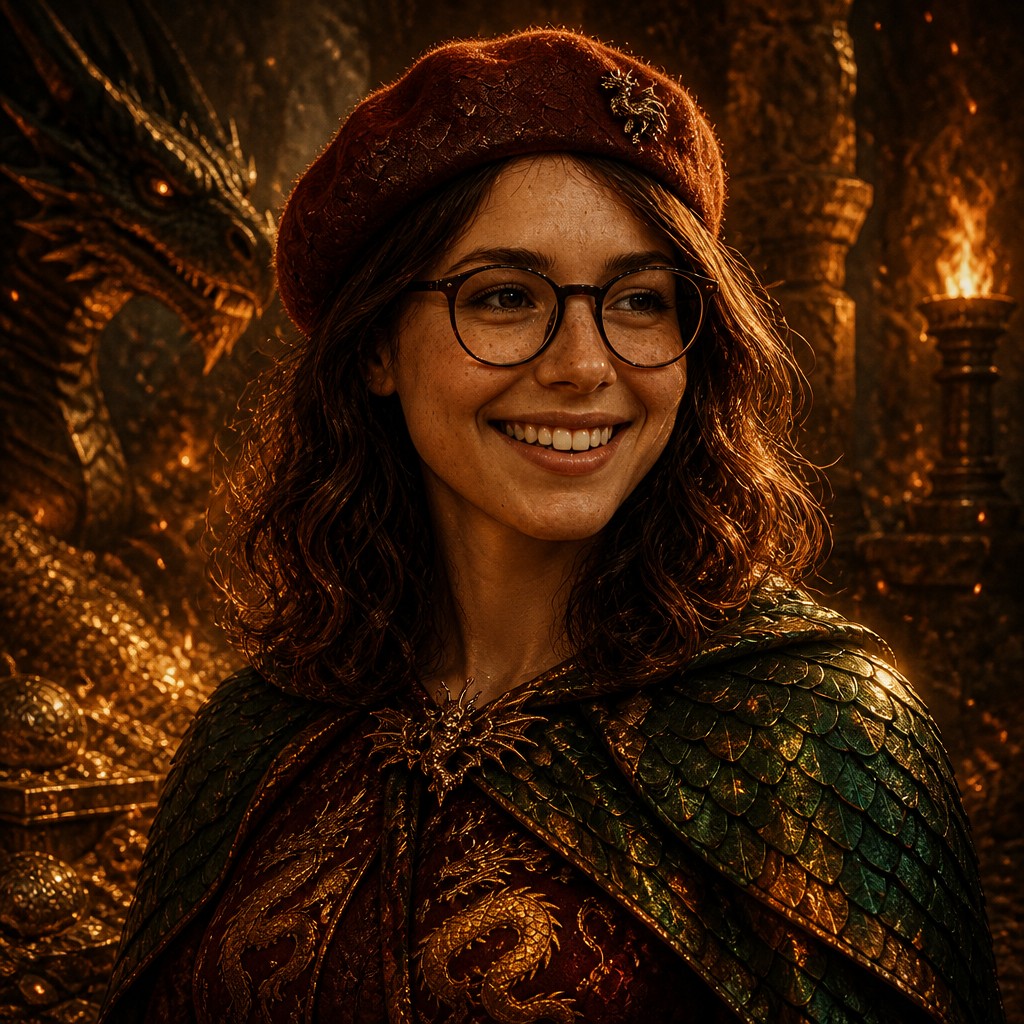


What Defines Dragoncore Aesthetic
The signature details, up close
Ember-and-metal palette
The style usually relies on red, orange, gold, black, and deep green tones. These colors evoke flame, treasure, scales, and the interior of a cavern lit by molten light.
Scaled and reflective textures
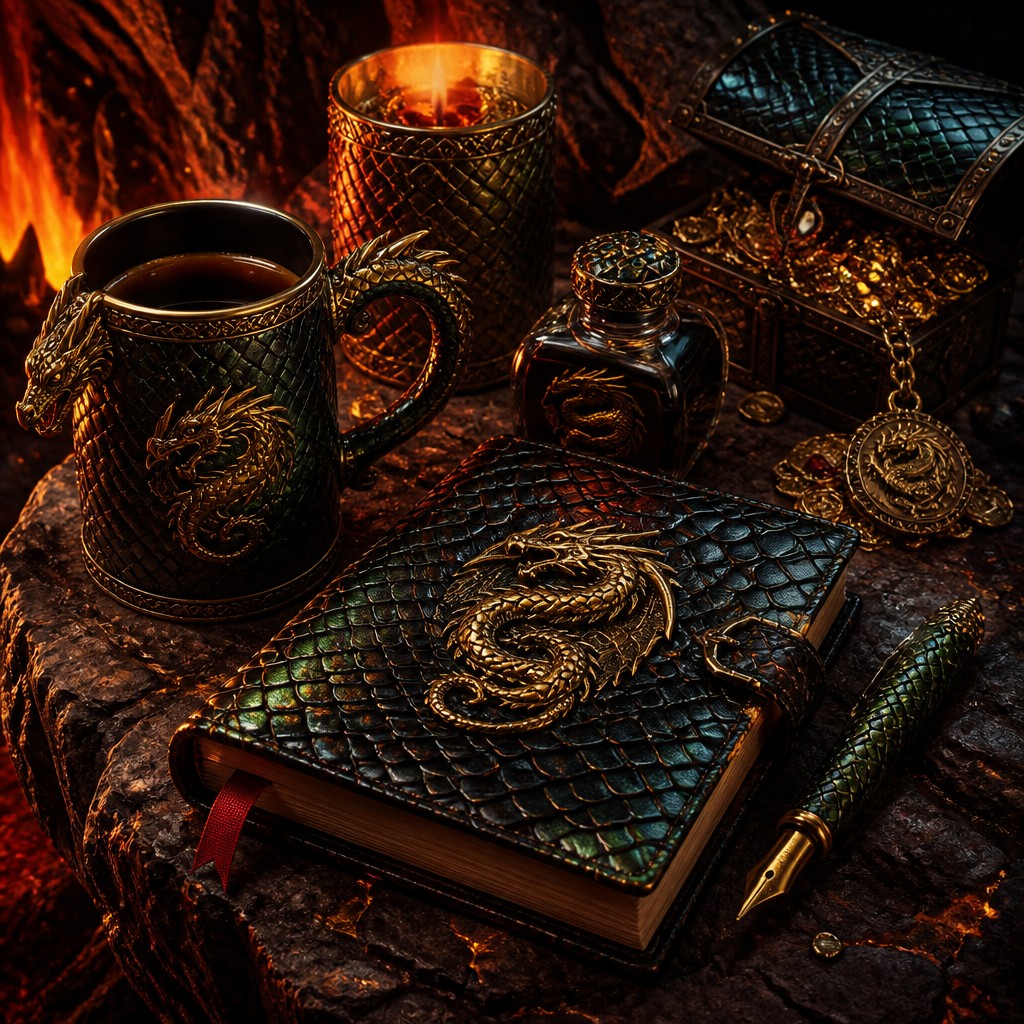
Shimmering scales, polished armor, coins, jewels, and metallic surfaces are common. These surfaces catch highlights dramatically and create a sense of tactile richness.
Cavernous atmosphere
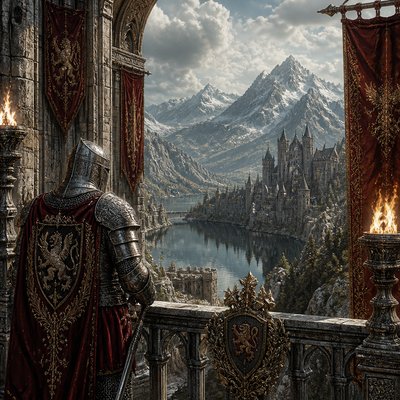
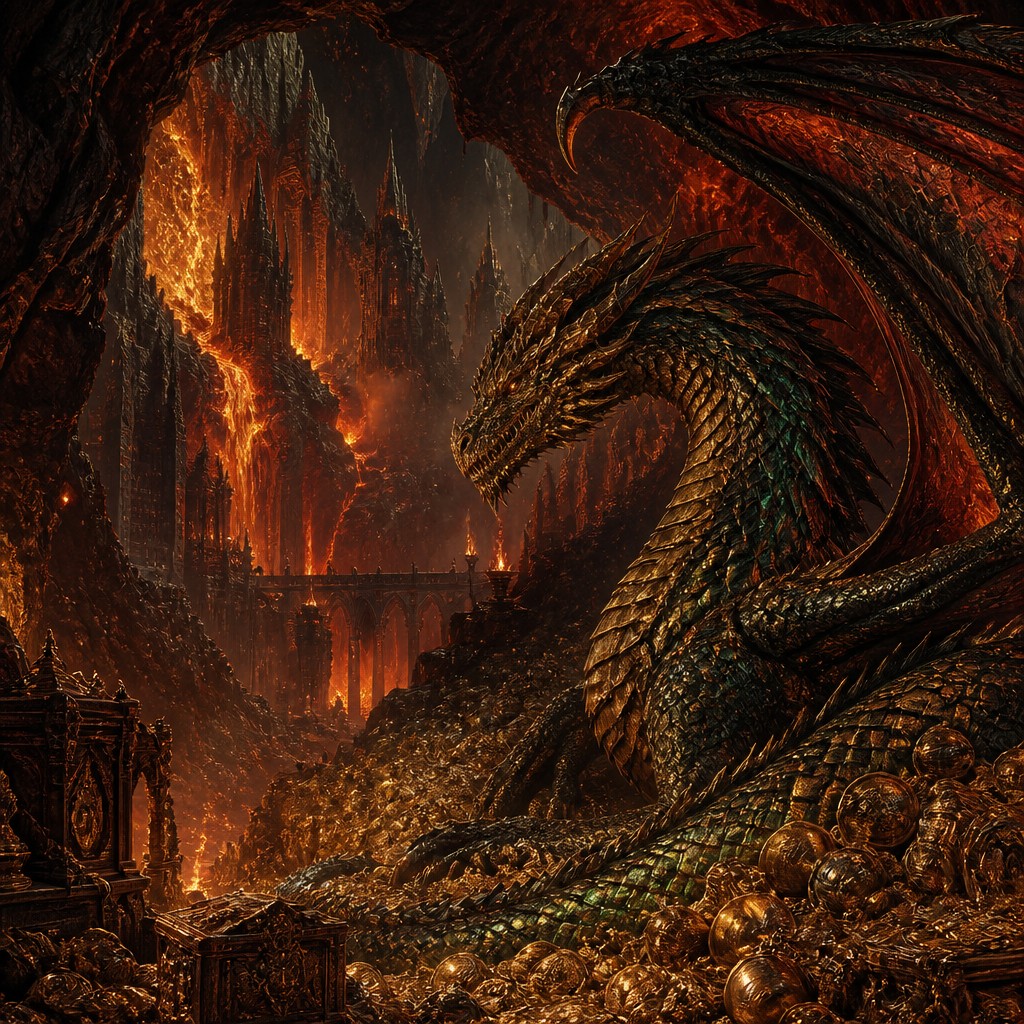
Dragoncore often takes place in a lair, cave, ruin, or volcanic chamber. Smoke, shadow, drifting ash, and torchlight give the scene a hidden, underground quality.
Mythic grandeur
Subjects are usually presented with ceremonial scale and dramatic lighting. Even small objects, like a ring or crown, are framed as relics of legend.
Treasure imagery
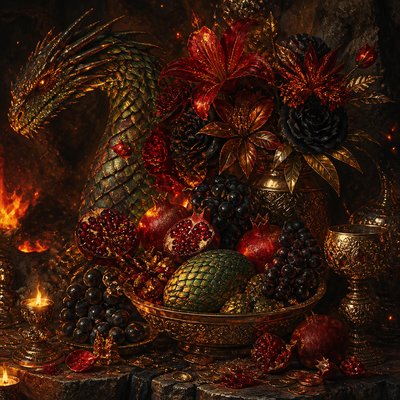
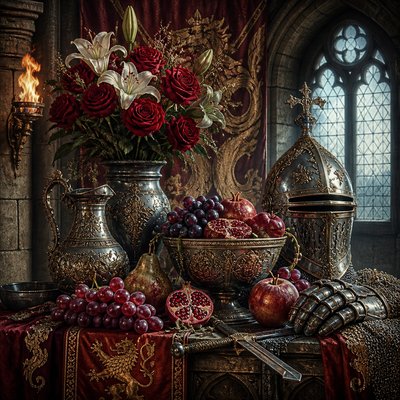
Hoarded gold, gemstones, chests, and ornate objects are defining motifs. These details suggest possession, memory, and ancient wealth rather than simple decoration.
Elemental contrast
The style depends on tension between rough and refined materials. Jagged stone, soot, and smoke are set against gleaming metal, iridescence, and firelight.
Try It
Create Videos in Dragoncore Aesthetic
Styles aren't just for stills — describe a scene or animate an image and get a short video rendered in Dragoncore Aesthetic. Press play to see this pond come to life.
Make a VideoDragoncore Aesthetic Prompt Ideas
Start from an idea — each one opens the generator with the style ready to go. See all 40 Dragoncore Aesthetic prompts →
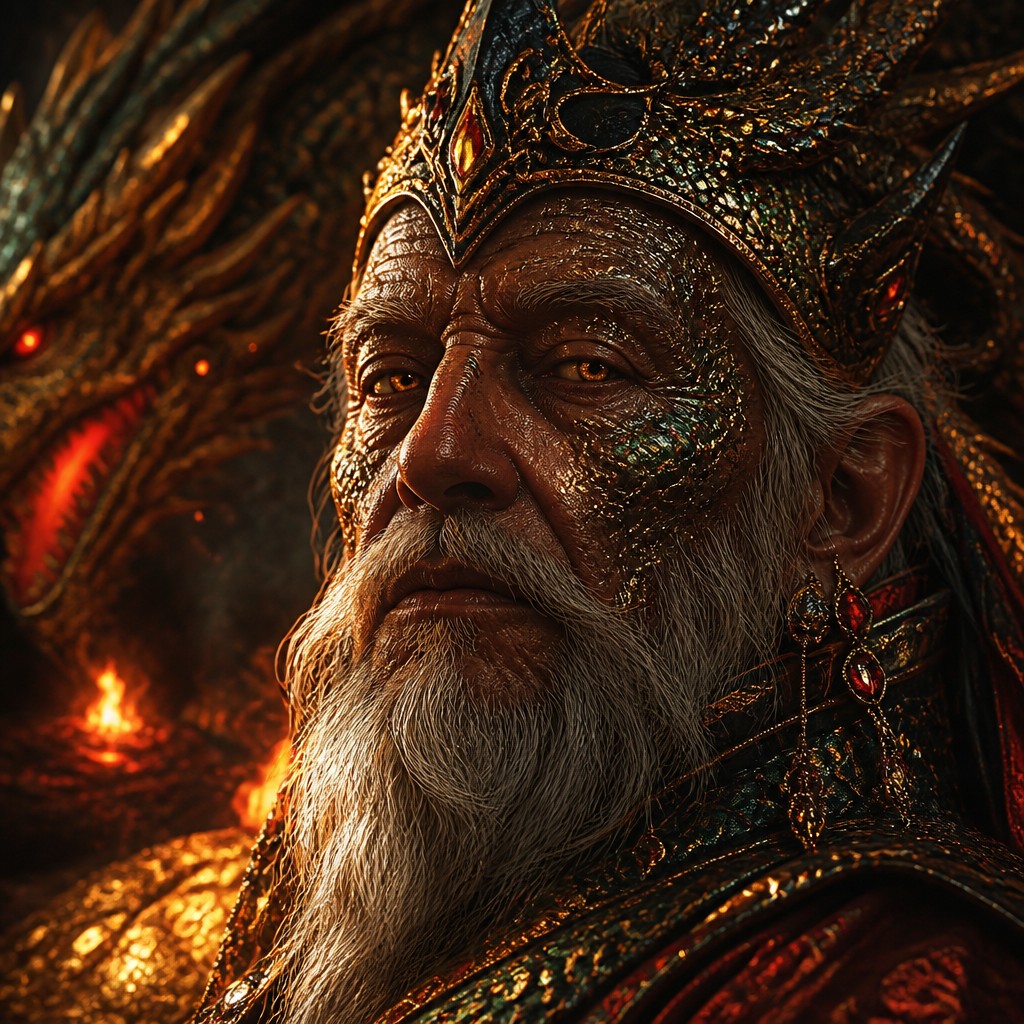
“close-up portrait of an elderly person with expressive weathered features”
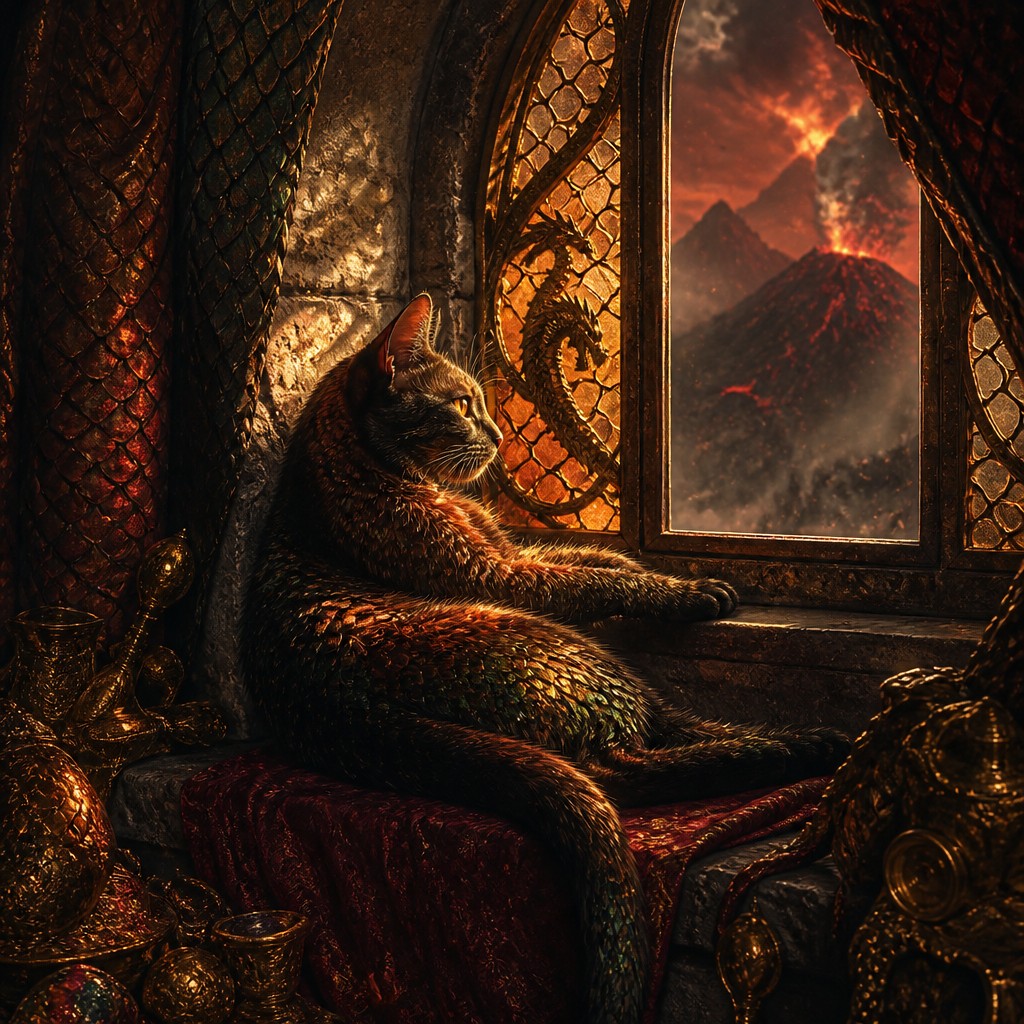
“a cat lounging in a sunlit window”
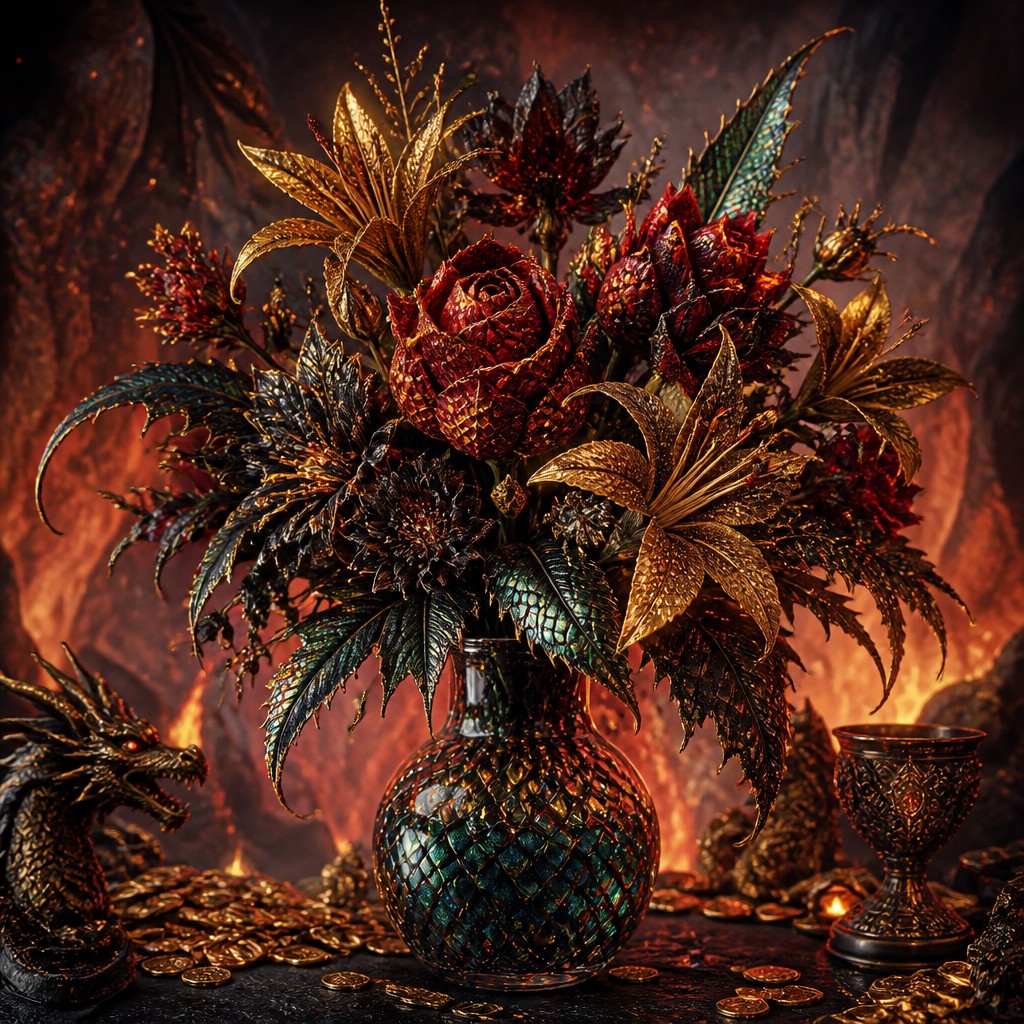
“bouquet of flowers in a glass vase”
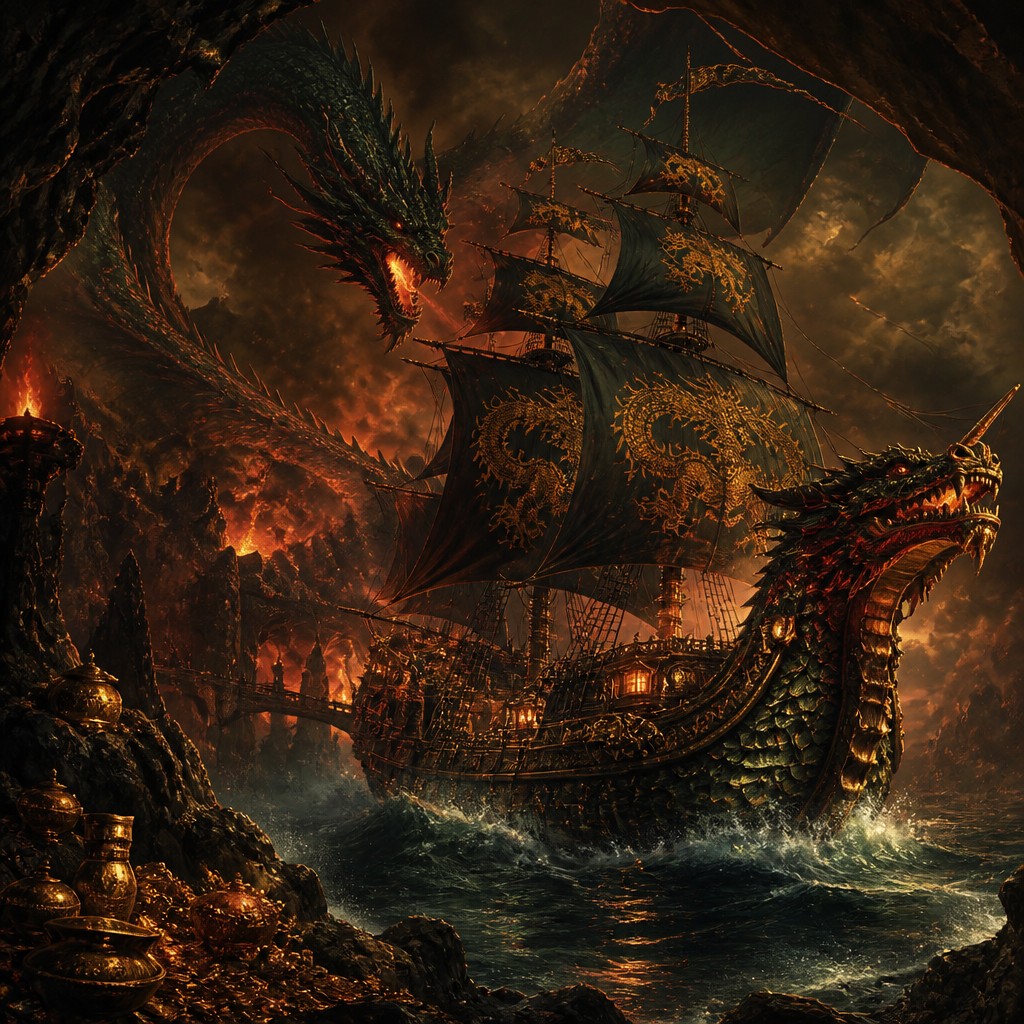
“sailing ship on a stormy sea”
How to Create Dragoncore Aesthetic Art
Master the craft step by step — or skip straight to creating. Read the full guide →
- 1
Build a firelit palette
Use a limited range of ember reds, molten golds, charcoal blacks, and deep greens, then reserve bright highlights for treasure edges, scale reflections, or lava glow. In traditional media, layering translucent warm tones over dark underpainting helps recreate the radiance.
- 2
Mix rough and polished textures
Combine stone, smoke, ash, and worn surfaces with glossy elements like coins, armor, jewelry, or scales. The contrast is what makes the image feel dragonlike rather than simply fantasy-themed.
- 3
Use dramatic directional lighting
Place a strong light source such as fire, lava, torchlight, or a glowing hoard off to one side. This creates hard highlights, deep shadow, and the cavernous depth associated with the style.
- 4
Emphasize mythic subject matter
Choose motifs such as dragons, dragon eggs, hoards, claws, crowns, relics, or volcanic landscapes. Even portraits can be styled with draconic cues through jewelry, color, scales, or a guardian-like pose.
- 5
Add motion through smoke and cinders
Drifting embers, heat haze, and curling smoke help unify the scene and add atmosphere. In digital work, soft brushes and particle overlays can suggest airborne ash and magical heat.
- 6
Prompt with materials and mood
When generating images, specify the subject plus the defining materials and lighting: firelit cavern, iridescent scales, hoarded treasure, obsidian stone, smoky glow, cinematic fantasy detail. The style responds well to concrete visual nouns rather than abstract adjectives.
The Story
History & Origins of Dragoncore Aesthetic
Dragoncore does not come from a single historical movement. It is an internet-born aesthetic that synthesizes long-standing dragon iconography from myth, folklore, fantasy literature, role-playing games, and modern fantasy illustration. Its visual language is especially indebted to high-fantasy concept art, dark fantasy atmosphere, and decorative uses of gold, firelight, and gemstone color in contemporary digital imagery.
Its lineage can also be traced to older traditions of depicting dragons as embodiments of power, greed, guardianship, and elemental force. Medieval manuscript imagery, heraldic beasts, Romantic storm-and-volcano landscapes, and later fantasy art all contribute to the look. In its current form, dragoncore emphasizes sensory richness and material contrast: heat versus stone, shine versus soot, and treasure versus ruin.
Influences: Dragoncore draws from a broad fantasy lineage rather than a single school. Its mood echoes dark fantasy illustration, medieval dragon imagery, heraldry, and cinematic concept art, while its sense of drama overlaps with Romantic fascination with fire, ruins, and elemental power. Artists such as Frank Frazetta, Boris Vallejo, and Michael Whelan helped establish modern high-fantasy visual conventions—heroic scale, luminous color, and monumental creatures—that strongly inform the style’s look, even though dragoncore itself is a later aesthetic.

Frequently Asked Questions
What defines the dragoncore aesthetic?
Dragoncore is defined by dragons, treasure, firelight, and cavernous fantasy spaces. Its strongest visual cues are molten gold, ember red, obsidian black, smoky atmosphere, and shimmering scale-like textures.
Is dragoncore a real historical art movement?
No. It is a contemporary aesthetic rather than a formal historical movement. Its imagery is assembled from fantasy illustration, medieval dragon symbolism, gothic atmosphere, and modern internet-style world-building.
How is dragoncore different from dark fantasy?
Dark fantasy often emphasizes horror, menace, or moral ambiguity, while dragoncore is more specifically tied to draconic imagery and treasure-hoard opulence. Dragoncore can be dark, but it usually leans toward elemental grandeur and jewel-like richness rather than pure dread.
What subjects work best in this style?
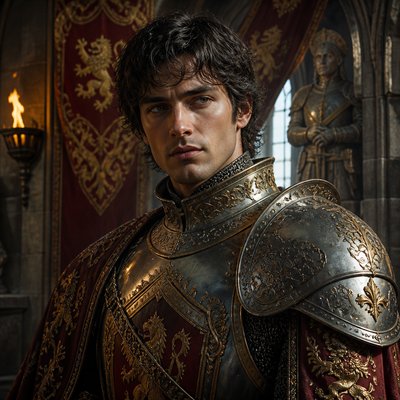
Dragons, dragon riders, treasure chambers, magical artifacts, volcanic landscapes, armored figures, and fantasy portraits all fit naturally. Objects with reflective surfaces or elemental symbolism also work well because they reinforce the style’s material contrast.
How can I make a photo look dragoncore?
Use warm firelit color grading, deepen shadows, and add metallic or scale-like textures around clothing, accessories, or backgrounds. Smoke, cinder effects, gold highlights, and a cavern or torchlit setting help shift an ordinary photo into the aesthetic.
Where is dragoncore used?
It appears in digital illustration, fantasy character design, cosplay styling, mood boards, album art, game concept art, and decorative social-media imagery. It is especially popular in spaces where users want a dramatic fantasy identity built around dragons and treasure.

Create your first Dragoncore Aesthetic artwork
Describe anything — or upload a photo — and see it in Dragoncore Aesthetic in seconds.
Make Something with Dragoncore Aesthetic
Related Styles
Discover similar art styles