Ethereal Aesthetic
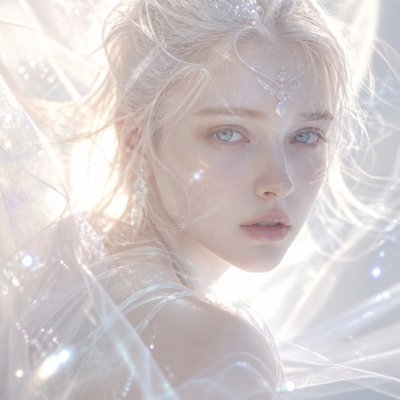
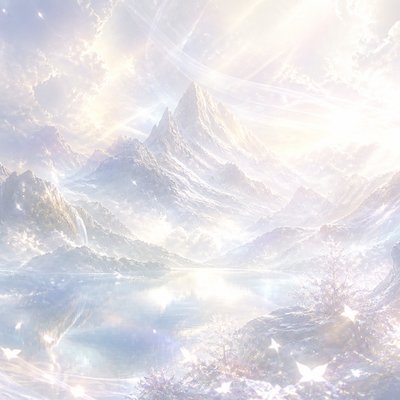
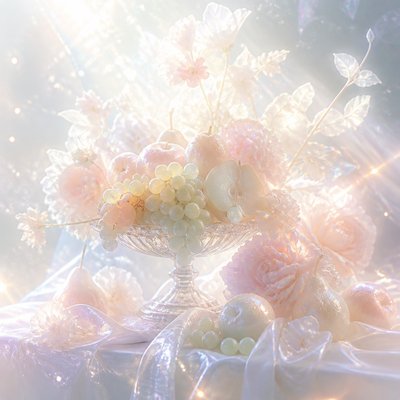
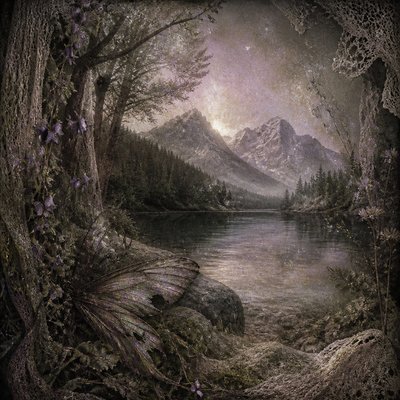
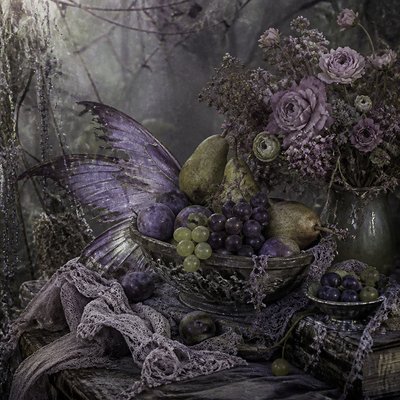
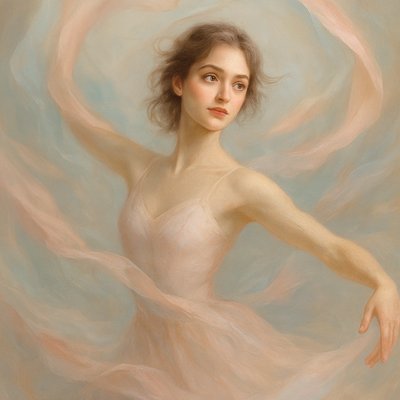
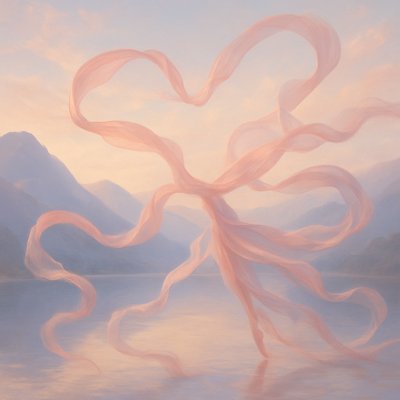
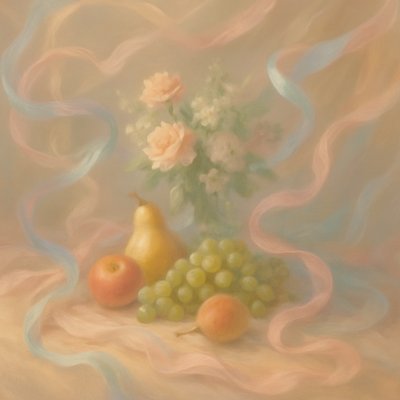
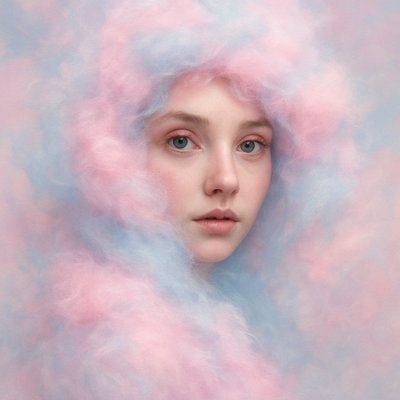
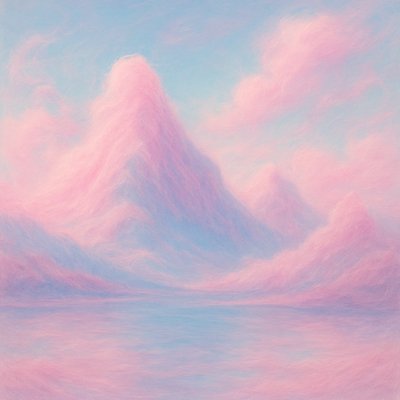
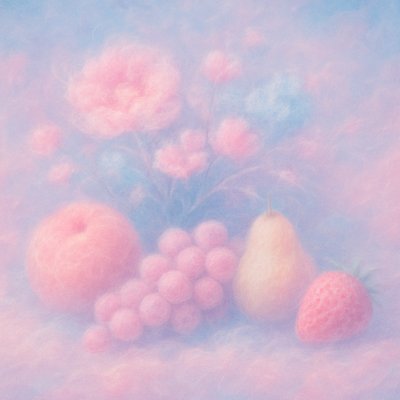
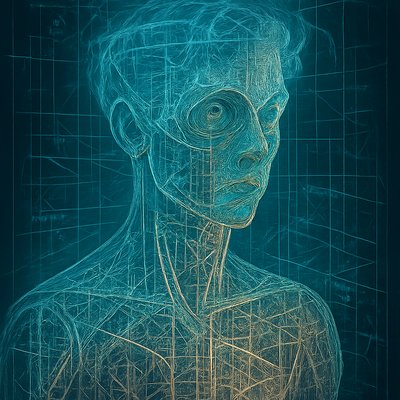
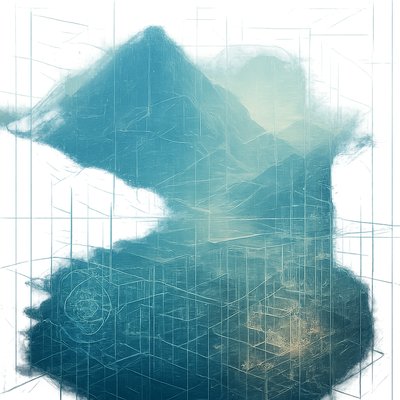
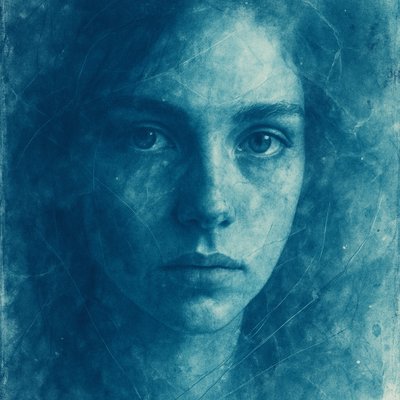
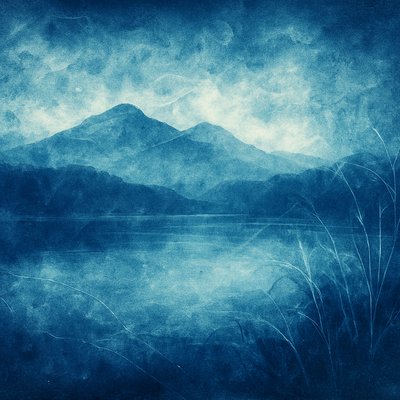
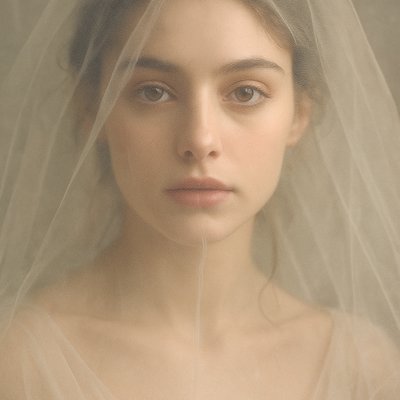
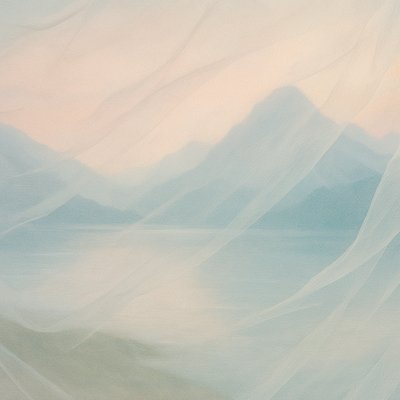
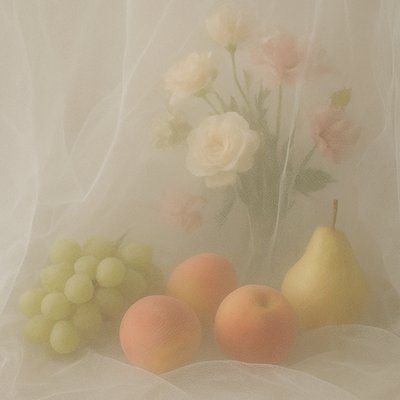
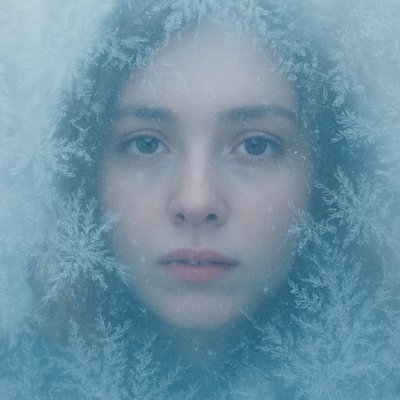
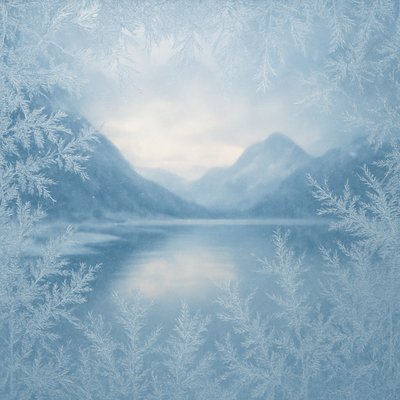
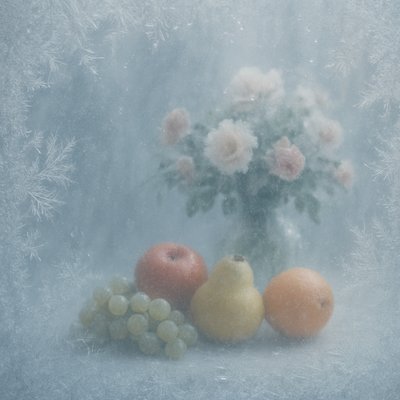
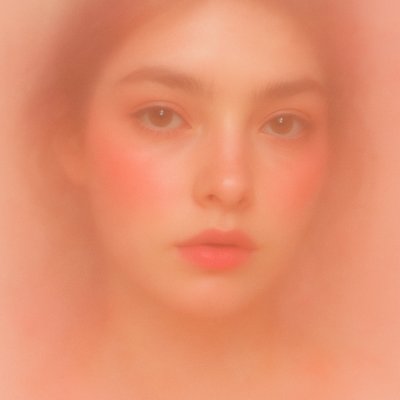
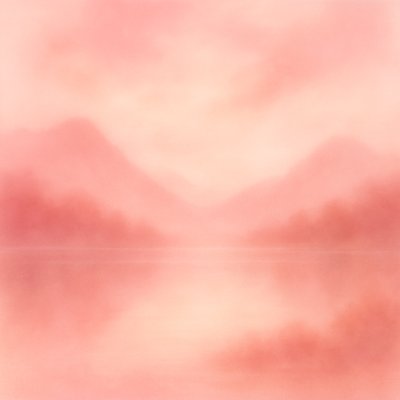
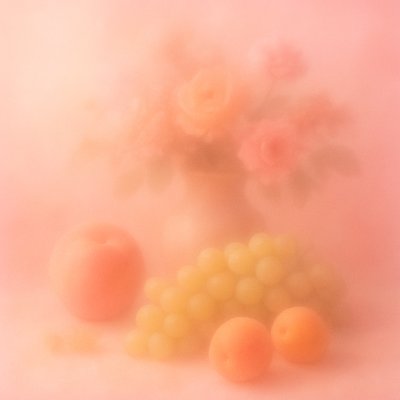
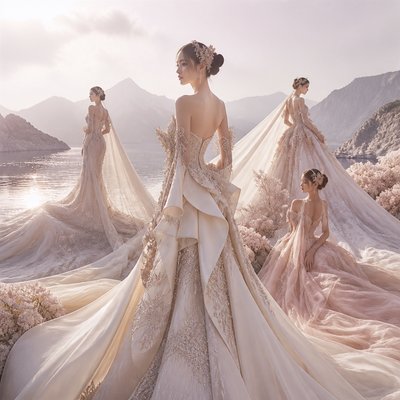
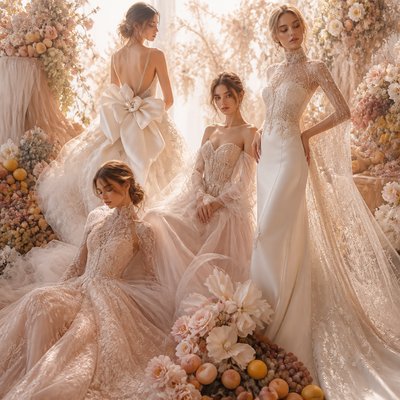
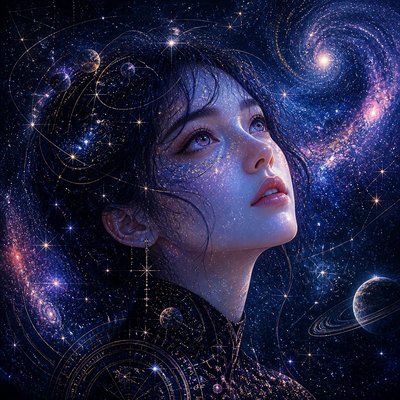
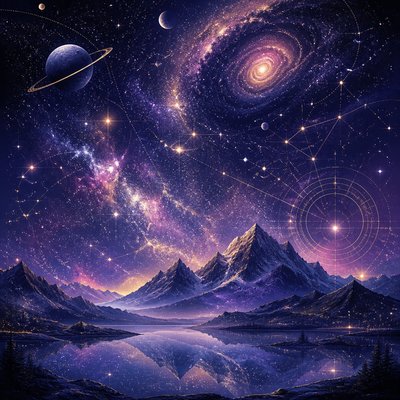
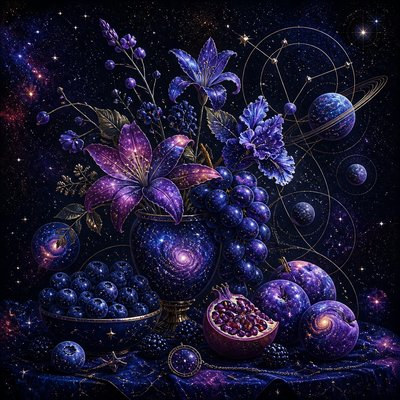
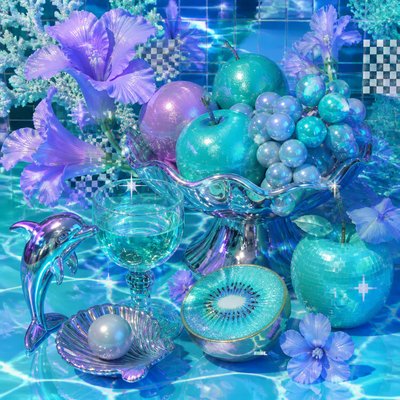
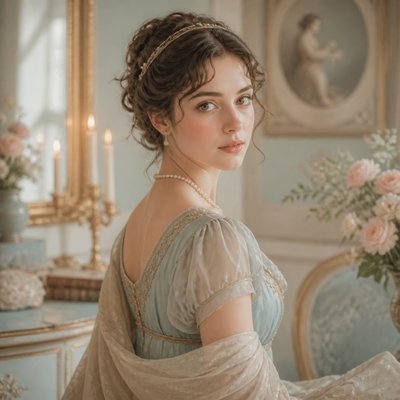
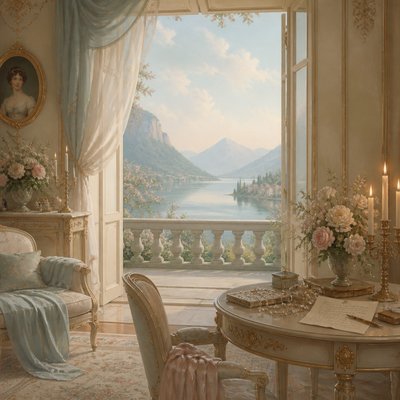
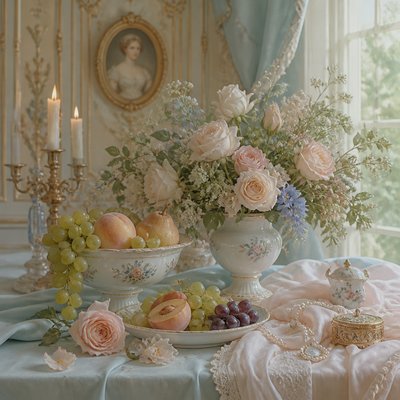
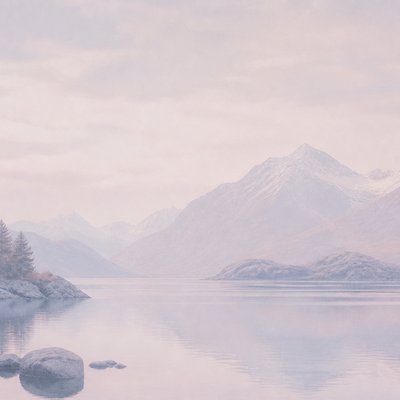
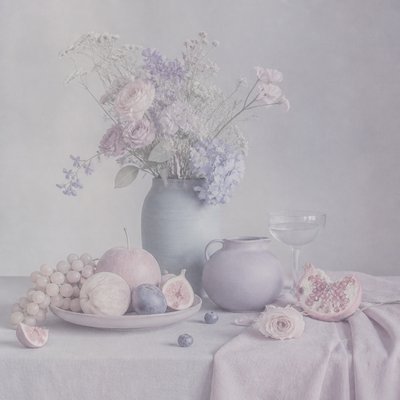
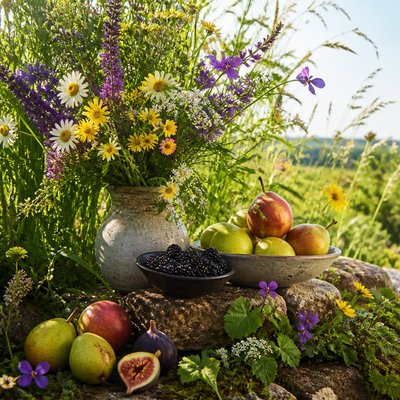
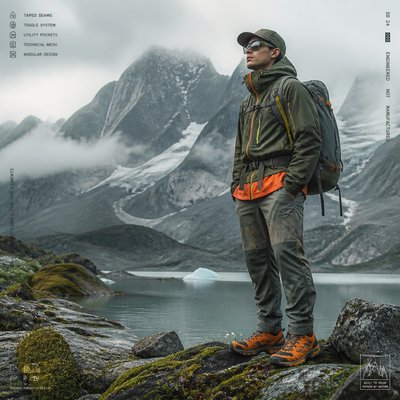
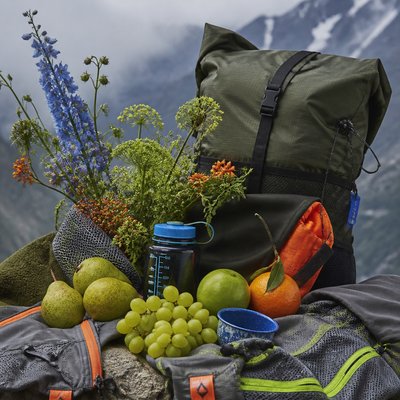
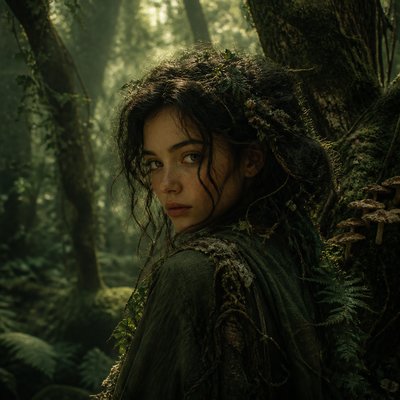
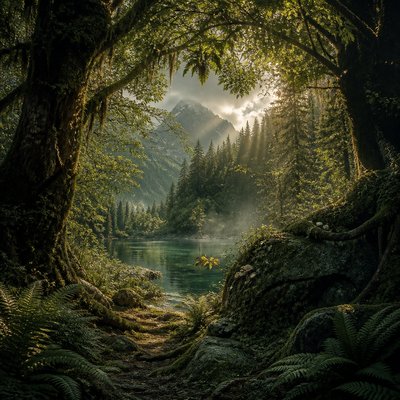
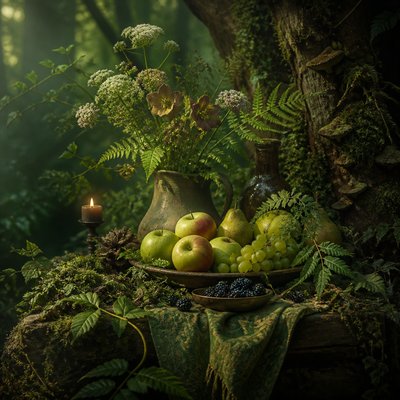
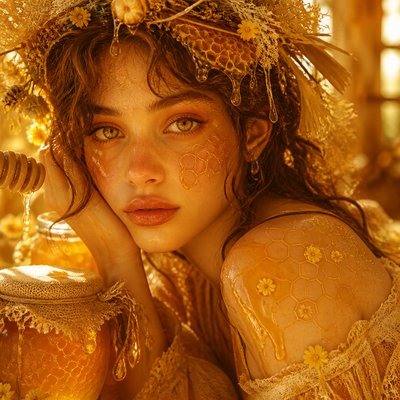
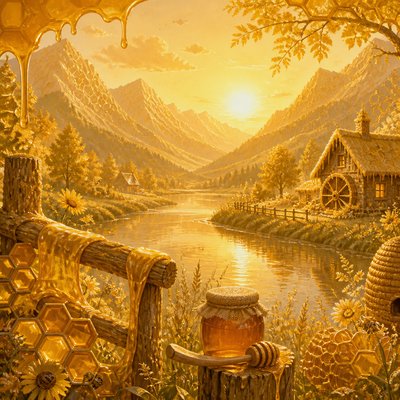
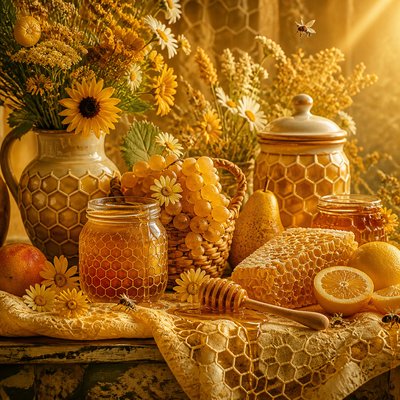
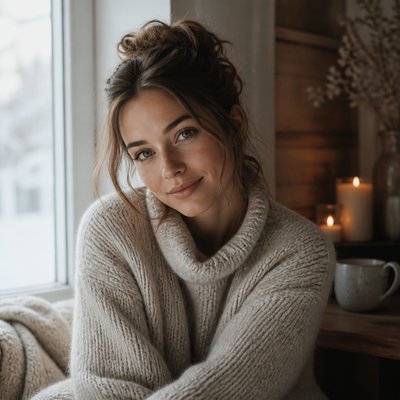
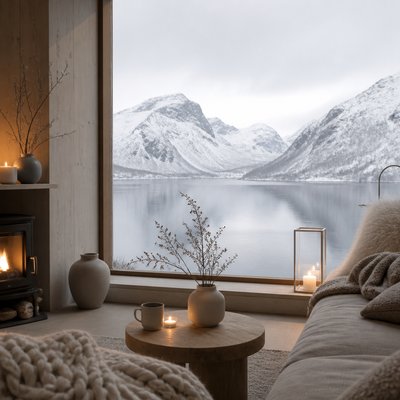
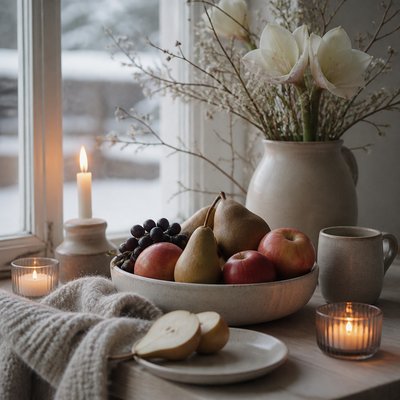
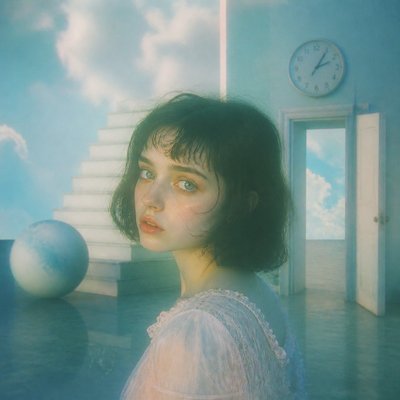
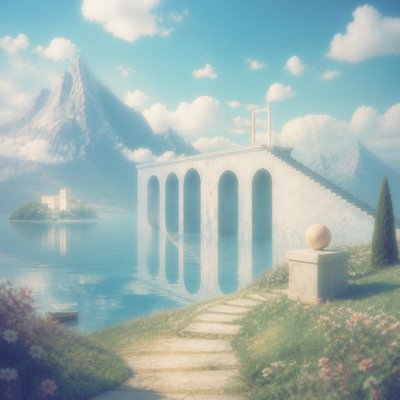
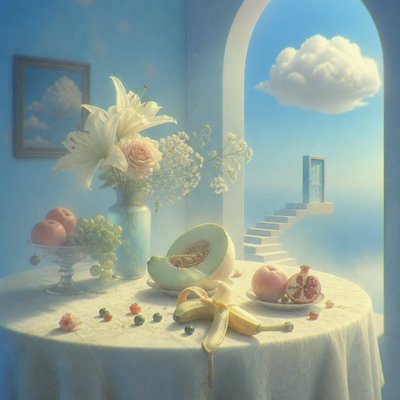
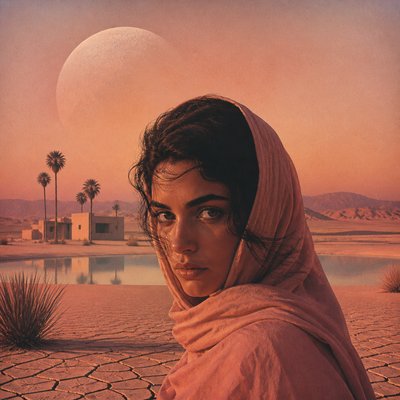
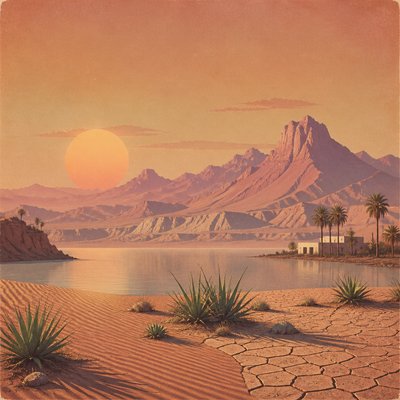
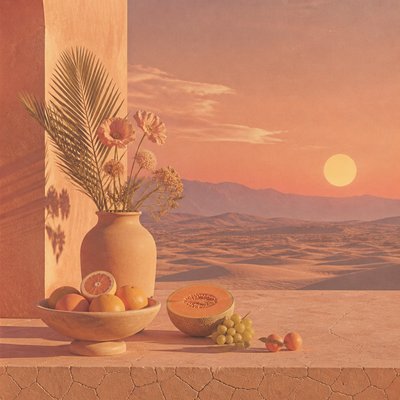
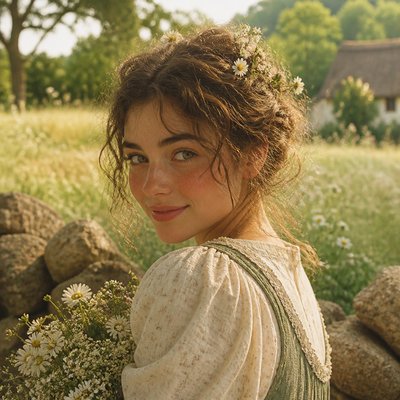
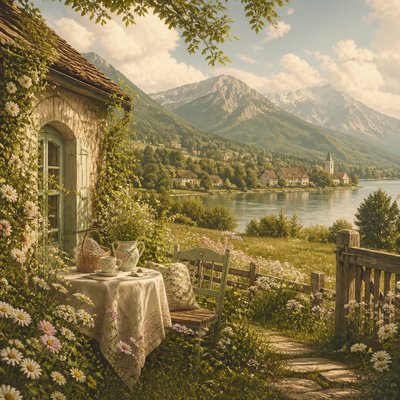
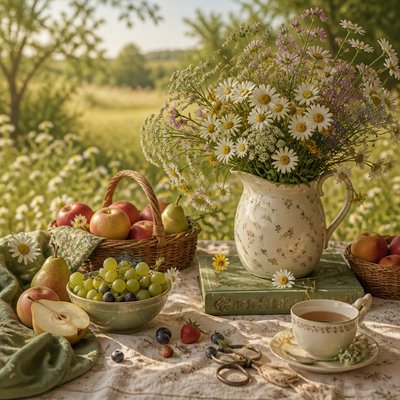
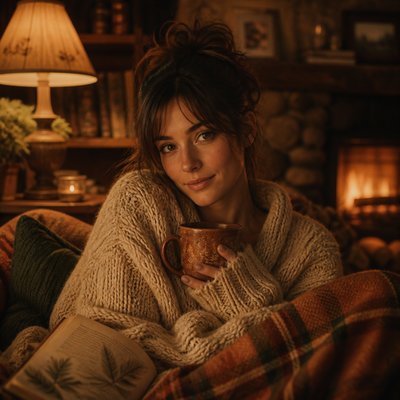
Weightless, radiant imagery with pearl light, gauzy translucence, mist, and dreamlike grace—an ethereal visual style.
Instantly rendered in Ethereal Aesthetic — or transform a photo
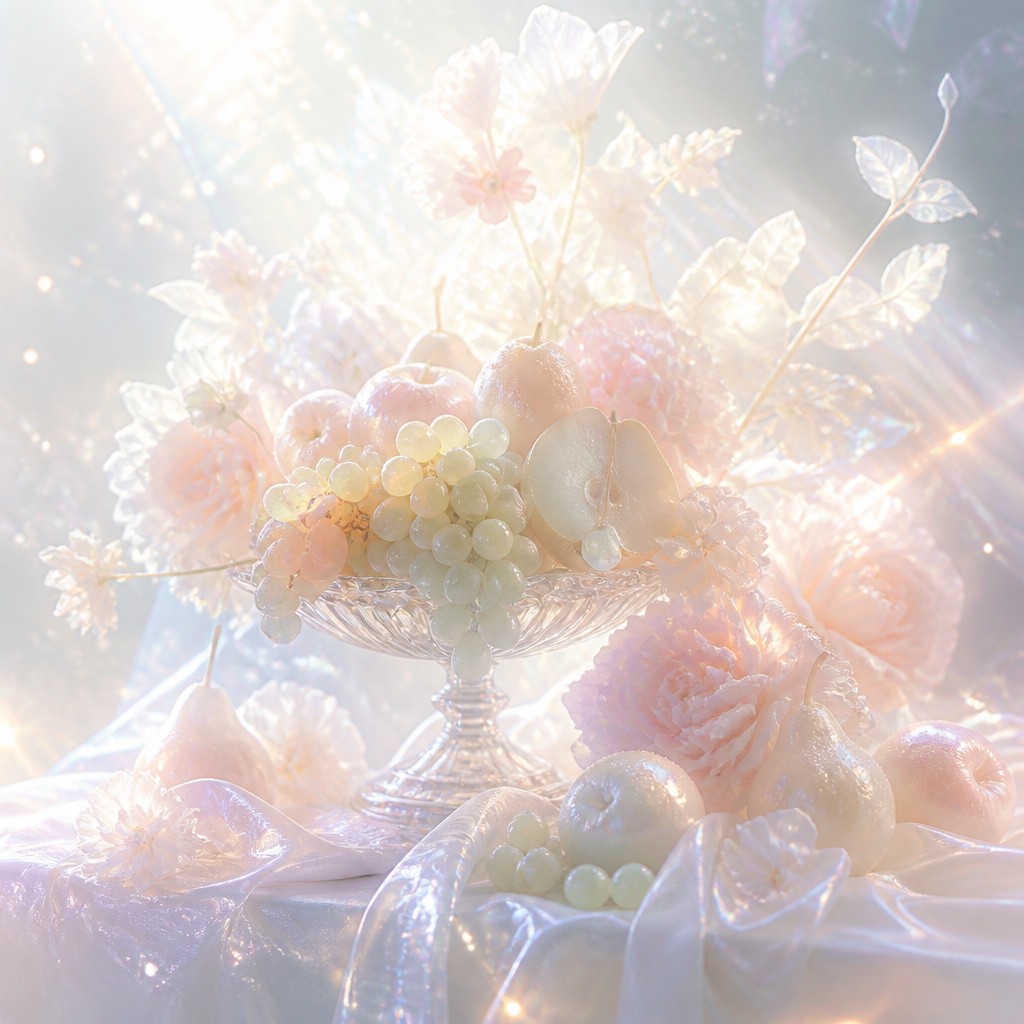
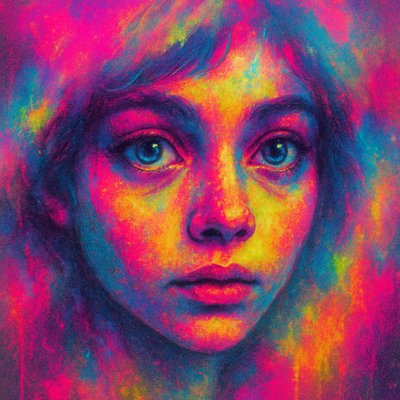
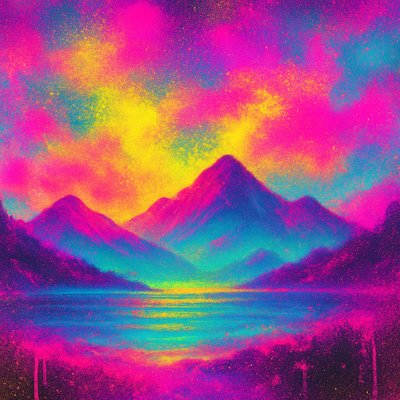
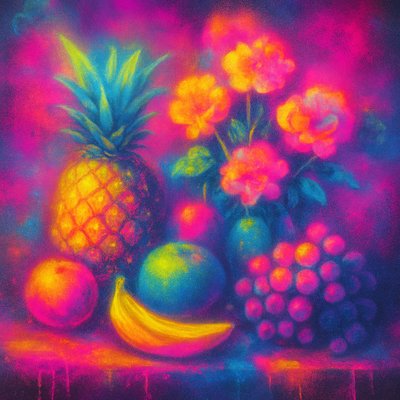
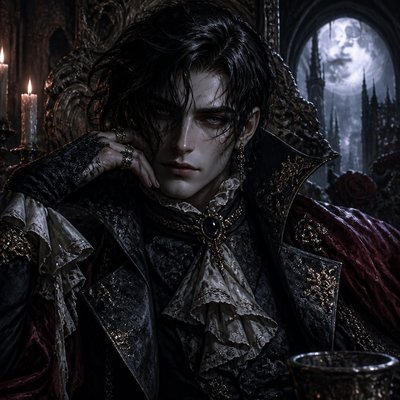
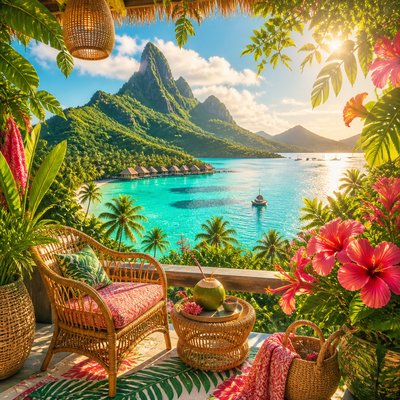
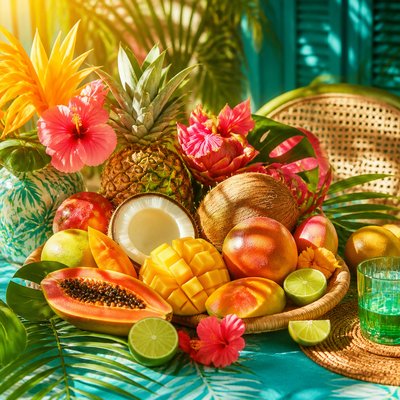
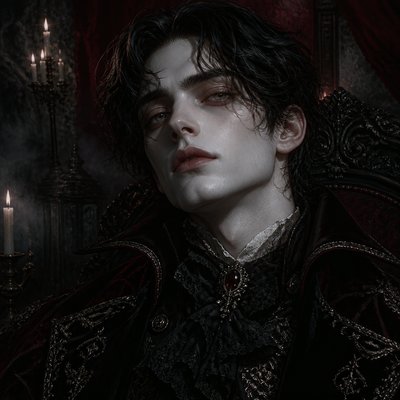
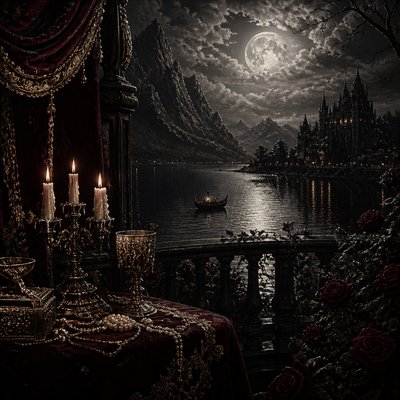
Ethereal Aesthetic Gallery
Tap any artwork to explore it
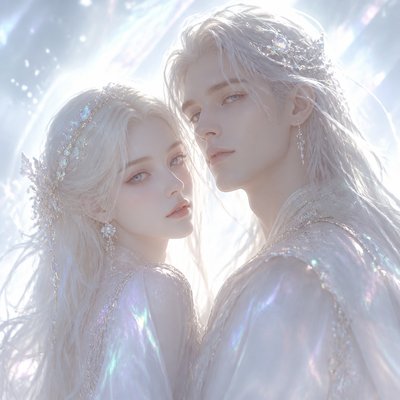
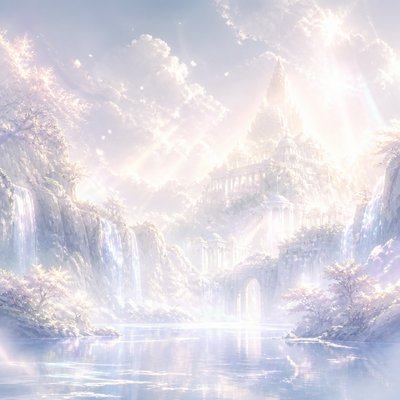
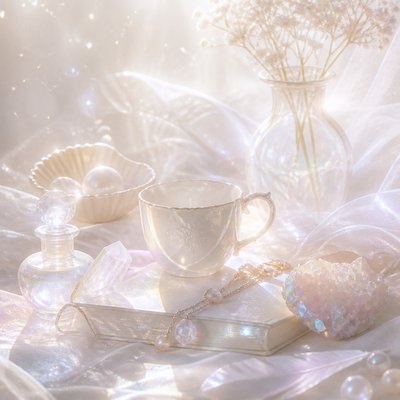
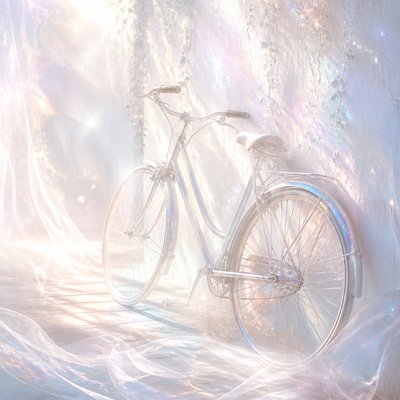
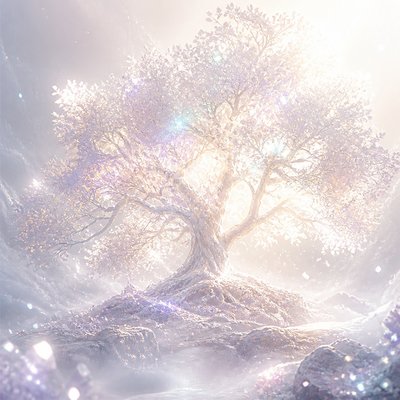
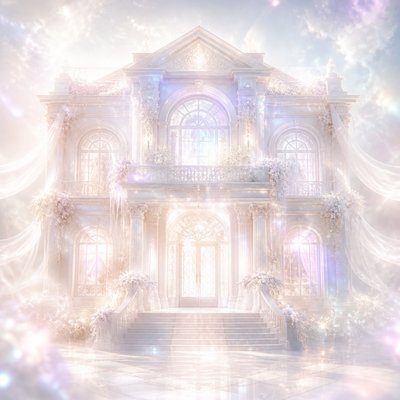
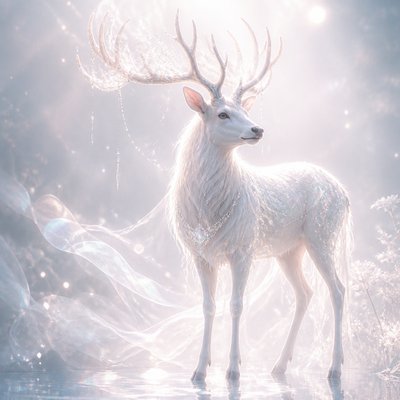
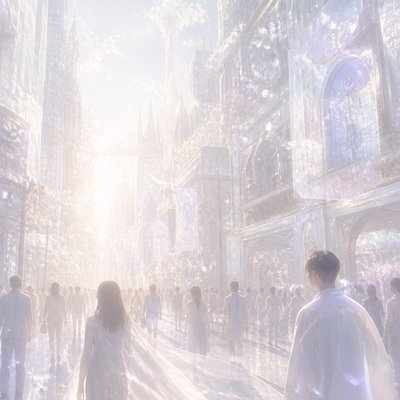
What is Ethereal Aesthetic?
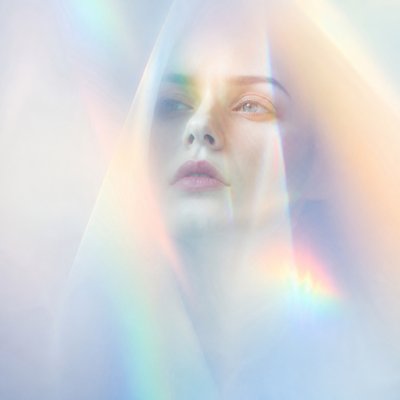
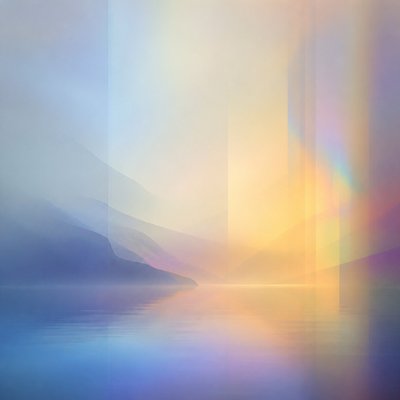
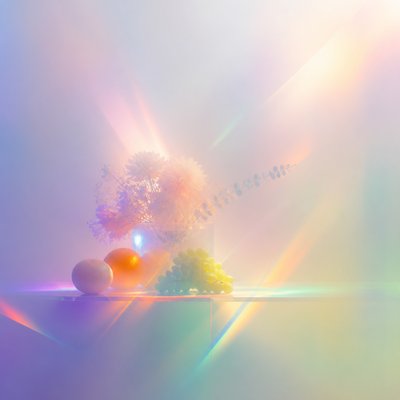
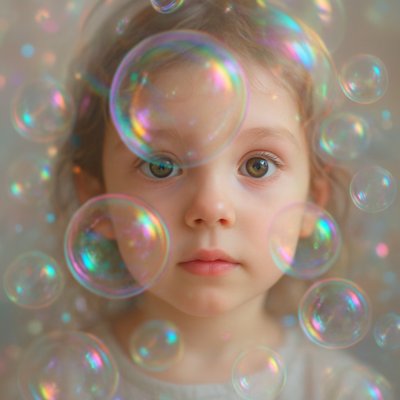
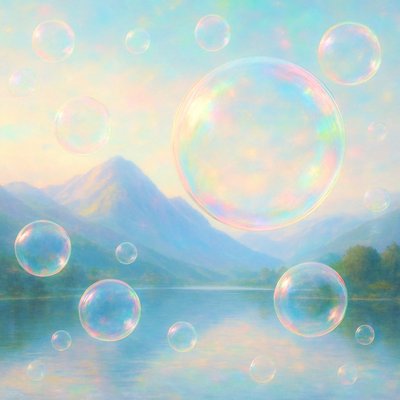
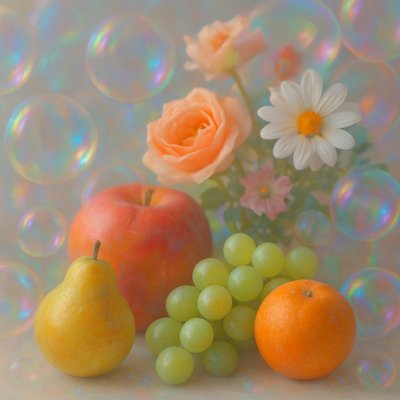
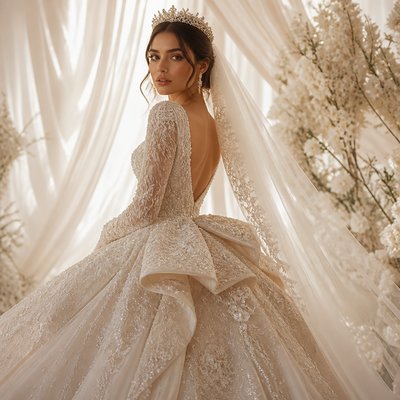
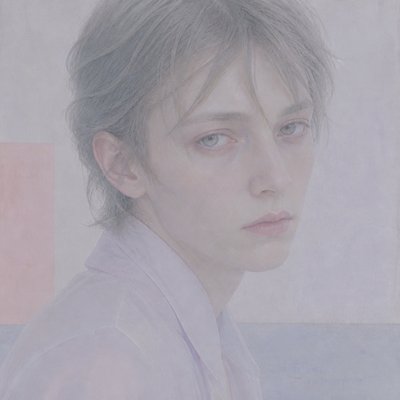
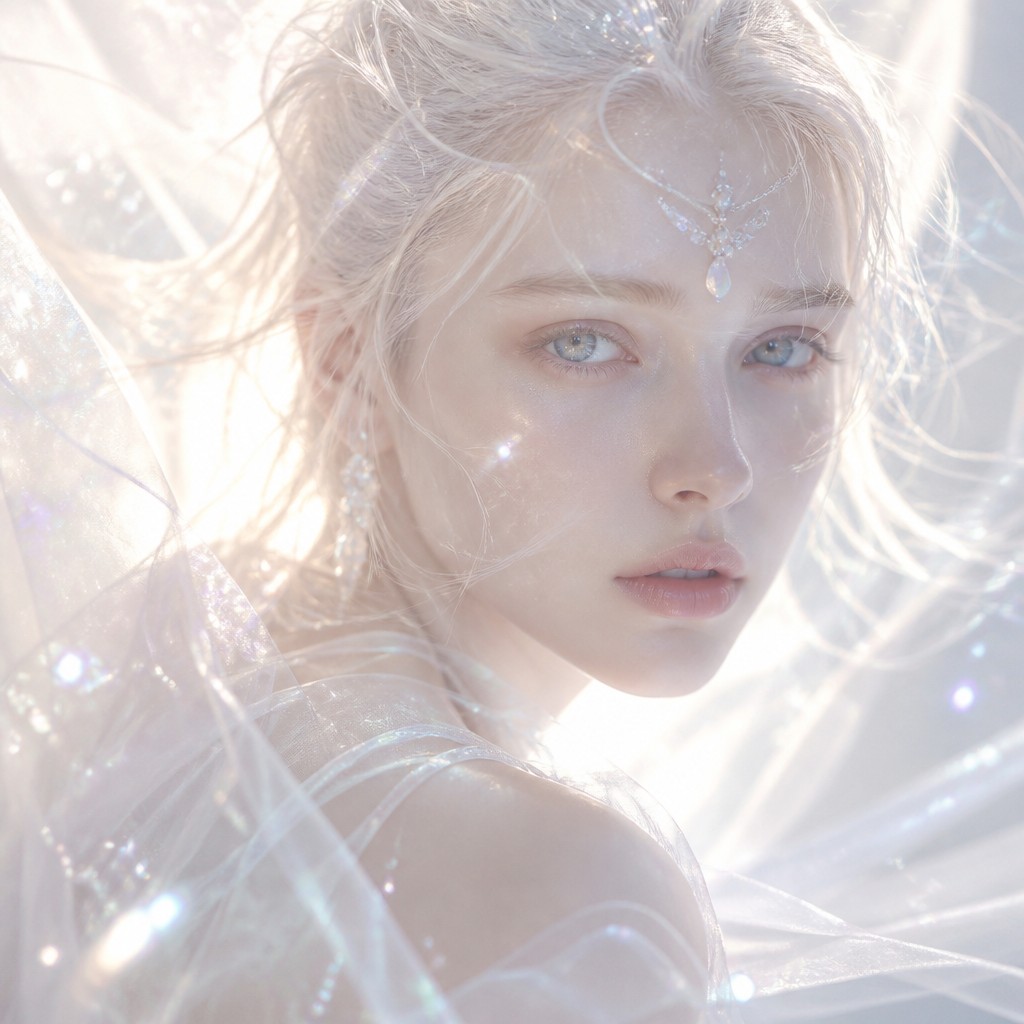
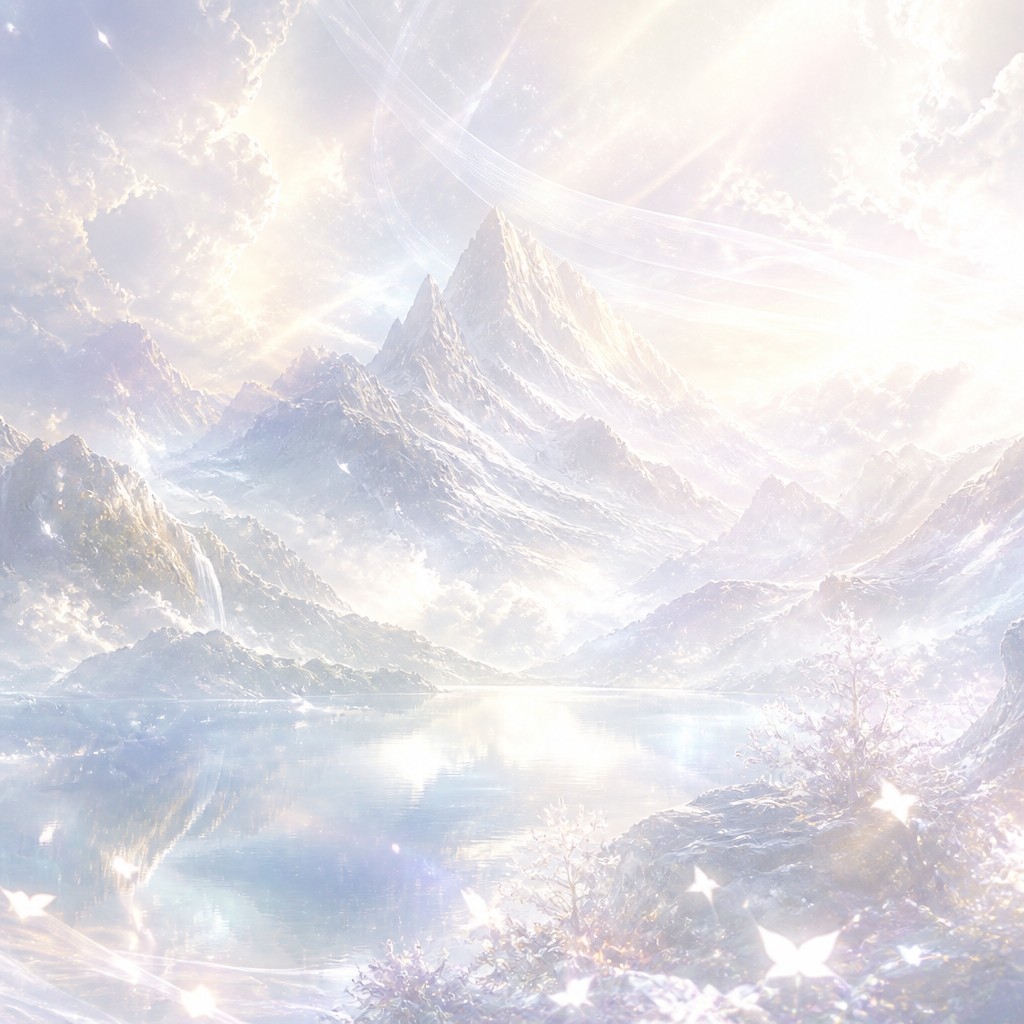
Ethereal aesthetic is a contemporary visual style defined by weightless luminosity, softened edges, and an atmosphere of quiet transcendence. It favors pearl-white light, pale iridescent pastels, silvery highlights, translucent fabrics, drifting mist, and tiny floating particles that make subjects seem suspended between material and immaterial form.
Its visual identity comes from the way light is handled: luminous backlighting, gentle bloom, soft overexposure, and a hazy separation between figure and background. The result feels serene, delicate, and otherworldly rather than dramatic or sharply rendered. In practice, the style is often used for portraits, fashion imagery, fantasy scenes, angelic figures, and dreamlike environments where grace and airiness are more important than hard detail.
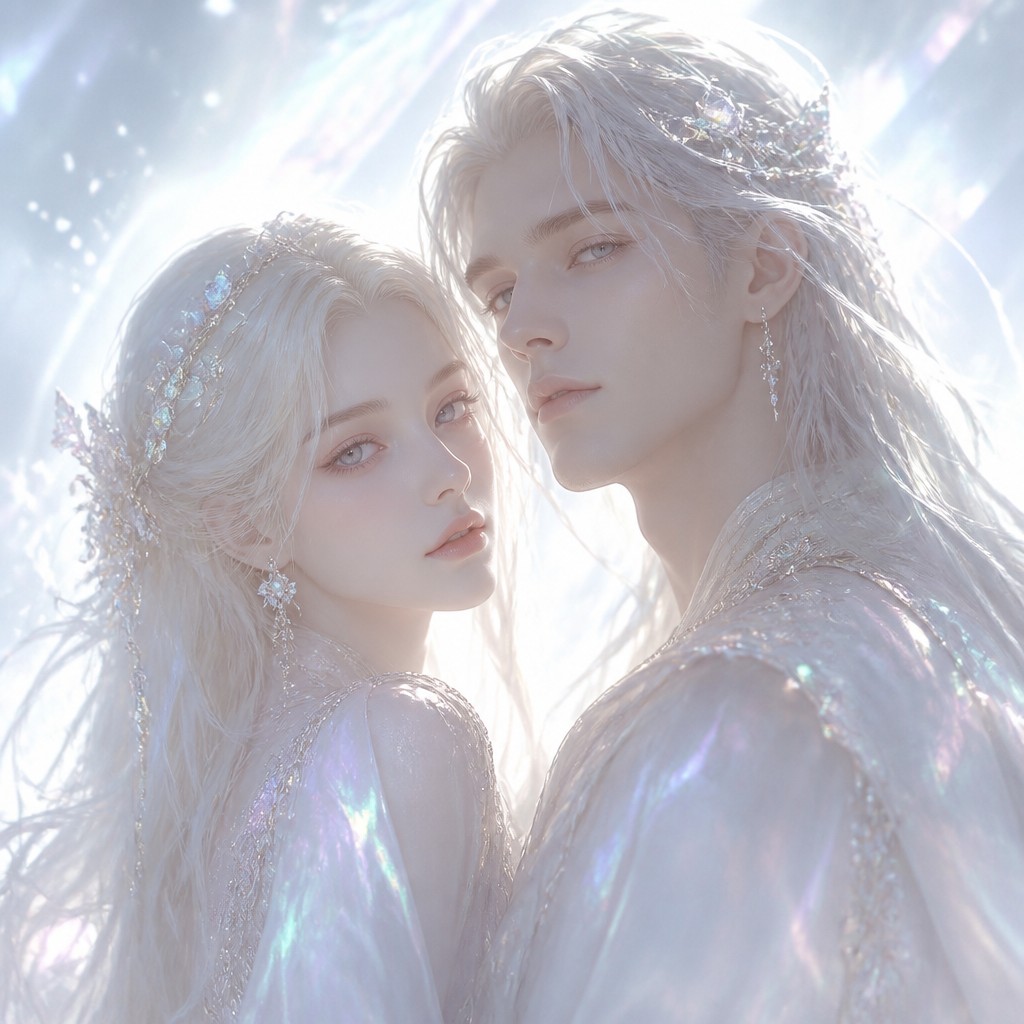
Try It On Your Photos
Upload any photo and convert it into Ethereal Aesthetic — drag the sliders to compare before and after.


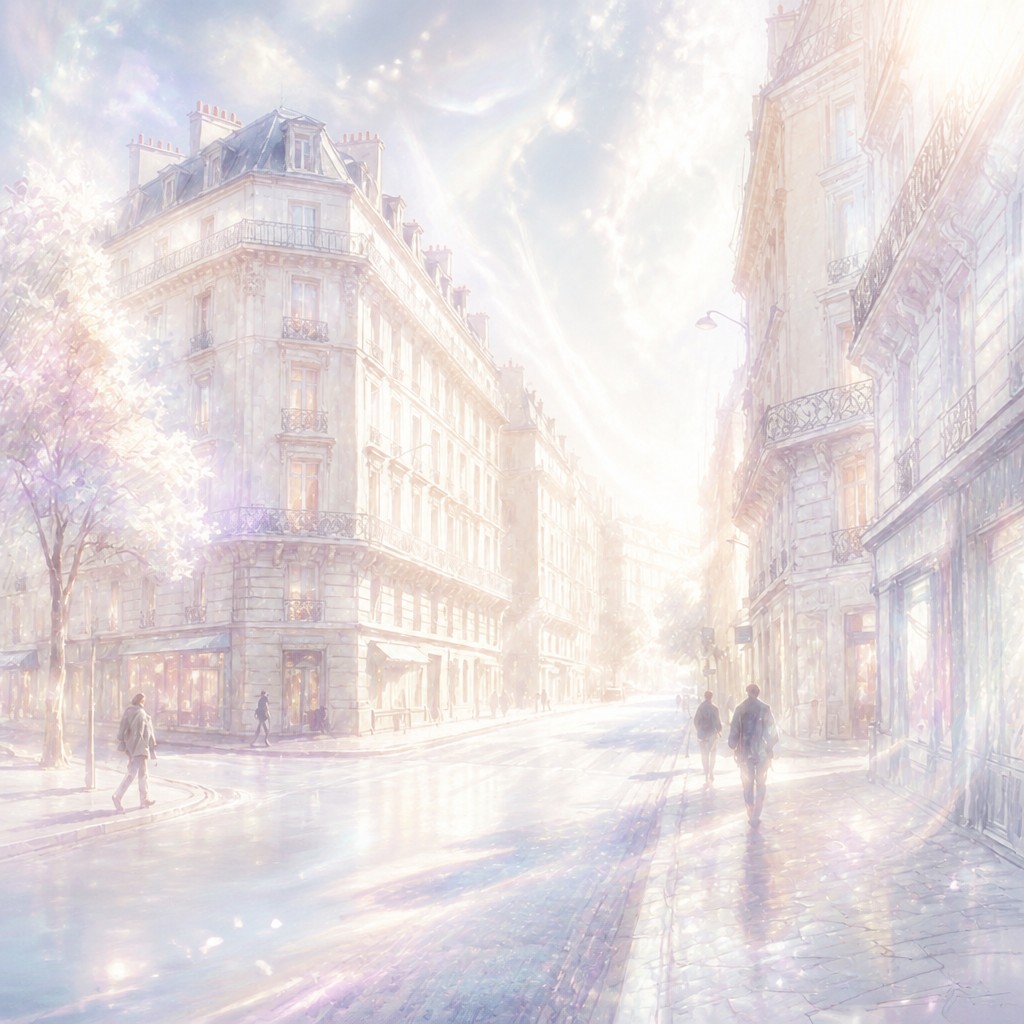

What Defines Ethereal Aesthetic
The signature details, up close
Luminous backlighting
Subjects are often lit from behind or surrounded by diffused light, producing a haloed outline and a sense of radiance. This lighting makes forms feel elevated, softened, and slightly untouchable.
Pearl and pastel palette
The palette leans toward pearl white, silver, pale lavender, blush, icy blue, and iridescent neutrals. Colors are usually low in saturation, with highlights that shimmer rather than glare.
Gauzy translucence
Fabrics, veils, smoke, and mist are used to create semi-transparent layers. These materials help dissolve the boundary between the subject and the surrounding space.
Soft bloom and haze
Edges are gently diffused, with a glowing bloom around bright areas and a misty veil across the composition. This reduces sharp contrast and creates a dreamlike atmosphere.
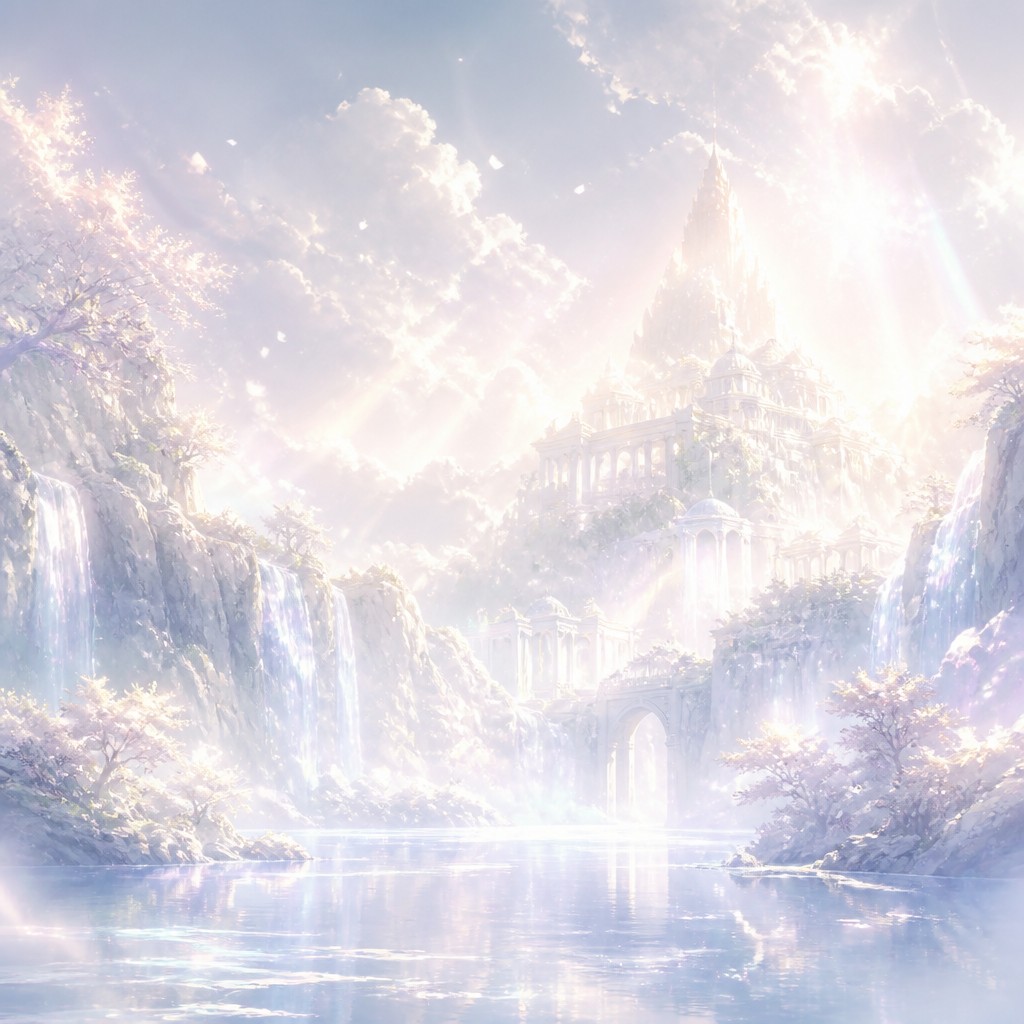
Floating particles and atmosphere
Tiny specks of light, dust, snow, pollen, or spark-like motes often drift through the scene. They add motion and reinforce the impression of an airy, suspended environment.
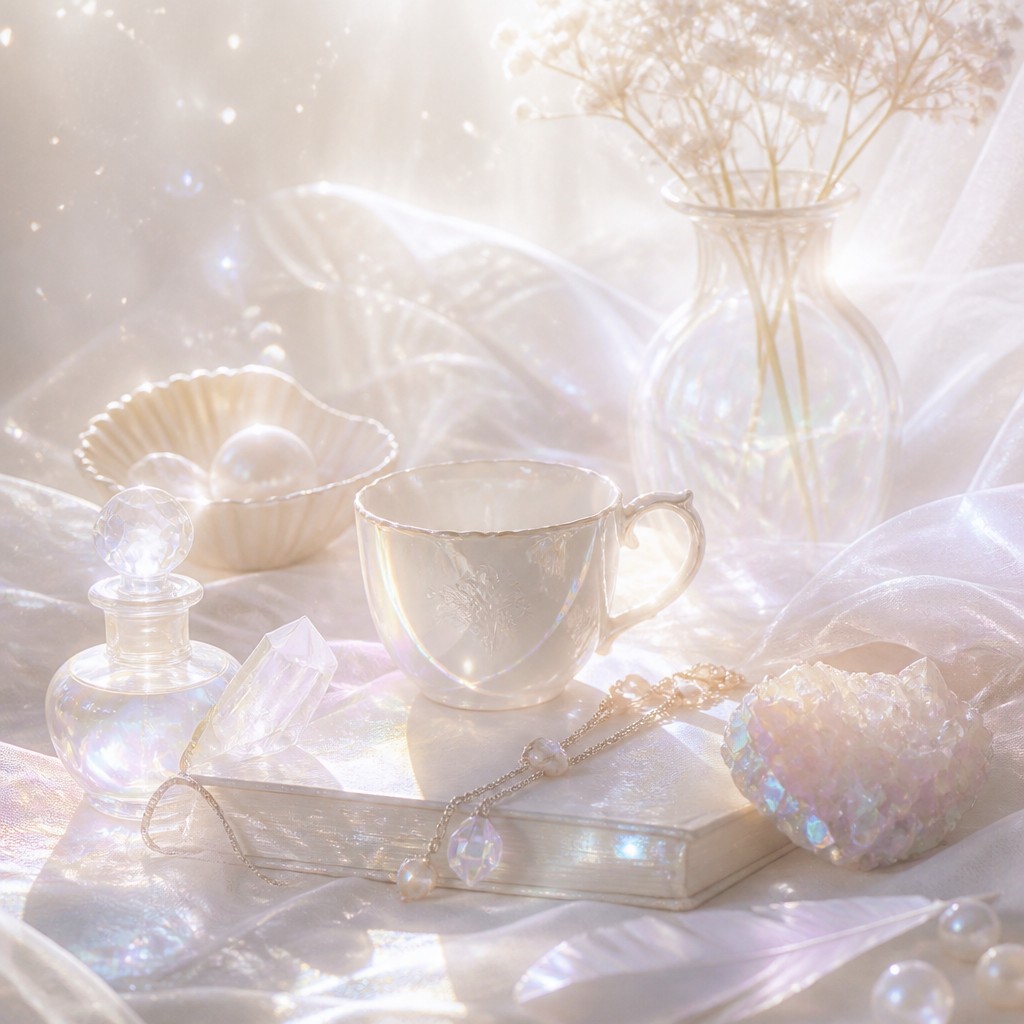
Serene otherworldliness
The style typically avoids tension, heaviness, and grounded realism in favor of quiet grace. Poses, expressions, and composition usually suggest calm, reverence, or a divine distance.
Try It
Create Videos in Ethereal Aesthetic
Styles aren't just for stills — describe a scene or animate an image and get a short video rendered in Ethereal Aesthetic. Press play to see this pond come to life.
Make a VideoEthereal Aesthetic Prompt Ideas
Start from an idea — each one opens the generator with the style ready to go. See all 40 Ethereal Aesthetic prompts →
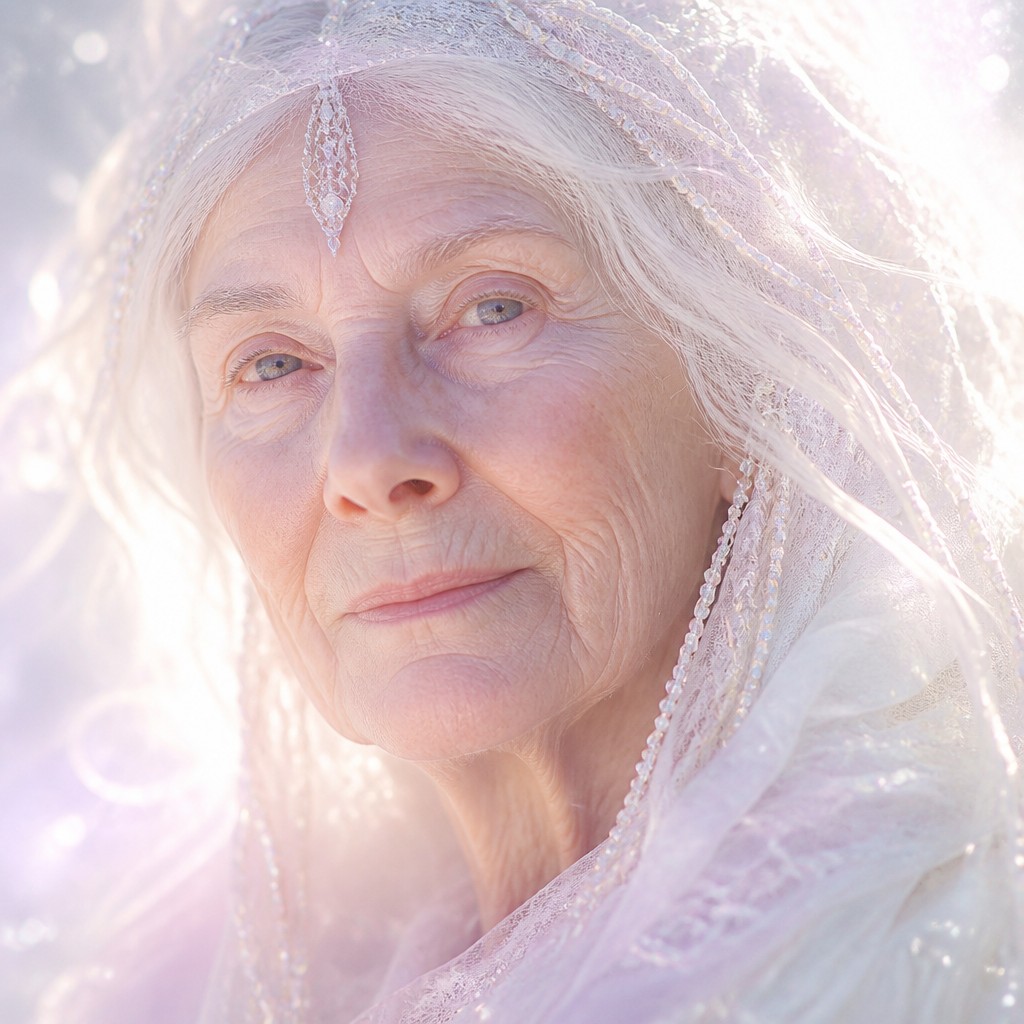
“close-up portrait of an elderly person with expressive weathered features”
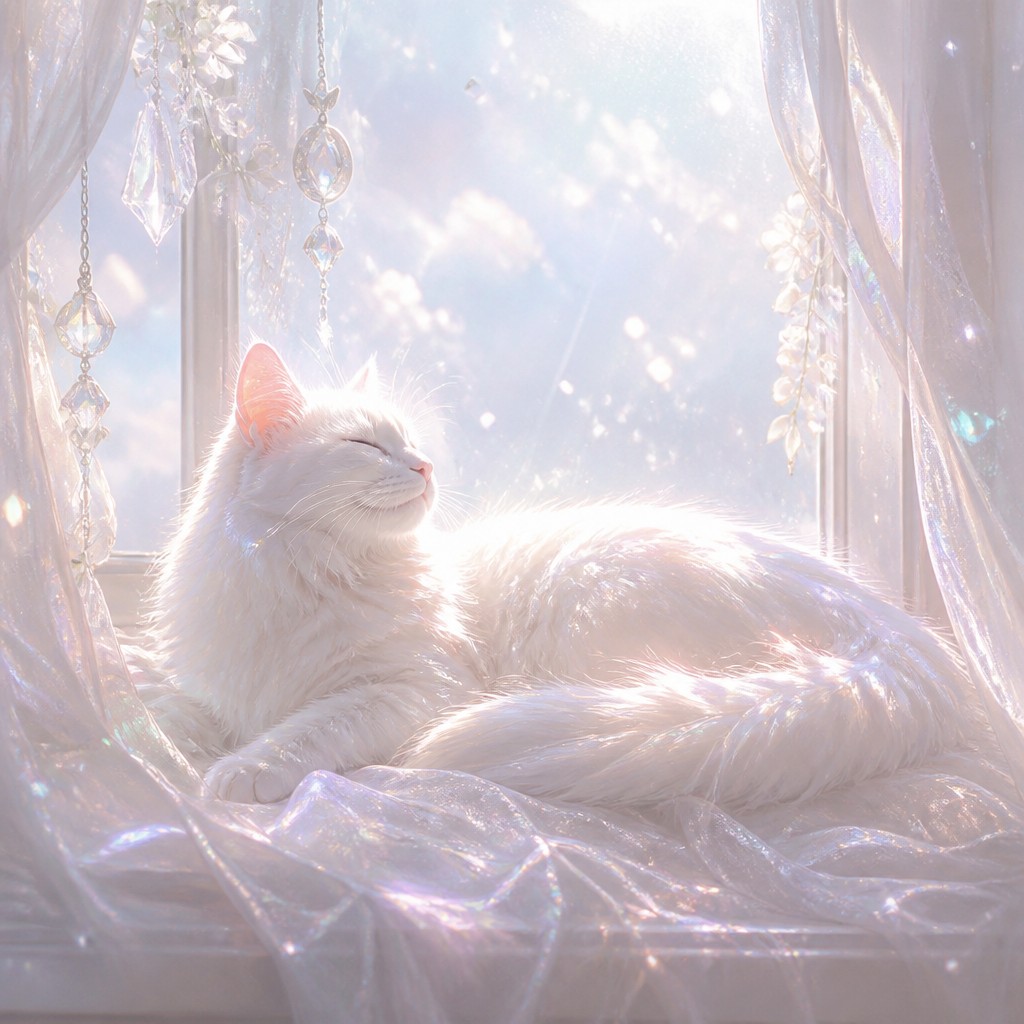
“a cat lounging in a sunlit window”
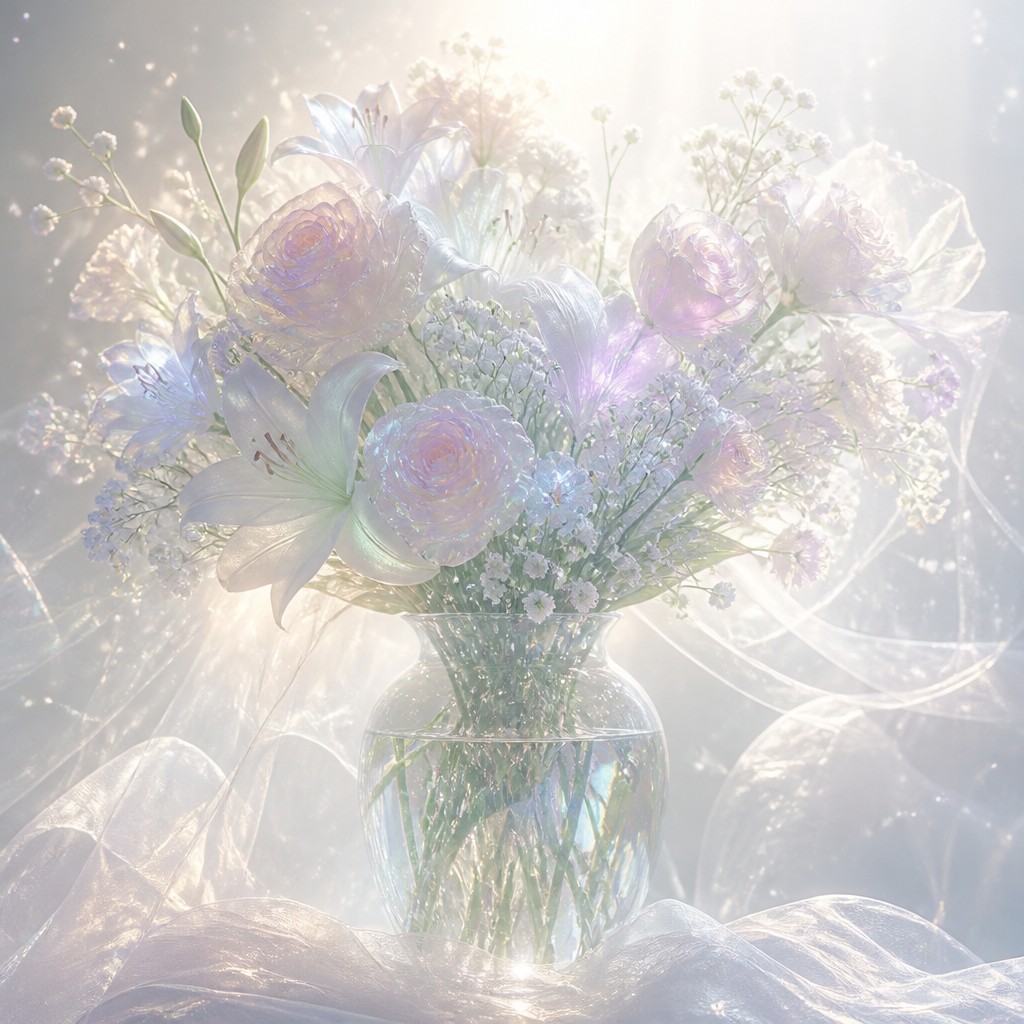
“bouquet of flowers in a glass vase”
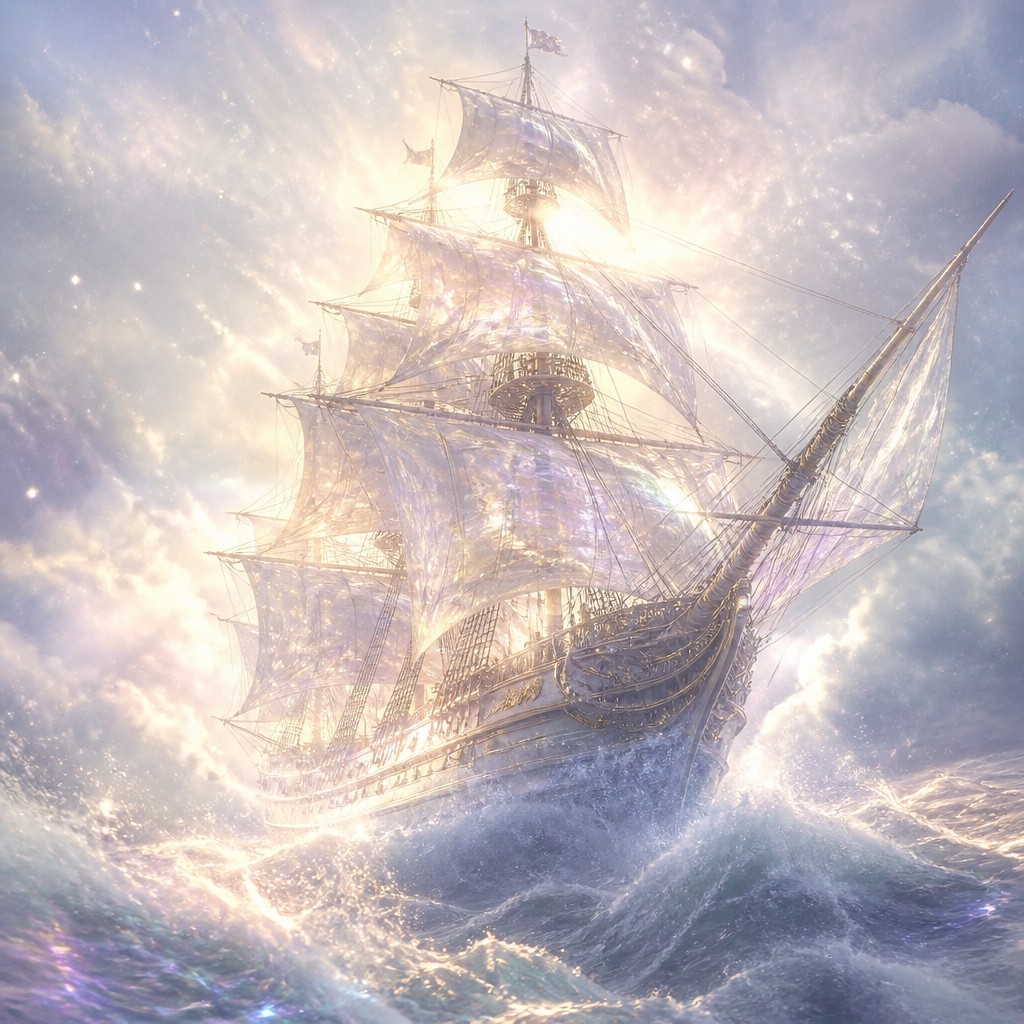
“sailing ship on a stormy sea”
How to Create Ethereal Aesthetic Art
Master the craft step by step — or skip straight to creating. Read the full guide →
- 1
Build the image around light, not outline
In traditional media, use glazing, soft edges, and restrained contrast to create the sense that the subject is emerging from illumination. In digital work, prioritize bloom, gentle dodge-and-burn, and softened edge masks over crisp contouring.
- 2
Use translucent layers
Add veils, sheer fabrics, fog, glassy reflections, or semi-opaque overlays to introduce depth without visual heaviness. Layering translucent forms is one of the fastest ways to produce the style’s signature weightless look.
- 3
Keep the palette airy and restrained
Favor pale neutrals and cool pastels, with selective iridescent accents rather than strong primary colors. Lower saturation and preserve bright whites so the image feels luminous rather than merely washed out.
- 4
Diffuse detail selectively
Render key facial features or focal objects with care, but let surrounding areas dissolve into haze, softness, or glow. The style depends on contrast between a readable focal point and an atmosphere that seems to evaporate at the edges.
- 5
Compose for suspension and calm
Choose poses, framing, and environments that feel elevated, drifting, or floating, rather than anchored and weighted. In text-to-image prompts, emphasize backlit glow, mist, gauze, pearl light, and gentle overexposure for the strongest results.
- 6
Use prompt language that describes atmosphere and material
When generating digitally, specify both the subject and the sensory conditions: luminous haze, translucent drapery, floating particles, silvery light, and serene dreamlike mood. Avoid terms that force hard realism or high-contrast drama unless you want to dilute the effect.

The Story
History & Origins of Ethereal Aesthetic
Ethereal aesthetic is not a single historical art movement with a fixed origin; it is an internet-era visual language assembled from older traditions of representing light, spirit, and atmosphere. Its lineage includes Romantic painting, Symbolist imagery, Pre-Raphaelite idealization, soft-focus photography, and modern fantasy illustration, all of which contributed different ways of making figures appear luminous, distant, or visionary.
In contemporary visual culture, the style developed through fashion photography, editorial imagery, digital illustration, and mood-board aesthetics that emphasize translucence, pastel iridescence, and serene unreality. It also overlaps with digital postprocessing habits—glow, bloom, haze, and highlight diffusion—that amplify the sense of delicacy and remove the visual weight of hard edges and saturated contrast.
Influences: Ethereal aesthetic draws from several established visual traditions rather than from one historical school. Its soft luminosity recalls Romantic and Symbolist painting, while its idealized figures and luminous flesh tones echo the Pre-Raphaelites, especially artists such as Dante Gabriel Rossetti and John William Waterhouse. Its atmospheric blur and tonal delicacy also relate to soft-focus photography, contemporary fantasy illustration, and fashion imagery that uses light diffusion, translucent textiles, and pale color grading to suggest grace and transcendence.
Frequently Asked Questions
What defines ethereal aesthetic art?
It is defined by lightness, glow, translucence, and a dreamlike sense of suspended time. The style usually combines pale luminous color, soft edges, mist, and graceful forms so the image feels airy and otherworldly.
Is ethereal aesthetic a historical art movement?
No, it is better understood as a contemporary aesthetic or visual language rather than a formal historical movement. It draws from older artistic traditions, but its current identity is shaped by modern photography, digital art, fashion imagery, and online mood aesthetics.
How is it different from fairycore or angelcore?
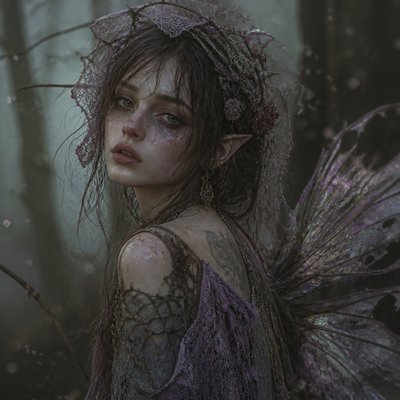
Ethereal aesthetic can overlap with both, but it is broader and more visual than themed subcultures built around fantasy characters or symbolism. Fairycore may emphasize nature, whimsy, and folklore, while angelcore leans toward sacred or heavenly imagery; ethereal aesthetic focuses more specifically on light, haze, translucence, and serene visual atmosphere.
What colors work best in this style?
Pale whites, pearl tones, silver, blush, lavender, icy blue, and other desaturated pastels are especially effective. The palette usually stays light and restrained so the glow and softness remain dominant.
How do I make a photo look ethereal?
Use backlighting, reduce contrast, soften sharp edges, and add subtle bloom or haze around highlights. Sheer fabrics, reflective surfaces, mist, and small floating particles can further transform an ordinary photo into an ethereal image.
Where is ethereal aesthetic commonly used?
It appears often in portraiture, fantasy illustration, album art, fashion editorials, editorial design, and social media imagery. It is especially popular wherever an image needs to feel delicate, luminous, and emotionally serene.
Create your first Ethereal Aesthetic artwork
Describe anything — or upload a photo — and see it in Ethereal Aesthetic in seconds.
Make Something with Ethereal Aesthetic
Related Styles
Discover similar art styles