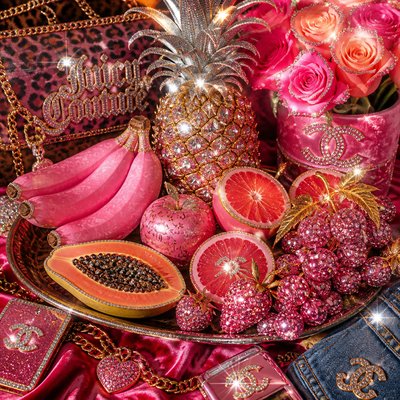
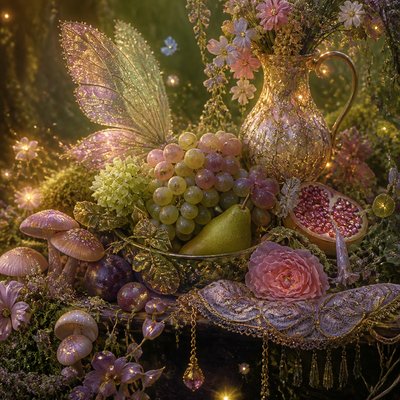
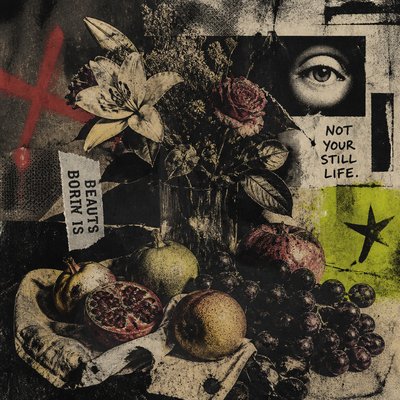
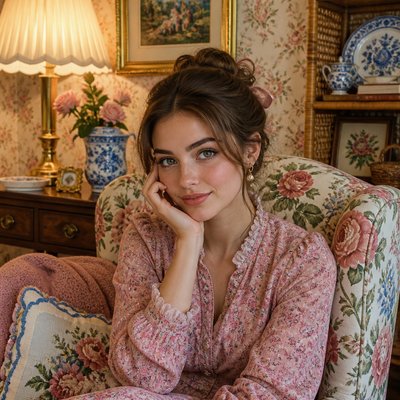
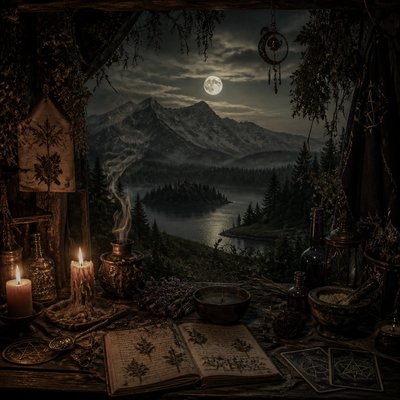
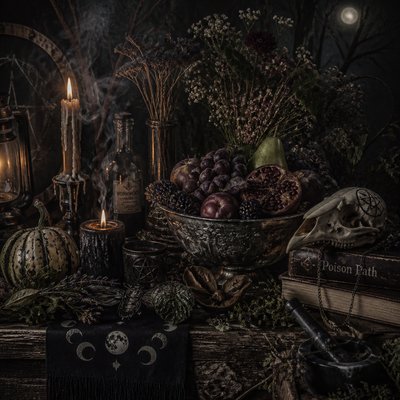
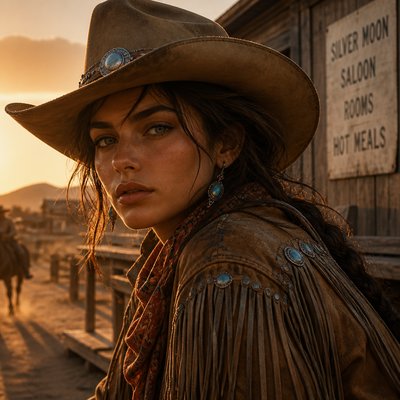
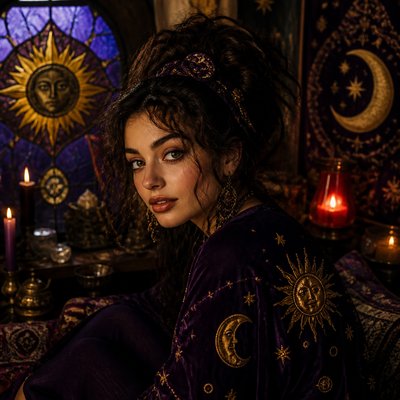
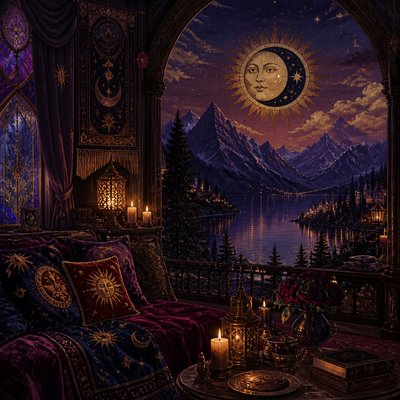
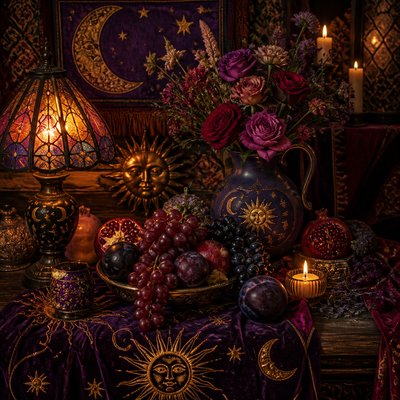
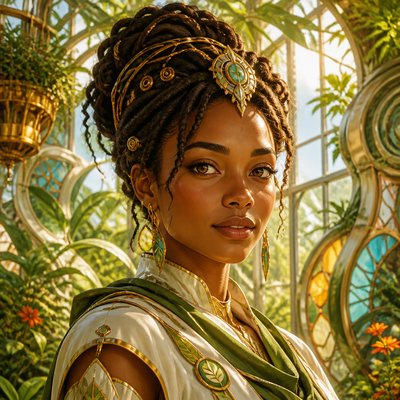
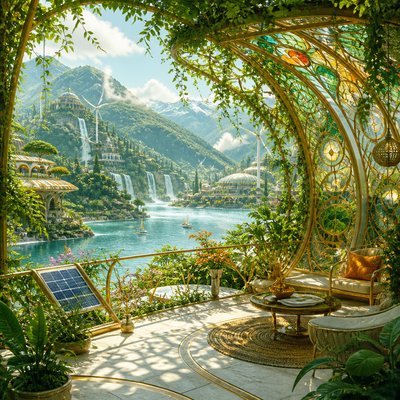
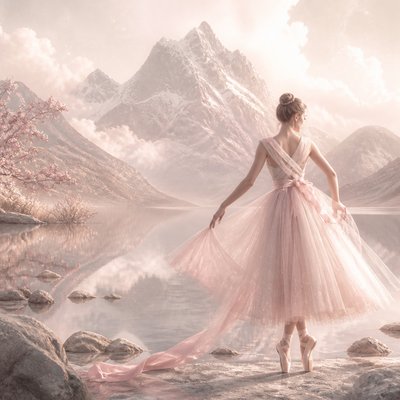
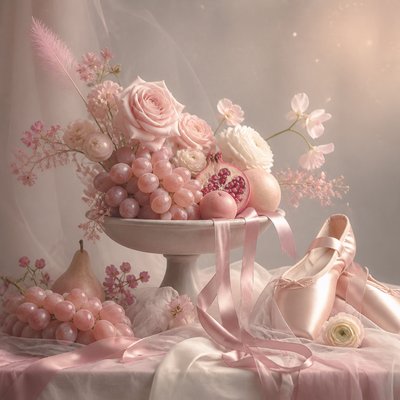
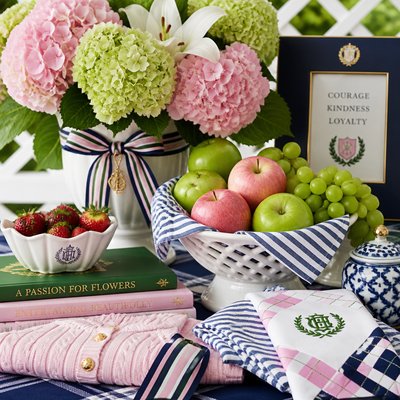
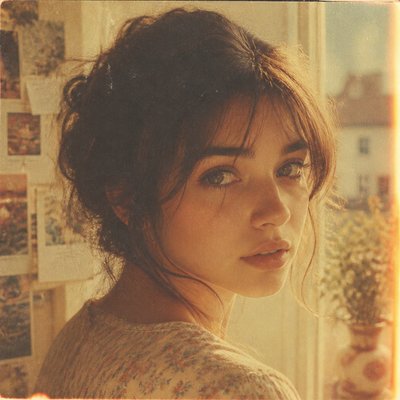
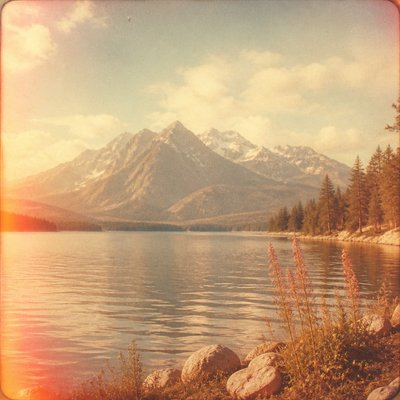
Regencycore Aesthetic
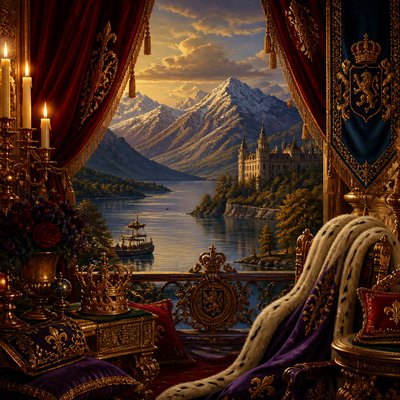
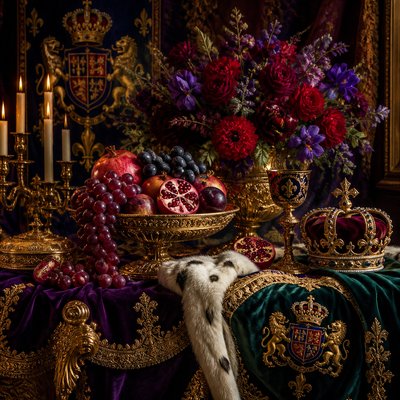
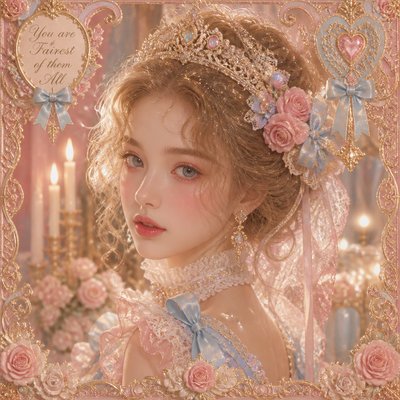
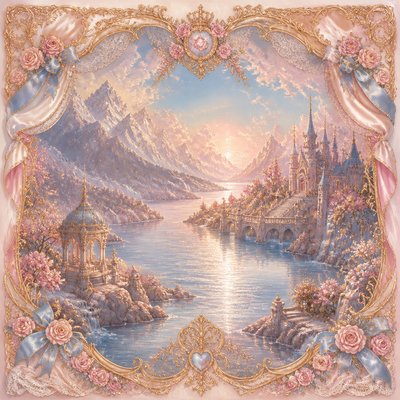
Powdery pastels, muslin, pearls and candlelit romance inspired by early-1800s Regency elegance.
Instantly rendered in Regencycore Aesthetic — or transform a photo
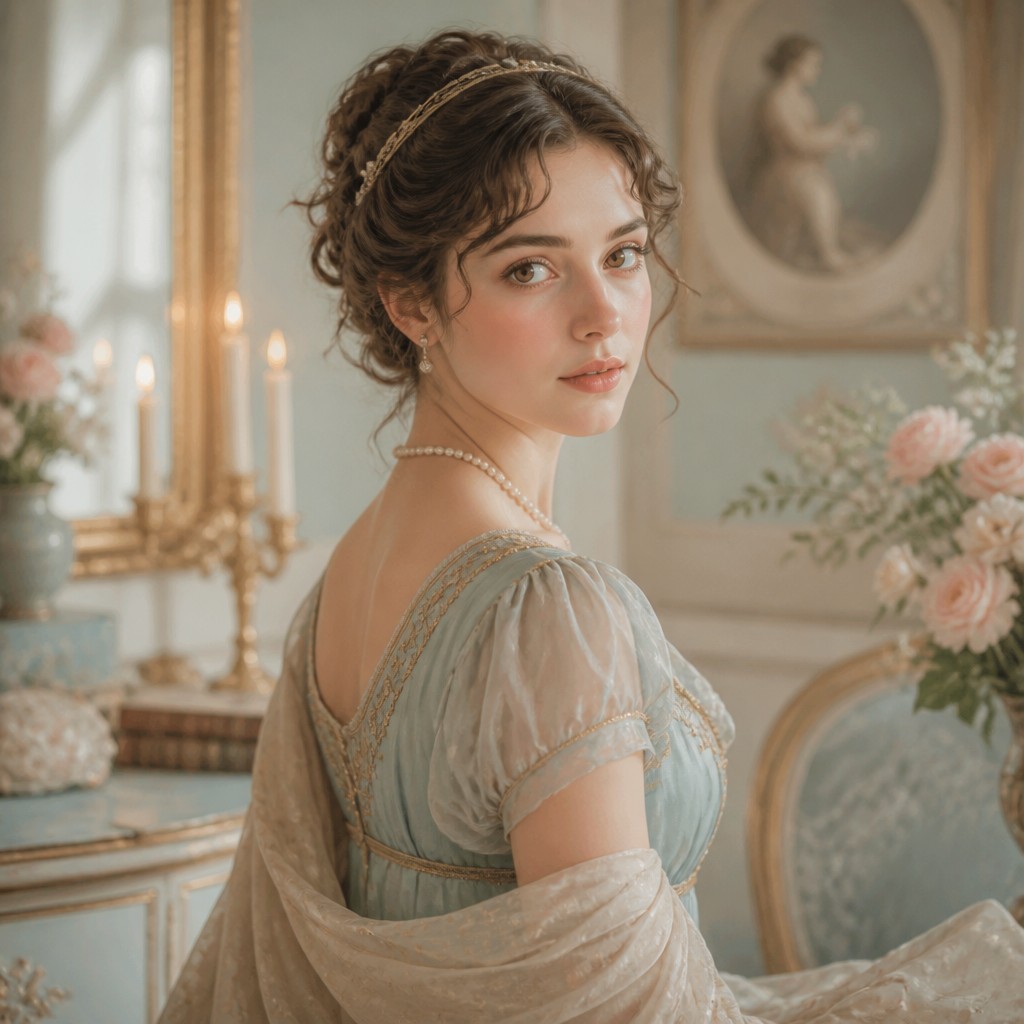
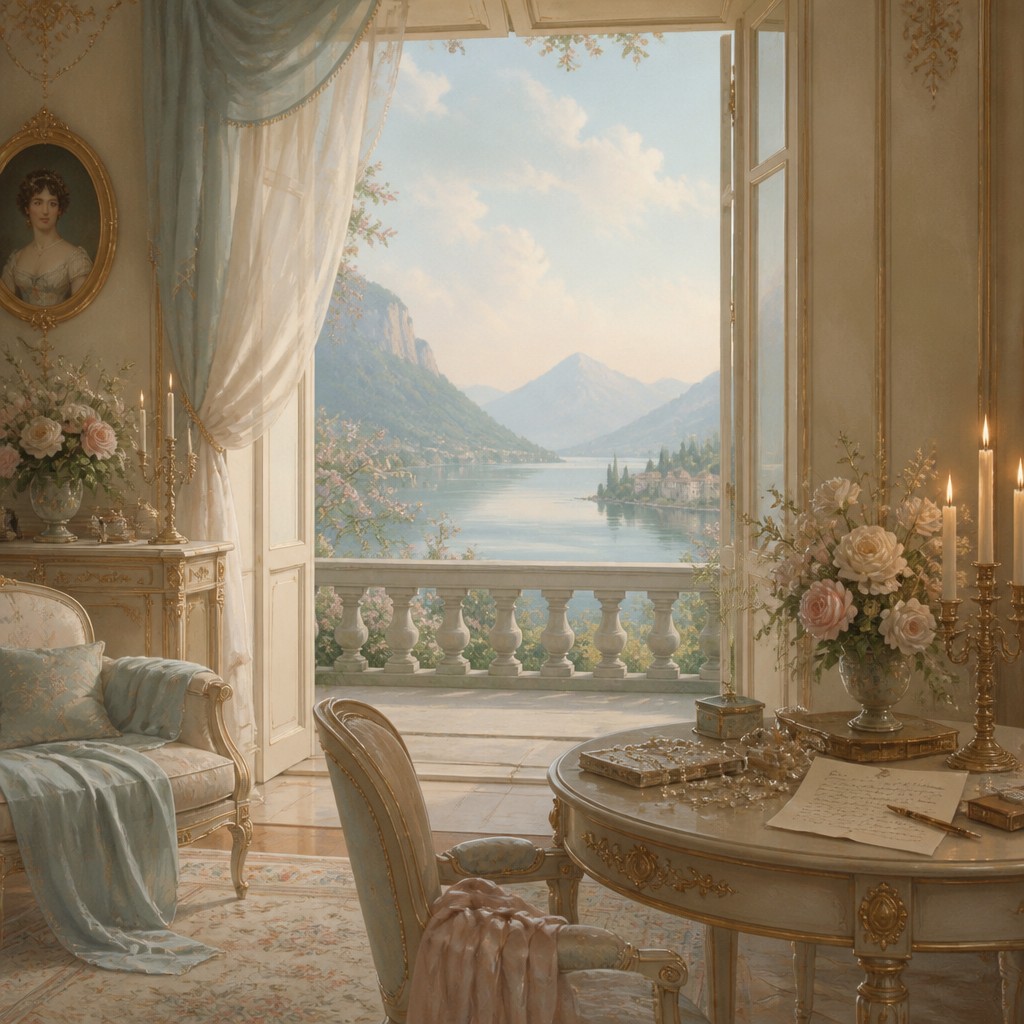
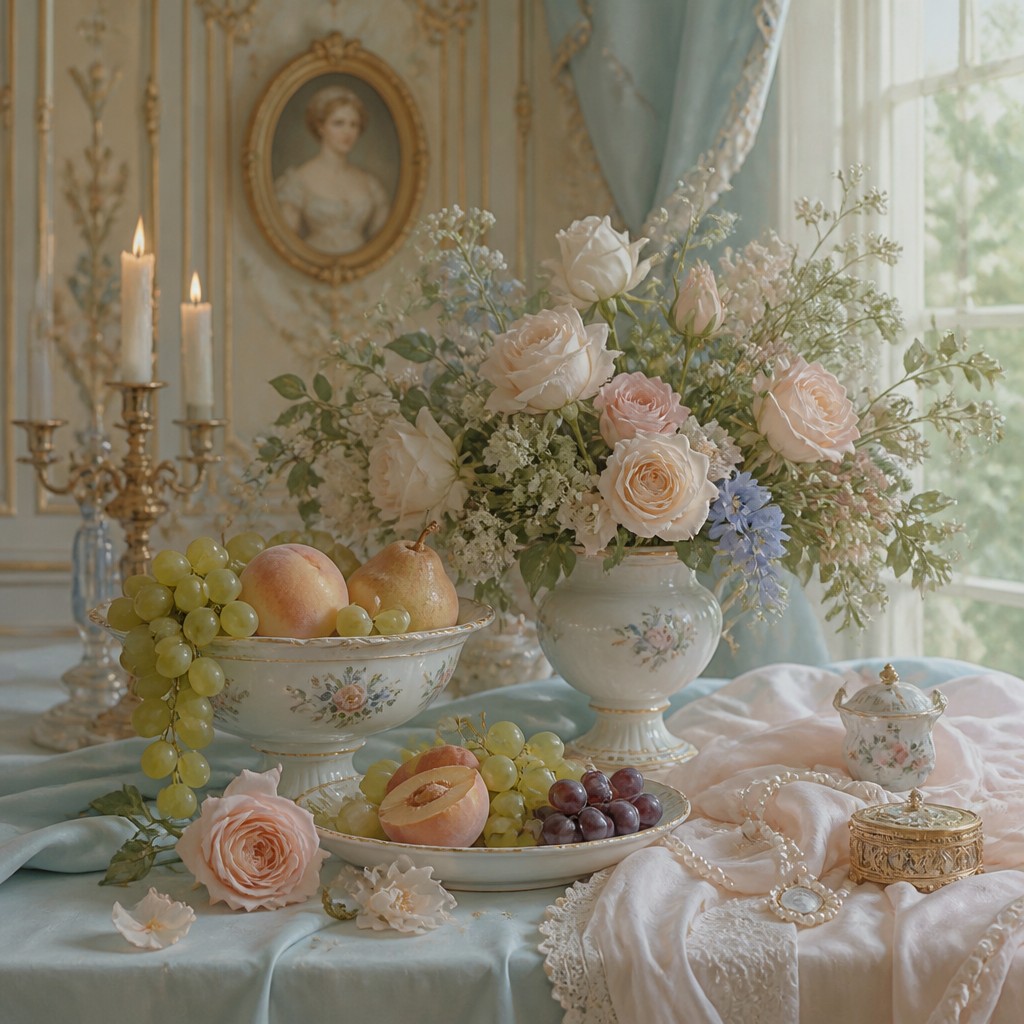
Regencycore Aesthetic Gallery
Tap any artwork to explore it
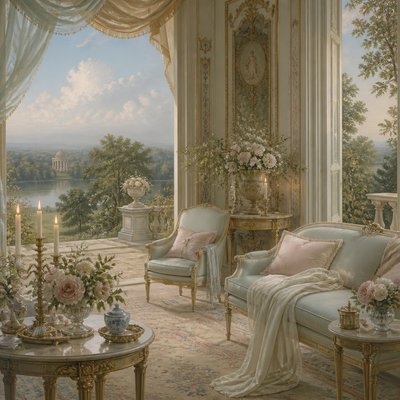
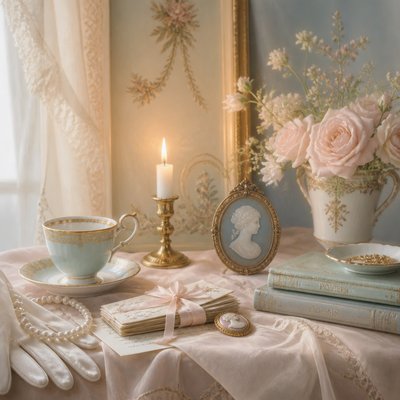
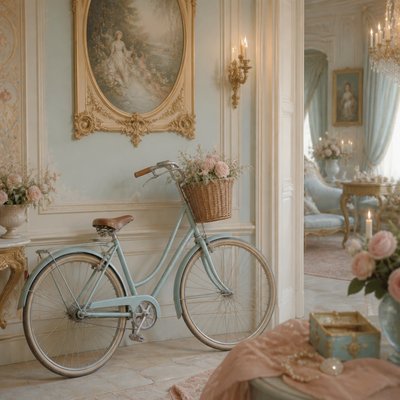
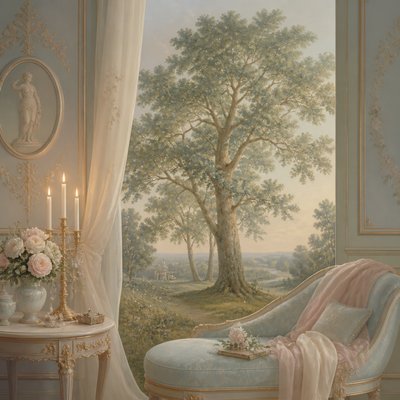
What is Regencycore Aesthetic?
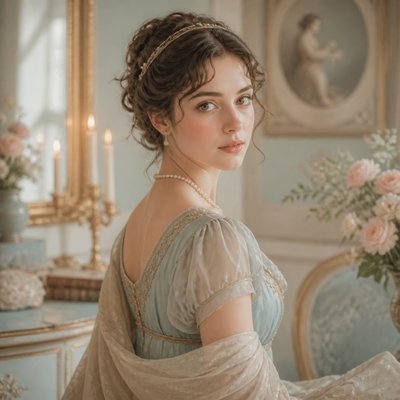
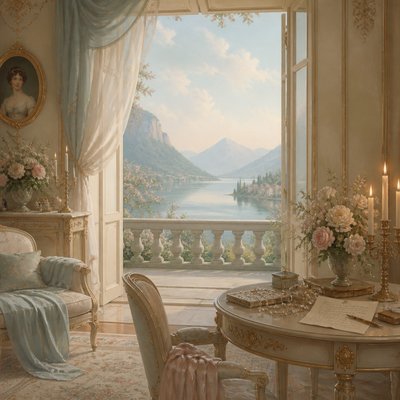
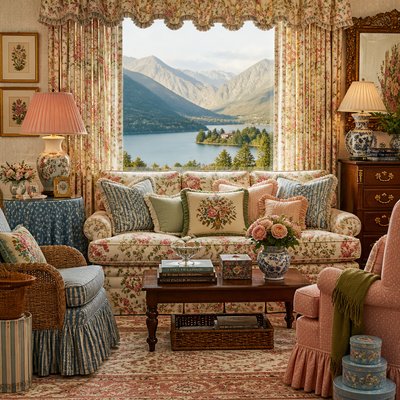
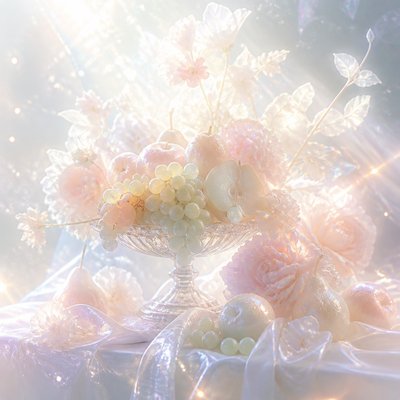
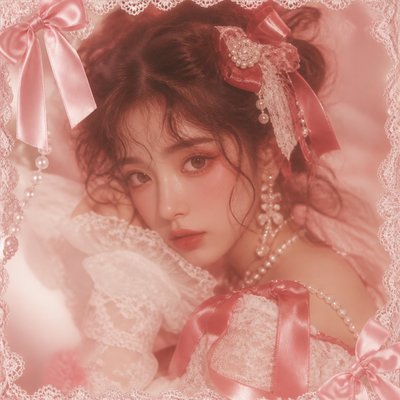
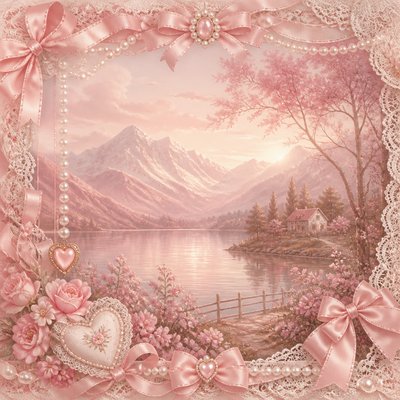
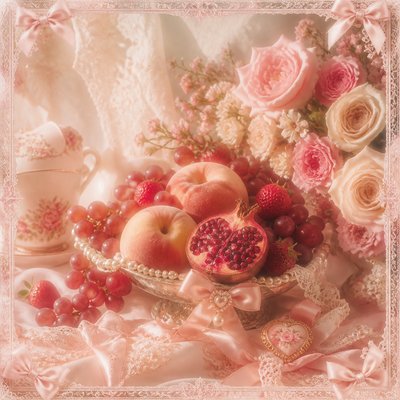
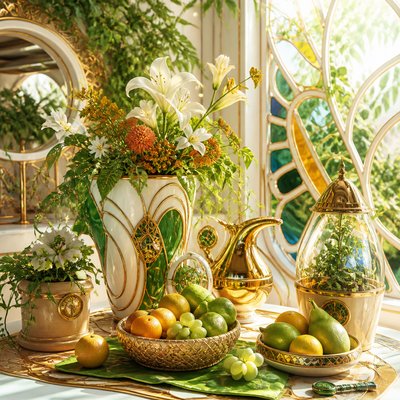
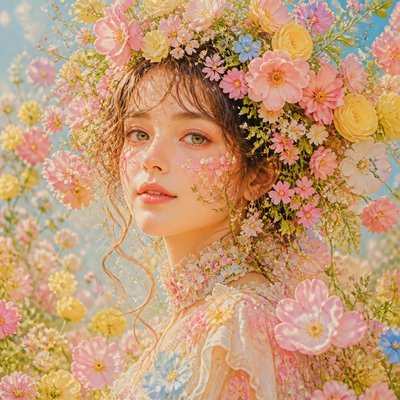
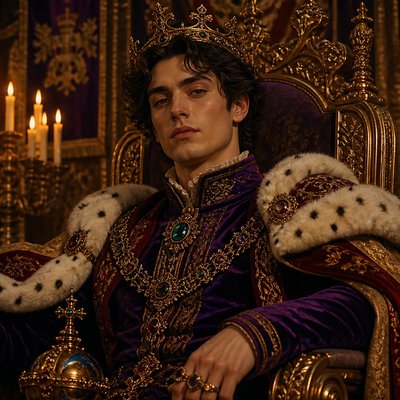
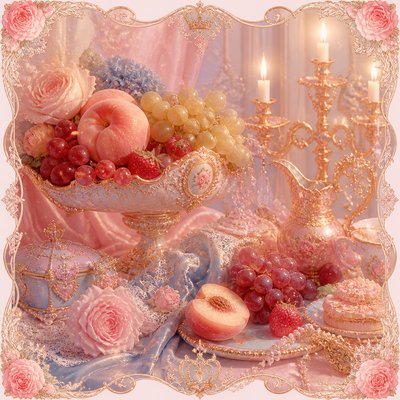
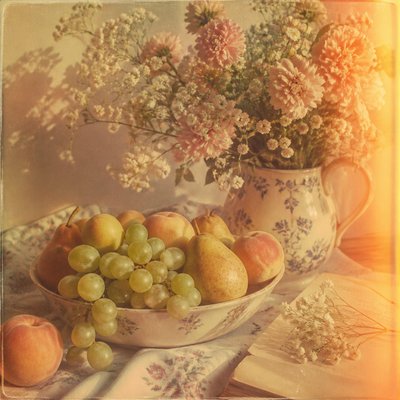
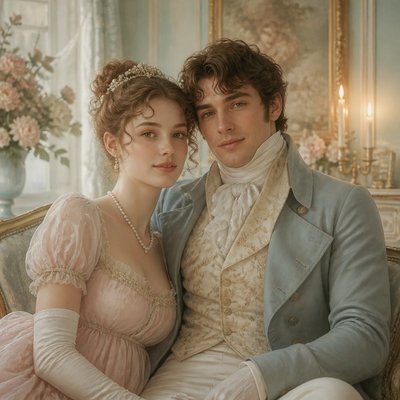
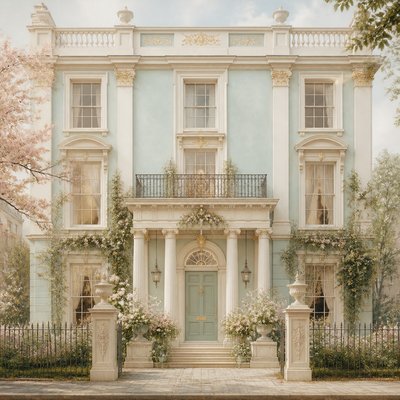
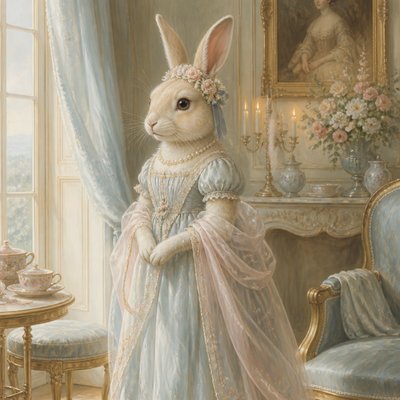
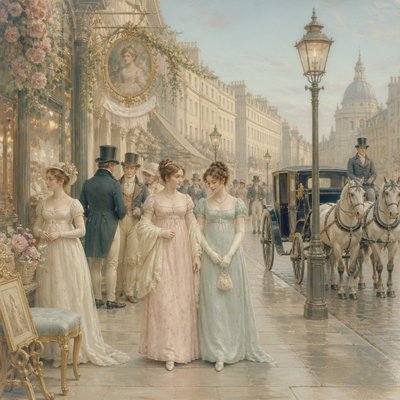
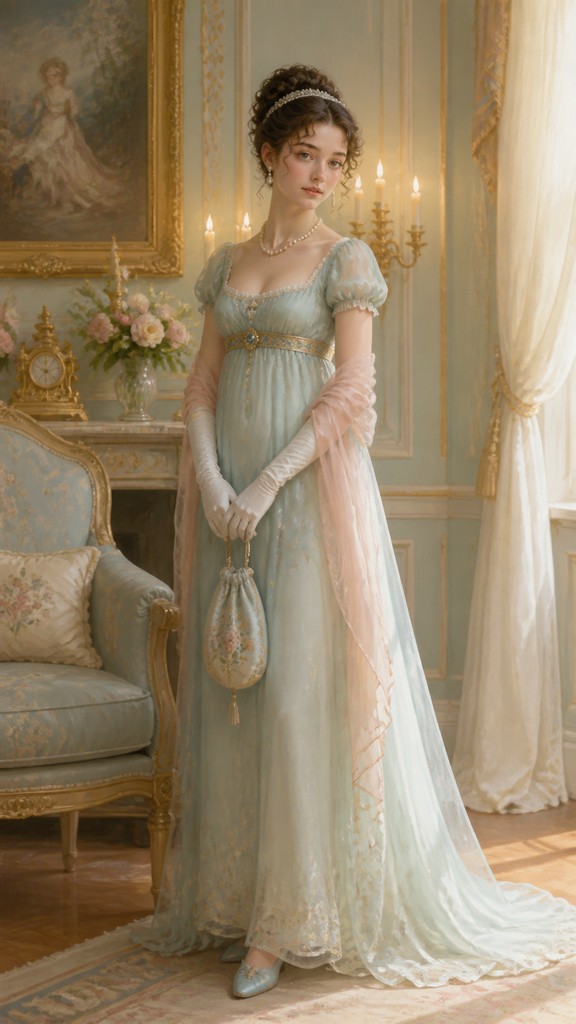
Regencycore aesthetic is a romantic visual style inspired by the elegance of the early 19th century, especially the Regency period in Britain and the broader world of neoclassical fashion and interior taste. It favors soft powdery pastels, ivory and gilt accents, fine muslin, silk, pearls, floral ornament, and a polished sense of restraint. The result is refined rather than ornate: graceful, airy, and emotionally tender, with a visual mood that suggests candlelight, handwritten letters, and drawing rooms filled with daylight.
In practice, the style combines historical cues with a softened, sentimental modern sensibility. Figures are often posed with courtly poise, fabrics fall in delicate folds, and surfaces are rendered with painterly softness rather than hard edges. Its visual identity comes from the intersection of Regency fashion, neoclassical interiors, and romantic depictions of aristocratic leisure, all filtered through contemporary nostalgia for an idealized early-1800s domestic world.
Try It On Your Photos
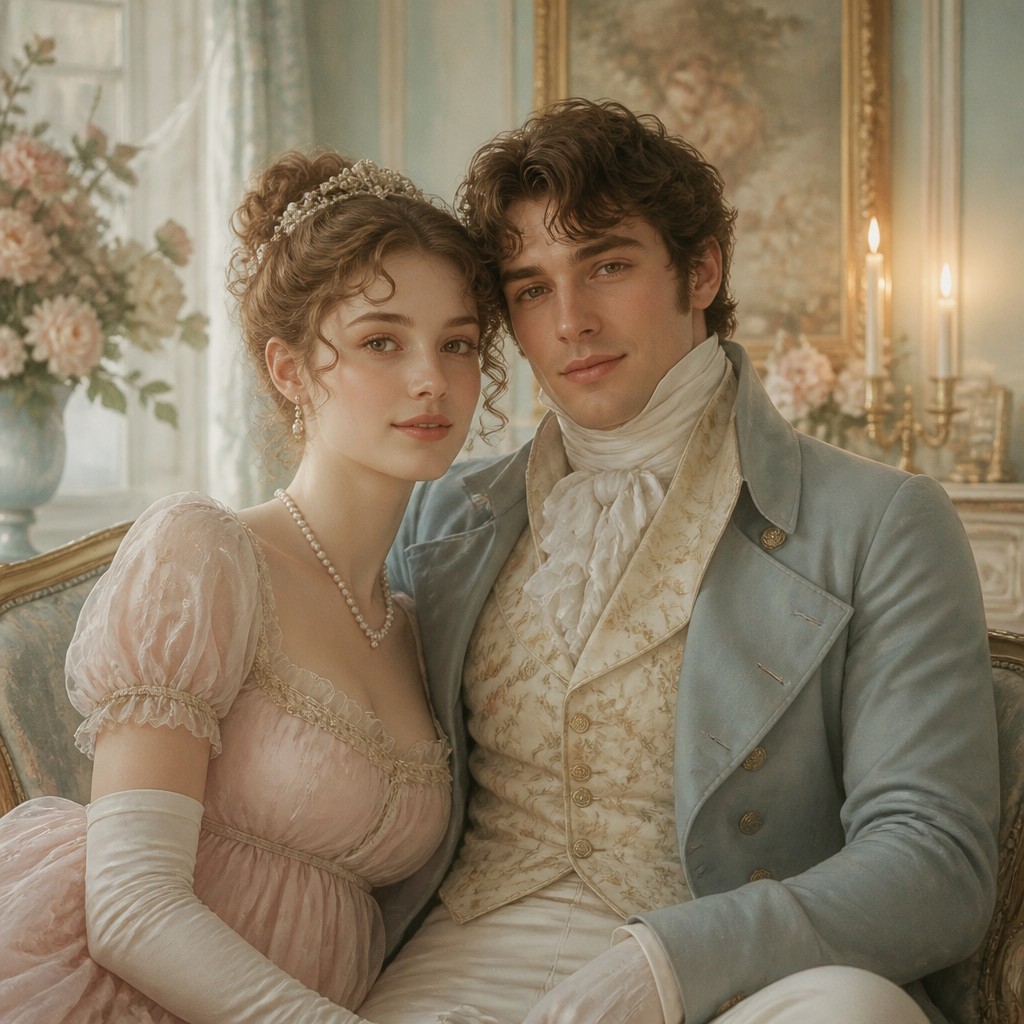
Upload any photo and convert it into Regencycore Aesthetic — drag the sliders to compare before and after.
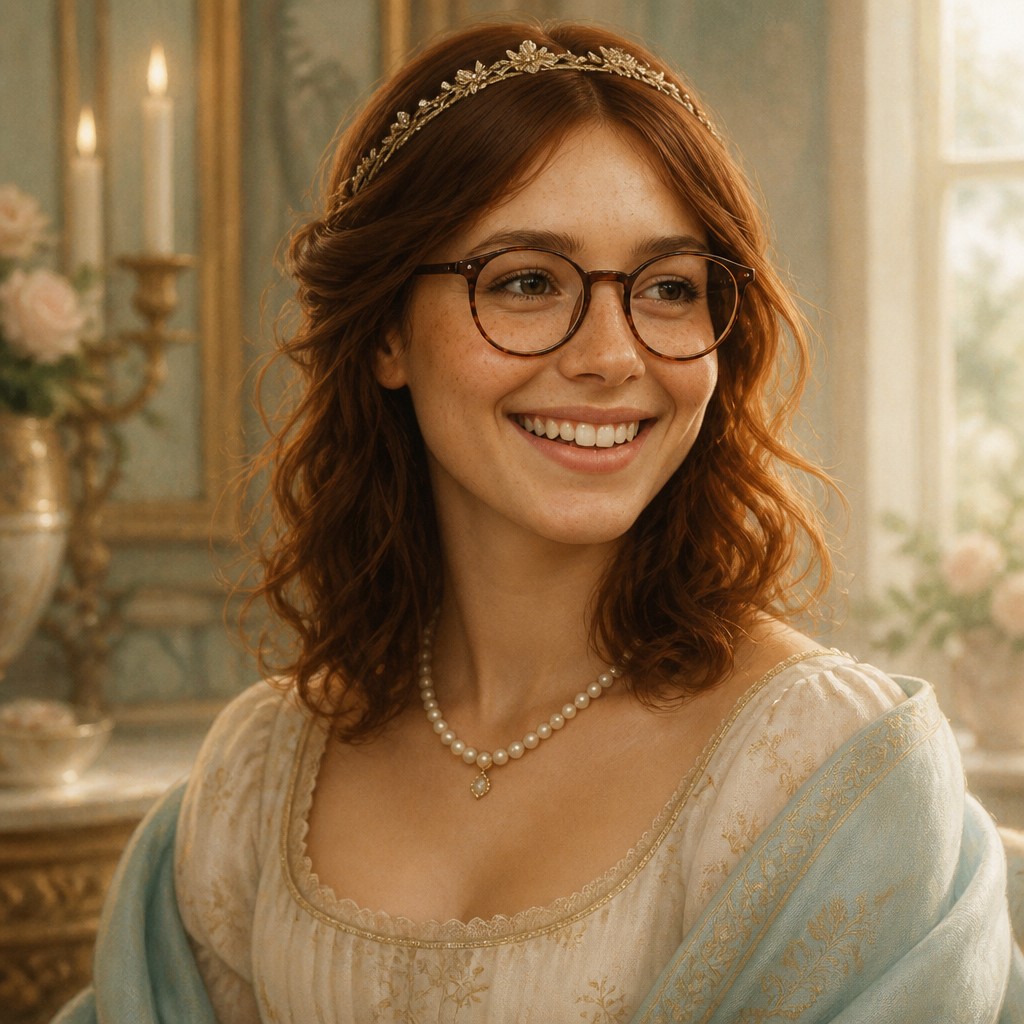

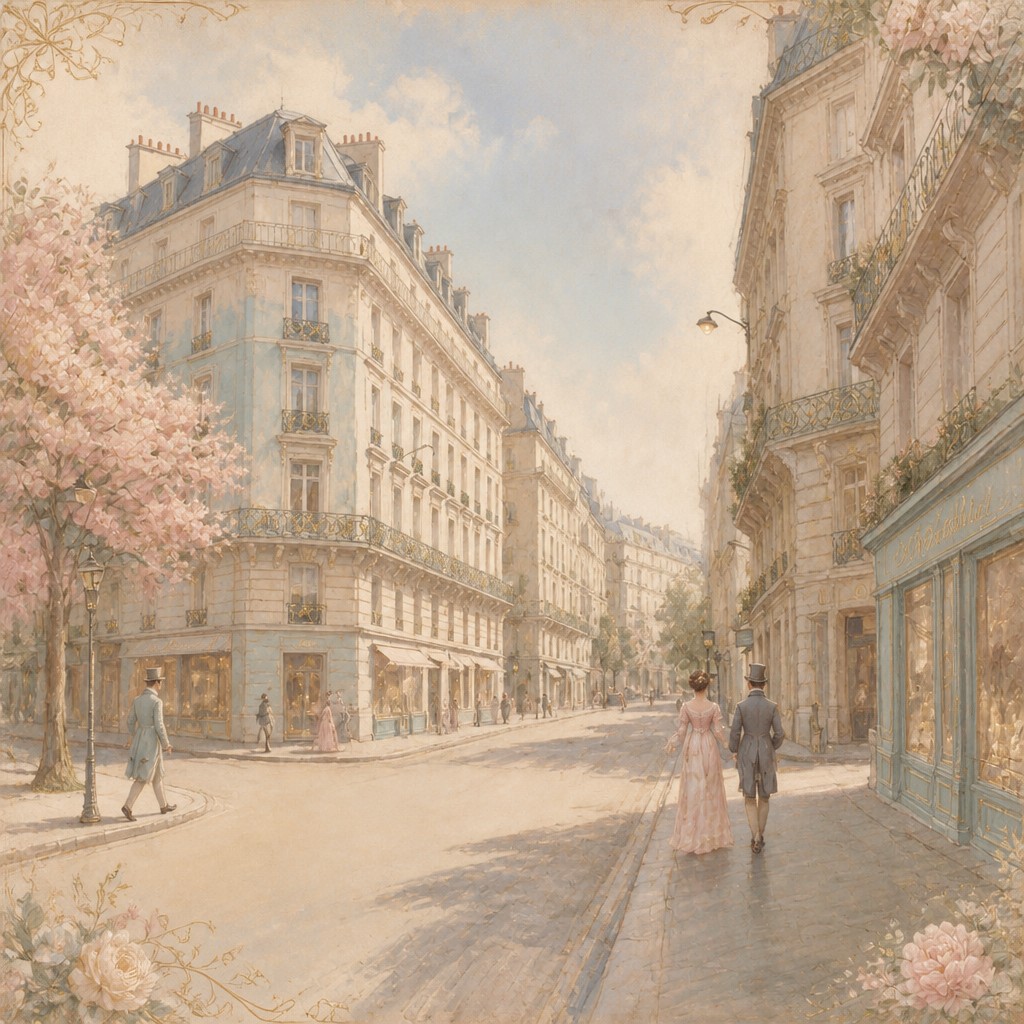

What Defines Regencycore Aesthetic
The signature details, up close
Powdery pastel palette
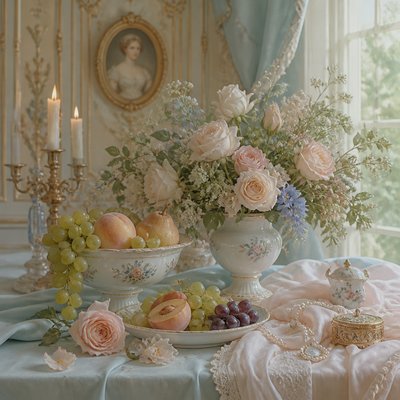
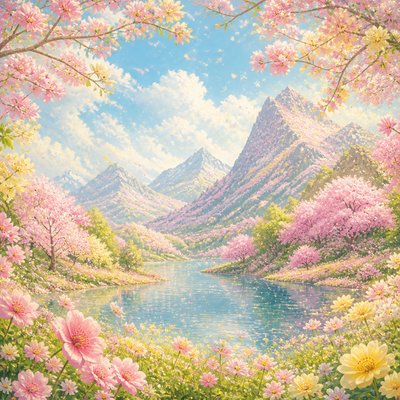
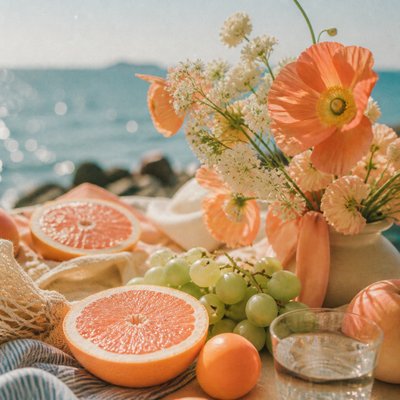
The color scheme centers on duck-egg blue, blush, ivory, sage, and pale gold. These hues create an atmosphere of delicacy and daylight softness, often with muted contrast rather than sharp saturation.
Muslin, silk, and pearl textures
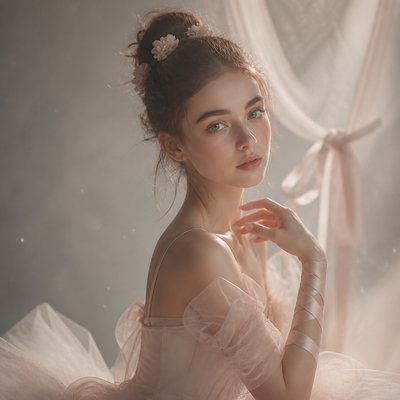
Fabrics and surfaces are smooth, luminous, and tactile, with an emphasis on fine drape and understated sheen. Pearls, satin ribbons, and lace add refinement without visual heaviness.
Neoclassical elegance
The style borrows balanced proportions, symmetry, and restrained ornament from neoclassical design. Columns, wreaths, laurel motifs, and classical silhouettes often appear as quiet background cues.
Candlelit warmth and airy daylight
Lighting tends to be gentle and flattering, as if filtered through curtains or reflected from candle flame. This produces a soft-focus glow that enhances the romantic, intimate mood.
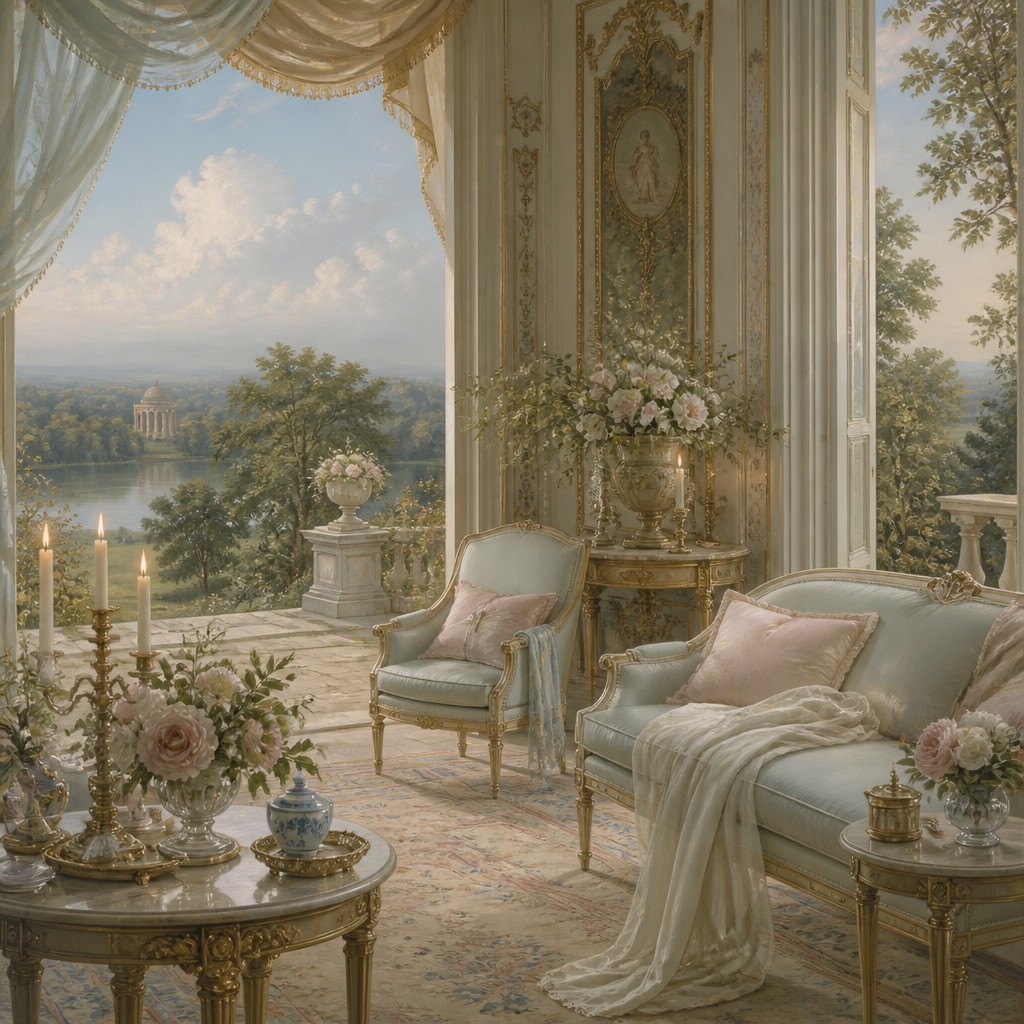
Floral and domestic ornament
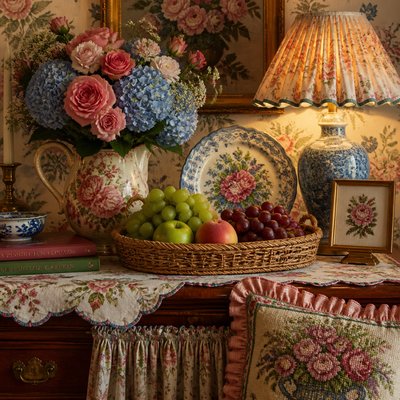
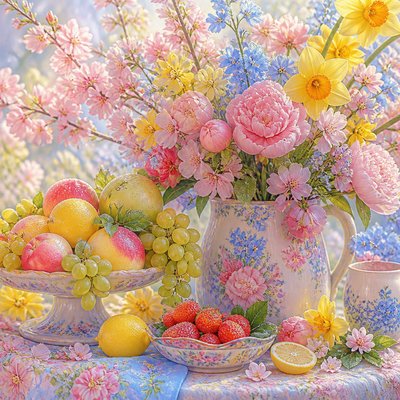
Bouquets, garlands, teacups, writing desks, and upholstered interiors frequently anchor the composition. These details evoke the intimate world of drawing rooms, parlors, and gardens.
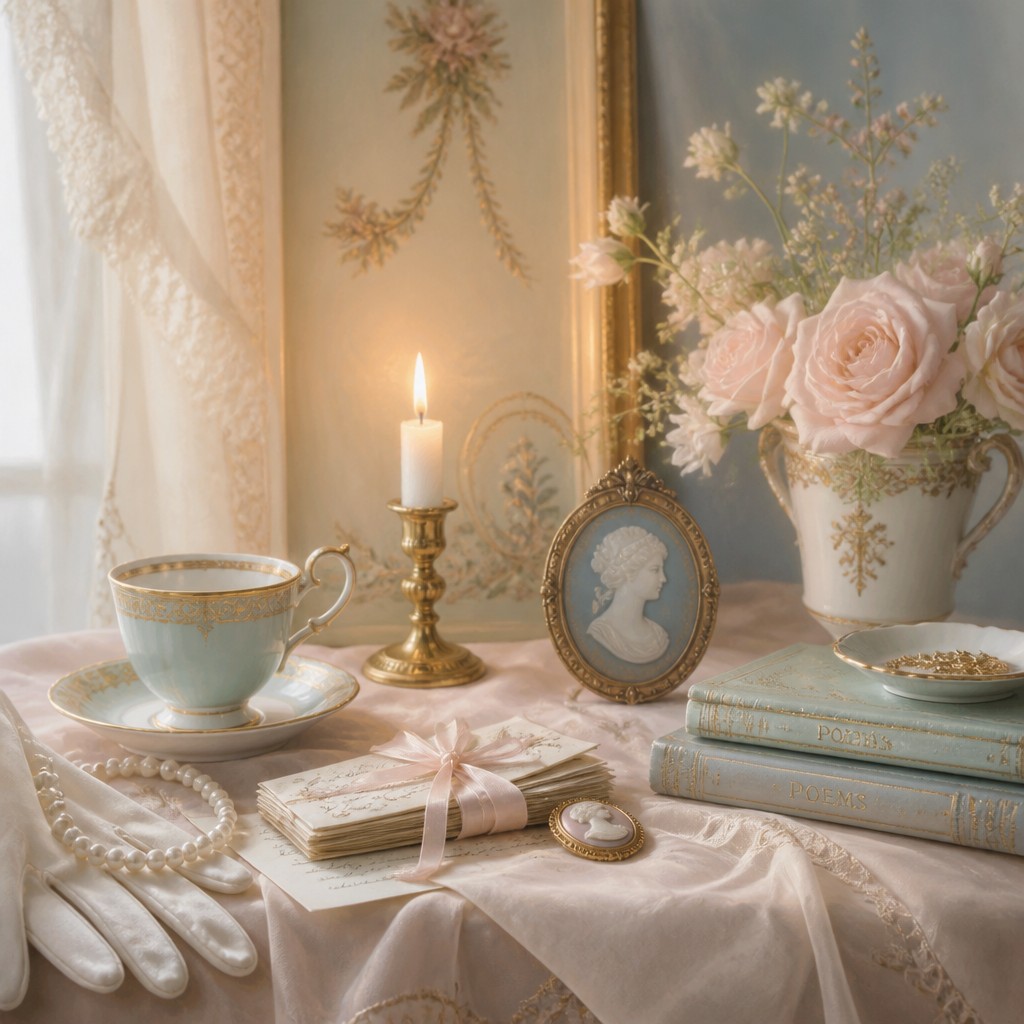
Graceful posing and emotional restraint
Figures are usually composed with upright posture, poised hands, and a calm expression. Even when sentimental, the style avoids dramatic theatrics in favor of contained elegance.
Try It
Create Videos in Regencycore Aesthetic
Styles aren't just for stills — describe a scene or animate an image and get a short video rendered in Regencycore Aesthetic. Press play to see this pond come to life.
Make a VideoRegencycore Aesthetic Prompt Ideas
Start from an idea — each one opens the generator with the style ready to go. See all 40 Regencycore Aesthetic prompts →
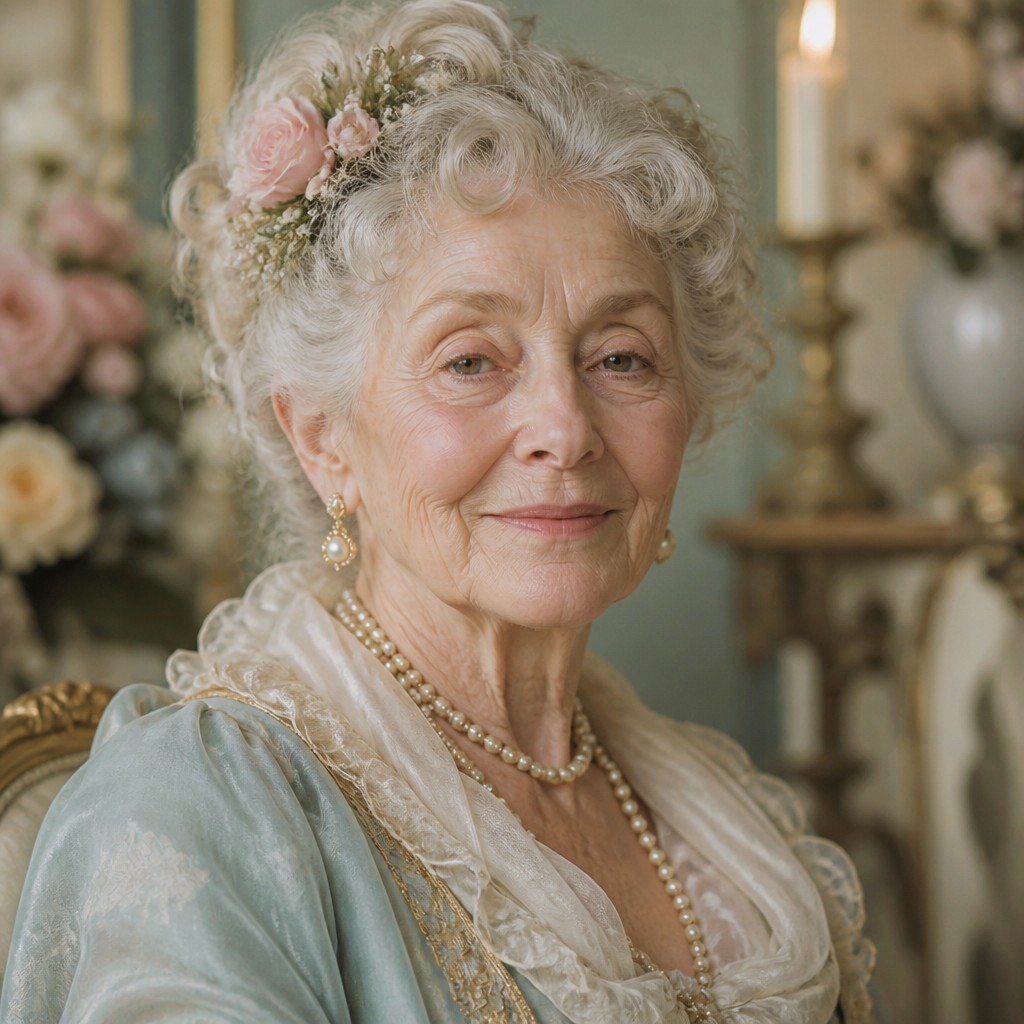
“close-up portrait of an elderly person with expressive weathered features”
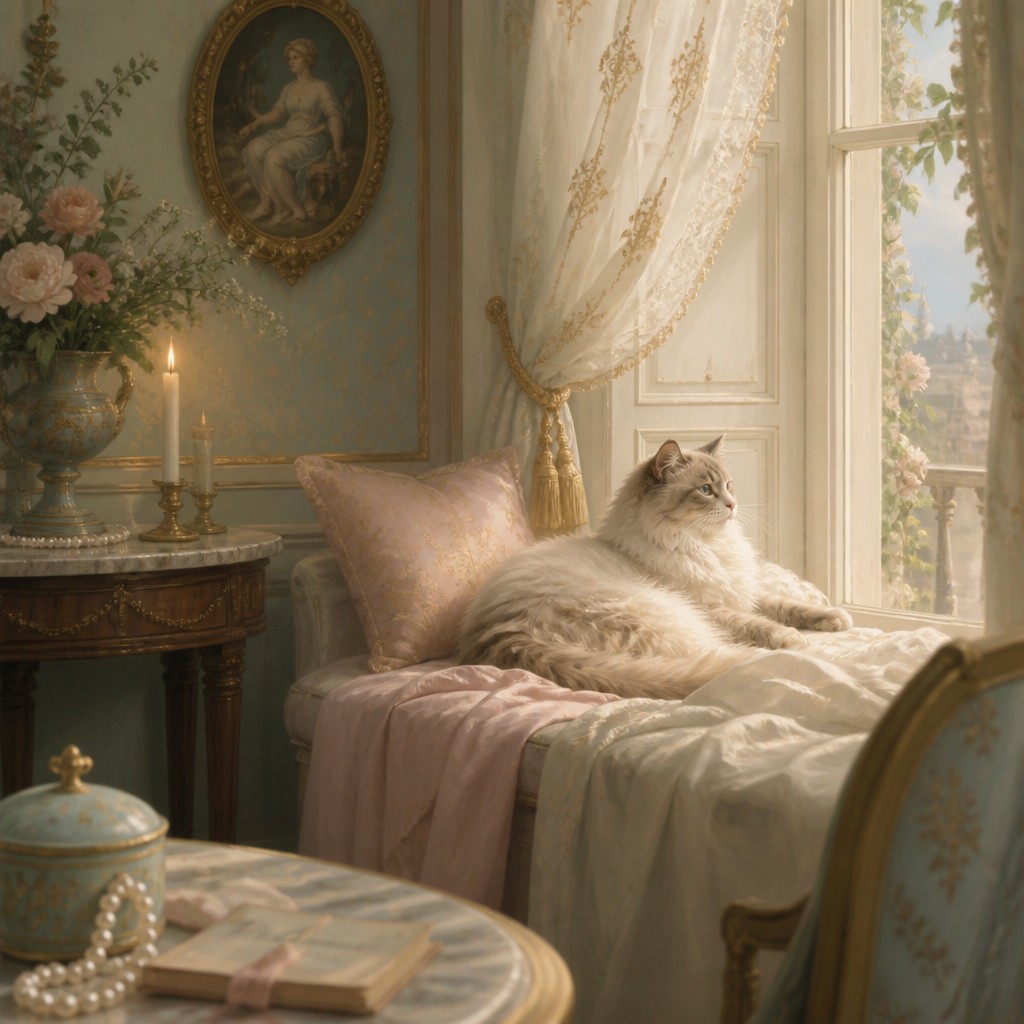
“a cat lounging in a sunlit window”
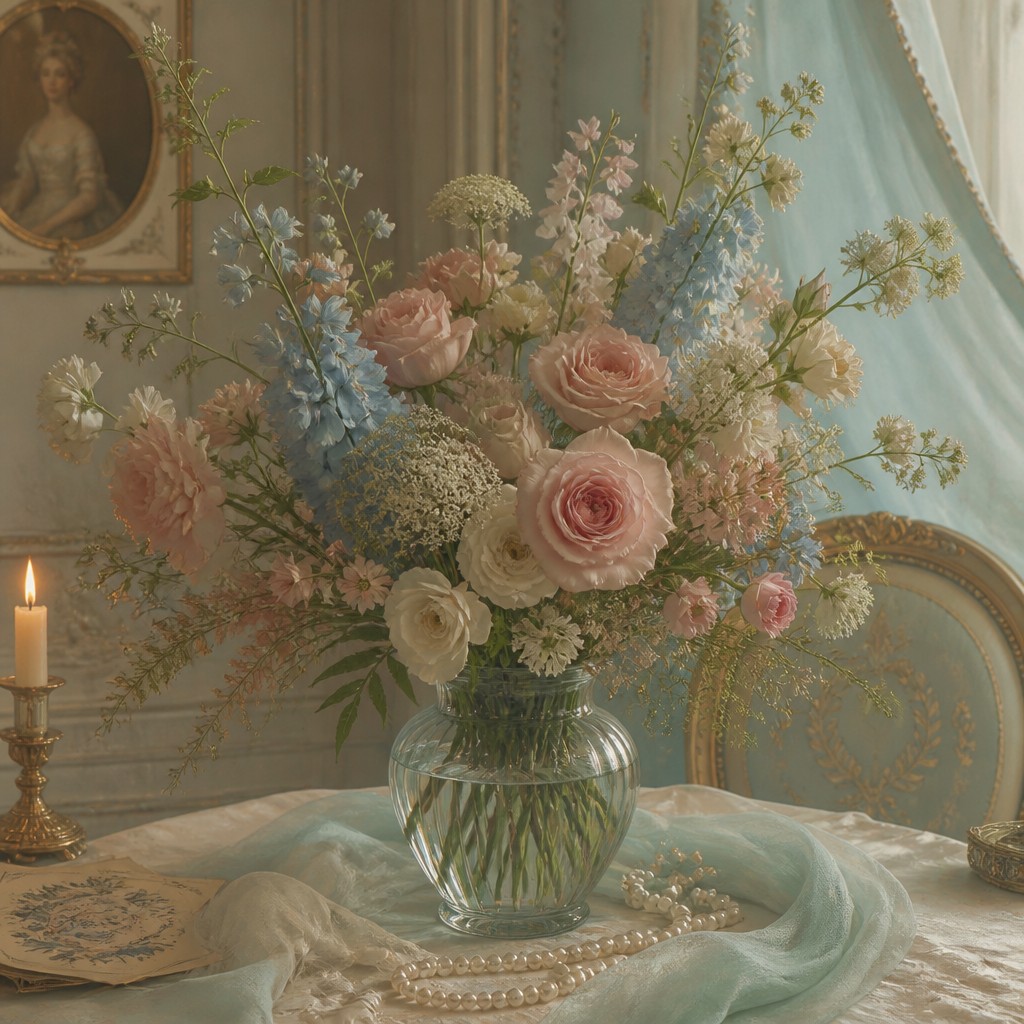
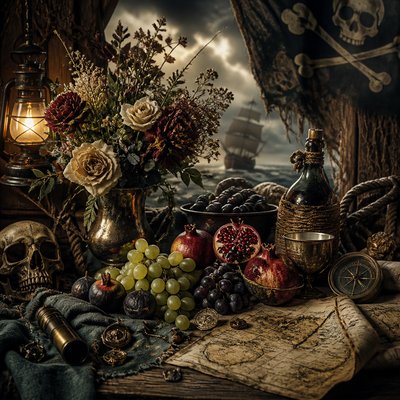
“bouquet of flowers in a glass vase”
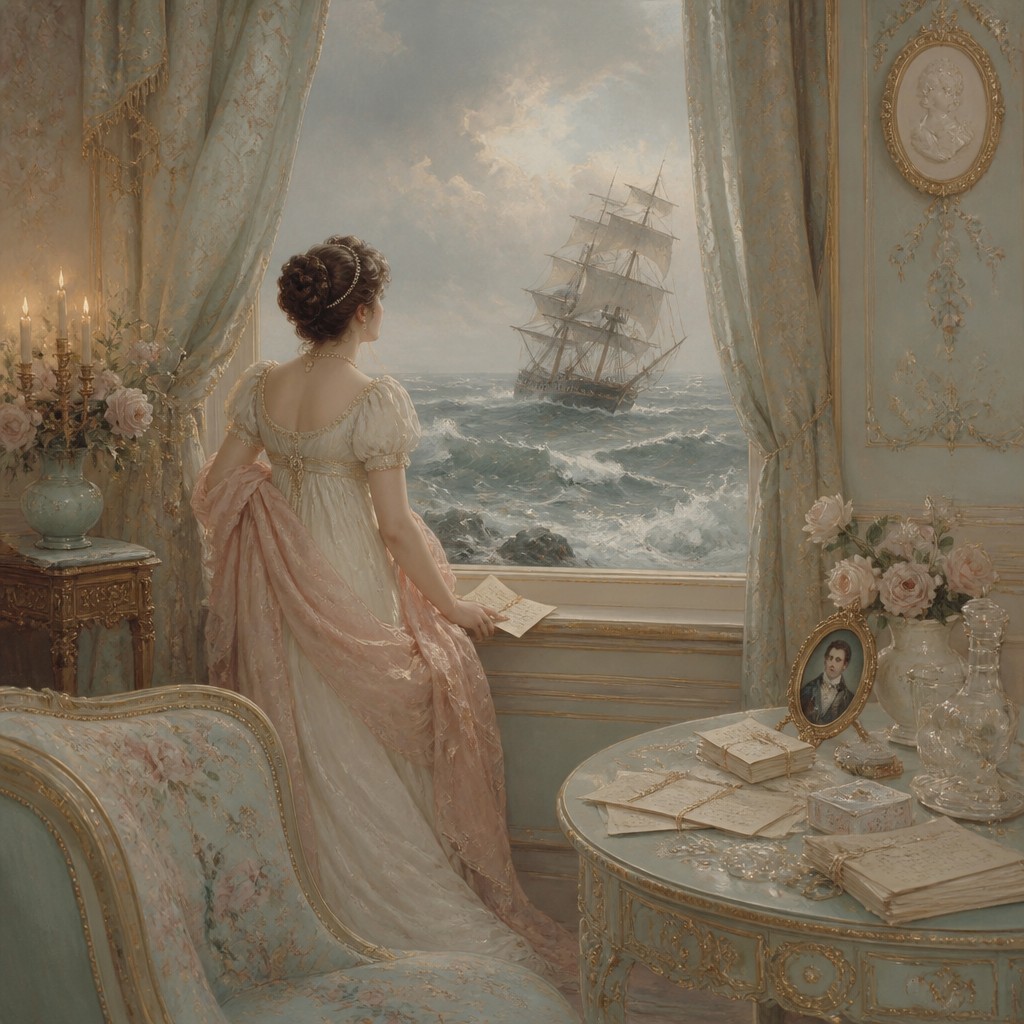
“sailing ship on a stormy sea”
How to Create Regencycore Aesthetic Art
Master the craft step by step — or skip straight to creating. Read the full guide →
- 1
Use a restrained historical palette
Build the image around pale blues, blush, ivory, sage, cream, and touches of muted gold. Keep saturation low and contrast gentle so the overall effect feels atmospheric rather than vivid or modern.
- 2
Prioritize fine fabrics and delicate details
Render muslin, silk, lace, ribbons, gloves, and pearls with clear tactile specificity. In a digital workflow, use soft brushes, subtle gradients, and careful highlights; in a traditional workflow, layered glazing or diluted washes help preserve the airy finish.
- 3
Light the scene softly
Choose candlelight, window light, or diffused interior illumination to create warmth and depth without harsh shadow. A slight bloom, soft-focus edge treatment, or gentle haze can make the image feel period-romantic.
- 4
Compose with neoclassical restraint
Favor symmetry, elegant verticals, and balanced negative space. Whether depicting a portrait, interior, or still life, avoid clutter and let a few well-chosen objects—pearls, flowers, a fan, a chair, a teacup—carry the period mood.
- 5
Emphasize calm pose and emotional narrative
Figures should look composed, thoughtful, and lightly idealized, as though caught in a private moment of reverie. For prompt-based generation, specify early-1800s drawing-room elegance, tender sentimentality, and painterly softness rather than generic vintage fashion.
- 6
Blend historical cues with modern clarity
If digitally transforming a photo, retain the original pose or composition but replace contemporary materials with Regency-era equivalents. Prompt for muslin gowns, empire silhouettes, pale interiors, and pearl accents while asking for softened edges and painterly romance.
The Story
History & Origins of Regencycore Aesthetic
Regencycore is not a historical art movement in the formal sense, but a contemporary aesthetic lineage built from real early-19th-century visual culture. Its strongest roots lie in Regency-era fashion and interior design, including high-waisted muslin dresses, tailored coats, pale color palettes, gilt furniture, and neoclassical decorative motifs. It also draws from the broader Romantic era's preference for tenderness, sentiment, and refined feeling, as well as from later period dramas and illustration traditions that popularized an elegant, emotionally resonant version of the period.
Its development is tied to modern nostalgia for historical romance and domestic fantasy, especially in fashion imagery, editorial illustration, and screen adaptations that emphasize softness over strict archival accuracy. Unlike a museum reconstruction, Regencycore selectively amplifies the most recognizable visual markers of the period—pearls, ribbon work, candlelight, floral arrangements, and airy fabrics—while smoothing them into a cohesive, highly legible aesthetic language.
Influences: Regencycore draws most directly from British Regency fashion and interiors, neoclassical decorative arts, and the wider Romantic era's taste for sentiment and refinement. It also overlaps with period-drama costuming, historical illustration, and the visual language of artists who portrayed elegant domestic life and portraiture in a polished, idealized way, including Thomas Lawrence and John Hoppner in portraiture, and, in a broader historical lineage, the neoclassical clarity associated with Jean-Auguste-Dominique Ingres. Its modern form is less a strict revival than a curated synthesis of these traditions into a cohesive nostalgic aesthetic.

Frequently Asked Questions
What defines Regencycore aesthetic?
Regencycore is defined by early-1800s romantic elegance: powdery pastels, muslin and silk, pearls, floral ornament, and refined interiors. The mood is soft, sentimental, and orderly, with candlelit warmth and a gentle neoclassical sense of balance. It aims to evoke the polished domestic and social world associated with the Regency period.
Is Regencycore the same as Victorian style?
No. Regencycore points to the early 19th century, especially the 1810s and the surrounding Regency era, while Victorian style belongs to later decades of the century. Regency silhouettes are generally lighter and simpler, with high waistlines and airy muslin, whereas Victorian fashion often becomes more structured, layered, and ornate.
How is Regencycore different from cottagecore or Rococo?
Cottagecore emphasizes rural simplicity, handmade domestic life, and pastoral informality. Rococo is earlier, more lavish, and more asymmetrical, with elaborate ornament and playful curves. Regencycore sits between them in a sense: it is romantic and decorative, but more restrained, neoclassical, and aristocratic than either.
What colors work best in this style?
Soft powdery shades are most characteristic: duck-egg blue, blush pink, ivory, sage, cream, and pale gold. These colors should feel muted and luminous rather than bright. A little candlelit warmth or antique sepia can be added, but the core palette stays light and delicate.
What subjects are common in Regencycore images?
Common subjects include portraits, tea scenes, letter writing, ballroom moments, garden strolls, and elegant interiors. Flowers, ribbons, pearls, fans, books, and porcelain are frequent supporting details. The style is especially effective when the subject feels poised, private, and gently romantic.
How can I make a photo look Regencycore?
Keep the original pose or composition, then replace modern cues with period references such as muslin gowns, gloves, pearl jewelry, and neoclassical rooms. Use soft lighting, pastel toning, and painterly blur to smooth edges and create a refined historical mood. The transformation should feel elegant and cohesive, not costume-like or overly saturated.

Create your first Regencycore Aesthetic artwork
Describe anything — or upload a photo — and see it in Regencycore Aesthetic in seconds.
Make Something with Regencycore Aesthetic
Related Styles
Discover similar art styles