Nostalgiacore Aesthetic
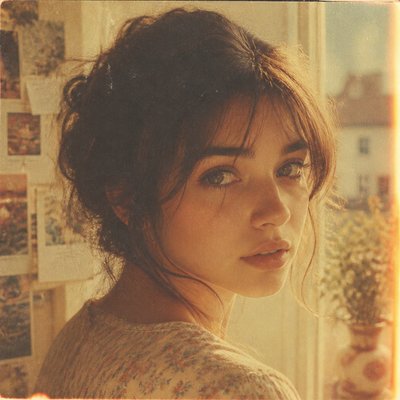
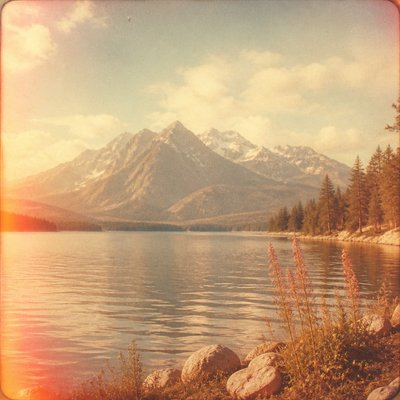
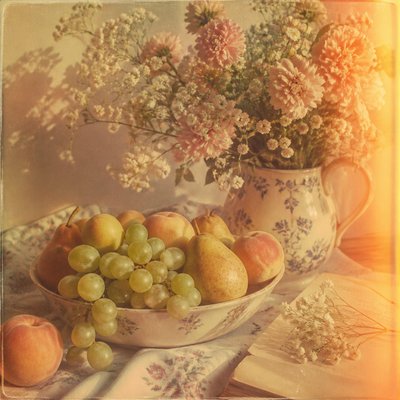
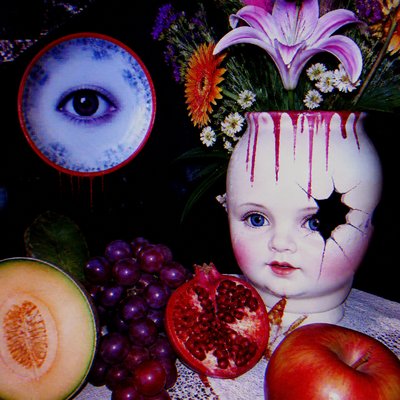
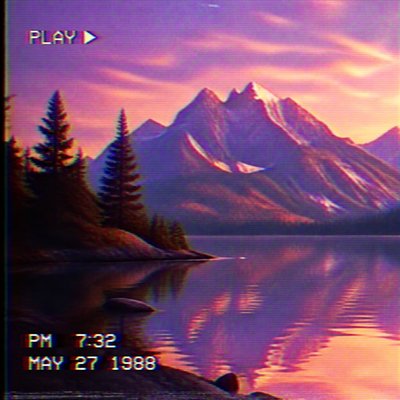
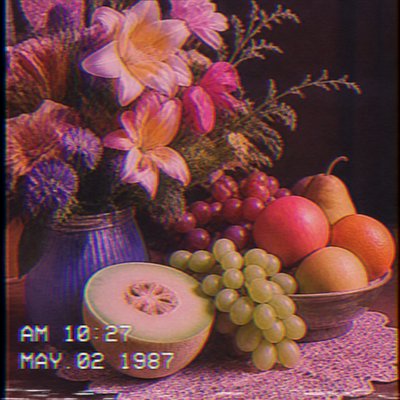
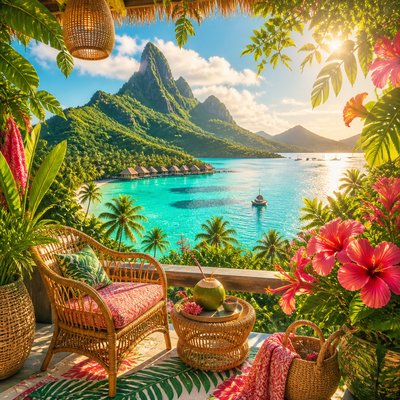
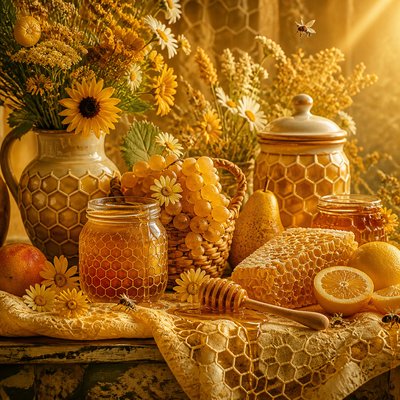
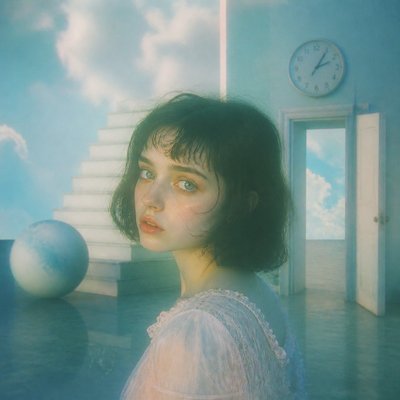
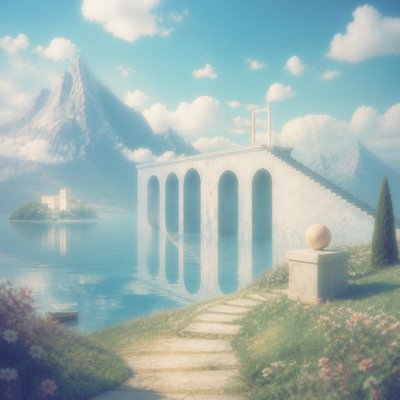
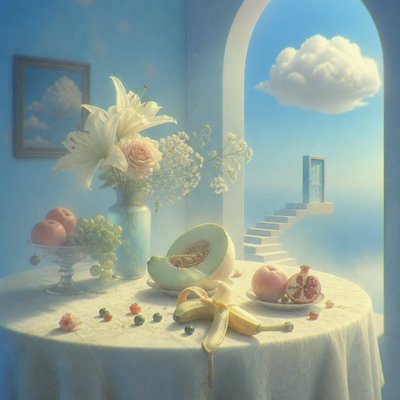
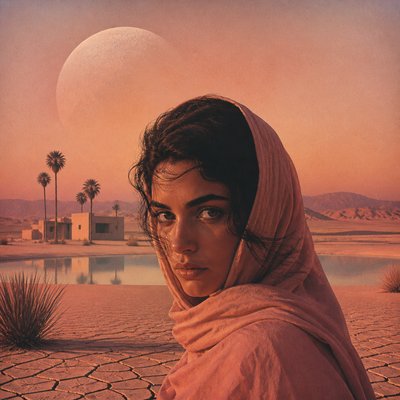
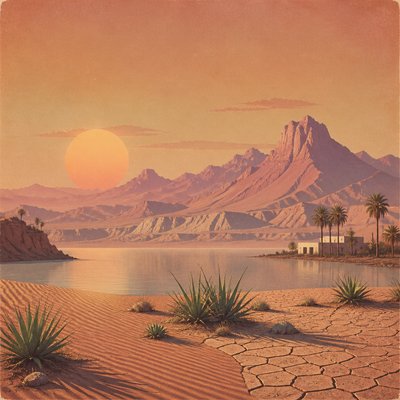
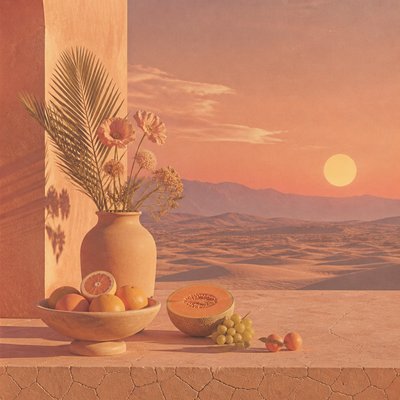
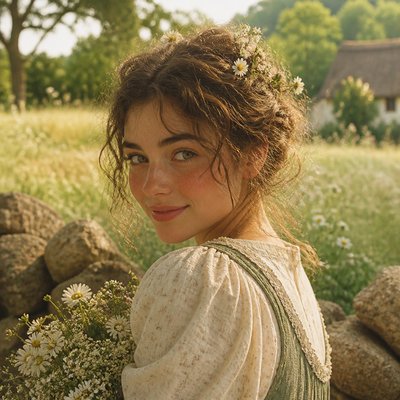
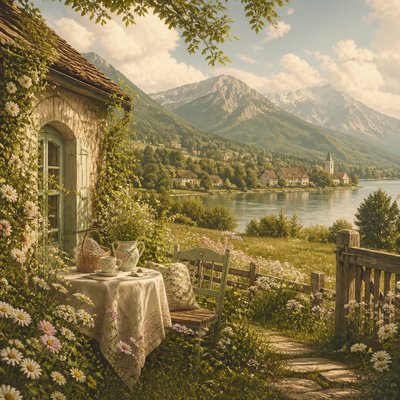
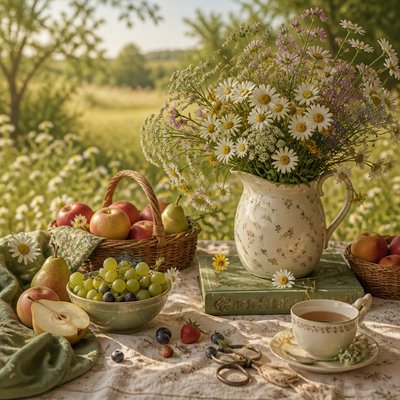
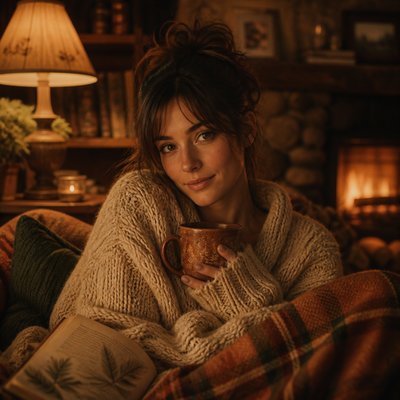
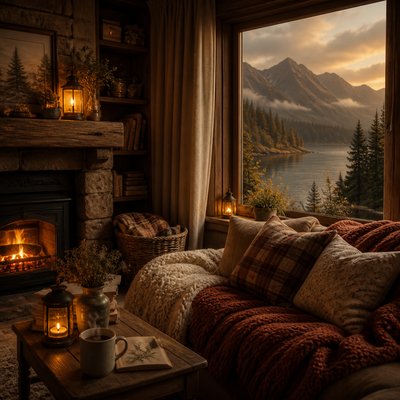
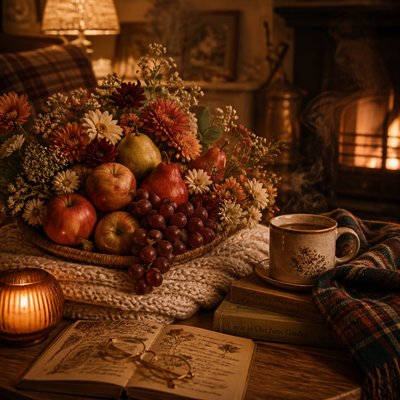
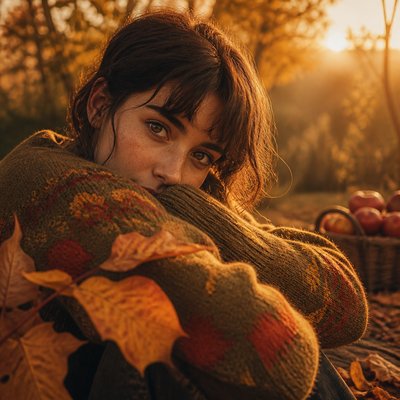
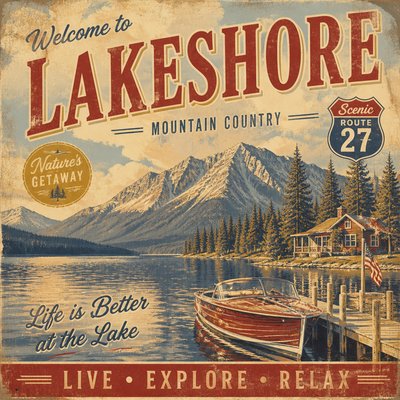
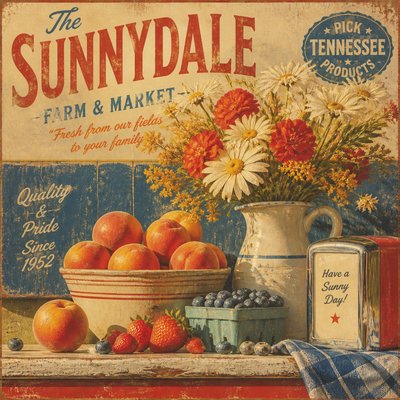
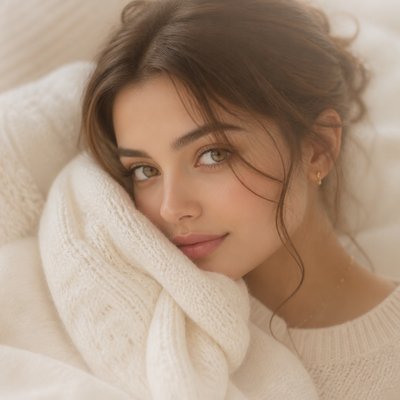
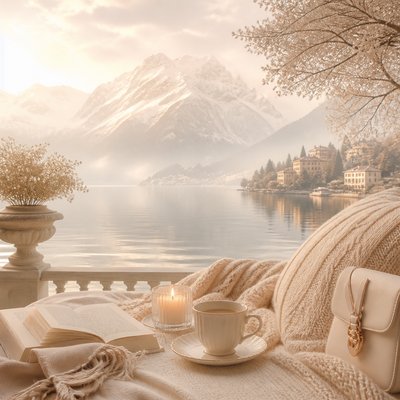
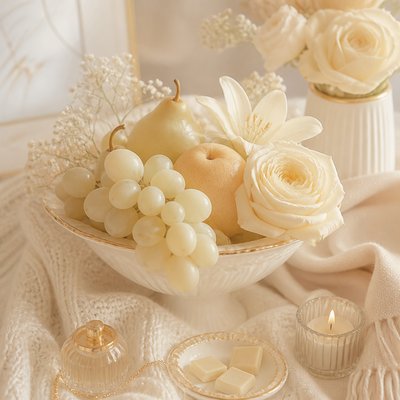
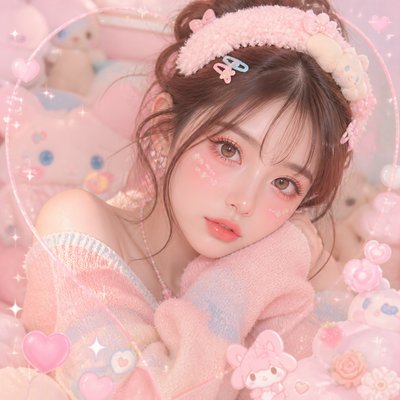
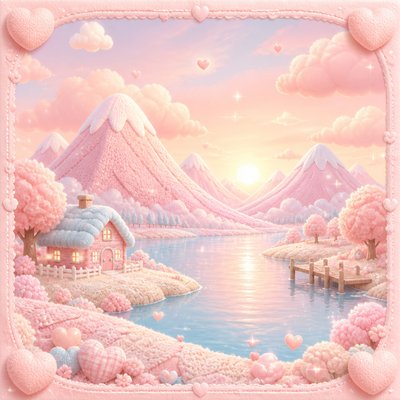
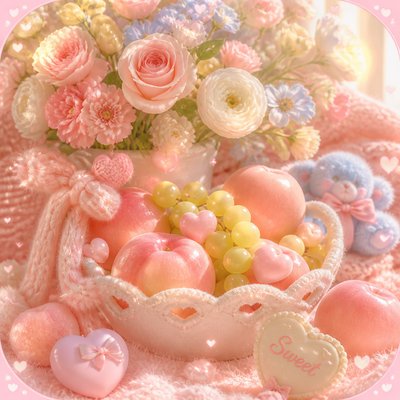
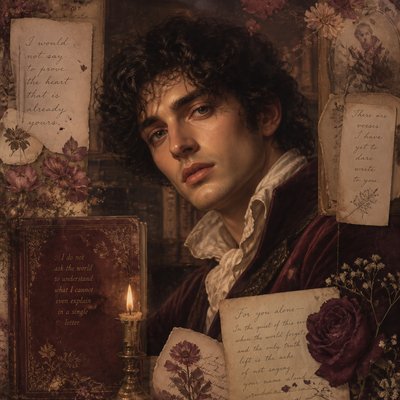
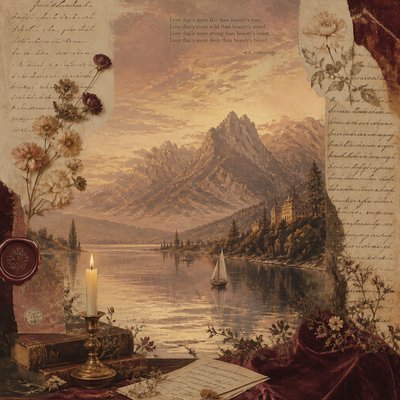
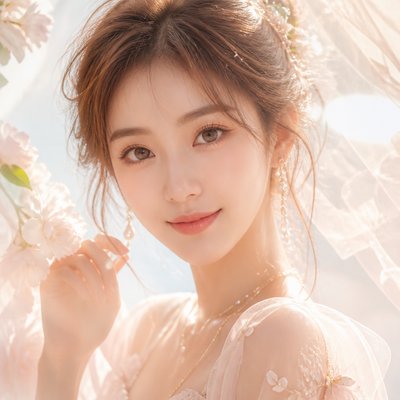
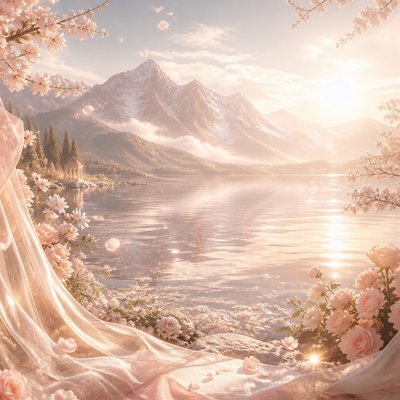
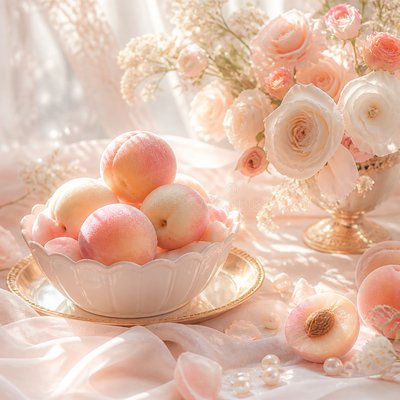
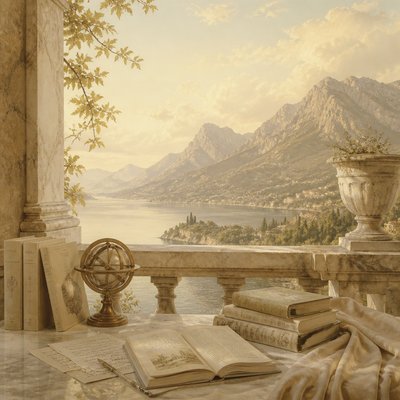
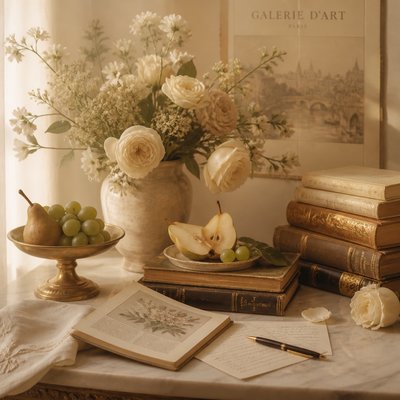
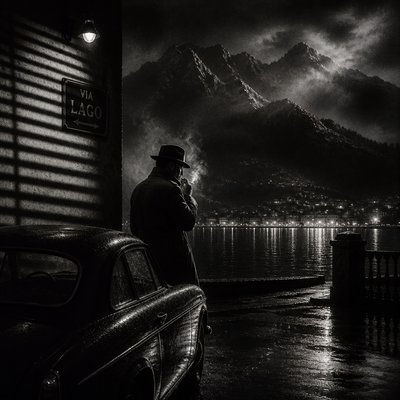
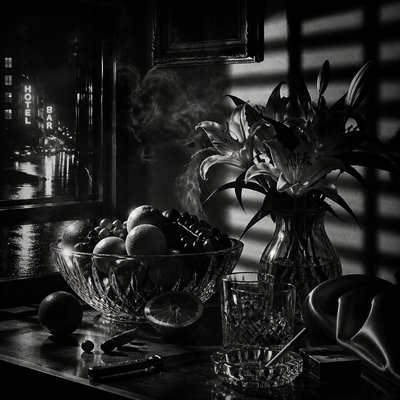
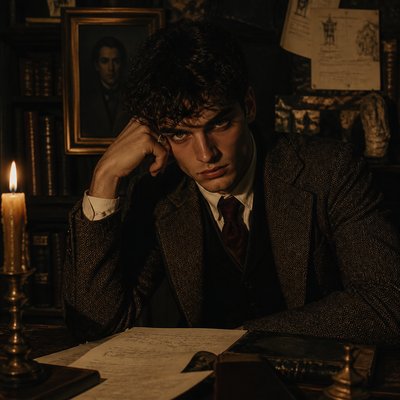
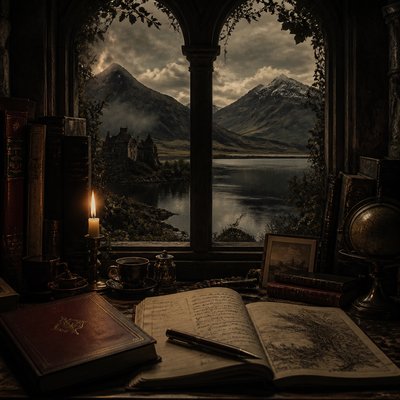
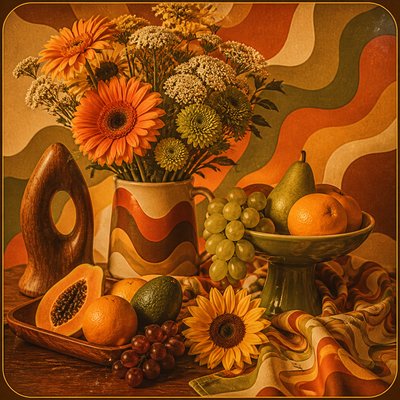
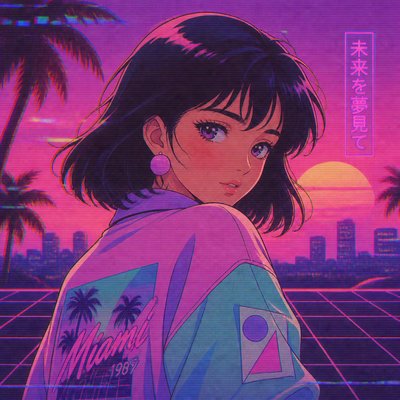
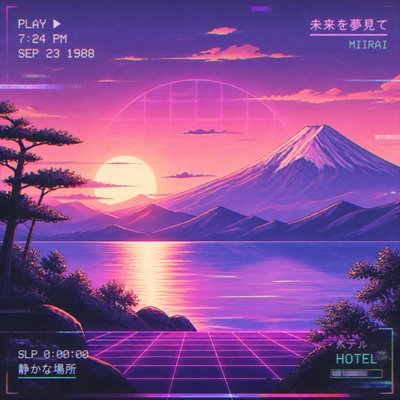
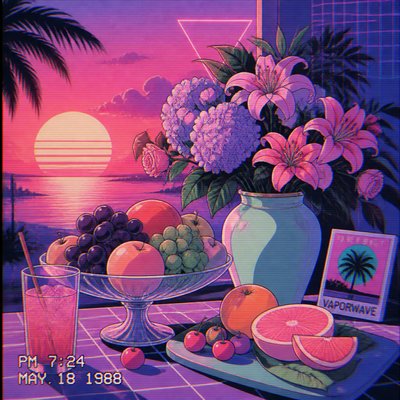
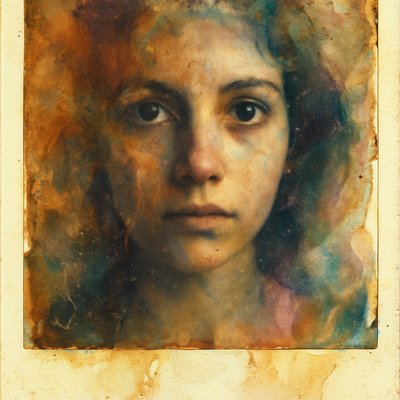
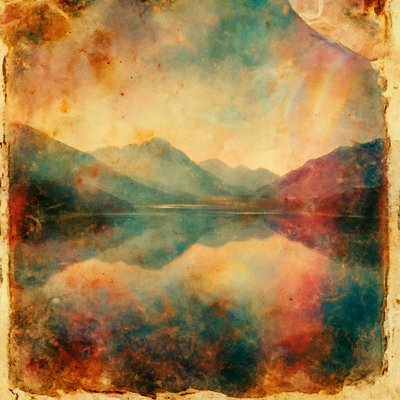
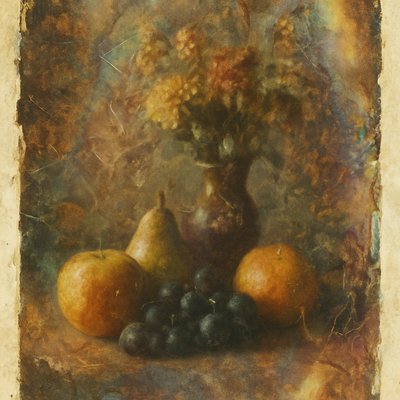
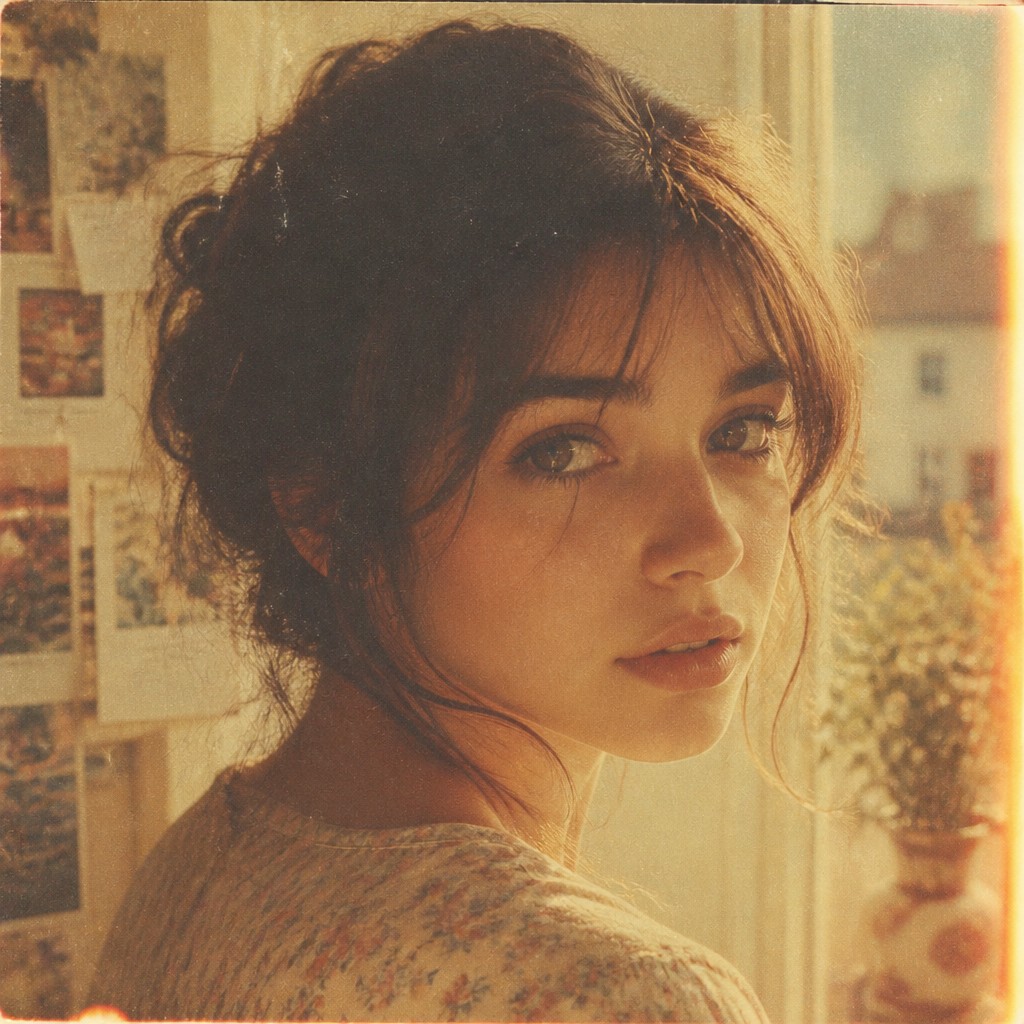
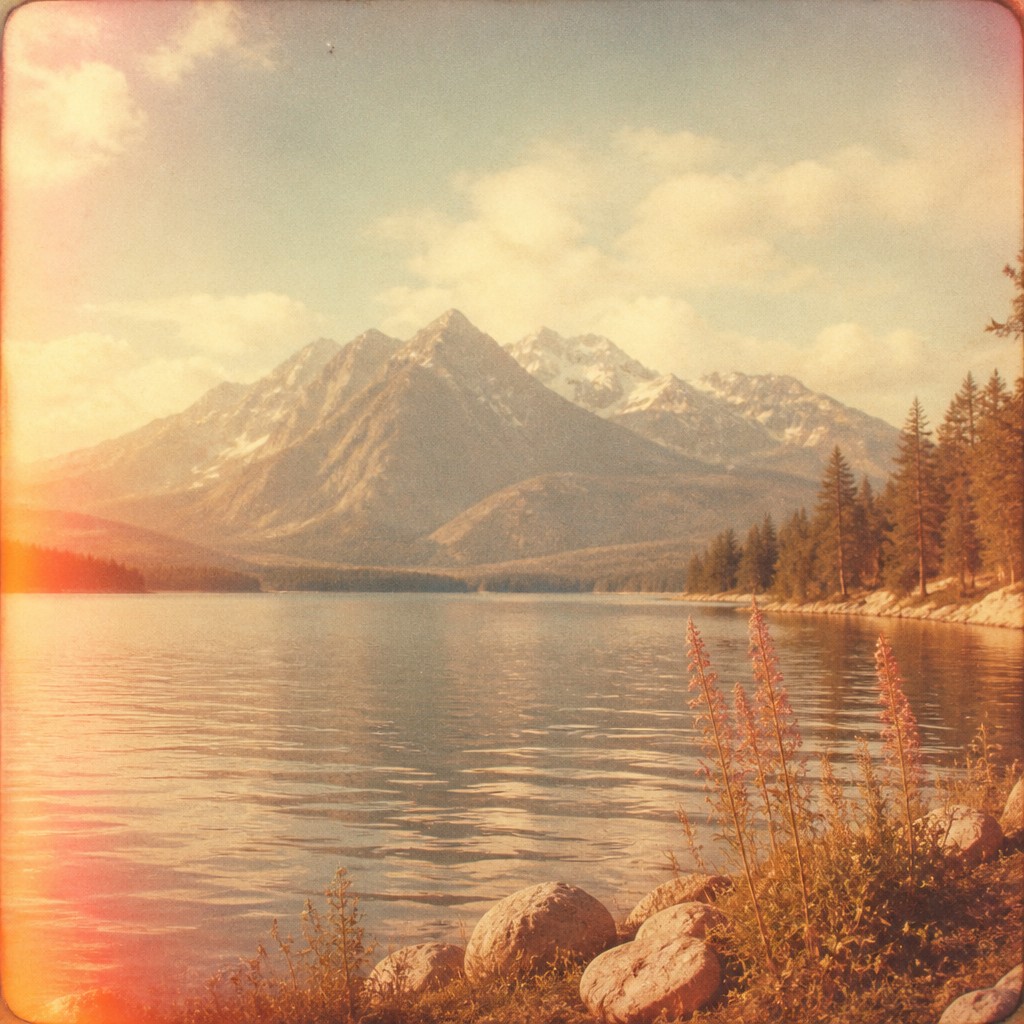
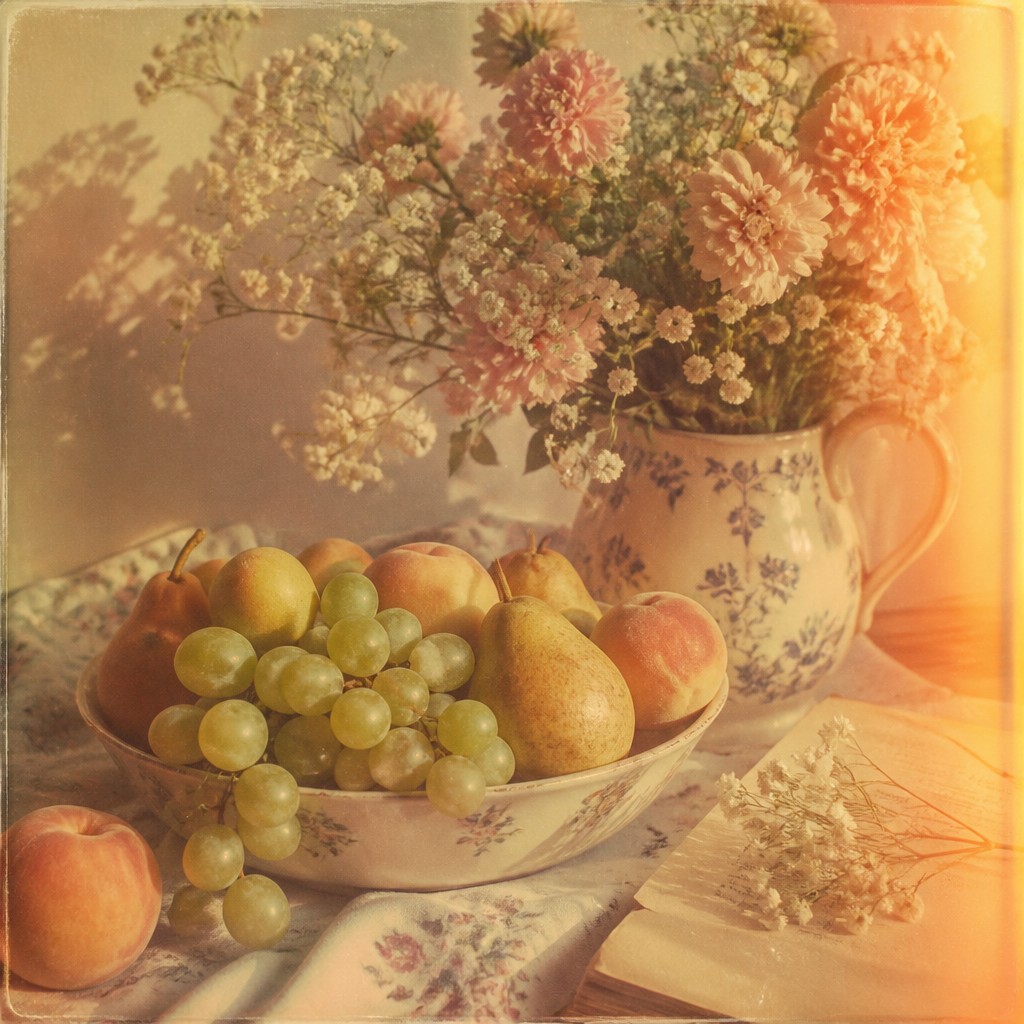
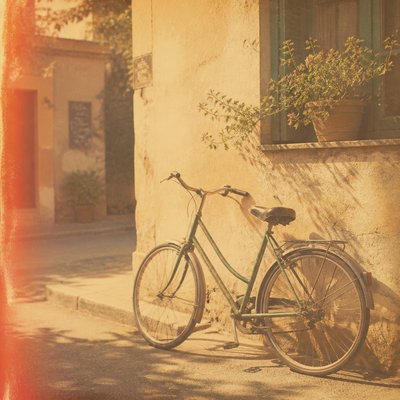
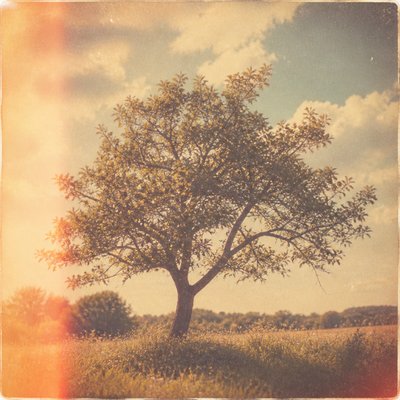
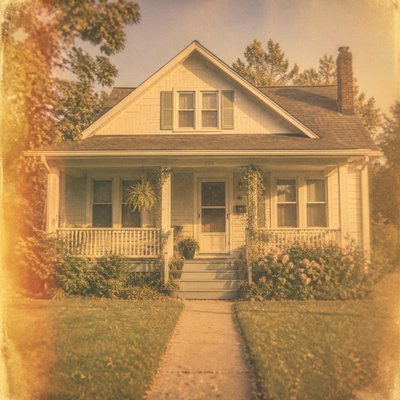
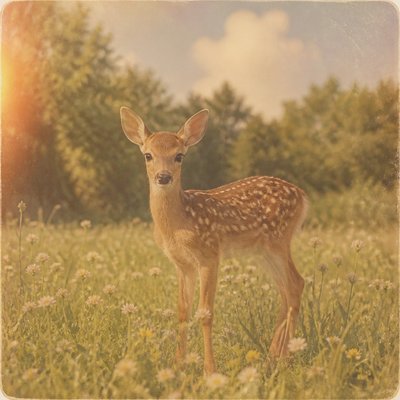
Warm faded snapshots with grain, light leaks, and soft yellowed tones; a nostalgic visual mood of remembered summer afternoons.
Instantly rendered in Nostalgiacore Aesthetic — or transform a photo
Nostalgiacore Aesthetic Gallery
Tap any artwork to explore it
What is Nostalgiacore Aesthetic?
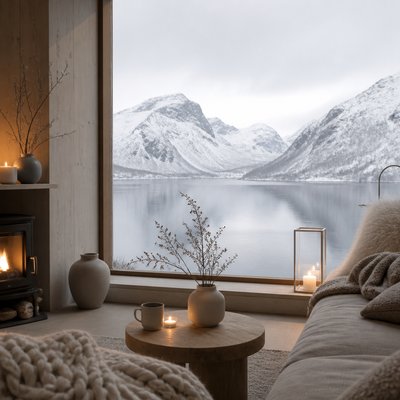
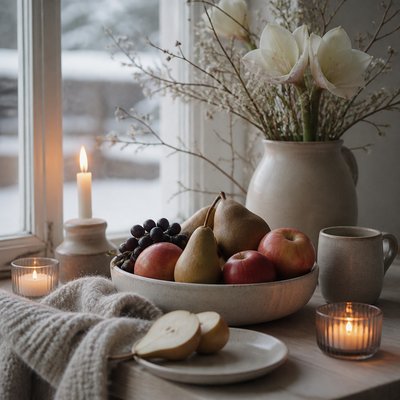
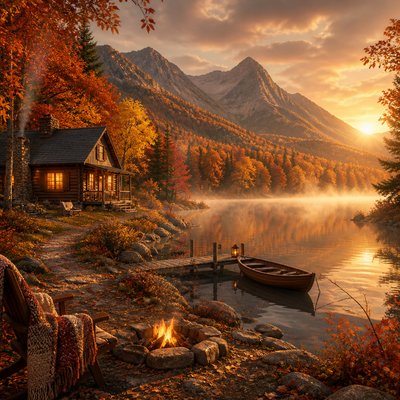
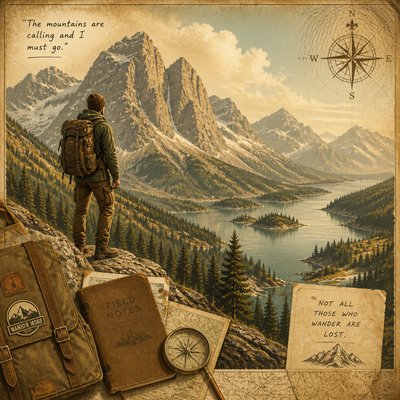
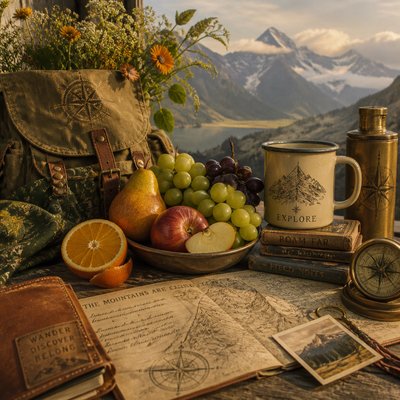
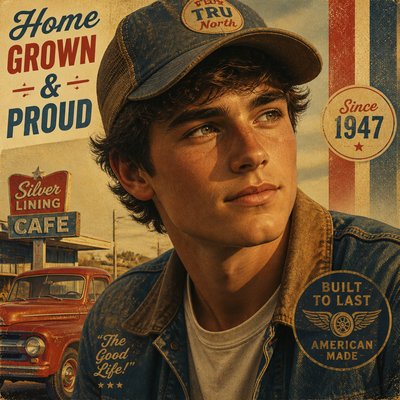
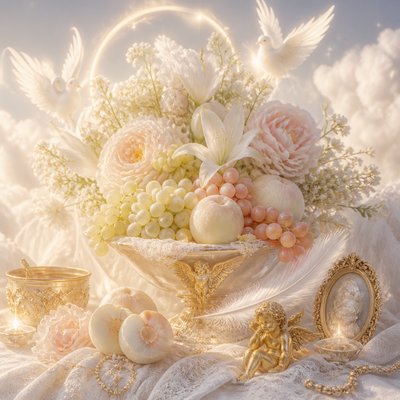
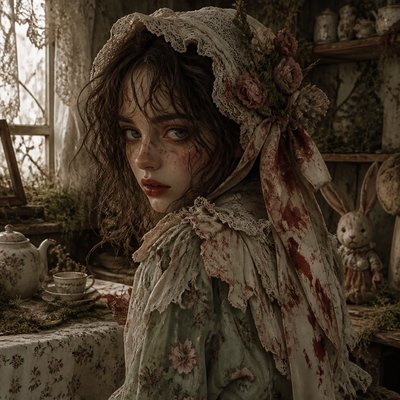
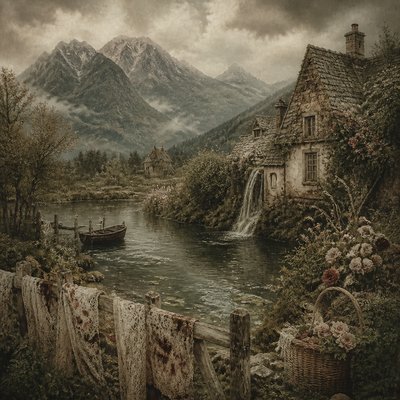
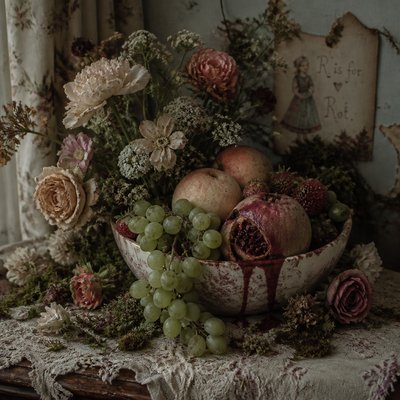
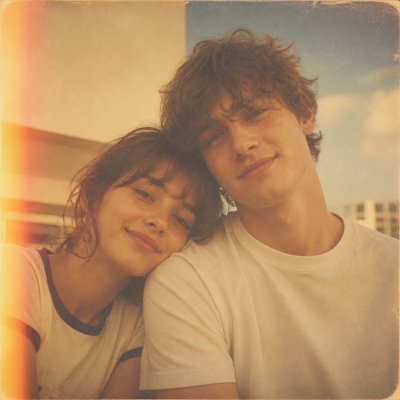
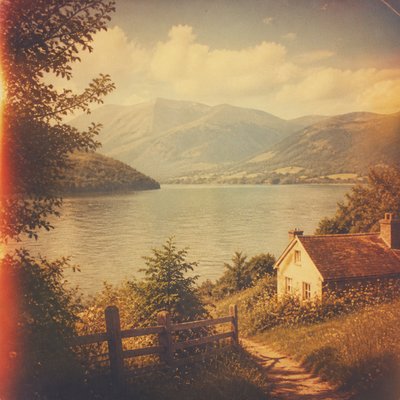
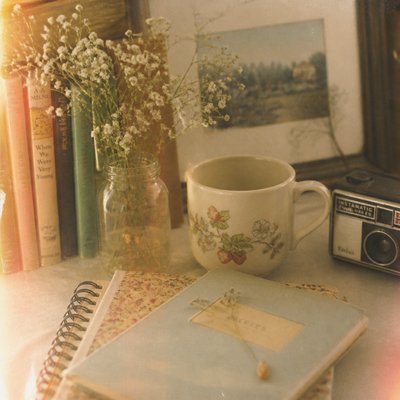
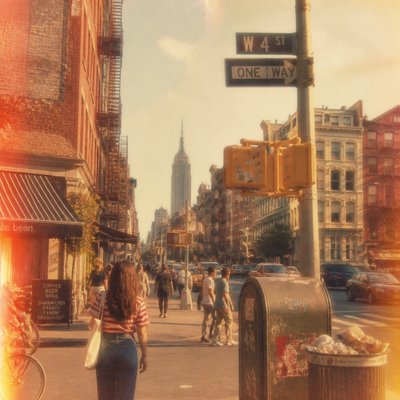
Nostalgiacore aesthetic is a contemporary visual mood built around the feeling of memory rather than a single historical art movement. It favors warm faded glow, soft grain, light leaks, gentle vignettes, and a slightly yellowed cast that makes images look like they were discovered in an old family album or a worn scrapbook. The result is tender, dreamy, and emotionally softened: less like a precise record of a moment and more like the sensation of remembering one.
Its visual identity comes from the language of analog photography and printed ephemera. Nostalgiacore often borrows the warmth of expired film, the softness of overexposed snapshots, the haze of sunlit afternoons, and the muted contrast of aged prints. Dusty pastels and sun-bleached warm tones dominate, while imperfections such as scratches, blur, and light leaks are treated as part of the charm rather than flaws. The style communicates comfort, distance, and a bittersweet longing for the past.
Try It On Your Photos
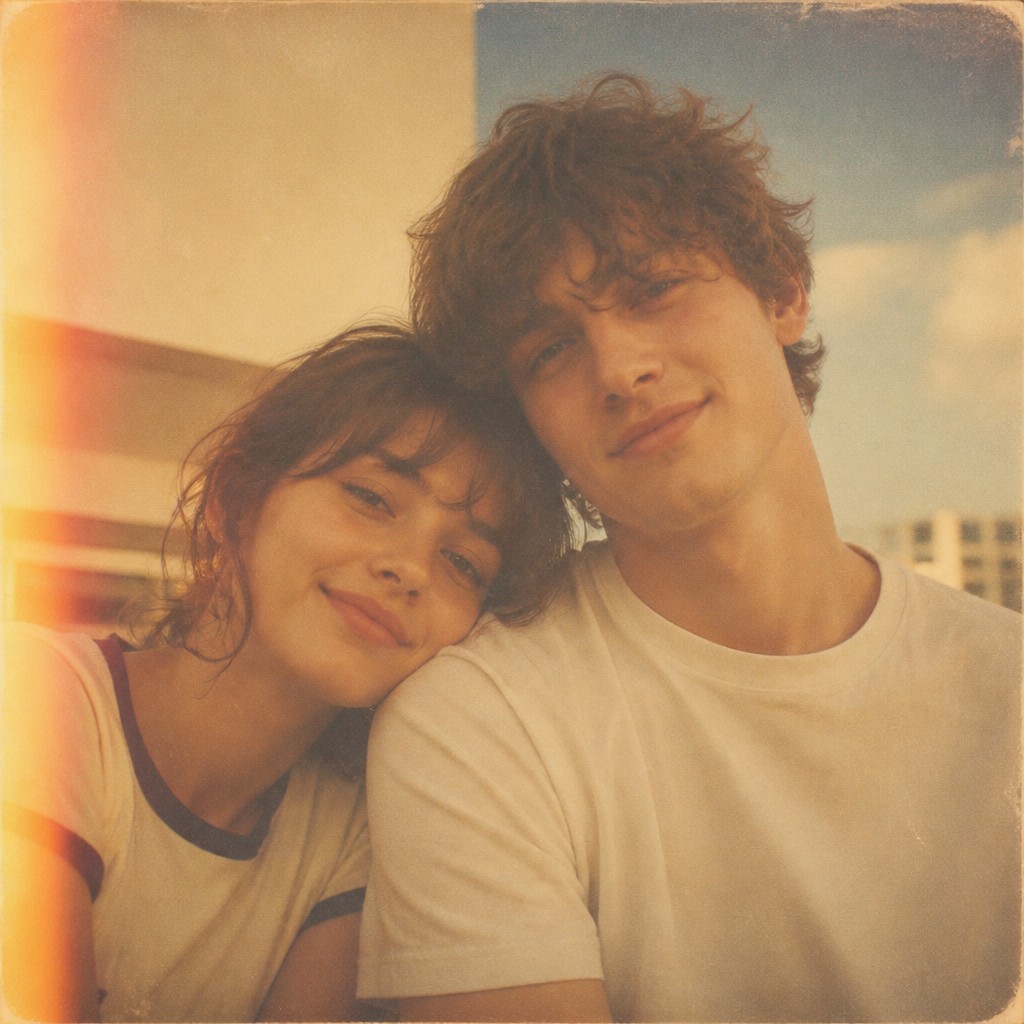
Upload any photo and convert it into Nostalgiacore Aesthetic — drag the sliders to compare before and after.



What Defines Nostalgiacore Aesthetic
The signature details, up close
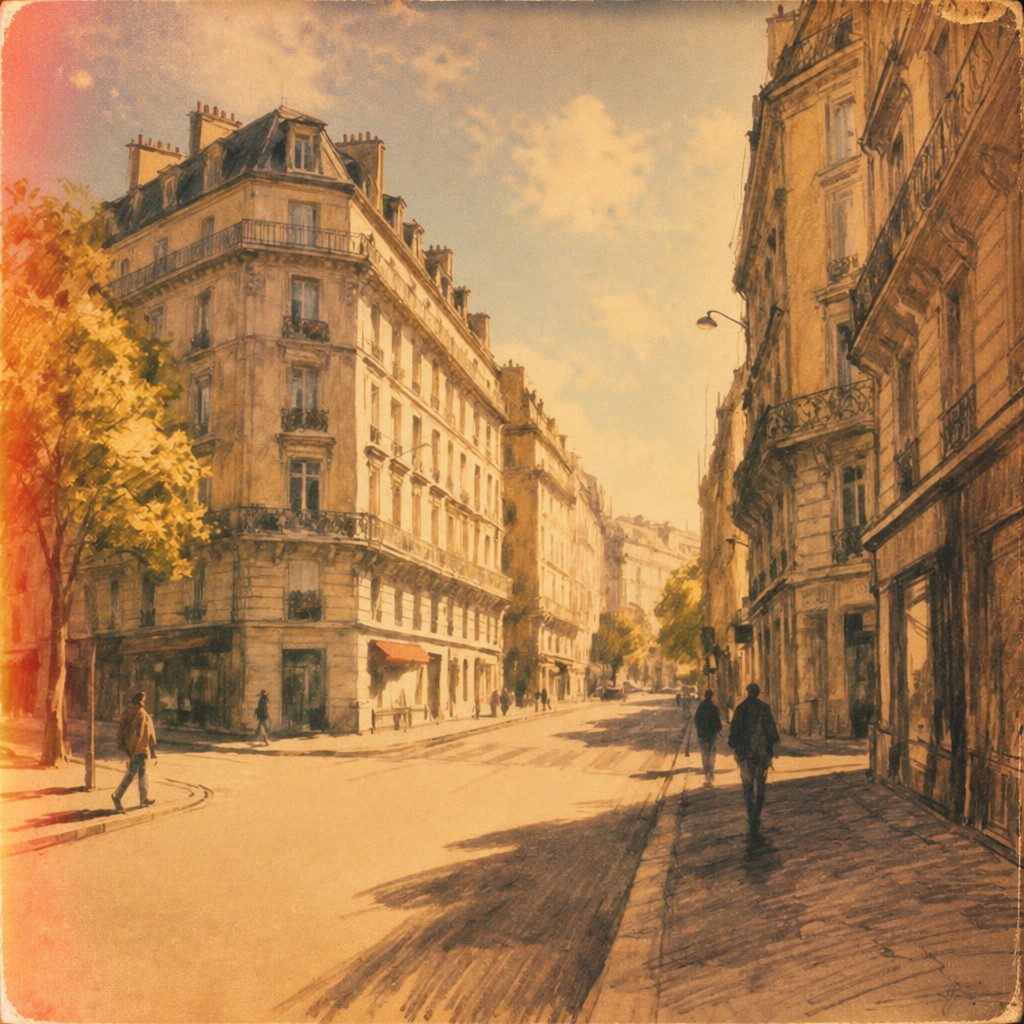
Warm faded color cast
Images usually lean toward yellow, peach, beige, and dusty pink, as if aged by sunlight or printed on paper that has softened over time. The palette feels comforting rather than vivid.
Soft grain and analog texture
Film grain, dust specks, and subtle noise give the image a tactile, recorded quality. These imperfections help the scene feel like a physical memory rather than a clean digital render.
Light leaks and overexposure
Bands of warm light, washed highlights, and accidental flare imitate cheap cameras or imperfect film handling. They create the sense that the image was captured in motion, haste, or sunlight.
Muted contrast and soft focus
Edges are often blurred or gently defocused, with shadows lifted and highlights softened. This reduces sharp realism and replaces it with a dreamy, recollective look.
Gentle vignette and framing wear
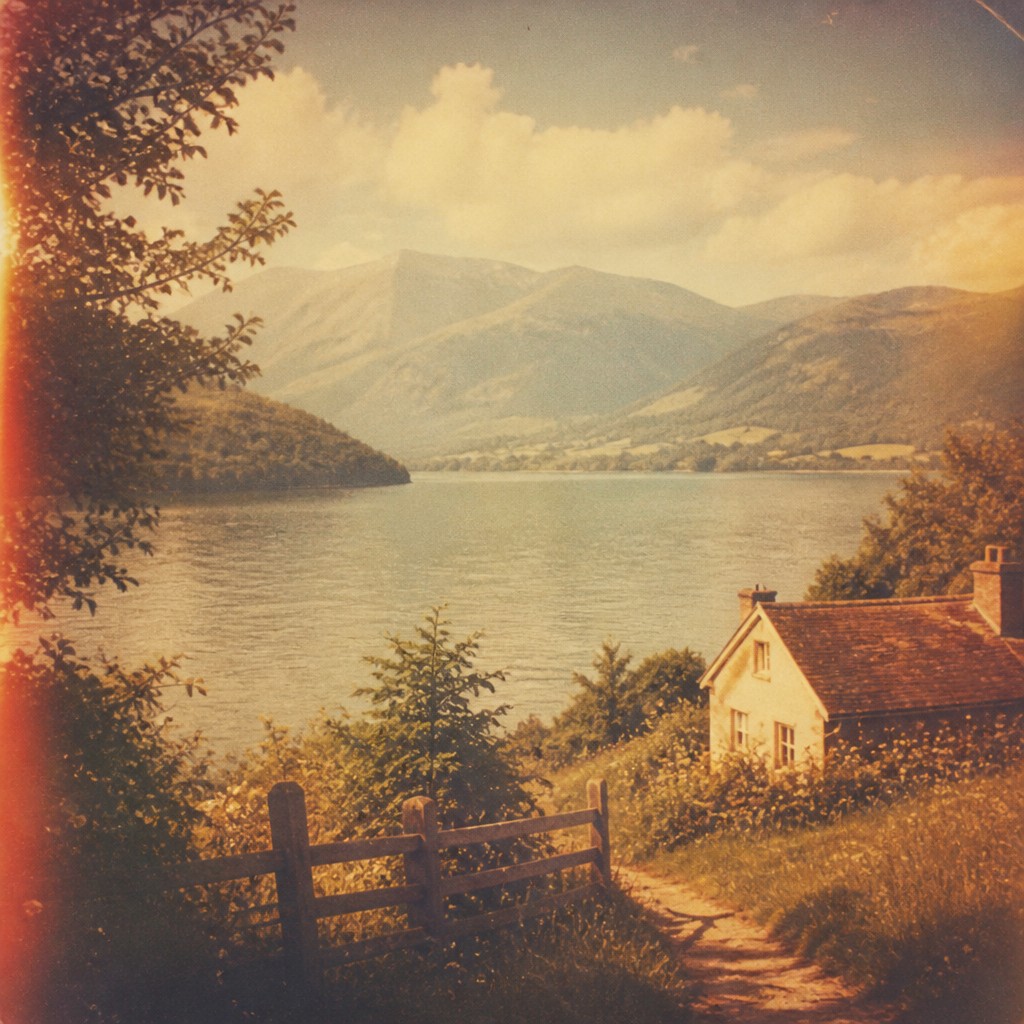
Darkened corners, faded borders, and scrapbook-like framing make the image feel aged and handled. These details reinforce the impression of an old keepsake.
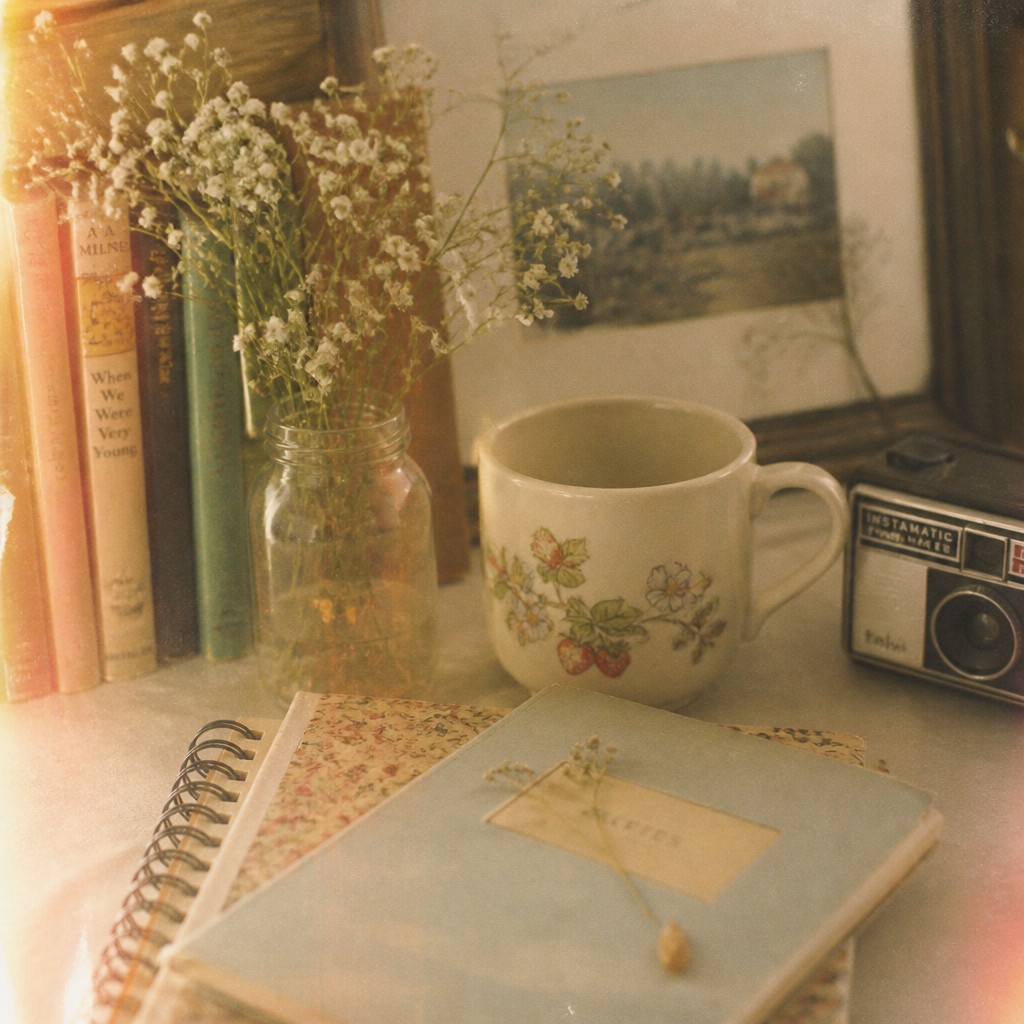
Dusty pastel and sun-bleached tones
Colors appear washed by time, as though repeatedly exposed to light. The palette often includes pale blue, cream, warm gray, faded green, and muted coral.
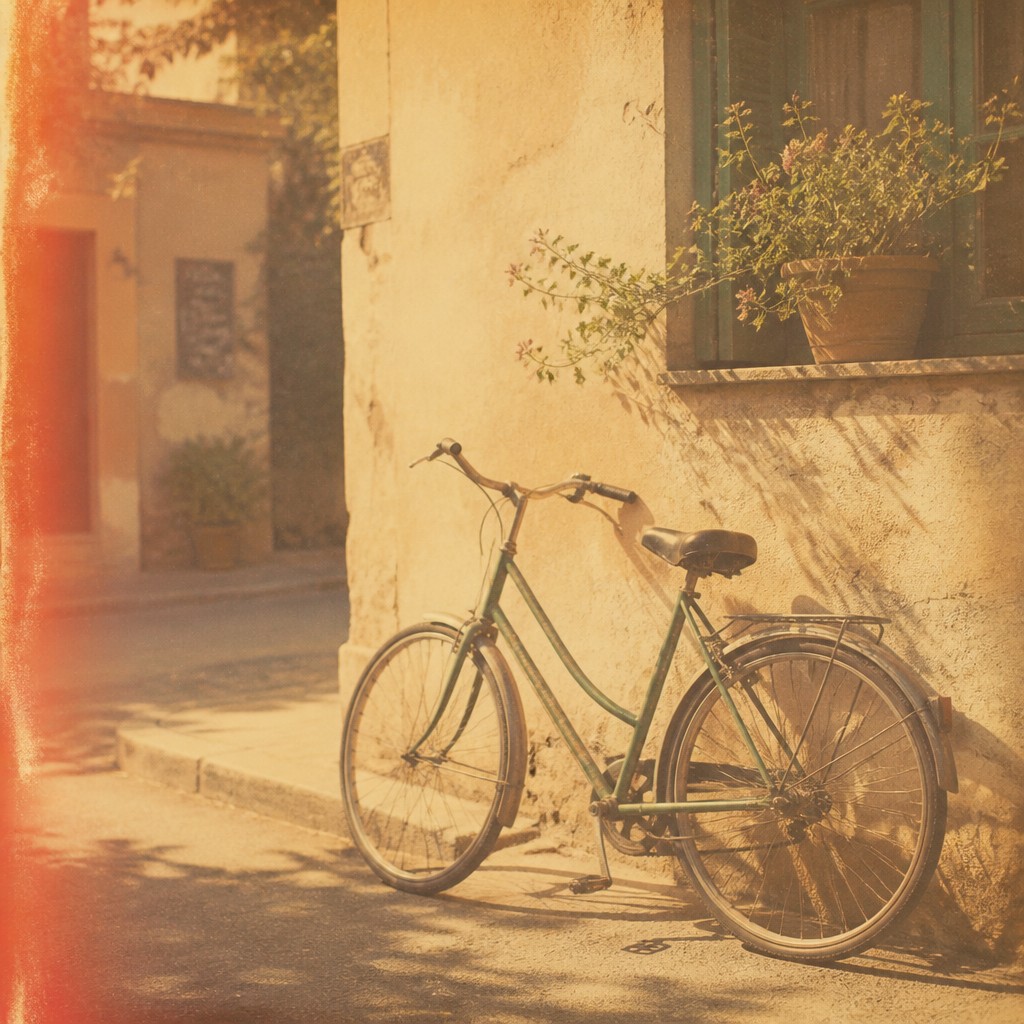
Tender, bittersweet mood
The style is emotionally coded to suggest memory, loss, comfort, and the beauty of ordinary moments. Even simple subjects can feel poignant when rendered this way.
Try It
Create Videos in Nostalgiacore Aesthetic
Styles aren't just for stills — describe a scene or animate an image and get a short video rendered in Nostalgiacore Aesthetic. Press play to see this pond come to life.
Make a VideoNostalgiacore Aesthetic Prompt Ideas
Start from an idea — each one opens the generator with the style ready to go. See all 40 Nostalgiacore Aesthetic prompts →
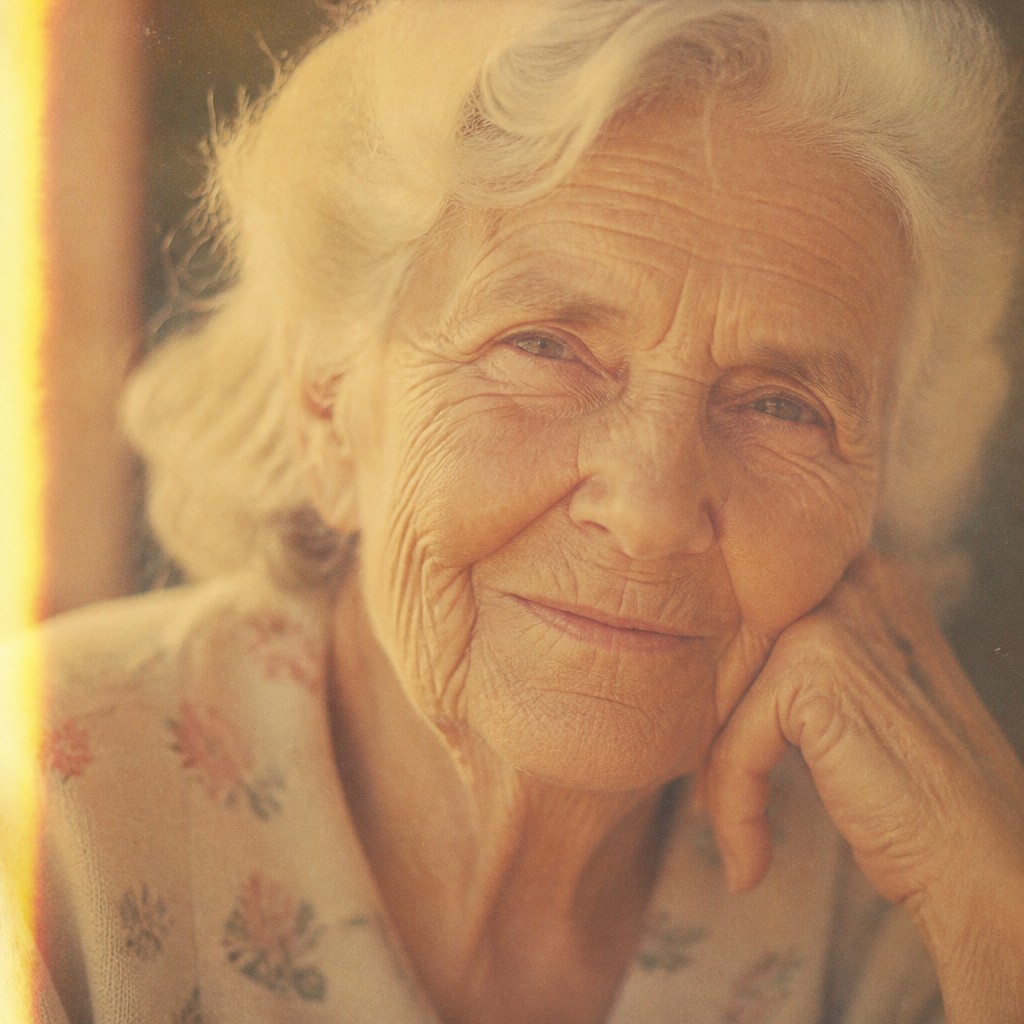
“close-up portrait of an elderly person with expressive weathered features”
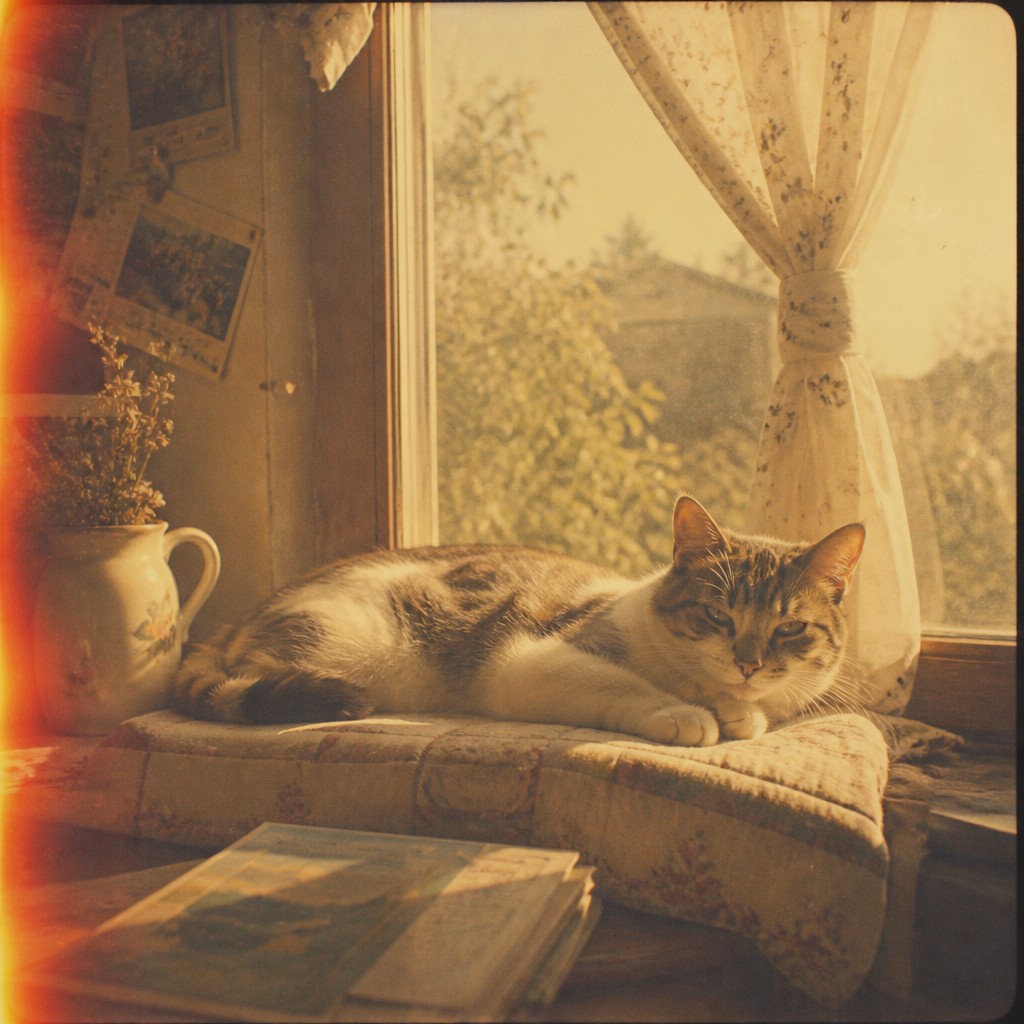
“a cat lounging in a sunlit window”
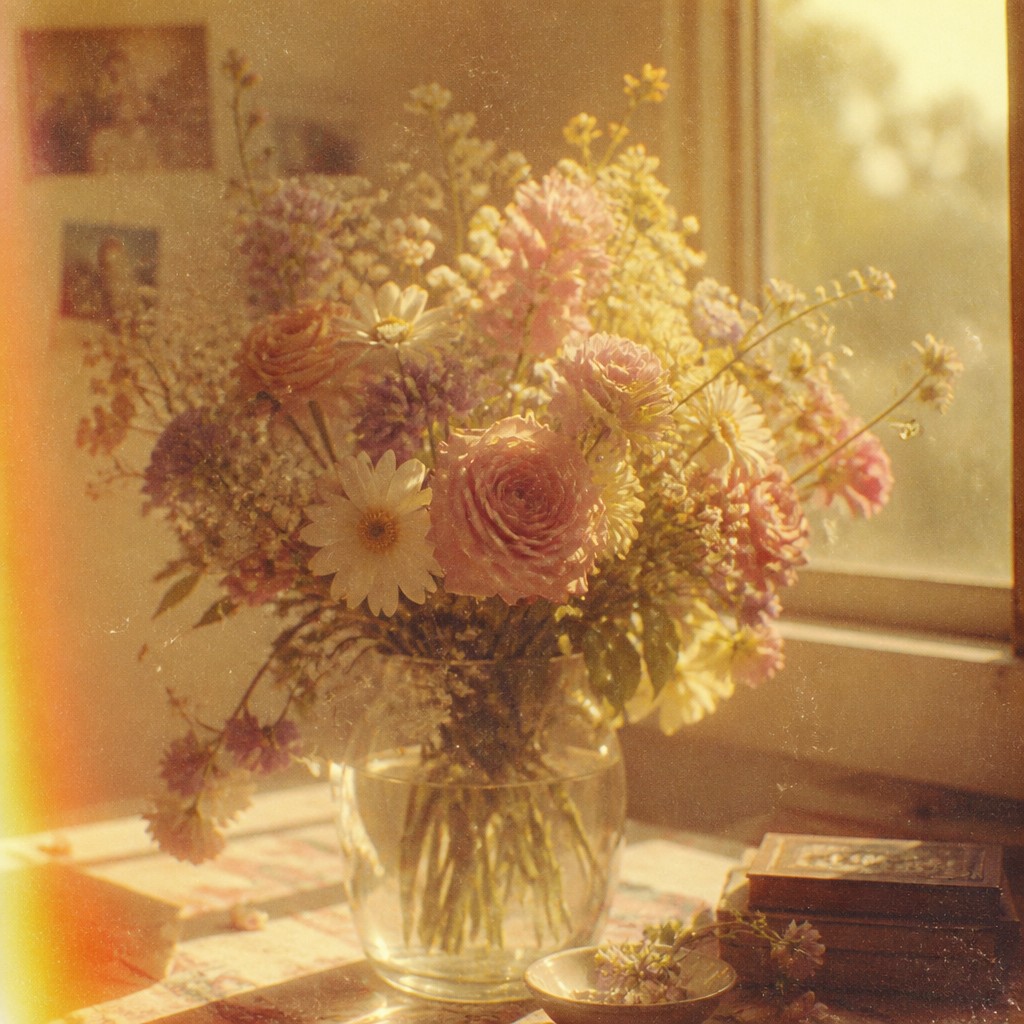
“bouquet of flowers in a glass vase”
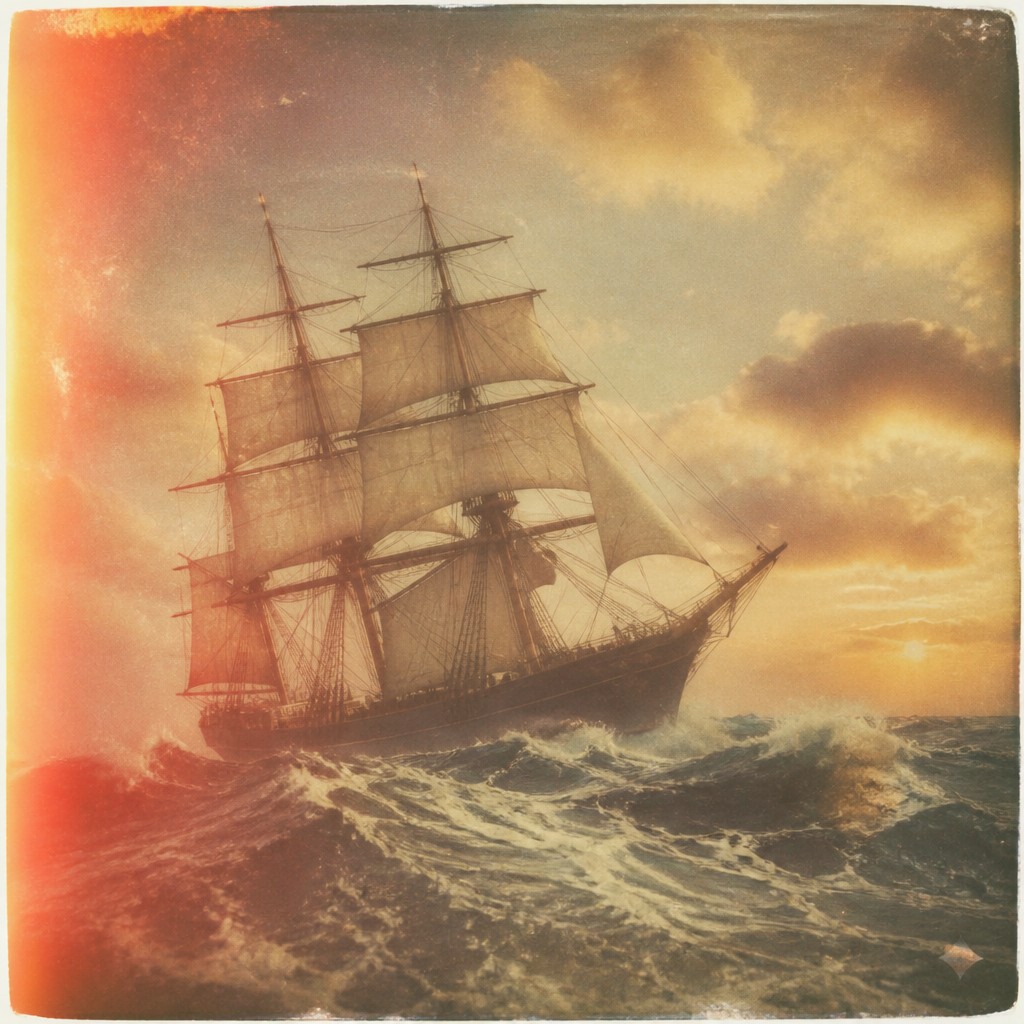
“sailing ship on a stormy sea”
How to Create Nostalgiacore Aesthetic Art
Master the craft step by step — or skip straight to creating. Read the full guide →
- 1
Start with an ordinary, memory-friendly subject
Choose scenes that already carry emotional familiarity, such as a child on a swing, a sunlit kitchen, a bedroom window, or friends in a backyard. Nostalgiacore works best when the subject feels intimate and everyday.
- 2
Soften the image before adding aging effects
Use gentle blur, lowered contrast, and slightly lifted blacks to remove crisp digital hardness. In traditional work, this can be achieved with thin layered washes or softened edges; in digital work, it often means reducing clarity and sharpening.
- 3
Apply warm fading rather than heavy sepia
Aim for sun-bleached warmth instead of a strong brown filter. Keep the colors light, slightly desaturated, and pastel so the image feels remembered rather than antique.
- 4
Introduce film-like imperfections
Add grain, dust, subtle scratches, and light leaks sparingly so the texture feels authentic. Overdoing these effects can make the image look stylized rather than emotionally believable.
- 5
Use composition that suggests a snapshot
Crop loosely, allow imperfect framing, and include small off-center details as if the scene was captured spontaneously. For prompt-based generation, describe the subject plus terms like warm faded glow, soft grain, light leaks, gentle vignette, and yellowed color cast.
- 6
Keep the mood specific and restrained
Avoid high drama, neon colors, and hard-edged contrast unless you want a more modern remix. The strongest images feel quiet, familiar, and tender, as though they belong to a remembered afternoon.

The Story
History & Origins of Nostalgiacore Aesthetic
Nostalgiacore is not a historic movement with a formal origin date; it is an internet-era aesthetic that emerged from broader nostalgia trends in visual culture. Its lineage can be traced to vernacular photography, family albums, Polaroids, disposable-camera snapshots, scrapbook design, and the late-20th-century look of consumer print media. Online image culture amplified these references into a cohesive mood language centered on memory, intimacy, and imperfection.
The style also draws from the revival of analog textures in digital media, where photographers and designers intentionally mimic film grain, faded color, and lens artifacts to evoke emotional warmth. It overlaps with retro and vintage aesthetics, but its emphasis is not historical accuracy. Instead, it assembles familiar visual cues from everyday photographic memory into a sentimental, semi-abstracted atmosphere of recollection.
Influences: Nostalgiacore draws heavily from vernacular photography, family albums, Polaroid culture, disposable-camera snapshots, and the design language of scrapbooks and printed keepsakes. It also overlaps with retro and vintage image-making, especially the look of expired film, faded Kodachrome-like warmth, and the imperfect charm of consumer photo labs. Unlike formal photographic movements, it is best understood as an internet-era synthesis of everyday photographic traditions rather than a single school associated with canonical artists.
Frequently Asked Questions
What defines nostalgiacore aesthetic?
It is defined by a warm, faded, memory-like look: soft grain, light leaks, pastel warmth, gentle blur, and muted contrast. The style is less about historical accuracy and more about the emotional feeling of remembering a tender moment.
Is nostalgiacore the same as vintage or retro?
Not exactly. Vintage and retro usually refer to specific eras, objects, or design languages, while nostalgiacore focuses on the mood of memory itself. It can borrow from vintage photography without trying to reproduce one exact decade.
What kind of subjects work best in this style?
Ordinary, intimate subjects work especially well: bedrooms, kitchens, sunsets, school days, picnics, family gatherings, and quiet street scenes. The style thrives when the scene feels personal and emotionally familiar.
How do I make a photo look more nostalgiccore?
Lower contrast, warm the whites, add soft grain, and gently fade the colors. A slight vignette, a little blur, and subtle light leak can go a long way if you want the image to feel like an old snapshot.
How is this style different from dreamy or pastel aesthetics?
Dreamy or pastel aesthetics may emphasize color softness or fantasy, while nostalgiacore specifically evokes memory, age, and sentimental distance. The aging cues—grain, fading, light leaks, and printed-photo texture—are central to its identity.
Where is nostalgiacore commonly used?
It appears in photography edits, moodboards, album art, zines, social media graphics, and illustrations that want an intimate or reflective tone. It is often used for themes of childhood, summer, romance, home, and remembrance.

Create your first Nostalgiacore Aesthetic artwork
Describe anything — or upload a photo — and see it in Nostalgiacore Aesthetic in seconds.
Make Something with Nostalgiacore Aesthetic
Related Styles
Discover similar art styles